- The design and principle of operation of the carbon filter
- When should the cleaner be changed?
- External signs
- According to the regulations
- Air purification system for an apartment - Tion installation
- The choice of air filters for the apartment
- What kind of air do we breathe
- Lattice upgrade
- Electrostatic air filters for ventilation systems
- Sensors
- Filter types
- Fatty
- Disposable
- reusable
- Coal
- Universal
- Installation
- What type of management is best?
- Replacing filters in air conditioners
- Replacement instructions
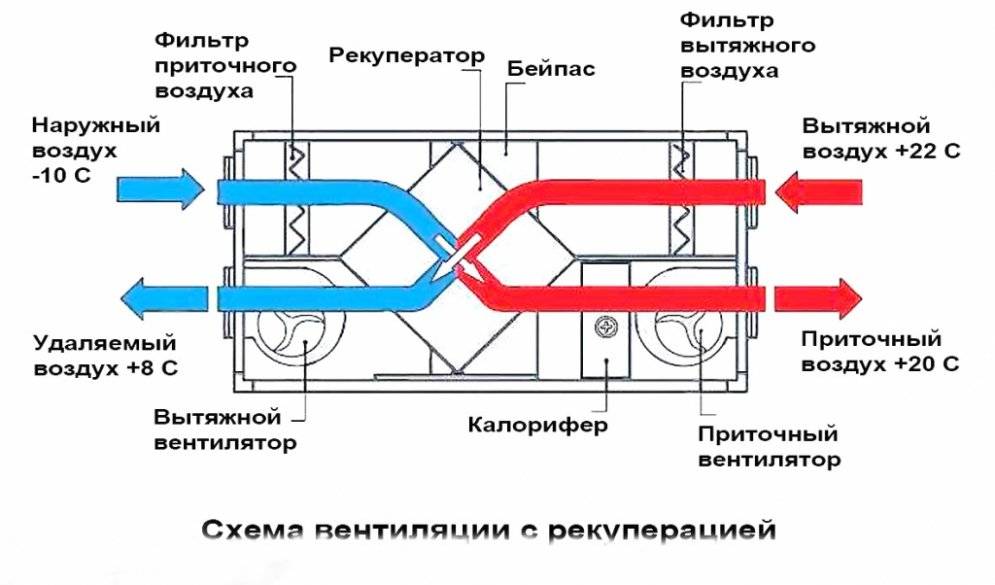
The design and principle of operation of the carbon filter
The appearance of the filter may be different, as it is made of either plastic or synthetic fabric. In the first case, this is a round or rectangular plastic cassette filled with activated carbon in the form of powder or granules, in the second case it is a dense piece of material impregnated with the same activated carbon.
Sometimes these two types are combined to create a more effective protection against hot vapors and impurities that pass through them.
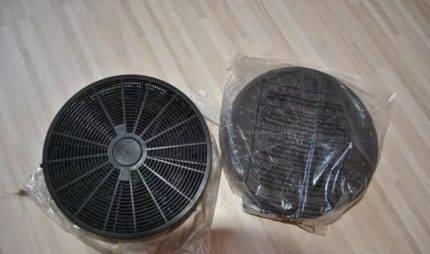
Charcoal cassettes are often round in shape and are sold in packs of two. The plastic of which the cassette body is made is safe and does not emit harmful substances when heated.
Charcoal filters should not be confused with anti-grease filters, which are a metal mesh or grate and are the first step in protection. Particles of fat and substances settle on the anti-grease barrier - this is a kind of coarse filter, but it does not retain odors.
And the carbon filter passes through itself the air already cleaned of fat, and now it just eliminates unpleasant and sharp cooking odors.
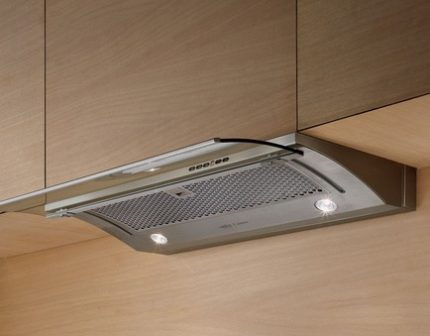
The carbon filter is hidden inside the case. Most often it is attached directly to the motor. And everyone saw the anti-grease grille - this is a steel or aluminum mesh, which is in plain sight, at the bottom of the hood
When choosing replaceable blocks for the hood, you should be guided by the manufacturer's recommendations. The fact is that in order to increase the demand for products, most of the filter cassettes and cartridges are universal in nature, that is, they are suitable not for one particular model, but for several. The list can be up to 20 items.
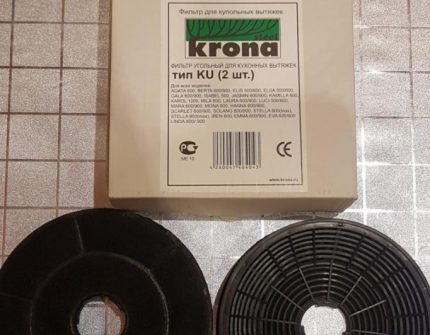 On the packaging, the manufacturer indicates for which models of kitchen hoods the filter element is suitable (+)
You should ask the seller about the availability of consumables before buying the hood, otherwise you will soon encounter an unpleasant situation. After six months or 3-4 months (the service life is indicated in the instructions), you will want to purchase replacement cartridges, but you will not be able to find them on the free market.
The principle of operation of carbon protection:
- First, the air passes through a dense layer of viscose impregnated with a solution of coal. Part of the impurities and fat remains in the tissue structure.
- Then the partially purified air is sent to the cassette where the granules are located. Activated charcoal has remarkable properties - it not only retains the remnants of impurities, but also absorbs specific odors.
Several cleaning cycles completely free the airflow from dirt and kitchen aroma. When the properties of the filler, “clogged” with grease and dirt, decrease, a new filter must be installed. In this regard, devices with sensors signaling the need for replacement are very convenient.
When should the cleaner be changed?
Each type of filter has its own purification resource. When it is exhausted, you have to change the filling of the device or install a new, more advanced model.
The reasons for replacing the cleaner may be different. The presence of even one of them is a reason to buy a fresh cartridge or a new device.
Replacement must be done if:
- technically fell into disrepair;
- cannot cope with the amount of water consumed;
- does not give the desired concentrations of substances in water;
- exhausted its potential as a purifier.
External signs
You can determine that a serviceable filter needs to be updated by several signs. They are common for flow, main, storage (jug type) filters and nozzles.
The signal for replacement can be:
- Changing the taste of water for the worse.
- Scale formation when boiling filtered water.
- Reducing the pressure of water from the tap (except for jugs).
- The appearance of a precipitate during the settling of the filtered liquid.
- The presence of contamination when inspecting the cartridge in a transparent case.
Tracking these signs is sometimes problematic. The used filter continues to pass water for some time, but without proper cleaning.
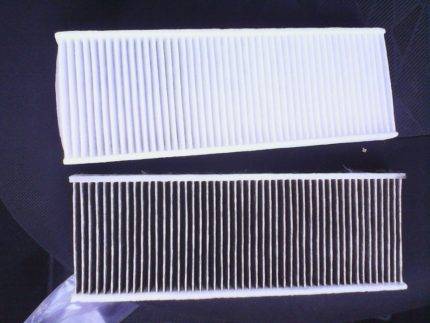
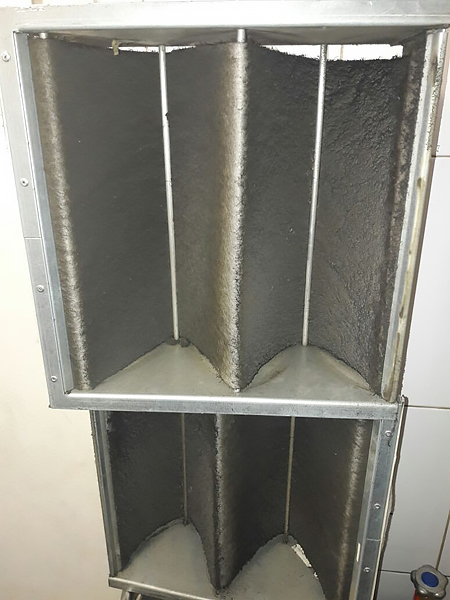
Reference! To eliminate this option, many manufacturers mount special indicator lights on devices. The sensor lights up when the purifier is exhausted.
According to the regulations
The frequency of replacing the filter element depends primarily on the type of cleaner.
- Pitchers with a working resource of 150-400 liters can be used by a family of three for a month without replacement. After this time, the cartridge must be changed. Accordingly, in a house where a larger number of people live, more frequent filter updates will be required.
- Flow systems installed under the sink in the kitchen work without replacement for at least three months. In regions with hard water, cartridges need to be changed every 4-6 months. If soft water enters the house, which does not create a large load on the filter, then the replacement period is delayed up to 8-12 months.
- Reverse osmosis filters are also designed to last a long time. With average water consumption, the filter elements in the device are changed once every six months. At the same time, the blocks in the system have different service life. The mineralizing block can be changed every 6-10 months. The carbon post-filter is updated at least once every six months, since with longer use, pathogenic microflora settles on it. The membrane module remains in operation for up to two years.
- The resource of nozzles on the tap depends on the model and ranges from 300 to 3000 liters. It is recommended to determine the need for replacement by diagnostic signs (primarily by the quality and pressure of water).
- The main mechanical cleaning filters installed on cold and hot pipelines need to be replaced on average once every 6-8 months. But most often this time indicator is individual.
Attention! In some cases, due to poor water quality, the filter filling becomes unusable earlier. With small volumes of consumption and a relatively low degree of contamination of the liquid, the main filter works up to 12-18 months.
Air purification system for an apartment - Tion installation
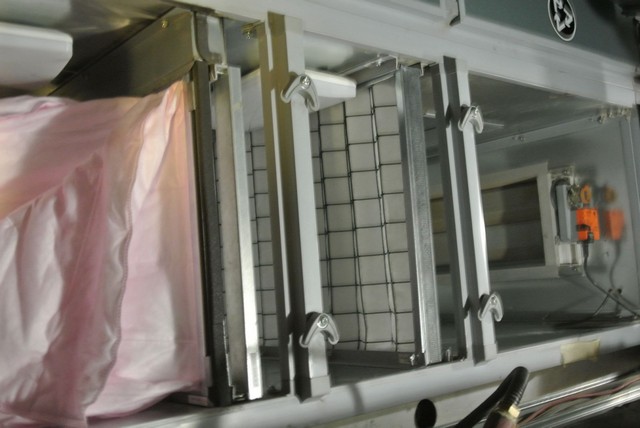
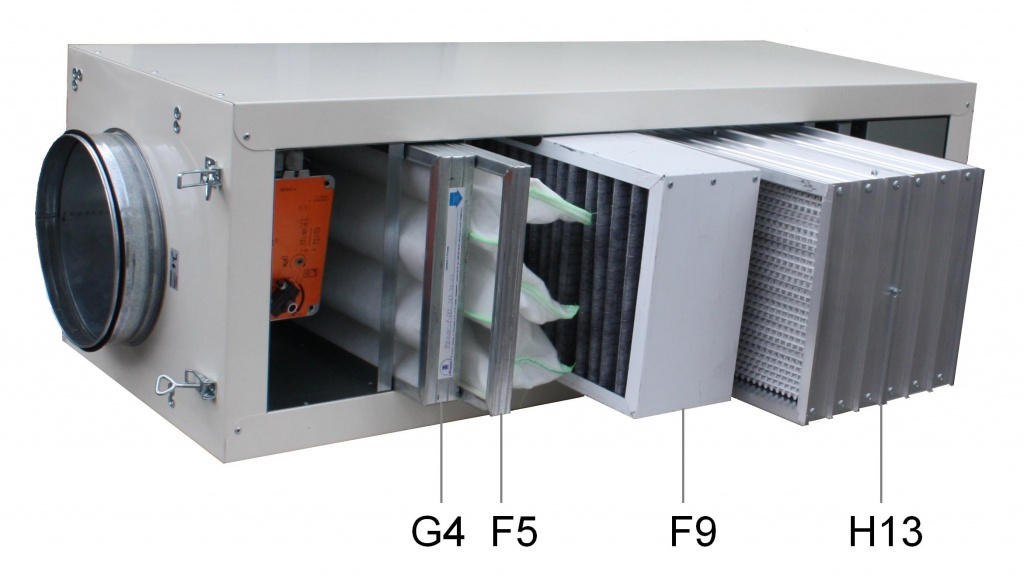
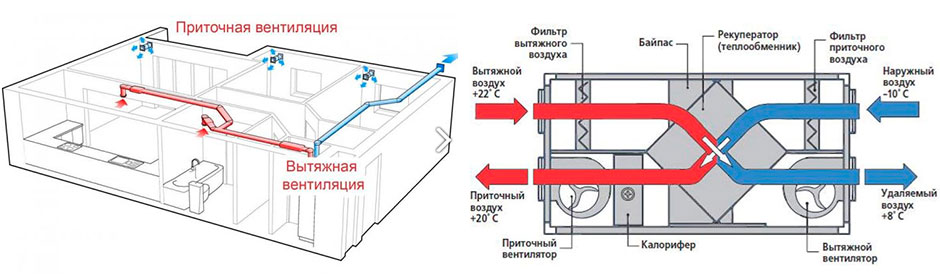
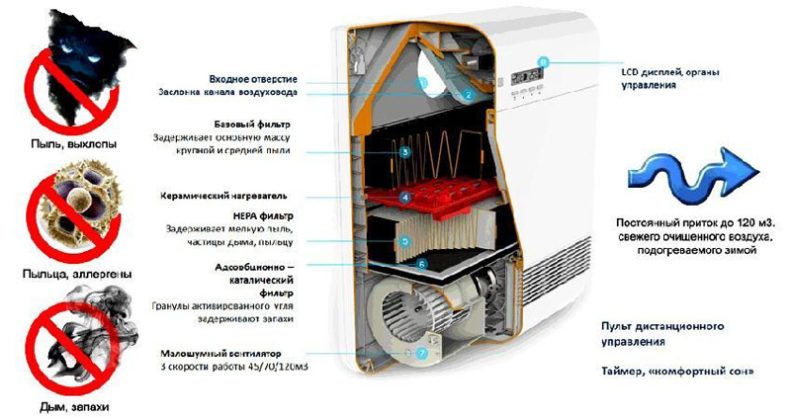
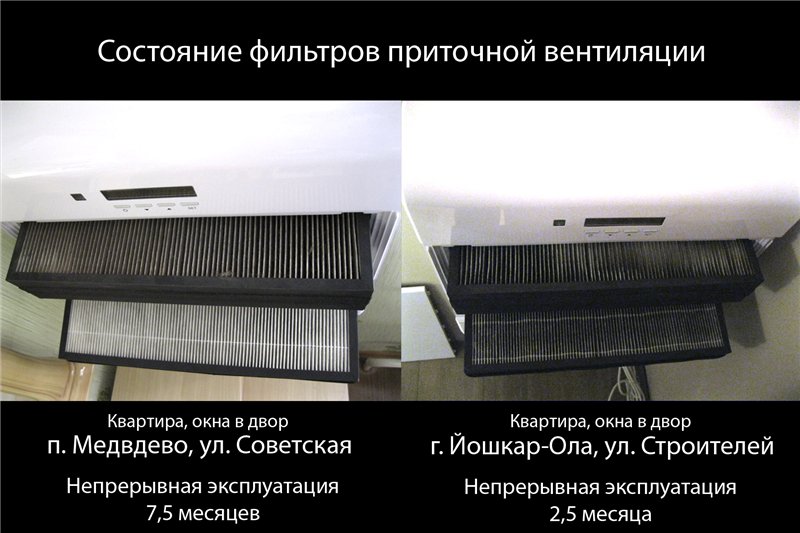
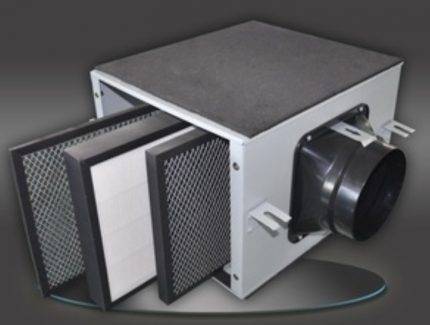
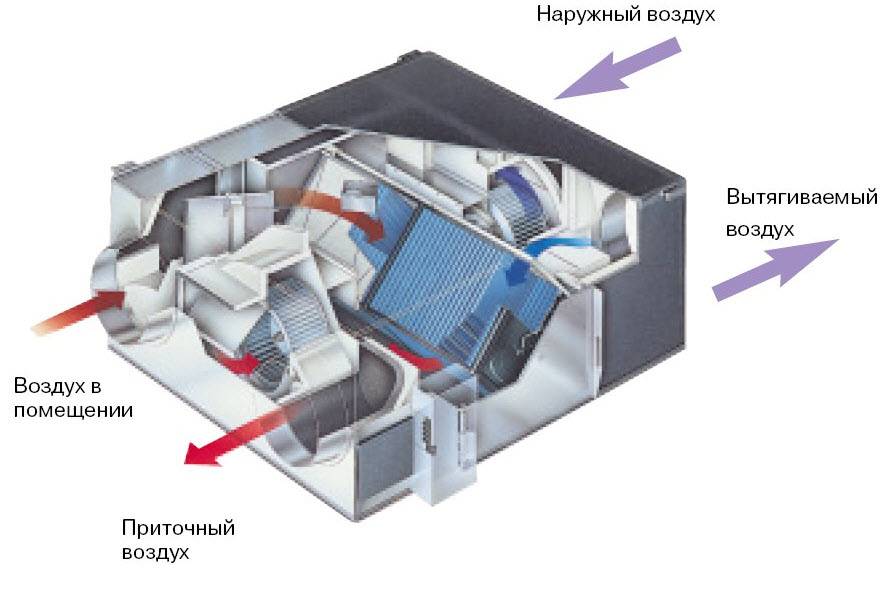
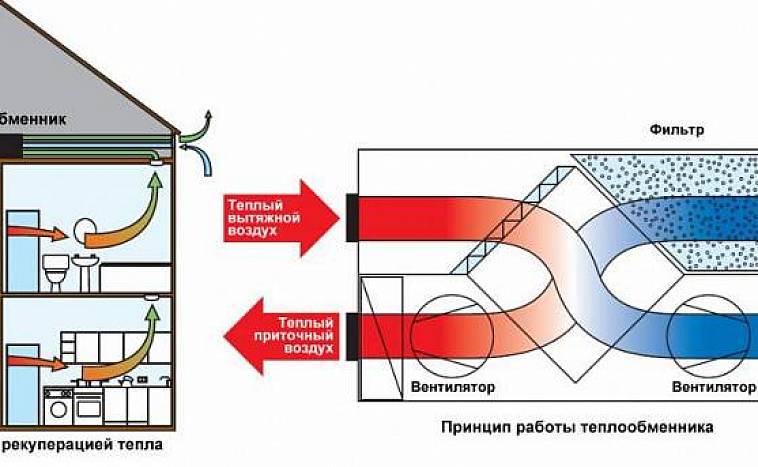
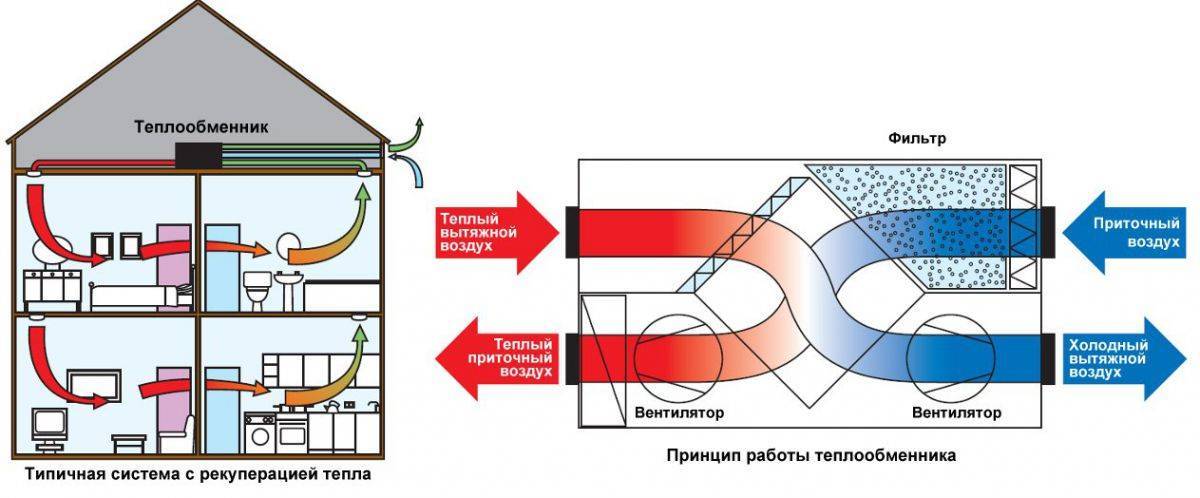
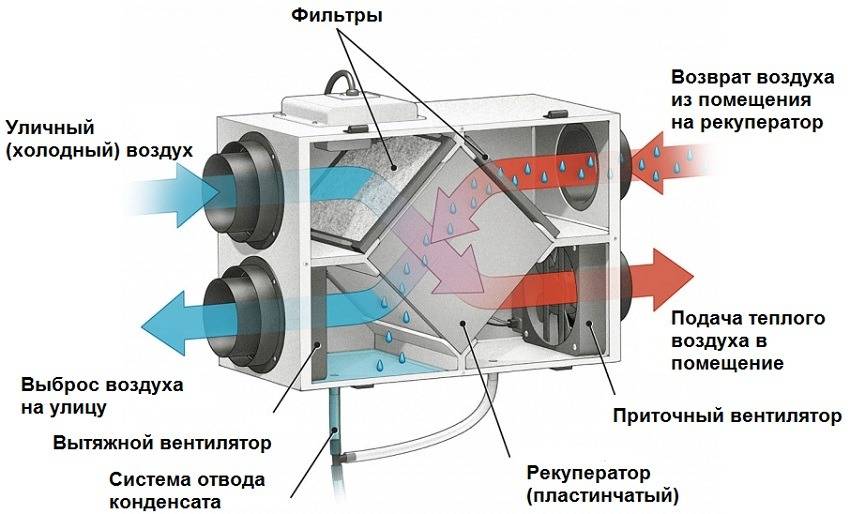
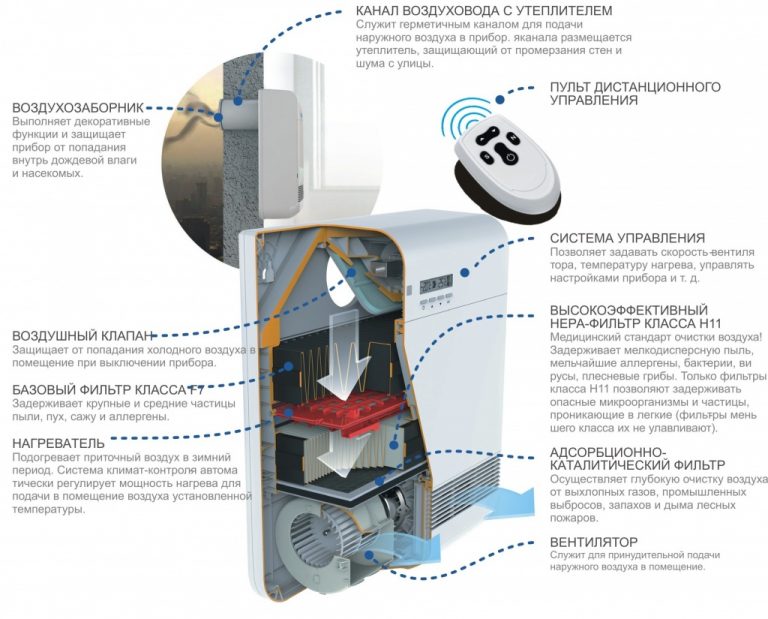
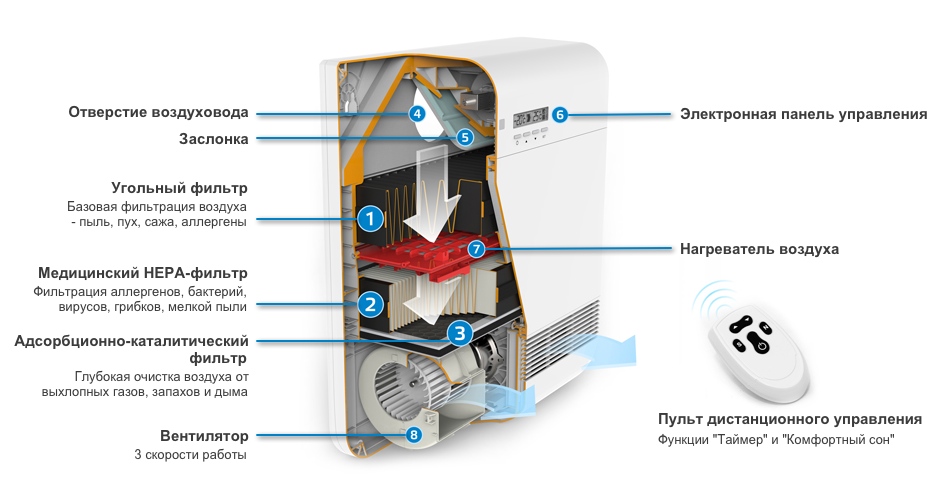
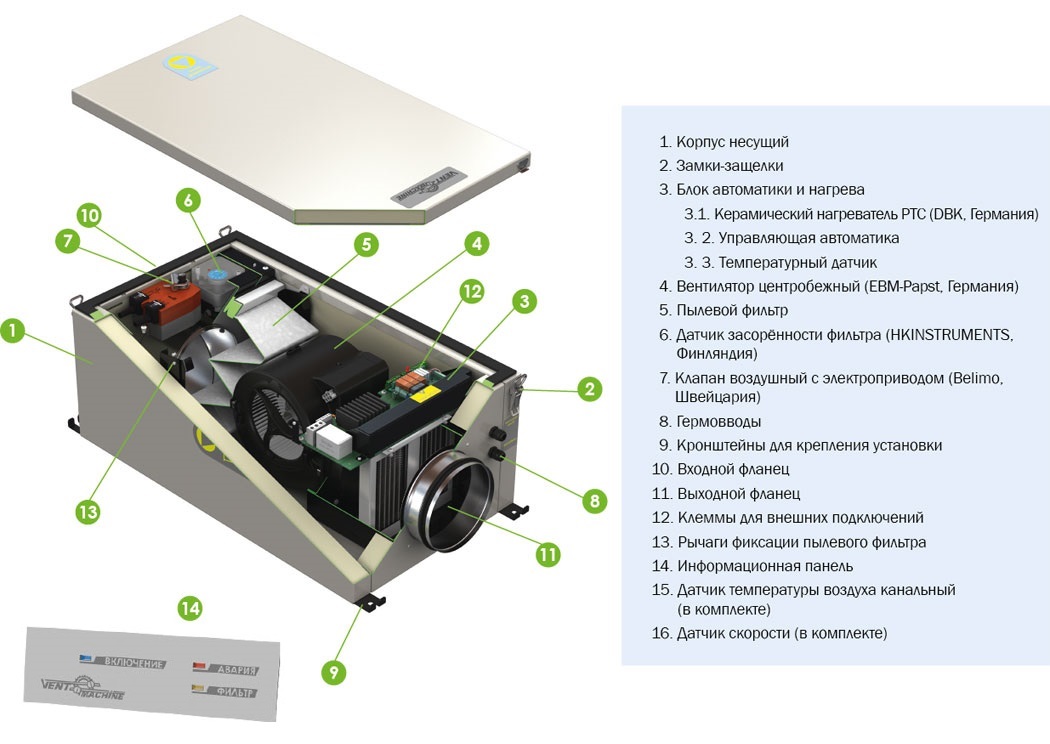
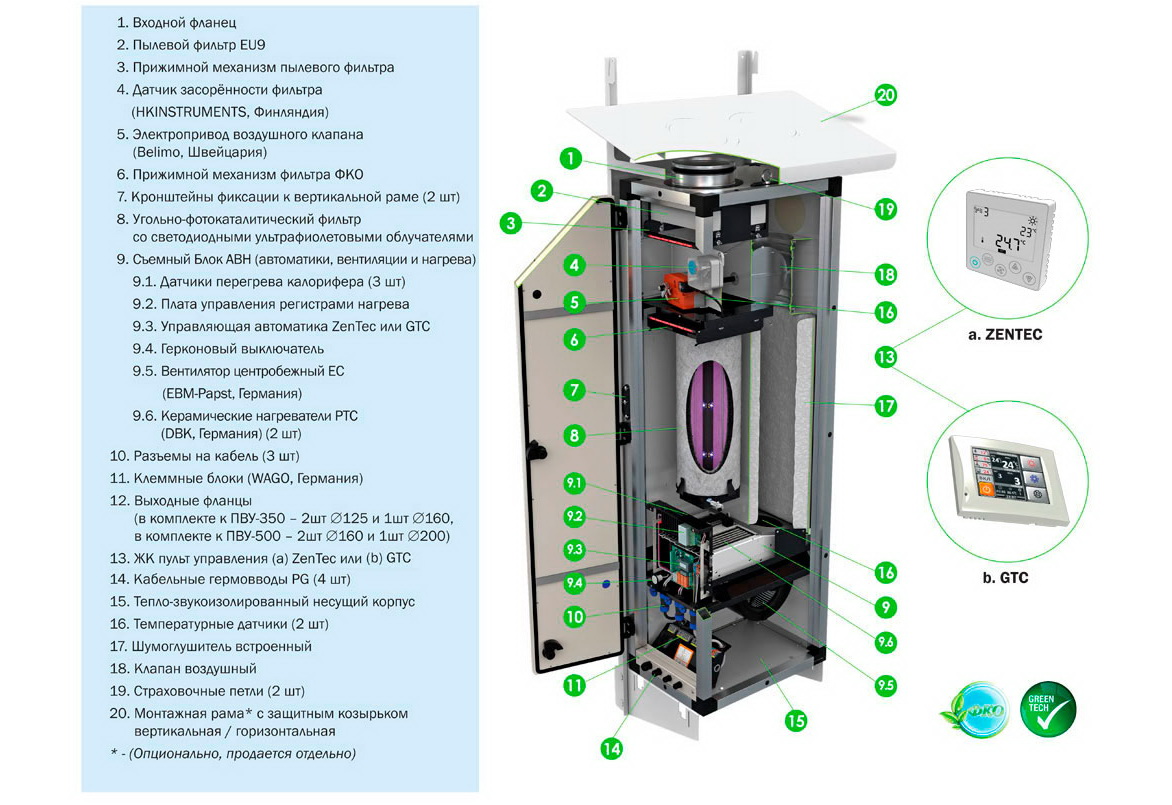
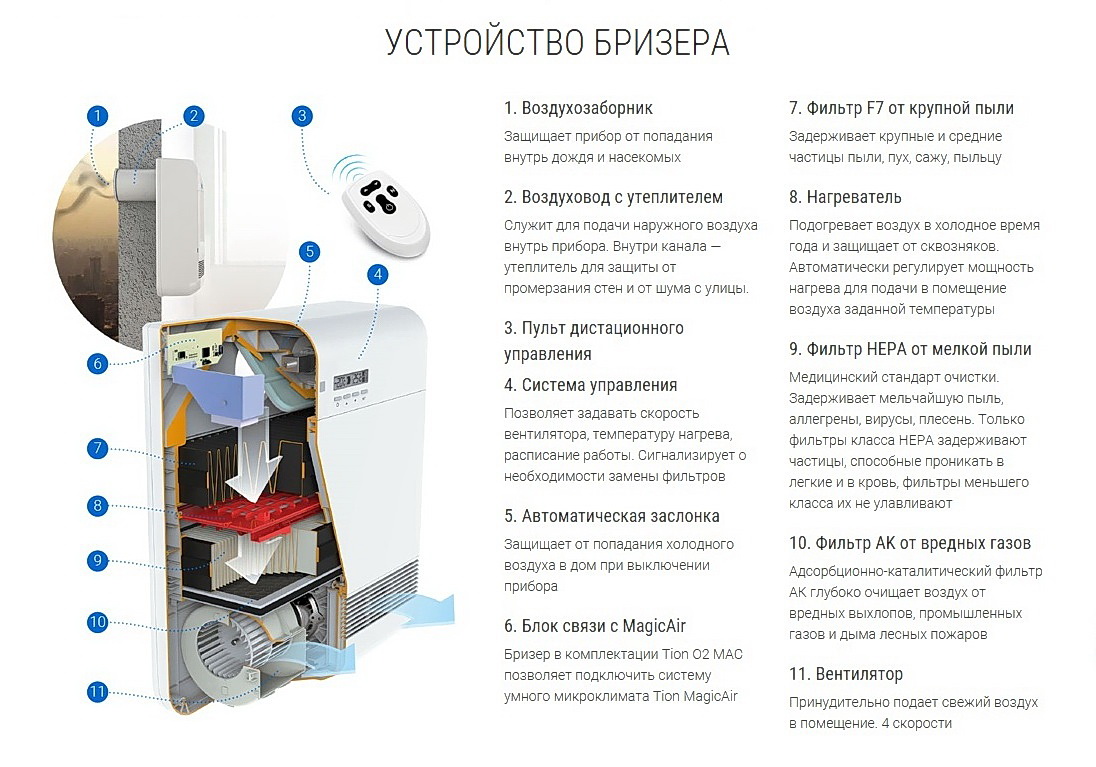
The supply ventilation unit must necessarily be provided with a cleaning system, because the air entering from the outside is primarily dust. Various filtration materials are used for this. Consider how the incoming air is cleaned using the example of the Tion Breezer 02 supply unit. The photo below shows what filters this device consists of.
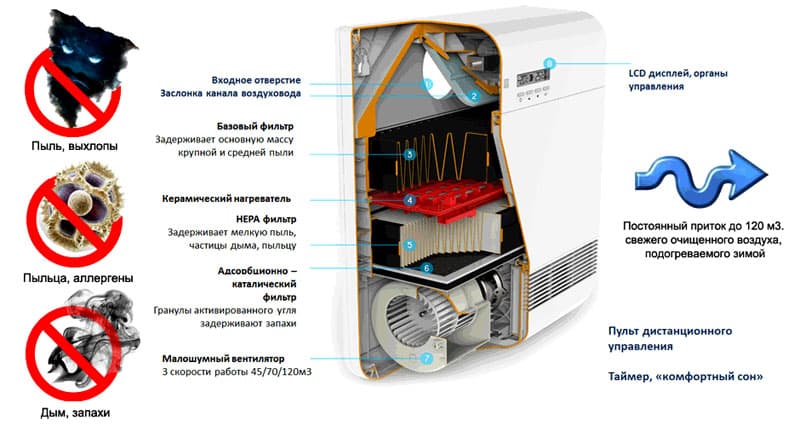
Supply ventilation unit Tion Breezer 02
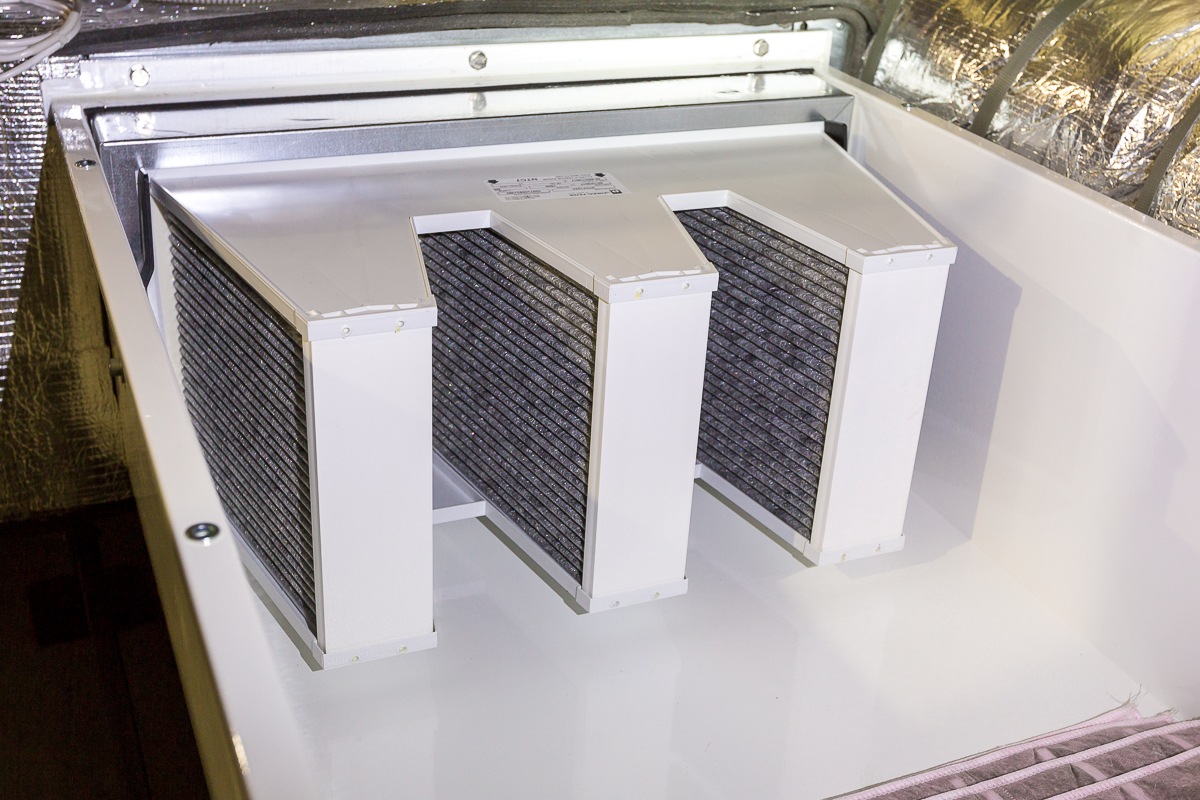
The unit uses a three-stage filtration layer consisting of different filtration materials:
- The first stage traps large solid impurities.
- The second traps small particles, pollen and smoke. This is an accordion-shaped filter made of fibrous material.
- The third is an adsorption-catalytic filter that traps microbes and odors. The device is based on activated carbon with small granules.
The Tion ventilation units themselves are classified according to their performance, which depends on the size and speed of the fan. Today, the manufacturer offers three positions with a capacity of 45, 70 and 120 m³ of air per hour.
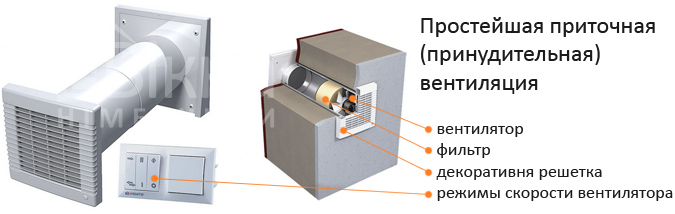
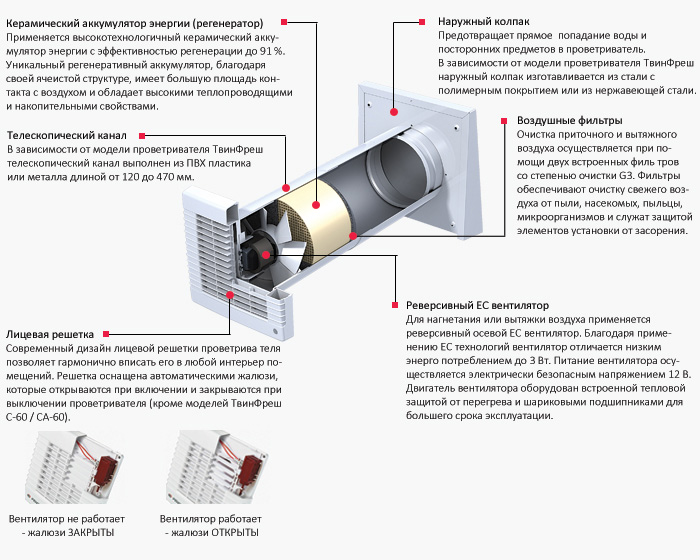
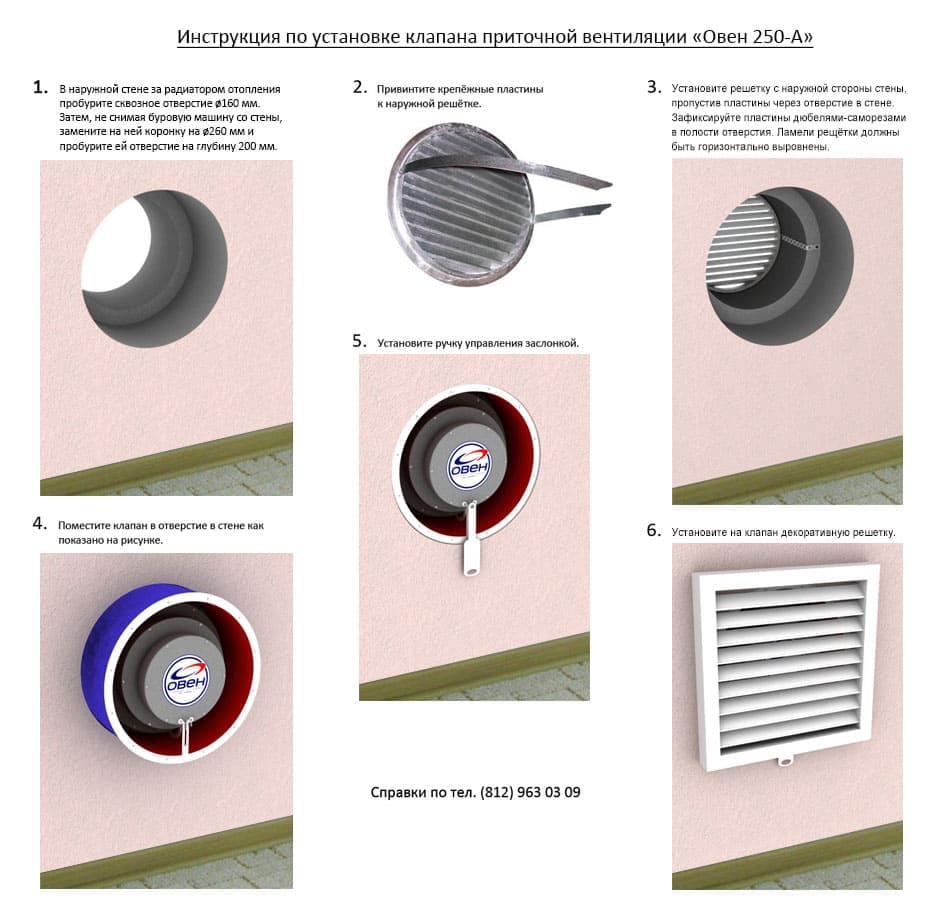
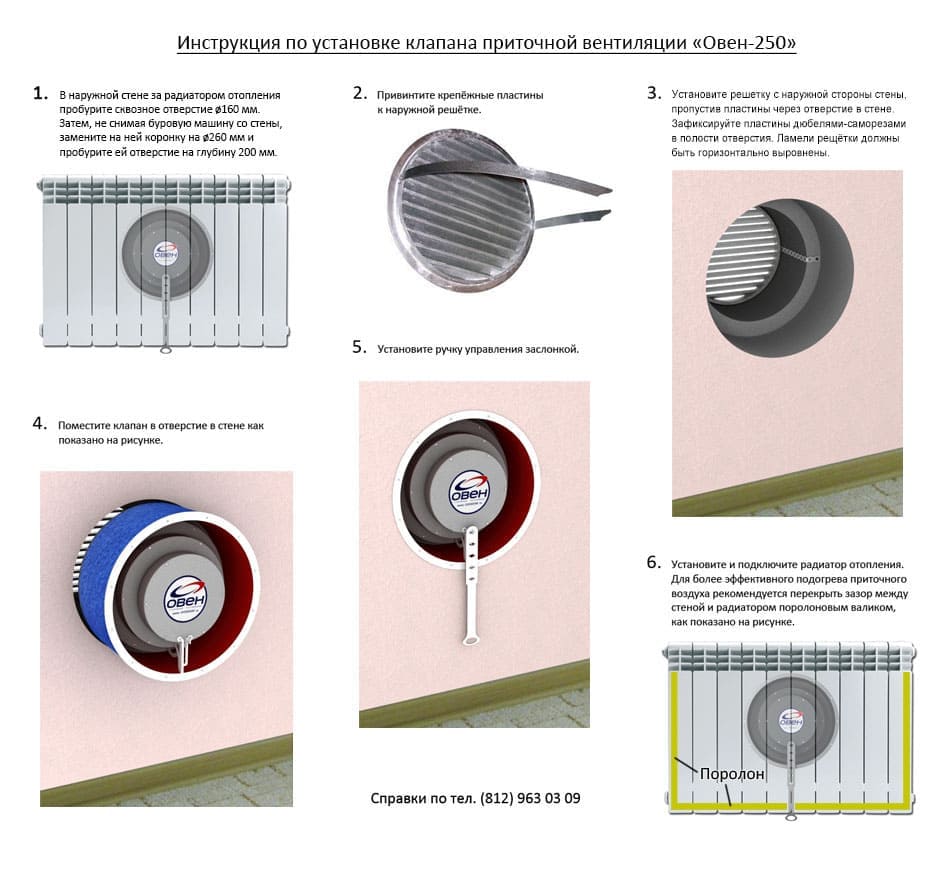
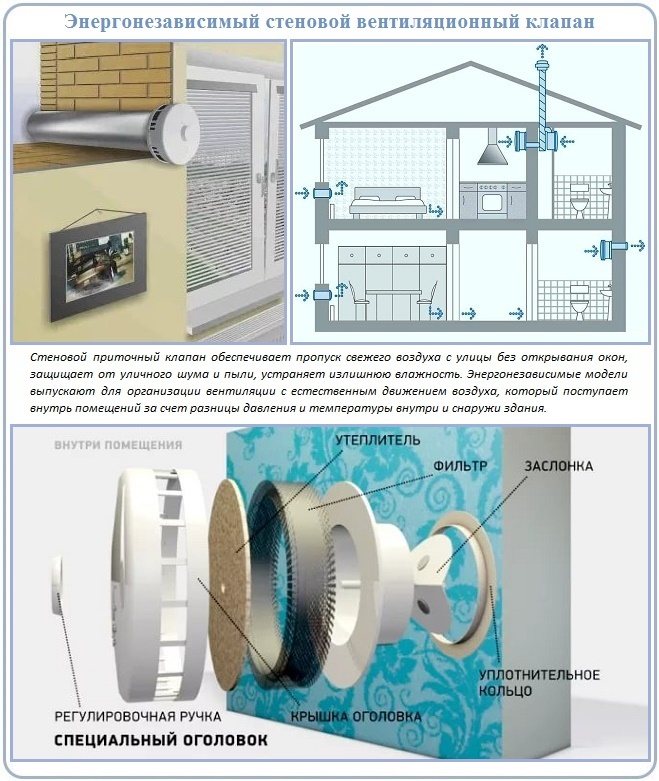
As for ordinary wall valves, inside them there is a filter for air into the apartment in the form of material rolled into a cylinder. Here, manufacturers use materials that are different in structure, the main requirement for which is the maximum purification of the supplied air.The filter can be installed either inside the valve pipe, or in an outdoor unit installed on the inner wall of a room in an apartment.
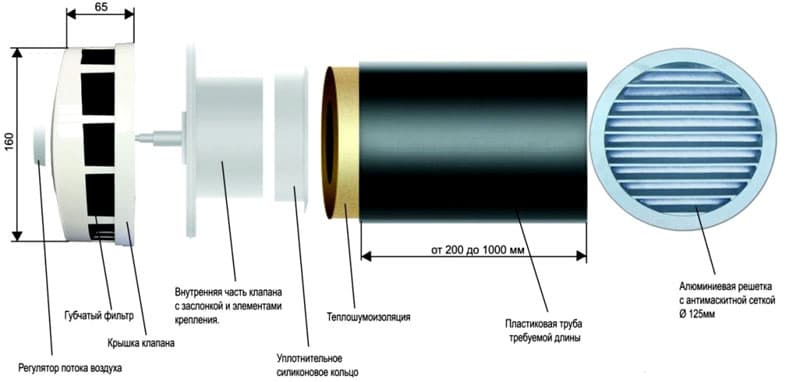
Air valve with filter located inside the cover
The choice of air filters for the apartment
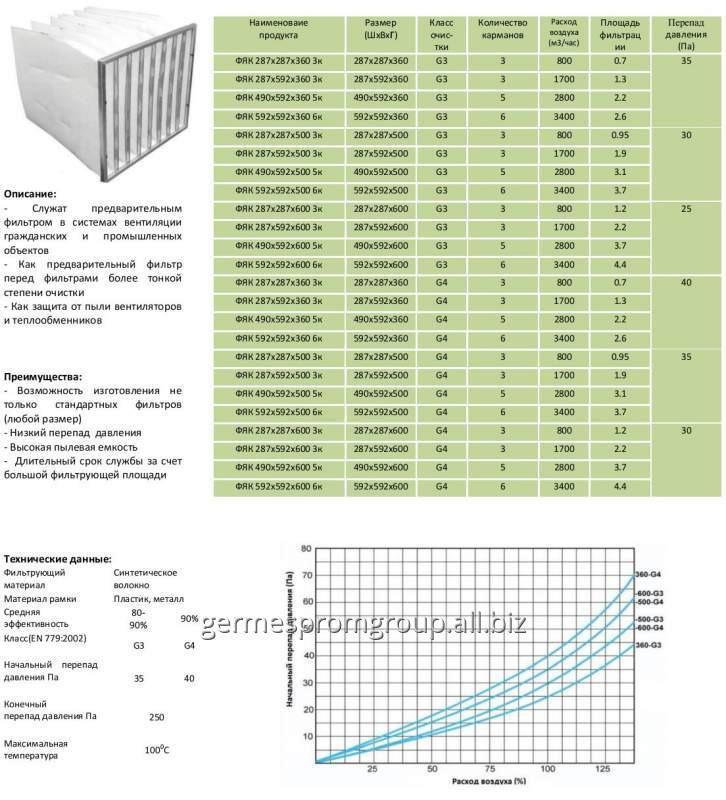
The choice of filtration material must be approached from a two-sided position. The denser it is, the cleaner the air at the outlet, but at the same time the speed of passage of air masses decreases, and, accordingly, the performance of the valve itself. Therefore, filters are divided according to the degree of purification:
- Mesh filters that trap contaminants with sizes within 10 microns. They belong to the category of coarse filters marked G3 and G
- Medium cleaning materials, referred to as G5, which trap particles in the size range of 1 µm.
- Absolute cleaning. These are materials through which only the smallest particles with sizes less than 0.1 microns pass. Their marking is G7.
What kind of air do we breathe
The air environment around us, according to experts, is not favorable for human life, and this is obvious. The reason for this is a large number of vehicles, growing every day. Various industries in Moscow and the Moscow region, and throughout Russia, also do not ozonize the environment.
Harmful substances emitted by building materials, furniture, appliances, the person himself and his pets are mixed with the supply air coming from outside. Our domestic air atmosphere can contain substantial amounts of fumes from household chemicals, various perfumes, cigarette smoke, and, of course, carbon dioxide.
That is, daily tests for our lungs (and, of course, for the brain, which needs fresh air without unnecessary impurities) are not easy. This results in frequent complaints of feeling unwell, headache and even nausea.
Lattice upgrade
The purpose of the action is to get rid of substances that settle on the parts of the fan and on the internal cavity of the hood. Stainless steel skips the minimum amount of greasy drops. For this reason, they can be delayed by fixing a synthetic fiber inside. It can be a thin layer of foam rubber or tape synthetic winterizer.
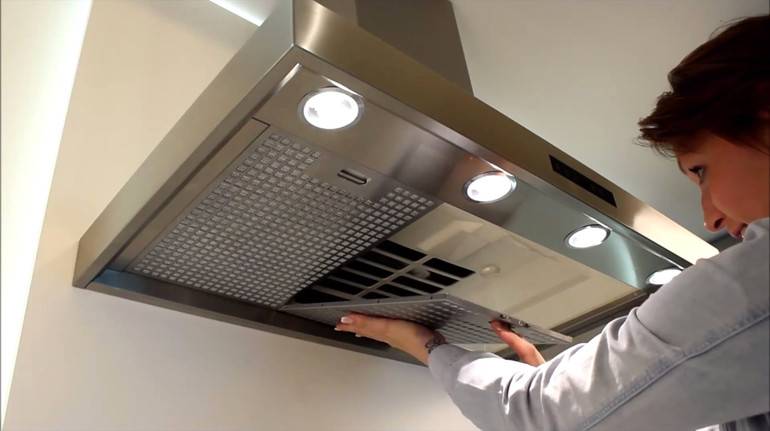
Secure it with a thin wire. It is necessary to change such a component in accordance with a similar algorithm of actions when changing disposable filters. It is necessary to ensure that the fiber freely passes air flows and does not form aerodynamic resistance. This is unfavorable, as it contributes to an increase in the load on the fan.

Electrostatic air filters for ventilation systems
An electrostatic filter is an excellent tool against the smallest dirt. Here, developers have taken physics into service. If you do not go into the wilds and try to describe the cleaning process in simple terms, then you can formulate it as follows. Harmful substances passing through the filter are exposed to an electric field. This gives them a certain charge.
Having received a charge, the substances can no longer pass further, as they settle on the settling plates.
This technology gives incredible performance: almost 100% clean air.Even gaseous media can be rid of harmful elements, and it is possible to work with large volumes of air and with a fairly wide temperature range. All this is complemented by a pleasant fact: the power consumption is relatively small.
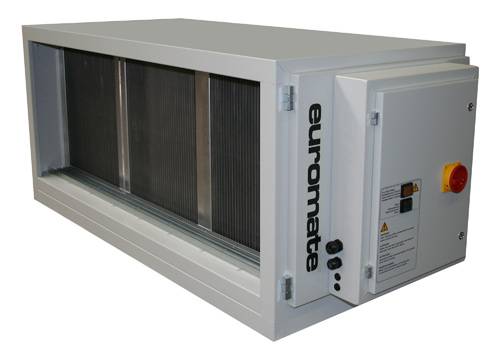
Electrostatic air filters for ventilation systems clean the room from:
- coarse and dust
- soot,
- other unwanted substances.
The work of an electrostatic filter is based on the following algorithm: the dirt that gets inside, a charge is obtained that makes it magnetize to a special plate.
Electrostatic filters for ventilation have the following advantages:
- The ability to catch and remove particles whose size is 0.01 microns.
- Sensitivity to aerosols.
- There is no need to purchase consumables.
- The parts of the device do not wear out.
- Continuous operation.
- Minimum costs.
However, the electrostatic filter for ventilation has many disadvantages:
- The device is not picking up gas.
- Doesn't feel chemicals.
- It is necessary to take care of the settling plates in order to get rid of contaminants.
- Many factors can affect how well an electrostatic filter performs. From the level of flowability or stickiness of substances, very different results are often obtained.
- The use of this filter contributes to the release of certain toxic substances into the air.
Sensors
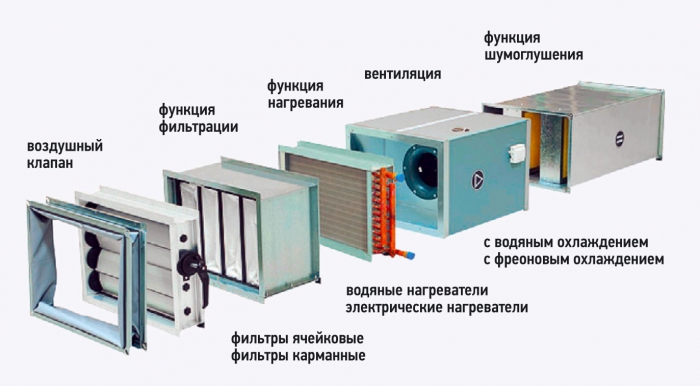
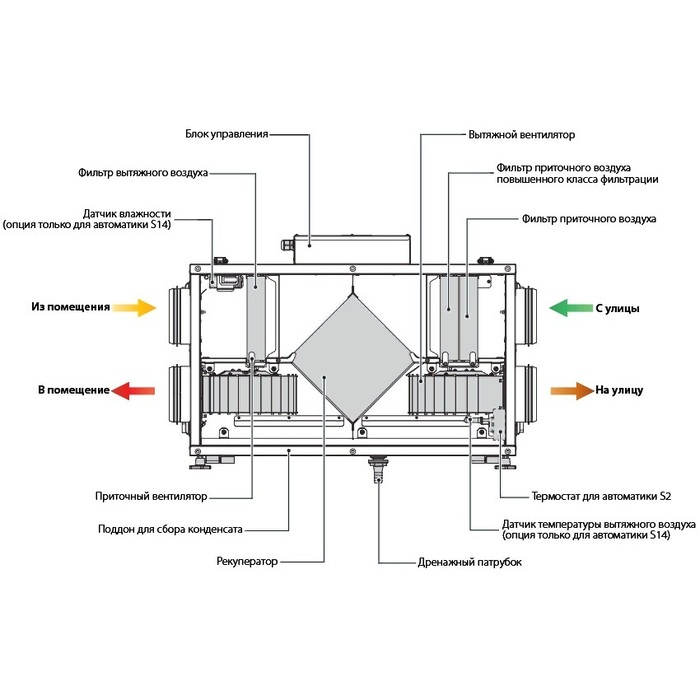
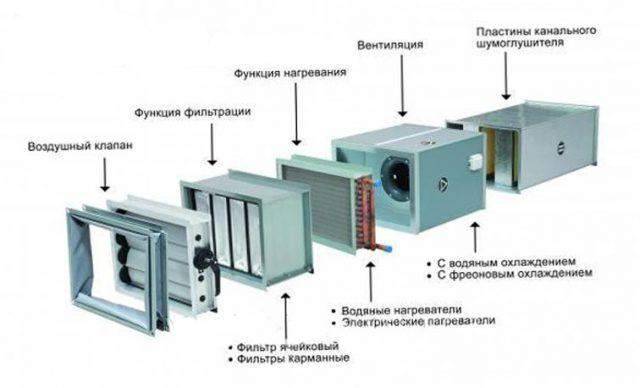
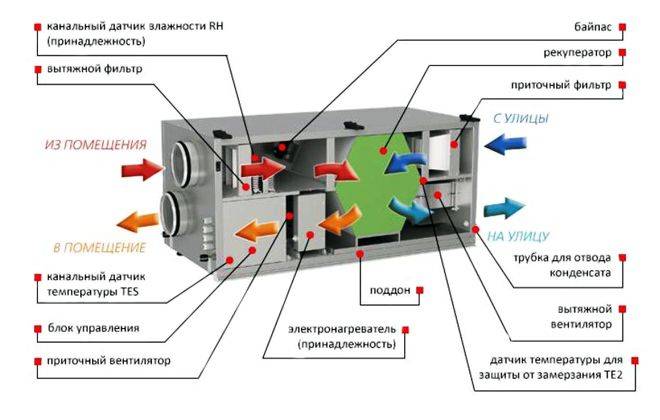
A good air handling unit is a fairly complex unit with its own automation system, which consists of sensors, a controller and actuators.
Actuators are valve and damper drives, pumps, and a fan. They were discussed above.
The controller is the brain of the system.It processes the information received from the sensors and, depending on the values received, gives commands to the actuators.
Sensors provide the controller with information about the temperature of water and air at various points, the state of the fan, the state of the filter, and other parameters. Sensor failure will lead to incorrect operation or system shutdown.
In order to ensure the uninterrupted operation of the supply ventilation, it is necessary to periodically check the operability and correctness of the sensor readings.
It is advisable to do this twice a year, before the winter and summer periods.
Filter types
Three types of filters are used in modern exhaust devices:
- Fat.
- Coal.
- Universal.
Let us consider in detail each type of filtration systems.
Fatty
A grease filter is an essential component of any hood. It traps fumes, grease and any other food splashes, preventing them from depositing on the inner walls, fan and motor. Without this filter, after 2-3 months, all the insides of the hood would become greasy, sticky and very dirty, and the engine would most likely burn out soon.
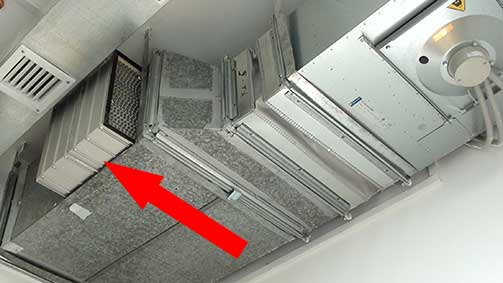
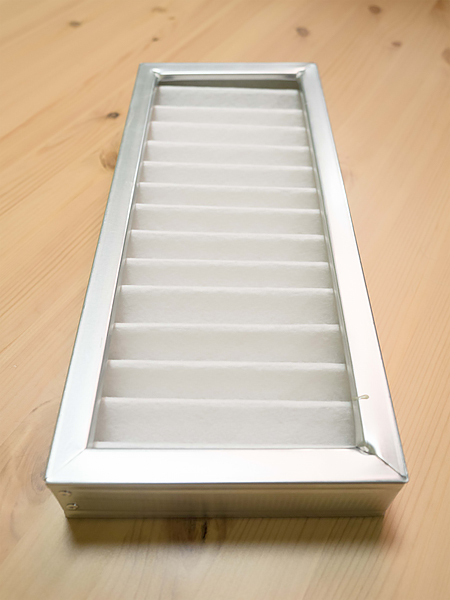
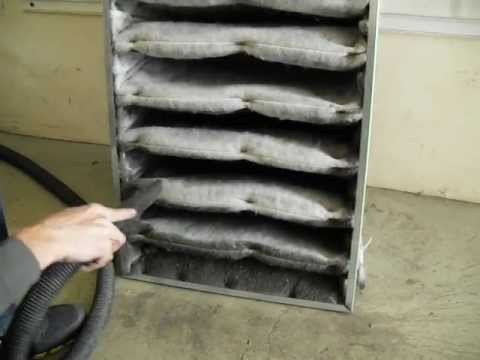
The grease filter can be disposable or reusable. It is installed in a flat bottom panel through which air is taken.
Disposable
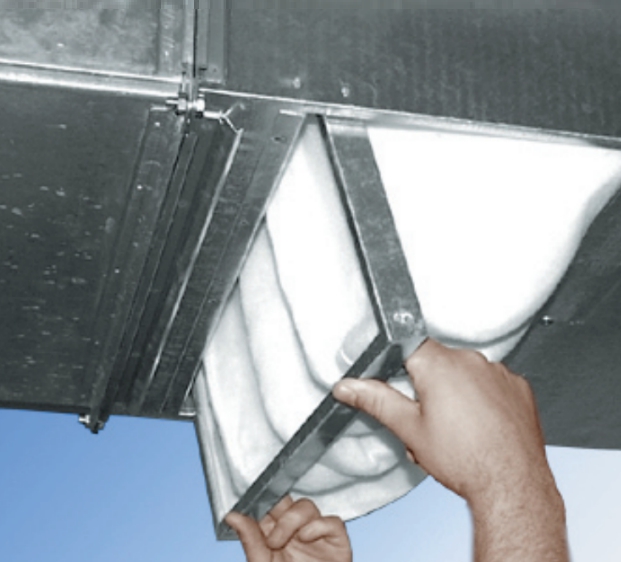
They are found mainly in inexpensive models. They are a layer of synthetic material: synthetic winterizer, interlining or acrylic. The service life of such filters depends on the frequency of use of the stove. On average, it is 1-2 months.
These filters cannot be cleaned. As they become dirty, they must be removed and replaced with new ones. In some models of hoods, spare disposable "rugs" are included.In other cases, they must be purchased separately, which implies regular costs.
But there is an advantage in this: you do not need to waste time and effort on cleaning.
reusable
The reusable filter is a metal fine mesh made of galvanized steel, aluminum or stainless steel. Such structures are durable and do not require replacement.
As they get dirty, they need to be removed and washed. As a rule, they have special locks for easy removal and fastening.
Stainless steel meshes are considered the highest quality. They do not oxidize, do not give in to deformation. Depending on the specific model of the hood and its dimensions, the reusable grease filter can be a single (one-piece) or consisting of 2-3 separate cassettes.
Coal
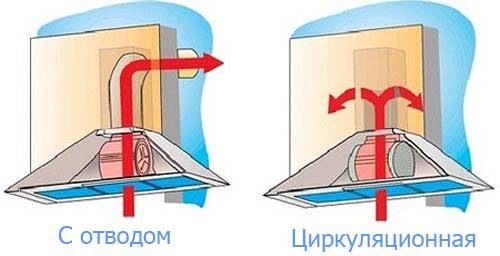
Coal filters for kitchen hoods are built into all recirculation devices. Their main task is to purify the air from impurities and odors. Visually, this is a plastic cassette consisting of several cartridges filled with activated carbon.
The air, passing through all the coal compartments, is completely cleaned and comes out fresh and disinfected. The carbon filter is always installed after the fat filter. If you do not protect it with a fat-absorbing mesh, then it will quickly become unusable, clogged with food sticky particles. Cartridges get dirty over time and need to be replaced. Depending on the manufacturer, they have different service life from 3-4 to 6-7 months. If users rarely cook on the stove, the charcoal filter can last up to a year.
In conventional air outlet hoods, carbon cassettes are rarely installed. But if you wish, you can buy such a filter separately and mount it in the air outlet pipe.
If the dirty carbon filter is not changed in time, the air flow will be difficult to pass through it, which will increase the load on the motor.
Universal
This is a more advanced type of filter that combines a carbon cartridge protected by a grease-absorbing material. Universal cleaning systems are relevant for recirculation hoods when the most efficient air purification is required.
An additional fat-collecting layer of material is also disposable and may require several replacements during one operational life of carbon cartridges.
There are also universal filters, in which the walls of the cartridges themselves consist of a special material that enhances the filtration efficiency.
On average, such a system lasts for 6-12 months, after which a replacement is necessary.
Installation
Installing an air cleaner in the kitchen will only be effective taking into account the size of the room, as well as its air circuit:
- If the kitchen is large and the stove is used infrequently, then the use of the device is fully justified. In such cases, the level of pollution is not too high, and the air purifier is able to do the job well.
- In small rooms, it is better to install built-in hoods for the kitchen, which differ in the circulation principle of operation.
Installing an air purifier in the kitchen is simple, however, there are some nuances:
- The installation of the appliance must take place before the installation of kitchen units.This will make it possible to correctly designate the direction of its action in the area where the plate web is located and arrange other components on the wall.
- The place of the future outlet must be calculated in advance. The wire from the air purifier must not be too tight, bent or be too close to the heating unit.
What type of management is best?
The control of the exhaust device is:
- mechanical - using buttons, sliders or switches located on the front surface of the device;
- electronic - it is characterized by the presence of automatic programs, a display, auxiliary functions and special buttons, the ability to automatically turn on during cooking;
- touch - a subspecies of electronic control, the most convenient to use due to the presence of touch buttons that are sensitive to a light touch.
From a financial point of view, products with mechanical control are more preferable, and based on the position of ergonomics and advanced functionality, it is worth choosing models with electronic control, a display and a touch panel.
We bring to your attention another informative material - how to choose a stainless steel sink
Replacing filters in air conditioners
When it becomes objectively clear that cleaning the filters will not give the desired result, then the question of replacement is brewing.
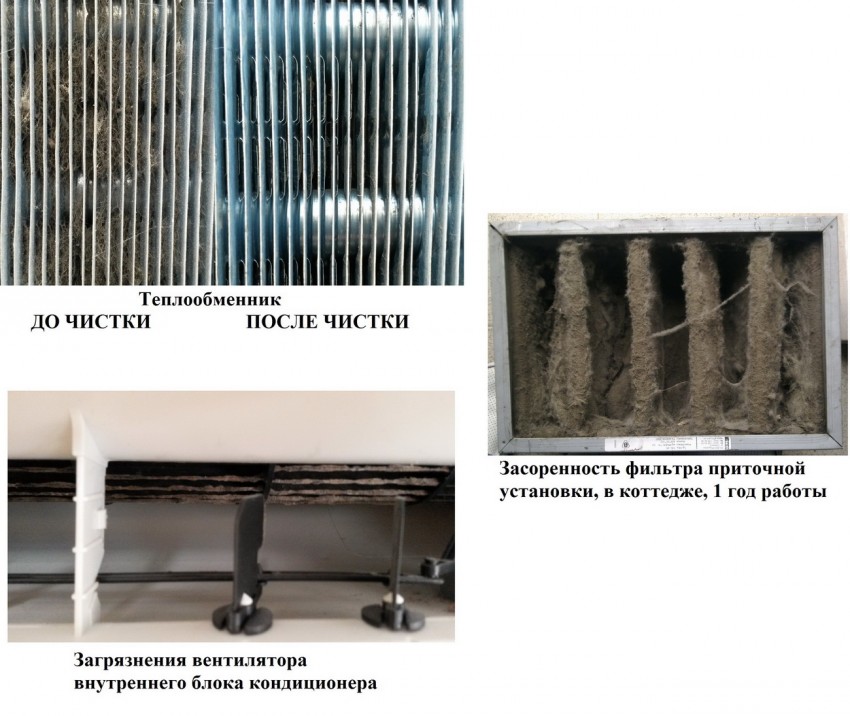
In urban conditions, the filter should be checked every 2-3 weeks.
Cleaning the filter is easy:
- Open the cover of the air conditioner.
- Carefully remove the filter, there is a large layer of dust on it.
- Turn the filter dusty side down and rinse with warm water.
- Shake out the filter and dry for a few minutes.
- Treat with a biological agent.
- Install in air conditioner.
- Close the lid.
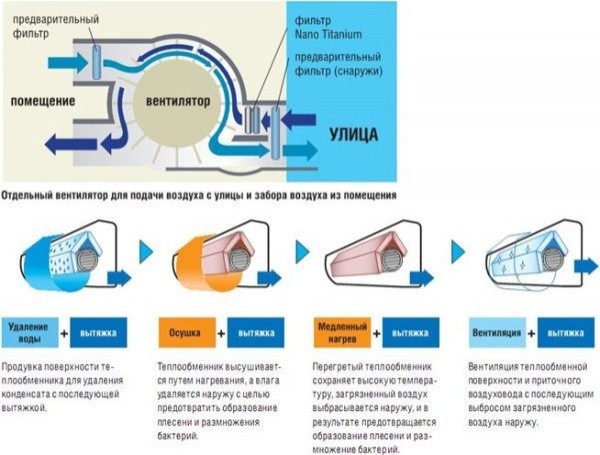
If the filter is not cleaned, dust and harmful bacteria will enter the room. Over time, the filter will become clogged and the air conditioner will become less efficient and eventually leak.
The price of negligence will not be cleaning or replacing the filter, but at best repairing the air conditioner.
The filter in the air conditioner wears out in an average of 6 months, when used in urban conditions. Filters are commercially available, you can install them yourself in the air conditioner.
TOP-10 rating in 2020: breathers, recuperators, ventilators for a private house and apartment
Replacement instructions
As we found out above, disposable fat, combined and carbon cassettes cannot be regenerated by washing or rinsing. A contaminated element should be replaced if the following symptoms are found:
- the indicator mark or the inscription on the fat thin filter applied by the manufacturer has changed color (usually becomes red);
- thrust has significantly decreased, the noise of the fan has noticeably increased;
- the service life of the carbon cartridge has ended;
- some brands of hoods are equipped with differential pressure sensors that signal the complete clogging of the filter cloth or carbon cassette.
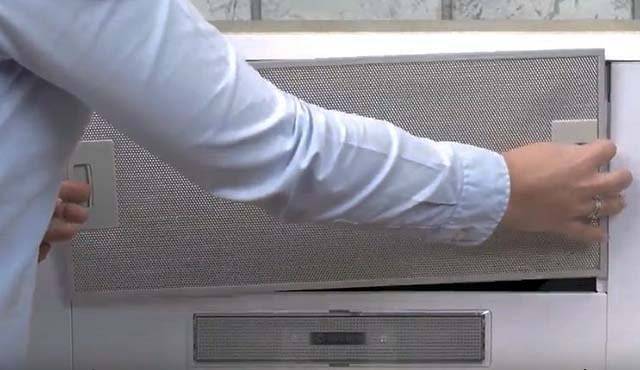
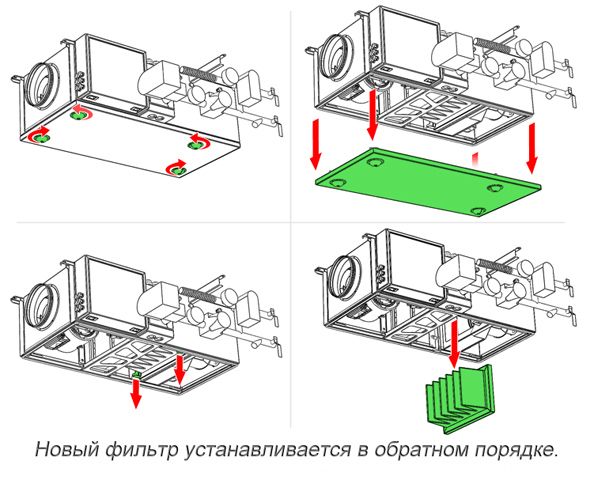
To remove the outer fat insert, it is enough to unlock the 2 latches installed at the edges (some models use one latch)
First you need to buy an item air purification for specific extract. It is better to give preference to original filters of the same brand as your household appliances. In other cases, the manufacturer does not play a special role.If the product of the required dimensions could not be found, take a universal grease filter - it fits most exhaust devices.
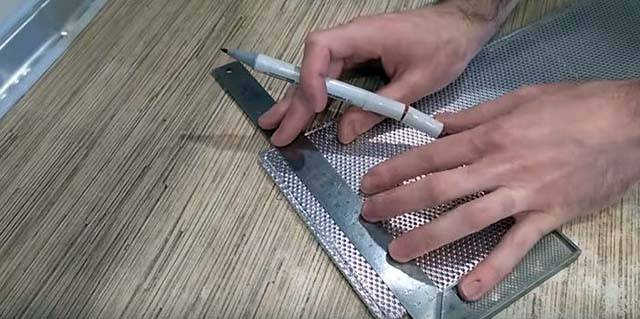
Universal aluminum mesh can be cut to the desired size and put in the old frame
How to remove and install a new grease filter:
Disconnect the appliance from the household power supply by removing the plug from the socket
The precaution is not superfluous - in the process of disassembling some models, you can accidentally touch the fan start button.
Pull the built-in panel towards you as far as it will go.
From below, find the latches or plastic clips that hold the frame with the filter insert. Unlock them and remove the part.
Disconnect the used filter and install a new one.
The frame should be pre-washed with a kitchen cleaner and dried. Watch the replacement procedure on the video:
Cassettes filled with activated carbon are usually located behind the grease trap. To get to the carbon filter, the latter must be dismantled. The cartridge itself is fastened with clips or a screw for a Phillips screwdriver.
Before servicing the tilting type wall hood, open the front protective screen. How to install a carbon filter on a similar household appliance is shown in a short video: