
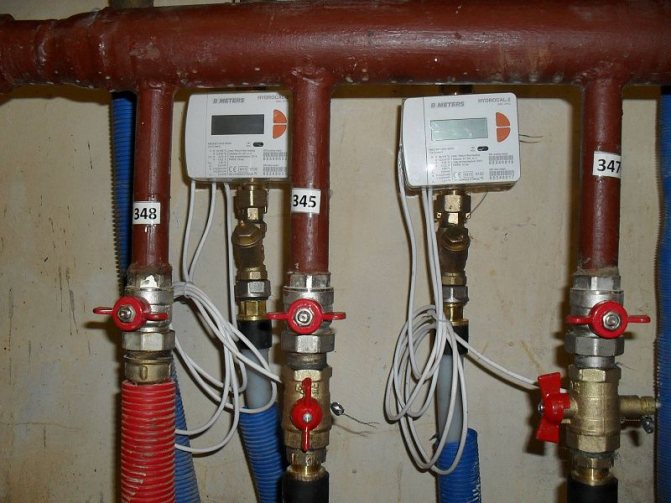
- Is it possible to install heat meters in apartments
- Heat meter for a house with central heating - legal norms
- The order of registration and installation of the counter
- Some factors affecting the operation of the device
- When is a meter beneficial?
- Heat meters in the living area, pluses and minuses
- Everything is countered!
- How to install a heat meter in an apartment
- Types of heat meters
- Apartment units for heat metering
- Household (industrial) heat meters
- Mechanical
- Ultrasonic
- Types of heat meters: which one is better to choose
- Is installation in an apartment building profitable?
- Types of wiring for an apartment heating system
- Option #1 - vertical wiring
- Option # 2 - horizontal wiring in a high-rise building
- Heating meter options: individual and common house appliances
- Individual meter for heating in the apartment
Is it possible to install heat meters in apartments
At the moment, there is no prohibition on such actions in the current legislation. However, your desire may not be “understood” by the company that supplies heat. Moreover, the current regulations do not allow intervention in the centralized heating network, even if you just want to install a meter. In this case, unauthorized equipment will not be accepted into operation. And the owner of the apartment also has to pay a fine.
This means that before installing a meter in a house with central heating, you should write an application to the heat supply company. The procedure then looks like this:
- company specialists should check whether it is possible to install a metering device. If the answer is yes, then a special document is issued - technical conditions (TU);
- if there is an association of co-owners (OSMD) in the apartment building, then a copy of your application will have to be sent to the responsible person, and this issue will also be agreed with him;
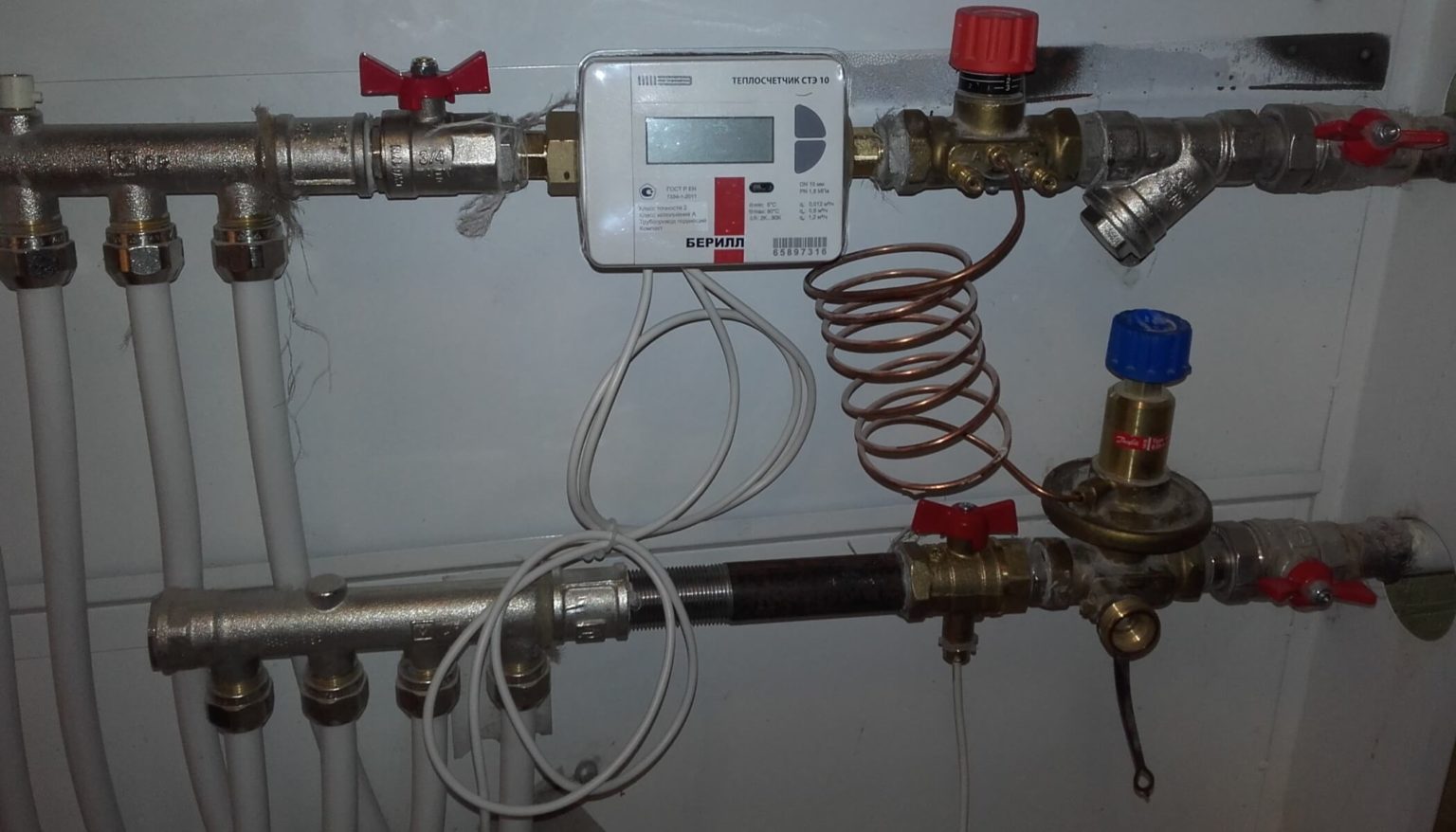
Heat meter installation diagram
- having received the technical conditions, you can contact the design organization, which has permission for such work. For a fee, its specialists will make all the calculations, draw up an installation project, and certify all the documentation with their seal;
- further, the project documentation is coordinated with the heat supplier;
- after the last approval, you can contact the installation organization licensed to install heat meters;
- the installed metering unit is put into operation in the organization supplying heat. An agreement is drawn up with an individual, the owner of the apartment, according to which the latter will pay for the supply of heat energy through the metering device.
Heat meter for a house with central heating - legal norms
But if we are already talking about the law, then we cannot fail to mention the current regulatory legal act that regulates the installation of these metering devices. So, according to law No. 261, the installation of heat meters is carried out at the expense of residents of an apartment building. But the methodology for calculating the cost of heat in the presence of such devices is described in the Decree of the Cabinet of Ministers No. 354.In fact, it will be difficult for a non-specialist to understand what is written in the data in the documents, but we will “translate” several main theses into a public language:
if there is no metering device at the input, then heat is paid at tariffs with a multiplying coefficient;
although the laws of the Russian Federation do not oblige apartment owners to install heat meters, they do not prohibit this;
the readings of your metering device are taken into account only if all other apartments, as well as heated common areas, are equipped with heat meters; and a common metering unit is installed at the input;
after installing the heat meter, it is taken into operation by the heat supplier, but at the expense of the owner of the apartment.
Heat meters for a house with central heating
However, at the moment, we can already draw a couple of important conclusions from all of the above. Firstly, it is still better to install a common house heat meter, otherwise the cost of this resource will cost you about one and a half times more
And the readings of an individual meter in the apartment are not taken into account. Secondly, in an individual metering device in an apartment, in general, there is no point, even if you have received all approvals for its installation.
In order for his testimony to be taken into account, the heat consumption must be controlled in all other rooms of the apartment building. Thirdly, sometimes a common house metering station is simply impossible to install technically on central heating.
The only way out in this situation is to reach an agreement with all the tenants, and install heat meters for everyone in each apartment, and even better - in the entrances.Otherwise, the cost of heat spent on heating non-residential premises will be divided among all residents.
The order of registration and installation of the counter
So, in what sequence should the heating system of an apartment building be equipped with a meter if it was not installed immediately during construction.
The first step should be to hold a general house meeting - it is most often organized by representatives of the management company. At the meeting, a decision is made on the installation of a heat meter and the type of device is selected. Then representatives of the residents of the house or the management company apply to an organization with the appropriate authority and engaged in the supply and installation of heat meters.
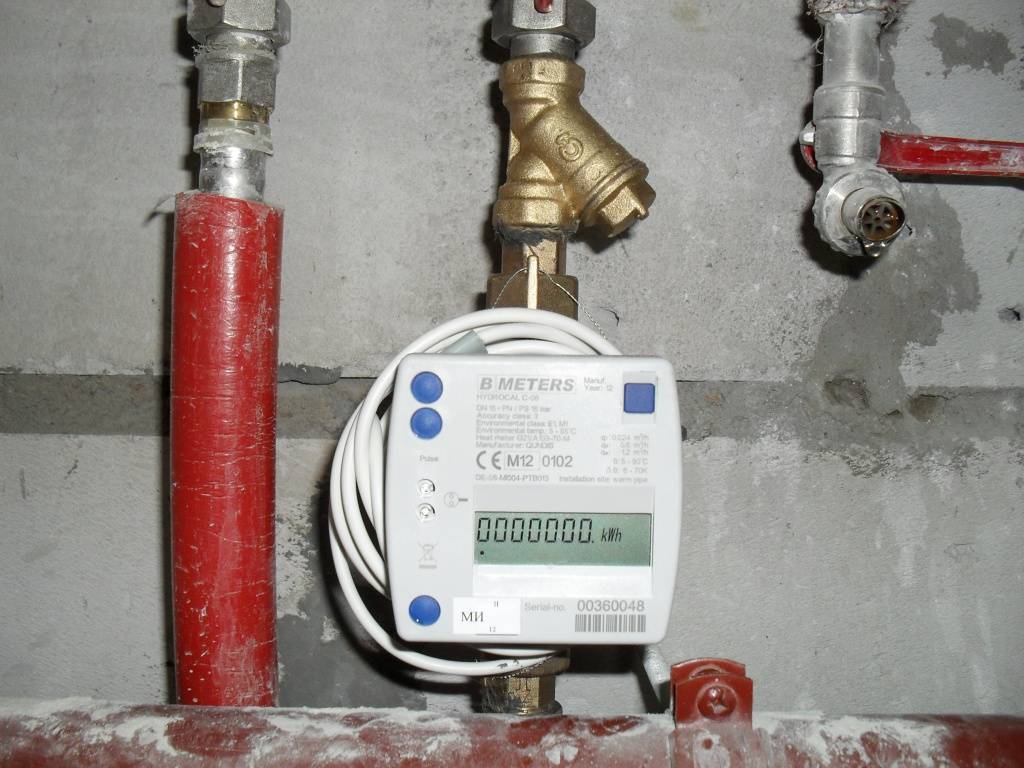
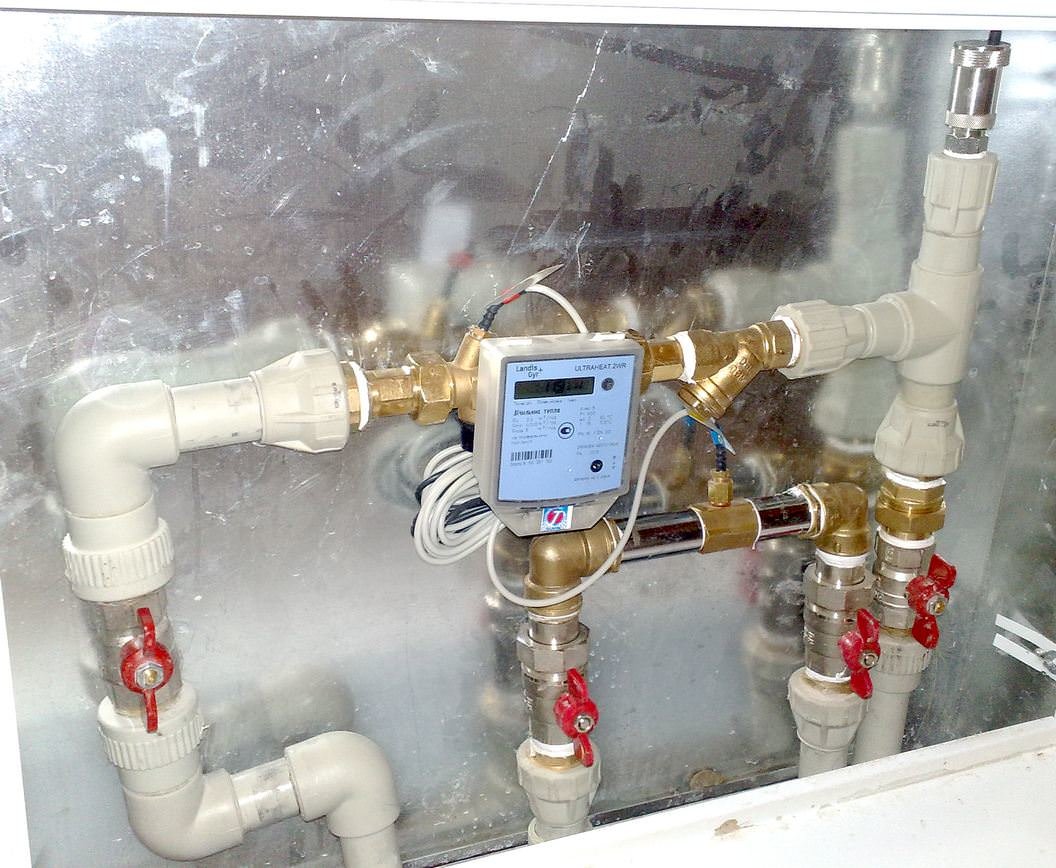
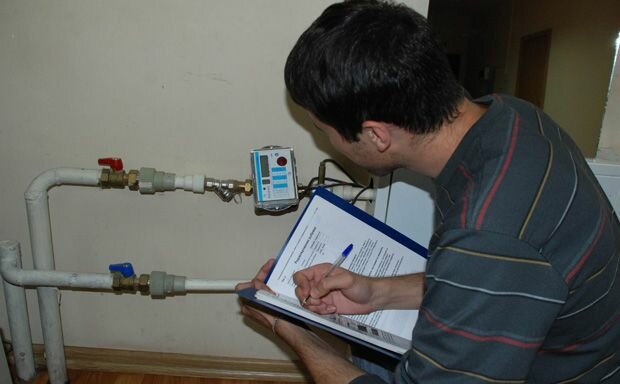


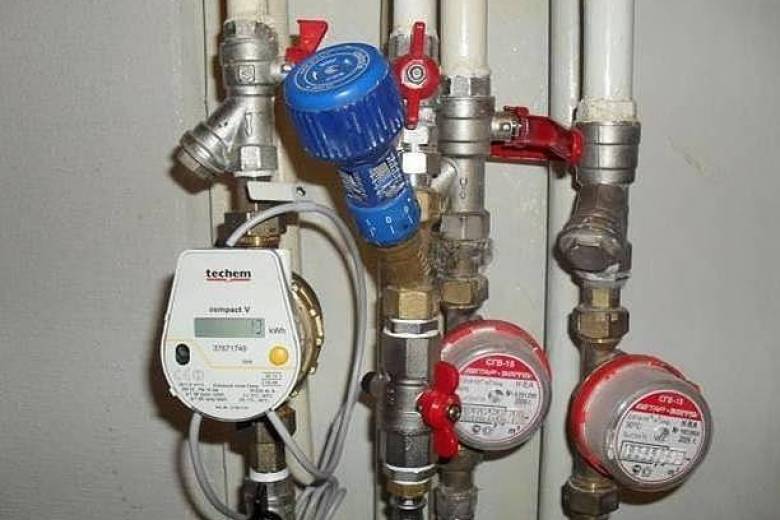
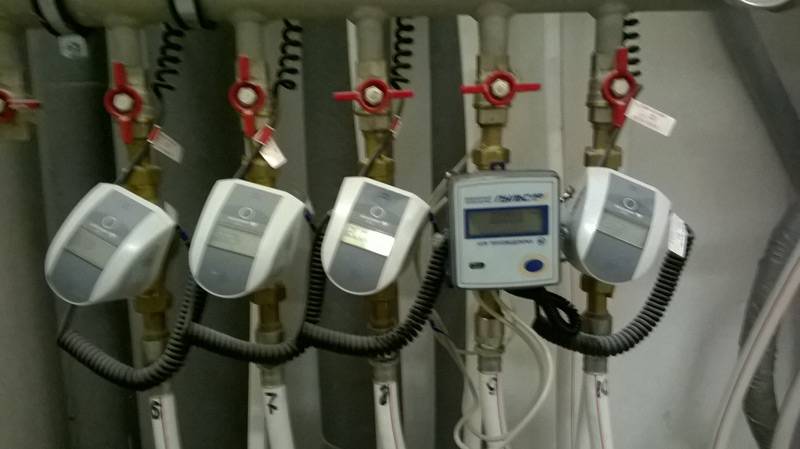
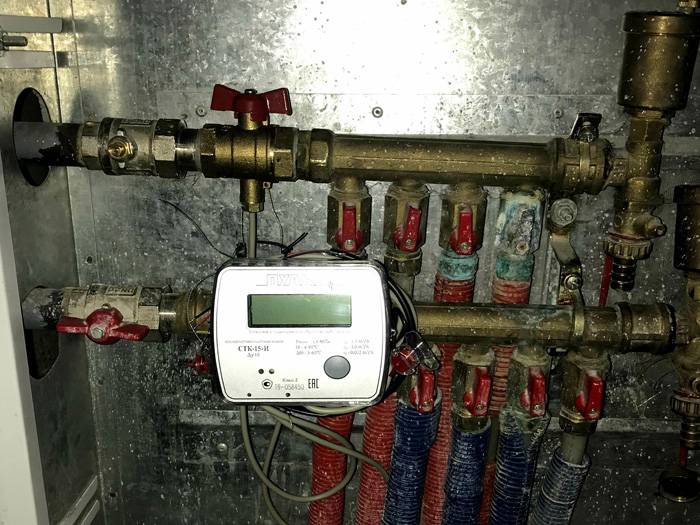
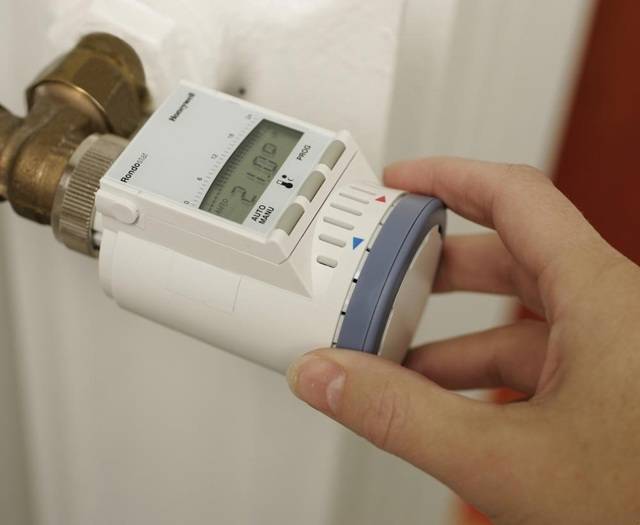

Further work is carried out in the following order:
- A project is being drawn up to integrate the meter into the heating system of the house.
- The management company, having studied the draft, gives its consent to the installation work.
- Further, in accordance with the project, the device is installed in the system.
- After that, it is mandatory to test the operation of the device with the preparation of documentation from the installer company.
- In conclusion, a representative from the heat supply company is called, who seals the meter, draws up an act for its registration. And only after the official registration, the device becomes the basis for further calculations for the heat consumed by the house.
If all the above activities are not carried out, and the meter is not officially registered, then its data will not be considered legitimate, and will not be indicated in receipts for payment for heating.
Some factors affecting the operation of the device
During the operation of the meter, the quality of its work can be influenced by external factors, on which the accuracy of the readings taken sometimes depends.
The matter does not end with the installation of metering devices for consumed heat - they require regular checks, adjustments, and preventive maintenance.
The most common influencing factors today are:
- The high temperature of the coolant can partially or completely disable the metering device. Although, initially it was designed for such operating conditions. But sometimes the quality fails.
- The formation of scale on the inner walls of the pipeline reduces the diameter of the pipe, as a result, the passage of water flow becomes more difficult. In this regard, some counters stop giving real readings - as a rule, they change upwards.
- The lack of grounding of the pipeline leads to the formation of an electric charge inside the pipeline, which also causes errors in the meter readings.
- Contaminated coolant, as well as gas bubbles suspended in water, are a negative factor for all types of metering devices, as they affect the correctness of readings. To eliminate the occurrence of errors, it is necessary to install protective filters in front of the meter.
- Pressure drops in the heating system can also distort the meter readings.
- Layering of sediment in the cavity of the device itself. In the tachometric counter, the presence of sediment reduces the readings, while in all the others, on the contrary, it increases.
- Electronic equipment fails under the influence of high humidity and temperature changes in the room where the meter is installed.
It should be noted that all of the above points - the choice of a meter, control over its work, as well as negative factors affecting the accuracy of its readings, touch each of the residents of the house, affecting the amounts payable. Therefore, after the introduction of a heat meter into operation, all residents will have to be attentive to possible failures in the heating system, since they are likely to affect the meter readings. In case of problems, it is necessary to immediately call the specialists of the service company for preventive maintenance.
And what even a temporary failure of metering devices can lead to - the video presented to your attention very clearly shows:
When is a meter beneficial?
The benefits are not always clear cut. And the amount that can be saved is very small. Therefore, before installation, you need to find out all the nuances. You need to start with where the heat meter will be placed. There are two options, each is good in its own way.
In the first case, a common meter is placed on an apartment building. His testimony is taken monthly by the Criminal Code, payments are distributed among apartments in proportion to their area. There is only one advantage here - a lower price, since an expensive measuring device and installation are paid together. The problem is that there is no real benefit from this approach. Even if you insulate your home, put taps on radiators to regulate their heating, savings will not work. This should be done by all tenants, and this is extremely rare. You have to pay for the negligence of a neighbor.
Therefore, the best option is to put an individual counter.The device is mounted at the entrance of the pipe to the apartment, registers the consumption of heat energy and the temperature of the batteries. In this case, everyone pays for himself. But there are nuances. There will be no problems if the house has horizontal heating wiring. These are most often found in modern homes. In the old high-rise buildings, vertical wiring has been preserved. It is impossible to put a standard heat meter here, special devices are required.
If the heating main is introduced into the building according to the old scheme, through the elevator, the flow meter readings will be overestimated. It is necessary to upgrade the system in order to replace the elevator unit with an ACU or AITP. It is unprofitable to pay for a heat meter if the housing is poorly insulated. This is especially true for corner apartments and those located on the top and first floors. Desirable quality glazing of a loggia or balcony where they are. The thermal insulation of the entrance is also important: windows, front door.
One more moment. Installation of individual equipment and calculation according to the readings taken by it is possible only when a common house flow meter is installed. Otherwise, the management company will not be able to determine the heat consumption of the building, which is necessary for calculating the ONE.
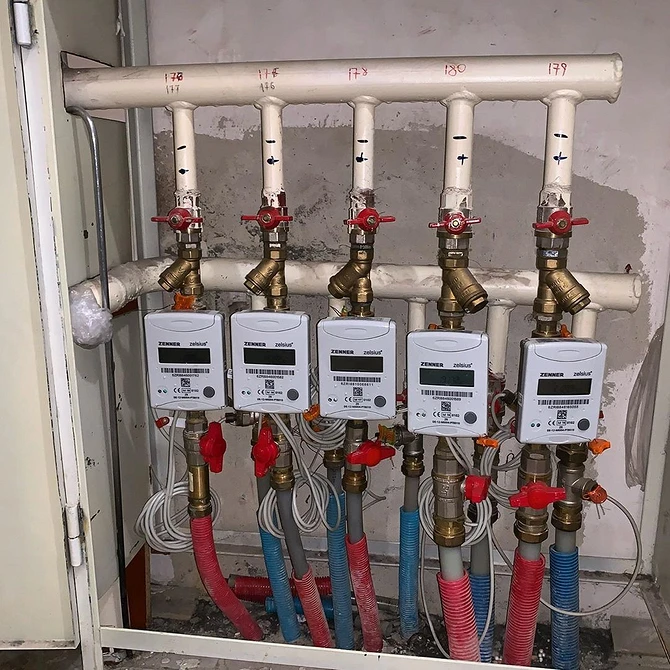
Instagram schiotchikitepla
Instagram santeh_smart
Heat meters in the living area, pluses and minuses
By the way, for the most part, common house ultrasonic devices are installed.
In addition to heat, metering devices record the consumption of hot water, now the newest models of devices take into account a heat carrier that has a temperature of less than 40 degrees as cold, which is reflected in the amount of payment for heating.
A useful measure for a house with several apartments will be an energy audit to identify the causes of heat loss.After that, measures should be taken to eliminate them.
Undoubtedly, such work will not be cheap at all.
When it is decided to install a mechanical meter, in addition to the process of installing reusable filters, it is necessary to use a magnetic-mechanical filter in steel pipes to delay scale and rust.




Everything is countered!
“After a major overhaul, you can really save on heating,” Oleg Kalimov, director of LLC Management Company Housing and Public Utilities of the Moskovsky District, assured on March 25 at a meeting of residents of the house 83a on Ibragimov Avenue dedicated to the start of the repair.
Kalimov explained that, firstly, due to the fact that weather control units will be installed in the house, the heat consumption in the off-season - at the beginning of winter and at the end - will drop sharply. Secondly, shut-off valves will be installed on the radiators in the apartments, and if someone gets hot, the temperature in the apartment can be regulated not by opening the windows, but by turning the tap. This will reduce the heat consumption in the whole house, which means it will affect the amount of payments. Thirdly, it is not forbidden to install heat meters for each radiator in apartments. From January 1, “we are obliged to accept their testimony from you and carry out settlements on them.” Only tenants will have to buy counters at their own expense. And competently, in accordance with the standards, they will be installed by a contractor that will replace the heating system - you cannot embed them on your own, as well as interfere with the design of the heating system in general.
After this message, the residents of the 300-apartment building noticeably perked up and began to make plans to buy meters: the payment for heating apartments in it is now going through the roof.However, their enthusiasm may have been premature, because Kalimov did not mention the specifics of the distribution of fees for ODN.
Oleg Kalimov himself explained to Realnoe Vremya that there are practically no houses in the housing stock of the Moskovsky district where cunning tenants would be heated at the expense of their neighbors:
“In the old housing stock, cases with heated balconies and underfloor heating connected to the heating system are rare, and we quickly identify violators. And in new houses where there are apartment heat meters, you cannot connect floor or balcony heating past them. In such houses, metering devices are located in common areas, and we ourselves take readings from them every month, so the owners simply will not be able to pay according to the standard. And as far as I know, this is what many management companies do - to carry out calculations on the meter in their interests, there will be fewer disputes with residents.
How to install a heat meter in an apartment
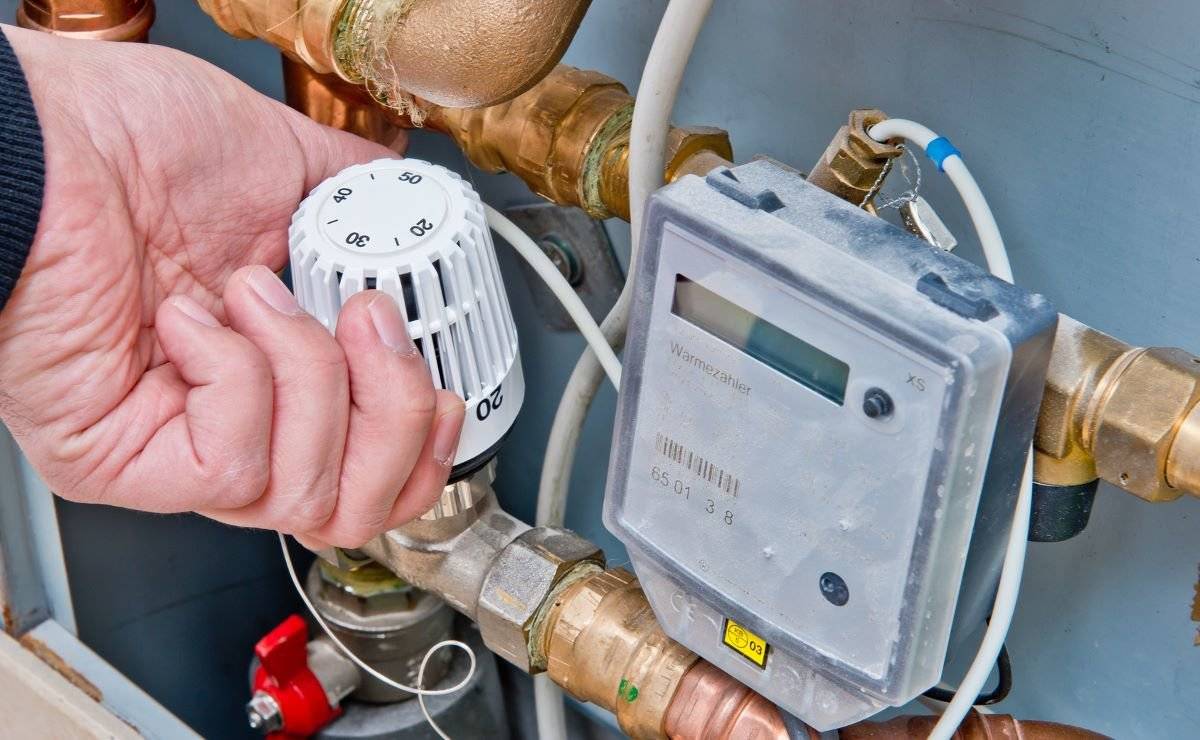
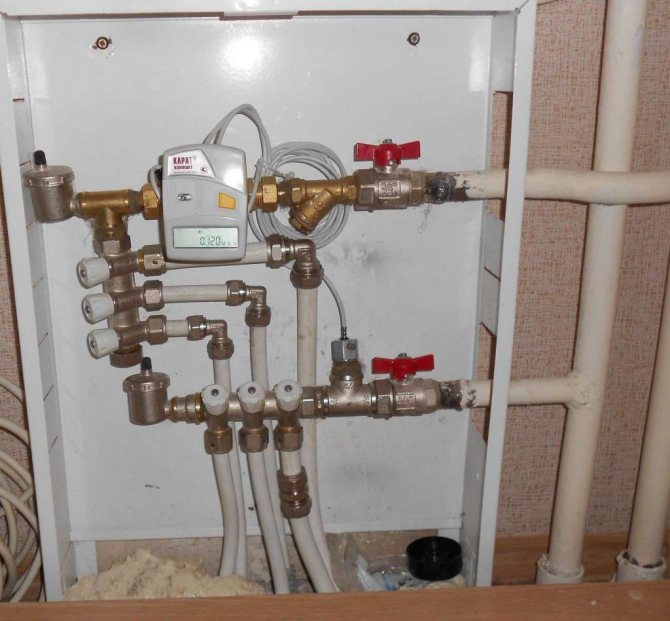
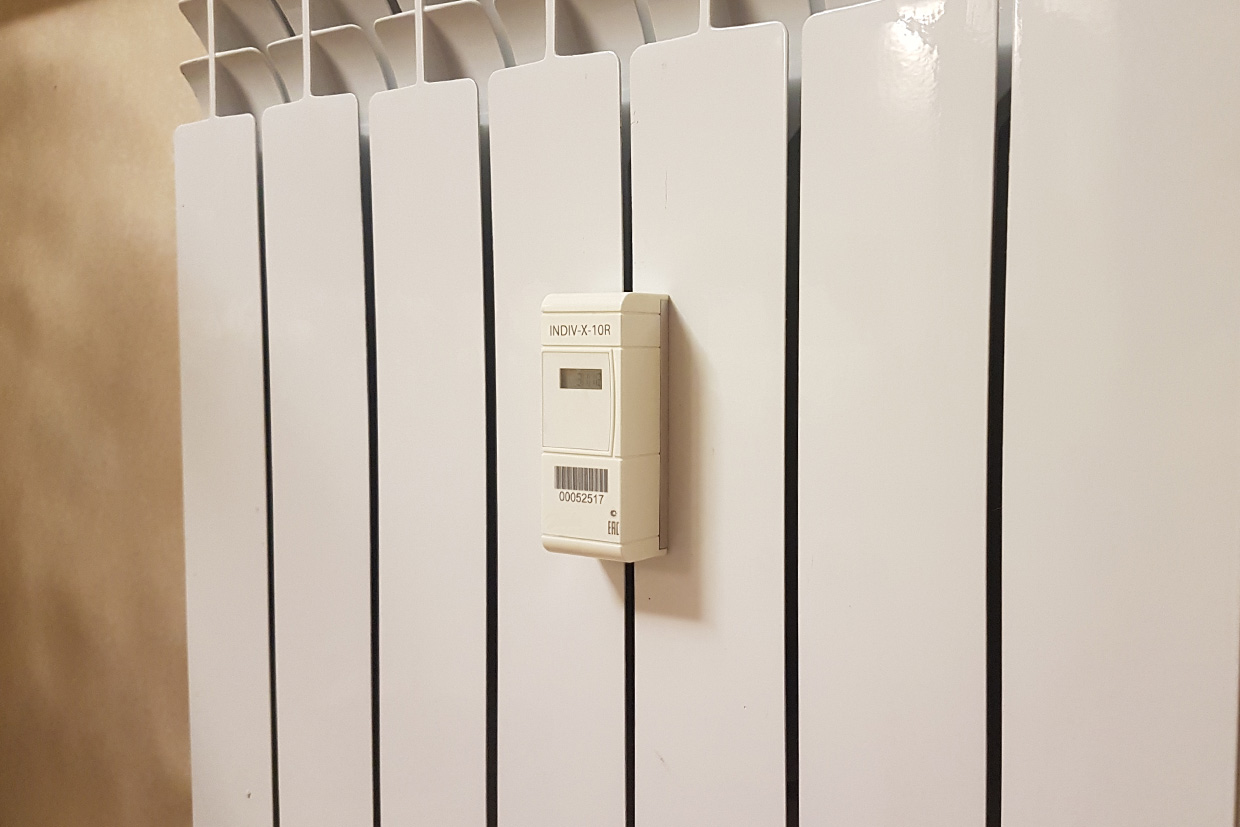
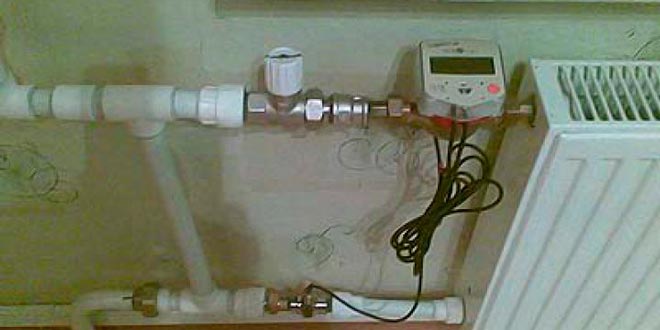
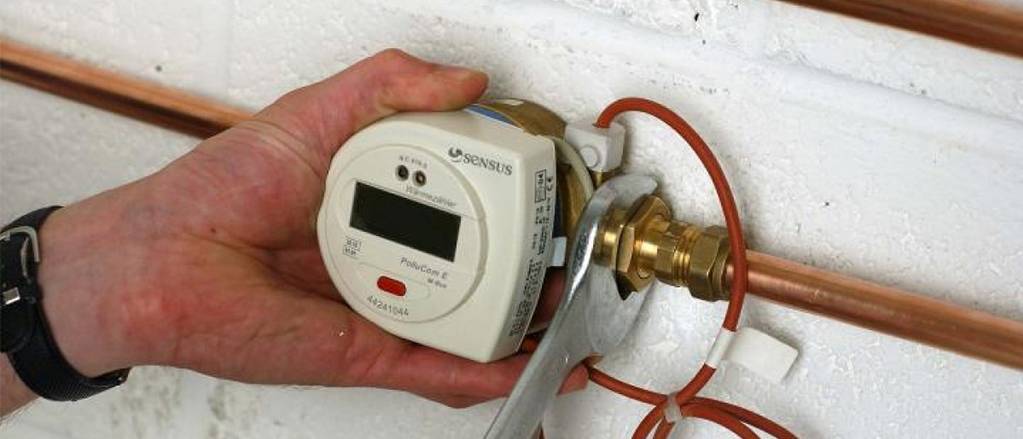
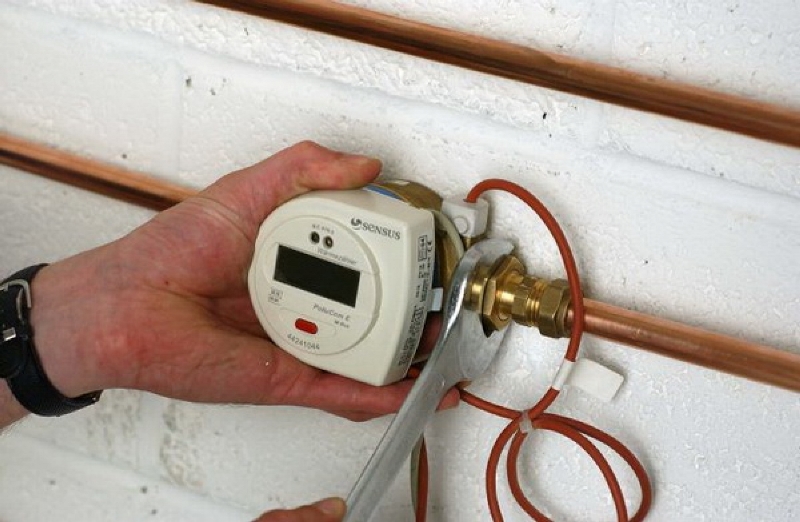
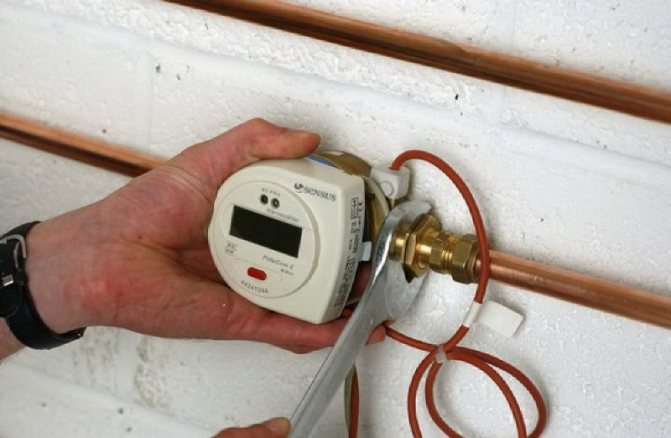
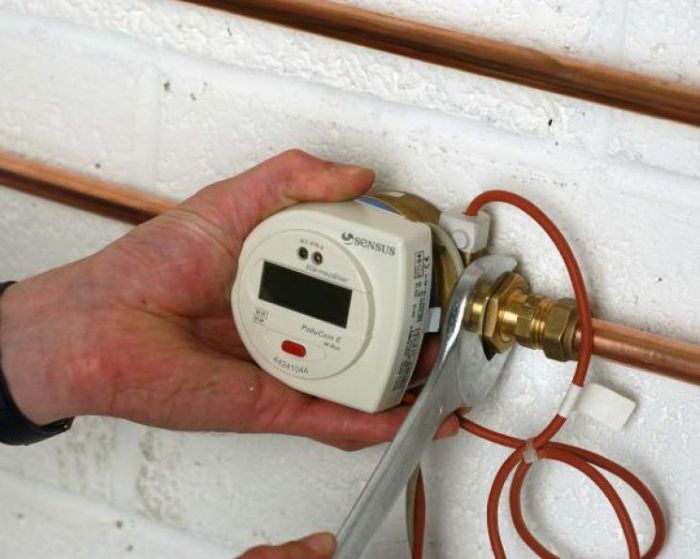
The easiest way is to install an overhead device, for this you do not need to hire anyone or cut pipes. It is enough to attach it to the battery. Another thing is mechanical heat meters, here you will have to block the risers, drain the water and dismantle the pipe section. The same applies to ultrasonic devices that are cut directly into the pipeline. As mentioned above, in order to carry out such work, it is necessary to have permission and a finished project in hand. And for successful acceptance into operation, the installation must be carried out by a licensed company, which will be confirmed by the relevant act of work performed.
In the event that you decide to get to work on your own, first carefully study the instructions for the heat meter.There are recommendations for installation and operation, which must be followed strictly. By the way, for tachometric and ultrasonic devices, it is necessary to provide a measured section of a certain length. That is, before and after the apparatus there should be a straight pipe without turns and bends.
For reference. The length of the measuring section for a mechanical meter is 3 pipe diameters before the flowmeter and 1 diameter after it. The requirements for ultrasonic flow meters are higher, where a straight section of at least 5 diameters is needed before the meter and 3 after (depending on the manufacturer).
Now about whether it is possible to put an apartment heat meter on the return pipeline. Most manufacturers offer models that are installed on any highway, the main thing is to correctly install the resistance thermal converters (temperature sensors). Usually they are screwed into a tee or a special tap that has a separate pipe for this purpose.
Types of heat meters
Heat meter from the manufacturer "NPF Teplocom"
Before considering the existing types of heat meters, I would like to clarify that the unit itself is not one specific device, but a whole set of them. Thus, the meter may include: pressure and resistance transducers, calculators for the amount of heat received, sensors, flow transducers. A specific set of the unit is determined and approved for each specific object separately.
According to the field of application, meters for heating are apartment and house (industrial). According to the principle of operation - mechanical (tachometric) and ultrasonic.Perhaps it would be better if we consider each of the species separately.
Apartment units for heat metering
Appliance for an apartment
An individual apartment heating meter is a device with small channel diameters (no more than 20 mm), and with a coolant measurement range of approximately 0.6-2.5 m3 / h. Electromagnetic measurement of heat energy consumption is possible, as well as vortex and turbine. As you may have guessed, this type of meters is designed for installation in private houses and apartments.
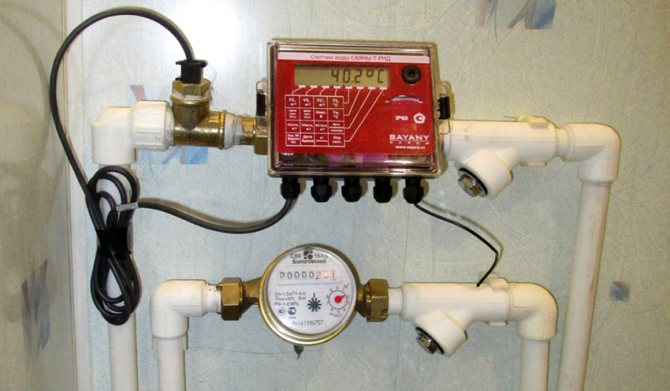
Almost always, the coolant here is water, which is heated to a specific temperature. The apartment meter consists of two complementary elements: a heat calculator and a hot water meter. How does a heating meter work?


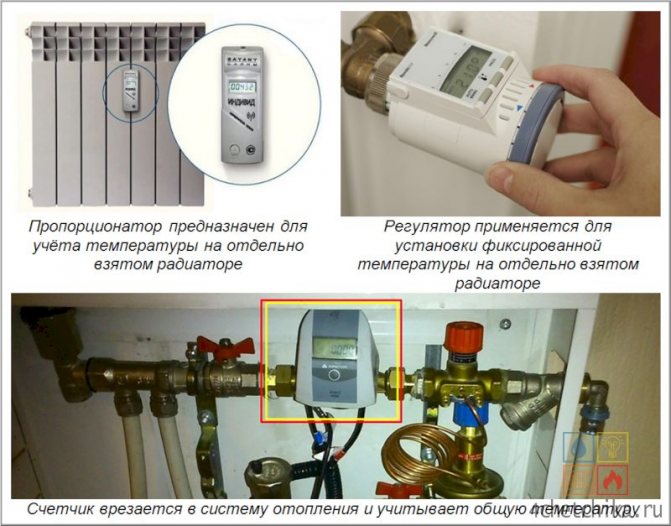


The heat meter is installed on the water meter, and 2 wires are removed from it, which are equipped with temperature sensors: one wire is connected to the supply pipeline, and the second - to the pipeline leaving the room.
The heat calculator collects information about the incoming coolant (in this case, water) at the inlet and outlet. And the hot water meter calculates how much water is spent on heating. Then, using special calculation methods, the heat meter calculates the exact amount of heat used.
Household (industrial) heat meters
Common house appliance
This type of meters is used in production and in apartment buildings. Heat is accounted for, again, by one of three methods: turbine, vortex, electromagnetic. In principle, house heat meters differ from apartment meters only in size - their diameter can vary in the range of 25-300 mm. The measurement range of the coolant remains approximately the same - 0.6-2.5 m3 / h.
Mechanical
Heat meter with mechanical flowmeter
Mechanical (tachometric) heat meters are the simplest units. They usually consist of a heat calculator and rotary water meters. The principle of operation is as follows: the translational movement of the coolant (water) is converted into a rotational movement for convenient and accurate measurement.
Such a meter for heating in an apartment is considered an economical option. However, the cost of special filters must also be added to its cost. The total price of the kit is about 15% lower than other types of meters, but only for a pipeline with a diameter of no more than 32 mm.
The disadvantages of mechanical units include the impossibility of their use at high water hardness, as well as, if it contains scale, small scale particles, rust. These substances quickly clog flow meters and filters.
Ultrasonic
Ultrasonic apartment heat meter
To date, there are various models of ultrasonic heating meters, but the principle of operation for all of them is approximately the same: an emitter and a device that receives ultrasonic signals are mounted on the pipe opposite each other.
A signal is sent through the fluid flow by the emitter, then after some time this signal is received by the receiver. The signal delay time (from the moment of its emission to reception) corresponds to the speed of the water flow in the pipe. This time is measured and the water flow in the pipeline is calculated from it.
In addition to the main functions, this type of meters can be endowed with the ability to regulate the supply of heat.It should be noted that ultrasonic heat meters are much more accurate in readings, more reliable and more durable than mechanical devices.
Types of heat meters: which one is better to choose
Before a heating meter for an apartment building, you should familiarize yourself in detail with its main characteristics and principle of operation. To date, there are several varieties of heat meters, among which are:
- Mechanical counters - are currently considered the cheapest and simplest. The basic principle of operation of these devices is to convert the translational movements of the coolant into the movement of a special measuring system. Usually, turbine, screw and vane varieties of mechanical heat meters are distinguished. It should also be noted that such devices are categorically not recommended for use for hard water - this is fraught with clogging of the device with scale and other sedimentary substances. In this case, the best option would be to use a special filter for water purification.
- Electromagnetic meters operate on the principle of the appearance of an electric current as a result of the passage of an electron carrier through a magnetic field.
- Vortex heat meters operate on the principle of detecting and analyzing a vortex that appears directly in the path of the coolant. It should be noted that this type of meter reacts negatively to the presence of significant impurities in the coolant, as well as to sudden changes in temperature and air in the lines.
- Ultrasonic heat meters are currently among the most accurate and efficient.The principle of operation of this type of metering device is based on the passage of a special sound signal through the coolant, as well as the indicator of the time it takes for the coolant to flow from the source to the ultrasonic signal receiver.
Is installation in an apartment building profitable?
If you managed to complete all the above points and installed a heating meter, you will immediately have the following list of advantages:
- You will pay only for the heat that you used for a certain period, that is, according to the meter.
- If there is a time when you do not need heating, then you can save on it. That is, do not use the meter, heat, then do not pay.
- If your house, apartment also has insulated walls, floors and ceilings, then you will have to pay even less! You do not have to spend so much heating, since your apartment is already insulated on all sides.
As for the issue of payback for this device, almost everything will depend on how you will operate it. But you can say for sure that you can save on it and very well.





To be specific, you can save about 20 - 30%. But if you are still in doubt, you can safely look at last year's receipts and compare them with those that will come after the meter is installed. You will immediately notice a decent difference!
Types of wiring for an apartment heating system
Apartments in high-rise buildings are equipped with either vertical or horizontal wiring of the heating system. In apartment buildings built before the beginning of the 21st century, heating systems were bred vertically.
Option #1 - vertical wiring
The vertical circuit of the thermal system is made of one-pipe, less often two-pipe. But always with a sequential run of coolants along the interfloor levels - from bottom to top, then from top to bottom.
Especially vertical heating distribution is common in Khrushchev.
The contour of a one-pipe heating system covers several floors and apartments. Therefore, you cannot put a mortise heat meter on it
Heating with vertical wiring has serious disadvantages:
- uneven distribution of heat. The coolant is pumped along a vertically oriented interfloor circuit, which does not provide uniform heating of the premises at different levels. Those. in the apartments of the lower floors it will be noticeably warmer than in the rooms located closer to the roof of the high-rise building;
- difficult adjustment of the degree of heating of heating batteries. The need to equip each battery with a bypass;
- problems with balancing the heating system. The balance of single-circuit heating of vertical wiring is achieved by adjusting the shut-off valves and thermostats. But at the slightest change in pressure or temperature in the system, it is necessary to re-adjust;
- difficulties with individual accounting for heat consumption. There are more than one risers in the vertical heating system of the apartment's rooms, so conventional heat meters cannot be used. You will need several of them - for each radiator, which is expensive. Although another tool for accounting for thermal energy is available for heating vertical wiring - a heat distributor.
Building a scheme for a vertically oriented heating pipeline was cheaper than horizontal wiring - fewer pipes were required.
Such savings in the era of mass standard development of Russian urban areas in the 20th century were considered quite justified.
Option # 2 - horizontal wiring in a high-rise building
With horizontal wiring of the heating system, there is also a vertical supply riser that distributes the coolant over the floors.
The pipe of the second riser, which serves as a return line, is located in a vertical technical shaft next to the supply riser.
From both distribution risers, horizontal pipes of two circuits are output to the apartments - supply and return. The return line collects the cooled water, transporting it to a thermal station or heating boiler.
In a horizontal heating circuit, everything is simple - the coolant enters the apartment through one pipe, and exits through the other.
The advantages of horizontal wiring of heating pipes include:
- the ability to adjust the temperature in each apartment, as well as in the entire line (installation of mixing units is required);
- repair or maintenance on a separate heating circuit without completely shutting down the heating system. Shut-off valves allow you to block the contour of the apartment at any time;
- quick start of heating on all floors. For comparison, even in a well-balanced one-pipe vertical distribution system, the delivery of coolant to all radiators will take at least 30-50 seconds;
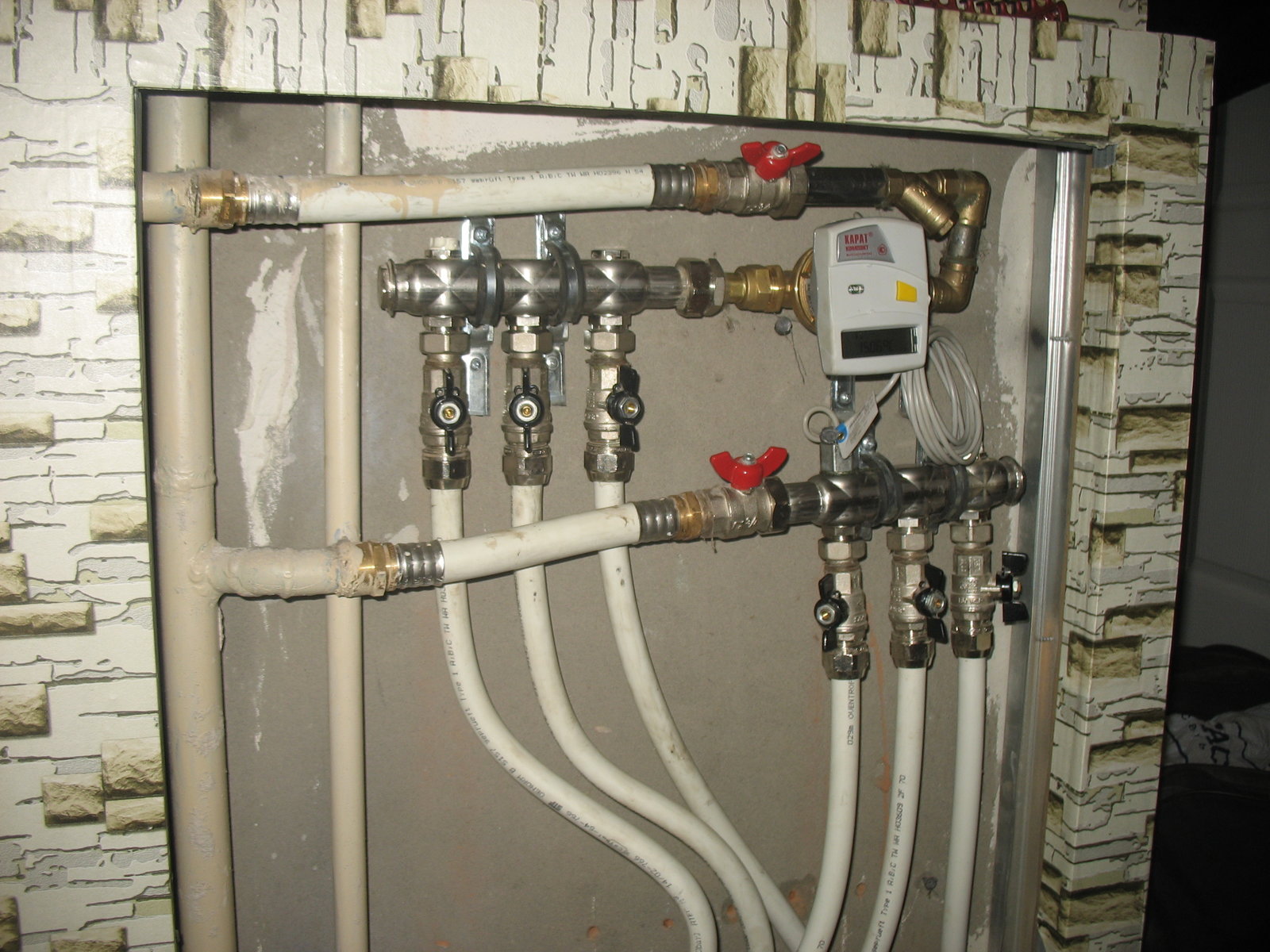
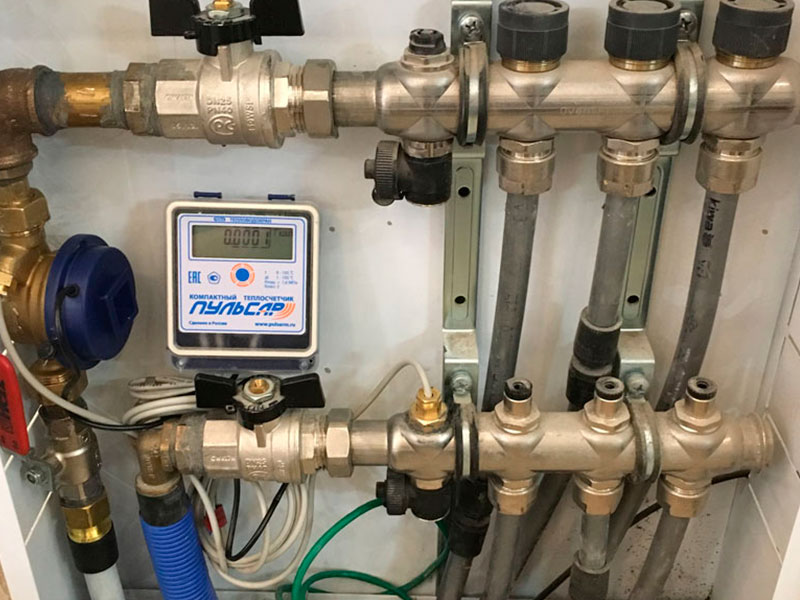
- installation of one heat meter per apartment circuit. With horizontal heating distribution, equipping it with a heat meter is a simple task.
The disadvantage of a horizontal heating circuit is its increased cost. The need to install a return pipe parallel to the supply pipe increases the price of apartment heating by 15-20%.
Heating meter options: individual and common house appliances
Depending on the conditions and variant of the distribution of the heating network, there are two types of heat meters: common house and individual - in each apartment. Both methods have the right to life, and each has its own advantages and disadvantages.
A common house heat meter in an apartment building is considered an excellent option, especially if most residents are willing to financially participate in its installation. Despite the fact that the installation cost and the price of the heat meter are quite high, if the final amount is distributed among the residents, the result will not be such a big figure. Accordingly, the more applicants, the cheaper the work will cost. On a monthly basis, data from the meter is taken by employees of the heat supply organization, who distribute the resulting figure between apartments, taking into account the area of \u200b\u200beach.
Before purchasing a common heat meter for heating, the following tasks should be solved:
Heat meters can be individual and common house
- Hold a meeting of the residents of the house, interview those who are willing to invest personal funds in the installation of the device. It is allowed to install the device only when the majority of those living in the house are ready to support the idea.
- Discuss the features of subsequent installation, select a supplier company that will take readings from the meter and issue receipts for heat energy consumption for each consumer.
- Be sure to record the results of the meeting in the minutes and send a written statement about the desire to install a heating device to the company that is responsible for the supply of heat.
- Draw up an agreement with the heat supply organization and pay for the used heat energy upon the fact.
So that the process of installing the meter does not drag out, experts recommend immediately contacting companies that perform the full range of services for installation, project creation and coordination. And you also need to first find out if the current heat service provider is installing meters. Often, utilities have agreements with private companies that install heat meters in the houses entrusted to them on preferential terms.




As for the benefits, installing heating meters in the house is considered an economical solution. However, there are some nuances. For example, if the windows in the entrance are old, broken, then the heat loss along the entrance will be significant, which will subsequently affect the final amount for heating. Sometimes, due to such losses, heat costs can exceed standard norms. These nuances must be foreseen in advance and assess the feasibility of installation.
To install a common house meter, the consent of at least half of the residents is required
Individual meter for heating in the apartment
Despite the fact that in some cases the installation of heat meters in a house or in an entrance will cost less, but the economic effect may not be expected in the near future. For this reason, many consumers prefer individual meters, which are mounted directly in each apartment.
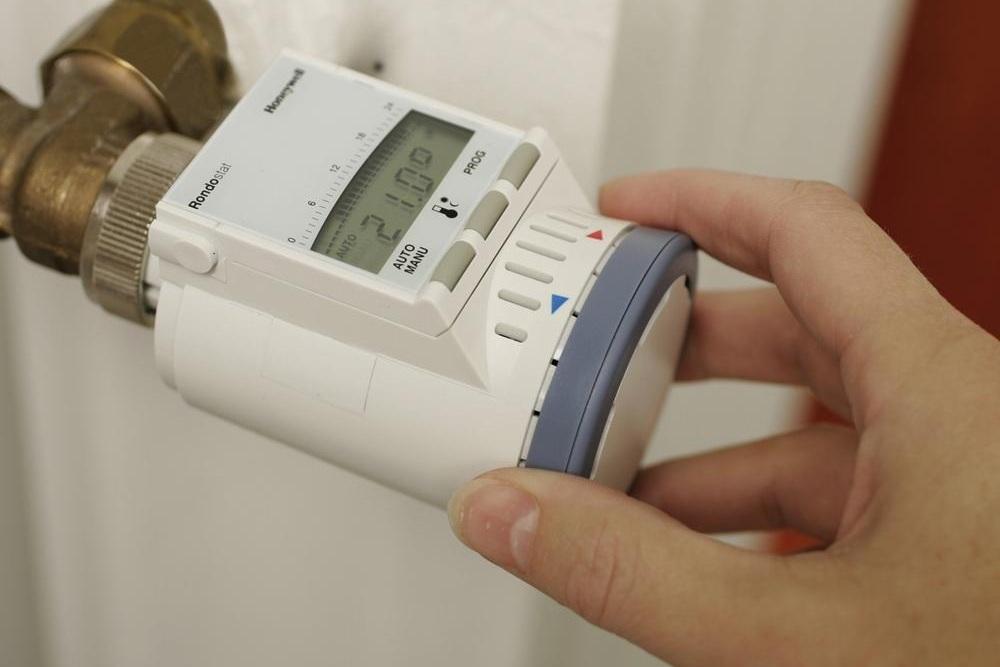
Before installing the meter, you first need to figure out how the meter works for heating in the apartment.So, the operation of an individual device involves the placement of a distributor on each battery, the task of which is to fix the temperature and its fluctuations over a certain period. Usually, differences are taken into account throughout the month. Based on the obtained indicators, the payment for the consumed thermal energy is calculated.
To understand whether it is possible to put a meter for heating in an apartment, you need to know some of the limitations that arise for technical reasons. Given that the installation of a heat meter is carried out on each riser, then if there are several risers in the apartment, several devices will need to be installed. Therefore, with vertical heating distribution, distributors are installed that calculate the heat consumption based on the temperature difference on the surface of the battery and in the air of the room.
Installing an individual meter will cost more than a common house meter, but the cost savings thanks to it are more significant.
With horizontal wiring, it is much easier to install the meter on the heating battery. In rare cases, thermal appliances are mounted on the return line, but in this case the calculation takes place according to a different principle.



