
- Some Helpful Tips
- What is a booster pump station?
- Features of installing a device for pressure in the water supply
- Connection diagram - recommendations
- How to install a pump to increase water pressure
- Technical equipment to increase the water pressure in the apartment
- Key pump selection parameters
- Video - Options for solving the problem of low pressure in the tap
- Purpose and types of units
- When is a high pressure pump needed?
- Alternative Pressure Boosting Measures
- The best models of water pumps for increasing pressure in an apartment
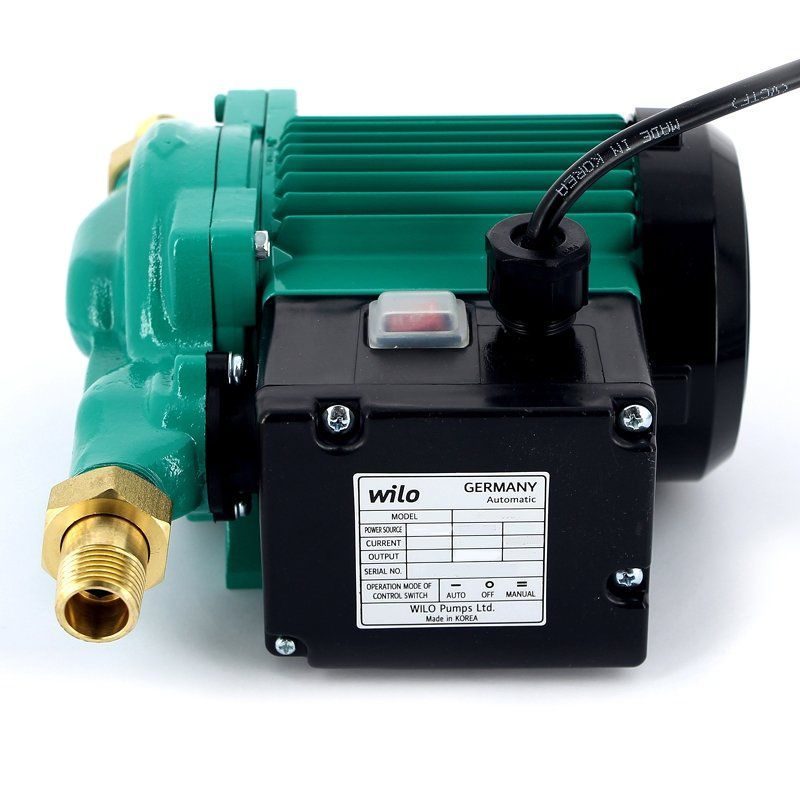
- Booster pump Wilo
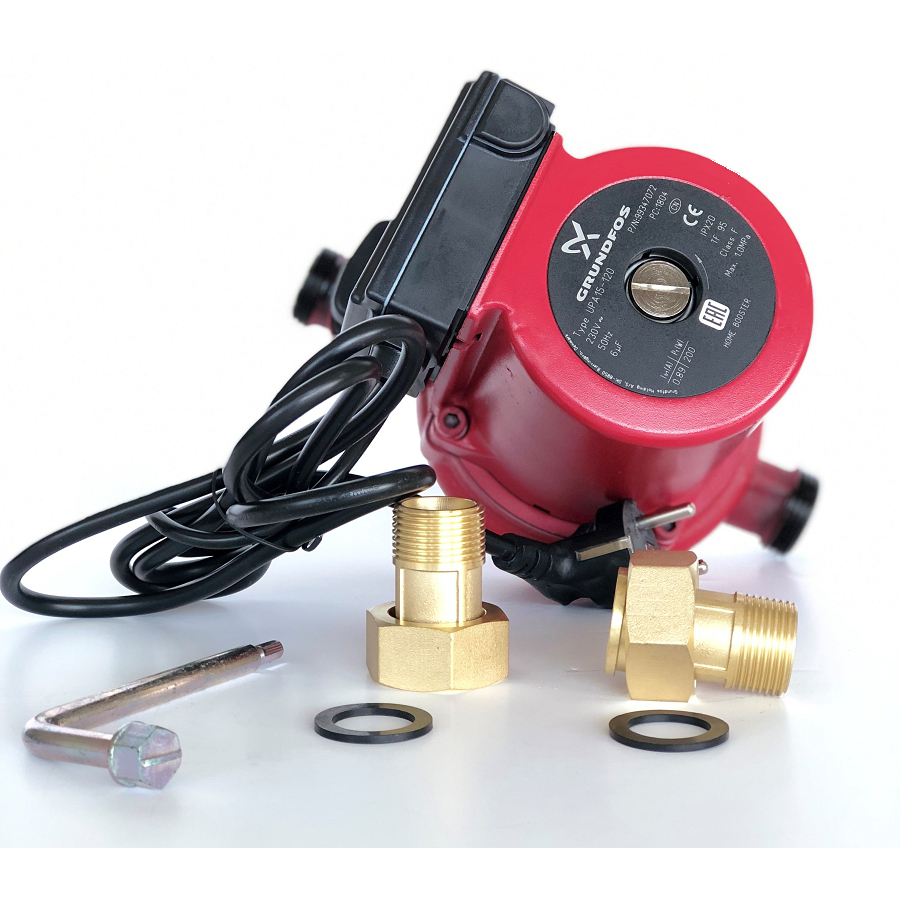
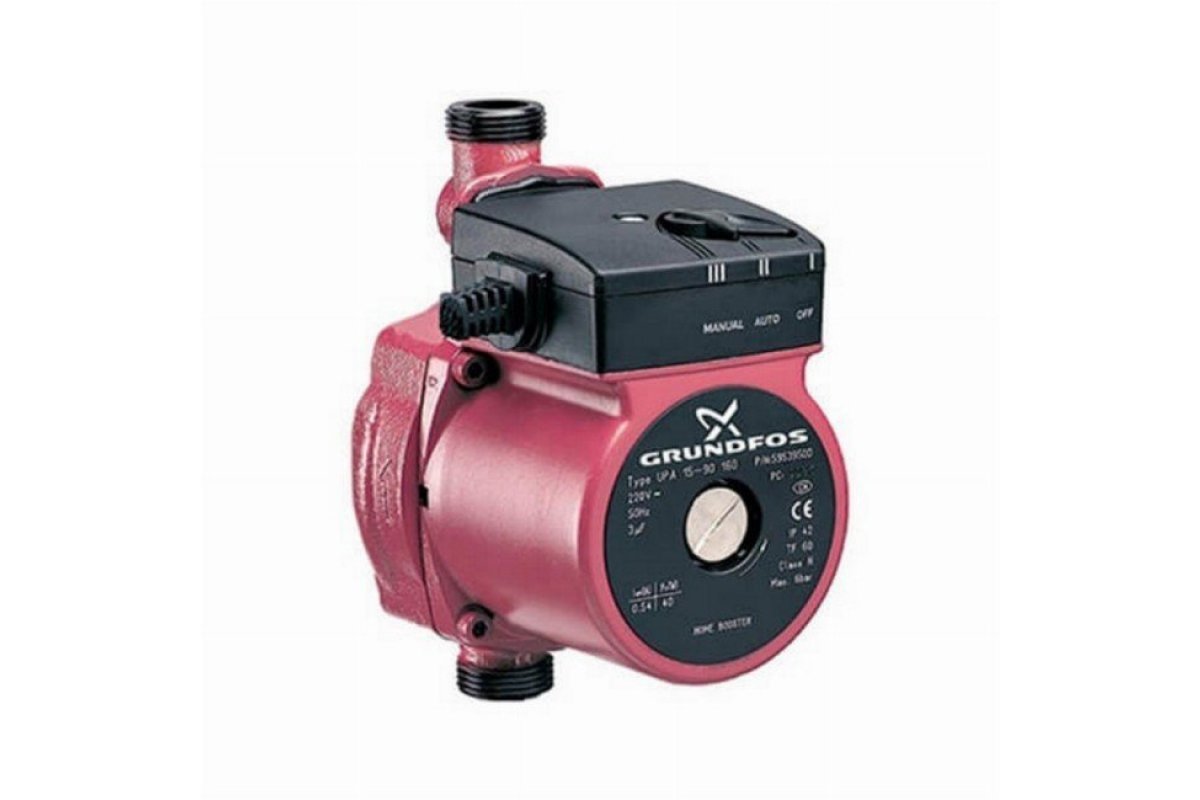
- Grundfos water booster pump
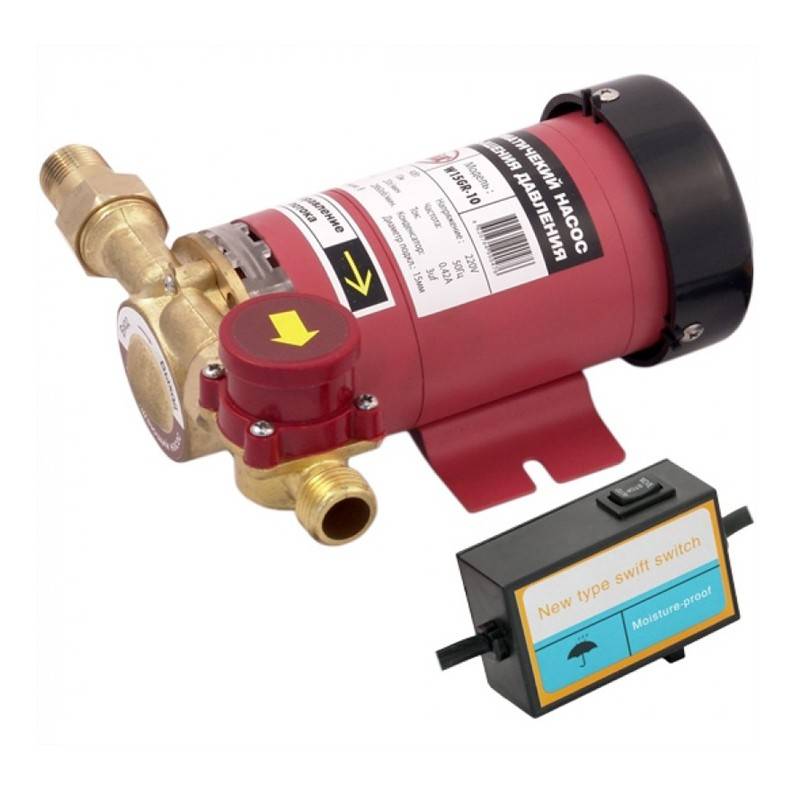
- Comfort X15GR-15 air-cooled pump
- Pump station Dzhileks Jumbo H-50H 70/50
- Jemix W15GR-15A
- How to install an automatic water pressure booster pump with a hydraulic accumulator?
- What you need to do before choosing a pump to increase water pressure in a private house
Some Helpful Tips
Not always a booster pump is needed to solve the problem with low water pressure in the system. To begin with, it does not hurt to diagnose the condition of the water pipes. Their cleaning or complete replacement can restore normal pressure without additional equipment.
To understand that the problem is in the poor condition of the water pipes, sometimes it is enough to ask neighbors who live in apartments on the same floor or higher. If they have normal pressure, you almost certainly need to clean the pipes.
If the picture is the same for everyone, there may be more serious problems affecting the entire plumbing system of the house and even the area. In high-rise buildings, water sometimes simply does not flow to the upper floors. This requires high-powered and rather expensive equipment.
It makes sense to cooperate with other tenants to share the costs. It is a good idea to demand that the organization that receives the payment for the water supply solve the problem, since it is they who must ensure the supply of water to the consumer.
The lack of water on the upper floors is a violation of fire safety requirements
When communicating with the water service provider, it is worth paying attention to this point and mention the possibility of litigation due to non-compliance with the law
It is best to entrust the installation of equipment in an apartment building to a full-time plumber of the management company. He is also more familiar with the system, and will be held responsible in case of leaks or breakdowns caused by poor-quality installation of equipment.
What is a booster pump station?
This is a centrifugal simplified device for improving water pressure, it operates with an attached hydraulic accumulator and a pressure switch, which has the function of controlling the entire system. With the support of such a system, water is taken, which is fed into the tank.Even if the pressure switch turns off the pump, the consumer still has the opportunity to use the prepared water, which is comfortable in case of frequent shutdowns. The pressure will then decrease. As soon as it drops to the set mark, the relay will work again and the pump will turn on. It can be understood that the larger the tank, the lower the load, the longer its period of operation.
Features of installing a device for pressure in the water supply
The installation location of the pressure boosting equipment depends on the specific situation. To ensure the normal operation of the faucet and shower head, it is enough to mount it at the outlet of the storage tank. For devices that are more demanding on pressure (washing machine, dishwasher, water heater), it is better to install the pump in front of them.
However, installing several low-power pumps at once is not the best option. In this case, it is worth installing more powerful models that can stabilize the pressure at high flow rates.
The installation of a pump to increase the pressure in the water supply of an apartment or a private house is performed in the following sequence:
First, mark the pipe on which the equipment will be installed, taking into account the length of the device and fittings.
Then the water supply is shut off in the room.
After that, in the marked places, the pipe is cut.
At the ends of the pipeline, an external thread is cut.
Then adapters with an internal thread are mounted on the pipe.
Fittings from the kit with the pump are screwed into the installed adapters
For better sealing, wind FUM tape around the thread.
An increasing device is mounted, while it is necessary to follow the instructions of the arrow on the body of the device, showing the direction of water flow.
After that, from the electrical panel to the device, you need to stretch a three-core cable and, preferably, make a separate outlet, and it is better to connect the device through a separate RCD.
Then the pump must be turned on and its operation checked, paying attention to the absence of leaks at the joints. Tighten the fittings if necessary.
Proper installation of the device will provide water needs for many years. Adhere to the following recommendations during the installation of equipment:
- in order for the pump to work longer, it is better to install a mechanical filter at the inlet to it. So you can protect the device from getting into it unwanted particles;
- it is better to install the unit in a dry and heated room, since low temperatures can freeze the liquid in the device, which will disable it;
- vibration from the operation of the equipment, over time, can loosen the fasteners, causing a leak, so sometimes you need to check the connections for leaks.
A properly selected and correctly installed device can solve the problem of low pressure in the water supply.
Connection diagram - recommendations
When determining the location for the optimal location of the pump, it is guided by the following considerations:
- For the correct operation of household appliances in the form of a boiler, washing machine or dishwasher, the pump is placed directly in front of them.
- If the house has a storage tank located in the attic, pumping is placed at its exit.
- As with the installation of circulation units, in the event of an electric pump failure or removal for repair and maintenance work, a bypass with a shut-off ball valve is provided parallel to it.
- When installing a pump in apartment buildings, it is likely to leave residents without water in the riser, dramatically increasing the volume of its consumption when the pumping is turned on. In this situation, it is necessary to provide for the placement of storage tanks in the apartment, which are more practical to hang from the ceiling.
- Many, when installing more powerful units in a line, do not get the desired result indicated in the passport data. Not knowing the laws of hydrodynamics, they do not take into account the increased hydraulic losses in the pipeline with an increase in the volume of pumped liquid - to reduce them, it is necessary to change the pipes to a larger diameter.
Rice. 14 Installation of booster pumps in the internal water supply
Booster electric pumps are usually installed in apartments or private houses when using public water supply networks, whose services do not fulfill their obligations to create working pressure in the system. Standard wet rotor household units increase the pressure by an average of 0.9 atm. To obtain a higher figure, it is necessary to install a centrifugal electric pump, a pumping station or an installation with frequency control of the impeller rotation speed (the best, but too expensive option).
How to install a pump to increase water pressure
The connection of the circulation booster and the preparation for operation of more complex in design pumping devices, equipped with a hydraulic accumulator, differ significantly.
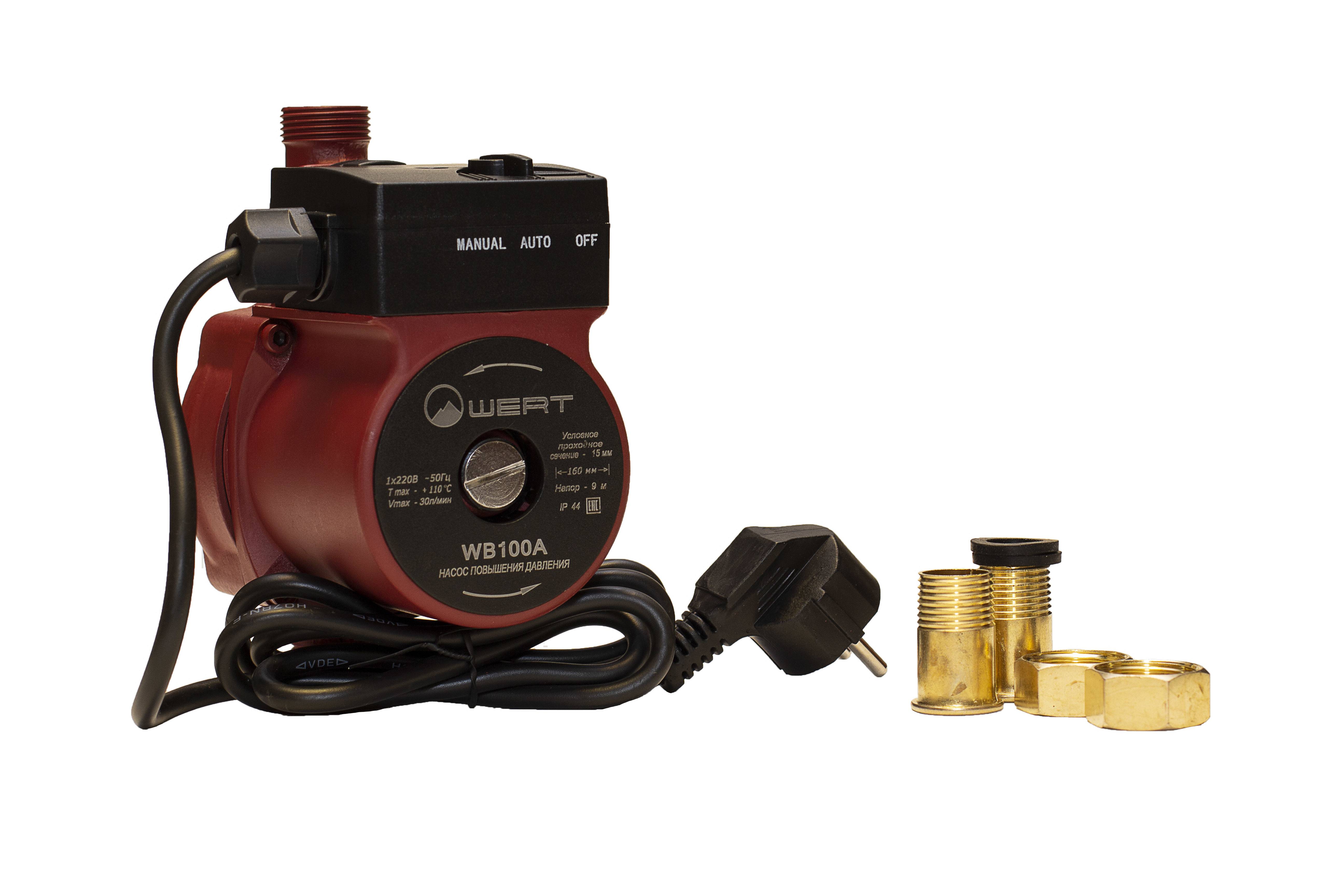
Connecting the circulation booster
Installation of circulation unit for pressure increase water in an apartment building produced in the following order:
- A grinder or a special device for plastic pipes on the inlet line cuts a piece of pipe corresponding to the installation size of the device;
- In accordance with the material of the pipeline, connecting fittings are mounted. If metal pipes are used, either a welded joint or threaded drives are used; if the pipes are plastic, a special soldering iron is used;
- Using the nuts included in the delivery set, the product is mounted in the trunk.
Installation of a suction pump module with a hydraulic accumulator is a much more laborious process. To begin with, we list the main modules available in a typical injection system:
- Self-priming module;
- storage capacity;
- Automatic control system;
- Primary filter that prevents various abrasive fine contaminants from entering the system;
- Plumbing fittings, pipelines and flexible hoses.
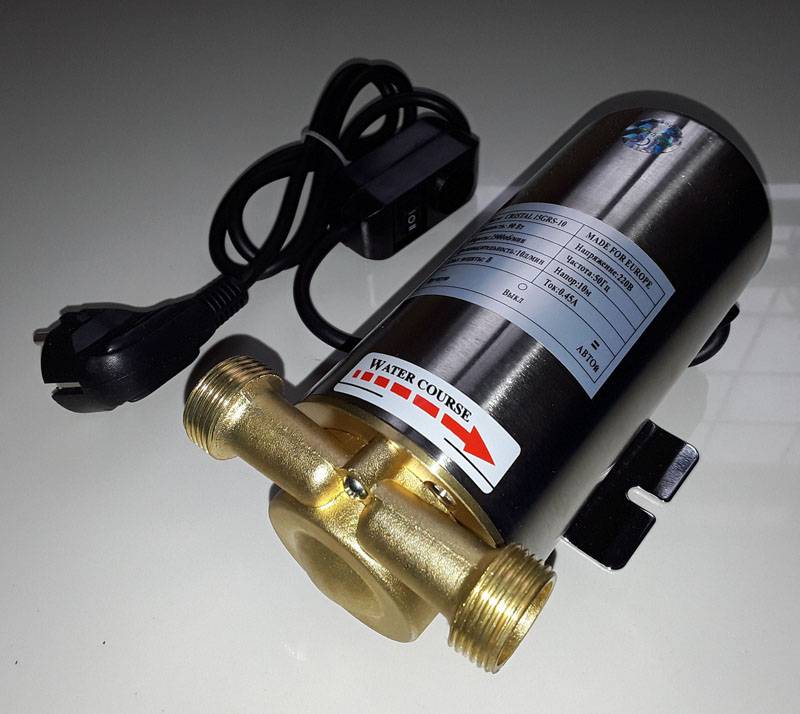
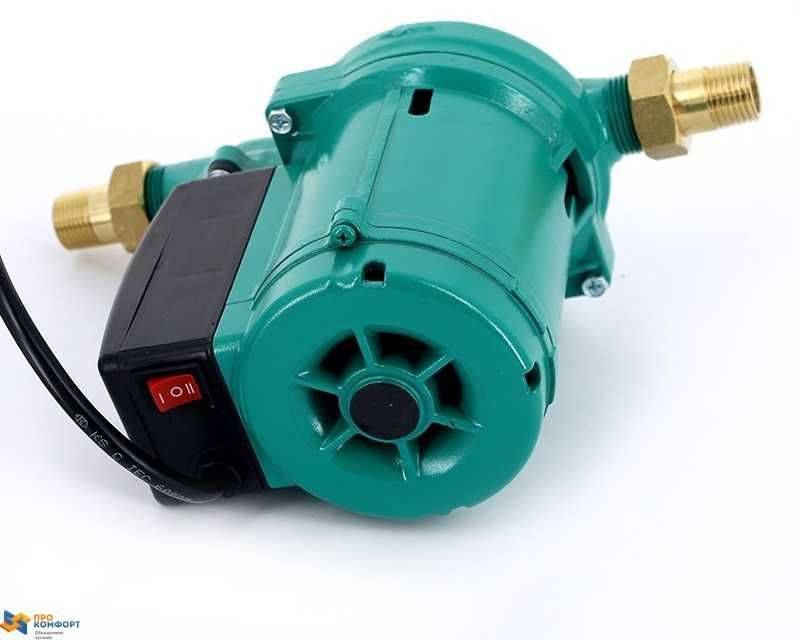


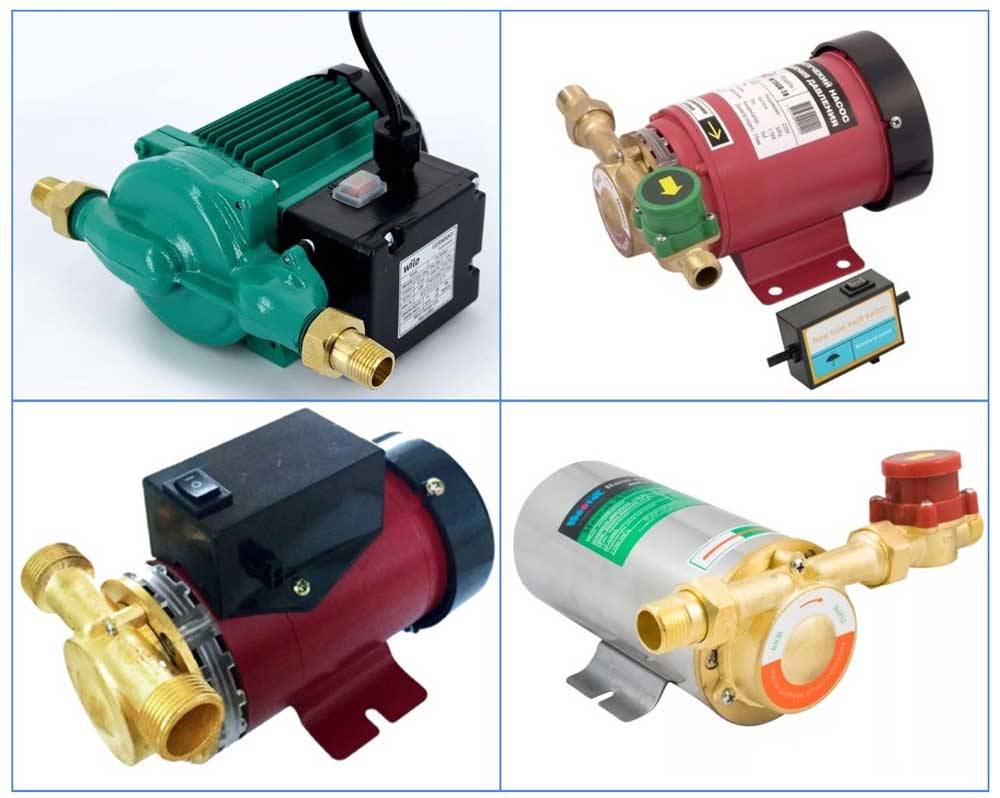

To prevent the outflow of water from the pump housing when the power is turned off, a shut-off valve is provided in front of the inlet pipe. In high-rise buildings, the supply line acts as a source of water; in the private sector, this is most often its own well or well.
The method of connecting the injection unit in the private sector
- The installation should be installed in the immediate vicinity of the water intake;
- The temperature at the installation site should not fall below +5 C;
- Contact of installation modules with walls is not allowed;
- The place of installation must allow the maintenance and repair of the units.
There are several most common options for installing a pumping station with a hydraulic accumulator:
- Directly in the house;
- In the basement or basement;
- In the well;
- In a caisson;
- In a special insulated building.
Each of these options has its own advantages and disadvantages, so the choice of installation depends primarily on the layout of the site and the features of the building. After choosing the installation site, proceed to the installation of the station, which consists of the following main steps:
Preparatory activitieswhich include:
a) Arrangement of a site for the installation of equipment. The foundation must be strong and provide reliable fastening of the apparatus;
b) Digging trenches for laying pipelines;
c) Providing power
2. Installation of the water intake system. Depending on the modification of the pump used, there are:
a) standard scheme, with a surface pump unit and a built-in ejector. In this case, the design is a polypropylene pipe, with a check valve connected through a special coupling with a built-in coarse filter;
b) Using an external ejector. With this design, a check valve with a coarse filter is installed on the inlet pipe of the ejector;
c) With submersible pumpequipped with a strainer. In this case, it is sufficient to connect the non-return valve and the supply line.
3. Installation of surface modules. At this stage, it should be remembered that the connection of each subsequent element should be made using ball valves and check valves.This design will provide the possibility of maintenance and repair of individual pump modules without resorting to draining water from the entire line;
4. Initial start-up of the station is made after filling with water through a special neck located on the top panel of the working chamber.
Before starting any step-up generator, make sure that the ground is present and in good condition!
Technical equipment to increase the water pressure in the apartment
When the cause of problems with pressure is hidden outside the apartment, and contacting the management company does not work, then you can get out of the situation only by applying mechanical methods to increase pressure. You will need to install a pump with a hydraulic accumulator.
If the piping system in the apartment has no flaws, and everything is caused by weak pressure that is supplied to the house, then tie-in the pump will be the only way out of the situation. An additional argument in favor of this solution is the higher pressure on the lower floors.
Pressure Boosting Pump System
Having a lack of water pressure in the apartment, a pump or pumping station is installed in the system immediately after the meter. They allow you to increase the pressure level of the water supplied directly to key consumers, such as a washing machine, dishwasher, bathroom, etc.
The pump for increasing the pressure directly in the apartment is small in size. Its dimensions can be no more than a liter can. In the case when there is a big problem with pressure, then a more massive pump is installed.
Powerful boost pump
The pumping station is the same pump, but additionally equipped with a hydraulic accumulator. This tank accumulates water in itself and subsequently gives it away.This eliminates the need to constantly start the pump when opening the tap for a short time, for example, to fill the kettle. The pump and accumulator can act in one bundle. In this case, there is a platform on top of the tank to which the pump is screwed. In most cases, all equipment is bought separately, and mounted together directly in the apartment.

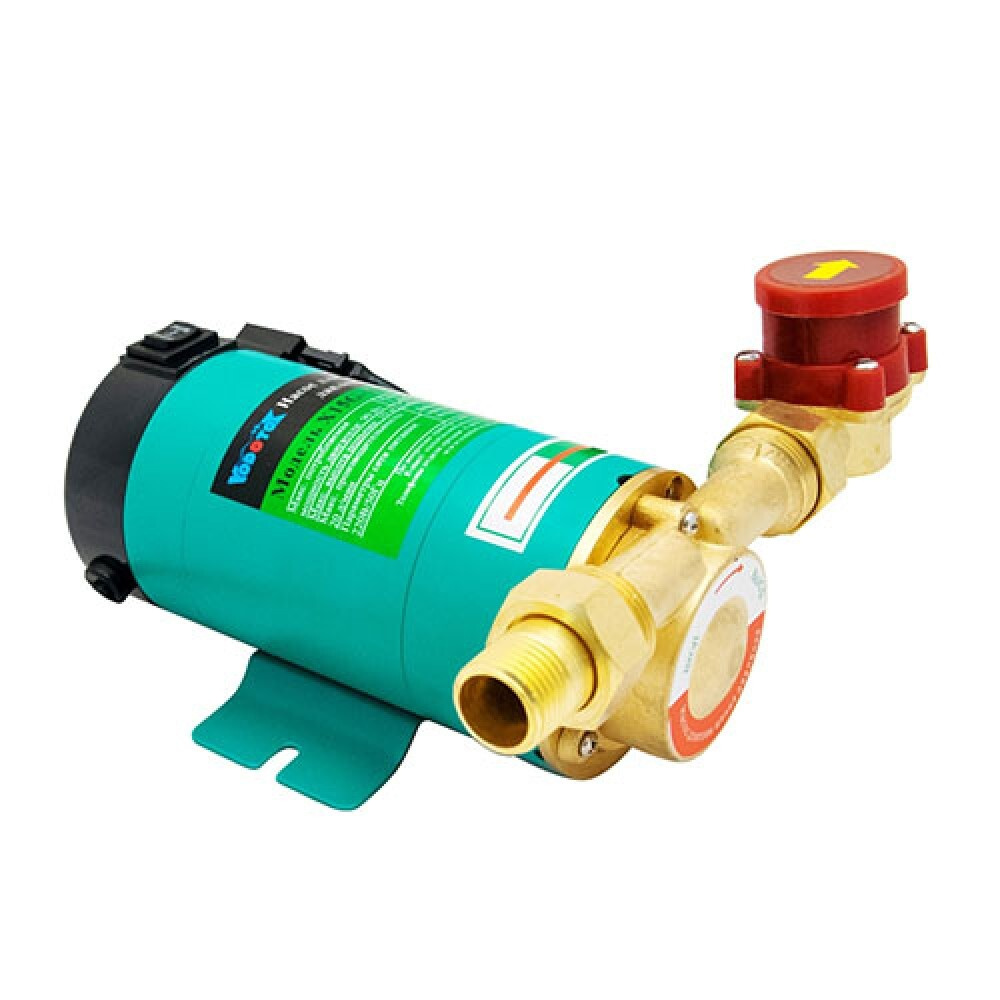
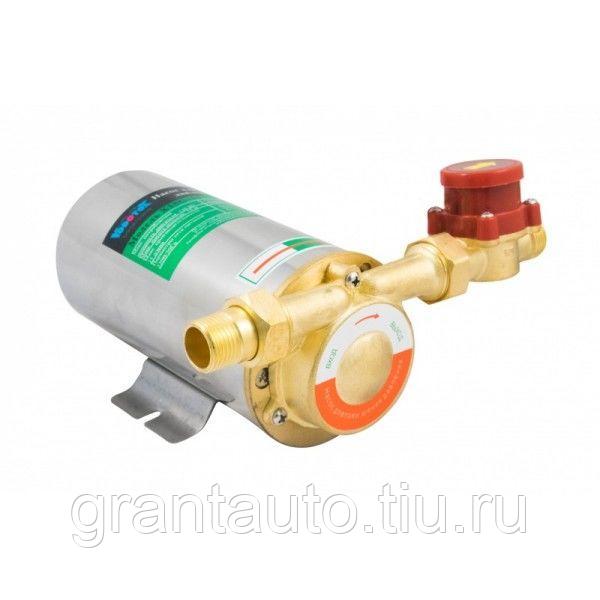

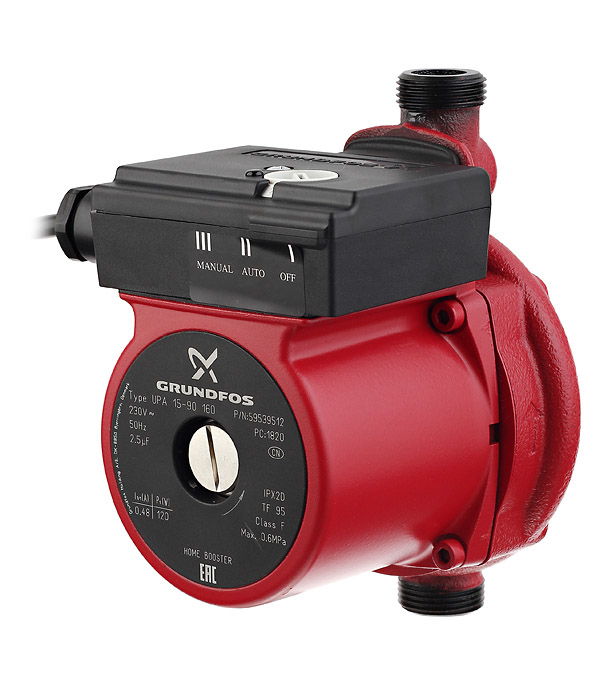


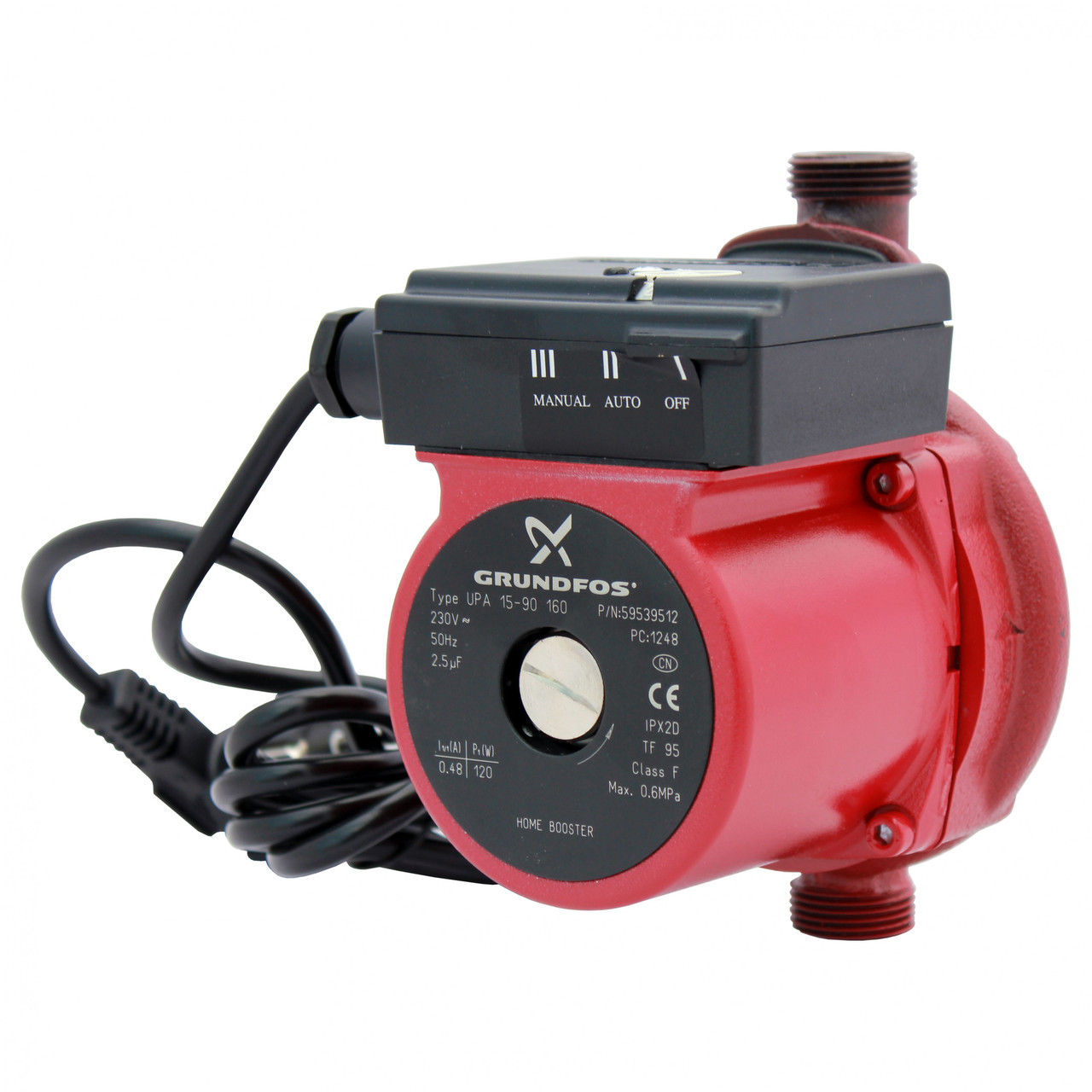
Pumping station for pressure increase
Key pump selection parameters
To get a sufficient level of water pressure in the apartment, without creating problems for household appliances, you need to choose the right pump
First of all, you need to pay attention to its indicators:
- minimum water flow rate to turn on;
- maximum feed;
- operating pressure;
- section of connecting elements.
The minimum water flow rate to switch on is very important. The fact is that insensitive pumps can only work if the mixer is opened at full power. Subsequently, when trying to reduce the flow, the pump stops. Ideally, the pump automatic would allow it to start at a flow of 0.12-0.3 l / min. An insensitive device will not pump up pressure when the toilet bowl is filled, since it is connected through a thin armature and filled with a small stream of water.
Video - Options for solving the problem of low pressure in the tap
The maximum flow shows how much water the pump can pump in a certain period of time. It can be determined in liters per second or minute, as well as cubic meters per hour. It is quite possible to purchase a weak pump, then the volume of pumped water will not be enough for the normal operation of all equipment and other points of consumption.To calculate the optimum performance of the pump, it is required to determine the volume of consumption of all points of water intake. To do this, the use of tabular data will help. It is necessary to sum up the indicators of all consumers, adding a power reserve of 10-30%.
Table 1. Water consumption of different points of water intake.
| Name of the water point | Average water consumption l/s |
|---|---|
| Bathroom faucet | 0,1-0,2 |
| Toilet | 0,1 |
| kitchen faucet | 0,1-0,15 |
| Dishwasher | 0,2 |
| Washing machine | 0,3 |
| Bidet | 0,08 |
The maximum pressure parameter is selected individually, based on the pressure gauge connected to the pipeline in the apartment. An indicator of 2-4 atmospheres is considered optimal. That is, you need to choose a pump that creates a pressure level that is not enough to the norm.
Compact pump to increase the pressure in the apartment
The final key selection criterion is the section of the connecting elements. Since the pump cuts into the pipeline, it is ideal that all fittings match the dimensions of the existing pipes. Incompatibility will require the purchase of additional adapters, which are accompanied by unnecessary costs.
Purpose and types of units
Regardless of where the water is taken from - from the nearest reservoir, a specially equipped well, a well, it can be automatically supplied to the site using a conventional pump.
But for the normal operation of household appliances, the water pressure in the system must be at least 2.5 atmospheres and at the same time not exceed 6 atmospheres. And this parameter can only be achieved by installing a constant pressure maintenance system. For this purpose, a variety of high-pressure water pumps are used.
When is a high pressure pump needed?
A device for increasing and maintaining water pressure in an autonomous system is used when the pressure is so low that it is not possible to use water to operate household appliances.
Installing a pump is acceptable, but not particularly recommended to stabilize the pressure parameters in the apartment circuit if the residents experience a real shortage of water.
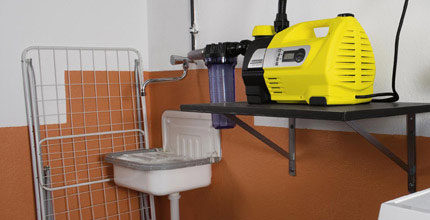
This type of water pump is designed to increase the pressure in an individually equipped water supply system if the power of the water-lifting pump is not enough to ensure normal pressure.
The use of the device will be relevant if the pressure in the system is not higher than 1 - 1.5 atmospheres. Small in size, the device can be installed both on a common pipeline and on the outlet to a separate household unit. For example, by connecting to a pipe supplying water to a boiler or washing machine.
In the first case, you will have to purchase a powerful device with good performance, in the second you can get by with installing a small low-power automatic pump.
The unit can be operated by:
- Manual control - assumes continuous operation of the device, regardless of whether water is currently being supplied, but on condition that the device is turned off manually. They are used in the arrangement of "warm floors", where maintaining the pressure in the heating circuits at the desired level is required constantly.
- Automatic mode - the device is turned on by the automation system, for example, when a tap is opened.The work is regulated by a special flow sensor: at the moment the tap is closed, the pump stops functioning.
The main function of the control system is to turn on the unit when the pressure drops and turn it off when it reaches the set parameter. After all, a decrease in pressure in the line and its excessive increase destroys pipe joints and has a detrimental effect on the operation of household appliances.
Alternative Pressure Boosting Measures
However, the installation of a pump designed to stimulate pressure will be completely useless if the source has a low flow rate. It will not help, and if the system is blocked from time to time. The best solution in this situation would be the use of a self-priming pumping station.
The pumping station is completed on the basis of the category of pumps of the same name, equipped with injectors or without them. In addition, it is complemented by a hydraulic accumulator designed to store water. It looks like a regular tank, only a rubber membrane with air is laid inside. Operates a set of water pressure switch equipment and fixtures.

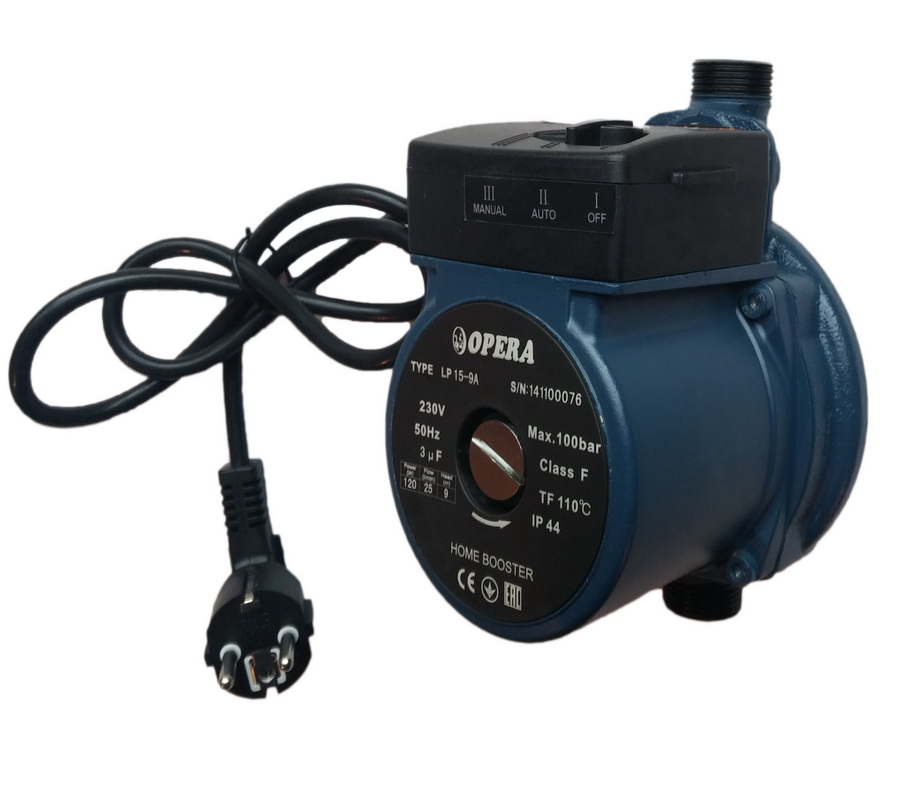


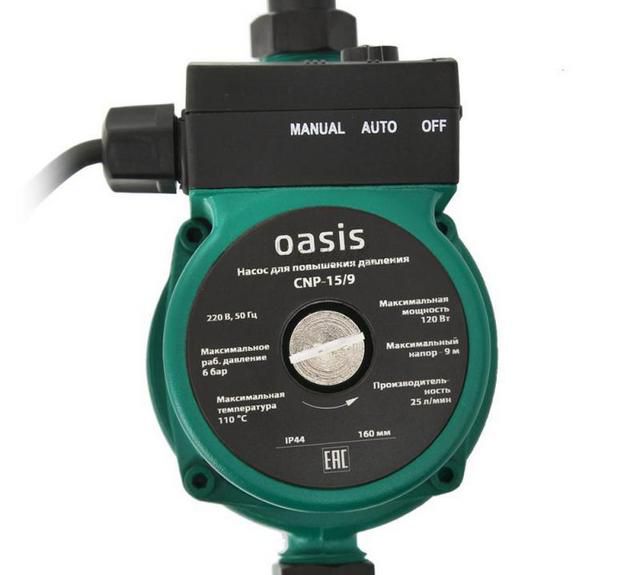


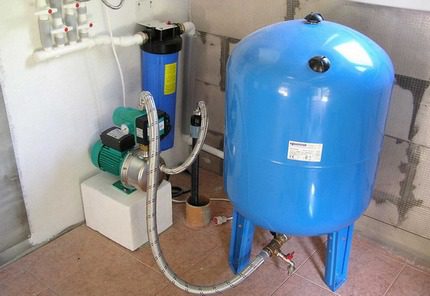
During the operation of the station during the period of uninterrupted water supply, the pump fills the storage tank with water, from where it subsequently consumes
The installation of a self-priming pumping station is also effective in the case when the pressure in the basement of the house is normal, but on those located above it is not at all.
The accumulated water can be used in the future, regardless of whether there is water in the system, which is especially important in case of frequent interruptions in its supply. A significant disadvantage of such installations is the bulkiness of the design due to the presence of a hydraulic tank and the noise of the equipment during operation.
Instead of a hydraulic tank, you can use a conventional storage tank, in which water will be accumulated during the delivery period with normal pressure. You can install it on a high overpass or on the roof of the house, and use the reserve during interruptions.
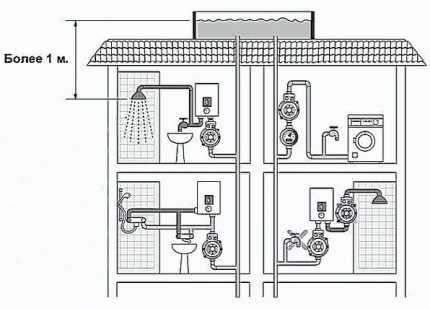 One of the options for eliminating the problem of lack of pressure is to install a storage tank. It is located at the highest possible point, most often in an insulated attic.
The best models of water pumps for increasing pressure in an apartment
Booster pump Wilo
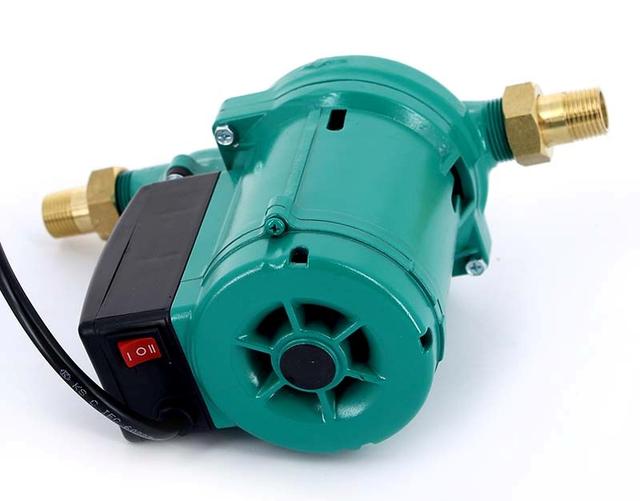
If you need to install a reliable pump to increase the water pressure in the apartment, you should pay attention to Wilo products. In particular, the PB201EA model has a water-cooled type, and the shaft is made of stainless steel.
Wilo PB201EA wet rotor pump
The body of the unit is made of cast iron and treated with a special anti-corrosion coating. Bronze fittings provide a long service life. It is also worth noting that the PB201EA unit has silent operation, has automatic overheating protection and a long motor resource. The equipment is easy to mount, however, it should be remembered that only horizontal installation of this device is possible. Wilo PB201EA is also designed for pumping hot water.
Grundfos water booster pump
Among the models of pumping equipment, Grundfos products should be highlighted. All units have a long service life, withstand fairly large loads well, and also ensure long-term uninterrupted operation of plumbing systems.
Grundfos self-priming pumping station
Model MQ3-35 is a pumping station that can solve problems with water pressure in pipes. The installation is controlled automatically and does not require additional control. The design of the unit includes:
- hydraulic accumulator;
- electric motor;
- pressure switch;
- automatic protection unit;
- self-priming pump.
In addition, the unit is equipped with a water flow sensor, which ensures high efficiency in operation. The main advantages of the station include high wear resistance, long service life and silent operation.
Please note that the MQ3-35 unit is designed for cold water supply. Booster pumps are also equipped with relatively small storage tanks, which, however, are enough for domestic tasks.
An operating Grundfos pumping station in a water supply system
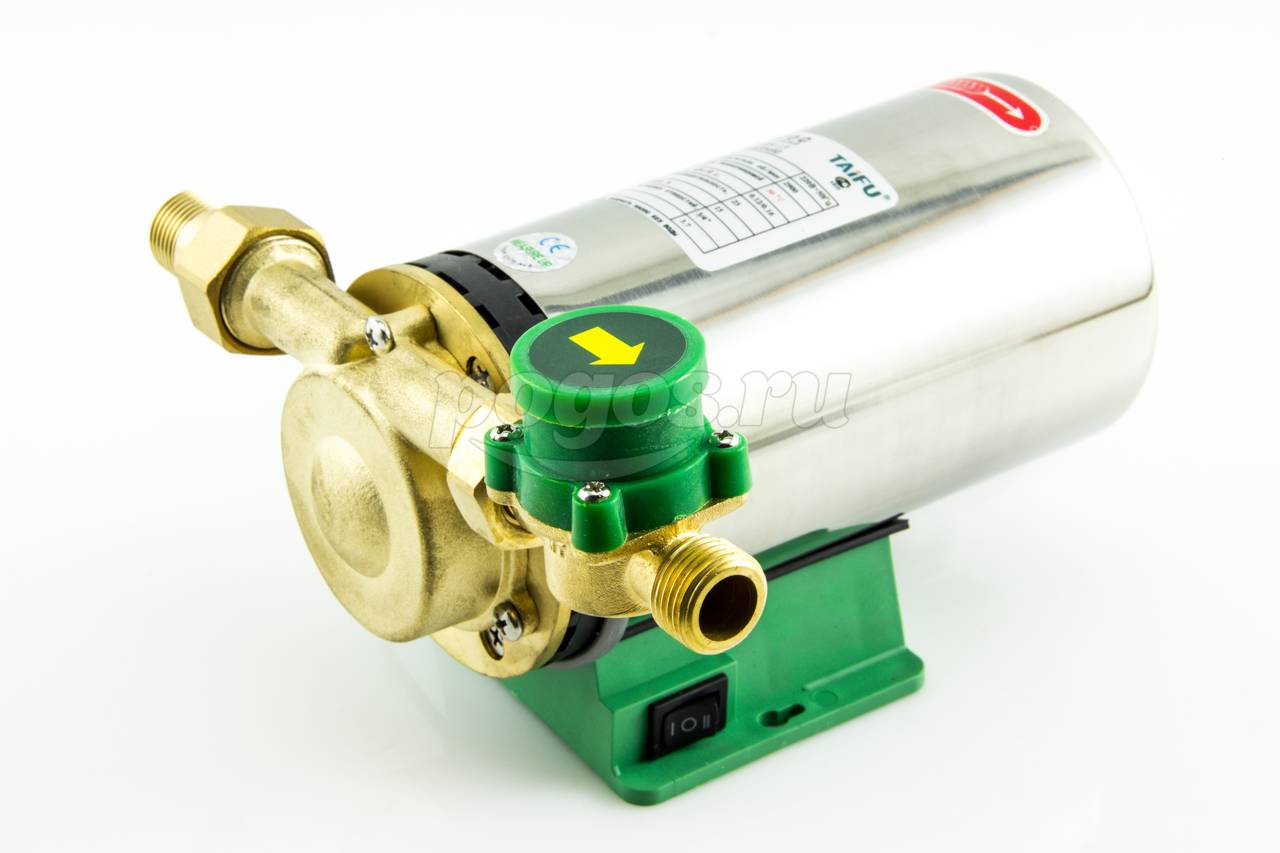
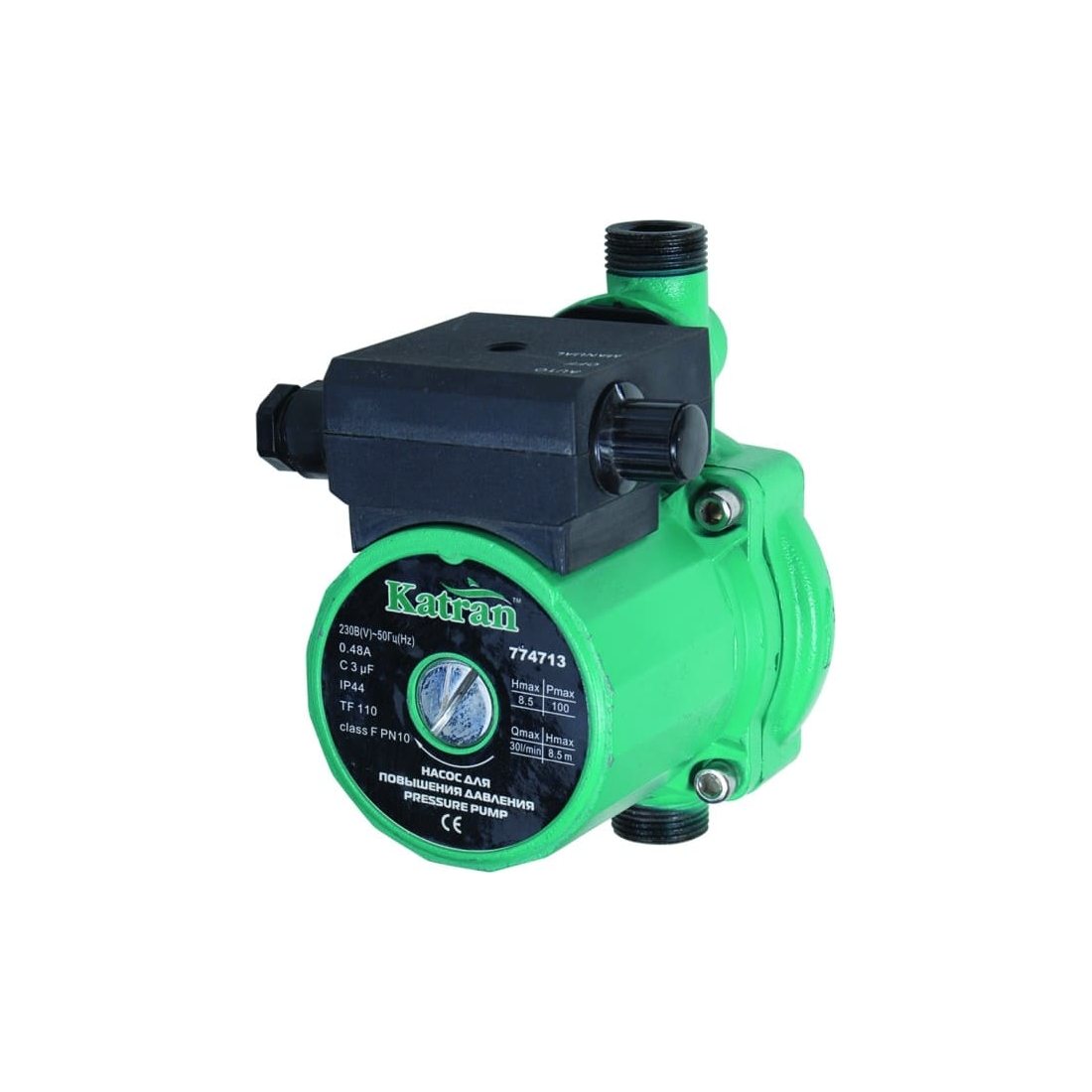
Comfort X15GR-15 air-cooled pump
In order for the circulation pump for water supply to work both in manual and automatic mode, we advise you to pay attention to the model of the Comfort X15GR-15 unit. The body of this device is made of stainless steel, so the unit is not afraid of moisture and can function in any conditions.
Comfort X15GR-15 air-cooled pump
An impeller is installed on the rotor, which provides excellent air cooling. The unit has a compact size, does not require special maintenance, and also consumes electricity economically. If necessary, it can be used to pump hot water streams. The disadvantages of the installation include the loud operation of the power unit.






Pump station Dzhileks Jumbo H-50H 70/50
The Jambo 70/50 H-50H pump station is equipped with a centrifugal pump unit, a horizontal accumulator and a sweat pressure switch. The design of the equipment has an ejector and an asynchronous electric motor, which ensure stable operation of the plant.
Jumbo 70/50 H-50H
The housing of the home water pumping station has an anti-corrosion coating. The automatic control unit ensures simple operation of the equipment, and the built-in overheating protection eliminates the possibility of damage to the unit. The disadvantages of the unit include loud work, and there is also no protection against "dry" running. For the device to function properly, it is recommended to install it in a room with good ventilation and low temperature.
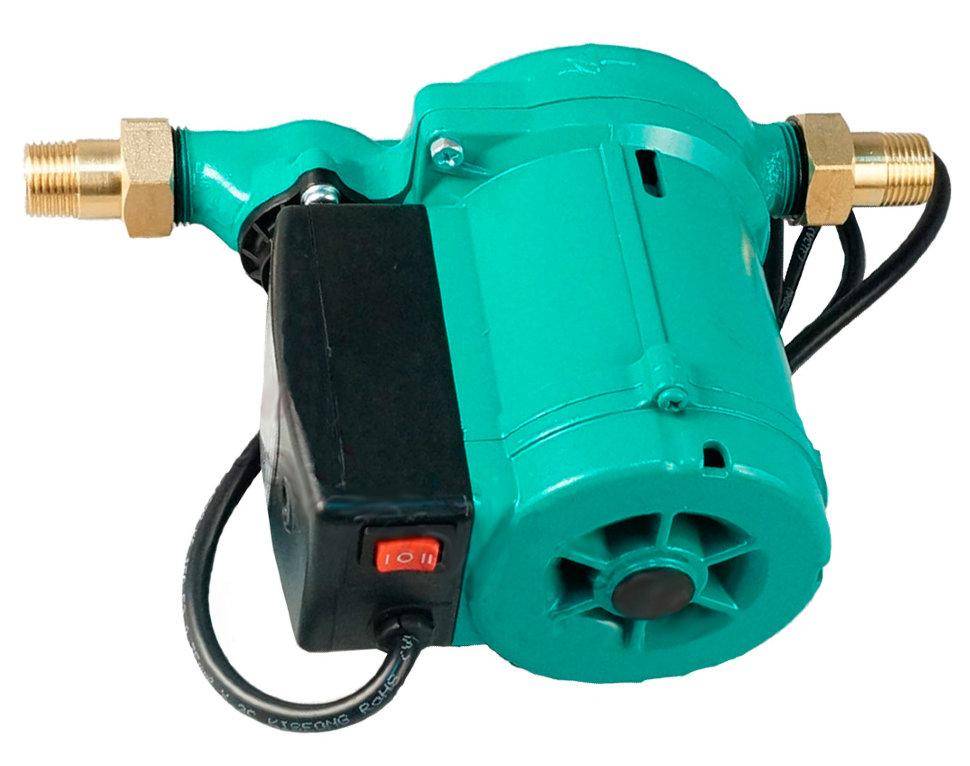
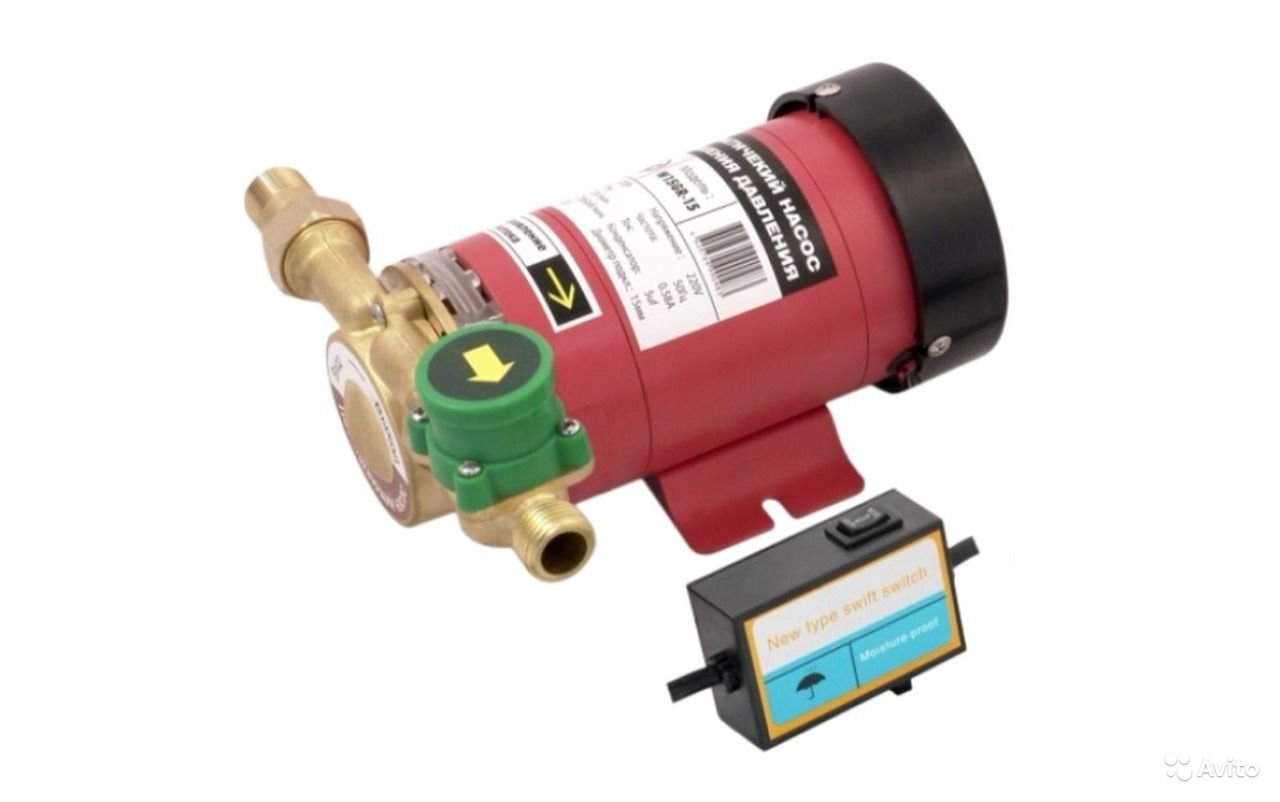
Jemix W15GR-15A
Among the models of booster pumps with an air-cooled rotor, Jemix W15GR-15A should be highlighted. The body of the unit has increased strength, since it is made of cast iron. The components of the electric motor design are made of aluminum alloy, and the drive elements are made of highly durable plastic.
Jemix W15GR-15A
Pumping equipment is characterized by high performance, and can also be operated in wet areas. Manual and automatic control of the unit operation is possible. If necessary, the unit can be connected to hot water supply. Significant disadvantages include rapid heating of the elements of the device and noise.
How to install an automatic water pressure booster pump with a hydraulic accumulator?
Installation of a pump with a hydraulic accumulator is not very difficult.This will require approximately the same skills and devices that are needed to install a different type of pumping equipment. Schematically, the design of the booster pump can be represented in the form of the following steps:
- Selection of a site for a hydraulic accumulator and a pump.
- Installation of a hydraulic accumulator.
- Installation of pipes to include equipment for the water supply.
- Wall hanging.
- Strengthening the pump and accumulator.
- Automatic control of equipment operation.
According to the essence, a pump and a hydraulic accumulator with a pressure switch assumes a variation of the station. To implement the design of such a system of devices, it is first necessary to find a position for placing the tank. Certain craftsmen replace the hydraulic accumulator with a large-capacity membrane, for example, with a plastic tank of 200 liters. Instead of a relay, the tank is provided with a float meter to ensure its self-acting filling according to the need criterion. This kind of tank is determined as high as possible: in the attic or on the top floor.
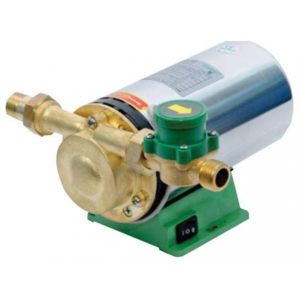 Immediately it is necessary to think not only about the volumes, but also about the configuration of the tank. The flat and small tank will take up less space than the classic tubular model. Although there are no specialized conditions for the configuration of the tank. When choosing a position for the tank, it is necessary to calculate access to the tank / accumulator or the likelihood of a simple dismantling of this component. This is necessary for the performance of technological maintenance, repair work or change of fixture.
Hydraulic accumulators are brought ready for installation, but the tank must be prepared.It carries out holes for the flow, as well as the intake of water. You can, in addition, make an independent shut-off valve to pour out water in an emergency. Branch pipes for supplying water to the tank and taking it into the water supply system are installed to one pipe.
In modern circumstances, for the installation of a water supply system, it is more logical to use easy-to-install and durable plastic pipes. In order to prevent air from being sucked into the tank from the pump, and also to avoid water entering there when the equipment is turned off, opposite valves must be installed on both nozzles. Subsequently, pipes are installed, with the support of which the tank is connected to the plumbing system.
After the tank or accumulator is installed, and the required water pipes are laid, the installation of a suction pump can be started. As a rule, such a device is delivered unassembled. It is first collected, and then proceed to installation. If the decision is made to fix the pump in the wall, you must first make markings for fasteners. Then it is suspended and connected to the water supply. In general, this is not a very complicated procedure.
An important point is the direction of the water in the device. It is marked in the case with special marks. The pump must be installed in such a way that the movement of water is from the tank to the water points. Similarly, the scheme for installing and turning on the pump looks like this: a hydraulic accumulator - a pump - a consumer. Then the pump is strengthened. All connections must be carefully sealed. After that, you need to check the operation of the entire system.
What you need to do before choosing a pump to increase water pressure in a private house
Pressure can be specified in different units. That is, for example, in the technical documentation of a pump, pressure can be indicated in MPa, in articles - in kPa, and on instrument panels - in mm water. Art.
You are unlikely to need to know the exact pressure in the water supply, so you can use the following ratio, with which it will be easier for you to evaluate the performance of the water supply in your private home:
1 bar ≈ 1 atm ≈ 10 m of water Art. ≈ 100 kPa ≈ 0.1 MPa.
The norms set the requirement for tap water pressure for residents of a private house or apartment - 4 bar. With this value, all household appliances in a private or apartment building will be able to work well.
Unfortunately, few of the residents of private houses have tap pressure at this level. Most often, the deviations are significant. Any deviation from the norm is harmful to the water supply system. So, a pressure of more than 6-7 bar can lead to depressurization at the pipe joints. A jump to 10 bar is fraught with an emergency.
The solution to the problem of insufficient or increased water pressure in a private house is to install a reducer that equalizes the pressure in the internal plumbing, which eliminates the possibility of water hammer. If you do not make mistakes at the stage of selecting and installing the gearbox, then the pressure in the system will always be optimal.
A more complicated situation is a systematic lack of pressure in the water supply of a private house. It is necessary to identify the cause of this problem. They conduct a simple study in order to find out what pressure in the water supply of your private house is normal and how it changes during the day. After research, the situation will become clearer.
Pressure can be measured with a manometer. It is inexpensive, so we recommend that you purchase it and install it on the introductory highway of your private house. It will be even better if you buy a coarse water strainer with a built-in pressure gauge. It is enough to record the instrument readings 3-4 times a day at certain hours (including peak hours). Then it will be possible to analyze the water pressure indicators in your private house and draw preliminary conclusions.

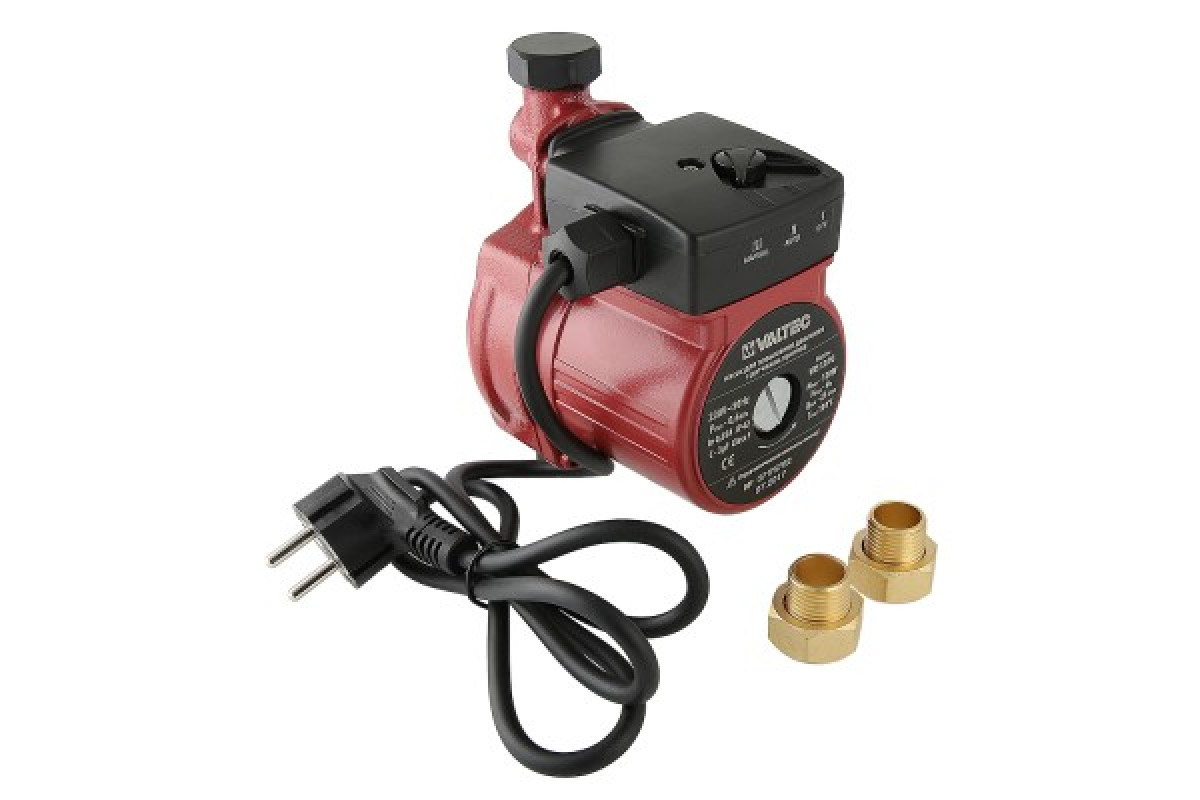
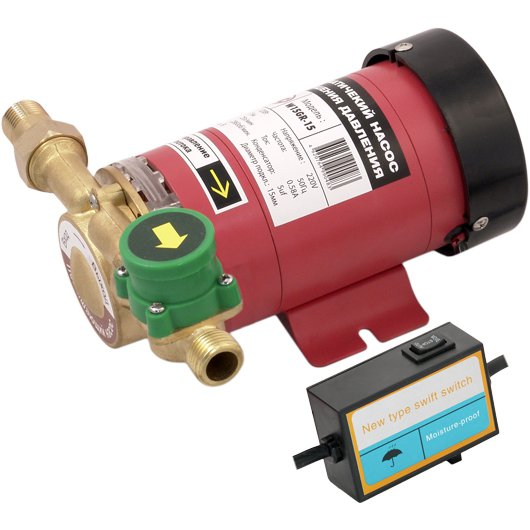


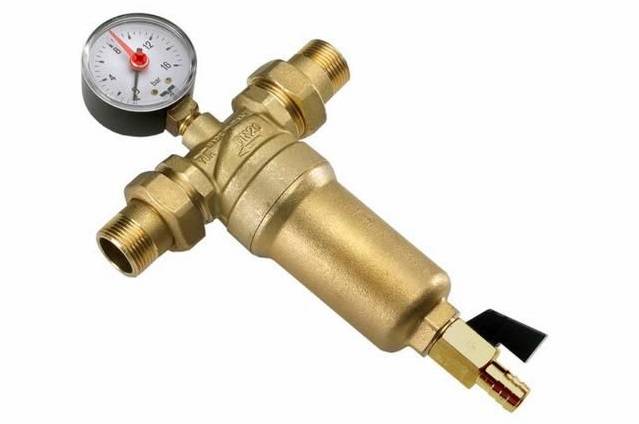
You can ask someone you know or purchase your own portable pressure gauge. It will not be difficult to connect it: you can do this with a flexible connection to faucet water sockets or spouts if the screw connection is suitable. In fact, you can even assemble a simple, but fairly accurate pressure gauge with your own hands.
In order to assemble the pressure gauge, you will need a plastic tube approximately 2000 mm long. The diameter of the tube should be such that a tight connection is obtained with a fitting screwed onto the spout of the faucet, replacing the splitter nozzle.
You can accurately determine the water pressure in a private house in the following simple way:
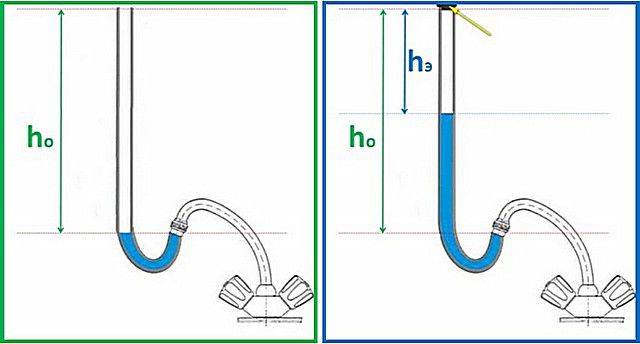
First of all, you need to connect the tube (vertically) to the faucet (or other water outlet). Then turn on the water and level the liquid level: there should be one horizontal line with the connection point (without an air gap at the tap - see the left figure). Now you can measure the height of the air section of the tube (ho).
The next step is to close the top hole of the tube with a cork (so that air does not escape) and open the tap completely. The water will rise. After stabilization of the position, it is necessary to measure the experimental value of the air column (huh).
Now we can calculate the pressure:
Rin = Pabout ×(ho/huh)
Where Rin- pressure in the water supply at a given point; Rabout is the initial pressure in the tube. It is permissible to take it as atmospheric, that is - 1.0332 atm; hoand Huh is the experimentally obtained value of the height of the air column.
It may be that the pressure at several different points in the pipeline of a private house is different. This is evidence of the formation of rust or limescale on the pipes. In this case, it is necessary to replace the piping.
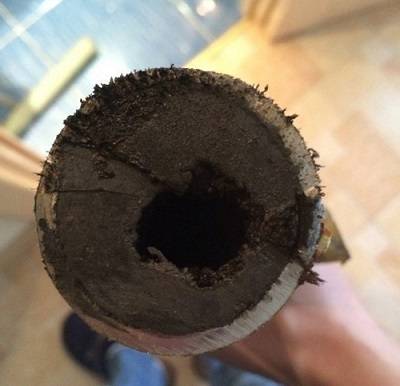
It is possible that the filters used in the water supply of your private house are very dirty or too old. To troubleshoot, you must perform appropriate preventive maintenance.

Read related material:
Communications in a private house



