
- Types of bacteria, their pros and cons
- anaerobic bacteria
- Aerobic bacteria
- Bioactivators
- Types of funds for cesspools
- Cesspool chemicals
- Live bacteria for cesspools
- Types of bioactivators
- The advantage of using bioactivators
- Chemicals and biological products - comparative analysis, pros and cons
- Choosing the best product for country toilets
- Roetech K-47 preparation
- Universal remedy Dr. Robik 109
- Bioactivator Green Pine 50
- Biological product BIOFORCE Septic 250
- BioExpert tablets (6 pieces per pack)
- Sign number 2: the appointment of the composition
- Classification by release form
- Household chemicals for septic tanks
- 9 Thetford
- Conclusion
Types of bacteria, their pros and cons
To date, there are 3 types of bacteria for septic tanks and cesspools on the market: anaerobic and aerobic bacteria, as well as bioactivators. Their main difference is in the conditions of operation and in the method of processing wastewater. A combined septic tank cleaning option is also possible. First, it is treated with anaerobic, and then additionally with aerobic bacteria.
Let us consider in more detail each of the types of bacteria and find out what advantages and disadvantages they have.
anaerobic bacteria
A characteristic feature of this type of bacteria is that they do not need the presence of air in order to live and multiply. It is for this reason that it is better not to use them for open cesspools. The best option for the use of anaerobic microorganisms in closed septic tanks, in which the full cycle of supply - processing - removal of liquid effluents is carried out.
During the recycling process, organic waste turns into solid residues that settle to the bottom, and a liquid that can be used to water the garden. After some time, when a considerable amount of solid precipitation has accumulated, they are pumped out using a special sewage machine.
All anaerobic bacteria, regardless of the brand, have common negative qualities:
- Over time, when the number of bacteria increases greatly, methane is most likely to be produced - a gas that has a very bad smell.
- They are unable to clean the drains completely. The maximum that they are capable of is 65%. 35% are not recycled at all.
- The primary section of the septic tank, in which solid residues settle, must be constantly cleaned.
- The sludge must be disposed of.
Aerobic bacteria
They cannot function fully without oxygen. This variant of bacteria is best suited for an open-type cesspool. For bacteria to process waste in the sewer system, special conditions must be created. A compressor is needed to supply oxygen to the septic tank chamber in which microorganisms function.
During the processing of wastewater by bacteria, carbon dioxide is separated, which provokes a temperature rise in the septic tank chamber by 3-5 degrees. Although it is warm in the tank, there is no unpleasant smell.And besides, aerobic bacteria are able to process feces completely, 100%. The sediment that remains as a result of processing is also pumped out, but it can be used as a fertilizer. It is completely safe, so there is no need to wait for it to overheat. Most often, gardeners place it in compost pits, combine it with straw, grass, manure, and only then do I fertilize the soil in my garden.
Main characteristics of aerobic bacteria:
- High level of wastewater treatment, at which there is no need for additional treatment or processing.
- The solid sediment can be used as a fertilizer for the soil in the garden or in the garden, it is represented by silt, which is clean for the environment.
- The amount of sediment is very small.
- There is no stench, no methane is emitted during the processing of wastewater.
- Since sludge forms at a slow rate, there is no need to empty the septic tank frequently.
Bioactivators
This type of septic tank and cesspool cleaner is a combination of bacteria and enzymes. Bioactivators are used if you need to achieve a specific goal. They are divided into:
- Universal. Suitable for all septic tanks and cesspools.
- Specialized. Built for the right purpose.
Their main task is not the processing of faeces on an ongoing basis, but the periodic renewal of existing bacteria, the elimination of tank contamination, cleaning of pathological organisms, and the like.
In essence, bioactivators are orderlies that are used to restore the efficient functioning of bacterial colonies.
The following types of bioactivators can be distinguished:
- Starting.They are used in order to restore the bacterial composition after the winter period or if the sewer has not been used for a long time.
- Reinforced. Their task is to clean overly polluted pits. The launch of such bioactivators is possible for up to 3 weeks. After that, anaerobic or aerobic bacteria are used.
- Specialized. Used to clean the septic tank from solid waste and inorganics. They are very tenacious and able to recycle toilet paper, fabric, cardboard, even detergents are not able to kill them.
Types of funds for cesspools
If you do not analyze the composition of the available funds, then we can only say that they are divided depending on the form of release. Preparations are sold in liquid, bulk, granular form, as well as in the form of tablets. All of them are convenient in their own way.
Liquid concentrates do not require additional preparation before use, granules and powders have a longer service life and an affordable price, but they must be diluted in water in advance. Tablets allow you to accurately calculate the required amount of funds.
With a more detailed analysis of the topic, it is worth taking into account not only the form of release, but also the type of active substance. In this case, all drugs can be divided into two large groups: chemicals and live bacteria.
Cesspool chemicals
More recently, only chemicals were used to clean cesspools, today they have already found a replacement, but still in some cases they are still used.
Chemical preparations are resistant to a number of negative conditions. They can work at the lowest temperatures, in contrast to bacteria that die already at -1°C.
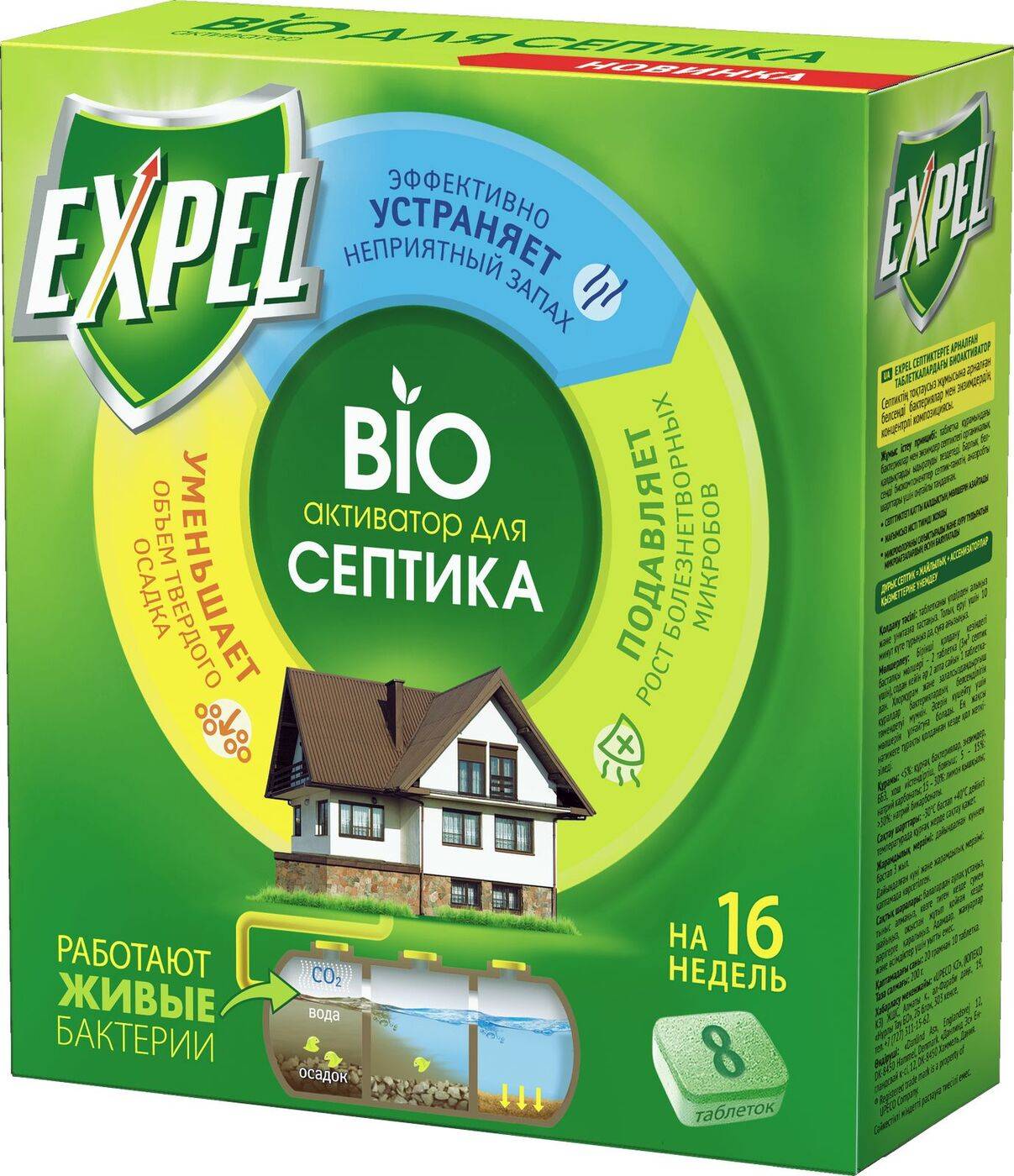
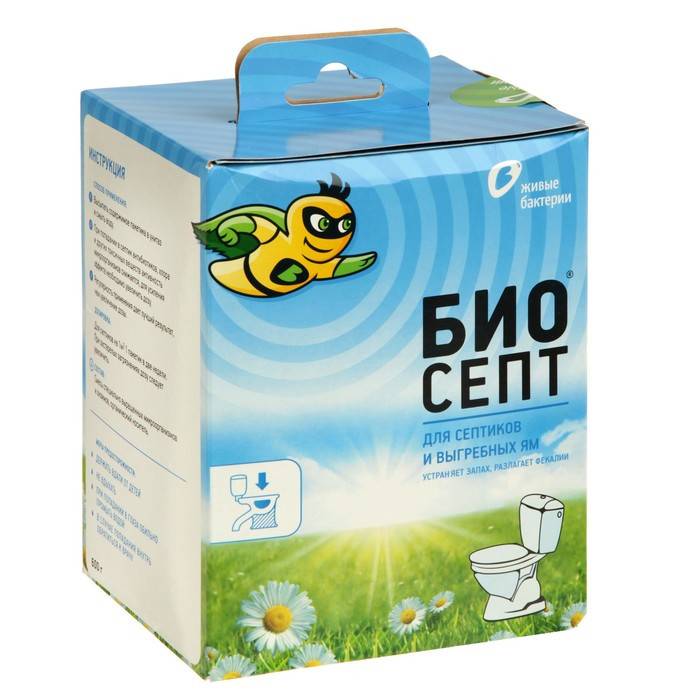
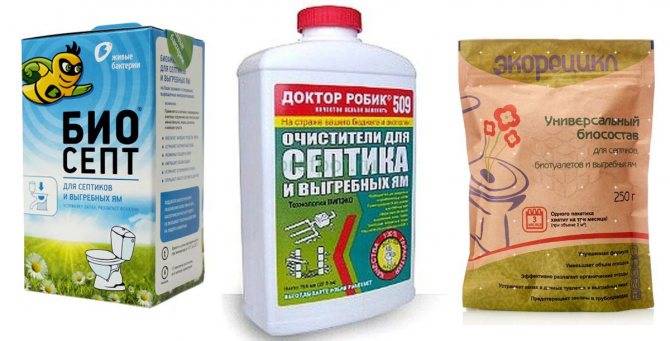
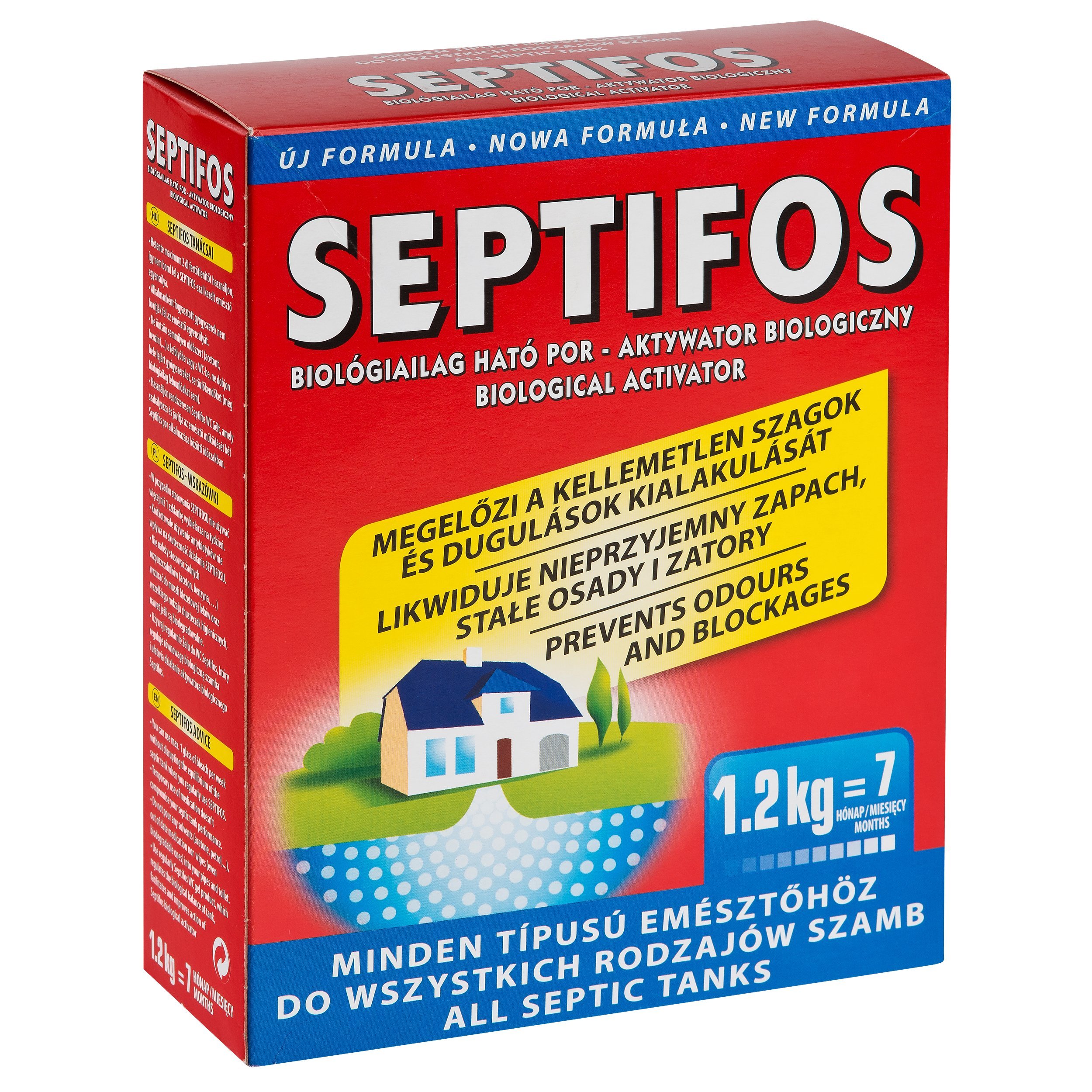


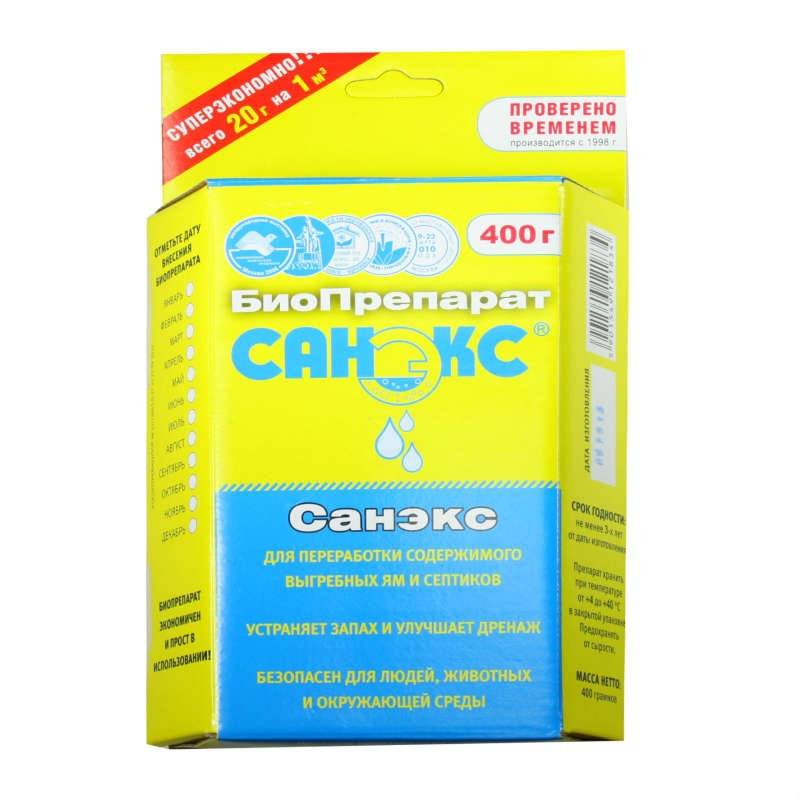

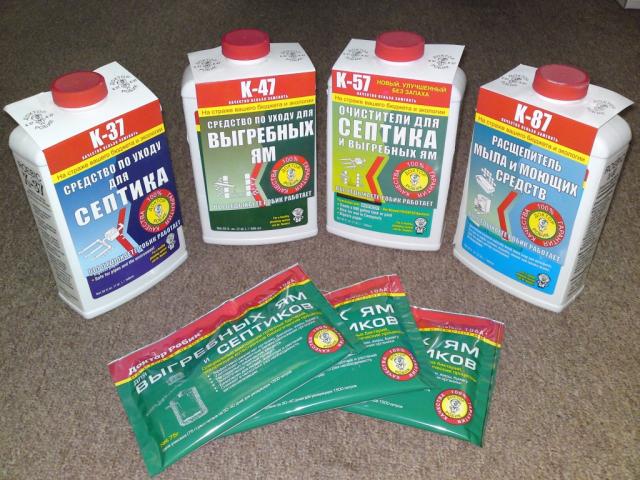
Means based on chemical reagents are not afraid of harmful impurities.Even if the pit is used as a container for autonomous sewage, and detergents constantly get into it, the cleaning agent will still do an excellent job.
Chemicals fight unpleasant odors faster, so if the drug is needed only for this, you should choose just this type of it.
A big lack of chemicals is a significant harm to the environment. After application in an outdoor toilet, no grass will grow in its place for a long time. The same harm can be done to a person if the rules of use are not followed.
True, not all chemicals are harmful.
Preparations based on nitrate oxidizing agents are completely harmless to the environment. After applying them, you can even use the accumulated sediment as a fertilizer. This type of tool costs a little more than the other two.
Ammonium compounds and formaldehydes are already harmful to nature and humans, the latter are somewhat stronger. They have even been banned in many countries. In the CIS, you will not find a formaldehyde-based cesspool cleaner either.
It is because of the harm to the soil that chemicals began to be gradually replaced by living bacteria.
Live bacteria for cesspools
These cesspool cleaners literally contain live bacteria. They come into action after getting into the cesspool.
In fact, live bacteria only accelerate the natural process of waste decomposition. They divide them into two layers - water and silt sediment. Water is gradually absorbed into the soil without any harm to it.
It is the absence of any danger, both for the environment and for the person himself, that has recently made biological preparations for cleaning cesspools so popular.
Unfortunately, they also have disadvantages.
The very first is poor resistance to low temperatures. Most of the bacteria that are used to clean the pits need heat from +4 to +30°C. Otherwise, they simply die.
The same damage to bacteria is caused by various aggressive compounds that can get into the pit through the sewer. In particular, they are afraid of chlorine, acids and alkalis. Some types of bacteria simply become less effective, while others die completely.
Therefore, it is advisable to purchase products that combine several types of bacteria.
Also, the choice should be based on the type of construction in which the tool for cesspools will be used. Reviews show that the same remedy can show different effectiveness in different conditions.
All bacteria can be divided into anaerobic and aerobic.
Anaerobic - can develop in a closed pit, without constant access to oxygen. In the course of their work, they emit methane, so an unpleasant odor is possible. In addition, they do not clean thoroughly enough, so the pit is released rather slowly.
Aerobic bacteria are more whimsical in use. They constantly need oxygen. It is necessary to equip a special air duct in the design of the cesspool. Such difficulties are easily compensated by excellent efficiency. They clear the pit significantly in a couple of months, although the rest cannot do the same amount of work in six months.

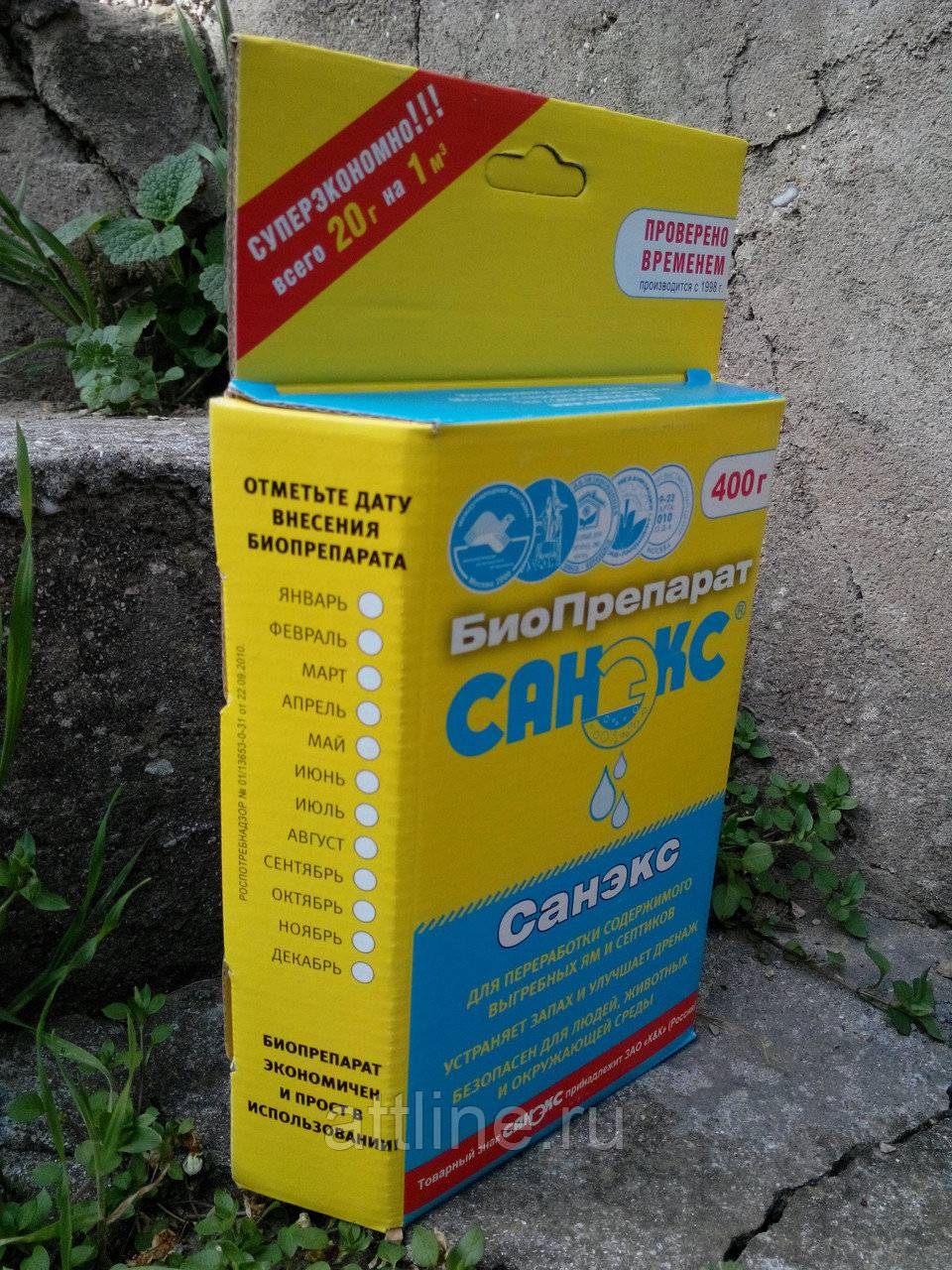
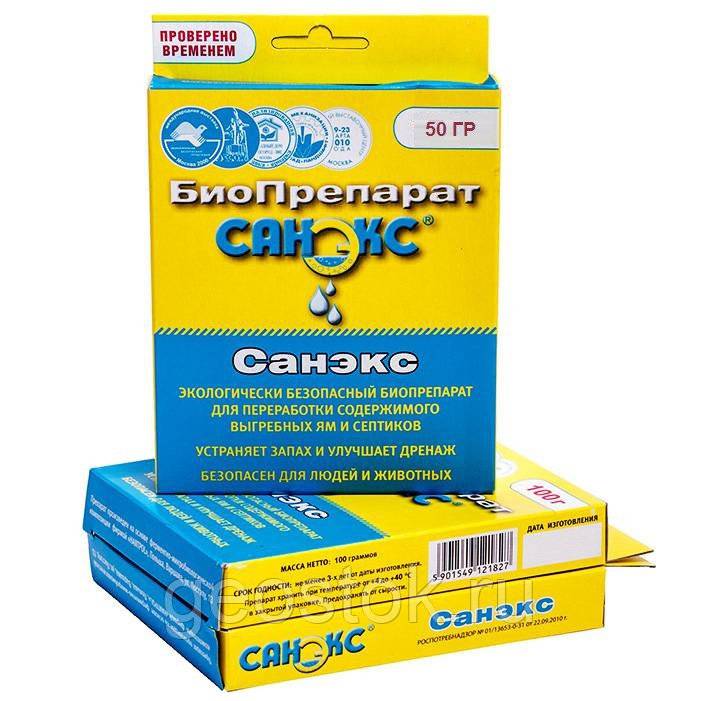


Types of bioactivators
When choosing the best tool for a septic tank, you should know that there are several different types that differ not only in capabilities, but also in the need for certain conditions, without which they will not work, will not give the desired effect.
Therefore, it is worth knowing exactly the difference between bacteria for a septic tank in order to select the most optimal organisms for your treatment plant that can work in this particular environment.
As for the features of use, the septic tank will work as efficiently as possible if bacteria are often used and fed with bioactivators. What to add to the septic tank for the winter so that it does not freeze? And here bioactivators will come to the rescue: if there are no owners on the site in the winter months, then before the start of the summer season it is definitely worth buying them. The septic tank, if I may say so, must be constantly “fed”. It is very simple to use the product - just pour it into the drain, sometimes it needs to be diluted beforehand.
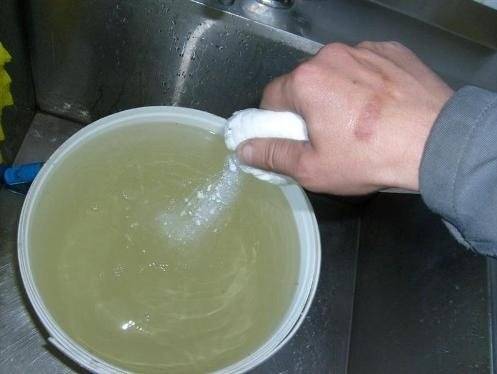
The use of bioactivators
Among modern bioactivators, it is worth highlighting separately anaerobic bacteria for septic tanks and the so-called aerobic ones. In the first case, the presence of air in the septic tank will not be fundamental. When using anaerobic bacteria, the fermentation process will begin in the middle of the tank, then the particles will sink to the bottom, where they will decompose. The anaerobic types of bacteria themselves are able to purify and clarify water. This tool should be added to the treatment plant quite often, at least once every 2 months. The advantages of this tool include the fact that it is universal and the most popular. For him, there is no need to purchase a pump, for constant air injection, there is no need for other manipulations.
Aerobic bacteria require the presence of air to function. These microorganisms cannot survive without the presence of air. Air can be pumped into any septic tank using a compressor, where the process of mixing wastewater with air will take place. Bacteria are collected in colonies, on special shields reserved for this purpose, made of micro-fluffy fabrics. This is necessary so that the microorganisms are not drained by water flows, or by a strong air flow. Purification occurs due to the fact that organic elements decay.
In fact, any of the above types of bacteria work as purification catalysts, elements that can not only activate the recycling process, but also improve it.
The advantage of using bioactivators
Among other things, many have encountered the problem of clogging sewer systems when manual cleaning is necessary. But, today, it is biologically active substances that can not only help with effective waste treatment, but also resist the appearance of blockages.
Advantages
It is this tool that provides a non-toxic recycling process, environmentally friendly. Septic tanks, like bioactivators, are completely safe for humans. Feel free to use them. Another feature of bacteria is that you can very quickly get rid of unpleasant odors, ensure efficient processing of feces, processing them into water and carbon dioxide.
Among the advantages of bioactivators, it is worth mentioning the most important ones:
- When using such means, disinfection and cleaning of the septic tank, or cesspool, occurs;
- The volume of household waste is significantly reduced;
- The number of necessary pumping of sewage drains will decrease;
- The unpleasant smell will be minimal, or completely disappear;
- The sediment that forms in the septic tanks will be liquefied.
Chemicals and biological products - comparative analysis, pros and cons
Chemicals are effective in controlling sewage for closed septic tanks that do not have a common sewer system. However, the process is accompanied by the release of toxic gases. For cesspools, it is better to take biological products, since then the converted mass can be used for watering and fertilizing the garden.
Biological products, in comparison with chemical agents, have the following qualities:
- affect only fecal matter, without the need to react with metals, while chemical regents corrode all types of metal structures;
- biological products are used only once, and chemical ones will have to be used repeatedly;
- after the destruction of pathogenic microorganisms by biological products, the resulting masses are often used as fertilizer; when using chemicals, it is prohibited to use sewage for the garden or vegetable garden, as this will lead to environmental pollution.
Watch the video
After the use of chemicals, further use of biological products will not be an effective measure, since when microorganisms enter aggressive conditions, they die
.
However, unlike biological substances, chemicals are used in the cold seasons. It is forbidden to use the converted sewage under the action of chemicals as fertilizers.
Owners of private houses and garden plots annually have to deal with such a problem as cleaning the toilet or septic tank.Most often they resort to the services of a sewer, but at present there are simpler ways to solve this problem. One option that is becoming increasingly popular is bacteria for and septic tanks. They break down and convert waste into simple substances: water, carbon dioxide and minerals.
Choosing the best product for country toilets
The applicant for the title of "best cleaner" must have the following advantages:
- Low price, since most drugs are injected into the toilet 1-2 times a month, and such frequent use will affect the budget of users.
- High efficiency - the drug should decompose not only fecal effluents, but also cellulose (paper) and other organic matter.
- The longest period of bacterial activity, since preparations with a short lifespan will cost more, and the process of their use will be associated with troubles that violate the idyll of country life.
In addition, a single dose of such a drug should correspond to 2-4 cubic meters of the volume of the pit, since such a capacity is typical for most country toilets. In view of the above, the list of the best drugs for cleaning country toilets as follows:
Roetech K-47 preparation
This tool is intended for cesspools and country toilets. A specially prepared set of bacteria will cope even with petrified masses.
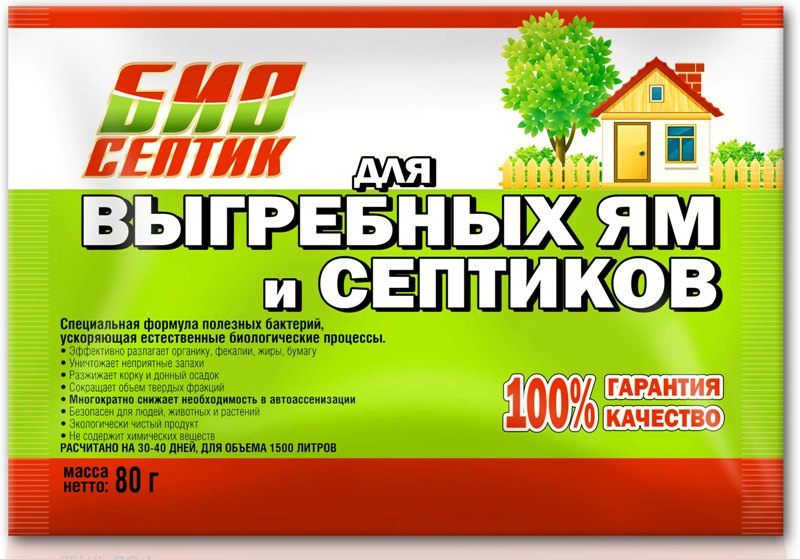


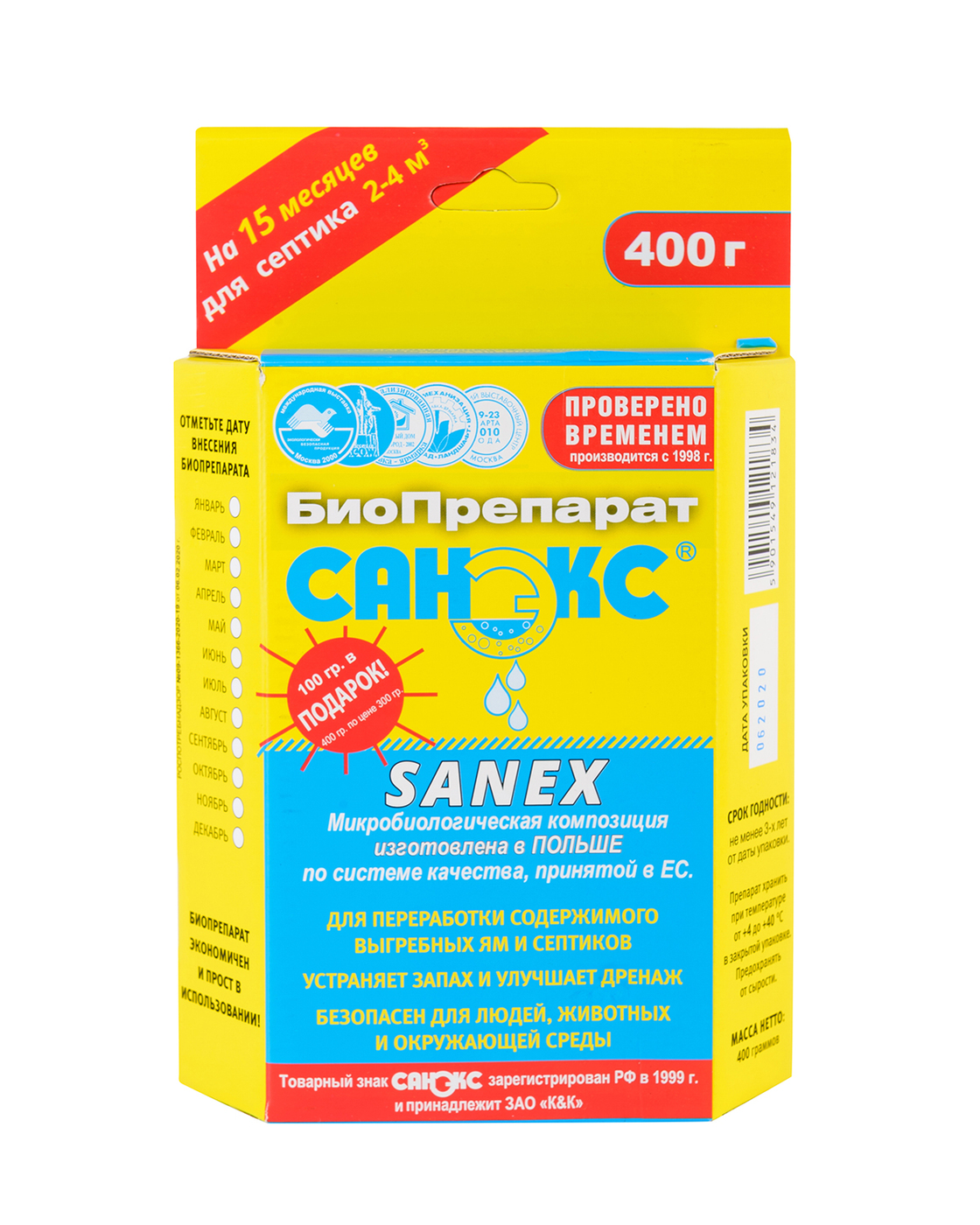
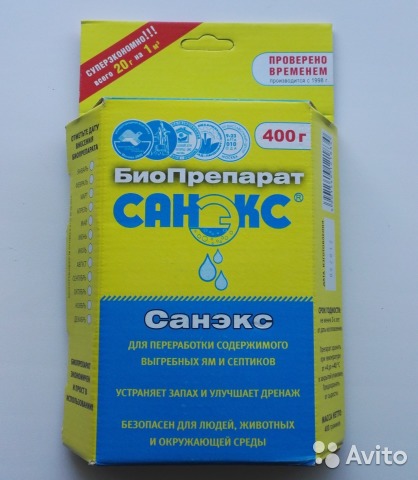
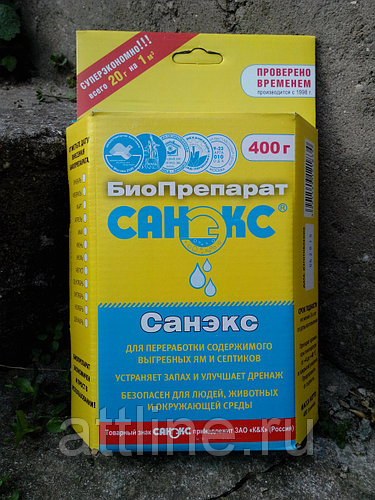

- US manufacturer
- One bottle is enough for a pit up to 2 cubic meters
- validity - 6 months
- Cost - from 800 rubles per bottle.
- Scheme of application - shake and pour into the toilet.
The user can pour Roetech K-47 down the toilet in May and use the retreat throughout the summer season without having to think about calling vacuum trucks or smelling unpleasant odors.
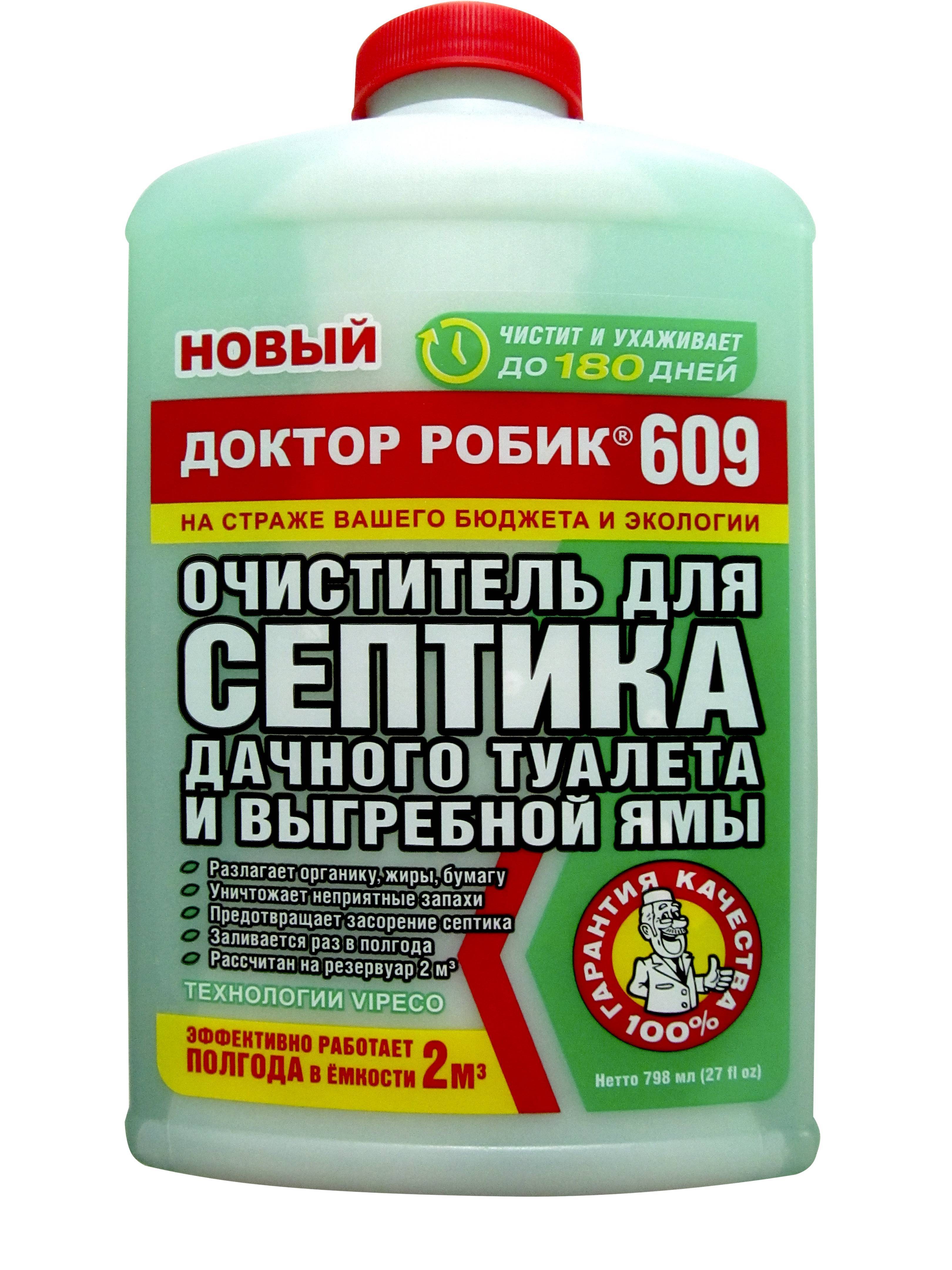
Universal remedy Dr. Robik 109
This drug is also suitable for both septic tanks and cesspools. The bacteria in this product break down fats and carbohydrates, urea and starch. Dr. Robik 109 is one of the most effective remedies on this list. To enter the drug, an aqueous solution of the powder drug is used.
- One bag is enough to process a pit of 1.5 m3
- The duration of the drug is 30-40 days
- The cost is 109 rubles per package.
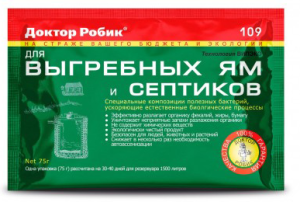
The bag is dissolved in 5 liters of warm water and poured into the pit. It is worth noting that Doctor Robik TM preparations have been the undisputed sales leader among bioactivators for autonomous sewage for several years now. Read why buyers choose Dr. Robik based on reviews.
Bioactivator Green Pine 50
This tool cleans classic country toilets without a water drain. The preparation Green Pine 50 contains such a concentrated cocktail of biological cults that the process of decomposition of organic matter begins 4 hours after the administration of the preparation.
The package of this product contains two bags, designed for country toilets with up to 4 users. One package is enough for a week, respectively, packaging - for two weeks.
- Manufacturer - France
- Cost - 128 rubles for a package of 2 packages.
- The duration of action is two weeks.
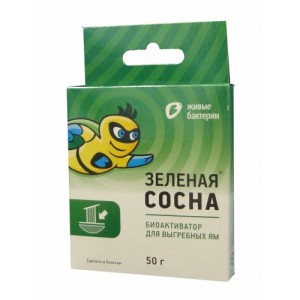
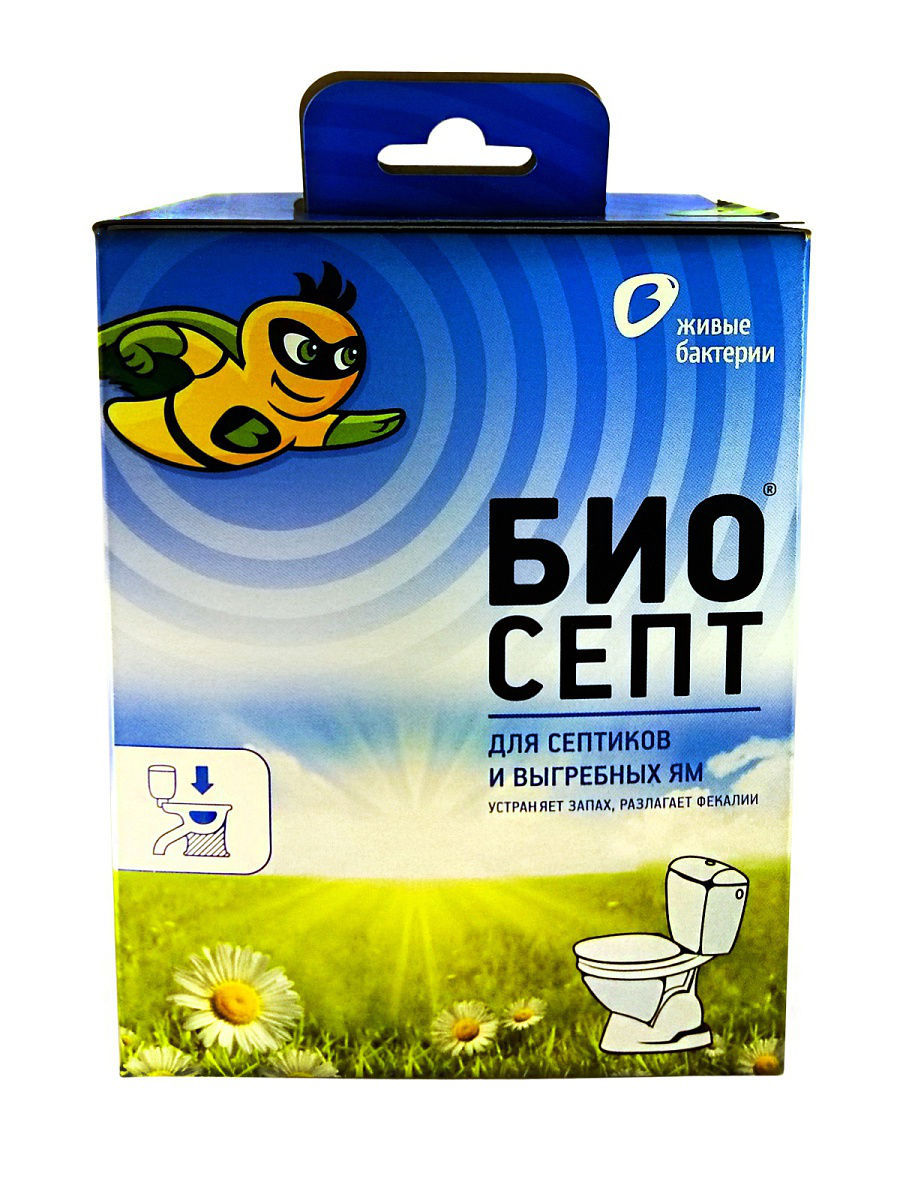
The scheme for using the biological product is simple - water is poured into the pit, covering the fecal masses, and the drug is poured. Familiarize yourself with the entire line of BIOSEPT products.
Biological product BIOFORCE Septic 250
This mixture liquefies bottom sediment, eliminates putrefactive odor and reduces the amount of solid waste in the toilet pit.Septic 250 can be used to clean overfilled cesspools up to 2 cubic meters (consumes the whole can) or to maintain fermentation in the toilet sump (consumption - from 50 to 100 grams per month).
Moreover, Septic 250 equally well affects both caked and liquid masses. Septic 250 is injected into the pit in dissolved form, at a temperature above 5 degrees Celsius.
- The cost is 570 rubles per jar.
- The duration of action is from 2.5 to 5 months or one-time, if necessary, start a stagnant sump.
- Scheme of application - dissolve a portion of the powder in 5-10 liters and pour into a pit. A measuring spoon for separating a portion is in the bank.
BioExpert tablets (6 pieces per pack)
This preparation can be used to clean cesspools, septic tanks, and sewer pipelines. Packed in a tablet, active cultures from BioExpert will cope with both fecal matter and fatty plugs. The drug eliminates unpleasant odors and reduces the volume of solid fractions in the cesspool.
1 tablet is designed for large sedimentation tanks, up to 4 m3, so only half a tablet can be used to process a country toilet
As a result, one package is enough for six months (with a volume of 4 cubic meters) or 12 months (with a volume of up to 2 m3). Before administration, the drug is dissolved in 5 liters of warm water.
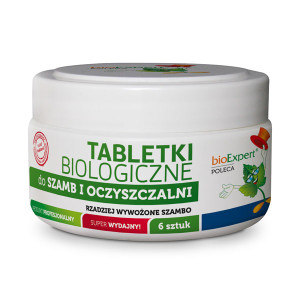
- Producer - Poland
- Cost - 1280 rubles per package (6 capsules - enough for a container with a volume of 24 m3)
- Scheme of application - dissolve in 5 liters and pour into a pit.
Published: 24.10.2016
Sign number 2: the appointment of the composition
Cleaning biological products can be used for different purposes, therefore, when buying a product, be sure to pay attention to its purpose. There are four groups of biological agents:
- Starting - start the process of wastewater treatment after a long break. For example, if the cottage or house has not been used for the entire winter period. In such cases, starting bacteria must be introduced immediately after the resumption of use of the sewage system - delay is fraught with a long-term formation of a symbiosis of beneficial microorganisms and, therefore, ineffective wastewater treatment for the first 2-3 weeks.
- Universal - the most common biological products used in normal mode for cleaning standard waste from all types of sewer facilities.
- Reinforced - biological products designed to clean heavily neglected sewer facilities.
Advice. Reinforced biological agents are recommended to be used for no more than one week - after the normalization of the state of the sewage system, they should be replaced with universal ones.


For specific conditions - biological products designed to increase the level of cleaning of certain types of dirt, such as grease. They are not used regularly, but only when necessary.
Classification by release form
What cesspool products do you use?
ChemicalBiological
Means for cleaning septic tanks and cesspools are produced in the following forms:
- Concentrate - contains the maximum dose of the chemical, which allows you to quickly dissolve the most complex deposits. When used in plastic and iron drums, they must first be diluted in a small amount of water, as indicated on the package.
- The liquid mixture is a completely ready-to-use product that is poured into a sump.
- Tablets - contain active ingredients that begin to work when in contact with water in the sump.
- Powders and granules - have a long shelf life, easy to use. Fall asleep dry.
There are a lot of manufacturers who are ready to offer the buyer the most versatile means for cleaning cesspools that will meet all the stated requirements.
Household chemicals for septic tanks
In order to choose funds for cesspools and septic tanks, it is enough to look carefully at the composition
Whether or not the design is equipped with biofilters, it doesn’t matter, in any case, you will have to select means for washing and cleaning dishes that do not harm the sewer. Of course, a biofilter for septic tanks and cesspools has its advantages:
- Waste decomposes completely, regardless of the filling of cesspools, VOCs;
- The system is automatically cleaned;
- Optimum working condition is maintained;
- The unpleasant smell is neutralized.
But even equipment of such a powerful type will not save the septic tank if you use detergents containing unsafe substances for washing, hygiene, cleaning dishes. However, you should not throw away all cleaning products at once, household chemicals for cesspools and septic tanks that are in the house may also not be harmful to the sewer.
In order to choose funds for cesspools and septic tanks, it is enough to look carefully at the composition
It is important that the bacteria responsible for biomass processing do not die. Moreover, bacteria are both aerobic and anaerobic, which are in the sewerage system.
So, safe means for cleaning household appliances, washing dishes, as well as detergent compositions must comply with the following parameters:
- Absence of chlorine and chlorine compounds;
- No alcohols that destroy bacteria.
To detergent is not upset the balance of cesspools, septic tanks, did not kill bacteria, it is better to choose biodegradable compounds. It is strictly forbidden to use chemical mixtures for cleaning septic tanks, including phosphate compounds or products of petrochemical origin - this is detrimental to the sewage of cesspools and VOCs.
So that the detergent does not upset the balance of cesspools, septic tanks, does not kill bacteria, it is better to choose biodegradable formulations
Important! With a slight discharge of aggressive compounds, bacteria can survive. To restore the efficiency of bacteria, it will be enough to purchase a special tool and make sure that there is biomass in the chambers, the optimum temperature and air access
In this case, the recovery of bacterial colonies will occur quite quickly (up to 2-3 weeks). If a large amount of chemicals got into the drains, the sewage work will stop for a long time and it may take more than 4 months, especially in winter, for the functions of bacteria to fully recover.
The use of a septic tank system, and even cesspools, is not a city sewer, where the most powerful cleaning stations operate, so you need to use chemicals with great care. Compositions can be allowed to enter, but in very small quantities, for example:
- Shampoos;
- Soaps;
- Conditioners for hair and body;
- Dishwashing detergents (only non-abrasives for cleaning);
- Toothpaste.
Perfumed alcohol fragrances, as well as eau de toilette on alcohols - the death of bacteria and for a long time. Septic tanks fall into disrepair, as do cesspools.And only the function of waste accumulation will remain, which will lead to the spread of unpleasant odors, blockages in the autonomous sewage system and subsequent repairs. And if in the summer it is still possible to completely clean all the chambers, you can pump out the cesspool with a sewer, then in winter it will be much more difficult to do this.



9 Thetford
Environmentally friendly Country: Netherlands Rating (2019): 4.7
The Dutch manufacturer produces economical products for a dry closet, which noticeably stands out from its competitors. The liquid concentrate does not have a pungent odor and is active for 3-5 days. To pour the required amount of liquid, a convenient measuring scale is located on the side of the package. The lid of the septic tank has child protection. You can open the package only with strong pressure from the top, which can only be done by adults. The concentrate eliminates all unpleasant odors and leaves no staining marks on the surface.
Buyers believe that Thetford is fully consistent with the advertised properties. They note that the product almost completely dissolves the contents of the dry closet and cesspools in a short time.
Conclusion
As usual, the video in this article will offer you more information about the various pit latrine and septic tank cleaners. Good luck!
Owners of dachas and country houses more than once a year have to solve the problem of cleaning a cesspool or septic tanks. Usually, sewers are called to clean the autonomous sewer. However, you have to pay money for this. Today, there is an easier and less expensive way with which you can even clean the cesspool with your own hands. These are special bacteria for cesspools and septic tanks. They are used in a private house or in the country for wastewater treatment.These microorganisms decompose organic waste in wastewater into water, simple components and carbon dioxide. In our article, we will tell you which living microorganisms are used for septic tanks and sewers, and also describe how to use them to clean sewer pipes, septic tanks and a cesspool.
Usually cesspools bring a lot of inconvenience and trouble to the owners. First of all, it is an unpleasant smell that can be heard even in the house; in summer, clouds of flies circle around the pit. In addition, the pit must be cleaned of accumulated sewage and waste every 2-4 months. But you won’t be able to do it yourself, so you have to call the sewers. And their services are not free. Cleaning is required the more often, the more people live in the house, so a decent amount can be spent on cleaning the pit in a year.
Of course, cleaning the sewer with a sewage machine is quick, but during the time that the pit is being cleaned, the unpleasant smell spreads so much that it can be heard in the neighbors' house. In addition to cleaning the cesspool, disinfection is periodically required. Moreover, not only the pit, but also the sewer pipes need such processing.
Disinfect the pit and sewer pipes with chlorine, which in itself is a very aggressive substance. Therefore, if the pit is not sealed enough, then chlorine can seep into the soil and cause environmental problems. In addition, chlorine is able to corrode the walls of septic tanks and the pit, destroying structures and causing depressurization of the structure.



