- Type of dental clinic ventilation system
- The principle of operation of the supply ventilation system
- Air intake/exhaust requirements
- Filters
- Equipment placement
- The importance of the microclimate for medical institutions
- Features of ventilation in dentistry
- Ventilation in infectious disease hospitals and other medical facilities
- The subtleties of the organization of ventilation in the operating room
- Air duct requirements
- The cross-sectional area of the duct is calculated by the formula: S= L/(3600∙w)
- Heater power
- Fan power
- Acoustic calculation
- Features of ventilation in medical institutions
- How to properly dispose of waste
- CARRYING OUT GENERAL CLEANING IN DENTISTRY IN STAGES
- Dental ventilation
- Ventilation parameters for dental x-ray rooms
- X-ray ventilation equipment in dentistry
- Gosopzhnadzora requirements
- Regulations
- Requirements for the premises and its decoration
- Documentation Requirements
- Wiring Requirements
- Requirements for fire fighting equipment
- Personnel Requirements
- Conclusions and useful video on the topic
Type of dental clinic ventilation system
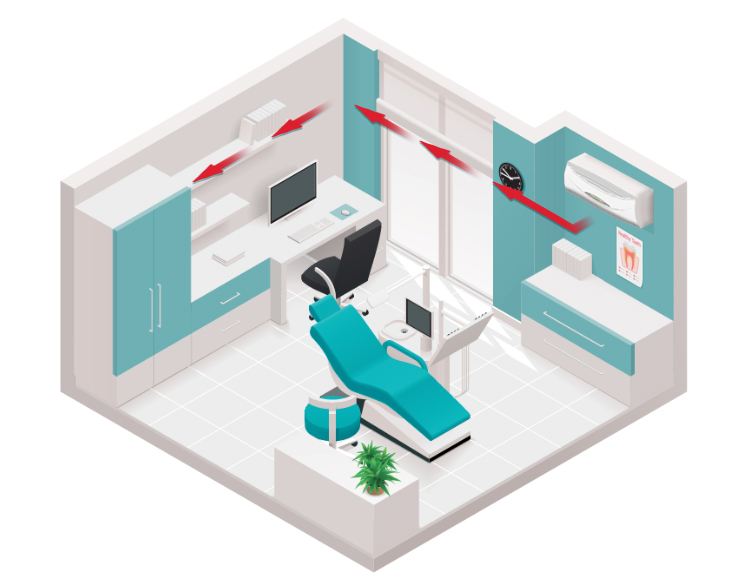
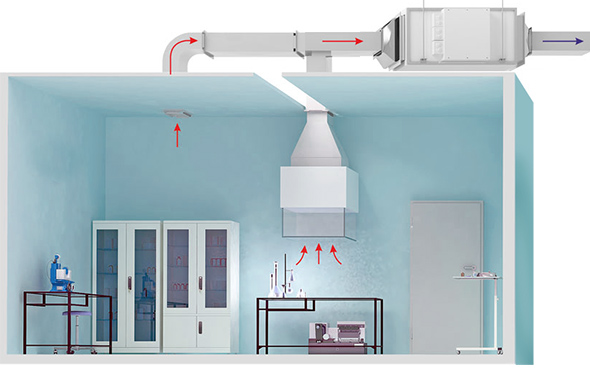
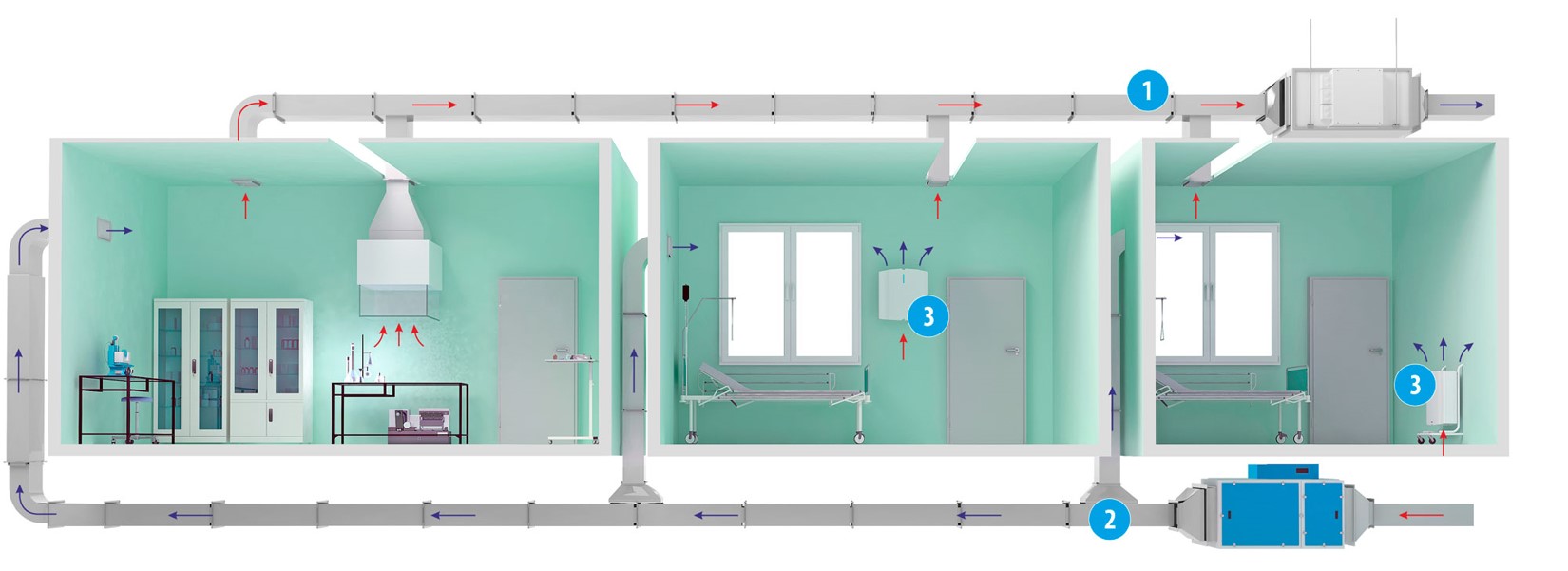
Most often, in dental offices, it is necessary to use an exhaust ventilation system (provides the removal of exhaust air), which works in conjunction with a supply air system (responsible for the supply of clean air). In a number of rooms ventilation is allowed due to ventilation. The supply ventilation system is a combination of cleaning filters, a blower, a heater (heater), connecting communications (air ducts), noise silencers, etc.
The principle of operation of the supply ventilation system
The air taken from the street, passing through the filter, is cleaned of various harmful impurities and odors. Then it enters the heater, where, if necessary, it heats up to the required temperature (a sensor is installed in front of the heater to control the temperature of the air coming from the street). In the room, fresh, already purified air is provided with the help of a blower fan. After the fan in this system, a silencer is usually installed.
Air intake/exhaust requirements
At the same time, outside air is taken from a clean zone located at a distance of at least 2 meters from the ground. The supply of clean air is carried out in the upper zone of the room, the intake of exhaust (with some exceptions) from there.
*IMPORTANT! In anesthesia, operating rooms and X-ray rooms, exhaust air must be taken from both the upper and lower parts of the room.
Exhaust air is discharged 70 cm above the roof. Ventilation of dental offices that are not equipped with an autonomous ventilation system can be carried out by removing "dirty" air to outer wall of the building.
Filters
In order to avoid polluting the surrounding air with harmful substances, the presence of high-efficiency cleaning filters is a prerequisite. Mostly photocatalytic filters and HEPA filters are used.
HEPA filters provide highly effective particle retention. The efficiency of HEPA filters is measured by the number of particles up to 0.06 microns per liter of air that are released back into the environment after passing through the filter (indicated in brackets). Filter classes: HEPA 10 (50000), HEPA 11 (5000), HEPA 12 (500), HEPA 13 (50), HEPA 14 (5). (more about ventilation of clean rooms)
The main advantage of photocatalytic filters is that they do not accumulate harmful substances. Under the influence of an ultraviolet lamp and a catalyst (titanium dioxide), harmful impurities contained in the exhaust air undergo chemical transformations and decompose.
Equipment placement
Under the equipment of the ventilation system, separate rooms should be allocated without permanent residence of people.
An autonomous air ventilation system must have:
- operating rooms;
- preoperative;
- sterilization rooms;
- x-ray rooms;
- bathrooms;
- production facilities of laboratories.
In each office (with the exception of the operating room), the possibility of natural ventilation should be provided - ventilation due to transoms. If this is not possible, then it is necessary to install air conditioners in the room, equipped with filters for processing and purifying the air. Fine filters should be replaced at least once every six months.
It is also necessary to provide:
- exhaust hoods over heating devices in the polymerization room;
- forced exhaust for therapeutic, soldering, sterilization, orthopedic rooms;
- local equipment for suction near each polishing machine.
*IMPORTANT! When designing premises for dental clinics, it should also be taken into account that the ventilation of a dentistry located in a part of a residential or administrative building must have independent air ducts and cannot be connected to the ventilation system of a residential area.
The importance of the microclimate for medical institutions
Considering that those who need medical care are admitted to hospitals, and those who received it are in the wards, it is worth carefully monitoring the observance of the microclimate.
It is not only about maintaining the purity of the air, but also about maintaining the temperature regime. Microclimate indicators directly affect the human condition, body temperature, etc.



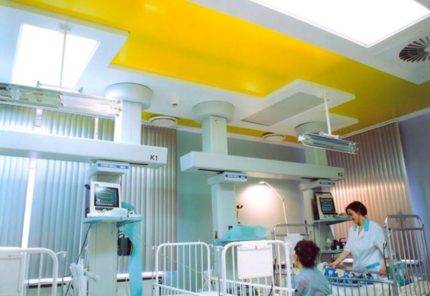 Particularly sensitive to the microclimate categories of patients include children, the elderly, as well as those who suffer from neurological, cardiovascular diseases.
During the planning of microclimate indicators, the location of the medical institution, its number of storeys, as well as the types of patients who will be kept in the hospital are taken into account.
For example, in operating and postoperative, as well as postpartum wards, the optimal air temperature is 21-24 degrees Celsius. And for rooms where any manipulations with newborns are carried out, an indicator of 24 degrees is considered ideal.
Features of ventilation in dentistry
As mentioned above, ventilation systems in dental offices affect obtaining a license to provide medical services.At the same time, the ventilation itself undergoes a certification procedure.
This procedure is carried out after the completion of the installation of the system. Passport of the ventilation system updated annually and valid for only one year.
To obtain a new passport for the next year, the following work must be completed:
- System disinfection.
- Filter cleaning.
- Performance check.
- Elimination of all identified problems.
To simplify the procedure for certification of ventilation allows the conclusion of a service agreement with the company that carried out the work.
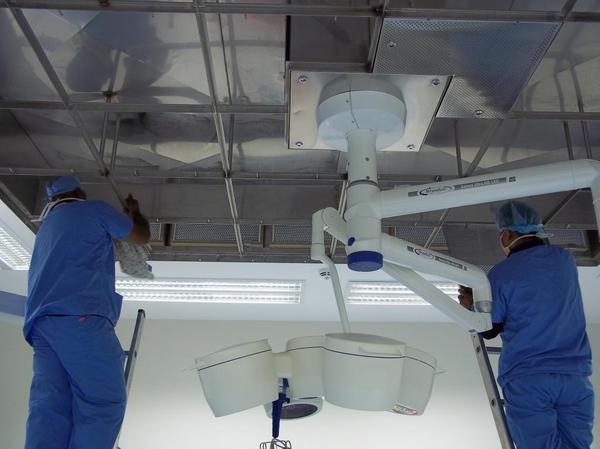
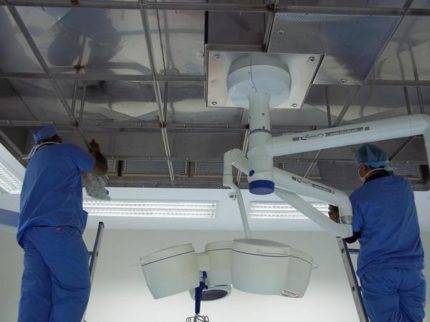 When carrying out routine maintenance to check the supply and exhaust ventilation system, it is prohibited to carry out any medical work. The dental office must be prepared for testing, the equipment is covered with special covers. After cleaning and working with devices, disinfection of the room is mandatory.
Another feature of dental ventilation systems is the need to heat the air supplied to the room. This measure is essential in places with a harsh climate and is provided by special devices built into the ventilation system.
In places with a warmer climate, additional heating of the air entering the room is not required. For places with a hot climate, duct coolers are built into the ventilation systems.
The ventilation grille should be located in the upper zone of the room. In dental offices equipped with x-rays, it is advisable to opt for supply and exhaust ventilation.
 Cleaning of ventilation grilles should be carried out daily during the tidying of the room. The detection of a large amount of dust during cleaning may indicate premature clogging of the ventilation system. Also, a daily inspection of the grate will prevent the appearance of mold in the event of an increase in humidity in the room.
To accommodate the equipment involved in the ventilation system, it is necessary to allocate utility rooms, access to which should be limited, and their placement should not be adjacent to the room where the medical work of dentists is carried out.
All ventilation ducts should be located under the ceiling in corridors and work areas. They should be hidden, that is, sheathed with a false ceiling.
Ventilation in infectious disease hospitals and other medical facilities
In the case of hospital infectious diseases hospitals, practically the same requirements and norms are imposed as with other sanitary and medical facilities.
In all ventilation ducts, if it is an infectious disease hospital, multi-level filters should be installed that can not only purify the incoming and outgoing air, but also disinfect it by killing pathogenic bacteria. Filters must be replaced regularly.
The ventilation system in the operating unit must also maintain the set temperature and air humidity, meet the standards: the air exchange rate is at least 7, and also carefully filter the air flows and not create drafts.
Accounting for the ventilation system in a budgetary medical institution is included in the accounting for the general communications system, that is, sewerage, lighting and much more
According to this accounting, ventilation plays a very important role in a budget building.
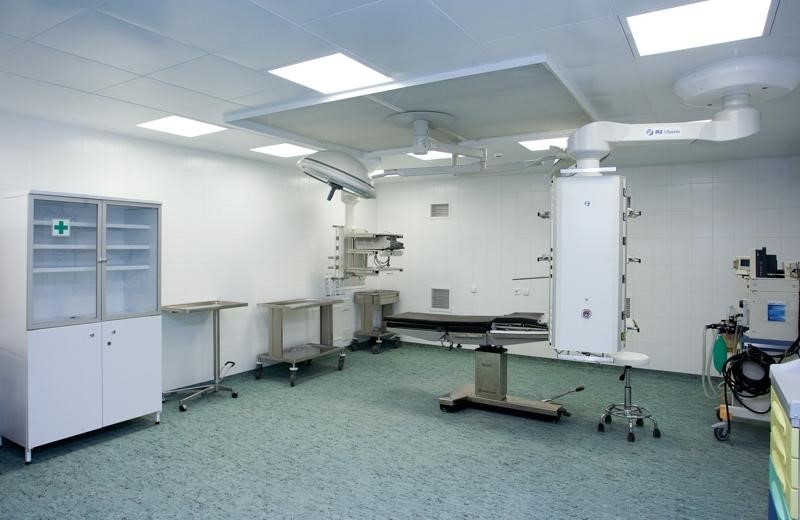
The subtleties of the organization of ventilation in the operating room
For the operating unit, a number of ventilation requirements differ from the requirements for other types of premises:
- the minimum air exchange rate should be 10;
- filters must be at least class H14;
- the average temperature is 22 degrees Celsius.
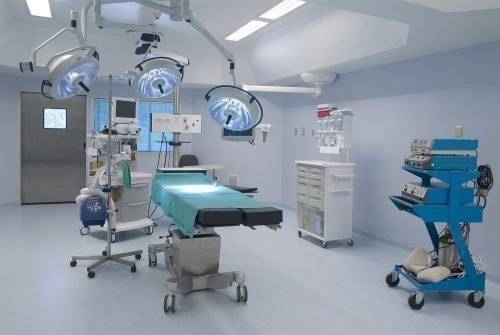
The ventilation system of operating units must comply with a number of specific rules
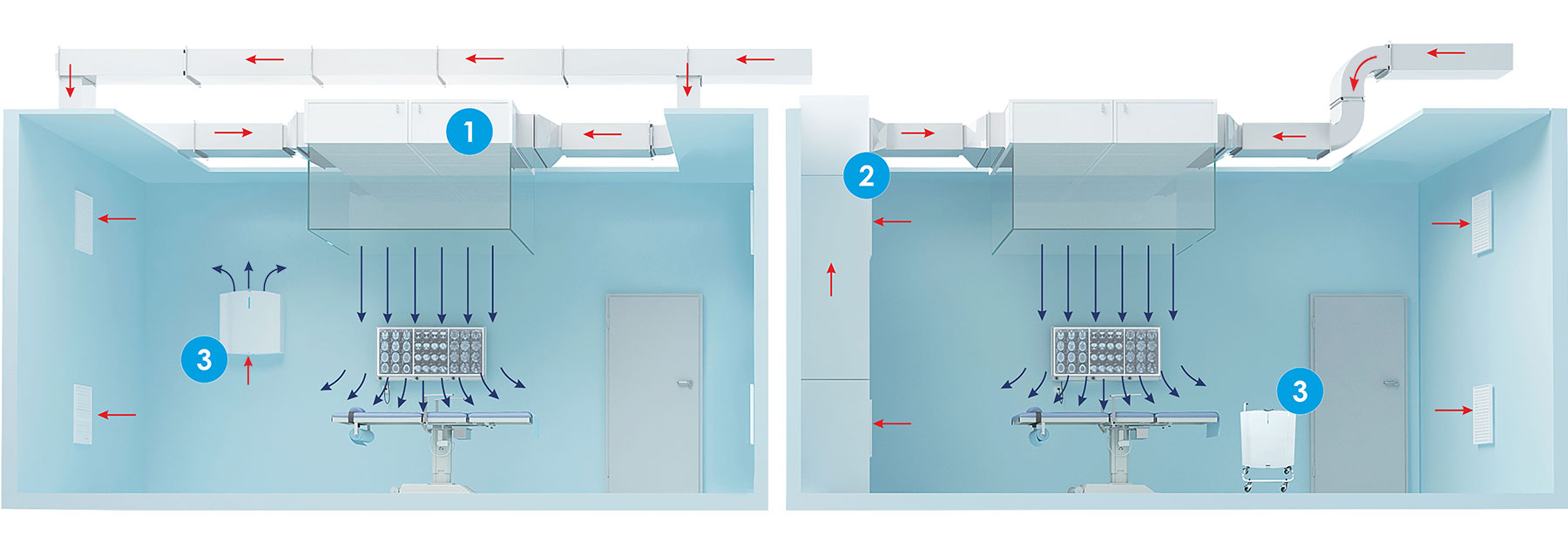
To ensure the required level of room sterility, so-called air curtains are often used. This method is quite cheap and compact and involves the use of laminar exhaust panels, the air flows from which intersect, thus creating an air barrier.



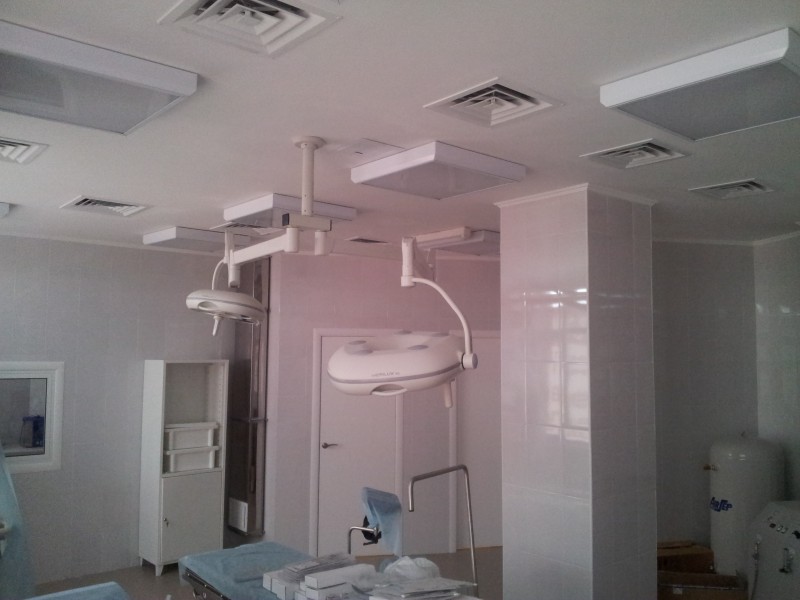

The air curtain for the operating room works best when the hood runs around the perimeter of the room. The advantage of the air curtain system is that there is no need to install a cumbersome ventilation system, and the air flows, when the equipment is properly located, cover the surgical table and the medical personnel working on it.
With the correct calculation of the speed of movement of air flows, it is possible to achieve a high level of disinfection of the operating unit by using an air curtain system.
Air duct requirements
Another indicator of ventilation efficiency is the cross section of the duct. Air ducts can be of various shapes, sizes and configurations. These parameters of the air duct are directly related to the required performance of the ventilation system. Also, in the technical calculation, it is necessary to take into account the permitted air speed.
The air duct must be airtight, not mechanically damaged, its inner surface must be made of non-sorbent material. The possibility of particles of the material of the inner surface of the air duct getting into the room air must also be excluded. In most cases, air ducts are made of stainless steel: it meets hygienic standards and has a long service life due to its high strength, wear resistance, and corrosion resistance.
The cross-sectional area of the duct is calculated by the formula: S= L/(3600∙w)
L is the capacity of the ventilation system, m3/h; w is the air velocity in the channel, m/s.
Knowing the area, you can calculate the diameter of the duct: D=√(4S/π)
For air ducts with a rectangular cross section, the height and width values are selected according to the calculated area value.
Heater power
In the premises of dental clinics, a certain temperature regime must be observed. In the cold season, clean air taken from the street must be heated using a heater. The electric power spent on heating cold supply air is calculated by the formula: Q=L∙ρ∙Cp∙(t2-t1)
ρ is the air density;
FROMR is the heat capacity of air;
t2, t1 - air temperature after and before the heater;
L is the performance of the ventilation system.
Fan power
According to the known value of the ventilation system performance, it is possible to determine what fan power is needed in a given situation.However, the fan must be selected with a certain margin of power: the air duct system resists the moving air flow, so it is necessary to take into account friction losses along the length of the channel, as well as losses caused by changes in the shape or size of the channel.
Acoustic calculation
An obligatory final stage in the design and calculation of ventilation is an acoustic calculation or calculation of the noise level produced during the operation of the equipment and air movement. At the same time, this calculation is made both for the premises directly serviced by the ventilation system, and for the premises in which the air duct passes in transit.
To accurately perform acoustic testing, it is necessary to know the geometric parameters of the room, the noise spectrum of the study source, the distance from the noise source to the operating point, the characteristics of the room, and the characteristics of the obstacle. The noise level calculated at certain points in the room is compared with the allowable value of this parameter. If the calculated acoustic pressure does not meet the established standards, then the acoustic calculation also includes the development of measures that contribute to noise reduction or protection from it. Permissible sound pressure levels in rooms are given in GOST.
Supply and exhaust ventilation in a dental clinic
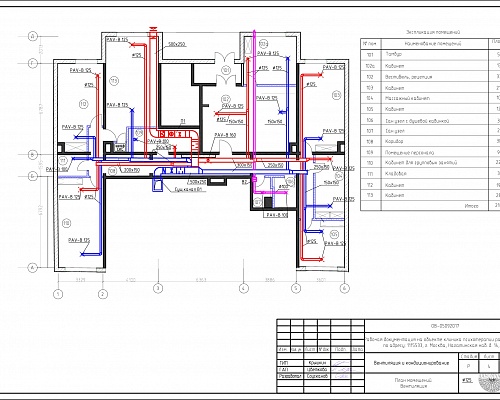
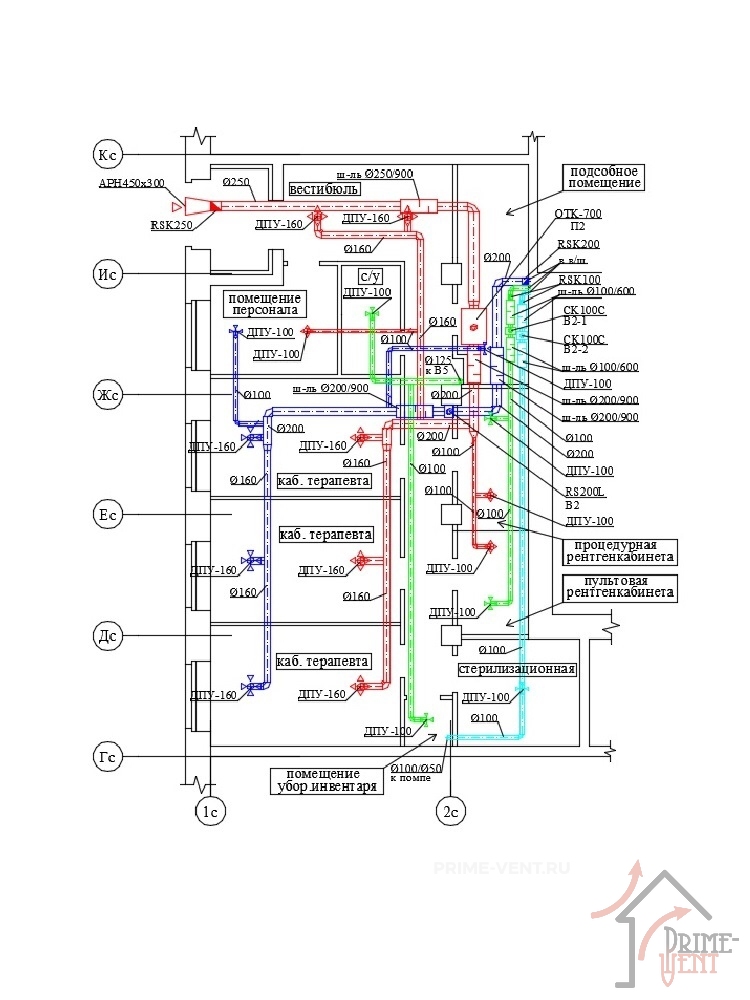
The ventilation system of the dental clinic must be carried out strictly according to the rules specified in the regulatory documents (SaNPiN, SNiP). Based on the technical calculations carried out by specialists, a project of ventilation systems is being developed. This takes into account the number of rooms, and also calculates the required electrical load of the network.Based on this, the selection of the necessary ventilation equipment is carried out, diagrams and drawings are drawn up. Before proceeding with the implementation of the project, it must be approved in the SES (sometimes in the housing and communal services).
Get a free consultation with a dental clinic ventilation engineer
Get!
Features of ventilation in medical institutions
For any medical institution, be it ordinary hospitals, clinics or other types of institutions, there are special conditions and acts for the ventilation system. This may include certain nuances.


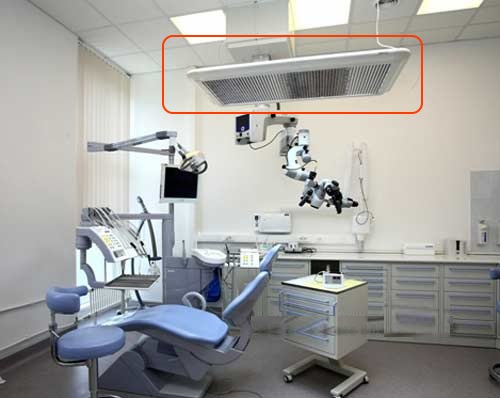

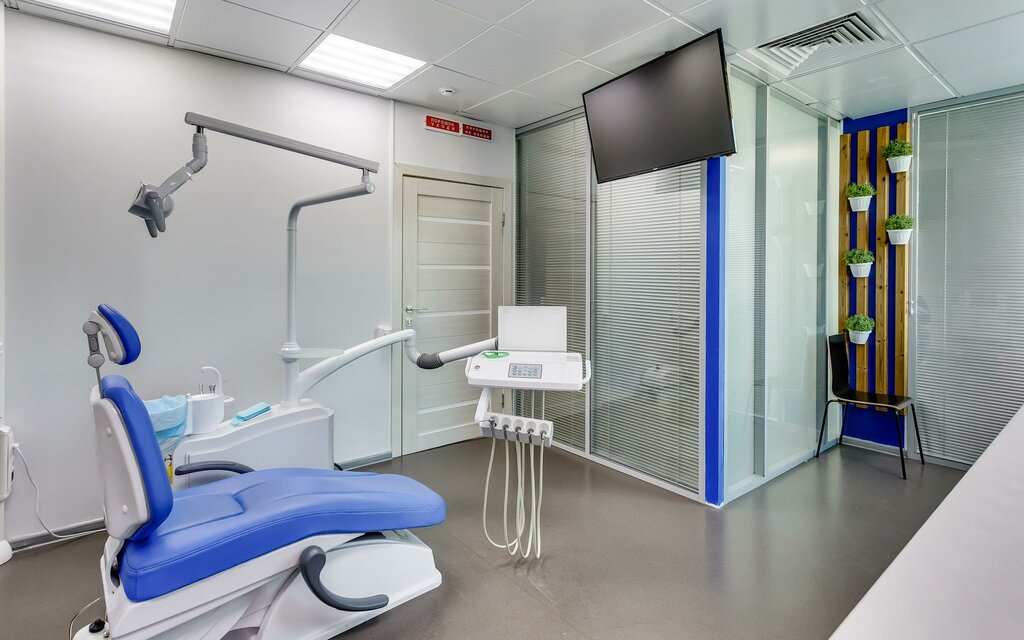


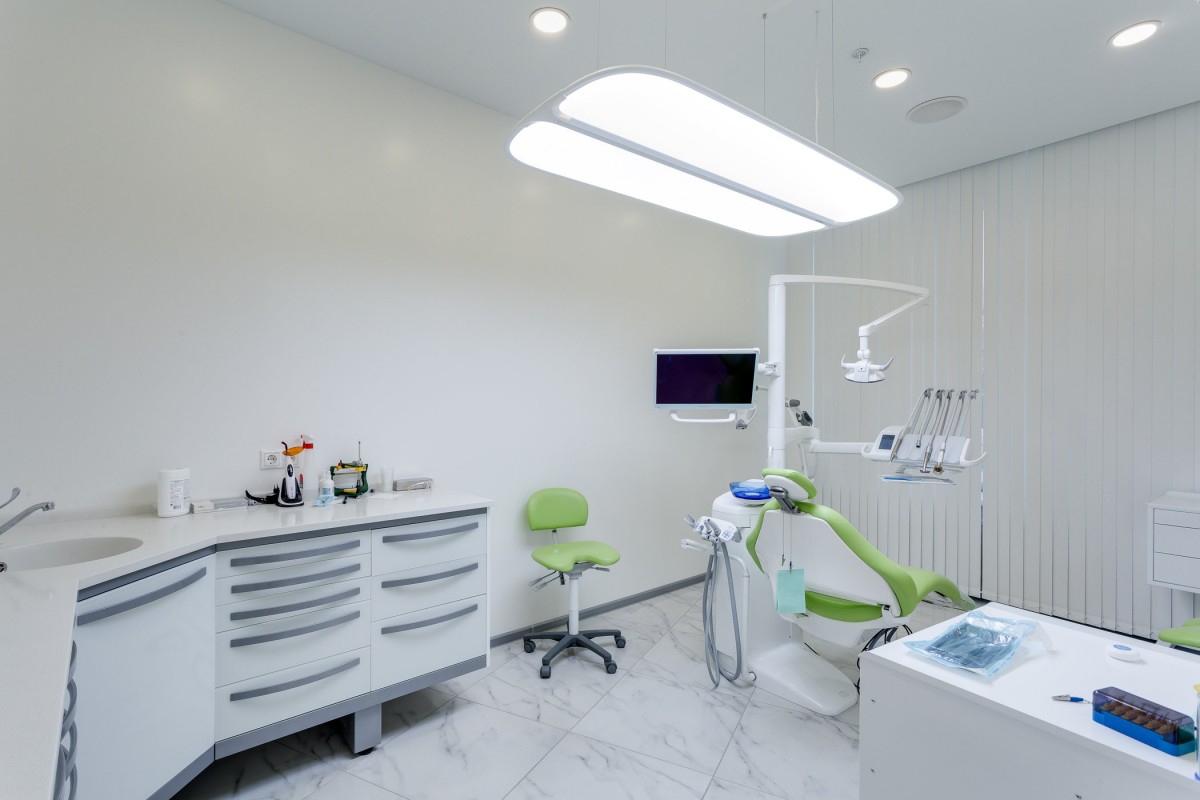
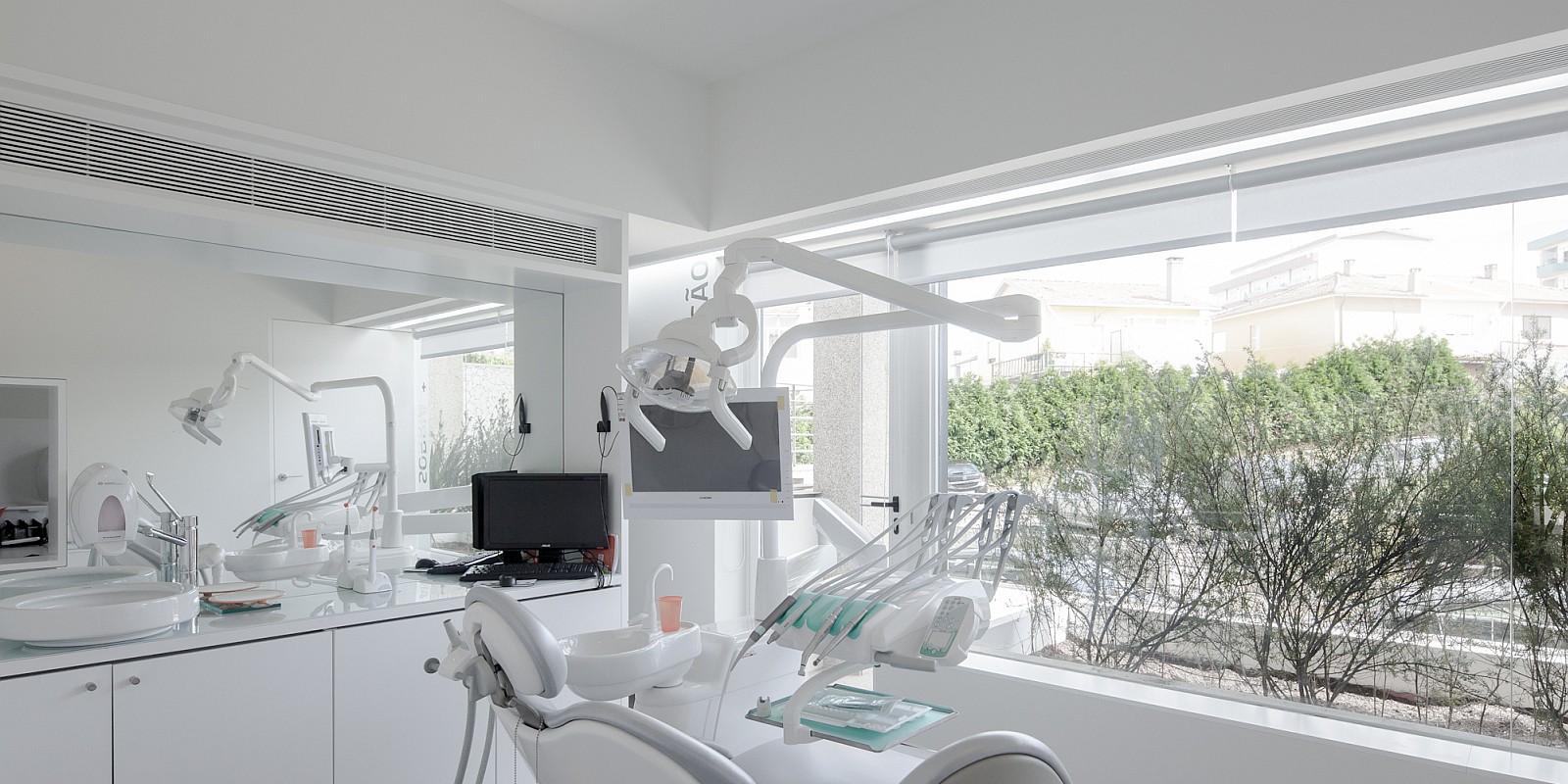
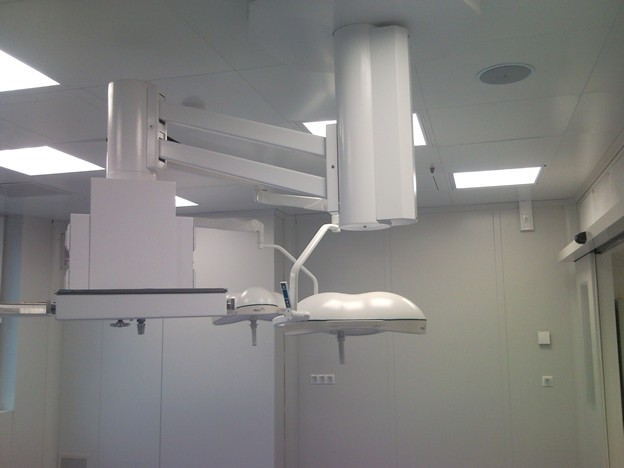
- The operating room is provided with ventilation, which at any time allows you to maintain certain indicators of humidity and temperature. These indicators are provided in SanPiN.
- In medical organizations, vertical collectors cannot be installed as a ventilation system, as they cannot provide a sufficient level of air purification.
- In operating rooms, in the X-ray room, maternity ward, intensive care unit and other important units, exhaust ventilation must be organized so that the exhaust air is removed both in the upper and lower parts of the room.
- Hospital wards should be naturally ventilated, and forced ventilation should be switched on only during the cold season. Such conditions are better suited for the recovery of patients.
- Ventilation and air conditioning of hospital rooms should not be carried out by recirculating air, as this is prohibited by medical regulations.
- The ventilation system in each individual room must maintain the microclimate established by SNIP standards.
- Natural ventilation is allowed only in dental offices. It is allowed to install only ventilation systems for forced air exchange in surgical and X-ray rooms. Supply and exhaust systems must be separated.
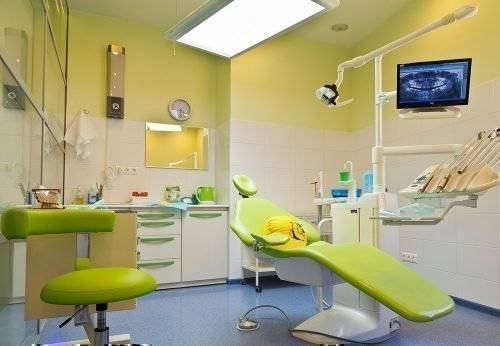
The presence of natural ventilation is allowed only in dental offices
During ventilation operation, the noise level indicator, a multiple of 35 dB, should not be exceeded.
As already mentioned, natural supply ventilation can only be installed under special conditions:
- in premises for preventive and household purposes, recreation areas, lobbies and waiting rooms;
- in toilets and showers;
- in water therapy rooms, feldsher points, pharmacies.
In operating rooms, physiotherapy rooms and other important premises, installation of a forced air conditioning system and the use of specialized ventilation equipment is indispensable.
How to properly dispose of waste
Only a person who has received the appropriate certificate can dispose of waste in a medical institution. Each medical institution should have its own “Instruction on the procedure for collecting, storing and disposing of waste”.
Important! All waste that appears as a result of the activities of a medical institution, including human tissues, secretions and fluids, medical materials (syringe tips, bandages, clothing, etc.), if they can be contaminated, pose a danger to human health. For this reason, they must be disposed of. The waste disposal procedure depends on the type of waste:
The waste disposal procedure depends on the type of waste:
- food waste and solid household waste should be thermally treated or buried at the landfill after disinfection;
- biological materials and plastic products must be processed by thermal methods;
- pharmaceutical waste and radioactive substances (including mercury) can be destroyed only at special enterprises.
In the latter case, the clinic is only responsible for packing and transporting the waste.
CARRYING OUT GENERAL CLEANING IN DENTISTRY IN STAGES
Over the years of development of medicine, the most convenient and effective procedure for the implementation of cleaning and disinfection work has been developed. It is described in the regulatory documentation as an algorithm for carrying out general cleaning, and it is highly undesirable to deviate from it. In dentistry, they work like this:
- clean especially contaminated surfaces from dust and stains using a conventional detergent;
- napkins, abundantly moistened with a solution of DS, wipe all surfaces;
- disinfect the room with ultraviolet light (it is necessary to turn on the bactericidal lamp for an hour);
- after UV irradiation, the disinfectant solution is washed off the surfaces with sterile or disposable wipes and clean water;
- turn on the bactericidal lamp again (for half an hour or an hour).
Dental ventilation
SanPiN for an institution such as dentistry provides for compliance with a number of special requirements. For example, if the location of a dental treatment organization coincides with a residential building, then their ventilation systems must be separate. Air intake from the street should be carried out from a clean area, which should be no lower than two meters from the ground.
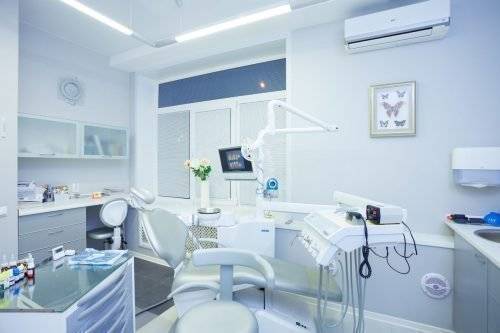
SanPiN imposes a number of special rules on the ventilation system of the dental office.
The exhaust air must be discharged 0.7 meters above the roof level, and after cleaning with filters, it can be thrown onto the facade of the building. Air is supplied and taken in the ward and other rooms necessarily in the upper zone. The exceptions are operating rooms and X-ray rooms, in which the inflow and exit of air must be carried out from the upper and lower zones.
Air conditioning of the X-ray room, operating rooms and other premises should be carried out using specialized equipment that will not only supply and take air, but also filter it.
Before installing ventilation equipment in a medical organization, the following requirements must be considered:
- SanPiN 2.6.1.1192-03.
- SanPiN 2.1.3.2630-10.
In addition, a number of hygienic requirements are imposed on medical organizations regarding the operation and installation of X-ray rooms, as well as sanitary and epidemiological requirements for organizations engaged in operational and other medical activities.
Ventilation parameters for dental x-ray rooms
Any medical ventilation in dentistry must meet certain technical parameters.
- The required air exchange rate must be at least 7 for supply ventilation and at least 9 for exhaust ventilation.
- Air supply by supply systems should be carried out in the upper zone of the room, and exhaust air intake - both from the upper and lower ones.
- The system must maintain the required air mass circulation rate, which is 0.2-0.5 m/s.
- The systems that control heating and air conditioning must maintain a temperature of 18-23 degrees Celsius in winter and 21-25 in summer.
- The required level of humidity in a hospital room should not be higher than 60% for an X-ray room, laboratories and orthopedic rooms, as well as a therapeutic room, and no more than 75% for other rooms, which include the operating room.
- In the case of rooms in which work with dental implants and prostheses is carried out, exhaust zones must be organized above the heating devices. In these areas, exhaust hoods should be installed, which should work in the mode of forced removal of polluted air from the room.
- In the case of therapy rooms, provision should be made for the installation of a separate suction near each dental chair.

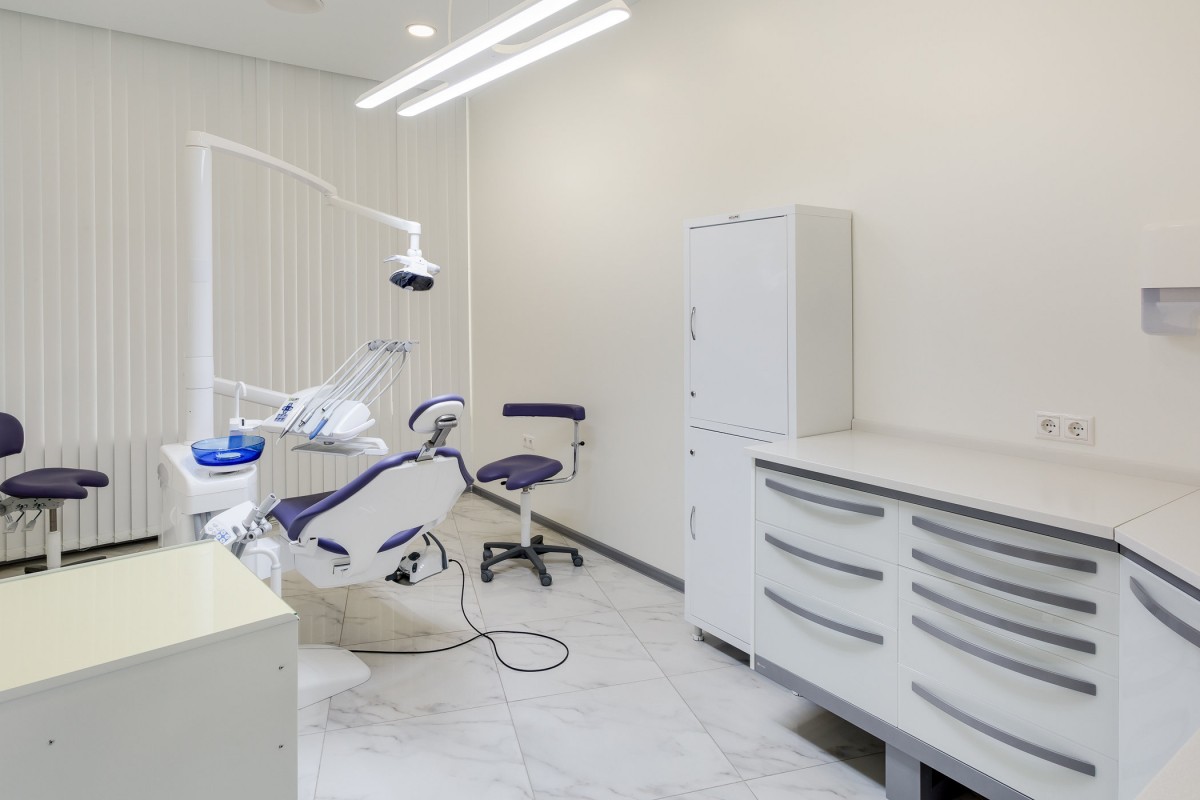


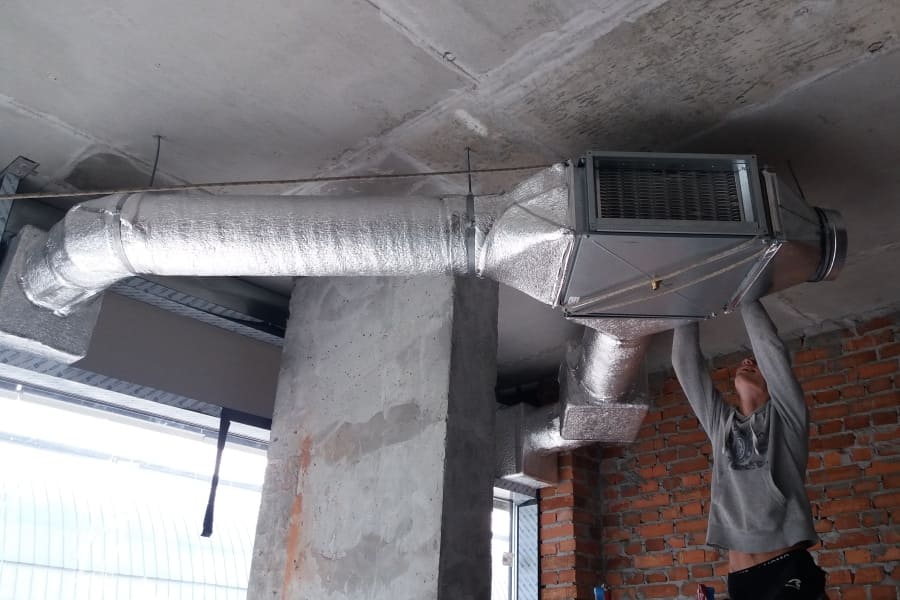


X-ray ventilation equipment in dentistry
Medical organizations providing dental services have special requirements regarding the selection and installation of ventilation equipment. It must not only meet technical requirements, but also sanitary and hygienic standards.
When choosing budget or expensive ventilation equipment used by a dental organization, the following points should be considered:
- the required level of humidity for each individual room;
- room air purification class;
- noise and vibration requirements;
- required room temperature.
In addition, a medical dental office located in a residential building must necessarily have a ventilation system separate from the ventilation of the house. Only by observing this condition, the act of verification will give a positive result.
Any hospital ventilation equipment for a dental office must provide air circulation: the air exchange rate must be at least 7, the air speed must be at least 0.2 meters per second. Also, at any given time, the relative humidity in the premises should be maintained within the range of 40 to 60%, and the temperature in the working room should not be lower than 18 degrees Celsius in winter and 21 degrees in summer.
The utility rooms or bathrooms of dental hospitals are subject to separate requirements for ventilation equipment:
- air humidity is not more than 75%;
- air speed 0.3 meters per second;
- temperature 17-28 degrees.
Gosopzhnadzora requirements
The requirements of this organization will depend on whether you equip an x-ray room or not. Usually, in small dental rooms, such equipment is not available. This structure imposes requirements both on the premises and organization of measures for PB (fire safety), and on documentation (the availability of orders, safety instructions, magazines, signs and memos).
Regulations
- No. 123-FZ of the Russian Federation (Technical regulations, including Art. 82).
- SNiP 31-01-2003 / SNiP 31-02 (for blocked buildings, except for mobile ones).
- RD 78.145-93 (installation of fire and security alarms).
- NPB 110-03.
- PPB 01-03.
- SNiP 21-01-97 (updating SP112.13330.2011).
Requirements for the premises and its decoration
According to the fire safety requirements, the finishing of the premises is carried out with non-combustible materials:
- water-based paints;
- tile.
If your office is located on the 2nd floor of a residential building, the flight of stairs must be at least 1.2 meters wide. It is desirable that the door of your room opens outwards. Blocking the exit with any objects is prohibited.
Documentation Requirements
For the organization of any form of ownership, it is mandatory to have:
- TV instructions.
- Order on the appointment of a person responsible for the safety and security of the person, on the inspection of the premises at the end of the working day and before the start-up of the installations.
- Journal of briefings on PB.
- Staff knowledge check log.
- Journal of registration of inspections by regulatory authorities.
- Journal of accounting of primary fire extinguishing equipment and maintenance of fire extinguishers.
- Plates with a mark of fire hazard for electrical equipment.
- Plates with the name of the person responsible for compliance with the fire regime and the call number of the fire service.
- Colored evacuation plan in A3 format.
Wiring Requirements
The wiring and ground loop is done by a licensed organization. Testing of the grounding system is also carried out by a specialized organization or by an employee entitled to carry out special work of this kind. Such tests are mandatory (according to PP No. 291 of 16.04.12). Periodic grounding checks are also mandatory.
When calculating the number of outlets, keep in mind that the office must be equipped with air-disinfecting lamps (bactericidal), if possible, recirculatory installations.
Requirements for fire fighting equipment
In the dental office there must be means of primary fire extinguishing. First of all, fire extinguishers, at least two. Their number depends on the area of \u200b\u200bthe room. Fire extinguishers must be recorded in the register, checked, must have a tag with the date of verification and instructions for their use. They must be located in an easily accessible place.
The dental office must have a fire alarm system. Conventional systems are usually used, the requirements for them are minimal and they successfully serve small areas. Such a system must be installed and maintained by a licensed organization.
For small dental clinics (for 3-4 rooms) it is enough to use the Signal-10 + SOUE model system, for larger clinics it is better to use PPK-2 with sound annunciators of type 3 with the system connected via TRV-1x2x0.5 (wires), SVV-2x0.5 / SVV-6x0.5 (cables).
Personnel Requirements
Personnel must be literate in relation to safety regulations, know the rules for disconnecting / connecting equipment, not using faulty installations or broken sockets.
All personnel must:
- take a briefing on PB (introductory, primary, regular) with a record of this in a journal and a knowledge test;
- be able to use fire extinguishing equipment, know where they are;
- know their actions in case of fire, be able to help customers evacuate.
Before opening an organization, check the relevance of the requirements for your local control bodies.
Conclusions and useful video on the topic
Features and some tricks for installing ventilation in dentistry are presented in this video:


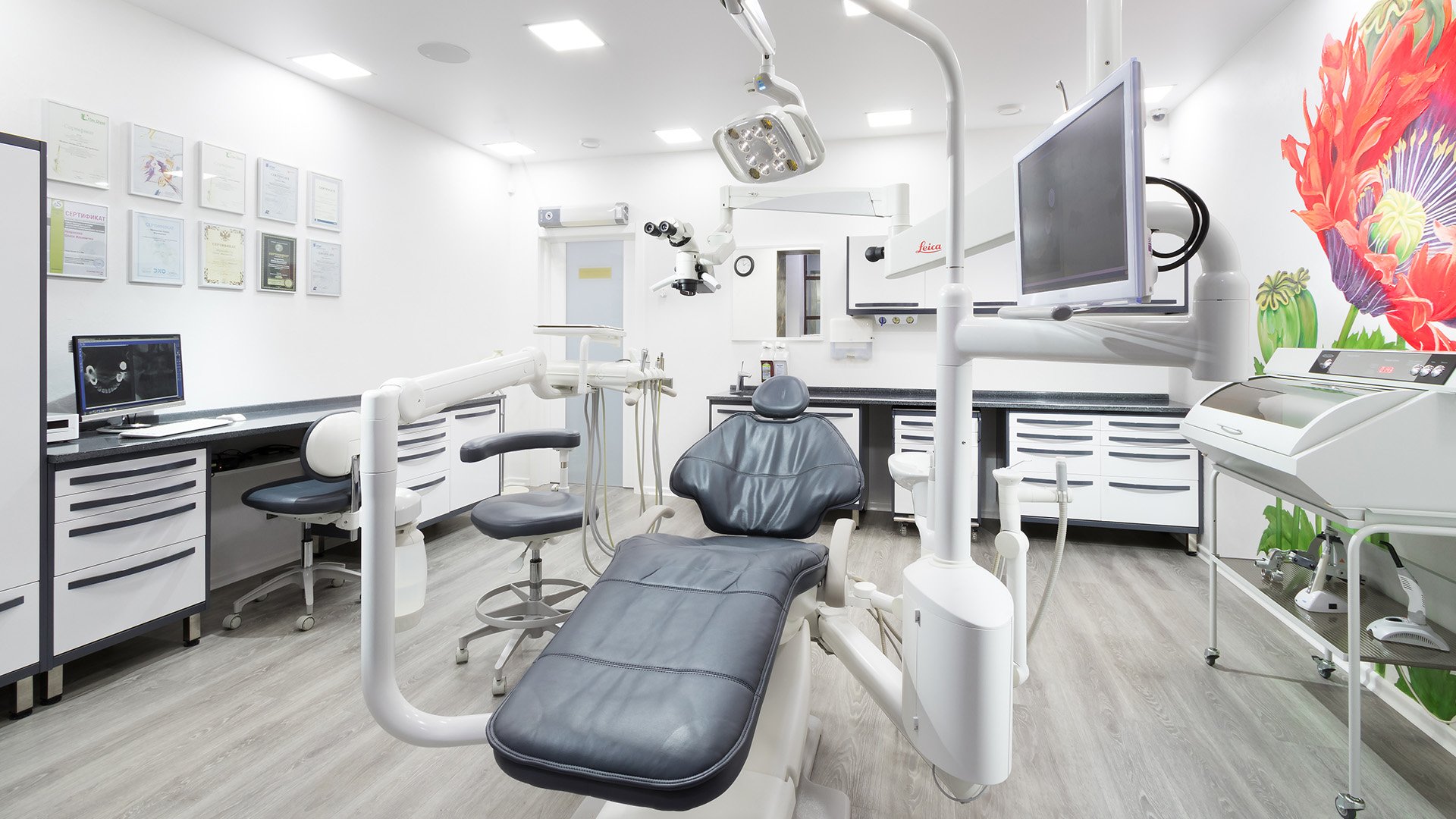
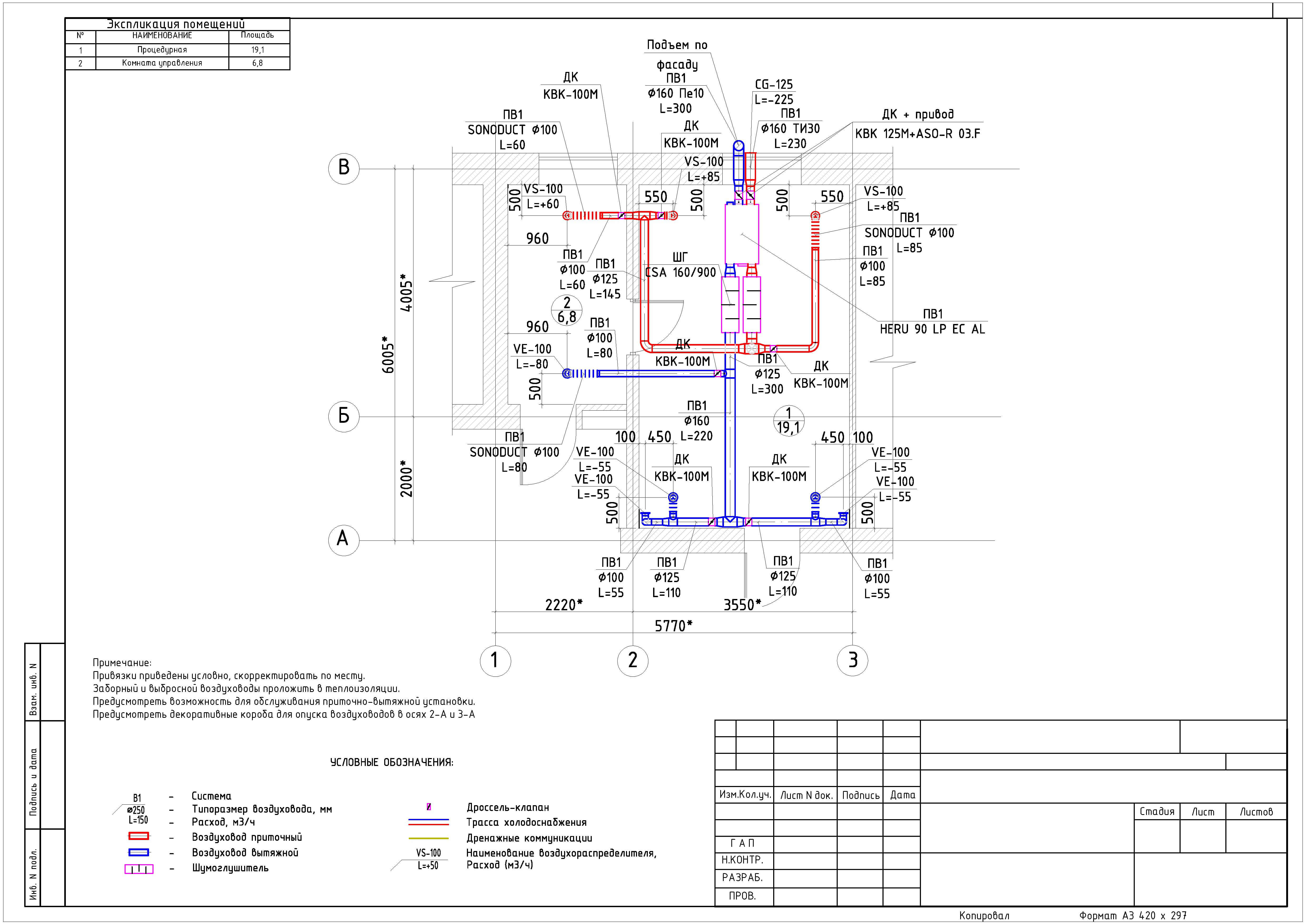
You can see the engineering drawing of the structural arrangement of ventilation in dentistry in this video:
The ventilation system plays a major role in maintaining the right microclimate in the dental office. Proper operation of ventilation eliminates the appearance of unwanted bacteria and contributes to maintaining the health of both medical personnel working in dentistry and those undergoing treatment.
That is why such close attention is paid to its installation, installation and operation, and the regulatory authorities systematically check the compliance of ventilation with the norms established by law. If you can supplement our material with interesting information on the topic of the article or want to ask a question
Please leave your comments in the box below.
If you can supplement our material with interesting information on the topic of the article or want to ask a question. Please leave your comments in the box below.