
- What are the dimensions of the heater
- Video - How to insulate the facade of a house without experience, with your own hands
- Styrofoam properties
- What are wall insulation
- Arbolit
- particle board
- Foamed polyethylene
- Fiberboard
- Price for fiberboard
- Honeycomb insulation
- Ecowool
- Cork wallpaper
- Comparative analysis
- Penofol
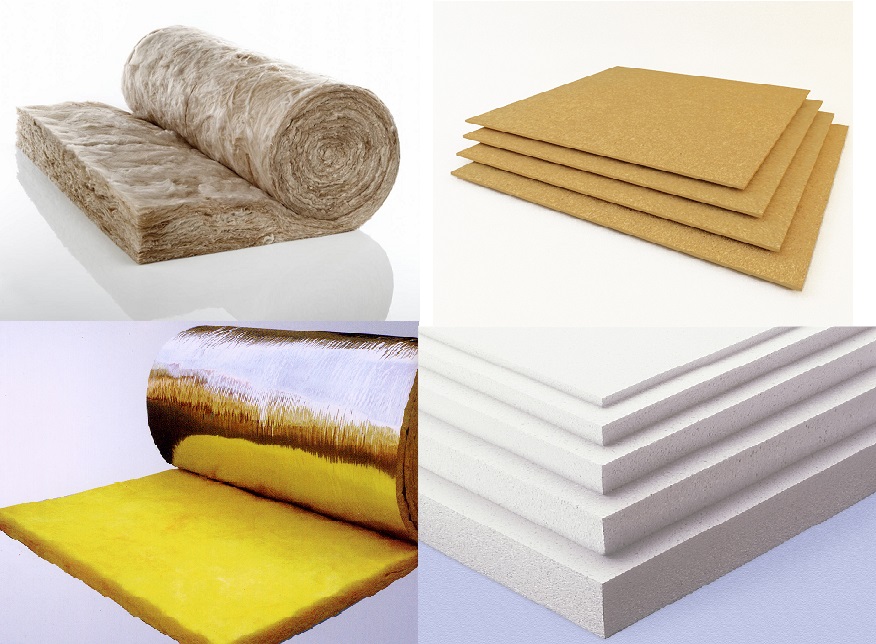
- mineral wool
- PPU
- Arbolit and penoizol
- Advantages and disadvantages of EPPS
- Recommendations for wall insulation
- Causes of cold
- The easiest way to insulate
- Optimal insulation
- Option without insulation
- Insulation for walls from the inside
- Styrofoam
- What material to use
- Internal insulation - pros and cons
- Ceiling insulation
- Self-insulation of the walls of the house
- Installation of insulation under plaster
- Non-ventilated three-layer wall
- Ventilated facade
- Advantages and disadvantages of heaters
- Cork wall decoration
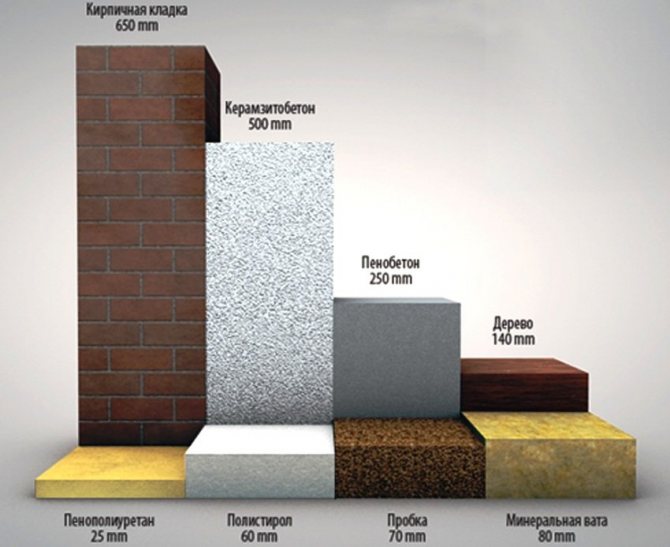
What are the dimensions of the heater
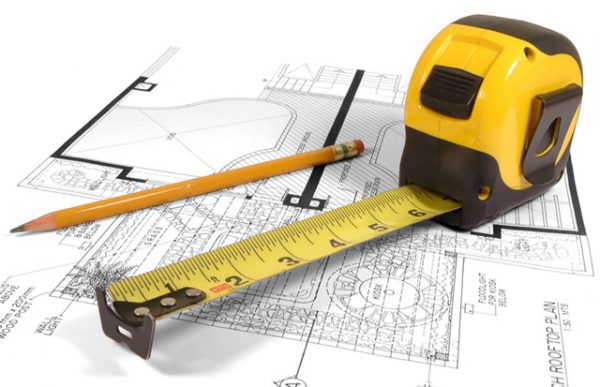 Insulation dimensions are an important criterion
What is a heater
The main criterion for choosing the size of a heat insulator is its thickness. Length and width do not play a big role. They are taken into account only when calculating the required amount of materials. The dimensions of the insulation depend on its belonging to a particular type.
Table 3. Insulation dimensions:
| Name | Thickness | Length | Width |
|---|---|---|---|
| Styrofoam | 20-100 mm | 500-2000 mm | 1000 mm |
| Penoplex | 20-100 mm | 1200-2400 mm | 600 mm |
| Mineral wool | 46-214 mm | 1176 mm | 566-614 mm |
| Izolon | 3.5-20mm | from 10 m | 600-1200 mm |
| Arbolit | 250 mm | 500 mm | 200-400 mm |
| Chipboard | 10-22mm | 1830-2800 mm | 20170-2620 mm |
| Fiberboard | 30-150 mm | 2400-3000 mm | 600-1200 mm |
When buying materials, you need to pay attention to the area of the roll or plate. It's usually listed on the packaging.
To calculate how much insulation you need, you need to do the following:
- Calculate the perimeter of the building - add the length and width. Multiply this amount by 2.
- Measure the height and multiply this value by the perimeter of the house.
- The resulting value is divided by the area of one roll or plate.
- Multiply this number by 0.15.
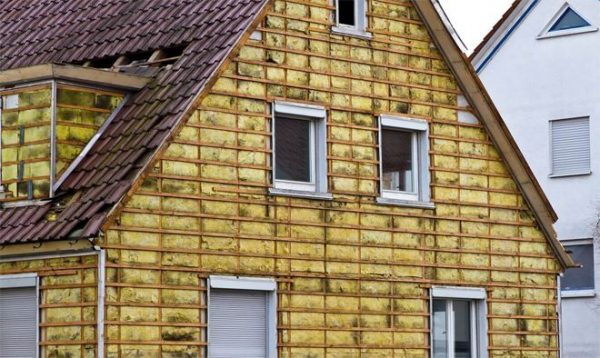 House insulation
To reduce heating costs and keep heat in the house for a long time, you need to choose a high-quality heat insulator. If you need to insulate the house from the outside, it is better to use inorganic materials - they are less exposed to the external environment.
Video - How to insulate the facade of a house without experience, with your own hands
For interior decoration, heaters made from natural materials are more suitable. Knowing the technical characteristics of each type, you can easily choose the best option for a heat insulator for your home.
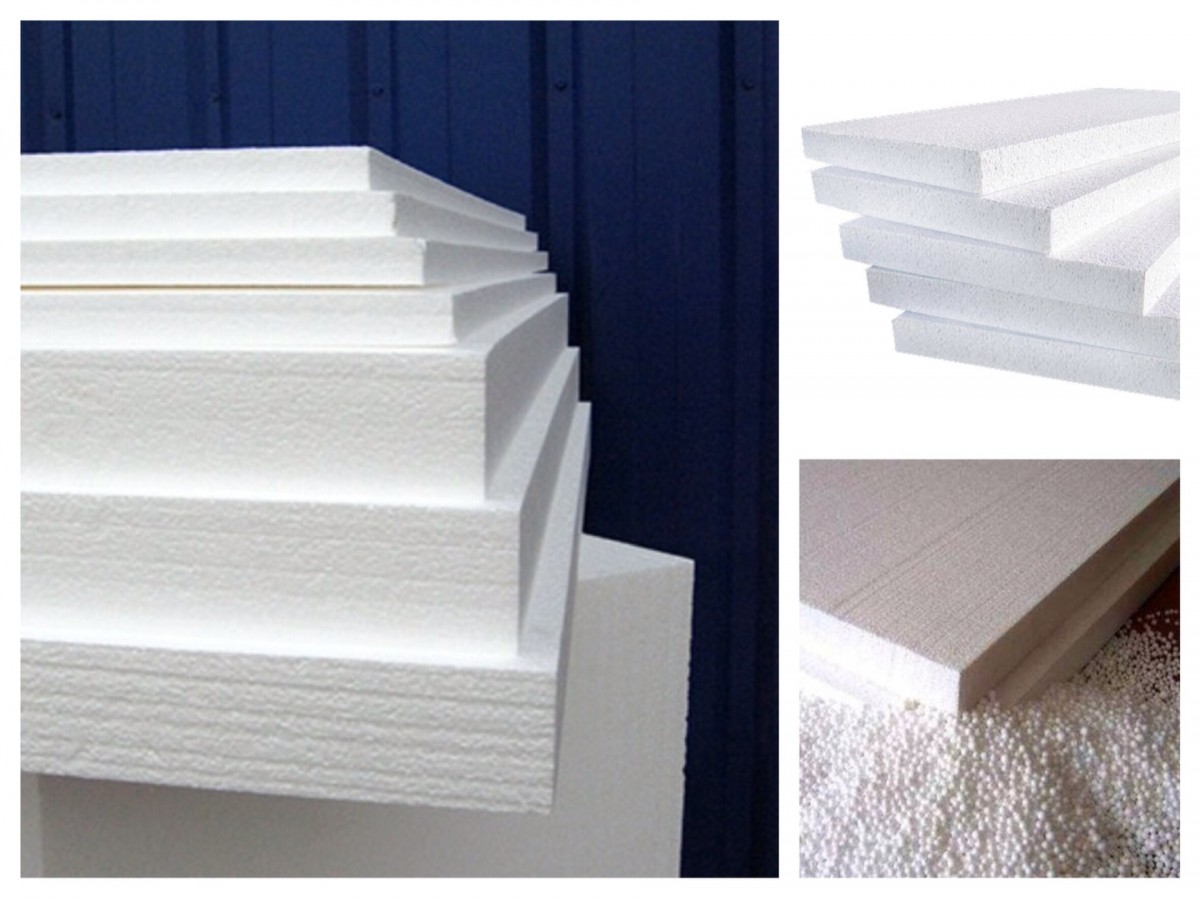
Styrofoam properties
Another good thermal insulation material is polystyrene. Its ability to keep its shape for a long time and protect the premises from the cold is highly appreciated by a wide audience of consumers, therefore, at present, they are insulated with roof structures, walls, floors and ceilings both inside and outside buildings. Expanded polystyrene granules are used as the main component.
Ready-made foam boards with dimensions of 1x2 meters are available on the market.Their thickness varies from 2 to 50 cm. Also, the material is characterized by different performance properties for specific applications. Using different manufacturing methods, manufacturers create such heaters:
- Poroplast is a high-quality heat-insulating raw material with a porous structure. This type can have a lot of subspecies, including mipore, polyvinyl chloride foam, polyurethane foam and others.
- Traditional foam - created in such a way that its internal components do not interact with the environment and other structures.
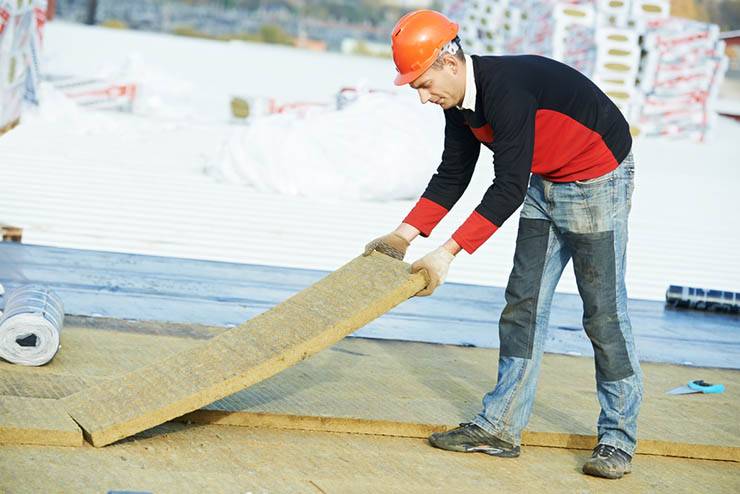 Do not forget about several types of heaters
What are wall insulation
To choose a heat insulator for walls, you first need to understand it types and their technical characteristics.
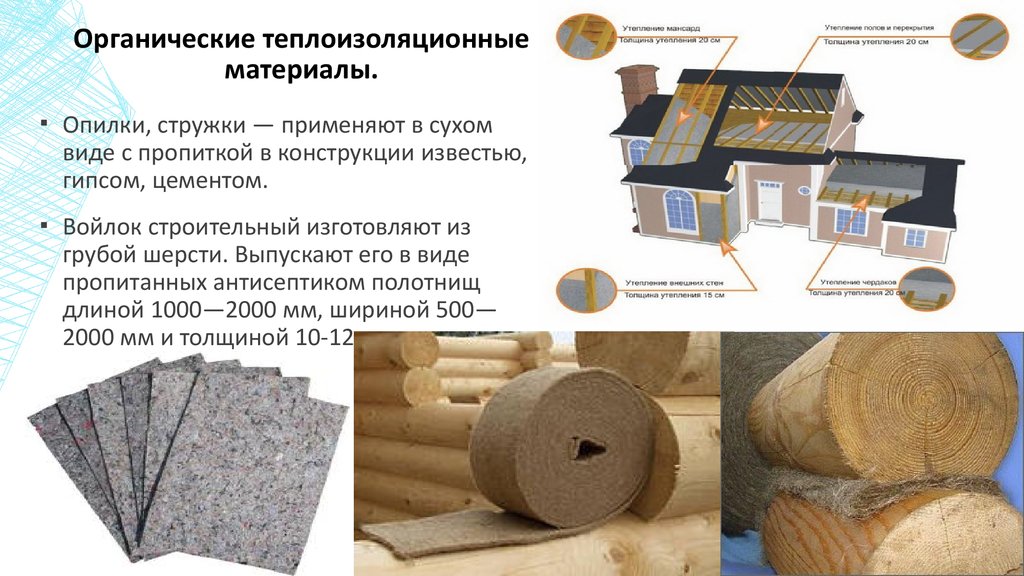
For interior decoration materials of organic origin are used. They are made using natural raw materials - waste from the woodworking industry or agricultural products. Additional components are plastic and cement. Each species has its own characteristics.
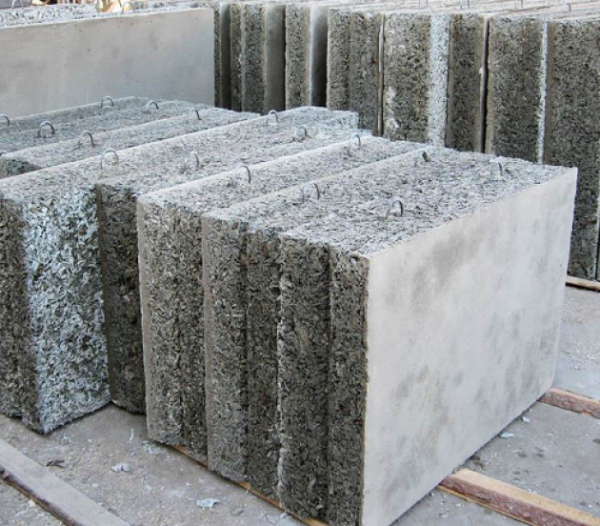
Arbolit
For its manufacture, crushed sawdust, wood shavings and reed stalks are used. Cement with calcium chloride and alumina is used as a binding component.
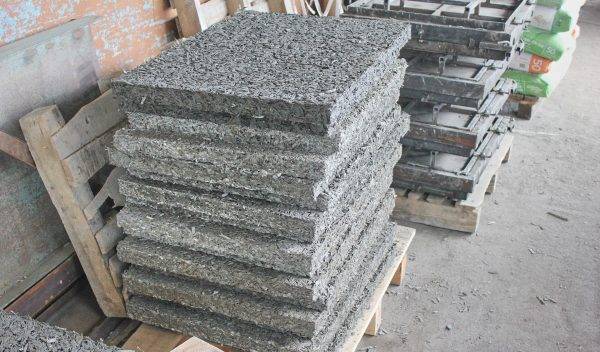 Wood concrete insulation
Arbolite properties:
- environmental friendliness - 90% consists of organic substances;
- almost not affected by mold and fungus;
- provides good sound insulation and air exchange;
- low heat conductivity - no more than 0.12 W / (m * K);
- easily withstands frost, fireproof.
The material is excellent for processing. It can be sawn into pieces, screwed into it with screws or hammered nails. From this it does not crumble and does not break.
particle board
90% consists of crushed chips. The remaining 10% are formaldehyde resins and antiseptics. The material is also impregnated with flame retardants - substances that increase its fire resistance.




Chipboard characteristics:
- homogeneous structure;
- environmental friendliness;
- resistance to temperature extremes;
- humidity - within 5-10%;
- ease of installation.
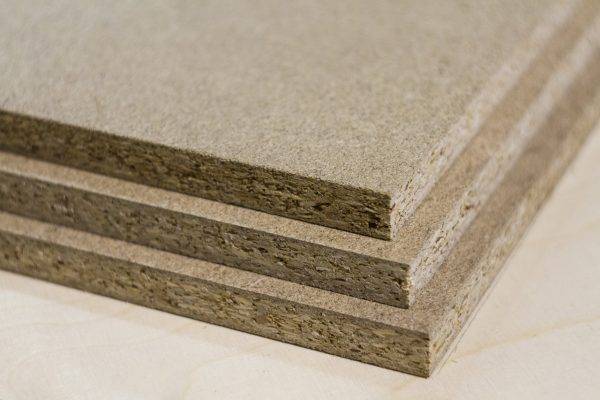 particle board
The plates have weak edges. So that they do not crumble, the sheets must be adjusted to each other with maximum density. They also do not withstand a large bending load, so they can sag.
Foamed polyethylene
Has a porous structure. Consists of polyethylene and hydrocarbon-based foam component.
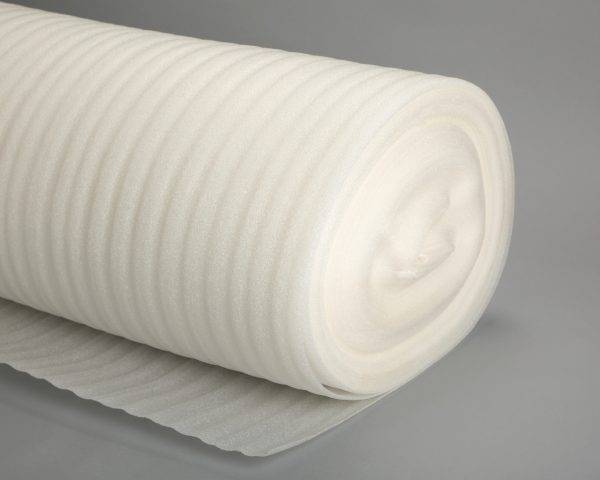 Foamed polyethylene
It has the following set of features:
- provides good vapor barrier;
- almost does not absorb moisture;
- not affected by chemicals and decay;
- withstands temperatures from -40 to +100 degrees;
- serves as a reliable sound insulator.
Foamed polyethylene is produced in rolls.
Fiberboard
The basis for the material is wood shavings. Magnesite or cement is added to it as a binding component. Sold in slabs.
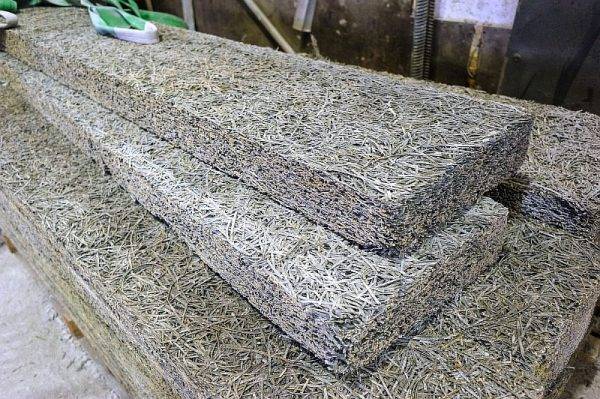 Fiberboard
The features of this heater include:
- fire safety;
- ability to absorb noise;
- low thermal conductivity - up to 0.1 W / (m * K);
- increased resistance to aggressive chemical environment.
Suitable for wall insulation in rooms with abundant humidity - for a pool or bathroom.
Price for fiberboard
Fiberboard
Honeycomb insulation
It contains cells in the form of a hexagon.In appearance, they resemble honeycombs. The raw material for the material is cellulose, fiberglass or special fabrics. On top of the honeycomb are covered with a thin layer of film. Epoxy or phenolic resin is used to bind the fibers. The outer side of the heat insulator is a sheet of plastic.
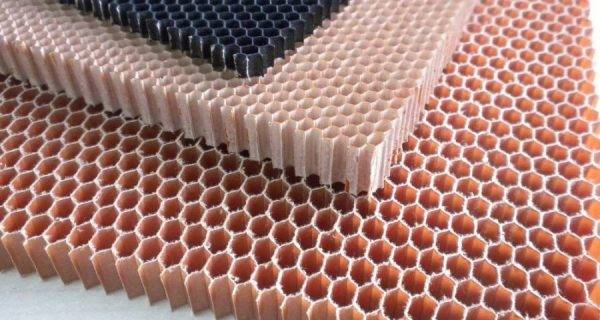 corrugated fabric insulation
Distinctive properties of insulation:
- absorbs noise;
- retains heat for a long time;
- fireproof;
- strongly absorbs moisture.
Ecowool
The basis for it is paper and cardboard waste. If you lay ecowool with a continuous coating, there will be no seams on the surface of the walls.
 Ecowool
Material features include:
- high sound insulation;
- health safety;
- quickly absorbs moisture;
- retains heat for a long time.
But over time, the thermal insulation coefficient decreases, because the material loses up to 20% of its initial volume.
Cork wallpaper
At the same time, it can perform the function of a heater and a finishing material. The raw material for it is the bark of the cork tree. It is first crushed and then pressed. Cork wallpaper can be left natural or varnished.
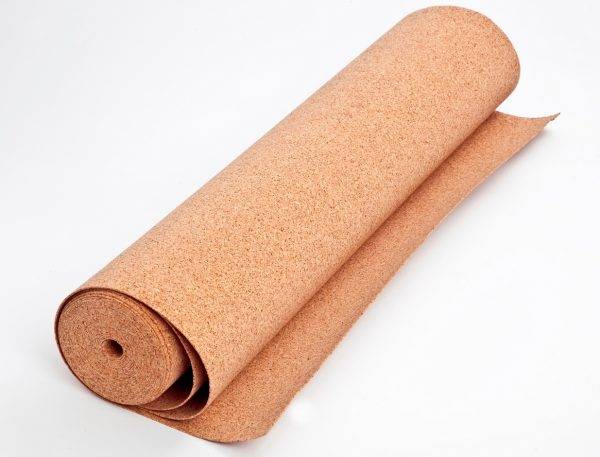 Cork insulation
They differ in the following characteristics:
- environmental friendliness;
- long service life;
- fire resistance;
- excellent soundproofing.
The material also has antistatic and antimicrobial properties. Cork wallpaper creates an optimal microclimate in any room.


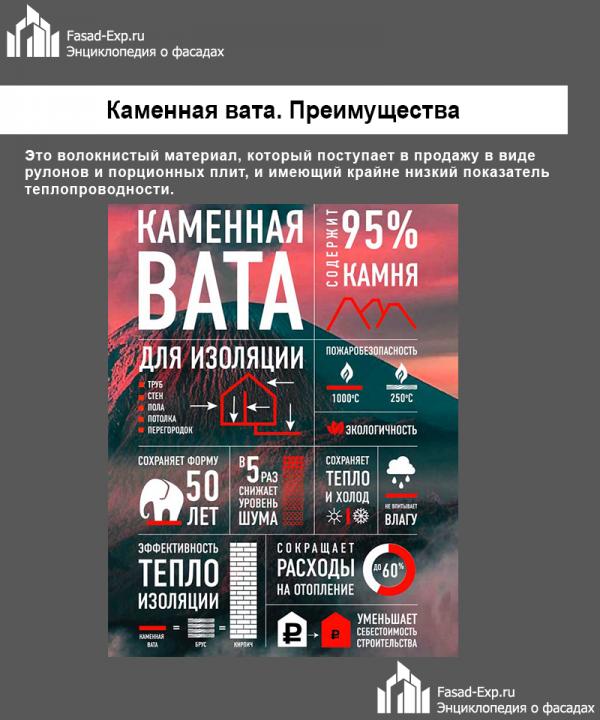 Stone wool. Advantages.
Comparative analysis
In such a variety of thermal insulation materials, it is difficult to choose the one that will be needed specifically for certain purposes. We must pay tribute to the manufacturers who began to separate products by model.For example, insulation made of expanded polystyrene brand Penoplex. Models are offered only for indoor use, for facades, for roofs and so on. What is indicated on the packaging.
Let's compare some heaters with each other, after which it will become clear which one is best to choose for thermal insulation.
Penofol
For example, let's take the famous Penofol brand - this is a foam polyethylene insulation. Let's start with the fact that the manufacturer supplies this heat insulator with a double-sided foil layer. Penofol 4 mm thick can replace 80 mm mineral wool rolls, 30 mm expanded polystyrene boards. In addition, there is no need to install hydro and vapor barrier.
But you can not use it for plaster. In this regard, polystyrene foam boards win. You just need to apply a plaster mesh on them and leveling can be carried out.
mineral wool
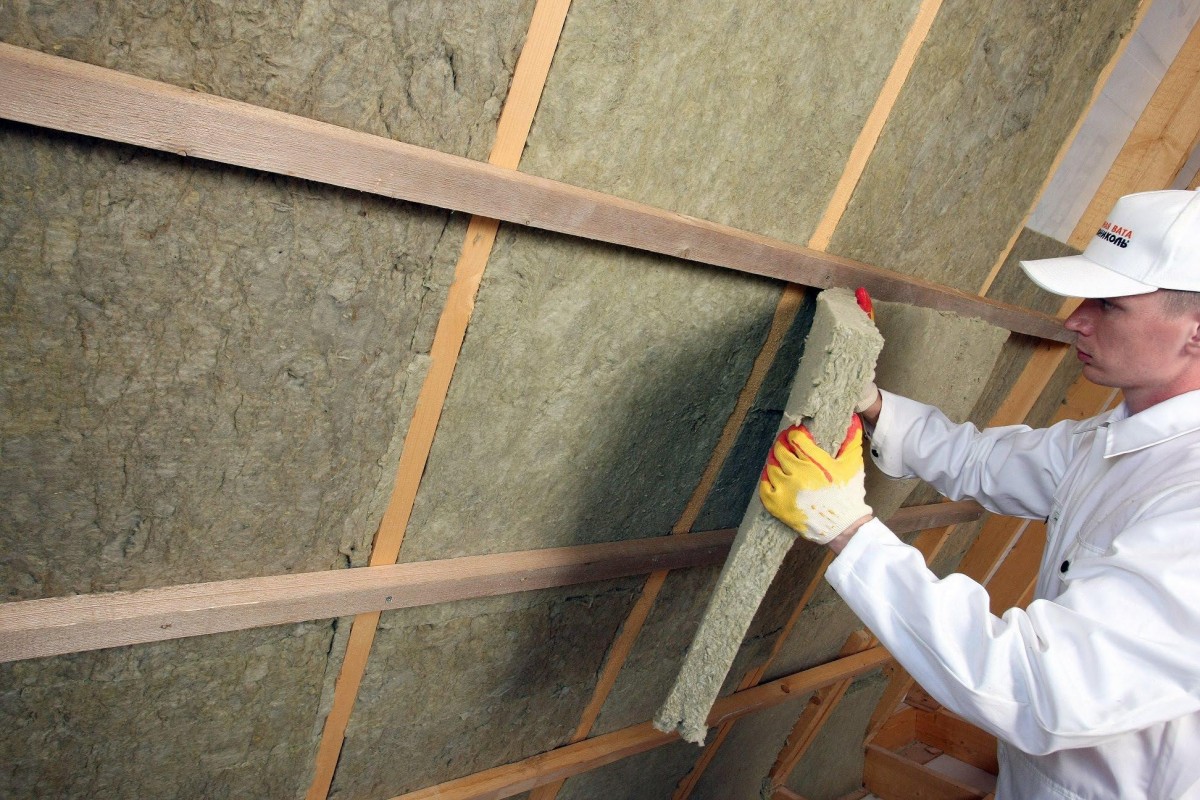
Mineral wool is the cheapest insulation on the market. But its cheapness is imaginary, because for installation it will be necessary to build a wooden frame, which must be treated with an antiseptic. That is, all these costs will negate its cheapness.
Plus, mineral wool is afraid of moisture, and these are two more layers of protective materials. And still, together with expanded polystyrene plates, it is the leader in the category of modern heaters.
PPU
As for polyurethane foam, it is rarely used in private housing construction. Too expensive this pleasure. It is impossible to apply it with your own hands. Requires special equipment and permission to work.
Arbolit and penoizol
These materials are most often used for warming balconies and loggias. Both heaters today compete with blocks of cellular concrete.
Unfortunately, while they are losing due to the lack of promotion of the brand. Although, in terms of thermal insulation characteristics, foam blocks will not yield. But for the thermal insulation of facades, wood concrete is a good option.
Advantages and disadvantages of EPPS
One of the most popular types of wall insulation is extruded polystyrene foam (or EPS). Among its characteristic differences (except for low thermal conductivity), it is worth noting water resistance, long service life and low weight. A 200mm XPS board replaces a 38mm mineral wool layer.
With the help of extruded polystyrene foam, the heat loss of residential and non-residential premises (including balconies and loggias) is reduced. And among its shortcomings can only be called increased flammability. XPS burns quickly, releasing a lot of toxic substances into the environment.
Recommendations for wall insulation
Often, especially in apartments, a situation arises when the walls literally “pull” with cold. This feeling arises due to the fact that the air temperature in the room differs from the temperature of the inner surface of the wall by more than 4º.
Causes of cold
This effect occurs for the following reasons:
- poor performance of the heating system - the heating it provides may not be sufficient to create a comfortable microclimate in the premises;
- wetting of the walls - because of this, the heat resistance of the wall decreases, and, consequently, the temperature in the room;
- marriage made during the construction or design of the house - for example, insufficient filling of brick joints with cement mortar on the front wall of the house.
The easiest way to insulate
The easiest and fastest way to insulate a wall is to hang a carpet on it.In this case, of course, its surface must be dry.
A full-wall carpet is also a way of thermal insulation.
This method cannot be called fashionable and modern. Especially when you consider that this is far from the thinnest wall insulation. But, nevertheless, it is very effective.
If the carpet covers the entire wall, or at least most of it, then it becomes warmer due to this. And it doesn't feel so cold anymore.




But this method is more suitable only as a temporary solution to the problem. For permanent warming, you need to take other measures.
Optimal insulation
The most optimal wall insulation method is the use of thin foil insulation. You need to fasten them with foil outside. In this case, the seams must be carefully glued with aluminum tape.
But there is another option. This is the replacement of plaster with plasterboard sheathing. This method is suitable only for rooms with a good, dry microclimate.
If the humidity in the room is high, then you will have to use moisture resistant instead of ordinary drywall. As an alternative, use PVC wall panels or moisture-resistant plywood.
Any of the above materials must be fixed to the wall with a special adhesive. You can also make a frame and install sheets of insulating material already on it.
In doing so, you can do the following. We glue foil insulation on the wall under the frame. We isolate its joints with aluminum tape.
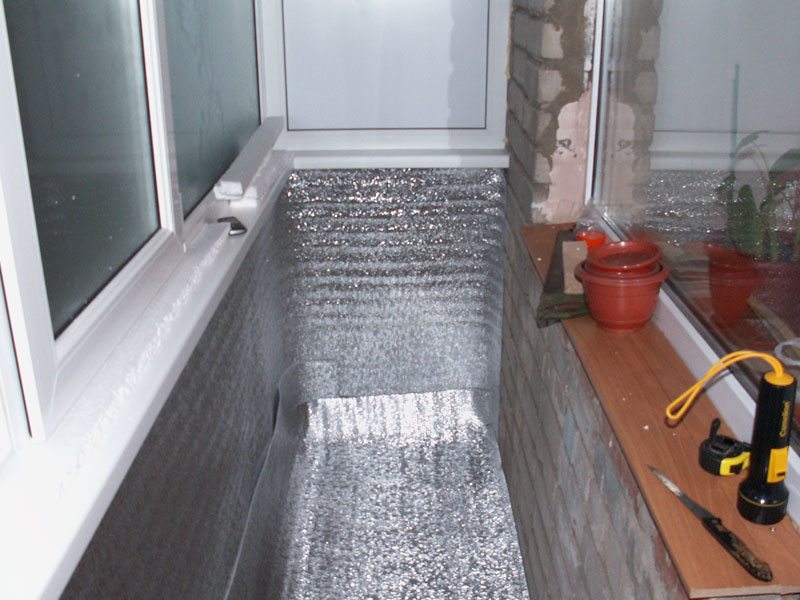
Thermal insulation with polyethylene foam
Thus, between the insulation fixed on the frame and the wall, an air gap is formed with a thickness of 2 to 5 cm.It does not allow freezing of the wall.
In this case, another difficulty may arise. Condensation may begin to form on the foil. It, accumulating, will flow down to the ceiling.
To prevent this, it is worth providing ventilation holes near the floor and ceiling. But, unfortunately, not every interior option allows you to do this.
Especially often the problem of dew appears in the case of wall insulation with thick heat-insulating material. Therefore, it is more desirable to use a thin roll insulation. After all, even with thermal insulation of floor coverings, thin floor insulation is more preferable.
Option without insulation
It is sometimes possible to eliminate the discomfort caused by the low temperature of the walls without the use of insulating materials. To do this, we simply increase the thickness of the wall, making the sheathing without the use of heat-insulating products.
wall cladding
So that the heat-insulating layer does not hide part of the living space, you need to use a thin insulation. It is best to use the foil version. It will not only increase the temperature in the room, but also reduce the likelihood of condensation on the walls.
You can learn more about all this from the video posted on our website. In the video presented in this article, you will find additional information on this topic (also find out what liquid insulation is like).
Insulation for walls from the inside
This material is easy to use, no need to waste time on its installation, it is simply sprayed onto the surface of the wall that needs to be insulated. The two components that make up the polyurethane foam foam, hitting the wall at the same time, and connecting. The composition instantly freezes.It can be applied to any surface, including the ceiling, which is very convenient if it is necessary to insulate it.
A fairly common material for insulation is Styrofoam, however, it has a number of significant drawbacks. Styrofoam requires additional protection against mechanical damage, since it has low strength. It is also a highly combustible material, releasing highly toxic substances in a fire. When insulated with foam, the useful area of the room is lost.


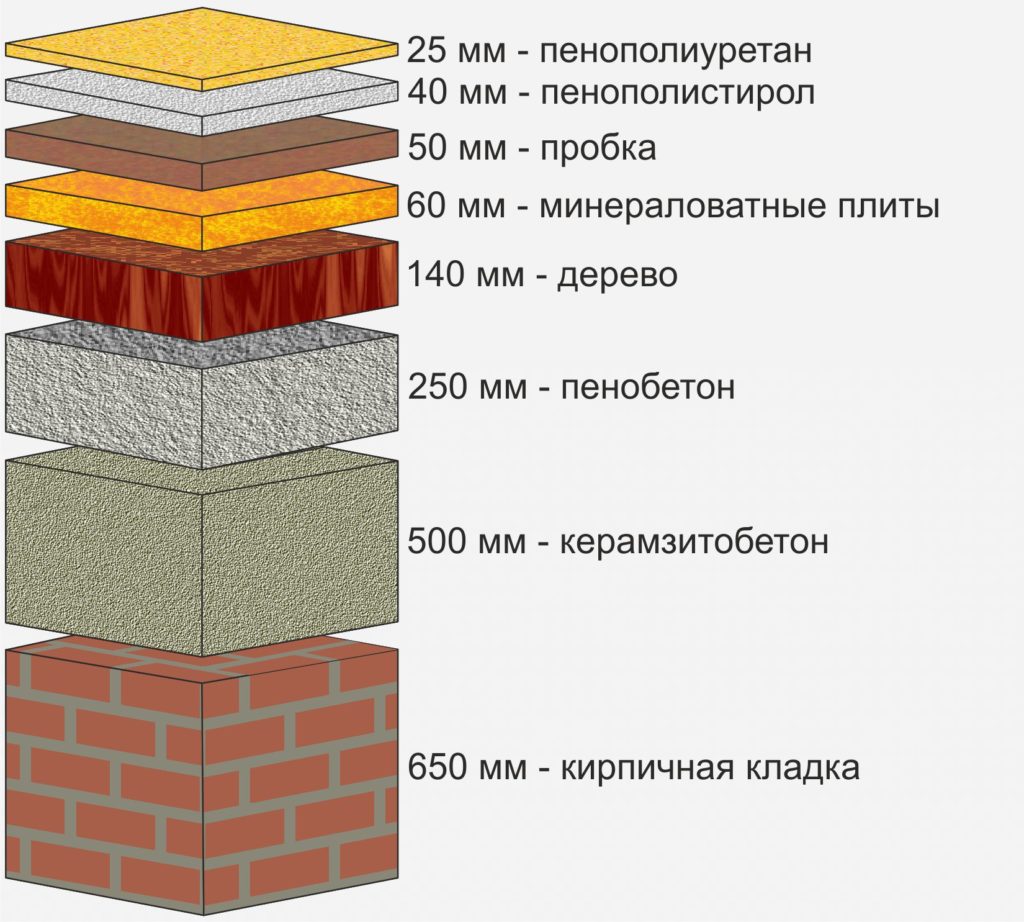

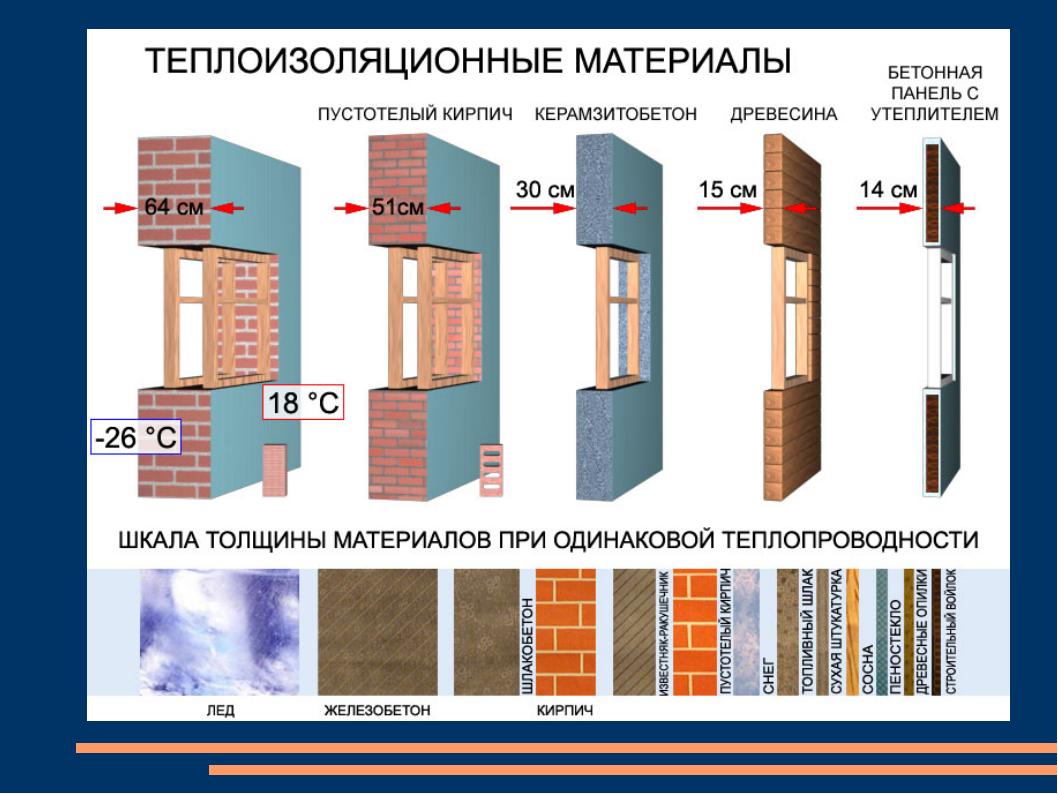

A relatively new material for wall insulation is becoming popular - foam glass. Unlike foam plastic, foam glass does not absorb moisture, is not subject to fire, plaster fits perfectly on it, it is easily attached using liquid nails or glue.
Styrofoam
Many ordinary people confuse polystyrene foam with polystyrene foam. These are two different heaters, where the first has completely replaced the second, which has been used in construction for many years. A distinctive characteristic of expanded polystyrene is its porosity. So 98% are pores filled with gas. And only 2% is the material itself. But at the same time, the insulation itself is very dense.
Here are its characteristics:
- thermal conductivity - 0.024-0.041 W / m K;
- vapor permeability (water absorption) - 0.017;
- bending strength 0.5-1.1 kg / m² (comparable to foam - 0.03-1.9 kg / m²);
- in construction, material with a density of 15-35 kg / m³ is most often used.
The Penoplex brand is especially popular today. Expanded polystyrene is also used to produce cylinders for pipe insulation.
What material to use
When choosing a material for wall insulation from the inside, you need to focus on its main properties.So the foam does not let air through, does not breathe, but it is easily mounted without requiring a frame. Glass wool, on the other hand, easily absorbs moisture, requires careful handling and must be laid in a frame.
Ecowool is environmentally friendly, but it needs to be applied with special devices and preferably by specialists, this increases the cost of insulation. Liquid ceramics is quite expensive, but it does not require the creation of additional structures and does not reduce the area of \u200b\u200bthe room.
Whether you choose low cost, environmental friendliness, moisture resistance or easy installation, remember that the main thing is to follow all the rules of insulation technology.
Internal insulation - pros and cons
There are a number of reasons why it is impossible to insulate walls from the inside - some of them are not very significant, but there are also those that significantly affect the choice of this option. The negative consequences of the installation of some heaters should be taken into account before designing the insulation of enclosing structures. These events include:
- a noticeable decrease in the useful area of \u200b\u200bthe room, for example: in a 20-meter room, after the installation of internal insulation, 18–19 sq. m;
- the inability to use the room during the installation of thermal insulation - to install insulation on the walls, you will have to move all the furniture;
- the need for an effective ventilation device that provides maximum air exchange - conventional ventilation with internal thermal insulation is not enough to maintain optimal humidity;
- high costs - even if the insulation is not too expensive, the price may rise due to the installation of the frame and other additional costs.
There are pluses in the insulation of walls from the inside, these include: simple installation (compared to the external one, for which you will have to turn to qualified craftsmen). In addition, the installation of insulation from the residential premises allows not to disturb the appearance of the facade.
This is especially important for multi-storey buildings, where the external insulation of one or more apartments can adversely affect the aesthetic characteristics of the whole building.
Ceiling insulation
High quality mineral wool is used as the main material for ceiling insulation. Its popularity is due to its excellent performance properties, reliability and durability, and to complete the installation, it is enough to lay out the raw materials in the interfloor ceilings or the frame of the rafters.
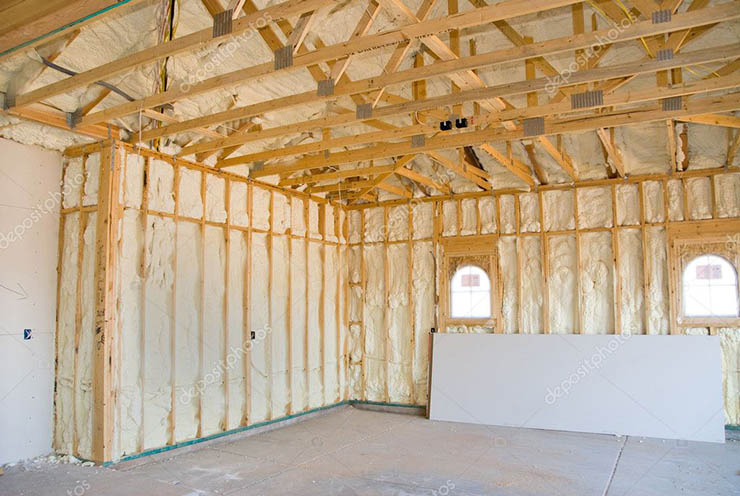 Sawdust is a good substitute for mineral wool
Even with prolonged use, the insulation continues to retain heat inside the house and does not release it outside. Resistance to any environmental influences makes it the most popular material for modern construction.
Self-insulation of the walls of the house
Wall insulation technology will vary depending on the insulators used. Extruded polystyrene foam, polystyrene foam and similar board insulation can be attached to the walls of the house with glue and sealant. Mounting the crate, performing additional hydro and vapor barrier in this case is not required. All that remains to be done is to plaster the insulation, clad the facade of the house with siding, block house or other similar materials.
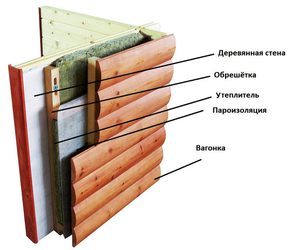
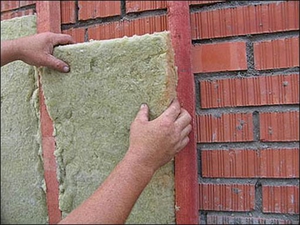 When using mineral wool for insulation, it is necessary to perform additional waterproofing of the walls. A crate is made of lumber, a heater is laid inside, a vapor barrier membrane is fixed on top, after which a counter-lattice is mounted, to which a decorative facade material will be attached. The use of stone and mineral wool leads to a significant increase in the cost of work, so many homeowners choose more affordable and easy-to-use slab insulation.
Liquid thermal insulation and polyurethane foam are applied using special compressors and spraying equipment. Accordingly, if you do this work yourself, you will need to purchase or rent the appropriate equipment.


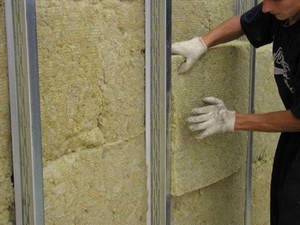
Installation of insulation under plaster
 When installing heat-insulating material under plaster, basalt slabs, polystyrene foam, foam plastic and mineral wool are used. The insulation can be fixed on the walls with an adhesive solution and is additionally reinforced with a reinforcing fiberglass mesh. Basalt slabs and foam sheets can be additionally fastened with fungal dowels. As a finish, plaster or various facing materials can be used.
The advantage of this technology is its simplicity, which allows the homeowner to do all the work himself, even if he does not have any experience in construction work. The cost of warming the house is significantly reduced, and the building itself acquires an attractive and neat appearance.The homeowner can use various heat insulators, and subsequently the walls can be lined with decorative panels, upholstered with a block house, or decorative plaster can be used.
Non-ventilated three-layer wall
This method of insulation can be used with brick buildings and houses made of gas silicate blocks. A non-ventilated wall is formed due to facade decoration, insulation and high-quality waterproofing. This technology involves the use of various thermal insulators, including blown thermal insulation materials for walls.
Ventilated facade
This insulation technology, due to its simplicity, efficiency and versatility, has become widespread on the market today. You can use such insulation with wooden, brick and block buildings. Insulation for a ventilated spa will include the following layers.
- Waterproofing.
- Heat insulator.
- Wind protection.
- Decorative facade cladding.
 Installation of insulation using the technology of a ventilated facade allows you to minimize heat loss through the use of high-quality heat insulators and the presence of wind protection. Waterproofing protects the walls of the house from moisture, which prolongs the life of the erected building. The use of this insulation technology is suitable for most wall materials and types of buildings, including when used as a decorative siding material.
Having performed high-quality insulation of the walls of a private house, it will be possible to guarantee the comfort of living in a private house, and will allow the homeowner to save on utility bills in the winter season.A well-chosen heat insulator will keep the heat in the house, while such material will be reliable, durable and environmentally friendly.
Advantages and disadvantages of heaters
Insulation for walls inside the house in the country has many advantages:
- High level of heat and sound insulation. Thanks to modern materials, it is possible to reliably protect the living space from external noise and heat loss. The insulating layer protects from the heat in the summer.
- Low cost. The market offers a wide range of materials that can be purchased at an affordable price. Cheap wall insulation is of fairly high quality. As for the work, they can be easily done by hand, which significantly reduces the cost of home insulation.
- Simplicity. Modern materials are presented in various forms and are easy to transport and install. This makes it possible to independently carry out all the work.
- Seasonality. Indoors, almost any material is used, regardless of the time of year. If necessary, thermal insulation work can be carried out in winter or in bad weather.
These benefits are enough to get the job done. It remains only to correctly approach the choice of material.
Cork wall decoration
Cork insulation is one of the most expensive materials that are used. for internal insulation residential premises. For its manufacture, only natural raw materials of plant origin are used. The feedstock is crushed into small fragments, which are pressed into blocks of various configurations.
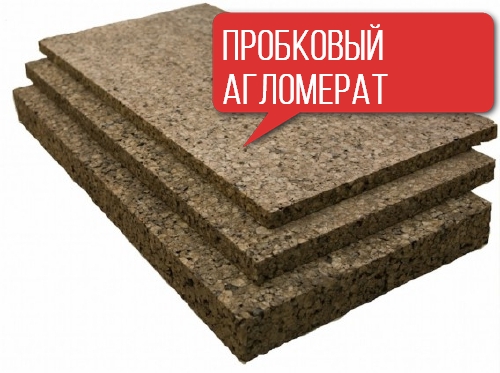
Finished products have the following set of performance characteristics:
- small specific gravity;
- strength;
- presentable appearance;
- breathability;
- ecological cleanliness;
- low thermal conductivity;
- ease of installation and maintenance;
- resistance to fungus and mold;
- long service life;
- hydrophobicity.
The pleasant appearance of cork insulation allows you to use it as a finishing material. This makes it possible to significantly reduce the estimate and time for the work. Even in contact with open fire, the cork coating does not emit substances harmful to humans.



