- World manufacturers of wind turbines
- Making a windmill with your own hands
- Wind turbine selection
- How much does a wind generator cost
- Components and Calculations
- Best Modes of Use
- Types of wind turbines
- Horizontal windmills
- Vertical structures
- Selection principles
- How much does a wind generator cost for a house
- Advantages and pros of wind farms
- Install or not
World manufacturers of wind turbines

- Suzlon Energy is a leading manufacturer of wind turbines not only in Asia, but throughout the world. The company employs thirteen thousand specialists who work at ten factories in India, Belgium, the USA and China. The first wind turbine was produced in 1996, and already in 2000 the first power plant was designed. Growth in production volumes, in accordance with market requirements, began to increase significantly in 2006. Currently, the Indian company is ranked sixth in terms of the performance of the products in question.
- Since 2007, the German manufacturer ENERCON GmbH has been a leader in world countries and in Germany, where more than fifty percent of the market is located. The first products rolled off the assembly line back in 1986. Currently, factories are located in India, Sweden and Portugal.
- Sinovel belongs to the first enterprise in China to develop, design, manufacture and sell onshore and offshore wind farms. Sinovel manufactures turbines for wind turbines ranging from 1.5 to 6.0 megawatts. Products are divided into four lines: SL1500, SL3000, SL5000, SL6000.
- Wind turbine manufacturer Vestas Wind Systems has factories in Denmark, Germany, India, Romania, the UK, Spain, Sweden, Norway, Australia, the USA and China. The company produces wind turbines with a rotor diameter of forty-seven to one hundred and sixty-four meters, with a capacity of 660 kW to 7 megawatts.
Making a windmill with your own hands
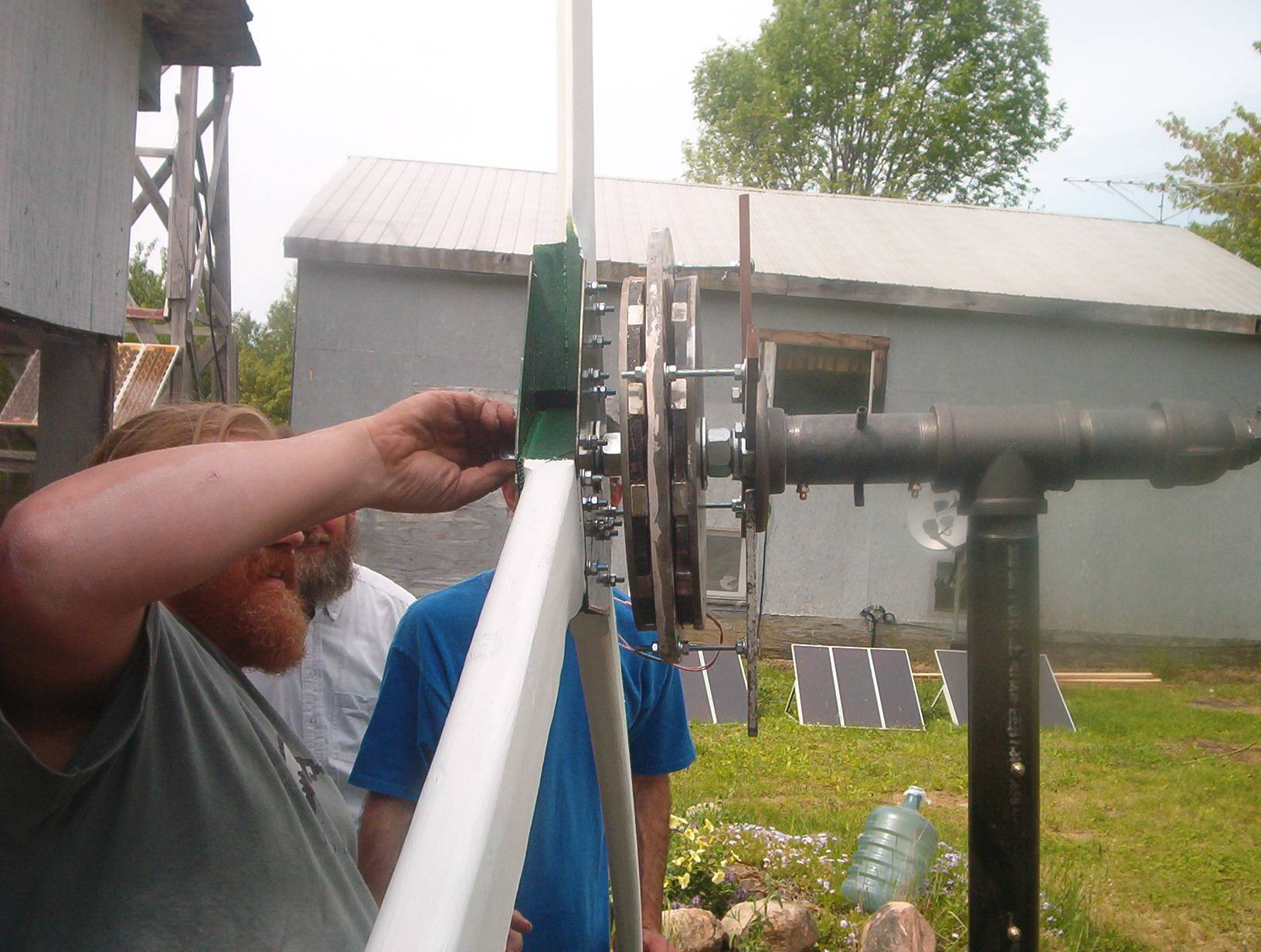
The main work to be done is the manufacture and installation of a rotating rotor. First of all, you should choose the type of structure and its dimensions. Knowing the required power of the device and production capabilities will help determine this.
Most of the nodes (if not all of them) will have to be made independently, so the choice will be affected by what knowledge the creator of the structure has, what devices and devices he is best acquainted with. Usually, a trial windmill is first made, with the help of which the performance is checked and the parameters of the structure are specified, after which they begin to manufacture a working wind turbine.
Wind turbine selection
The highest quality windmills are produced in Germany, France and Denmark. These countries make wind turbines to supply electricity to the residential private sector, farms, schools, and small retail outlets.In Russia, due to the low cost of electricity and the unspoken monopoly on the sale of electricity, wind turbines, solar panels and other types of alternative energy are not very common.
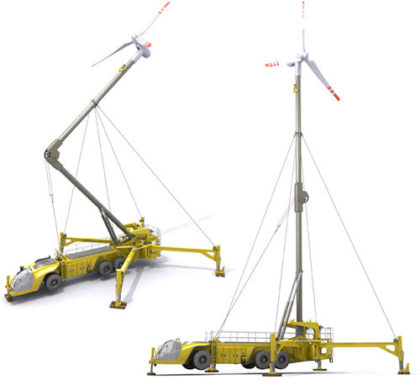
The mobile wind generator is suitable for the oil industry or assembly teams that are building in the fields (prototype)
But the high cost of connecting remote facilities to the power grid (there are still villages that are not electrified), rudeness of officials, lengthy procedures for going around and obtaining technical specifications from monopoly companies force owners to use alternative energy for their facilities.
First of all, you must understand that the efficiency of a wind turbine is about 60%, there is a dependence on wind speed, and periodic maintenance will be required. If you still decide to opt for a wind turbine, you should know. It is necessary to choose a wind generator based on the specific circumstances of its application. There are new developments and models: with increased efficiency, vertical, horizontal, orthogonal, bladeless.
For businesses or a private home, this data may be on the project or electricity bills. If you need to provide electricity to the cottage, a wind turbine model of 1-3 kW is selected, the inverter needs low power and you can do without batteries. The principle of having a dacha wind turbine is simple: there is wind - there is electricity, no wind - we work in the garden or around the house. You can make a simple wind generator yourself, just collect the necessary materials and connect them together.
For a private house of permanent residence, this principle will not work. When there is often no wind, special attention should be paid to the accumulator.This requires a large capacity. However, in order for it to charge faster, the electricity generator itself must also be of high power. That is, the individual nodes of the installation are closely interconnected with each other. A more reliable combination is a symbiosis with a diesel generator and solar panels. This is a 100% guarantee of the availability of electricity in the house, but also more expensive.

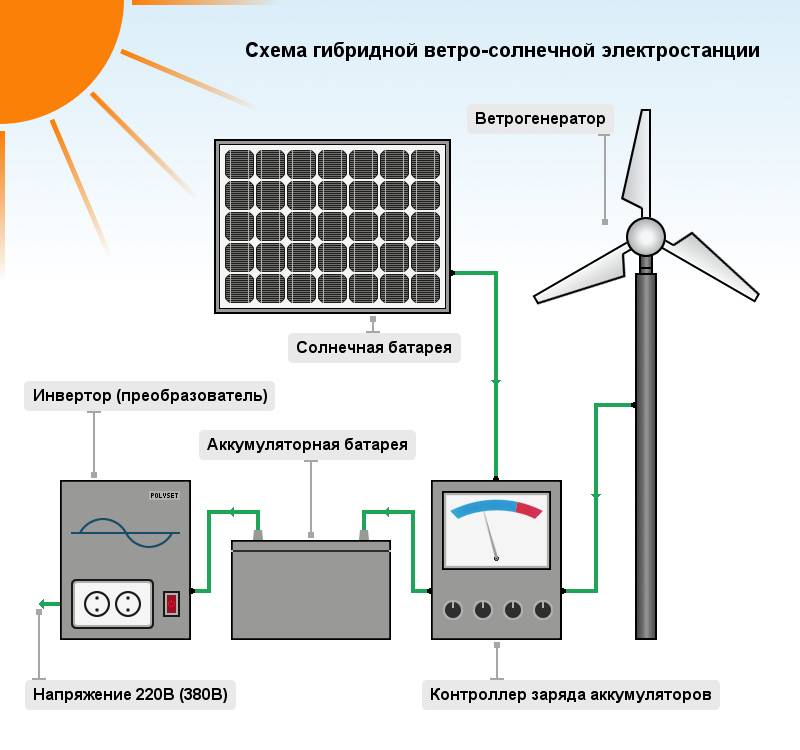



Commercial wind turbines are now widely used. The electricity generated with their help is sold to various enterprises that lack energy supply. Typically, such power plants consist of several wind turbines of various capacities. The alternating voltage of 380 volts generated by them is fed directly into the power grid of the enterprise. In addition, wind turbines can be used to charge a large number of batteries, from which the energy converted into alternating voltage is also fed into the electrical grid.
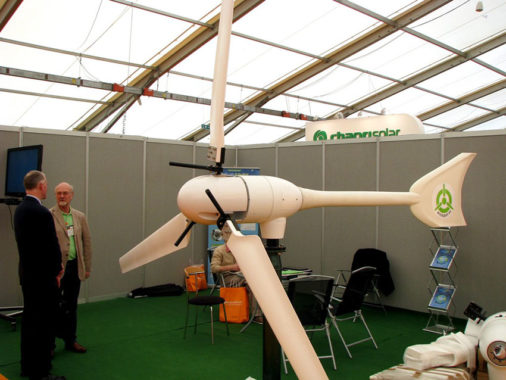
Russian-made wind turbines
In most cases, business owners install wind turbines, solar panels and diesel generators for the needs of their own production. Obtaining permission to sell electricity in Russia is, shall we say, a different story. After an energy audit, power is released, for example, by replacing lighting lamps with LEDs. The payback period is calculated, in the absence of a budget, modernization can be divided into stages.
How much does a wind generator cost
The prices of Russian-made wind turbines are lower than German, Danish or Indian ones. The cheapest Chinese windmills, although their quality is much lower.The simplest wind turbines for private homes cost up to $500. They can be used for local power generation, but they cannot solve the problem of full power supply at home. More powerful wind generators from 3 kW to fully provide a home with electricity will cost more.
Approximate cost of a set of wind generators for a home:
- for a small private (country) house, power 3 kW/72V, equiv. $1700-1800;
- to provide electricity to the cottage, power 5 kW/120V, equiv. $4000;
- to provide electricity to several houses or a farm, power 10 kW / 240V, equiv. $8500.
Wind turbines with a vertical axis of rotation of Russian production are in special demand. Among the advantages of this equipment:
- small necessary wind speeds for rotor movement;
- independence from wind direction;
- low sound background, no vibration;
- Bird-safe design
- no forced start required;
- works in any weather conditions, with any wind strength.
Components and Calculations
The cost of construction varies widely, depending on the design of the windmill and the components used. There are two main types of wind turbines - with a horizontal axis of rotation (must be located at a height, optimally 25-35 m) and with a vertical axis, which can be placed simply at ground level.
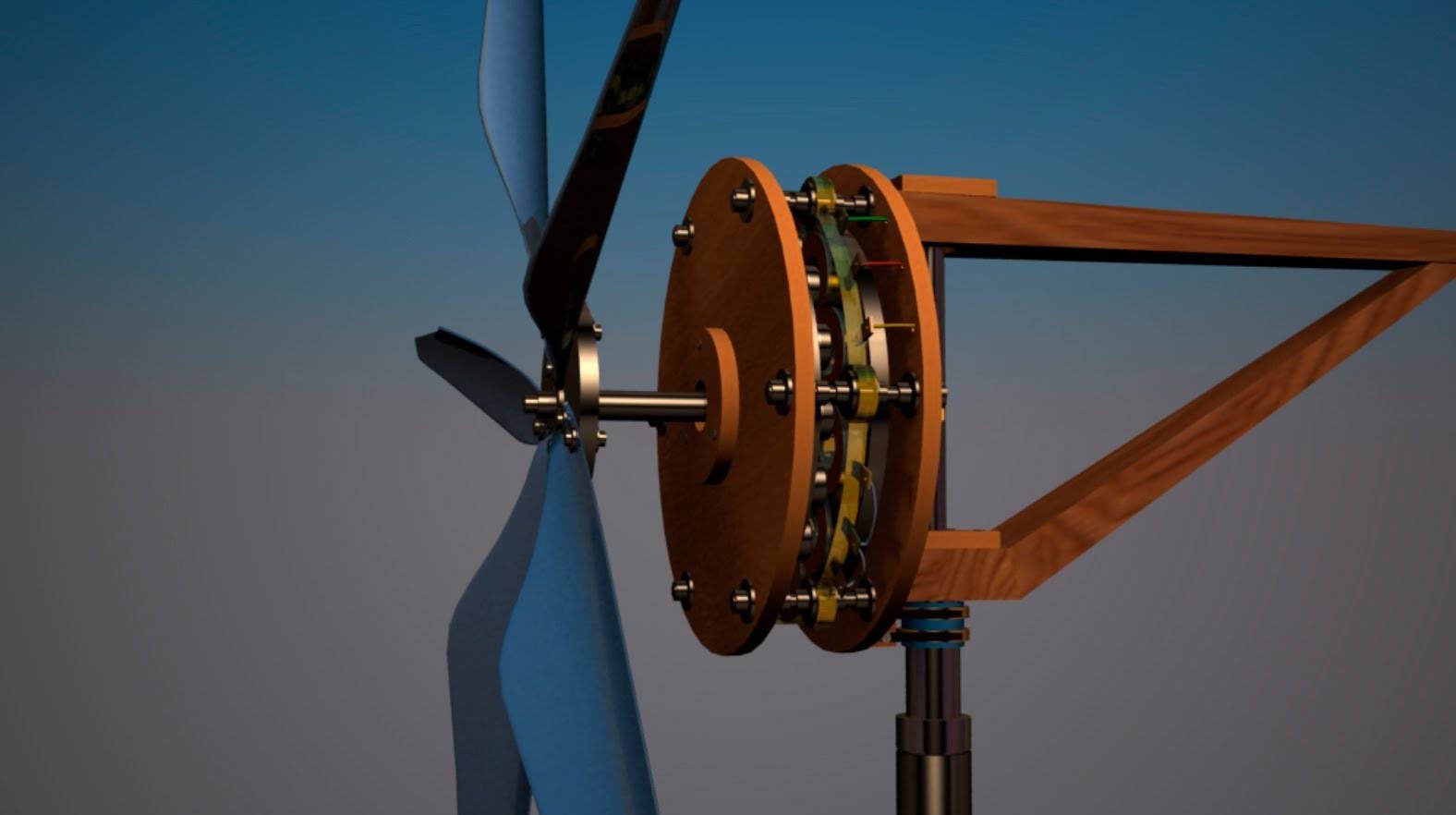
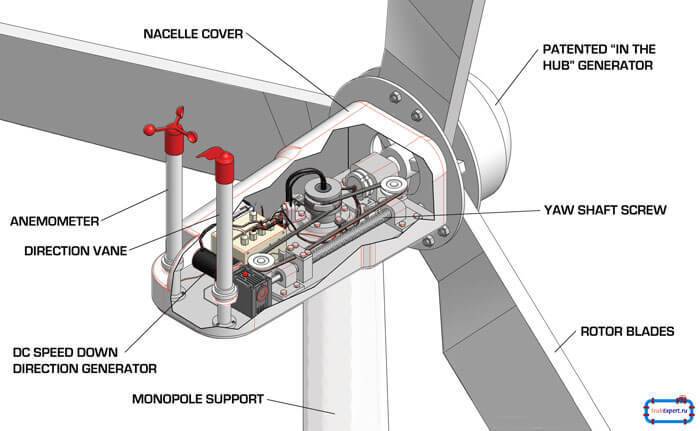
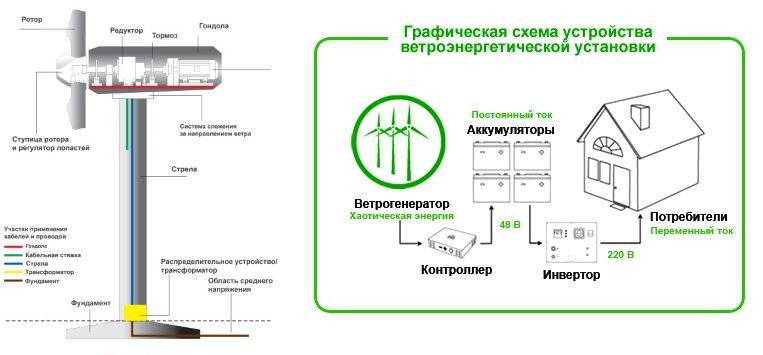
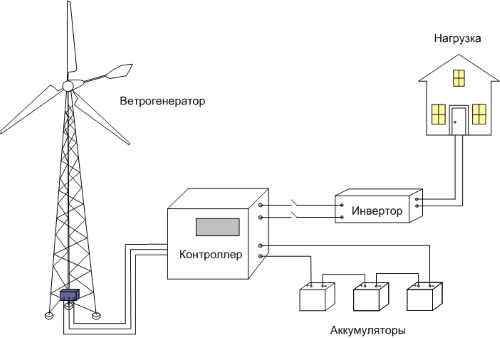
In addition to the generator itself, for windmills with a horizontal axis of rotation, a rotor with blades, a gearbox and a swivel tail, as well as a protective casing are required. All this is usually mounted on a high mast.Since the mast, as a rule, is a rather massive and tall structure, it will be necessary to lay a foundation under it, as well as to fix it with additional stretch cables.
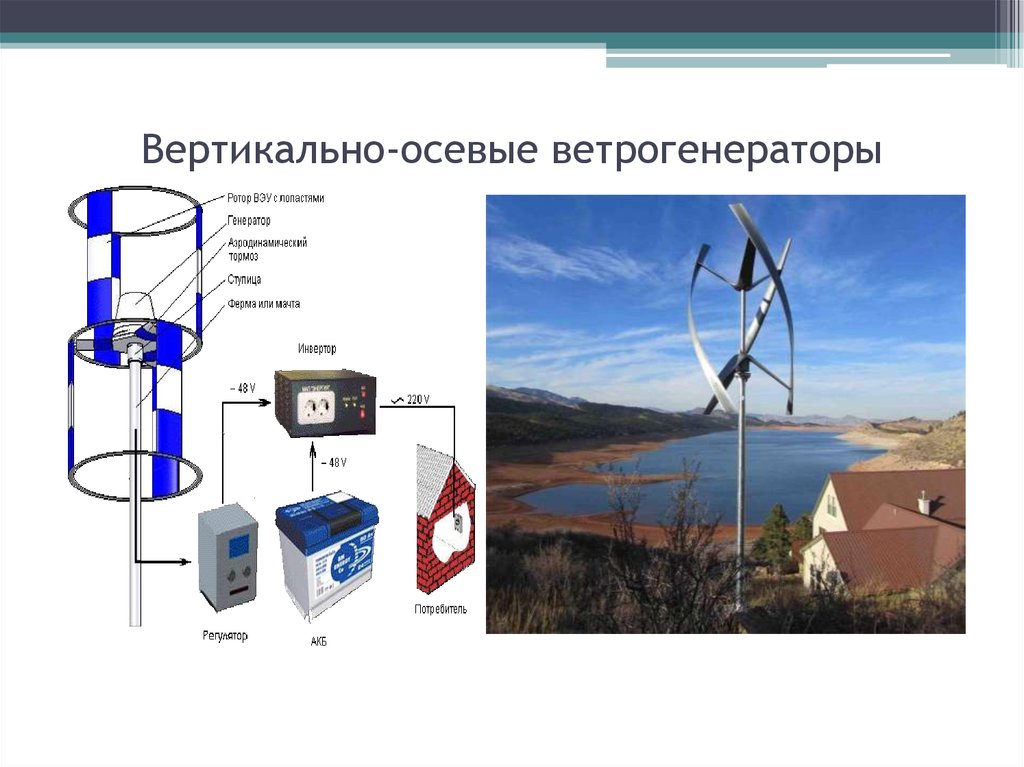
In addition to the total price of the structure, the cost of installation with a crane is added. To avoid the construction of a high and expensive mast, for small wind turbines, designs with a vertical axis of rotation of the rotor are increasingly being used, which are able to operate at a lower height at wind speeds of 1 m/s. But such systems are relatively new, so unambiguous statistics on their operation have not yet been accumulated. They give less electricity, but they are much cheaper and not as noisy, they are easier to make with your own hands.
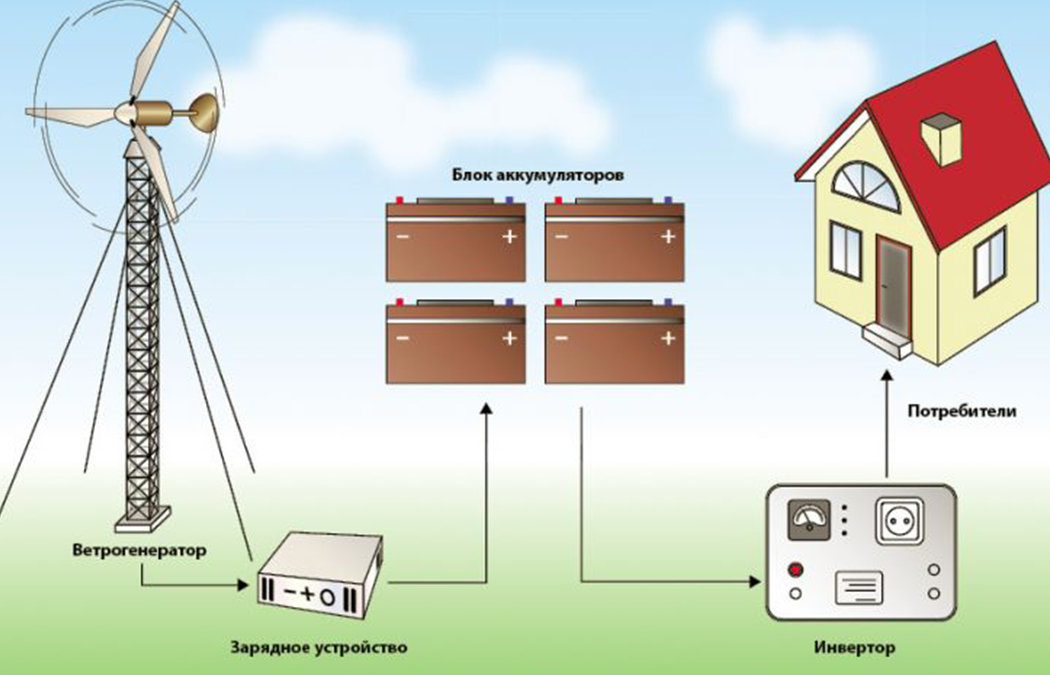
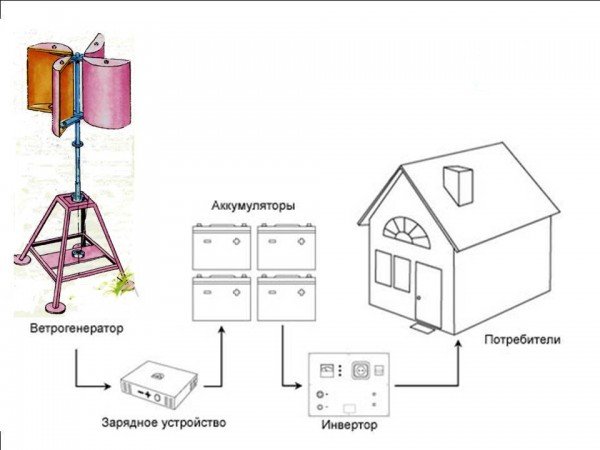
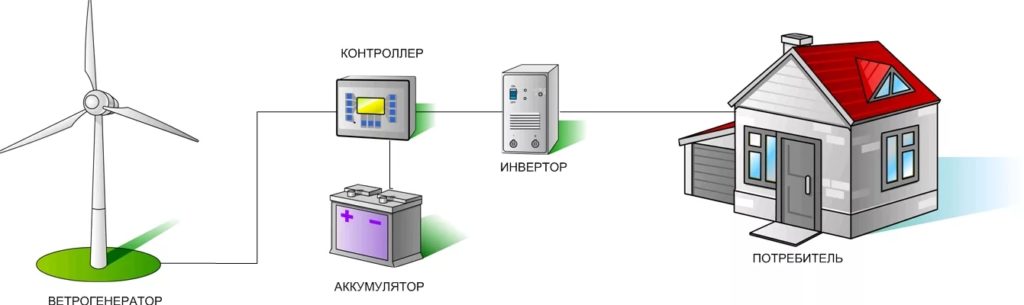
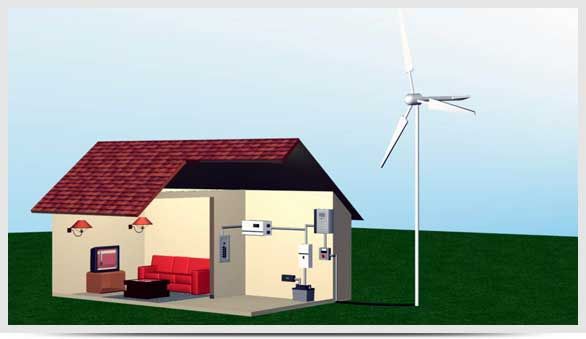
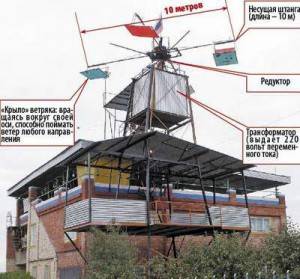 On the ground, indoors, there is an inverter for converting direct current from the generator into alternating current, a set of batteries, disconnectors and circuit breakers needed to redistribute the received electricity and turn off the device in case of emergency or for repair.
The approximate amount of energy generated throughout the year by a windmill with a horizontal axis of rotation can be calculated using the following empirical formula: E = 1.64 * D * D * V * V * V. Where: E - electricity per year (kWh / year), D - rotor diameter (in meters), V - average annual wind speed (m/s). After that, we calculate the amount and cost of electricity consumed by your house per year, and then multiply the figures obtained by 25-30 years - the estimated life of the windmill. Based on this, we calculate the required size of the blades and the approximate total cost of the structure, depending on the cost of the components.

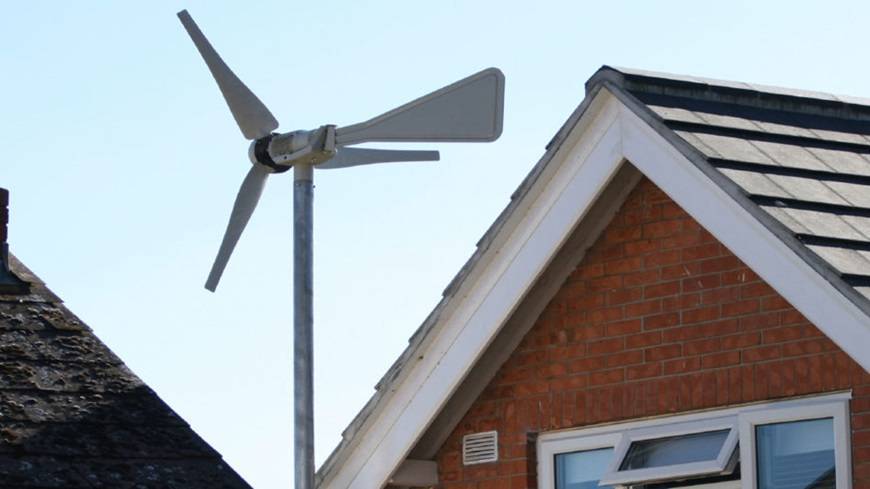


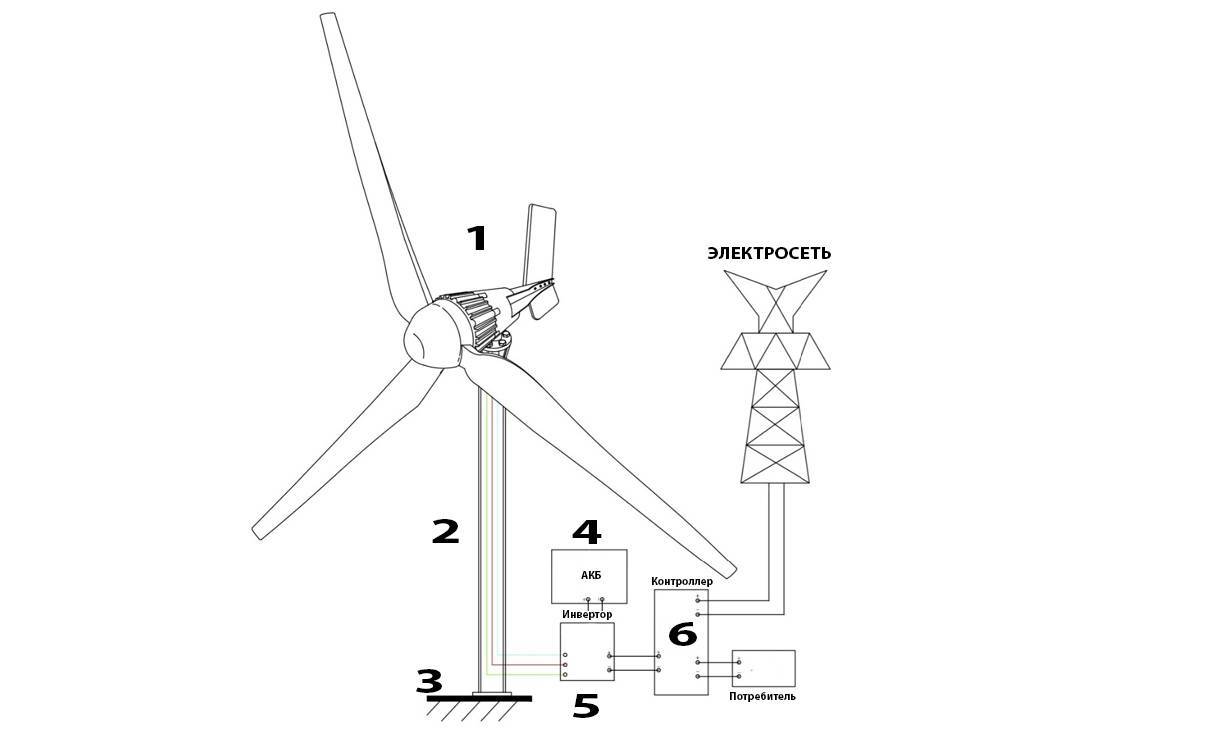


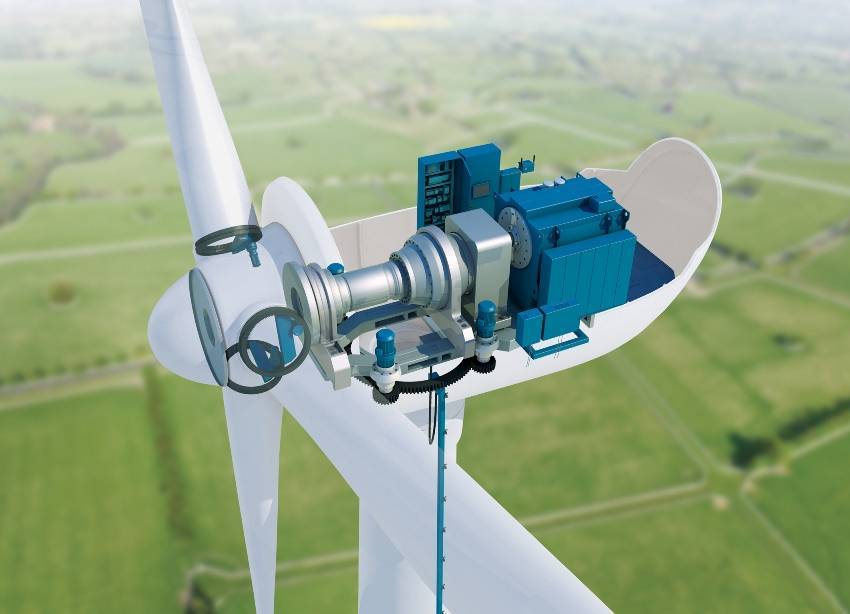
If the mast can be built independently, then it is advisable to buy the electrical equipment and the windmill itself serial, factory assembled. Although, craftsmen have repeatedly demonstrated examples of self-built wind turbines for the home based on components from other devices (car electric generators, industrial equipment, they even manage to use converted electric motors from household appliances), use home-made rotor blades and tail.
Schemes, methods and tips are easy to find on the Internet or specialized technical magazines, but in this case, all responsibility for the performance and safety of the built wind turbine will lie solely with you.
Obviously, with an increase in the diameter of the rotor blades and the height of the mast and, accordingly, the greater collected wind energy, the generated power increases, but the final cost of the structure increases proportionally.
According to various estimates, the cost of building a small wind turbine for a home is in the range of 2-8 thousand dollars per 1 kW of electricity. If you do not have a centralized power supply at home, a windmill will most likely cost less than laying a power line yourself or fueling a diesel generator.
 If it was conceived as a means of saving, consider and draw conclusions about its necessity for the home. By the way, the electricity generated by large industrial wind turbines per 1 kW is already cheaper than electricity generated by classical thermal power plants. The cost of electricity at small wind turbines is slightly higher, but in recent years it has been steadily declining.
In any case, if today the windmill turns out to be unprofitable, do not throw away the calculations made by yourself - after a while, the emergence of new models of generators with high efficiency indicators, changes in electricity tariffs can radically change your previous decision.
Also watch the situation with the feed-in tariff, which is applied in many countries. Under this tariff, electricity generated at home using alternative sources, including wind energy, can be returned to the power grid, receiving a surcharge for it. The appearance of a feed-in tariff in the country or a change in its rate can significantly affect the payback time of a windmill and the savings it brings to the home.
Best Modes of Use
The wind blows unevenly, and the increased generation of electricity with its help will rarely coincide with periods of maximum consumption in the house. Therefore, it is desirable that you have the opportunity to provide the necessary load and use all the excess electricity generated by the wind generator - for heating water in the boiler, electric heaters inside the house that complement the heating system, a pump in the well that pumps water into the tank on the roof, or for even more exotic tasks like recharging the batteries of an electric vehicle - they should all turn on automatically in strong winds and with low total consumption.
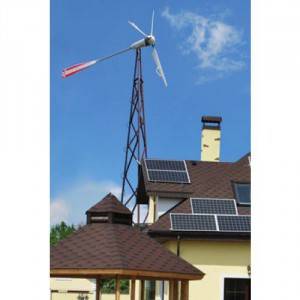 In general, in the conditions of the Russian climate with long cold winters and relatively low wind speeds, the most energy efficient and cheapest scheme is a wind turbine with a vertical axis of rotation installed at ground level or on a small mast 5-10 m high, raising it above the roof of the house and crowns fruit trees. The windmill is directly connected to a separate electric heater and boiler indoors, without current converters and batteries.
It is quite possible to implement such a scheme with your own hands, without involving installers. In this case, the wind generator essentially produces heat to heat the house, which, in turn, serves as a dimensionless heat accumulator and allows you not to worry too much about irregular changes in wind power, fully using all the electricity generated by the wind generator. Moreover, such a system turns out to be self-regulating - a strong wind cools the house faster, but at the same time it also makes it possible for a tandem of a wind generator and an electric heater to heat it from the inside.
Types of wind turbines
Two main types of windmills are used, which have fundamental differences:
- horizontal
- vertical
In both cases, we are talking about the axis of rotation of the rotor. The design of various models of horizontal devices differs little from each other, representing a kind of household fan or propeller. Vertical devices have a much greater variety of design types, outwardly significantly different from each other. Let's consider them in more detail:




Horizontal windmills
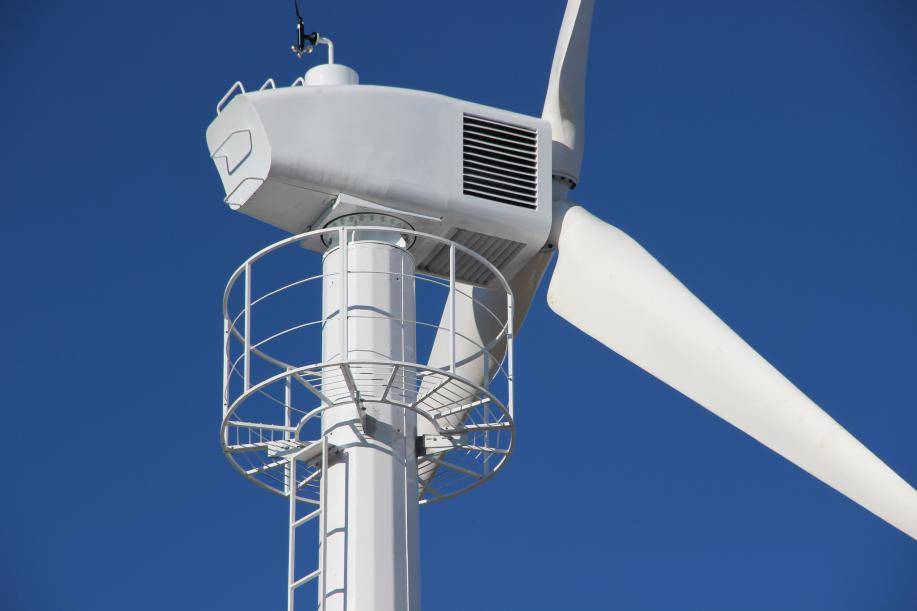
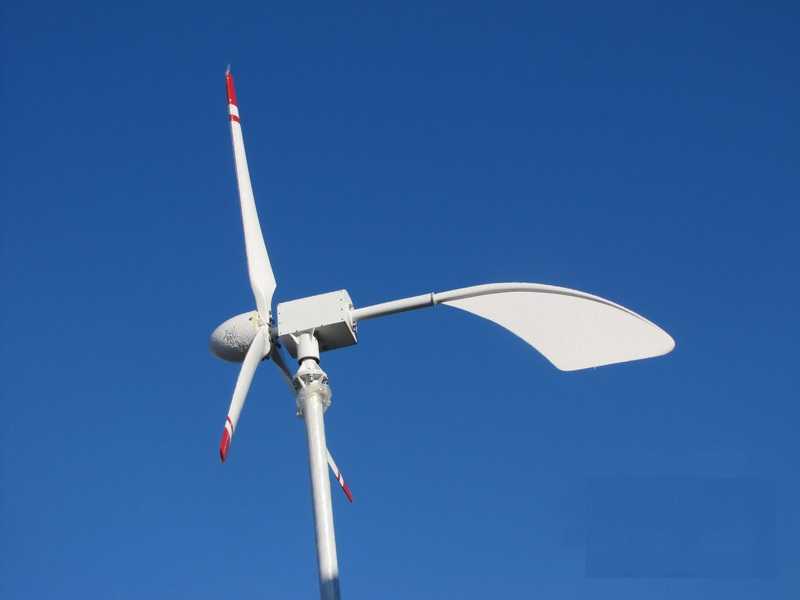
Horizontal structures are more efficient, since they perceive the wind flow only with the working side of the blades.Three-bladed impellers are most widely used, but for small designs the number of blades can be increased.
It is horizontal structures that are used for the manufacture of large industrial designs with a huge blade span (more than 100 m), which, when combined, form quite productive power plants. The states of Western Europe, such as Denmark, Germany, the Scandinavian countries, actively use windmills to provide the population with energy.
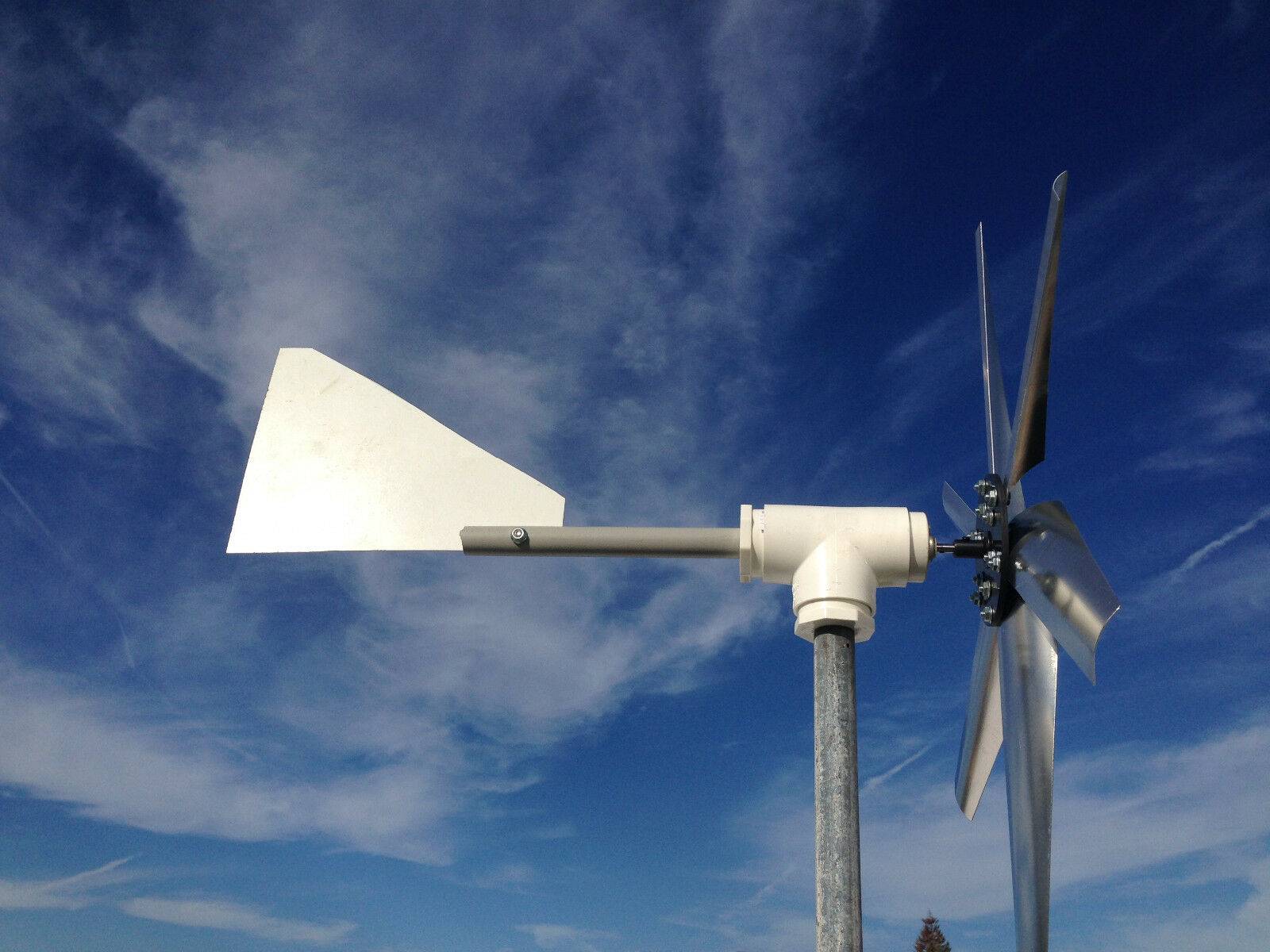
The devices have one drawback - they need to be pointed to the wind. For small wind generators, the problem is solved by installing a tail like an airplane, which automatically positions the structure in the wind. Large models have a special guidance device that controls the position of the impeller relative to the flow.
Vertical structures
Vertical-type wind generators have lower efficiency, as a result of which they are used to provide energy only to individual consumers - a private house, a cottage, a group of devices, etc. For self-production, such devices are most suitable, since they have a wide choice of design options, they do not need to climb a very high mast (although this is not contraindicated for them).
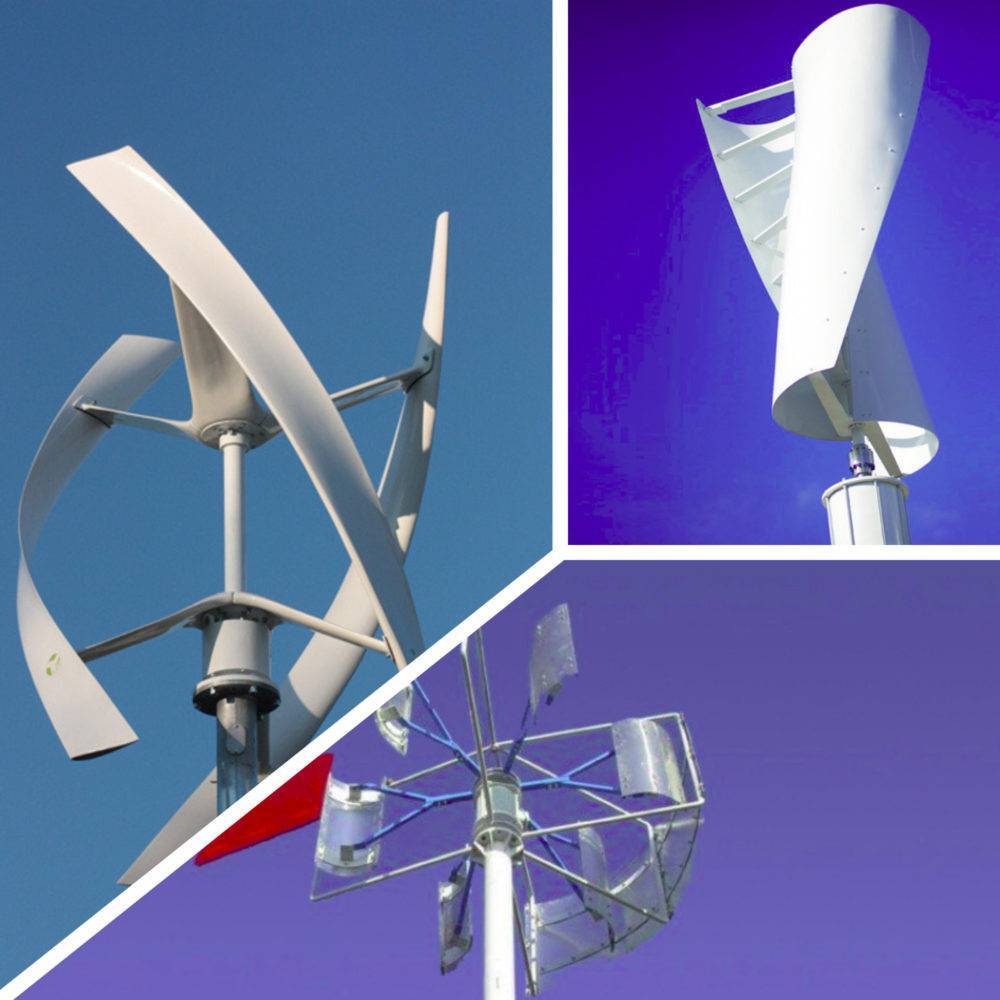
Vertical rotors can be assembled from any materials at hand, any type from a variety of well-known ones can be used as a sample:
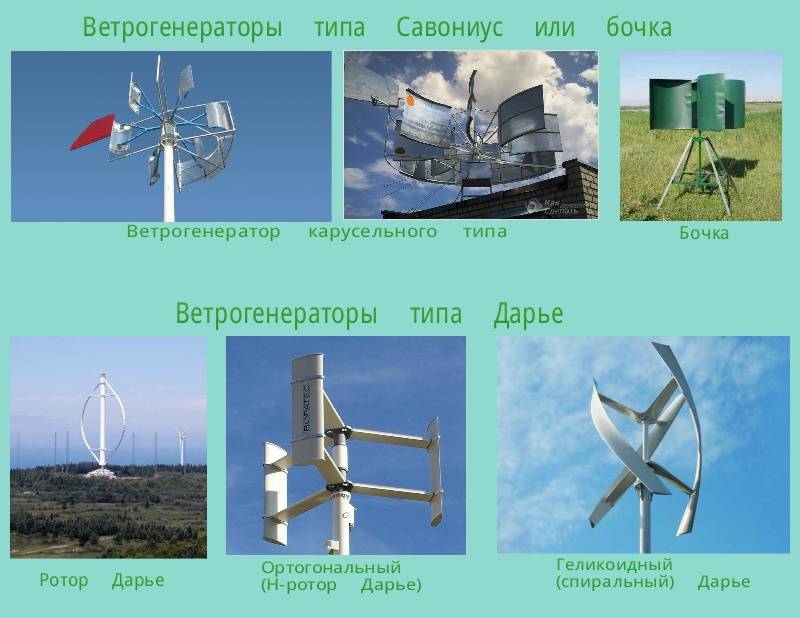
- Savonius or Darier rotors
- more modern Tretyakov rotor
- orthogonal designs
- helicoid devices, etc.
There is no need to describe all types in detail, since their number is constantly increasing.Almost all new developments are based on a vertical axis of rotation and are intended for use in private houses or estates. Most developments offer their own solution to the main problem of vertical devices - low efficiency. Some variants have rather high rates, but have a complex hull structure (for example, Tretyakov's design).
Selection principles
To begin with, we formulate the problem that we undertake to solve: why exactly do you need wind energy, what process will it provide. In other words, what will be the consumer. Next, the process of creating a project for a future wind turbine: you will have to decide what type it will be, how exactly energy will be transmitted to the end consumer (electric current or mechanically - in the form of torque, translational movements, somehow differently).
In the article we will talk about the types of the most important element of a wind turbine - the rotor, we will analyze the pros and cons of each option. We will also touch on the topic of using the generated energy. We hope this information will help you at the design stage of the unit.
We hope this information will help you at the design stage of the unit.
How much does a wind generator cost for a house
Below are the prices for wind generators for home and garden. As a rule, the power of such installations is in the range of 5-50 kW.



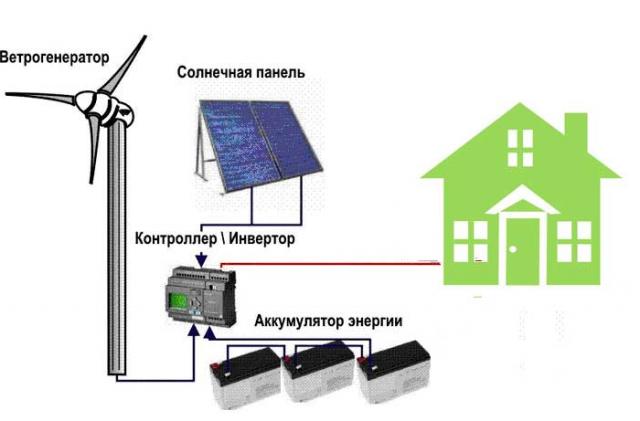
- 3 kW, 48 volts. Both auxiliary and main power supply are used. The energy generated by such models is enough to ensure the life of the cottage. The price is about 90 thousand rubles;
- 5 kW, 120 volts.This wind generator will power a whole house with a large number of electrical appliances without any problems. The price is 200-250 thousand rubles;
- 10 kW, 240 volts. Such wind generators can provide electricity to a farm or several residential buildings. There are many examples when such installations are used to generate energy in small supermarkets, garages, etc. The price is about 400 thousand rubles;
- 20 kW, 240 volts. This is quite enough to provide electricity to some water distribution station. The price is about 750 thousand rubles;
- 30 kW, 240 volts. Such a wind generator will provide electricity to an apartment building of 5-7 floors. The installation cost is about a million rubles;
- 50 kW, 380 volts. Such installations are used in industry. They are not suitable for home use. The price is more than 3 million rubles.

Fields of wind turbines
Advantages and pros of wind farms
- Free renewable energy. Wind energy is renewable and free. Windmills do not emit CO2 or other harmful substances. The wind is an ideal and infinite source of energy. The construction of more wind farms leads to a reduction in the occurrence of power plants that emit harmful substances into the atmosphere.
- Diversity. The use of wind energy promotes a variety of energy sources and minimizes dependence on conventional power plants or other types of energy generation.
- Future. Wind energy has a future! The creation of new wind farms leads to technological development, technical innovation and the creation of new jobs.
- Decreasing costs. Wind energy costs have dropped significantly in recent years.Over the past twenty years, the cost has dropped by as much as 80%, making this type of energy currently the most profitable of all types of power plants.
- Additional profit. The owner of the site on which the wind farms are located can expect to profit from the lease of this land, since the actual area required for the power plant is small. In addition, the land on which the power plant is located can be used in agriculture (for growing different crops) since the stations do not have harmful emissions.
- Prudence. The service life of such a power plant is on average 20-30 years, and after its dismantling, no traces remain - either in the landscape or in the atmosphere.
- Efficiency. The operating process of wind farms is quite simple, the assembly time is very short, and the operation and maintenance costs are also quite low. The power plant produces 85 times more energy than it consumes. It also has relatively small losses during energy transportation.
- Adoption. Setting up a wind farm enjoys public acceptance. The vast majority of people understand and support the benefits of using this form of energy.

Install or not
When deciding whether to install a wind farm, you need to obtain the following initial data:
-
The average wind speed at the installation site in meters per second. In the first approximation, the picture is given by a map of winds in Russia. But in a particular installation location, there may be various factors that affect the wind speed, for example, hills, river beds.To accurately determine the annual wind map, you can use the Wild weather vane, an anemometer, or conduct daily observations of the surrounding nature.
- Availability of centralized power supply, the cost of a kilowatt-hour and the possibility of laying a power line.
The algorithm for assessing the payback of a windmill is as follows:
- According to the wind map and the technical characteristics of the device, determine the generated power for the summer and winter periods or monthly. For example, for the 2 kW device discussed above, the generated power at a speed of 5 m / s will be 400 W;
- Based on the data obtained, determine the annual generated capacity;
- Based on the cost of a kilowatt-hour, determine the price of the generated electricity;
- Divide the cost of the wind turbine kit by the resulting figure and get the payback in years.
To make adjustments to the calculation, consider:
- Batteries will have to be changed at least once every three years;
- The service life of a modern wind generator is 20 years;
- The device needs to be serviced. The cost and terms of service must be clarified with the equipment seller;
- The cost of a kilowatt-hour is growing every year, over the previous 10 years it has increased by more than 3 times. For 2017, tariffs are planned to increase by at least 4%, so we can proceed from this figure of an increase in the cost of electricity.
If the payback figures obtained are not satisfactory, but you want to have an alternative source of energy or there is no possibility of connecting to a centralized power supply, then you should consider options for increasing the efficiency of the windmill and reducing the cost of its installation and maintenance.
The following options are possible:
- Installing several devices of smaller power instead of one large one. This will reduce the price of the main equipment, reduce installation and maintenance costs, and increase productivity due to the fact that small wind turbines are more efficient at low wind speeds;
- Installation of a special network power management system, combined with a central power supply system. Such devices are commercially available today.