- Pipe laying technology
- trench preparation
- Pipeline installation
- Trench backfill
- Basic provisions of sanitary norms and rules
- System Organization Tips
- Slab foundation and laying of communications
- Choosing pipes for domestic sewage
- Development of a project based on norms
- We lay the pipe under the base
- Causes of bad odors
- Do-it-yourself work
- Scheme of the sewer system
- Self-assembly
- Paving depth
- Planning and preparation of works
- Rules for calculating sewer networks
- The right choice of pipes for sewerage is the key to successful operation for many years.
- Materials from which sewer pipes are made
- Arrangement tips
- What it is
- Ventilation duct design
- Materials and tools
- Materials and diameters
- Sewer pipes for ventilation: pros and cons
- Common mistakes to avoid
- What are the consequences of installation errors?
Pipe laying technology
trench preparation
Having decided on the material, familiarize yourself with how to properly lay sewer pipes. The installation of an external sewage system begins with the preparation of a trench, which can be dug manually with a shovel, or with the help of an excavator.
The depth of the furrows depends on the depth of soil freezing in a particular area. According to SNiP P-G.3-62, the depth of laying sewer pipes is 0.5 m less than the soil freezing mark and is approximately:
- 3 ÷ 3.5 m - in the northern regions of the Russian Federation;
- 2.5 ÷ 3 - in the middle lane;
- 1.25 ÷ 2 - on the Black Sea coast.
These figures are not categorical and may vary within certain limits depending on the characteristics of the terrain and the level of groundwater. However, the laying of sewer pipes in the ground should be carried out at a distance of at least 0.5 m from the surface.
The trench has its own characteristics:
- The bottom of the trench is leveled, the necessary slope is created, as a rule, it is 1-2 cm per linear meter of the pipeline.
- After leveling the bottom, it is necessary to carefully compact the soil and organize a pillow of gravel or sand 10-15 cm high.
- The sand or gravel pad must be compacted in the area located 2 m before the manhole and at the junction of the pipeline with the inlet pipe.
- Where sockets will be located in the sewer system, pits should be formed.
Pipeline installation
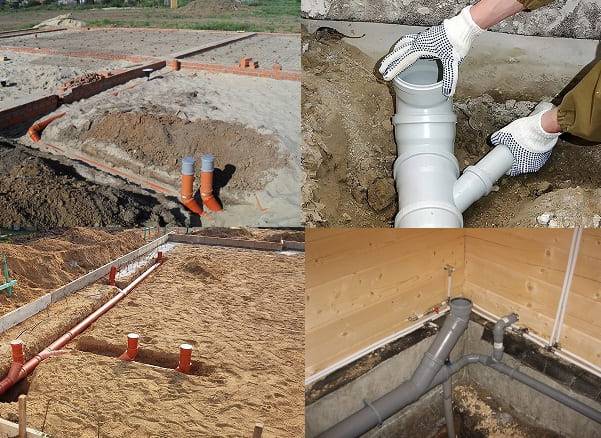
The next step is to install the pipeline. It is better to start laying from the foundation of the building.
The technology for laying sewer pipes looks like this:
- The pipes are laid with the socket down into the prepared trenches.
- To connect two pipes to each other, the socket of one and the smooth end of the other are cleaned of contaminants.
- The joints are lubricated with special compounds.
- The pipe is inserted all the way into the socket.
- All elements of the pipeline must be aligned in the same way.
If there is an outlet in the foundation of the house, the socket of the external sewage system is connected to it, if it is not provided, then you need to make a hole. Diamond drill bits are ideal for this task.
For the rotation device, bends are used - 15, 30, or 450. With a sewer pipeline length of more than 15 m, an audit is installed in such sections.
Trench backfill
After laying the pipes, the slope angle is checked. If everything is done correctly, the trench can be filled up. For backfilling, it is allowed to use the soil formed when digging furrows, but in this case it is necessary to remove large stones from it and break up dense blocks of soil.
The trench is gradually filled up to a height of 0.3 m, in layers of 5 cm. Each layer is well rammed on the sides of the pipe, it is forbidden to compact the place above the pipe itself.
Basic provisions of sanitary norms and rules
In 1985, Sanitary Norms and Rules were approved, according to which sewer systems should be installed.
The same document contains recommendations regarding the nuances of the installation work. In particular, it contains information regarding the depth of the pipeline and other important points.
When work is carried out in areas with increased load exerted on the soil surface (for example, under the roadway), the products should be laid deeper, sometimes at around 9 meters.
The document regulates how the installation of sewer pipes in trenches should be carried out:
- In a place where it is planned to lay a sewerage outlet from a private household, it is imperative to compact the earth. This will prevent erosion of the engineering structure by groundwater during heavy precipitation.
- The laying of the external pipeline is considered to be correctly performed if the slope of the main line is created, which should be from 1 to 2 centimeters per linear meter. This requirement must be observed because there is no pressure pressure in domestic sewer structures.
The technology for laying sewer pipes in a trench provides that in your own house in a place where the pipeline bends sharply, you need to equip a special well.
This allows you to make the repair work easier and in the shortest possible time to change the section of the highway that has become unusable.
A similar layer should be covered with a sewer line from above. The use of backfill will simplify access to the pipeline if repairs are necessary.
Experts also recommend installing manholes in areas where there are significant differences in the depth of pipe laying. If the length of the network is large, several of them should be installed, observing a gap of about 25 meters.
System Organization Tips
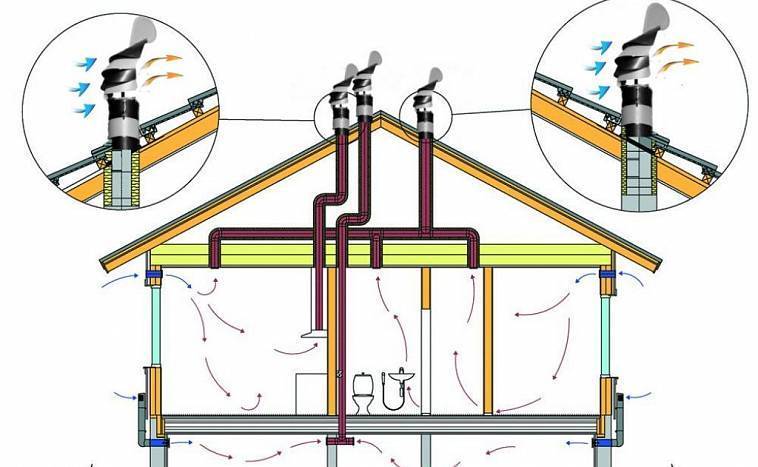
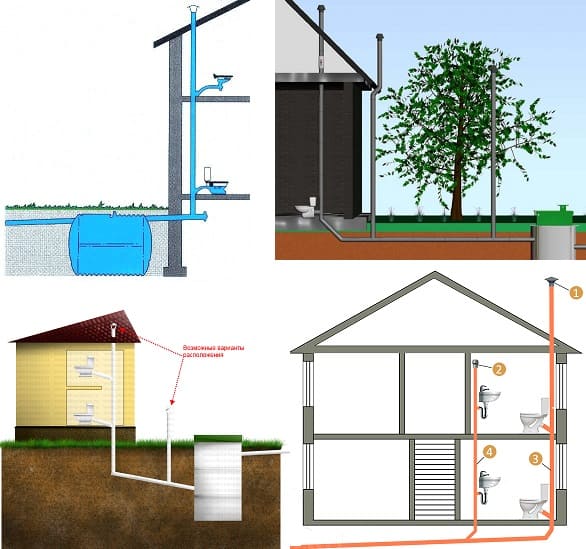
It is important not only to choose the type of sewer ventilation that will be used in the house, but also to carry it out correctly. After all, its reliability depends entirely on this.
To properly organize sewer ventilation, you need to know some rules and nuances. They will help you not to make a critical mistake.
Tips for masters on the organization of the ventilation system:
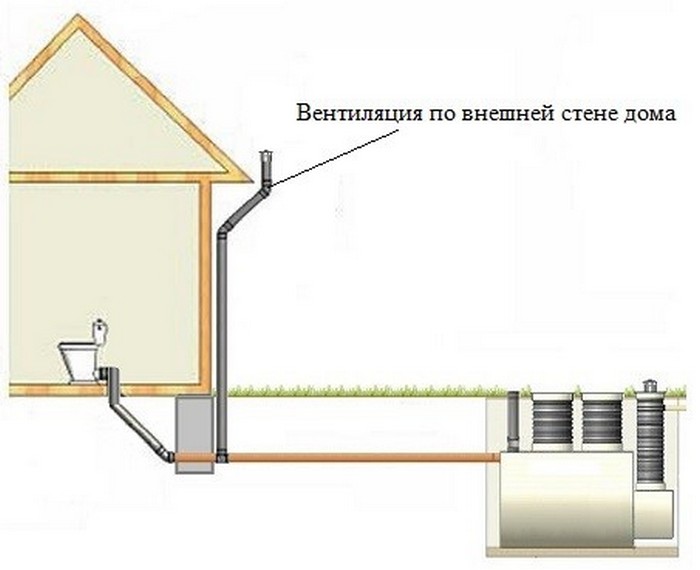
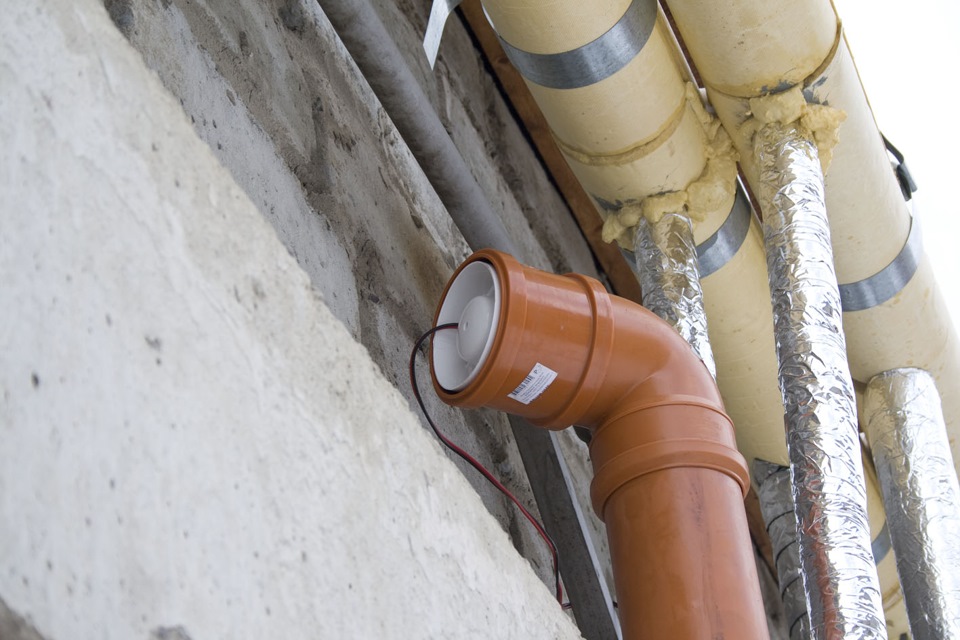
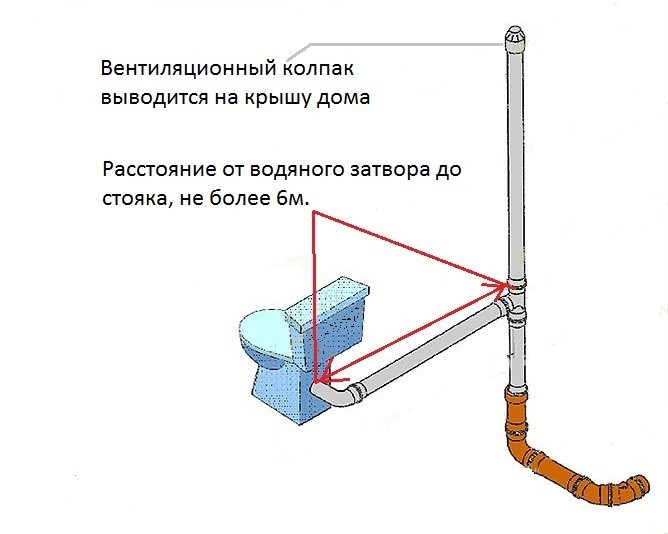
- It is best to carry it through the sewer risers. In this case, the exhaust fan pipe should protrude above the roof by at least half a meter.
- Fan ventilation should not be located too close to the chimney. In addition, it is forbidden to combine it with the general ventilation system of the house.
- The diameter of the exhaust pipe must match the diameter of the riser pipes. This will allow the system to work as optimally as possible.
- The deflector is not recommended. It can cause condensation, which tends to freeze at high temperatures.
- It is better not to bring the fan pipe under the roof overhang. Indeed, in this case, it can break under the weight of snow that has fallen on it from the roof.
- The ventilation riser must be at least 4 meters away from windows and loggias. Especially if they are used frequently.
To avoid odors near the house, the pipe should be taken out higher
By following these rules, you can create optimal and high-quality ventilation of the sewer system. Therefore, they should not be neglected.


Slab foundation and laying of communications
This type of foundation requires very precise calculations, even at the very beginning of the project.
After pouring such a foundation with errors, it will be impossible to lay the necessary communications. Therefore, the trench is dug first. All communications and sewer pipes, dressed in special protective sleeves, fit into it.
In a slab foundation, the sleeve plays a very important role. It protects the monolithic slab from high pressure, and also facilitates the process of replacing a damaged pipe section. If the sleeve is missing, it is simply impossible to replace the pipe in such a foundation. The pipe can also be damaged at the time of pouring the foundation.
Choosing pipes for domestic sewage
To equip the indoor drainage system, pipes made of cast iron or polymers are used: polyethylene, polypropylene and polyvinyl chloride.
Cast iron products are strong, durable (service life - up to 100 years), resistant to temperature extremes, chemical and mechanical stress and absorb sounds well, but they are expensive, and without special tools and installation skills, it is difficult to install a cast-iron pipeline with your own hands, here you cannot do without the help of specialists .
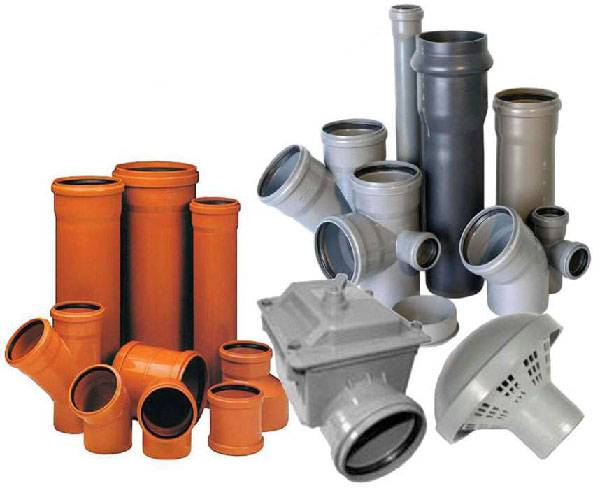
Independently, the drainage system is often mounted from polymer pipes: polyethylene, polypropylene or polyvinyl chloride. Polymer pipes are easy to install and much cheaper than cast iron pipes, but they have two significant drawbacks: the lack of sound absorption and a shorter service life - up to 50 years.
Each type of plastic has its own characteristics and operating temperature:
MaterialOperating temperatureFeatures
| polyethylene | up to 50 degrees | UV resistant |
| polypropylene | up to 80 degrees | easily deformed under mechanical stress |
| polyvinyl chloride | up to 40 degrees, with short-term exposure - up to 80 degrees | stretch with prolonged contact with a hot working environment |
An important factor in the choice of pipes is the throughput. This parameter depends on the diameter of the pipe and the functional purpose of the pipeline section.
Connected devicesPipe diameter
| sink, washing machine, bidet | from 32 mm |
| shower, bathtub, kitchen sink | from 50 mm |
| two or more devices at the same time | 0t 75 mm |
| toilet, stand | from 110 mm |
Development of a project based on norms
When a complete option for arranging a local sewer system is chosen, in order to obtain a high-quality result, it is necessary to perform the correct design either independently or by engineers.
The first option is possible if the simplest do-it-yourself sewage system is planned in the country house without the construction of complex structures - a septic tank, a filtration well, a filtration field.
For example, on the site it is planned to build an outdoor toilet of the "birdhouse" type, which will also serve as a place where household waste is thrown, and instead of full-fledged sinks for hands and dishes, it was decided to put the most ordinary washbasin. To build such a toilet on the street, you only need to dig a hole, place a sealed tank in it, decide on the optimal structure scheme and sign an agreement with the sewers on the regular removal of sewage.
If a complex country sewage system is planned with intra-house wiring, a septic tank, pipe laying from the house, a summer kitchen and a bath, the best solution would be to contact design engineers for a service. It is a professional approach that will allow you to have a properly drawn up project, taking into account the layout of the house and the surrounding landscape.
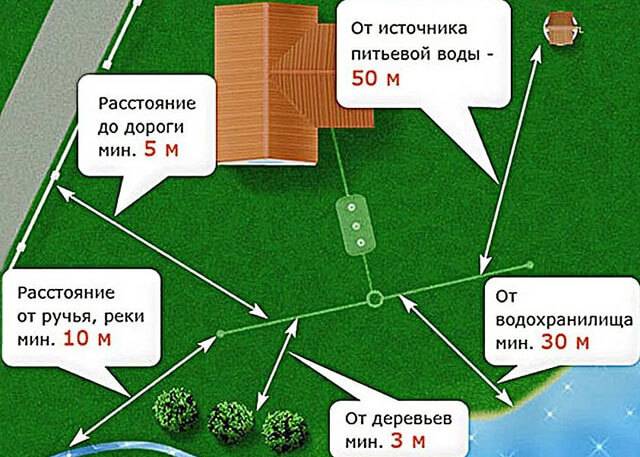
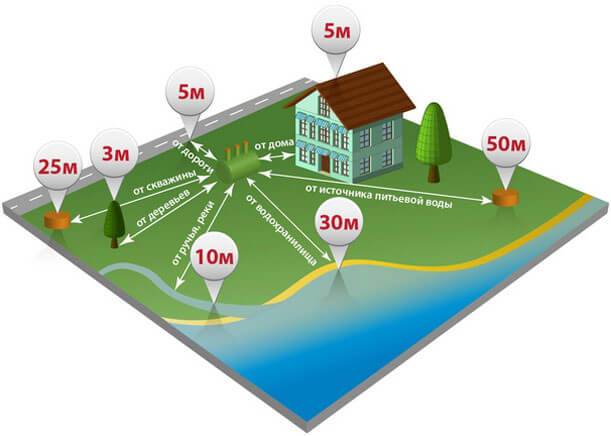
In both cases, when building a drain pit or septic tank, SanPiN standards should be taken into account, according to which the distance from a container designed to collect wastewater and sewage to nearby objects depends on the composition of the soil. For example, the gap between a septic tank and a well or well should be 25-30 meters for clay soils, and at least 50 meters for sandy and sandy soils.
Performing the installation of a septic tank in the country with your own hands, first of all, after the development of the project, you need to choose plumbing and sewer equipment, based on the technical conditions and standards of GOST, which regulate the use of certain materials.
Performing the installation of a septic tank in the country with your own hands, first of all, after the development of the project, you need to choose plumbing and sewer equipment, based on the technical conditions and standards of GOST, which regulate the use of certain materials.
So, when laying the external section of the sewer line, only special external type pipe products should be used, which include smooth and corrugated products made of HDPE, PP and PVC. Fittings for them must match the purchased pipes in diameter and material.
We lay the pipe under the base
Electricity can be conducted to the cottage from anywhere. But sewerage is different. This will not work here and you will have to resort to serious construction tasks.
Steel or PVC materials are used for the supply of wastewater. For its laying, a ditch should be dug 2 m deep or less. Then this ditch should be brought under the supports of the house. The parameters of the ditch depend on the depth of soil freezing.
Directly the pipeline must be made under the base. For these purposes, a hole should be punched in the foundation. To make everything as beautiful and neat as possible, you can use the advantages of a diamond tool. The pipe should be laid through a special case.




Causes of bad odors
Roughly speaking, this is such a plug of water, which is formed naturally in a pipe bend or in a special siphon compartment.The water seal reliably blocks the path of all sewer aromas.
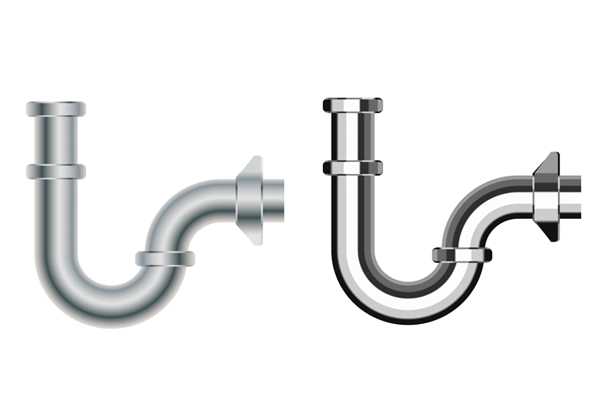
But he is not always a reliable guardian. After all, as soon as the water disappears, unpleasant odors can easily penetrate anywhere. This can happen in two cases. The first is when the plumbing equipment has not been used for a long time. For example, during a long departure of the owners. In such a situation, the water gradually leaves the water seal.
The second case is somewhat more complicated. I'll try to explain better. Let's say the diameter of the sewer pipe is 11 centimeters, and the toilet drain pipe is 7. If you drain the water in only one of these products, then everything will be in order, it will calmly pass along the laid route.
But if two toilets are used at the same time in such a house, then the sewer pipe will be blocked, a pressure drop will occur, which will provoke the “suction” of water from the hydraulic locks of all plumbing fixtures in the house. And we have already said that there is no water seal - there is no barrier to sewer aromas.
Of course, if we talk about a small house with one bathroom, then it is quite possible to do without sewer ventilation. In all other cases, it is still desirable to do it initially when building a house. However, it is possible to ensure the performance of this function after the completion of construction. There are several ways to do this.
Do-it-yourself work
To organize a sewerage device in a house with your own hands, you need a scheme with which you can calculate what types of materials and plumbing will be needed and in what quantity. The drawing must be drawn to scale.
You also need to take into account factors such as:
- Soil type;
- Groundwater level;
- Volume of water use;
- Climatic features of the area.
Several types of laying sewer pipes are possible: under the floor, inside the walls, outside, but this is less aesthetically pleasing. Pipes laid in walls or under the floor are plastered 2 cm or filled with cement. To reduce the noise of the system, the pipes are wound without air gaps.
Scheme of the sewer system
The sewer system in a private house has a complicated scheme; it must take into account, in addition to depth and materials, the location, taking into account the requirements.
Namely:
- To install a septic tank or other type of wastewater treatment, the lowest place on the site is selected.
- The distance to the source of drinking water is at least 20 m.
- To the roadway - at least 5 m.
- To an open reservoir - at least 30 m.
- To a residential building - at least 5 m.
Plastic pipes are well suited for arranging sewage
When drawing up a diagram, it is necessary to mark all the water drain points and the riser. The stand must be within easy reach. Usually it is installed in the toilet, because the toilet drain pipe has a diameter of 110 mm, like that of the riser.
Outflow pipes from the bathtub and sink are usually combined into one line.
It is important to remember that the toilet pipe should not have any inlets from other pipes. In addition, the diagram should include the location of the vent pipe.
Self-assembly
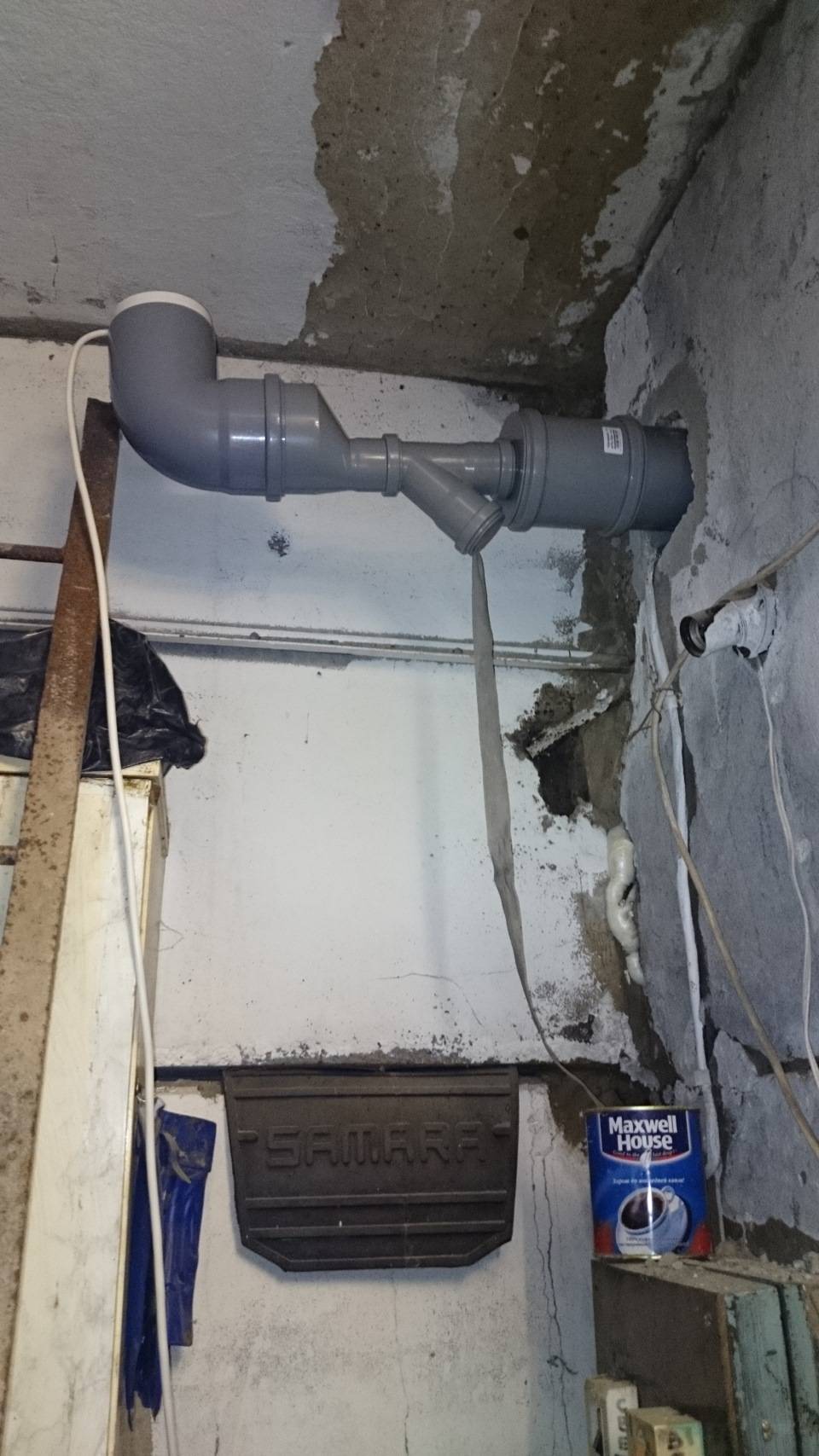
It is recommended to start installation in the house on your own from the inside of the sewer, as well as ventilation for it. The sewer system must contain hatches in the pipeline for inspection and repair. Pipes are fastened to the walls with clamps, hangers, etc. Crosses, tees and manifolds of large diameter (about 100 mm) must be used at the joints.Adapters will help to connect pipes of different diameters.
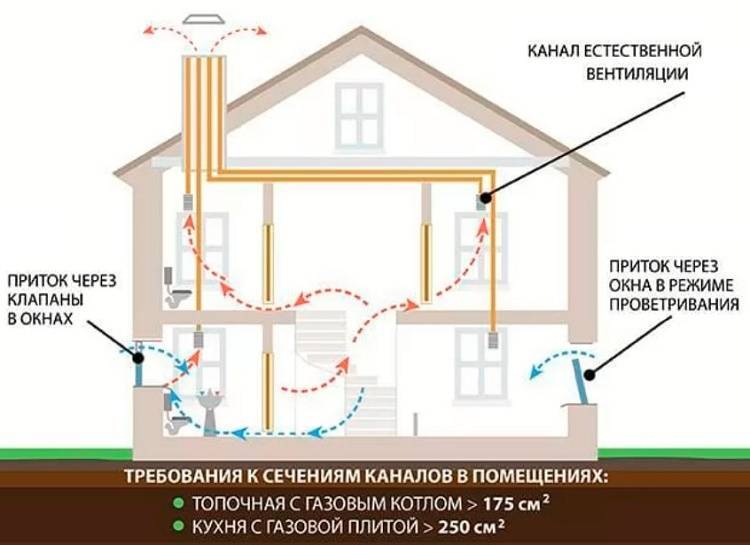
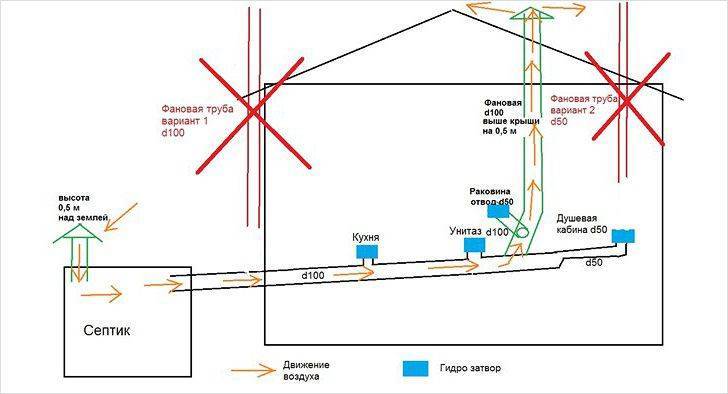
Ventilation is also important, which performs 2 functions at once - air inflow in rarefied areas, exhaust gases. Vacuum is more often formed when water is drained in the toilet bowl and when the pump for draining the washing machine is running. The influx of air prevents the capture of water in the siphon and the formation of a water seal, which has a loud unpleasant sound. A continuation of the riser on the roof is a fan pipe.
To install it correctly, you need to follow the rules:
- The diameter of the fan pipe is 110 mm to prevent ice blocking the passage.
- The height of the pipe on the roof is higher than the rest, including stoves, fireplaces, etc.
- Location at a distance of 4 m from windows and balconies.
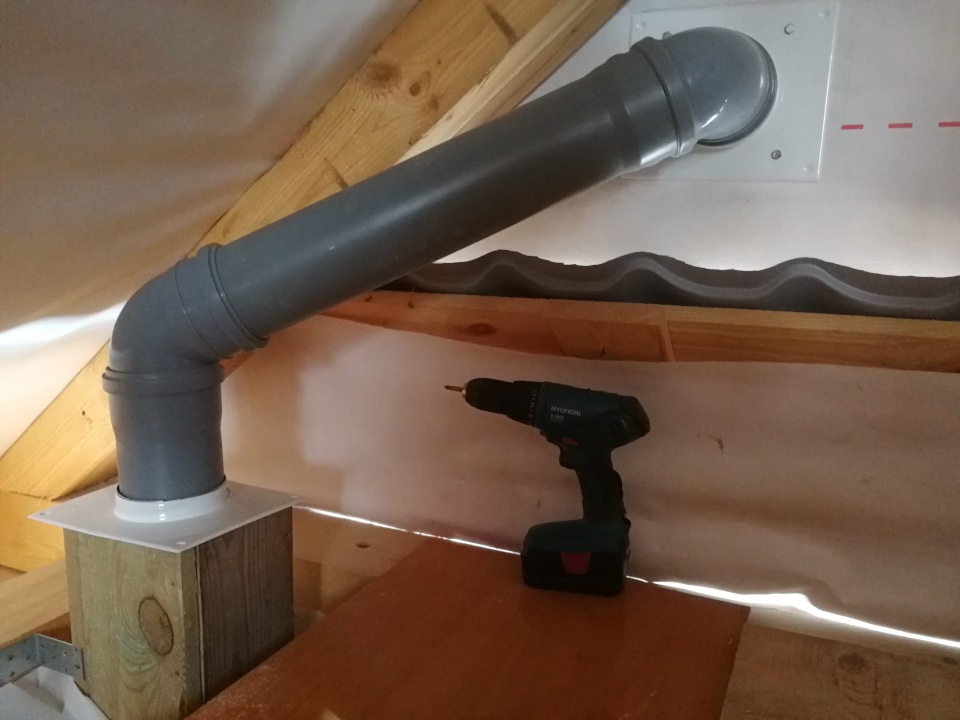
- The fan pipe must be separate from the general ventilation and with a subsequent exit to the attic.
When arranging sewerage, safety regulations must be observed
Through a sleeve with a non-return valve, the collector in the foundation exits to the external sewer. The sleeve diameter is 150-160 mm. The reverse flow of wastewater in the presence of a check valve is not possible in the event of contamination of the pipeline or overflow of the wastewater receiver.
Paving depth
At what depth to lay the pipes depends on the deepening of the septic tank and the depth of soil freezing in the region. Moreover, pipes must be laid below this level.
They are laid according to the following scheme and rules:
- Lack of turns from the house to the septic tank to prevent blockages.
- Pipes of the correct diameter.
- The same pipe material in the same pipeline.
- Compliance with the slope (approximately 0.03 m per 1 linear).
If there is no slope or it has an insufficient degree, then you will need to install a sewer pump. Also, additional wells should be included in the external sewerage scheme, especially if there are pipeline turns from the house to the septic tank. They will help in the maintenance of sewers and the elimination of blockages or freezing.




Sewerage, like plumbing, is recommended to be supplemented with thermal insulation made of polyurethane foam and polyethylene or to lay an electric cable.
Planning and preparation of works
The sewer system, which is located in a private or apartment building, is non-pressure and is designed to divert wastewater to a common riser. This is achieved by performing a certain slope of the pipes. The quality of the installation of sewer pipes in a private or apartment building depends on the effectiveness of work planning, which involves:
- choosing a place for plumbing fixtures;
- preparation or inspection of the existing sewerage system;
- determination of the quantity and types of materials;
- purchase of the necessary parts;
- test assembly and sewer inspection;
- dismantling the old or preparing for the installation of a new system;
- installation of sewer pipes, installation of equipment, sealing of the system;
- connecting and checking plumbing.
Before you start installing sewer pipes with your own hands, you should make sure that they are clean, that there is a chamfer at the end of the pipe and a sealing cuff in it, and that there are no burrs.
Even small inaccuracies in planning the installation of sewer pipes with your own hands can lead to big problems in the operation of the finished system.
First you need to mark the location of pipes and plumbing fixtures
Rules for calculating sewer networks
In order for the sewerage system in a private house to work for a long time and trouble-free, it is important to correctly calculate all the necessary parameters, namely:
Study the load on internal networks: The average is about 200 liters per person. So for a septic tank, these data are multiplied by three. Such a volume of a septic tank, at the rate of 600 liters for each family member, should be taken into account when choosing equipment.
- storage tank - the required volume is determined, as in the calculation of internal networks, i.e. average daily values;
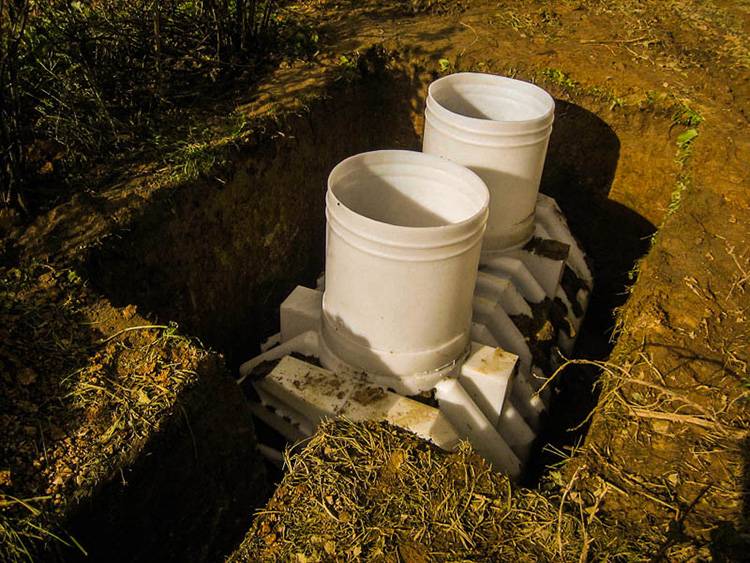
- septic tank - the average daily value must be multiplied by three, which is due to the three-day settling of wastewater in a similar design;
- biological treatment plants - the performance of a particular model is reflected in its technical characteristics.
And the last point. Calculation of external networks. The diameter of the external sewage pipes must have a capacity that can ensure the passage of wastewater. As a rule, pipes with a diameter of 110–200 mm are used for external networks. It is necessary to take into account the depth of soil freezing at the installation site, and if it is impossible to lay pipes below this mark, then measures should be taken to heat such areas (heating electric cable, heaters and other measures).
The right choice of pipes for sewerage is the key to successful operation for many years.
When choosing materials used for installing sewers in a private house, you need to pay attention to the following requirements regarding pipes used for these purposes:
- the strength of the products should ensure long-term operation without carrying out preventive maintenance;
- resistance to various types of external influences (mechanical, chemical, etc.) must be high in order to ensure safe use for the entire period of operation;
- simplicity and ease of installation work;
- smooth inner surface.
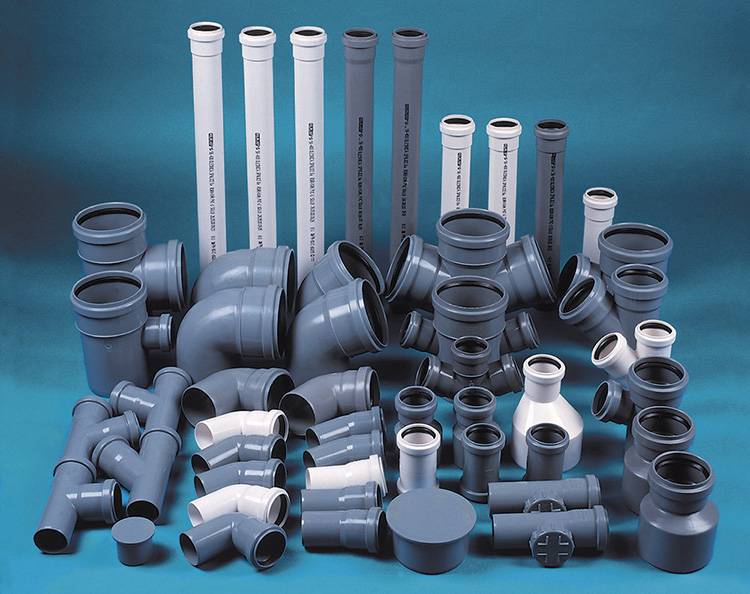
These requirements are met by pipes made of cast iron and various types of durable plastic.
Materials from which sewer pipes are made
Cast iron is the material that until recently was indispensable in the manufacture of sewer pipes. Its main advantages are strength and long service life, and its disadvantages include significant weight, uneven inner surface and complexity. installation workespecially on your own. Polyvinyl chloride (PVC) is a modern durable plastic that can withstand heavy loads, in addition, this material does not allow sewage to seep into the ground.
Other benefits include:
- strength and durability;
- resistance to chemically active substances (reagents) and ultraviolet rays;
- ease of installation;
- affordable cost.
Of the shortcomings, it should be noted:
- when the temperature rises above 70˚С, it melts;
- when the temperature drops below 0˚С, it becomes brittle;
- when burned, it releases gas harmful to human health.
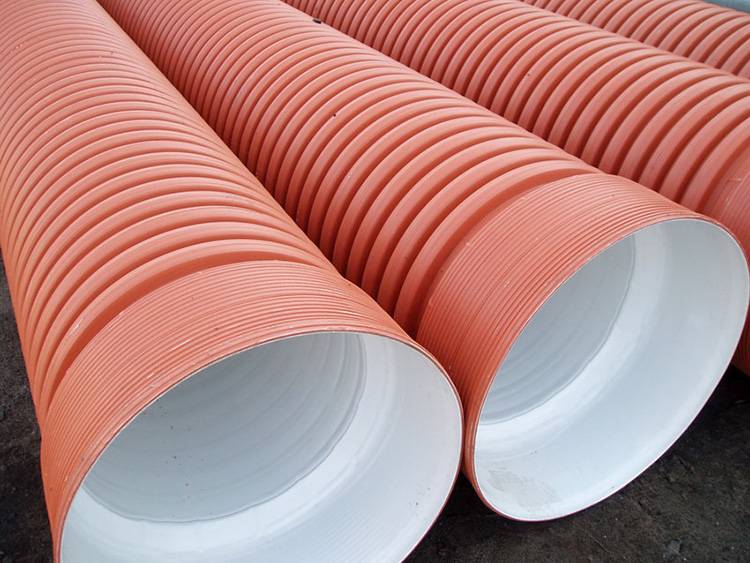
Polypropylene (PP) is the best material used for the manufacture of pipes for various purposes. It has all the advantages inherent in PVC analogues, and it does not have the disadvantages inherent in them. In addition, when installing sewers, pipes made of steel and ceramics, as well as asbestos cement, can be used.The main range of pipes required for the installation of an autonomous sewage system for a country house, made of different materials, is shown in the following table.
| Material | Dimensions, mm (diameter×wall thickness×length) | Sewer type | Cost, rubles |
| PVC | 160×3,6×500 | outdoor | 359 |
| 160×4,0×3000 | 1 000 | ||
| 110×3,2×3000 | 550 | ||
| PP | 160×3,6×500 | 290 | |
| 160/139×6000 | 2 300 | ||
| PVC | 32×1,8×3000 | Internal | 77 |
| 50×1,8×3000 | 125 | ||
| 110×2,2×3000 | 385 |
The table does not show the entire range of pipes manufactured by the industry, but the order of prices for these products is clear. For complete information, please contact the trading organizations specializing in the sale of sanitary equipment.
Arrangement tips
After joining all segments of the sewer structure, they begin to insulate the pipeline. Thermal insulation is necessary in cases where the depth of pipe laying is at the level of soil freezing during winter frosts.
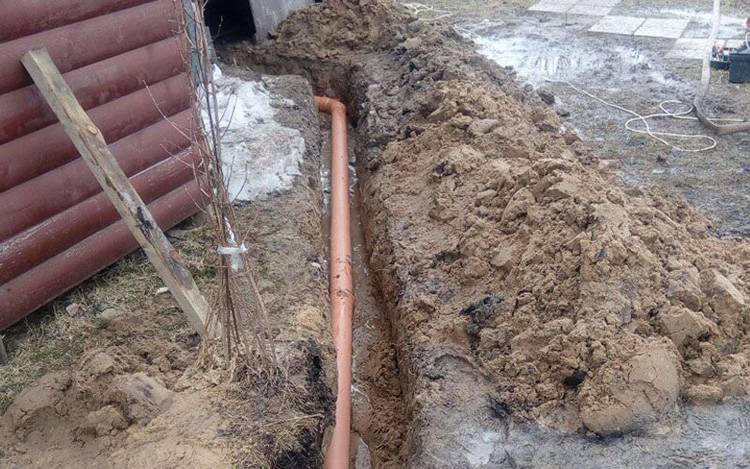
After the installation of the external sewer line is completed, it is necessary to fill the trench with a mandatory check of the slope of the pipeline, since this parameter could change during the connection process.
If it is planned to use the soil collected during the digging of the ditch when backfilling, it must be crushed to get rid of large clods.
In the absence of knowledge on how to properly lay a sewer in a private house, some home craftsmen pay insufficient attention to this issue. But the arrangement of the sewer system must be carried out in compliance with a number of requirements.




The main one is as follows: the trench must be filled with earth in layers having a thickness of about 5 centimeters. Compact the soil only on the sides of the pipe so as not to deform or damage it.
Approaches to laying pipes for sewerage in a private house and in an apartment are the same, since drains and sewage are formed in residential and utility rooms and only after that they are brought out.
Therefore, when distributing the sewer system in a modern high-rise building and in a country cottage, it is advisable to adhere to a number of requirements:
- be sure to observe the slope of the pipeline;
- minimize the number of bends and turns throughout the entire highway.
Since domestic sewage is created according to a non-pressure type, the simplest socket connection can be used when assembling pipelines. Rubber cuffs are used to seal it. This element is placed in the inner groove of the socket before the start of the connection process.
The main difference in the arrangement of the design for the disposal of wastewater and sewage in the house and in the apartment is that in the first case there is an outer part of the system laid in the ground, which leads to a septic tank or to a centralized sewer line.
You can do the above work yourself. Subject to the recommendations given by professionals, the reliability of the sewage system will be high, and the service life will be long.
What it is
When a private house is being built, it is necessary to bring various communications to it. One of them is sewerage. At first glance, you might think that it is enough for her to equip only a sewer drain. Actually this is not enough.
In order to explain the purpose of the fan riser, you need to remember how the toilet is drained in more detail. After the sewage merges, a certain amount of water then gets there. Part of it remains in the toilet.It is actually a water seal, the role of which, in particular, is to prevent the unpleasant smell from drains from entering the living quarters.
It is important to understand that this protective layer of water is inside the toilet.
If several such plumbing fixtures are installed in the house, then in each of them, which is not currently in use, there is such a water seal.
When a drain occurs in one of the toilet bowls, then for a short period of time immediately after the outflow of sewage and drained water, the pressure here decreases. Since all the others are connected to this pipe, water seals are broken in them and an unpleasant smell penetrates into the premises.
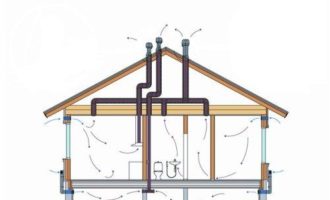
Scheme of the device and operation of the ventilation system
It is important to note that this situation exists not only in relation to toilets, but to all drains that are connected to the sewer. For example, we can talk about a water seal in a bathroom or in a sink if they are connected in the indicated way
This situation could have been avoided if the pipe had an additional outlet through which air could freely enter it. In this case, low pressure at the drain point would not arise and the water seals would not be broken anywhere.
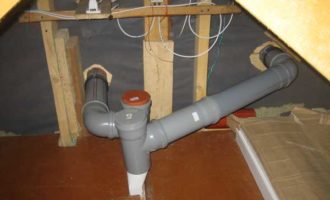
Odors from the sewer could also come out through a similar pipe. A fan riser is a pipe that performs the indicated functions, which is connected to the sewer system of the house and brought out of it.
How necessary. In fact, the system in question is actively used in apartment buildings. In the sewer system, the flow from the apartments goes into a vertical pipe.
A system of vertical sewer pipes that performs the function of a fan riser
Its lower end is connected to the drain system, and the upper end is brought to the roof and actually performs the function of a fan riser.
Ventilation duct design
All exhaust systems are built using the same technology. The differences are in their length, the presence of control sensors and other auxiliary devices. In all cases, the design provides for the capture of all premises in order to prevent the occurrence of stagnation.
A typical ventilation duct at home consists of the following parts, assemblies and mechanisms:
- Outdoor grille with mosquito net fixed on the facade of the building. The place of attachment is chosen in the farthest room. Depending on the layout and configuration of the room, the grate is installed on the end wall, above the window or behind the heating radiators.
- Air valve. The purpose of this device is to prevent the outflow of air in the opposite direction when weather conditions change.
- Air channel. It is assembled from links of different lengths, tees, elbows and plugs. Docking is carried out using sockets, inside of which rubber gaskets are located.
- Pocket filter. The device is designed to collect dust that is sucked into the exhaust duct. Garbage removal is carried out as the drive is full.
- Main fan. It is used constantly or in the absence of traction. Devices with a diameter of 100 mm fit tightly into sewer pipes with an outer diameter of 110 mm.
- Flexible inserts. They are used in those places where there are obstacles on the way of the route or it is necessary to make a smooth turn.
- output block.It consists of pipes, pressure plates, sealing gaskets, grating and umbrella.
Depending on the location of the ventilation duct in the house, it is finished with soundproofing devices to reduce noise from the fan and moving air.
Materials and tools
It is recommended to purchase plastic sections and fittings made by one manufacturer. This way the parts fit together best. Despite uniform standards, products from different companies may differ in size.
To assemble a ventilation duct from a polymer material, you will need the following tools and fixtures:
- perforator;
- hacksaw for metal;
- oil level;
- roulette;
- marker;
- sharp knife;
- mallet;
- a hammer;
- screwdriver;
- marker.
To assemble the ventilation system, you need to purchase the following materials:
- plastic pipe with an outer diameter of 110 mm;
- flexible inserts made of aluminum or silicone;
- fittings (corners, tees, plugs, contours);
- sandpaper;
- plastic dowels;
- clamps corresponding to the size of the diameter pipes;
- screws;
- Silicone Grease.
It is recommended to purchase materials with a reserve of 10-15% based on possible marriage and errors.
Materials and diameters
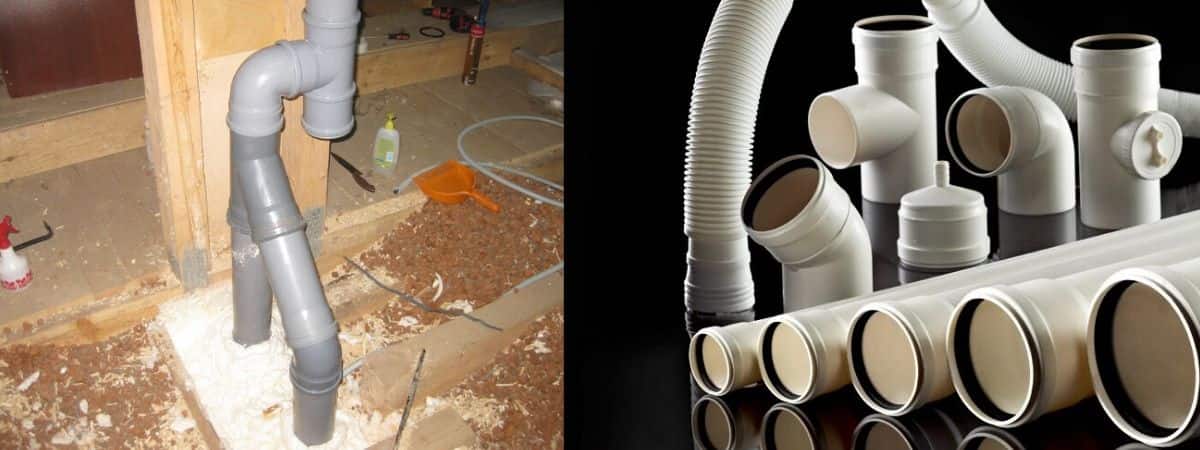
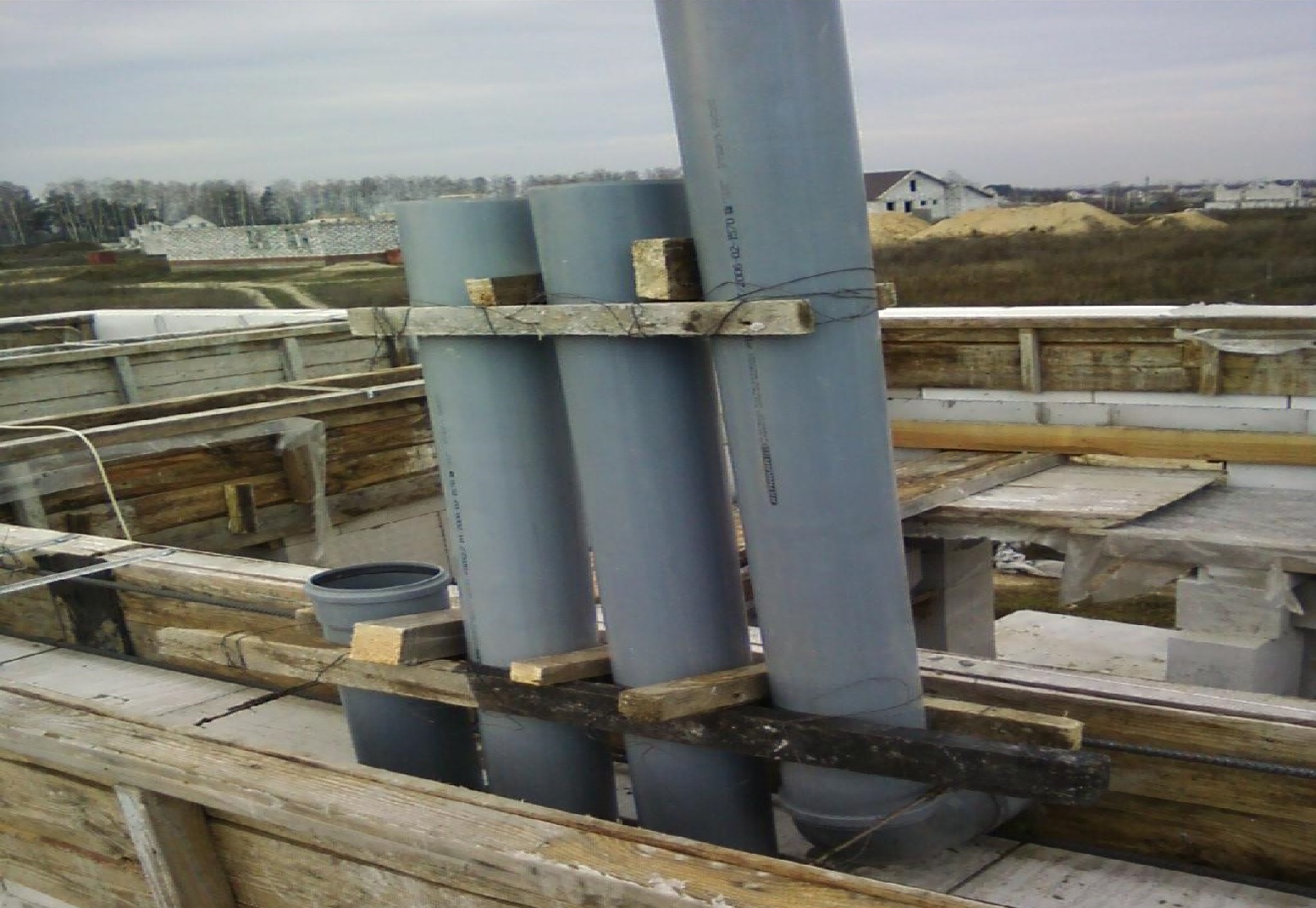
Fan pipes are made of cast iron, polypropylene, PVC. Their diameter is equal to the diameter of the sewer riser. Most often it is 110 mm. To connect the outlet of the riser with ventilation, the following fan pipes are used:


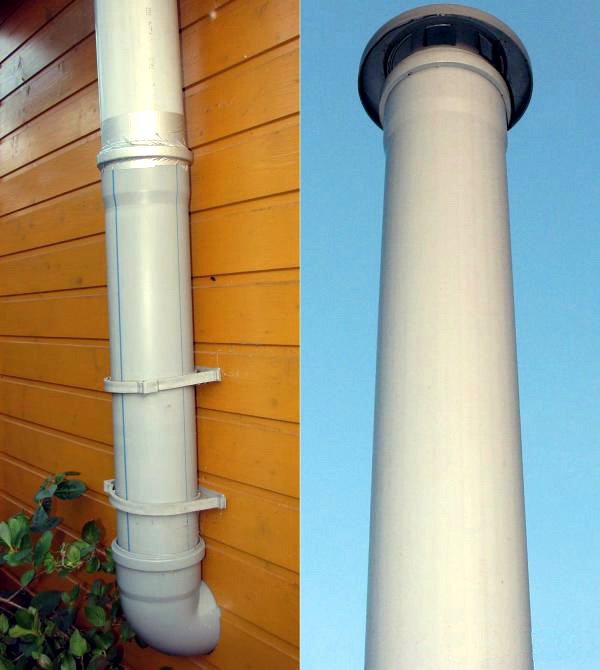


- Sewer PVC pipes, they are connected to the riser using tees, deployed at different angles.
- Rigid pipes are inserted into the socket of the riser, on the reverse side they have a rubber cuff.
- Corrugated branch pipes with soft elastic cuffs.Designed for connection to a riser that does not have a socket. The reverse end of the pipe has an elastic membrane with a hole. Used to install a toilet.
- Corrugated pipes with rigid branch pipes at the ends. It is used to connect the riser and the ventilation pipe as it passes through the roof.
Sewer pipes for ventilation: pros and cons
There is still no consensus on the advisability of using sewer pipes for installing a ventilation system.
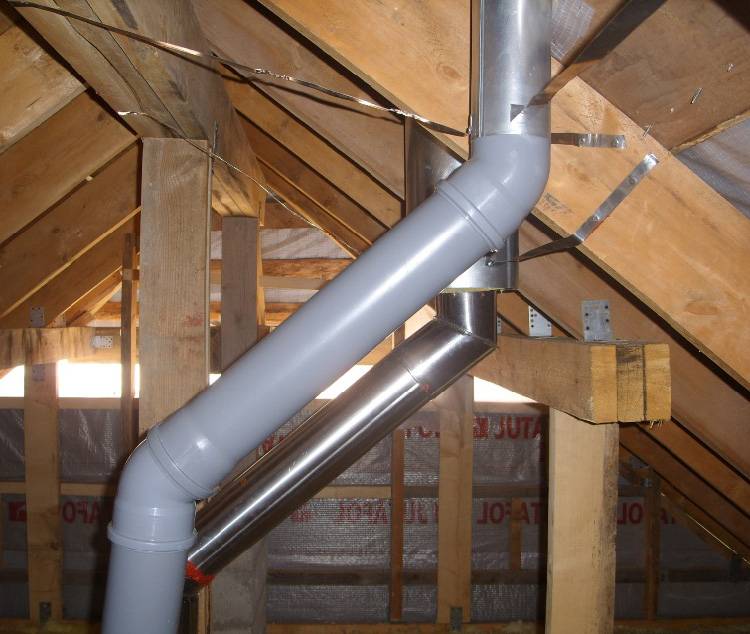
Many professionals convincingly prove the rationality of such a decision, while others criticize it no less convincingly. The fact is that plastic, like any other material, has a number of advantages and disadvantages.
The positive aspects of the use of sewer plastic in the construction of ventilation include the following:
- Any plastic pipes (polyvinyl chloride, polyethylene, polypropylene, etc.) are lightweight and durable.
- The ventilation system will have proper tightness and strength.
- Plastic products are relatively inexpensive and, unlike metal ones, are not subject to corrosion.
- Due to the variety of shapes and sizes of elements, it is easy to design air ducts of any configuration.
- The low weight of the products simplifies and reduces the cost of fixing the air ducts.
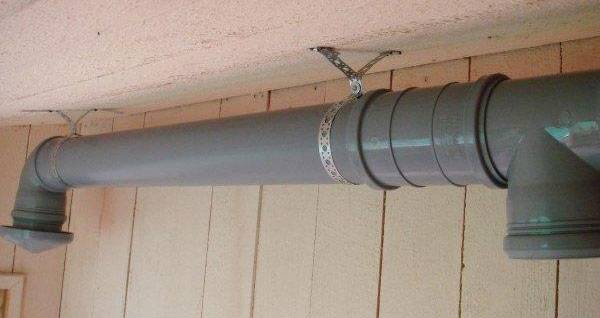
Among the shortcomings, you can focus on such points:
- In their opinion, some experts believe that some of the harmful substances emitted by polymers will enter the room with air, therefore, even despite the manufacturers' oaths regarding the impeccable environmental friendliness of such pipes, it is better to use plastic exclusively for air removal.
- Plastic pipes do not have a large margin of safety and are vulnerable to mechanical stress.
- When air masses move through plastic pipes, friction inevitably occurs, which leads to the accumulation of static electricity on the inner walls. The electrified surface begins to behave like a magnet, intensely attracting particles of dust and dirt, in which all kinds of fungi, microbes and mold quickly begin to settle.
Consequently, the construction of a ventilation system from sewer pipes seems to be justified primarily for economic reasons. In addition, such ventilation will have good performance characteristics, and will regularly serve for more than a dozen years.
Common mistakes to avoid
In order not to ruin the entire system, remember important details during its installation.
For example, when providing a pipeline slope, you need to remember the ratios, because its insufficient or excessively large value can provoke frequent blockages.
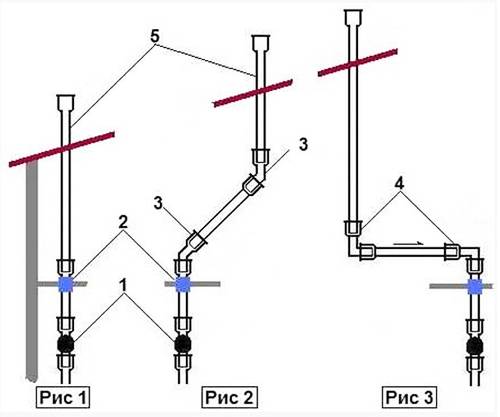
Correctly determine the angle of inclination of the fan pipe
You will ensure the long service life of your sewage system if you use pipes for their intended purpose, namely, install outdoor pipes on the street, and internal pipes in the house.
And lastly, if there is no riser, then ventilation is provided by the intake of clean air from the pipes of the septic tank, and the removal of dirty air through the ventilation duct leading to the roof.
What are the consequences of installation errors?
The lack of an internal sewerage project, savings on building materials, neglect of installation rules and just minor flaws made during the assembly of the pipeline can lead to the most unpleasant consequences:
Mistake made / Possible consequences
| insufficient slope of the pipeline from plumbing and household appliances to a common riser | stagnation |
| use of pipes with a damaged inner surface, burrs remaining during cutting | layering of waste on the walls of pipes, reducing the throughput of the pipeline |
| making right angle turns or U-turns | blockage formation, at high sewage pressure - depressurization and damage to the unit |
| connection of socket elements against the flow | clogging of the joint |
| no siphons under plumbing fixtures | the appearance of an unpleasant odor, return suction of sewage into a plumbing fixture |
| leaky connections: lack of an insulating layer, loose or overtightened threaded connection | the appearance of leaks |
| lack of inspection hatches in difficult areas of the system | the impossibility of cleaning the node. |