- Design
- Regulatory requirements for air recirculation
- Air exchange in operating rooms
- Prices for ventilation disinfection in a medical facility
- Sequencing
- Violation of air exchange parameters
- Types of ventilation systems
- Natural and forced ventilation
- Airflow direction
- Design Features
- Design of ventilation systems
- Ventilation system
- Ventilation system and its functions
- How to competently make a ventilation system for "clean orthodontic rooms"?
- Types of ventilation systems
- How to choose a ventilation cleaning company
- Conclusions and useful video on the topic
Design
The creation of an air duct in a dental clinic is standardized by the following standards: SNiP 41-01-2003 provides for the creation of forced airflow systems; in the case of developing smoke removal systems, SNiP 2.04.05-91 and SanPiN 2956a-83 are taken into account.
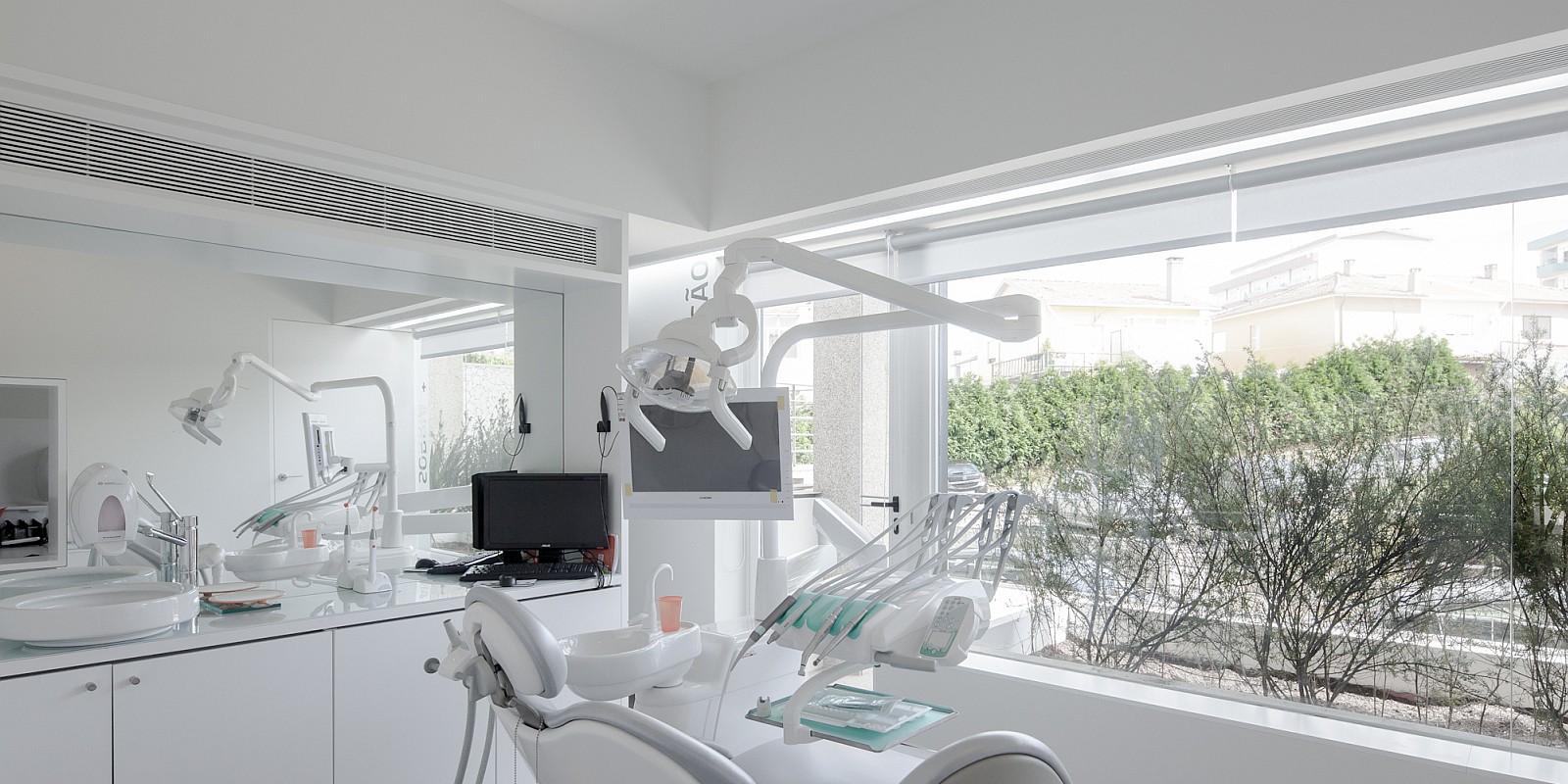
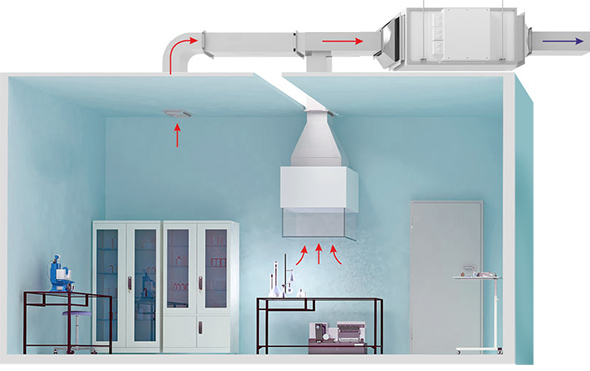
In dental centers, natural air exchange is acceptable, but subject to the provision of high-quality filtration of supply and exhaust air flows.But in surgery and X-ray rooms, natural ventilation is prohibited: to create ventilation, autonomous systems of forced supply air exchange are used, which displace the exhaust air through hoods and adjacent rooms. This process prevents contaminants from entering cleanrooms. It is for this reason that most of the ventilation systems of dental institutions are implemented by using separate exhaust and supply installations.
Supply air masses should be supplied only to the upper part of the rooms and provide 7-fold air exchange. Air from the street should be taken at a height of at least 2 meters from the ground. The exhaust air must be cleaned with bactericidal filters. The exhaust air duct must guarantee a 9-fold air exchange at an air speed of 0.2-0.5 m/s. The joint functioning of air conditioning and heating should provide the following temperature in dentistry: 18-23°C in winter and 21-25°C in summer.
To create a favorable microenvironment, the maximum level of humidity in the premises should not exceed 75%. For laboratories and X-rays, as well as therapeutic and orthopedic rooms, the humidity value should not exceed 60%. In rooms in which dental prosthetics are carried out, exhaust hoods must be located above the surface of the heating devices, forcibly removing polluted air. In therapy rooms, suction should be placed near the dental chair. You can entrust the design of ventilation in dentistry to our specialists, they will complete the project in accordance with all standards and requirements.
Regulatory requirements for air recirculation
In any premises with gas equipment, natural, continuously operating ventilation should be provided, providing at least three air changes per 1 hour. The speed of circulation of air masses is measured by an anemometer.
Before starting gas-using appliances, it is necessary to increase the air flow into the room. Poor ventilation leads to the accumulation of carbon monoxide, which leads not only to a decrease in the performance of the device, but also to poisoning
You can calculate the required amount of incoming oxygen for rooms where gas equipment is used using the formula:
L = N x V, where
L – air consumption, m3/h;
N is the normalized air exchange rate (for rooms with gas equipment, this indicator = 3);
V is the volume of the room, m3.
Air exchange rates are regulated by SP-60.13330.2016, GOST-R-EN-13779-2007, GOST-22270-2018. They apply to the design of new, reconstructed and expanded gas supply systems.
The key rules are prescribed by the following points:
when installing gas boilers, it is important to take into account the requirements not only for the boiler room itself, but also the norms for ensuring the operation of the ventilation system;
gas pipelines cannot cross ventilation ducts;
all rooms into which the furnaces of heating and cooking gas furnaces open must be equipped with an exhaust ventilation duct. An alternative is allowed - a window, a window leaf or a door facing a non-residential premises;
when installing a gas heater or fireplace, it is necessary to provide an exhaust ventilation device;
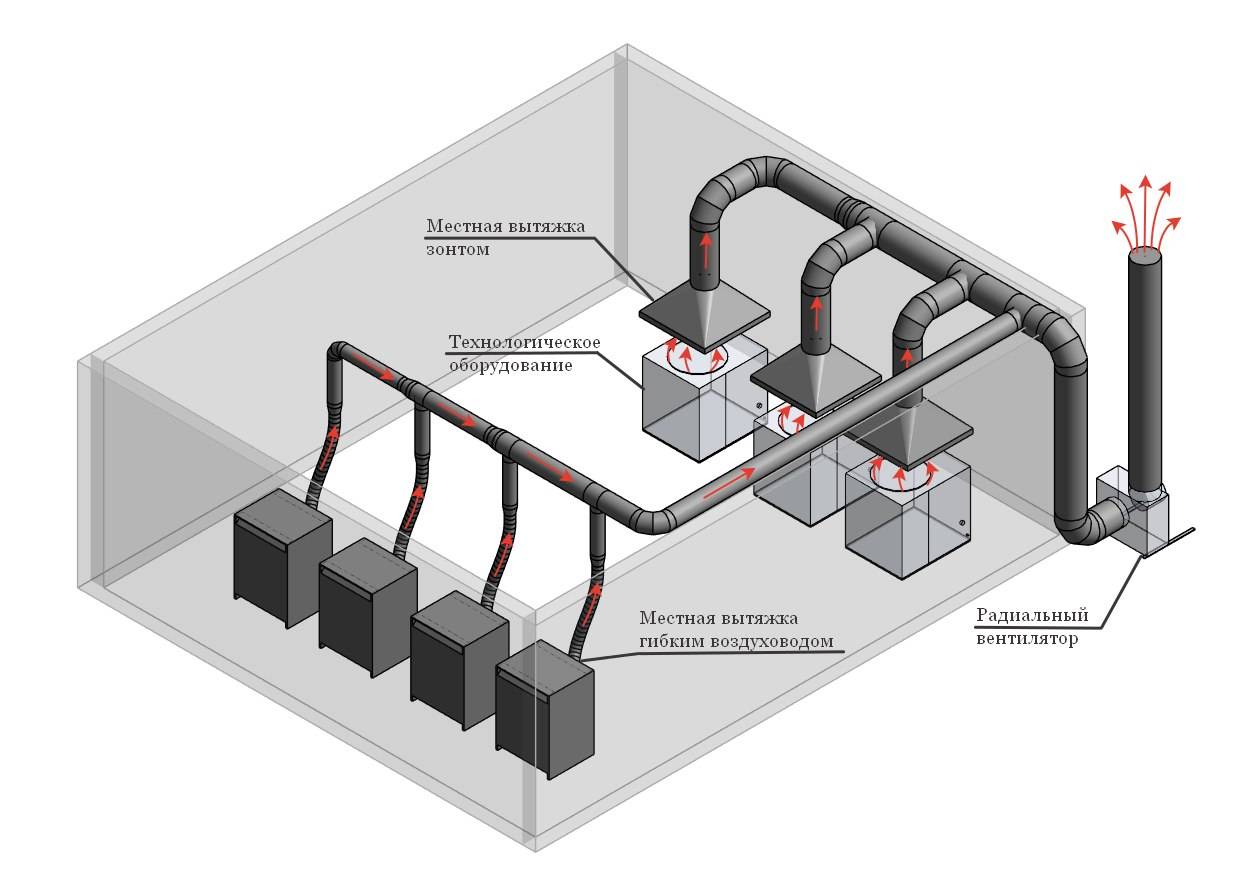
if a group of gas devices located close to each other is installed at a catering establishment, it is allowed to use one ventilation umbrella with subsequent insertion into a prefabricated chimney with an exhaust fan;
the ventilation system in industrial workshops, boiler houses, agricultural enterprises, industrial buildings for consumer services must comply with building codes and requirements for the type of production equipped inside. Additional requirements for the design of ventilation in buildings of this group are not imposed
Additional requirements for the design of ventilation in buildings of this group are not imposed.
After studying the specifics of the premises and analyzing the advantages and disadvantages of each type of ventilation system, you can choose the best option for a particular building
The parameters of air recirculation in the premises should be calculated based on the maximum allowable concentrations of NO2 and CO2 in the working area. Exhaust hoods should be placed above the burners, and supply systems - outside the radiation zone.


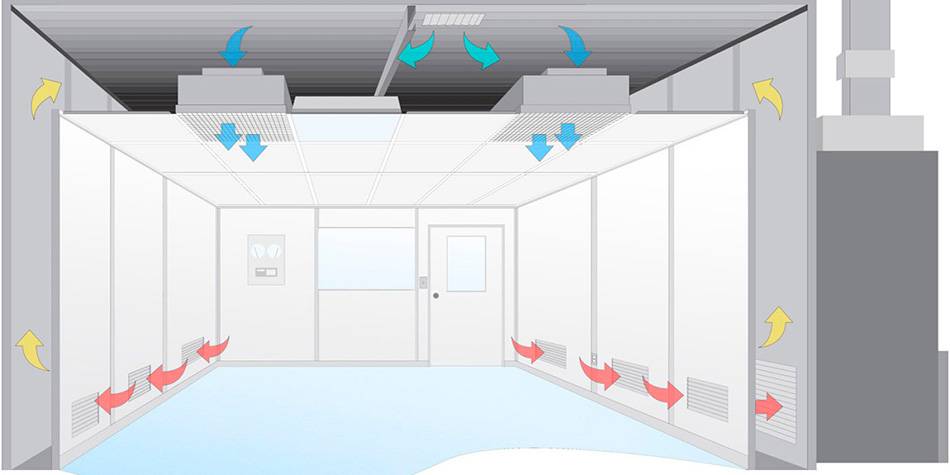
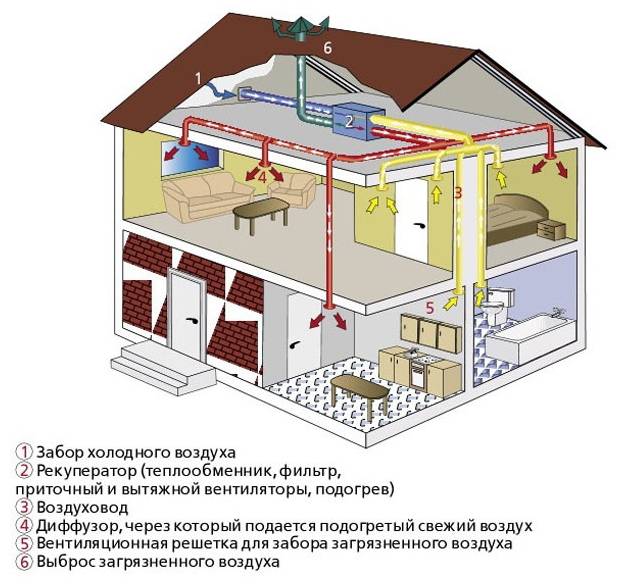

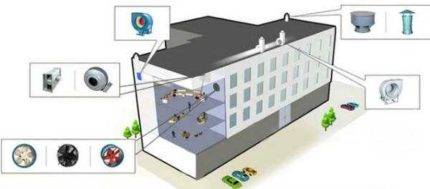
Premises with a high degree of explosion hazard (category A) must be equipped with a mechanical supply and exhaust ventilation system. The upper levels of these rooms must be equipped with natural ventilation with deflectors. During non-working hours, only natural or mixed ventilation is allowed.
In category A rooms with liquefied gas circulation, forced ventilation must ensure recirculation in both the upper and lower zones. System openings must be placed at a level of 30 cm from the floor.
The design of an emergency ventilation system should be carried out in accordance with the standards "SP-60.13330.2016" (clause 7.6).Its launch should be carried out automatically as soon as the devices signal that the maximum allowable gas concentration inside the room has been exceeded.
A dangerous concentration of gas in the air is considered to be above 20% of the lower flammable concentration limit.
Air exchange in operating rooms
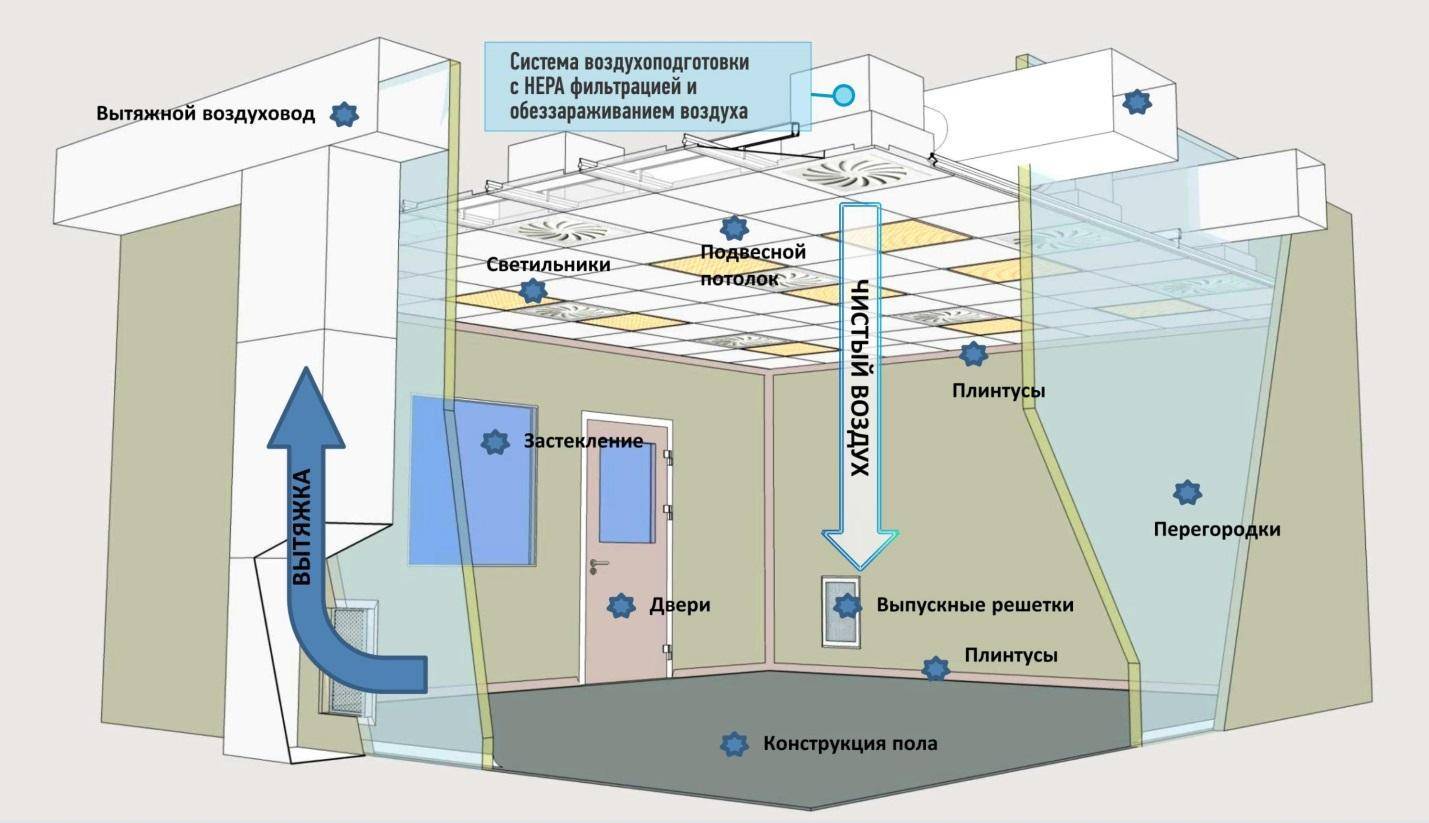
The organization of air exchange in the operating room is one of the important stages in the planning of this ward. The fact is that one of the factors that makes surgery successful is the increased sterility of all surfaces and air. Therefore, when designing ventilation in operating rooms, the following norms and requirements should be observed.
A sluice with air overpressure must be installed in the area of the doors. This is done in order to prevent untreated air from entering the corridor, elevator, etc.
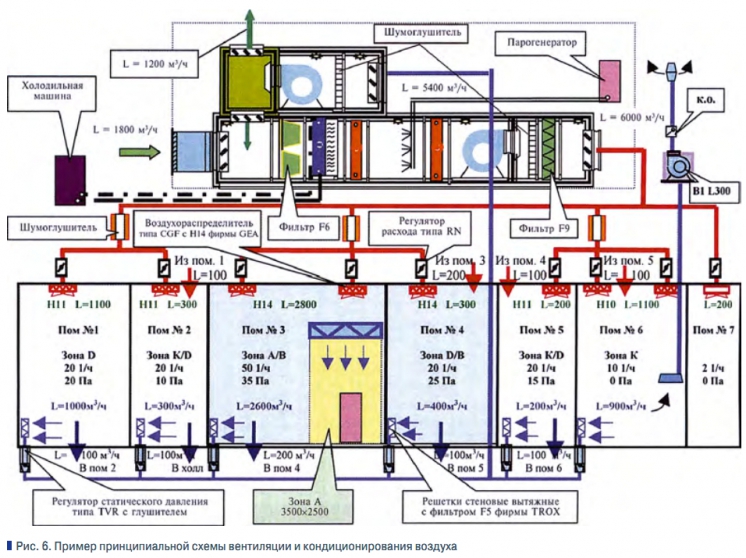
In the operating room itself, ventilation should provide such a volume of fresh air inflow that its amount is at least 15% greater than the air masses removed by the hood. Due to such a system, an air backwater is created.
Therefore, the purified air circulates not only in the operating room, but also extends to the preoperative and postoperative rooms.
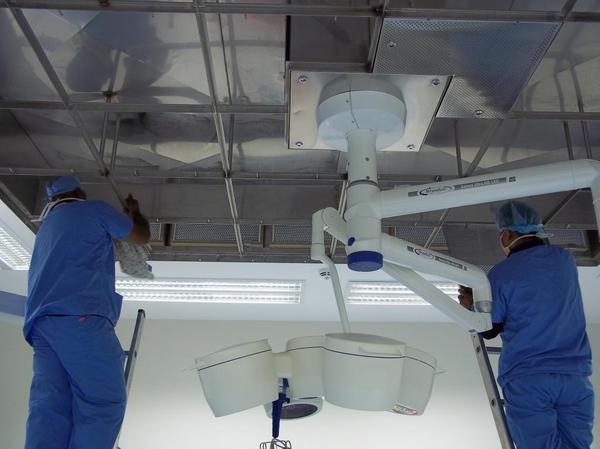
 Ventilation in the operating room should not only provide air flow, but also filter it. The flow is subject to mandatory disinfection. Air filters should be replaced at least once every six months
Laminar air flow is ensured in selected operating rooms where surgical interventions that require increased sterility (heart or brain surgery) are performed. Due to this, such an exchange of air is achieved, which is 500-600 times higher than that which is possible with the arrangement of conventional ventilation.
When designing ventilation in the operating room, it is necessary to provide for its operation in emergency mode. That is, if the main part turns off due to power outages or fails, it should be automatically replaced by a spare.
Prices for ventilation disinfection in a medical facility
| Type of work | Price |
|---|---|
| Departure of a specialist to the object (Yekaterinburg) | is free |
| Departure of a specialist to the object (Sverdlovsk region) | 25 rubles/km |
| Fan cleaning and disinfection | from 1500 rub |
| Cleaning and disinfection of the heater | from 1500 rub. |
| Cleaning and disinfection dampers | from 1500 rub |
| Cleaning and disinfection of the silencer | from 1500 rub |
| Grid/diffuser cleaning and disinfection | from 150 rub |
| Cleaning the inside of the air duct | from 180 rub/m2 |
| Disinfection of the inner surface of the air duct with the application of an antimicrobial coating | from 250 rub/m2 |
| Installation of the inspection hatch in the duct | 1500 rub |
| Cleaning and disinfection of the indoor unit of the air conditioner | from 2500 rub |
| Certification of ventilation systems and drawing up an act of aerodynamic tests | from 2000 rub |
Sequencing
Cleaning and disinfection of ventilation in the hospital takes place in two stages. The installation or its parts are cleaned of debris and dust using powerful industrial vacuum cleaners or using compressed air. Mechanical treatment with special cleaning equipment is just as effective.These are high pressure washers, steam cleaners, etc. After removing the accumulated dirt, the specialist proceeds to the second stage - irrigation with a disinfectant composition and subsequent processing.
At the end of the work in all premises of the medical institution, a thorough cleaning and processing of all equipment and instruments, as well as ventilation and air purification are carried out.
When disinfecting ventilation in clinics and hospitals, all safety measures must be observed so as not to harm patients and medical personnel. Preventive measures to maintain the proper sanitary condition of the systems are necessarily carried out according to the schedule.






Violation of air exchange parameters
If you see foggy windows without much, smell a musty smell, or think that the oxygen seems to be cut off, it is quite possible that the ventilation system is either poorly designed or needs to be urgently serviced.
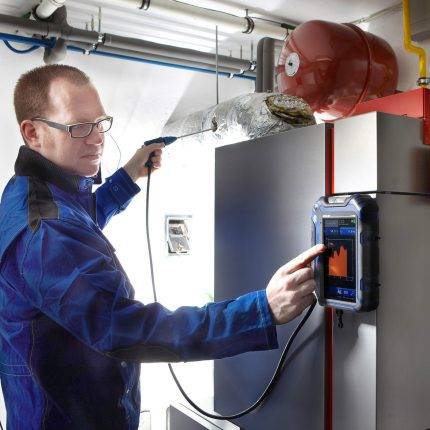 Checking the performance of ventilation equipment is carried out strictly according to standardized rules, and not using the common method in the form of a burning match
For residents of MKD, you should immediately contact the service organization, most often it is the Criminal Code, with a statement that there is a suspicion of a malfunction of the ventilation equipment. Based on this application, a specialist should come to you for an examination.
If the Criminal Code did not respond to the complaint in any way or it is about another building, it makes sense to try to complain to Rosprotrebnadzor, Housing Inspectorate, Sanitary and Epidemiological Station for verification.
Types of ventilation systems
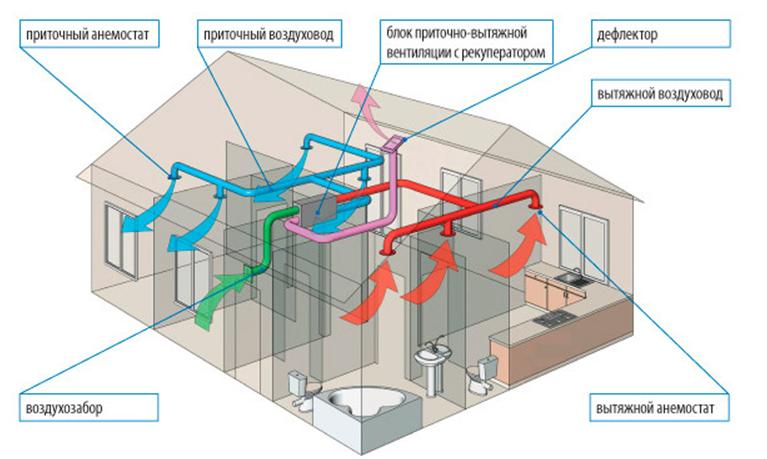
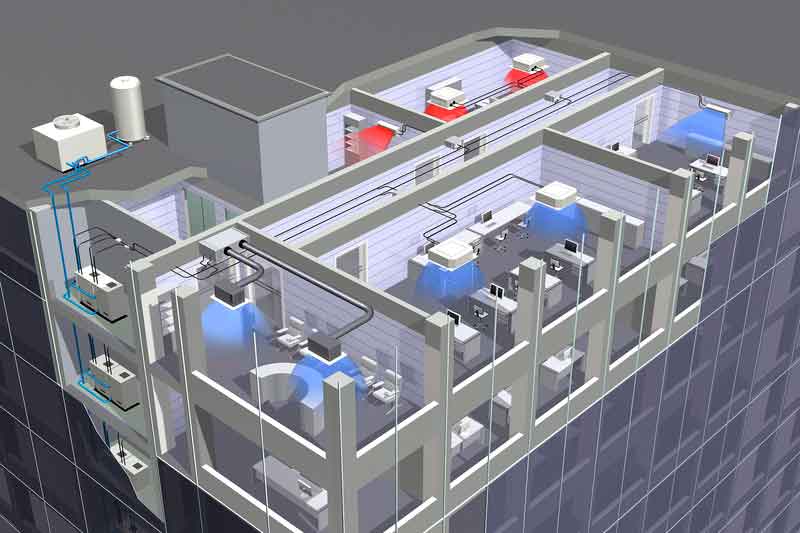
Modern ventilation and air conditioning systems facilitate its flow into the room and help regulate its temperature.They have a fairly detailed classification depending on the method of operation and technical characteristics.
Natural and forced ventilation
Air exchange in the room can be organized naturally or with the help of special devices for air inflow and outflow. Depending on the method of action, the types of systems are divided into natural and forced.
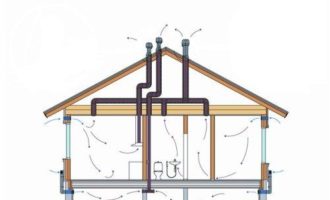
- Natural ventilation operates due to the difference in temperature and pressure in the room and outside it. It is organized through two open channels. So, a hole or pipe for air flow is usually located at the bottom of the room. The incoming cold air, heating up, rises up under the influence of physical laws, where the channel for the removal of air masses is located. Natural ventilation is very easy to install, but it has low efficiency in the warm season, when the temperature in the building and outside is practically the same.
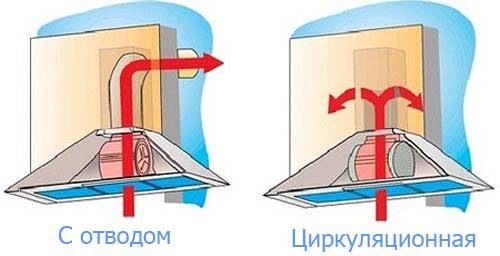
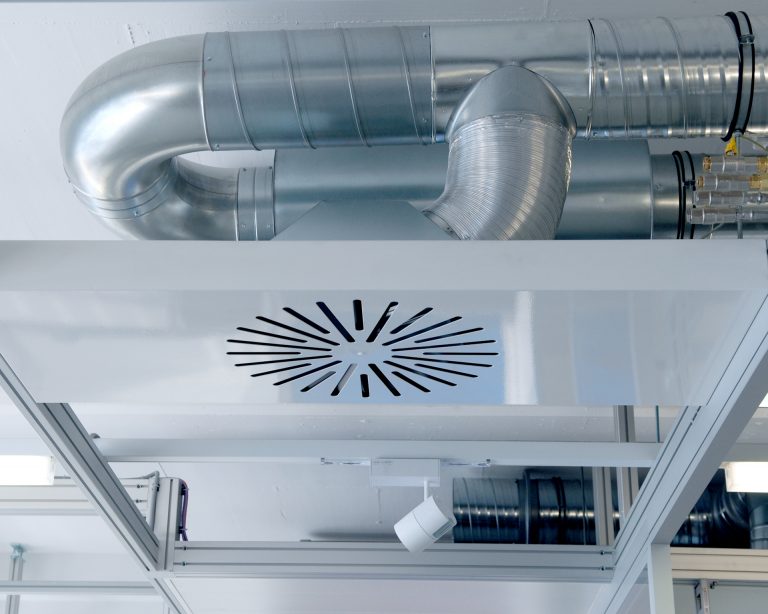
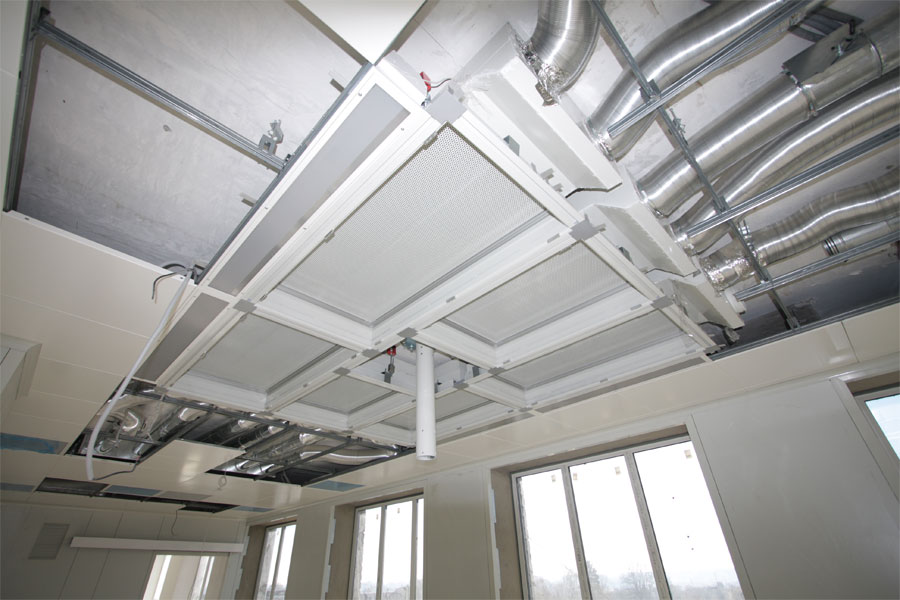
- Forced ventilation works thanks to fans, hoods and air conditioners that bring fresh air into the room and remove stagnant air. Such a system has a more complex structure, but it is convenient and versatile. Supply and exhaust ducts can be located anywhere in the apartment and set to the desired mode, they will work effectively both in winter and in summer.
Airflow direction
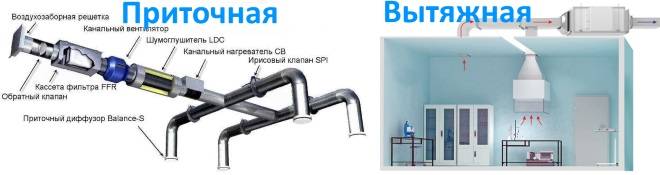
Ventilation systems are also classified according to the direction of the air flow. On this basis, they are divided into supply and exhaust structures. As the name implies, the supply parts are responsible for the supply of fresh air into the room, and the exhaust parts are responsible for the removal of polluted masses through the ventilation.
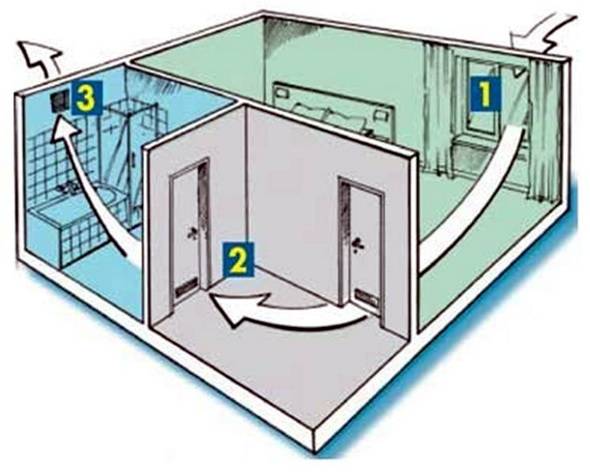
The devices included in the ventilation system are also divided depending on the direction they give to the air flow.
Design Features
 The ventilation project of dentistry is regulated by the following rules and standards: SNiP 41-01-2003 regulates the creation of forced ventilation systems. When designing smoke exhaust systems, the requirements of SNiP 2.04.05-91 and SanPiN 2956a-83 should be taken into account.
In dental clinics and offices, natural ventilation is allowed, provided that the high quality of cleaning of the supply and exhaust air is ensured. However, in surgical and X-ray. In classrooms, natural air exchange is prohibited: to create air exchange, autonomous forced ventilation systems are used, which ensure the expulsion of exhaust air through hoods and adjacent rooms. Such a scheme does not allow contaminants to enter the "clean rooms". That is why most dental clinic ventilation projects are developed using separate supply and exhaust systems.
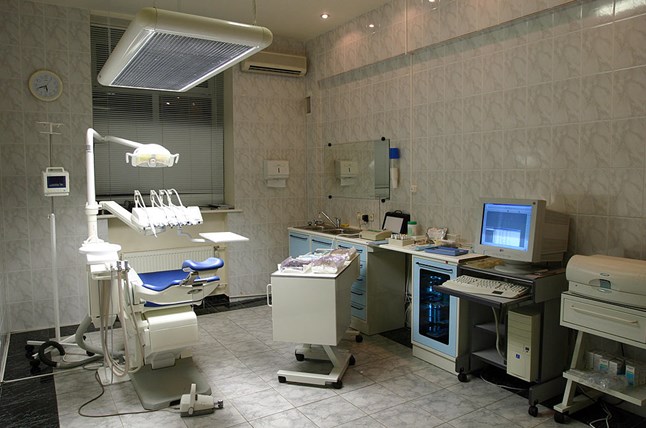 Supply air must be supplied exclusively to the upper zone of the premises, and provide 7-fold air exchange. Air intake from the street should be carried out at a height of at least 2 meters from the ground. The exhaust air must be cleaned with bactericidal filters. Exhaust ventilation should provide 9-fold air exchange, at an air speed of 0.2-0.5 m/s. The joint work of heating and air conditioning should ensure the temperature in dentistry: in the cold season 18-23 ° C; in the warm season 21-25°С.
To create a comfortable microclimate, the humidity level in the premises of dentistry should not exceed 75%. For x-ray rooms, laboratories, orthopedic and therapy rooms, the humidity value should not exceed 60%. In addition: In technical rooms where polymerization of dental implants and prostheses takes place, exhaust hoods with forced removal must be installed above the surface of heating devices polluted air masses. In therapy rooms, it is necessary to provide local suction near each dental chair.
Design of ventilation systems
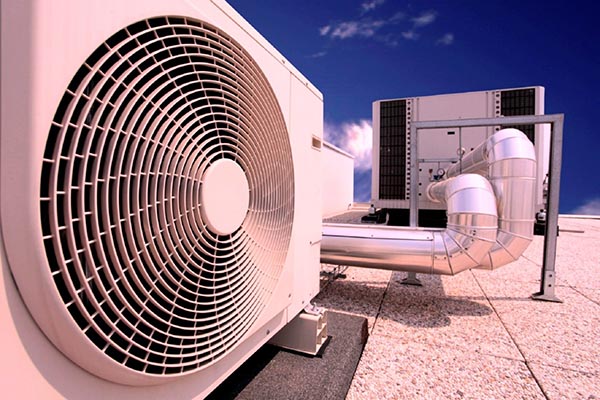
The most important point in the heating of the ventilation and air conditioning system is the development of a professional project. This work is not done by amateurs, but is entrusted to highly professional organizations that have extensive experience in this field and have an excellent reputation. Only high-profile specialists can correctly calculate all the important indicators of ventilation and air conditioning, and advise you on the best option. And in this scenario, there will be no problems with the further operation of the systems in the future. You can choose a good company both based on the recommendations of acquaintances and friends, and by contacting the Internet. As a rule, each project is individual and its cost reaches two dollars per square meter. But in order for the room to be cozy and comfortable, it is necessary to have a stable temperature, fresh air, and moderate humidity.

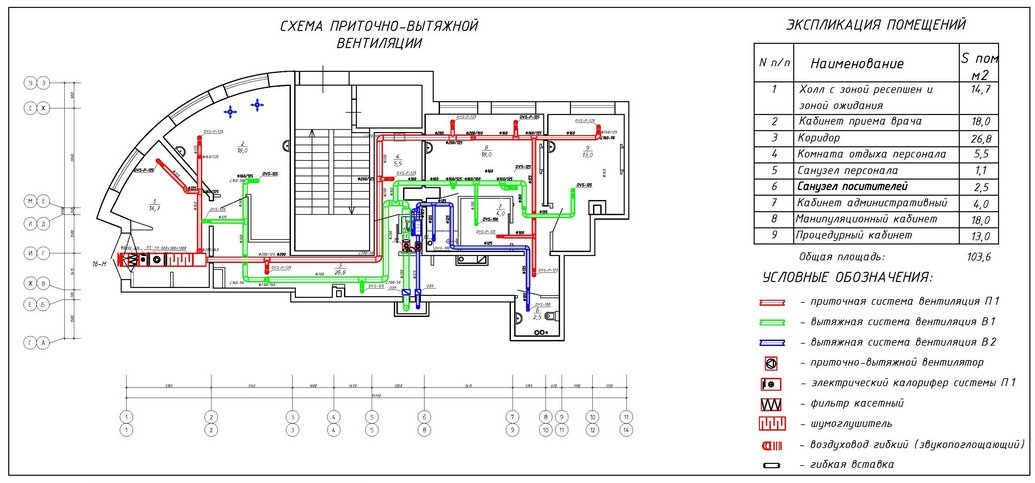
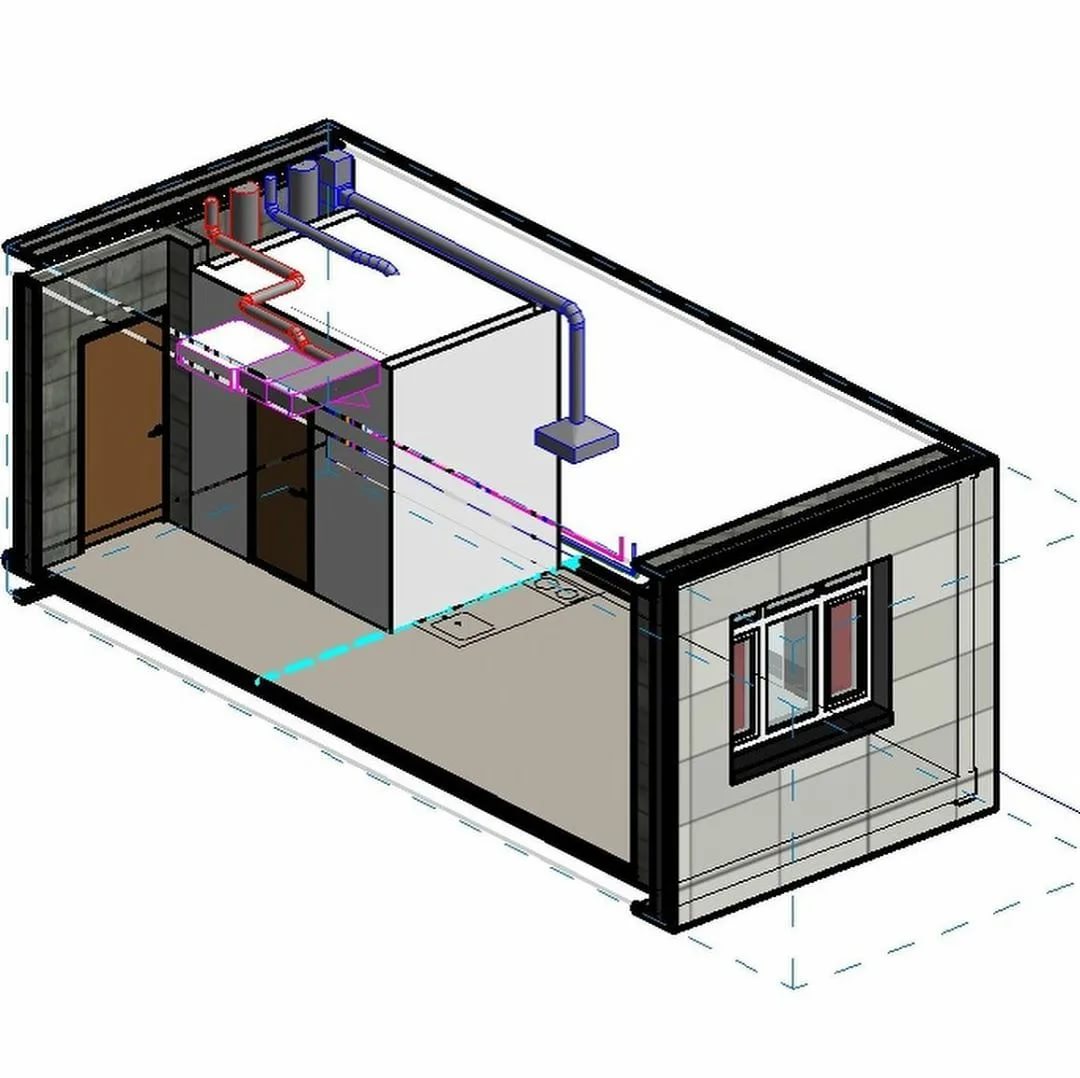
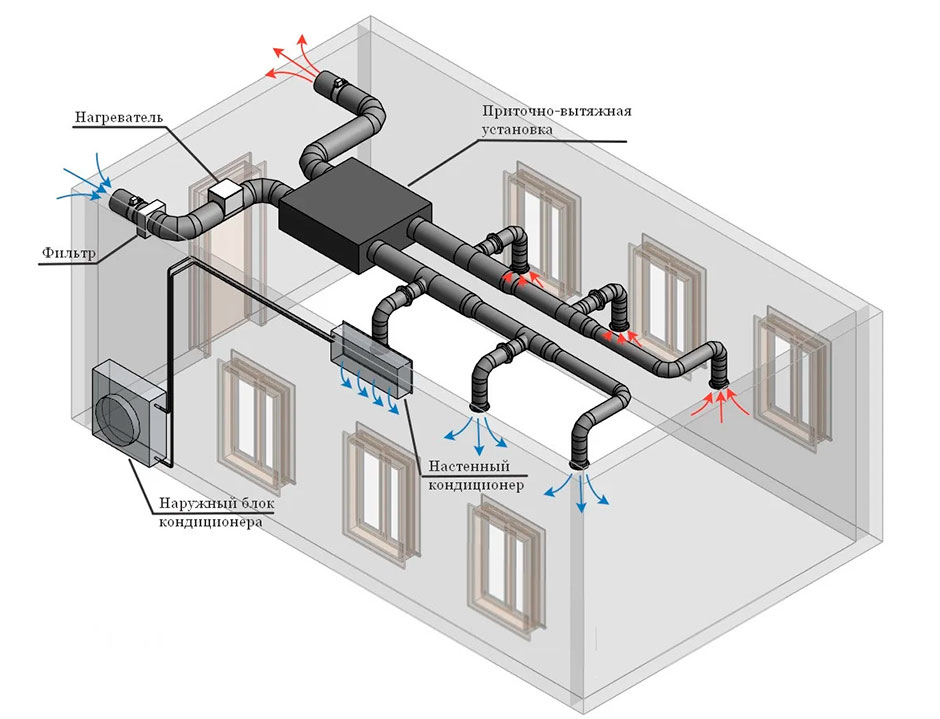

Ventilation system
Ventilation and air conditioning in an apartment or house is carried out using various devices and structures. These include systems that provide:
- air inflow - ventilation valves for windows, walls and doors;
- the removal of polluted air - hoods in the kitchen, channels in the bathroom;
- cooling of air masses - air conditioners, fans;
- heating - thermal curtains.
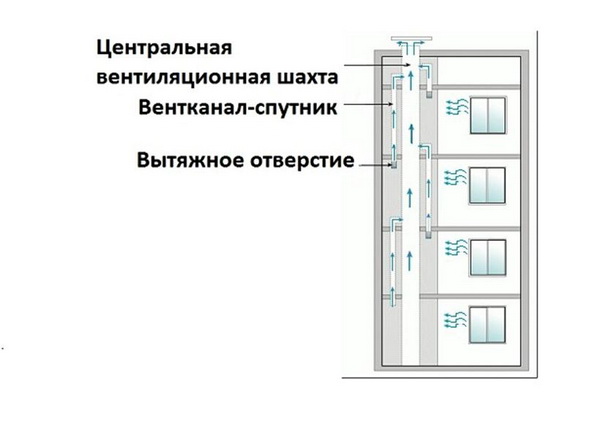
According to building codes, normal air exchange in residential buildings should be ensured by general ventilation systems. They are a long channel running from the basement of the house to the attic, which has numerous exits in each apartment.
Industrial ventilation and air conditioning is widespread, which is installed at enterprises and in other non-residential buildings:
- in industrial premises;
- in warehouses and workshops;
- in office centers;
- in markets and shopping malls.
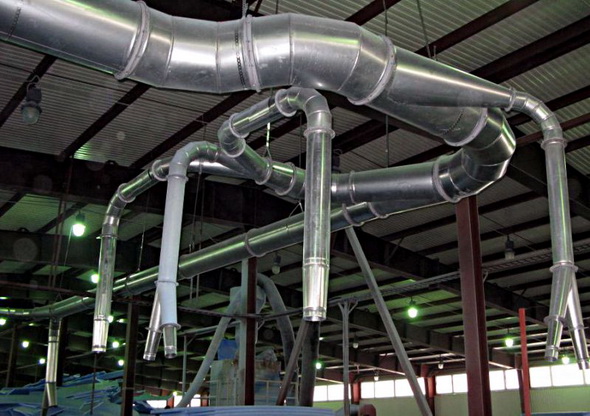
Such systems differ significantly from those used in residential apartment buildings. As a rule, more powerful and overall equipment is used here: advanced air conditioning and heating systems, large-scale hoods and fans.
Ventilation system and its functions
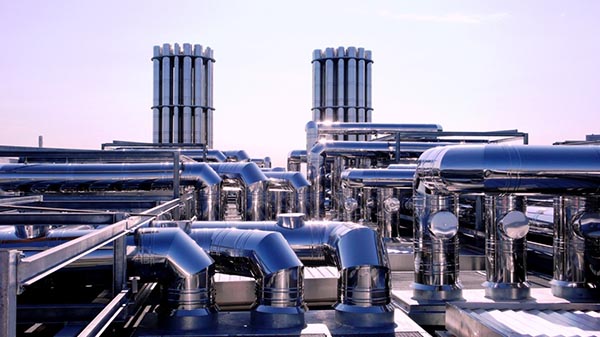
The ventilation system for industrial enterprises provides the necessary sanitary and hygienic norms of air exchange. But sometimes when storing specific materials, special conditions are necessary.
Industrial ventilation and its main tasks:
- it is necessary to correctly calculate the working capacity of the ventilation system so that there is proper ventilation;
- the air supply and exhaust system must have the desired effect. A component of this system is aspiration - the removal of dust and small particles from the air;
- an air cleaning system is provided;
- the most economical variant of the ventilation system is selected.Work related to the installation of ventilation systems should not be done on your own, but seek help from professional organizations that will not only make you a high-quality and reliable installation of this system, but also help you make the right choice regarding ventilation options.
In order for the main ventilation system to consume a small amount of air, you need: natural exhaust, properly calculated local suction, air shower, umbrella and more.
How to competently make a ventilation system for "clean orthodontic rooms"?
In the X-ray rooms of the dental clinic, ventilation and replacement of air by unorganized (natural) ventilation is not allowed. This is due to the possible ingress of dust and contamination of high-precision equipment. According to the SanPiN norms, production facilities of dental laboratories, X-ray rooms, orthopedic and dental rooms must comply with relative humidity values of 40-60%, which is provided by central or split VRV / VRF air conditioning systems.
SNiP ventilation in a dental clinic
In the offices of orthodontics, orthopedics and dental prosthetics, the rules of SNiP II-69-78 for "Treatment and prophylactic institutions (Appendix 2 and 3)" apply. Norms SNiP 41-01-2003 "Heating, ventilation and air conditioning" are the basis for the individual calculation of the mechanical ventilation and air conditioning system in dental rooms with permanent and temporary stay of patients and staff.
When designing dentistry rooms, the fire rules SNiP 2.04.05-91 for smoke removal and fireproof ventilation are also taken into account, and the Belarusian Railways are determined by SanPiN 2956a-83. The commissioning of the object is coordinated according to SP 44.13330.2011 for administrative buildings, taking into account the medical (dental) profile of the premises.
In the cold season in dental rooms, with a constant crowd of people, at a temperature of 18-23 ° C, the air speed is 0.2 m / s, and in the warm this value is performed at 21-25 ° C. In bathrooms and utility rooms for temporary stay of employees, temperatures of 17-28 ° C are allowed, the humidity level is not more than 75% (relative humidity), depending on the season, while the air exchange rate in them increases to 0.3 m/s. In honey. organizations up to 500 sq.m, in rooms of cleanliness class B and C (except for operating rooms, X-ray rooms, MRI rooms), unorganized air exchange is allowed due to ventilation of the premises through opening transoms or natural exhaust ventilation.
Types of ventilation systems
Ventilation systems
Industrial ventilation systems are of various types. Depending on the method of air movement, natural or mechanical ventilation is distinguished. Very often, the combination of these two types in mixed ventilation is considered the best option. Given the purpose of ventilation, why it works, they distinguish supply, exhaust or mixed type. This separation exists to separate those systems that are intended for delivery, for the removal of air from a ventilated room, or for these two tasks at the same time.


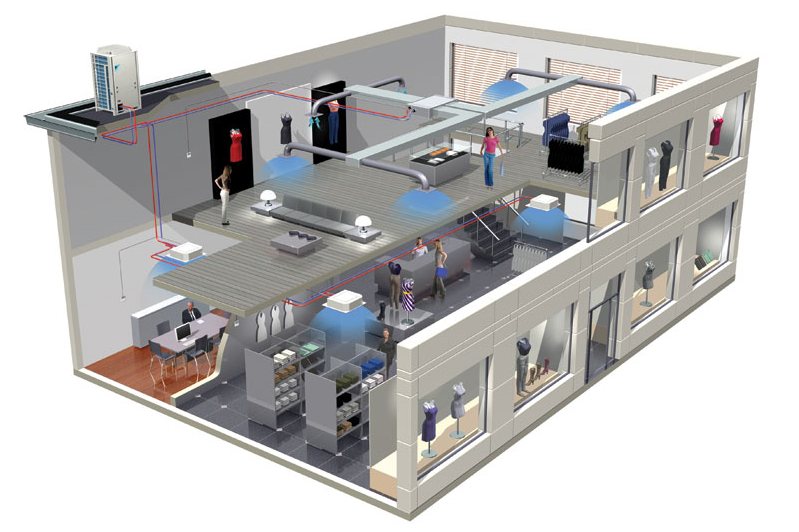


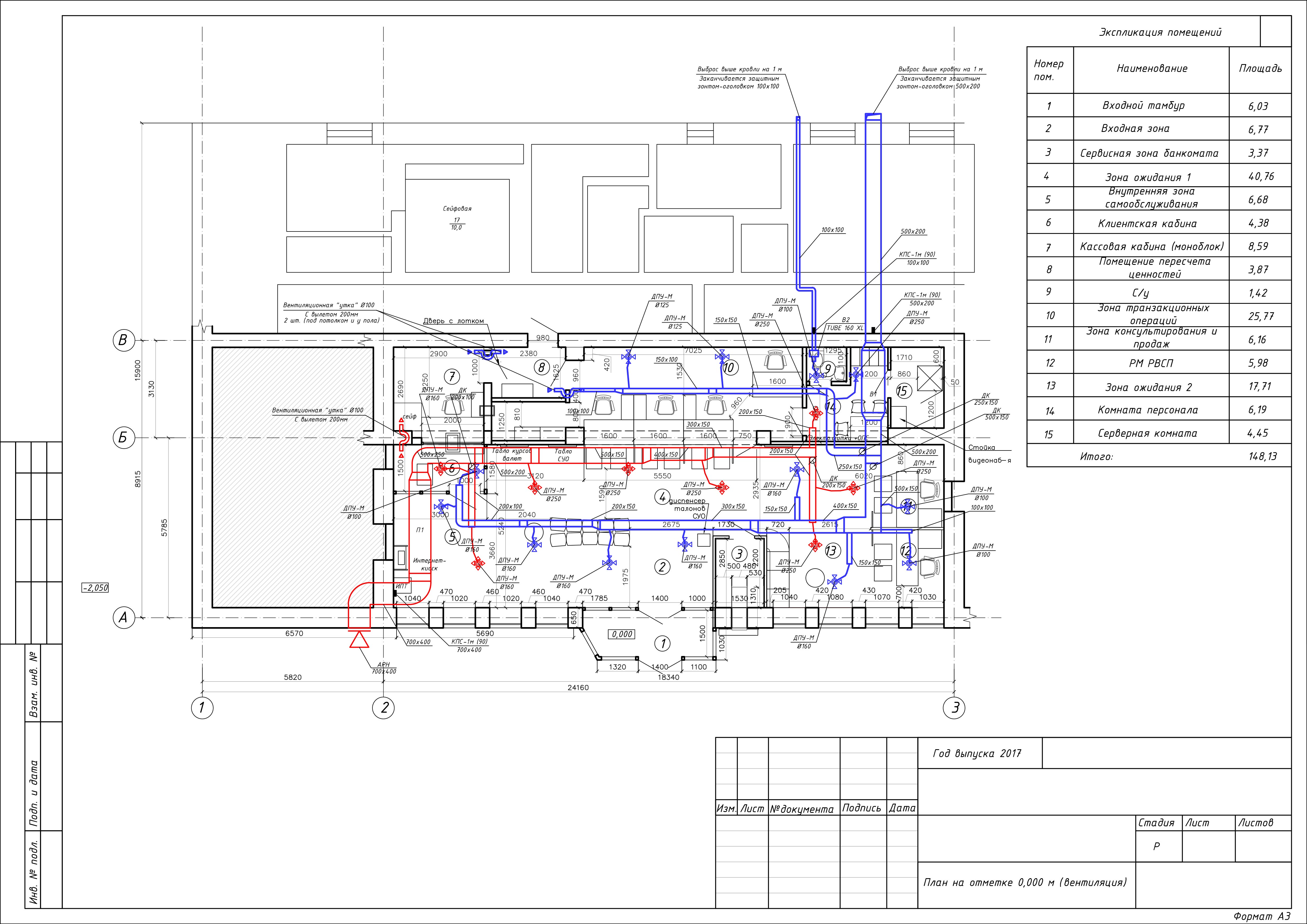


Ventilation can be local or general exchange, depending on the impact zone. The second option is the most common and its essence lies in the fact that humid, heated and unsuitable air is diluted with clean air until it reaches the required parameters. This type of ventilation is used if in the room where the production takes place, the polluted air is distributed equally in all zones. Such ventilation allows to achieve constant and acceptable microclimate characteristics evenly throughout the room.
Air exchange can be reduced in volume by several times if it is engaged in the separation and removal of emissions locally, that is, where they occur. To do this, install certain units on equipment that emits harmful substances. Such devices help to separate polluted air and remove it. Such ventilation of industrial premises is called local. The advantage of this type is that much less money is needed for its operation and installation.
How to choose a ventilation cleaning company
After the abolition of compulsory licensing for work with ventilation and heating systems, many companies have appeared that offer cleaning services to everyone, including in medical institutions. If you can still take risks in small offices or retail outlets, then in a hospital or clinic, such indiscretion is unacceptable.
First of all, you should find out the status of the company - officially working, having a permit, license, or is it just civilian workers. It is necessary to attract specialists only on the basis of a concluded contract with a list of services
Importantly, the person responsible for the sanitary and epidemiological situation in the institution should ask if the company owns modern equipment for servicing various types of ventilation systems, and also what chemicals will be used to process filters, ventilation shafts and other elements and subsequent disinfection of the system
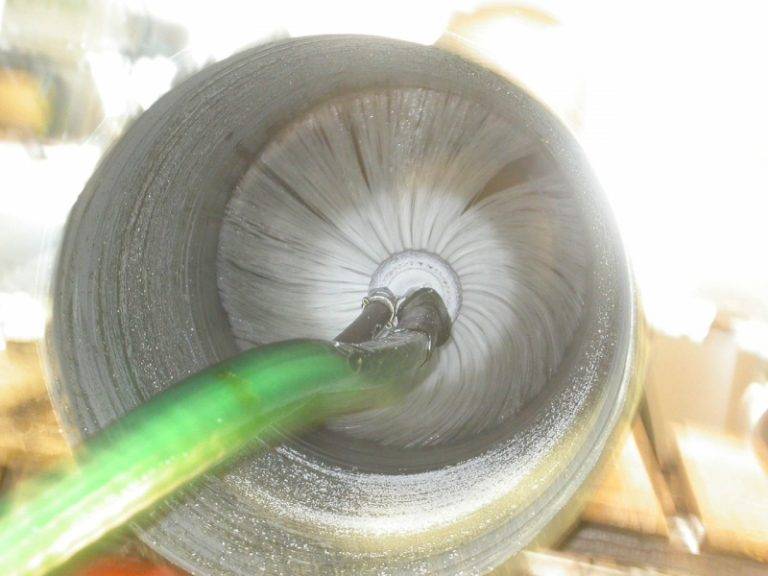
For information, the properties and dosages of disinfectants for ventilation systems and are determined by law, and the company fulfilling the order must provide these standards at the request of the customer. After completing the order, the contractor must provide a document with a list of work performed and a report on the methods of decontamination of the object. The professional performance of this work involves increased security measures - both special suits and tools for the workers themselves, and the exclusion of aggressive compounds that can damage the elements of ventilation systems.
The conclusion is that these types of work do not apply to services that can be entrusted to random people. Moreover, when it comes to people's health, you need to trust only serious companies with experience, professional employees and modern equipment and facilities. Yekaterinburg is a metropolis where you can always find a time-tested company that is guided by all the standards that determine cooperation with healthcare institutions.
Conclusions and useful video on the topic
For information on how to combine the ventilation system and the hood, see the following video:
The main mistakes in the installation of natural ventilation:
The most difficult stage in the ventilation device is its design.The design of the system must be developed taking into account all the listed norms and requirements determined by the gas services. This will ensure safety for human life and high-performance operation of the equipment.



Have questions, found shortcomings, or can you add valuable information to our material? Please leave your comments, share your experience, ask questions in the block below.