

- Mounting the device
- Installation and connection
- Service
- Filter cleaning
- Removal of excess sludge
- Cleaning the filter and airlifts
- Do-it-yourself installation of a Topas septic tank
- Device advantages
- Device and principle of operation
- Aeration septic tank "Topas": do-it-yourself installation
- How the system works
- Operation Unilos (Unilos) in the winter
- Preservation of the Unilos septic tank for the winter - possible errors, causes and consequences
- Reactivation of the septic tank Unilos (Unilos)
- Operating recommendations
- Features of maintenance and operation of the Topas septic tank: cleaning before winter, the use of bacteria
- Disadvantages: price as the main aspect
- Call a specialist to service the septic tank Topas
- How to use the Topas septic tank in winter?
Mounting the device
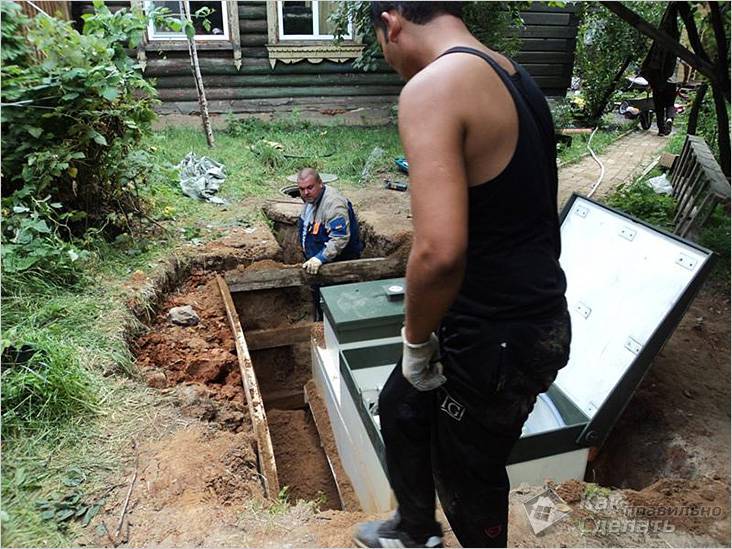
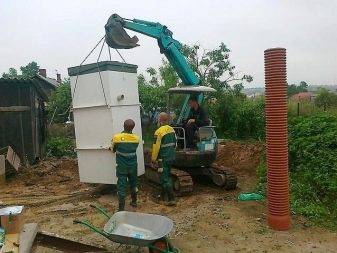
 The septic tank is lowered into the pit
Now let's talk about how to install a Topas septic tank. There is nothing complicated in this and everything can be done independently. The only thing that will have to invite assistants when lowering the device into the pit.
Installation starts with finding a suitable location. Here you need to consider the following facts:
- The location should be close to home. According to the enclosed instructions, the minimum distance from the installation site to the main building is five meters.
- When choosing a place, try to ensure that the sewer pipes, leaving the house, go straight to the septic tank. Excessive bends and turns can contribute to the formation of blockages, which means additional cleaning work.
- There should be no heavy vegetation around the installation site. The roots of trees and large bushes can damage the hull.
- It is also worth knowing the depth of soil freezing in your area. This will determine at what distance from the surface the sewer pipes and the cleaning device itself can be laid.
- If groundwater is close to the surface, then the bottom of the pit must be reinforced with a concrete slab or sand-cement screed.
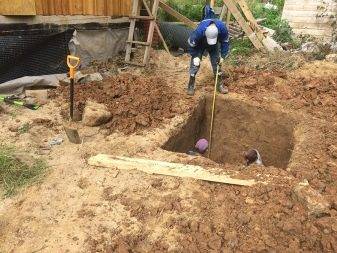
If we have decided on a place, then we proceed to dig a pit. Its dimensions will depend on the selected model. As a rule, such devices are relatively compact, so digging a pit can be done manually.
When carrying out earthworks, one should not forget about the necessary gaps between the walls of the pit and the body of the septic tank. They are needed for further filling the device with soil. Such gaps should be at least 20 cm. Also, the depth of the pit should be made larger for the construction of a sand cushion. If groundwater comes close to the surface, then the depth is made taking into account the installation of a concrete slab or sand-cement screed.
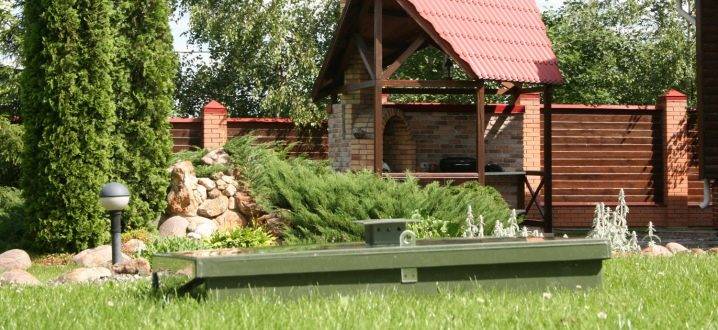
After the foundation pit is ready, its foundation is made. The sand cushion should be at least 15 cm. Also try to make the upper part of the hull protrude above the ground. This is necessary so that the spring meltwater does not flood the equipment of the device.
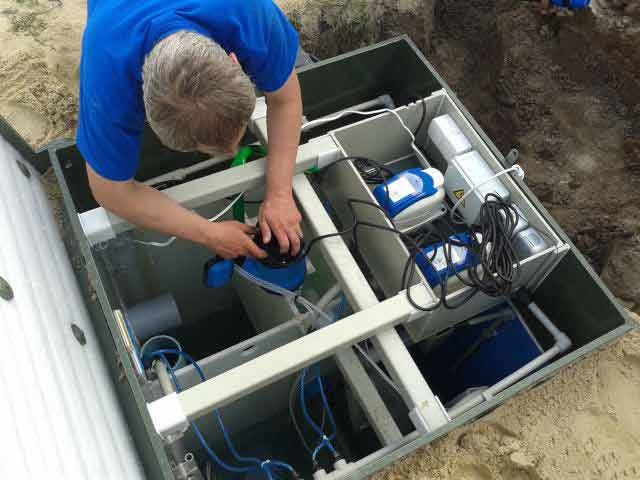
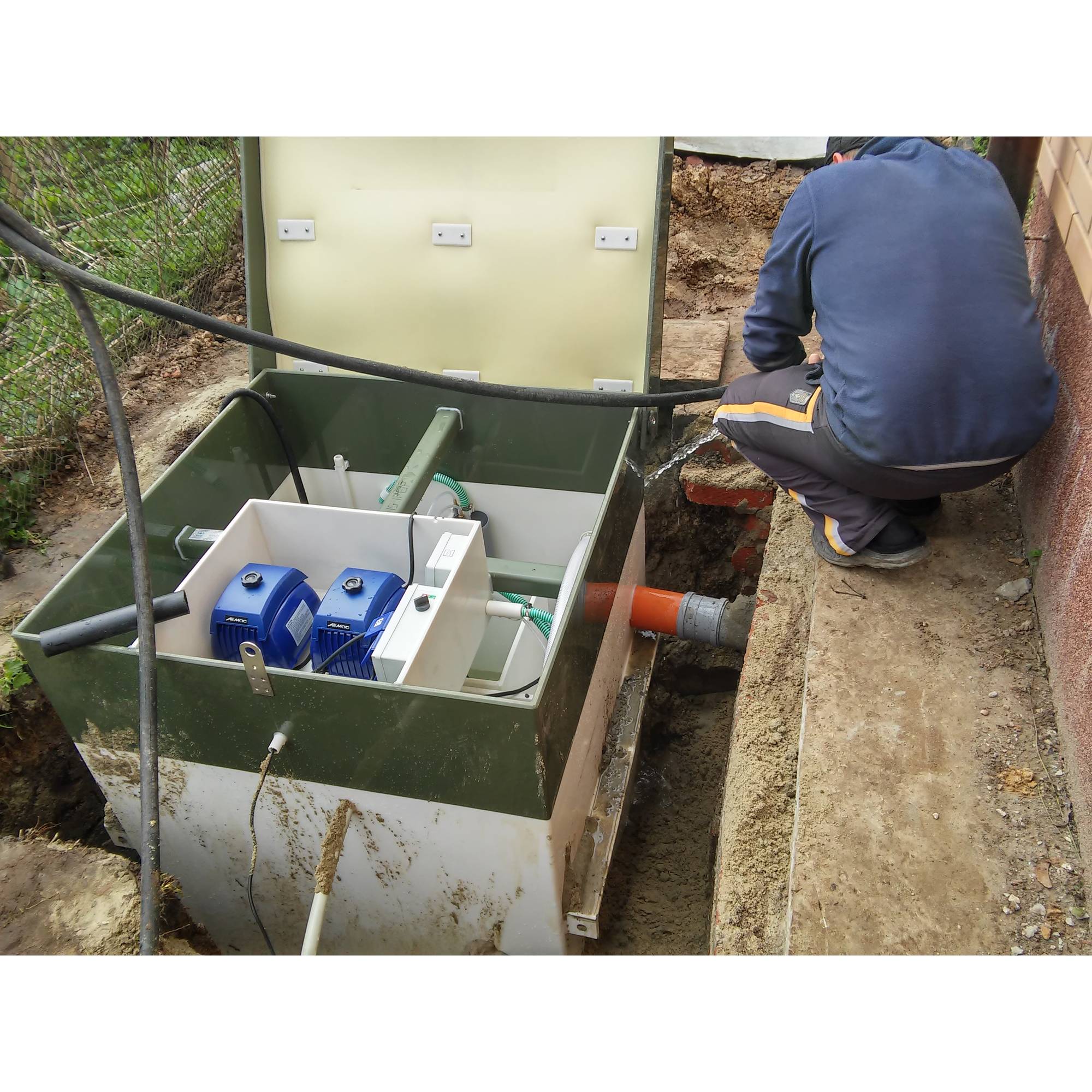
After equipping the base, lower the septic tank into the pit. This can be done manually with the assistance of an assistant.To do this, use the cables threaded through special holes in the stiffeners of the structure.
 Connecting communications
The next step is to connect the septic tank to communications. The first step is to connect the sewer pipe. First you need to dig trenches for pipes and lay the pipeline itself.
When laying sewer pipes, do not forget about the slope. It should go from the house to the septic tank and be 1-2 cm per linear meter. The depth of laying pipes will depend on the depth of soil freezing. As a rule, it is from 70 to 80 cm.
Before starting connection work, the Topas housing must be leveled using a building level. Only in a strictly horizontal position will the device work more efficiently.
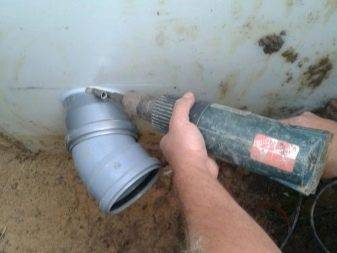
To connect the sewer pipe, a hole of the required diameter is made in the housing. Everything must be done according to the attached instructions. Then a pipe is welded to the hole, it is advisable to do this using a polypropylene cord and a building hair dryer. After the connection has cooled down, a sewer pipe is inserted into the pipe.
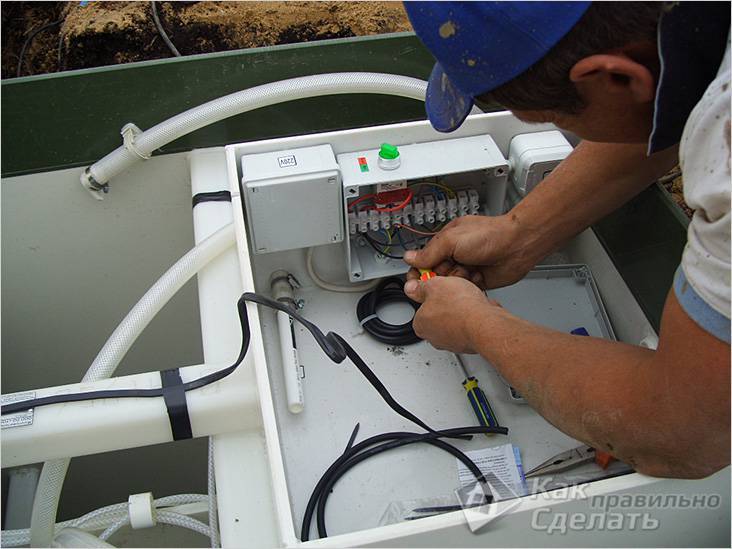 Connecting the power supply of the septic tank Topas
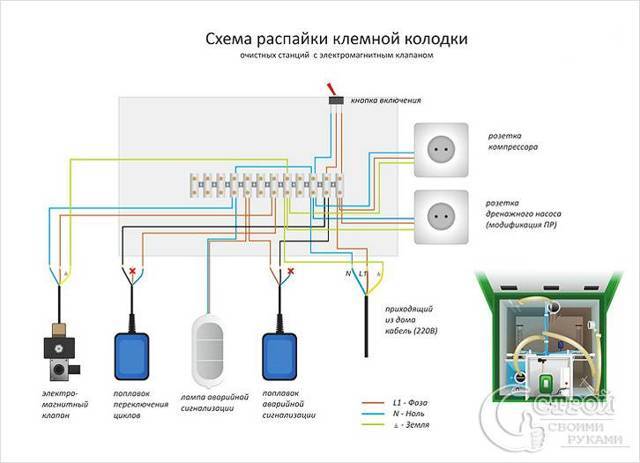
Now it's time to connect the electrical cable. It must be carried out from the shield in the house with a connection to a separate machine. The cable itself is laid in a corrugated pipe and can be placed in the same trench as the sewer pipes. Electricity is connected to a special hole with terminals on the body of the septic tank.
After connecting the power supply and sewer pipes, the body is covered with soil. This must be done gradually, in layers of 15–20 cm. At the same time, water is poured into the container to equalize the pressure.The water level should be slightly above the fill level.
If the level of soil freezing is quite large, it is possible to insulate the septic tank. This is done before backfilling with soil. As a heater, you can use any heat-insulating material intended for laying in the ground.
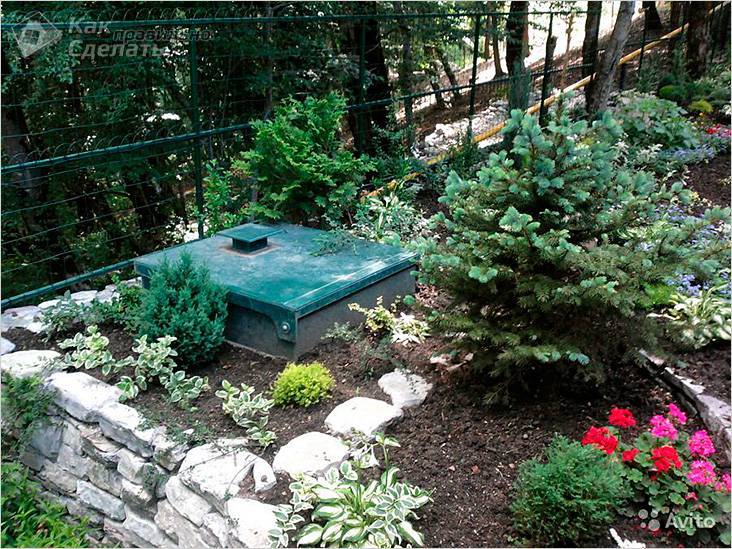 The septic tank is beautifully designed
This completes the installation of the Topas septic tank. If everything is done correctly and taking into account the recommendations set out in the instructions for the product, the device will last for decades.
Installation and connection
The TOPAS septic tank has a reliable polypropylene body. Polypropylene is a special plastic, characterized by high strength and durability. It is the use of polypropylene that makes it possible to abandon the concreting of the walls of the pit, which significantly reduces the cost of installation. All spare parts necessary for the installation of a septic tank are supplied by the manufacturer as a kit.
The septic tank is installed in a pre-dug pit. The outer walls of the septic tank are equipped with special designs to make the body more rigid. Thanks to these ribs, additional resistance is created, eliminating the possibility of a septic tank surfacing.
Installation of a septic tank consists of the following steps:
- dig a pit and install formwork for a specific model of a septic tank;
- pour a layer of sand at least 15 centimeters thick under the base and level it evenly;
- dig a supply trench for the pipeline to the entry point to the septic tank in accordance with building codes;
- bring the electric cable to the compressor;
- provide free access to the required volume of clean water near the installation site of the septic tank for filling the tanks;
- lower the septic tank into the pit, aligning it horizontally and vertically, using the building level (deviation is allowed no more than 5 mm);
- fill the septic tank with sand from all sides by 30–40 centimeters;
- fill the septic tank with water to the same height;
- evenly fill the septic tank from all sides and at the same time fill it with water 1 meter from the bottom of the septic tank;
- make an inlet in the body:
- outline the contour of the supply pipe at the tie-in place in accordance with the installation scheme;
- make an inlet for a sewer pipe;
- install the special pipe included in the kit and solder it with a welding rod;
- connect the supply line and pipe with a coupling;
- lay a pipeline for the removal of purified water to the point of discharge;
- if the model is with a gravity drainage system, then connect the outlet pipe to the pipeline for discharging purified water;
- for a model with forced drainage, make a hole in one of the sides in the direction of the outlet of purified water, install a branch pipe and solder it with a welding rod;
- install the pump in a container for the accumulation of purified water;
- install a drainage system for water;
- connect the pump;
- install and connect the compressor;
- fill the septic tank with sand to ground level;
- during the installation of the TOPAS septic tank, fill the chambers of the aeration tank, the secondary sedimentation tank and the sludge stabilizer with water to the level of the outlet of treated water, and the receiving chamber to the level of the supply pipeline;
- before applying voltage, it is imperative to check whether the compressor and pump (if any) are connected correctly;
- start up an electric current;
- move the toggle switch to the "ON" position.
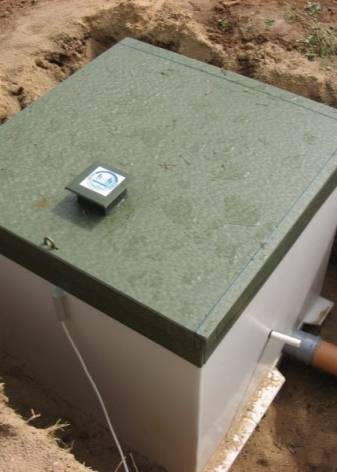
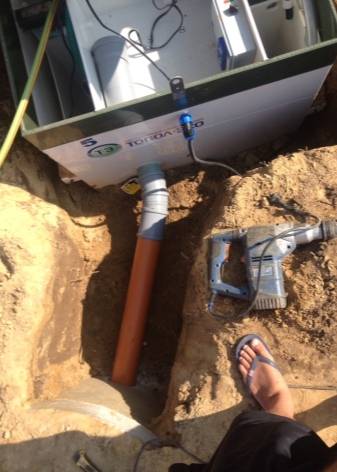
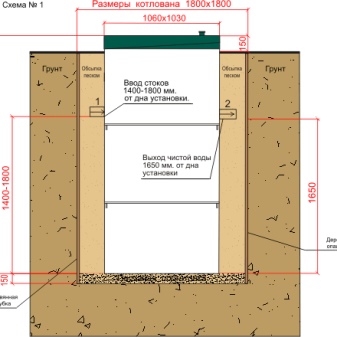
After installing the septic tank in a pit with a prepared bottom, a hole for the supply pipeline should be cut in the wall of the receiving chamber in accordance with the installation diagram attached to each model.
To ensure a good storage volume and stable operation of the septic tank, to avoid water backwater in the inlet pipeline, it is necessary to install the inlet pipeline at least 1.5 meters from the bottom of the septic tank. The hole is made carefully along the contour of the sewer pipe, then scalded with a welding rod, ensuring the tightness of the seam.
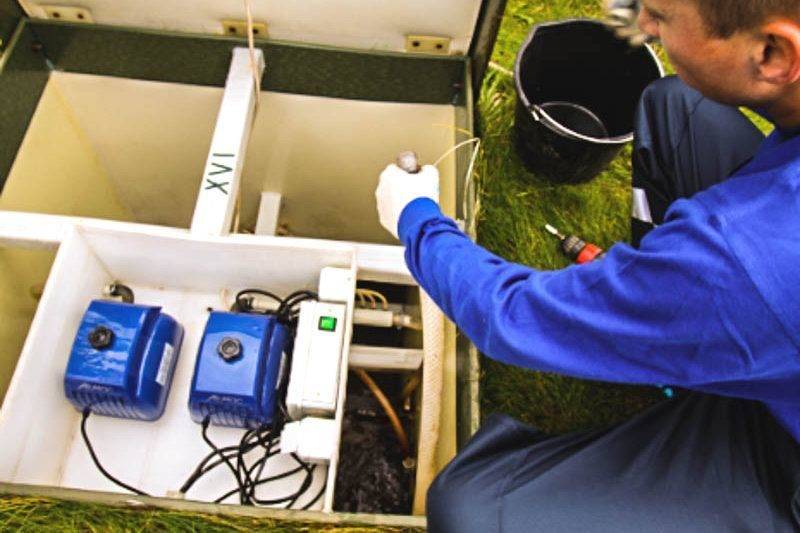


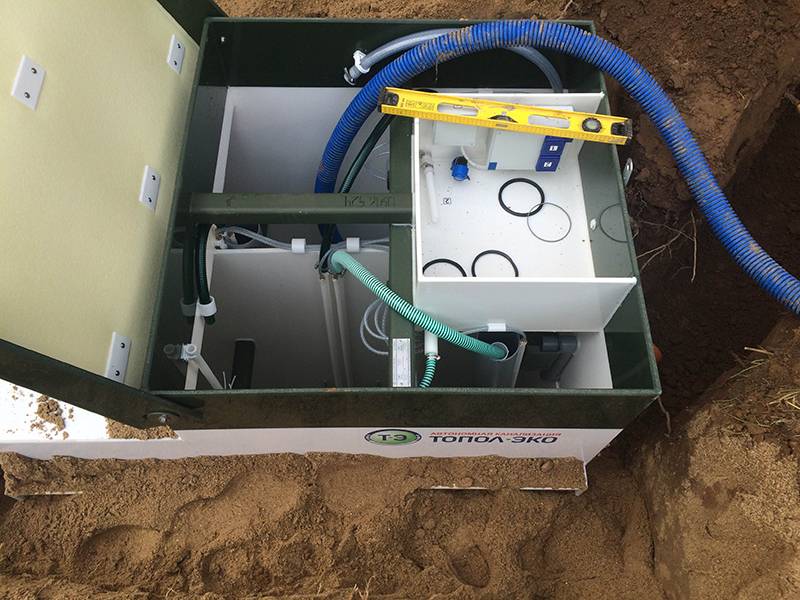


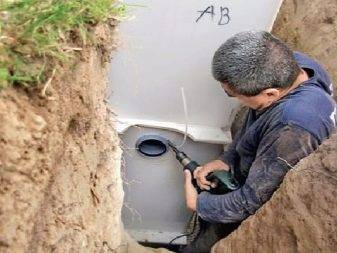
It is important that the following conditions are met:
- the entrance to the septic tank must be made in the surge tank;
- the entrance depends on the model of the TOPAS septic tank;
- the supply line (process pipeline) is made of PVC pipes (unmodified polyvinyl chloride): 110 by 3.2 mm or 160 by 3.6 mm.
Service
Autonomous wastewater treatment plants, which include the Topas septic tank, are often called sewage without pumping. This does not mean that the installation does not require maintenance at all. The point is that there is no need to call a sewage truck, but it is necessary to remove sludge from time to time. How often? 1-4 times a year, depending on the intensity of use.
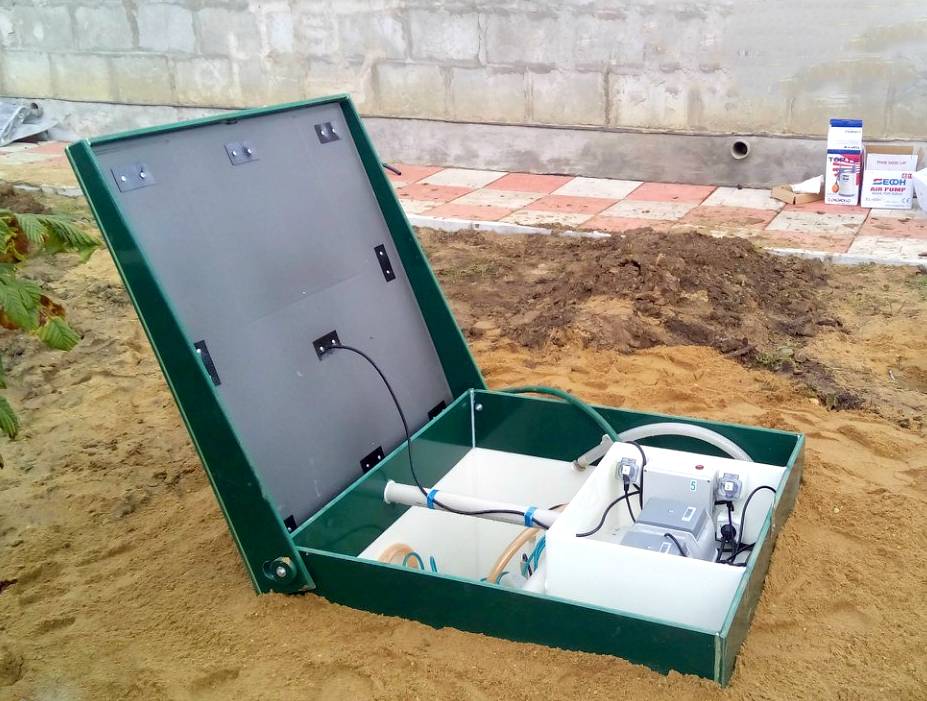
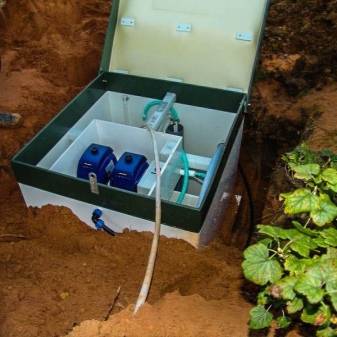
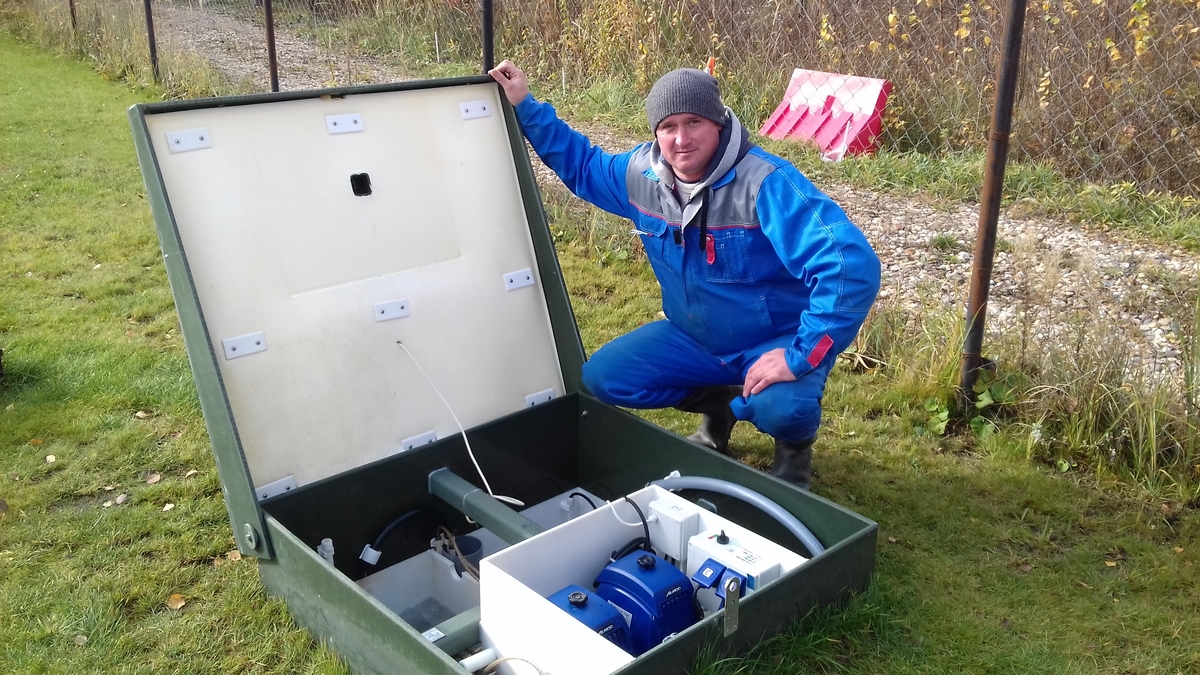
It looks like a septic tank Topas
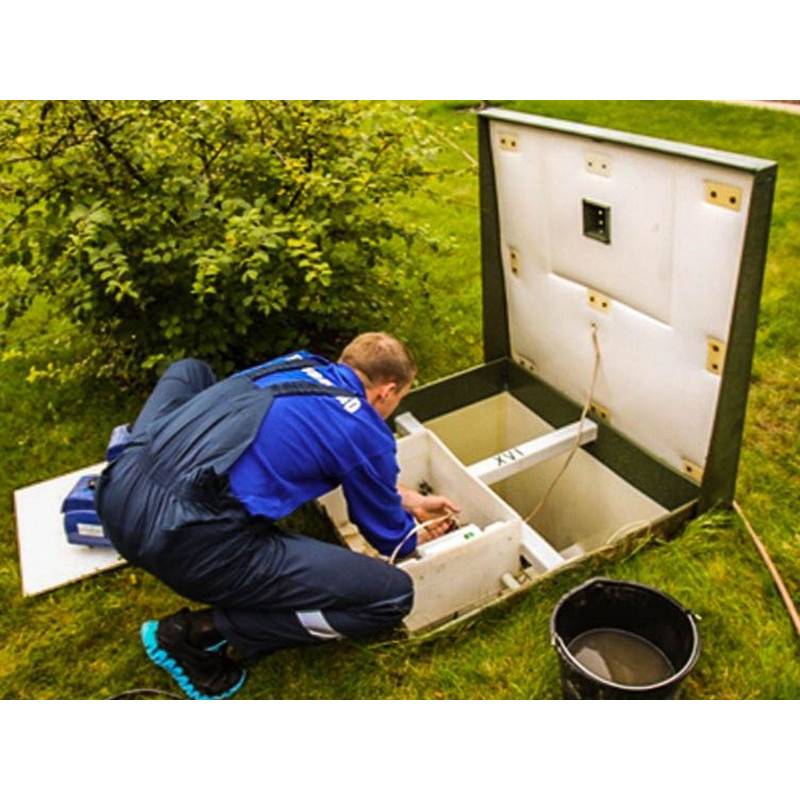
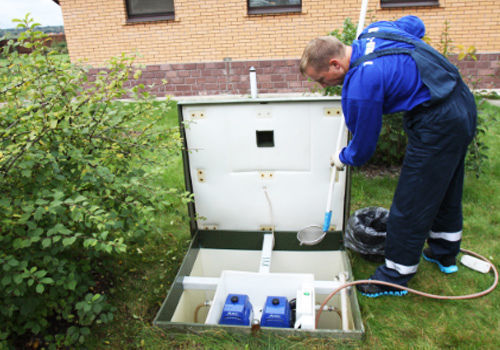
It is also periodically necessary to remove fragments from the receiving compartment that the bacteria cannot process. This operation is carried out with a net, opening the lid. And one more procedure - cleaning the filter of large fractions and airlifts. The efficiency of the installation depends on their condition.
Filter cleaning
Another operation that must be carried out regularly is cleaning the filters on the pumps. To do this, unscrew the large plastic nuts that are on the top of the pumps. After removing the nuts, you can lift the covers under which the filters are located. If the filters are clean, nothing needs to be done with them; if there is contamination, they are washed in cold running water, dried and put back in place.
Loosen the nuts to clean the filters.
Removal of excess sludge
Excess activated sludge, which is formed during operation, enters the stabilizer chamber, where they are mineralized. From this compartment they must be periodically removed. The recommended frequency of the procedure is once every three months, but many determine that the time has come by the appearance of a smell that indicates that sludge has accumulated. Removal occurs with the help of a pump (airlift) available in the stabilization chamber. The process is simple, all you need is:
- Turn off the power (toggle switch).
- Put on gloves, substitute a bucket.
- Open the stub.
- Lower the hose into a bucket, turn on the pump.
- After cleaning the chamber, fill the chamber with clean water, close the plug.
This operation can be carried out using a fecal pump. In this case, pumping can be done once a year.
Cleaning the filter and airlifts
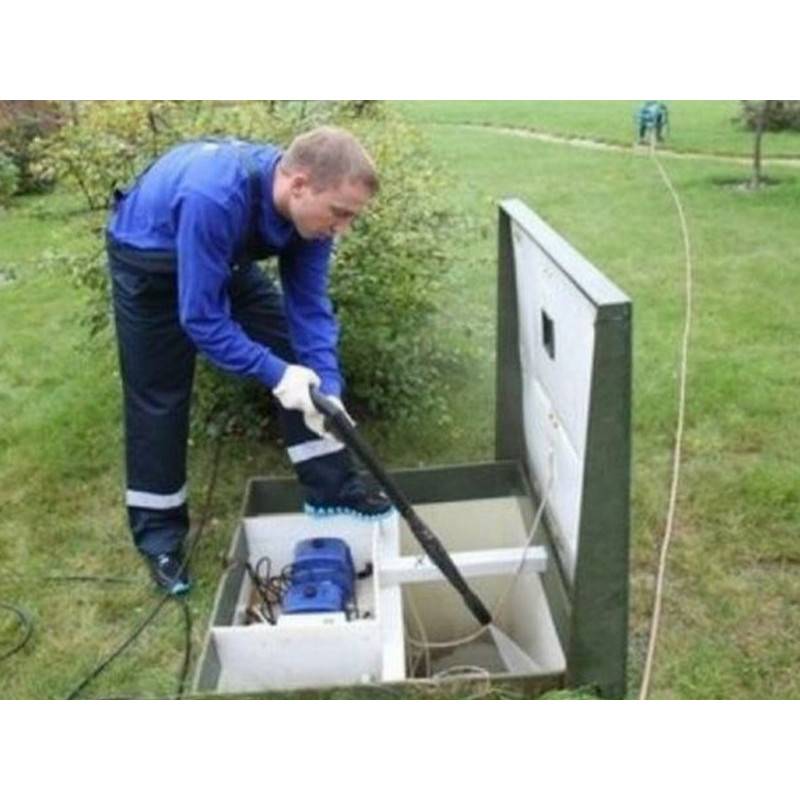
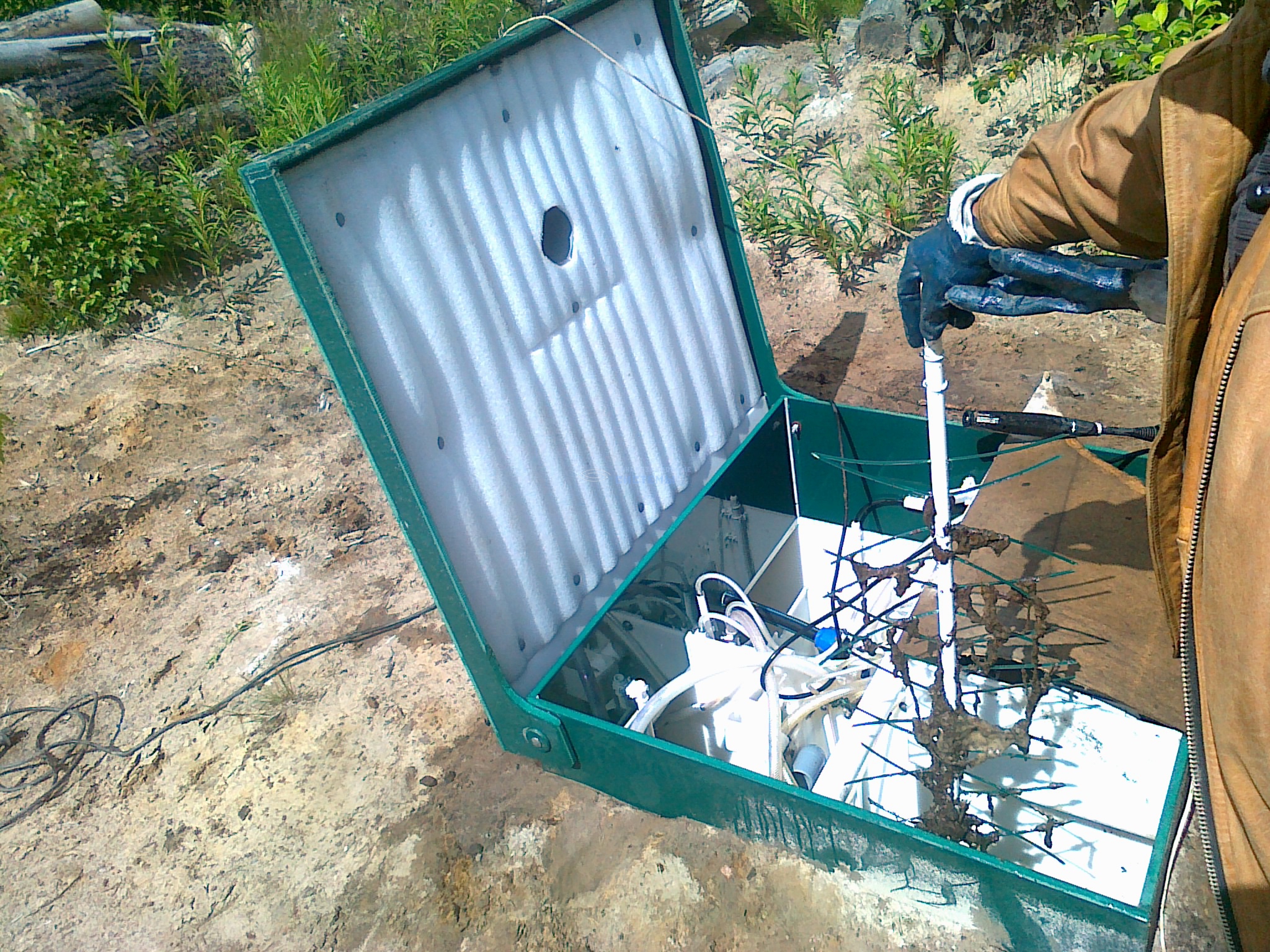
During operation, the filter and airlifts become contaminated, which affects the efficiency of wastewater treatment. They need to be cleaned in order to be restored. This is done with a powerful stream of water, the air cleaner nozzles are cleaned manually - with a needle. The procedure for cleaning the Topas septic tank is as follows:
- Turn off power.
- Disconnect the air supply hoses, remove the pumps from the housing.
- Spray with a jet of water under pressure - inside and out.
- When cleaning the air cleaner, clean the nozzles with a needle.
- Put everything back in place, add water to the working level, turn it on and check the operation.
These are all the necessary maintenance works for the Topas septic tank.
Do-it-yourself installation of a Topas septic tank
Until recently, biological wastewater treatment was considered an unacceptable luxury for an ordinary owner of a suburban subsidiary plot. And only in recent decades, the situation has changed dramatically, which is associated with the advent of septic tanks, in particular, treatment systems called Topas.
Devices of this type provide high quality wastewater treatment due to their decomposition under the influence of microorganisms (bacteria), which is not accompanied by the formation of waste that pollutes the environment.
Do-it-yourself installation of a Topas septic tank is quite simple from a technical point of view and can be performed by any user who has ever had to handle such equipment at least once. However, before installing it, or better before buying it, it is advisable to familiarize yourself with all the advantages of a septic tank and the principle of operation of the device.
Device advantages
The main advantages of the Topas septic tank include:
- high efficiency of cleaning procedures;
- low power consumption;
- excellent tightness and low noise level generated by the device during operation;
- compactness and ease of maintenance.
We also note that when purchasing cleaning equipment, you are given the opportunity to individually select a septic tank for the needs of the family (depending on its quantitative composition). So, the Topas-8 model, for example, is designed to serve a family of eight people, and the Topas-5 is suitable for a family of five members.





Device and principle of operation
The main cleaning processes occurring in the settling tanks of the septic tank are the result of the vital activity of special bacteria that feed on organic matter and decompose it into elements ready for disposal.
A distinctive feature of the device we are considering is that its entire design is made in the form of a compact module, due to which the installation of a septic tank is noticeably simplified.
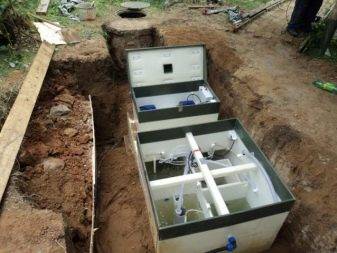
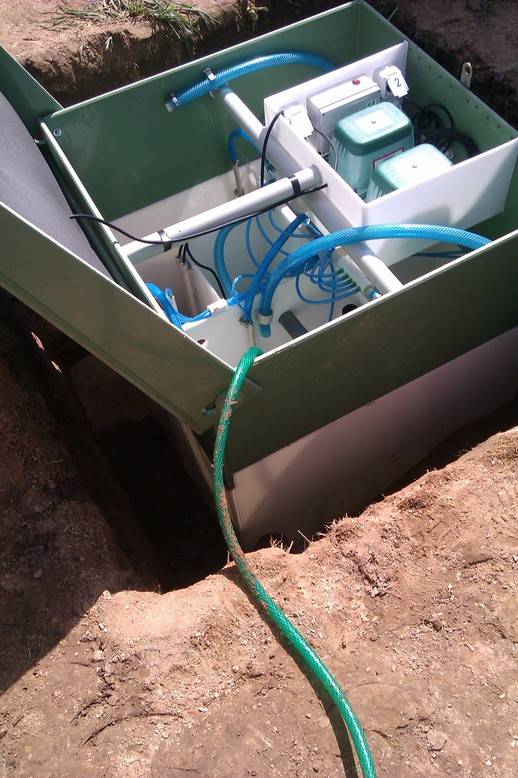
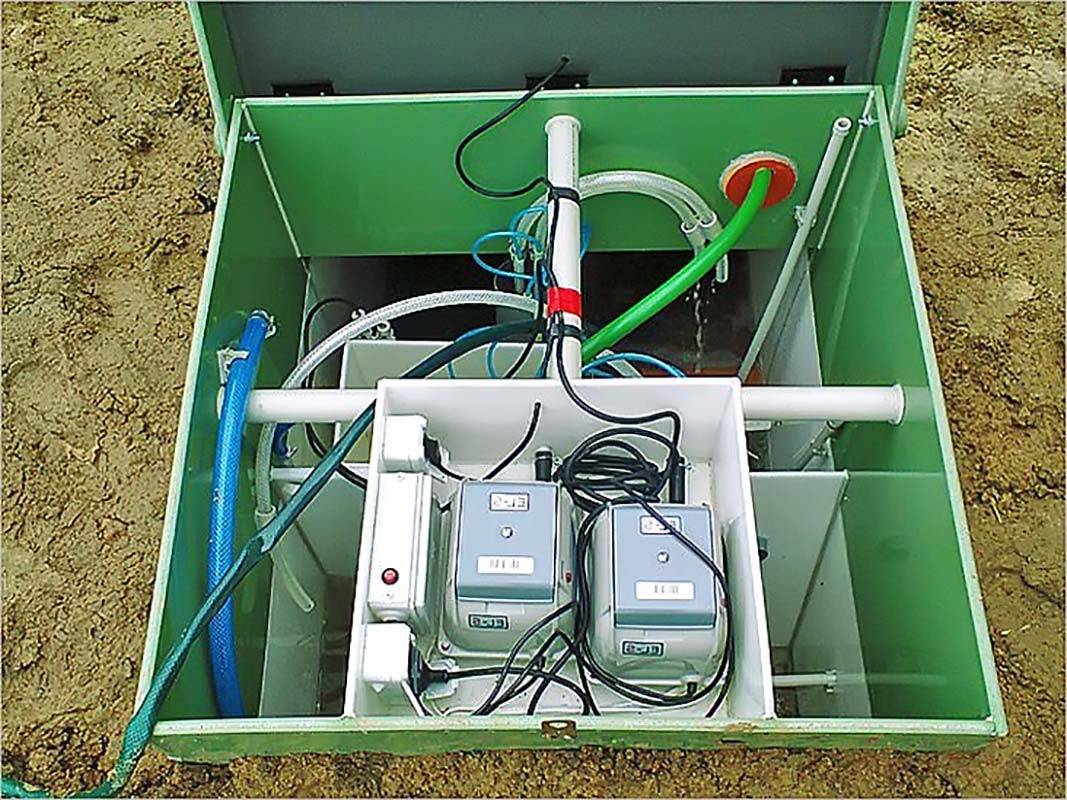
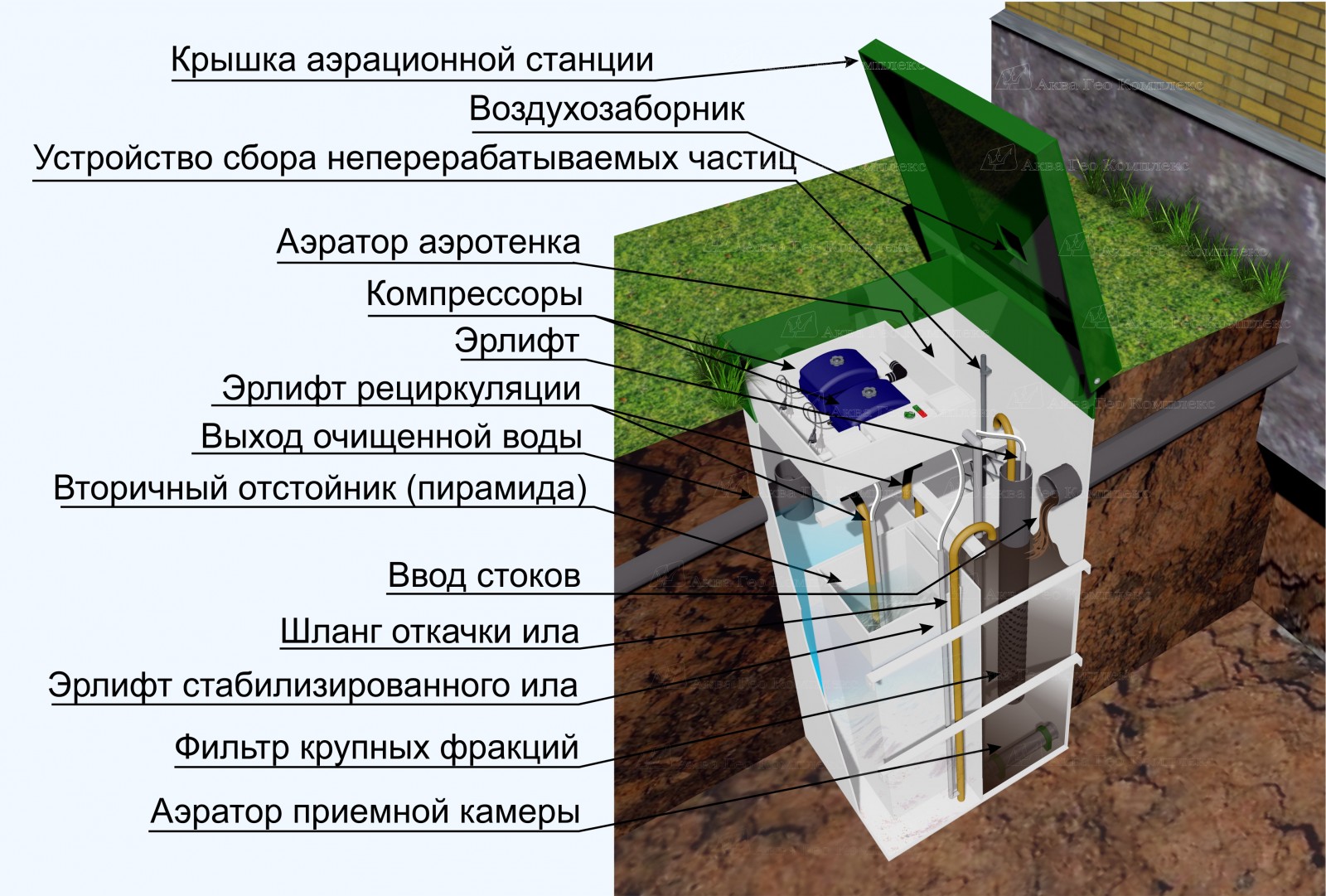
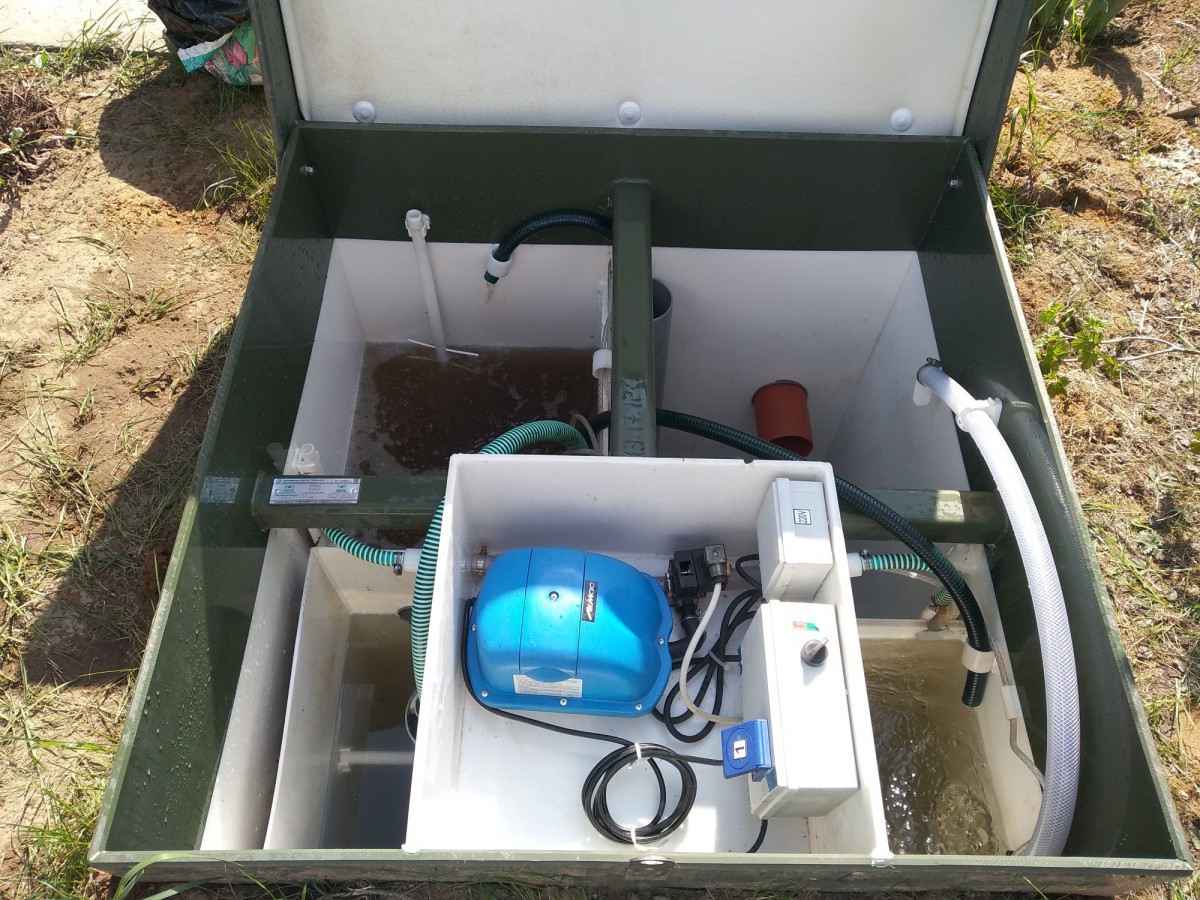
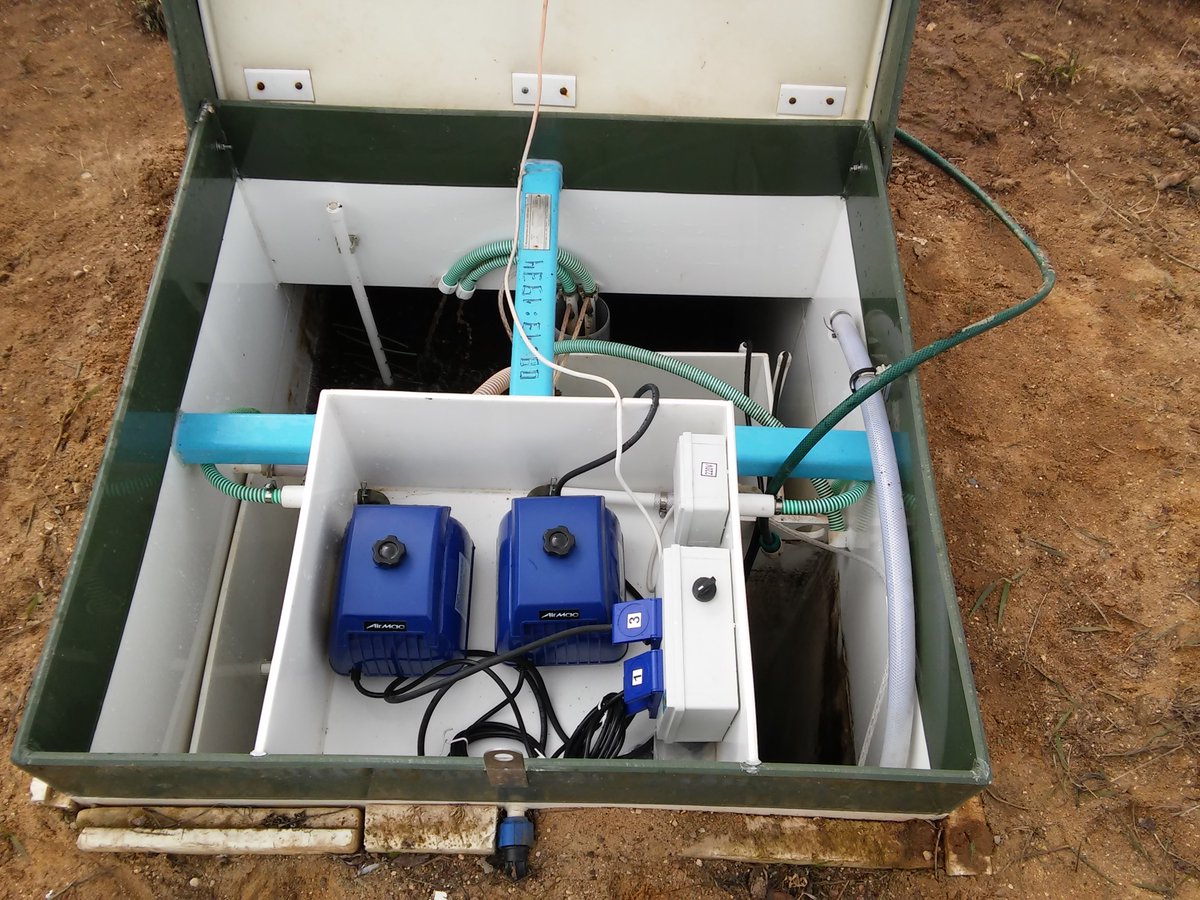
The device has four chambers and two built-in compressors that serve to keep the bacteria working, so that the decomposition process is accelerated.
The first chamber, equipped with a special float switch, serves to collect wastewater and settle it (with large particles of dirt falling to the bottom). When the chamber is filled to a certain level, the relay turns on the compressor, after which the drains are forcibly moved to the second chamber.
After passing through a coarse filter installed at the inlet of the second compartment, liquid waste enters the zone of influence of microorganisms and is cleaned of organic components. To speed up the fermentation process, oxygen is pumped into the chamber with the help of a compressor, which contributes to the mixing of wastewater with activated sludge, which acts as a kind of filter.
Sewage saturated with bacteria and oxygen then enters the third compartment, which is used as a secondary sump. In the fourth chamber, the final purification of water is carried out, which leaves the septic tank through a special channel.
When choosing a place for the arrangement of the device, you should follow the recommendations below:
- The septic tank should be located in a pit, at least five meters away from residential buildings.
- The dimensions of the pit are selected depending on the model of the septic tank, and its walls are closed with formwork or laid out with bricks.
- At the bottom of the pit, a sand cushion with a thickness of about 150 mm is prepared.
Installation of a septic tank (its descent) is carried out using a system of cables pulled through special holes available on the stiffeners of the product.
After installing the septic tank in the pit, all the necessary communications are brought to it and, first of all, a sewer pipe. The insertion depth of the inlet pipe is usually 70-80 cm below ground level and depends on the distance of the station from your home. At a distance of 10 m from the pit to the house, the pipe is inserted at a depth of about 70 cm (at the same time, in the house itself, a sewer outlet is made at a depth of 50 cm).
After installation, complete sealing and thermal insulation of the device case is carried out. These activities must be carried out in accordance with the instructions supplied with the product.
To supply electricity, it will be possible to use a cable of the PVS brand with a section of 3 × 1.5, laid in a corrugated pipe along the same trench as the sewer pipe.
And at the last, most important stage of arranging the device, it is backfilled with the previously selected soil, which is accompanied by pressure equalization on its walls. To this end, as the earth is added, the septic tank chambers are gradually filled with water, which compensates for the excess pressure of the soil on the walls of the device.
Aeration septic tank "Topas": do-it-yourself installation
To place the equipment on your territory, it is not necessary to call a team of professionals. Installation of a septic tank can be done by hand.
To do this, you will need to perform the following steps:
- Dig a pit a little larger than the body of the model - a distance of 200 mm should be left between the septic tank and the soil;
- Then sand and gravel are poured onto the bottom, the surface is leveled using a level;
- Next, you should bring a sewer pipe to the sewage equipment and weld it;
- The electric cable is brought to the septic tank - it must be insulated, it is advisable to place it in a flexible plastic pipe and lay it next to the sewer pipe;
- Then, any post-treatment facility with a septic tank should be connected using a pipe segment;
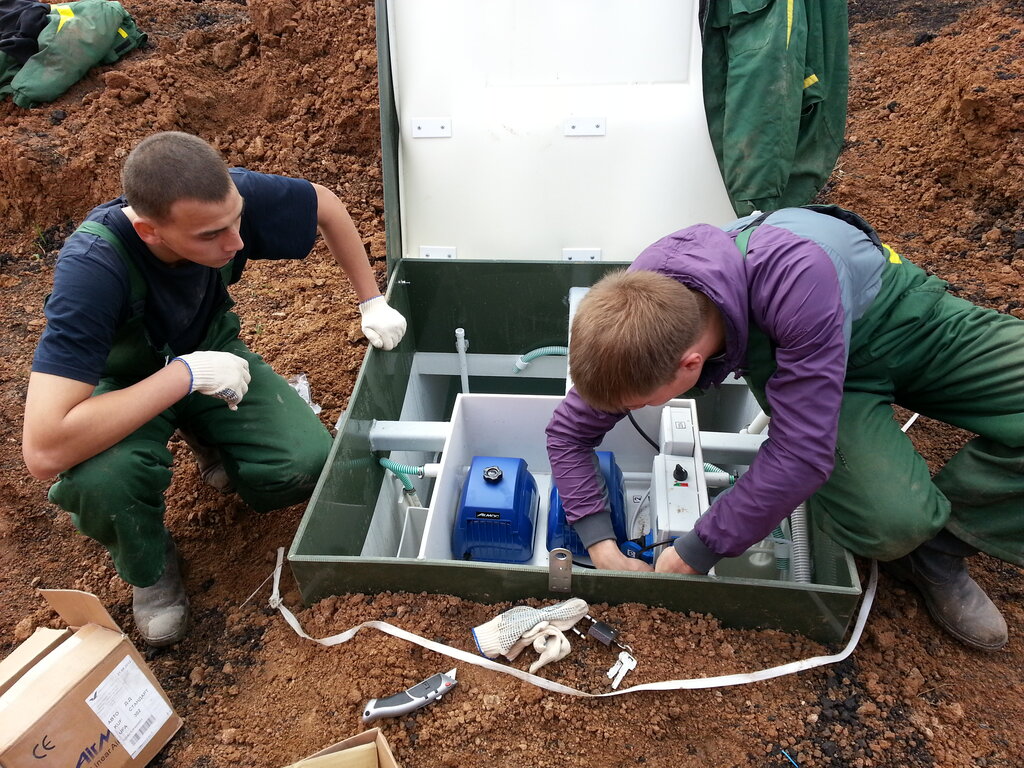
- Lastly, aerators and a pump are mounted in the housing;
- The pit is covered with soil, to balance the position of the structure, the pit is also filled with water, which is gradually displaced as Topaz is used.
In addition, it will be necessary to install the ventilation necessary to neutralize the methane. Risers can be located next to the septic tank and the house in the place where the sewer pipe exits.
How the system works
The Topas septic tank is a well-designed biochemical wastewater treatment system that functions due to the work of the main backbone - anaerobic and aerobic bacteria. The chemical side of the process is the oxidation of the waste mass with bubbly oxygen artificially injected into the system.
The biochemical effect on sewage allows for maximum purification before discharge into the underlying soil, sewers or filtration fields. The organic component of the waste mass is destroyed by microorganisms, the household component is destroyed by oxygen.As a result, wastewater becomes almost transparent, devoid of the tendency to decay and bacterial contamination.
The purification process occurs due to the work of microorganisms, which, in the course of their life, process organic matter into safe elements (+)
The developed system complies with all generally accepted wastewater treatment standards and is safe for the environment. Aerobes and anaerobes living inside interconnected compartments purify and clarify wastewater by 98% by processing biological organic matter.




But the installation of a Topas septic tank is effective only when servicing cottages in which they live all year round and operate the building at least 3-4 days a week. After all, one of the key conditions for the operation of a septic tank is the continuity of the flow of fluid. If the bacteria in the closed chamber do not receive food, they will die.
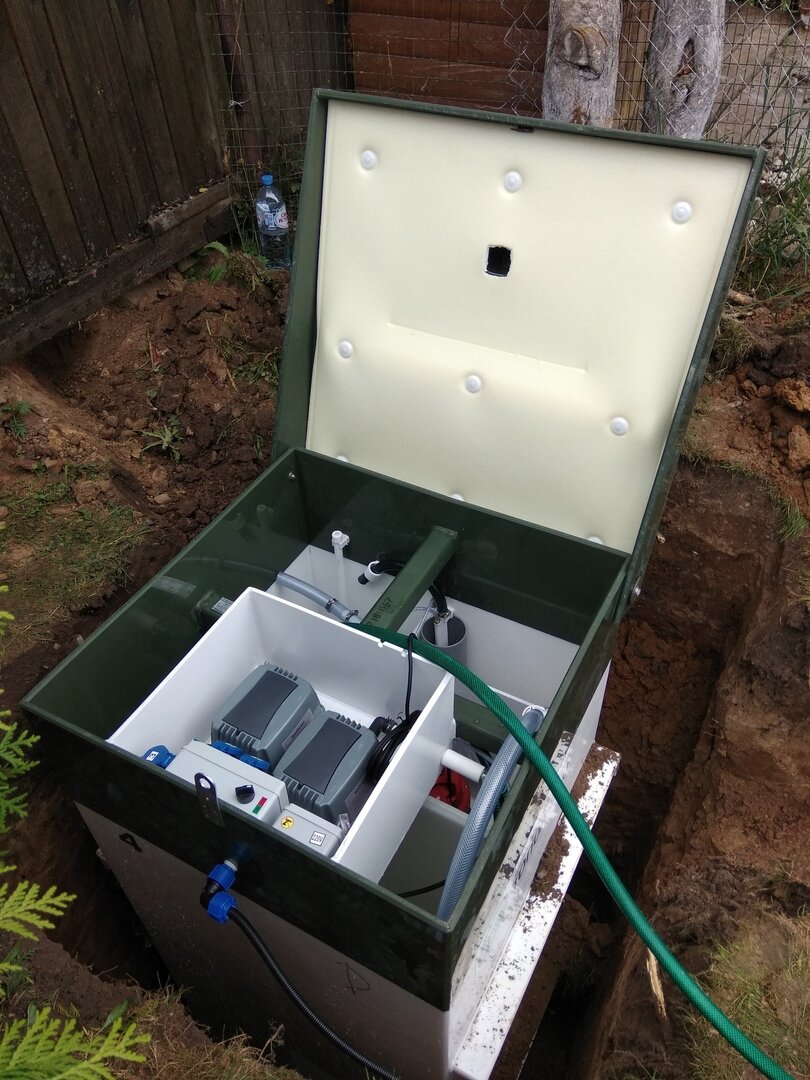
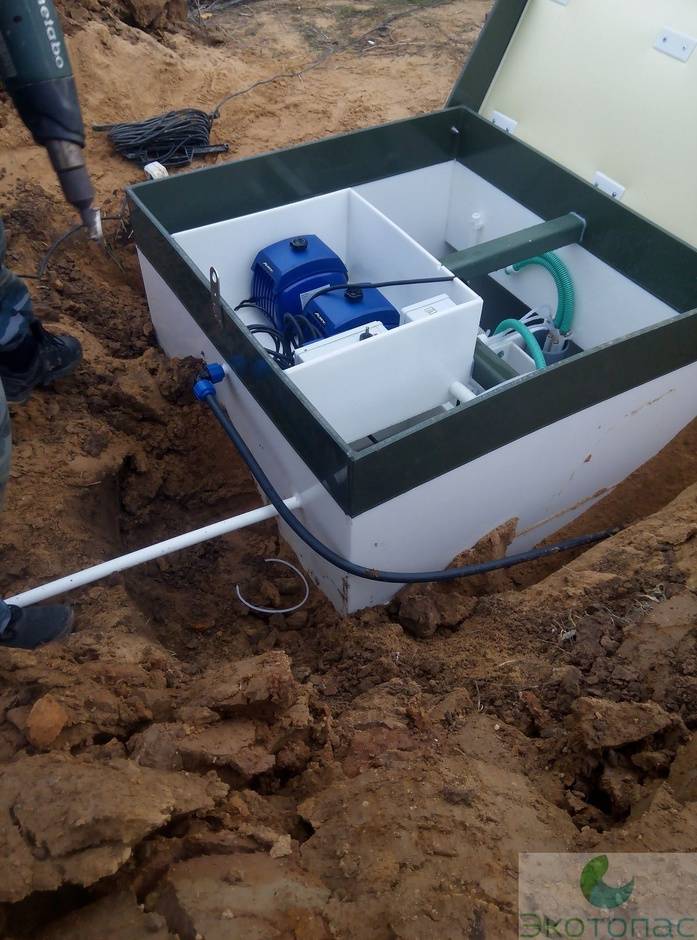
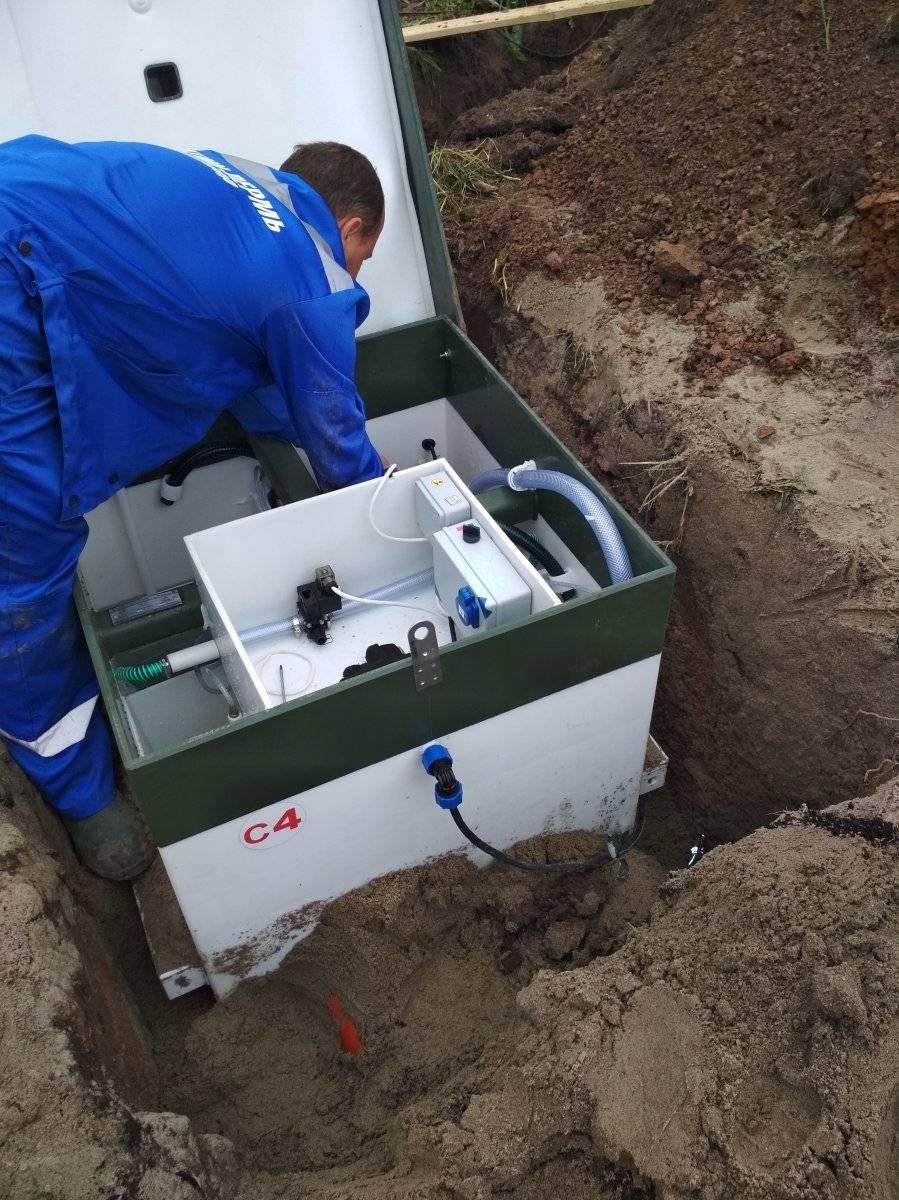
The purification plant includes four mutually communicating compartments, each of which performs its own cleaning stage; they are all assembled in one compact package (+)
Each compartment performs one task assigned to it:
- First section. It accepts effluents coming from the sewer pipe and allows them to settle so that large inclusions settle to the bottom. Here the mass is processed and oxidized by anaerobes. At the moment of filling the compartment, the float switch is activated and gives a signal to the compressor to pump wastewater into the second chamber.
- Second section. It is called an aerotank - a reservoir of rectangular section. It contains aerobic bacteria that eat and process organic matter. Oxygen is also supplied here, which is necessary for the final breakdown of organic matter and for the vital activity of aerobes.
- Third section.Performs the function of a secondary sump. A "calming" pyramid is installed inside the compartment. Here, the active biomass that processes wastewater is separated from the water.
- Fourth section. It carries out the final separation of water and the result of the vital activity of aerobes - activated sludge. The water that has undergone multi-stage purification leaves the compartment through the outlet. Stabilized sludge settles on the bottom and accumulates there until it is removed. This moment should occur at least once a year.
At the first stage, the process of biological fermentation, launched by microorganisms, takes place. The main work on the decomposition of pollutants is carried out inside the walls of the second compartment. A coarse filter is installed at the inlet of the second chamber, which catches clots and hair that have not settled at the bottom.
Water that has gone through several stages of purification in each of the chambers can be safely used for watering green spaces in the adjacent territory (+)
The movement of fluid from the third section to the fourth analogue can be carried out by gravity or stimulated by a pumping device. Depending on the natural or forced movement of waste masses, the station is equipped or not equipped with a drainage pump with a float switch.
At the heart of the operation of a seemingly complex device is the natural process of biological decomposition. The main thing is to ensure a continuous supply of oxygen and saturate the wastewater with a high dose of activated sludge, which is necessary for the intensive oxidation of organic substances.
Two compressors are installed in a separate bunker.
Compressors installed in a separate hopper saturate the liquid with oxygen, providing optimal conditions for supporting bacteria.
One of the main tasks of compressors is to activate the circulation of wastewater from one chamber to another and mix it with activated sludge. It acts as a natural filter that connects solid particles and foreign bodies that have entered the septic tank.
Operation Unilos (Unilos) in the winter
No additional conditions are imposed on the operation of Unilos septic tanks in the cold season. But at the same time, you should avoid opening hatches unless absolutely necessary and postpone all maintenance procedures until spring. When the ambient temperature is less than -15⁰С, the cover of the cleaning station should be thermally insulated with foam, straw or any other available thermal insulation material.
We recommend reading: Maintenance of a septic tank Unilos Astra
Preservation of the Unilos septic tank for the winter - possible errors, causes and consequences
Preservation of the Unilos septic tank is not difficult, however, mistakes made during the conservation process can lead to partial or complete breakdown of the treatment plant.
The main disadvantage is the complete pumping of water from the chambers of the treatment station. The highly lightweight design of the septic tank is not able to withstand the action of water filling the pit during active snowmelt. As a result, the station floats up like a cork and in the spring is found by the owners on the surface of the earth not far from the foundation pit.
Another mistake can be incorrect installation of floats. Sand bottles must be fixed strictly in the middle of the chamber with a rope. Otherwise, the lack of compensation for the pressure of expanding ice can lead to rupture of the walls of the hull.
Reactivation of the septic tank Unilos (Unilos)
Preparation of the septic tank for the new season is carried out in the reverse order:
- Floats are removed from the station's chambers.
- A compressor for a septic tank and a forced feed pump are being installed.
- The power supply is connected.
After a few days of operation, the septic tank returns to normal mode, however, to speed up this process, 1-2 liters of kefir can be poured into the chambers.
The procedure for preparing the cleaning station for winter is simple and can be done independently if you have free time. However, it should be borne in mind that mistakes made during the conservation process can lead to the failure of expensive equipment. Therefore, it makes sense to contact a specialized company, especially since the cost of the service is not comparable with the cost of a new septic tank.




Operating recommendations
In order for the septic tank to work properly and for a long time, it should be used in accordance with the rules established by the manufacturer. It is necessary to avoid the transfer of various non-organic waste into the sewer system, for example, plastic, polyethylene, construction waste, etc.
Proper installation of the Topas septic tank is extremely important for the further successful operation of this type of autonomous sewage system. Violation of the recommendations may cause the destruction of the capacity of the device
Such substances are not amenable to bacterial processing, so at best they will simply settle in the septic tank, reducing its usable volume and performance. In the worst case, the presence of inorganic contaminants can lead to damage to the septic tank or equipment failure.
A detailed overview of common breakdowns of the Topas septic tank and how to fix them are discussed in this article.
It is not recommended to pour substances that contain antibiotics, as well as chlorine or manganese compounds into the sewer, since this creates a hostile environment for bacterial cultures, they can simply die.
If the number of bacteria in the septic tank decreases markedly, waste processing will slow down, and an unpleasant smell will appear in the septic tank.
For the same reasons, it is not allowed to use a septic tank for the disposal of large quantities of alcohol-containing liquids, industrial oils, antifreeze, high concentration acids or alkalis, for example, household cleaners.
Do not flush wool down the drain. Although it is organic matter, it cannot be processed quickly enough in a septic tank, but it can clog the device.
Regular removal of neutral sludge accumulated at the bottom of the Topas septic tank is an important part of maintaining the device, ensuring its smooth operation.
Problems can also arise as a result of a power outage. If the septic tank does not work, and the waste continues to flow, this will lead to an overflow of the tank, as a result, the untreated mass will enter the soil.
During short power outages, it is recommended to reduce the amount of effluent entering the sewer, if possible. In the event of long outages, an alternative source of electrical energy should be provided.
Regular maintenance of the septic tank will help to detect problems in time and prevent possible problems. The purity of the resulting water should be checked from time to time.
If the amount of pollution increases, the cause should be found and eliminated: adjust the operation of the septic tank, update the composition of bacterial cultures, etc.
About three or four times a year, accumulated sludge should be pumped out of the tank using a special hose, and the tank in which unprocessed waste accumulates should also be cleaned. Compressor diaphragms need to be replaced every two years to keep these mechanisms working correctly.
But the filters require replacement monthly, they quickly become dirty. The aerator is rarely replaced - every 12 years, but this measure should not be neglected.
If the septic tank will not be used during the winter, it must be properly preserved.
It should be understood that this is not a heating system, the complete pumping of fluid from the septic tank will have a detrimental effect on the bacteria inhabited in the device. Before conservation, the device is cleaned and left partially filled with water.
Features of maintenance and operation of the Topas septic tank: cleaning before winter, the use of bacteria
The most modern and new equipment needs maintenance and periodic maintenance. Maintenance of a Topas septic tank does not take much time and does not require large costs and efforts. However, its operation requires certain conditions to be met. Instructions for use of the septic tank Topas contains instructions on what should not be allowed when working with it, to ensure its normal and long-term performance.
- Do not allow any products that are not subject to decay to enter the sewer, such as, for example, plastic, plastic bags and scraps, sand or lime.
- It is not allowed to get into the wastewater entering the septic tank, acids, alkalis, drugs and other aggressive products, because they kill the bacteria that work to clean the drains.
- It is necessary to ensure that products at the stage of decay do not enter the septic tank. Aggressive bacteria found in such waste will eventually disrupt the operation of the treatment device.
- If there are problems with electricity, it is required to minimize the flow of water into the sewer. Since the normal functioning of the device is ensured by uninterrupted power supply, and in its absence, the receiving compartment may overflow and untreated waste may enter the ground.
Reception chamber of the station
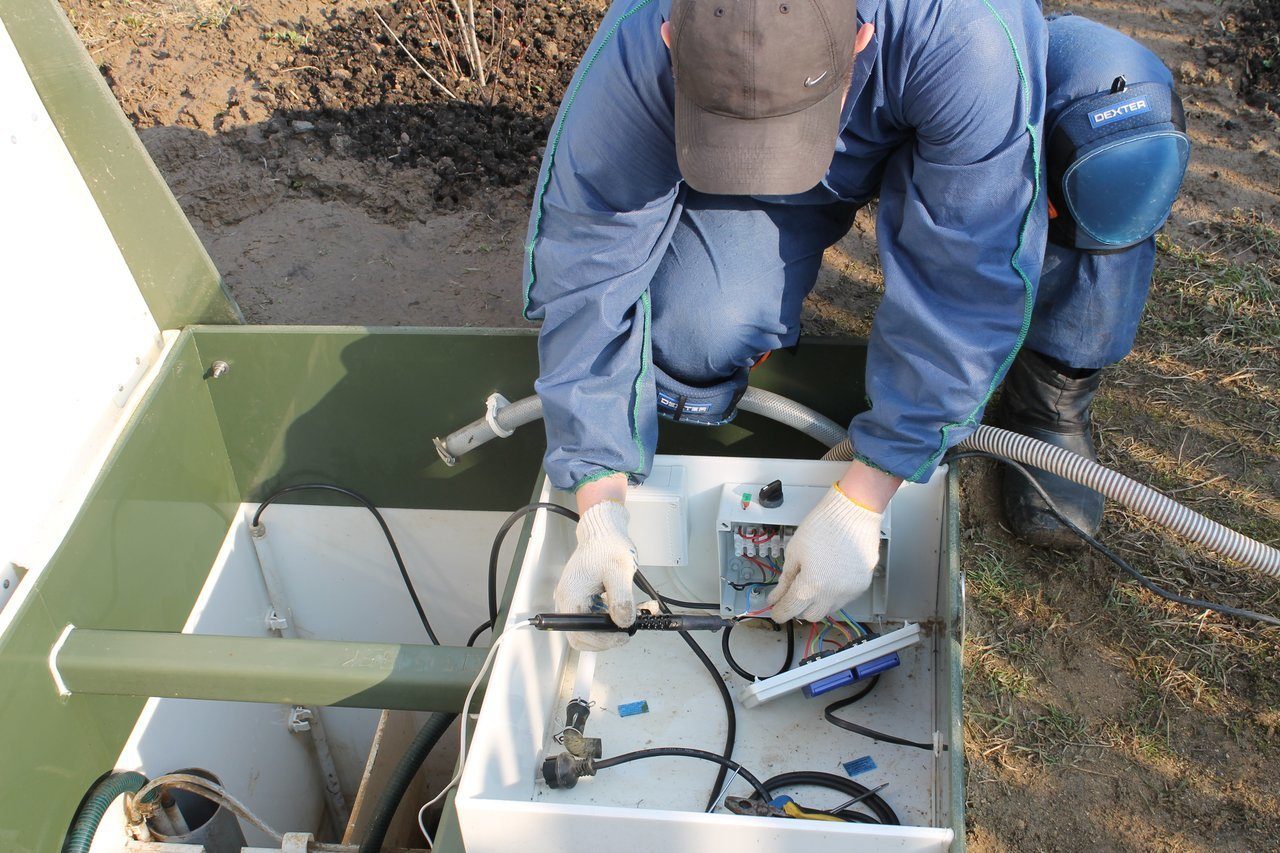
Topas treatment systems are serviced independently by the owner of the household through regular visual inspection of the operating station and the purified water leaving it.
When servicing this system, the following work is also performed:
- Do-it-yourself cleaning of the Topas septic tank by removing waste sludge from the sump using a special mechanism. This must be done once every three months;
- cleaning the device from undecomposed waste particles must also be done four times a year;
- it is required to clean Topas at home from coarse-grained fractions more often, at least once a month. To do this, the filter installed in the waste receiving chamber is cleaned;
- it is required to wash the chambers with clean water once every two years;
- change membranes and thoroughly rinse filters - once every two or three years;
- aeration elements must be replaced once every twelve years.
Disadvantages: price as the main aspect
In order for the repair of the Topas septic tank not to cost a pretty penny, it is required to do the Topas service in accordance with the instructions. In addition to the advantages, there are disadvantages of the Topas septic tank.



- The high cost of the sewer system.
- The principle of operation based on the use of electricity leads to the energy dependence of the installation. In the event of a power outage, blocking the station is required, otherwise it will overflow and waste will pour onto the site.
- The need for constant monitoring of the operation of the installation and strict adherence to the requirements of the instructions for maintenance. Failure to comply may result in damage.
Comparison of the advantages and disadvantages of different systems leads to the fact that choosing, for example, Biotank or Topas, as well as Topas or Unilos, consumers choose the Topas septic tank due to the high degree of waste treatment.
Among the entire proposed line of treatment systems, the Topas 5 sewage system is the most popular. It is designed for a family of five to six people and is most often installed in small country houses. The principle of operation of the Topas 5 septic tank allows the owner to use the discharged water for irrigating the plantations on the site, and the waste sludge as a fertilizer for the personal plot.
WATCH VIDEO
Call a specialist to service the septic tank Topas
If you already have a Topas septic tank and want to service it and check that the station is working properly, call. Our specialist will come to your site, if necessary, take samples of the drain, evaluate the quality of the device and clean it.
If you are just thinking about purchasing Topas, then here are a few reasons for you to buy it from us:
- We provide an interest-free installment plan for 6 months on all equipment and installation
- We draw up a detailed estimate of materials and installation work. About 20 points, not 3-4, like other installation organizations.
- We deliver all the materials specified in the estimate to the site on the day of installation on our machines.
- We carry out the installation of the Topas station in one working day.
- We control the quality of installation with the help of photo reports and field technical supervision.
- We give feedback.
- We provide a manufacturer's warranty for equipment and our own installation warranty for a period of 5 years.
- With regular service in our company, we give a discount on the service.
How to use the Topas septic tank in winter?
This device is designed in such a way that it can function with equal efficiency in both warm and cold seasons. "Topas" can work with drains that have a low temperature.
The cover of the treatment plant is equipped with heat-insulating mechanisms. Therefore, if it is -20°С outside the window and at least 1/5 of domestic wastewater enters the treatment system, you do not need to worry about the operation of your device and carry out preventive maintenance. However, if the temperature drop was sharp and the frosts promise to last a long time, the Topas manufacturer recommends providing additional insulation for the upper part of the device. But remember about the ventilation system, the air intake of which is located in the lid of the septic tank and which should not be blocked.
In addition, manufacturers warn users against opening technological hatches at temperatures below -15°C.
Be sure to keep a record of your care for the Topas WOSV. Record all service and maintenance work that you carry out. Observe the seasonal operation of the septic tank, which are listed above.Responsibility for the breakdown of the WWTP due to a violation of the maintenance algorithm falls on the shoulders of the user, not the manufacturer.



