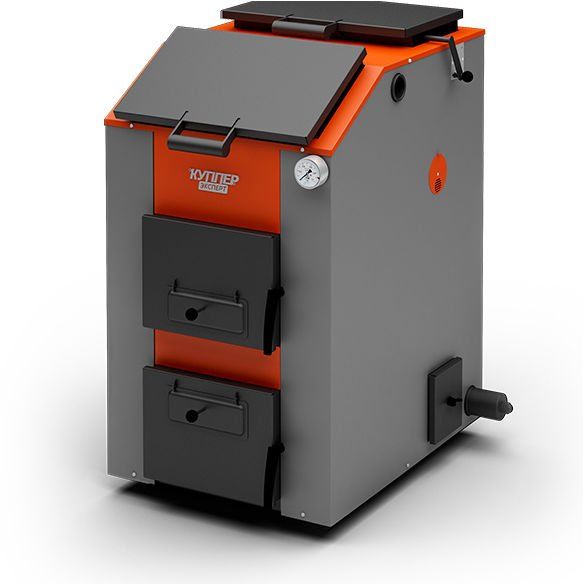
- Equipment selection rules
- Product comparison: choose which model to choose and buy
- Combined boilers "electricity - solid fuel"
- What to pay attention to?
- The best known manufacturers and models: features and prices
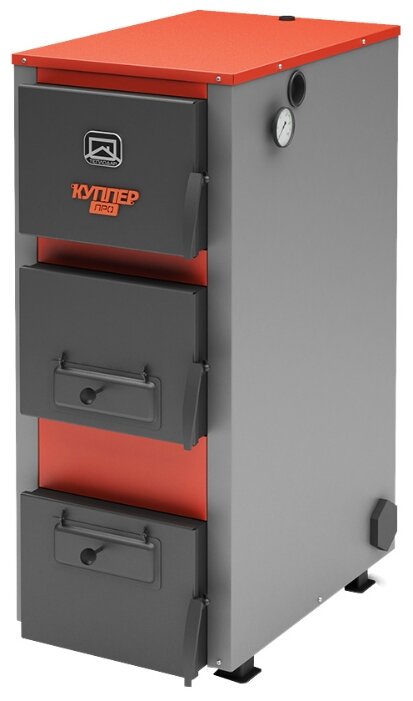
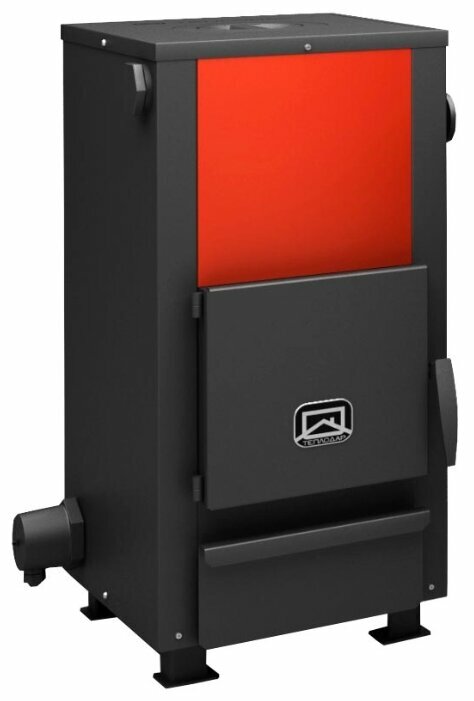
- Teplodar Kupper OK 15
- Viadrus Hercules U22D-4
- Roda Brenner Classic BCR-04
- GEFEST VPR KSTGV-20
- Karakan 20 TEGV
- Combined implement models
- Solid fuel boilers
- Pros and cons
- Long burning boilers
- Characteristics
- Why are they needed and how are they used?
- Selection of solid fuel boiler
- Feature of the selection of a solid fuel boiler for a heating system
Equipment selection rules
Currently, a fairly large range of combined heaters is being produced. They have different power and performance.
When choosing equipment, you need to pay attention to the following parameters:
- optimal power of the heating device;
- priority type of fuel used;
- furnace chamber dimensions. The duration of the operation of the unit until the next load of wood will depend on its size;
- number of circuits. The design of some models is designed in such a way that it is possible to raise the water temperature only with the help of electric heating elements. In more economical devices, the coil is part of the combustion chamber;
- a special valve affects the noiselessness of the heating system;
- cast iron or steel is used as the material of manufacture. Cast iron construction is virtually corrosion resistant. It takes longer to heat up, but it also cools down much more slowly. The unit has a significant weight. Cracks can form on it as a result of sharp temperature fluctuations. Steel appliances oxidize faster. They are light in weight and more resistant to temperature changes;
- Various materials are used for the production of grates. Cast iron has high heat resistance. Sometimes ceramic coating is applied to it.
Today, electrical energy and wood are widely used to create various heating systems. They are the most accessible and inexpensive types of fuel. In combined devices, these two advantages are combined and enhanced. Their design is simple and efficient. Therefore, they stand out favorably against the background of a huge amount of heating equipment.
Product comparison: choose which model to choose and buy
| Product Name | ||||||||
 | 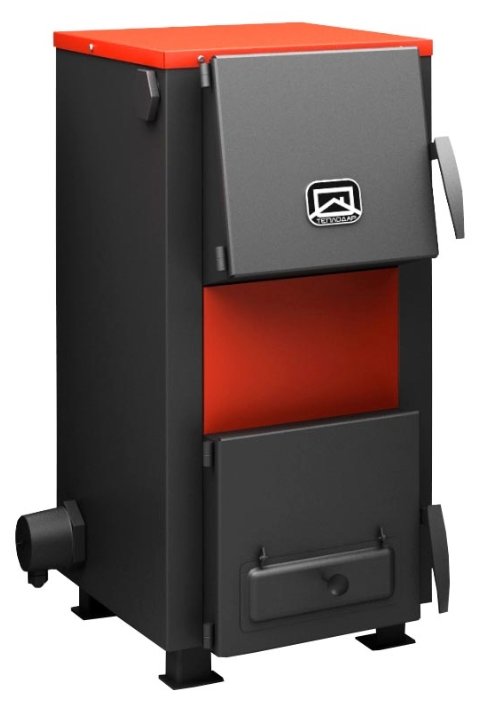 | 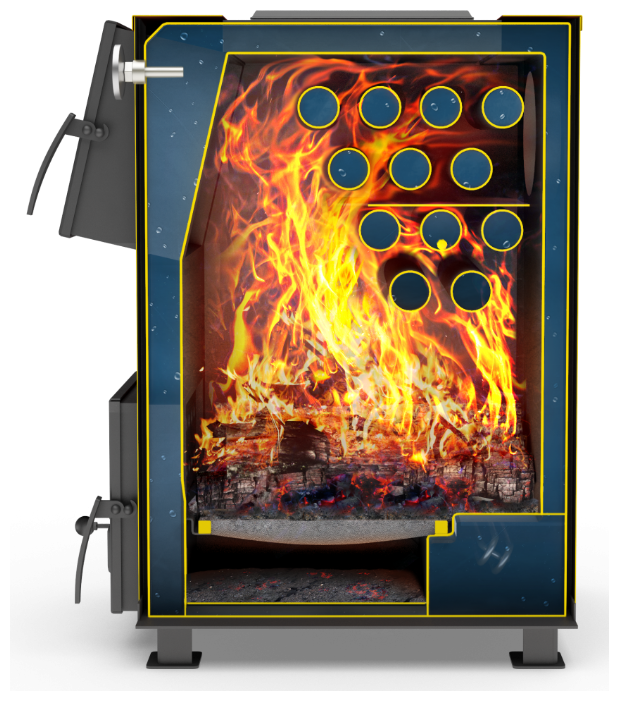 |  | 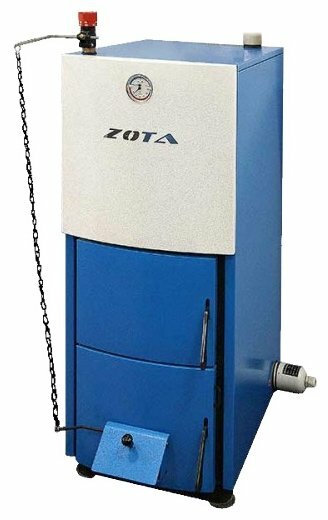 | ||||
| average price | 32490 rub. | 23331 rub. | 21990 rub. | 35990 rub. | 29166 rub. | 41990 rub. | 23815 rub. | 46625 rub. |
| Rating | ||||||||
| Type of heating boiler | combined | combined | combined | combined | combined | combined | combined | combined |
| Number of circuits | single-loop | single-loop | single-loop | single-loop | single-loop | single-loop | single-loop | single-loop |
| Control | mechanical | mechanical | mechanical | mechanical | mechanical | mechanical | mechanical | mechanical |
| Installation | floor | floor | floor | floor | floor | floor | floor | floor |
| Heat carrier temperature | 50 - 95 °С | 60 - 80 °С | 60 - 80 °С | 60 - 95 °С | 60 - 80 °С | 50 - 95 °С | 60 - 80 °С | |
| Max. water pressure in the heating circuit | 3 bar | 2 bar | 2 bar | 2 bar | 2 bar | 2 bar | 2 bar | 3 bar |
| Functions | thermometer | thermometer | thermometer | thermometer | thermometer | thermometer | thermometer | thermometer, manometer |
| Heating circuit connection | 1 ½» | 1 ½» | 1 ½» | 1 ½» | 1 ½» | 1 ½» | 1 ½» | 1 ½» |
| Dimensions (WxHxD) | 485x855x670 mm | 340x740x500 mm | 415x645x556 mm | 485x915x740 mm | 422x755x645 mm | 505x970x760 mm | 340x740x500 mm | 430x1050x650 mm |
| The weight | 115 kg | 98 kg | 63 kg | 130 kg | 115 kg | 130 kg | 90 kg | 154 kg |
| Guarantee period | 3 y. | 3 y. | 3 y. | 3 y. | 1 year | |||
| Burner | can be purchased | can be purchased | can be purchased | can be purchased | can be purchased | can be purchased | can be purchased | can be purchased |
| The combustion chamber | open | open | open | open | open | open | open | open |
| Heated area | 200 sq.m | 150 sq.m | 90 sq.m | 250 sq.m | 200 sq.m | 300 sq.m | 100 sq.m | |
| Fuel | coal, pellets, coal briquettes, firewood, natural gas, wood briquettes | coal, pellets, firewood, natural gas | coal, pellets, firewood, natural gas | coal, pellets, coal briquettes, firewood, peat briquettes, natural gas, wood briquettes | coal, pellets, firewood, natural gas | coal, pellets, coal briquettes, firewood, natural gas, wood briquettes | coal, pellets, firewood, natural gas | coal, diesel fuel, firewood, natural gas, liquefied gas |
| Chimney diameter | 150 mm | 150 mm | 115 mm | 150 mm | 150 mm | 150 mm | 115 mm | 150 mm |
| Max. thermal power | 22 kW | 15 kW | 9 kW | 28 kW | 18 kW | 36 kW | 10 kW | 31.50 kW |
| non-volatile | Yes | Yes | Yes | Yes | Yes | Yes | Yes | Yes |
| Heating element for temperature maintenance | preset | preset | preset | preset | preset | preset | preset | optional |
| The power of heating elements to maintain the temperature | 9 kW | 6 kW | 6 kW | 9 kW | 6 kW | 9 kW | 6 kW | |
| The principle of operation on solid fuel | classical | classical | classical | classical | classical | classical | classical | classical |
| efficiency | 78 % | 68 % | 83 % | 75 % | 80 % | |||
| Peculiarities | external control connection | external control connection | external control connection, hob | external control connection, hob | ||||
| Primary heat exchanger material | steel | steel | steel | steel | ||||
| Max. coolant temperature | 95 °С | |||||||
| Additional Information | anthracite consumption - 4.7 kg / h, coal consumption - 9.1 kg / h firewood consumption - 11.8 kg / h | |||||||
| Fuel consumption | 9.1 kg/hour | |||||||
| Number | Product photo | Product Name | Rating |
|---|---|---|---|
| 22 kW (up to 200 sq.m.) | |||
| 1 | Average price: 32490 rub. | ||
| 15 kW (up to 130 sq.m.) | |||
| 1 | Average price: 23331 rub. | ||
| 9 kW (up to 100 sq.m.) | |||
| 1 | Average price: 21990 rub. | ||
| 28 kW (up to 270 sq.m.) | |||
| 1 | Average price: 35990 rub. | ||
| 18 kW (up to 160 sq.m.) | |||
| 1 | Average price: 29166 rub. | ||
| 36 kW (up to 370 sq.m.) | |||
| 1 | Average price: 41990 rub. | ||
| 10 kW (up to 100 sq.m.) | |||
| 1 | Average price: 23815 rub. | ||
| 31.50 kW (up to 270 sq.m.) | |||
| 1 | Average price: 46625 rub. |
Combined boilers "electricity - solid fuel"
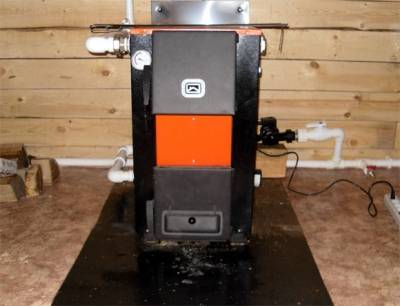
Heating boilers running on solid fuel and electricity will not allow your fuel system and house to freeze if there is no one to throw firewood.
For heating country houses and cottages, combined boilers "electricity - solid fuel" are often used.They are built on the same principle as gas and solid fuel boilers. However, instead of a gas burner, heating elements of various capacities are installed in them. The largest part of these combined devices is the firebox into which firewood is loaded. The boilers themselves are made of steel or cast iron, installation type - floor.
Most often, combined heating boilers "electricity - solid fuel" work on wood. This is a relatively cheap fuel, which is sold in settlements that are not connected to gas mains. By buying a truckload of firewood, you can provide yourself with warmth for the whole winter. As for heating elements, they play an auxiliary role, maintaining heat in the absence of firewood.
The system works like this: the required amount of firewood is loaded into the furnace, the boiler starts to heat the premises. As soon as they burn out and the temperature starts to drop, the heating element will turn on. It maintains the desired temperature in the heating system, preventing the coolant from cooling down. If you throw firewood (or pellets) into the firebox and set fire to them, then the heating element will turn off after a certain time.
Advantages of combined heating boilers "electricity - firewood":
- the ability to save on electricity when working on wood;
- use of any types of solid fuel;
- the presence of an anti-freeze mode.
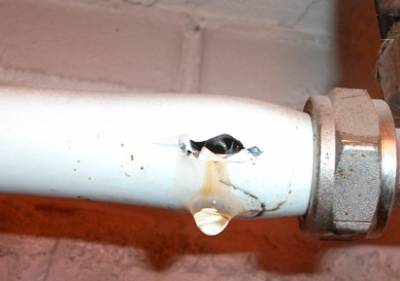
Freezing water tends to expand, which can lead to a rupture of the heating pipe in winter.
The latter mode will become relevant for those who use their country house to stay on weekends or on holidays.By turning on antifreeze, you can safely leave for the city, and the boiler will automatically maintain a positive temperature in the system. This reduces the likelihood of pipe rupture as a result of freezing of the coolant. The main thing is that electricity does not disappear in frosts, which happens in small settlements and summer cottages.
Heating universal boilers "electricity - solid fuel" will help reduce the cost of space heating. Solid fuel has a minimal cost, and in some cases it is completely free. For example, in rural areas, straw and other plant waste can be burned in such boilers. If there is no money to buy firewood, they can be chopped in the nearest forest - here only labor costs for logging are needed.
If firewood is not available, the equipment will operate from the mains. But you still shouldn’t get carried away with this mode of operation - high energy consumption will backfire with gigantic figures in electricity bills. Instead of firewood, you can use any other types of solid fuel, such as coal, pellets, briquetted peat and much more. The main disadvantage of such boilers is their large dimensions.


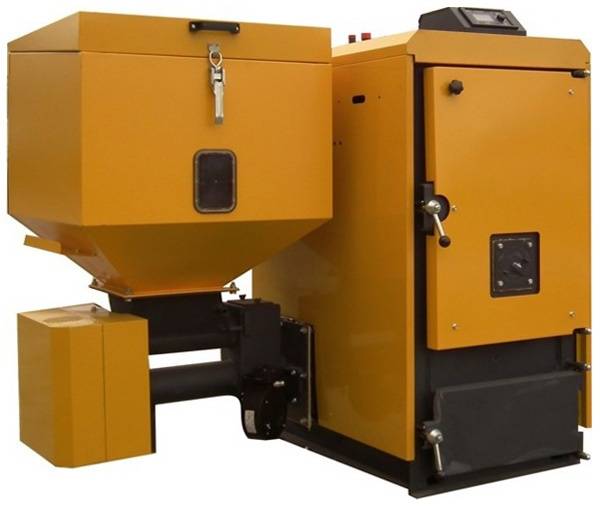

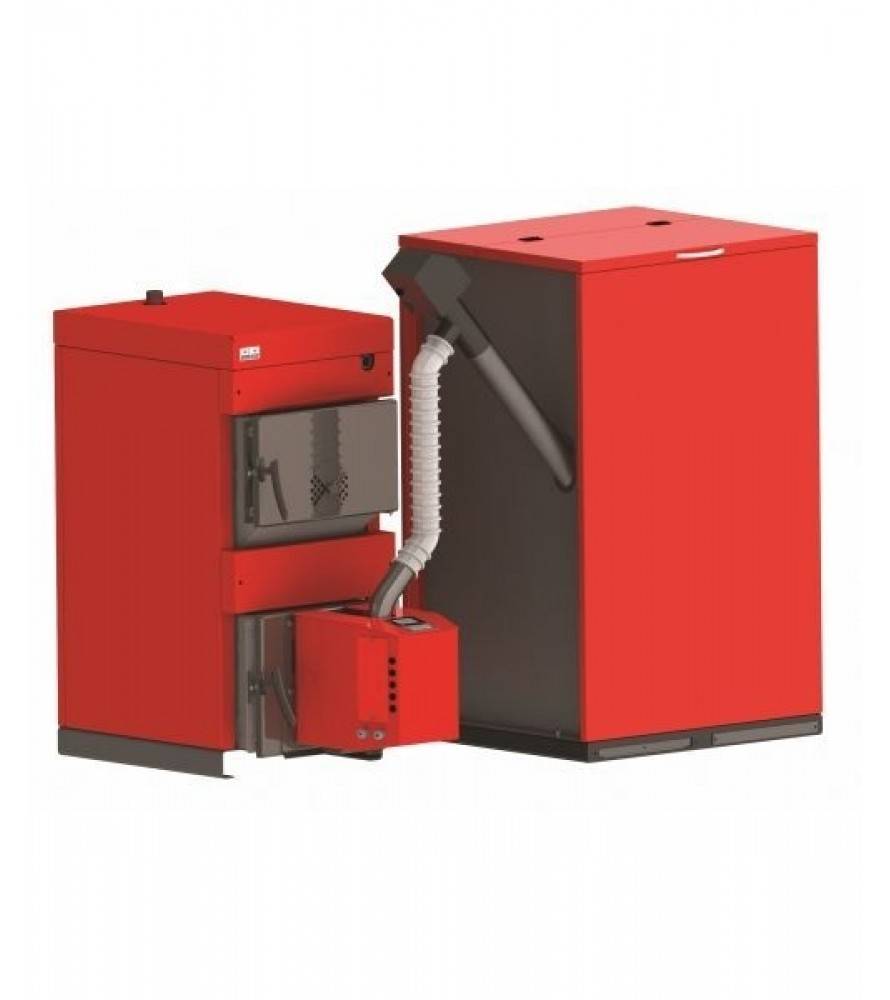

The initial price for combined heating boilers "wood - electricity" varies between 20-22 thousand rubles (as of the end of May 2016).
What to pay attention to?
When selecting a model, it is necessary to take into account several rules, non-observance of which will lead to an error. As a result, the boiler may not be suitable for a particular house, for example, it may not be powerful enough and the room will be cold.For example, a wood and gas appliance is dependent on the pressure in the line, and when it is lowered, it can give off noticeably less heat.
In technical specifications, in addition to power, the area of \u200b\u200bthe house for which it is designed is usually indicated. The calculations are made by professionals and it is quite accurate. You can use various tables found on the Internet.
Particular attention should be paid to power when choosing the most versatile options, such as wood-gas appliance-electricity
It is worth considering the possible decrease in gas pressure in the line. This can significantly reduce the heating power. In the absence of a “reserve”, you will also have to use additional heaters powered by electricity. There is no point in heating with such characteristics, it will have to be modernized and incur additional costs.
The next step is to determine the purpose of the combined boiler for heating. It can be purchased both as the main source of heat and for additional heating of running water, i.e. immediately choose the combined option.
Such a boiler is more profitable than a separate boiler, because wood or gas is already consumed for heating, and a separate water heater is usually powered by electricity. Wood heating often allows you to win also in the speed of reaching the desired temperature.
The best known manufacturers and models: features and prices
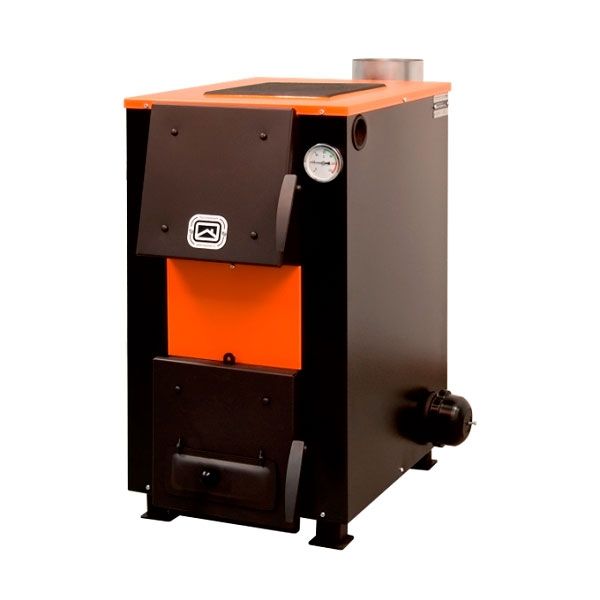
Teplodar Kupper OK 15
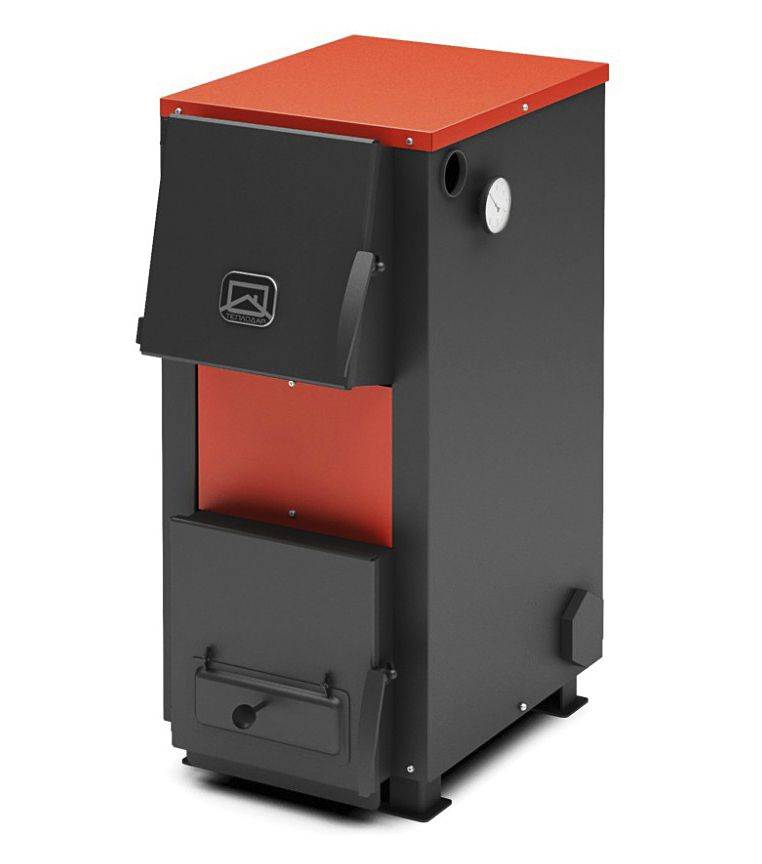
The most famous domestic combined boiler that runs on coal, wood, pellets, natural gas (when installing a burner). It is distinguished by time-tested reliability at a low cost, a successful firebox design, and ease of cleaning.Separately, it is worth noting the presence of blocks of heating elements with a capacity of 6 kW, with the help of which it is possible to heat the coolant for a long time with complete burnout of solid fuel at night. Also, the owners note a rather nice stylish design, build quality.
However, there are also a sufficient number of disadvantages: a small loading opening and the firebox itself (firewood up to 35 cm), a steel heat exchanger, relatively low efficiency, high soot formation.
Cost: 19,900-21,200 rubles.
Viadrus Hercules U22D-4

One of the best combined gas-firewood boilers for heating a private house, also one of the most purchased. The Czech model with a cast-iron heat exchanger is distinguished by its ease of use and well-known durability, ensured by good alloys and build quality. The boiler has a fairly good efficiency of 80%, is absolutely omnivorous, has an optimal size of the furnace (firewood 40-45 cm long is placed), while it also has compact dimensions and a stylish appearance.
According to the reviews of the owners, with a heavily covered thrust valve, abundant soot formation is characteristic. The cast iron construction, depending on the power variation, weighs an average of 250 kg, so a reinforced floor is required for installation, and at least 3 people for transportation. Also a relative disadvantage is the price of the Czech model.

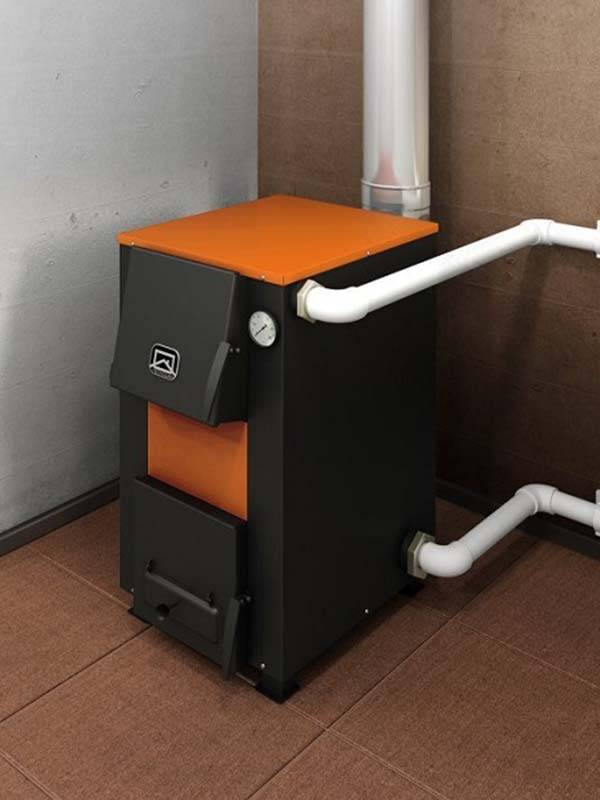
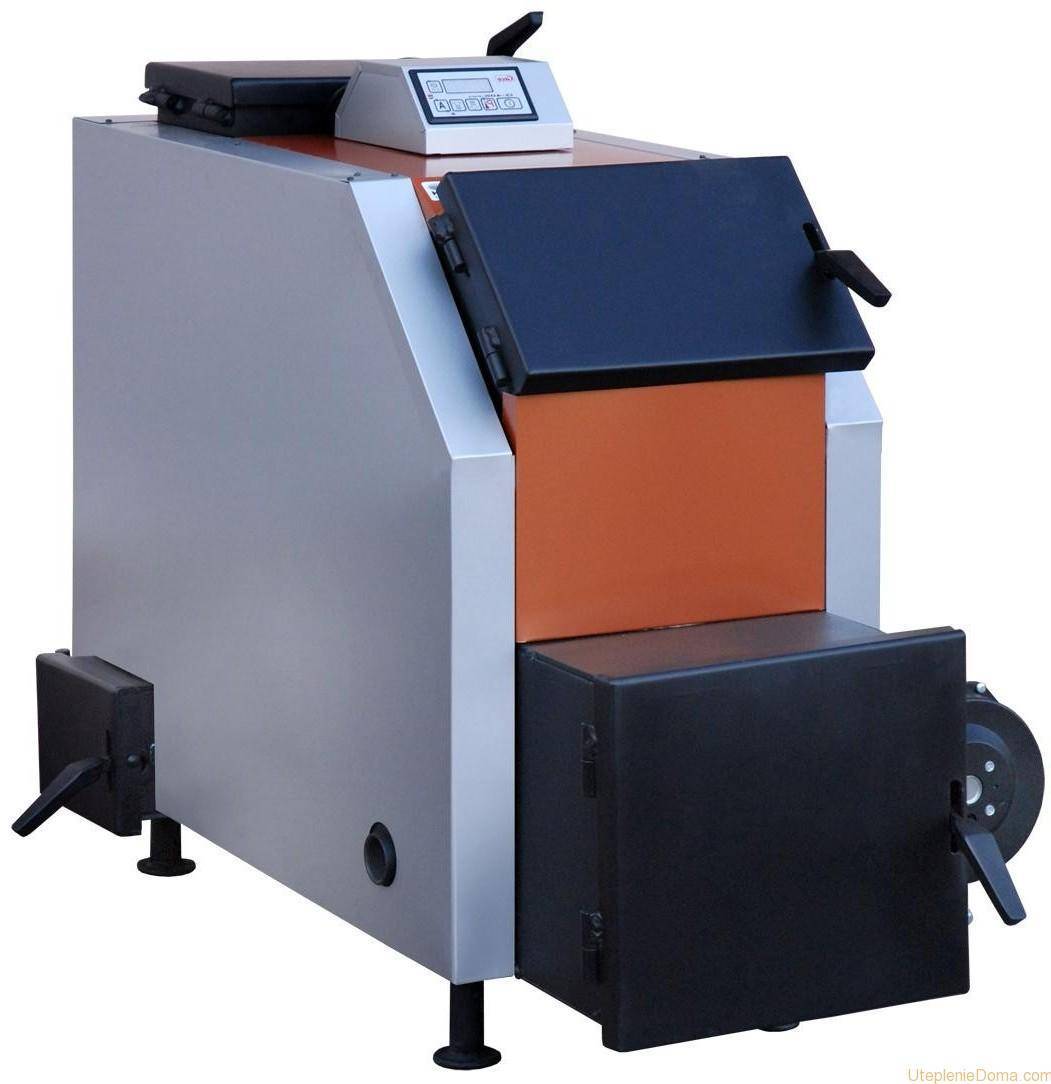

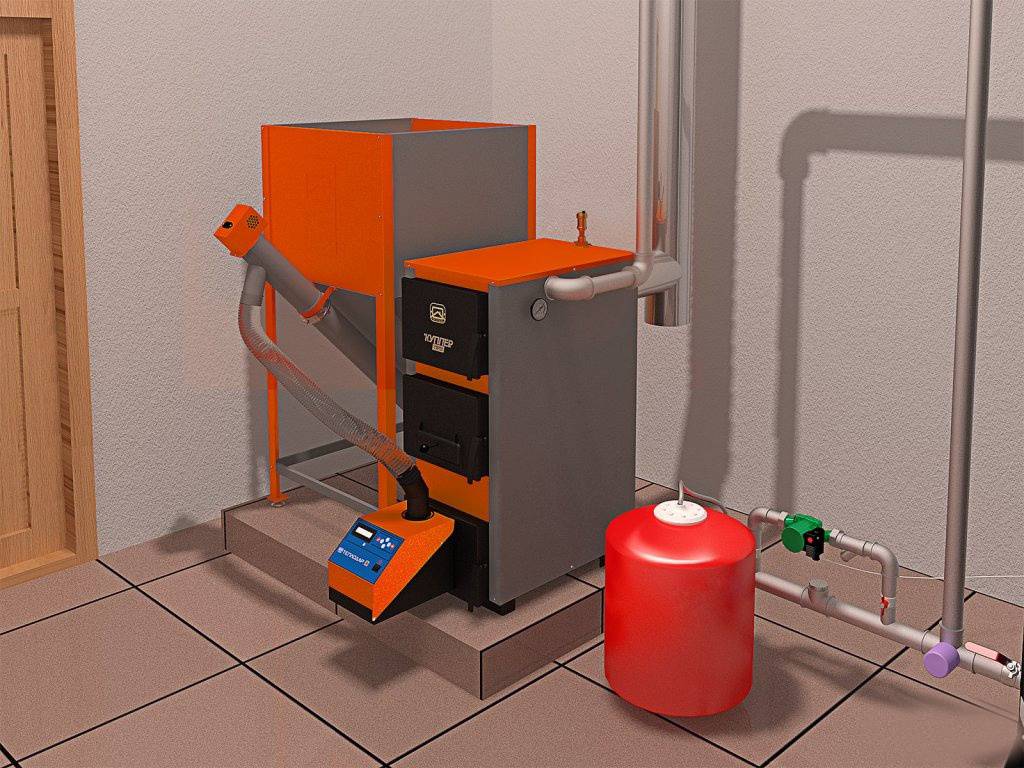
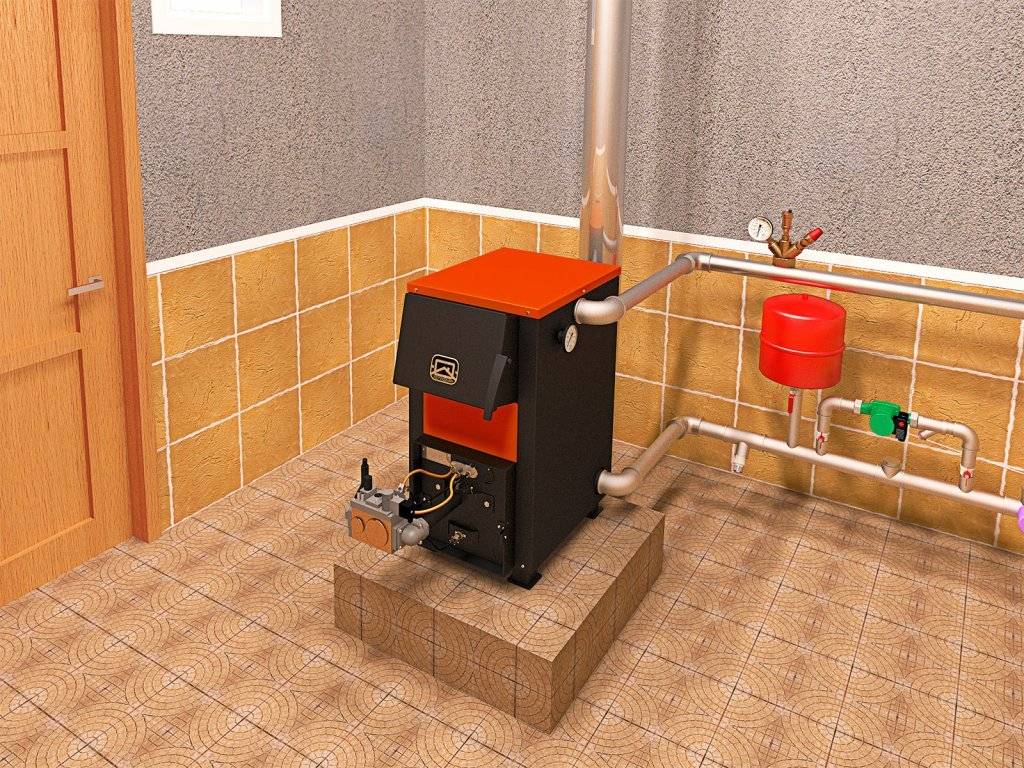

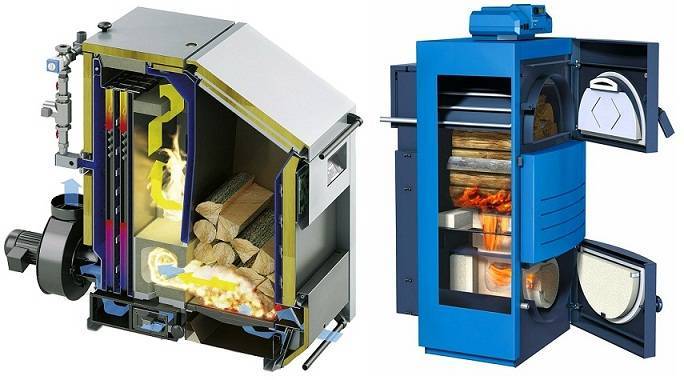
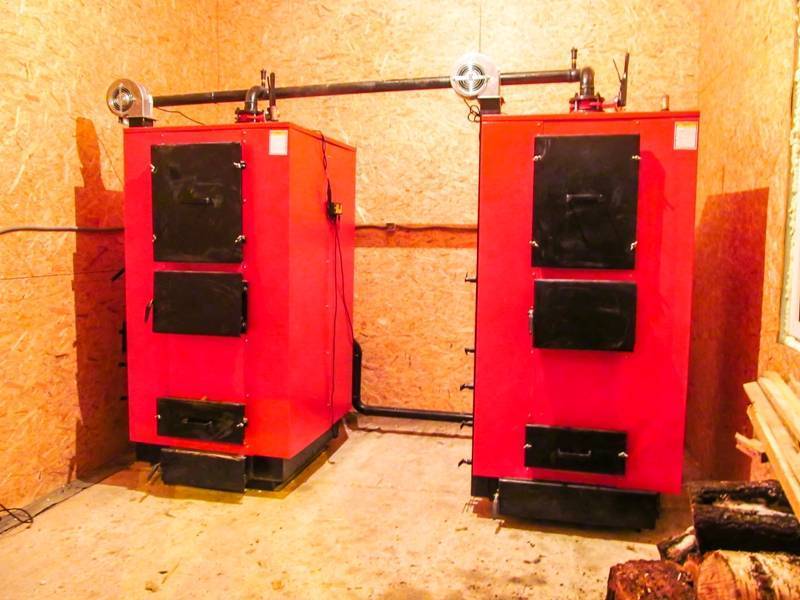

Cost: 63,000-67,500 rubles.
Roda Brenner Classic BCR-04
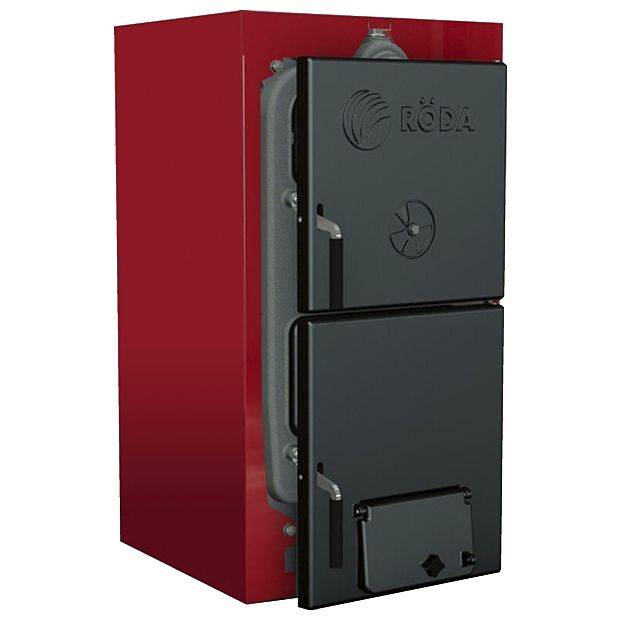
Another practically standard Czech combined boiler with a cast-iron heat exchanger and a technological, efficient and practical design. The body is separated by a layer of thermal insulation, which reduces heat loss through the boiler modules, keeps the body relatively cold.Everything is also distinguished by Czech reliability, practicality in operation and cleaning, good efficiency.
According to the installation experience and feedback from the owners, no shortcomings and malfunctions were found for more than 6 years of operation. One can only note the still high price for the average Russian buyer.
Cost: 53,000-55,000 rubles.
GEFEST VPR KSTGV-20
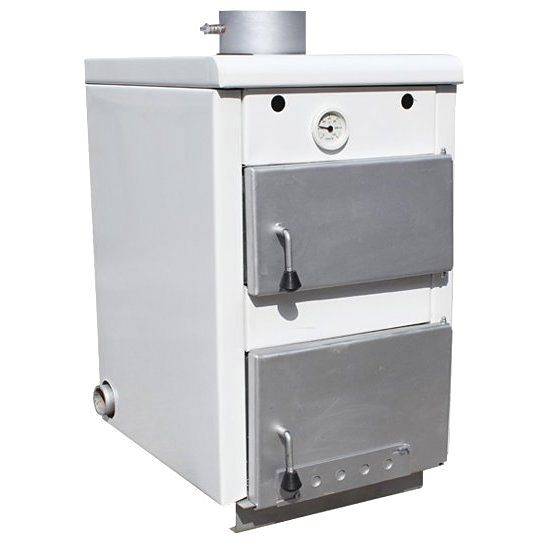
Inexpensive and compact double-circuit combined boiler of domestic production. It features a good efficiency of 80%, achieved due to the excellent design of the heat exchanger. The primary heat exchanger is steel, but the secondary (for hot water) is made of copper. Almost always, a gas burner of the BRAY type with the well-known simple Italian SIT automatic equipment comes as standard.
Please note that the maximum allowable working pressure is only 1 bar. It is also worth noting that the model is quite rare for sale.
Cost: 23,500-26,400 rubles.
Karakan 20 TEGV

Another domestic double-circuit model. It has the simplest design, is not picky about fuel, has a large loading opening and a firebox, as well as a block of heating elements installed from the factory.
However, the heat exchanger is steel, the efficiency is only 75%, the weight is 101 kg, and the maximum allowable working pressure is 1 bar. Service complaints for more than 5 years of operation was not.
Cost: 22,500-25,000 rubles.
Combined implement models
The advantage of multi-fuel boilers is versatility. The rest of the pros and cons of the units inherit from the corresponding heat generators - gas, electric or wood.In installations, it is customary to combine energy carriers in the following combinations:

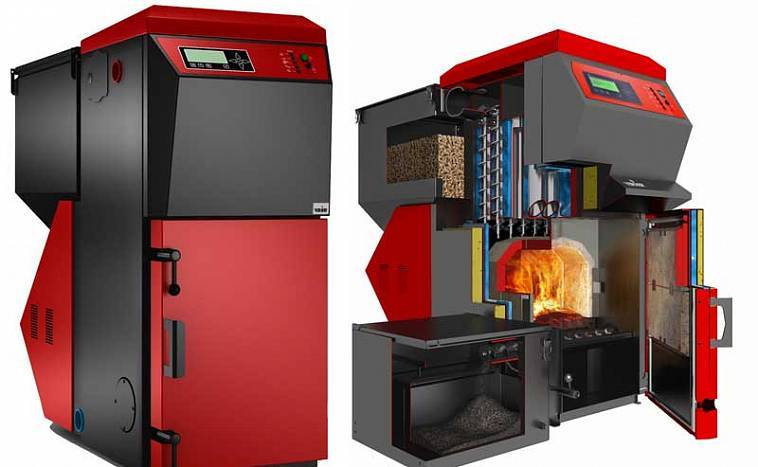


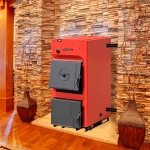

- firewood - electricity;
- gas - electricity;
- coal - firewood - gas;
- diesel - firewood - electricity - gas.
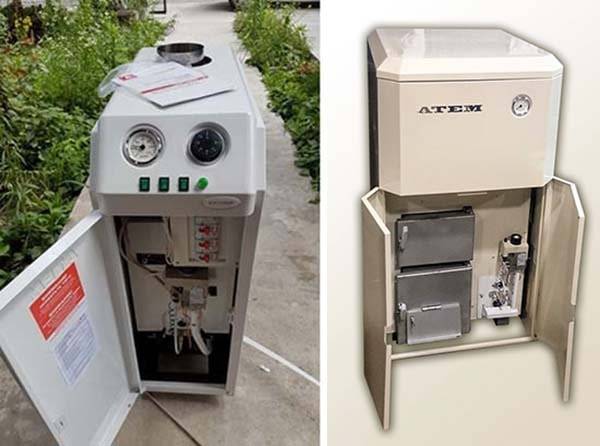
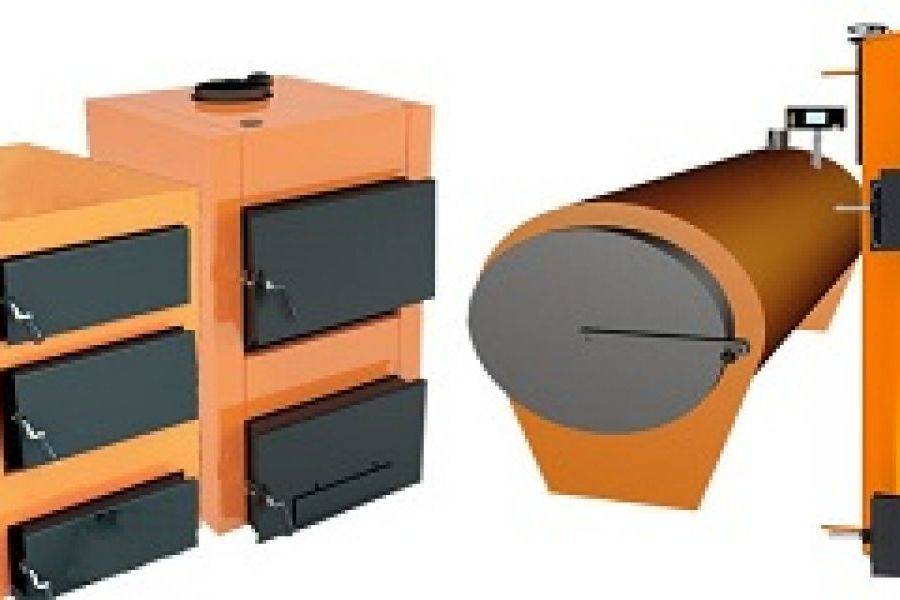
Electro-gas (left) and coal-gas (right) boiler "Zhytomyr"
The main idea of a combined heater is the continuous supply of thermal energy to the dwelling with automatic or manual switching to another fuel if necessary. But the combination of several combustion chambers and electric heaters generates a number of disadvantages:
- the size and weight of the boilers increases, the price increases;
- The efficiency of the use of all types of fuel is reduced;
- repair and maintenance becomes more difficult.
The best combination is a combination of a TT boiler with electric heating elements. The heaters are built into the boiler tank and do not increase the initial dimensions of the product. If you take an electrogas installation, you will need a permit and a project for connecting to the highway.
Solid fuel boilers
Despite all the shortcomings, solid fuel boilers for heating a private house are used in most cases. Probably, this is largely due to habit and traditions, but the fact remains that there are more solid fuel boilers in our country than all others.
Solid fuel boilers work mainly on wood and coal
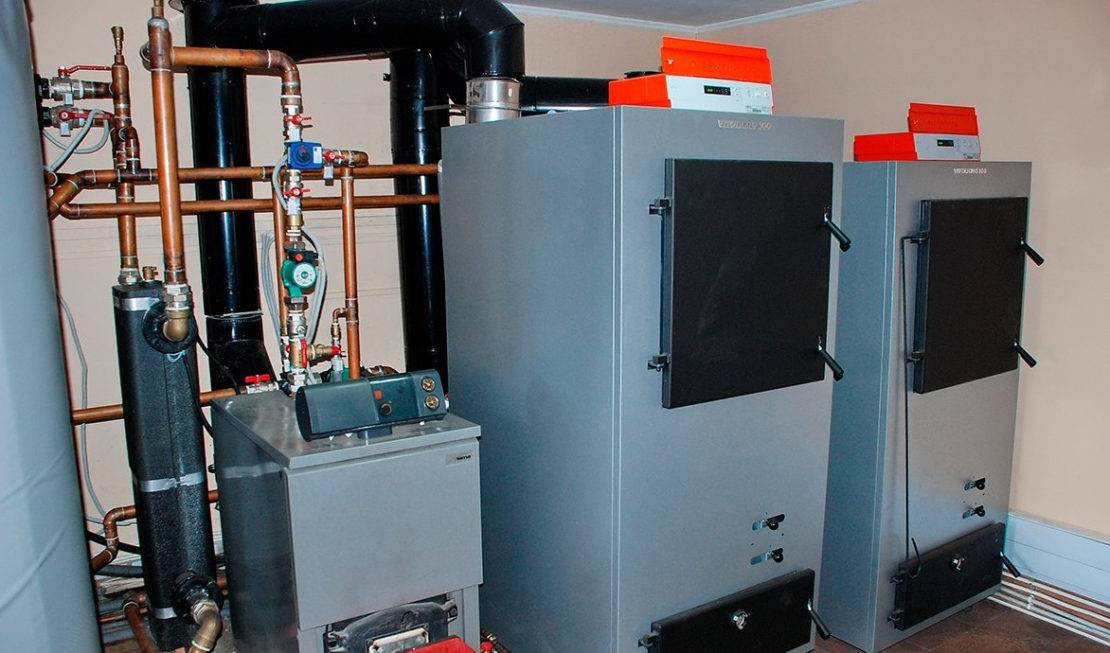
Basically, two types of solid fuels are used for heating - wood and coal. What is easier to get and cheaper to buy, so they basically drown. And boilers - for coal and firewood, you need to use different ones: in wood-burning solid fuel boilers, the loading chamber is made larger - so that more firewood can be laid. In TT coal boilers, the furnace is made smaller in size, but with thicker walls: the combustion temperature is very high.
Pros and cons
The advantages of these units include:
- Inexpensive (relatively) heating.
- Simple and reliable design of boilers.
- There are non-volatile models that work without electricity.
Serious disadvantages:
- Cyclic operation. The house is either hot or cold. To level this shortcoming, a heat accumulator is installed in the system - a large container with water. It stores heat during the active combustion phase, and then, when the fuel load burns out, the stored heat is spent to maintain a normal temperature.
- The need for regular maintenance. Firewood and coal must be laid, kindled, then the intensity of combustion must be regulated. After burning out, the firebox must be cleaned and the process restarted. Very troublesome.
The principle of operation of a conventional solid fuel boiler - Inability to leave the house for a long time. Due to the cyclical operation, the presence of a person is necessary: fuel must be thrown up, otherwise the system may freeze during prolonged downtime.
- The process of loading fuel and cleaning the boiler is a rather dirty task. When choosing an installation site, this should be taken into account: the boiler should be placed as close as possible to the front door so as not to carry dirt through the entire room.
Generally speaking, the use of a solid fuel boiler for heating a private house is an inconvenient solution. Although the purchase of fuel, as a rule, is relatively inexpensive, but if you calculate the time spent, it is not so cheap.
Long burning boilers
Long-burning boilers were developed to increase the interval between fuel fillings. They use two technologies:
- Pyrolysis. Pyrolysis solid fuel boilers have two or three combustion chambers.The fuel filling in them burns with a lack of oxygen. In this mode, a large amount of flue gases are formed, most of which are combustible. Moreover, when burning, they emit much more heat than firewood or the same coal. These gases enter the second chamber, where air is supplied through special openings. Mixing with it, combustible gases ignite, releasing an additional portion of heat.
The principle of operation of the pyrolysis boiler - Top burning mode. In traditional solid fuel boilers, fire spreads from bottom to top. Because of this, most of the bookmark burns, the fuel burns out quickly. During active combustion, the system and the house often overheat, which is very uncomfortable. When using top burning, the fire is kindled only in the upper part of the bookmark. At the same time, only a small part of the firewood burns, which evens out the thermal regime and increases the burning time of the bookmark.
Top burning boiler
How effective are these technologies? Pretty effective. Depending on the design, one bookmark of firewood can burn from 6-8 to 24 hours, and coal - from 10-12 hours to several days. But to obtain such a result, it is necessary to use high quality fuel. Both firewood and coal must be dry. This is the main requirement. When using wet fuel, the boiler may not even enter the smoldering mode, that is, it will not start heating. If you have a woodcutter with a two to three year supply of firewood or a large shed that stores coal, a long-burning boiler for heating a private house is a good choice. Better than normal.
Characteristics
Gas-electricity boilers are cheaper due to the lack of two different furnaces. Gas-electric heaters regulate the operating mode (on, off) automatically. Thus, the required temperature is maintained in the room, and resources are spent as economically as possible.
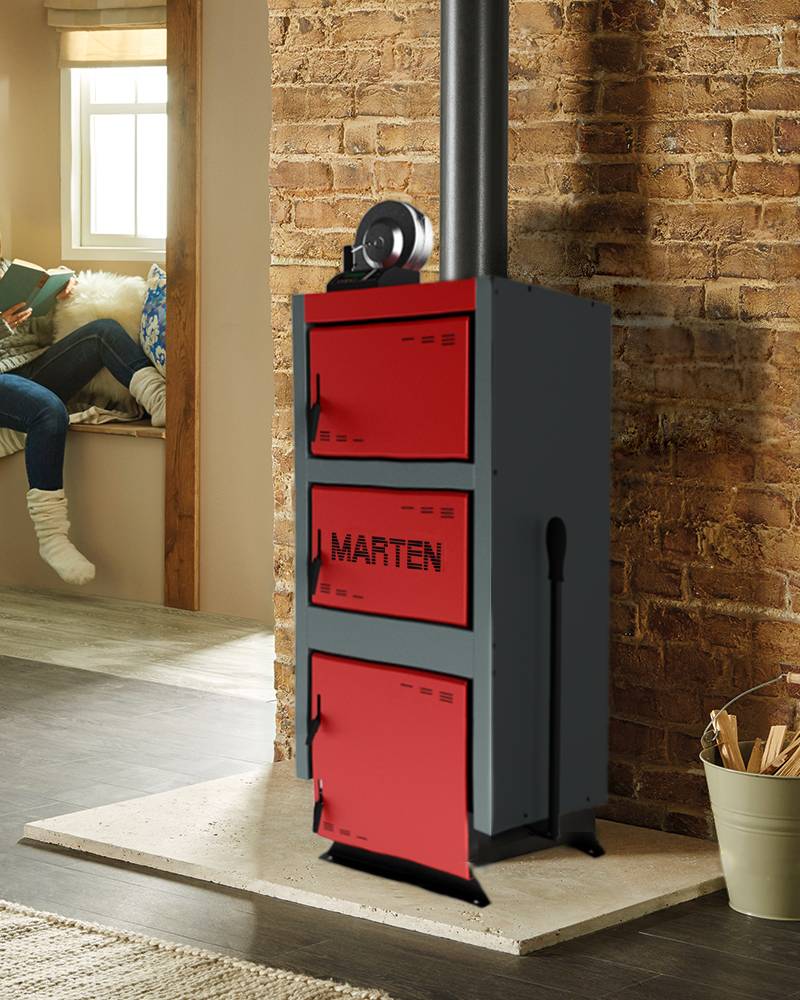
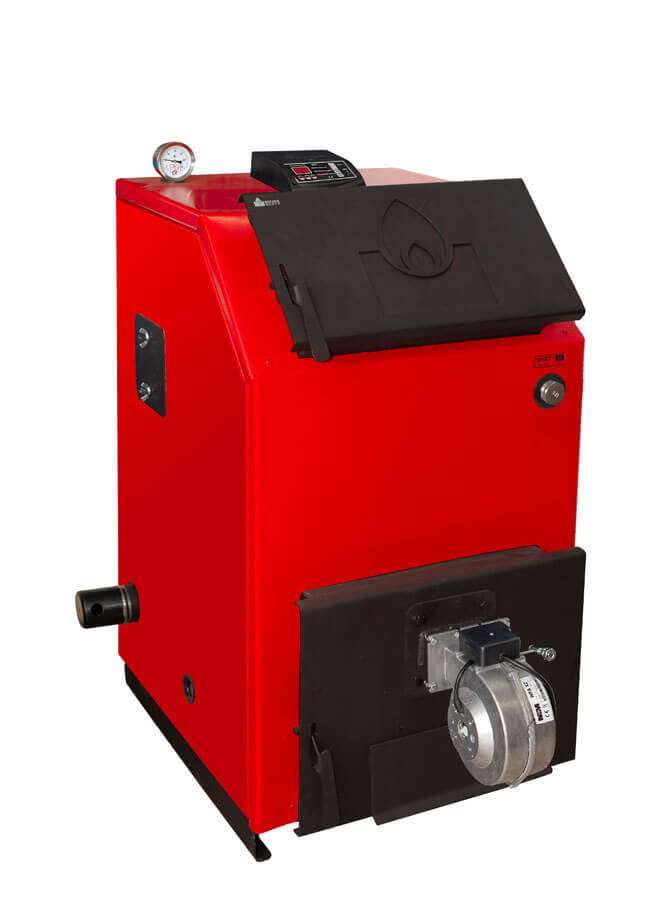
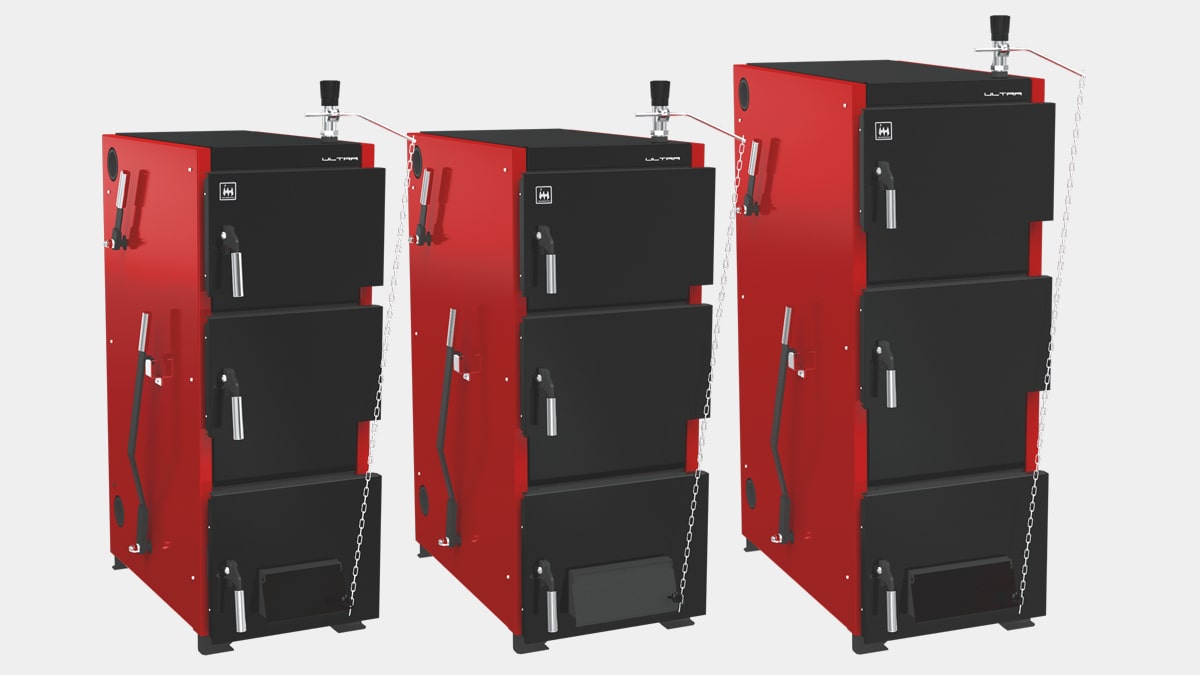

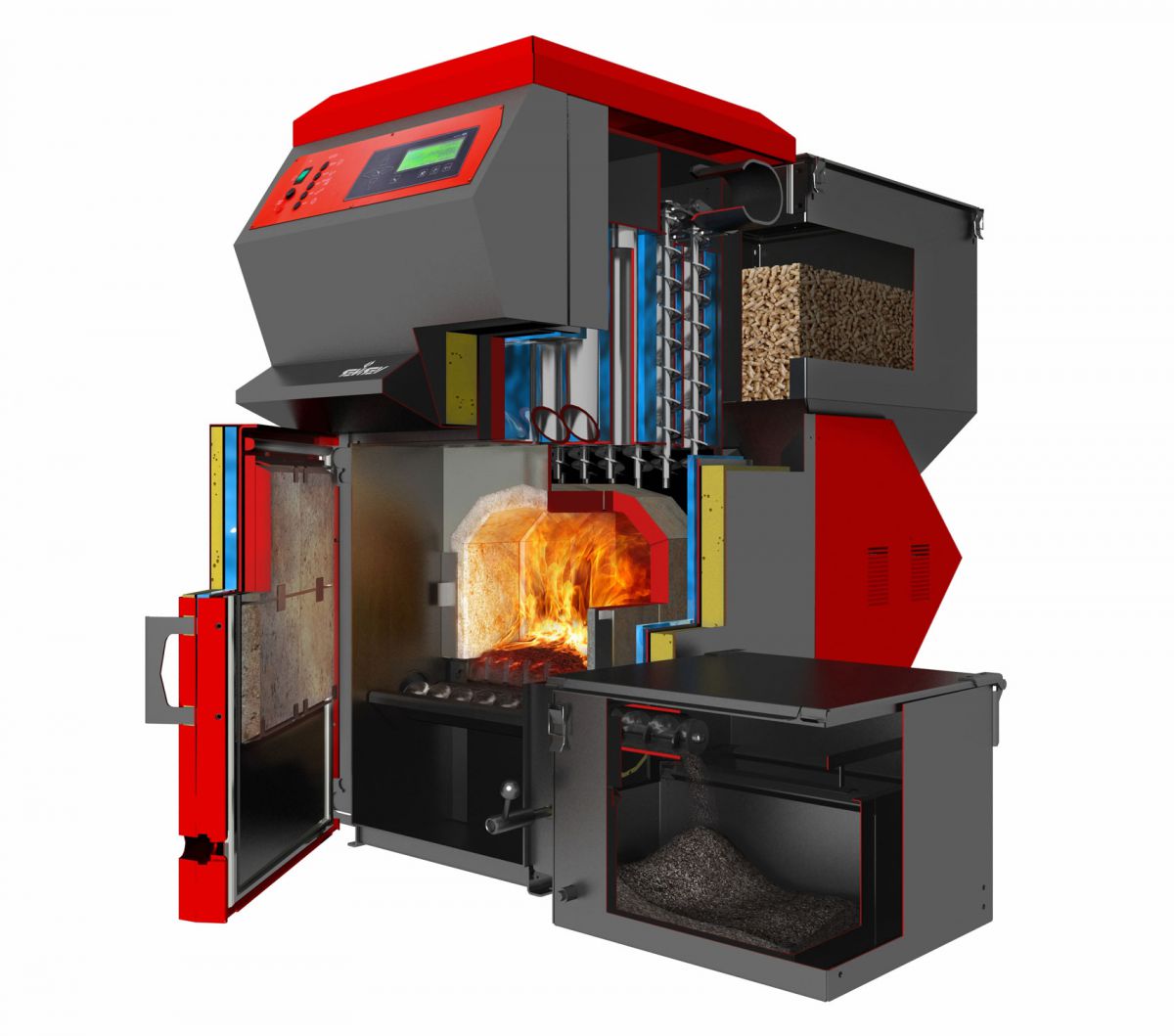


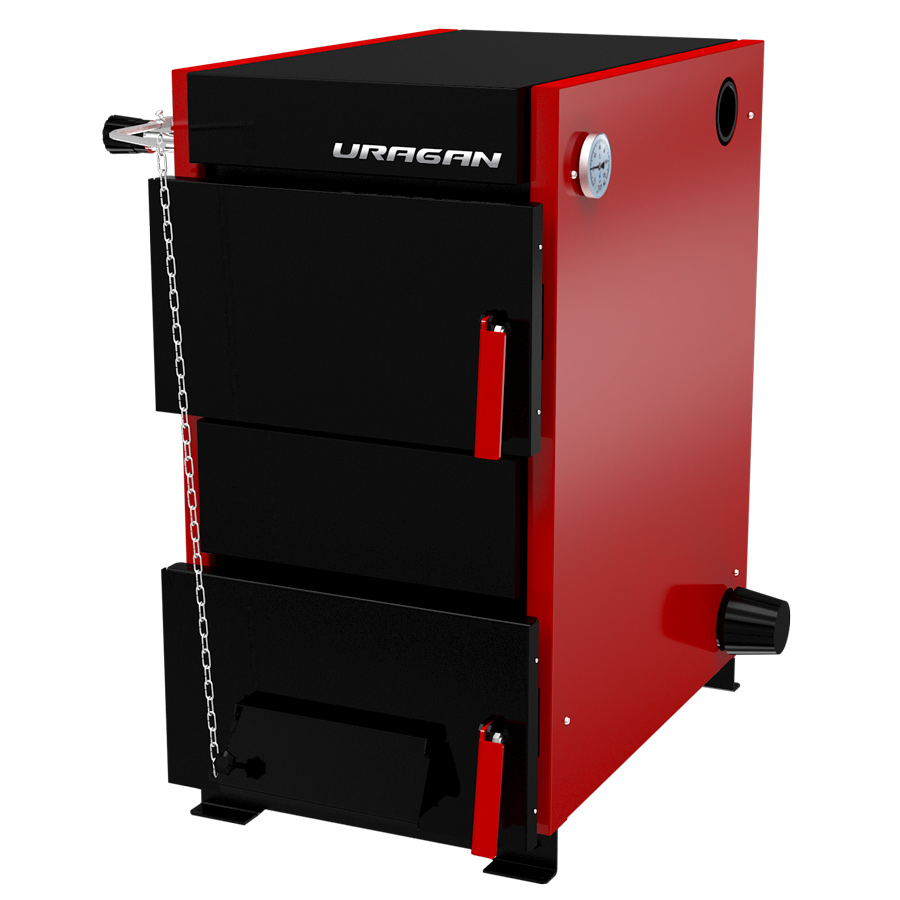

Combined heaters are distinguished by the following characteristics:
- Small sizes. The design of such units includes oversized combustion chambers for gas combustion and heat exchangers with a built-in heating element.
- Low level of electrical energy consumption. The boiler mainly operates on gas, and the electric heater starts up if necessary for the rapid heating of water, as well as in the absence of a gas mixture supply.
- Moderate price. It is formed due to the absence of a separate chamber (furnace), since the heater is built into the heat exchanger. In equipment where there is no secondary circuit, an option is planned for the possible connection of a water heater.
- Heating elements with low power. Most of the models on sale only maintain the specified temperature value. Water heating heating elements start to work in case of starting the electric mode of operation.
Gas is considered an economical type of fuel, which cannot be said about electricity. In this regard, for heating houses in areas with underdeveloped gas supply, it is better to find a boiler option that runs on a different type of fuel.
Why are they needed and how are they used?
Undoubtedly, the advantages of using a combined design are:
- saving space in the boiler room, since the dimensions of a universal boiler are usually equal to those of a classic solid fuel boiler;
- the possibility of using two types of fuel at any time, for example, electricity, until the planned gas main is laid near the house;
- in the presence of conditionally free electricity (solar panels, wind farms, etc.).
However, as we have already said, without special conditions, the purchase of an electric gas boiler is not justified either economically or practically.
Firstly, in absolutely all models of combined electric and gas boilers, a gas burner must be purchased separately, the cost of an average burner is about 6-12 thousand rubles, which practically compares the cost of a full-fledged combined boiler with the cost of two separate budget boilers.
Secondly, the efficiency and functionality of individual, even budget models, are always higher than one multi-fuel one. This is due to the structure of the combustion chamber, designed primarily for solid fuel, as well as a fairly simple automation or its complete absence. The only exceptions are multi-fuel foreign models, but their cost starts from 290,000 rubles.
Thirdly, a small bonus of two single-fuel boilers is that if one breaks down, the second can be used as a backup. Moreover, even judging by the demand, this is a much more common scheme.
Selection of solid fuel boiler
When choosing a solid fuel boiler, the following features should be considered:
1 The heat output of the boiler (the amount of heat produced by the boiler per hour) can vary greatly depending on the type of fuel used and the combustion phase.
2 The rated heat output of the boiler, declared by the manufacturer in the technical specifications, is achieved by burning coal of the Anthracite brand, and this is coal with the highest calorific value. Therefore, if it is supposed to use other types of fuel, then when calculating the power of a solid fuel boiler, multiplying factors are used:
- 1.05 for hard coal
- 1.18 for brown coal
- 1.25 for peat briquettes
- 1.25 for dry firewood with a moisture content of 15-20% (two years of drying)
- 3.33 for raw firewood with a moisture content of 70-80%
3 Manufacturers define the rated thermal power of the boiler as the average hourly power generated by the boiler during the combustion of one full load of anthracite coal, while the combustion process proceeds in normal mode with an excess of oxygen.
As a rule, the burn-in time of one load in this mode is no more than 4 hours. This means that the boiler can produce 70% of the nominal power for the first and last hour of burning, and work with a power of 130% for two hours of the active combustion phase. The rated power in the technical characteristics of the boiler will indicate the average 100% = (70 +130 +130 +70) / 4.
It is very important to take this feature into account when calculating a solid fuel boiler and choosing its piping scheme. 4 When choosing a solid fuel boiler, it is recommended to take a power reserve relative to the power of the heat consumption system of about 25-30%. The power reserve of the boiler will allow:
The power reserve of the boiler will allow:
4 When choosing a solid fuel boiler, it is recommended to take a power reserve relative to the power of the heat consumption system of about 25-30%. The power reserve of the boiler will allow:
- cover unaccounted heat losses
- level the discrepancy between fuel quality and declared values
- increase the burning time of a single load of fuel, since boilers of higher power usually have a large volume of the loading chamber
- cover the power required for heating hot water if the boiler was selected for the load of the heating system.
To take into account the above factors, when calculating a solid fuel boiler, designers often use even a twofold increase in power, although the stock leads to cost overruns for its purchase.
5 Regardless of what manufacturers write in the characteristics of the boiler, if it is not pyrolysis, it will not burn for more than 12 hours. In order for a solid fuel boiler to burn for 12 hours, it must burn in the smoldering mode with an oxygen deficiency in the furnace, while the ash content increases significantly and the efficiency of fuel combustion decreases. In other respects, this mode is not recommended by any manufacturer at all, but rather is used simply as a publicity stunt.




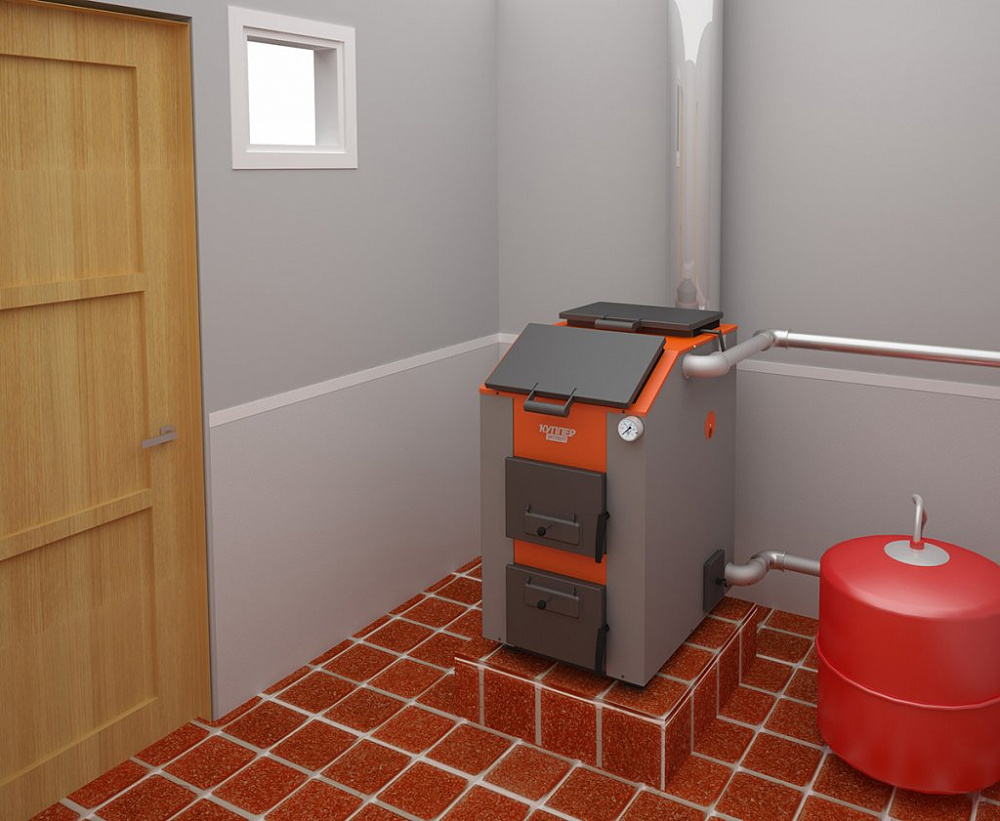
Therefore, if loading the boiler with a frequency of 4-6 hours is unacceptable for you, it is better to give preference to pyrolysis boilers or use a connection scheme with a heat accumulator.
6 Some fuels burn quickly, others slowly. This feature should also be taken into account when calculating a solid fuel boiler if the frequency of fuel loading is an important factor for you. The above online calculation will determine the amount of thermal energy generated from one load of fuel in kWh and its burning time.
Feature of the selection of a solid fuel boiler for a heating system
When choosing a heating boiler, it should be taken into account that the estimated heat output of the heating system is needed for no more than 5-7 days of the heating period.
The heat output of the heating system is calculated for the temperature of the coldest five-day period, the eight coldest winters over the past 50 years. On average, for Ukraine, the calculated outdoor temperature, depending on the region, ranges from -19 to -23°C.
The average heat consumption of the heating system during the heating period is approximately half of the calculated heat load. Therefore, if a solid fuel boiler is selected with a recommended power reserve of 30% for the calculated outdoor temperature, that is, 130% of the required power at the calculated temperature, then with an average load over the winter, its power reserve will be 260% of the required.
It follows from this that the warmer it is outside, the longer the burning time of a single load of fuel will be.