- The best outdoor heaters
- Siabs Kaliente - elegant heating
- ENDERS Elegance - for a cozy stay with a small company
- ACTIVA Pyramide Cheops 13600 - heating pyramid
- Which gas heater to buy
- Timberk TGH 4200 SM1
- infrared
- Ceramic
- catalytic
- The design and principle of operation of the unit
- Peculiarities
- The principle of operation of the catalytic heater
- The best outdoor gas heaters
- Kratki Patio G31
- Ballu BOGH-15
- Hyundai H-HG2-23-UI685
- The principle of operation and types of outdoor heaters
- Types of infrared heaters
- Tips for choosing a specific model
The best outdoor heaters
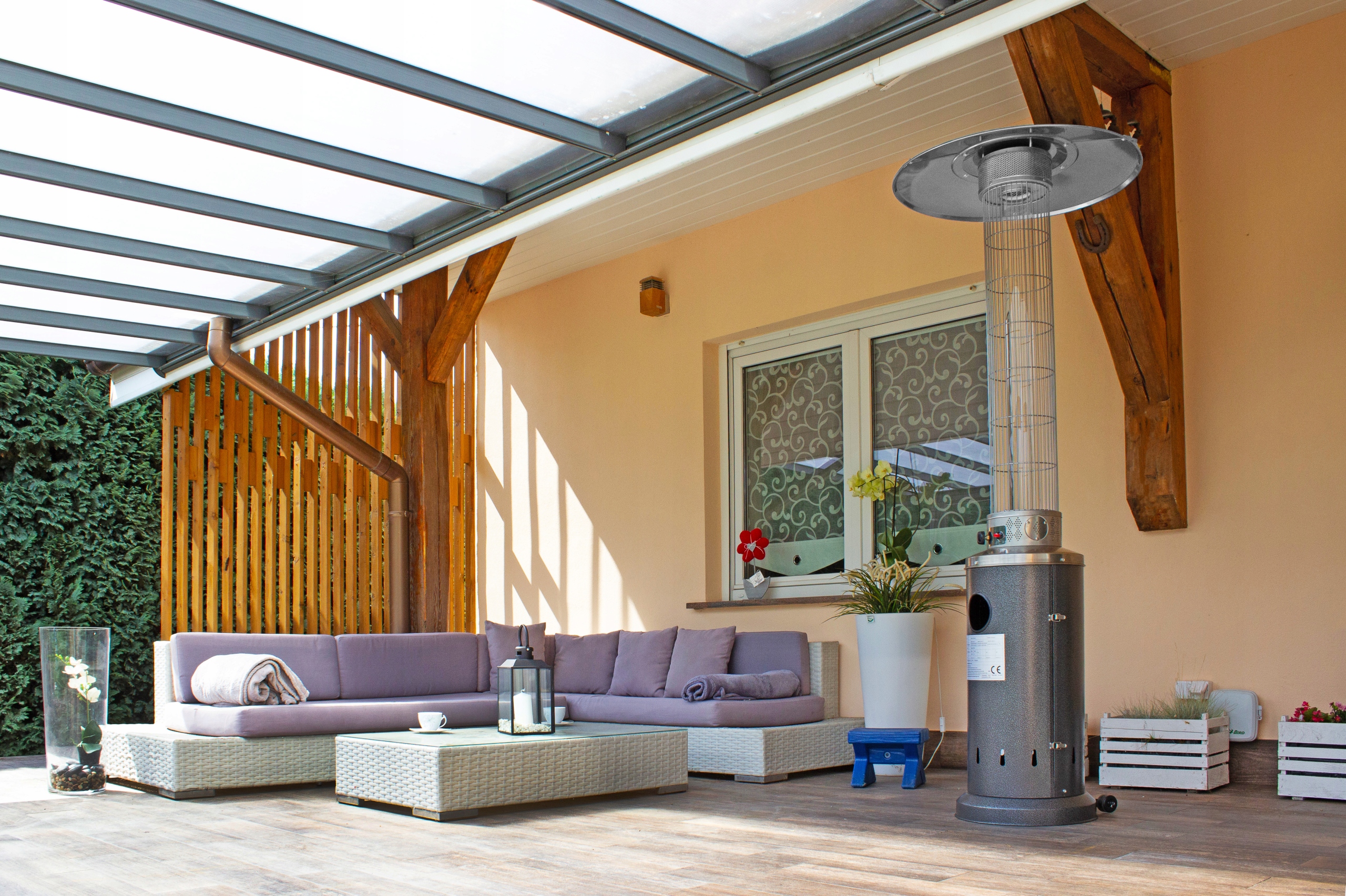
When it is required to heat an open space on the street (a picnic in nature or gatherings in a courtyard gazebo in spring and autumn), then gas-fired outdoor heaters are used. They feature a stylish design and a tall body to distribute heat over a large area. Below are the models most liked by users.
Siabs Kaliente - elegant heating
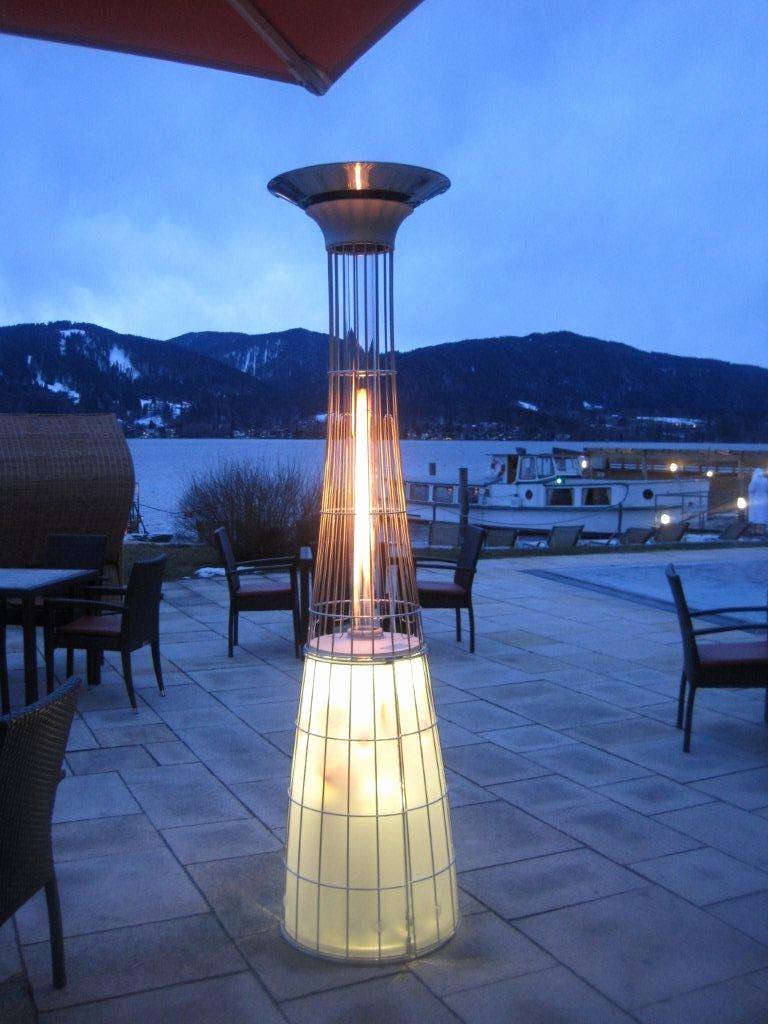
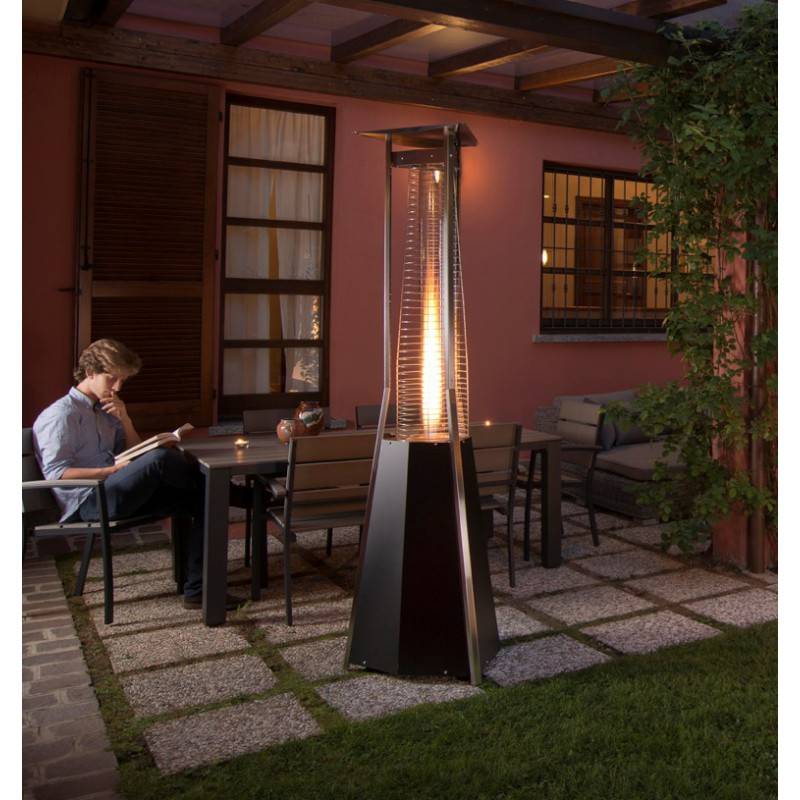
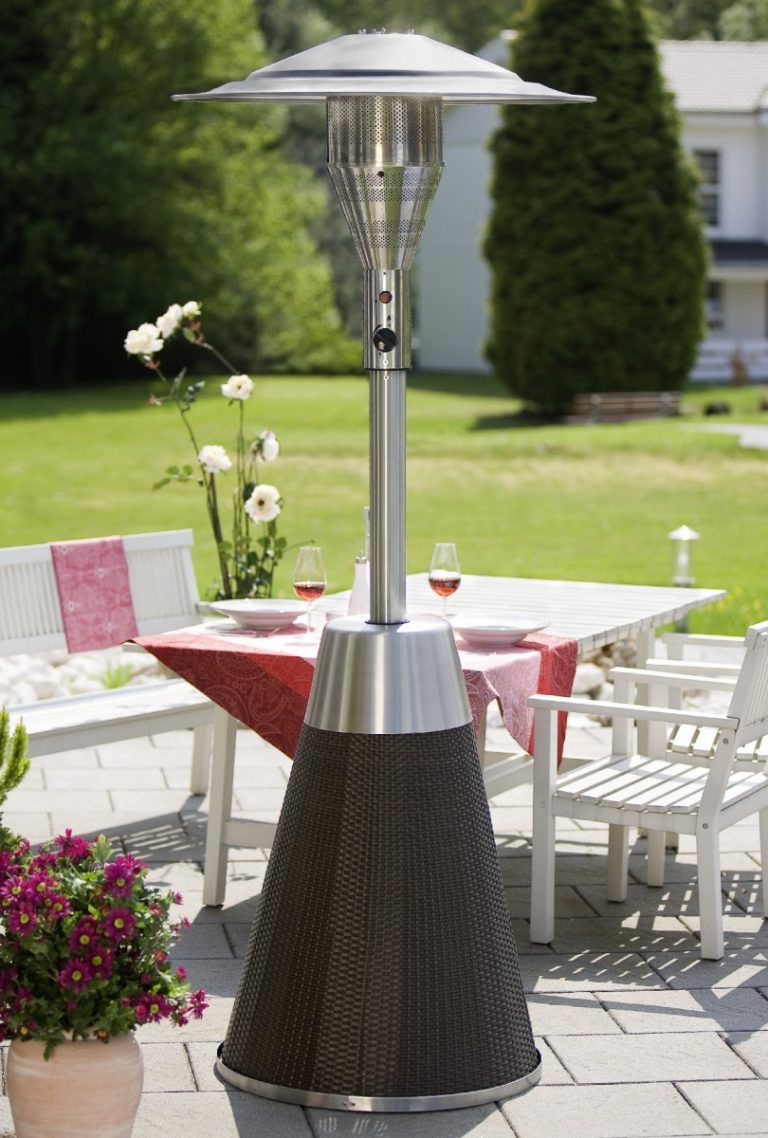
One of the most beautiful and expensive types of outdoor heater is Siabs Kaliente. This Italian machine stands 233 cm tall and is a vertical piece of equipment reminiscent of the Eiffel Tower in miniature. The power of the heater is 10.5 kW, and its heating capacity covers 35 square meters. Housing materials are aluminum and stainless steel.
The lower part has LED lighting for decoration. Weight with a filled cylinder will be 33 kg. Continuous operation is enough for 10-18 hours, depending on the set mode. The flame burns in a closed flask under glass. This gives a beautiful effect and warmth in the form of infrared radiation. High quality case assembly. Stands firmly on the ground.
Advantages:
- very beautiful design;
- economical gas consumption;
- stainless materials;
- good stability;
- safe;
- integral protective grille.
Flaws:
- packaging stickers on the case are poorly torn off;
- high price;
- a lot of unnecessary technical information in the passport.
ENDERS Elegance - for a cozy stay with a small company
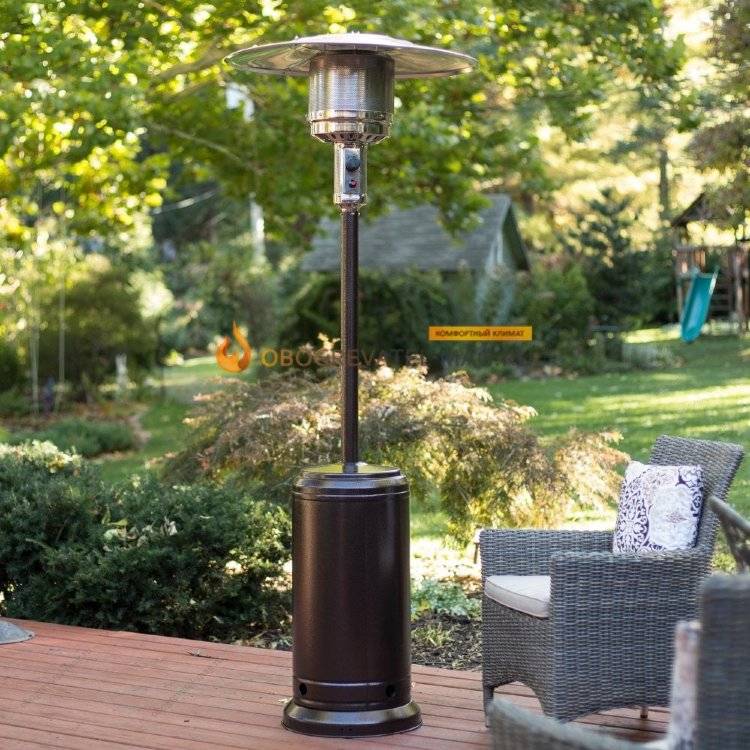
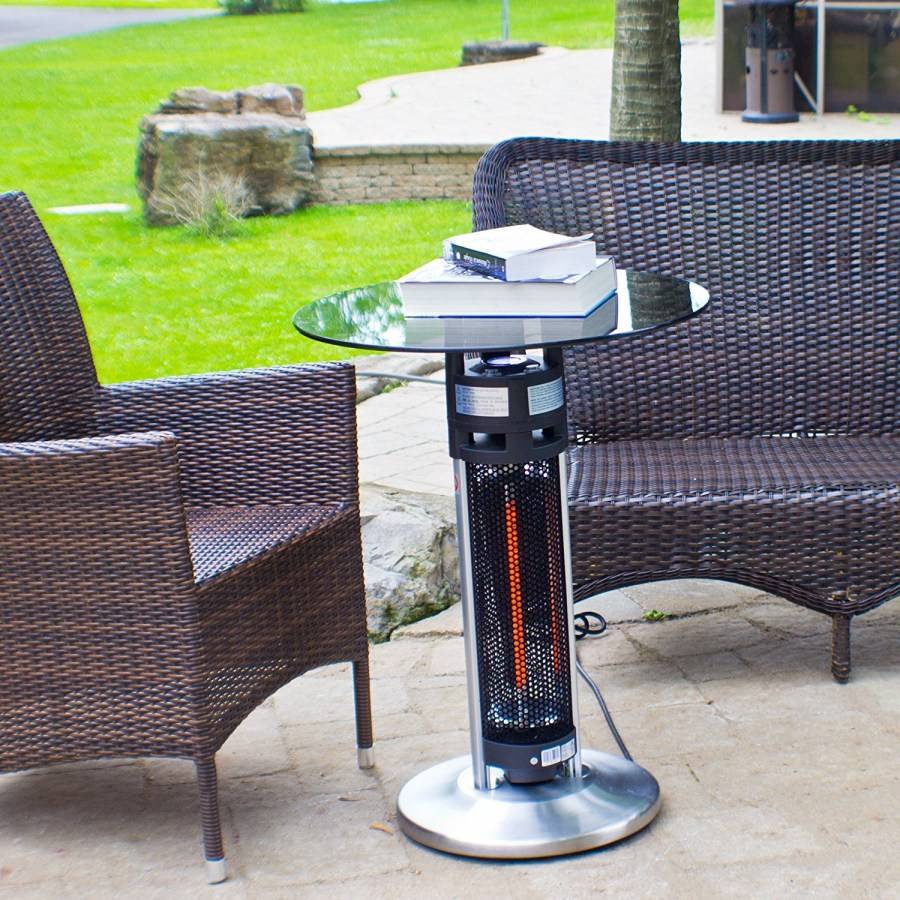
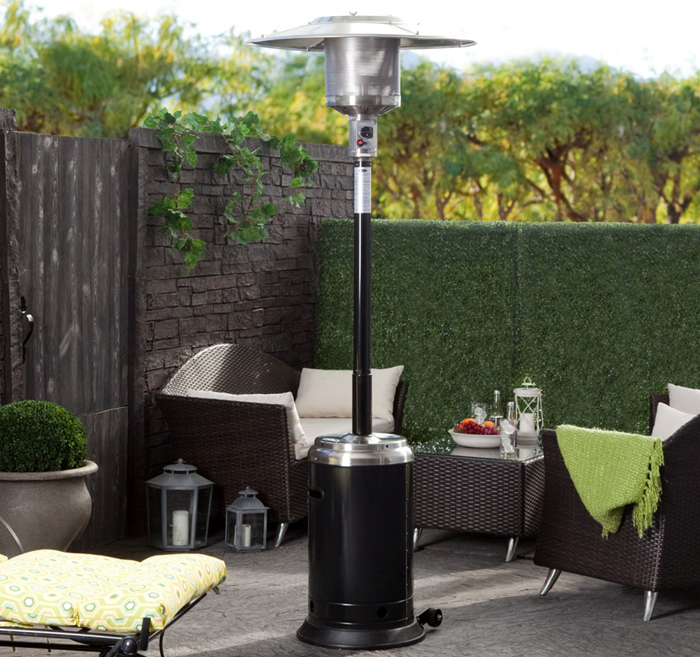
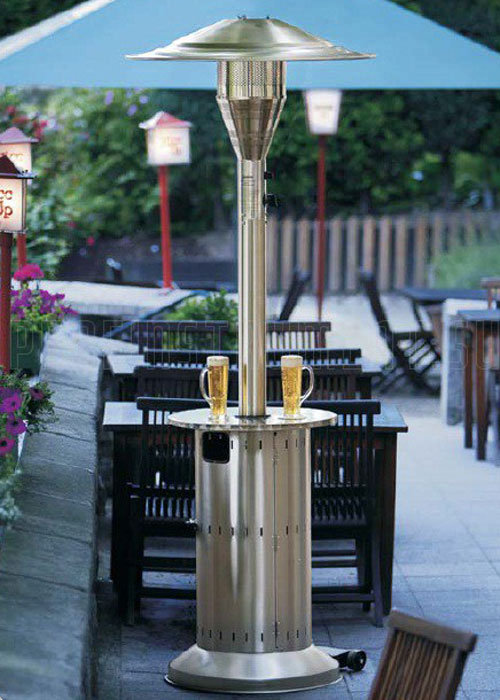
This German heater is much cheaper than its counterparts and is designed for a range of only 9 meters. The design of the device resembles a street lamp with a fungus. It reaches 220 cm in height. Case material – polished stainless steel. It is practical to install it in the center of the gazebo or yard. The power of the device is 8 kW. Gas combustion consumption takes almost 600 g per hour.
Among the functionality there is a pressure regulator that monitors the maintenance of the flame. In the absence of fire, leakage protection is activated. Due to the high, narrow design, a tilt sensor is provided to cut off the fire in the burner if it falls. With a filled standard cylinder, the device will burn from 19 to 50 hours, depending on the selected mode.
Advantages:
- anti-corrosion body material;
- beautiful original design;
- leakage and tilt protection sensors;
- the ability to use on a covered terrace, if the overlap is more than 75 cm;
- easy assembly;
- affordable price.
Flaws:
- small heating area;
- ineffective in windy weather.
ACTIVA Pyramide Cheops 13600 - heating pyramid
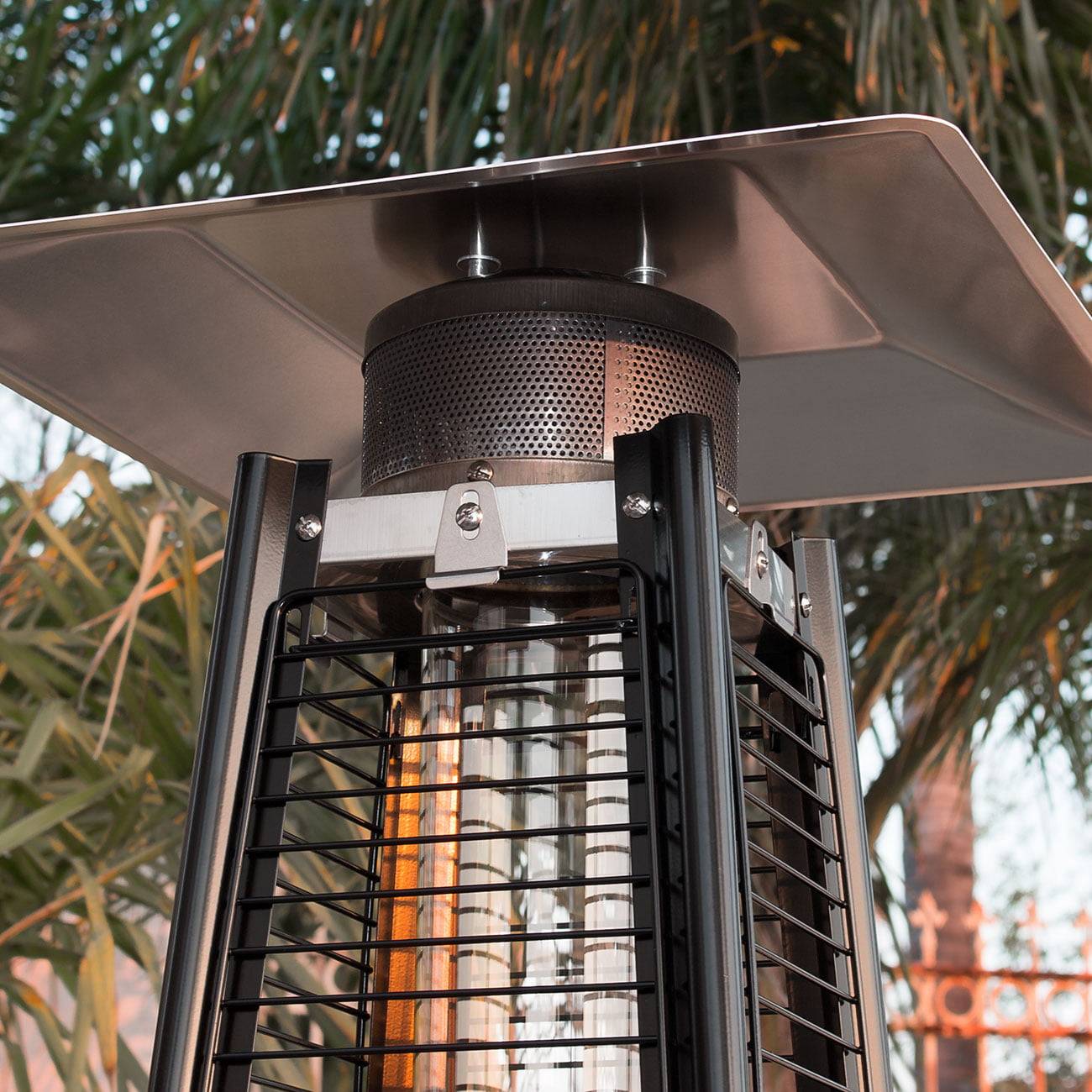
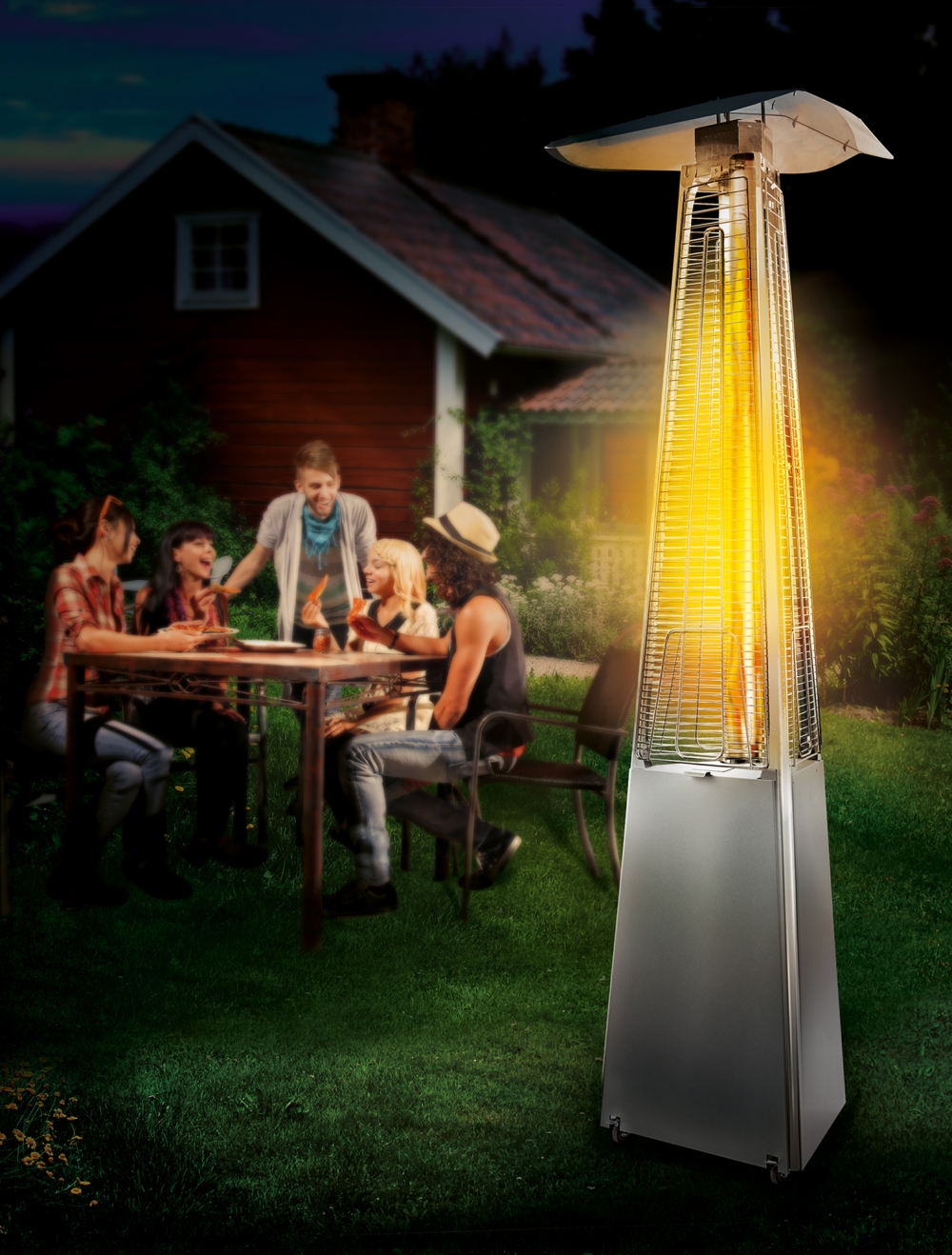
As you can see from the name itself, this heater is created in the style of a pyramid, which has a narrow towering shape. The flame burns in a strong flask, closed with four grids. On one side there is a hinged cover that provides access to the cylinder installation site, the piezo ignition button and the adjustment switch.
The power of the device is 10.5 kW, and the gas consumption is from 300 to 900 g per hour. The case is made of polished stainless steel, and the movement of 33 kg of the structure is carried out on wheels. Temperature and tilt sensors ensure comfort and safety.
Advantages:
- reducer and hose included;
- stainless steel;
- conversion of fire energy into infrared radiation;
- leakage sensor;
- pressure regulator;
- aluminum reflector.
Flaws:
- small heating area;
- high price;
- separate grille;
- the balloon is purchased separately;
- the shape of the pyramid is quite common among analogues.
Which gas heater to buy
A key factor in choosing a gas heater will be its future application. Too large models are inconvenient to transport from place to place, and small devices will not cope with the task over a large area.
Therefore, it can be summed up like this:
1. For large country houses that do not have a centralized gas supply and where limited time will be spent, Timberk TGH 4200 M1 or Ballu Bigh-55 floor models are suitable. They are quite productive and can be easily moved on wheels from room to room.
2. If you need constant heating of an office, warehouse or remote home, it is advisable to install a wall heater, perhaps several at once in different rooms.Suitable devices such as Alpine Air NGS-50 or Hosseven HBS-12/1. But you will need to carefully consider the place, because a chimney gasket is necessary.


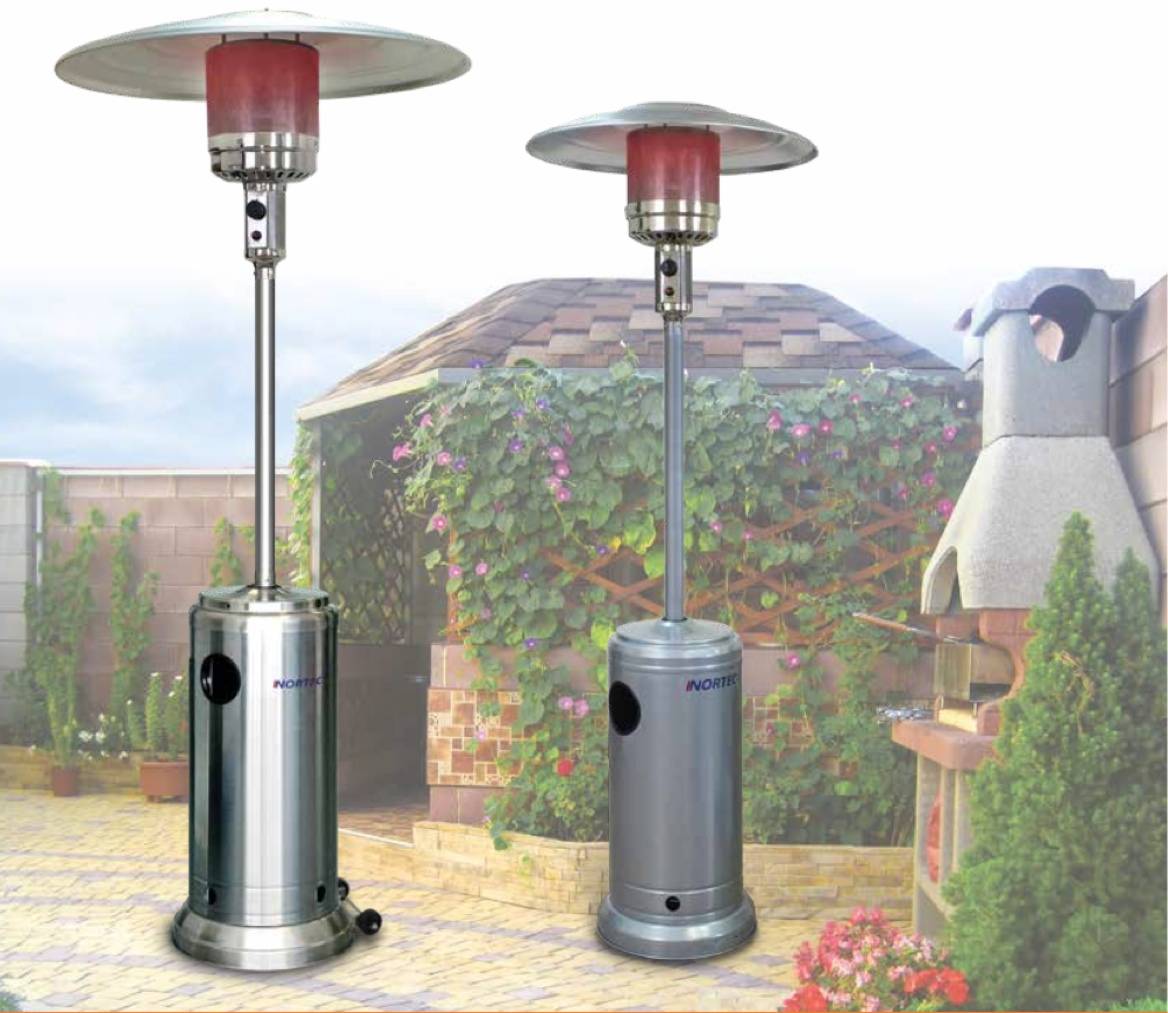


3. For recreation on the street, in the yard or outdoor restaurant areas, vertical-type devices are purchased that not only warm others, but also create an interior. For a restaurant, it is best to buy Siabs Kaliente, and ENDERS Elegance will also cope with personal needs.
4. During a hike or fishing, Orion from Pathfinder or Ballu Bigh3 will help create a warm microclimate. The first is very light and economical, and on the second you can still cook the fish soup.
Timberk TGH 4200 SM1
Unlike a gas stove, this device is intended more for stationary indoor use. It is capable of heating rooms at a power of 1.4 to 4.2 kW, which is quite sufficient for a quick and uniform increase in air temperature. He can maintain heat in an area of up to 60 square meters. m, but the minimum room size should be 30 sq. m.
The oven runs on both propane and butane, using only 0.31 kg/h. One bottle lasts a long time, and the CO2 level control system increases the safety of the device. True, you will have to buy this part separately - gas is not supplied in the kit, but a hose is provided for its transmission. Here, TB is well thought out - when capsizing, the unit turns off on its own.
Advantages:
- The ceramic burner consists of three sections with a phased start;
- Continuous operation for 51 hours;
- Piezoelectric flame ignition;
- There is a gas control function;
- Convenient transport wheels.
Flaws:
The price is higher than for gas stoves.
infrared
Thermal energy is transmitted mainly by radiant energy, infrared radiation emanating from the heater. At the same time, it is not the air that is heated in the first place, but objects in the room or the area of the heater. The radiation is easily directed with the help of mirrors and reflectors in the right direction, without wasting heat in vain. Space heating is not accompanied by active air convection, which is excellent even for open areas and rooms with active ventilation.
The source of radiation can be both an open flame and surfaces heated to a high temperature. So the following types of infrared gas heaters have become widespread:
- ceramic;
- catalytic combustion.
At the same time, these two types differ in the way gas is burned. In ceramic, the combustion process takes place inside a protected chamber. In catalytic combustion open type over the entire working surface, and additional protection is required. However, the catalytic burner is often made in the form of a ceramic plate.
Ceramic
The preparation of the gas-air mixture and its combustion takes place in an isolated chamber, preventing the flame from escaping to the outside. Most of the heat generated is transferred to the ceramic plate with a large surface area. After that, energy is emitted from the outside of the plate in the form of infrared waves. The composition of the ceramic plate and its shape are selected in such a way as to increase the proportion of thermal radiation and reduce the surface temperature of the heater.
The purpose of creating ceramic infrared heaters was to reduce the risks associated with the use of flames and explosive gases.The combustion chamber is reliably protected and equipped with additional protective equipment that will shut off the gas supply in any emergency situations. At best, there are the following protection components:
- Heater temperature control. Turning off the gas supply when the plate surface overheats or, conversely, if for some reason the flame in the combustion chamber goes out.
- Position sensor. If the heater tips over, turn it off immediately. In many models, automation is responsible for this, which will turn off the gas supply if the position of the heater is unacceptably changed.
- CO2 sensor. Switching off the heater if carbon dioxide accumulates in the room above the allowable limit.
Ceramic gas heaters cover the entire power range from 0.5 to 15 kW available for portable devices, they are safe and reliable in operation. However, their cost is higher than catalytic analogs.
Among the advantages, one can indicate the possibility of removing combustion products outside the room, which is facilitated by a closed combustion chamber. Some models have an outlet, to which, if necessary, a chimney made of heat-resistant material, such as an aluminum corrugated pipe, is connected.
catalytic
In this type of heaters there is no flame, the gas is not burned in the usual sense, but is actively oxidized by oxygen with the release of heat. Such a reaction is possible only in the presence of a catalyst, in the role of which platinum or other elements of the platinum group are used.



A special lamellar grating made of refractory material (steel, ceramics) is coated with a catalyst.The oxidation reaction starts only after the catalyst plate has warmed up well, and gas is constantly supplied to support the process. Oxidation of the gas occurs only directly near the surface with the applied catalyst, which prevents the occurrence of active flames.
The heat generated by the heater is mostly distributed by infrared radiation. However, an active convection process is also formed, since the overheated oxidation products remain inside the room and mix with the air.
Advantages of a catalytic heater:
- Compact dimensions and the lowest weight among gas heaters.
- Extremely simple design.
- The ability to orient the heater with a wide angle of rotation.
- Affordable cost.
Flaws:
Active oxidation is not much different from open combustion in terms of the release of harmful combustion products.
The high surface temperature of the catalyst, if handled carelessly, increases the risk of fire, therefore, increased attention and additional protection of the heater is required.
The design and principle of operation of the unit
In order for the infrared gas heater to work, a gas cylinder is located in its lower part. Such systems operate on liquefied gas: either propane or butane. Ideally, you should look for a model on sale that can work on both types, because propane shows high heating efficiency in spring and autumn, when temperatures are around zero and below, and butane in the summer.
new entries
English rose varieties with strong resistance to powdery mildew and black spotFrom Gagarin to Jackie Chan: Varieties of garden flowers named after famous people7 varieties of unpretentious barberry that can be planted in any soil
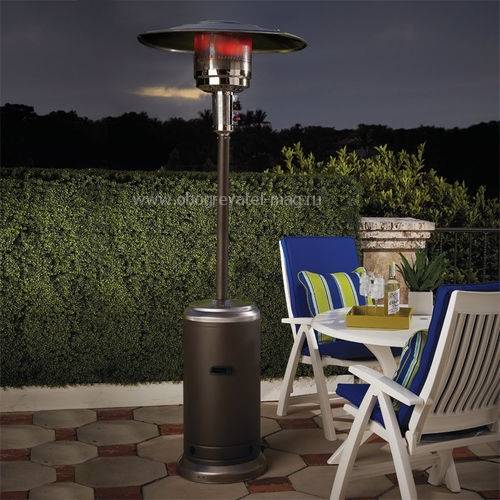
The heat from the gas infrared heater spreads in the form of a cone, expanding from the hood to the ground
To ignite the heater, no matches are needed, because the system lights up on the principle of a conventional kitchen lighter - piezo ignition. You press a button on the case - a spark is struck, igniting the gas. The fire begins to heat a special grid, and when it warms up to the desired level, it begins to emit infrared radiation. The rays are reflected from the internal reflector and “fly out” into the street, heating a certain area and everyone who is in it.
Peculiarities
A gas heater for a summer residence is one of the many types of heating devices that can work both indoors and, with certain reservations, on the street. Not all consumers immediately prefer gas models, doubting for a long time and choosing between them and their electric and kerosene competitors, and rightly so - first you need to understand what kind of technology it is, and what are its positive and negative sides.
Such comparisons usually start with good qualities, so let's consider why a gas appliance is the best solution for summer cottages. To begin with, it should be noted that gas in our country is relatively inexpensive, and for the consumer this is a huge plus - heating rooms or verandas will be very cheap.In addition, gas heaters, depending on the model, can be connected directly to the pipe, that is, they can be stationary, or operate from a cylinder, which makes the unit portable. Of course, the advantages do not end there, and here are the characteristics that stand out among other features:
- the mechanism of the gas heater is extremely simple - there is not a single complex unit here, and therefore there is practically nothing to wear out and break, and this is a big plus for the durability of the product;
- in terms of efficiency, gas models of heaters are definitely among the leaders - you will pay a penny for their work, but the result will not be as modest as it might seem;
- the typical gas-powered design is small and, if it is a balloon model, can be easily moved to where you need it - figuratively speaking, you can even take it with you on night fishing;
- despite the fact that harmful substances are still released during the combustion of gas, this is the most environmentally friendly of all known types of fuel - only solar energy is cleaner;
- the operation of the unit is extremely simple - although it is undesirable for children to use gas appliances, even a child could master the controls.
In terms of heating rate, gas models are somewhat inferior to electric counterparts, but in an enclosed space, and even with regular heating, you will not see a fundamental difference, except for reduced operating costs. As it should be in climate technology, each device has a built-in mechanism for adjusting the heating mode.Manufacturers do not forget to take care of fire safety, so most products, except for the cheapest ones, have built-in mechanisms for blocking the gas supply if the fire goes out, as well as a tilt sensor. Given the simplicity of the design and the minimum number of parts in it, we can expect that the device will serve the owner for at least ten years.
From the foregoing, a picture of some ideal heater is formed, but it is not worth considering a gas appliance as such, otherwise it would have no alternatives and competitors. At a minimum, gas is a very flammable and explosive substance, and no manufacturer can give an absolute guarantee that there will be no leakage under any circumstances. The "escaped" gas instantly ignites from the slightest spark, and with a large amount of it in a closed room, its sharp expansion provokes a powerful explosion. Of course, most consumers still avoid such a development of events - for this it is worth observing elementary security measures, not leaving the unit turned on when the adult owners are not at home. But even here, the potential disadvantages do not end there - some other factors should be considered:



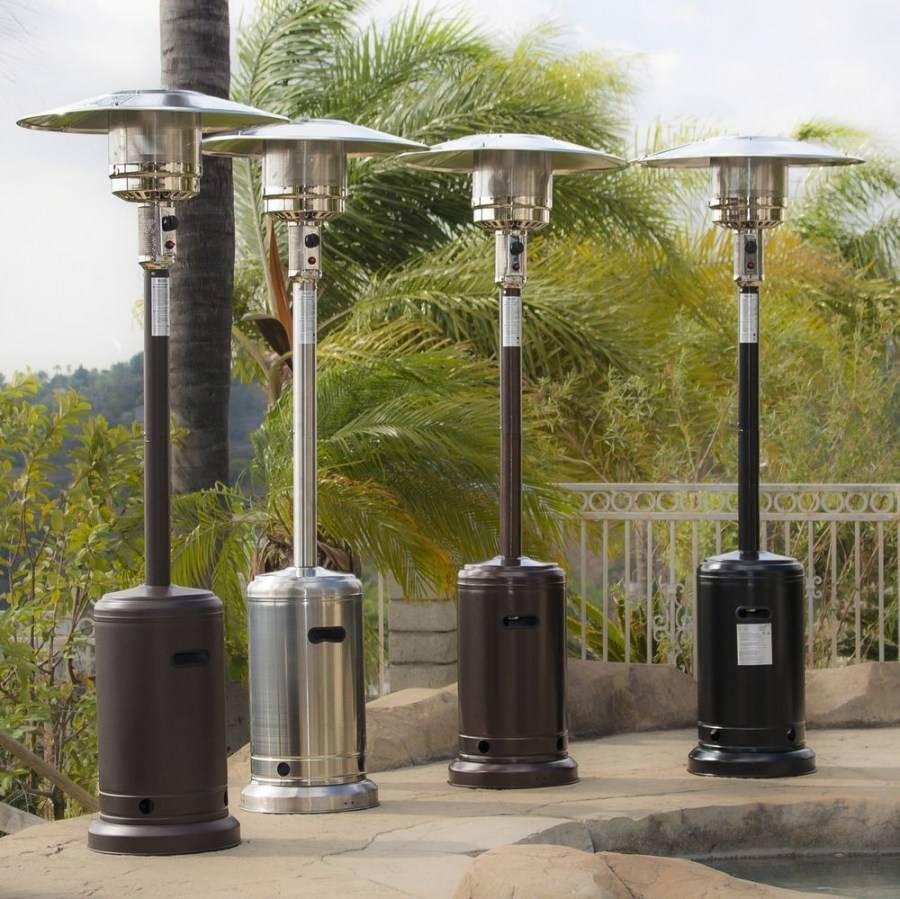

- a leak is dangerous not only with a potential explosion, but also in itself - unburned gas displaces oxygen from the atmosphere, and if for some reason you don’t smell, you won’t even understand what is the reason for your sharply worsened state of health;
- even if the gas burns normally and there are no leaks, the combustion process itself intensively burns out the oxygen in the room, instead forming carbon dioxide - without productive ventilation, a person will at best feel a noticeable malaise.
The principle of operation of the catalytic heater
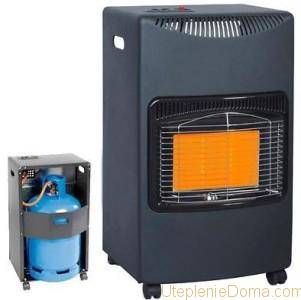
The catalytic heater on the back has a niche for the cylinder, although it can stand separately.
A catalytic gas heater from a cylinder for a home is the difference with infrared in that:
- it heats the air, not objects;
- it has no open flame.
Catalytic combustion is a flameless combustion in which the gas undergoes deep oxidation to CO2 and H2O due to the action of catalysts on it. Two metals can act as a catalyst: platinum or palladium, as well as several metal oxides, such as:
- chromium oxide;
- iron oxide;
- copper oxide.
In catalytic gas heaters for heating a private house, the heat exchanger is made of fiberglass, and then a catalyst, often platinum, is applied to it. When the gas interacts with the platinum coating, a chemical reaction begins with abundant heat release, while there is no smoke and combustion products of the fuel. Catalytic combustion occurs with a minimum amount of oxygen, unlike infrared gas room heaters. Catalytic gas heaters can be equipped with additional electric heaters and fans. In this case, the device becomes volatile.
The best outdoor gas heaters
Gas-fired outdoor heaters are provided for heating outdoor areas.
As a rule, these are infrared installations. They are designed for heating a relatively large space, are characterized by compact dimensions and a protected housing.
Kratki Patio G31
5.0
★★★★★
editorial score
100%
buyers recommend this product
Patio series gas heaters are stylish, modern units that combine efficiency with an elegant appearance.
The body of the devices is made of steel, painted white or black, and heat-resistant glass through which the flame can be seen. At the same time, users do not have direct access to the fire.
You can control the operation of the heater from the panel on the case or from the remote control. The device is equipped with a tilt sensor that stops its operation in the event of overturning and falling.
Advantages:
- Stylish design;
- Two color options;
- Remote control;
- Drop sensor;
- High power.
Flaws:
It costs expensive.
The Patio G31 heater from Kratki has a unique design and is suitable for efficient heating of areas up to 80 sq. m.
Ballu BOGH-15
4.9
★★★★★
editorial score
94%
buyers recommend this product
See review
The infrared gas heater received an upgraded burner protected from corrosion. A double deflector is provided to prevent flame out.






In order to ensure maximum efficiency of the device and protect the environment, a gas afterburner is provided in the design of the device.
The glass flask of a heater possesses the increased thermolysis. The device has triple protection, is equipped with a thermocouple, a tilt sensor and a CO2 level sensor. Fuel consumption does not exceed 0.97 kg/h.
Advantages:
- Upgraded burner;
- Double deflector;
- Economical gas consumption;
- Afterburning of fuel;
- Triple protection;
- Increased heat dissipation.
Flaws:
Large weight - about 40 kg.
The BOGH-15 heater from Ballu copes with heating up to 130 sq. m. It is used not only in everyday life, but also in summer cafes, on stages, hotel terraces.
Hyundai H-HG2-23-UI685
4.8
★★★★★
editorial score
88%
buyers recommend this product
The compact heater from Hyundai has a universal application. It can be used for its intended purpose, placed horizontally or vertically, as well as cooking food on it.
There is a grate on the body, behind which there is a ceramic emitter that heats the dishes.
Hyundai UI685 does not require an electrical connection. All he needs is a gas tank. With a thermal power of 2.3 kW, it is able to heat up to 23 square meters. m. The device has protection against overturning.
Advantages:
- Horizontal and vertical placement;
- Possibility of cooking and heating dishes;
- Compact dimensions;
- Independence from electricity;
- Rollover protection.
Flaws:
Relatively low power.
The Hyundai compact heater will be effective in a private house, a country cottage and even when traveling.
The principle of operation and types of outdoor heaters
The main feature of any outdoor heater is the use of infrared radiation. The transfer of heat from the source to the object by convection is justified only in a closed room. To heat the air in the street, in order to then direct it to the object, means to lose up to 95% of the generated energy. Heat transfer by infrared rays is much more efficient in this respect. The air at the same time heats up minimally, and the main part of the heat is absorbed by the object.
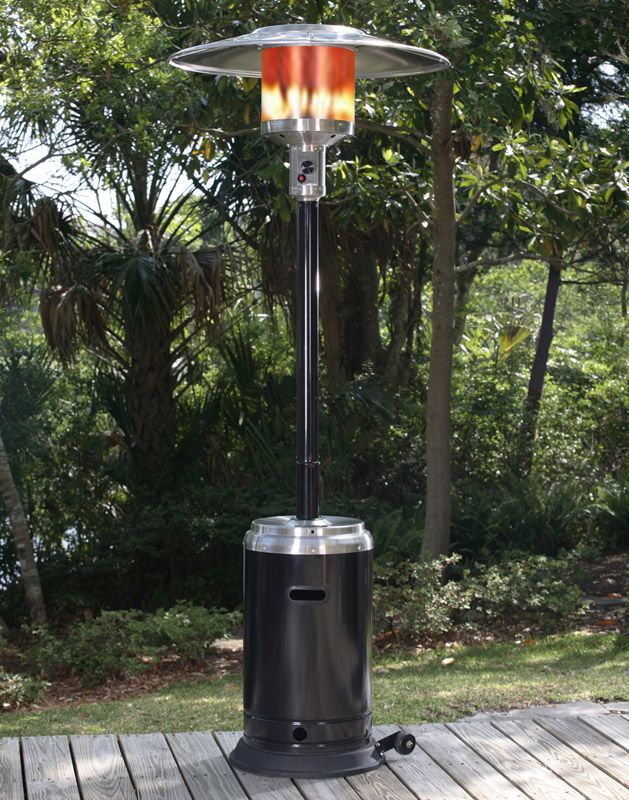
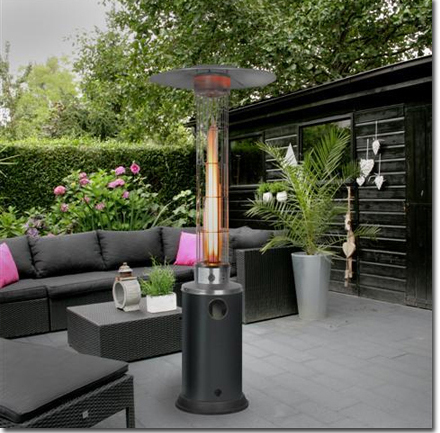

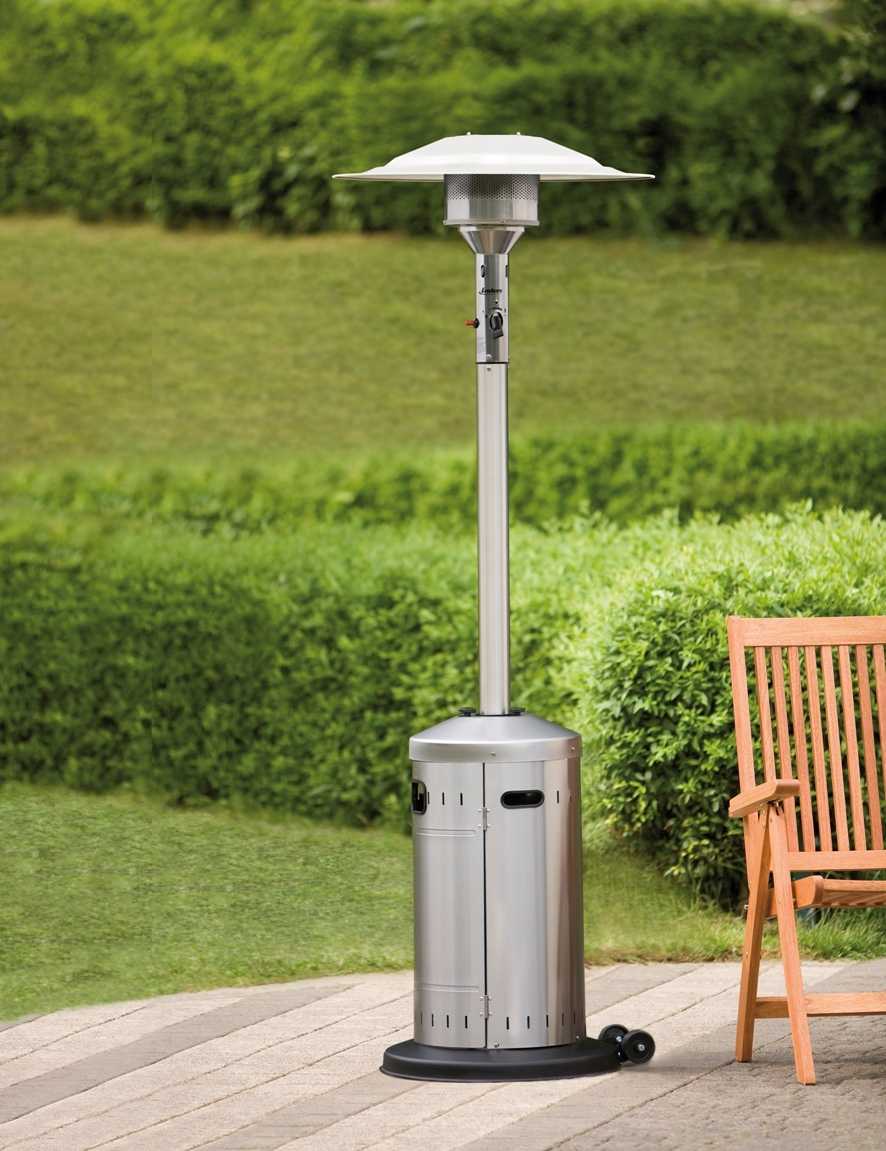
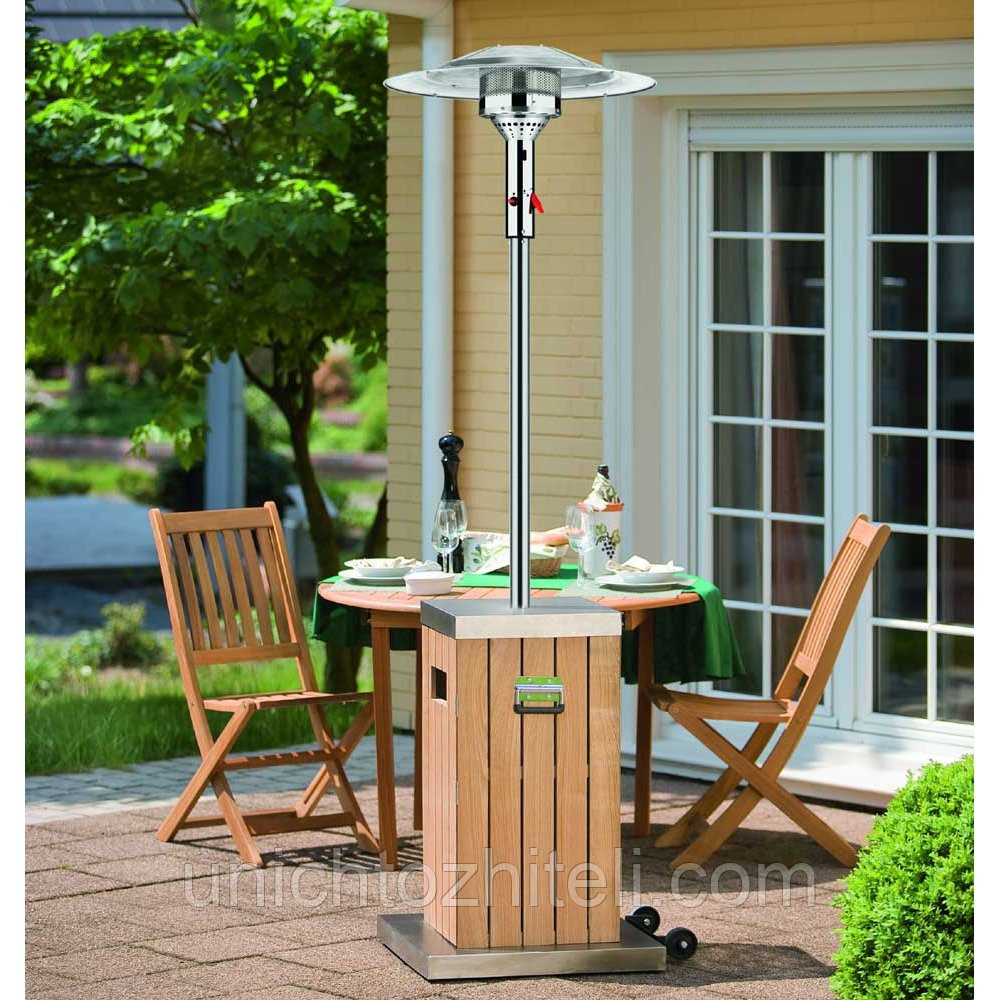

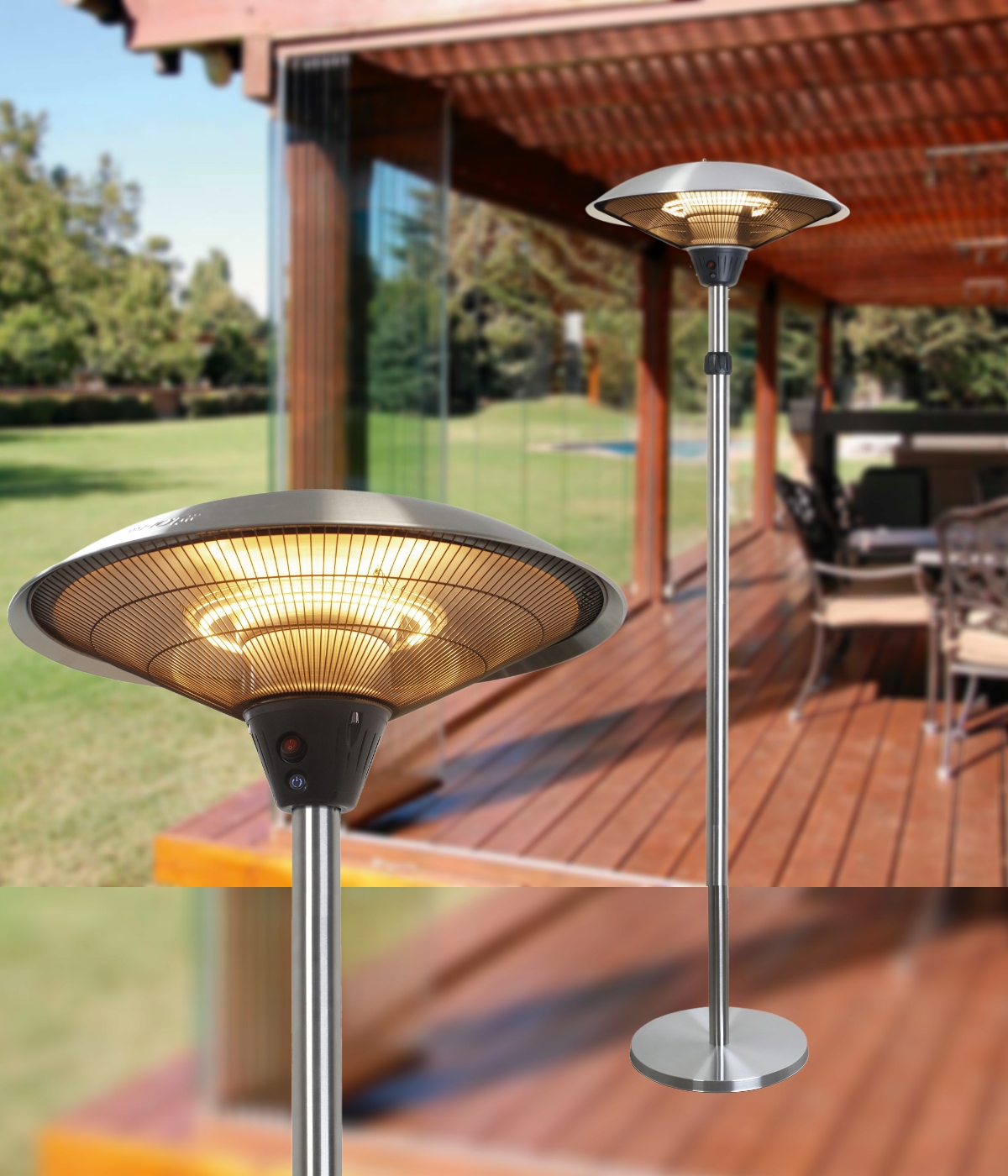


There are two ways to heat the emitter to the temperature at which IR radiation begins:
- Liquefied bottled gas.
- Electricity.
There is a third method of thermal radiation, which was used by man in the Stone Age. This is a bonfire. Unfortunately, engineers have not yet come up with compact solid-fuel infrared heaters.
Types of infrared heaters
Such heaters, depending on the method of supply, are divided into gas and electric. Most gas models are floor standing. Electric according to the installation method are floor, ceiling and wall. Placing electric heaters on the ceiling and wall is very convenient: it saves space in the gazebo and eliminates the possibility of burns, and the first option allows you to use the device as universally as possible.
The basis of a gas infrared heater is a ceramic panel. It hides the flame inside the device, heats up evenly and gives off heat to objects. Also, any gas heater has a gas hose and a reducer for connecting to a cylinder. The type of fuel can be different: propane, propane-butane, methane.
This is interesting: Cellar projects
Tips for choosing a specific model
If you need to buy a gas model, then pay attention to the following points:
- Does the device have wheels? The heaters are quite heavy, and if you have to carry them far, it is easier to pull them on wheels than on your own hands.
- What is the level of security? Ask the seller if this model is equipped with an automatic gas cut-off system in case the flame is blown out by the wind. A good addition would be the function of shutting off the feed in case of accidental fall of the device or a strong inclination.
- How is a reflector set up? The reflector determines the area to which infrared rays are distributed. And the larger its diameter, the wider the radius of the zone that fell under the warm radiation. Look for those heaters in which there is not a solid reflector, but a sectional one. If suddenly this element deteriorates, then you will not have to buy it entirely, but only the broken section will need to be replaced.
- What is the power of the device? The wider the area you plan to heat, the more powerful the device should be. Practice has shown that summer residents choose heaters whose power is 12 kW. Their strength is enough for the normal warming up of a circle with a diameter of 6 meters. Less powerful systems for outdoor needs are unprofitable, and more powerful ones consume a lot of gas, although the efficiency and heating area are not too different from 12 kW.
- Ease of adjustment. In heaters, there are two types of adjustment: fixed (for strong and weak gas supply) and smooth (the summer resident can adjust the required level himself, taking into account the ambient temperature). The second option is, of course, more profitable.
With all the advantages, these devices are able to raise the temperature by about 10 degrees, and even then, if it is +10 and above outside. The lower the air temperature, the weaker the heat level will be. But if you use gas heaters for residential premises, then their efficiency is higher, but the air quality is worse (combustion products enter the room!). Such systems are not recommended for long-term use in small rooms.