
- Completing of the work
- Need equipment
- Well preparation
- Deepening a well with a filter
- Deepening a well with digging
- Deepening a well in floating soil
- The device and design of the well
- Well deepening methods
- Filter cavity
- Deepening with repair rings
- How to choose a place and time for digging?
- Preparatory work
- Work procedure
- Stages of work
- Deepening with rings
- Reasons for the disappearance of water in the well
- Briefly about the occurrence of groundwater
- Preparation of equipment for work
Completing of the work
First you need to think about how much it costs to deepen the well. Sometimes this work will be much more expensive than making a new one.
Therefore, before starting work, it is worthwhile to carefully calculate everything. If you can’t dig another one, then we’ll go directly to the question of how to deepen the old well.
Need equipment
It is possible to deepen a well in a country house only with the use of certain equipment and it should be prepared in advance:
- You will need a pump to pump out the water. Only here you will need a rather powerful one, if there is none, then you can use two;
- You will also need a shovel, only it should have a short handle, otherwise you will not be able to work inside;
- Prepare buckets, and not one, but several;
- You will also need a rope ladder;
- You should also prepare a chipper and lighting supply.
- To repair the well, you will need special clothing that does not get wet, rubber boots with a high top, a helmet that will protect your head from impacts. After all, a well with water and this is worth remembering
Well preparation
Let's start in the following order:
- First you need to dismantle the well house, since you will need convenient access to the well in the future.
- Then the water should be pumped out. You can simplify this task if you have a submersible pump. Otherwise, you will have to pump out the water manually using buckets.
We pump out water
Deepening a well with a filter
During the deepening of the well with the help of filtration, a special pipe is used:
- It can be plastic or metal, its diameter should be approximately 50 cm, length about one meter.
- It is necessary to make holes in the pipe, whose diameter should not exceed 1.5-2 cm, then they should be tightened with a stainless metal mesh. As a result, you will get a do-it-yourself filter, we lower it to the bottom.
- It is necessary to remove the sand from the pipe using a bailer, this will make it possible to deepen the well to the proper level.
Deepening a well with digging
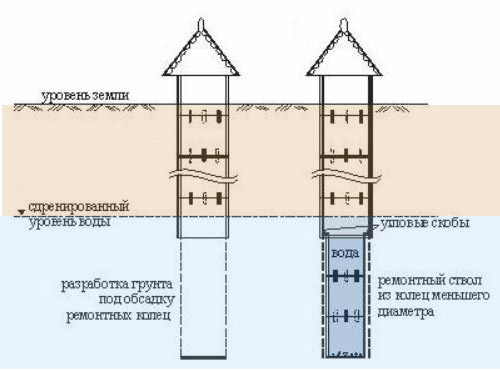
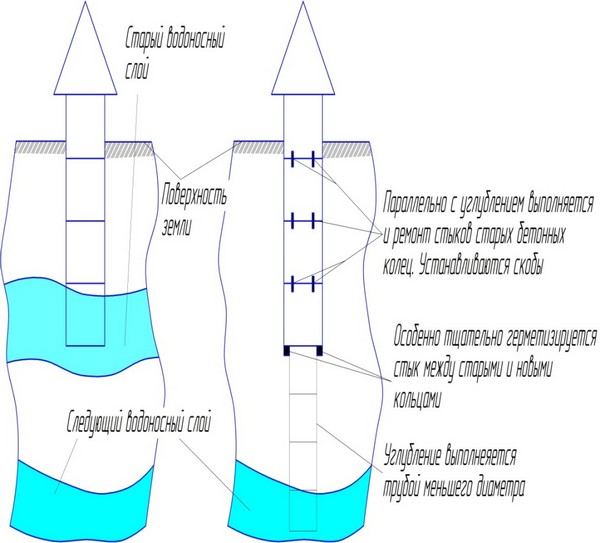
You can deepen the well with rings of smaller diameter. Thus, you can get to the next aquifer.
As mentioned earlier, before you start digging for the installation of a trunk for repair, you need to dock concrete rings using special plates.
Well deepening scheme
So:
- We dig until the walls of the mine begin to collapse.
- Then you should make a descent and start scraping the rings for repair.
- Then you can resume digging with a further increase in the shaft from the outside.
- At the end of the work, the repair and old columns should be connected using angle brackets for this. Then the old shaft will not slide onto the new well shaft.
- At the final stage, it is necessary to update the bottom filter. This can be done by filling the bottom of the well with gravel and gravel.
Deepening a well in floating soil
If it is placed on a quicksand, then everything should be very careful.
So:
So:
- Experience confirms that it is possible to overcome the most difficult soil zones if you use accelerated penetration with four repair rings, which will increase the load. The main and additional repair shafts must be scraped off. But, for this you will need special equipment, which makes it possible to unload a lot of sand from the well mine in one pass. This will greatly increase the rate of sedimentation of the new fragment.
- The efficiency of fast penetration is influenced by the entry of a new part of the well into the zone of a floating rock with hard ground rocks. In the event that this happens, you will have to stop the tunneling. It is necessary to put a prepared larch raft on the bottom, then pour in the filter material. Water inflow will increase compared to the previous state, before the repair.
The device and design of the well
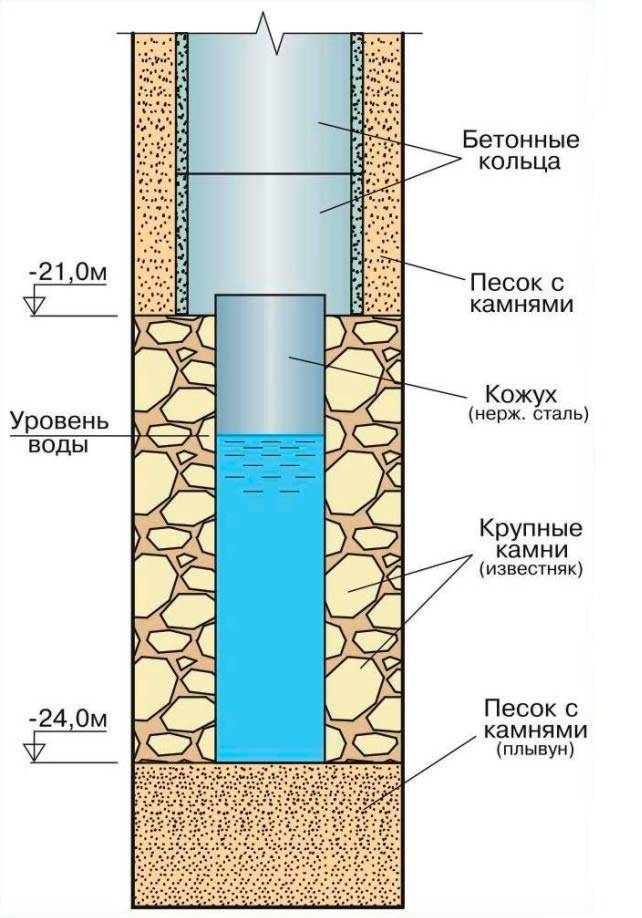
The design of the well has not changed for hundreds of years. The structure is a mine, the bottom of which is located in the aquifer.

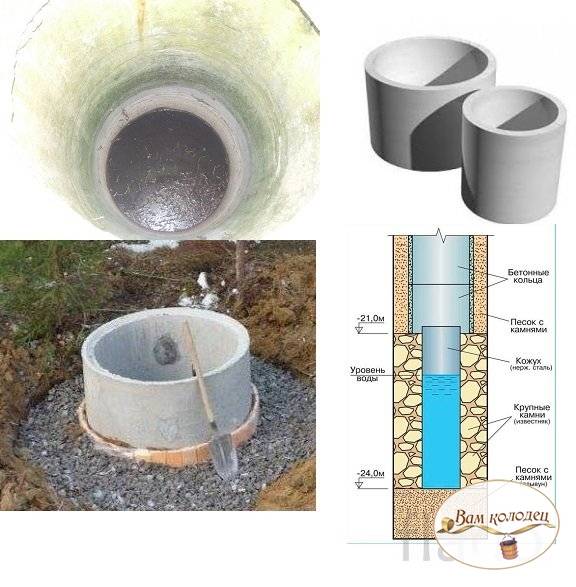
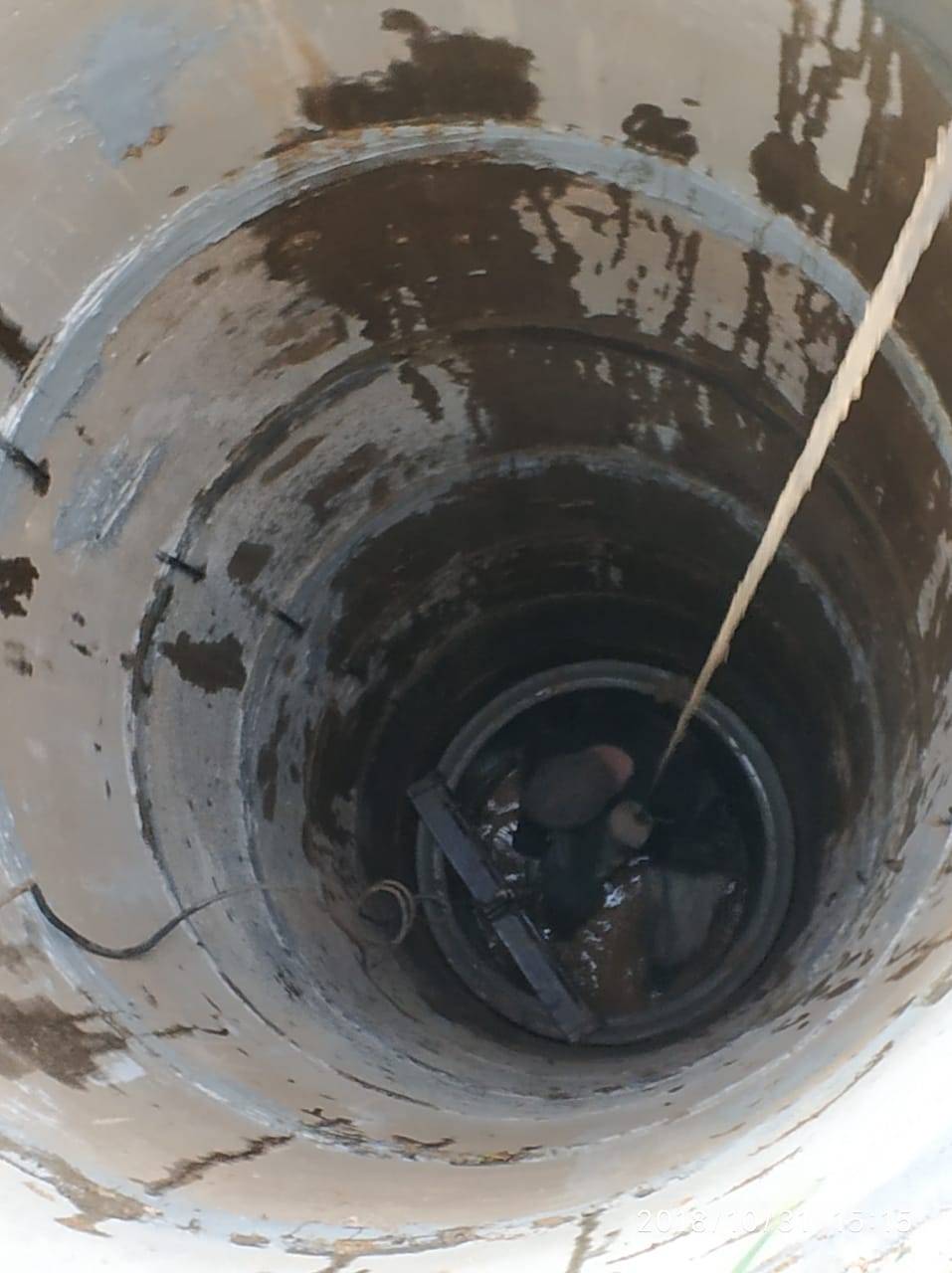


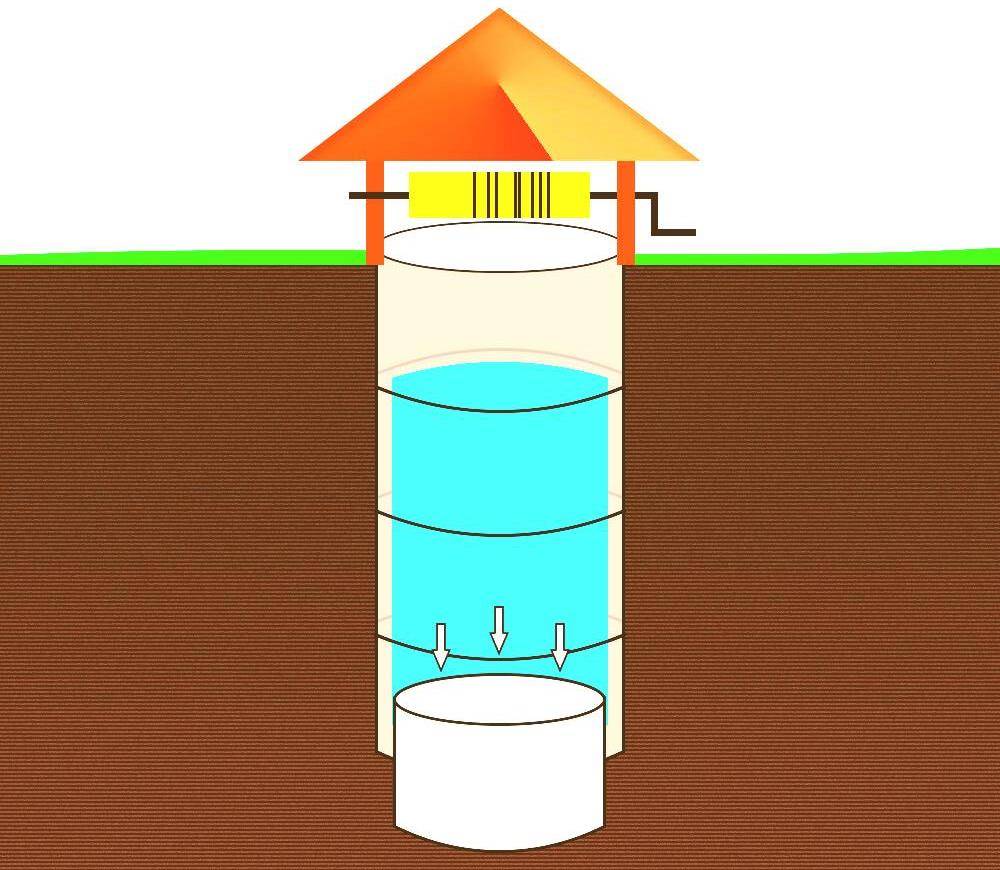
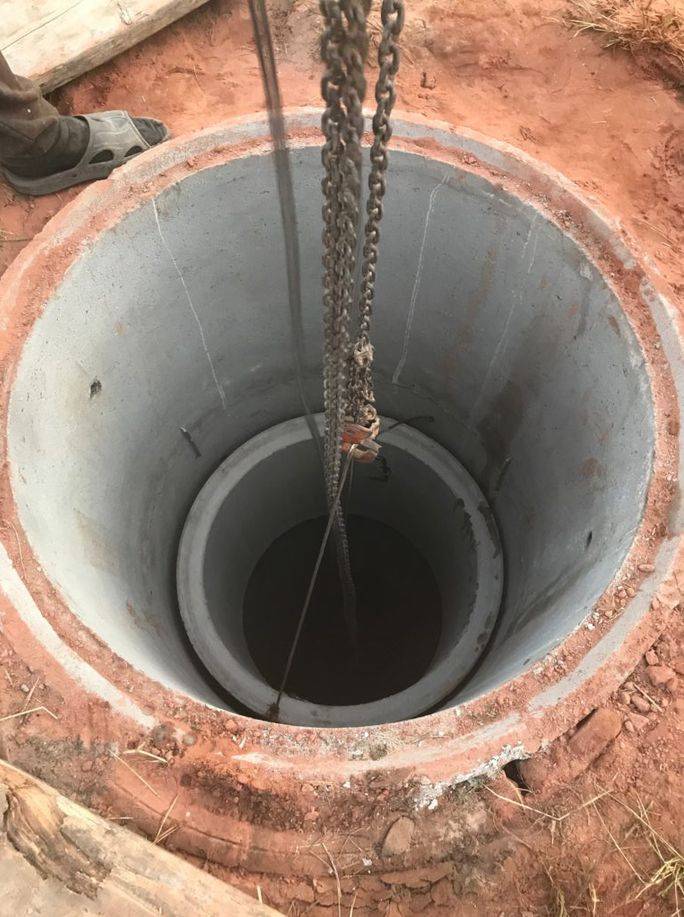
The walls of the trunk are strengthened from shedding. For these purposes, stone, wood or a modern version - reinforced concrete rings can be used.At the bottom, a filter is usually arranged, which is a backfill of gravel 10-15 cm high. There are more complex multi-layer filters consisting of crushed stone, gravel and sand.
The mine is closed by the so-called over-well house, in which there is a mechanism for raising water. The structure can be equipped with a pump, which greatly facilitates the supply of water.
The figure shows a diagram of the device of a mine well. Any structure of this type is arranged in a similar way.
The well is considered the main "competitor" of the well. Each source has its strengths and weaknesses. In order to choose the best option for you personally, we suggest that you familiarize yourself with a comparative review.
However, despite the advantages of a well, many prefer a traditional source of water. With proper operation, the well will last longer than it does, while maintaining cleanliness in the mine is much easier than in a tubular borehole.
A structure with a manual water lifting mechanism does not need electricity and can be operated in any conditions, while a borehole pump is always volatile. In addition, the well can be dug and equipped manually, without the involvement of special equipment and mechanisms. However, trouble-free operation of wells is rare.
Well deepening methods
There are 2 main ways to deepen:
- Filter.
- With repair rings.
With method 1, holes are made in a plastic or metal pipe and a mesh is attached. This is a homemade filter, which is installed so that water is not poured through the top hole, but only flows through the bottom one.Repair rings are also an effective way to deepen, but their use requires the use of special equipment.
Filter cavity
The filter recess of the well implies that you need to make holes directly in the very bottom of the well and install a new filter in it. Drilling work in this case is carried out using a bailer. This method is considered the simplest and most effective.
The bailer is a piece of steel pipe. Its diameter should be 1-2 cm smaller than the diameter of the casing string. There is a valve at the bottom end. It can be either ball or petal (spring version in the form of a plate).
Well filter deepening.
Both types of valve are activated when the bailer hits the ground. In this case, the valve opens, soil enters the pipe, and when the projectile rises, it closes. In order for the work to deepen the well to be carried out more efficiently, such a projectile must be heavy. In addition, its lower edge is sharpened so that the bailer enters the ground better.
Work is performed in the following sequence:
- Install a frame structure equipped with a winch or a gate.
- Hang the projectile on a strong cable.
- The bailer is placed in the casing string and dropped with force.
- Having activated the gate, the projectile is raised to a height of 2-3 m above the bottom and lowered again.
- The bailer is raised to the surface, cleaned.
- The algorithm is repeated.
At the final stage, a filter with a pump is installed. Moreover, they are mounted so that water does not flood it. Be sure to clean the structure from sand.
Deepening with repair rings
Deepening the well with rings.
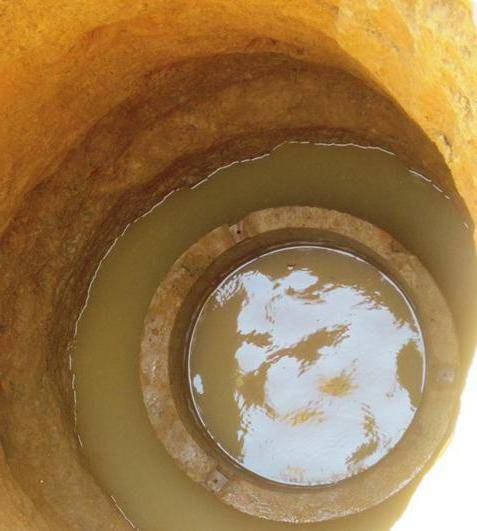
An effective way to deepen an existing well is to install repair rings of a smaller diameter compared to the main elements. With such dimensions, they easily pass inside the column.
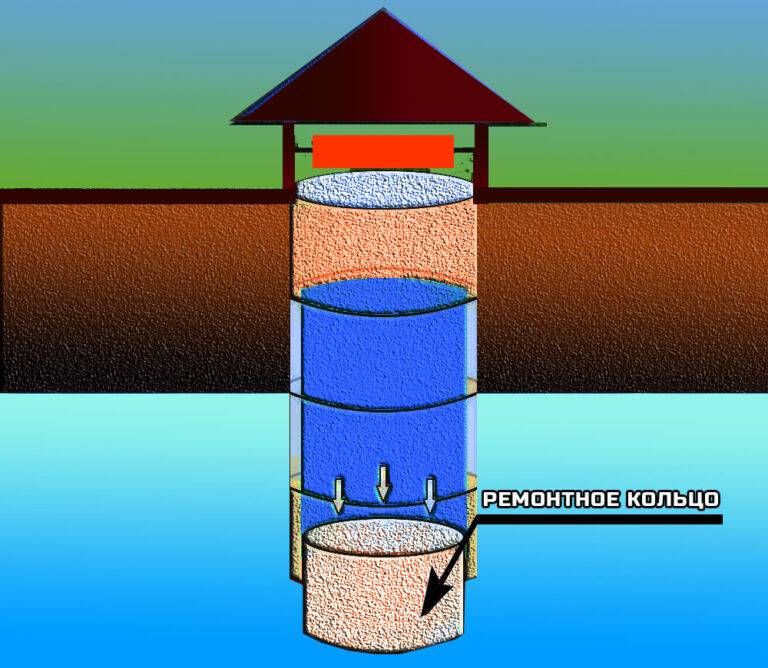
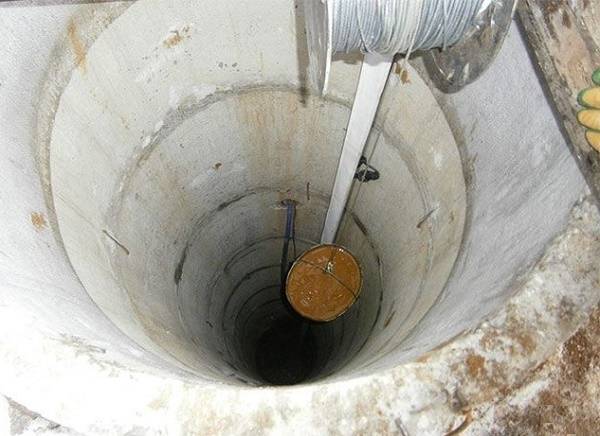

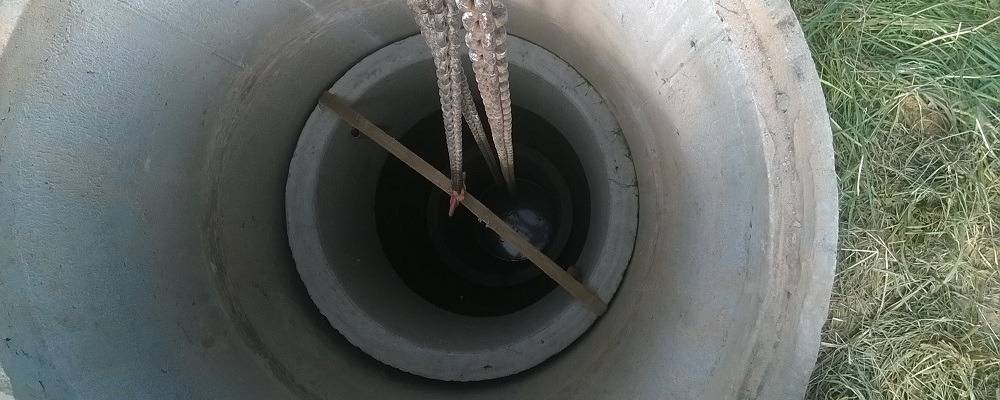

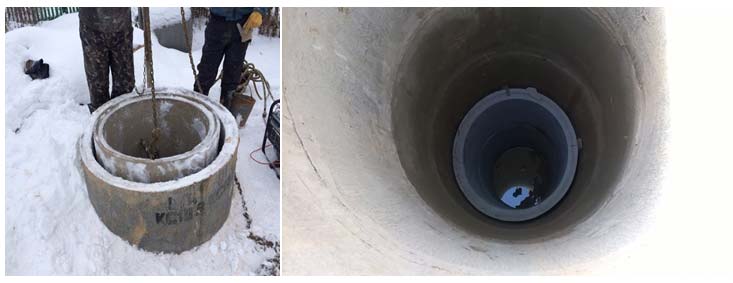
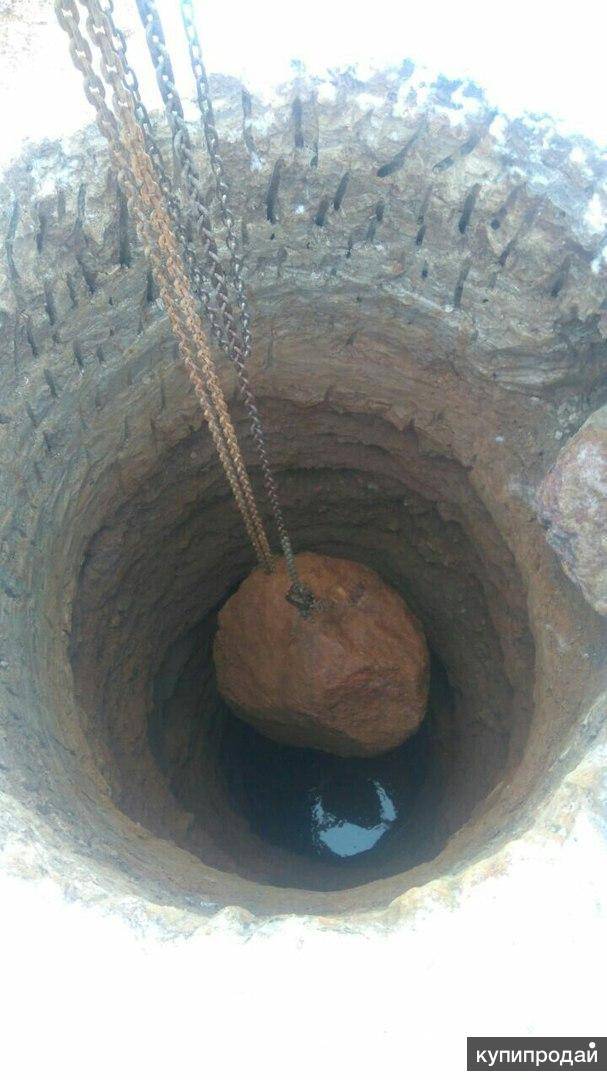
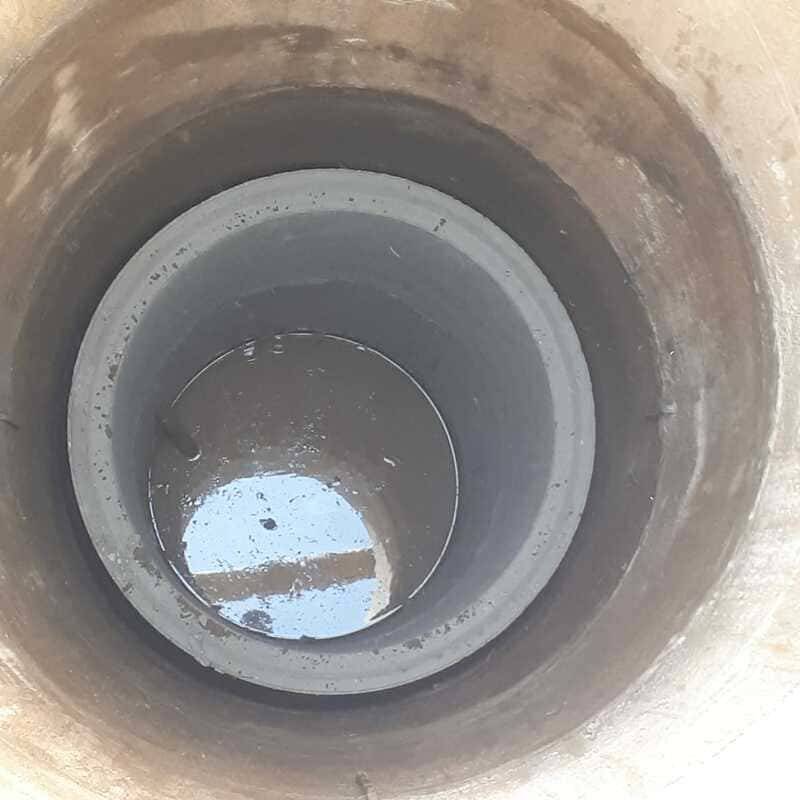

On average, 3-4 rings are enough to deepen. Work is carried out in the summer, in dry weather, to simplify the procedure. The technology is simple:
- Water is pumped out of the well as much as possible and the filter is taken out.
- Inspect the sections of the column, it should not have defects.
- The column is reinforced with steel plates.
- Undermining at the bottom.
- Lower the column, installing new rings at the same time.
Upon completion of the work, the new sections are fastened to the main column.
How to choose a place and time for digging?
The most reliable way is to apply for a hydrogeological study. You will be shown the exact place where it is best to dig a well from concrete rings, plus an analysis of the water that will be in the future well. But this service is not cheap and can only pay for itself if the water in the well is used as drinking water, that is, near a house with people permanently living in it. In the summer cottage, its need is intended mainly for technical needs, and for drinking it can only be cleaned going into the house.
If you are going to do without research, then you need to focus on some signs:
- be guided by the position of the wells in the neighborhood - rock layers usually lie unevenly, the situation is also with aquifers. If the water in a neighboring well is at a depth of 6 meters, this does not mean that your water will be at the same level. It can turn out to be both higher and lower, or even go sharply somewhere to the side.So this is only an approximate "markup" of the project, where well water can be located;
- observation of the behavior of animals and insects. The most accurate guide can serve as a small midge. In a warm period, with calm in the evening before sunset, inspect the site. If there are places on it where midges “hang” in columns, this indicates that aquifers are located quite close in this place. In order to make sure of this, observe the marked area in the morning. If in the morning fog swirls over it, then the water is really close enough;
- folk way. We take earthenware. Best not glazed. You can use an ordinary pan, the main thing is that it is wide. Silica gel dried in the oven is poured into the selected dishes. If it is not there and it is not known where it can be obtained, then you need to take ceramic bricks, break them until only small crumbs remain from them, and dry them for several hours in the oven. After that, it is necessary to fill it in a bowl to the top and tie it with a dry cotton cloth. Only in such a way that it does not unravel. Weigh and record the resulting value. Then, at the site of the proposed well, you dig a hole 1-1.5 meters deep, after which you need to put a vessel in the dug layer and sprinkle it with earth. Wait a day. Then dig and weigh again. The more the mass has changed, the greater the concentration of water in this place;
- analyze the grass growing on the site - this method is well applicable only when the site has not yet been plowed. When examining the vegetation, try to identify the most overgrown islets.You do not need to pay special attention to single plants, since they can be brought here randomly; for this method, it is clearings, islands of vegetation that are needed.
These methods are only an approximate determination of the location of aquifer deposits where it is possible to dig wells from concrete rings. None of them gives a 100% guarantee, but in the case of using several methods, you can determine a more or less exact location and it is worth trying to dig a well in this place.
It is most favorable to dig a well twice a year: either in the second half of August, or in the middle of winter - after two weeks of frost. During these two periods, the lowest level of groundwater and perched water practically does not occur. This will greatly facilitate the work, in addition, it will be much easier to determine the flow rate - during these periods it is at a minimum and in the future you will not experience a lack of water.
If you decide to dig a well or dig a well with your own hands, there may not be enough time in August, as this is the “border zone” before the rainy season. In this case, you need to start work early. Maybe even at the beginning of the month. In general, you need to calculate the time of work in such a way that the access to the aquifer falls on the most “waterless” period. Ideally, it is also desirable to deal with the waterproofing of the walls.
Preparatory work
There are several reasons for leaving water. Water can run out due to prolonged drought. Also, water can leave due to the proximity of an artesian well during a period of high water standing.
Before you decide to deepen a well, it is important to determine if the problem is temporary or not.If the water is gone, and it is not there for a long time, then you will have to dig
To start deepening the well, some important procedures should be performed. For example, it is required to assess the real state of the well. You should also check the ability of the soil to hold the rings and determine the new level of groundwater. These are the main factors to consider before getting started. When all calculations are made correctly, then you can proceed to deepen the well to the maximum depth. In most cases, it can reach three meters.
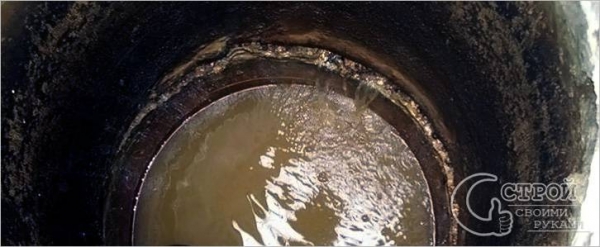 Ring offset
The deepening process itself will be logical if the well has no more than fifteen rings that are not shifted to the side relative to each other. If this offset is small, then you first need to align the entire column. To do this, at the beginning of work, install brackets on each seam of the water intake column. This will prevent the column from breaking. Moreover, the water-lifting structure should be removed, and if the top has a house, then it is best to remove it.
Work procedure
So, when everything you need is acquired, it will not be difficult to deepen the well with your own hands. However, physical training and good coordination will be required - many times you will have to go to the surface and go down into the mine.
Work begins with the dismantling of the well house, if present, and pumping out water with a drainage pump
It is important to bring the drain outside the site, below the level of the well shaft, otherwise the flow will return again. You can’t remove the sleeve - the well will no doubt begin to fill up again.
Now the bottom of the well and the walls are cleaned of silt deposits
Use scrapers, shovels, brushes. In order for the cleaning of the well to become of high quality, the repulsed growths or smeared dirt are washed with running water from a hose, then pumping out its amount with a drainage pump. The walls of the well are then dried.
Next, assess the condition of the well shaft and its bottom. So that later it does not lead - it is impossible to deepen the well without sampling the soil - concrete rings are fastened together. To do this, holes are drilled in adjacent structures and staples, anchors and other steel fasteners are hammered.
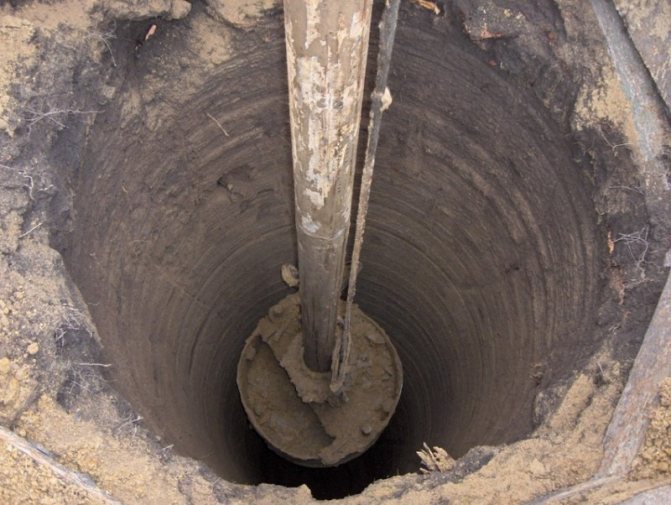
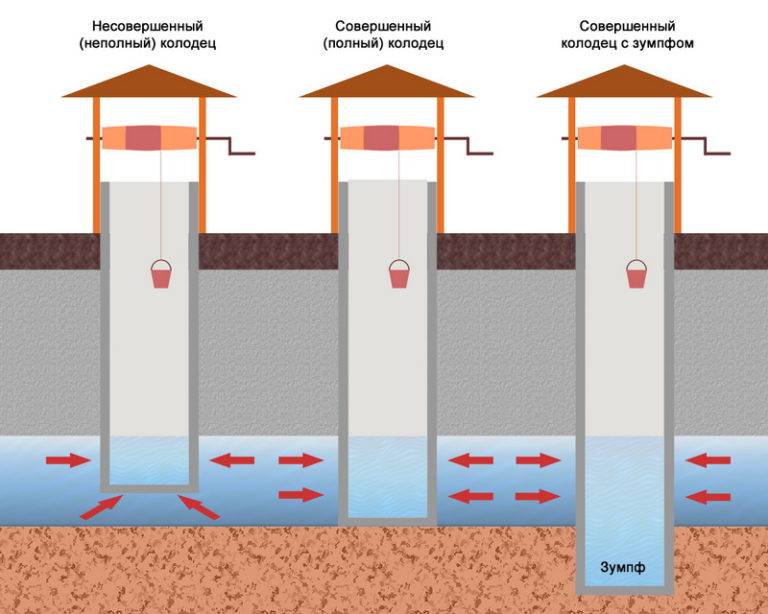
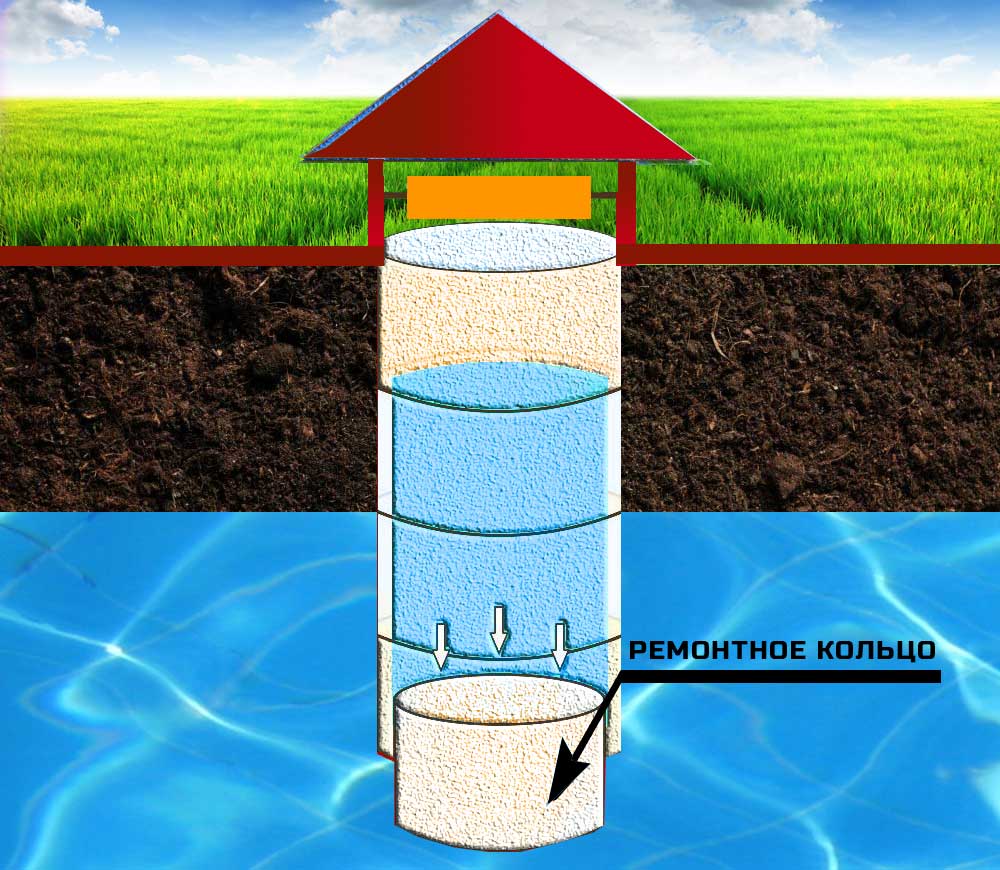
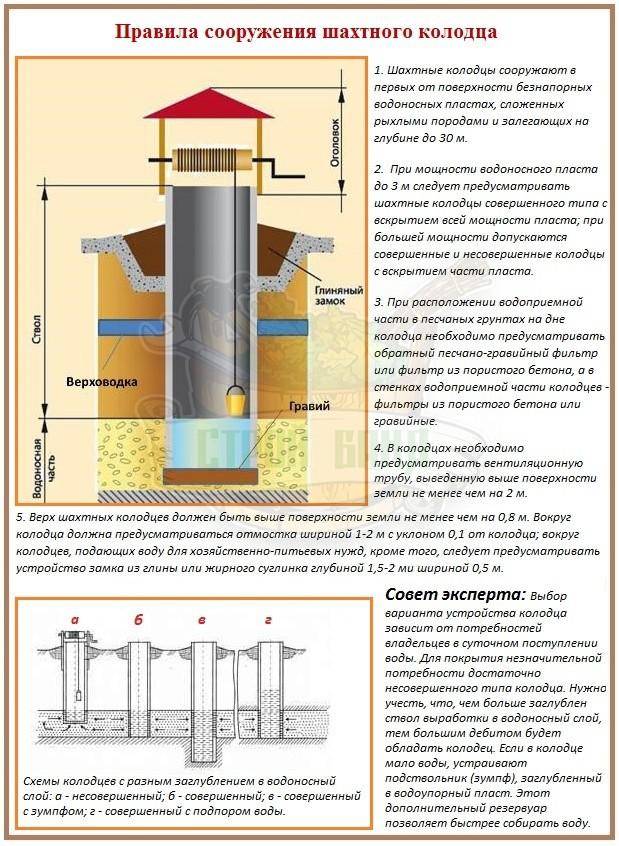

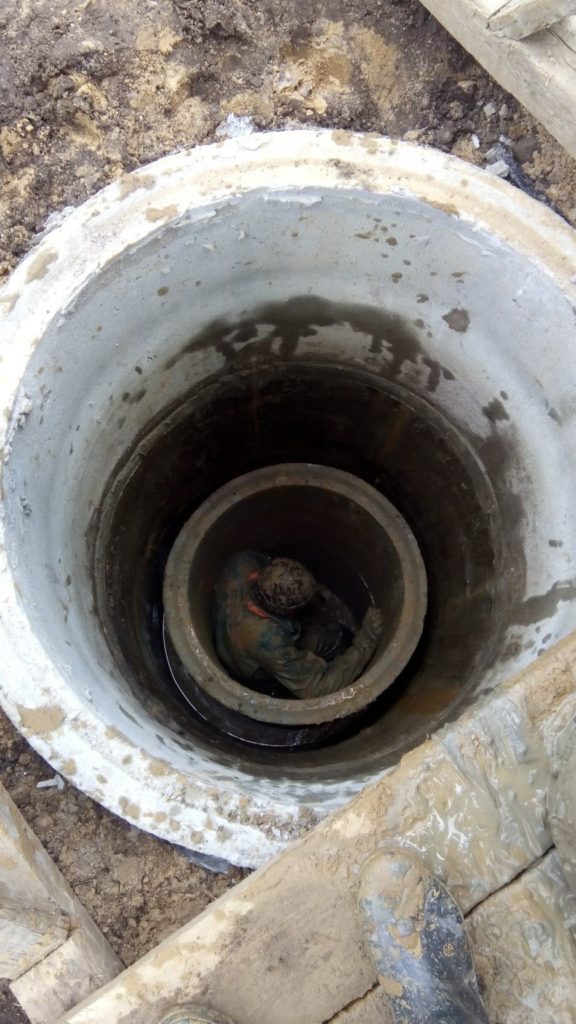



As for the bottom, it is extremely difficult to deepen a well on a quicksand - if the concrete corridor is skewed or improperly set, the flow of ascending masses will be blocked and the well will become smaller over time. It is required professionally to assess the condition and choose the method of deepening.
As an alternative to the method - to deepen the well from concrete rings - it is proposed to make a similar installation from plastic pipes. Then the drops in the water horizon are not terrible, since each of the component pipes can be of different lengths. Deepening a well with a pipe is a budgetary way to get to aquifers.
The essence of the method is as follows: soil is not selected under the concrete rings, it is only cleaned. Wells of the required length are drilled with a hand drill, into which plastic casing pipes are inserted. They, in turn, rise above the bottom surface by 40–50 cm. It remains only to prepare a crushed stone pillow of 15 cm, which serves as an additional filter, and the deepening of the well with a plastic pipe is completed.
The choice of casing pipes is entirely at the mercy of the owners of a home well - metal or plastic. For example, plastic pipes for deepening a well are easy to install, durable and cheap.But at the same time they will be able to influence the quality of drinking water if the raw materials do not meet the requirements of GOST.
Deepening the well with a metal pipe is another matter - it is reliable, does not respond to soil movements, but is subject to corrosion, which is common for iron. To stop the disadvantage allows the purchase of stainless steel components for the well, but in this case the price, depending on the footage, is high.
They completely do without pipes if you have to deepen a well in the country, which is required for irrigating the plantations and without the need of the owners for drinking water. Then only 1–2 wells are drilled with a drill, depending on the allowable bottom diameter.
WATCH VIDEO
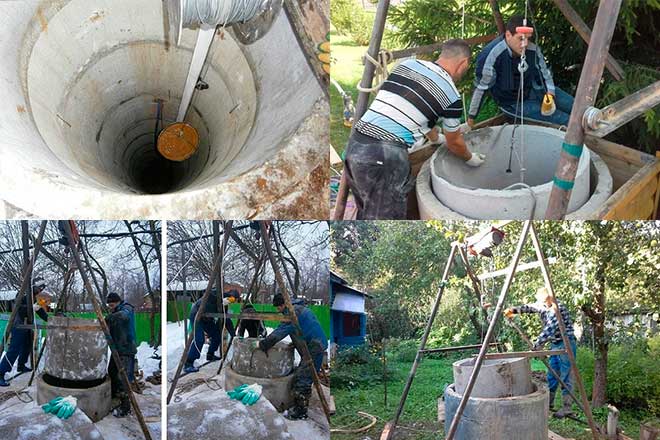
Let's return to the question - how to deepen the well with concrete rings. So, the preliminary work is done - the bottom and walls are cleaned, and the elements of the concrete corridor are fastened with reinforcement. Now carefully select the soil under the lowest ring. It is more convenient to do this with a construction trowel or a pickaxe, folding the excess soil into a bucket and lifting it on the block
It is important to remove large rocks, as over time it will make the filling of the well problematic - it will clog the source
When there is enough space to install a new ring - its height should be taken into account with the "allowances" for the sand and gravel cushion - the reinforced concrete product is lowered using a winch. They act, observing the prescribed safety precautions, using slings. The resulting gap is filled with specially prepared crushed stone for filtration - washed and fine.
Actually, this is all the solution to the question of how to deepen the well with your own hands. It remains to wait for the filling of the mine, analyzes of the samples taken and, based on the results, exploit the resulting structure.
For lack of experience or free time to work, the process is entrusted to professionals. This is done by water well drilling companies. It will not be difficult to find them, as well as agree on the cost of work - the price for deepening wells up to 5 concrete rings will average 10 thousand rubles. The price includes cleaning and drainage.
Stages of work
A worker is doing work on cleaning and deepening a well with sandy quicksand
All work on deepening the well is carried out in several stages, which can be divided into preparation (cleaning, dehydration), and a direct increase in depth.
Training:
- To begin with, check the purchased rings and the walls of the well for a variety of irregularities that may interfere with the normal lowering of the rings to the bottom of the well.
- Further, with the help of a drainage pump, all the remaining water is pumped out of the well, and the bottom is cleaned and the soil saturated with water is removed.
- If the well was equipped with a bottom filter, then it is necessary to dismantle it with the removal of all mineral backfill and oak shield. A high-quality cleaning of the "floater" is necessary, if it is present.
Direct deepening work
- The preliminary repair work that needs to be done with the old rings is to strengthen their connections with staples. This ensures that the rings remain stationary and no deformation of the already existing column occurs.
- After that, the soil is refined to the required depth. It is carried out until the walls of the tunnel begin to crumble.
- Further, the repair rings are lowered (if the smaller diameter is chosen correctly, then there should be no problems with this), the lower rings are temporarily fixed in the ground with the help of reinforcement.
- The deepening column is built up with rings to the required depth. Their connections are made using special brackets or corners. All seams are sealed with cement mortar. The final cleaning of the bottom is in progress.
- If necessary, a bottom filter is installed.
to the menu
Deepening with rings
The method of deepening the well using rings of a smaller diameter is considered very effective. After performing the same manipulations to remove water and restore the integrity of the rings, it is necessary to use rings of a smaller diameter. They are dug into the mine, gradually deepening. The gap between the main rings and repair rings can be sealed with stones and covered with smaller pebbles.

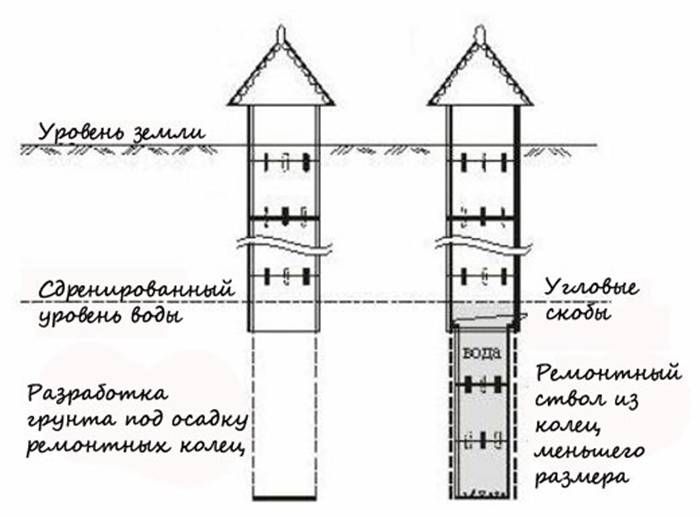


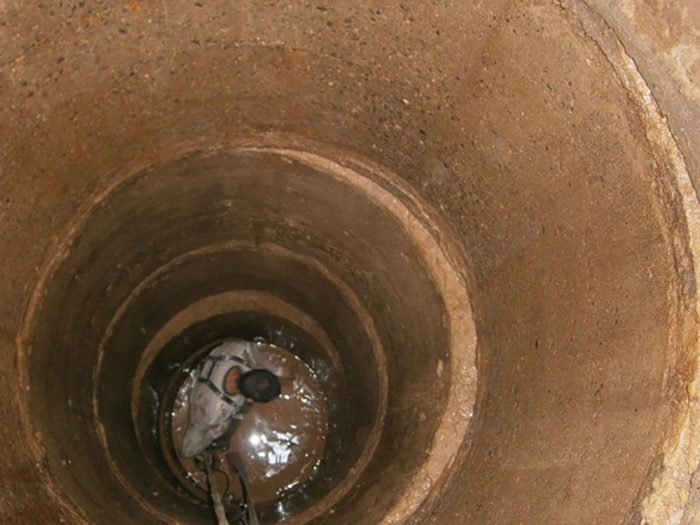
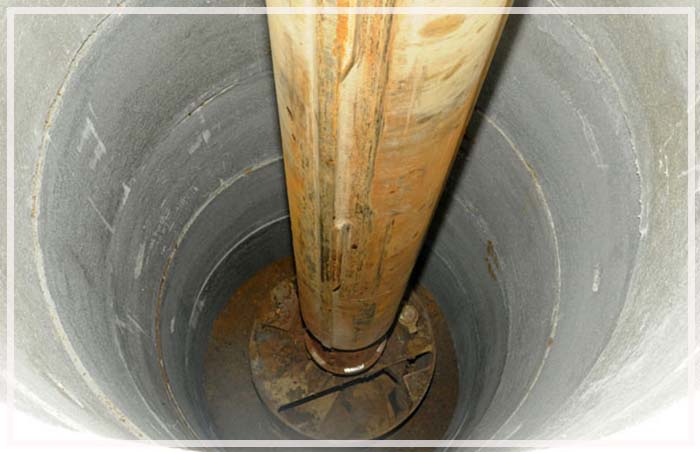


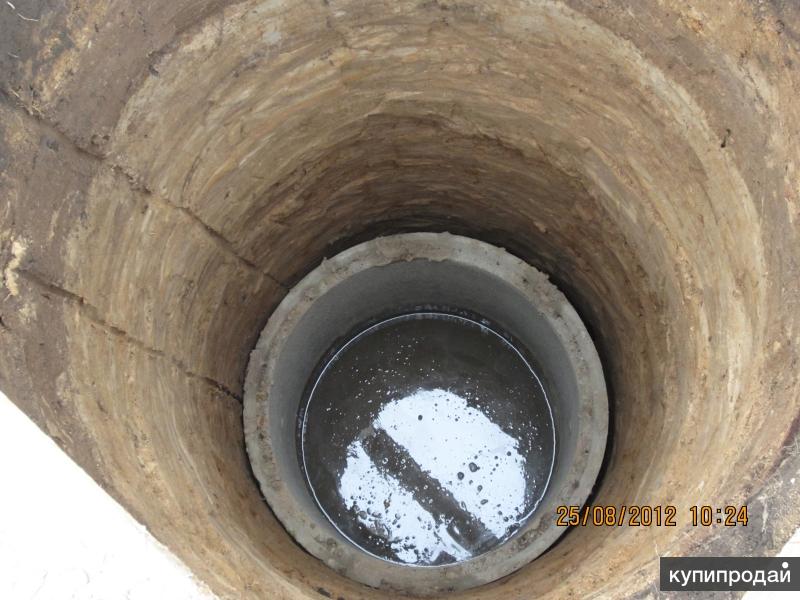
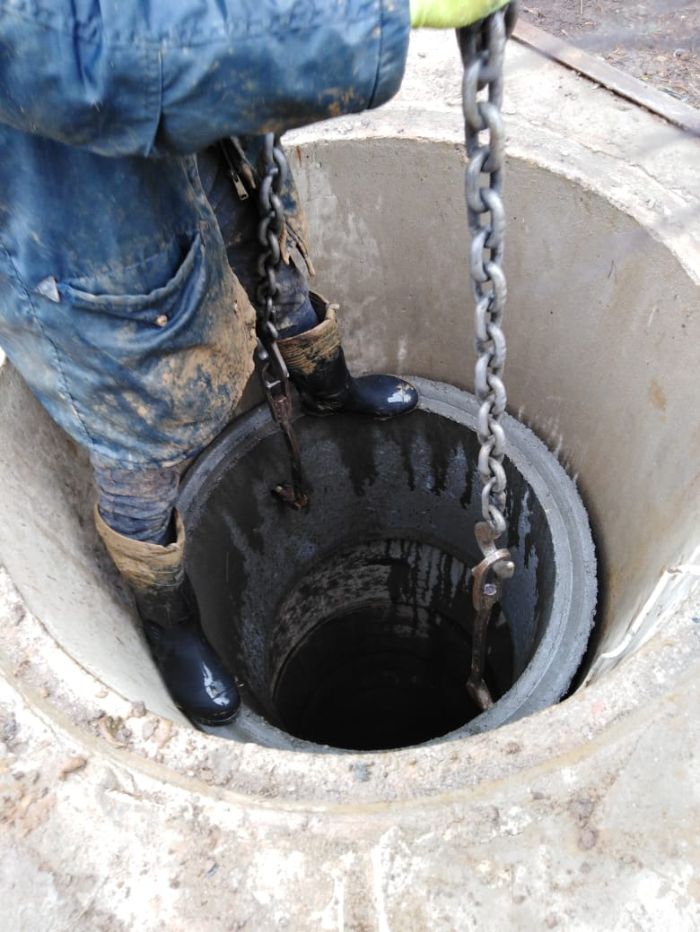
The algorithm for digging a well is as follows:
- the bottom filter, the top layer of soil is removed;
- start digging a tunnel for a new ring;
- for weighting, they are supplemented with another ring, which is removed later;
- after installing a new ring, it is necessary to attach it to the main one; for this, brackets are used;
- at the end of the installation, the seams are sealed with a special solution and the bottom of the well is covered with a new bottom filter: pebbles, stones, gravel.
Reasons for the disappearance of water in the well
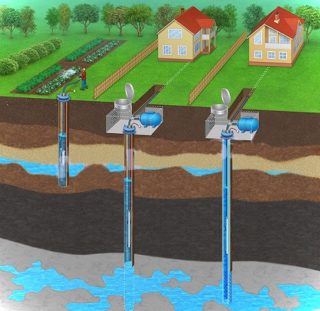 The aquifer can dry up if several wells are connected to it
To make sure that the water level in the well is constantly decreasing, you need to watch it.Perhaps this is a temporary problem, provoked by the characteristics of the aquifer or weather conditions in the region. It is useful to talk with neighbors and find out how things are with their sources. If the problem arose only with a specific well, then we are talking about the exhaustion of the resource.
The main reasons for the drop in the water level in the well:
- clogging of the bottom filter, if the source is drilled on a true floater;
- deviation of the shaft from the vertical position, subject to technical errors at the time of well construction;
- casing depressurization;
- a large number of sources in the village, fed from one aquifer (especially the problem of the disappearance of water in the hydraulic structure is noted immediately after drilling a well from a neighbor);
- a long period of summer drought (the problem is typical for springs on sand);
- construction of a well during a period of high groundwater standing.
It is desirable to drill a well or deepen it in summer or winter.
Briefly about the occurrence of groundwater
The purpose of building a well in a suburban area is to open an aquifer that can cover the family's needs for drinking or technical water. The first is used according to the name, the second for watering the site, cleaning and similar needs.
It is necessary to decide on the drinking and technical category at the planning stage of the future development, because its depth and design depend on it. There are categories according to the degree of pollution.
There are more mineral impurities in the chemical composition of industrial water, the presence of odor and slight turbidity is allowed. Drinking water must be crystal clear, completely devoid of smell and taste.
Rocks in the earth's crust occur in layers, within which soils have equivalent physical and mechanical properties and the same structure.
Aquifers are called layers of rock that are equivalent in composition and structure and contain groundwater. On the geological section, they look like bands of arbitrary width, lying at an angle or relatively horizontally.
The upper boundary of the reservoir is called the roof, the lower one is called the sole. Depending on the thickness of the aquifer and the required amount of water, the well can only open the roof, cross 70% of the formation, or be installed with the bottom on the sole.
The roof of the aquifer, in turn, serves as the sole of the overlying layer, and the sole as the roof of the underlying one.
There are two natural ways for the appearance of water in the rock masses, these are:
- Penetration into the soil of atmospheric precipitation or waters of nearby reservoirs. Water freely passes through permeable sediments, which include sands, pebbles, rubble and gravel masses. The process of seepage or penetration is called infiltration, and the layers that let water through themselves are called permeable.
- Moisture condensation in formations sandwiched between two impervious or otherwise impermeable layers. Clays, loams, semi-rocky and rocky rocks that do not have cracks do not let water through. The water lying between them can be pressure: when opened, its level rises, sometimes gushing.
Fractured rock and semi-rock varieties can hold water, but it has little or no pressure. The chemical composition of fissure water will necessarily be influenced by host rocks.Limestones and marls will enrich it with lime, dolomites with magnesium, gypsum coupled with rock salt will saturate it with chloride and sulfate salts.
Groundwater is formed as a result of infiltration of atmospheric precipitation or waters of neighboring reservoirs and as a result of condensation inside the reservoir (+)
For those who want to know how to build a full-fledged well with their own hands, you should consider the following:
- The presence of impermeable rock above the aquifer prevents infiltration of dirty effluents into the reservoir. Water extracted from a layer blocked by an aquiclude can be assigned a drinking category.
- The absence of an aquiclude on top of the aquifer signals a ban on the use of water for drinking purposes. It is called verkhovodka and is used exclusively for household needs.
If the owner of the site is interested in the technical category, it is quite enough to open or delve into the layer with perched water. The shaft of the well in such cases is much shorter than the shaft of the production for drinking water.


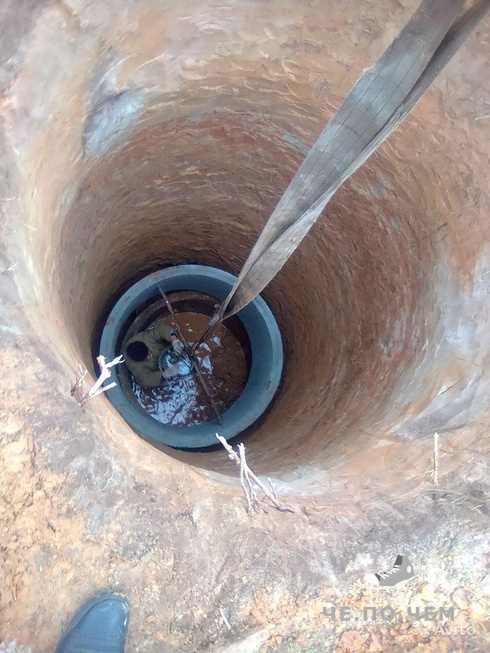
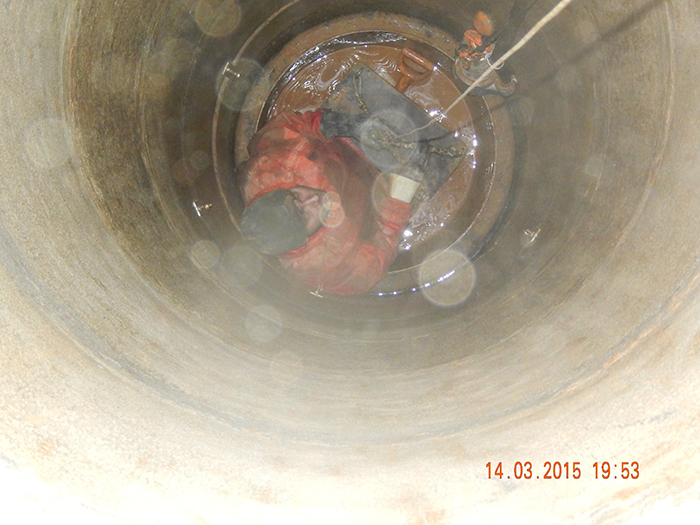


However, the perch mirror can hardly be called stable. In dry summers and winters, the level in such workings is lower than in rainy autumn and spring periods. Water supplies will fluctuate accordingly.
Layers capable of releasing water when opened by a mine are called aquifers, rocks that do not pass or release water are called water-resistant or impervious (+)
To obtain a stable amount of water in the well, it is necessary to go through the perch and go deep into the underlying aquifer. Usually there are several permeable and waterproof layers between it and the perch. So, there is a chance to reach drinking water.
However, the trunk of such a well is much longer: it will take more material, time and labor to build it.
Drinking water must be tested by the local sanitary and epidemiological authority. According to the results of the analyzes, conclusions are drawn about its suitability. If necessary, clean-up measures are recommended.
Preparation of equipment for work
The deepening of the well implies the need to prepare the pump, quite often there is a need for two pumps at once, which are used to pump water. You will need a special shovel, which has a short handle. Prepare several buckets, each of which has a different volume. It is worth considering that it will be necessary to raise the soil, for this you must stock up on special devices. Prepare a winch that has the ability to withstand loads up to 600 kilograms. You will need a rope ladder and a baffle. Deepening the well is much easier if you have lighting devices in your arsenal.
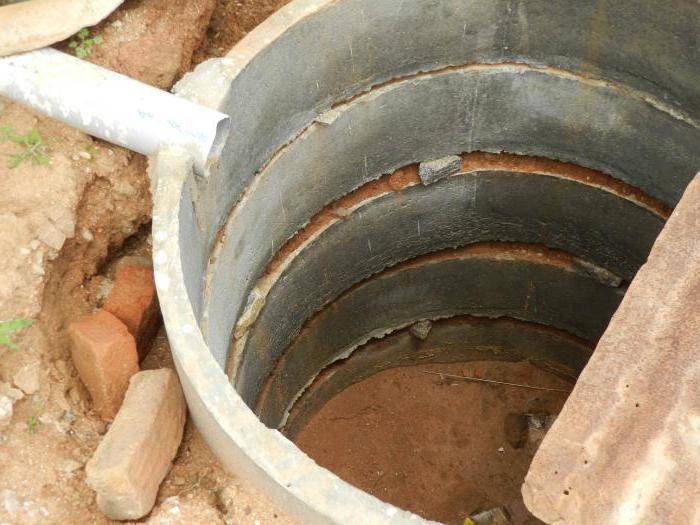
It is important to pay special attention to the training of the master, he must have waterproof overalls, a helmet, and rubber boots



