- What is gas specifications?
- Definition of specifications
- Consent of the main subscriber to connect
- Gasification at home
- Parameters included in TU
- Why are gas specifications required?
- How to conduct gas to a private house
- Methods for supplying gas to private houses
- What documents will be needed
- How the process goes: nuances and cost
- Stages
- Stages of technological connection
What is gas specifications?
The technical conditions for connecting a residential building to gas networks are a document with the listed requirements of the gas service, under which gasification of a house is possible. The specifications reflect all object data, which are necessary for connection to gas networks.
The technical conditions for connecting a house indicate:
- household address;
- location of the gas pipeline connection;
- gas pipeline material and laying method;
- characteristics of the system at the tie-in point;
- gas pressure in the network;
- volume of gas per hour allowed for extraction;
- pipeline pipe diameter;
- description of the tie-in location of the new gas pipe.
 Sample technical conditions for gas connection. As an example, it is not necessary to consider exclusively the connection of a private house - an example of any industrial facility has no fundamental differences.
Definition of specifications
Specification example. (Click to enlarge)
The engineering communications project is carried out on the basis of the initial data. This condition applies to all systems: gas supply, water disposal and water supply, power supply, communication and telecommunications networks, heating.
Not a single linear facility, including a gas pipeline, can be designed without technical specifications.
The connection specification is a document that contains all the source data required for the design of a gas system.
The specifications must include:
- address of the connected object;
- location of the gas supply source;
- material of the main gas pipeline, method of its laying;
- parameters of the gas supply system at the tie-in point: gas pressure in the network, hourly gas consumption allowed for withdrawal, gas pipeline diameter;
- description of the place where you can tie in a new gas pipe
This article is about what documents are required for gasification of a private house.
Read an article about the features of autonomous gas supply to a private house here.
Consent of the main subscriber to connect
In order to connect a house to a gas network owned by a legal entity, it is necessary to obtain its written consent, certified in accordance with the established procedure. The owner can be an individual entrepreneur, various firms and partnerships.
The form of the agreement may be arbitrary or pre-designed if such cases occur frequently enough. The contract specifies the passport data of the parties, their addresses, the name and location of the object. If the service is paid (and this is the right of the main subscriber), the amount is indicated, a fiscal check or a cash receipt is attached to the paper.


When a pipe is laid through the sections of neighbors, it is necessary to coordinate this issue with them. The paper should indicate the possibility of obtaining access for inspection, repair and modification.
Gasification at home
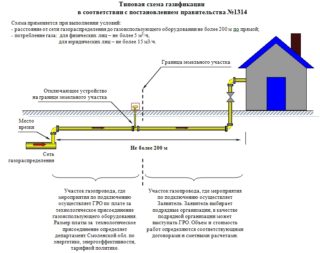
The regulations for the gasification of private houses are prescribed in Decree of the Government of the Russian Federation No. 1314. The document spells out all the details of the legal formalization of the agreement between the supplier and the consumer of services, the technical aspects of laying the gas pipeline.
Practical and legal aspects of the supplier's obligations:
- Verification of compliance of the work performed with the manufactured specifications.
- Control of the absence of the possibility of outside interference in the meter.
- Conclusion of a contract for the supply of gas to the consumer.
- Conducting briefing on the rules for using equipment, metering and control devices, the procedure for detecting a malfunction or gas leak.
- Clarification of responsibility for unauthorized changes in the layout of the gas pipeline, preventing representatives of the management company from accessing the equipment, late payment for the services provided.
It is the responsibility of the owner to comply with the rules for using gas appliances, their regular maintenance, timely restoration of the protective coating, and maintaining the regime of the protective zone.
Parameters included in TU
The technical conditions for connecting to a gas system reflect information about this structure and the data that is needed to design a section that is attached to a common group. The TS should contain information about the parties to the relationship in question.
This list includes:
- the name of the organization that issues the technical conditions for connecting the resource;
- data of a citizen or organization;
- name and address of the building connected to the network;
- how many days have passed from the moment the contract was drawn up to the connection;
- period of validity of the conditions;
- characteristics of the pipeline from which gas is collected: the material from which it is made, diameter, length of sections, pressure for operation;
- the highest level of consumption per hour, provided that all facilities are connected. Measurements are also made for each individual building;
- deviations that are permissible during the operation of the gas supply system;
- obligations of citizens to install metering devices on the pipeline after the construction of the building.
Sometimes specifications reflect recommendations that should be taken into account during the construction of the facility. These rules apply depending on what climatic conditions prevail in the area.
Why are gas specifications required?
ТµÃÂýøÃÂõÃÂúøõ ÃÂÃÂûþòøÃÂàýð ÿþôúûÃÂÃÂõýøõ ú óð÷ð ÃÂð÷ÃÂðñðÃÂÃÂòðÃÂÃÂÃÂàôûàúðö Ãâ´ bul tyden ãâ] · ãâ´ulate °_â °ããããã ãâ² ãâããããããã²²ã²ããããããaper °ãâpa ã] °] °] ã] ã] ã¿¿ratory ¾âãããã iant. ÃÂýø ÃÂðÃÂÃÂÃÂøÃÂÃÂòðÃÂÃÂÃÂÃÂ, ò ÿõÃÂòÃÂàþÃÂõÃÂõôÃÂ, ôûàñõ÷þÿðÃÂýþóþ ÿþûÃÂ÷þòðýøàðñþýõýÃÂþü óð ÷þòÃÂüø ÃÂõÃÂÃÂüø.ÃÂþÃÂÃÂþüÃÂ, ò ôþúÃÂüõýÃÂõ ÃÂþôõÃÂöðÃÂÃÂàýÃÂöýÃÂõ ÃÂÃÂûþòøÃÂ, ÃÂÃÂõñþòðýøàú úþýÃÂÃÂÃÂÃÂúÃÂøø óð÷þòþóþ ÃÂÃÂÃÂñþÿÃÂþòþôð ø õóþ üþýÃÂðöýÃÂàÃÂðÃÂÃÂõù, ú ÃÂøüøÃÂõÃÂúþüàÃÂþÃÂÃÂðòàÃÂþÿûøòð ø õóþ ÃÂõÃÂýøÃÂõÃÂúøü ÿðÃÂðüõÃÂÃÂðü, ÿþ þóÃÂðýà¸ãââteµ More ãâã²²Pa "ã] ãâãâ] ã] ã] °ã °ããâãⶶ¶¶ ° ° â ã] ã] àÃÂòÃÂ÷ø àÃÂõü, ÃÂÃÂþ ÿþÃÂÃÂõñøÃÂõûÃÂü ýõþñÃÂþôøü óð÷ ôûàÃÂð÷ûøÃÂýÃÂàÃÂõûõù (ÃÂÃÂÃÂðýþòúà° óð÷þòþóþ úþÃÂûð ôûàþÃÂþÿûõýøàôþüð, ôþÿþûýøÃÂõûÃÂýþóþ ÿþôþóÃÂõòð ÿþûþò ภóþÃÂÃÂÃÂõóþ òþôþÃÂýðñöõýøÃÂ, ôûàúÃÂÃÂþýýþù ÿûøÃÂàøûø òÃÂõ òüõÃÂÃÂõ), âã ñÃÂôÃÂàøüõÃÂàÃÂà°Ã·Ã»Ã¸ÃÂøÃÂ.



How to conduct gas to a private house

- the type of gas supply is selected. The best option for the private residential sector is 5 m3/hour with a heated area of up to 250 m2;
- a draft technical specification is drawn up by contacting the design bureau or the state gas organization;
- the application is redirected to the gas service at the place of residence. A contract is concluded for the performance of installation work;
- a tie-in is made into the pipeline, branching of branches inside the house;
- gas equipment is installed. Then - a seal on the counter;
- safety briefing with owners.
Actions for gasification of the suburban area:
- obtaining technical specifications by contacting GorGaz or Oblgaz;
- registration of necessary documents, project, technical requirements for issuing a permit;
- selection of a construction company, conclusion of a contract;
- carrying out installation and construction works;
- drawing up an act on connecting the subscriber to the gas network, installing a meter.
It is the owner of a private house who is responsible for a safe connection, therefore, all safety measures must be observed when supplying gas to the house.
For example, the distance from the gas stove to the opposite wall should be at least 1 m. The burners are protected from wind blowing if the stove is placed under a canopy.
If gas is supplied to the kitchen, then it is allowed to install a 2-burner stove on an area of 8 m³, 4 burners - at least 15 8 m³ with the obligatory presence of an exhaust hood, a gap under the door.
The gasification process itself is carried out in the following sequence:
- the work surface is cleaned;
- connections are placed, holes are made;
- the well is processed with clay. Asbestos plugs are installed on prepared joints;
- the treated surface is cooled;
- fragments, cut pipes are extracted;
- disc nodes, clay sacks are mounted;
- pipe is installed. A new pipe is being welded on.
The tightness of seams, joints and the quality of the work performed are checked for the smooth functioning of the gas pipeline system.
Before gasifying an object, submit a request for those. conditions and conclude a contract for connection to the owner, you need to make sure that:
- the object is subject to gasification;
- neighbors do not protest;
- on hand there is a certificate of ownership of the land and the house.
Although this is enough to heat the area of a private house of 250 m2, even in severe frosts. If you want to gasify a large area, you will have to carry out approvals and pay expenses.
To perform all the work, you can not do without hiring a specialized company. But you can save money if you collect documents, go through all the instances on your own.
Methods for supplying gas to private houses
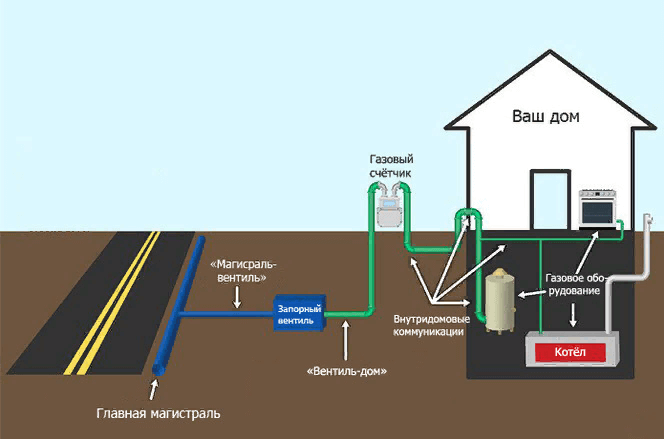
The method will depend on the location of the pipes.
Conducted as:
- underground by digging channels, laying pipes to the appropriate depth;
- elevated (cheapest) with the installation of supports above the surface of the soil;
- combined with laying a part of the pipe underground, reaching the surface of a certain segment.
If the fuel is connected for the purpose of heating a suburban building (summer cottage), then it is allowed to install a storage tank. Although the option is expensive.



One haldozer alone costs about 150,000 rubles. The cheaper option is to use bottled gas with a house area of up to 200 m2.
It is also possible to make cold tapping or welding to a centralized gas pipeline if the main is located nearby.
What documents will be needed
- an application for the issuance of technical specifications for gas, written on a printed form (issued at the place of submission of a set of documents);
- a copy of the passport (pages with the name and address of the applicant);
- title documents for the house (copy and original (for verification)):
A) certificate of state registration of property rights (issued by the local Registration Service).
C) registration certificate obtained by BTI (Bureau of Technical Inventory).
Documents for gasification
C) act of commissioning of the house (provided by the Department of Architecture of the local executive committee). Looks like that:
title document for the land plot (copy and original for verification);
A) either a certificate of state registration of property rights;
C) either a certificate of state registration of hereditary possessions;
C) either an act of state land use
D) or cadastral plan of the land plot.
- situational plan for the placement of the house in relation to the main gas supply line (copy from the architectural department of the executive committee).
- a list of gas equipment indicating its brand and capacity (supply or storage boiler, 2 or 4 burner stove, gas water heater, gas fireplace, etc.).
For a house under construction, these documents are added:
- the design of the house (or its floor plan on a scale of 1:100), certified by the Architectural Department of the municipality;
- topographic survey of the site on a scale of 1:500 (certified by the regional gas service);
- situational plan (on sheet A4);
- for a house built in a rural area, it is necessary to provide a decision of the Head of the Municipal Council for a building permit.
How the process goes: nuances and cost
Gasification of multi-apartment residential buildings refers to a centralized linear resource supply system, which can be:
- elevated;
- underground;
- combined.
The most priority source of heating and hot water heating is a gas boiler house, it will ensure low connection costs and gas fees due to connection to the main gas pipeline.
Conducting gas to private real estate can be:
- centralized, when gas comes from a common pipeline, by inserting an additional pipe into the main one and bringing it to the house;
- autonomous, when gas is supplied from gas holders (reservoirs for storing and dispensing gas).
The main advantage of gasification of buildings is the reduction in heating costs: the cost of heating a house with gas is several times cheaper than if it is heated with coal. In addition, it becomes possible to connect a stove, gas column, autonomous heating boiler.


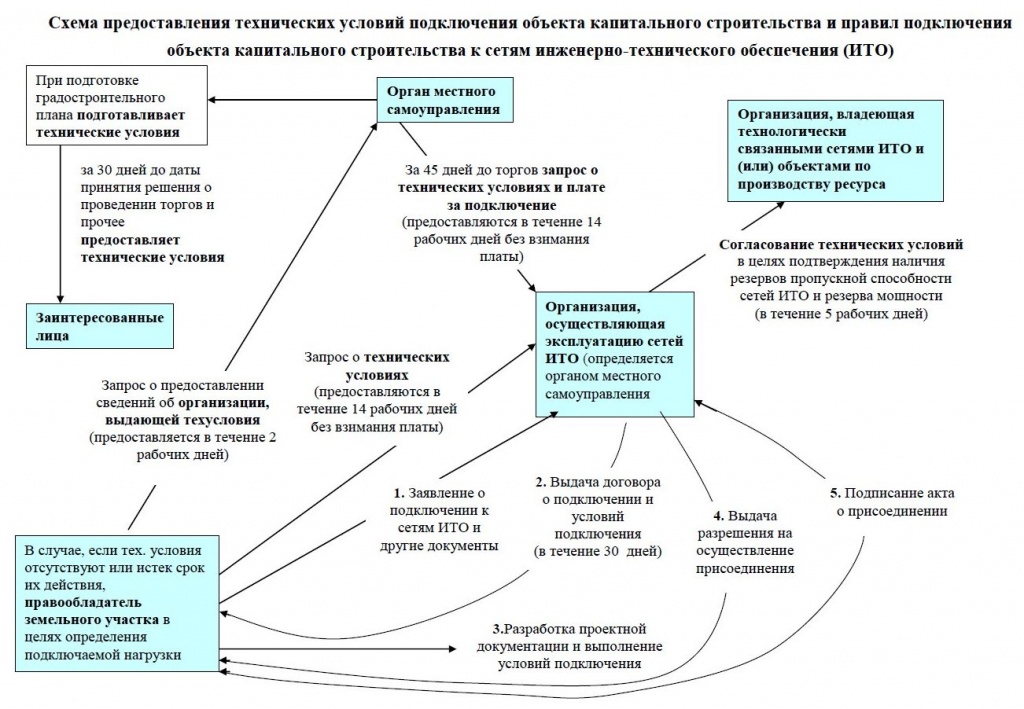

Stages
Before starting to conduct gas, determine the volume of resource consumption: how many cubic meters per hour are supposed to be spent. Next, you submit documents for obtaining technical specifications, give them to the gas service, receive technical specifications, draw up a project based on technical specifications.
The project, or rather its preparation, is an expensive stage. You can make it yourself to save money, but this will take a lot of time: from six months or more. Or contact the design organization, where they create a gasification project for you, taking into account the list of gas consumption devices and their location in the house, operating rules, which is subsequently agreed with the organization providing resources.
The next step is the direct technical connection of the gas pipe. The cost depends on the length and complexity of the gas pipeline, on average it is about 25 thousand rubles.
For the final plant and gas connection, employees of Gorgaz will come to the living quarters, who will check that all technical conditions are met. On average, it takes about three weeks, during which:
- residents who have connected the gas receive a technical supervision receipt, which, together with a package of documents, is re-submitted to Gorgaz;
- seal up metering devices for resource consumption;
- conclude a contract for the supply of gas;
- will instruct on the use of gas supply systems and safety precautions.
After the agreed period, gas is connected at the established payment rates in an apartment or private house. It should be borne in mind that connecting a gas pipe to a private house is possible if the main line is no more than 200 meters away. It is most convenient when private houses are located next to multi-storey buildings with an established centralized gas supply system.
Otherwise, it will be difficult to do this, and the price of a single connection will be several million rubles. An alternative option is to write a statement together with other residents of the private sector. With a sufficient number of applicants, gas supply can be carried out free of charge, subject to the fulfillment of all the points described earlier.
No wonder the price for private house without gas significantly lower than that of a gasified building. Nevertheless, think before buying such a house, is it worth it, because you have to spend quite a lot of time, money and effort to install gas.
Stages of technological connection
After receiving the technical specifications for gas, the property owner can begin construction. For this, an agreement is drawn up with an organization that has a license to carry out gas work. If the laying is carried out independently or by hired workers, the gas office will not take such equipment into account.
The sequence of technological connection of the gas pipeline to the house:
- Installation of equipment (consumers) in accordance with the project. Checking their completeness and stability. Ventilation system testing.
- Arrangement of strapping, fastening and connection of heating radiators.
- Digging a pit or installing supports if above-ground piping is chosen.
- Laying a gas pipeline, bringing it into the building and connecting it to internal communications. Falling asleep trenches, installation of signs indicating the security zone.
- Installation of a solenoid valve, installation of a power supply and alarm.
- Preparation of a place for tie-in to the highway, pipe connection.
- Starting gas, checking the performance of the structure, setting up and calibrating instruments.
- Counter seal.