
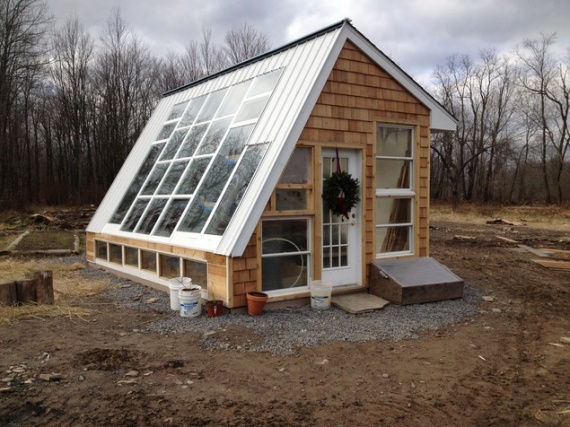
- Buildings from glass containers
- Ecohouse in the USA, Los Angeles
- LLC "CANADIAN ECODOM"
- Typical project of the house "Prague" from the company LLC "CANADIAN ECODOM"
- Water supply and sewerage
- The use of cavitation in water supply
- Traditional water disinfection technologies
- Ecological hydrodynamic method
- What materials can be used to build an eco-house?
- logs
- rammed earth
- Straw
- Soil bags
- Glass bottles
- Biogas devices
- Ecohouse lighting
- Instructions for building an eco-house from straw and clay
- Pros and cons of straw blocks
- How to prepare material
- Construction of the foundation and frame
- Straw block tying
- in the house
- DIY construction
- Location selection
- Eco house thermal insulation
- Foundation
- Walls and cladding
- Ecological furniture for every taste and budget
- Features of eco-house projects
Buildings from glass containers
house made of glass bottles
Buildings based on glass bottles occupy a worthy place among eco-solutions. If it seems to someone that bottle houses are nothing more than a game of designer fantasies, then he is deeply mistaken. With the correct placement of bottle rows, compliance with the strength characteristics of the holding solution, it is possible to build full-fledged residential buildings.
Only one important nuance should be borne in mind: glass and air inside - zero thermal protection. Therefore, in cool regions, if the bottle bottoms “look” outward and play an artistic role, then from the inside it is necessary to provide an insulating barrier between external cold and internal heat.
The use of glass containers for construction
And yet, in regions with a cold climate, it is better to abandon glass in the construction of residential buildings. But for outbuildings, including gazebos, greenhouses, flower greenhouses - there are no limits to fantasy and cannot be. Feel free to use glass bottles of all colors, sizes and shapes. It is also expedient to “mure” the bottles tightly into the walls or foundation. It turns out savings on basic materials and increases the thermal protection of the structure.
Bottle Ranch located on Highway 66 in Helendale, California
Ecohouse in the USA, Los Angeles
Wealthy Americans have long appreciated the luxury and comfort of everyday things and furnishings made from natural materials. They no longer want to use synthetics and chemical additives in everyday life - these are cheap analogues that are harmful to the body.
We present to your attention an eco-house located in Hollywood, whose owners appreciate the high quality of life: advanced technologies, natural materials, genuine values:
- The couple decidedly abstained from any use of chemicals in their home in the Hollywood Hills.
- Its owners have done a great job to make it stylish and chemical free as much as possible.
- This house has become a kind of test for the latest environmental materials and technologies.
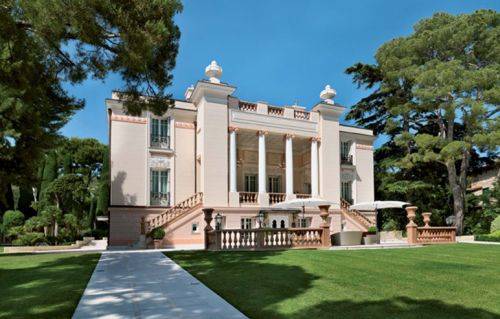
To get into the house, you have to cross the glass bridge over the water garden - a unique creation, looking at which you immediately forget about city traffic jams.
On the 1st floor there is a music room, on the 2nd floor there is an amazing two-level living room and kitchen. The master bedroom is located on the top floor.
Welcome to the "green house"!
We are greeted by a living room with huge trapezoidal windows, the height of which is amazing. This is truly a room of inspiration:
- The frames are made from recycled steel.
- Windows - handmade double glass.
- The height of the living room is two floors - the light penetrates here through the roof of the house.
- The ceiling is decorated with a very unusual lamp - it is made of raw silk and fluorescent light bulbs. This miracle is made by an Israeli artist.
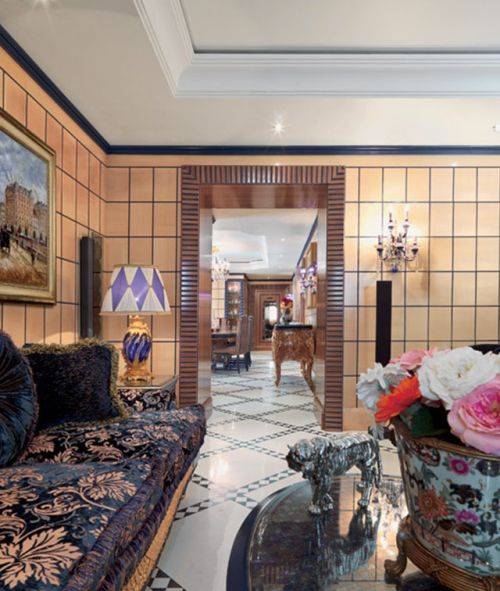
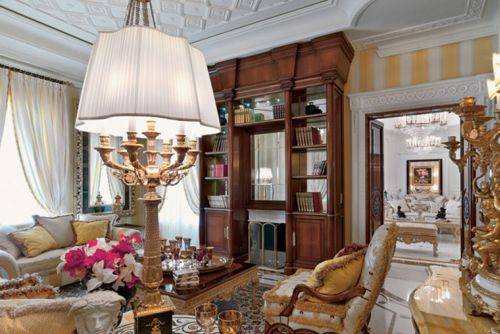
For finishing the house, the owners chose only those materials that do not contain chemicals:
- The original grass screen is made of citrus.
- The walls of the music room are made of concrete, which ensures coolness even on the hottest day.
Most paints contain pesticides - substances that are extremely harmful to the health of adults, children and animals. Therefore, the owners completely abandoned their use:
- In the decoration, the family uses only ecological paints, recycled materials.
- The cladding of the fireplace in the living room was made from untreated volcanic rock brought from Brazil.
- The panels on the walls are made of reed.
And now we move on to the kitchen. The colors and materials used in the decoration are amazing. What is worth only a massive cherry countertop - it's hardened lava, covered with enamel.
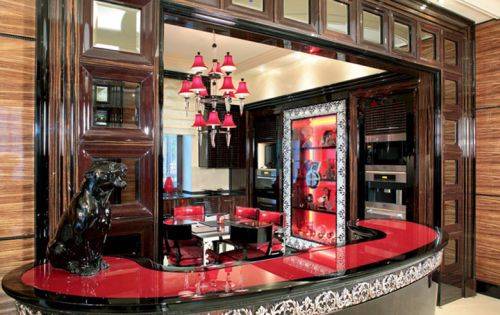
- The kitchen cabinets are made from wenge and mahogany and are formaldehyde free.
- Behind the doors of other elegant cabinets (the material of the panels is reed) hides a variety of kitchen utensils.
According to the hostess of the house, cleaning also does without the use of chemicals. Sparkling cleanliness is achieved very simply: with the help of natural substances like baking soda and apple cider vinegar.



The pride of the hostess is a unique sink.
During the reception, there comes a time when you need to collect the plates, take them to the kitchen and put them in the sink. And now - rrrrr! - and all the dishes are hidden out of sight with the help of a special wooden panel-lid that closes the sink.
There is no need for a trash can.
Kitchen cleanings are recycled in the compost bin and turned into humus. This is an eco-friendly way to fertilize a small garden in which the hostess grows the necessary vegetables and fruits for the table.
A glass staircase leads us to the 3rd floor - to the master's quarters.
It should be noted twilight colors in the interior of the bedroom - they are very relaxing. The covering of the walls behind the bed once again emphasizes the intentions and ideals of the owners when creating their home.
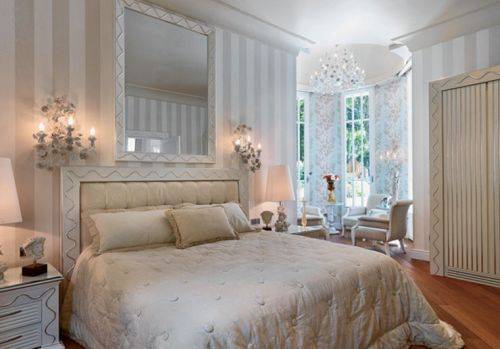
It is a woody form reminiscent of wheat stalks, embedded in recycled plastic - a great material for screens or just decoration. Even in the rug in front of the bed there is not a drop of synthetics - it is made of New Zealand wool. It's so great to do yoga in the morning!
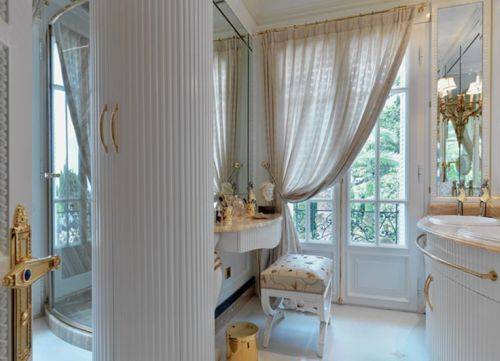
The bathroom is also a highlight:
- The tub can be filled to the top with water.
- The overflowing water is reheated and fed back into the bath.
It is here that the new day of the owners begins and here it ends.
LLC "CANADIAN ECODOM"
The secret of the technology of this company is the use of panels of its own manufacture in the construction of frame houses using Canadian technology.
On the lines of the Avangard plant, with high dimensional accuracy, panels are produced from outer layers of OSB (oriented strand boards) and with an inner insulation layer of foam or expanded polystyrene.
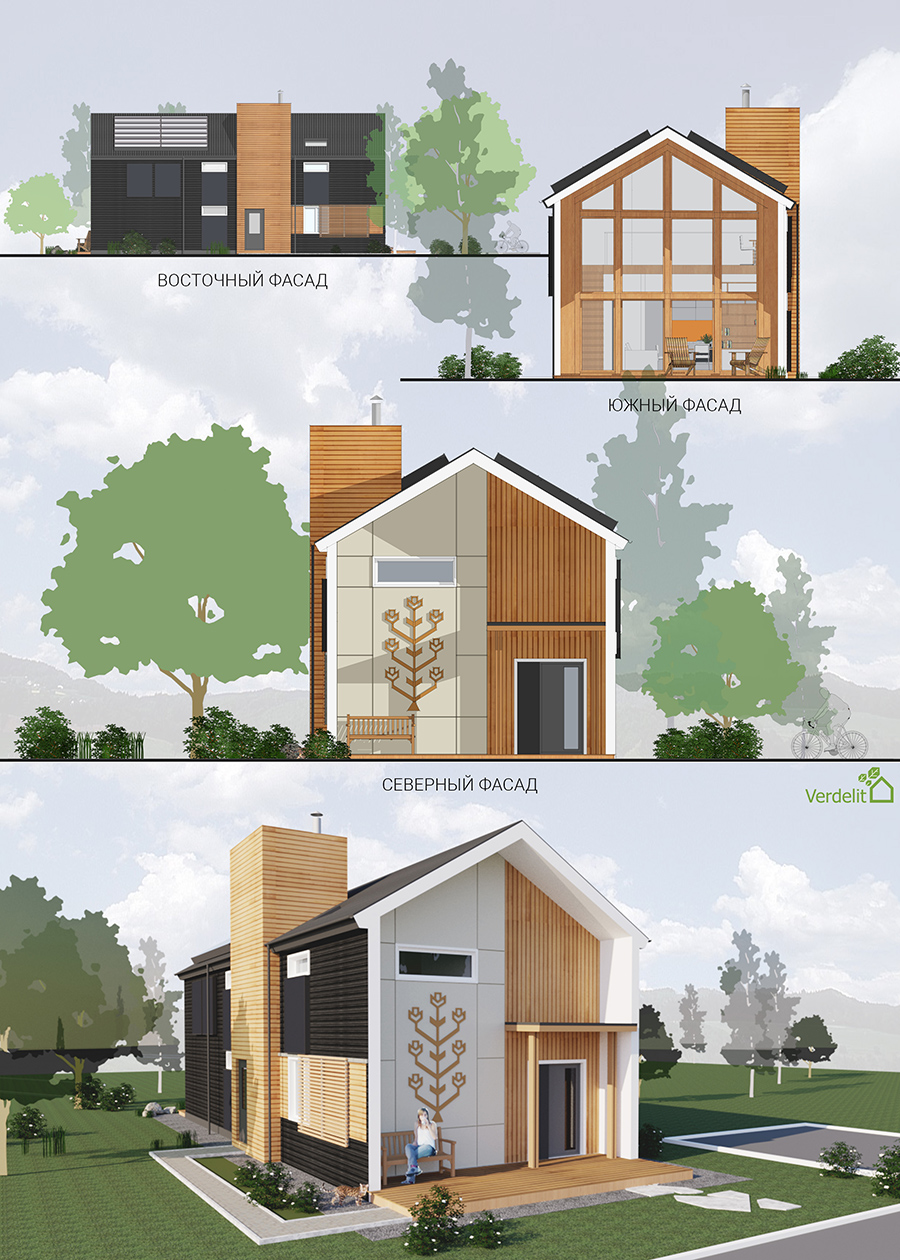
Typical project of the house "Prague" from the company LLC "CANADIAN ECODOM"
Area of 135 sq. m can not be called small - it is quite suitable for a comfortable stay for a family of average composition.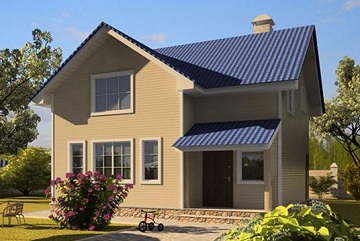
A small mass of structures, which does not create special loads on the foundation, makes it possible to perform lightweight screw pile or strip foundations with a small depth, which are quite capable of bearing the weight of two or three floors.
Walls, partitions, ceilings are made of the same panels. A solid concrete slab of a weak layer, on which the same panels are laid, creates the construction of an insulated floor.
Expanded polystyrene, which is not a natural material, is at the same time quite environmentally friendly: it does not cause allergies, has no smell and is recognized by sanitary services as a harmless material. OSB boards are prepared on the basis of wood waste.
The advantages of such houses are as follows:
- light weight;
- strength;
- high moisture resistance;
- retain heat well;
- ease of installation;
- terms of performance of works - the shortest;
- fire resistance;
- durability (about 80 years);
- stability (seismic resistance within 9 points);
- low price.
The disadvantages include the fact that, after all, polystyrene foam is not a natural material, although with excellent characteristics.
Another minus is the use of German-made OSB boards by this company, which negatively affects the cost.
Interior and exterior decoration - at the choice of the owners.
The cost of building a turnkey house can be found on the website
Water supply and sewerage
Water and its disposal are vital factors, so you should consider where the water will come into the house and where it will be discharged. The same schemes are used here as in an ordinary private house that is not equipped with central sewerage and water supply systems.




A well is drilled on the site for the extraction of drinking water, which is supplied to the house with a pump.
Septic tanks can have a different design and are made of different materials.
A great help for any private house will be a rainwater collection system, its purification and use for a washing machine and dishwasher, watering, washing a car and even for a shower.
Rainwater harvesting system
Such a system will help save a fairly large amount of drinking water, and most importantly, the family will always have a supply of water in case the well dries up or for the period of its cleaning.
The use of cavitation in water supply
Cavitation is very useful if the eco-house is located far from civilization, and water from nearby sources needs to be disinfected. Let us first consider traditional methods of water purification, and make sure that the hydrodynamic technology has undeniable advantages.
Traditional water disinfection technologies
Some of these methods are used everywhere, others are used occasionally, but they are known to everyone who studied physics and chemistry courses at school:
- chlorination;
- ultraviolet irradiation;
- ozonation;
- iodization;
- ultrasonic disinfection.
The most popular method of chlorination has as much benefit as harm.Not only does chlorine destroy far from all bacteria, it is involved in the synthesis of new substances that are toxic and dangerous to health. Of course, the environmental friendliness of chlorinated water for home use is out of the question.
Ultraviolet radiation is useless for the neutralization of water with turbidity and the presence of suspensions, so this method is good only for a transparent liquid. Ozone does an excellent job of cleaning water, but its production requires high voltage and a large amount of electricity, moreover, the substance itself is toxic and explosive. Ultrasonic technologies are underdeveloped, the main development has been found so far only in medicine - for the disinfection of instruments. The use of iodine, which is in demand only for cleaning pools, is also little involved.
Ecological hydrodynamic method
This technology is so effective that it allows you to purify water on an industrial scale, that is, one installation is enough for 2-3 houses (if the productivity is 500 l / h). The only condition for complete disinfection is the absence of suspension. For its implementation, water intake occurs from the upper layers of the source (river or lake), and then the water is additionally filtered and settled in a special reservoir. After cleaning by cavitation, even household drains that have passed through a deep cleaning septic tank become drinking water.
The principle of operation of the cavitation unit is simple. Water passes through the filter, then the heat exchanger and enters the hydrodynamic system, where it is processed by cavitation. Then it returns to the heat exchanger for cooling, from it to the cooling condenser and reaches the final stage - additional filtration.You can use multiple filters with carbon or carbon-silver cartridges. With the help of cavitation, water purity indicators reach 100%, and electricity consumption is reduced by 40-50%.
This illustration confirms the perfect operation of the water disinfection unit. In one of the tanks there is dirty sewage water, in the other - already purified by cavitation
For the uninterrupted operation of the water disinfection plant, a voltage of 380 V, a power consumption of 7.5 kW, and a power supply frequency of 50 Hz are required.
What materials can be used to build an eco-house?
logs
fallen trees
Logs are stacked on top of each other, just as firewood is stored under a canopy to kindle a fireplace. They are held together with concrete or clay mortar. If the logs have a diameter in the range of 30-90 cm, then they can be used for the construction of frameless structures or using a frame. Recently, the cement mortar that binds the logs has been replaced with an adobe mixture.
rammed earth
To get the right earthen raw material, you need to mix clay, gravel, concrete and wet earth. All these components end up as a compacted solid material that perfectly regulates the temperature of the building. It is able to give warmth in cold weather, and coolness in warm weather. Such a structure is resistant to termites, durable and fireproof. It costs "penny", as the land in free access lies under your feet.
The construction of an earthen building takes place without large columns of dust, as is the case with the use of stone materials and cement. Now rammed earth is not so popular, but still in some countries houses are built from it.
Straw
thermal insulation properties of load-bearing walls
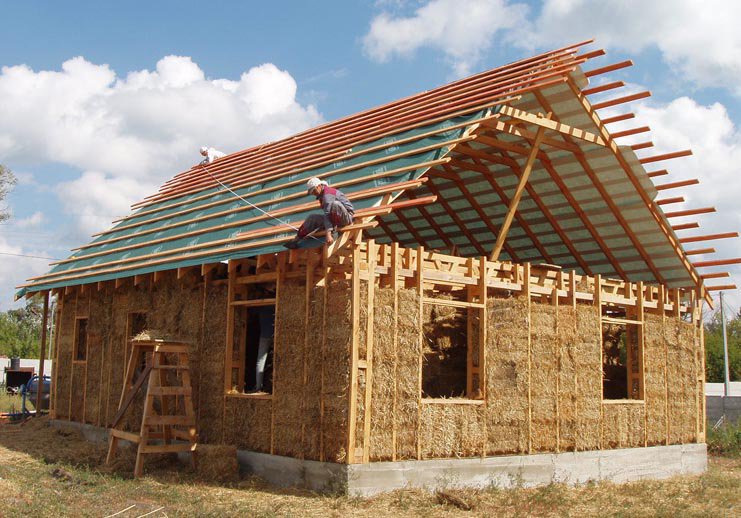
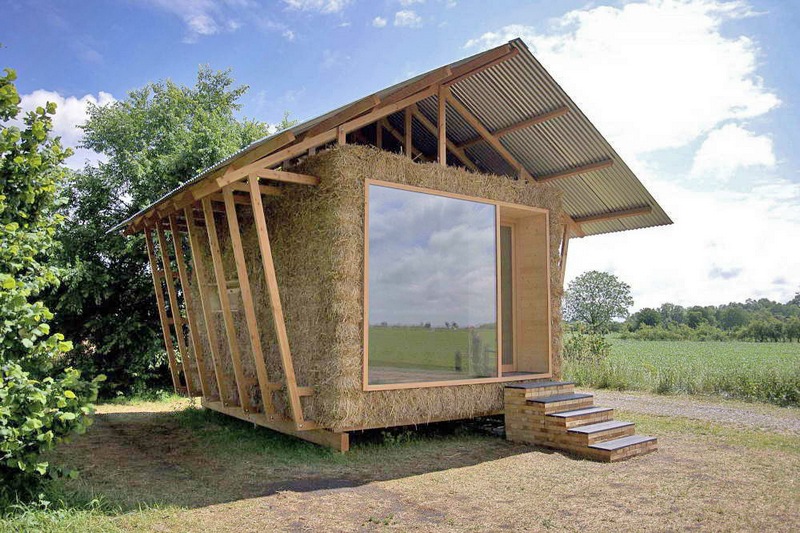
The outer part of the thatched building is treated with soil or lime plaster. Both of these coatings have good air conduction, thereby preventing the accumulation of moisture inside the building and preventing its dampness.
Soil bags
The process of obtaining building material consists in filling the bags with moist earth and then tamping them. When stacking stuffed bags, the material is tied with two rows of wire. If a tall building is being built, then it is better to provide a platform on which the bags will be stuffed so as not to lift them up. Wet earth weighs lightly.




Soil bags are used for housing construction where the soil contains little clay. Of these, it is optimal to erect rounded building decoration elements, such as domes. From the outside, they can be covered with earth and planted with grass or flowers; this is an unusual and warm home.
Glass bottles
durable materialcement mortarcorrect location
When building a glass structure, there are several subtleties. The bottles are still hollow and there is air in them, so in cold regions, if the bottoms look outward, then they need to be insulated from the inside. Such buildings are rarely used for housing, more and more often they are used for household and household structures.
The building of multi-colored bottles will be a real decoration of the site, it looks like a three-dimensional mosaic.
Biogas devices
In order for biogas gas generating plants to work most efficiently, the substrate that is loaded into the reactor must be crushed. When processing plant waste (branches, leaves, weeds), garden garbage grinders are used.Among them there are quite powerful units that can turn branches up to 20-25 cm in diameter into small chips.
Food waste grinders are used to grind food waste that enters the sewerage system. Such a device is connected to the kitchen sink and connected to the sewerage system. Shredded waste is loaded into a container for biogas production - a gas generator. The substrate is mixed with a certain amount of water and substances are added to it that will accelerate the process of biological decomposition of waste. The biogenerator constantly maintains a temperature of about +25…+30 degrees. Several times a day, the contents of the tank are automatically mixed.
About a week later, an active fermentation process begins in the bioreactor, accompanied by the release of biogas. Next, the biogas enters the wet gas holder, which is a container filled with water. A cap is placed in the water, to which tubes from gas generating systems are connected. When the cap is filled with gas, it floats to the surface, turning on the compressor, pumping the resulting gas into the gas storage.
Ecohouse lighting
Lighting is another factor that should be given attention, since the task of arranging it should be aimed at reducing energy costs. Incandescent lamps familiar to Russians are not suitable for eco-houses - economical lamps with a fairly high efficiency will be the best option. For example, LED lamps, which do not emit a lot of heat when burned, will be an ideal option.
In addition, this type of lamp is easy to dispose of without causing harm to the environment.
For example, LED lamps, which do not emit a lot of heat when burned, will be an ideal option. In addition, this type of lamp is easy to dispose of without causing harm to the environment.
The premises must have large window openings and at the same time be reliably protected from wind and cold.
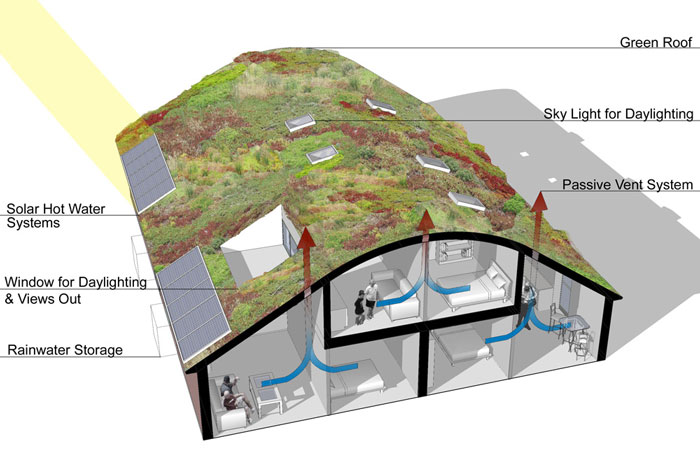
The use of natural light is a must when arranging lighting. Therefore, most windows in eco-houses are designed on the south side, as well as in the roof. When choosing such an arrangement, the rooms will be filled not only with light, but also with natural warmth.
To preserve heat and coolness in different periods of the year, two- and sometimes three-chamber double-glazed windows are installed in the window frames of such houses, equipped with krypton or argon filler, as well as coated with energy-saving film.
Instructions for building an eco-house from straw and clay
Straw, which has excellent heat-saving qualities, has long been used in peasant houses - it covered roofs, stuffed mattresses, and insulated grooves between logs. In the southern regions, you can find huts made entirely of straw bales. Knowing the properties of the material and the features of the frame assembly technology, you can build a "straw house" on your own.

Pros and cons of straw blocks
The first thing worth noting is the availability of the main building material. It is obtained as a result of growing and processing crops (legumes, cereals, hemp, flax, etc.). Grains, inflorescences, seeds are further processed, and the stems with the remains of the leaves are dried and sent for livestock feed. Straw is also suitable for making decor in a rustic style.
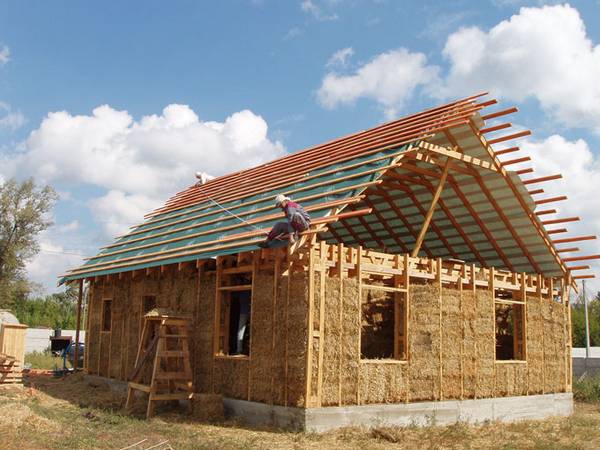
With the growing demand for environmentally friendly raw materials, an entire industry has emerged for the production of adobe bricks (building material from pressed straw and clay) and biofuels. Adobe and just straw bales are actively used for the construction of private houses, as they have the following qualities:
- have a low degree of thermal conductivity;
- do not ignite, but only smolder (we are talking about pressed plastered material);
- do not contain chemical inclusions;
- have a budget.
The disadvantages are hygroscopicity and the associated predisposition to rapid decay. In addition, straw bales are an attractive place for rodents, who also appreciate environmental cleanliness.
To get rid of the shortcomings, they increase the density of the building material to 300 kg / m?, reinforce the blocks and cover them with plaster with the addition of slaked lime.
How to prepare material
To build a house faster, you can purchase ready-made straw bales or adobe bricks. Both options are easy to prepare on your own, having prepared a sufficient amount of material in advance. The period of harvesting falls at the end of summer or autumn - the time of harvesting. Only during this period, dry stems are fully consistent in their characteristics. Until spring, straw rarely “survives” without changes, as it deteriorates due to dampness, becomes covered with mold.




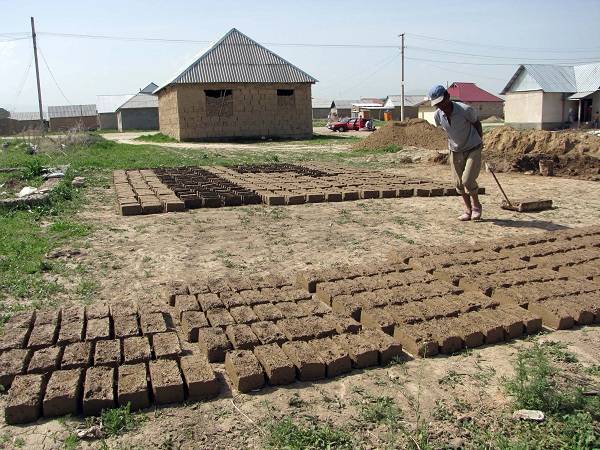
To store the material, it is necessary to build a large barn with a solid insulated roof, a dry microclimate and good natural ventilation. As a natural insulation, mats are also used, also made of straw (preferably rye, since mice do not like it).
Construction of the foundation and frame
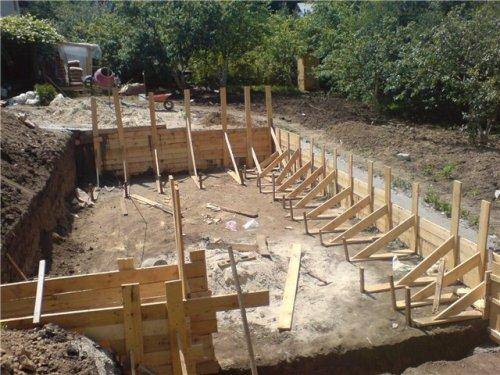
While the material is “ripening”, you can prepare the foundation. It is equipped according to the usual scheme for a frame house. Masters recommend a lightweight belt option, because the bales are light in weight. For the foundation, a shallow pit is dug out, formwork is knocked out of the boards around the perimeter and poured with a thick mixture of clay and sand. By the way, straw is sometimes added to the base of the house.
Until the clay has seized, metal reinforcement is fixed in the corners and along the walls - for future strapping. Then, when the foundation gets stronger, a frame is assembled from wooden beams (15 cm x 15 cm). First of all, the corner posts are fixed, then the auxiliary supports for the walls. Horizontal elements are added to the vertical elements - boards or bars of a smaller section.
Straw block tying
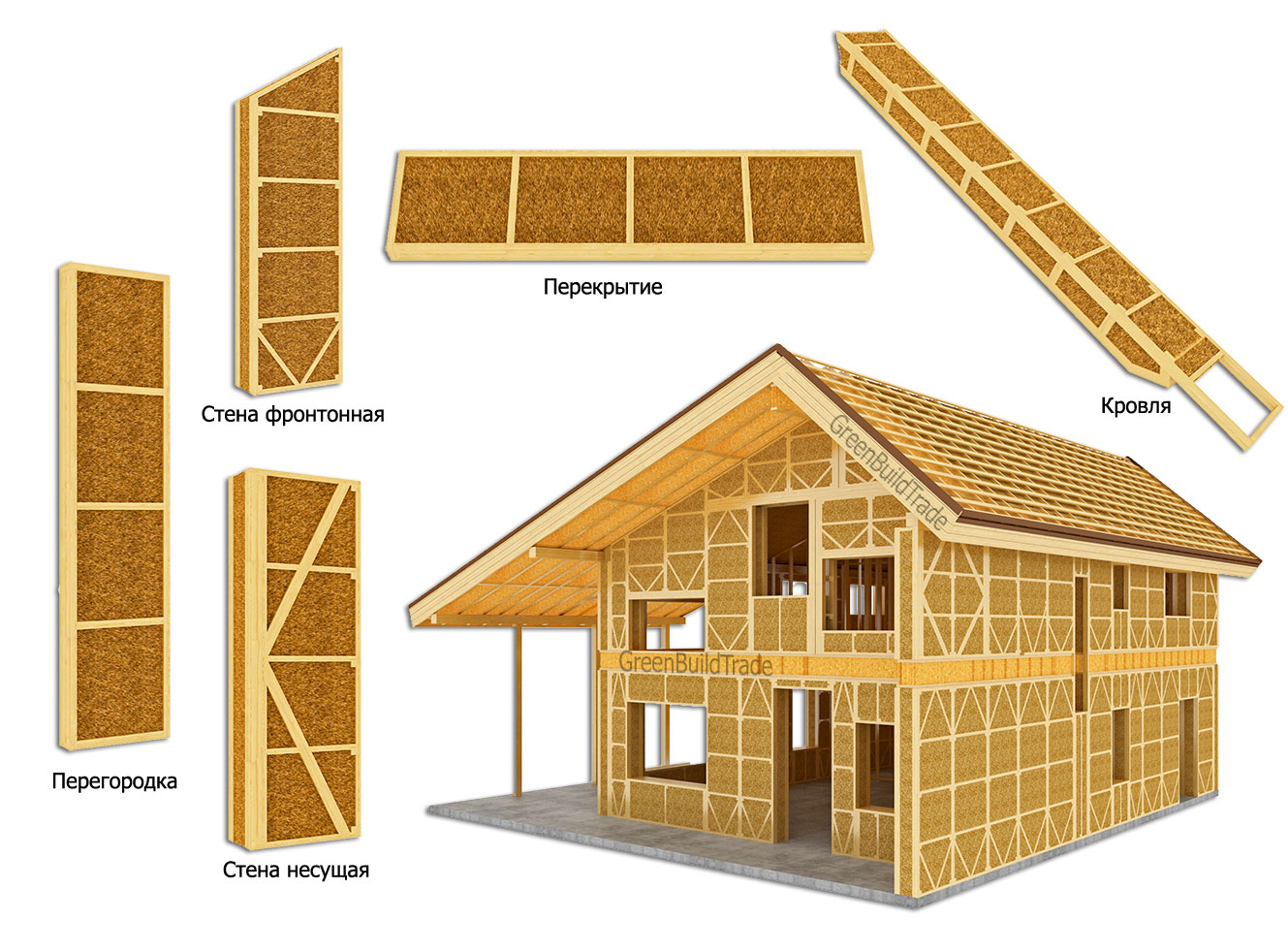
Blocks are stacked alternately, in rows, according to the principle of brickwork. The seams between the rows are caulked. Each block is fixed with a metal bar and strapping. After the entire frame is filled, shingles are made diagonally with thin boards to give the walls more stability. The roof is installed at the very end, according to the usual technology.
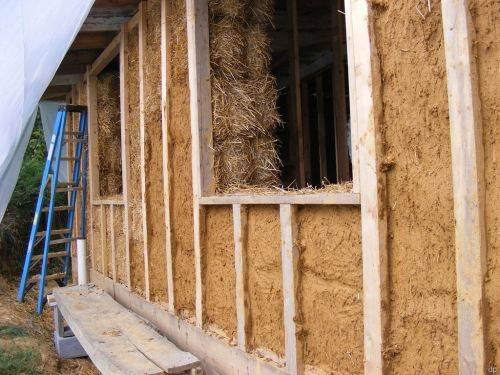
The resulting seams and gaps are sealed with adobe mixture. If protection against rodents is necessary, the walls around the entire perimeter are covered with a metal mesh with a small cell. Sometimes a second layer of thinner straw mats is laid out for insulation. The outer part of the thatched hut is plastered with a lime mixture (2.5-3 cm thick) and decorated with white or colored paint. Ultramarine, umber, violet cobalt, red iron oxide and chromium oxide are used as color schemes.
The last stage is the interior decoration, at the same time with which the building and the area adjacent to it are equipped with life support systems.
in the house
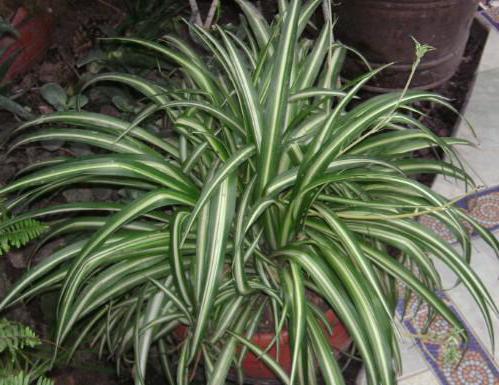
The ecology of the house is impossible without cleansing the air space. Plants help purify the air and improve the energy of living spaces. In this situation, indoor plants are indispensable. By absorbing carbon dioxide, they enrich the air with oxygen. Such plants include chlorophytum, sansevier, ivy, pelargonium, dracaena, ficus, anthurium and others. They operate more efficiently than many household appliances. One large plant is used per 10 meters of area, one small plant per five square meters.
There are plants that not only purify the air, but also disinfect it, as their leaves contain essential oils (geranium, myrtle, bay tree, lemon).
An air purifier can be used to purify the air. It purifies the air of dust and toxic substances, disinfects and ionizes it.
DIY construction
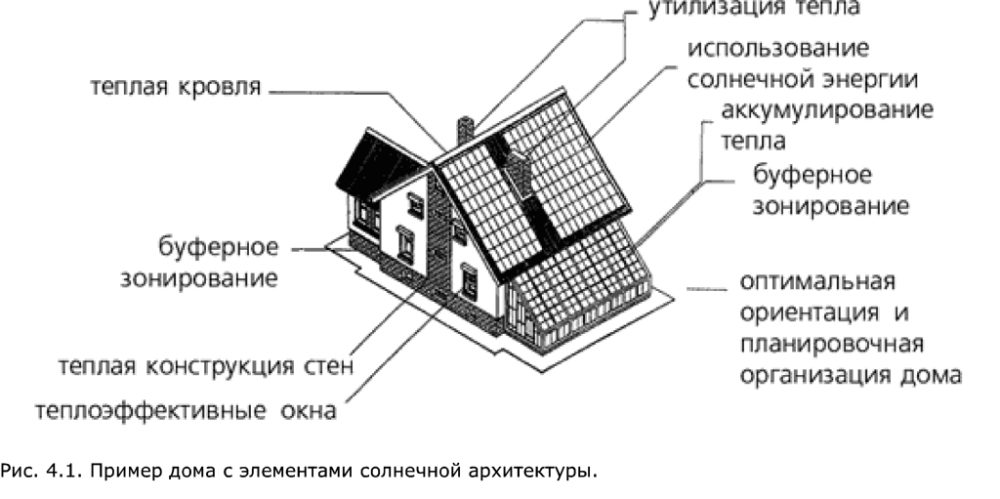
At building an eco house an important criterion is its location, since it is necessary to use the energy of the sun to the maximum, both for heating all rooms and for heating hot water, and this must be taken into account when designing a house on your own. A house located correctly relative to the south will allow using the maximum amount of solar energy, thereby reducing the load on existing engineering systems.
Location selection
When choosing the location of the eco house and its correct placement on the land, it is very important to know that the eco house should not be shaded from the east side, and especially from the south and west, since the efficiency of the eco house completely depends on this. After choosing the right place for building an eco-house, they proceed to the direct construction of the building with their own hands. The main components of the body of an eco-house are its durability, good thermal insulation, as well as excellent mechanical strength.
Along the entire perimeter of the eco-house, special buffer zones are installed, which can provide it with additional protection for the preservation of heat. Subsequently, you can attach a summer veranda, a workshop or a garage to the body of the eco-house
The main components of the body of an eco-house are its durability, good thermal insulation, as well as excellent mechanical strength. Along the entire perimeter of the eco-house, special buffer zones are installed, which can provide it with additional protection for the preservation of heat. Subsequently, you can attach a summer veranda, a workshop or a garage to the body of the eco-house
After choosing the right place for building an eco-house, they proceed to the direct construction of the building with their own hands. The main components of the body of an eco-house are its durability, good thermal insulation, as well as excellent mechanical strength. Along the entire perimeter of the eco-house, special buffer zones are installed, which can provide it with additional protection for the preservation of heat.Subsequently, it is possible to attach both a summer veranda and a workshop or a garage to the body of the eco-house.
Eco house thermal insulation
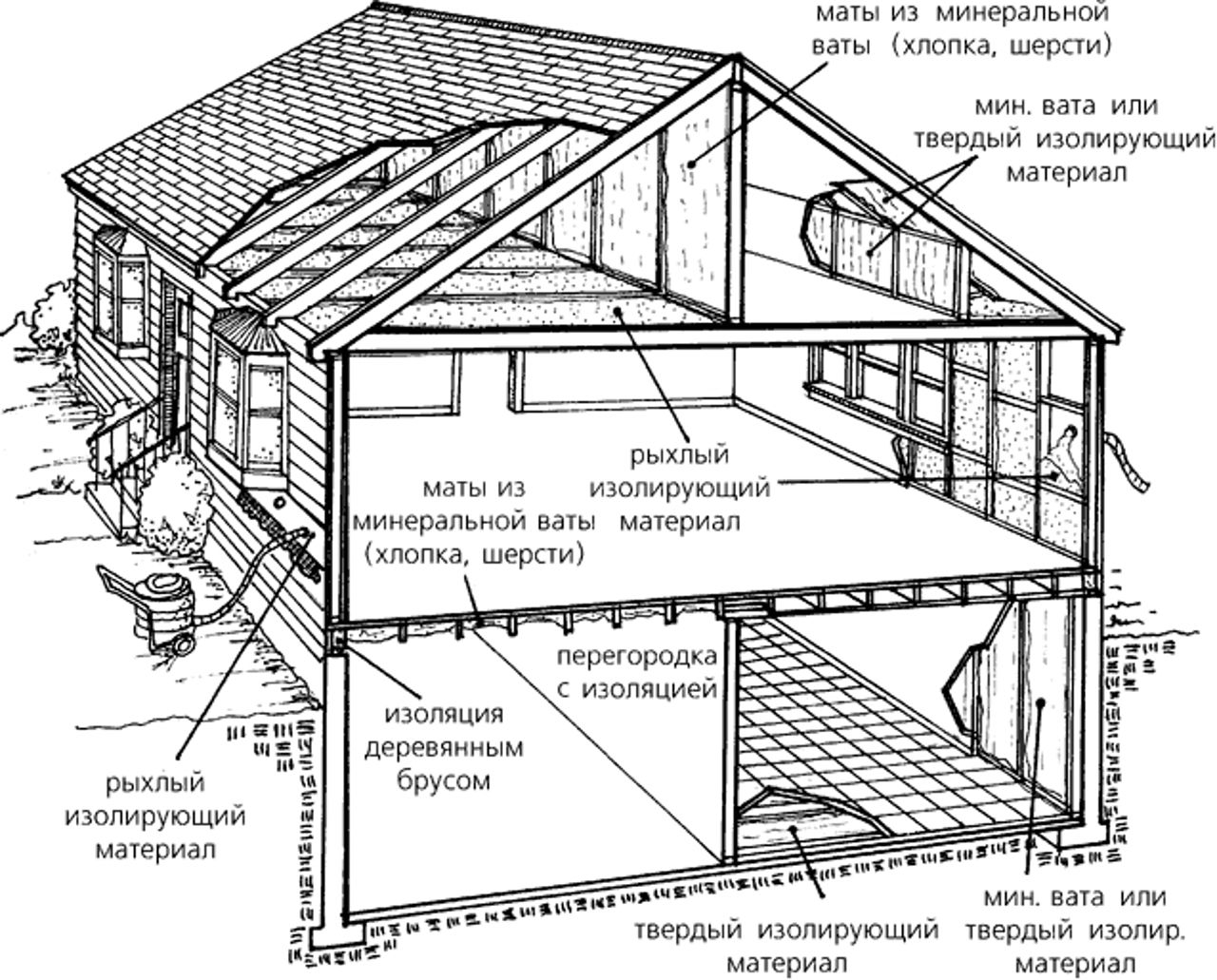
When building an eco-house with your own hands, increased attention is paid to the so-called "cold bridges", where cold can enter the house from the street. In the northern regions, during the construction of an eco-house, the creation of an additional thermal mask around the entire perimeter of the house should be provided. The thermal mask is constructed from heavier building materials
During the day, such a mask is able to effectively accumulate solar heat, and at night it effectively retains it.
The thermal mask is constructed from heavier building materials. During the day, such a mask is able to effectively accumulate solar heat, and at night it effectively retains it.


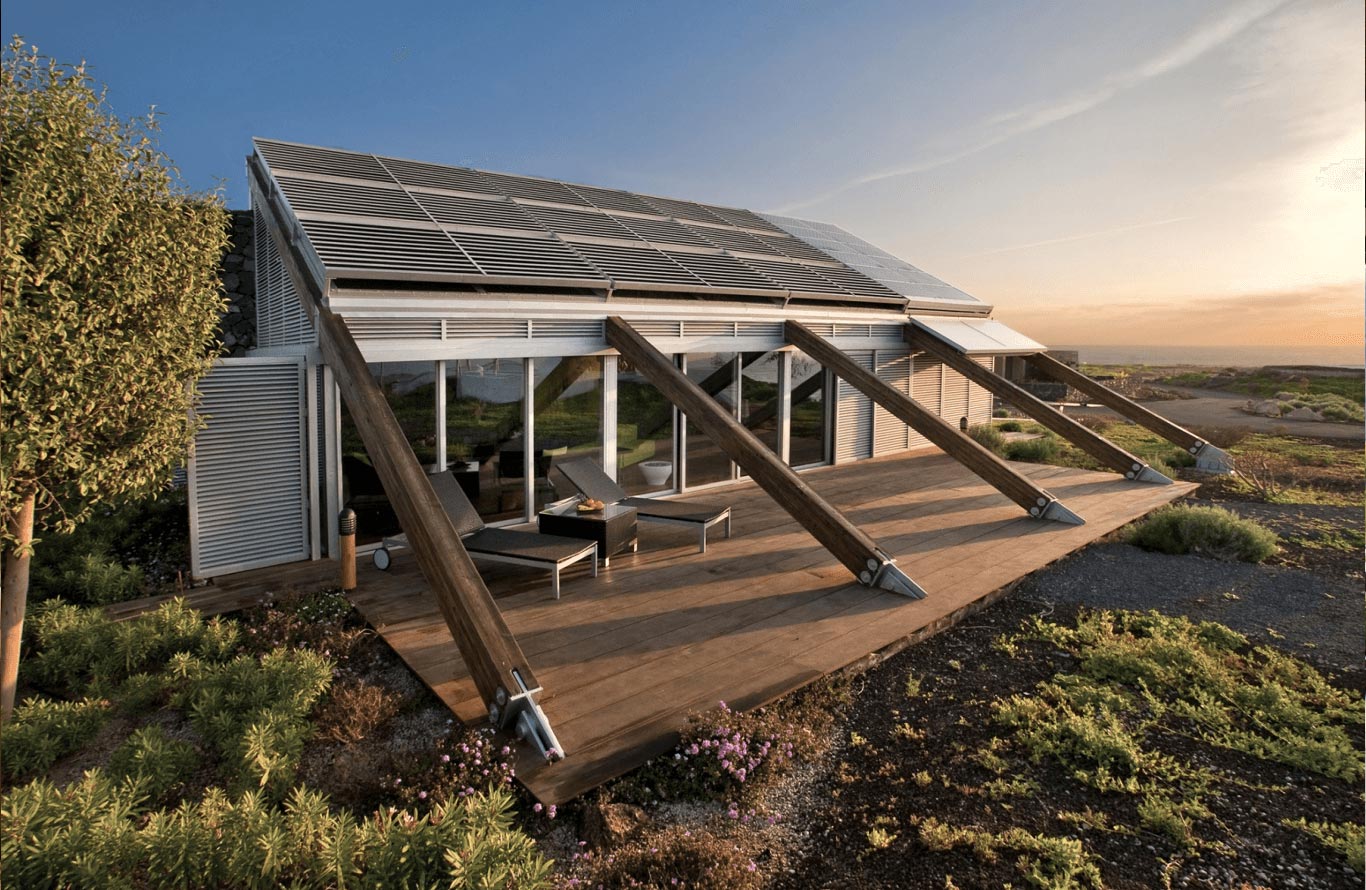

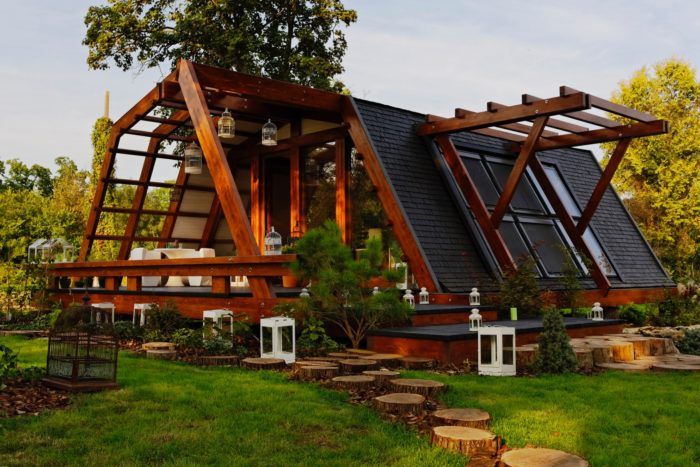

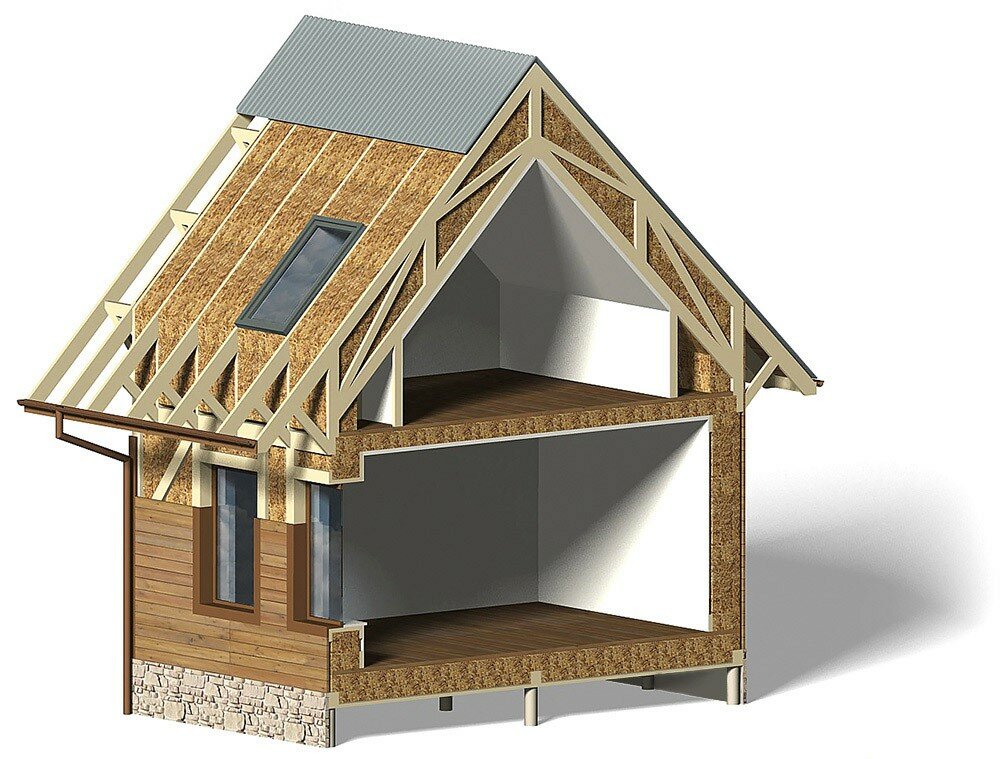

If an eco-house is built using frame technology, then its outer perimeter is usually made of light natural materials, such as straw. In this case, a system is installed in the house, which is an active heat accumulator. As such a system, both a conventional heater and an open chimney can act.
Foundation
Like all buildings, an eco-house also has a fundamental foundation. Depending on the type of soil on which the structure is being built, as well as the depth of groundwater and flood regimes, the following types of foundations can be used when building an eco-house: strip, columnar, or various small-block types of foundations. Along the perimeter of the entire foundation, it is imperative to arrange a reliable drainage system.
Walls and cladding
The walls of the eco-house are multi-layered and have up to four layers. The first layer consists, as a rule, of whitewash, wallpaper or paint.The second layer consists of plaster, as well as a vapor barrier and a load-bearing wall. The third layer contains insulation, which is often used as straw. The fourth layer is a ventilated gap and a facade cladding material. In order to further provide for the stratification of the walls of an eco-house, it is necessary to use special screeds in the process of erecting its walls.
The wall cladding of an eco-house is most often made of wood, decorative brick or plaster and can be done by hand. The main criterion when choosing a facing material for an eco-house is its increased resistance to various atmospheric precipitation.
Ecological furniture for every taste and budget
The most popular solution is solid wood furniture. True, better quality, wooden furniture will be a bit more expensive than their plywood or MDF counterparts. However, their service life is several times longer. It is also worth noting that toxic chemicals (mainly formaldehyde) are used in the production of furniture from wood-like materials. Using cheap furniture that mimics natural is not a good idea.
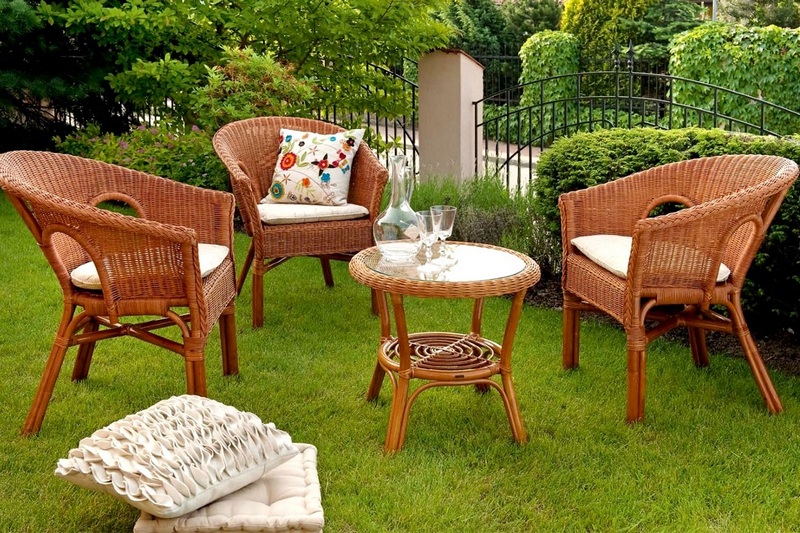
An interesting and affordable alternative is natural rattan and wicker furniture. Their naturalistic character will emphasize the style of the interior, and a layer of varnish will protect the furniture from fading and scratches. It is worth remembering that rattan and vine cannot be in intensely sunny or hot places. Avoid placing furniture near a fireplace or near south facing windows.
Features of eco-house projects
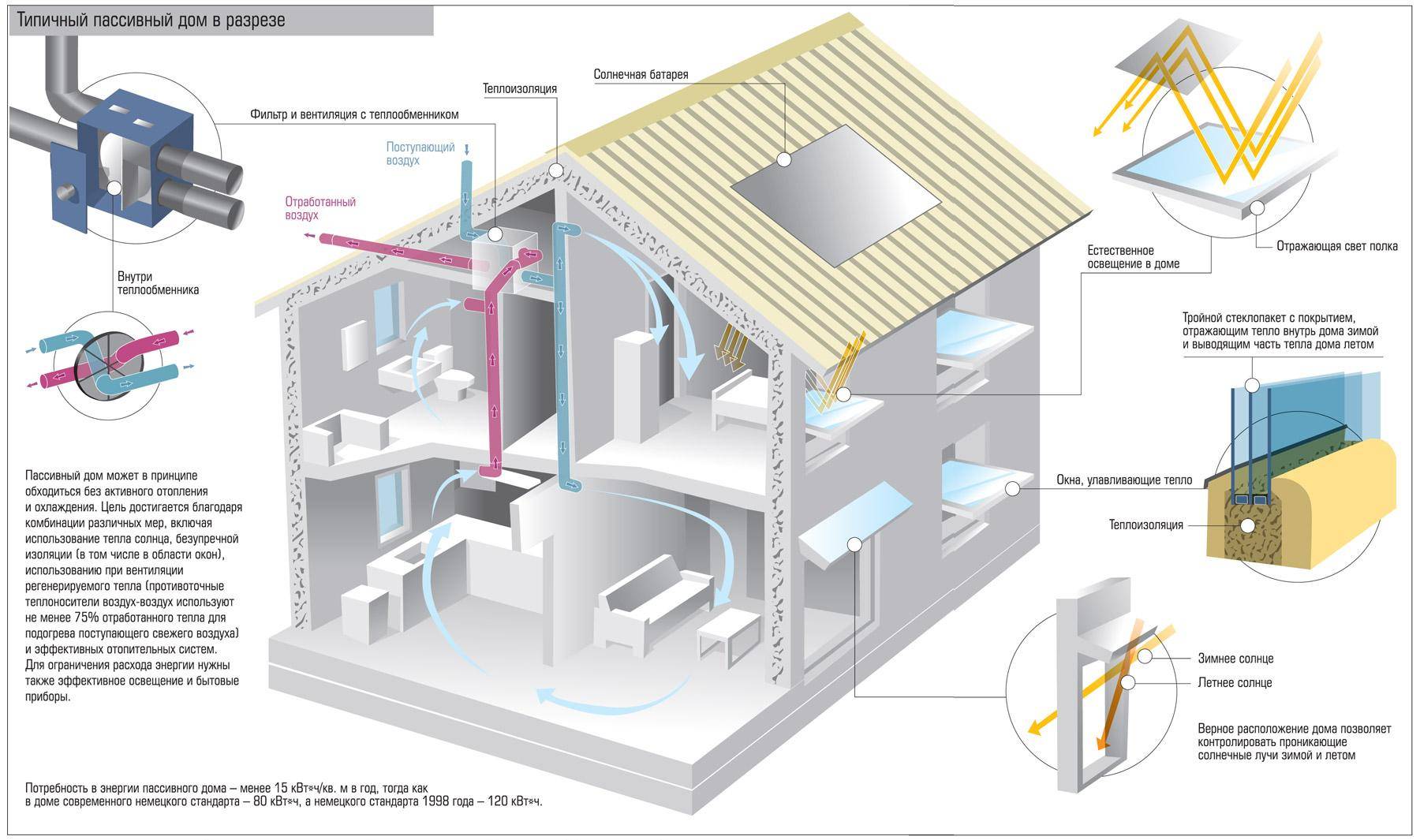
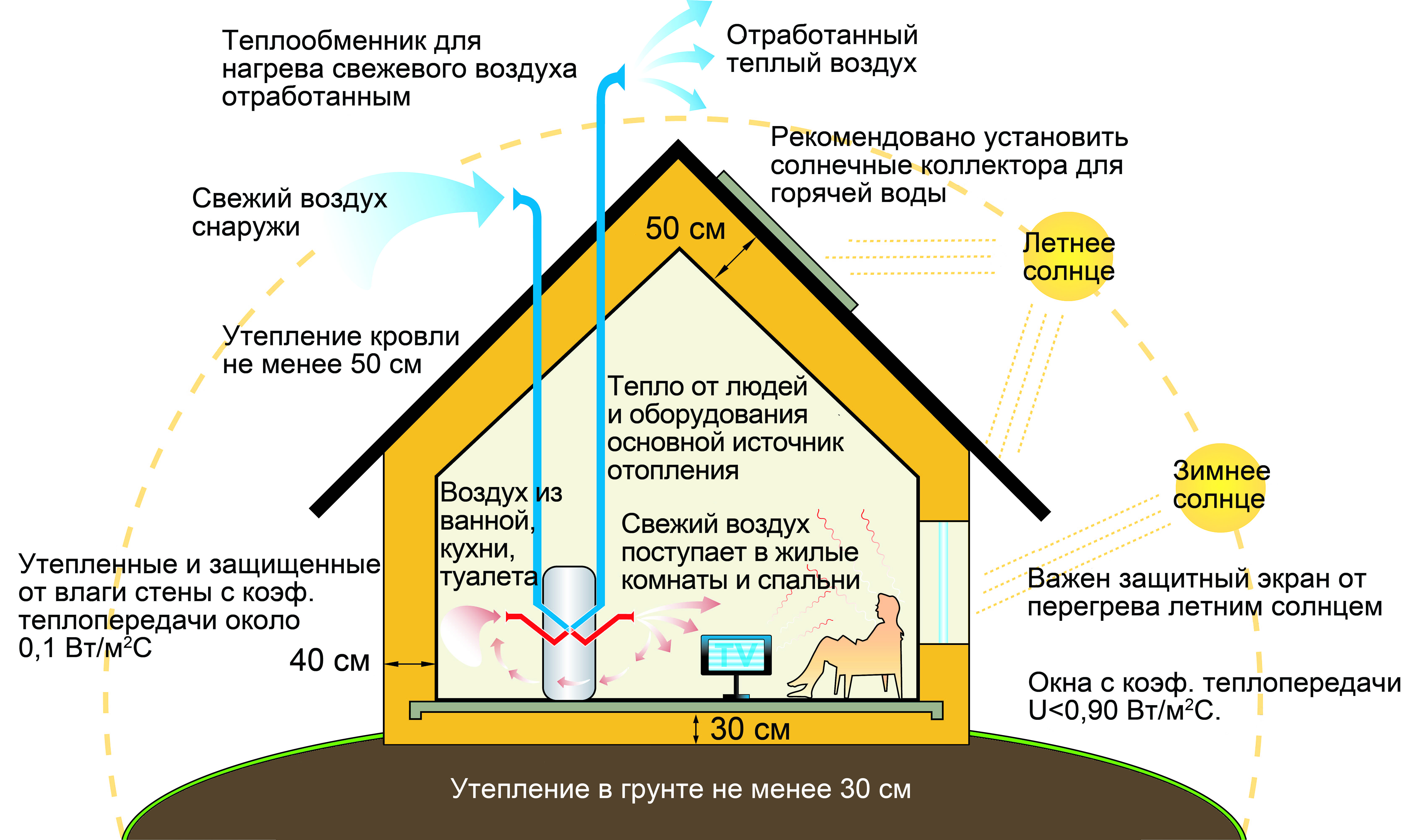
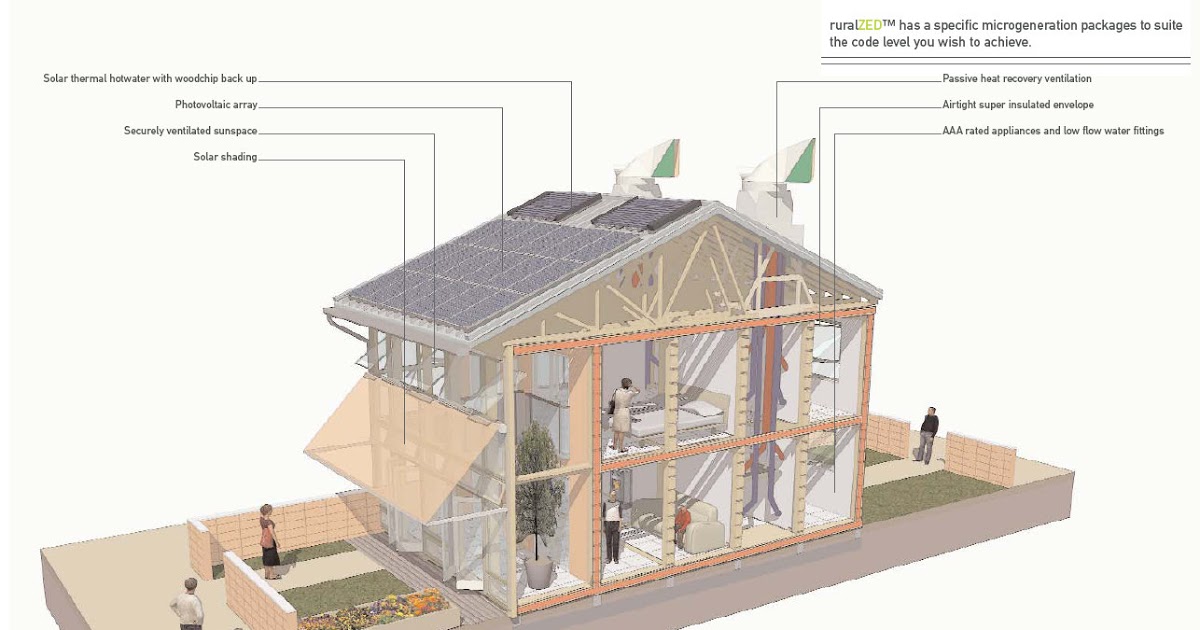
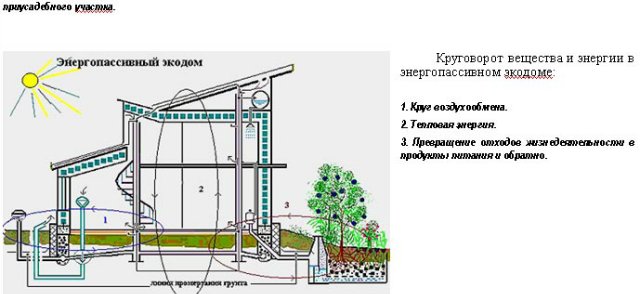
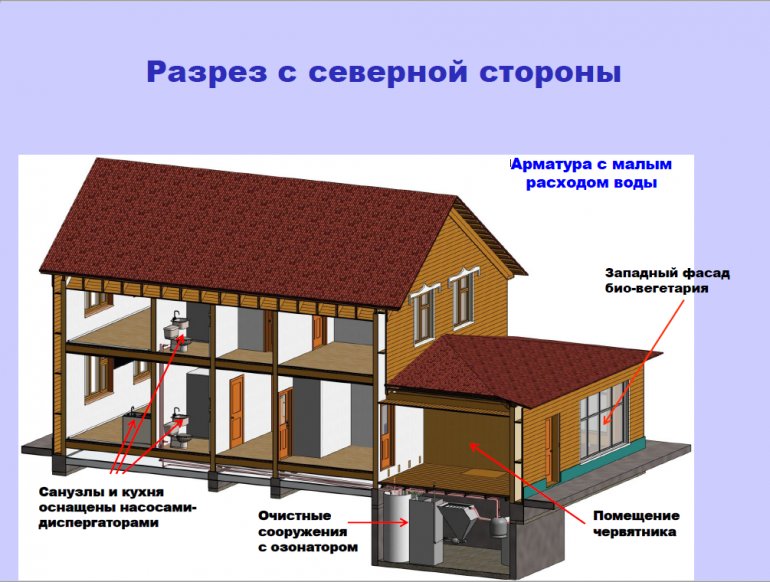
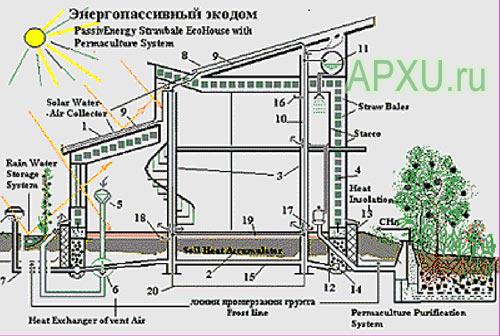
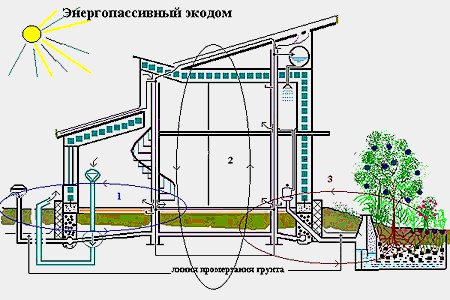
In the projects of eco-houses or, as they are also called, passive houses, environmentally friendly materials are used. Usually, these are local building materials.Moreover, one of the main conditions is that at the end of the service life, the materials from which the house is built could be easily disposed of on site.
In the design of eco-houses, laws and forms that are widespread in nature are used. For example, there is no shading on the south side, but a large glass area of the building is assumed. This allows maximum use of natural light during daylight hours. On the north side, a blank wall without windows is supposed. A buffer zone consisting of utility rooms is also being designed there. Such premiums significantly reduce the heat loss of the house.
Low energy consumption at home is provided by special equipment that uses natural energy: solar, thermal and photovoltaic systems, wind turbines, geothermal pumps. And the excess energy is accumulated in special storage devices.
In addition, the house itself is able to accumulate heat, which is emitted by residents and household appliances.
Much attention is paid to systems that accumulate precipitation and condensate, and clean domestic wastewater. Part of the water may come from an artesian well.
During the operation of the eco-house, technologies for the processing and disposal of organic waste are actively used
Household waste recycled into fertilizer using a bioreactor.
Having decided to build an ecological house, the developer significantly saves on the cost of the land, since a land plot not connected to communications is quite suitable for the construction of such housing. Therefore, even taking into account the high cost of energy-saving systems, the construction of eco-houses is no more expensive than conventional ones.In addition, you do not need to pay for connection to communications and utility bills will be minimal.
The eco-house has many advantages, and the main one is independence from energy resources, savings on the installation of a water heating system and the construction of a boiler house. Such a house allows you to live in harmony with nature, it will interest those who value the quality of life and their own health.
In itself, the implementation of the eco-house project does not require large funds. But the purchase and installation of environmental equipment will pay off only in 10 years. And this is an undoubted minus. In addition, it is not possible to build an eco-house everywhere. It makes no sense to build such a house where there is not enough solar energy to maintain comfortable living conditions in it.
If you are thinking about purchasing an eco-house project, we advise you to carefully weigh the pros and cons. And if there are all the conditions for such a construction - make up your mind, it's worth it. And we, in turn, will provide you with reliable and high-quality products.
Type



