- Maintenance regulations
- Checking equipment before starting work
- Security measures
- The main tasks of ventilation in the school
- How to make ventilation in the house economical
- Basic ventilation functions
- General sanitary requirements in GOST 30494-2011
- Reasons for the decrease in the quality of ventilation
- License
- Ventilation of the operating room and resuscitation
- Journal of ventilation cleaning and disinfection
- Types of ventilation systems
- Supply and exhaust
- exhaust
- Supply
- Periodicity
- Features of ventilation in medical institutions
- Service organization
- Monitoring the effectiveness of cleaning and disinfection of ventilation and air conditioning systems
Maintenance regulations
There is a standard maintenance work schedule that determines the list of ventilation maintenance work and the frequency of their implementation for each individual node:
- fan
- heater;
- filter elements;
- dampers;
- controllers;
- electrical modules.
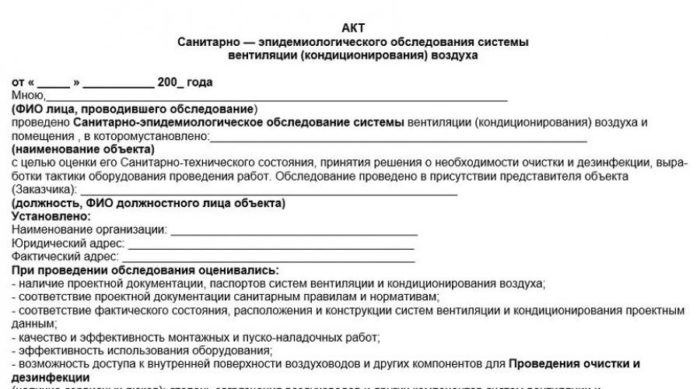
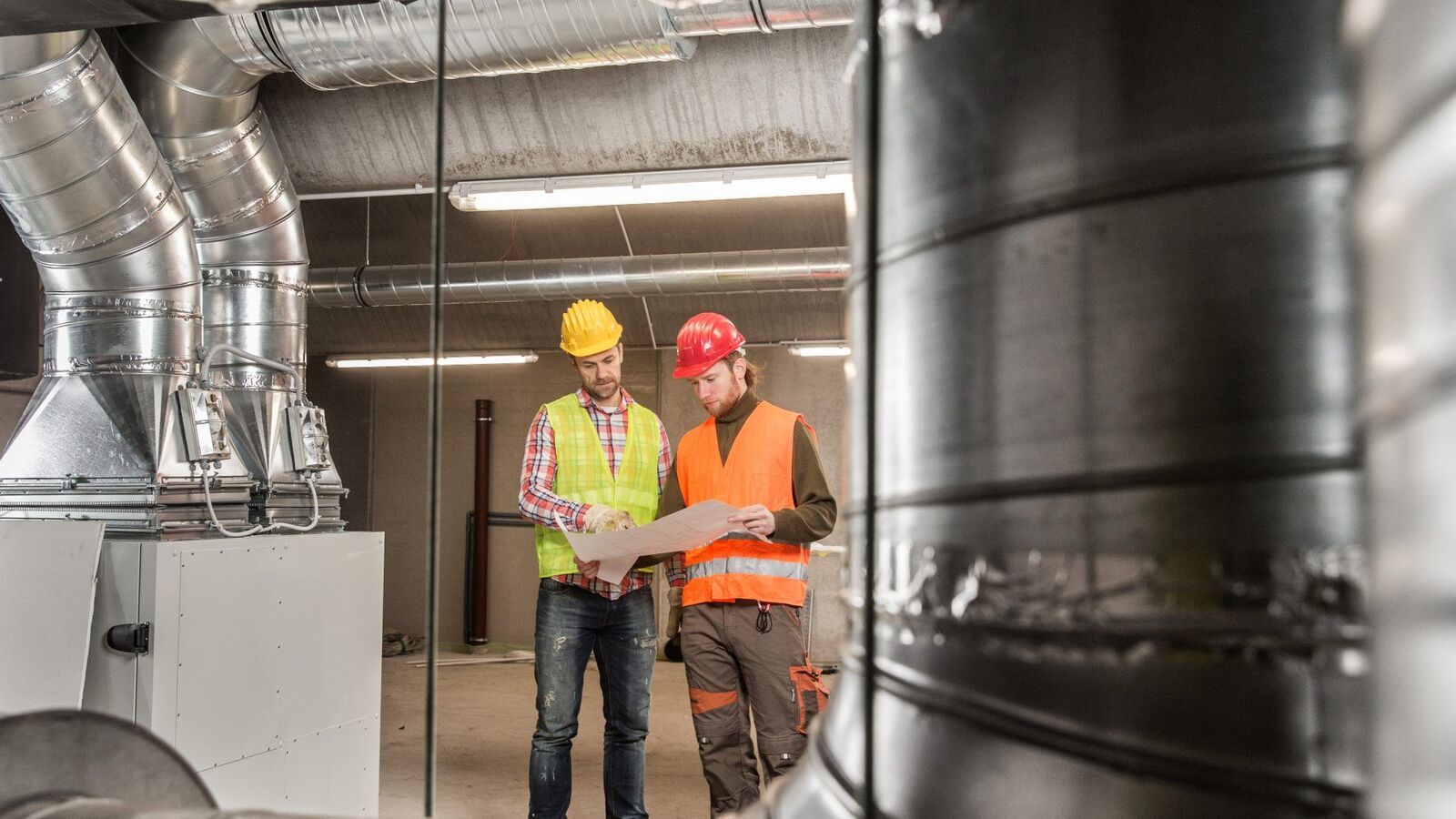
After the approval of the maintenance schedule for the ventilation system and the signing of a maintenance contract, a team of specialists begins to perform work.At the same time, each event is recorded in the maintenance and repair log of the ventilation system, which is the main regulatory document. An act of technical condition is preliminarily drawn up, on the basis of which recommendations are made for the maintenance of supply and exhaust ventilation.
Checking equipment before starting work
Inspection of equipment and lines should also be carried out before starting work. Maintenance of ventilation in this case is as follows:
- Checking switches, toggle switches and keys for the correct position;
- Inspection of valves, gates and air valves, assessment of the correctness of their location;
- Inspection of air ducts and working equipment, as well as removal, if necessary, of foreign objects;
- Checking chambers, hatches for tightness of closure.
For the use of ventilation systems in industrial enterprises, as a rule, responsible persons who undergo preliminary training are appointed. Their responsibilities include timely turning on and off the equipment. There are rules and a plan of action here, if they are not followed, not only individual elements, but the entire system may break down.
Consider the most basic rules that must be followed when working with a ventilation system:
- The equipment is turned on at least 10 minutes before the start of the work process;
- Shutdown is performed at least 10 minutes after the end of the workflow.
After switching on the equipment, it is necessary to check its condition and quality of work:
- Globe valves placed in the air ducts must open completely;
- Filters and nozzles must be checked for serviceability;
- Fans are checked for correct operation in the specified mode.
Turning on, as well as turning off the system, must be carried out in a clear sequence
This is very important for the proper operation of all ventilation.
Security measures
-
Maintenance of ventilation is carried out strictly according to the approved schedule, agreed with the operating mode of the enterprise and the recommendations of the equipment manufacturer.
- The equipment is started and stopped in a certain sequence, which ensures the complete removal of harmful substances from the premises and air ducts.
- The guide units on the fans are checked once every 4 weeks.
- Calorific units are checked for leaks once every 10 days.
- If during maintenance of cell oil filters it is found that their resistance increases by ½ or the dust content in the oil reaches 0.16 kilograms per liter, the oil should be changed and the filter surfaces washed with a 10% caustic solution.
- It is necessary to check the clogging of ventilation grids and gratings at least once every 3 months.
- During the maintenance of silencers of the ventilation system, the integrity of all components, tightness and tightness of the structure should be checked. If the sound-absorbing material has collapsed, the missing pieces must be repaired.
Video about cleaning, disinfection and maintenance of ventilation:
The main tasks of ventilation in the school
To ensure efficient air exchange, decay products must be dynamically replaced with portions of fresh air without lowering the room temperature. With such a task, open windows in the winter are not able to cope.Excited children, going into ventilated classrooms, will catch a cold.
The school should provide comfort during training, be safe. The entrance of exhaust air is often carried out through the corridor, doors. This type of intake is considered one-time, since the amount of outgoing air corresponds to the volume of incoming air.
 The amount of carbon dioxide at the level of 0.1% reduces performance. With an increase in its concentration to 0.2%, chronic fatigue, drowsiness, and headache are noted.
In accordance with the requirements of sanitary rules, air exchange in ordinary classrooms is allowed using natural ventilation. Higher requirements are imposed on physics, chemistry, workshops, sports halls.
How to make ventilation in the house economical
The amount of air flow in the channels of natural ventilation greatly increases with a decrease in the temperature of the outside air and with an increase in wind speed. Together with the air through the ventilation channels, heat also leaves the house. In cold weather, heat loss with natural ventilation air reaches 40%.
The energy efficiency of natural ventilation systems in the house should be ensured through the choice of energy-efficient circuit and technical solutions:
-
- Ensuring minimum air exchange rates in the premises
apartments in the operating mode with a decrease in the air exchange value to the duty value (10% of the value in the operating mode) during the absence of residents in the apartment. - Regulation of air exchange in the calculated and on duty (not less than
20% of the calculated air exchange for the period when the room is not
use) modes when using the toilet, kitchen. - Regulation of air exchange in bathrooms, laundry and
combined bathrooms by humidity sensors. - Application in natural ventilation systems
adjustable valves. - The use of ground heat exchangers for air heating in the ventilation system.
- The use of energy efficient fans, for systems with
variable air flow - with a frequency electric drive.
- Ensuring minimum air exchange rates in the premises
Basic ventilation functions
It is important to have an idea about the purpose of the ventilation system, as well as to understand what parameters and characteristics it has. Ventilation located in the room performs a number of functions:
Ventilation located in the room performs a number of functions:
- Evacuation of exhausted, polluted air and supply of new air from the street. In some situations, purification, ionization, cooling and heating of the air mass occurs.
- Various impurities and odors are removed from the room. This has a positive effect on the well-being and performance of people in the room.
The air exchange system is able to fully cope with its functions when it is perfectly clean. For this purpose, regular cleaning is necessary. It will increase the efficiency of equipment and eliminate the possible occurrence of allergic reactions in people due to the accumulation of dust and various impurities.

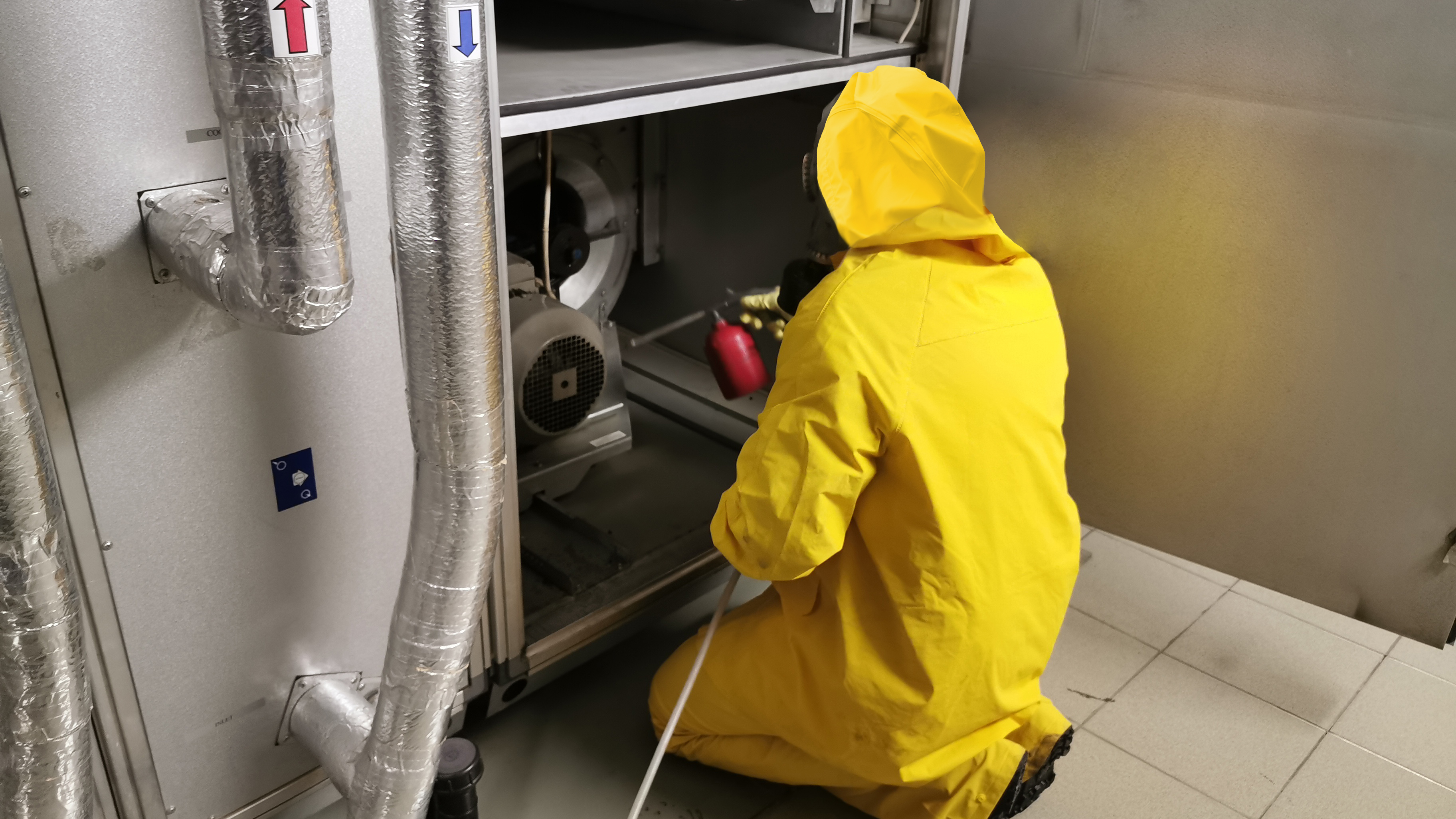

There are small particles of dirt and debris in the air that enter the ventilation duct. In the absence of regular cleaning, they form deposits that reduce the internal cross section of the duct
General sanitary requirements in GOST 30494-2011
A collection of state-approved standards for creating a comfortable living environment in residential facilities.
Indicators for air in residential apartments:
- temperature;
- movement speed;
- proportion of air humidity;
- total temperature.
Depending on the stated requirements, acceptable or optimal values are used in the calculations. You can get acquainted with their full composition in Table No. 1 of the above standard. A condensed example is shown below.
For the living room are allowed:
- temperature - 18o-24o;
- humidity percentage - 60%;
- air movement speed - 0.2 m / s.
For kitchen:
- temperature - 18-26 degrees;
- relative humidity - not standardized;
- the speed of advancement of the air mixture is 0.2 m/sec.
For bathroom, toilet:
- temperature - 18-26 degrees;
- relative humidity - not standardized;
- the rate of movement of the air medium is 0.2 m / s.
In the warm season, microclimate indicators are not standardized.
The assessment of the temperature environment inside the rooms is carried out according to the usual air temperature and the resulting temperature. The latter value is a collective indicator of tо air and radiation tо of the room. It can be calculated using the formula in Appendix A by measuring the heating of all surfaces in the room. An easier way is to measure with a balloon thermometer.
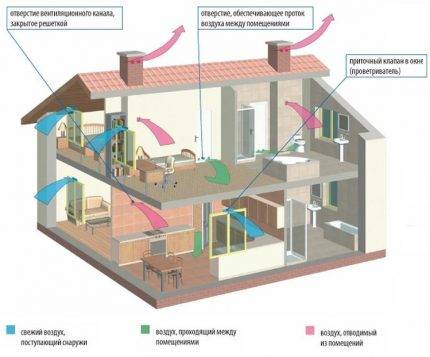 For the correct measurement of temperature data and sampling to determine the organoleptic indicators of the air mass, the direction of the flows of the supply and exhaust parts of the system should be taken into account.
Air pollution inside the home is determined by the content of carbon dioxide - a product exhaled by people during breathing. Harmful emissions from furniture, linoleum are equated to an equivalent amount of CO2.
According to the content of this substance, indoor air and its quality are classified:
- 1 class - high - carbon dioxide tolerance of 400 cm3 and below in 1 m3;
- Class 2 - medium - carbon dioxide tolerance 400 - 600 cm3 in 1 m3;
- Class 3 - permissible - CO approval2 – 1000 cm3/m3;
- Class 2 - low - carbon dioxide tolerance of 1000 and above cm3 in 1 m3.
The required volume of outdoor air for the ventilation system is determined by calculation using the formula:
L = k×Ls, where
k is the air distribution efficiency coefficient, given in Table 6 of GOST;
Ls – calculated, minimum amount of outside air.
For a system without forced traction, k = 1.
The following article will acquaint you in detail with the implementation of calculations to provide ventilation to the premises, which is worth reading both for construction customers and owners of troubled housing.
Reasons for the decrease in the quality of ventilation
The efficiency of the ventilation system can be reduced for several reasons:
- blockage of one or more sections of the ventilation duct;
- failure of equipment or one of the elements;
- clogged filters or other components of the device.
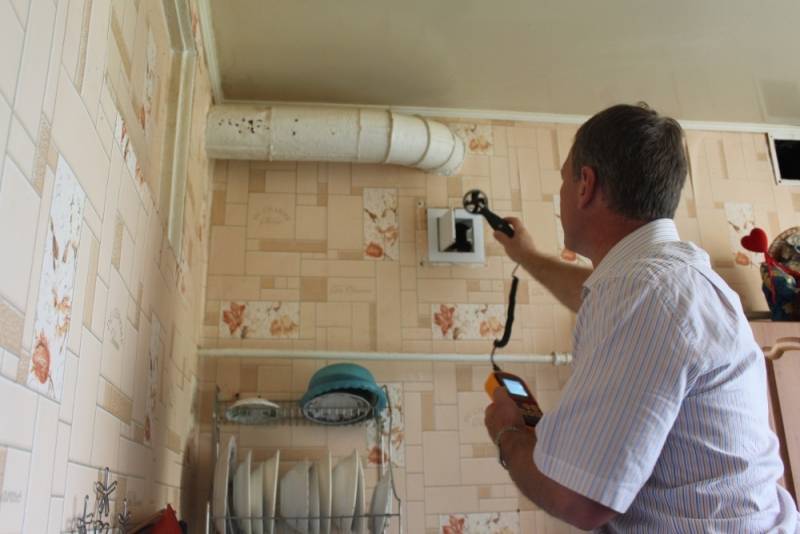
Signs that it is necessary to carry out maintenance of the ventilation system are condensate that appears on the walls or mirrors, stagnation of air in living rooms, and the spread of odors from the kitchen throughout the house. This suggests that the supply of fresh air is not enough, and the hood is not working efficiently. To check this, it is enough to bring a strip of paper to the ventilation grill. The intensity of its fluctuations will tell about the effectiveness of the ventilation system.


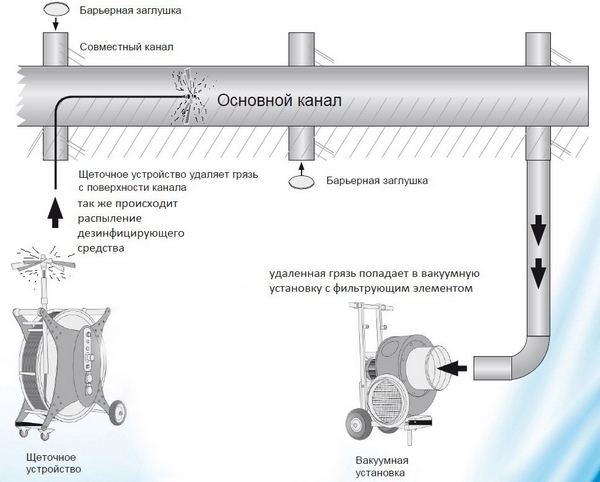

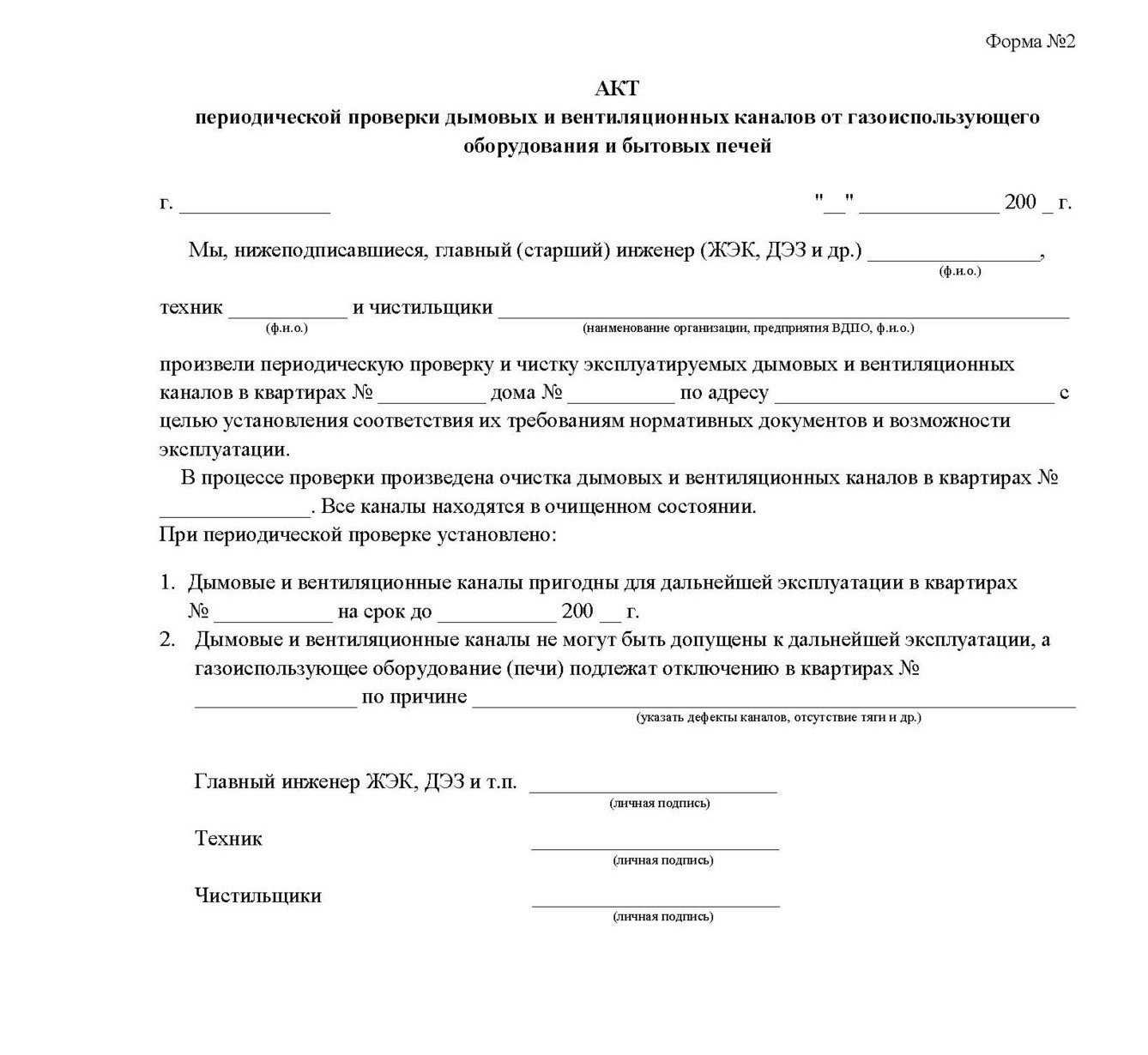

To reduce the likelihood of damage to the supply, exhaust equipment or air conditioner, it is necessary to regularly maintain ventilation.
2 id="litsenziya">License
A lot has already been said about licensing employees who want to engage in such a business, but now let's talk in more detail. If someone wants to inspect chimneys and ventilation, then he will need a certain set of documents, depending on whether he needs a license to inspect only residential buildings or industrial enterprises.
In the first case, those documents that were listed at the beginning of the article will be enough for him. Exactly:
- Installation, maintenance and repair of systems (elements of systems) of smoke removal and smoke ventilation, including dispatching and commissioning.
- Device (laying, installation), repair, lining, thermal insulation and cleaning of stoves, fireplaces, other heat generating installations and chimneys.
Registration of a license in the presence of these documents takes forty-five days.
In the second case, the requirements are more stringent. Inspections at industrial enterprises are carried out only by legal entities. The license must contain information that there is permission to conduct inspections in such organizations. The requirements are essentially the same as for private entrepreneurs (availability of equipment and professional staff), but they are much higher.

Ventilation of the operating room and resuscitation
The ventilation of the operating and intensive care rooms should control the concentration of microorganisms in the air. The ventilation system in such premises is mandatory, so it is necessary to achieve its compliance with established standards.
- In the operating room, a sequential ventilation system is installed with a filter system. This will ensure not only the supply of fresh air, but also its high-quality filtration, which will reduce the level of harmful microbes and bacteria.
- A high-level automation system is required, as well as hoods of the operating unit, which will allow maintaining a given microclimate. They also install devices that allow you to control the humidity of the air and maintain the temperature. In rooms where serious operations are carried out, air flow controllers can be installed.
- Indicators that inform users in time about the failure of individual elements, violation of the microclimate parameters in the room, as well as filter clogging.
The intensive care unit may have a negative factor - pressure drop. To avoid such a drop, ventilation must constantly maintain a high air pressure.
Journal of ventilation cleaning and disinfection
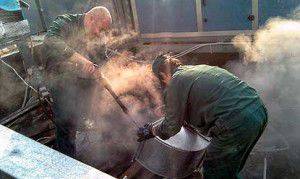 ventilation disinfection
There is no approved template for a ventilation cleaning log. The recommended forms contain the following information:
- Information about the organization that ordered the cleaning of ventilation from grease and disinfection:
- Company name and address;
- Type of ventilation system;
- FULL NAME. maintenance person.
- Details of the organization conducting the cleaning and disinfection:
- Name and legal address;
- Number of the sanitary-epidemiological conclusion, date of issue and validity period.
- The results of the ventilation survey;
- Data on the work carried out in the form of a table:
| Type of work | the date of the | Names of drugs used | Acceptance certificate number, date and signature of the responsible person |
| cleaning | |||
| Disinfection |
The results of ventilation cleaning in an apartment building or industrial building;
| Type of work | the date | Control (industrial, expert, sanitary and epidemiological) | Efficiency | FULL NAME. and inspector's signature | |
| cleaning | disinfection | ||||
Additional information found during the survey.
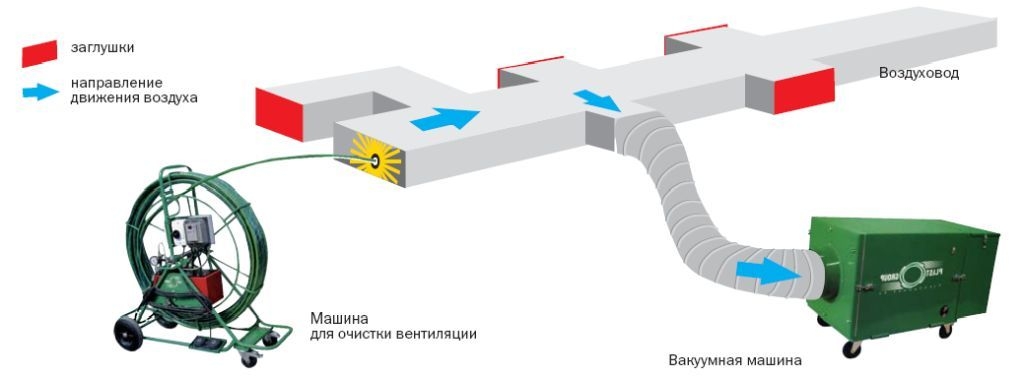
Video on how the oldest fatty deposits in air ducts are easily cleaned using modern equipment:
Types of ventilation systems
Before starting work, it is necessary to determine which type of system will be optimal for specific conditions. Ventilation can be natural or forced.
Everyone who has lived or still lives in high-rise buildings is familiar with the natural system. Previously, ventilation was provided by air circulation between the channels of the ventilation shaft and the vents and slots that are supposed to be in wooden frames. However, modern double-glazed windows have made such ventilation impossible.


In the operation of the forced system, additional devices always take part - electric fans. They remove or draw in air, providing good air exchange. Additional equipment allows you to adjust the most important parameters - temperature, humidity: both incoming and outgoing flows. Filter systems make it possible to purify air masses, recuperators can heat or cool them.
Currently, equipment is being produced for the arrangement of three types of forced ventilation - supply and exhaust, exhaust and supply.
Supply and exhaust
Its other name is mixed ventilation. This type can be considered universal.Such a system is suitable for any housing: both for a private house and for an apartment with an existing ventilation system, which is often very far from ideal. This type implies a rather complicated installation, but you can still cope with it yourself.
exhaust
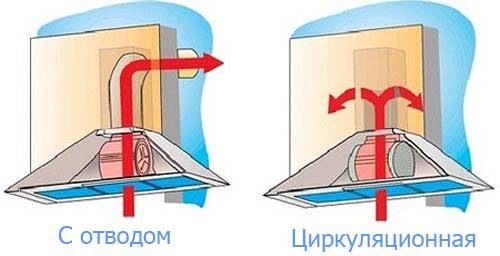
It is mandatory for rooms where the level of humidity is always very high. As a rule, these are kitchens and bathrooms. The most common option is a hood over the stove. In such systems, powerful fan models are used. The parameters of the devices are selected depending on the characteristics of the building.
Supply
These ventilation systems are arranged in houses and apartments where there are no problems with the operation of the hood, but there are difficulties with the flow of air. One of the possible reasons is the tightness of double-glazed windows, which prevent the natural flow of air.
Periodicity
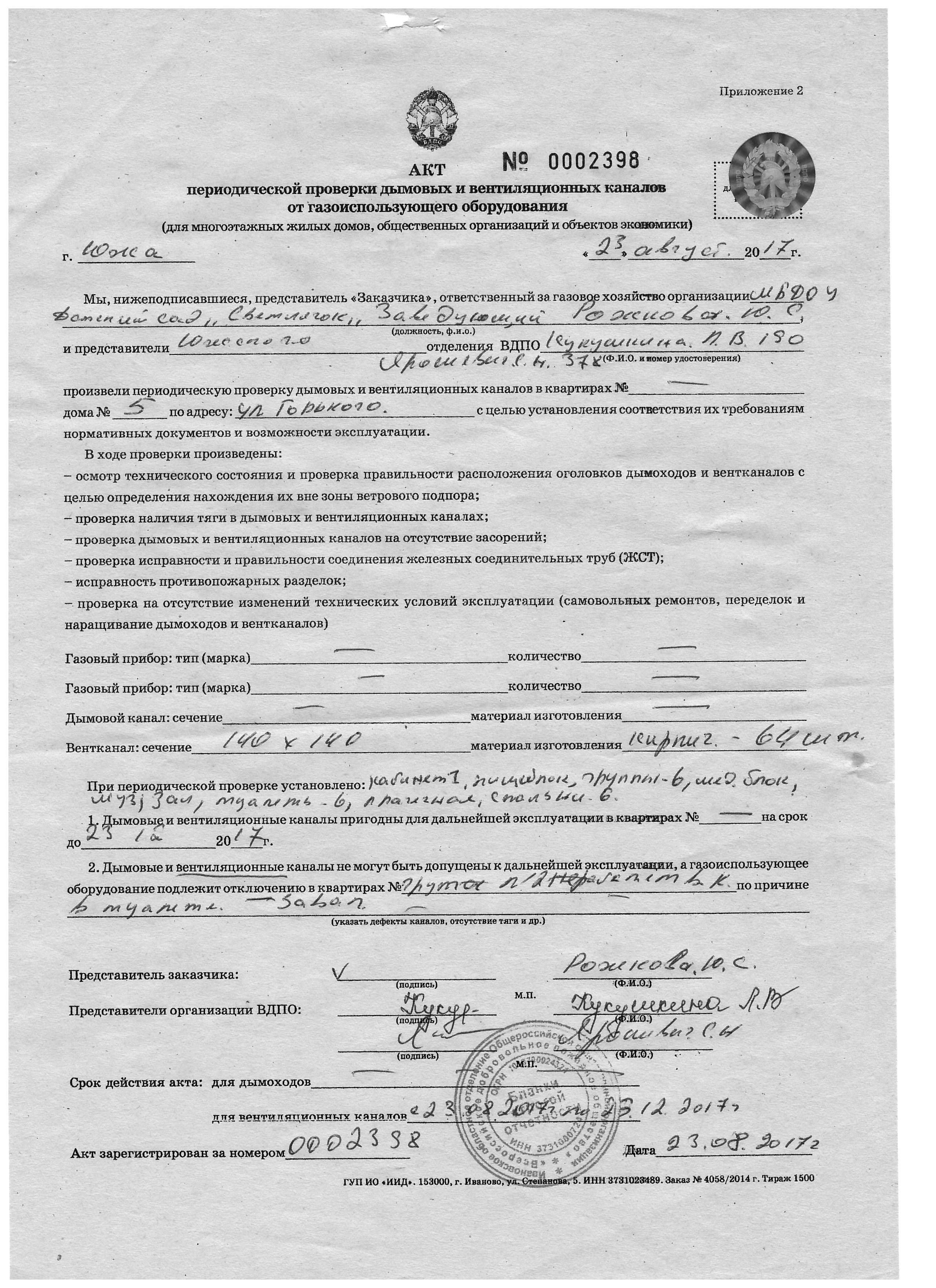
When calculating the deadlines for completing work, it is necessary to take into account the frequency of inspection, for smoke and ventilation ducts it has already been indicated above, but now it is worth talking about it in more detail.
Let's recap the main points:
- The only rule that applies to all types of chimneys and ventilation ducts is that checks must be carried out before the start of each heating season.
- For brick chimneys, inspection is required quite often. Three months is the maximum period during which such a chimney can remain without inspection.
- If the chimney is made of another material, whether it is heat-resistant concrete, asbestos, ceramics or metal, the requirements are not so strict. It will be enough to remember about calling specialists at least once a year.
- Finally, there are special requirements for heating stoves.In relation to them, one check at the beginning of the season will not be enough, the second will be required around the middle of the season. You also need to check the oven every spring. Such special requirements are caused by the specifics of the design of the equipment and the presence of combustion products.
A logical question often arises: how often do situations arise that necessitate an unplanned channel check? Fortunately, such cases do not come up very often, but you need to prepare for any surprises in advance. So, any building that is being prepared for major repairs should be examined in terms of ventilation.
The same applies to buildings where extensive restoration work is planned. If the check could not be carried out in advance, then after the completion of the repair or restoration work, it will be necessary to draw up a special act. And, of course, after the completion of the procedures, a new check will be required to make sure that the integrity of the channels was not damaged during the repair, and they were not clogged with debris.
Features of ventilation in medical institutions
For any medical institution, be it ordinary hospitals, clinics or other types of institutions, there are special conditions and acts for the ventilation system. This may include certain nuances.
- The operating room is provided with ventilation, which at any time allows you to maintain certain indicators of humidity and temperature. These indicators are provided in SanPiN.
- In medical organizations, vertical collectors cannot be installed as a ventilation system, as they cannot provide a sufficient level of air purification.
- In operating rooms, in the X-ray room, maternity ward, intensive care unit and other important units, exhaust ventilation must be organized so that the exhaust air is removed both in the upper and lower parts of the room.
- Hospital wards should be naturally ventilated, and forced ventilation should be switched on only during the cold season. Such conditions are better suited for the recovery of patients.
- Ventilation and air conditioning of hospital rooms should not be carried out by recirculating air, as this is prohibited by medical regulations.
- The ventilation system in each individual room must maintain the microclimate established by SNIP standards.
- Natural ventilation is allowed only in dental offices. It is allowed to install only ventilation systems for forced air exchange in surgical and X-ray rooms. Supply and exhaust systems must be separated.
The presence of natural ventilation is allowed only in dental offices
During ventilation operation, the noise level indicator, a multiple of 35 dB, should not be exceeded.
As already mentioned, natural supply ventilation can only be installed under special conditions:
- in premises for preventive and household purposes, recreation areas, lobbies and waiting rooms;
- in toilets and showers;
- in water therapy rooms, feldsher points, pharmacies.
In operating rooms, physiotherapy rooms and other important premises, installation of a forced air conditioning system and the use of specialized ventilation equipment is indispensable.
Service organization
As a rule, maintenance of ventilation and air conditioning systems is carried out by the same organizations that designed and then installed this equipment. After the installation work is completed, the certificate of completion for the installation of the ventilation device is signed, it is recommended to conclude an agreement on the maintenance of the ventilation system. Thus, the responsibility for the control and maintenance of ventilation will be imposed on the organization that installed it. Subsequently, you can verify the validity of such a decision: after the launch of the installed system, as a rule, for the first time, no checks of its operation with maintenance are performed. Therefore, if the system ceases to function as expected, it is difficult to prove whose fault the failure occurred - due to errors during installation by specialists or already during operation.

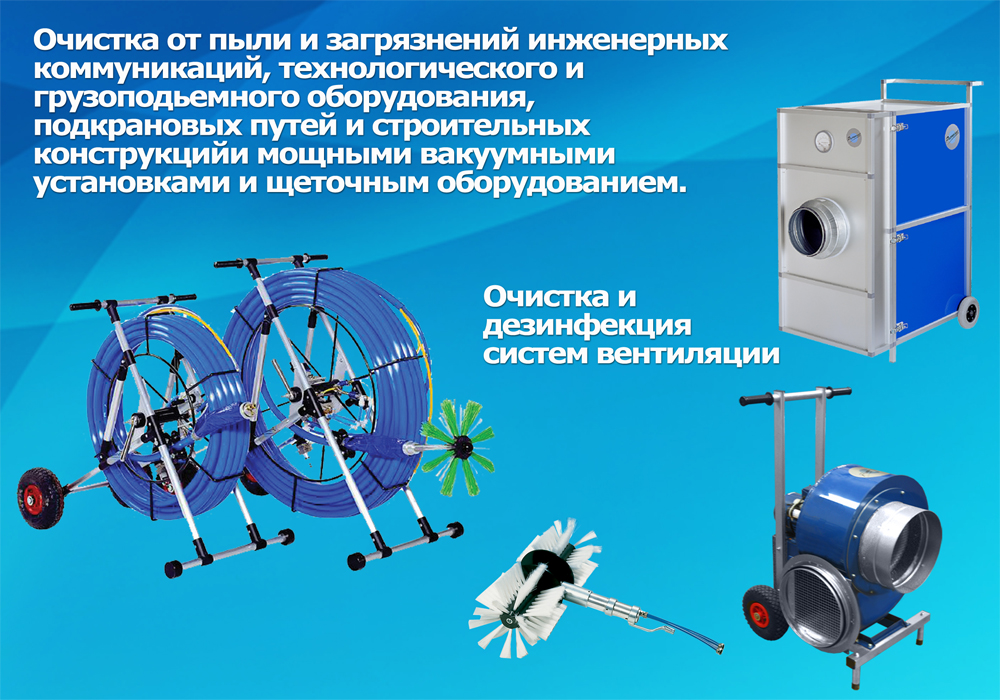

Maintenance is carried out by a mechanic or a team of a service organization that is licensed to carry out this type of work. The ventilation ducts of an apartment building are serviced by a management company.
Monitoring the effectiveness of cleaning and disinfection of ventilation and air conditioning systems
To control the effectiveness of cleaning and disinfection of ventilation and air conditioning systems, the following is carried out:
visual assessment of the residual degree of pollution using laboratory methods of air research;
Note
Material sampling for laboratory testing should be carried out from the surface of HVAC components potentially susceptible to microbial growth (filters, silencers, cooling towers, local air conditioners, humidifiers, cooler and recuperator heat exchangers and their drain pans).
air sampling (it is recommended to carry out in places airflow inflow to the premises).
The effectiveness of cleaning is evaluated according to the results of laboratory studies after disinfection measures.
Important!
The results of laboratory air tests must comply with the requirements of sanitary rules and established standards for indoor air for each specific category of objects. At the same time, the presence of pathogenic microflora in indoor air, ventilation systems and air conditioners is not allowed.
The results of the control are entered into the Journal of cleaning and disinfection of ventilation and air conditioning systems at the facility.
In each institution, by order of the head, a person is appointed directly responsible for the operation of ventilation and air conditioning systems, or an agreement is concluded with a specialized organization for maintenance. Control of work on cleaning and disinfection of ventilation systems and conditioning is carried out in the process of production control, expert control and control within the framework of the state sanitary and epidemiological supervision.
Production control of the ventilation and air conditioning system by legal entities, individual entrepreneurs must be carried out independently.The purpose of production control is to ensure the safety and harmlessness for humans and the environment of the harmful effects of production control objects through the proper implementation of sanitary rules, sanitary and anti-epidemic measures.
Production control of the ventilation and air conditioning system includes:
- conducting laboratory research and testing;
- organization of medical examinations;
- professional training and certification of officials and workers involved in the operation, maintenance, cleaning and disinfection of ventilation and air conditioning systems;
- accounting and reporting established by applicable law
All production control measures are reflected in the Production Control Program drawn up by a legal entity, an individual entrepreneur.
Expert control is carried out at the initiative of legal entities and individual entrepreneurs to confirm and ensure the safety and harmlessness for humans and the environment of their activities. In addition, expert control is carried out if the materials of control measures are necessary for submission to licensing bodies, certification bodies.


The procedure and frequency of state sanitary and epidemiological control are regulated by:
- Federal Law No. 134-FZ of 08.08.2001 “On the Protection of the Rights of Legal Entities and Individual Entrepreneurs during State Control (Supervision)”;
- Decree of the Government of the Russian Federation of July 24, 2000 No. 554 (as amendeddated September 15, 2005) "On Approval of the Regulations on the State Sanitary and Epidemiological Service of the Russian Federation and the Regulations on State Sanitary and Epidemiological Regulation".
Within the framework of the state sanitary and epidemiological supervision, control is exercised over compliance with the requirements of sanitary legislation, over the implementation of cleaning and disinfection of ventilation and air conditioning systems, and an assessment is made of the timeliness, completeness and objectivity of the results of production and expert control.