
- Functional
- Appropriateness of advanced and additional features
- Recommendations for choosing home split systems
- The best manufacturers of domestic air conditioners
- The best monoblock models
- Aeronik AP-09C
- Stadler Form SAM 12
- Deloghi PAC AN110
- General Climate GCP-09ERC1N1
- Timberk AC TIM 09H P4
- Dimensions
- Types of air conditioners
- Dimensions
- Tips for choosing a split system
- Which split system is better to buy
- 5 Electrolux EACS-07HAT/N3
- Conclusions and useful video on the topic
Functional
All split systems have cooling and heating modes. The following features are also standard for quality devices:
- ventilation. Only the indoor unit works. The mode is useful not only in summer, but also in winter - it will allow you to evenly distribute warm air from radiators throughout the apartment;
- dehumidification. Reducing humidity will lower the temperature by 2-3 degrees;
- night mode ("sleep"). The fan speed and, accordingly, the noise are reduced. At the same time, the temperature changes as smoothly as possible over the course of hours;
- auto control, autonomous operation, timer, programmability. Sensors record indicators (humidity, t°) and transmit them to the receiving unit, which reacts according to the parameters set by the user. The function allows you to set the on / off time, the duration of the work;
- turbo mode;
- two filters;
- 2 or more airflow directions;
- remote control (plus manual).
Appropriateness of advanced and additional features
Advanced features often serve more of an advertising role than a practical one, but always at the same time significantly increase the price, so you need to decide whether they are needed by the user.
Let's evaluate which advanced options bring practical benefits and tangible comfort:
- only filters from dirt and dust bring real benefits: if the heat exchanger becomes clogged, the level of heat removal decreases, the compressor will burn out. All others - vitamin, catechin, Nano Silver, electrostatic, carbon, photocatalytic, etc. - are mostly marketing ploys;
- ionization. Only ionizers of overall dimensions give a real effect, but they are rarely put on air conditioners. It is better to buy such a product separately;
- options for smooth temperature change, protection against drafts are practical. Most people are familiar with the cooling effect of an air conditioner - it is felt very sharply and can lead to a cold;
- elimination of smells, deodorization. Despite the apparent secondary importance, this function will bring tangible comfort;
- hydration. Split systems dry the air, so the option is required, but, unfortunately, this feature is rarely present in air conditioners;
- practical benefits and comfort are also provided by: anti-icing, a delay in turning on the compressor to protect it, an LED display on the case and on the remote control, control via the Internet and a smartphone;
- motion sensors, a “smart eye” that redirect the flow towards a person or turn off the device in the absence of people are useful options.

Recommendations for choosing home split systems
The correct choice of cooling equipment depends on how well it will cope with its immediate tasks.Therefore, before you go to the store, you need to determine for yourself the main criteria that the equipment must meet and compare them with the planned purchase budget.
We recommend focusing on the following key criteria:
- power and size;
- electricity consumption;
- noise;
- main modes;
- additional functions.
The rating above considers the most common type of climate technology in home use - wall-mounted split systems.
In addition to these models, there are several more varieties of devices that are appropriate to install in certain circumstances. These include multisystems, floor-to-ceiling, duct and cassette air conditioners.
The power of the split system should be selected according to the area that it will serve. According to approximate calculations, at least 1 kW of device power should fall on 10 m² of area.
In Toshiba brand models, you can focus on the size. Usually the indicator is indicated in the title. For example, model RAS-07EKV-EE corresponds to size 7. Such a device has a thermal power of 7000 BTU, which in translation is similar to about 2.1 kW. Therefore, the air conditioner is designed for areas up to 20 m².
Equally important is the energy efficiency of the appliance, which is reflected in the amounts in the electricity bills. It is advisable to purchase devices that have been assigned the highest energy efficiency class - A. Inverter air conditioners are more economical.
Noise of the device should not exceed the permissible limits. The optimal performance for a person is not higher than 40 dB. In Toshiba brand split systems, problems usually do not arise - almost all models are characterized by low noise
In terms of the choice of modes and functionality of the equipment, everything depends on personal wishes, requirements and financial capabilities.The main modes include heating, cooling, ventilation.
As additional functions, self-cleaning of the air conditioner, air disinfection and ionization, fan speed setting, sleep timer, auto-restart will be useful.
The best manufacturers of domestic air conditioners
It is always better to start buying expensive equipment first with a theoretical study of the subject, since in the store you will only be advertised by those models that are present on the trading floor. Experts conditionally divided all brands into 3 groups: elite brands (the most reliable, but also the most expensive), brands of the middle segment (good quality, reasonable prices), brands whose products are budget, but whether they last for a long time depends on the specific batch goods.
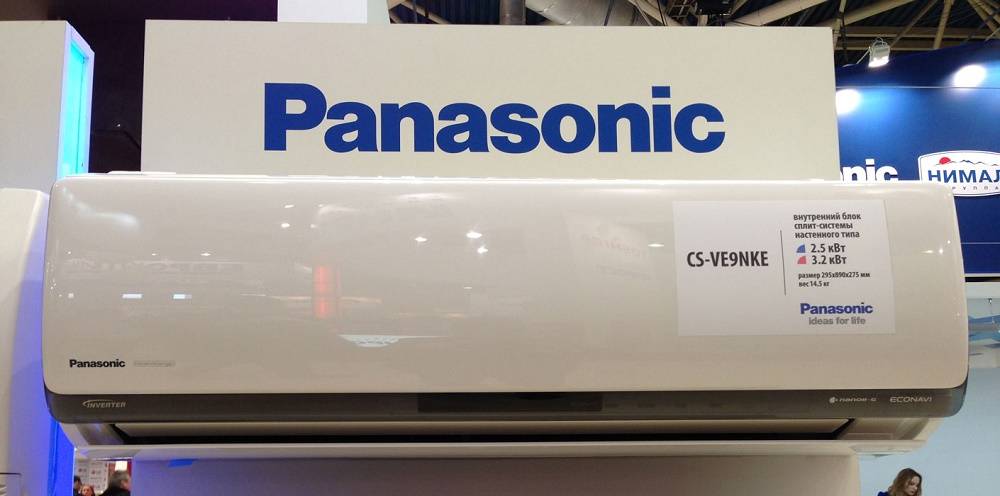

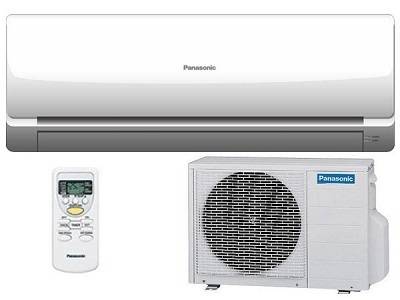
Elite Japanese brands are unequivocally recognized as the best companies for the production of split systems:
Daikin is a world leader in its industry, which remains out of reach even for its Japanese competitors;
Air conditioners of the middle price group are produced by well-known brands in Russia.
Electrolux is a Swedish brand, one of the most reliable European manufacturers. Reasonable combination of price and quality of the average level.
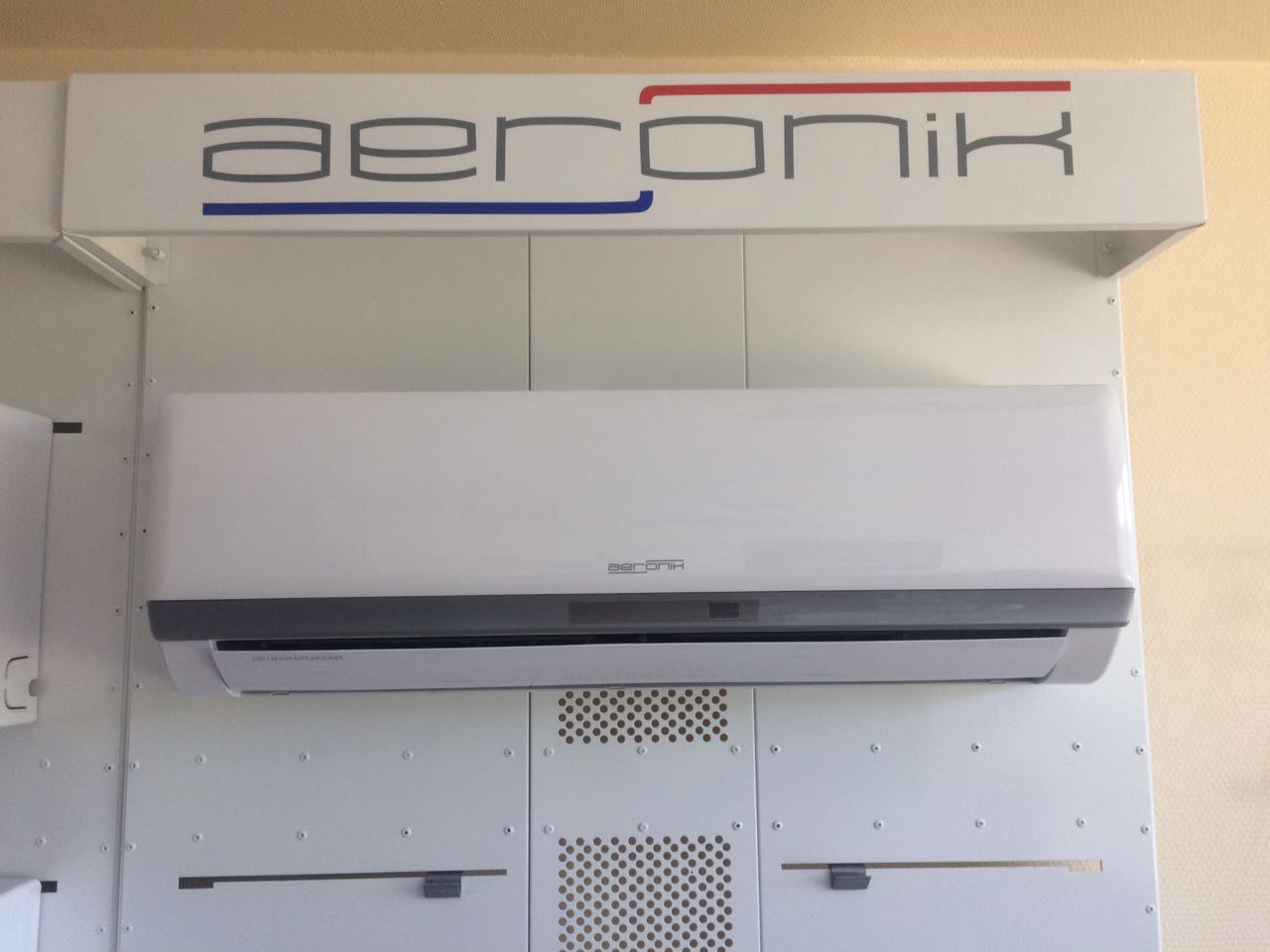
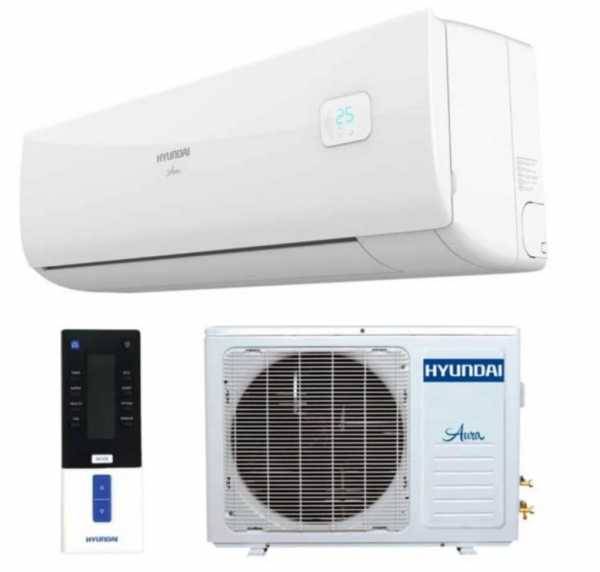
The middle class also includes the brands Hitachi, Samsung, Zanussi, Kentatsu, Hyundai, Sharp, Haier, Lessar, Gree, Pioneer, Aeronik, Airwell, Shivaki. These trademarks belong to different countries, but their products are distinguished by a service life of 10-12 years, a simpler protection system, and a smaller set of additional options.
But experts name another group of manufacturers whose products enjoy little confidence.Yes, such air conditioners are inexpensive, but it makes sense to buy them for temporary housing or a country house, since their quality depends on the batch. Among them, factory defects are often found, and the service life is short. We are talking about the products of Beko, Midea, Valore, Jax, Digital, Kraft, Bork, Aux, VS and other Chinese brands.
Whether it is worth buying Russian-made split systems is a rather complicated question. Let's start with the fact that they exist, but you won't find them in the ratings of the best. This does not mean that they are bad. But they are compared, after all, with Chinese ones, and in favor of Russian goods. We are talking about such brands as Elemash, Artel, MV, Kupol, Evgo. Experts call some models quite reliable, while these air conditioners will be cheaper than their foreign counterparts. But to call them the best among the world's split systems would be unfair.



The best monoblock models
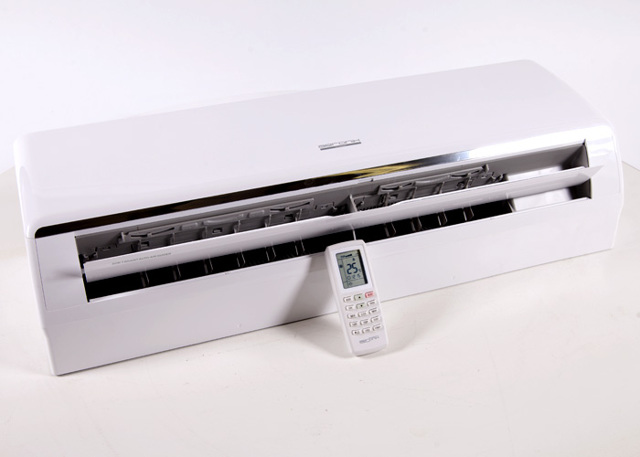
If you don't want to mess up a renovation you've just completed, or if you want to have a mobile air conditioning unit at your disposal, a monobloc is the best choice. To install this type of air conditioner, it is enough to equip just one hole. Through it, hot air will be removed from the room through a special tube.
Among the positive qualities of such a device, one can note its mobility. You will be able to move the unit to the desired location within reach of the hose. And also it can be moved to another room or put away in the pantry if it is no longer needed.
The monoblock also has disadvantages. Firstly, it works quite noisily, and secondly, it does not have the most compact dimensions and takes up space.

Aeronik AP-09C
Our review opens with a rather compact model that can cool a room with an area of \u200b\u200bno more than 25 m2.It weighs quite a bit, so it will not be difficult to move it to another room. The device has 4 main modes of operation. You can control the air conditioner using the touch panel or remote control.
One of its advantages is the absence of a condensate collection tank. It simply isn't necessary. All moisture is simply removed to the outside using a special pump.
Pros:
- small sizes;
- attractive design;
- good service area;
- night mode system;
- setting memory function;
- mobility;
- the presence of an air drying system;
- auto-restart system.
Minuses:
- noise;
- lack of heating mode;
- quite high price.

Stadler Form SAM 12
An excellent monoblock air conditioner that can work in auto mode. Human intervention in this case will be minimal, the device itself will support the parameters set by the user. This model additionally provides the possibility of using the device as a fan heater. So you can not only cool, but also, if necessary, warm up your house.
Advantages:
- not too big;
- air ionization function;
- the ability to work in the fan heater mode;
- remote control;
- dry mode.
Negative points:
- inability to establish a powerful air flow;
- no air purification function;
- not too democratic price.

Deloghi PAC AN110
Anyone who is familiar with the equipment from this manufacturer knows that it is not cheap. But on the other hand, Deloghi supplies reliable and highly technological models to the market. This monoblock flawlessly withstands tangible loads and works without interruption. The system is able to automatically save the set mode and can work without user intervention.
Main advantages:
- economical class of energy consumption;
- dehumidification function;
- automatic control system;
- compactness and reliability;
- ease of management;
- the presence of a night mode, which significantly reduces the noise level.
Negative points:
- noisy work;
- significant price;
- lack of function of warming up and air cleaning.

General Climate GCP-09ERC1N1
Pros:
- interesting design;
- compact dimensions;
- automatic restart function;
- night mode system;
- bactericidal cleaning system - anion generator;
- attractive cost.
Minuses:
- quite noisy work;
- short hot air outlet.

Timberk AC TIM 09H P4
Another small monoblock that occupies a minimum of space. Despite its miniature size, it can easily cool a space of about 26 m2.

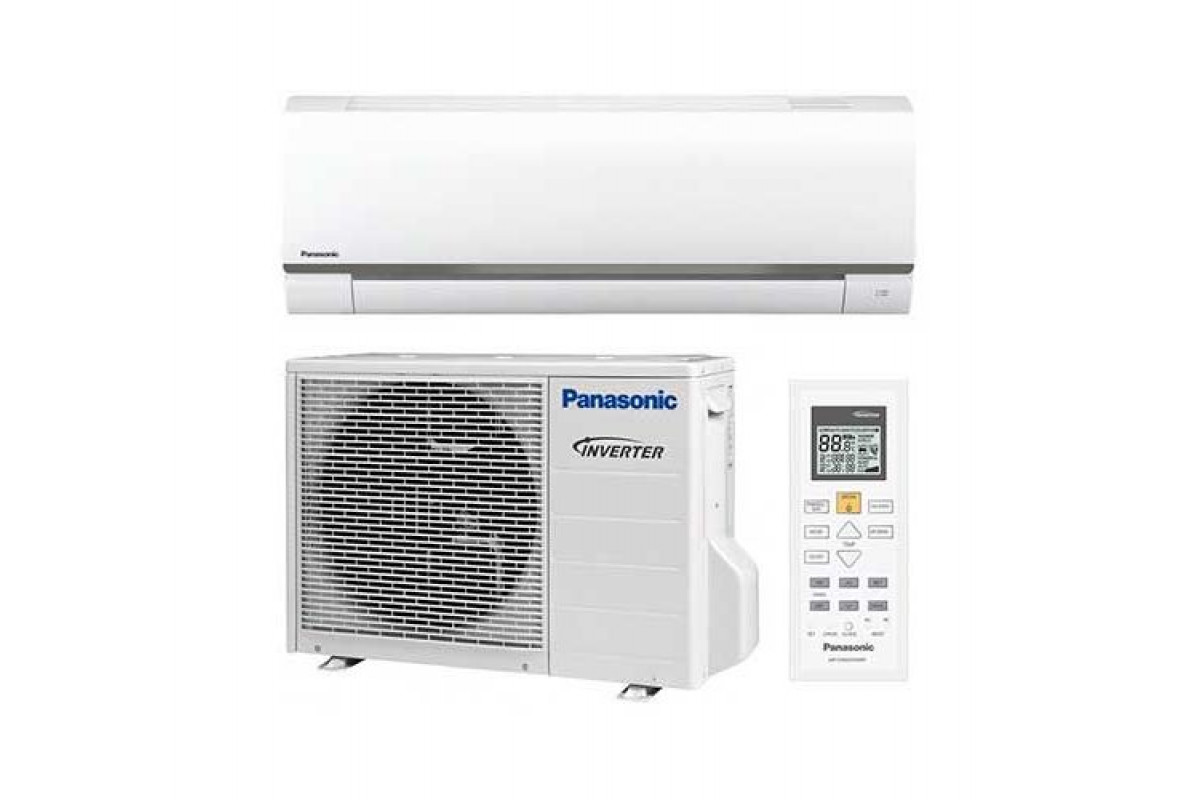

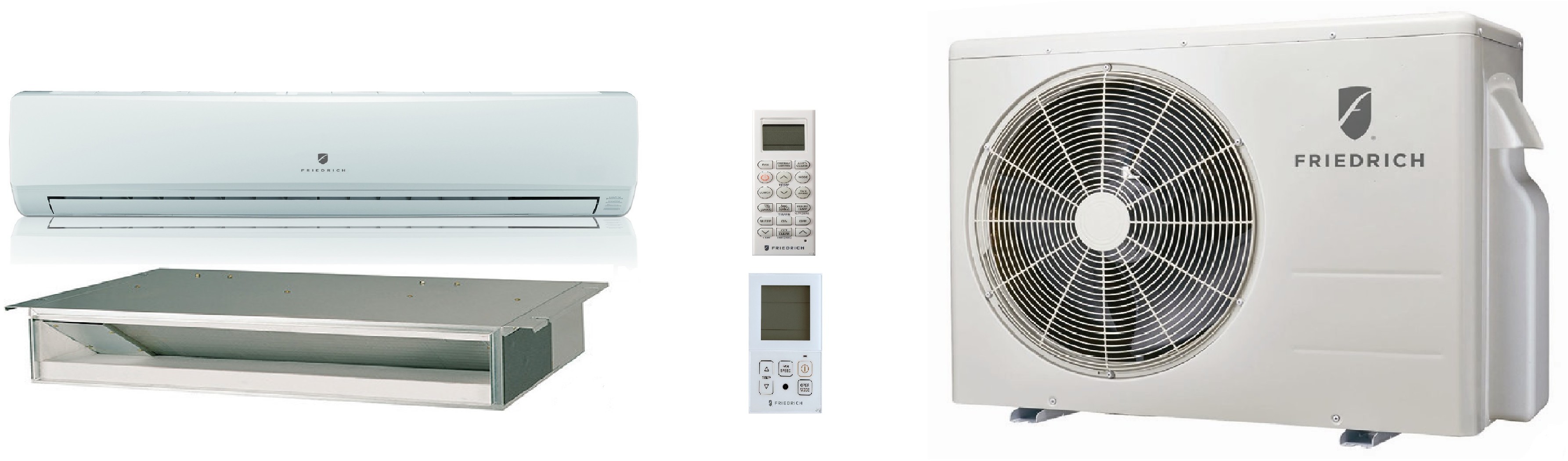
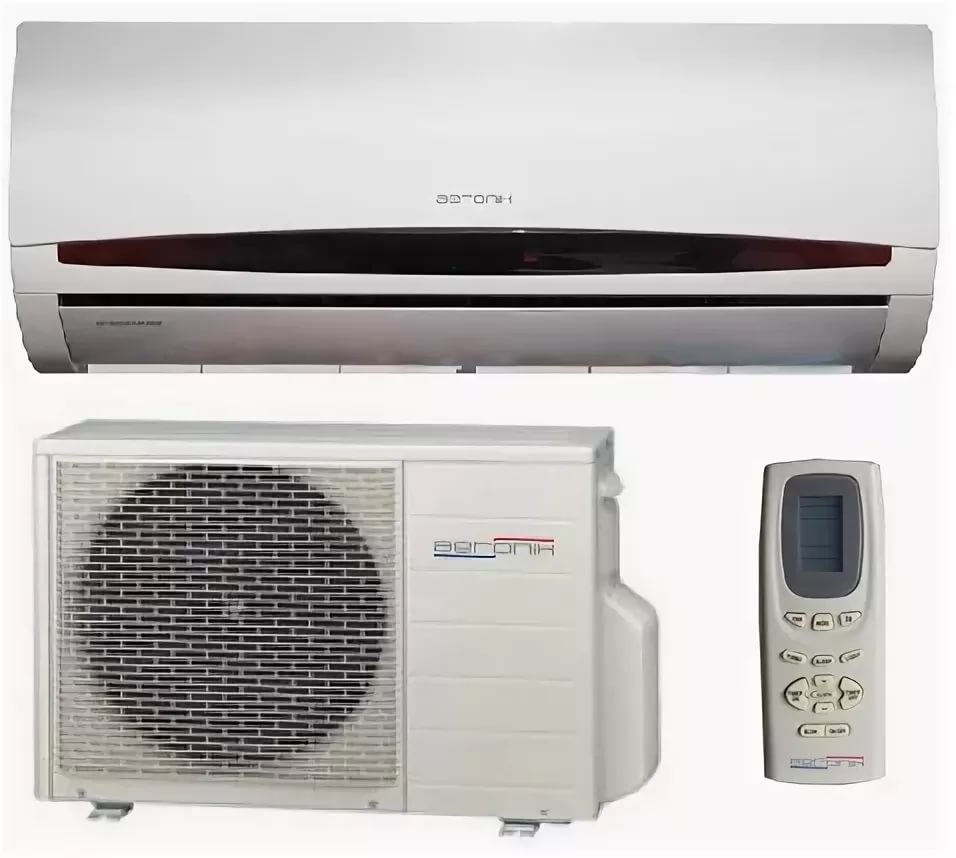


Monoblock "Timberk" is distinguished by high build quality, unusual design and rapid cooling system. Management is carried out using a "remote control".
Advantages:
- ease of installation;
- simple management;
- interesting design;
- compact dimensions;
- miniature control panel;
- Motor Drive technology system for fast cooling;
- budget cost.
Flaws:
- noisy work;
- narrow range of modes;
- short corrugation;
- there is no option to select temperature parameters.
Dimensions
A reliable air conditioner should not be small, but moderately large, comparable to the area of \u200b\u200bthe room and its power. Example: the inside of a product with a parameter of 9,000 BTU (for 25 m²) should be from 790-800 mm in length, in width - 270 mm.
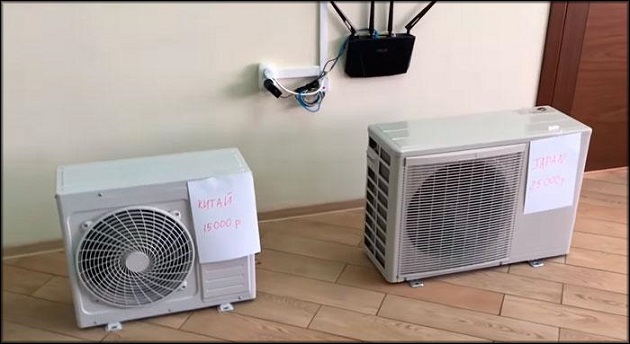
The correct dimensions are necessary for the following reasons:
- power and quality require larger parts and greater wall thickness, especially for heat exchangers;
- openings for air outlet, louvers must be adequately large for effective distribution of flows in different directions and noise reduction.
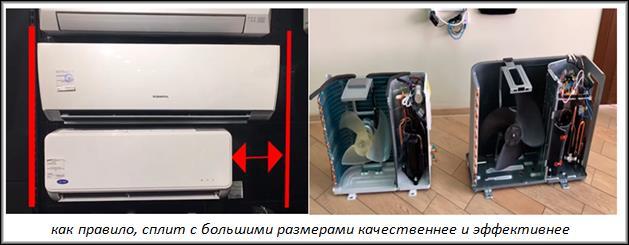
Too small a device will not be able to properly serve and distribute cool / heat, it is more noisy. Usually, of two air conditioners of the same power, the larger one is better, quieter and more efficient.
Types of air conditioners
Before proceeding to an overview of the types of this device, it is worth mentioning separately the split systems that were designed specifically for the rapid cooling or heating of indoor air.
The main characteristics of split systems are:
- silent operation;
- ease of installation;
- multifunctionality (air humidification, heating, etc.);
- the ability to install the device not only on the window, but also on the floor;
- multi-split systems make it possible to install air conditioners in several rooms at once;
- split systems have a pleasant design, they harmoniously fit into any interior and do not create a feeling of bulkiness.
As for conventional air conditioners, they differ in functionality, temperature control method and installation method.

- inverter air conditioner. It features smooth temperature control, the ability to work for heating, as well as high performance. It practically does not create noise during operation, but its cost is quite high.
- Non-inverter. Less economical equipment in terms of electricity consumption compared to the previous type. In addition, its adjustment is more difficult, and air cooling is slower. However, a non-inverter air conditioner is more affordable.
- Window.Equipment of this type is built into the window opening, with a compressor outside. Modern models of such air conditioners practically do not make noise during operation. This is a budget variety, easy to install and manage, but is considered obsolete.
- No outlet to the street. This device without an outdoor unit works only for cooling and is convenient in that it can be installed in any suitable place on the wall, without being tied to a window. These air conditioners have an unusual bright design.
- Wall air conditioner. This type also includes split systems and multi split systems. Devices for small and small spaces, such as bedrooms.
- Floor. A very easy to install device, the installation of which can be done independently. The device is portable, mobile, due to the absence of an air duct (without corrugations), it can be moved and placed in the room where it is required. However, floor air conditioners are distinguished by a high level of noise, create high humidity, and are equal in cost to split systems.
- Ceiling. They are distinguished by their small height, thin, which allows them to be installed in rooms with low ceilings. The indoor unit of such an air conditioner is compact, the cooled air is supplied in a horizontal direction, and the level of noise emitted is quite small.
Dimensions
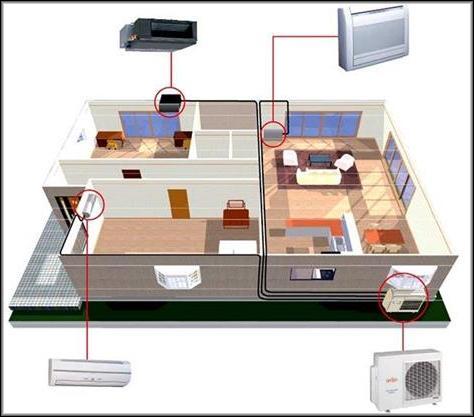
- Wall. Traditional size. One block in the room (usually under the ceiling near the window), the other is a little lower on the outside of the building wall. This is a universal design, the product can be installed in apartments, houses, offices, small shops. The only negative is usually a power of up to 10 kW, which is enough for an area of up to 100 m².
- Channel. For installation under suspended ceilings. System with air channels along the perimeter of the premises. For large rooms, offices or for the whole apartment, country house. The power of the equipment is high - 5–25 kW.
- Cassette. Indoor unit in the form of a square cassette with outlets on the sides for air. Easy to mount behind false ceiling. Side channels with bends of 30-35 degrees, with blinds, so the prepared air does not exit vertically down, but to the sides.
- Column, floor and ceiling. They differ in overall dimensions, are focused on high performance, can replace channel, cassette systems in the absence of stretch ceilings.
- Window monoblocks. Two blocks in one building. A window or wall divides such a box into two parts - one is exposed outside (on the street), the second remains indoors. A practical solution, but there is a drawback: this type of installation reduces the thermal insulation of the room.
- Mobile, with remote blocks. The standard size allows you to move the equipment: all that is required is to expose one of the blocks or the air duct to the outside. Pros: portability, no need for time-consuming installation. Cons: low power, noisy, high price.
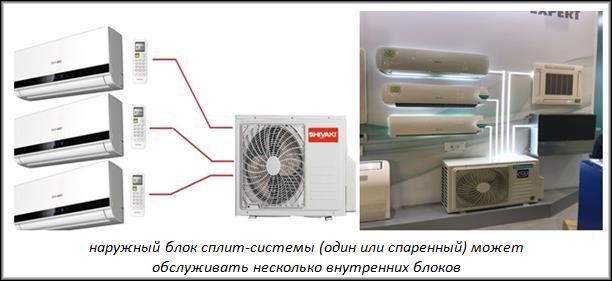
It is possible to combine different units, for example, one, paired or several external boxes serve internal, including air conditioners of different sizes.
Tips for choosing a split system
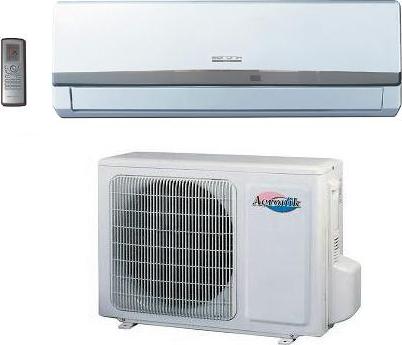
When thinking about purchasing an air conditioner, you should evaluate potential applicants according to several criteria. Among the main parameters are cost, practicality and functionality. If everything is clear with the price, and everyone determines the purchase budget for himself, then you need to figure out the rest of the properties.





The following parameters should be evaluated:
- performance;
- compressor type;
- operating modes;
- functional set;
- noise level.
It is very simple to independently calculate the required split power.
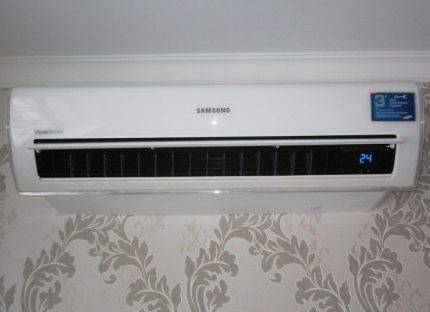 For every 10 sq. m area of the room should account for at least 1 kW of performance. This standard applies to rooms with ceilings of 2.5-3 m
The resulting value should be increased by 25% in the following situations:
- the windows of the room face the sunny side;
- there are many sources of additional heat in the room, for example, office equipment;
- a large number of people live in the house.
All domestic air conditioners are equipped with an inverter or rotary compressor. In the first case, the unit independently “smoothly” regulates the operating mode. This option is considered optimal, since the launch cycle is excluded. In addition, inverter splits are quieter and consume less electricity.
Almost all modern air conditioners perform heating and cooling. Some additionally carry out dehumidification.
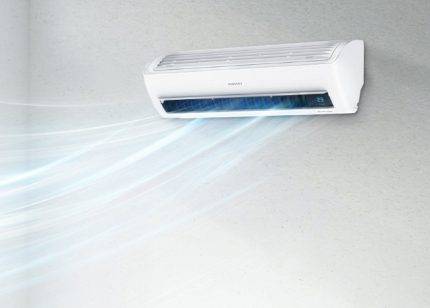 The ventilation mode is necessary for the redistribution of air. It is relevant in winter for uniform heating of the room - warm flows from above are redirected down
Well, if the air conditioner can work in additional modes.
Among the most requested are:
- night - reduced performance and noise during sleep;
- auto - the unit maintains the selected temperature without user intervention;
- turbo - fast normalization of the microclimate, operation at maximum performance;
- timer - programming the time to turn on, turn off the device.
High-tech units are equipped with the option of self-diagnosis of faults, automatic cleaning of the heat exchanger, anti-icing system and restart - return to the set parameters.It is good if the air conditioner has protection against power surges.
Which split system is better to buy
The choice of a split system is not random. The purchase is serious, it requires considerable material costs. Therefore, it is worth seriously thinking, calculating, correlating the dimensions of the premises, the power of the devices, the technical capabilities of the installation. Think about what features of the equipment should be sacrificed for the sake of economy and whether it is worth doing.
Not every buyer is a mathematician, but everyone is limited in time. The presented rating will save both time and money. A little analysis will make the choice easier:
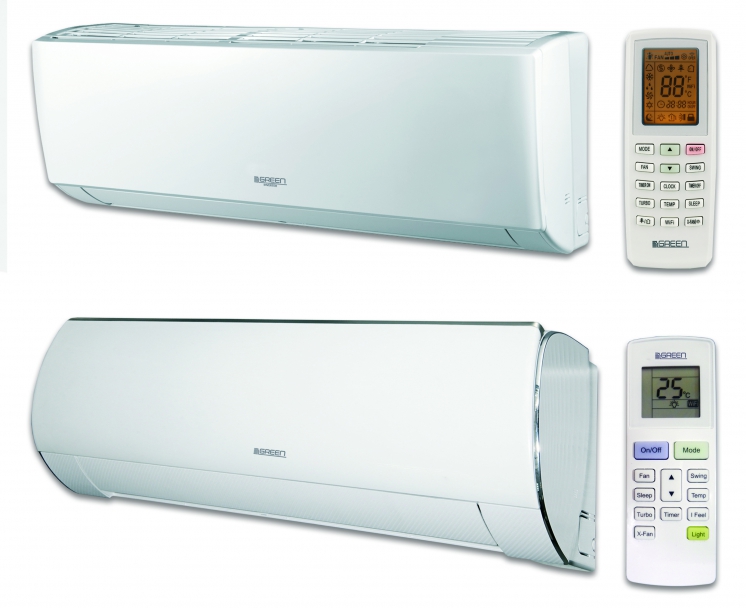
- Budget split system Green Gri/Gro-07HH2 has all the functions of expensive counterparts;
- Inverter climate control Mitsubishi Electric MSZ-LN25VG / MUZ-LN25VG will purify and improve the air in the apartments of residents of the metropolis;
- The power of the wall-mounted Toshiba RAS-09U2KHS-EE / RAS-09U2AHS-EE is enough even for a 25-meter room;
- Cassette Dantex RK-36UHM3N the more actively it works, the more it saves;
- Splits of the Swiss brand Energolux SAD60D1-A/SAU60U1-A are so reliable that manufacturers insure them;
- Even picky winemakers will love the Airwell FWD 024 floor and ceiling system.
Without air conditioning, it is uncomfortable to live either in a big city or in a country cottage. It is more difficult to work, study, rest. If you decide to buy a split system, be sure to keep in mind that it must be of high quality, because the health of the whole family depends on it.
5 Electrolux EACS-07HAT/N3
Experts prefer to classify Electrolux brand air conditioners as average, but even being such, they manage to destroy their more elite competitors.Sales of far from one opponent have been crippled after the release of Electrolux EACS-07HAT / N3 - an extremely budgetary and very productive installation, designed for climate control within 20 square meters. Thanks to this backlog, it can be installed both in an apartment and in a house, without losing in any way the efficiency of work.
With a rather low throughput (only 7 cubic meters of air), Electrolux EACS-07HAT / N3 does a good job of cooling and heating rooms, largely due to the power of 2200 and 2340 W, respectively. In addition to the regular coarse filter element, it has a deodorizing filter, the presence of which appealed to lovers of home comfort. Given the purchase price, this model becomes the most rational choice when it comes to the budget segment.


Conclusions and useful video on the topic
Practical recommendations for choosing household climate control equipment:
How to avoid mistakes when buying air conditioning equipment for your home:
General Climate is recognized as one of the leaders in the production of split systems. The variety of offers allows you to choose the optimal model for premises of different purposes and areas.
When buying, you should evaluate the characteristics of the split, its conditions applications and installation features.
Thinking about buying a split system from General Climate, but still doubting the correctness of your choice? Ask a question to other site visitors or ask our experts for advice. The contact form is located below.



