- COLLECTING RAIN WATER FOR IRRIGATION - USEFUL DEVICES
- An integrated approach to the collection and use of rain and melt water
- The value of precipitation
- How to clean rainwater in the country and at home
- Consider the main elements of water treatment
- Water runoff coefficient
- How else can you use rainwater in your household?
- How to install a water collection system?
- Proper maintenance of equipment
- New approaches
- unconventional
- Rainwater harvesting in freshwater forests
- Rainwater harvesting with solar panels
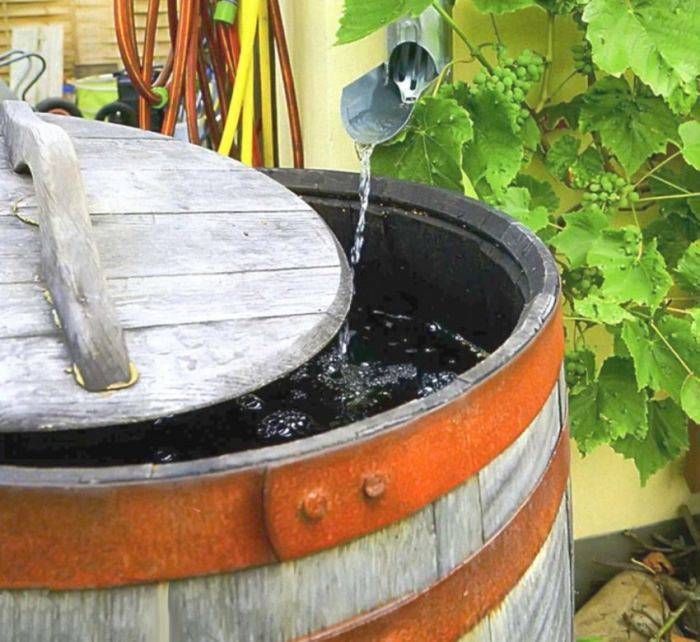
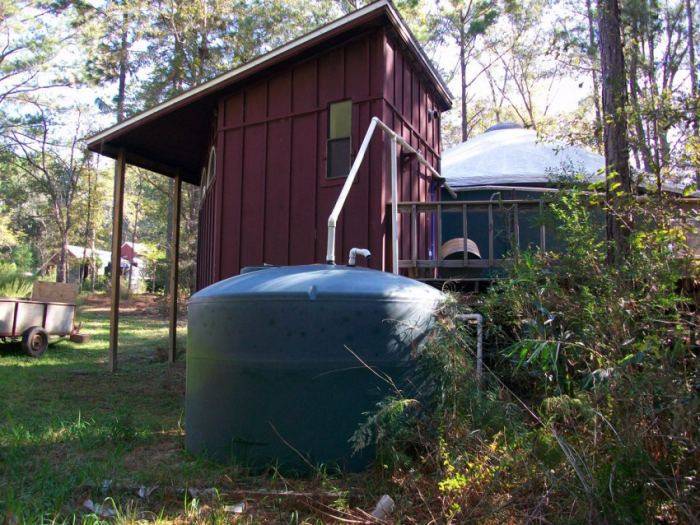
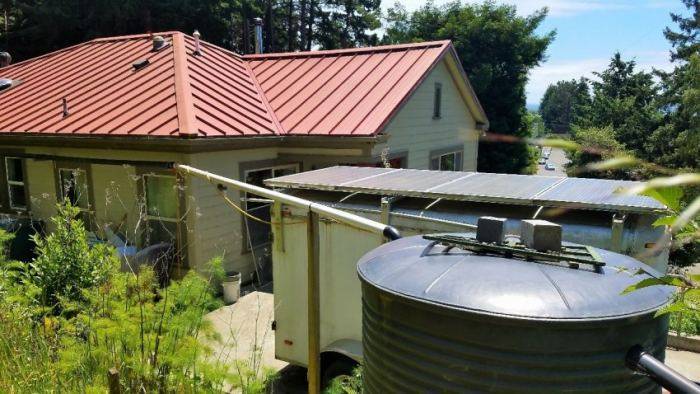
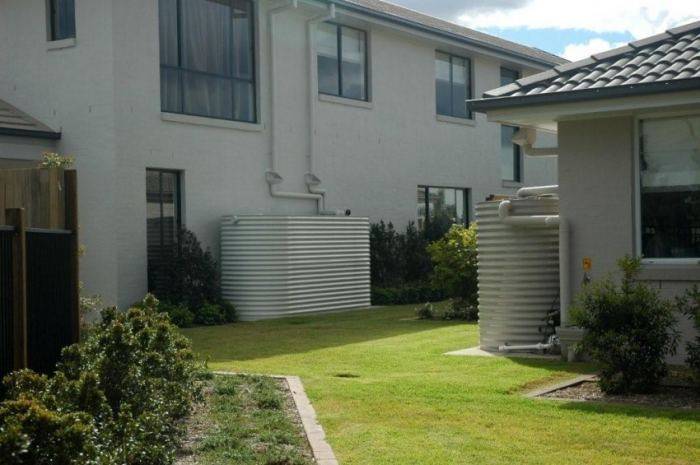
- Photo of rainwater harvesting methods
- Rainwater harvesting technology?
- Inexpensive do-it-yourself storm sewer
- Collection and use of rainwater
- Internal channels - rainwater.
- Conclusions and useful video on the topic
COLLECTING RAIN WATER FOR IRRIGATION - USEFUL DEVICES
IT IS DIFFICULT TO FIND A COTTAGE resident WHO DOES NOT USE RAIN WATER FOR ECONOMIC PURPOSES. FOR CONVENIENT COLLECTION, DIFFERENT DEVICES CAN BE INTEGRATED INTO THE DRAINAGE SYSTEM.
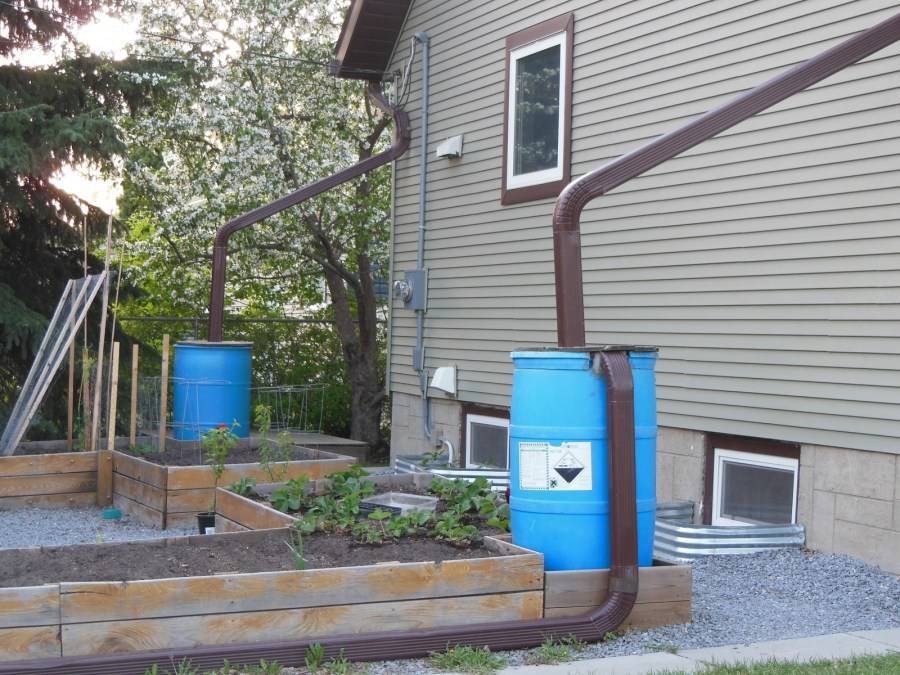
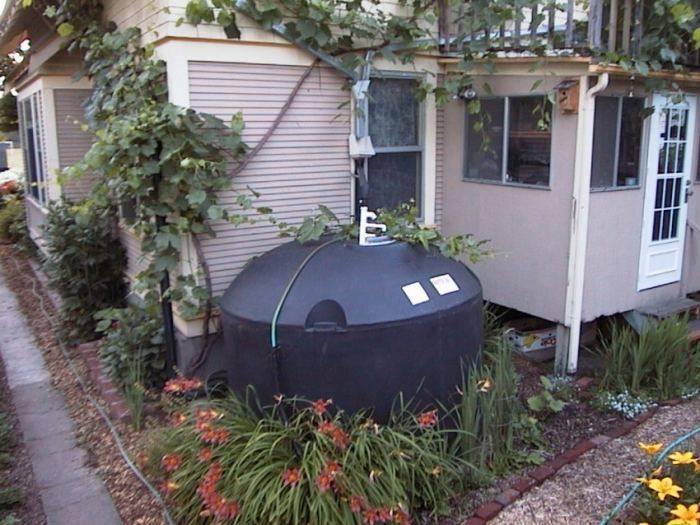
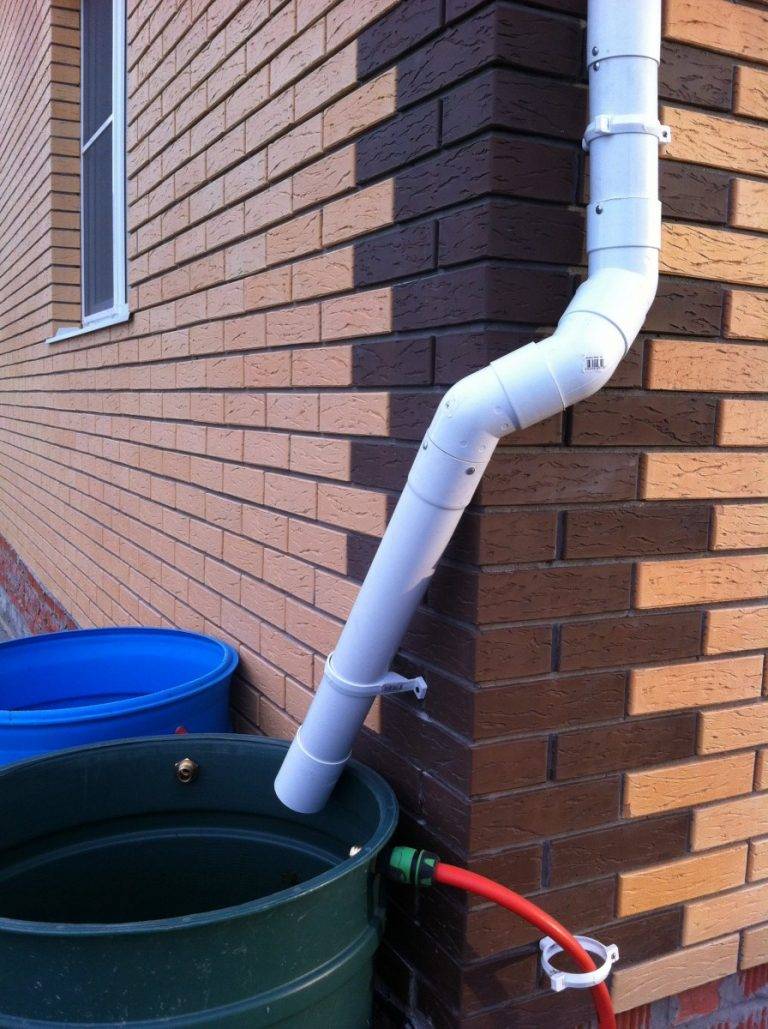
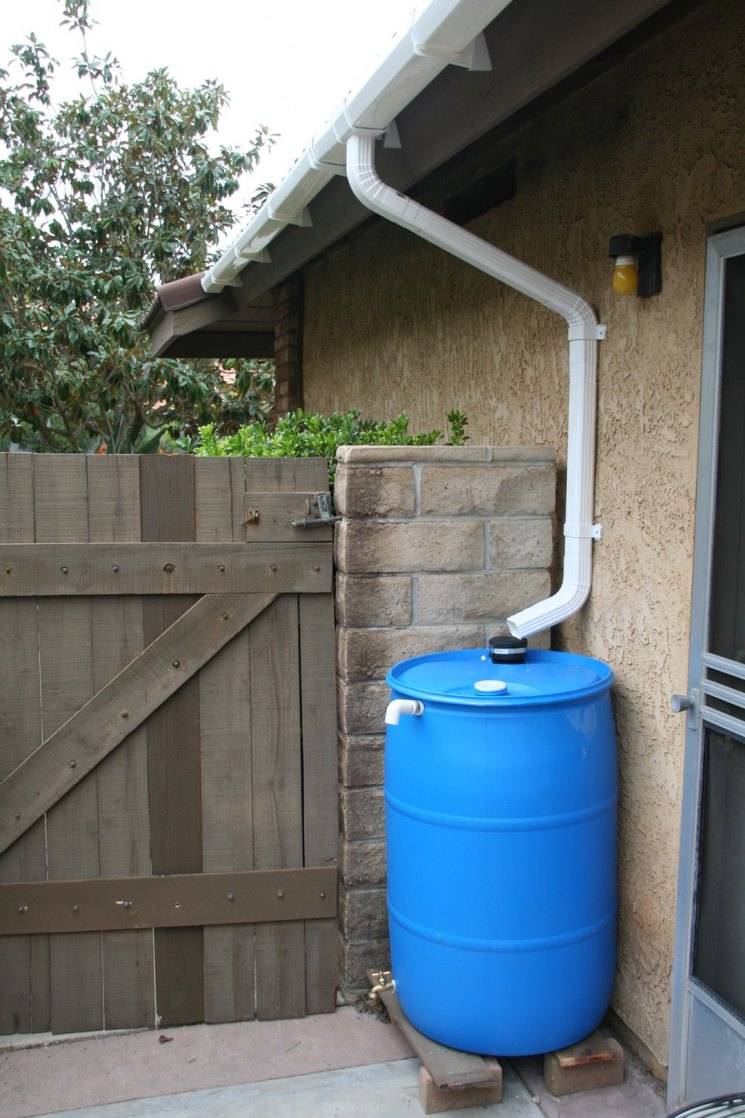
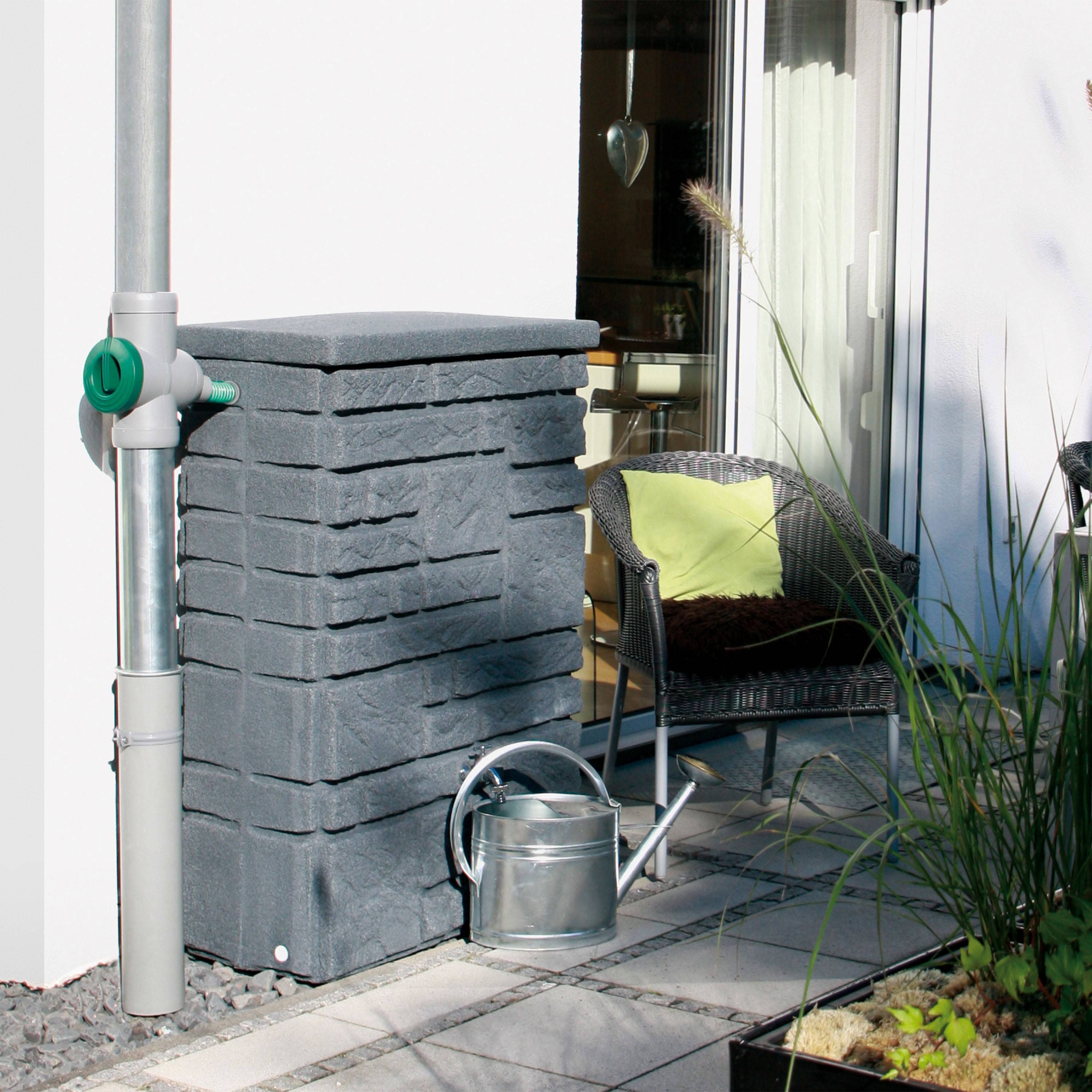
Of course, the easiest way is to substitute an old barrel under the drain. However, in the event of an overflow, it is necessary to organize the drainage of water away from the house, otherwise it will erode the soil, creating dirt in front of the building or, even worse, it will reach the underground part of the foundation.
PLASTIC INSERT-FILTER
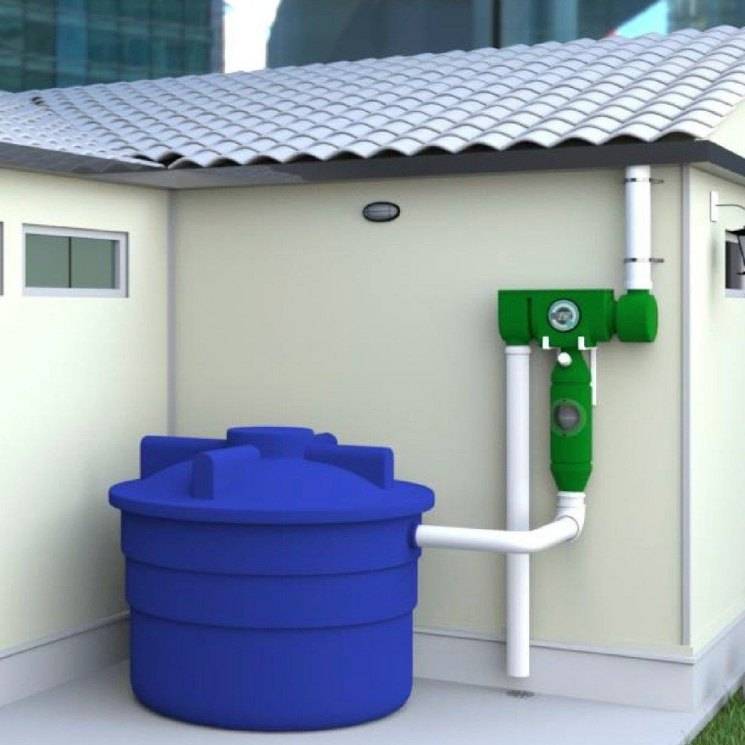
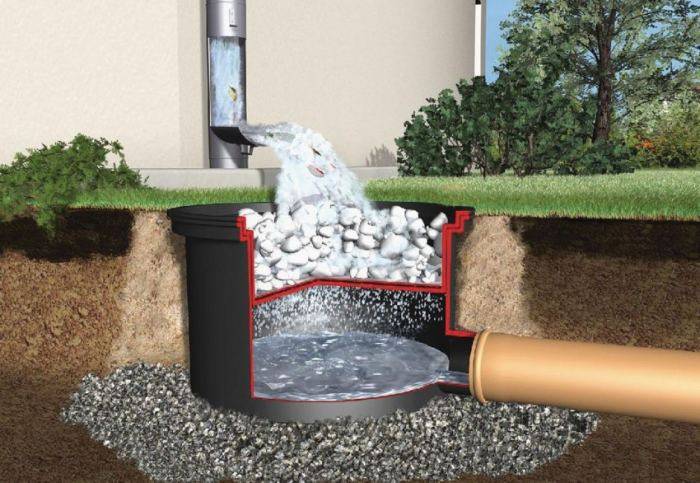
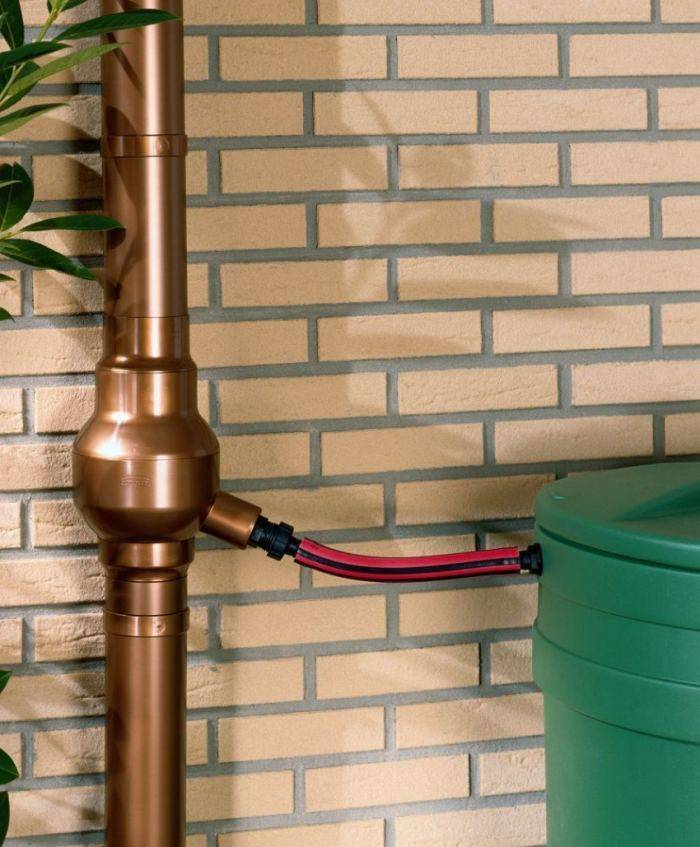
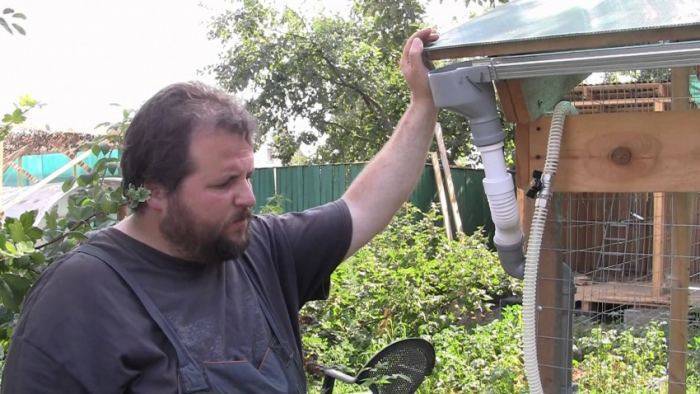
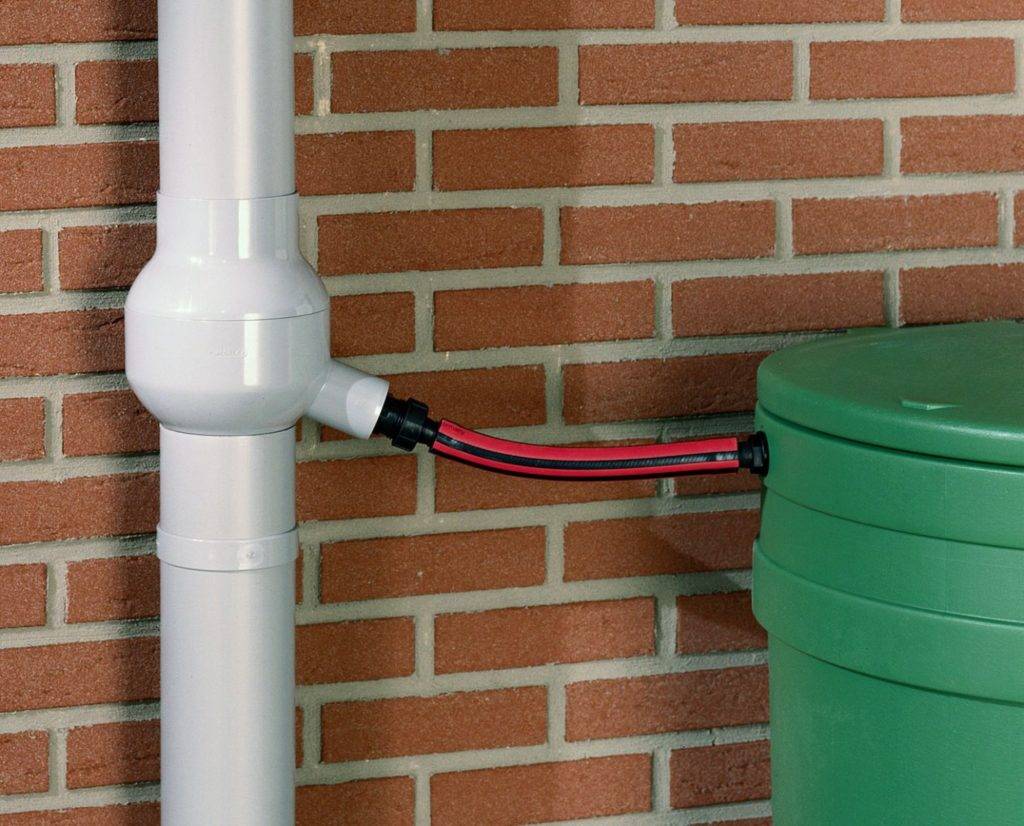
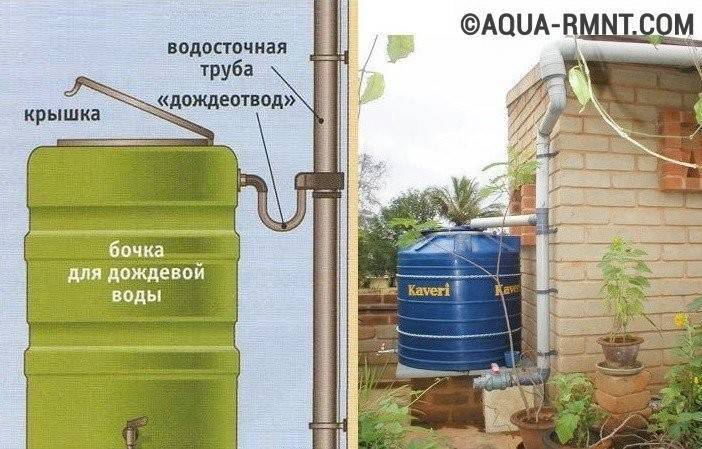
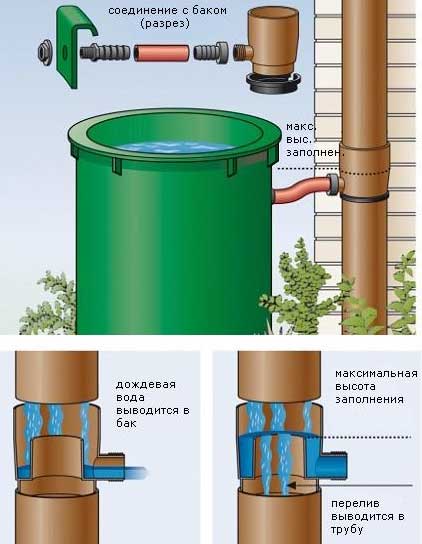
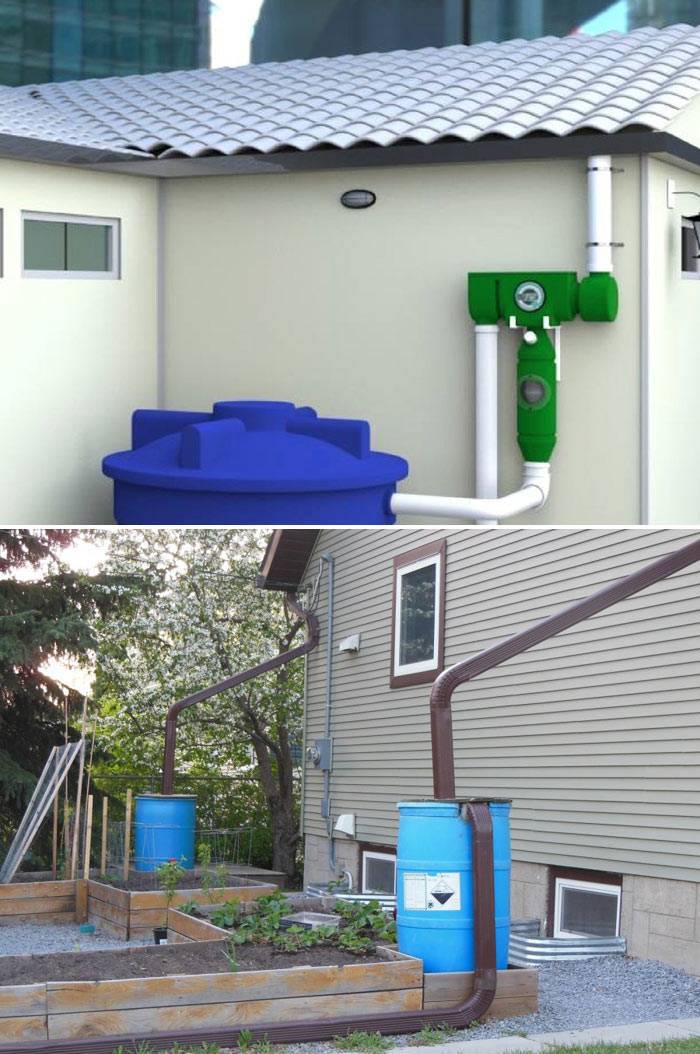
At a house equipped with a storm water drainage system, a special plastic water trap can be used to fill the tank. It is built in between two sections of the downpipe, without dismantling the latter entirely. The body of the water collector includes a branch pipe for connecting a tee nozzle or a hose directly, through which water will flow into the storage tank (Fig. 1). As soon as the barrel is full (Fig. 2), the height of the water in the device will reach a critical level,
and it will start pouring out into the drainpipe. Thus, overflow protection is implemented in the water collector, which functions according to the principle of communicating vessels. Thanks to it, water flows will not wash away the foundation and seep into the basement - they will go down the drain into the drainage or sewer system.
The water collector has a cover and a strainer. The first is made of soft plastic, which can be easily cut into notches for any shape and diameter of downpipes (65-100 mm). The mesh allows you to retain fallen leaves and small debris.
Such a device is manufactured, for example, by the Canadian company Murol. Its rainwater collectors are produced in a wide range of colors and fit for pipes not only roundbut also rectangular. Drainage elements of a similar design are also produced by the Polish company Cellfast (trademark Bryza). True, its products can only be used for round gutters 0 90 mm.
There is only one minus for plastic inserts: passing through them, the water does not completely go into the storage tank, since some of it also enters the drain, which means that it will not be possible to quickly fill the tank.
RAIN VALVE
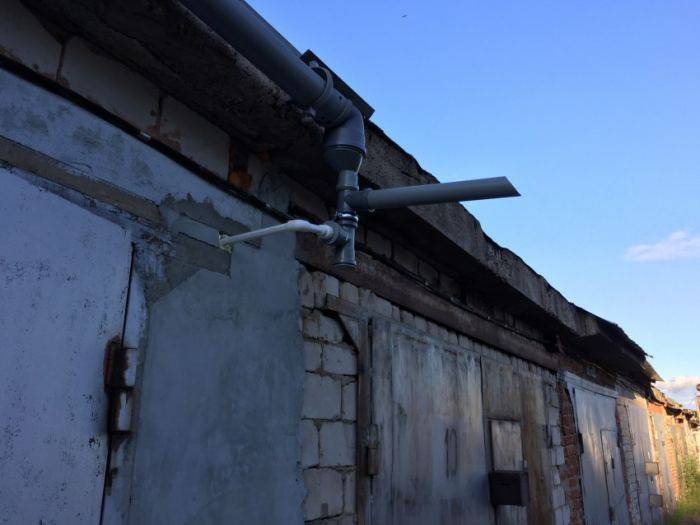
The design of such drainage systems as Aquasystem and Zambelli provides for a ready-made water collector. This element is a section of pipe with a short chute: if necessary, it can be opened and fixed in an inclined position, like a door (Fig. 3). In this case, the water will begin to flow down it directly into the barrel. Once filled, the gutter can be easily replaced and the pipe will continue to perform its normal functions. As a filter, a round metal part with often spaced holes is used. Installing it is not required, but still desirable.
Unfortunately, this method of water collection has significant drawbacks. Firstly, the valve can only be used with a drain from a specific manufacturer. Secondly, it does not have overflow protection, which means that the process of filling the tank will have to be monitored.
However, there is an advantage: the design of the folding chute is simple, and if desired, it is easy to make it yourself. For this, it is best to use piece of pipe of the same diameter, which is a drain.
All that needs to be done is to make a gutter out of it and fix it in a pre-cut hole in the drainage system.
At the same time, comparing both devices - a rain valve and a plastic insert, it must be admitted that using a plastic water collector is much more convenient.
Read with it
An integrated approach to the collection and use of rain and melt water
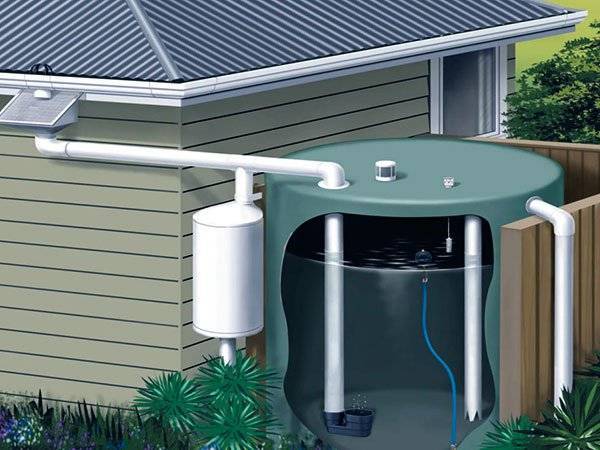
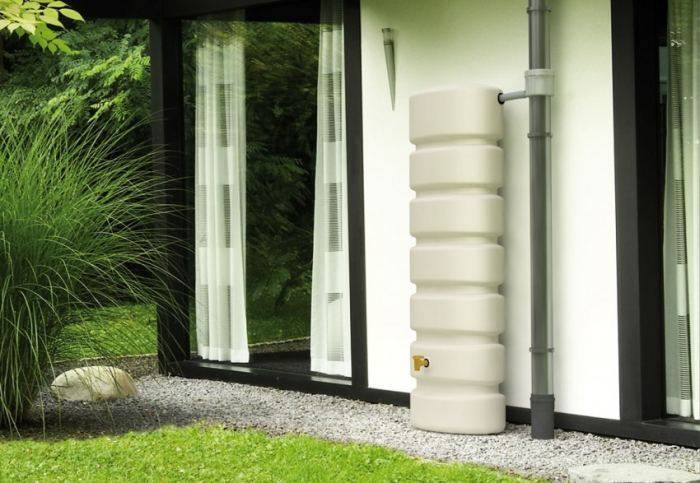
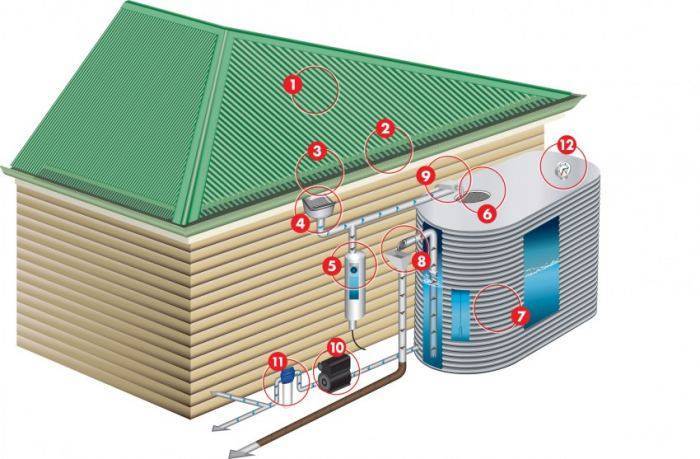
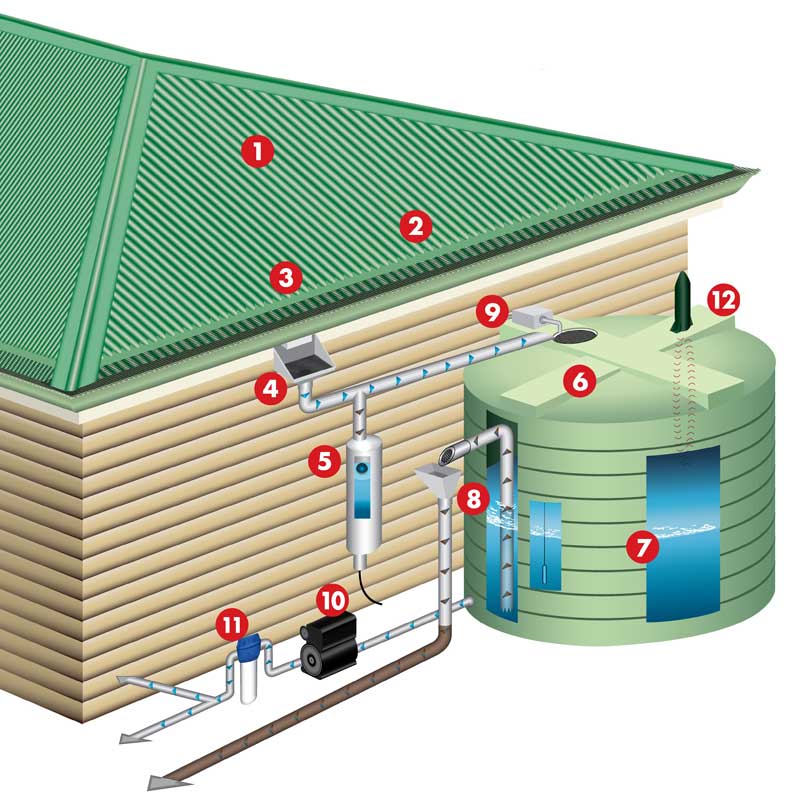
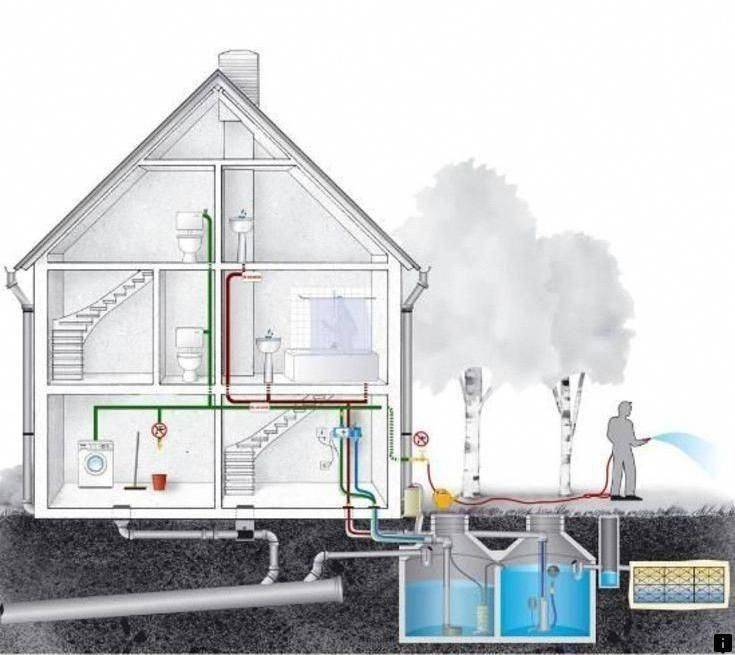
If you plan to water your garden with rainwater, you can collect it in a large barrel located under the drainpipe.If you expect to use it to the fullest, you need special equipment that will allow you to properly collect, store and distribute rainwater. The European experience in the field of rainwater collection and use offers many ideas on how to organize an unconventional water supply system and save money needed for its maintenance. The main elements of such a system are listed below.
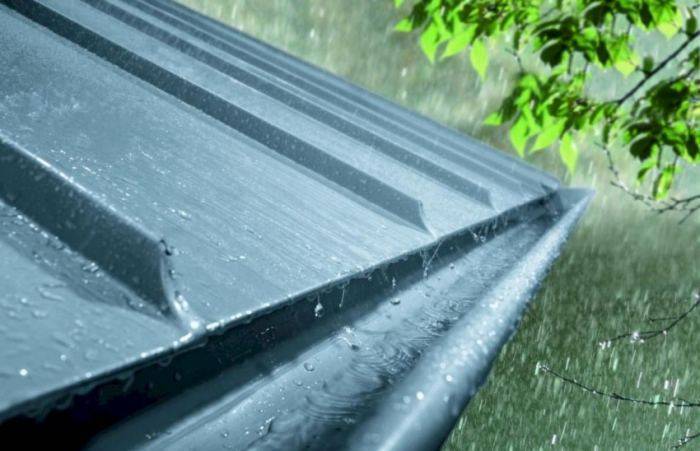
The main place for collecting melt or rain water is the roof. The quality of rainwater depends not only on the level of air pollution, but also on the type and design of the roof. It should have a fairly steep slope. Then the water drains faster and microorganisms do not develop in it, as in puddles on flat roofs. From the point of view of the chemical composition of the flowing water, a coating made of inert materials that does not contain dyes, such as clay tiles, is considered optimal. It is strongly not recommended to collect water from the roof containing amphibole-asbestos or lead
Copper roofing should also be treated with caution.
External channels that direct rainwater into the tank - gutters and downpipes
You should pay attention to the materials from which they are made. Gutters and pipes containing lead are unsuitable.
Modern materials (PVC, galvanized steel, etc.) do not create problems. Through the gutters, water enters the downpipe, from which the channels go to the tank, and the rain sewer or directly to the site. The outlet of the channel should be as close as possible to the bottom of the tank, since this is where sediment accumulates.
Filters - collect rubbish and pollution. Together with water, leaves, rubbish, dust and dirt accumulating on the roof get into the gutters and pipes.Therefore, although some methods do not provide for this, it is better to drain the first rainwater completely into the sewer. It is advisable to use special grids for gutters and filter baskets for pipes. To prevent dirt and small debris from entering the tank, filters with a hole diameter of not more than 0.2 mm or a metal strainer are installed before entering the tank. After such purification, the water can still be quite cloudy. Therefore, fine mechanical cleaning (with a filter whose hole diameter does not exceed 5 microns) and clarification on multilayer equipment is also recommended. The clarification filter must be disinfected periodically to neutralize bacterial deposits that inevitably accumulate on the filter pad. The modern building materials market offers a large selection of pre-filtration systems. The filter can be installed on a finished system.
The value of precipitation
Rainwater is just an additional liquid, perfect for watering beds and irrigating the lawn. In addition, such water can be used for gulf in summer outdoor showers or washing. Atmospheric moisture is better saturated with oxygen and has soft properties.
Our ancestors were well aware of the benefits of atmospheric water and actively used it even in winter, collecting and melting snow in furnaces. In our time, only precipitation that has fallen near industrial facilities and large cities can represent a danger. Such water cannot be used for washing and bathing.
Also, you can not use the water obtained during the rain for drinking and cooking.To use atmospheric water, it is necessary to conduct a thorough filtration and check the quality of the resulting liquid at the local sanitary and epidemiological station. Such cleaning is carried out only in extreme cases, with an acute need for drinking water. More often precipitation is used in technical needs. These are laundry, car washing, watering and cleaning.
How to clean rainwater in the country and at home
It is necessary that the collected liquid undergoes primary mechanical filtration from foliage, dirt, branches, moss, and other large impurities. For this, a multi-tank method is suitable, which cleans coarse sediment, as indicated above, or special filtration systems. They will often have to be cleaned of accumulated dirt. Self-cleaning options exist to purify rainwater, but they are much more expensive and work with some fluid loss.
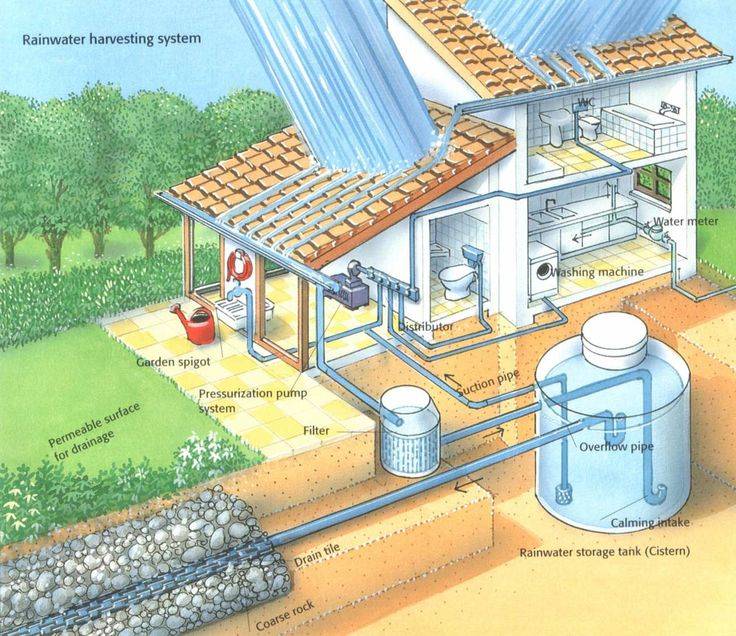
The cleaning filter is installed either on the ground or on downpipes (Figure 3). The choice of installation site is determined by the area of \u200b\u200bthe roof and the number of drains. On a small number of pipes, it is easier to install cleaning filters. With a large number - it will be optimal to mount the water purifier on the ground.
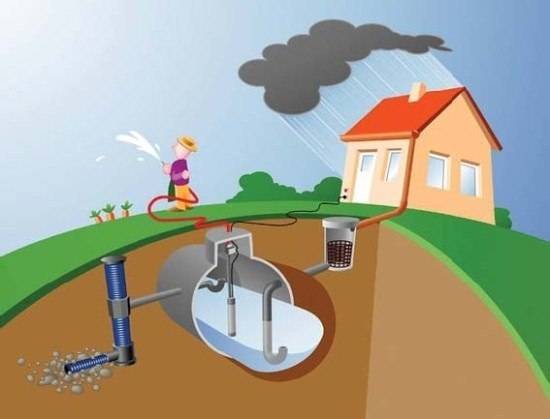
If precipitation enters the storage tank, this helps to further purify rainwater by settling dirt particles to the bottom.
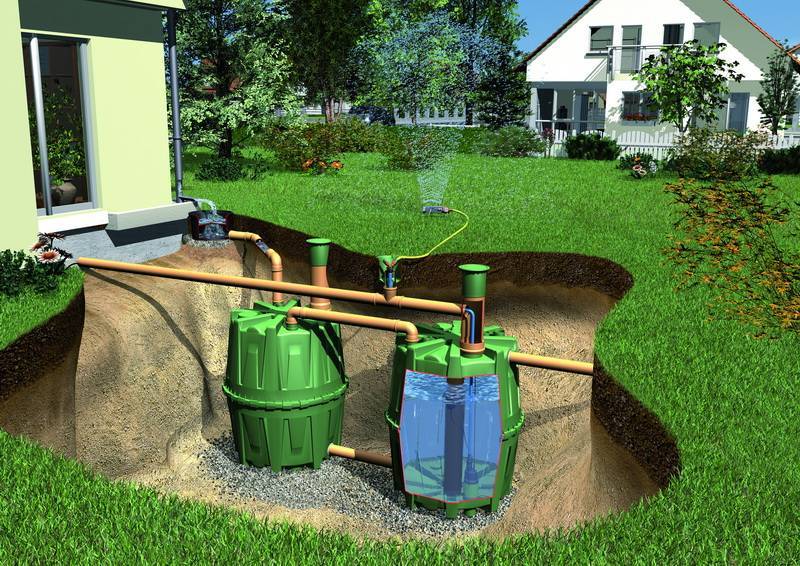
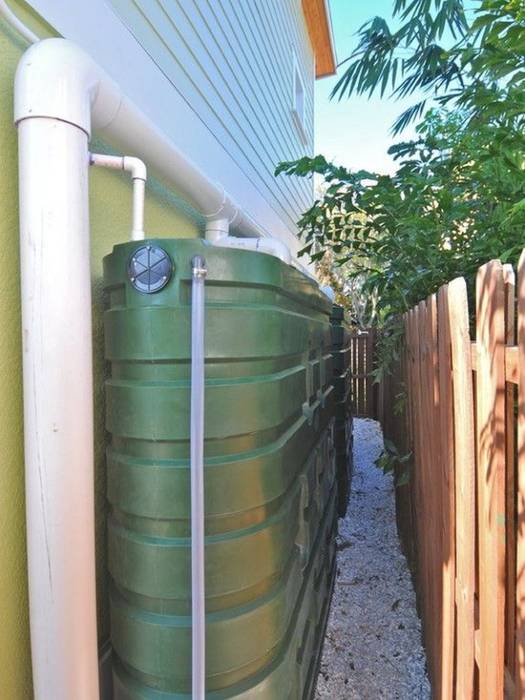
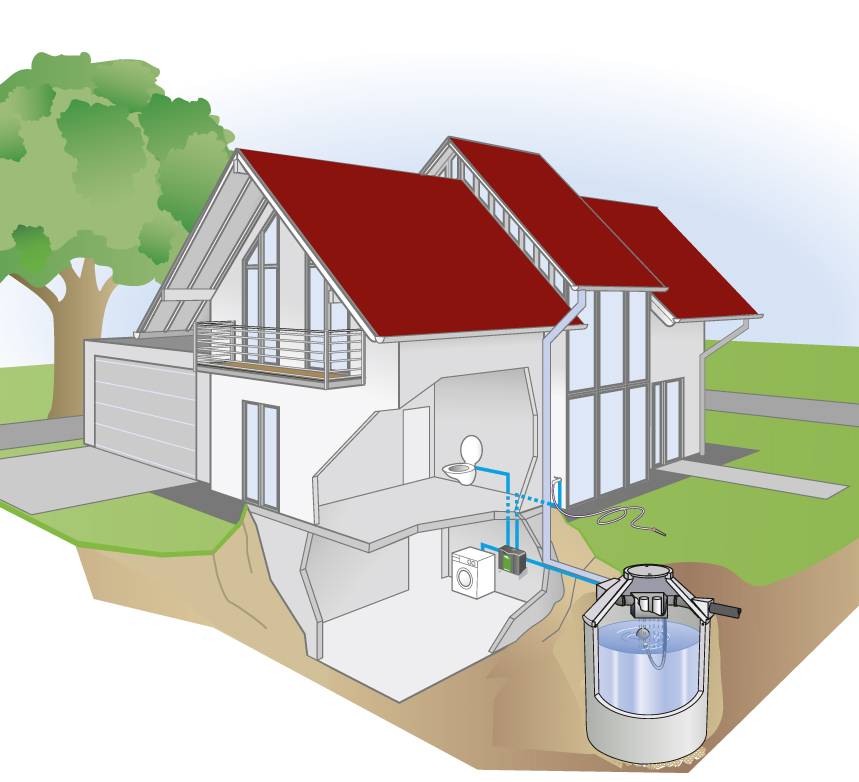
Equally important is the location of the water collection tank. A plastic tank is installed in the basement or outside the building. Please note that it will not be possible to place a large container in the basement - it will take up too much space. When installing the tank in an open area, place it in an open pit.This way you meet the requirements for storing rainwater (dark, cool place).
The liquid container should be made of opaque plastic or concrete (Figure 4).
Please note that it is better to provide a pit for the tank at the stage of site development. If you are going to install a water treatment system after the house is built, it will be cheaper to install a rainfall tank in the basement
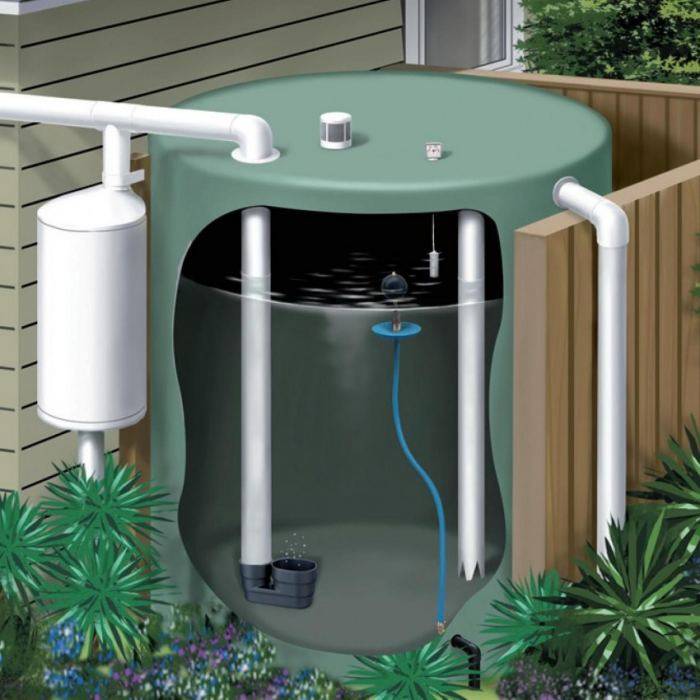
Correct fence is important. purified rain water from the container. It is better that it is carried out from above, so as not to disturb the sediment at the bottom. Also take care of the presence of a special siphon that will drain excess fluid, excluding overflow in the tank.
For different sources, the scheme for collecting and treating sediments can vary significantly. A number of parameters can be controlled independently. These include: the presence of impurities, foreign odors, coloration. The rest of the norms for the use of rainwater as a technical one should be clarified in the corresponding GOST. Based on this information, you can create a suitable filtration system for the site.
Consider the main elements of water treatment
In the first stage, a coarse filtration system helps to purify rainwater, which separates coarse sediment and dirt, preventing finer filters from clogging. The cheapest and most convenient option are different-sized mesh filters. However, you will have to constantly clean them yourself. You can shell out a much larger amount for the purchase of a modern self-cleaning filtration system. It will allow you to do without manual cleaning for several years of constant collection and use of rainwater.
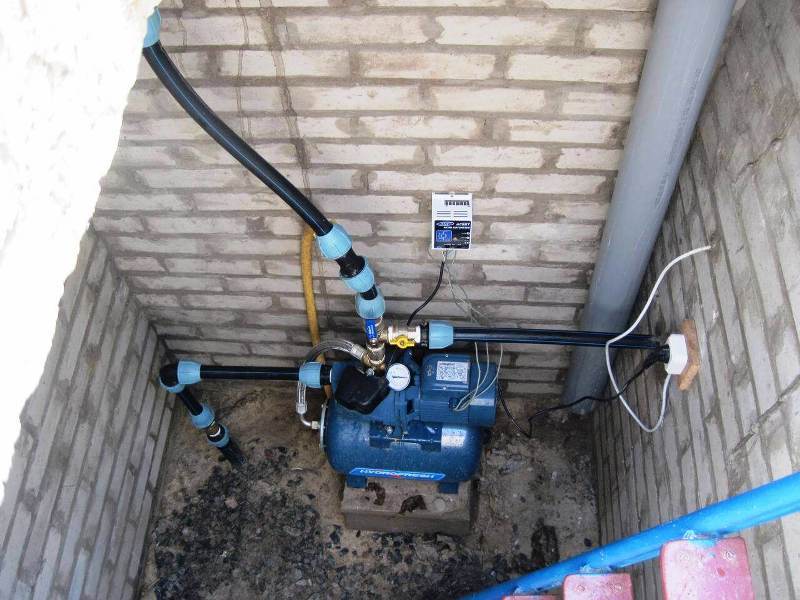
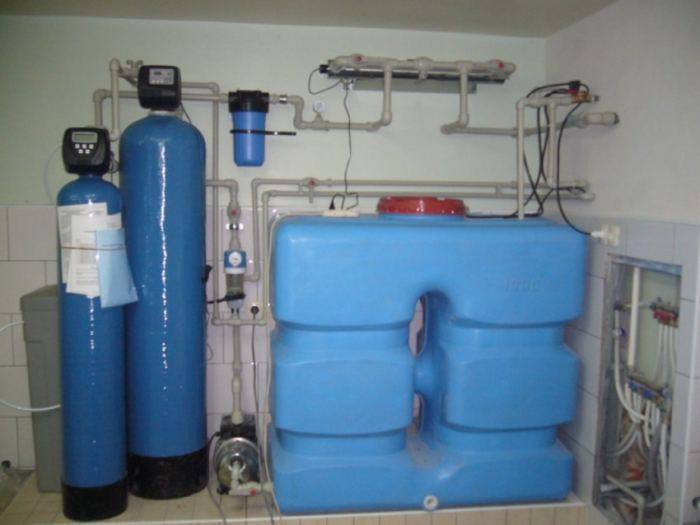
A convenient and budgetary way to supply liquid from a storage tank are different types finished pumping stations (Figure 5). Simple stations make it possible to automatically supply water from a depth of up to 30 m. However, at greater depths, you will have to use more powerful pumps that will provide a constant pressure.
In addition to the primary filters, it is necessary to install thinner ones in order to further purify the water and prevent clogging of the water supply elements. The uninterrupted operation of pumps depends on the filtration characteristics and the quality of cleaning.
If you need a small amount of technical water (a non-permanent source), you can use a simple filter that is suitable for installation in a summer cottage and meets all environmental requirements.
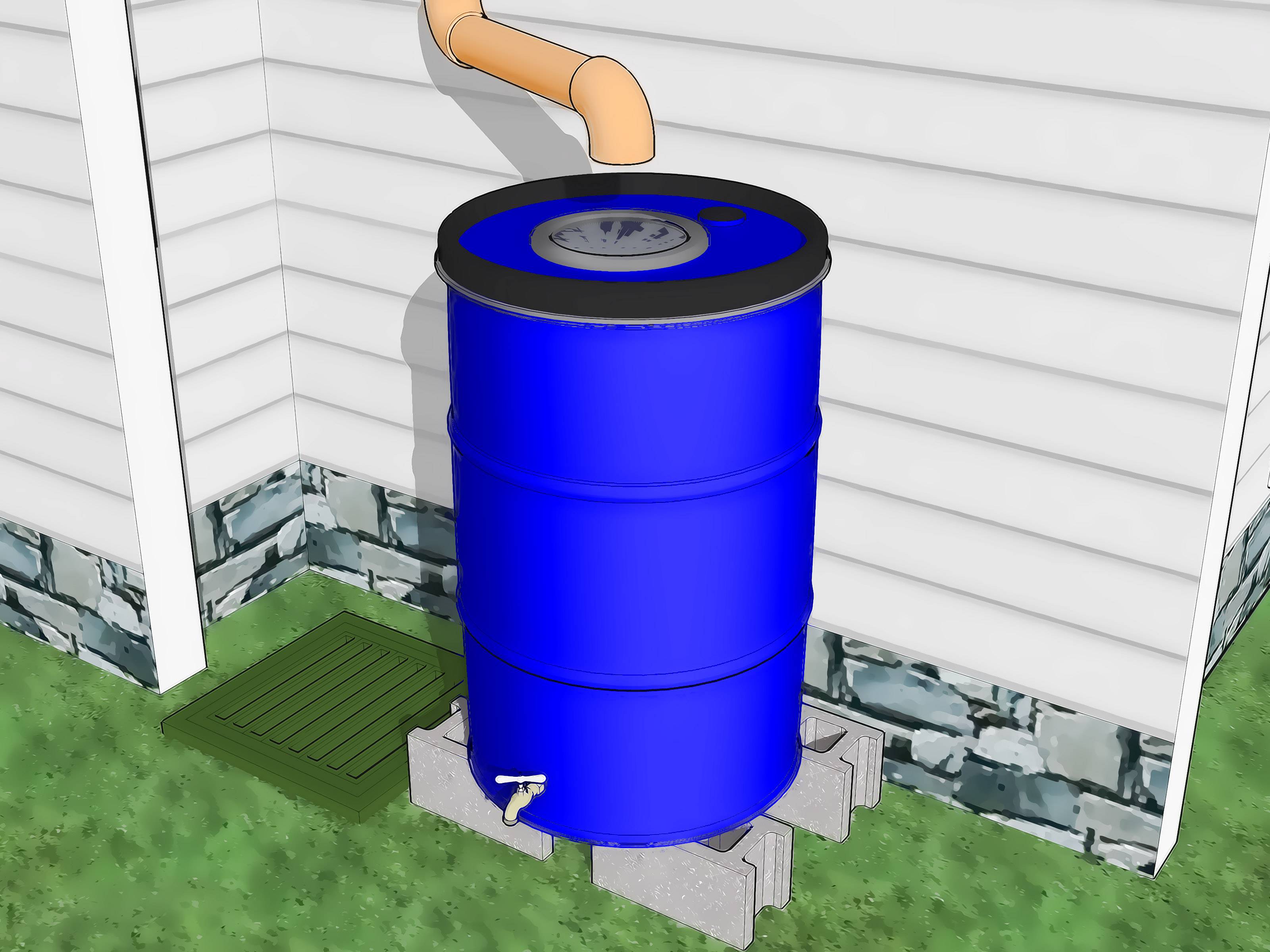
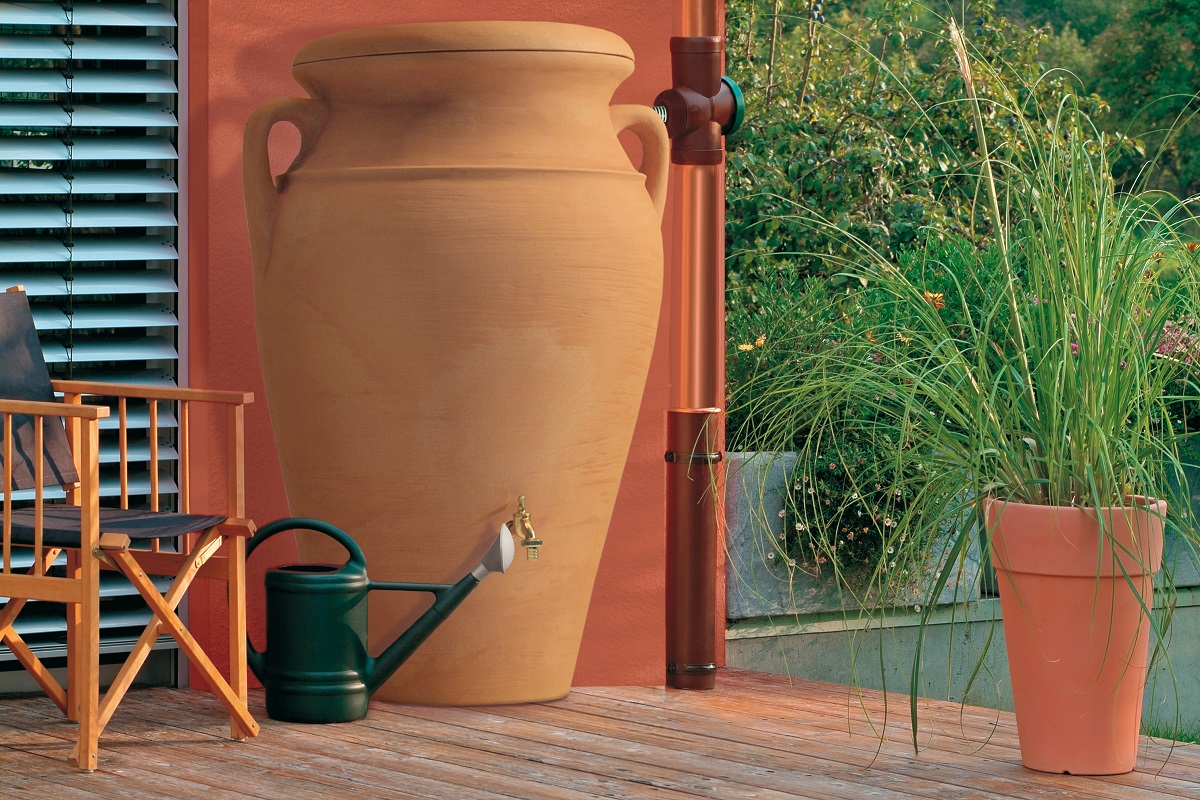
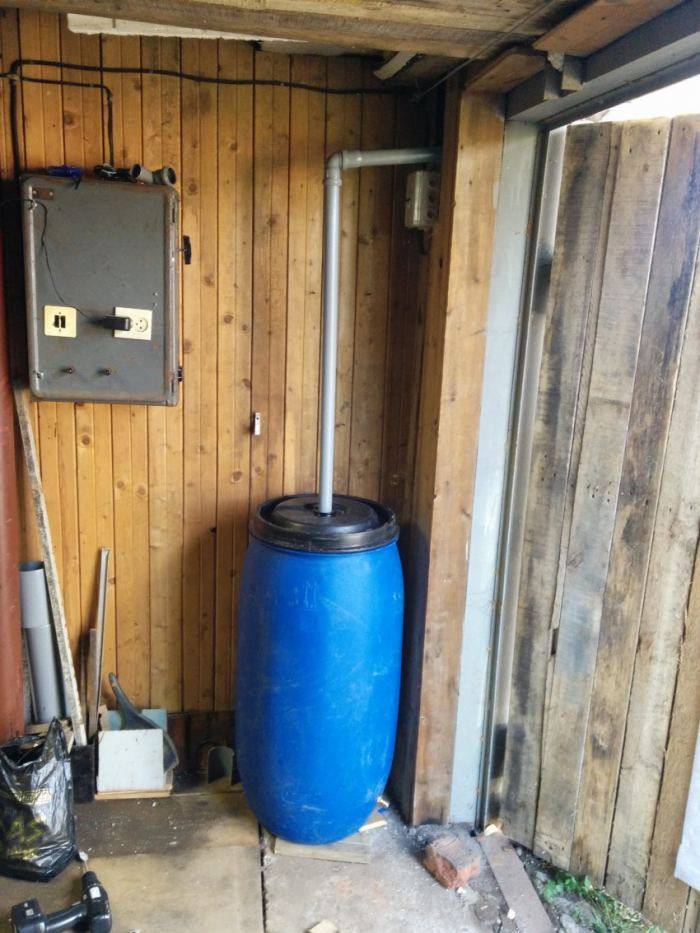
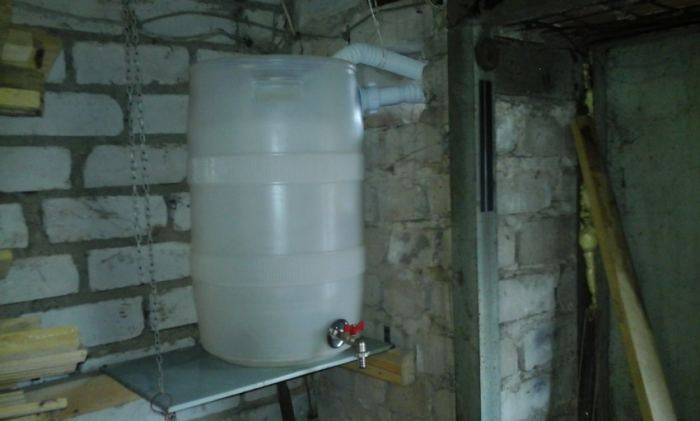
To create a country filter, you need a wooden barrel or opaque plastic capacity (Figure 6). It is installed low above the ground on bricks or stable stones. A tap is installed in the lower third of the barrel. A little above the tap inside the container, a partition with fine perforation is installed, which is covered with a dense cloth (which must pass water). Next, you need to make the core according to the principle of natural filtration: lay out pebbles, clean river sand, gravel, and medium-sized charcoal in layers. Each layer, except for coal (it should be one and a half to two times more), is made 10-15 cm thick. Pour pebbles on top of the coal layer, cover with another piece of cloth. The fabric will need to be periodically changed to fresh. The filter itself needs to be updated every six months (spring and autumn).
We remind you that after purifying rainwater, it can only be used for technical needs.
Water runoff coefficient
- Flat roof with gravel mound 0.6
- Flat roof with roll roof 0.7
- Sloped roof with natural 0.75 piece material
- Inclined roof with roll roof 0.8
So:
Steep slopes have a higher moaning factor, so they are often used in areas with high rainfall.
Water from flat roofs drains much more slowly, but a slope of 2-3 still does not allow it to stagnate
Choosing a place for collection container rainwater, it is important to take into account the depth of soil freezing, water level.
Rainwater can be used in an automated irrigation system with a wide range of irrigation devices
According to the magazine Privatny Dom
How else can you use rainwater in your household?
In some cases, rainwater is used instead of distilled liquid or antifreeze in private home heating systems.
Natural characteristics - softness, absence of foreign inclusions and cleanliness - make it suitable for pouring into the heating network. To remove possible contaminants "caught" in the atmosphere, it is initially driven through a filter.
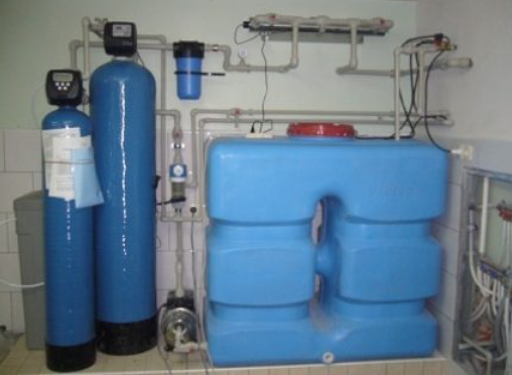
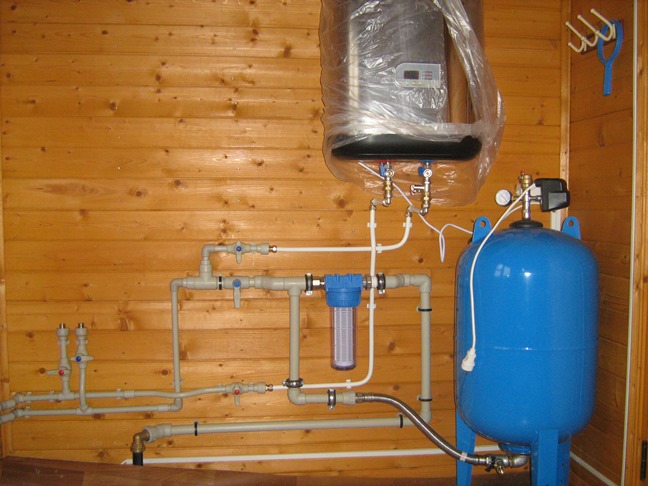
Indoor tank installation
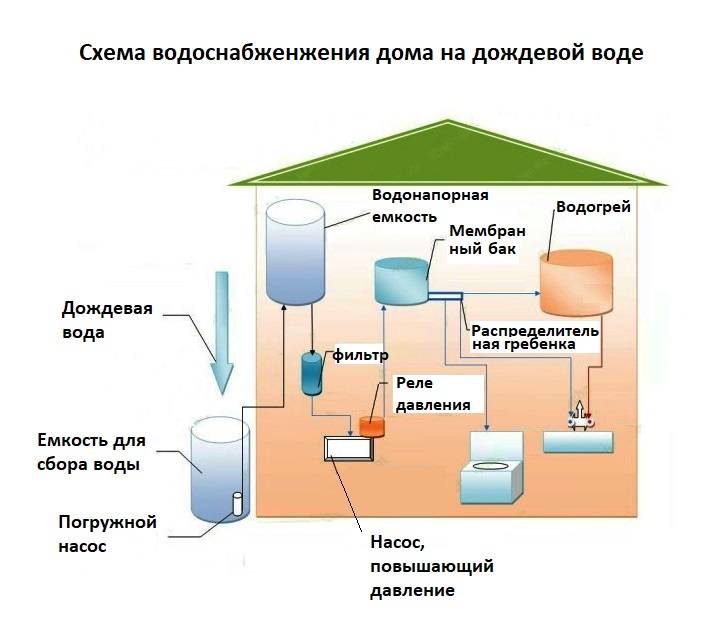
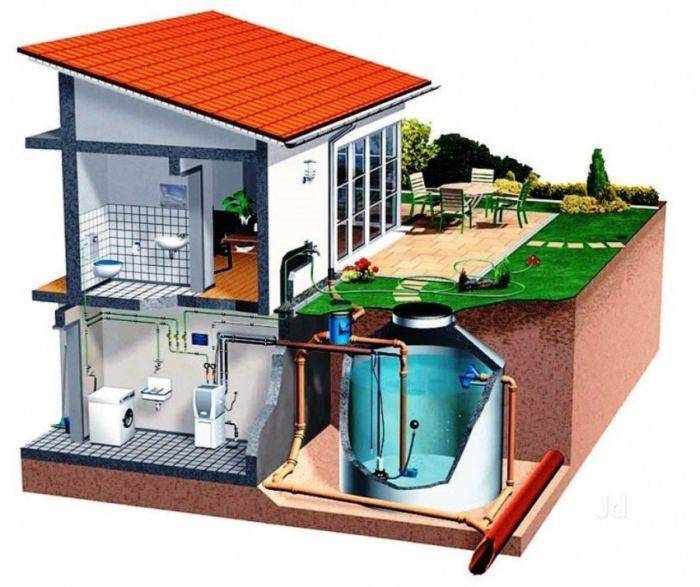
Option storage tank installations inside the house (in the boiler room, basement or utility room): the pump, filters, pressure gauge and piping are located nearby.
In addition to cleaning procedures, the enrichment of the liquid with special inhibitors and surfactants helps to reduce the tendency of water to form corrosion and plaque. Chemical compounds contribute to the dissolution of lime and other deposits.
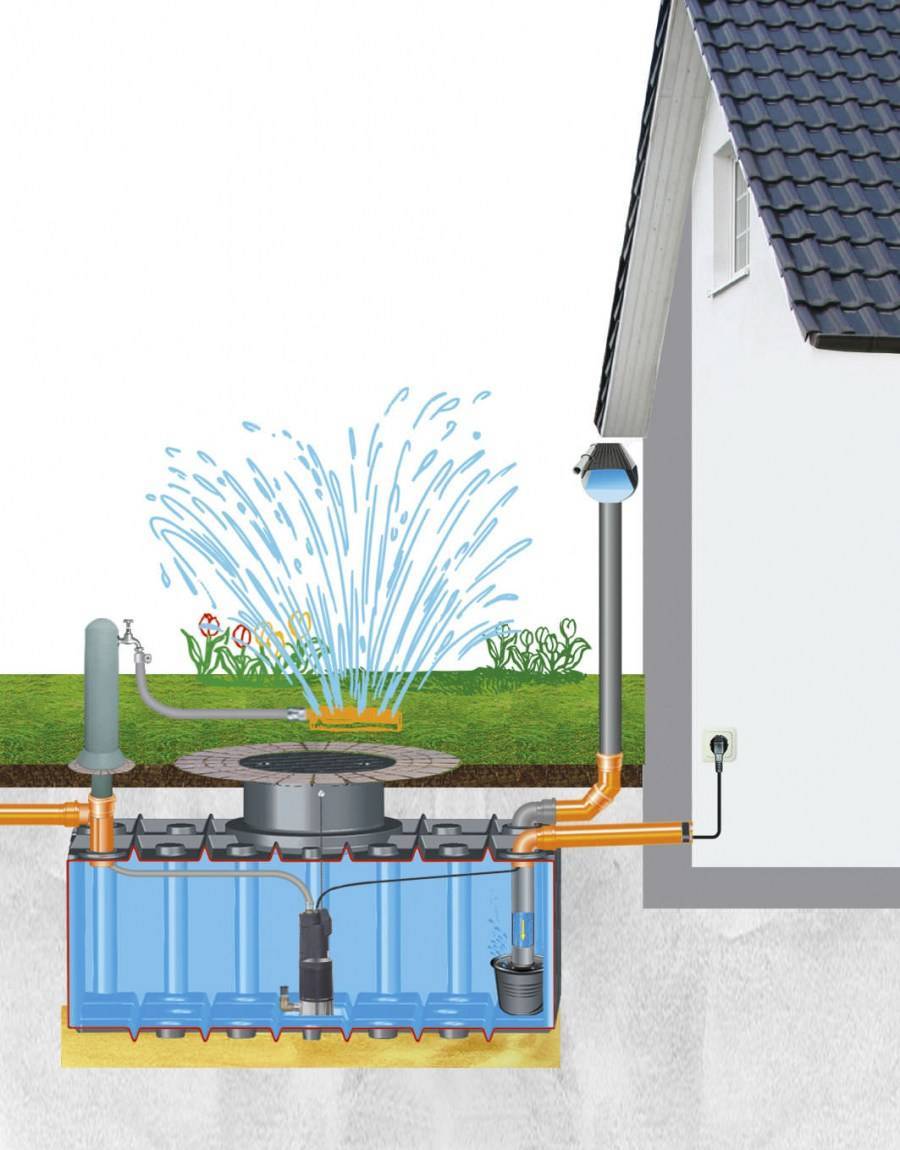
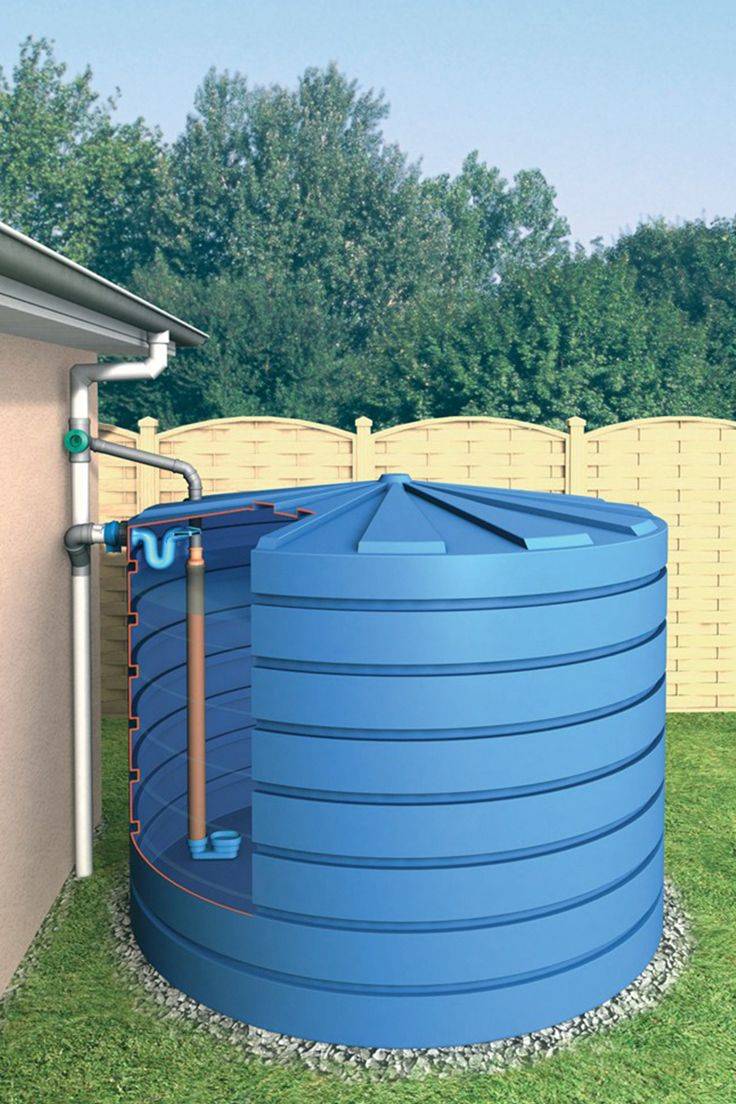
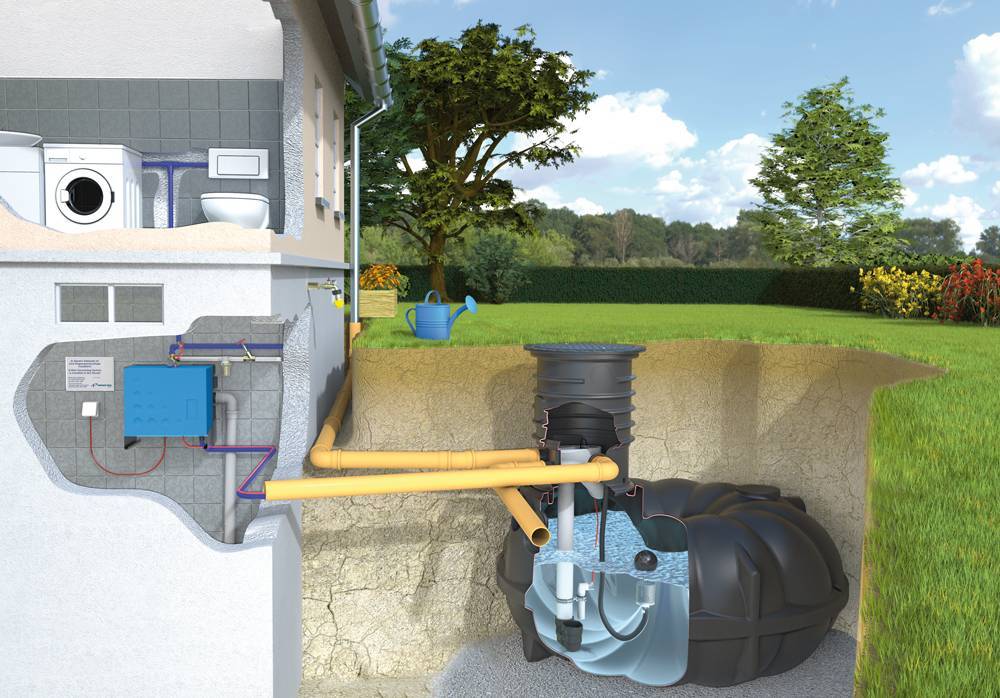
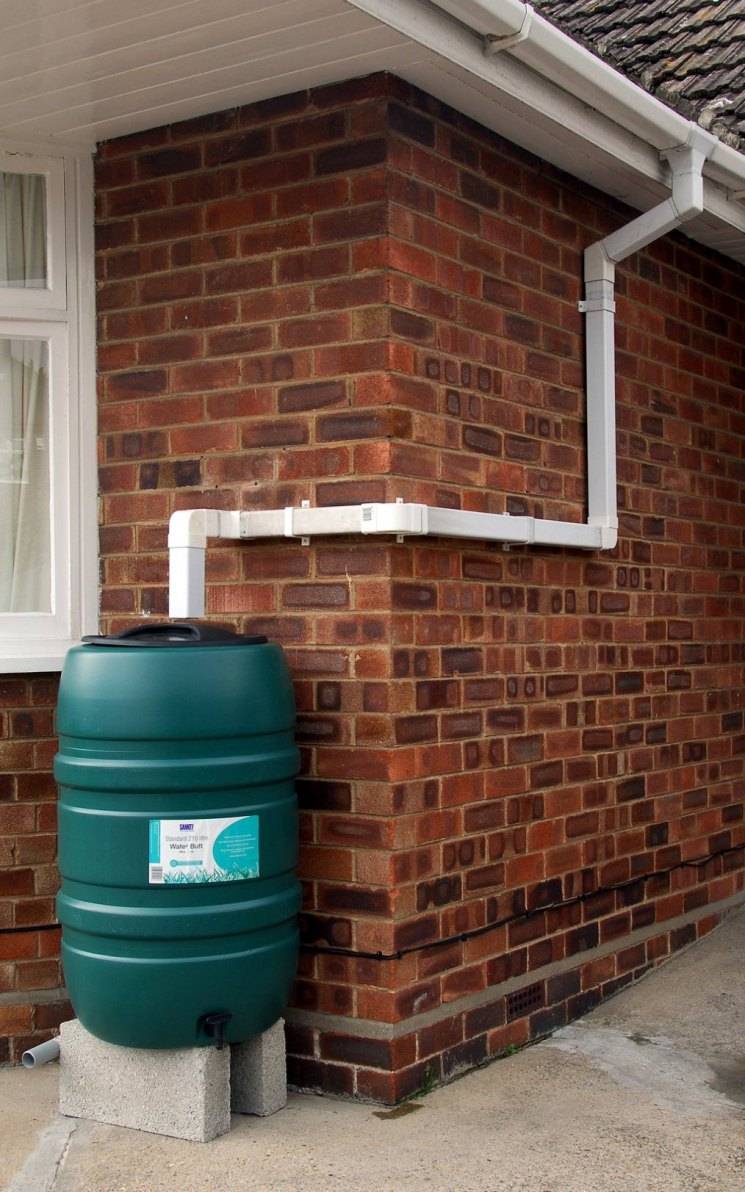
How to install a water collection system?
After choosing the “right” roof, you can proceed with the installation of the catchment system. In this case, the installation is carried out either from top to bottom (from the storm system to the drive), or in the opposite direction (first we mount the drive, building the storm system from this point).
Installation of the water collection system
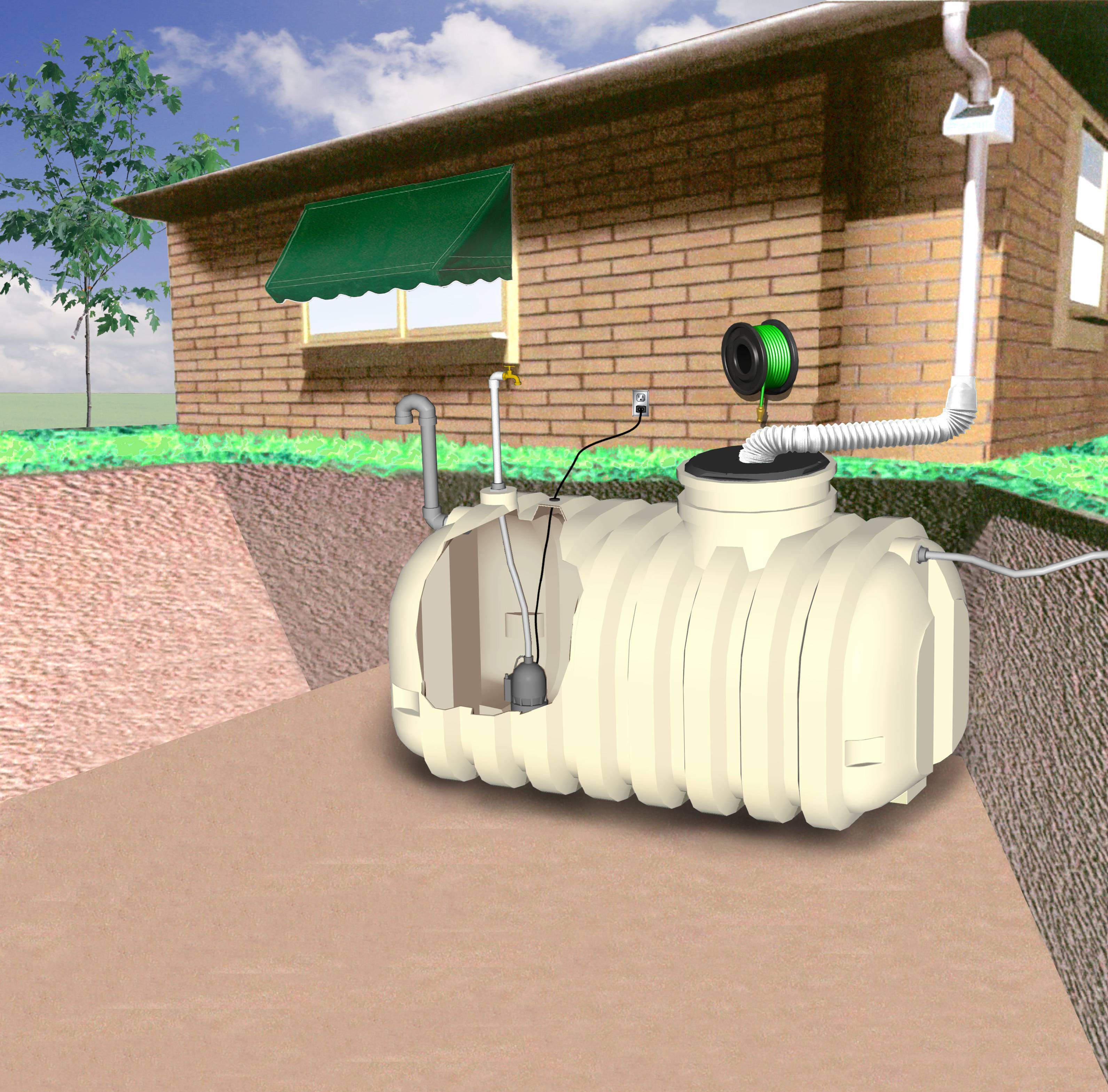
And both options involve the use of a container made of a material inert to water as a storage tank. Typically, this role is played by a polymer tank. Because he does not give in to corrosion and does not change the chemical properties of the accumulated fluid. In addition, such a tank can be installed either on the surface, or in the basement, or in a specially equipped pit. After all, it is not subject to corrosion, rotting, or destruction due to linear deformation provoked by the freezing of water (ice occupies a larger volume than liquid).
However, from an aesthetic point of view, the best option is to place the tank underground. Then he simply does not "irritate the eyes." Of course, the same result can be achieved by laying the container in the basement. But in this case, the tank will occupy part of the living space. In addition, it is cold in the ground, and in the cold - this is the best obstacle for the development of microflora and bacteria in the water. Therefore, water will never bloom in the ground, which cannot be said about the basement.
As a result, based on the above comments, the installation process of the catchment system should look like this:
- We dig a pit, utilizing part of the soil. Its volume will take 2 cubic capacity. Upon completion of earthworks, a sandy "cushion" up to 20 centimeters thick is laid on the bottom of the pit, leveling the bearing capacity of the soil.
- Next, a container is laid in the pit, which is placed on a sand cushion.After that, the space between the walls of the tank and the pit is filled with a dry sand-cement mixture.
- The next step is to insert two adapters into the container body. A storm pipe from the roof will pass through the first, and a pressure pipe from the submersible pump located in the tank will pass through the second. Accordingly, at the same stage, the pump itself and the vertical branch of the drainage system from the roof are mounted.
- After that, you can start installing horizontal gutters that transport rainwater to the neck of the vertical drain. Moreover, the slope of the gutter should go exactly to the neck.
- In the final, you need to fill the pit with ordinary sand, after taking care of the heat-insulating layer. In this role, you can use polystyrene foam boards laid on top and on the sides of the storage tank. Moreover, the plates are fixed in a ballast way, pressing down with soil.
Well, the very last stage is the arrangement of an inspection hatch that opens access to the "insides" of the drive.
Proper maintenance of equipment
For use rain water in the house it should be at least clean, so an infrequent but mandatory supervision of the system is required. For example, it is necessary to protect against debris and dust that accumulate on the roof, rainwater that enters the storage tank. The first rain after a long drought serves as a kind of "wash" for roofs and gutters. Dirt, along with the first streams of water, rushes from the roof into the gutters and pipes, so the water inlet leading to the tank just needs to be disconnected for a while. After about an hour, clean water will flow - the pipe can be returned to its place.

Many modern gutter structures are initially equipped with devices for retaining large debris: fine-mesh nets that are located along the gutters and at the junctions with pipes
Also for cleaning water from large debris and leaves throughout the system, coarse filters in the form of gratings and mesh baskets are installed. Filters need to be cleaned as they become clogged.
New approaches
Presentation of the RainSaucer system to students in an orphanage in Guatemala
Instead of using a roof to catch water, the RainSaucer, which looks like an upside-down umbrella, collects rain straight from the sky. This reduces the potential for contamination and makes the RainSaucer a potential application for drinking water in developing countries. Other applications of this freestanding rainwater harvesting approach are sustainable gardening and small plots.
A Dutch invention called Groasis Waterboxx is also useful for growing trees using collected and stored dew and rainwater.
Traditionally, stormwater management using catchment areas has served a single purpose. However, optimized real-time management allows this infrastructure to serve as a source of rainwater harvesting without compromising the existing retention capacity. This was used at EPA headquarters for pumping out accumulated water before storm events, thereby reducing the flow of wet weather while ensuring water is available for later reuse. This has the advantage of improving the quality of water released and reducing the amount of water released during combined events. sewer overflow .
Typically, control dams are constructed across streams to increase infiltration of surface water into the ground. Water seepage in the impervious zone of control dams can be artificially increased many times over by loosening the subsoil layers and overburden with the help of explosives. anfo, used in open mining works . In this way, local aquifers can be quickly replenished using the available surface water to the fullest for use during the dry season.
unconventional
In 1992, American artist Michael Jones McKean created an artwork in Omaha, Nebraska at the Bemis Center for Contemporary Art, creating a fully sustainable rainbow on the Omaha skyline. The project has collected thousands of gallons of rainwater and stored the water in six 12,000-gallon daisy tanks. This massive logistical undertaking, which lasted for five months, was one of the largest urban rainwater harvesting sites in the American Midwest.
Rainwater harvesting in freshwater forests
Ratagul freshwater flooded forest, Bangladesh
Rainwater harvesting is possible by growing forests flooded with fresh water without losing income from the used, flooded land. The main purpose of rainwater harvesting is to use locally available rainwater to meet water needs throughout the year without the need for huge capital outlays. This would facilitate the availability of unpolluted water for domestic, industrial and irrigation needs.
Rainwater harvesting with solar panels
Solar panels, Santorini2
Good quality water resources located closer to human settlements become scarce and costly for consumers. In addition to solar and wind energy, rainwater is the main renewable resource of any earth. A huge area is covered by solar photovoltaic panels every year in all parts of the world. Solar panels can also be used to collect most of the rainwater that falls on them, and drinking-quality water that is free of bacteria and suspended solids can be obtained through simple filtration and disinfection processes because rainwater has a very low salinity. The use of rainwater to produce value-added products such as bottled drinking water makes solar photovoltaic power plants profitable even in high rainfall/cloud areas by increasing revenue from value-added drinking water production. It has recently been found that cost-effective harvesting of rainwater from already dug wells is highly effective in raising the water table in India.
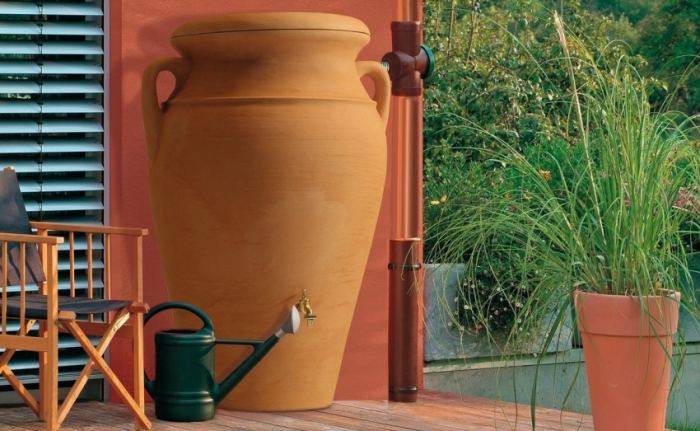
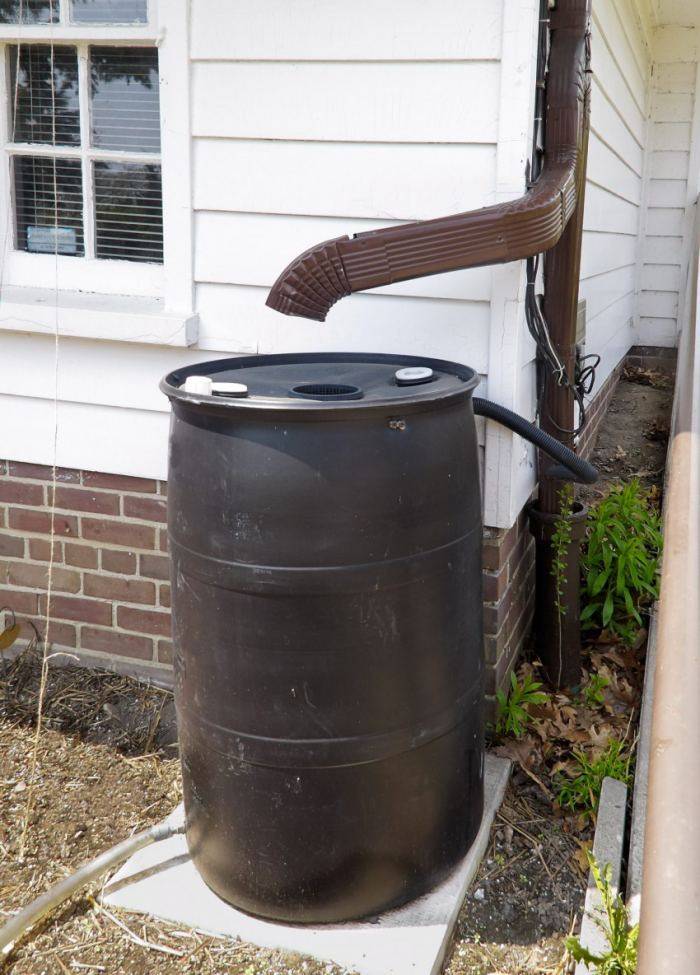
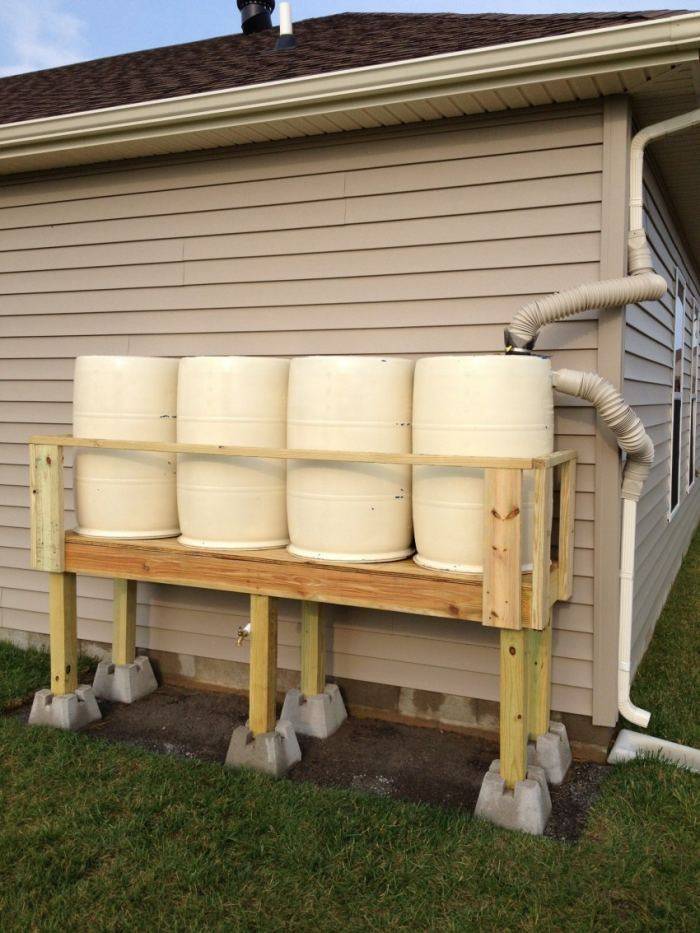
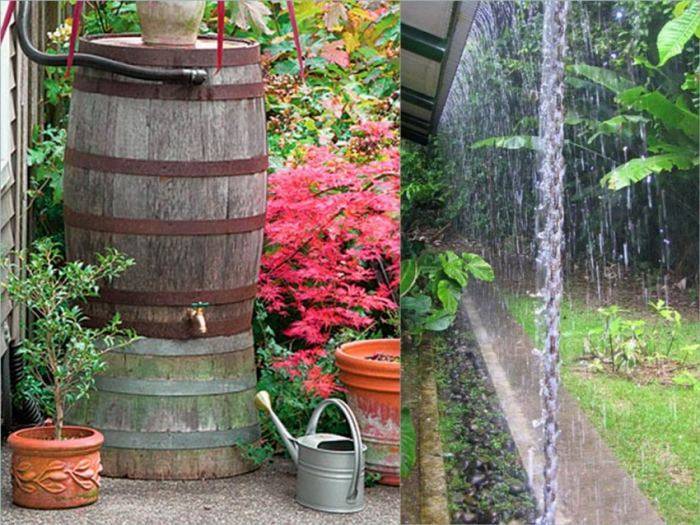
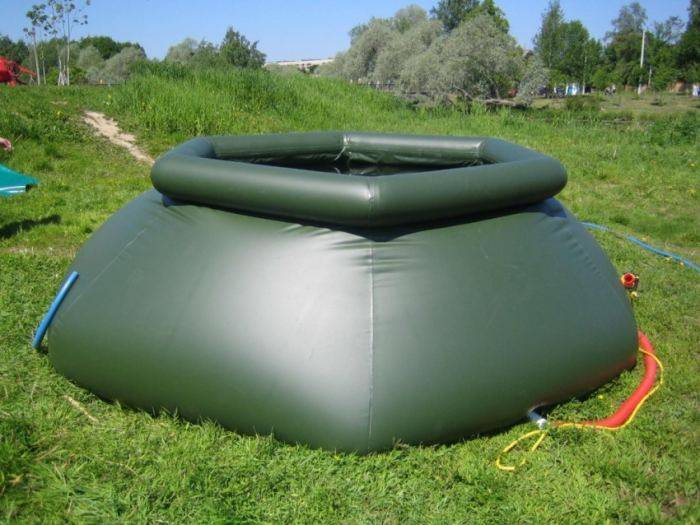
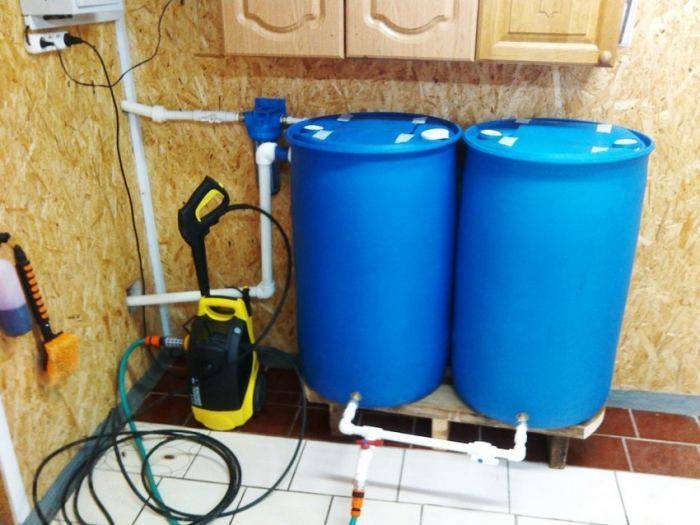
Photo of rainwater harvesting methods



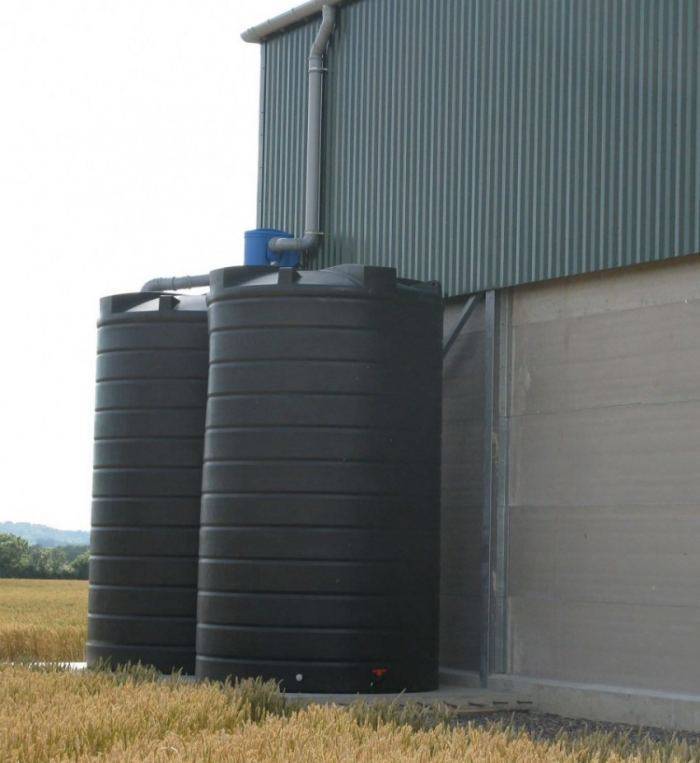
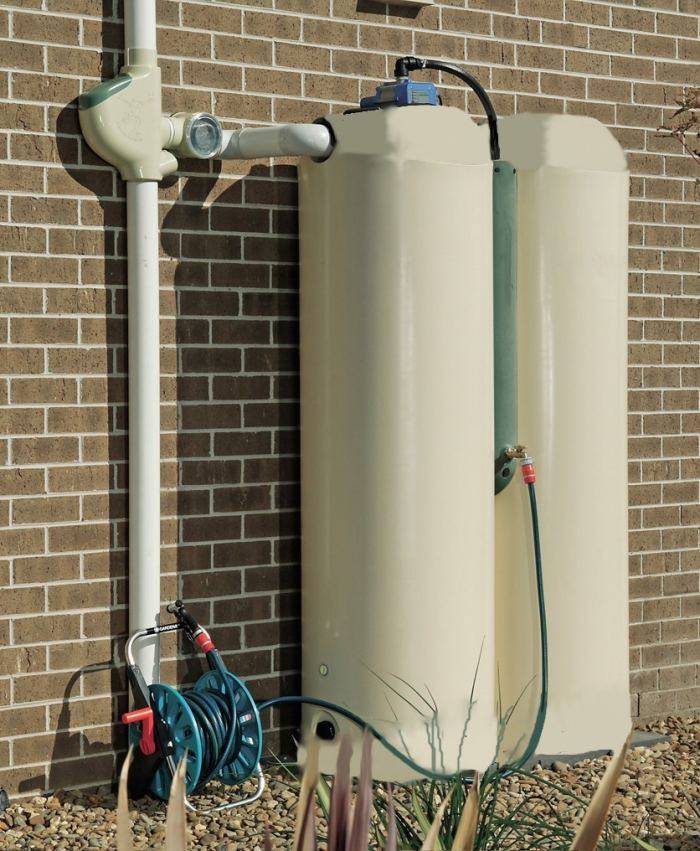


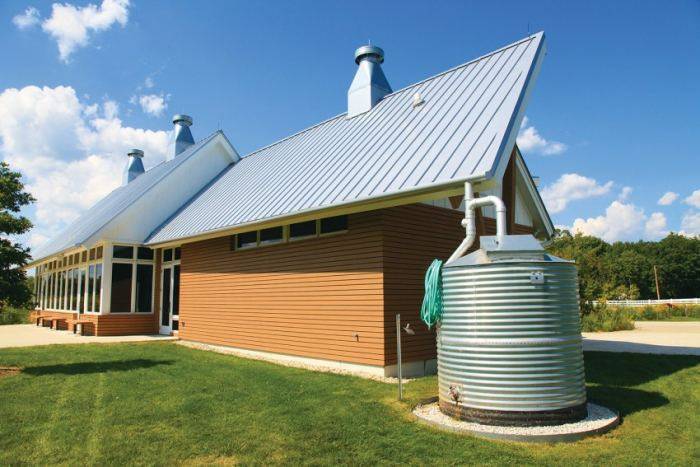



We also recommend viewing:
- How to make a cold smoked smokehouse
- Building a smokehouse with your own hands
- How to make a hot smoked smokehouse with your own hands
- How to make a wood splitter with your own hands
- How to make curtains for a gazebo with your own hands
- We make water supply in the country with our own hands
- Instructions on how to make furniture from pallets
- Do-it-yourself pool cleaning
- Site watering options
- Instructions on how to easily remove the stump
- How to make a garage door with your own hands
- How to make a snow blower with your own hands
- Wood protection products
- Simple drinker for chickens
- How to clean soot
- Good dry closet for a summer residence
- How to make a barbecue with your own hands
- Good heating for a greenhouse
- Modern winter greenhouse
- Roof drainage system
- How to make a chicken feeder
- Do-it-yourself decking
- How to make molds for paving slabs
- Instructions on how to equip a garage
- How to make grounding in a private house
- Gate lock
Rainwater harvesting technology?
Each owner has his own proven method of collecting rainwater, but the essence of the invention is the same, to collect liquid from any roofs and outbuildings as much as possible. To do this, they came up with storm drains, or simply special tanks are located under the slope of the roof, which will be the best option for collecting.
In addition to the fact that the tank should be made of safe materials - PVC, concrete, ceramics and fiberglass - it is worth considering all the points - covers or dampers that will help store water for a long time, as well as protect it from additional pollution by dust, foliage or other substances.
As an option, you can use ground and underground tanks, as they will be able to collect rain as efficiently as possible without cluttering up the site. A big bonus for hidden reservoirs during the heat of summer is the moderate temperature, as underground water cannot overheat, which is difficult to say about ordinary rainwater containers that are located near buildings.
Inexpensive do-it-yourself storm sewer
The first thing that comes to mind in order to equip a budget option for storm sewers on the site is to lay special trays.
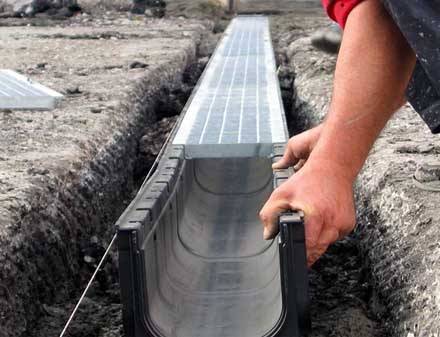
Trays can be made of concrete or plastic, but the price of them "bites". This forces our portal users to look for cheaper options. storm sewer installation and drainage systems from the site.
I need to make an inexpensive storm drain, about 48 m long, along the edge of the fence, to drain melt water, which come from neighbor. Water must be diverted to a ditch. I thought about how to make a water outlet. At first it occurred to me to buy and install special trays, but then they will leave “extra” gratings, and I don’t need special aesthetics for stormwater. I decided to buy asbestos-cement pipes and cut them along with a grinder, thereby getting a homemade tray.
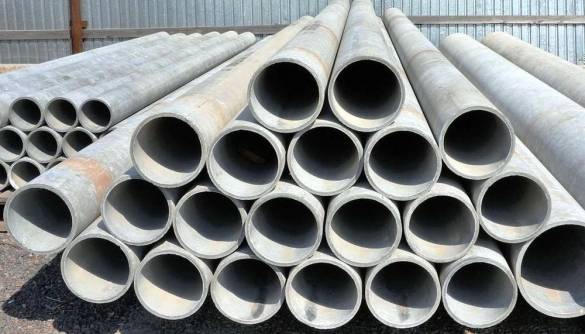
Despite the budgetary nature of this idea, the user was not attracted by the need to saw asbestos-cement pipes on their own. The second option is the opportunity to buy gutters (plastic or metal) and lay them on a prepared base in a concrete layer of about 100 mm.
Portal users dissuaded Denis1235 from this idea in favor of the first option, which is more durable.
Hooked on the idea of an inexpensive storm drain, but not wanting to get involved with cutting pipes on his own, Denis1235 found a factory that produces asbestos-cement pipes, where they will immediately be cut into pieces 2 m long (so that 4 meters do not crack during transportation) and ready-made trays will be brought to the site . It remains only to develop a scheme for laying trays.
The result is the following pie:
- Soil base in the form of a bed.
- A layer of sand or ASG about 5 cm thick.
- Concrete about 7 cm.
- Tray from asbestos-cement pipe.

As a result, I made a budget shower at the dacha. It took: 2 days to dig a trench, two more days to concrete and install the track.I spent 10 thousand rubles on trays.
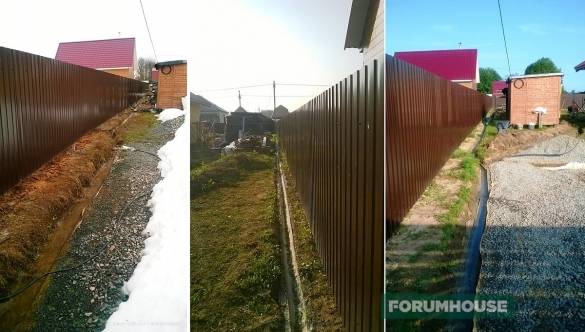
Practice has shown that the track "overwintered" perfectly, did not crack and intercepts water from a neighbor, leaving the site dry. Also interesting is the variant of rain (storm) sewage of the portal user with the nickname yury_by.
Because the crisis does not think to end, then I thought about how to arrange a storm sewer to remove rainwater from the house. I want to solve the problem, and save money, and do everything efficiently.
After thinking, the user decided to make a storm drain for water drainage based on flexible double-walled corrugated pipes (they cost 2 times cheaper than "red" sewer pipes), which are used for laying power cables under earth. But, because the depth of the drainage route is planned to be only 200-300 mm with a pipe diameter of 110 mm, yury_by was afraid that the corrugated pipe could break in winter if water gets between two layers.

As a result, yury_by decided to take the budgetary "gray" pipe, which is used in the arrangement of internal sewerage. Although he had fears that the pipes, which did not have such rigidity as the "red ones", would break in the ground, practice showed that nothing happened to them.
If you step on the "gray" pipe, it turns into an oval, but there are no significant loads in the place where I buried it. Only the lawn is laid and there are pedestrian loads. Having laid the pipe in a trench and sprinkled it with soil, I made sure that they keep their shape, and the storm drain works.
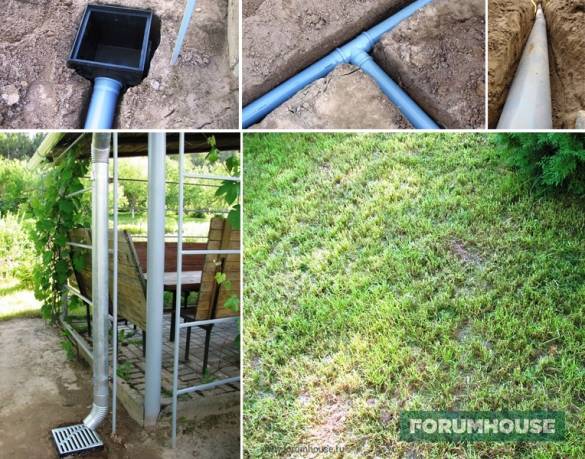
The user liked the option of installing an inexpensive storm drain based on “gray” sewer pipes so much that he decided to repeat it. All the nuances of the process are clearly demonstrated by the following photos.
We dig a hole under the drainage well to collect water.
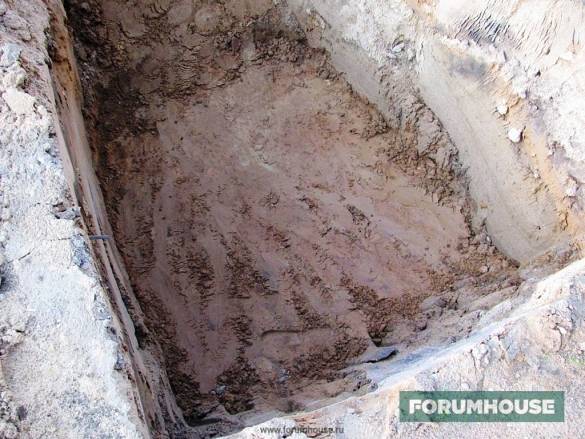
Level the base.
We install a concrete ring.
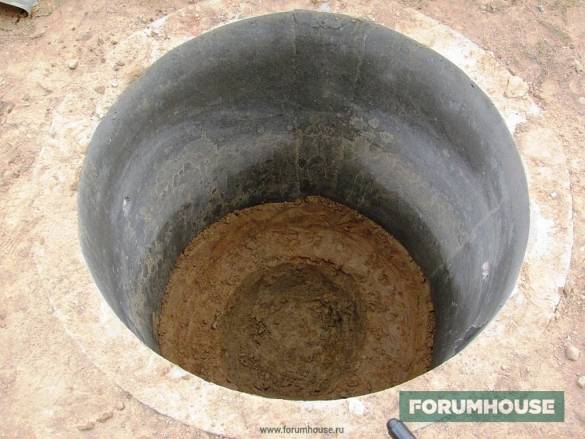
The next stage is to fill the bottom of the well with gravel fraction 5-20.
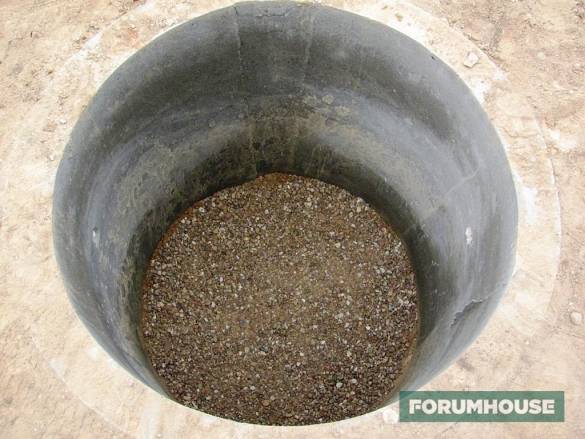
We cast a homemade well cover from concrete.
Collection and use of rainwater
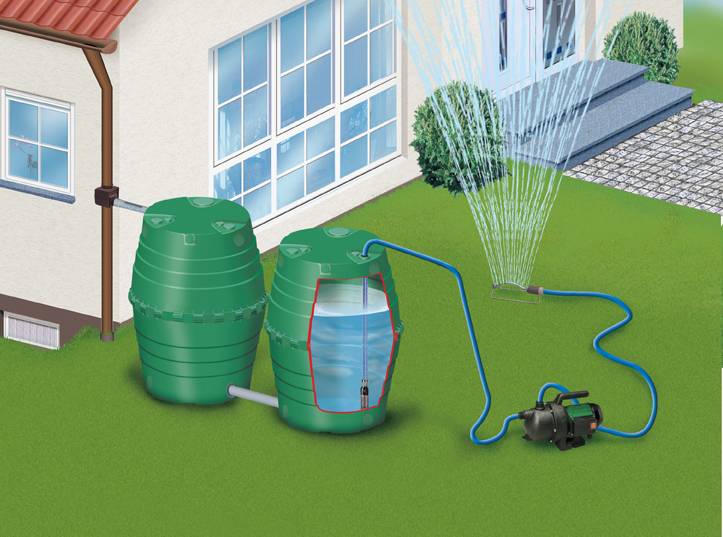
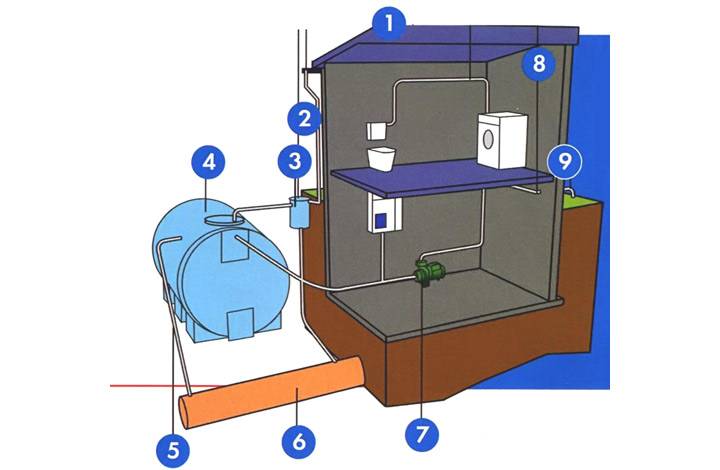
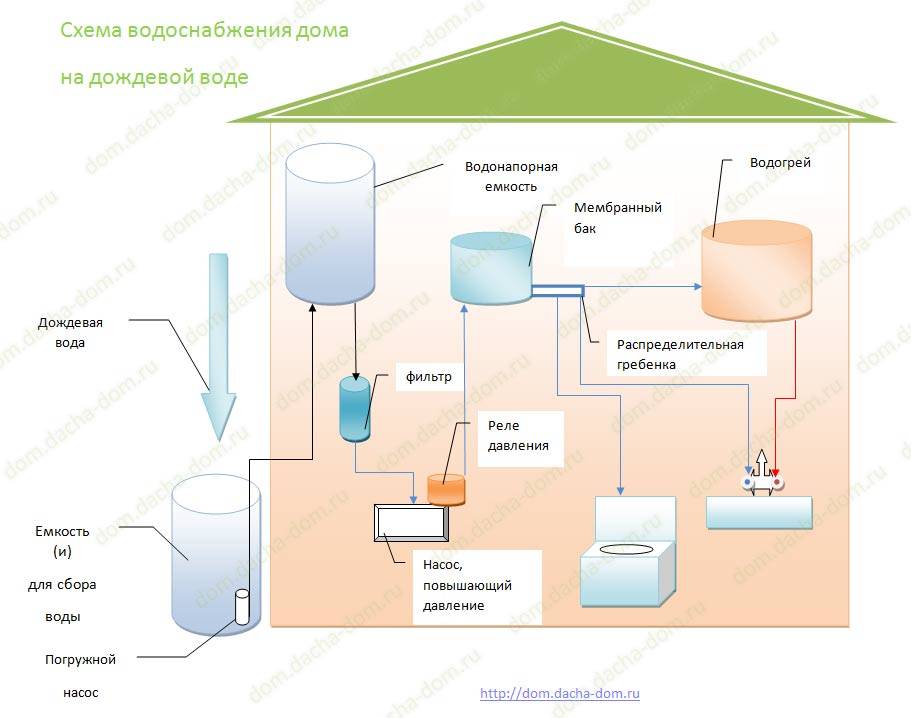
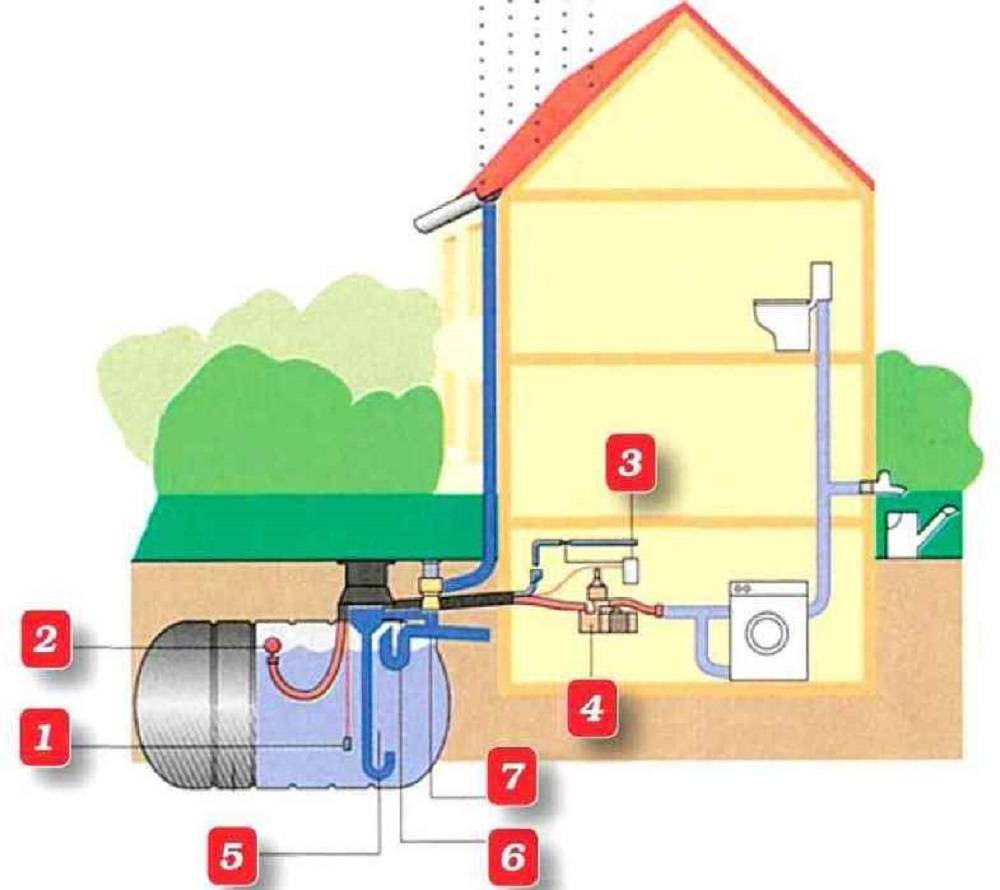
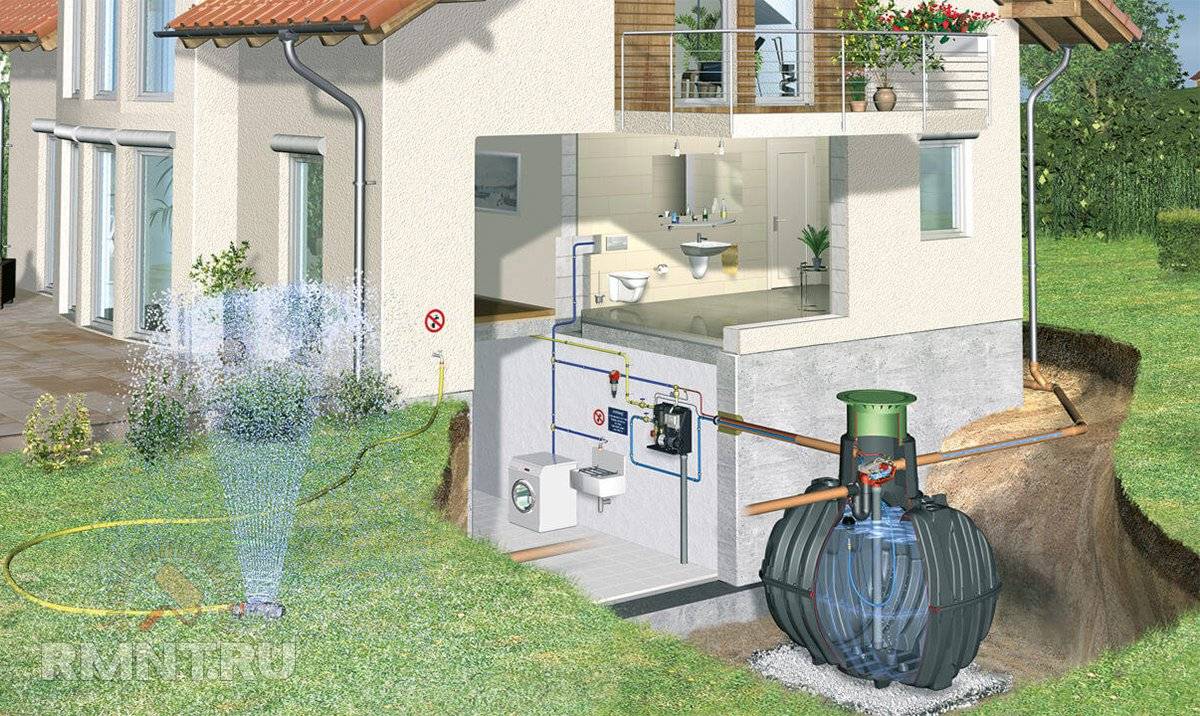
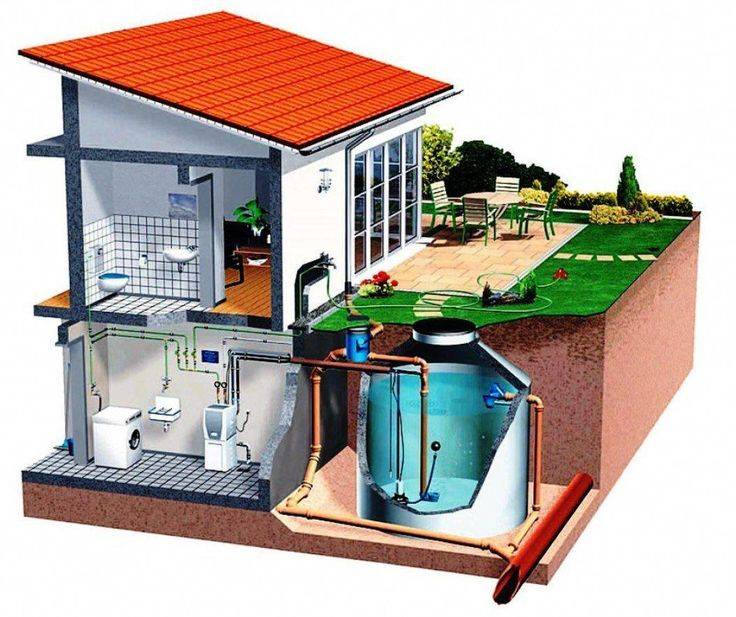
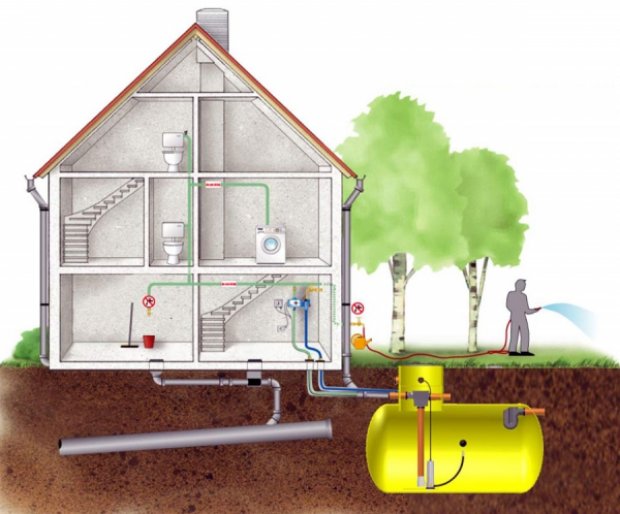
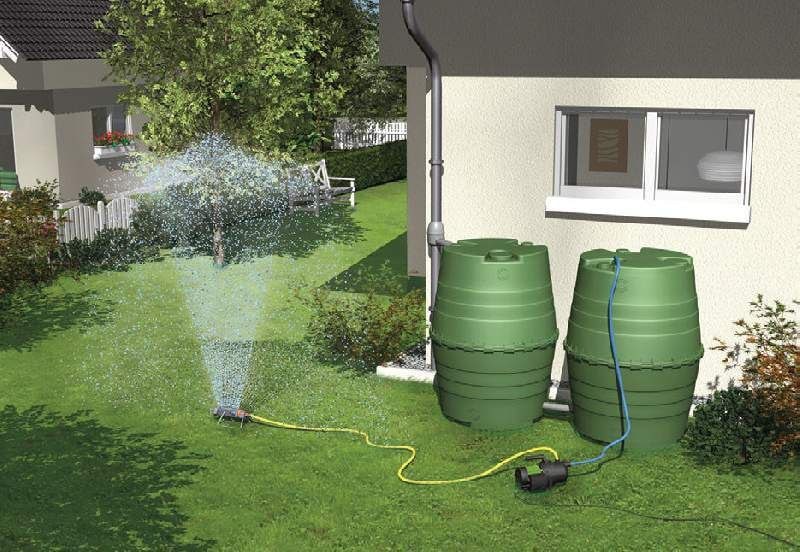
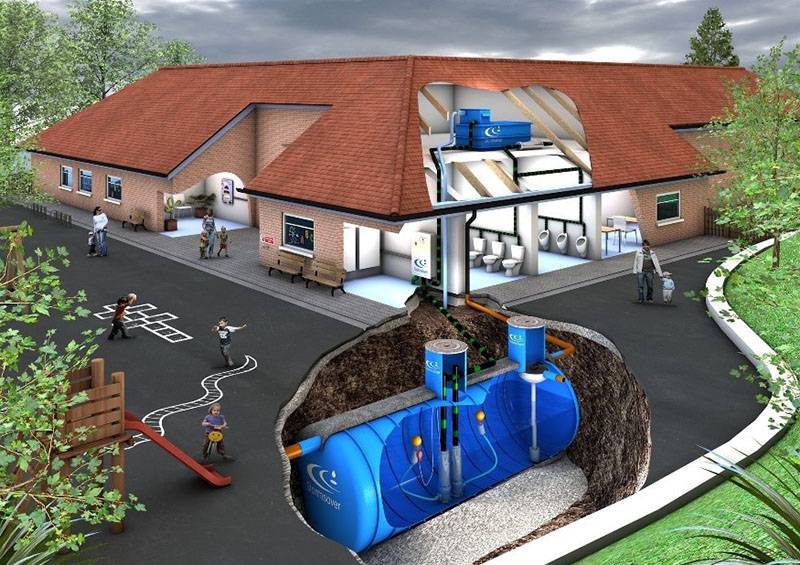
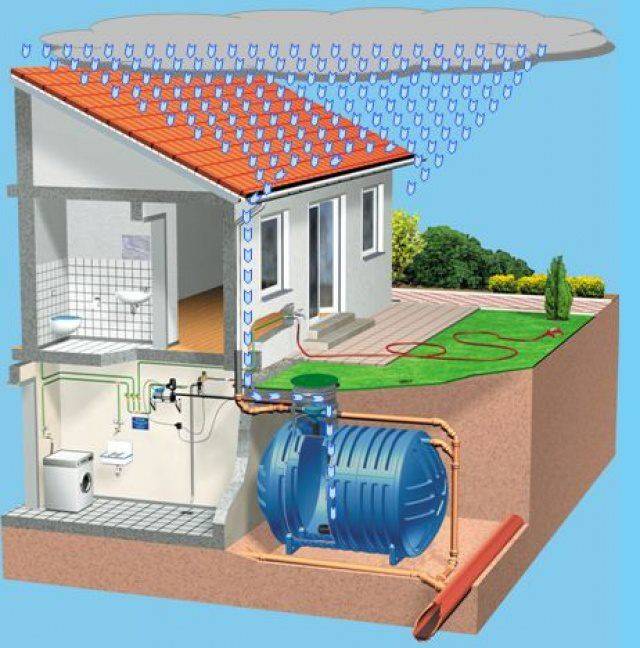
You can save on water supply by dividing the liquid into drinking and technical. Drinking water is tap water. Precipitation can become a technical source. Rainwater flowing from the roof is collected in specially prepared barrels with filters, and with the help of a pump or tap (depending on the location of the tank) is drained to be cleaned (Figure 1).
To qualitatively clean rainwater and get the maximum amount of liquid, pay attention to the roofing. The bituminous coating will color the liquid, saturate it with unnecessary impurities, so you should not use such water for washing
The metal roof adds oxidizing impurities, the precipitation collected from it is not recommended to be used for watering edible plants. The most suitable options are slate or glass coatings, concrete or clay tiles.
If the site is located next to a busy road or industry, this means that dust will quickly accumulate on the roof of buildings.
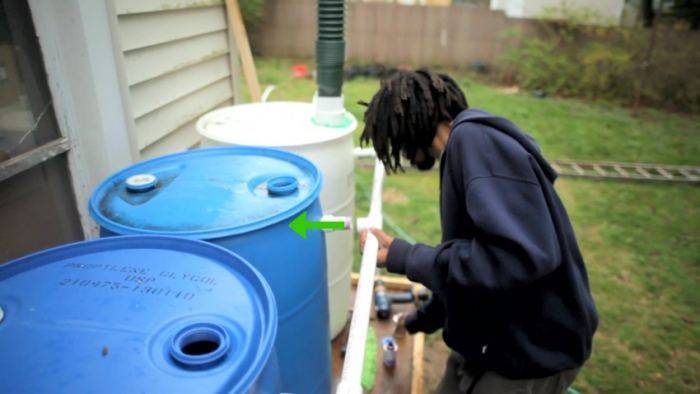
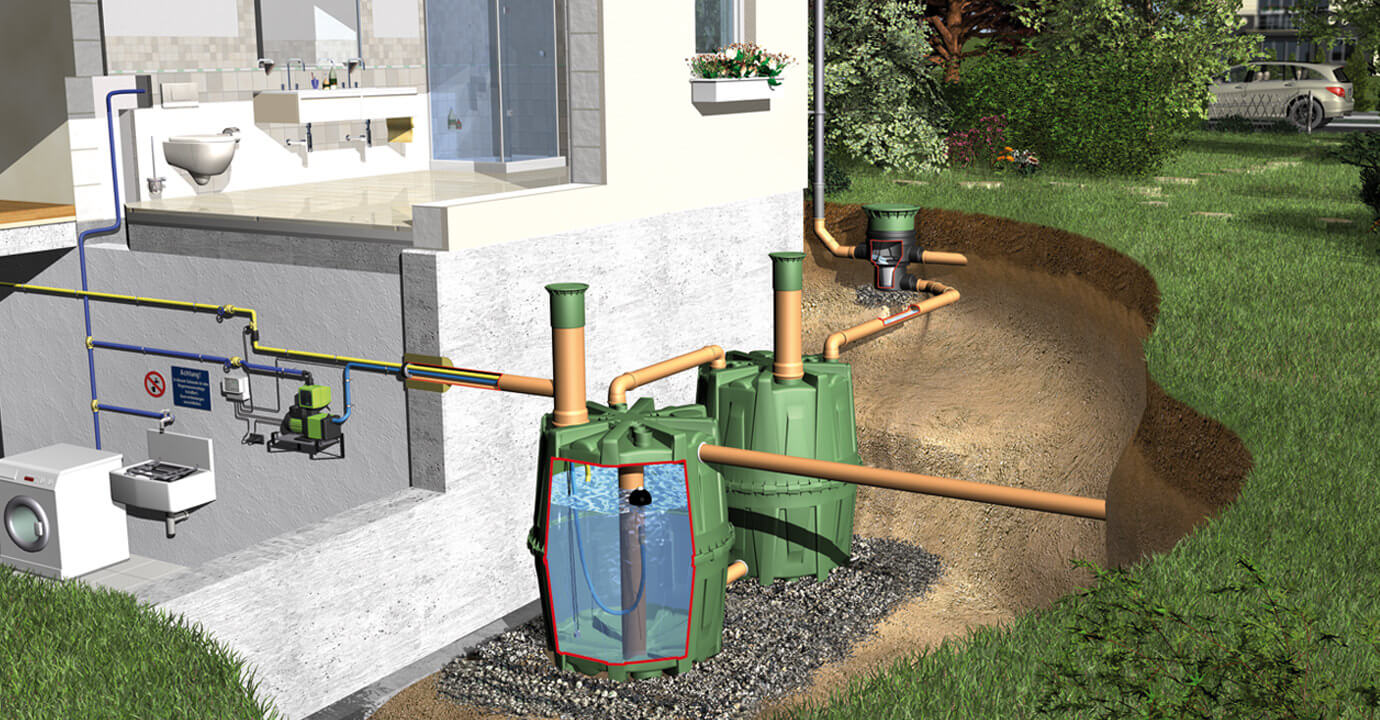
The installation of several communicating tanks for collecting and storing storm water will help to solve this problem (Figure 2). Dust and other impurities will settle to the bottom in the first tank. In the second there will be much less sediment, dirt. The third will get the minimum amount of dirt. It is from the third tank that water must be drawn. Thanks to this method of preliminary, it is possible to reduce the load on technical filters, and thus extend the service life.
Internal channels - rainwater.
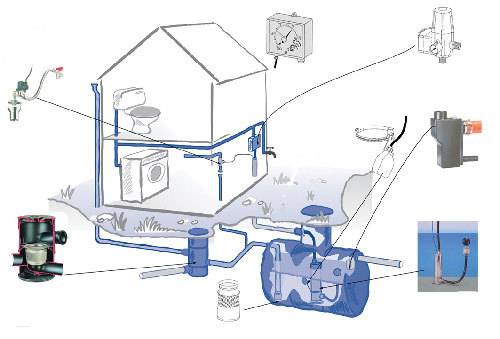
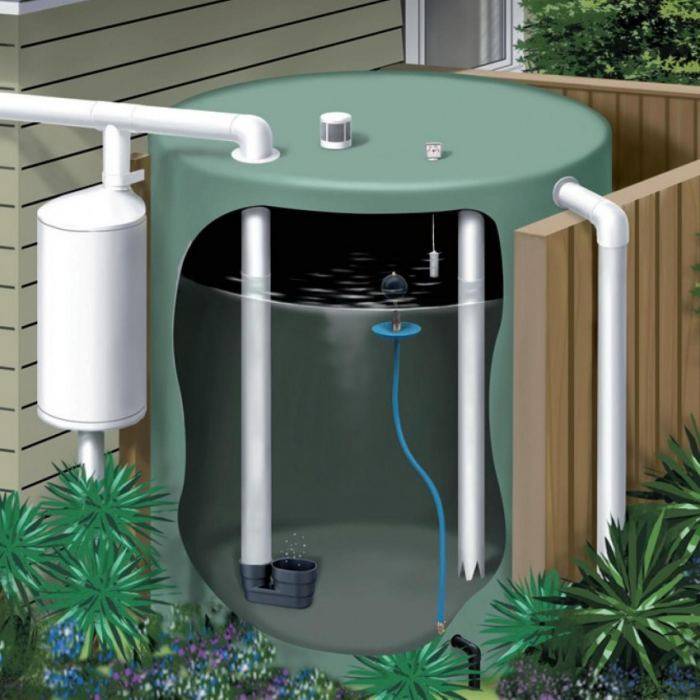
For the full use of rainwater, a parallel pipeline for non-potable water is needed. If the tank is at a sufficient height, water can be supplied naturally. However, in most cases, you have to resort to the help of pumps. To use less energy for pumping and reduce the size of the rain system, you need to place the equipment that consumes rainwater as low as possible: on the ground floor or in the basement. Rainwater can be pumped using a submersible or external pump. Quite common are multistage centrifugal pumps with integrated security system in case of interruptions in water supply. Regardless of the type of pump used, water is drawn from the tank using a float and an elastic tube. The float is necessary so that sediment and surface contaminants do not get into the water supply with water.
For convenience and safety of operation of the rain system, control and monitoring panels are provided, which look like a single unit, which ensure the correct distribution of water from the storage tank and its integration with water from the water supply system.
The introduction of rainwater technologies is especially useful in the western and central regions of Russia, where the amount of unpolluted surface and groundwater is constantly decreasing, and natural resource management is not always consistent with the principles of environmental protection. A significant reduction in water consumption (up to 60 liters per day per person) would significantly reduce the water intake of surface and groundwater, and, consequently, prevent soil subsidence.
Conclusions and useful video on the topic
Instructive and informative videos will help you install your own rainwater storage tank.
Video #1 How to make a rainwater harvesting system with an outdoor tank with your own hands:
Video #2 Useful theoretical information:
Video #3 Preparation of a plastic barrel for autonomous water supply:
The purity and natural softness of rainwater allows it to be used for household needs, watering, and sometimes - to fill the heating system. Thanks to a large storage tank and a pump, you can always use a backup source of water that is relevant during the emptying of the well.
If you have interesting information, valuable recommendations, your own experience in the design of a system built to collect rainwater, please leave comments. To place them below the text of the article, a block form is open.