
- Advantages and disadvantages
- SEPTIC MODELS “LEADER”
- Installation of a septic tank Rostock
- Specifications
- Description of the design of VOC from "Leader"
- How does the septic tank "Leader" work?
- Pros and cons of a purification plant
- Recommendations for installation and maintenance
- What is a septic tank for?
- Installation and installation of communications
- Principle of operation
Advantages and disadvantages
The Leader wastewater treatment plant has a number of advantages that make it one of the best options for organizing sewer systems for a private house:
- high degree of wastewater treatment (more than 95%);
- the possibility of draining wastewater in various ways - by gravity into drainage ditches, wells, on the ground and reservoirs, forcibly using a standard pump (the principle of operation of the membrane pump is described here), while additional purification of water by filtration fields is not required;
- the multi-stage treatment technology used allows for continuous processing of wastewater even during power outages;
the unpleasant smell during the operation of the septic tank is completely absent;
even under adverse conditions (the ingress of chemicals that cause the death of microorganisms or their freezing), the colonies of microorganisms restore their numbers, which guarantees the performance of the septic tank;
restrictions for septic installation Leader according to the level of groundwater and the nature of the soil does not exist.
However, the installation is not without some disadvantages:
- for its operation, the power supply of the compressor is required;
- The septic tank needs to be cleaned using sewage equipment at least once a year.
SEPTIC MODELS “LEADER”
This unit is produced in the form of 5 models, which differ in production capacity and volume of salvo discharge. So you can choose the installation for a separate house, and for the village.
So the following model range is presented on the market:
- Leader 0.4
- Leader 0.6
- Leader 1
- Leader 2
- Leader 3
They differ in compressor power and capacity. For example, a Leader 0.4 septic tank is suitable for a family of 4 and will process no more than 0.4 cubic meters. Wastewater.
Meanwhile, Leader-3 is the most powerful septic tank and is suitable for serving up to 30 people. They also produce models with gravity drainage and with an additional pump compartment.
The pump is designed to divert water to the right place. Such systems are marked with the letter "n" and it costs more.
Installation of a septic tank Rostock

Since the device is quite simple, its installation can be carried out on its own without the involvement of professionals and, accordingly, at virtually no cost.
The main thing is to follow a number of rules when installing a Rostock septic tank:
- Before starting to choose a place, it is worth considering that the sewer pipe connected to the septic tank should be located at an angle to ensure gravity flow of sewage. Also, according to sanitary standards, the device must be located at a certain minimum distance from some objects. Not less than 3 meters from large vegetation, residential buildings, roadsides.And no less than 50 meters from water sources (eg: wells), including from reservoirs.
- Based on the fact that there are rather cold regions in Russia, the depth of laying the sewer pipe should be about 1.5 m (below the level of soil freezing).
- For a septic tank and pipes, it is necessary to dig holes, at the bottom of which there is an obligatory "pillow" of sand. The dimensions of the pit for the septic tank should be 40-50 cm larger than its dimensions. For durable and reliable operation, the device must be installed strictly in a horizontal plane. This can be done using the building level. The slope of the dug trench for the pipe should be about 1 cm per 1 meter.
- When choosing pipes for a structure, it is worth taking special polypropylene products with a diameter of 11 cm. Individual pipe sections must be connected with flexible couplings.
Depending on the depth at which groundwater passes, there are 2 ways to install a septic tank Rostock: - In the event that groundwater runs deep, the standard installation of the device is used. The bottom of the pit is compacted and a pillow of sand about 20 cm thick is poured.
- In the event that groundwater is located close to the surface, there is a danger of the septic tank “floating” in the spring. For this, a concrete slab with ordinary metal rings is laid on the bottom, to which the device will be “tied”. Also, as an alternative to the slab, ordinary stone curbs or similar devices can be used.
- At the final stage of work, the septic tank is manually filled with sand (so as not to damage the body of the device). Closer to the surface, the device is covered with soil. Perhaps, instead of sand, use a cement-sand mixture (1: 5). Also every 30 cm.a layer of sand must be compacted. During backfilling of sand and soil, it is necessary to evenly fill the device with water in order to exclude the possibility of deformation of the housing under pressure.
Specifications
The sewerage device is a particularly important task, therefore, its creation must be approached with full responsibility. After all, in fact, the environmental safety of comfort depends on it, and not only the owners, but also the neighbors.
Now we will present to your attention the main characteristics inherent in the septic tank of the company "Leader"
It is on them that you should pay attention when choosing a septic tank model for your home as the main sewer purifier:
- The performance of the purified water of the Leader septic tank, which depends on the number of people living in the house, as well as the volume of sewage.
- The size of the septic tank, which directly depends on the amount of water treatment in a certain period, as well as the installation site of the structure.
- Power, which affects not only the price of the Leader septic tank, but also the efficiency and quality of sewage treatment.
Not only the price, but also the quality of sewage treatment depends on these characteristics.
Description of the design of VOC from "Leader"
The compact but capacious design is a container, the interior of which is divided into several compartments. The volume of the internal chambers, respectively, and the dimensions of the tank as a whole depend on the amount of incoming waste.
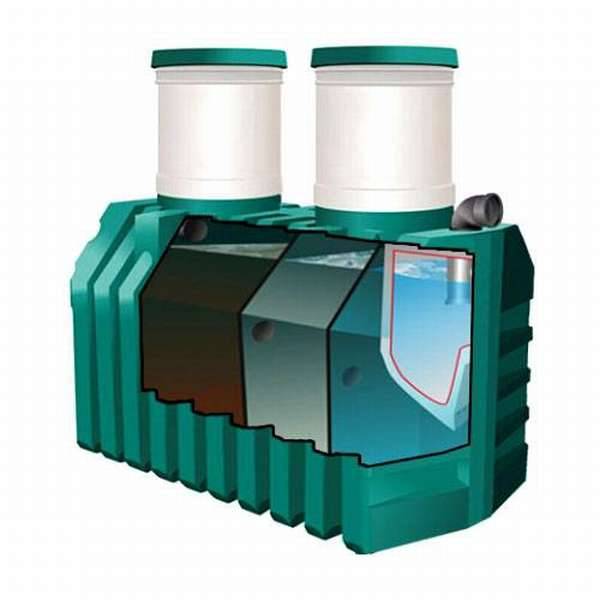




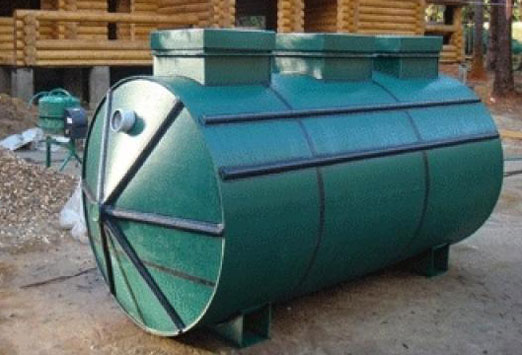
The material of manufacture is low-pressure polyethylene, which is wear-resistant and resistant to high and low temperatures.Polymer walls are also good because they withstand soil pressure, do not rust or become moldy.
Image gallery
Photo from
Leader brand septic tank is an excellent solution for organizing autonomous sewerage of country cottages, small hotels, restaurants
The body of the septic tank is completed made of cross-linked polyethylenewith improved strength properties. The material is resistant to aggressive environments, mechanical stress and sudden temperature changes.
Despite the manufacturer's assurances that the body is light, it is better to install a septic tank in a pit using construction equipment.
The model range of the Leader brand includes modifications with three and four working chambers, passing through each of which increases the final degree of cleaning.
In the chambers of the septic tank, all types of wastewater treatment are carried out, including mechanical filtration, biological and chemical treatment. As a result, waste water can be discharged into the ground
The strength of the body, long service life, high degree of cleaning allows you to install a sewer station next to the foundation of the house
The modular principle of connecting housings makes it possible to build sewer tanks for the reception, processing and disposal of any amount of wastewater
The necks of the chambers of the sewer facility are closed with green manholes that organically fit into any country landscape
Ideal septic tank for autonomous sewerage
Chassis Priority Specifications
Use of lifting equipment in installation
Multi-stage wastewater treatment in the station
Reception chamber of the septic tank Leader
Installation next to the foundation of the house
Modular device principle
Hatches of sewer chambers
When you purchase one of the Leader models, you will receive the following kit:
- frame;
- compressor made in Japan (HIBLOW);
- two types of crushed stone for backfilling: lime and granite;
- a set of polymer ruffs;
- instructions and warranty card.
There are two versions of LOS "Leader": both consist of several functional compartments for various purposes. The first modification is designed for gravity drainage.


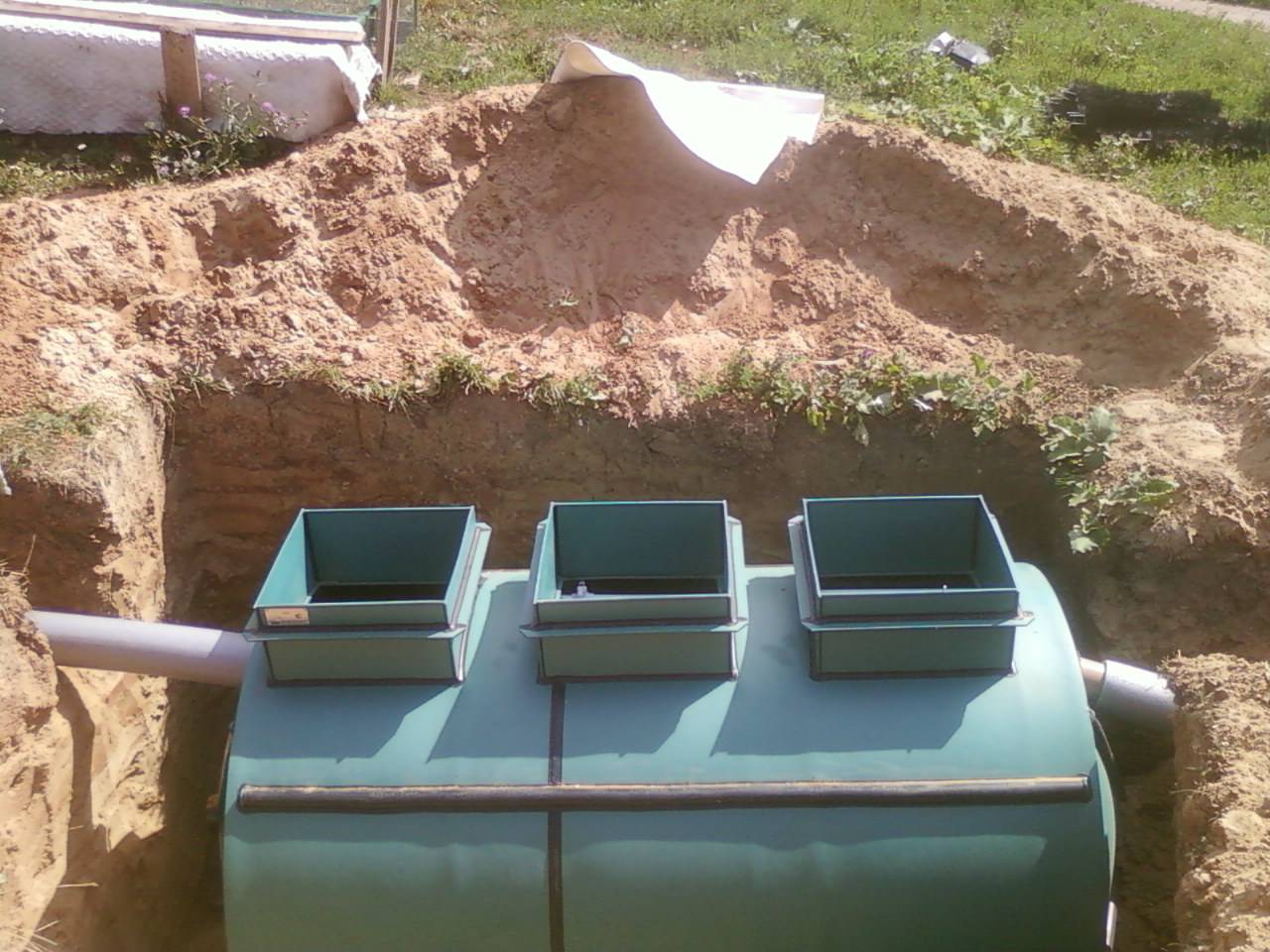
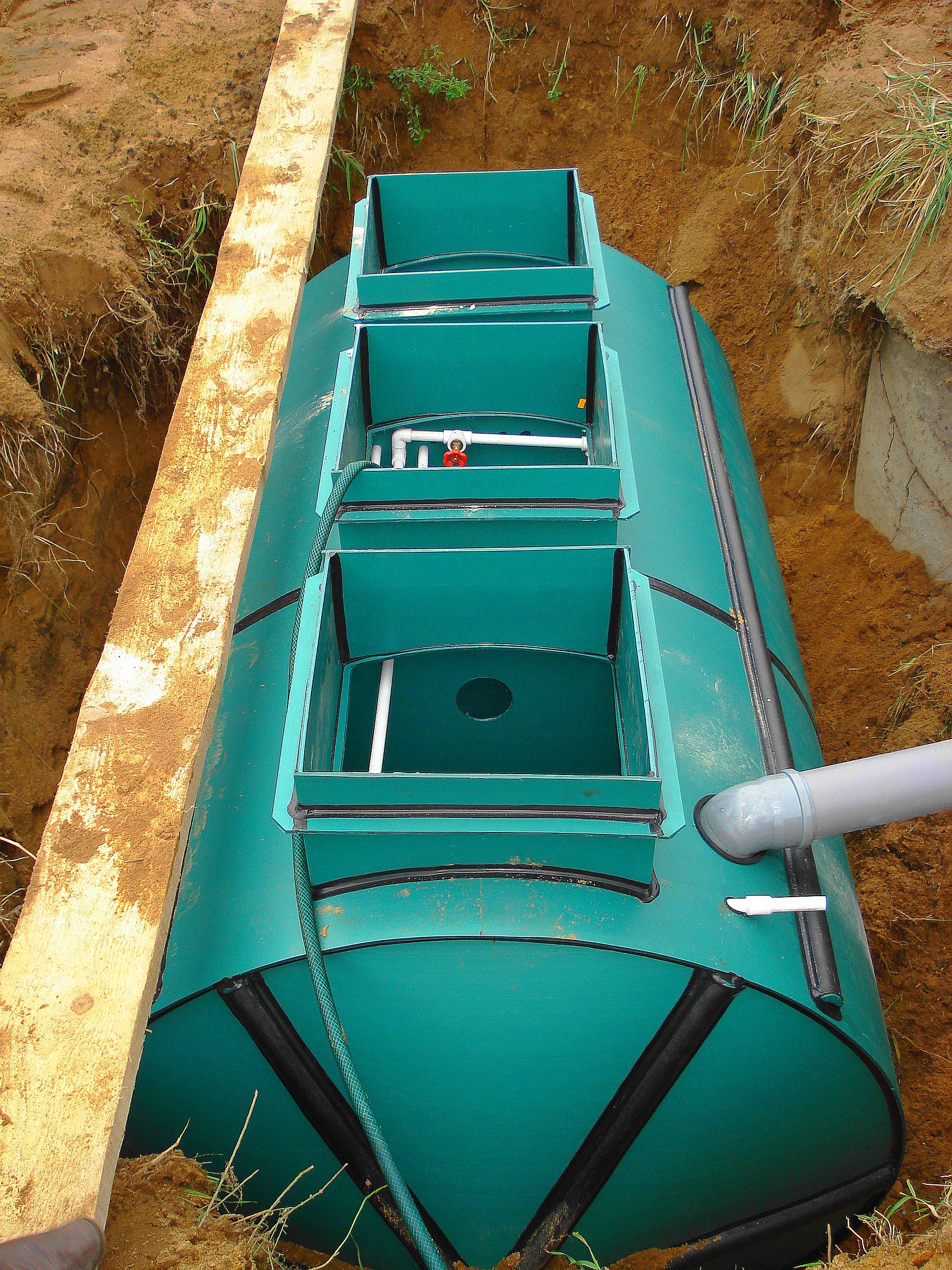


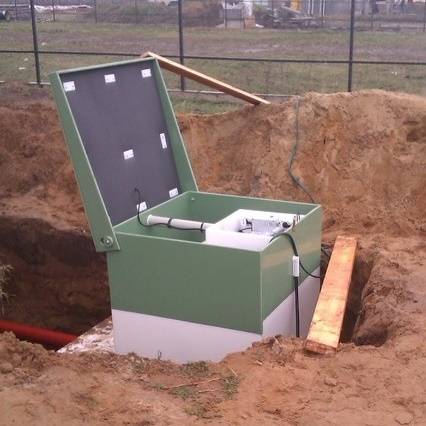
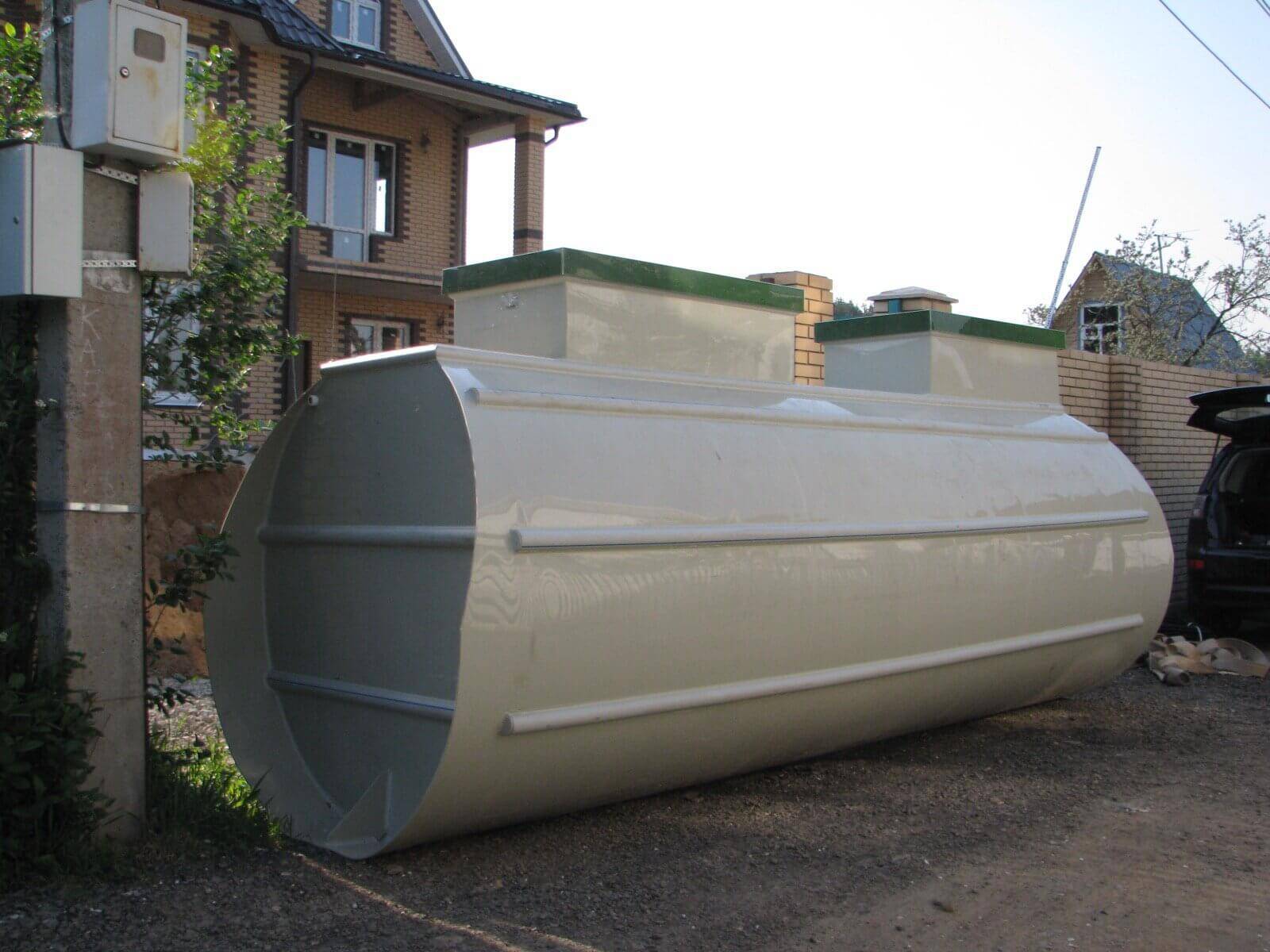

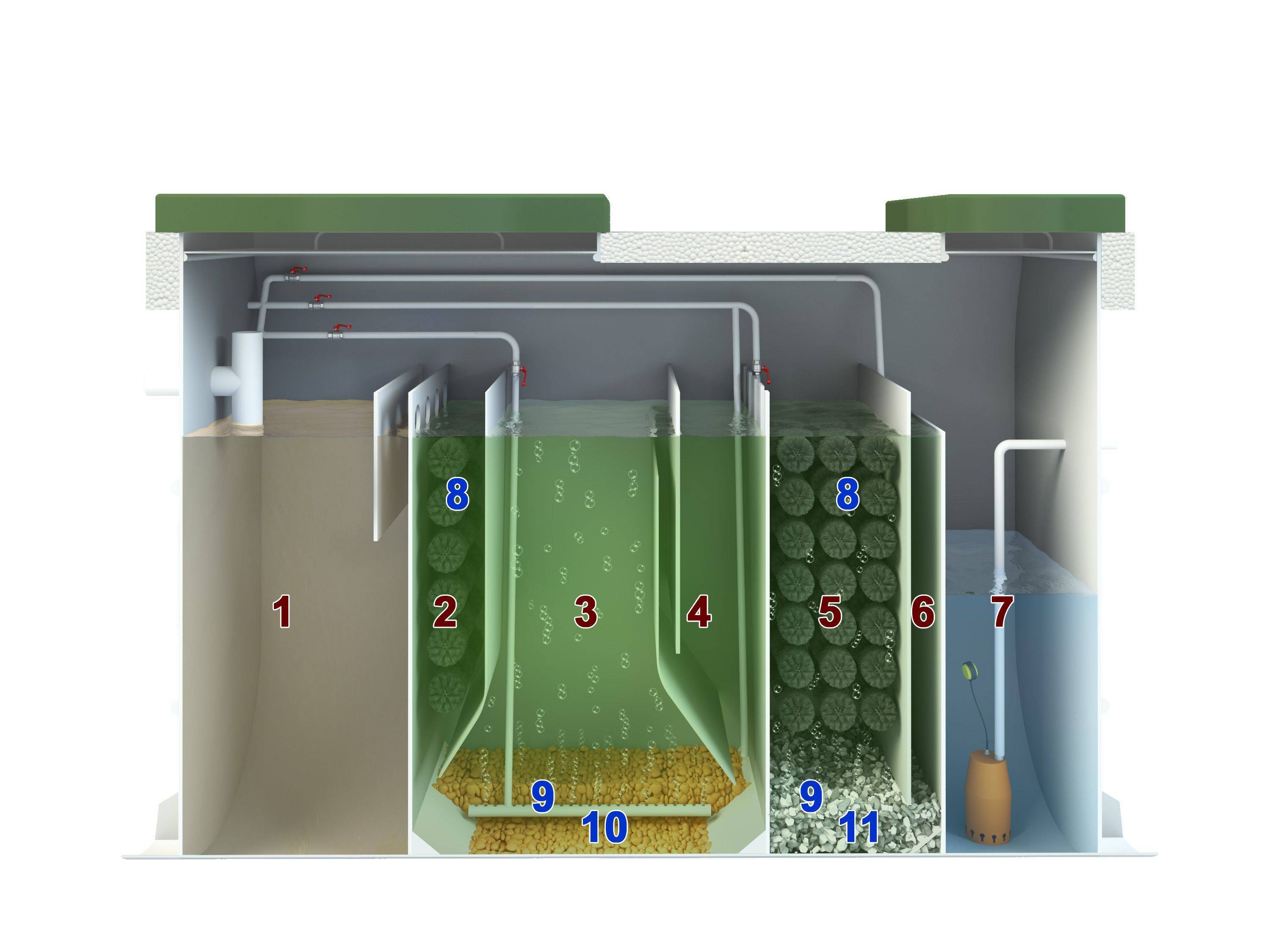
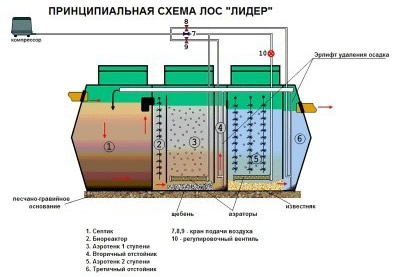
Schematic diagram of the LOS "Leader" device: six functional compartments, a compressor with an air duct and taps, loads (crushed stone), airlifts and aerators (+)
The second variety is called "Leader n", as it is additionally equipped with a drainage pump.
The last chamber of models with a pump, which is called the tertiary sump, is more voluminous due to additional equipment, so the body as a whole is 0.4 m longer (+)
Inside, the design is divided into 6 technological tanks, each of which has its own purpose:
- 1 - a septic tank that receives sewage; it is the primary fermentation and separation of waste;
- 2 - a bioreactor with artificial algae, which facilitates the oxidizability of substances by anaerobes;
- 3 - aerotank of the 1st stage, in which the decay of waste continues, but with the help of aerobes;
- 4 - secondary sump separating clarified wastewater and activated sludge;
- 5 – aerotank of the 2nd stage, in which further oxidation and neutralization of phosphates take place;
- 6 - tertiary sump for sediment separation.
The first sump is not equipped with equipment, additional parts are installed in the rest and the filler is poured. Artificial algae are loaded into the bioreactor and deep cleaning chamber.Aerotanks are supplied with perforated aerators and loadings, granite and limestone. In the settling tanks, in addition to the first, airlifts are installed for pumping sludge.
In the last chamber of the "Leader n" models there is a drainage pump, with the help of which treated wastewater is pumped out for its intended purpose - into an absorbing well, into a pond or a gutter.
How does the septic tank "Leader" work?
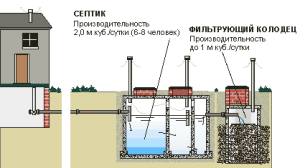
The device of the described equipment is extremely simple. It is shown schematically in the photo. Several cameras are housed in a single one-piece molded plastic case. The liquid flows smoothly from one chamber to another through special tubes.
- The first chamber occupies one-fourth of the entire plastic housing; it receives dirty drains entering the septic tank through the sewer pipe. In it, the dirty liquid settles and is divided into light and heavy particles. All large organic matter smoothly settles to the bottom, a light suspension floats up and is grouped there, forming a crust.
- The second compartment plays the role of a bioreactor. Anaerobic bacteria live in it, they feed on organic matter and contribute to its decomposition into the simplest elements, solid particles settle in the second chamber, which, along with gravity, could get here from the first compartment.
- The third section is the aerotank. At its bottom is a cushion of rubble. Another colony of microorganisms (aerobic bacteria) lives in it. They absorb simple organics and make wastewater cleaner and lighter. Oxygen is necessary for the normal functioning of such microorganisms. Its supply is provided by an aerator - a device similar to a perforated pipe. The gas is forced into the chamber by a compressor.
- The fourth compartment is a secondary settling tank - an intermediate link between the first aerotank and the second aerotank. The transit function is its main purpose. While dirty water flows from one section to another, heavy suspensions precipitate everywhere, sludge is removed from each section to the first chamber through a system of special pipes.
- The fifth compartment is a secondary aerotank, more powerful and efficient. Its entire space is filled with algae capable of deep cleaning. It neutralizes phosphates and acids. Algae need oxygen to survive. Its supply is provided by an aerator. It supplies oxygen through the limestone at the bottom of the compartment.
- From the fifth compartment, water flows into the last sixth compartment. The final precipitation of sludge is carried out in it, it is introduced by an airlift into the first chamber, the purified water is discharged from the Leader septic tank by gravity into the sewer ditch or forcibly into the well. From there, the treated effluents go into the ground.
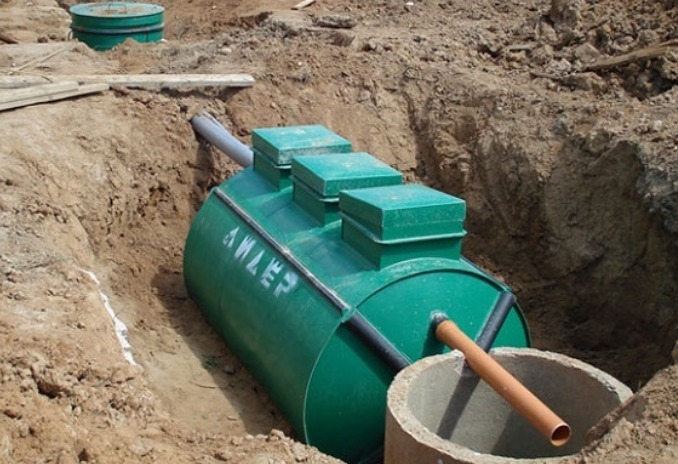
Plastic body of the septic tank "Leader"
Pros and cons of a purification plant
The manufacturer, listing the technical characteristics of the Leader septic tank, notes a number of advantages of choosing their own products.
- Septic tank "Leader" can be installed in areas with a high level of groundwater.
- The design of the cleaning plant ensures its high resistance to ground pressure.
- The plastic case is not subject to rotting, it demonstrates high resistance to Russian frosts, to complete freezing of the soil.
- Once, having installed the “Leader” septic tank in your country house, you do not need to add biological materials to it.
- The Leader septic tank, the manufacturer assures, is able to work without electricity (if the outages are short-term).
- Purified water can be used for technical needs.
- Any discharges can be dumped into the septic tank: all drains after household appliances (including washing machines and dishwashers), as well as food leftovers.
Reviews of those who already have the opportunity to operate the Leader septic tank indicate the presence of certain shortcomings that are identified during its operation. In fairness, it is worth mentioning them.
- Prolonged power outages adversely affect the quality of cleaning. It's easy to explain. Bacteria that eat organic matter need oxygen, which is supplied by compresses powered by electricity.
- The main food of bacteria is organic matter, if there is no its supply, the bacteria die. That is why the "Leader" septic tank cannot be used where people live in dachas sporadically, in short trips.
- If the described treatment plant is rarely used in winter, the bacteria will quickly die out, in which case the cleaning function of the Leader septic tank will come to naught.
- In practice, treated sewage at the outlet contains nitrates in its composition, so watering the garden can be dangerous.
- During the canning of vegetables and fruits, acetic essence, salt, alkalis often get into the sewer, they have a detrimental effect on living microorganisms. Their colonies tend to self-reproduce, but this process takes two weeks. During this time, the cleaning system will run idle.
- The influx of guests over the weekend often leads to a sharp increase in discharges.If the chamber volume of the "Leader" septic tank was not correctly calculated, the system will fail, it will contribute to the appearance of a fetid odor, it will disappear only after two weeks.
Recommendations for installation and maintenance
It is better to dig a pit for installation away from roads in order to protect the septic tank from accidental collision. The case is a single reservoir, so even a small breakdown or leakage can lead to a complete replacement of the device.
Installation must be carried out in the warm season, since the air temperature at the time the device is put into operation must be at least + 12ºС, and the temperature of the water that is poured into the housing before starting work must not be lower than + 15ºС
In addition to the basic rules for installing a septic tank in a pit, you need to know a few more engineering nuances:
- for external sewerage it is necessary to use polymer pipes with Ø 100-110 mm;
- the slope of the supply pipeline is 0.02 m per meter of length;
- the slope of the discharge pipeline is 0.05 m per meter of length (should not be too long);
- the base of the pit is covered with sand or sand-gravel mixture and carefully compacted (concreting or installation of a concrete slab is not needed);
- the liquid inside the housing must reach the level of the weirs;
- insulated maintenance hatches must be kept closed.
A few remarks apply to the installation of the compressor. It must be located in a heated room (basement, utility room), for ease of maintenance - near the sewer outlet. The device requires a power point to operate.
Image gallery
Photo from
Step 1: For an autonomous sewage device, a septic tank is purchased based on the ratio of the total volume to the inflow per day 3: 1
Step 2: The development of a pit for a septic tank is faster and easier to carry out in a mechanized way, but in order to save money, manual labor is also acceptable.
Step 3: There are no restrictions at all regarding the geological conditions for installing the Leader septic tank. The station can be immersed in clay soil, and with a high groundwater table
Step 4: Communications are brought to and connected to the wastewater treatment plant: a sewer pipeline and an electric line for technical equipment
Step 5: A trench with laid communications is covered with clean river or quarry sand to a height of 0.5 m from the top of the pipe. The rest of the space is filled with previously dumped soil.
Step 6: If a concrete slab was not arranged at the bottom of the pit, supports are attached to the tank to ensure the horizontal installation
Step 7: The septic tank is installed on a leveled and compacted bottom of the pit and filled with sand. Backfilling is carried out in layers, 30 cm each, which are carefully rammed
Step 8: The external sewer branch must be equipped with a manhole for maintenance. If the length of the sewer route is more than 25 m, an additional
Rules for selecting a septic tank Leader
Development of a pit for equipment
Geological conditions for installation
Line of communications
Dumping trenches with communications
Mounting supports for the tank
Installation of a septic tank and filling the pit
Sewage manhole
When the sludge excavation procedure takes place, the compressor should be turned off.
During the operation of the septic tank, make sure that the performance matches the nominal value.If it exceeds the declared figures by 20%, you should think about replacing the installation with a more powerful one. When using a biological station, it is necessary to review the range of detergents and cleaners: they should not include petroleum products or chlorine.

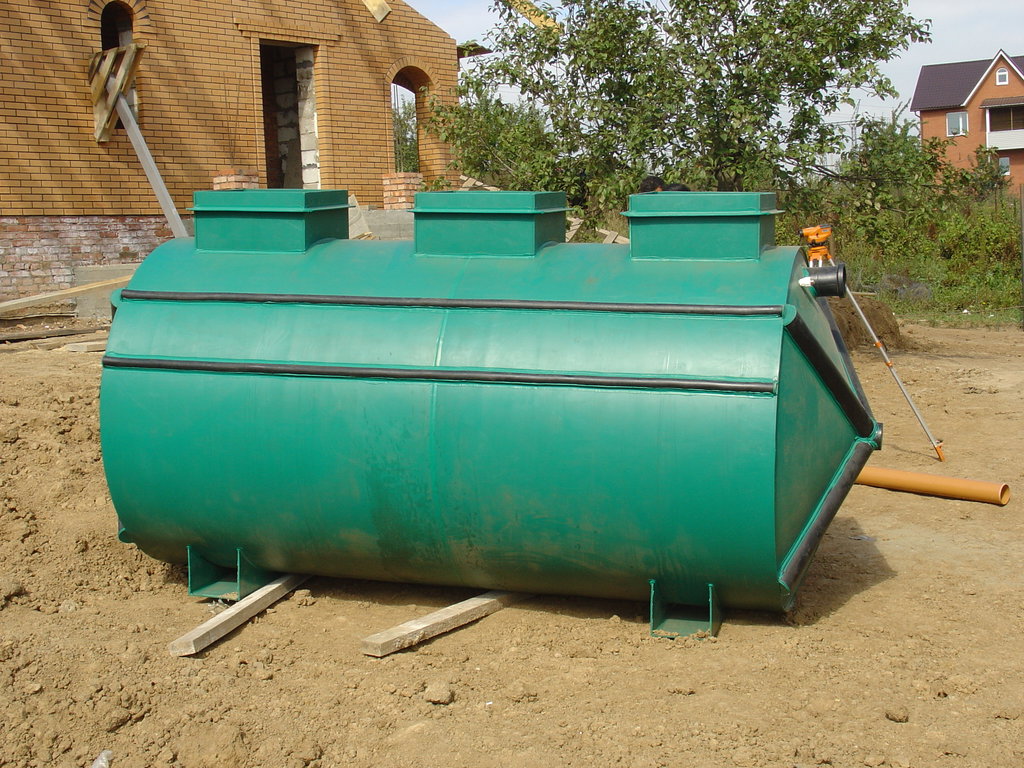
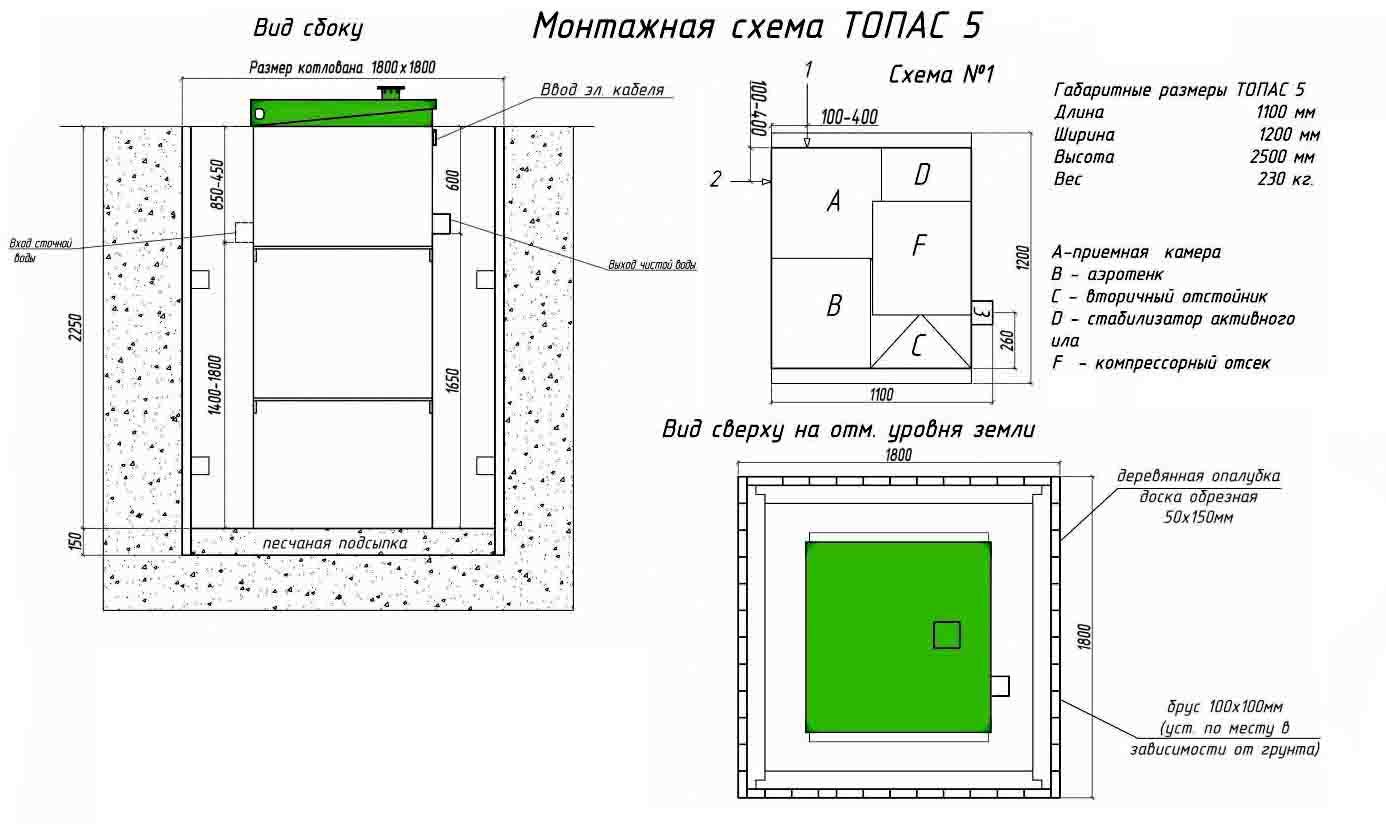



The owner of the septic tank "Leader" can perform the main part of the service on his own. Once every three years, lime filling in the 2nd aeration tank will have to be replenished, and the walls of the hull and weirs will have to be cleaned at the same frequency.
The polymer brush loading should be washed annually, and the excess activated sludge should be pumped into the first compartment (receiving chamber) using airlifts. Silt is removed as it accumulates, approximately every 3-6 months. One once a year for removal of accumulated sediment will require the help of sewers.
What is a septic tank for?

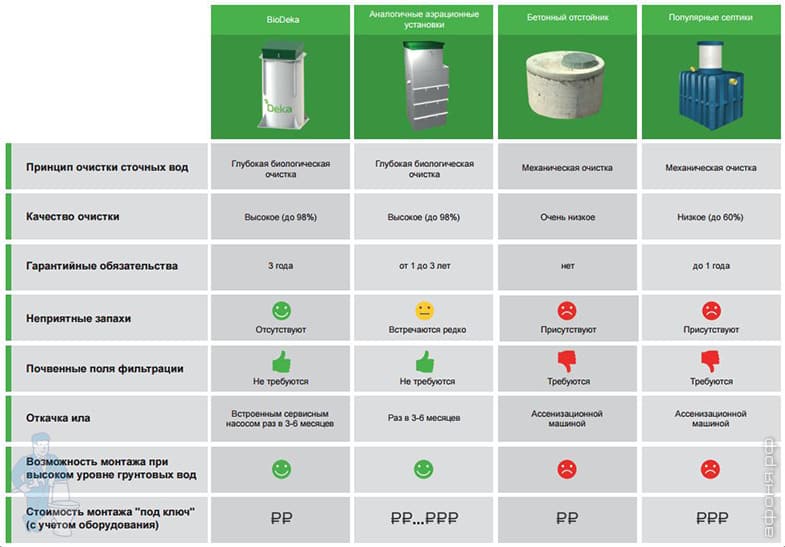
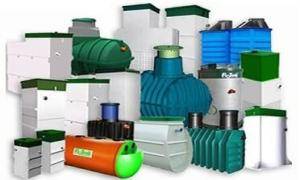
Almost everyone who has made the decision to install an autonomous sewer is faced with the question of how to choose a septic tank. At present, there are several main varieties of such a plan for cleaning plants, which are grouped according to the design features and the material used in the manufacture of the product. The following groups are distinguished:
- A septic tank, which is an autonomous volatile installation in which water purification occurs on a forced principle. Filtration is carried out at several different levels, also complemented by an aeration process;
- Any septic tank, acting as an analogue of a cesspool, belongs to the capacitive category.The simplest option, which has a minimum cost, does not require subsequent large financial investments, but at the same time needs constant monitoring of the level of accumulation of sewage;
- The filtration septic tank is a cross between the first and second indicated options. The water purification process does not give 100%, but at the same time, primary filtration occurs at an extremely high level.
Each of the categories has a septic tank that differs in advantages over others, but regardless of preferences, there are also additional points that need to be taken into account in the process of choosing one or another option.
So, before choosing a septic tank, it is necessary to take into account the peculiarities of the location of a country house or cottage, or rather the soil on which they are built. Determining the level of groundwater occurrence is no less important;
Be sure to take into account the established type of sewer system, as well as the number of residents of the house staying in it on a permanent basis. Since these indicators have a direct impact on the septic tank, or rather on its load. For example, for rarely visited summer cottages, it is better to choose a storage septic tank, it does not require large material investments, but it is great to cope with a small level of load
But for a residential country house, an autonomous septic tank may be the best option;
You should also pay attention to the material from which the septic tank is made. This indicator has a direct impact on the period of active operation of the product, as well as on the features of care and, accordingly, the subsequent costs associated with this process;
The relief of the site, the amount of money allocated for the installation, the load and the level of performance required for it, all this is taken into account when analyzing the design features of a particular model.
There are several varieties of popular septic tanks. Basically, many prefer modern fiberglass or other plastic options. A septic tank made of such material has low requirements for soil composition, and also has a decent active life, according to most leading manufacturers, it exceeds 50 years.
Reinforced concrete structures are no less popular. They also have a low level of requirements for the composition of the soil in which the septic tank is installed. At the same time, everyone has the opportunity to independently make a septic tank of this type. Most often, as a material, preference in this case is given to reinforced concrete rings, the connection of which to each other occurs through the use of metal jumpers. A concrete septic tank most often belongs to the cumulative category or carries out its own sludge job.
Those who wish to achieve the highest quality of water purification, with its further active use, prefer options equipped with multi-stage filtration. It is such a septic tank that is able to remove up to 98% of all excess inclusions from sewage and return water to almost its original state. Analogues for multi-stage filtration are bioseptics. A septic tank of this kind purifies water using the vital activity of certain groups of bacteria.
Installation and installation of communications
When installing treatment facilities, you must adhere to the following rules:
- the choice of the installation site is made in such a way as to exclude unforeseen mechanical loads on the device body, for example, a collision with a car wheel;
- for a non-pressure sewer line, the slope of the pipe during installation must be at least 20 mm per linear meter;
- the depth of entry of the septic tank is 500 mm from the ground level, if it is impossible to ensure the appropriate laying of the main, a pressure sewer system is used;
- the outlet line is also made with a slope of at least 5 mm per linear meter;
- the septic tank is installed in the ground on a compacted cushion of sand or gravel-sand mixture;
- the compressor is installed in a heated room;
- during installation, before starting, the septic tank is filled with water to the level of the drain hole.
 The septic tank is put into operation at an ambient temperature of at least +12 degrees.
To preserve the vital activity of colonies of microorganisms, the temperature inlet water treatment facilities should not fall below 15 degrees.
The price of Leader septic tanks with turnkey installation is indicated on the official website of the seller.
Principle of operation
Each compartment performs its own, well-defined function in the overall process of cleaning and waste disposal:
- The first compartment is intended for receiving and primary treatment of wastewater by their gravitational separation, during which organic inclusions and heavy particles settle to the bottom, while light impurities rise to the top, forming a thin film on the surface of the liquid.
- After the first compartment, partially cleaned waste, no longer containing large inclusions, enters the anaerobic chamber.Here, organic elements decompose under the influence of bacteria (microorganisms) in the absence of access to air.
- Upon completion of the anaerobic treatment, the waste enters the third chamber, designed to saturate the wastewater with air. Under the influence of the same microorganisms and bacteria, all organic elements remaining in sewage are oxidized and fall into activated sludge, and then enter the airlift compartment, in which they are additionally biologically processed.
- Upon completion of all the described cleaning cycles in three chambers, wastewater enters the fourth compartment for the final processing of the remaining particles of activated sludge.



