
- Advantages and disadvantages of mercury lamps
- Advantages of gas discharge modules
- Cons of mercury-containing products
- Types and their features
- Low pressure
- High pressure
- Ultra high pressure
- Need to dispose of fluorescent lamps
- Advantages and disadvantages of DRL lamps
- Characteristics
- Pros and cons of energy-saving fluorescent lamps
- Storage conditions for used mercury-containing lamps.
- Advantages and disadvantages
- How much mercury is in the lamps
- Alternative light sources
Advantages and disadvantages of mercury lamps
Some experts call mercury light sources technically obsolete and recommend reducing their use not only for domestic but also for industrial purposes.
However, such an opinion is somewhat premature and it is too early to write off gas-discharge lamps. After all, there are places where they manifest themselves at the highest level and provide bright, high-quality light with reasonable consumption.
Advantages of gas discharge modules
Mercury-containing light sources have specific positive qualities that are quite rare in other lamp products.
Among them are positions such as:
- high and efficient light output throughout the entire operational period - from 30 to 60 lm per 1 watt;
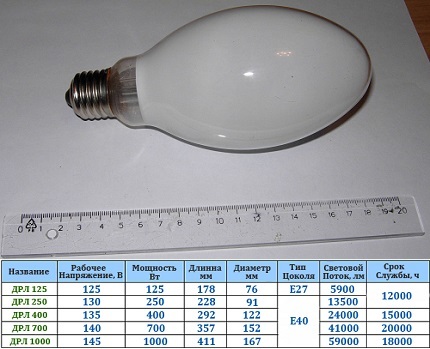
- a wide range of powers on the classic types of socles E27 / E40 - from 50 W to 1000 W, depending on the model;
- extended service life in a wide temperature range of the environment - up to 12,000-20,000 hours;
- good frost resistance and correct operation even at low thermometer readings;
- the ability to use light sources without connecting ballasts - relevant for tungsten-mercury devices;
- compact dimensions and good body strength.
High-pressure devices demonstrate maximum efficiency in street lighting systems. Excellent for lighting large indoor and outdoor areas.
Cons of mercury-containing products
Like any other technical element, mercury gas-discharge modules have some disadvantages. This list contains only a few items that must be taken into account when organizing a lighting system.
The first minus is a weak color rendering level Ra, on average not exceeding 45-55 units. This is not enough for lighting residential premises and offices.
Therefore, in places where there are increased requirements for the spectral composition of the light flux, it is not advisable to install mercury lamps.
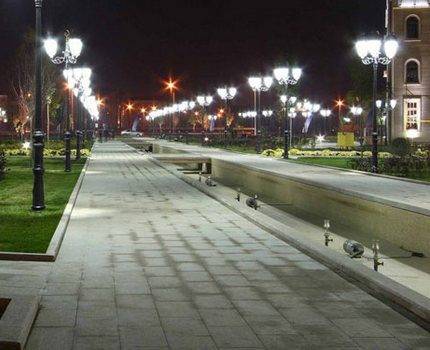
Mercury devices are not able to fully convey the tint range of the color spectrum of human faces, interior elements, furniture and other small items. But on the street, this disadvantage is almost imperceptible.
The low threshold of readiness to turn on also does not add to the attractiveness. To enter the full-fledged glow mode, the lamp must necessarily warm up to the desired level.
This usually takes 2 to 10 minutes.Within the framework of a street, workshop, industrial or technical electrical system, this does not matter much, but at home it turns into a significant drawback.
If, at the time of operation, the heated lamp suddenly turns off due to a voltage drop in the network or due to other circumstances, it is not possible to turn it on immediately. First, the device must completely cool down and only then it can be activated again.
The product does not have the ability to adjust the brightness of the supplied light. For their correct operation, a certain mode of supply of electricians is required. All deviations occurring in it negatively affect the light source and significantly reduce its working life.
The problematic moment of the functioning of mercury-containing elements is the mode of the basic start and subsequent exit to the nominal operating parameters. It is at this time that the device receives the maximum load. The fewer activations a light bulb experiences, the longer and more reliable it is.
Alternating current has an extremely negative effect on gas-discharge lighting devices and, as a result, leads to flicker with a mains frequency of 50 Hz. Eliminate this unpleasant effect with the help of electronic ballasts, and this entails additional material costs.
The assembly and installation of lamps must take place strictly according to the scheme developed by qualified specialists. During installation, it is necessary to use only high-quality heat-resistant components that are resistant to serious operational loads.
In the process of using mercury modules in living and working premises, it is desirable to close the flask with a special protective glass.At the moment of an unexpected explosion of a lamp or a short circuit, this will protect people nearby from injury, burns and other damage.
Types and their features
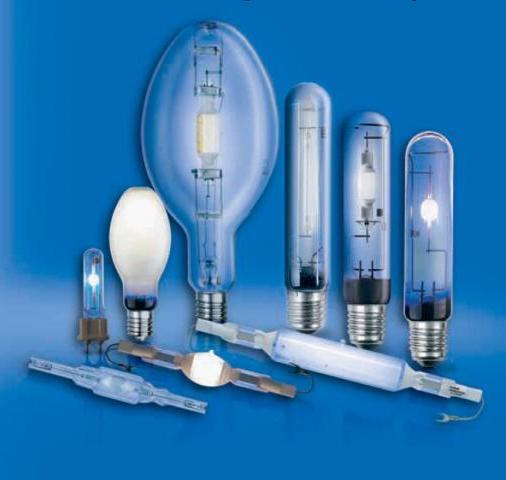
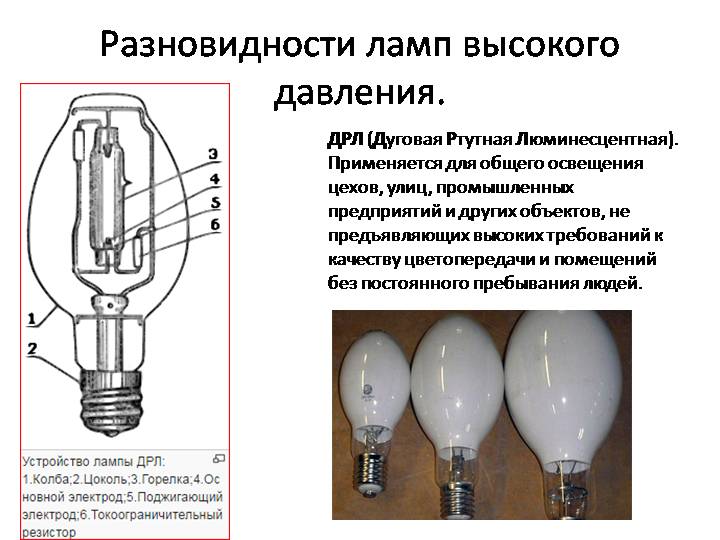
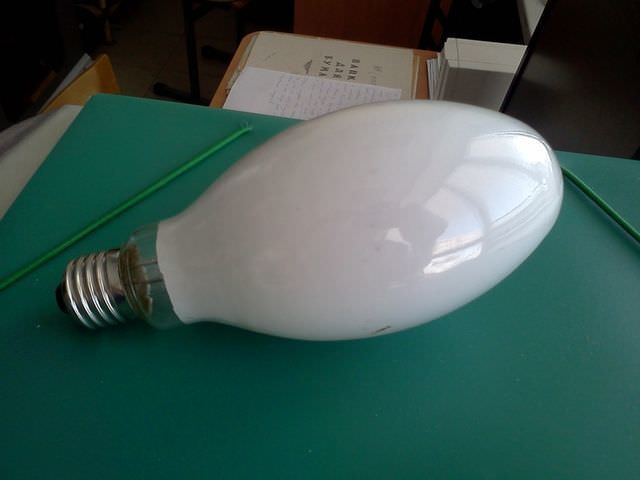
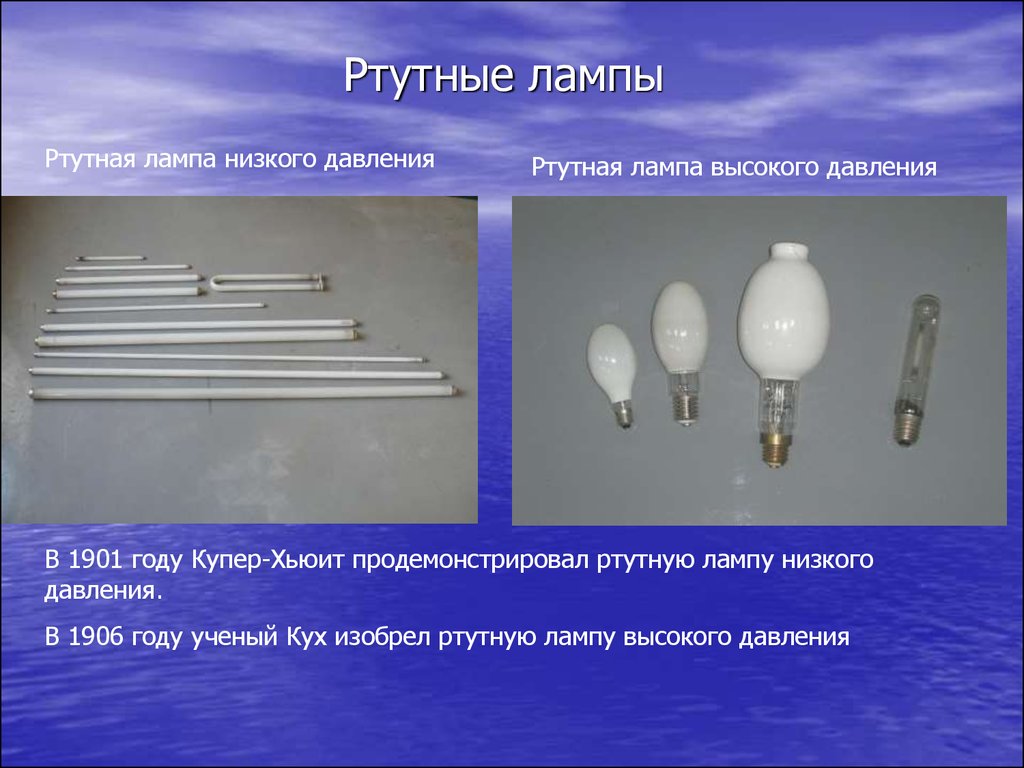
The classification of types of mercury arc lamps (DRL) is based on such an indicator as the internal filling pressure. There are modules of low pressure, high and extra high.
Low pressure
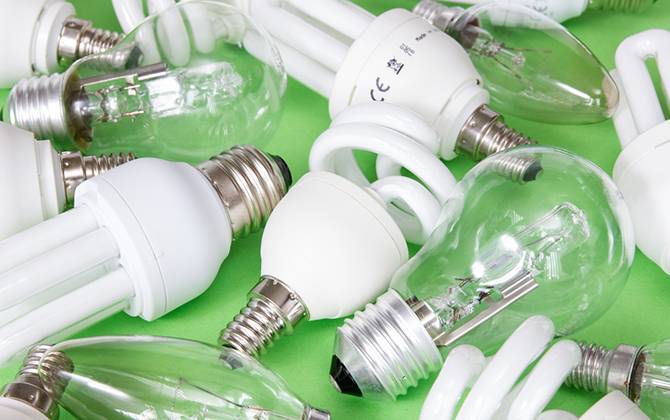
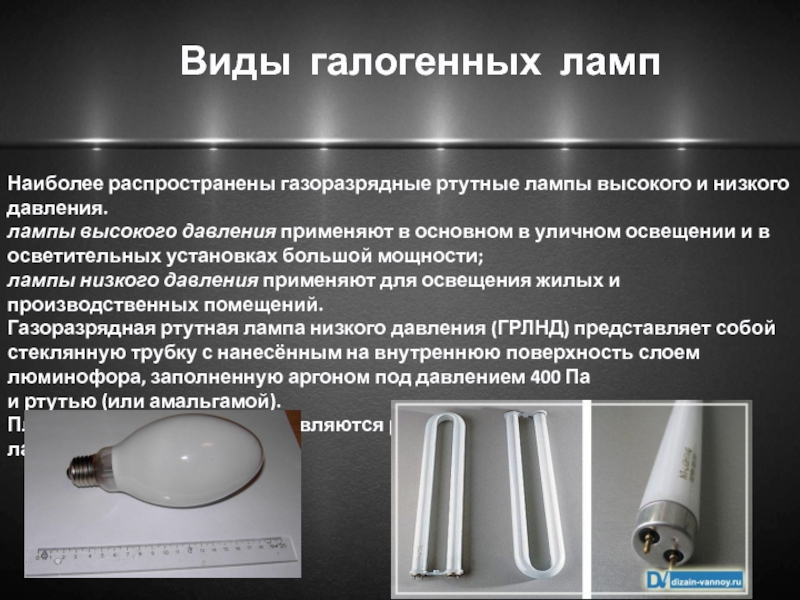
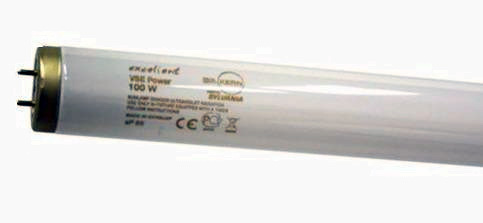
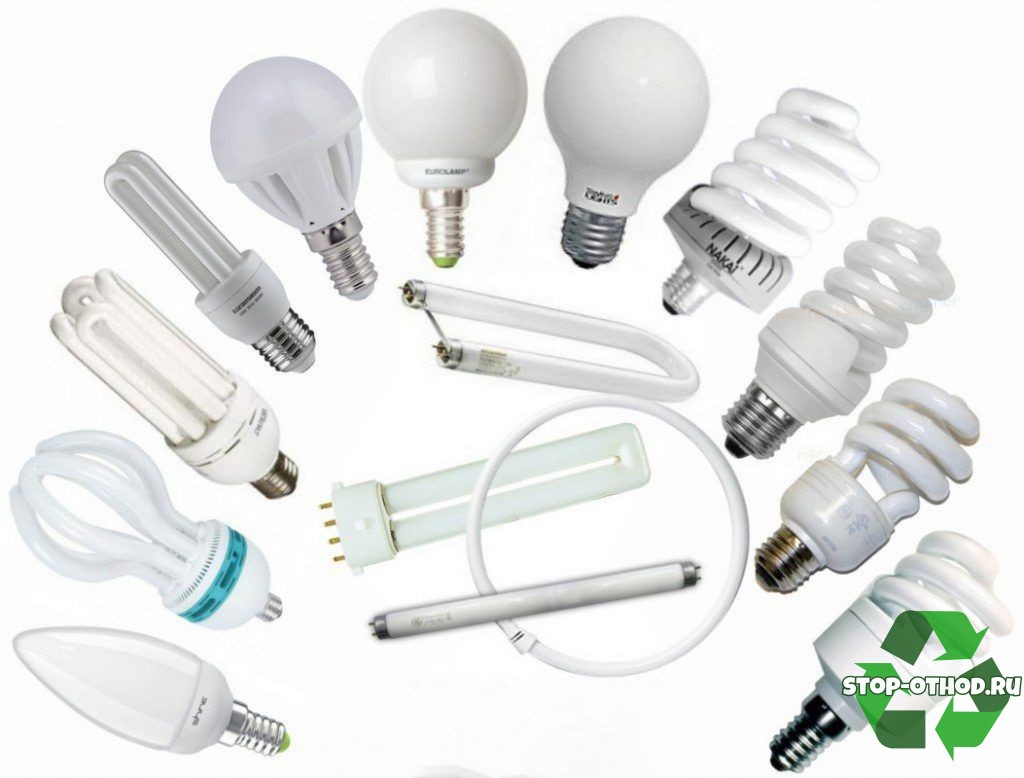
Low pressure devices or RLND include compact and linear type fluorescent lamps. They are most often used to illuminate residential and work areas, offices and small warehouses.
The color of the radiation is natural, natural, a shade that is comfortable for the eye. The shape can be very diverse: from standard to ring, U-shaped and linear. Higher quality color rendering than incandescent lamps, but less than LEDs.
High pressure
High-pressure arc mercury lamps are used in street lighting and in the fields of medicine, industry and agriculture.
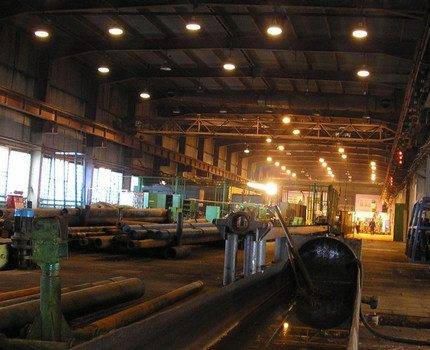
The power of devices can vary from 50 watts to 1000 watts. Such devices are often used in the development of lighting systems for adjacent territories, sports facilities, highways, production workshops, large warehouses, that is, in places not intended for permanent residence of people.
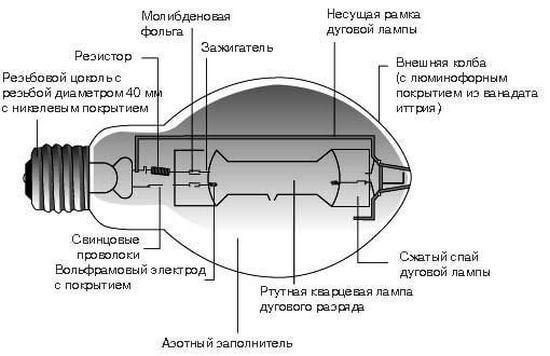
A progressive analogue of high-pressure mercury lamps are mercury-tungsten devices. Their main feature is the absence of the need to use a throttle when connecting. This function is taken over by a tungsten filament, which provides not only the generation of light, but also the limitation of electric current. At the same time, all their technical characteristics are the same as those of the RLVD.
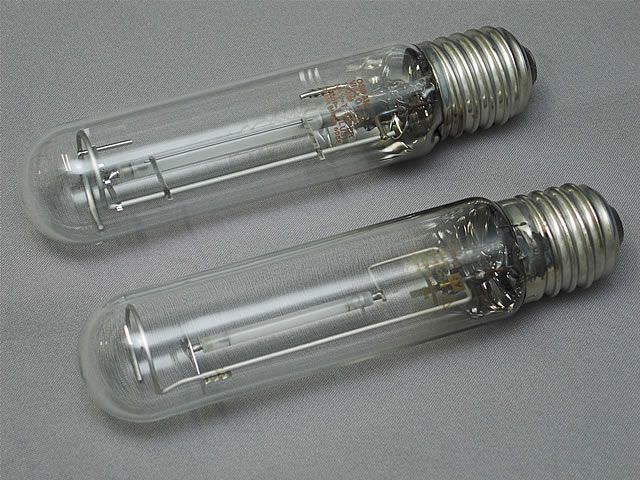
Another type is arc metal halides (ARH). The high efficiency of the luminous flux is achieved through special radiant additives. However, to connect them, you need a ballast. Most often, this type of DRL can be seen when illuminating architectural structures, stadiums, exhibition halls and advertising banners. They can be used with equal success both indoors and outdoors.
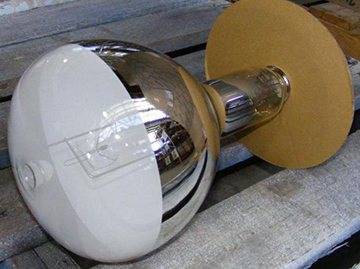
DRIZ - modules with a mirror layer located on the inside of the bulb, which not only increases the power of the light beam, but also allows you to more accurately adjust its direction.
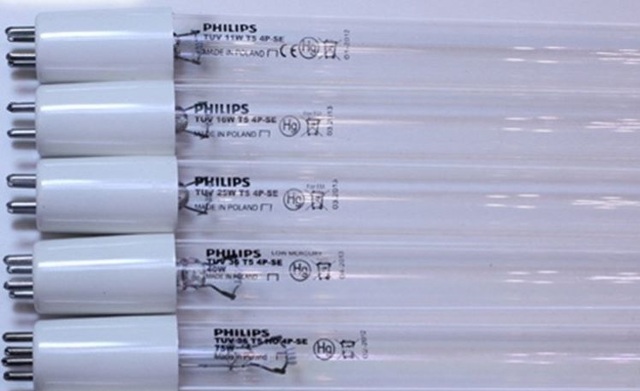
Mercury-quartz tubular lamps can be recognized by the elongated shape of the flask with electrodes located at the ends. Most often, this type of device is used in a narrow technological area (copying, UV-drying).
Ultra high pressure
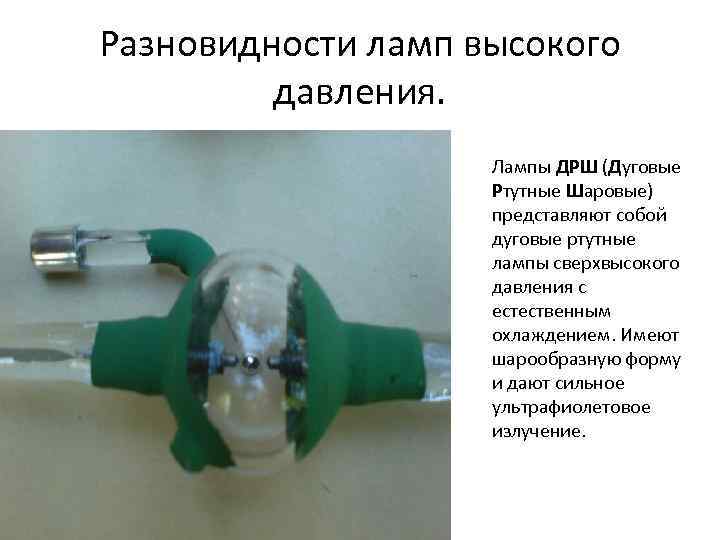
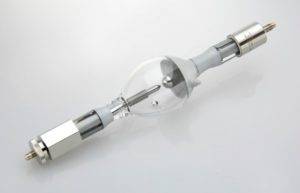 The round bulb is present in most ball modules of the mercury-quartz type, which belong to the ultra-high pressure mercury arc lamps.
Despite their compact size and moderate base power, these devices are characterized by high-intensity radiation. This property of quartz lamps allows them to be used in the design of laboratory and projection equipment.
Need to dispose of fluorescent lamps
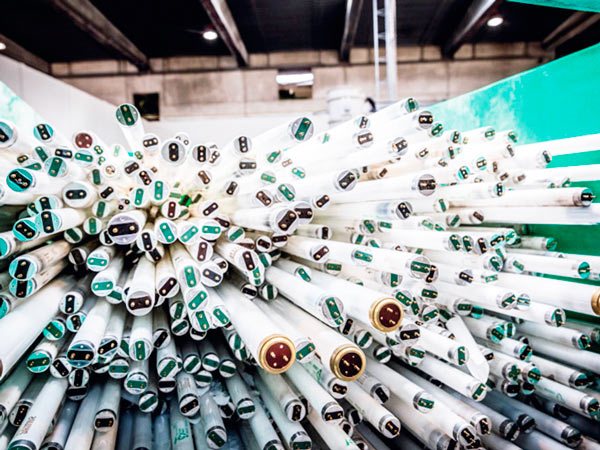
The evolutionary path of almost two centuries long has shaped the appearance of modern sources of electric lighting.As a result of many years of rivalry between eminent scientists led by Lodygin and Edison at the beginning of the 20th century, an electric lamp with a tungsten filament appeared, which for a long time became an alternative to daylight and has survived to this day almost unchanged.
Decades later, fluorescent lamps using a gas discharge in mercury vapor saw the light (and began to give), which created competition for incandescent lamps, and, despite the further appearance of bright halogen or modern, ultra-efficient LED lamps, continue to be actively used today. The reason for this popularity was the clear advantages over incandescent lamps:
- high light output is almost 5 times higher than that of an incandescent lamp;
- Efficiency is 3-4 times higher;
- diffused light and the ability to choose comfortable shades;
- high (at times) service life.
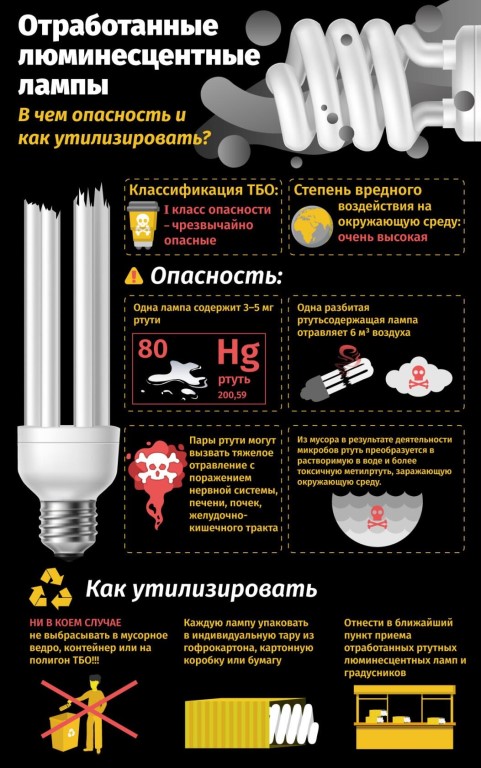
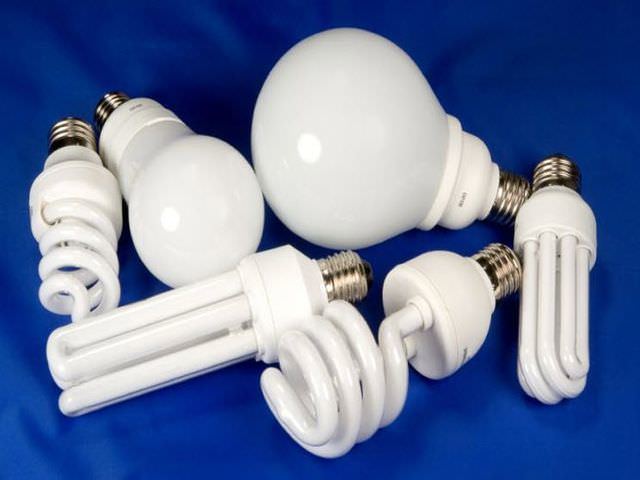
This makes an energy-saving light bulb more attractive to use, but lamps of this type have one significant drawback - fluorescent lamps of various types: linear for industrial lamps and energy-saving compact lamps contain mercury. This dangerous element, the amount of which can reach, depending on the type of lamp, from 0.0023 to 1.0 g, is a substance of class I. dangerous and can cause poisoning or even death.
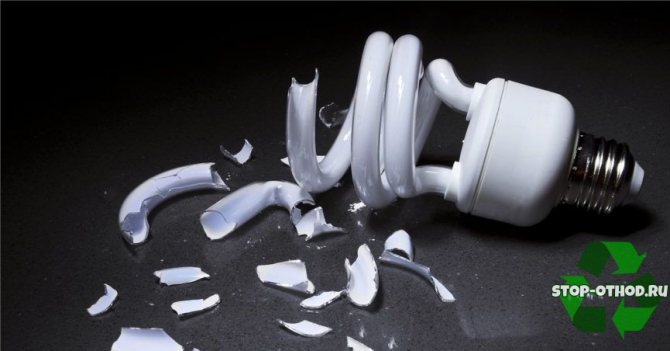
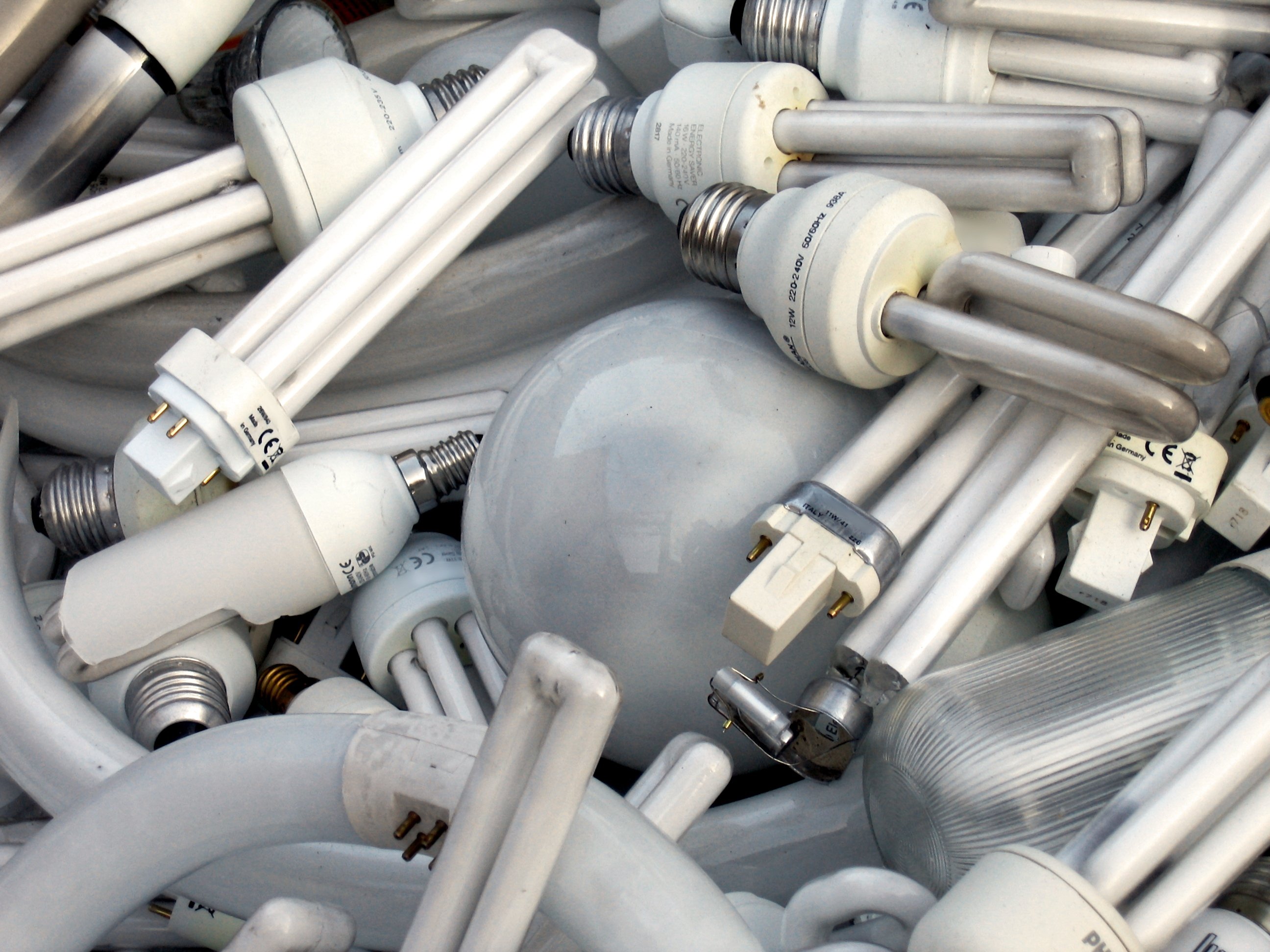
Mercury released into the environment from broken spent mercury-containing lamps not only poses a danger to humans and animals, it tends to accumulate in the soil, penetrate into water bodies with groundwater, and even deposit in the tissues of fish. It is no coincidence that the disposal of mercury-containing lamps is a serious problem for humanity.
Disposal of used fluorescent lamps, methods and problems
First of all, it should be noted that it is strictly forbidden to throw away used fluorescent lamps in public places of garbage collection (container, garbage chute) and even more so to violate their integrity. There are two safe and highly effective ways to dispose of hazardous waste today:
- collection and sending for processing of mercury-containing waste to recycling plants, where glass, metal parts, and mercury are separated from each other for recycling using proven technologies;
- spent mercury-containing lamps are sent to landfills for the disposal of toxic and chemical substances for their safe storage.
Thus, technologies that can be used to recycle fluorescent lamps have been developed and are effectively applied, often leaving problems with the collection and removal of mercury-containing lamps.
Under production conditions, these issues can be solved in a relatively simple way, as a rule, the problems of collecting and storing used fluorescent lamps are within the competence of responsible persons (chief power engineer, chief engineer). They are personally responsible for the proper disposal, storage and transportation of used mercury lighting fixtures. The problem is much more difficult to solve for individuals who use fluorescent lighting in everyday life and also from time to time face the need to dispose of used energy-saving light bulbs. In large cities, special containers are beginning to appear, hazardous waste disposal companies are being organized. If you need to get rid of them, to find out how to do it, you can:
- call the management company;
- search for information on the Internet;
- seek help from the Ministry of Emergency Situations.
The main thing is not to throw it into the general waste bins, by doing this you endanger your health and those around you, create a threat to the environment.
Defects and violations in electrical installations and facilities
This article will describe the main defects and violations in electrical installations and facilities, as well as links to regulatory documents, explanations of why this or that defect is dangerous or what it can lead to.
Read more…
Danger of using a CT earthing system
The danger of using the TT grounding system lies in the low short-circuit currents to the ground, in this regard, it is possible to form a dangerous potential on grounded, conductive parts of electrical equipment. Read more…
Advantages and disadvantages of DRL lamps
The undoubted advantages include:
- high degree of luminous flux;
- long service life;
- possibility of use at sub-zero temperatures;
- the presence of built-in electrodes, which does not require an additional arson device;
- low cost of control equipment.
The disadvantages include:
- according to GOST, mercury and the phosphor of DRL lamps must be disposed of according to a special technology;
- low level of color rendering (about 45%);
- the need for a stable voltage, otherwise the lamp will not turn on, and the switched on one will stop shining when it drops by more than 15%;
- in frost below -20 ° C, the lamp may not light up, and use in such conditions will significantly reduce the service life;
- turn on the lamp again after 10-15 minutes;
- after about 2,000 hours of service for DRL 250 lamps, the luminous flux begins to decrease sharply.
Compliance with the rules of use specified by the manufacturer will ensure reliable and long service life of DRL lamps. Incorrect posture during operation will reduce the service life or cause failure.
Characteristics
Above, the properties of DRL lamps were described in general terms, but now we will give their exact parameters:
- efficiency. Different lamps vary from 45% to 70%.
- Power. Minimum - 80 W, maximum - 1000 W. Note that for mercury lamps this is far from the limit. So, some varieties of arc mercury lamps can have a power of 2 kW, and mercury-quartz lamps (DRT, PRK) - 2.5 kW.
- The weight. Depends on the power of the lamp. The DRL-250 lamp weighs 183.3 g.
- A measure of the network clock load. The maximum value characteristic of the most powerful lamps is 8 A.
- . Depending on the power, it varies from 40 to 59 lm / W. So, a DRL lighting device with a power of 80 W emits light with a power of 3.2 thousand lm, a lamp with a power of 1000 W - with a power of 59 thousand lm.
- Using the launcher. In DRL lamps, a starting device (choke) is mandatory. Only mercury-tungsten lamps, which have a tungsten filament, do not need it.
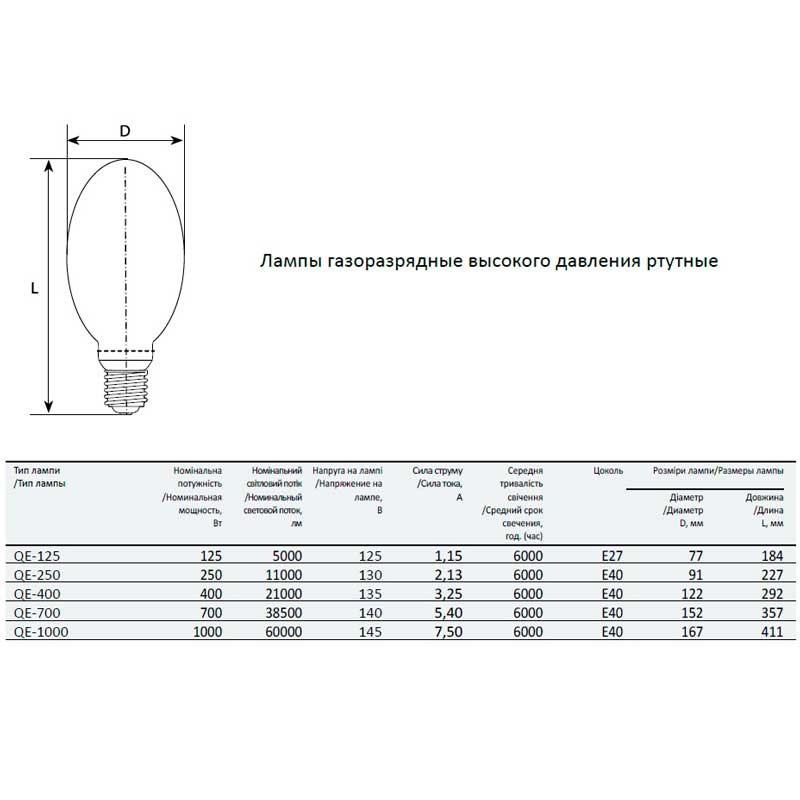
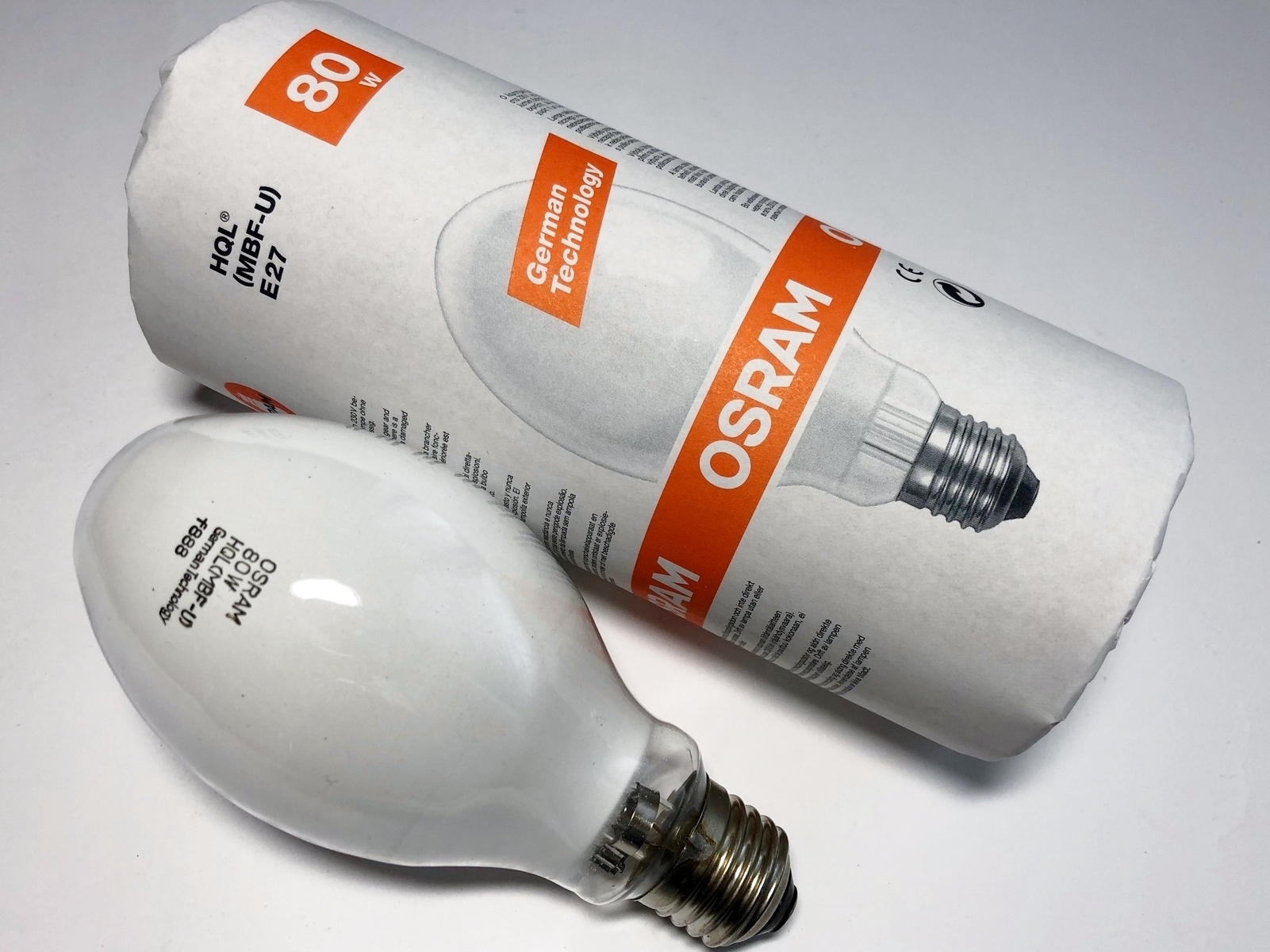
- Plinth. DRL lamps are equipped with two types of bases: with a power of less than 250 W, an E27 type base is used, with a power of 250 W or more - E40.
- Period of operation. The total life of the DRL type lamp is 10 thousand hours. But keep in mind that the brightness of the lamp throughout this period does not remain stable. As a result of phosphor wear, it gradually decreases and by the end of its service life it can drop by 30% - 50%.Therefore, DRL lamps are usually disposed of before they stop working.
Today, there are often lamps on sale, whose manufacturers claim a resource of 15 and even 20 thousand hours. The more powerful the lamp, the longer it usually lasts.
Good to know: foreign manufacturers have different abbreviations for mercury lamps:
- Philips: HPL;
- Osram: HQL;
- General Electric: MBF;
- Radium: HRL;
- Sylvania: HSL and HSB.
In the international notation system (ILCOS), lamps of this type are usually denoted by the letter combination QE.
Arc mercury lamps are used for outdoor lighting
It should be noted that mercury-tungsten lamps, which turn on without a starting device and light up immediately, are in many ways inferior to DRL lamps:
- have low efficiency;
- are expensive;
- do not have sufficient wear resistance;
- have a resource of 7.5 thousand hours.
The short service life and low efficiency are explained by the presence of a filament.
But on the other hand, it improves color rendering, which allows the use of such lamps in domestic premises.
Today, DRL lamps are being successfully replaced by metal halide lamps (indicated by the letter combination DRI), which are distinguished by the presence of so-called radiant additives in the gas mixture. DRI stands for - arc mercury with radiating additives.
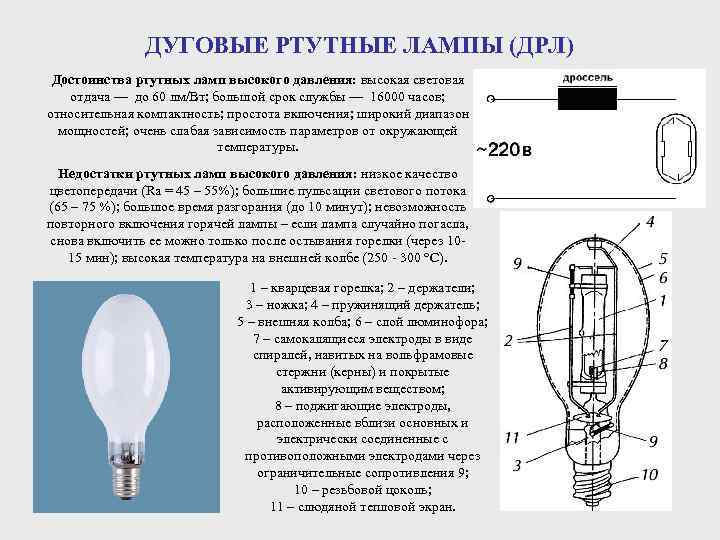
In this capacity, halides of various metals are used - thallium, indium, and some others. Their presence contributes to an increase in light output. up to 70 – 90 lm/W and even higher. The color is also much better. The resource of DRI lamps is the same as that of DRL - from 8 to 10 thousand hours.
DRI lamps are produced, the bulb of which is partially covered from the inside with a mirror compound (DRIZ).Such a lamp supplies all the light it produces in one direction, due to which its light output from this side increases significantly.
Pros and cons of energy-saving fluorescent lamps
Compact light sources of this type are widely popular due to their undoubted positive qualities:
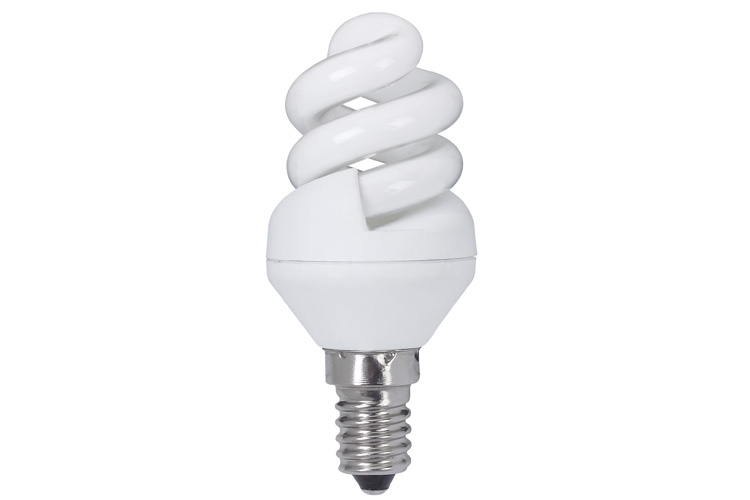
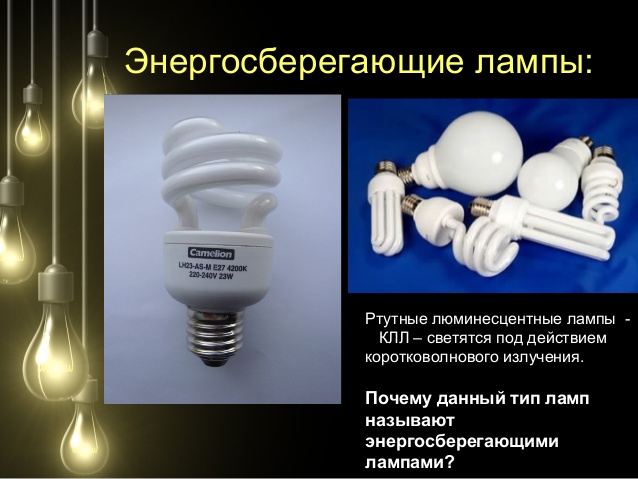
- High light output of fluorescent lamps or light efficiency. With the same amount of electricity consumed, they give out a luminous flux value that is 5-6 times higher than that of ordinary light bulbs with spirals. Due to this, energy savings reach 75-85%.
- Radiation is carried out by the entire surface area of the glass bulb, and not just by a filament, like a traditional lamp.
- Longer CFL life in continuous cycle mode. Frequent switching is contraindicated for such lighting fixtures - switching on and off.
- It is possible to create lamps with specified color temperatures, while maintaining their high efficiency.
- Flasks and bases are almost not subject to heat, including the lamp itself. According to this indicator, the superiority remains only for LED lamps.
Since ideal products do not exist in principle, compact energy-saving lamps have a number of negative qualities:
- When superimposing the emission spectra of different light sources, color reproduction can cause distortion of illuminated objects.
- Compact lamps do not tolerate frequent switching on and off. The obligatory time interval required for preheating and amounting to 0.5-1 second must be observed. Lamps that turn on instantly lose their life each time.In this regard, these light sources are limited to places of use.
- The impossibility of using fluorescent lamps with conventional dimmers. There are special adjustment devices for CFLs that require more complex connections and the use of additional wires.
- Low temperatures and high humidity levels negatively affect start-up and turn-on, which limits such devices for use in outdoor lighting systems.
Dimensions of fluorescent lamps
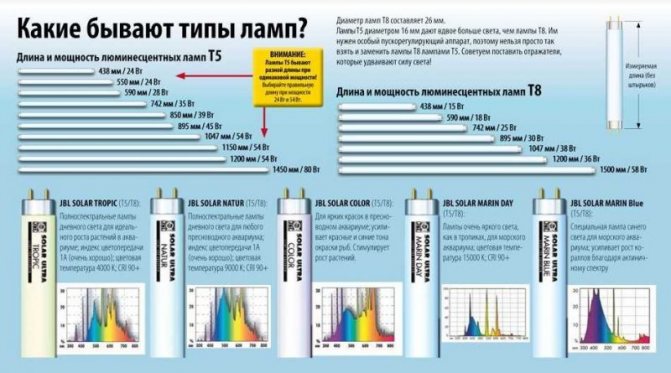
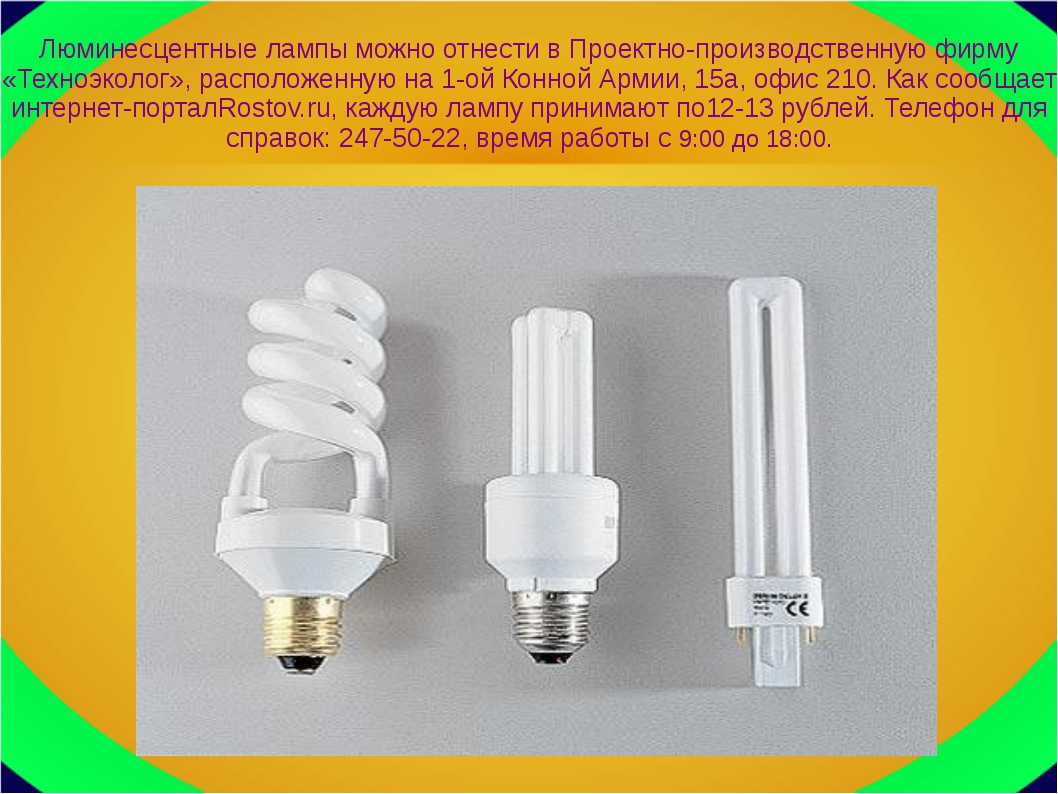
Types of fluorescent lamps
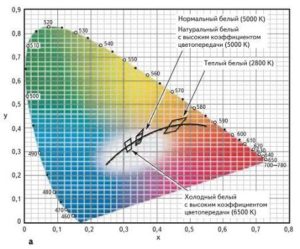
Color temperature of fluorescent lamps
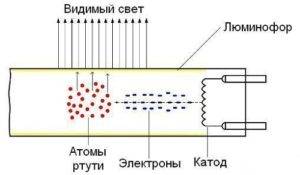
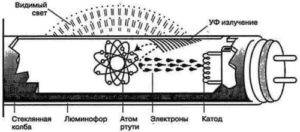
Fluorescent lamp circuit
Marking of fluorescent lamps
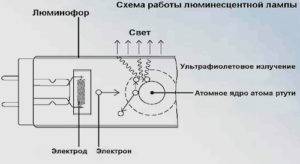
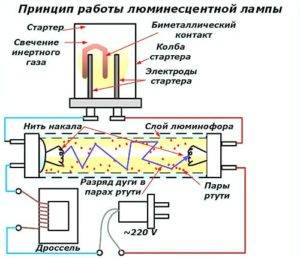
Wiring diagram for fluorescent lamps
Storage conditions for used mercury-containing lamps.
2.1. The main condition for the replacement and assembly of ORTL is to maintain tightness.
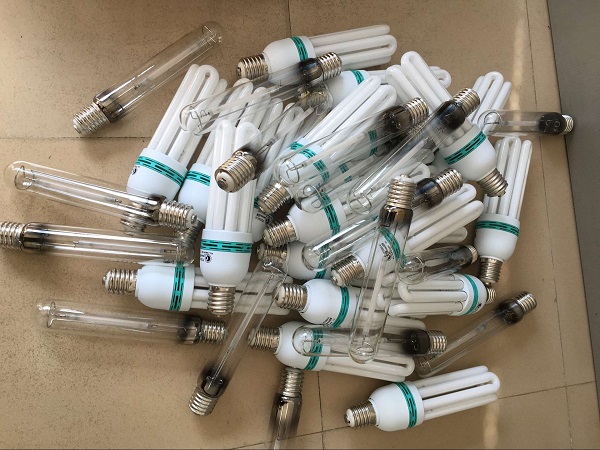

2.2. Collection of ORTL must be carried out at the place of their formation separately from ordinary garbage and old separately, taking into account the method of processing and neutralization.
2.3. In the process of collection, the lamps are divided by diameter and length.
2.4. Containers for the collection and storage of ORTL are whole individual cardboard boxes from lamps such as LB, LD, DRL, etc.
2.5. After packing ORTL in a container for storage, they should be put in separate boxes made of plywood or chipboard.
2.6. Each type of lamp must have its own separate box. Each box must be signed (indicate the type of lamps - brand, length, diameter, the maximum number that can be put into the box).
2.7. Lamps in the box should fit tightly.
2.8.The room intended for storage of ORTL should be spacious (so as not to hamper the movement of a person with outstretched arms), be able to ventilate, and supply and exhaust ventilation is also necessary.
2.9. The room intended for the storage of ORTL should be removed from amenity premises.
2.10. In the room intended for storage of ORTL, the floor must be made of a waterproof, non-sorption material that prevents the ingress of harmful substances (in this case, mercury) into the environment.
2.11. To eliminate a possible emergency situation associated with the destruction of a large number of lamps, in order to prevent adverse environmental consequences, in the room where ORTL is stored, it is necessary to have a container with water, at least 10 liters, as well as a supply of reagents (potassium manganese).
2.12. When ORTL is broken, the storage container (the place of breaking) must be treated with a 10% solution of potassium permanganate and washed off with water. The fragments are collected with a brush or scraper into a metal container with a tight-fitting lid filled with a solution of potassium permanganate.
2.13. An act of any form is drawn up for broken lamps, which indicates the type of broken lamps, their number, date of occurrence, place of occurrence.
2.14. IT IS FORBIDDEN:
Store lamps outdoors; Storage in places where they can be accessed by children; Storage of lamps without containers; Storage of lamps in soft cardboard boxes, heated on top of each other; Storage of lamps on a ground surface.
Advantages and disadvantages
Product characteristics depend on the medium temperature. This is due to the pressure force of mercury vapor located inside the product.If the temperature of the walls of the flask is forty degrees, the lamp works at maximum.
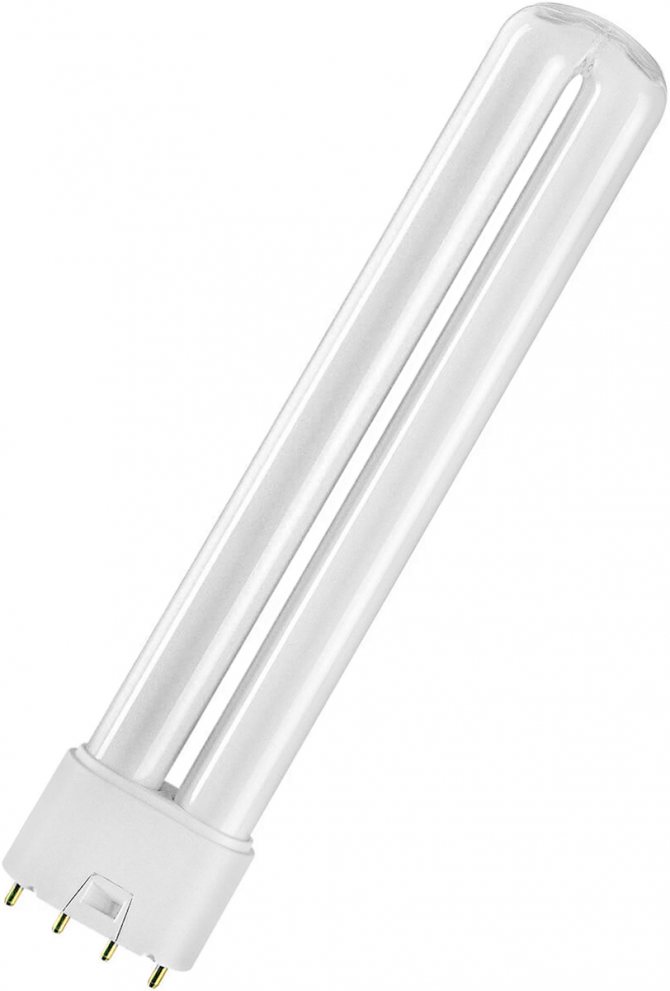
The main advantages of the equipment are as follows:
- high degree of light output, reaching a maximum of 75 lm / W;
- long service life (up to 10 thousand hours);
- low brightness that allows you to shine without blinding your eyes.
The disadvantages of the equipment are as follows:
- Limited power of fluorescent lamps (single) with large dimensions.
- Difficult connection of equipment.
- The absence of a real possibility of supplying the goods with a current with a constant value.
- When the air temperature deviates from the standard indicators (18-25 degrees), the power of the supplied light is much less. If the room is cold (less than ten degrees), it may not work.
Analyzing the advantages and disadvantages, it follows that the equipment is suitable for use in places where it justifies the need for its operation and allows you to achieve an effect that cannot be obtained from a product of another type.
How much mercury is in the lamps
Each type of mercury-containing modules has a different mercury content in lamps, the amount also depends on the place of manufacture (domestic/foreign):
- Sodium RVD contain 30-50/30 mg of mercury.
- In fluorescent tubes there are 40-65/10 mg.
- High pressure DRL contain 50-600/30 mg.
- Compact fluorescent - 5/2-7 mg.
- Metal halide light sources 40-60/25 mg.
- Neon tubes contain over 10 mg of mercury.
Taking into account the limiting concentration of liquid metal for populated areas in the amount of 0.0003 mg/m3, it becomes clear why mercury-containing wastes are classified as the first hazard class in FKKO.
Alternative light sources
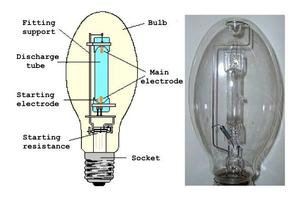 Despite the simplicity and cheapness of the production of DRL lamps of this type began to be replaced by LED counterparts, the characteristics of which are unattainable using other technologies. DRL and HPS are replaced by LED lamps with a power of 20-130 watts. As the power of LED lamps increases, the number of additional devices increases, with a power of more than 60 W, the LED lamp is equipped with a fan that provides enhanced cooling. For an LED lamp with a power of more than 100 W, an external power driver is required.



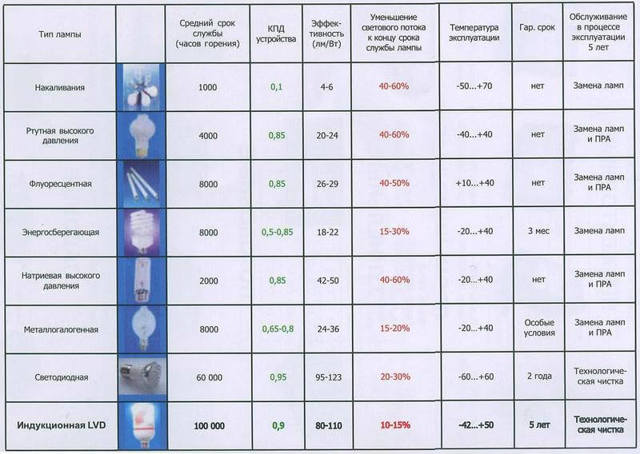
LED technologies provide efficiency up to 98%, and with additional devices at least 90%. Therefore, the consumption of electricity and the cost of unnecessary heating of LED lamps are significantly reduced. Since significant inrush currents are not used for their operation, it is possible to use smaller wires to connect the LED lamp. LED lamps are resistant to mechanical stress and temperature, they do not respond to power surges, the uptime reaches 50,000 hours, they have good contrast and color rendering. To the listed advantages it is worth adding environmental safety, less weight, no flicker, a constant level of illumination.
For DRL and HPS lamps, the luminous flux weakens over time. Already after 400 hours of operation, it drops by 20%, and at the end by 50%. Thus, it turns out that a significant part of the time they give only 50-60% of the light from the nominal value. The power consumption after that remains the same. For LED lamps, the characteristics do not change during the entire period of operation.
The disadvantages of LED lamps include the need to remove heat from the LED. Since overheating can lead to loss of performance. The high cost should also be credited as a disadvantage, but the costs pay off within a year when working 12 hours a day due to energy savings, reduced operating costs and lamp replacement.



