
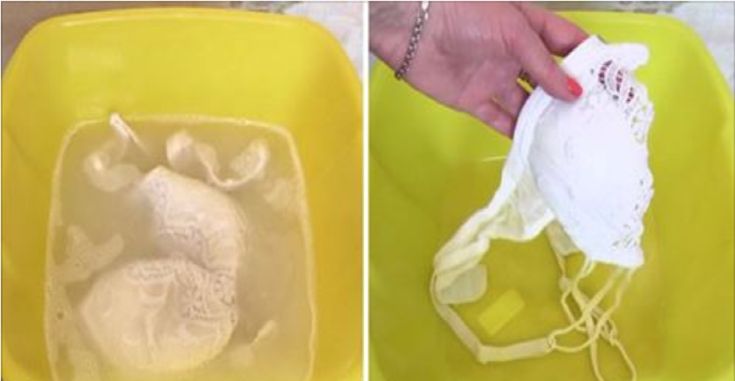
- How to remove gray plaque from clothes: grandmother's advice
- Folk methods
- Hydrogen peroxide
- Boiling
- Soda
- Mustard
- Ammonia + turpentine + laundry soap
- Laundry soap and Vanish
- Boiling in modern living conditions
- How to wash kitchen towels with vegetable oil?
- Method one
- Method two
- Method three
- Home bleaching of cotton shirts
- Known Methods
- Funds from the store
- Optical brighteners
- Chlorine bleaches
- Oxygen bleaches
- How to wash whites and underwear
- Folk ways of bleaching linen
- Boiling
- Laundry soap
- Laundry soap plus soda
- Laundry soap plus potassium permanganate
- Soda
- Soda plus ammonia
- soda plus vinegar
- ammonia plus hydrogen peroxide
- Mustard
- Eggshell
- Vegetable oil
- How to wash in a washing machine: at what temperature, in what mode?
- So let's sum it up
How to remove gray plaque from clothes: grandmother's advice
If things have not yet suffered greatly from time or various pollutants, but only slightly grayed out, then you can try to restore their original appearance using old, time-tested methods. Let's consider them in detail:
 Soak laundry before washing to help remove stains
- Before washing whites, add a little ammonia and regular alcohol along with the powder. The first will prevent the appearance of gray plaque, and the second will disinfect things.
- Before washing, soak in white for a couple of hours things made from natural cotton or with its addition. After soaking, you can start the washing process.
- Oddly enough, but ordinary kefir can be used as a means to protect against the appearance of gray plaque. Pour the linen with kefir for a couple of hours, then rinse it thoroughly and start washing as usual.
- If greasy stains appear on white things, try removing them with mustard powder (2 tablespoons) diluted in a liter of hot water. Let it brew and cool down. Then pass through cheesecloth and add the required amount of water so that the laundry can be soaked overnight.
- Woolen clothes can be washed in a decoction of beans. Boil 1 kg of white beans in 5 liters of water. Then pass through gauze. In the resulting liquid "cleaner" wash woolen items.
Advice. To make things smell pleasant after washing, as an alternative to purchased conditioners, you can use natural ones, prepared with your own hands. You will only need 0.5 liters of distilled table vinegar with the addition of 7-10 drops of your favorite essential oil. per load linen will be enough 3-4 tbsp. spoons of the obtained fragrant agent.
This, perhaps, can complete the acquaintance with folk recipes for bleach. Be sure to try at least one of them and you will certainly be surprised at the result. Good luck!
Folk methods
You can whiten things quite effectively with the help of affordable and inexpensive home remedies.
Hydrogen peroxide
You can bleach white shirts, blouses and other products with hydrogen peroxide:
- pour 5-6 liters of water into the basin, add 50 ml of peroxide. Soak for 1 hour, then rinse and wash with bleaching powder;
- if the clothes have acquired a grayish tint, peroxide in combination with ammonia will help to bleach it. Pour 40 ml of each product into 3 liters of water and soak things for 40 minutes.
If there are persistent stains on white clothes, they should be poured abundantly with hydrogen peroxide, left for half an hour, washed with laundry soap, and only then bleached completely.
Boiling
It is easy to bleach a white product by boiling it in boiling water. You need to take a large container: an old pot or bucket, fill it halfway with water, immerse clothes in it, add detergent, bring to a boil, and boil for about an hour.
As a means for boiling, you can use:
- baking soda;
- bleaching laundry detergent;
- laundry soap (shavings);
- 3% hydrogen peroxide;
- bleach containing chlorine;
- table salt.
Various combinations are allowed, such as powder and bleach, peroxide and salt.
Only cotton fabrics can be boiled; the method is not suitable for wool and synthetics.
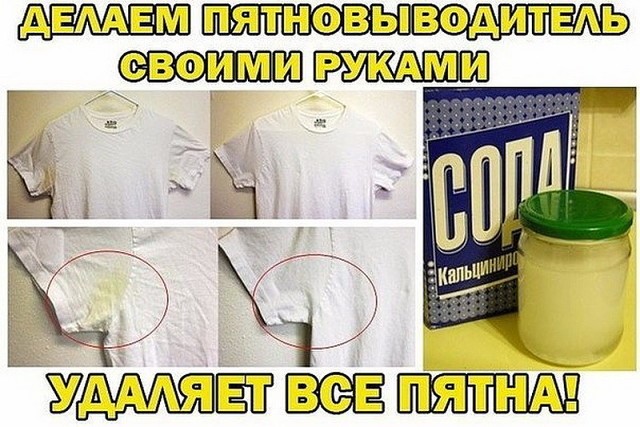
Soda
A simple and affordable way to restore whiteness to fabrics is to prepare a concentrated soda solution and soak clothes in it for 1 hour. The water temperature for delicate fabrics should be no higher than 30-40 °C, for natural fabrics - 50-60 °C.
150 g of soda is enough for 3 liters. After soaking, white things are washed with powder and rinsed three times.
Soda is also effective in machine washing. Lay it directly in the drum, in the amount of 2-3 tbsp. l.
Mustard
Mustard powder will help restore whiteness to things and remove grease stains.There are three options for using it:
- dilute 50 g of dry mustard in 5 liters of water, soak for 3-4 hours, then rinse and wash with washing powder;
- when boiling, add mustard to water at the rate of 50 g per 2 l;
- dilute a pack of mustard powder with plenty of cool water to make a rather liquid slurry. Apply this mixture generously to white items, tie them in a plastic bag, and leave overnight. Rinse in hot water in the morning.
Mustard can be used to bleach kitchen towels. They often leave greasy spots.
Ammonia + turpentine + laundry soap
This mixture is suitable for bleaching products that have traces of old stains. It is risky to use the recipe for thin, delicate fabrics, turpentine will harm them.
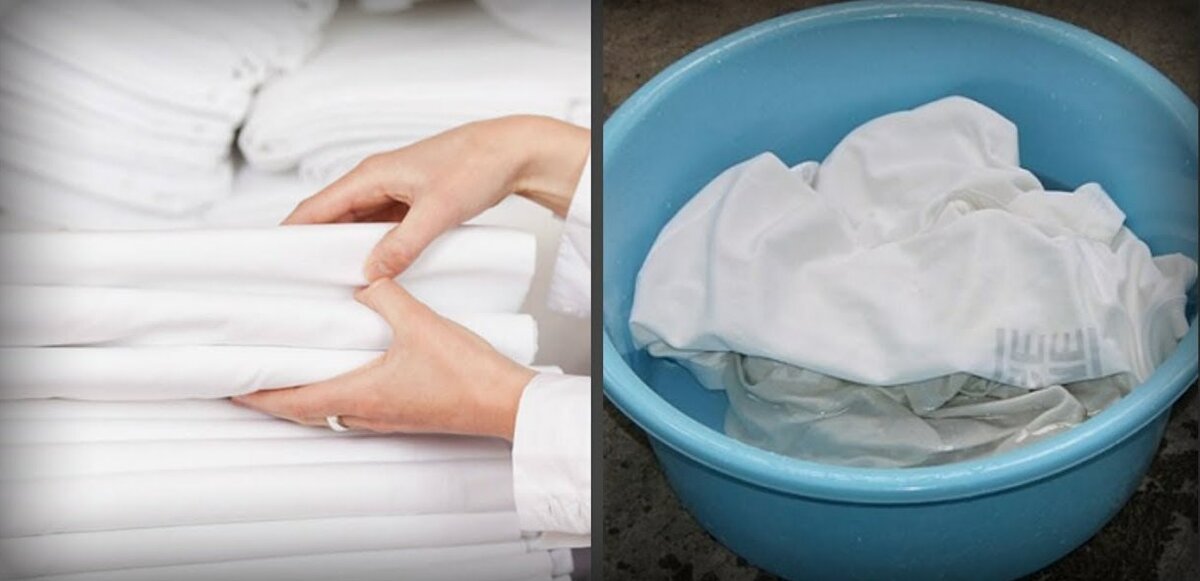


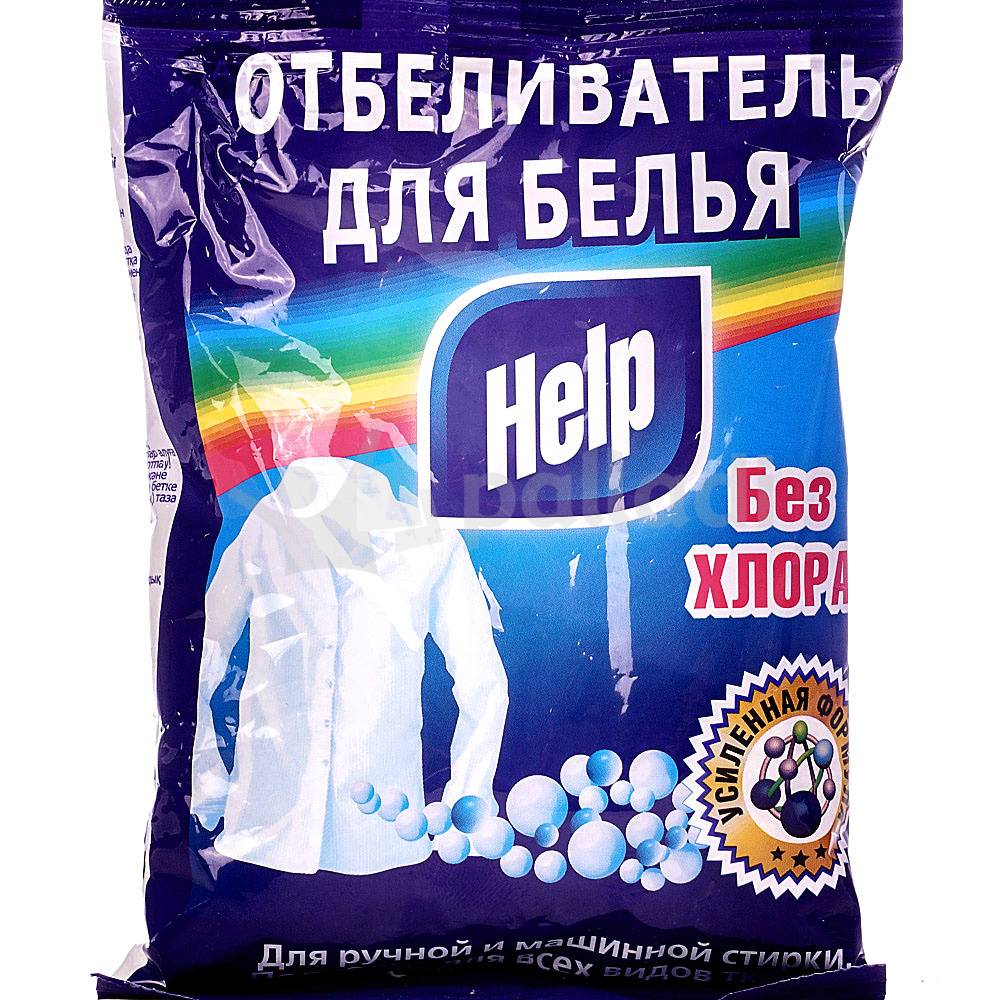


You will need:
- 1 st. l. ammonia;
- 40 g household soap chips 72%;
- 2 tsp turpentine.
Mix everything, dissolve in warm water and immerse things in it for 1 hour. If there are stains on white clothes, the mixture is preliminarily applied to them for 15-20 minutes.
Laundry soap and Vanish
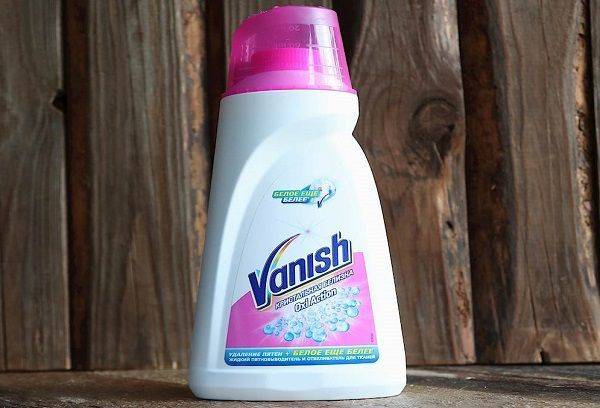
Vanish is a popular bleach that tackles yellow, gray fabrics and removes old stains at the same time. It will work even more effectively if you combine it with laundry soap. You can do this in several ways:
- dissolve soap chips and Vanish in water, soak white clothes for an hour;
- soak the laundry in a soap solution, and then load it into the washing machine along with Vanish;
- stubborn stains before bleaching pour "Vanish" and after 15-20 minutes wash under the tap.
Boiling in modern living conditions
If you do not want to resort to this method, use home and modern.The washing temperature should be at least 90 degrees, whiteness, soda, laundry soap (shavings) or salt can be added to the powder tank and washed. Be sure to rinse well and specify the spin mode in the machine program.
As a rule, the whole work takes 2-3 hours, but you will not get tired at all.
It is important to consider the same aspects as when boiling by hand, regarding lace, synthetics, children's clothing and colored clothing.
Use special products for white things.
As a result, from all of the above, we can draw a simple conclusion: safety is above all. It must be respected, both in relation to the hostess, who conducts the washing process, and in relation to things that will be further used. A valid recipe can be obtained even from improvised means. The labor-intensive process justifies the expended effort, looking at the result. Now the breakdown of the washer or its poor performance of the function is not terrible.
How to wash kitchen towels with vegetable oil?
In order for the textile bleaching procedure to be as effective as possible, it is worth adhering to the following recommendations:
- Oil is added to hot water only after complete dissolution of other substances. If it is poured immediately, the oily film will slow down the dissolution of the powder and bleach, and the effectiveness of the solution will decrease.
- When using a recipe that contains vinegar, it is not advisable to switch from dry bleach to baking soda. As a result of the reaction between soda and vinegar, a lot of foam is formed, which will flow out of the laundry container.
- Only dry items are placed in the soap solution. Moisture interferes with the breakdown of dirt and grease, and in this case there will be no efficiency.
- Many housewives keep a special enameled bucket with a lid for such bleaching. After laying the dirty linen and pouring the washing solution, the bucket is covered with a lid and wrapped well so that the liquid does not cool down for as long as possible.
Vegetable oil in combination with washing powder and bleach works wonders. In such a soapy solution, not only fat is washed off, but also outdated stains from wine, tea, coffee or blood. This method of washing is considered simple, economical and at the same time quite effective.
There are many uses for fabric cleaning, but we will look at three of the most common ways.
Method one
For ten liters of water you need to add:
- 4 tablespoons of vegetable oil;
- 4 tbsp. spoons of dry bleach;
- 300 g of washing powder.
We invite you to familiarize yourself with grape seed oil with your own hands
The ingredients should be thoroughly mixed in water. Next, the towels are soaked in the resulting solution for two to three hours. Under the influence of active substances, pollution is softened. Finally remove the dirt and the solution itself with a regular wash. Can be washed in any washing machine. It is recommended to add additional rinses to better remove oil residue from the fabric.
This method can also be used for colored fabrics, if the dye is sufficiently resistant. The oil base softens the aggressive effects of bleach.
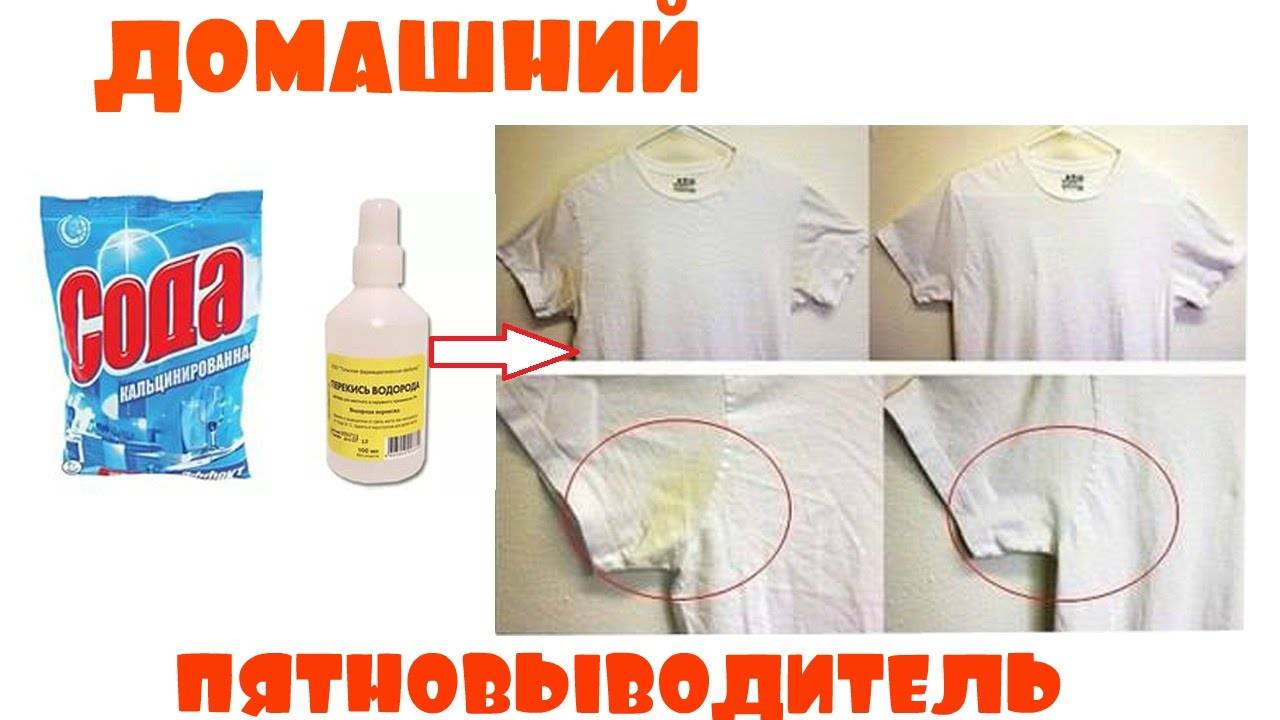
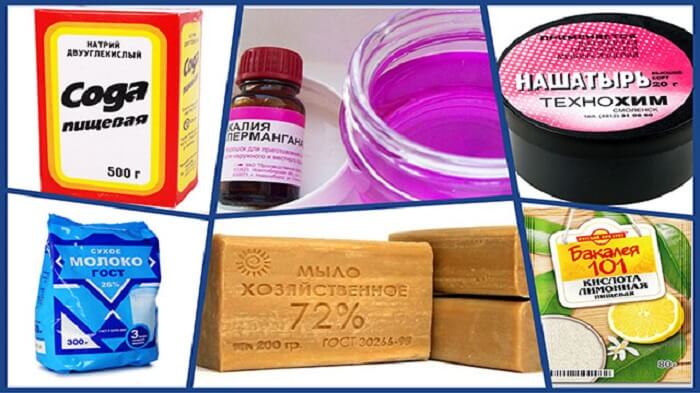

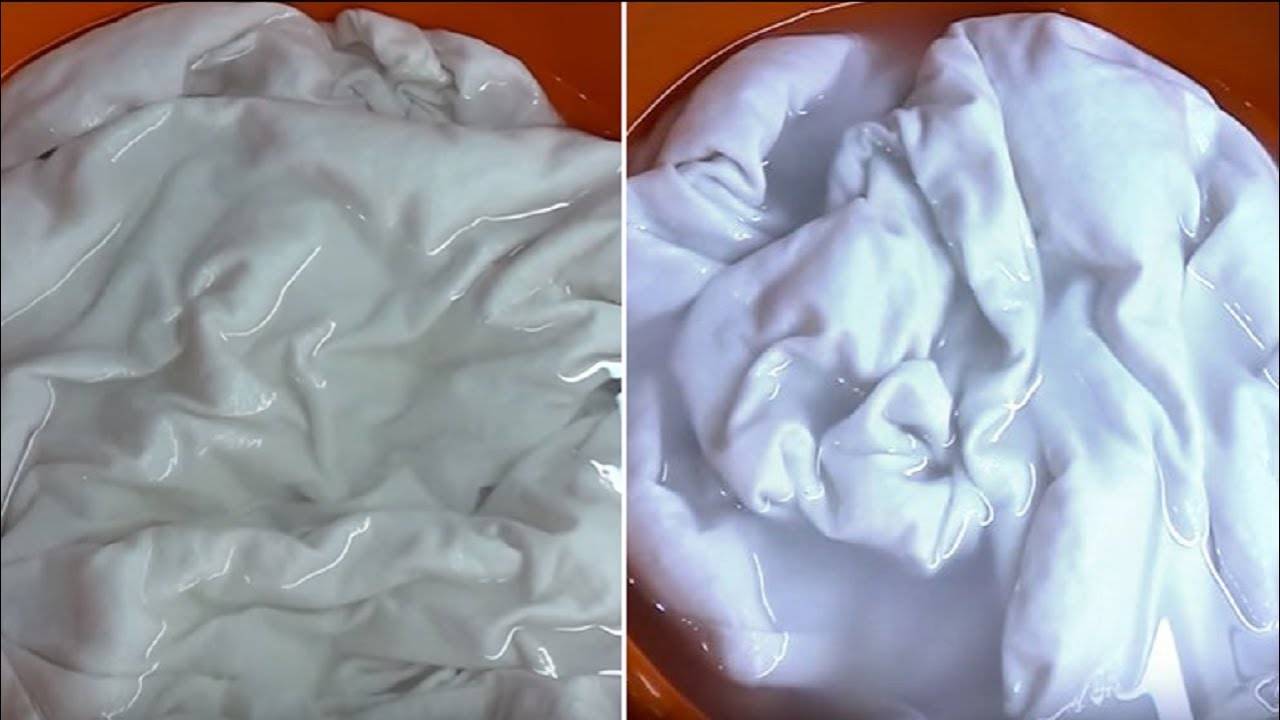


Method two
To prepare the second version of the solution for 10 liters of water, you will need:
- 2 tbsp. tablespoons of vinegar essence (it can be replaced with one glass of table vinegar);
- 2 tbsp. spoons of soda;
- 80 g of washing powder;
- 2 tbsp. tablespoons of vegetable oil.
If the reaction of soda and vinegar too active, you can replace the soda in the solution with bleach. The effectiveness of the impact will not suffer.
Method three
This option is even more interesting, because now we will lay already washed towels in the prepared solution.
- 2 tbsp. tablespoons of vegetable oil;
- 2 tbsp. spoons of bleach;
- 300 g of washing powder.
The solution is prepared on the basis of hot water. Immerse pre-washed towels into it, leave them until the liquid has completely cooled. We take out and rinse thoroughly to remove the remnants of active ingredients. Next, dry the fabric. This method should also help eliminate stubborn dirt.
There are recommendations to more effectively bleach kitchen towels at home:
- Vegetable oil is added to all solutions last. If you do the opposite, it will be quite difficult to stir the rest of the ingredients.
- In the prepared solution, towels should be laid dry. Pre-moistened contaminants are much more difficult to decompose.
It’s not hard to guess that using the vegetable oil trick can be used for more than just cleaning towels. A large number of posts on housekeeping forums indicate that the addition of oil helps to restore the original cleanliness of underwear, pillowcases, sheets and duvet covers.
It is very important for mothers and their babies that such whitening methods are completely safe and will not harm the child's body. Therefore, more and more solutions with the addition of oil are used for washing baby clothes, diapers, shirts, blouses and sliders
Linen bleached with oil does not cause allergies.This is especially important for underwear that comes into contact with the skin.
The effectiveness of the use of vegetable oil is based on the fact that it helps to soften stubborn dirt. And in a softened form, dirt is easily removed by subsequent washing or even a simple rinse.
If you notice the appearance of stains that cannot be washed off in the usual way, do not rush to get upset and throw away still fairly new things. One of the suggested methods is likely to help solve the problem. Kitchen towels, linen and other textiles will be clean at minimal cost.
Home bleaching of cotton shirts
A snow-white shirt gives the usual office look some solemnity, but, unfortunately, it is not easy to care for such a thing, since it often has to be dry-cleaned. Dry cleaning services are not a cheap pleasure, which is why many lovers of white things deny themselves the pleasure of wearing such a top.
However, it is possible to return the shirt to crystal clearness and sharp whiteness at home. Fortunately, in modern household chemical stores you can buy a very effective remedy. So, for example, to care for a white cotton item, you can purchase the following bleaches:
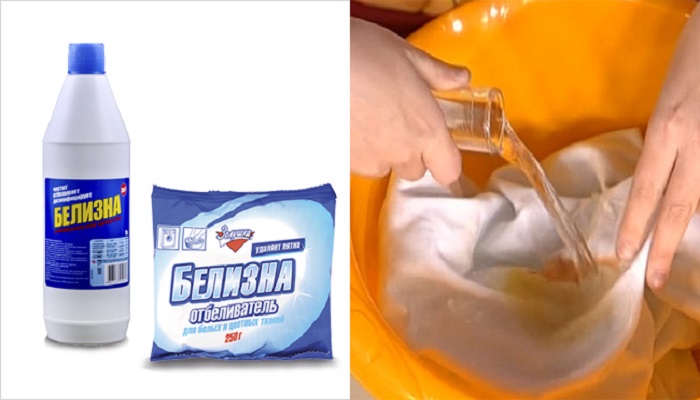
- Chlorine containing products. Many housewives successfully bleach office shirts with cheap Whiteness. It very well relieves cotton of a gray or yellow tint. It is only necessary to add 50 ml of the product to the washing water (5 liters), then wash the shirt in this water. If the thing is very gray or yellowed, you need to soak it in hot water with the addition of chlorine bleach for an hour.True, this method has one significant disadvantage: bleach corrodes the fabric, so you should bleach your clothes as little as possible, otherwise the thing will not last long. In addition, "Whiteness" is not the best bleaching agent for especially sensitive housewives: its smell cannot be called pleasant, and hands prone to irritation can become covered with sores after contact with it. More gentle for a white cotton shirt and for the hands of her mistress will be "ACE".
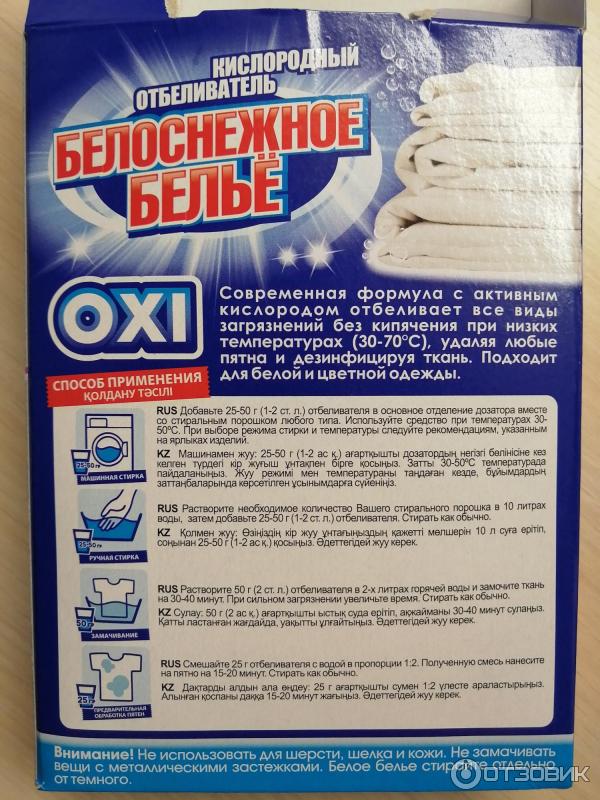
- Oxygen bleach. Such tools have recently become very popular. They are valued for their high efficiency in relation to any fabrics. Oxygen bleaches are more gentle on the material compared to chlorine bleaches. In addition, they are environmentally friendly and low allergenic. There are many different brands of such bleaches on the modern market: Vanish Oxi Action, Synergetic, Cinderella, Faberlic. Some of them are more expensive, others are cheaper, but, according to users, the price does not affect their effectiveness.
- Homemade bleach. If none of the store-bought options suits you, try using a homemade remedy. You can create a good homemade bleach from a teaspoon of hydrogen peroxide, the same volume of baking soda and two liters of water. You can also use citric acid as a home bleach. You just need to add it to the soapy water for washing and hold the shirt in this solution for about a quarter of an hour. The yellowed thing will then become whiter.
- A good answer to the question of how to whiten a white shirt at home is a weak solution of potassium permanganate.If a pre-washed item is placed in a slightly pink solution of potassium permanganate, the yellowness or grayness will go away.
- Experienced housewives say that a white thing that has turned yellow over time can be bleached with laundry soap. Thoroughly rub the shirt with brown soap, leave it to soak for a couple of hours, and then wash it - the thing will be snow-white again.
- If the shirt has not completely turned yellow and only the collar or underarm area needs to be whitened in it, then you can try using special stain removers for white fabric for this. At home, the problem of how to whiten the collar of a white shirt can be solved with ammonia. A spoonful of this remedy should be added to an aqueous solution of salt (a glass of liquid per tablespoon of salt), mix the mixture well and apply it to problem areas. Wash after half an hour. You can also mix ammonia with ordinary alcohol, treat the fabric with this agent, leave for a quarter of an hour and wash. Soda copes very well with the problem of yellow or gray spots on white fabric. It can be added to washing water or salt water for soaking.
- Vinegar will also help to remove darkening from the collar of a white cotton shirt. It is necessary to soak the fabric in the problem area with this agent, leave it for literally 10-15 minutes, and then rewash the thing. The method is also suitable for removing yellow traces of sweat in the armpit area.
When bleaching cotton clothes, a simple rule works - the higher the water temperature, the higher the result after the procedure. An excellent effect will give, for example, boiling a white shirt in soapy water.
The site assures: almost all of the above methods are suitable for a white linen shirt. But clothes made of more delicate fabrics need other types of bleaching.
Known Methods
As mentioned above, there is a whole variety of methods that will help you effectively whiten even yellowed things. However, not everyone knows them, so many cannot cope without boiling. But still, this method is not suitable for all products, since this can completely ruin the thing. So, how to whiten things without boiling? If digestion is not suitable for delicate fabrics, then you can use methods that involve the use of soda, ammonia alcohol, peroxide, manganese, laundry soap, mustard powder, turpentine, egg shells, industrial bleach.

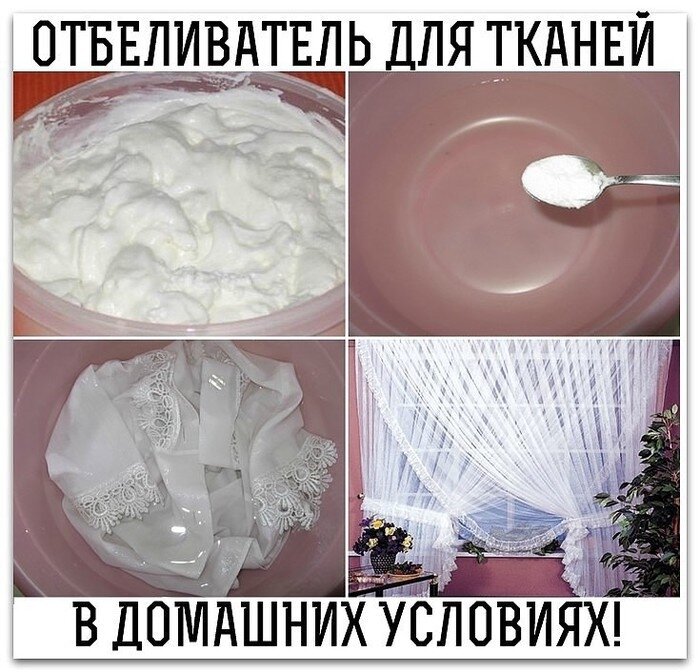

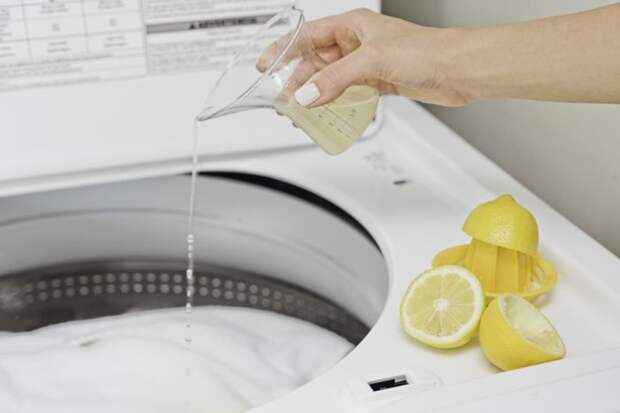
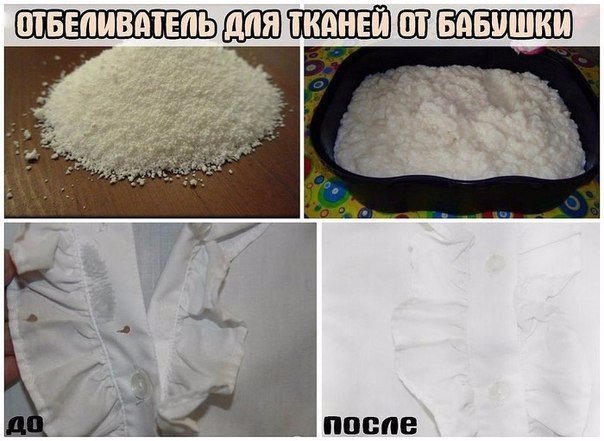


So, in order to whiten a thing with soda, you need to know how to use this component correctly. This tool is most often used by housewives for household chores, in particular for cleaning white things. The fact is that some are afraid that the chemicals that are in store bleaches are not rinsed out of things after washing, and after that a person may experience irritation or an allergic reaction. Soda does not cause allergies and, moreover, can perfectly whiten linen, making it snow-white.
So, there are several methods at once that involve the use of soda. In the event that the laundry is not very yellowed and not so washed out, soda is added along with the powder to the washing machine. During washing, this component will quickly dissolve, providing a whitening effect.However, this action will be weak, so if white linen needs a good cleaning, then this method will not work. But at the same time, soda perfectly softens water, which increases the efficiency of washing, so this substance in a small amount can be successfully added every time to the washing machine.
The following soda method can be used to bleach clothes that have not lost their attractive appearance yesterday. For this, the following recipe is suitable. So, to prepare a special mixture, you will need half a glass of soda, which is mixed with ammonia, namely 2 tbsp. l. And then everything is filled with water. For this, 5 liters of liquid is enough
The composition is important to mix thoroughly. Then this liquid is poured into a basin, where things prepared for washing are immersed.
Things can not be touched for several hours. Then the clothes need to be rinsed, after which it is placed in the washing machine and washed as usual. This method perfectly removes yellowness, and you can also say goodbye to an unpleasant tint on white things.
We recommend to read
To eliminate specific stains that have formed on linen, the third method is suitable. So, for starters, this place is wetted with water, after which soda is poured here, and after a few minutes a small amount of vinegar is poured here. Thanks to this simple method, it will be possible to bleach white things very quickly. Just do not forget to put things in the washing machine after this manipulation and wash.
Funds from the store
Supermarket shelves are bursting with all sorts of products, the advertising of which promises that they can be used to quickly and without damage to the fabric to bleach things. It's easy to get lost in the diversity.How to make the right choice? All store products can be divided into three categories, each of which has advantages and disadvantages.
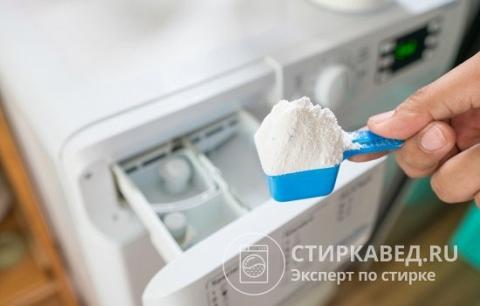 When washing whites in the washing machine, it is convenient to use bleach powders.
Optical brighteners
Actually bleaching during washing does not occur. Such means only create the appearance of whiteness. The secret is that the composition contains reflective components that, when it hits the fabric, make it visually lighter. By the way, such bleaches are a component of many expensive washing powders.
Chlorine bleaches
Our grandmothers also used these funds. Their undoubted advantage is cheapness. At the same time, bleach is quite effective and also disinfects things. But it also has its downsides. Such a bleach has a destructive effect on the fabric structure. Using bleach just a few times, you can ruin the thing, because the threads in the fabric first become thinner, and then completely torn. Therefore, before bleaching a white blouse in this way, you should think a hundred times.
It is impossible to whiten woolen things, as well as silk fabrics. The named bleaches are also contraindicated for use in an automatic machine, therefore washing is carried out manually, which becomes a frequent cause of allergic rashes on the skin of the hands.
 Chlorine bleaches have both advantages and disadvantages.
Oxygen bleaches
Such a bleach is a modern tool that will help whiten things at home. The main plus is that there are no restrictions on the type of fabric, that is, you can bleach both a synthetic T-shirt and an old tulle if it has turned gray. By the way, in stores you can even find oxygen bleach for colored items.They will not only get rid of unnecessary stains, but also return the color to your favorite T-shirt or sweater. They can also be used in machine wash.
How to wash whites and underwear
If you have things that have not yet acquired a yellowish or gray tint, then when washing them, you must follow a few rules:
- Do not wash light-colored clothes or bedding with gray or black items.
- Use a special conditioner during washing.
- Avoid washing white items at high temperatures, otherwise things will fade from temperatures above +90 C.
- Use rinse aid after each wash, at least once a month, use special formulations that ensure the color of the laundry is preserved.
Soda, milk, hydrogen peroxide, salt, industrial bleaching agents are used as household bleaches for things. If the thing is also dirty, then during its bleaching water is enriched with washing powder or soap. Now consider how to bleach linen and return it to its former freshness.
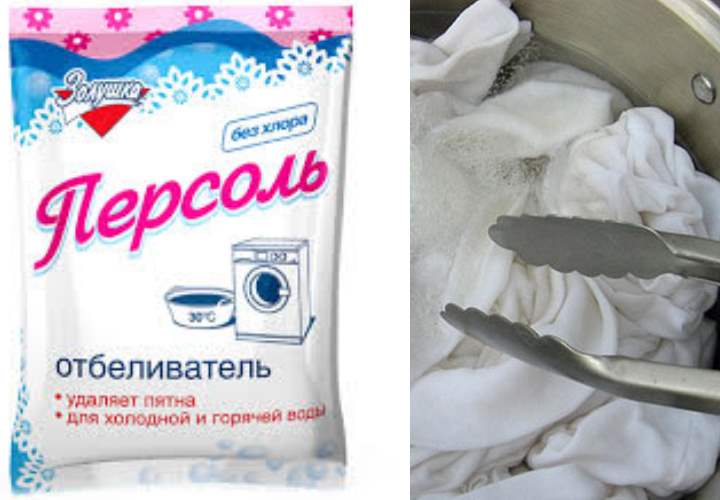



Folk ways of bleaching linen
There are many different ways to whiten white linen, including washed ones, at home.
Boiling
The oldest and most proven method, which some people successfully use to this day. It is not difficult to do this. To do this, you will need an old bucket or large capacity pot:
Laundry soap should be added to the water, which copes well with all types of pollution.
- Things must be put into the water before the container is on the stove.
- When the water boils, the fire must be reduced.
- During boiling, things need to be stirred periodically.
- After the procedure, the linen should be rinsed properly.
- For heavy soiling, bleach can be added. To do this, dilute a spoonful of this product in a liter of water, then pour the solution into a boiling container, and then put the laundry there.
Laundry soap
Not everyone likes to boil laundry, many consider this method outdated, tedious and prefer to use other methods. How to bleach white linen at home without boiling? The simplest, most affordable and effective remedy is laundry soap, which, as a rule, can be found at any housewife. You can use it on its own by dissolving it in water and soaking things in this solution, or in combination with other components.
Laundry soap plus soda
Grate laundry soap and add the same amount of soda. You can add lemon zest for flavor. Dissolve the resulting composition in water and soak things in it. Your linen will become snow-white!
Laundry soap plus potassium permanganate
How to bleach white underwear (pants, bra)? For this case, we suggest you use a simple and safe recipe:
- Grate 50 grams of laundry soap and add a few grains of potassium permanganate.
- Pour this mixture with several liters of warm water, thoroughly dissolve the composition with water.
- Soak your laundry in the solution for an hour.
- Then wash it as usual.
Soda
How to bleach bed linen at home in a washing machine? Soda will help you, however, it will only cope with fresh pollution. Just add it to the compartment of your washing machine when washing, and your clothes will shine white.
Soda plus ammonia
How to prepare a bleaching mixture based on soda and ammonia?
- Take half a glass of soda, add two tablespoons of ammonia there. Pour all 5 liters of water.
- Mix the solution thoroughly.
- Pour into a basin and put the laundry there for several hours.
- Rinse and then wash in the washing machine as usual.
soda plus vinegar
If there is a stain on your sheet, then try the following method. There is a very simple way to whiten things with baking soda and vinegar - they will remove all stains:
- Moisten the problem area with water.
- Pour in the soda.
- Pour in the vinegar.
- Wash the product in the machine.
ammonia plus hydrogen peroxide
Hydrogen peroxide perfectly eliminates yellow spots, and also disinfects linen, it can be used independently by diluting it in water and pouring it onto a problem area. But in combination with ammonia, it gives the best effect:
- Take ammonia and hydrogen peroxide in a combination of 1 to 2 and dissolve this solution in several liters of water.
- Place your things in the solution, leave for several hours.
- Stir occasionally.
- Rinse the linen and then wash as usual.
Mustard
When bleaching bed linen at home, mustard is used. Some consider this method quite effective:
- Dilute mustard powder in water and put laundry in it.
- After a while, take out the laundry, rinse and wash as usual.
Eggshell
Few people know about this method, although it is also considered quite effective:
- Take 100 grams of eggshell, sew it into a fabric and put it in the drum with dirty laundry when washing.
- After washing, you will notice that your clothes are much whiter.
Vegetable oil
Oddly enough, but the problem of whitening bed linen at home can be solved with vegetable oil:
- Pour water into a container and put on fire, bring to a temperature of approximately 90 degrees, but do not boil.
- Add 2 tablespoons of oil, salt, bleach, one tablespoon of soda ash, 1 cup of laundry detergent to the water. Mix the composition well.
- Put things in a large container, pour the solution, boil for half an hour.
- After the laundry has cooled down, rinse it in cold water.
How to wash in a washing machine: at what temperature, in what mode?
Processing things in the washing machine is a convenient matter, not taking much time and effortless.
But it is possible to lay in the drum only those products that meet two basic requirements:
- The manufacturer allows washing them in a similar way.
- Preparation for washing has been completed, defects, if any, have been eliminated.
The generally accepted recommendations for washing white clothes are as follows:
| Product type | Fabric type | Washing temperature, ºС | Mode |
| Shirt, pants, skirt, dress, etc. | Silk | 30 | Silk, Delicate |
| Cotton | 40 | Cotton, Delicate | |
| Synthetics | Synthetics | ||
| linen | Synthetic or cotton | Up to 40 | Delicate |
| Sweater, pullover, golf, etc. | Wool | 30 | Wool, Delicate |
| underwear | Cotton | 60 if very dirty - 90 | Cotton |
| Bed sheets | |||
| waffle towels | |||
| Kitchen towels | |||
| Terry towels | 40 to 60 | ||
| diaper | Up to 95 | Children's clothing, Boiling |
It is recommended to choose a detergent marked "White" or "for white things". Such preparations contain bleaching components that will not damage the fabric. These products are available in powder and gel form.



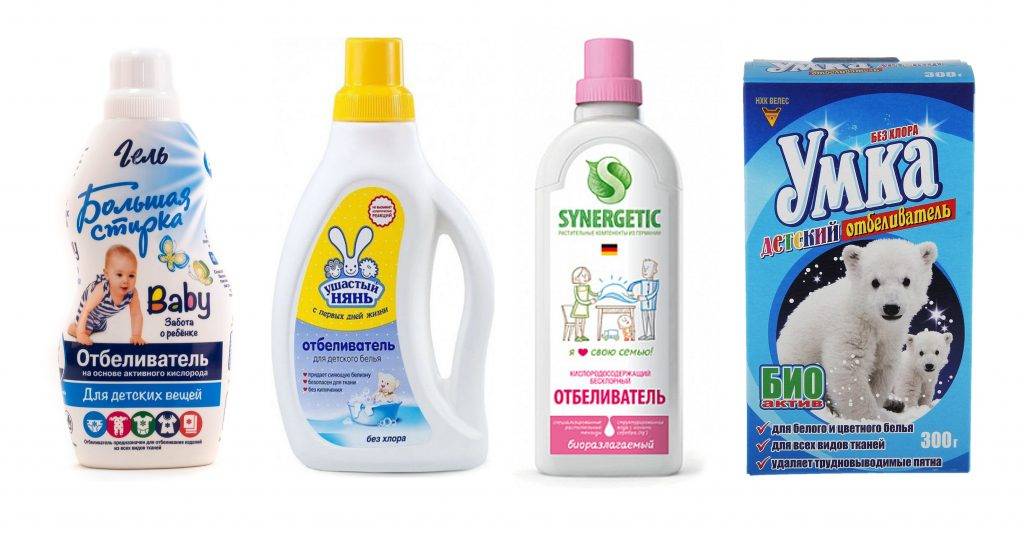
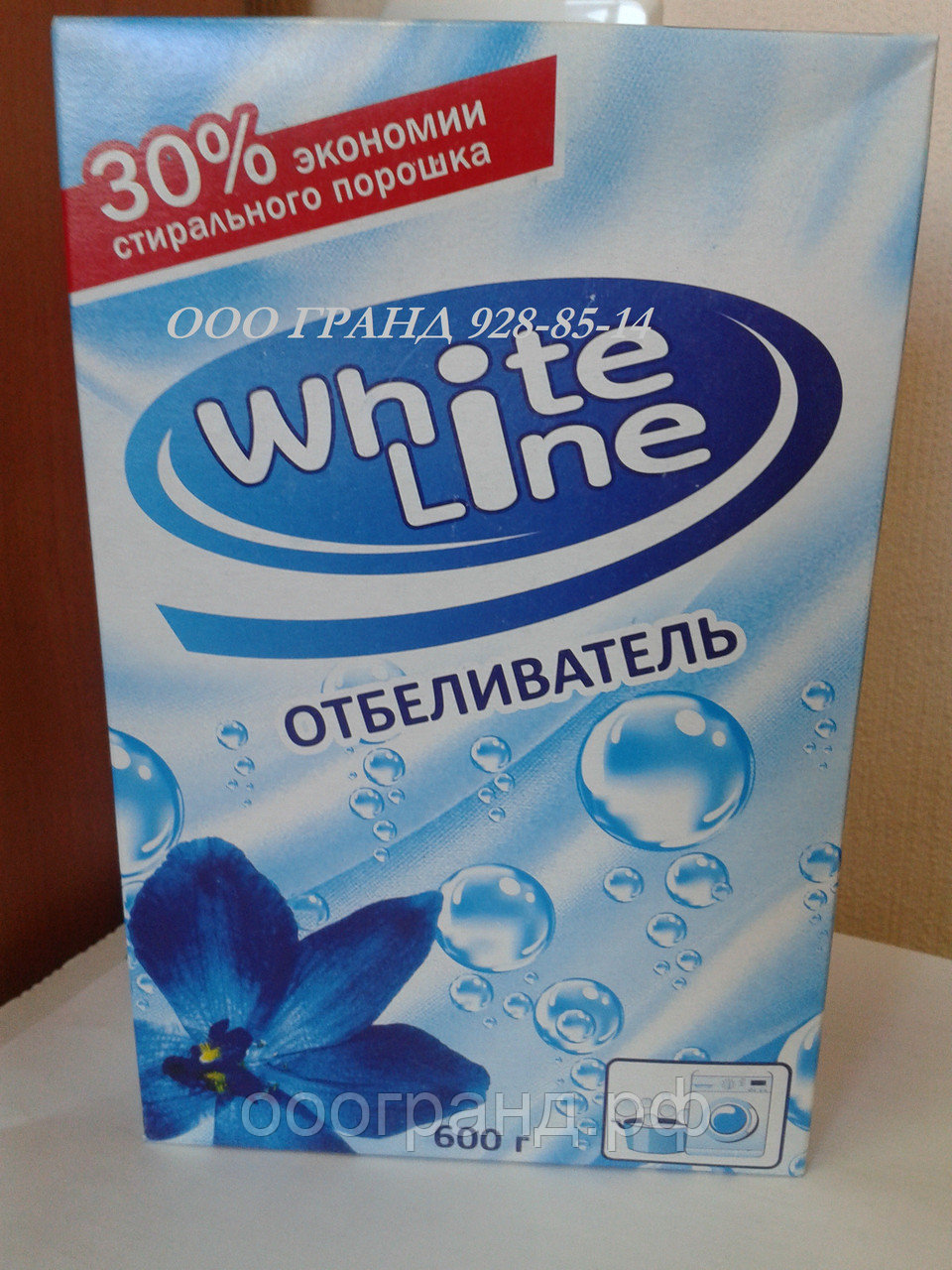
The liquid form dissolves better in water and penetrates well into the fibers of the material, providing high-quality washing. It is particularly preferred for processing delicate materials.
Washing order:
- Load the products that have passed the preliminary inspection and sorting into the machine.
- Add detergent to the special compartment, which is designed for washing white things.
- In a separate compartment, you can add fabric softener (except for delicate laundry, which is washed without it).
- Set the mode on the machine. If necessary, adjust the temperature.
- Start the washing process.
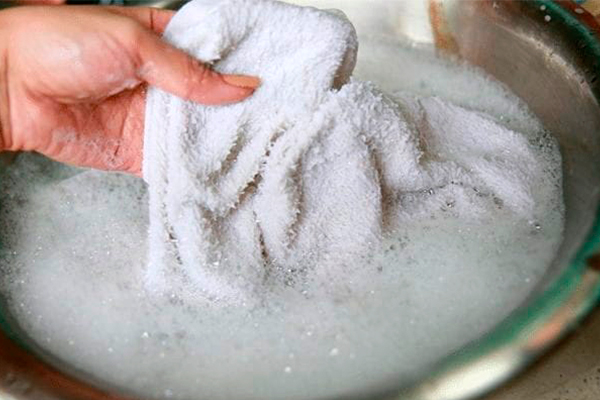
If things are very dirty or worn, they must first be soaked. This can be done in the basin, or by setting a separate mode (if any) on the washing machine.
Soaking time depends on the material and the product itself. A maximum of up to 4 hours is allowed for cotton towels and bed linen. For delicate fabrics - up to half an hour.
If the white fabric has a yellowish tint due to wear, then when washing in a machine in powder container you can add oxygen bleach.
So let's sum it up
How to whiten linen at home effectively - with products from stores or in a grandmother's way - the hostess herself decides
It is important to remember that fabrics are different in composition, react differently - what is suitable for cotton will be detrimental to silk or wool.
However, for every thing there is a method. The Internet is full of advice on how best to do the whitening procedure. Women stopped doing this procedure, considering it too long, tedious.
In fact, everything is simple if you know what to do, the composition of the fabric.Some even create their own recipe - do-it-yourself laundry bleach. But the main advice is to be careful with things. And they will last much longer.



