- The procedure for performing self-flushing pipes
- Causes of System Pollution
- How to clean an aluminum radiator
- The use of chemicals
- Hydrodynamic washing
- hydraulic flushing
- Pulse flush
- Non-standard methods
- Elevator without nozzle
- Flush tap
- Signs of poor heating system maintenance
- How to flush the heating system in a private house
- Chemical cleaning system
- Physical cleaning methods
- The algorithm for cleaning the radiator
The procedure for performing self-flushing pipes
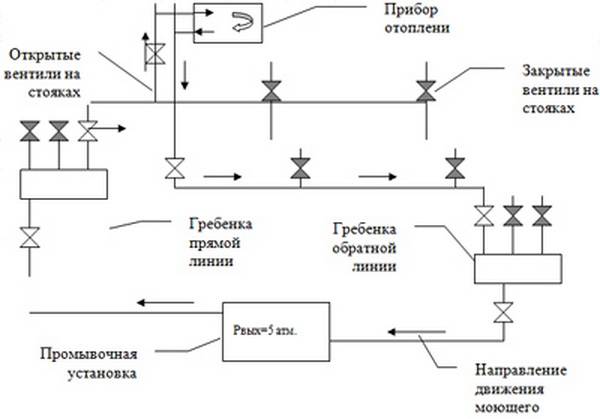
To clean the pipes of the heating system with your own hands using chemicals, you need to know how the heating system is flushed and follow a certain sequence of actions:
- The system must first be carefully examined to determine which cleaning solution to use.
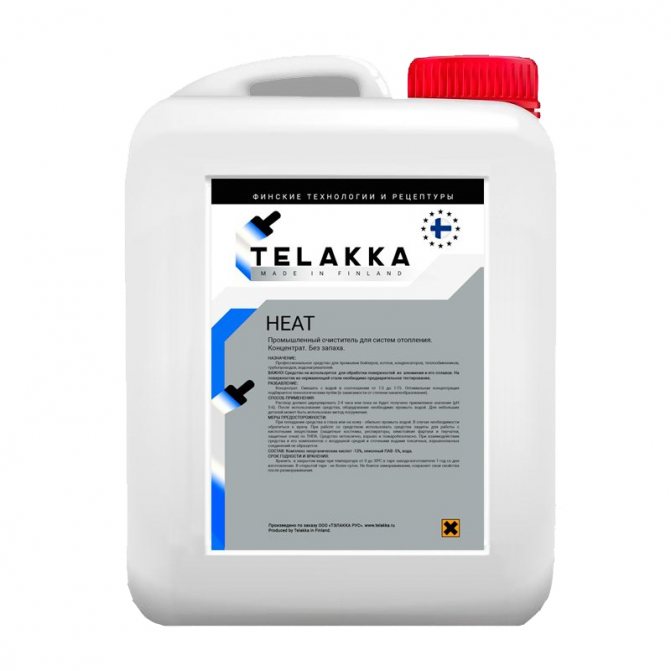
- Next, carefully study the instructions for the selected chemical. It is necessary to prepare the solution in strict accordance with the indicated recommendations, since each preparation has a certain consistency.
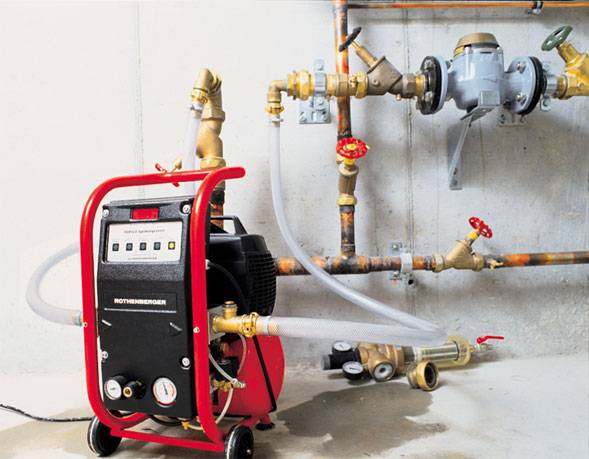
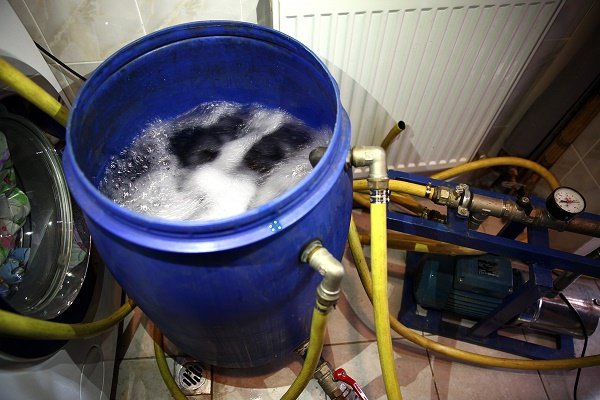
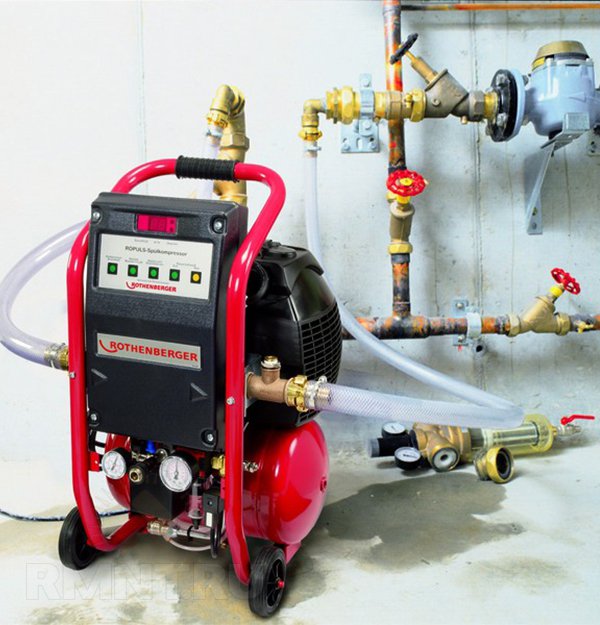
- Fill the pump tank with the prepared solution and connect the device to the system.
- You need to make sure that the chemical is moving through the system.
- Wait a certain period of time, which depends on the degree of contamination and its composition.
- At the end of flushing, remove the chemical solution from the system, flush it thoroughly and fill it with clean water.
Causes of System Pollution
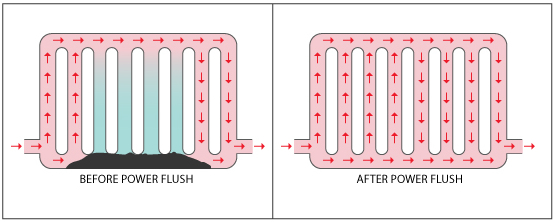
The main reason for the formation of deposits in radiators is the working environment. In particular, we are talking about hot water:
- The interaction of hot water and materials used in the manufacture of the system provokes a chemical reaction. As a result, scale forms on the inner surface of the pipes.
- The content of a large amount of impurities leads to the formation of foci of corrosion, sediment and plaque on the pipes.
In both cases, the resulting deposits reduce the quality of the heating system. By the way, pollution with a thickness of no more than one centimeter reduces the efficiency of the system by about 40%. In addition, deposits on the inner walls of the pipes of the heating system reduce its service life, rendering most of the elements unusable.
How to clean an aluminum radiator
The use of chemicals
Aluminum is an extremely "capricious" metal. When choosing how and how to rinse aluminum radiators, you need to focus solely on the agent whose composition will affect the deposits without affecting the walls themselves.
Chemical flushing is good because it does not require dismantling the batteries and it can be carried out even at the height of the heating season.
It is based on 2 stages of work:
- Scale dissolution.
- Flushing and removing them from the system.
The disadvantages of this type of cleaning include increased toxicity of chemicals. When carrying out it, you need to use protective measures and be very careful.
Care is also required when diluting the chemical composition if it is sold as a concentrate.The wrong proportion can destroy aluminum along with scale. The most popular is the Master Boiler Power concentrate, which is suitable for all types of pipes and radiators.
You can also use "folk" remedies, such as vinegar, whey or caustic soda.
The most popular is the Master Boiler Power concentrate, which is suitable for all types of pipes and radiators. You can also use "folk" remedies, such as vinegar, whey or caustic soda.
Find out useful information about aluminum batteries on our website:
Hydrodynamic washing
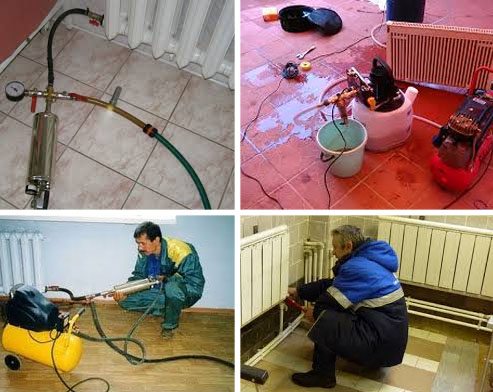
This is one of the most time-consuming ways to clean the heating system. It is based on a shock jet of water, under the pressure of which scale exfoliates from the walls of the radiator.
Work sequence:
- The carrier is completely drained from the line.
- Areas to be washed are determined.
- Part of the pipe is removed, and in its place a hose with a special nozzle is connected, the end of which is inserted into the line.
- Water under the action of a pump under high pressure is supplied to the radiator, sweeping away scale and all debris in its path.
After the cleaning is completed, the system should be filled with water and run it several times to remove scale that has been beaten off the walls of the radiator.
hydraulic flushing
This work can be carried out during the heating season, since it only takes a run of water through the system:
- Before starting work, a hose is connected to the drain cock, the second end of which is led into the sewerage drain system.
- The valve on the feed side opens and the layer of dirt leaves under the flow of incoming water.
- Cleaning can be considered complete after clean water flows through the system.
This method is used when regularly flushing batteries. In the event that the system has not been cleaned for a long time and the pollution is strong enough, it will not help.




Pulse flush
If the question is posed, how to clean an aluminum heating radiator with minimal risk to it, then the answer is unequivocal - with the help of pulse flushing.
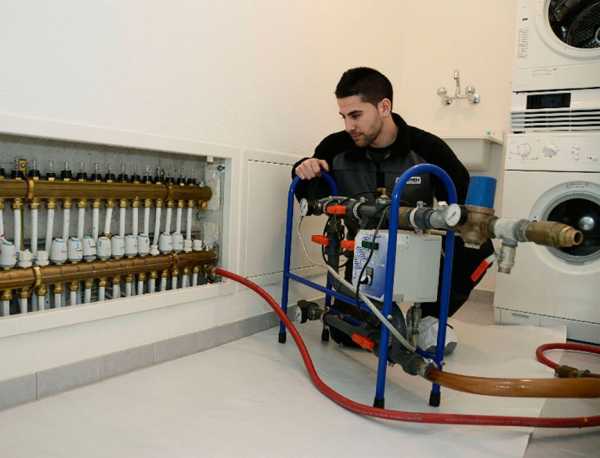
This is a fairly “young” and progressive method that guarantees safety to the aluminum walls of heaters, but it requires special devices, so you can’t do without calling specialists.
The method is based on a short-term impulse effect on water, during which a shock wave is formed, which moves through the system under a pressure of 12 atmospheres. This allows you to remove scale of any thickness without damaging the walls of the radiator, provided that it can withstand such water hammer.
This method is effective if:
- The pipe diameter does not exceed 4 inches.
- Even at a distance of 60 m from the device that creates an impulse effect, the radiators are effectively descaled.
- Pulses do not affect the integrity of fittings and line assemblies.
This flushing method increases the efficiency of the radiator up to 25%, which, in practice, returns the parameters to the design, corresponding to the product that has just left the assembly line of the factory.
Non-standard methods
Elevator without nozzle
How and with what to flush the heating system of an apartment building in the absence of a compressor and a control campaign? Alas, this also happens at a distance from large cities.
In this case, the operation of the elevator assembly without a nozzle for two to three days often helps. When the inlet, house and DHW valves are turned off, the water-jet elevator is removed, the nozzle is removed from it, and the suction (lower flange of the elevator) is suppressed with a steel pancake.
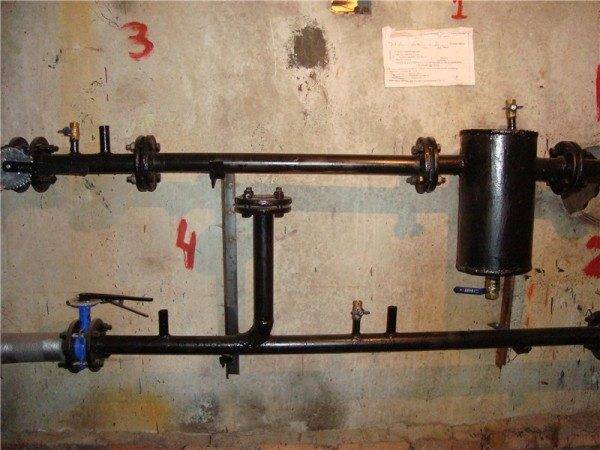
The water jet elevator is removed, the suction is muffled. Water from the supply line of the heating main flows directly into the heating outlet.
As a result:
- The temperature of the coolant in the heating circuit rises;
- Circulation speeds up. The nozzle no longer restricts the flow of water from the supply line of the heating main. The difference between the beginning and end of the circuit is not regular 0.2 kgf / cm2, but 2-3 atmospheres.
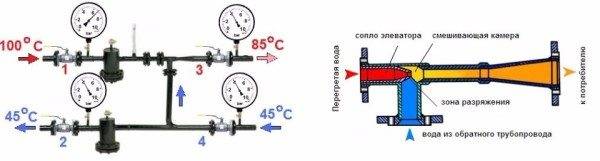
Pressure distribution in the elevator unit. It is explained by the principle of operation of the water jet elevator (right).
Why is this procedure abnormal? Because in this mode:
- The heat consumption increases many times (that is, its supplier bears losses);
- The temperature regime of the heating main is violated. Excessively hot water enters the return pipe. Due to the technological cycle of CHP operation, it has to be cooled to the required temperature before a new circulation cycle.
Flush tap
How to rinse the battery with your own hands if the efficiency of the heater has noticeably dropped over several years of operation?
To begin with, in the summer, before the start of the heating season, it must be provided with a flushing valve.
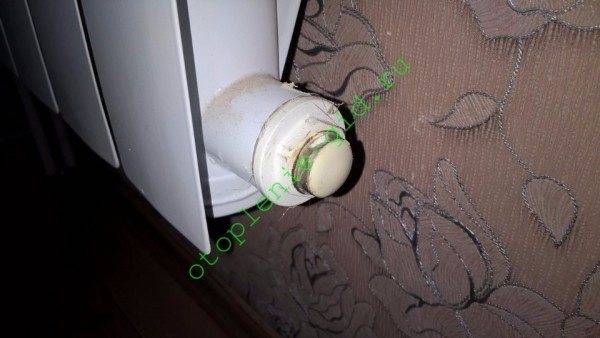
The blind plug of any modern radiator can easily be turned into a through passage, ready for the installation of a flusher. It is enough to unscrew the plug.
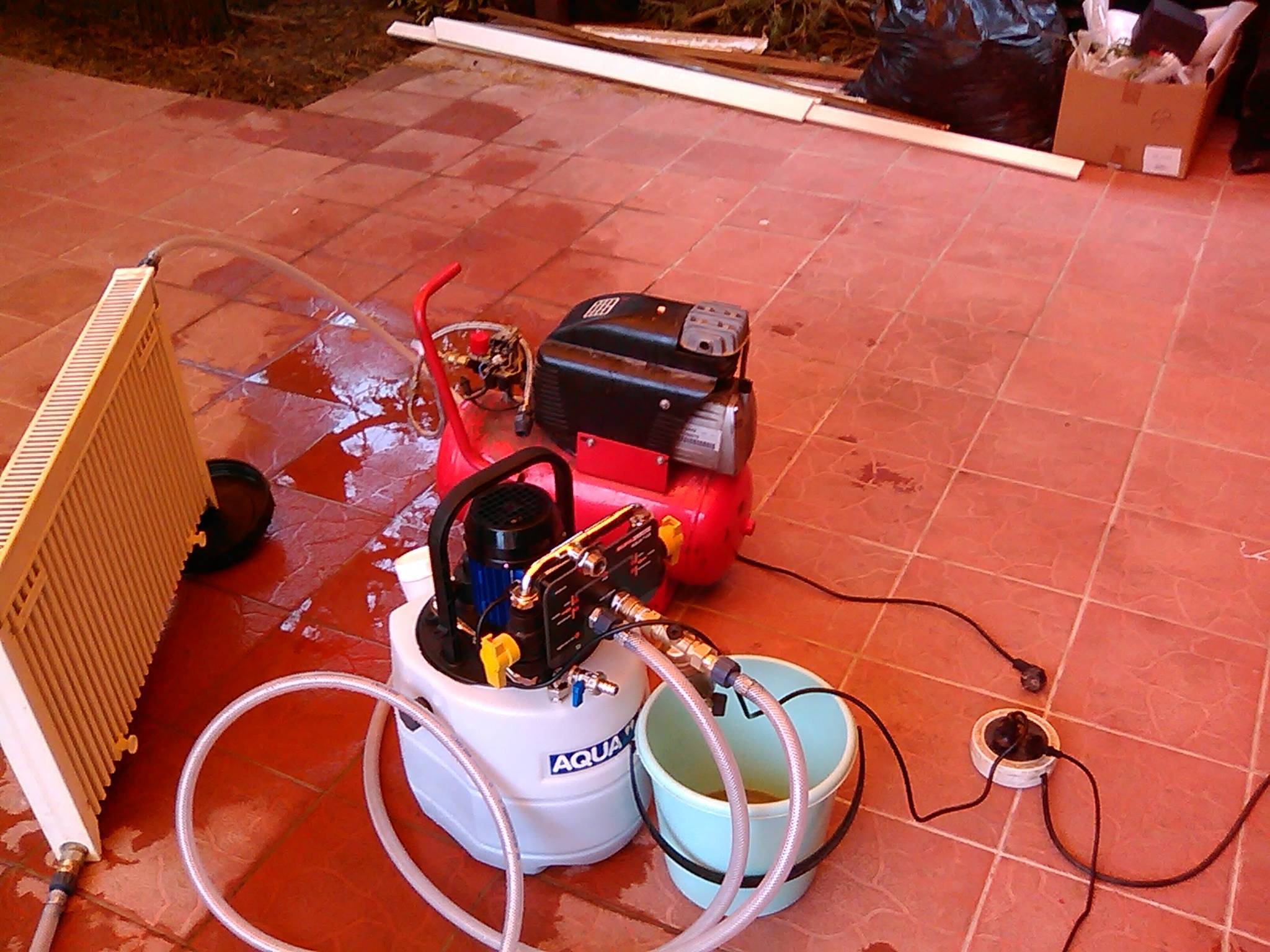


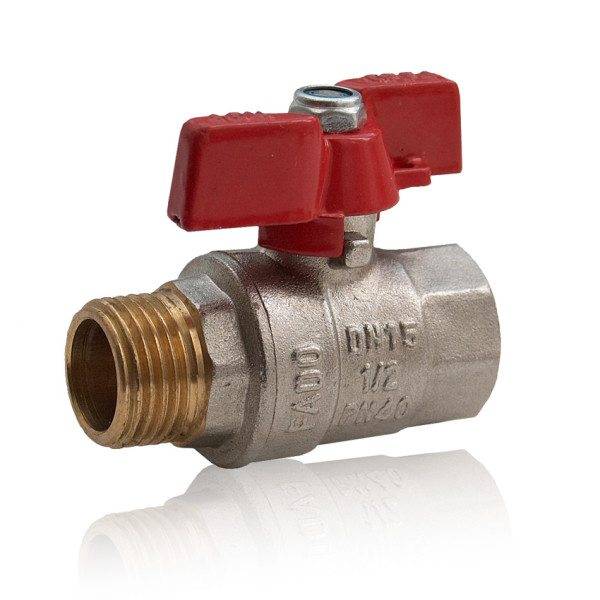
Inexpensive and reliable washer.
After starting the heating, a regular garden hose is connected to the flushing tap, crimped with a clamp on a pipe with a short 1/2 inch thread.The hose is directed to the sewer - to the toilet or to the outlet of the bath. It is worth opening the tap - and the silt accumulated in the extreme sections will fly out at the front of the water flow.
A few nuances:
Faience is afraid of temperature changes. Therefore, it is better to insert the hose into the toilet as deep as possible, so that hot water immediately enters the riser;
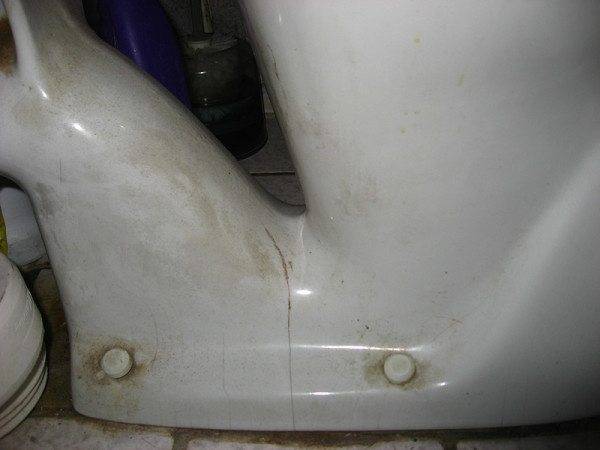
When heated rapidly, the toilet bowl, into which hot water is discharged during flushing, may crack.
- Fasten the hose. Otherwise, you run the risk of conducting an unscheduled experiment illustrating jet propulsion. Given that hot and very dirty water will play the role of a jet stream, the result will not please you;
- Wait for the water to clear. While the dirt is being dumped, continue flushing.
Why did I classify this flushing method as abnormal? You see, the rules for the operation of closed heating systems prohibit the withdrawal of water from the heating system. In open systems, discharge is in principle possible, but in our case it goes past the water meter and again leads to the consumption of unpaid hot water.
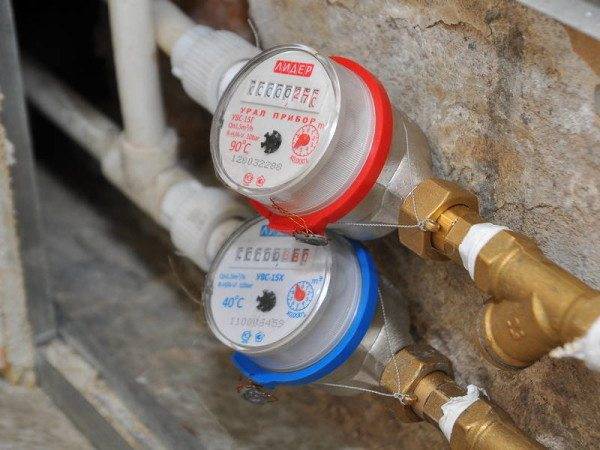
All consumed water must pass through metering devices.
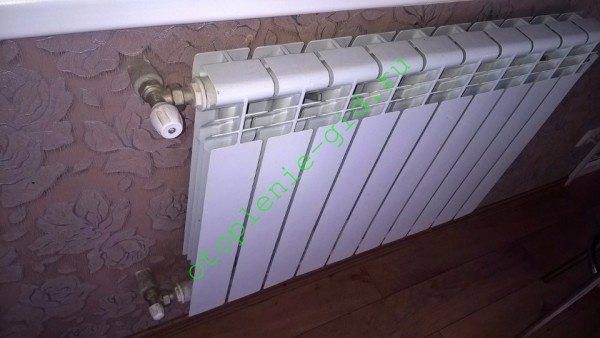
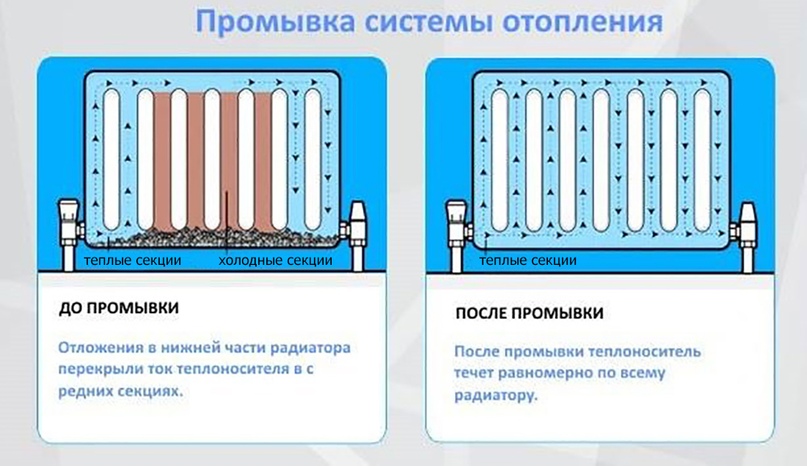
Lateral one-way connection of 10 sections are guaranteed deposits of silt.
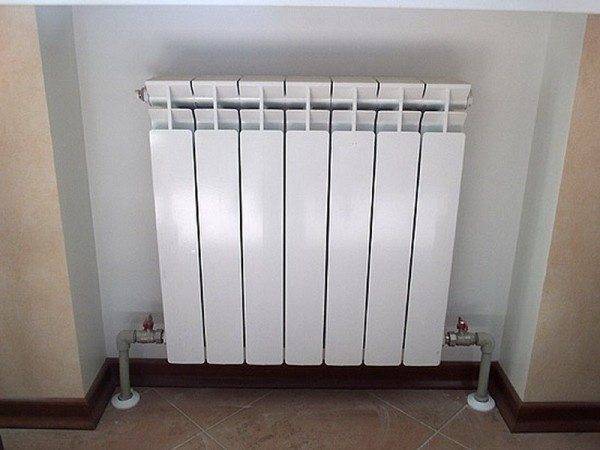
Double sided bottom connection. The lower collector is constantly flushed with coolant.
Signs of poor heating system maintenance
For the normal functionality of the heating system, nothing should interfere with the movement of the coolant through the channels built for it.
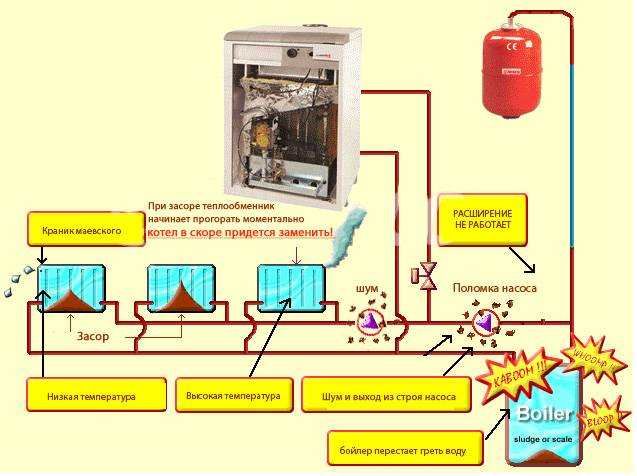
There are several symptoms that a large amount of debris has accumulated inside the heating circuit, and scale has settled on the walls of the pipes. There are no obvious visual signs of clogging of the heating system.




You can diagnose it by carefully monitoring the operation of the entire system and the appearance of a number of indirect signs:
- warming up the system takes longer than before (for autonomous heating systems);
- the operation of the boiler is accompanied by sounds uncharacteristic for it;
- increased consumption of gas or electricity; the temperature in different parts of the radiators varies significantly;
- radiators are noticeably cooler than supply pipes.
However, weak or uneven heating of the batteries is not always a sign of clogging. It's possible that they were blown up. In such a situation, it is enough to release the air plug through the Mayevsky crane.
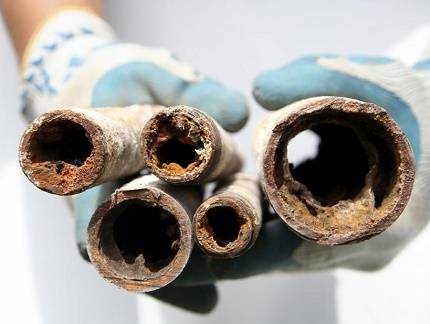
Without regular flushing of heating systems, pipes become overgrown, their flow area decreases, resulting in an increase in hydraulic resistance
In houses with a centralized heating system, flushing must be carried out by employees of the heating company. In a private house, this procedure is carried out by the owners or invited specialists.
It is difficult to unequivocally recommend the frequency of flushing the system. Too many factors go into this.
So, for example, in centralized heating systems, the coolant must go through a water treatment cycle, which reduces the degree of pollution. True, this rule is not always followed. And the system itself is often in operation for the third or fourth decade, and the amount of garbage circulating inside increases every year.
But for both centralized networks and autonomous systems, it is recommended to flush annually. Which, by the way, is confirmed by the requirements of building codes.It is this period that is considered critical for the accumulation of the amount of debris inside the circuit, which significantly reduces the efficiency of work.
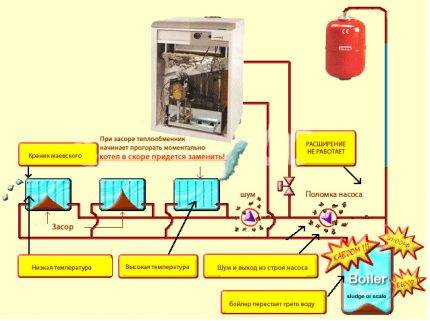 If the system is not flushed before the start of the heating season, the pipeline becomes clogged, appliances and heating equipment fail prematurely
How to flush the heating system in a private house
Chemical cleaning system
Chemical flushing involves the use of special preparations that may have:
- biological origin;
- chemical origin.
The biopreparation purification technology is highly efficient and environmentally friendly. The action is based on the principle of introducing microbiological agents into the heating system, after which the deposits are split. This technology does not require disassembly and shutdown of the entire heating system at home.
The undoubted advantage of chemical cleaning with biological products is the possibility of painless use in old heating systems. Means for cleansing are made on a water basis, the drug serves to separate pollution from the walls. The desired cleaning result is achieved after a few days.
The advantage of this technology is:
- no need to turn off the heating system;
- possibility of use in old heating systems;
- high efficiency and achievement of the desired result in a few days;
- safety;
- no negative impact on the pipe material.
The mechanism of chemical flushing consists in the effect of the drug on the pollution of the heating system of the house and its purification by dissolving precipitation and scale.Chemical preparations act on deposits, which are subsequently removed from the heating along with the fluid flow.
The cost of a chemical reagent depends on the composition and popularity of the manufacturer. The most popular drugs are:
DOCKER TERMO
The cost for 1 liter is 180 rubles, the drug cannot be used for aluminum.
Metalin
The price for 1 liter is 105 rubles, the drug cannot be used for non-ferrous metals.
Master Boiler Power
The price for 0.6 kg is 475 rubles, the drug has no contraindications for use.
Compositions brand SP-OM
They have no contraindications for use, they can be used with aluminum and non-ferrous metals. The main advantage of the SP-OM brand flushing liquid is the possibility of using it for flushing systems containing polymer components, non-ferrous metals and aluminum. Also, SP-OM is relatively harmless when draining the used solution. Each SP-OM grade is designed for use with certain metals and under certain conditions.
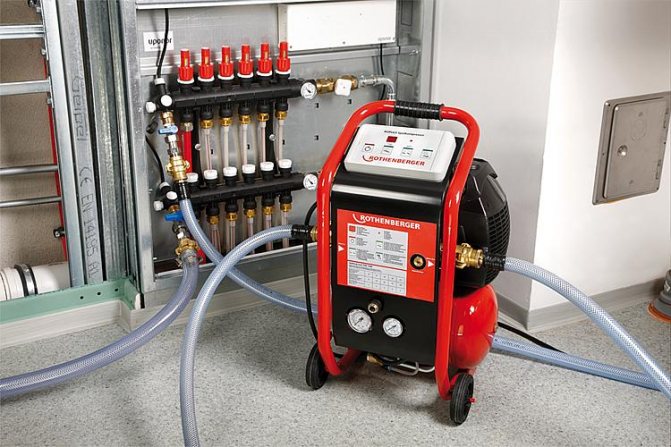
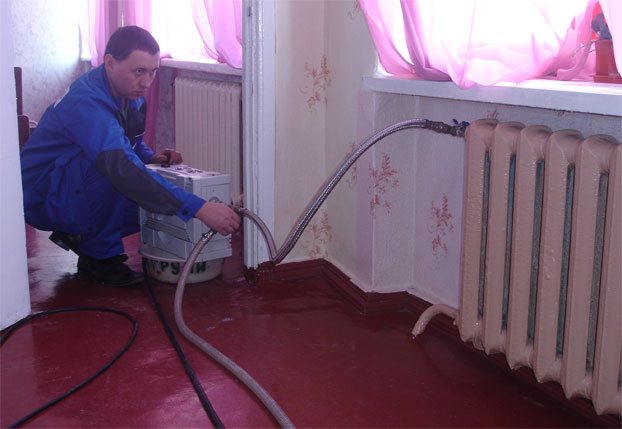


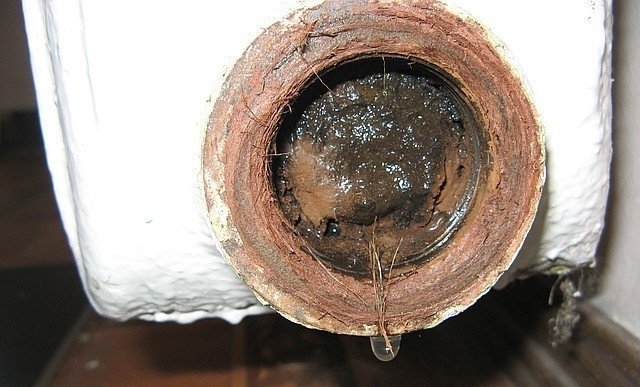
Significant disadvantages of the method include the difficulty in self-selection of the correct volume of the drug. The possibility of using chemicals is also complicated by the fact that in most cases the components of the heating system are made of different materials. Chemicals have varying degrees of impact on metal or polymeric materials. In most cases, preference is given to the method of mechanical impact on the pollution of the heating system.
Physical cleaning methods
Physical cleaning methods are:
- hydrodynamic washing;
- pneumohydropulse washing.
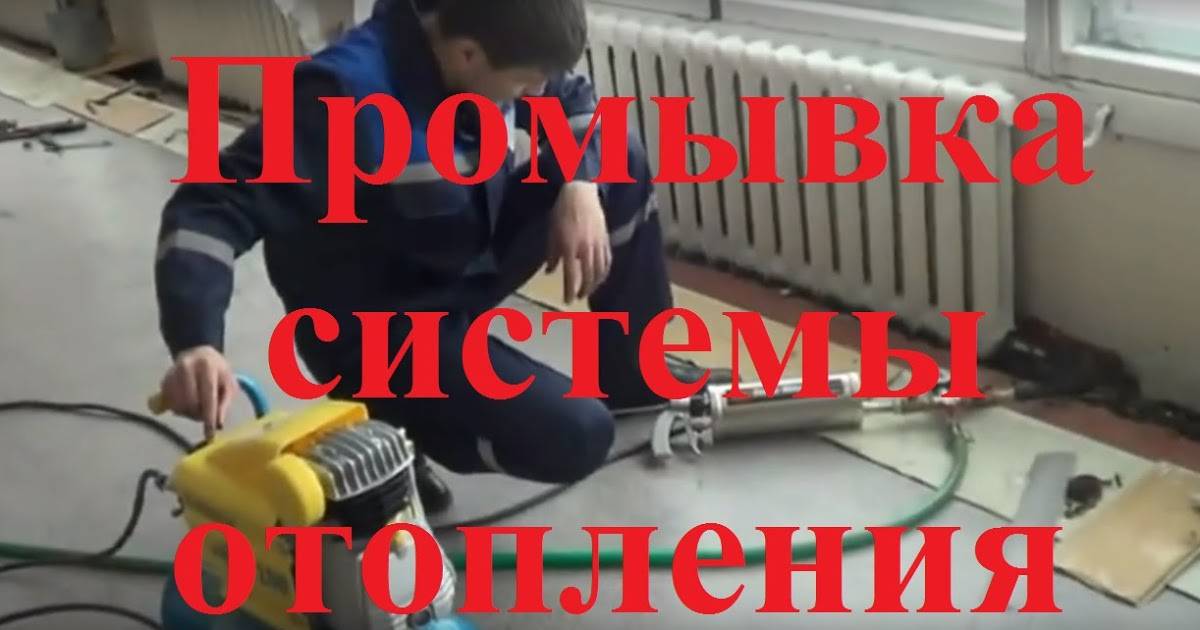
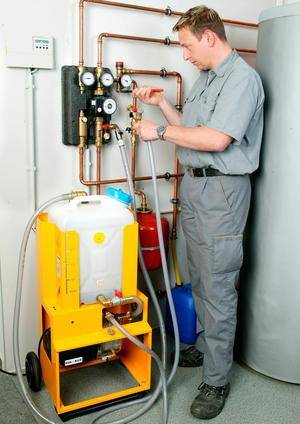 For hydrodynamic flushing, you will need special equipment, including special nozzles and thin hoses.
The cleaning mechanism consists in supplying water under pressure to the nozzle, which is responsible for generating thin jets of water.
The advantage of hydrodynamic flushing is its efficiency, but in practice the method is used quite rarely due to its high cost.
Cleaning by the method of pneumohydropulse washing is an effective means of combating pollution in the heating system. For better cleaning, the procedure is recommended to be carried out several times. The essence of the method is to create an increased pressure, due to which the contaminants are chipped off the walls.
The algorithm for cleaning the radiator
- We remove from the heating radiator all unnecessary things and furniture items that may impede or delay flushing. If curtains are hung near it, then you need to remove them. In addition, if a laminate or parquet is used as a floor covering in a room, then it is necessary to spread some piece of fabric or film under the radiator - this is done in order not to harm the floor.
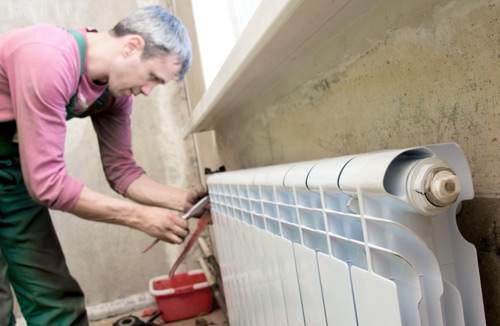
Turn off all taps before starting work.
Turn off the water supply to the radiator. If there is no shut-off valve due to which this is done, then you will have to go the other way - drain the water from the heating system. Take an ordinary bucket, remove the radiator by unscrewing it from the rest of the equipment, and drain the water present in it into the prepared bucket.
The cleaning process is just beginning and then you need to take the heating radiator to the bathroom, and then place it in the bath. There is a risk of causing mechanical damage to it in the form of scratches, and in order to prevent such a development of events, place something like a wooden pallet under the radiator. If you live in a private house, and not in an apartment, then you will need to take it out into the yard to flush the radiator.
End caps are unscrewed with a wrench
We unscrew the end fittings with a key. This must be done in the yard or in the bathroom, otherwise you can fill the floor with a muddy and littered liquid that has a very unpleasant smell, and you will create another problem for yourself - you will need to clean the floor.
Next, you need to flush the heating radiator from the inside, for this we supply water under pressure from a hose or shower into the holes at the end.
- Sometimes the owners are forced to deal with crystalline blockage, and in this case, slightly different means are needed. You can't do without a concentrated solution of vinegar. We install the end fittings in the lower part and pour vinegar inside. Before using vinegar, it is recommended to dilute it by 70% with water. Such flushing will help remove hard-to-remove blockages from the heating radiator. The solution should “infuse” for about two hours, after which it must be poured out and the radiator cleaned with water pressure in order to achieve complete cleansing.
- You can also wash the outer surfaces of the radiator to give it a nice and clean look.
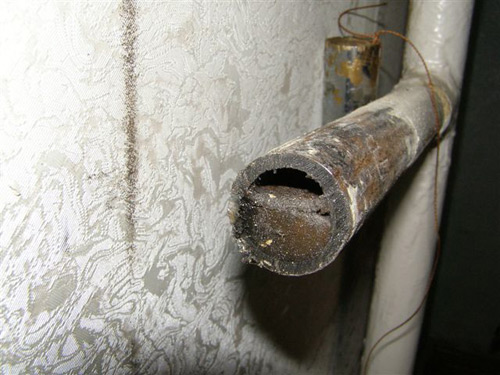
One of the causes of clogging may be the formation of scale.
The radiator should be placed on wall mounts and lightly clean the threaded connections on it with a cloth, which must be dry.If you have a cast-iron radiator, then screw the tow onto all the fittings in the direction of the thread and apply paint to the seal. It is allowed to use any paint related to "Nitro" and "Enamel". Using a gas wrench, screw the fittings tightly.
If the apartment has more modern radiators, then it is recommended to use a film for waterproofing purposes. Do not use glue or paint.
So, as we can see, there is nothing super complicated in cleaning the radiator. This will not require any special skills and knowledge, just as you will not need any rare tools and tools that are difficult to get. This procedure, with a responsible approach, will not take too much time and effort, and therefore each owner can clean the radiator on their own. However, situations are known when, even after all the measures taken and the radiators installed in their place, the heating system still functioned poorly. In this case, you need to buy a new radiator and replace the old one with it, or resort to the services of specialized companies that carry out cleaning with a technical booster.