
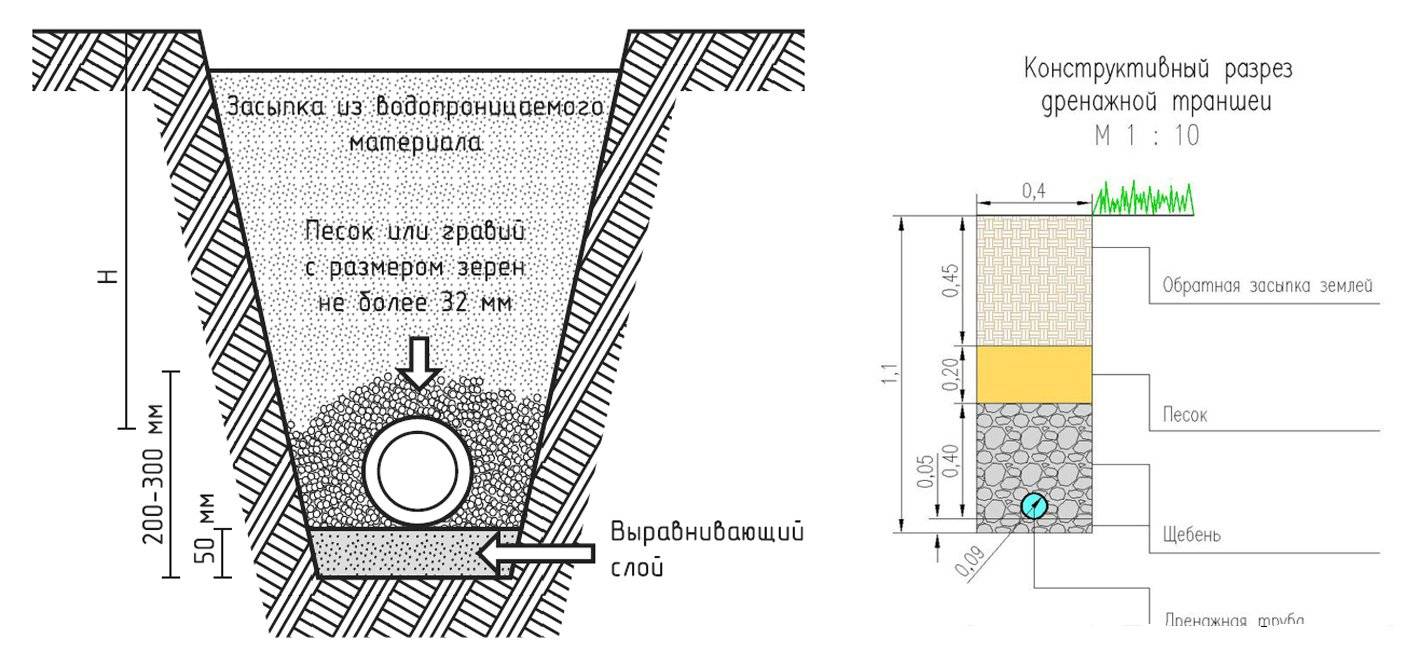
- Design rules and nuances
- #1: Line Depth and Dimensions
- #2: Drainage Slope Standards
- Do-it-yourself site drainage on clay soils - step-by-step instructions for installing various systems
- Deep drainage: step by step instructions
- Installation of surface drainage
- SNiP Rules for drainage, budgeting and design
- Drainage system design
- What should the project contain
- What should the budget include
- Project example
- Conclusions and useful video on the topic
Design rules and nuances
Many factors influence the choice of the type of drainage for a country house or the location of channels. For example, the terrain is of great importance. If the house is located on a hill, and the rest of the territory is located at a slight slope, then wall drainage is most likely not required, and groundwater can be removed from the site by creating a system of channels.
The location of groundwater is important. Difficulties with the installation of buried objects may arise if the level is high enough - from 1.5 m deep
With this arrangement, the installation of a drainage structure is necessary both to ensure the protection of buildings and for the safe development of the soil layer.
Difficulties with the installation of buried objects may arise if the level is high enough - from 1.5 m in depth. With this arrangement, the installation of a drainage structure is necessary both to ensure the protection of buildings and for the safe development of the soil layer.
The nature of the surrounding area should also be taken into account. If the area around the site is swampy or a river flows nearby, and it seems to be dry on the plot, then for the purpose of prevention it is also necessary to design a drainage system.
Let us consider in more detail the nuances that should also be taken into account when laying pipelines and trenches.
#1: Line Depth and Dimensions
The location of the pipes of the closed drainage system is chosen based on the design development, taking into account the slope towards the catchment area. The depth of laying the elements of the system depends on the level of groundwater. For a wall-mounted device, trenches are dug at the level of the base of the foundation, since its purpose is to strengthen the waterproofing qualities of the underground structure and protect the basement.
Pipes arranged in a ring pattern are located at a distance of up to 3 m from the foundation. The depth of the pipes is greater than that of the wall structure, and most often below the location of the foundation (+)
Ring drainage is chosen if the construction of the house has already been completed, respectively, all waterproofing and protective measures have been completed.
If the soil of the garden plot is constantly suffering from flooding by precipitation or groundwater seepage, systemic drainage throughout the territory is necessary. There are many options - from arranging a system around the perimeter to an extensive network, which involves all summer cottages (buildings, road surfaces, a garden plot).
The direction of channels and pipelines is strict - towards the catchment facilities or ditches located outside the territory of the personal plot.
#2: Drainage Slope Standards
Water in horizontally located pipes will stagnate if the laying is carried out without a slope, the parameters of which are indicated in the regulatory documents. For clay and sandy soils, which have different degrees of water permeability, the norms differ:
- loam and clay - from 0.003 and more;
- sand and sandy loam - from 0.002 and more.
If you convert the values \u200b\u200bto millimeters, you get 3 mm / linear. meter and 2 mm / running. meter respectively.
The minimum parameters are taken taking into account the fact that the lowest speed of water movement through channels and pipes is 1.0 m/s. This is possible if the drains are in working condition, that is, they are not silted or clogged with sand.
When calculating the maximum possible speed, the properties of the surrounding soil, as well as the quality of the backfill, are taken into account. Do not slope at intervals - it must be observed throughout the pipeline / channel
For hilly terrain, drainage options with drops are possible, with the installation of adapters in manholes.
Do-it-yourself site drainage on clay soils - step-by-step instructions for installing various systems
Surface-type drainage can be organized with your own hands, using a diagram and selecting materials. A simple system consisting of trays, a well and other elements will ensure timely removal of moisture. Surface drainage is supplemented with deep or backfill, which enhances the efficiency of drainage.



Deep drainage does not spoil the landscape design of the site
Deep drainage: step by step instructions
Pipes are needed to create deep drainage. For the main line, elements with a diameter of 110 mm are used, and pipes with a diameter of 60 mm are optimal for additional ditches. The well is constructed from concrete rings or a special polymer container is inserted into the recess. Crushed stone fraction 20-40, coarse sand, geotextiles are also needed to create a drainage complex.
The complex of works includes the following actions:
-
For a well, a hole should be dug, the depth of which is 2–3 m. Concrete rings are installed from the very bottom. The finished container is mounted in the same way. Sand is poured at the bottom with a layer of 20 cm, and then crushed stone by 30 cm. There should be holes for incoming pipes in the rings or walls of the finished container. The height of their location is equal to the depth of the pipes in the ditches, that is, about 100 cm from the upper edge.
-
Next, you need to dig trenches according to the scheme. Their width is 50 cm, and the depth is 120 cm in the main line and 100 cm in the side lines. The main channels reach the well, while the slope is 5 cm per 1 linear meter of pipe length. At the bottom of the ditches, sand should be poured with a layer of about 20 cm, and then geotextiles should be laid. The edges of the canvas should be higher than the edges of the pit. Next, crushed stone is poured in a layer of 20 cm, perforated pipes are laid in compliance with the slope.
-
Docking of pipes among themselves is made by coupling or bell-shaped connections. In the area of turns and on straight sections, inspection wells must be installed every 25 cm. The height of such elements should ensure their elevation above the soil level. Revision wells are necessary to monitor the condition and clean the system.
-
Crushed stone should be poured onto the pipes so that the filter material completely covers them. Next, wrap the geotextile. The space remaining in the trench is covered with sand, and a layer of turf or decorative gravel is laid on top.
Installation of surface drainage
Deep drainage is designed to remove moisture from the soil, and the surface system helps prevent water stagnation in the upper layer of clay soil. Rain moisture or melt water is immediately discharged into the well, transported through special chutes. This allows you to remove water from the roof of buildings and avoid the appearance of puddles in the area with clay soil.
Trays are easy to install and have a small size
For a surface system, the direction of the ditches should be marked on the site plan, which should lead to the well. The slope is the same as for deep drainage. Next, the following actions are carried out:
-
According to the scheme, small trenches are dug, which are well rammed. It is necessary to observe the slope of the ditches towards the well or water collectors. If the site has a natural slope, then the depth of the channels may be the same. The depth of the trenches in this case is up to 80 cm, and their width is 40 cm.
-
At the bottom of the trenches, sand is poured with a layer of 10 cm, and then the same amount of crushed stone of a fraction of 20–40. Next, you need to pour concrete mortar onto the filter material and immediately install trays to remove water.
-
At the end of each channel line, grit traps should be installed using the same mounting method as for the gutters. Rain inlets under the drainpipes of buildings are mounted according to the same method. All parts are well connected to each other, forming a single system. Next, the trays need to be covered from above with special gratings.
SNiP Rules for drainage, budgeting and design
The device and design of the drainage of the foundation of buildings should be carried out in accordance with the requirements of SNiP (Building Norms and Rules). Drainage, made in full compliance with all standards, will serve properly for many years and perform the proper functions.
Basic rules for drafting a drainage system.
measure the level of groundwater
calculate the average monthly rainfall
determine the composition of the soil
take into account the location of the nearest natural reservoirs
measure the level of soil freezing
carry out geodetic measurements of the landscape
At the second stage, the drafting of the project itself is carried out, which includes:
a schematic representation of the future drainage system is drawn up
the calculation of the parameters of the depth of the pipes, slope, section is performed, the features of the assembly are taken into account
components corresponding to the standard size are selected (drainage pipes, wells, fittings)
a list is compiled and the amount of necessary additional materials is calculated.
Properly drawn up project documentation will significantly reduce the installation time of the system, save money on building materials and equipment, and ensure reliable operation of the system.
What is the estimate of calculations for the arrangement of the drainage system
When drawing up the estimate, not only the cost of materials and equipment for laying the drainage system is taken into account, but also the cost of dismantling the coating or foundation pavement and the cost of the work itself, as well as restoring the coating and laying new soil for normal plant germination.
The main components of the estimate for the production of works on the installation of a drainage system are the costs of the following types of work:
dismantling of the old coating or blind area of the building
digging a trench for laying the system
backfilling of crushed stone under the pipe system
installation of inspection wells and a storage well
reinforcement of trench sides
flooring of a new coating or blind area
This is how the cost and quantity of the necessary materials are calculated:
paving slabs or asphalt pavement
new fertile soil
The estimated cost of work and materials will depend on the length of the pipeline and the depth of its immersion in the soil.
Rules for the installation of a drainage system
Drainage design is carried out in accordance with the rules and SNiP 2.06.15-85 and SNiP 2.02.01-83. The closed drainage system is mainly laid at a depth of 0.7 to two meters, with the exception of areas with deep freezing of the soil. The width of the drainage system should be in the range from 25 to 40 cm. It is necessary to take into account the slope of the system, as stated in the SNiP:

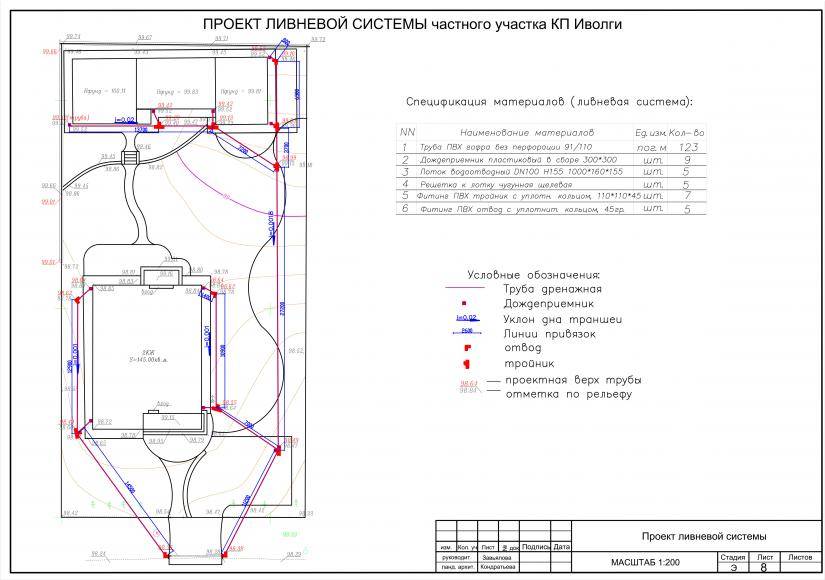
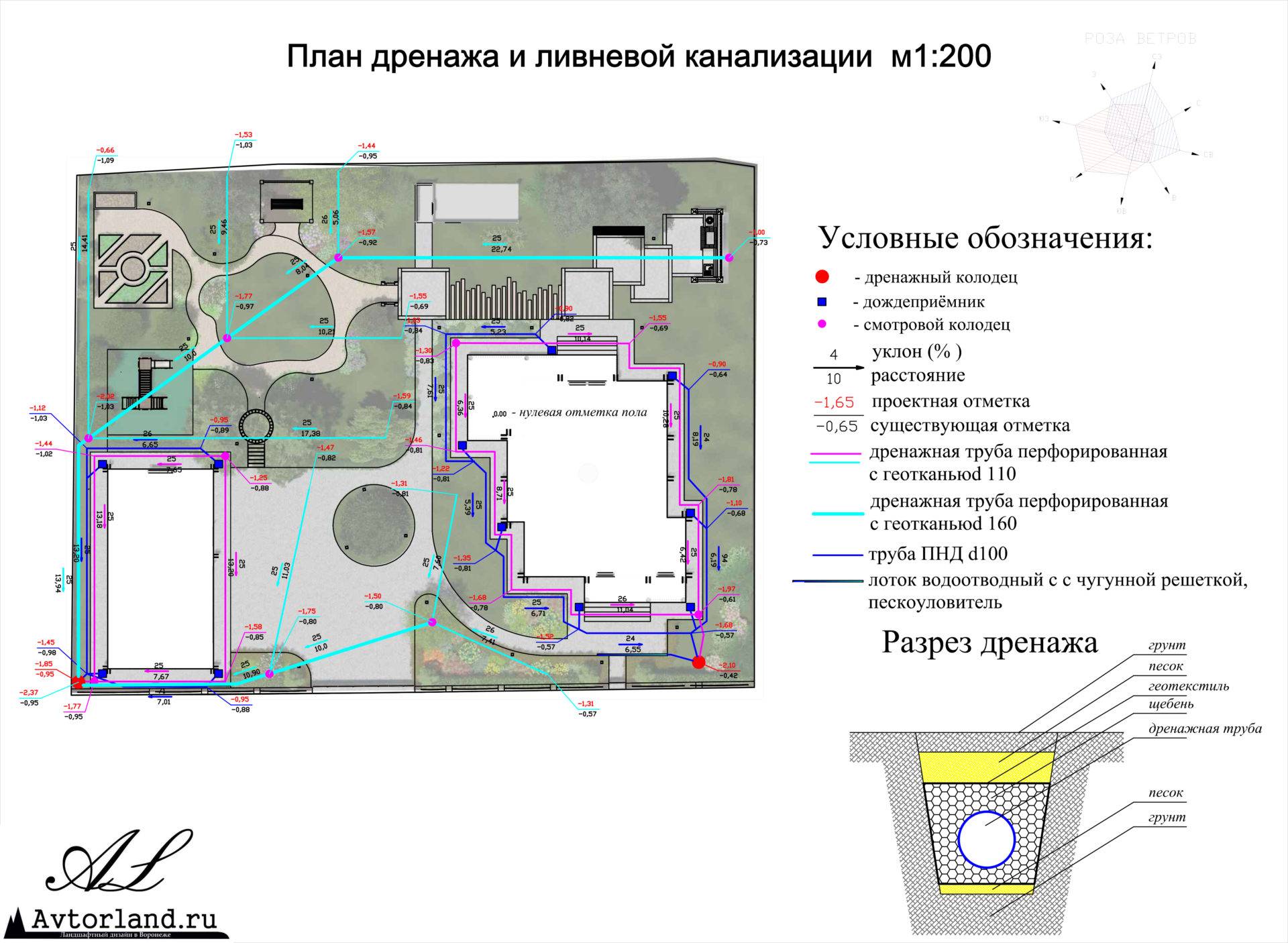

for clay soils, the slope value is calculated at the rate of 2 cm per linear meter of the pipeline
with sandy soils 3 cm per linear meter
The bottom of the trench is covered with a layer of crushed stone with a fraction of 5 to 15 mm, the thickness of the pillow is at least 15 cm. A pipeline system is laid on the crushed stone pillow, drainage wells are mounted, and soil is sprinkled.During the operation of the system, water passes through the drainage system, collects in a collector, and then drains into the nearest reservoir or ravine. The drain site must be cemented and located at an acute angle to the shore of the reservoir. Foundation drainage is controlled by inspection wells made of reinforced concrete or plastic pipes. The groundwater level will not only not rise, but also fall, which will significantly increase soil fertility if the drainage system is installed and designed in accordance with the rules of SNiP.
All these rules and standards are known to professionals, so if you decide to drain the foundation or the whole do-it-yourself site, first read and study all the rules and regulations, and only then proceed to work. In case the learning process seems difficult to you, entrust the drainage device to specialists.
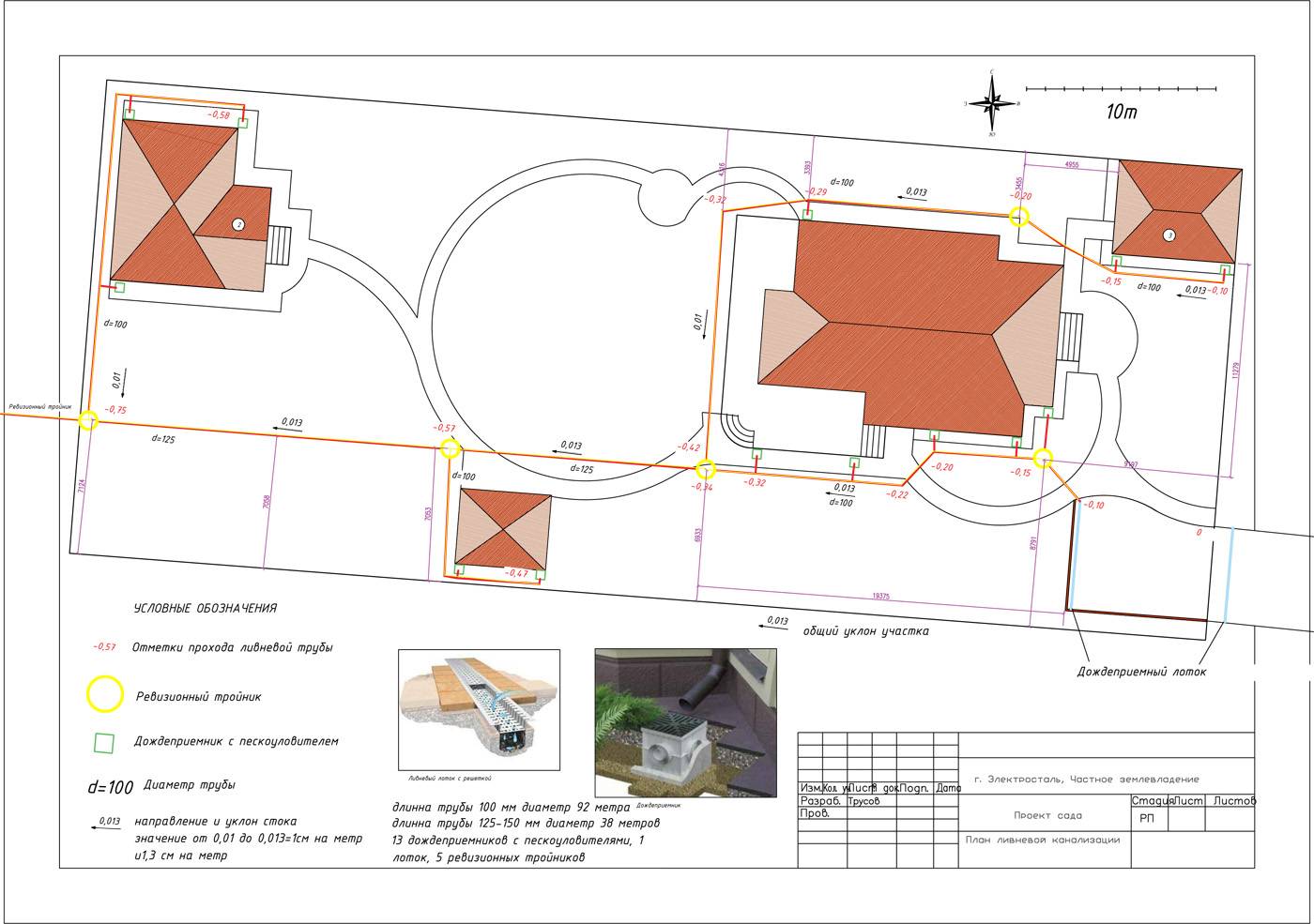
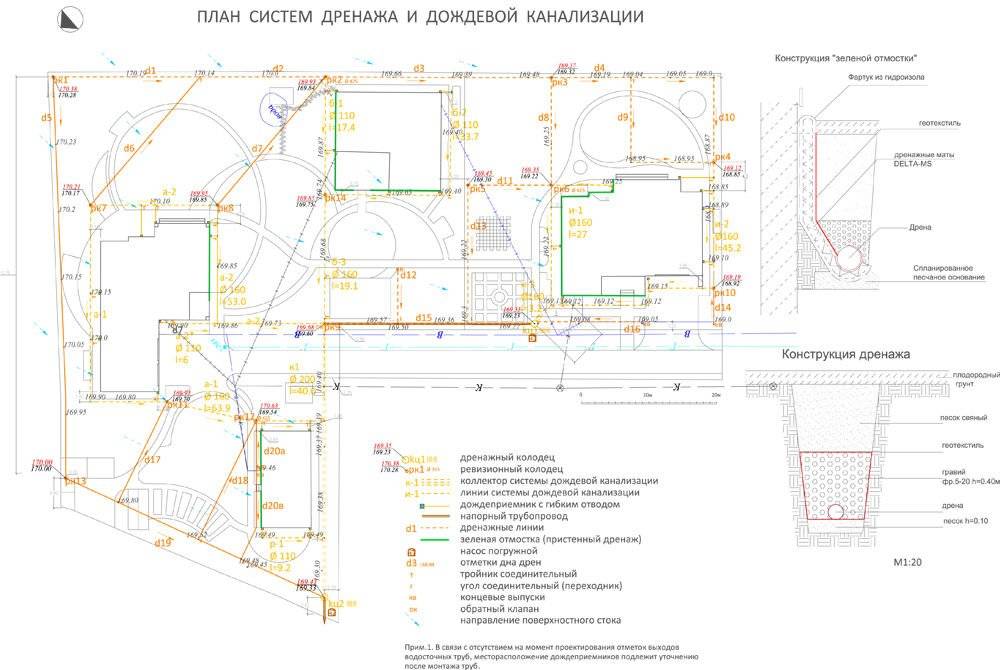
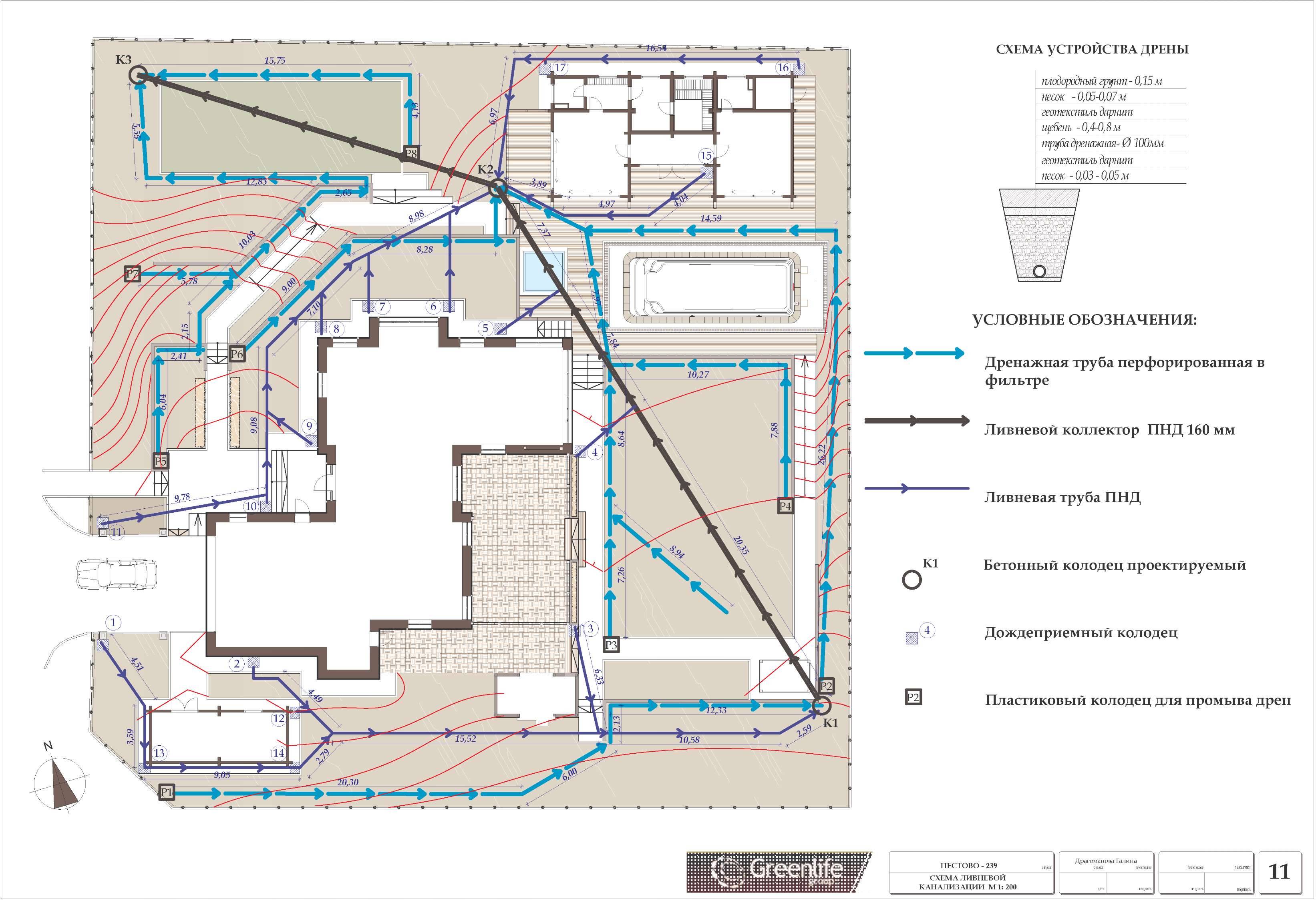
Drainage system design
What should the project contain
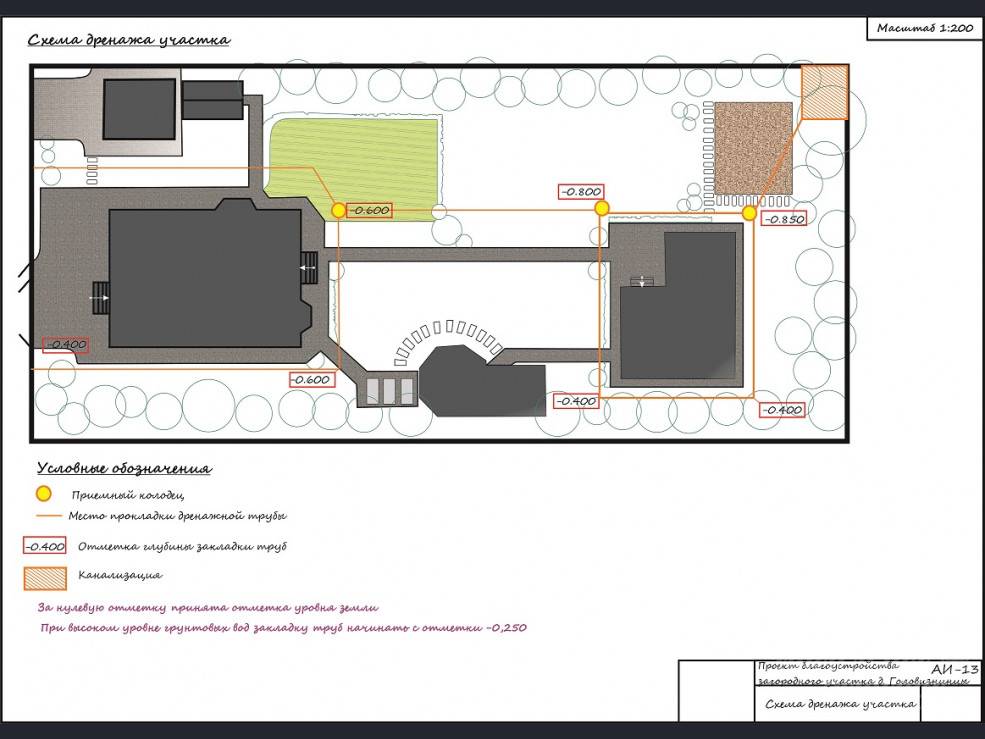
The beginning of the drainage device should be preceded by the development of a system design. The drainage project is created based on engineering hydrological studies of the site. Its purpose is to define and describe the fundamental technical characteristics of a drainage system.
As a rule, the project contains the following data:
- schematic representation of the laying of drainage pipes (deep and surface systems);
- design parameters of drains - cross-section, slope, assembly of the mouth part, depth of laying in the ground and distance relative to each other;
- standard sizes of the components of the drainage system (drains, wells, connecting elements, etc.);
- a list of building materials required for the installation of the structure.
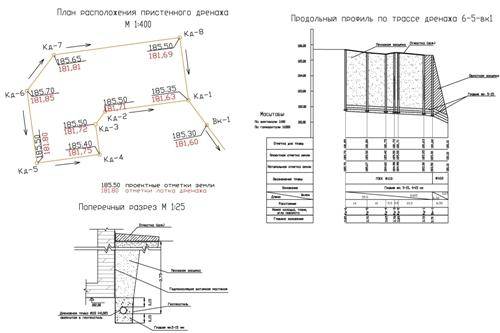
Site drainage project
The project must take into account the following factors:
- site landscape;
- the average volume of atmospheric precipitation per year;
- composition and characteristics of the soil;
- ground water level;
- location of nearby natural reservoirs, etc.
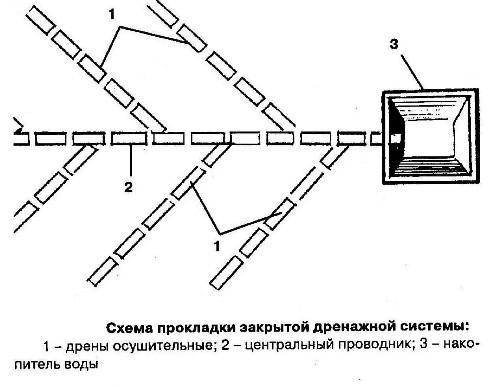
If you decide to create a project yourself, draw a simplified diagram
What should the budget include
Before the construction of the drainage system, a local estimate for the drainage device is compiled, which consists of the cost of the following operations:
- dismantling of reinforced concrete foundations;
- creating trenches in the soil with a depth of 2 m manually, installing fasteners across the entire width and laying a waterproofing layer from a polymer film;
- installation of a transverse drainage having a two-sided outlet;
- laying a sewer pipeline from polyethylene pipes;
- backfilling of the base for crushed stone pipelines;
- installation of drainage communications, strengthening of the underlying layers and concrete blocks (reinforcement);
- dismantling of existing asphalt concrete pavements;
- creation of new asphalt concrete pavements;
- installation of bridges, passages, floorings, etc. made of wood;
- preparation of soil for crops (filling a layer of soil up to 20 cm thick);
- sowing various lawns and other plantings by hand.
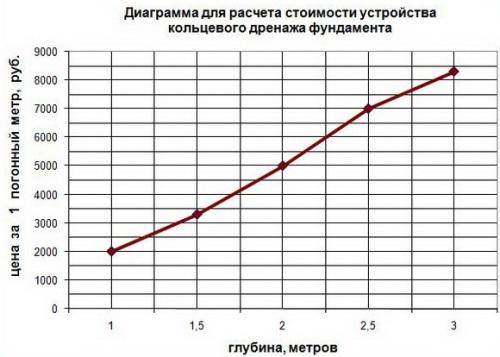
The cost of drainage depends on its length and installation depth.
For the device of the drainage system you will need materials:
- crushed stone;
- sand;
- corrugated drainage pipes wrapped with geofabric;
- geotextile (needle-punched non-woven fabric used to create an additional filter, which may be required depending on the characteristics of the soil at the site);
- viewing wells.
Project example
To understand how much it will cost to equip a drainage system on a site, consider an example of a project offered by specialized companies.
This includes:
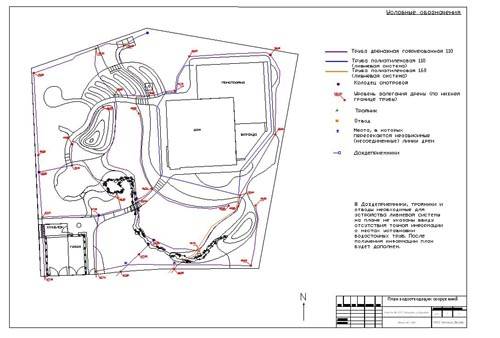
Drainage project
- site drainage;
- arrangement of a trench with an average depth of 1 meter;
- laying a pipe with a diameter of 110 mm;
- winding the pipe with geofabric;
- laying a layer of sand about 15 cm high;
- crushed stone layer 40 cm;
- backfilling with gravel pipes in geotextiles;
- backfilling with soil.
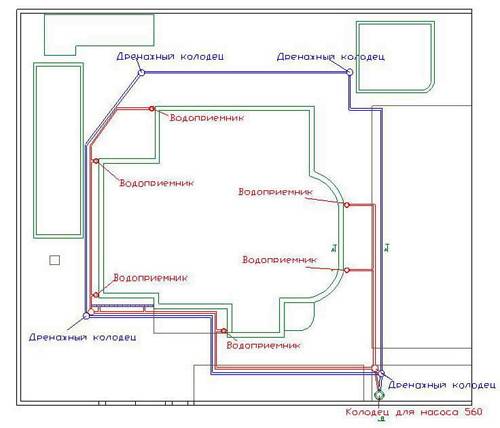
Drainage calculation project
So, one meter of such a system will cost about 1550 rubles.
If you need to equip the drainage of the site, for example, 15 acres, you will need 200 linear meters of drainage. The total price will be about 295,000 rubles.


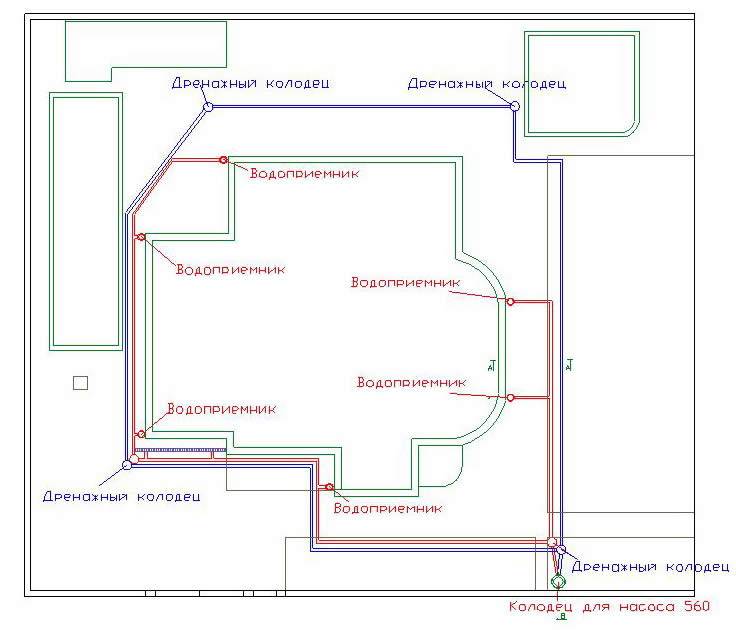
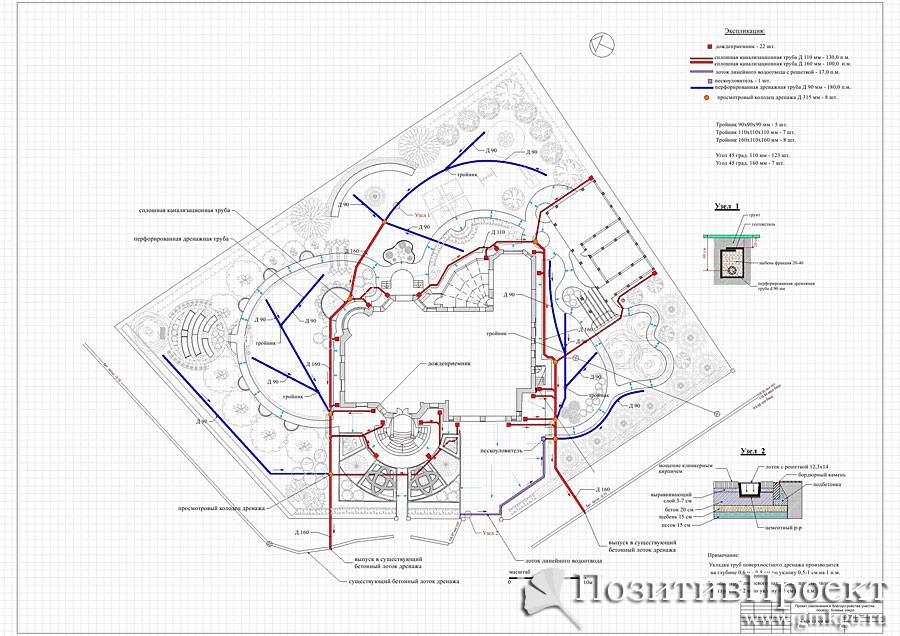


This includes the design of drainage according to SNiP standards, materials and work.
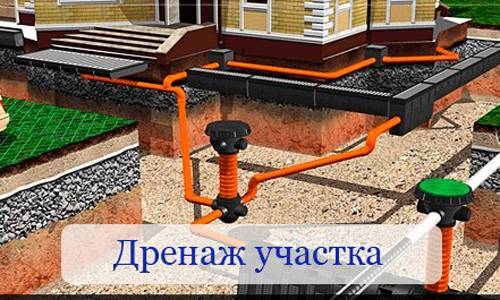
Site drainage
If you do the work yourself, you will only have to pay for the materials.
The calculation of the drainage system will include:
- pipe with a diameter of 110 mm - 80 rubles per bay (50 meters);
- drainage well with a diameter of 355 mm - 1609 rubles per meter;
- hatch for a well - 754 rubles;
- bottom cover for a well - 555 rubles;
- quarry sand - 250 rubles per cubic meter;
- crushed stone with a fraction of 20-40 mm - 950 rubles per cubic meter;
- geotextiles - 35 rubles per square meter;
- plastic well with a diameter of 1100 mm - 17240 rubles per meter.
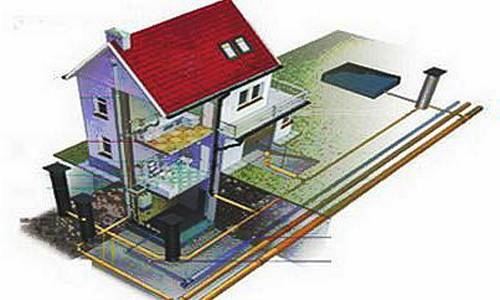
Design of drainage systems on the site
Of course, by designing drainage systems on the site, and arranging them with your own hands, you can save money.
But you can do this work yourself only if you have special knowledge and skills.
First, you will need to perform all the necessary measurements and calculations to determine the required amount of materials, and, accordingly, their cost.
In this case, you will not have to pay for the work.
Conclusions and useful video on the topic
A few useful tips will help expand your knowledge of drainage systems, and may come in handy when building structures or trenches with your own hands.
Video #1 Recommendations for the construction of budget drainage to protect the foundation:
Video #2 Useful information about different drainage methods:
Video #3 Tips for choosing drainage pipes:
Designing a drainage system is a responsible task that only a specialist can handle. Incorrect pipe laying or engineering design errors can cause significant harm.
To protect the house or site from groundwater or rainwater, we advise you to contact the design organization. This does not exclude the possibility that you can do some landscaping activities yourself.


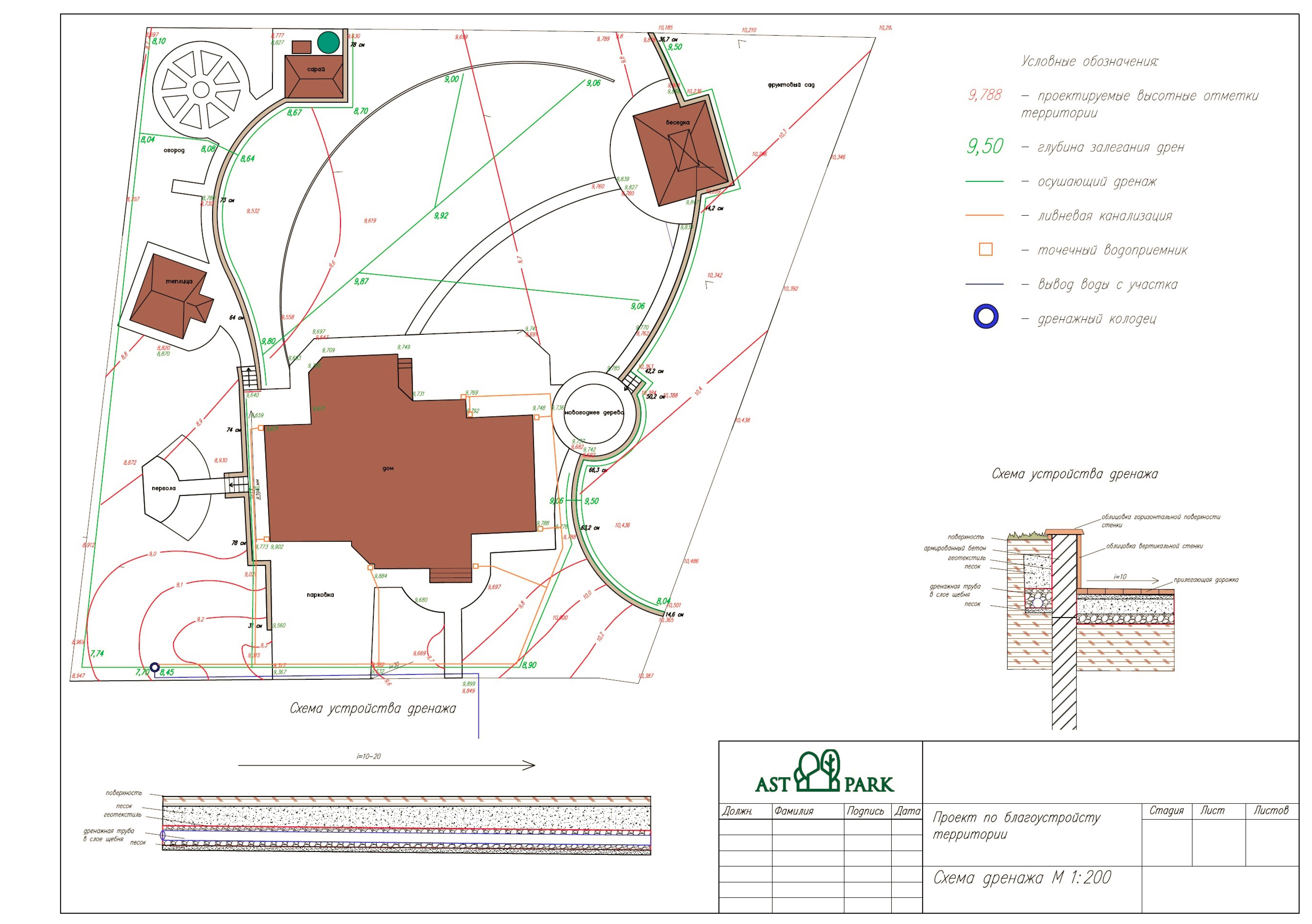


Do you want to share your own experience in the device or operation of the drainage system? Have questions or useful information about the topic of the article? Please write in the box below.



