
- The principle of operation of the wastewater treatment complex
- mechanical cleaning
- Biological treatment
- Disinfection
- View overview
- VOC
- Septic tanks
- Aerotanks
- Other
- Design Features
- Block and modular treatment facilities
- Installation of biological treatment stations
- The process of installing a biological treatment plant
- Factors affecting installation
- The cost of installing a septic tank depends on the following factors
- Cleaning steps
- Mechanical
- Chemical
- With the help of bacteria
- A whole aeration station in one small container
- Rules and regulations for the installation of septic tanks on the site
- Features of modern septic tanks
- home plumbing project
- Design and installation
- Regulation according to SNiP
- What it is?
The principle of operation of the wastewater treatment complex
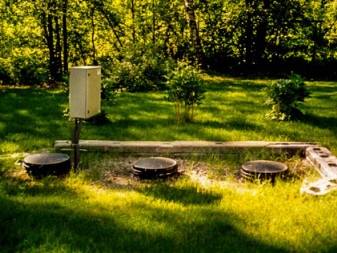
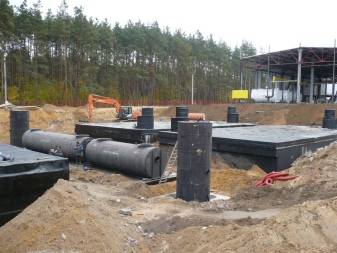
In the complex, a scheme of wastewater treatment facilities with ground or underground execution can be implemented. Treatment facilities for household wastewater are installed in cottage settlements, as well as in small settlements (150-30,000 people), at enterprises, in regional centers, etc.
If the complex is installed on the surface of the earth, it has a modular design. In order to minimize damage, reduce costs and labor costs for the repair of underground structures, their bodies are made of materials whose strength allows them to withstand the pressure of soil and groundwater.Among other things, such materials are durable (up to 50 years of service).
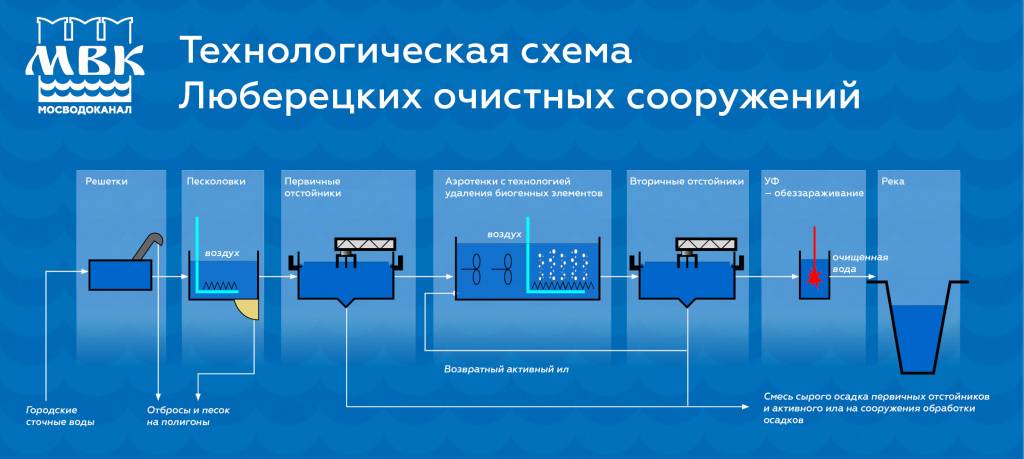
To understand the principle of operation of wastewater treatment plants, consider how the individual stages of the complex function.
mechanical cleaning
This stage includes the following types of structures:
- primary clarifiers,
- sand traps,
- trash screens, etc.
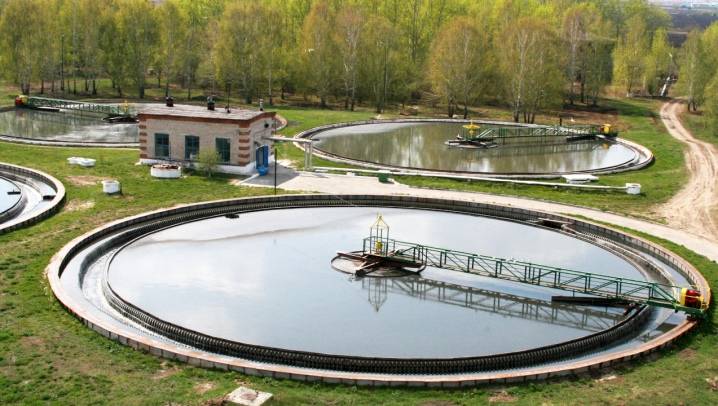
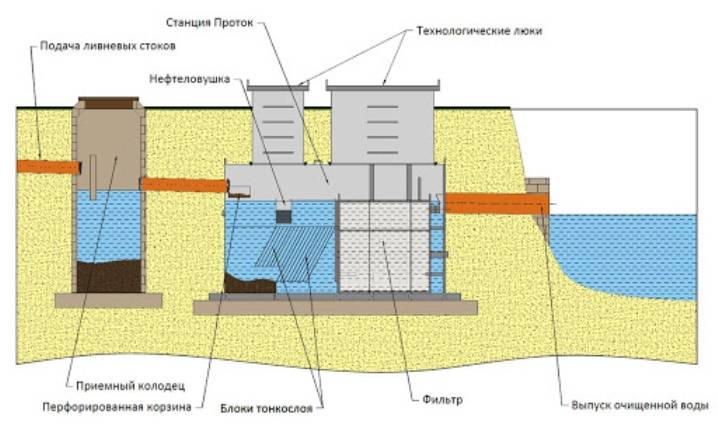
All these devices are designed to eliminate suspensions, large and small insoluble impurities. The largest inclusions are retained by the grate and fall into a special removable container. The so-called sand traps have a limited capacity, therefore, with an intensity of effluent supply to the treatment plant of more than 100 cubic meters. m. per day, it is advisable to install two devices in parallel. In this case, their efficiency will be optimal, sand traps will be able to retain up to 60% of suspended matter. The retained sand with water (sand slurry) is discharged to sand platforms or to a sand bunker.
Biological treatment
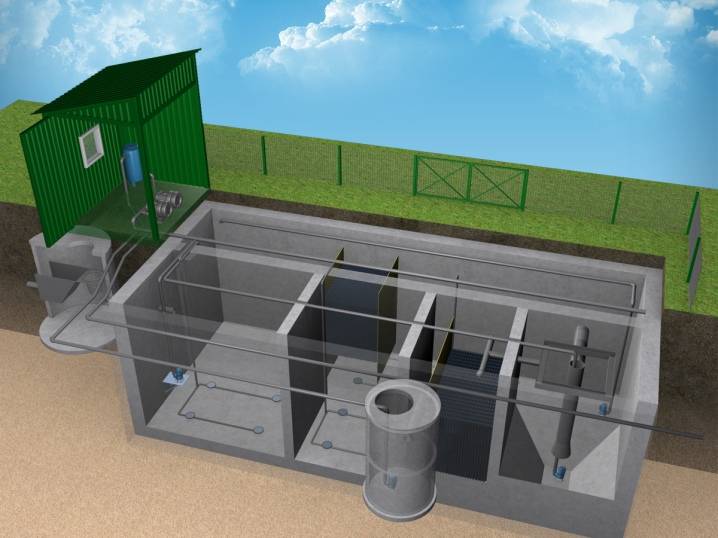
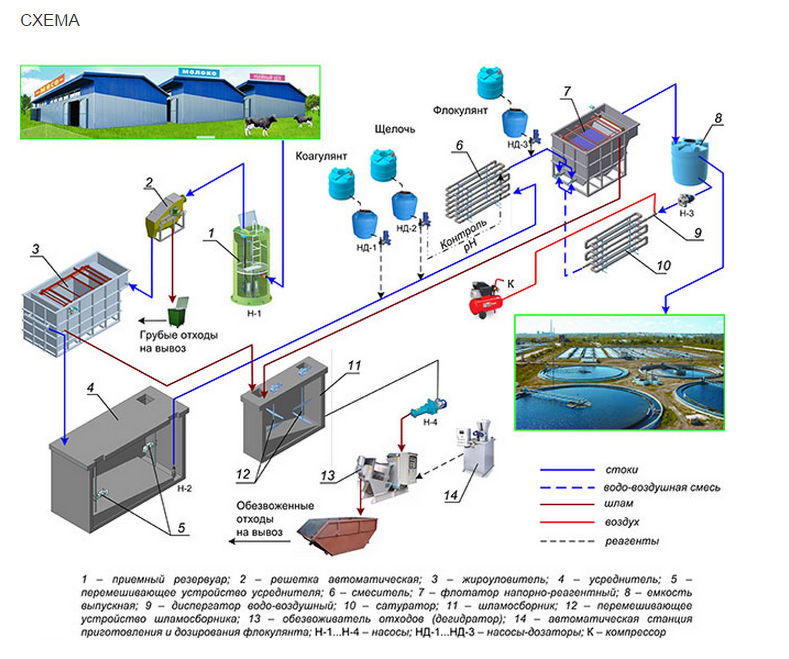
After removing the bulk of insoluble impurities (clarification of wastewater), the liquid for further treatment enters the aerotank - a complex multifunctional device with extended aeration. Aerotanks will be divided into sections of aerobic and anaerobic treatment, due to which, simultaneously with the splitting of biological (organic) impurities, phosphates and nitrates are removed from the liquid. This significantly increases the efficiency of the second stage of the treatment complex. Active biomass released from wastewater is retained in special blocks loaded with polymeric material. Such blocks are placed in the aeration zone.
After the aeration tank, the sludge mass passes into the secondary settling tank, where it separates into activated sludge and treated effluents.
Post-treatment of wastewater is carried out on self-cleaning sand filters or using modern membrane filters. At this stage, the amount of suspended solids present in the water is reduced to 3 mg/l.
Disinfection
Disinfection of treated effluents is carried out by treating the liquid with ultraviolet light. To increase the efficiency of this stage, biological wastewater treatment plants are equipped with additional blower equipment.
Effluent that has passed all stages of the treatment complex is safe for the environment and can be discharged into a reservoir.
How do-it-yourself installation of HDPE pipes is carried out. you can learn from other material on the site.
And why is it needed and how is the "American" used in plumbing, read this link.
View overview
VOC
This seemingly mysterious abbreviation actually means only local sewage treatment plants. Despite the term "local", in fact, this is a sophisticated set of various buildings and objects that solve complex practical problems. They collect wastewater, partially treat it to such an extent that it is possible to release liquid into the main city and regional sewage treatment plants without excessive load on the networks. Essentially, the VOC should be thought of as a pre-filter.
Septic tanks
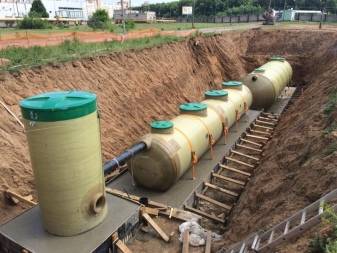
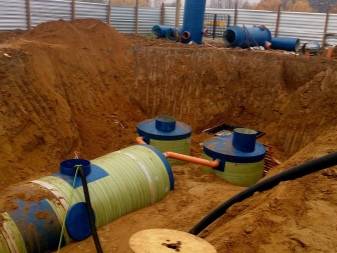
By this name, they mean individual household containers that serve only as storage and converters of effluents due to settling. It must be understood that even the best septic tanks are only an element of the local sewer system, and it is technically incorrect to consider them as a separate device.Additionally, soil post-treatment is most often carried out. The same rules apply to the use of septic tanks as to the public sewer.
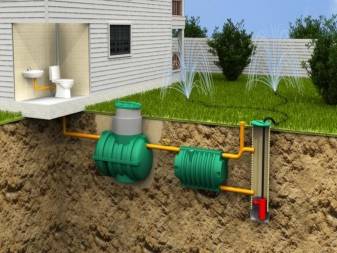
Aerotanks
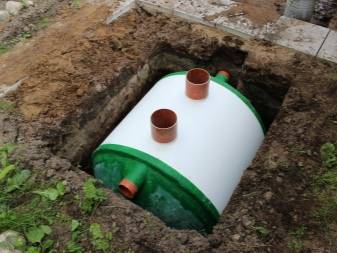
Under this name appear tanks for wastewater. Most often they are given a rectangular shape. The inside is cleaned with activated sludge. At large sewerage stations, aeration tanks can develop very high productivity - cleaning up to 4000 m3 per day and even more. The efficiency of the aerotank depends not only on its volume, but also on:
-
temperature maintained inside;
-
the presence of certain substances;
-
oxygen concentration in solutions;
-
acid-base balance;
-
degree of saturation with toxins.
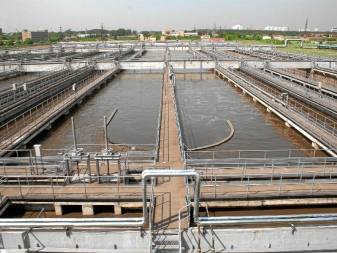
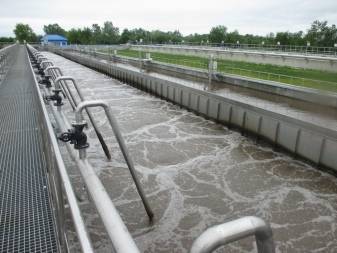
Other
In the scheme of sewerage facilities, an important role is given to biological post-treatment systems. The necessary reactions take place on the surface of specially prepared discs.
Filtration is another important link, it most often occurs due to a thick layer of sand. In critical cases, and on an urban scale, disinfection is always carried out
For her use:
-
ozone supplements;
-
chlorine additives;
-
ultraviolet irradiation;
-
exposure to alternating current;
-
ultrasonic impulses.
It is worth emphasizing that, regardless of the type of treatment plant, external sewage networks are subject to the same type of rules. In some cases, modular complexes are used for work. Such solutions are relatively cheap, but at the same time they provide a good technological result. In containers, even post-treatment and deep biological wastewater treatment can be carried out. Separately, it should be said about industrial cleaning complexes.


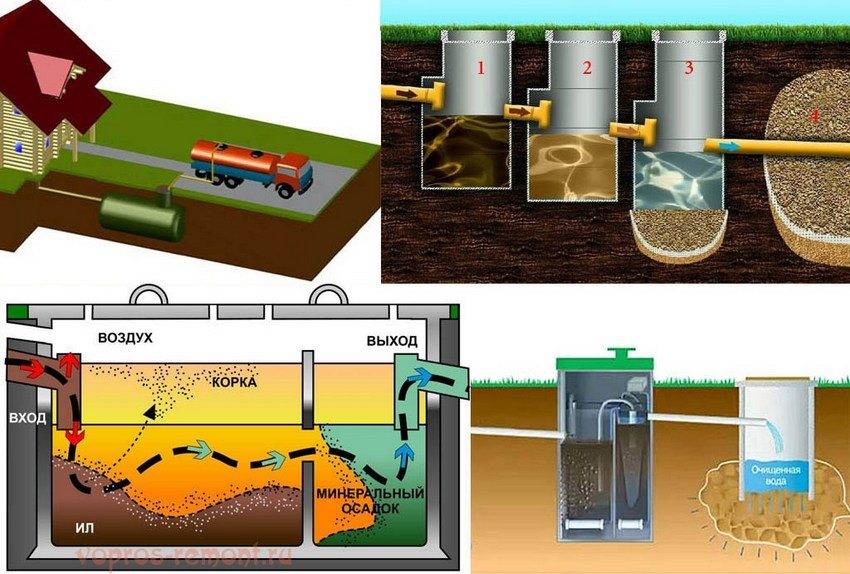
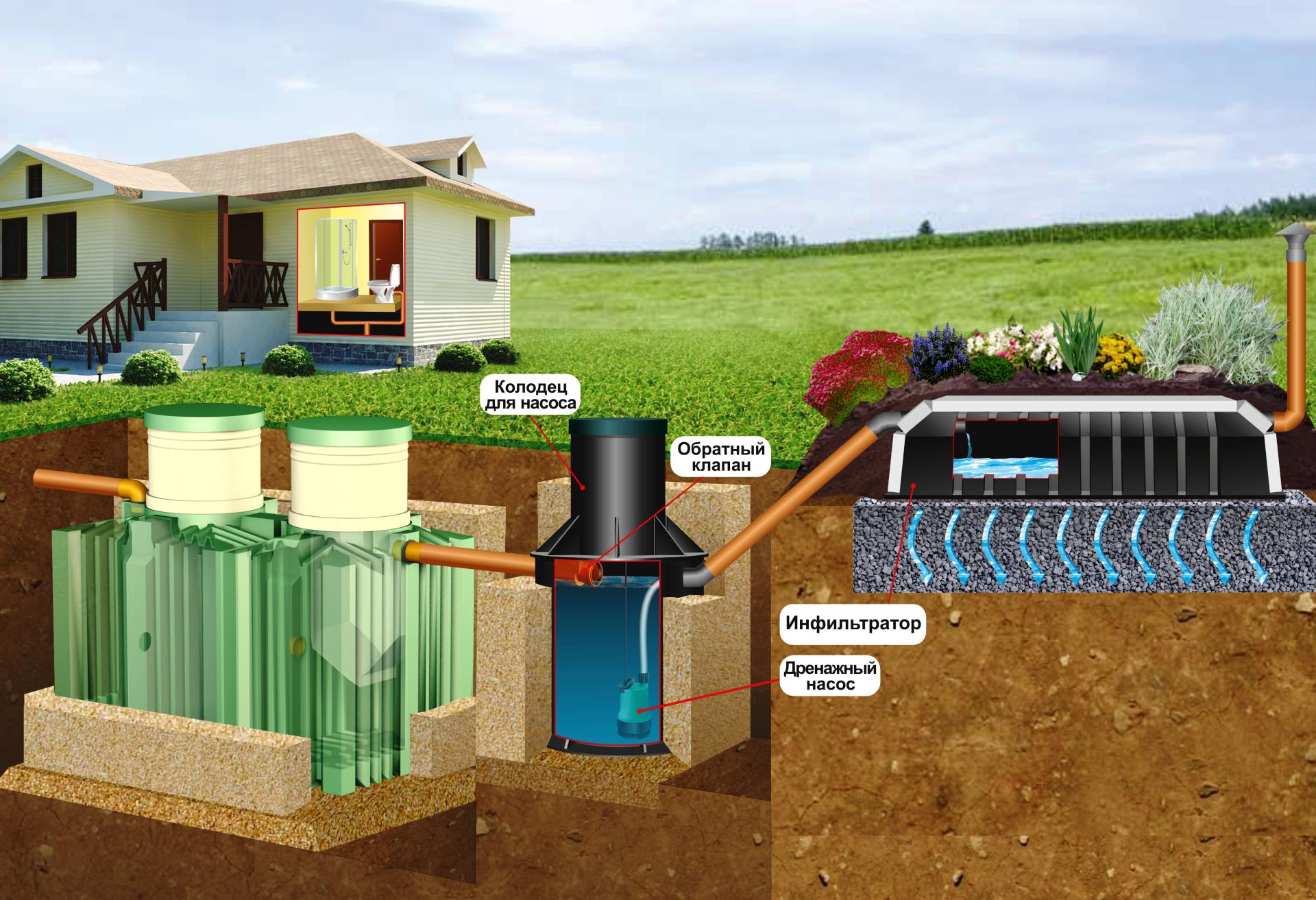
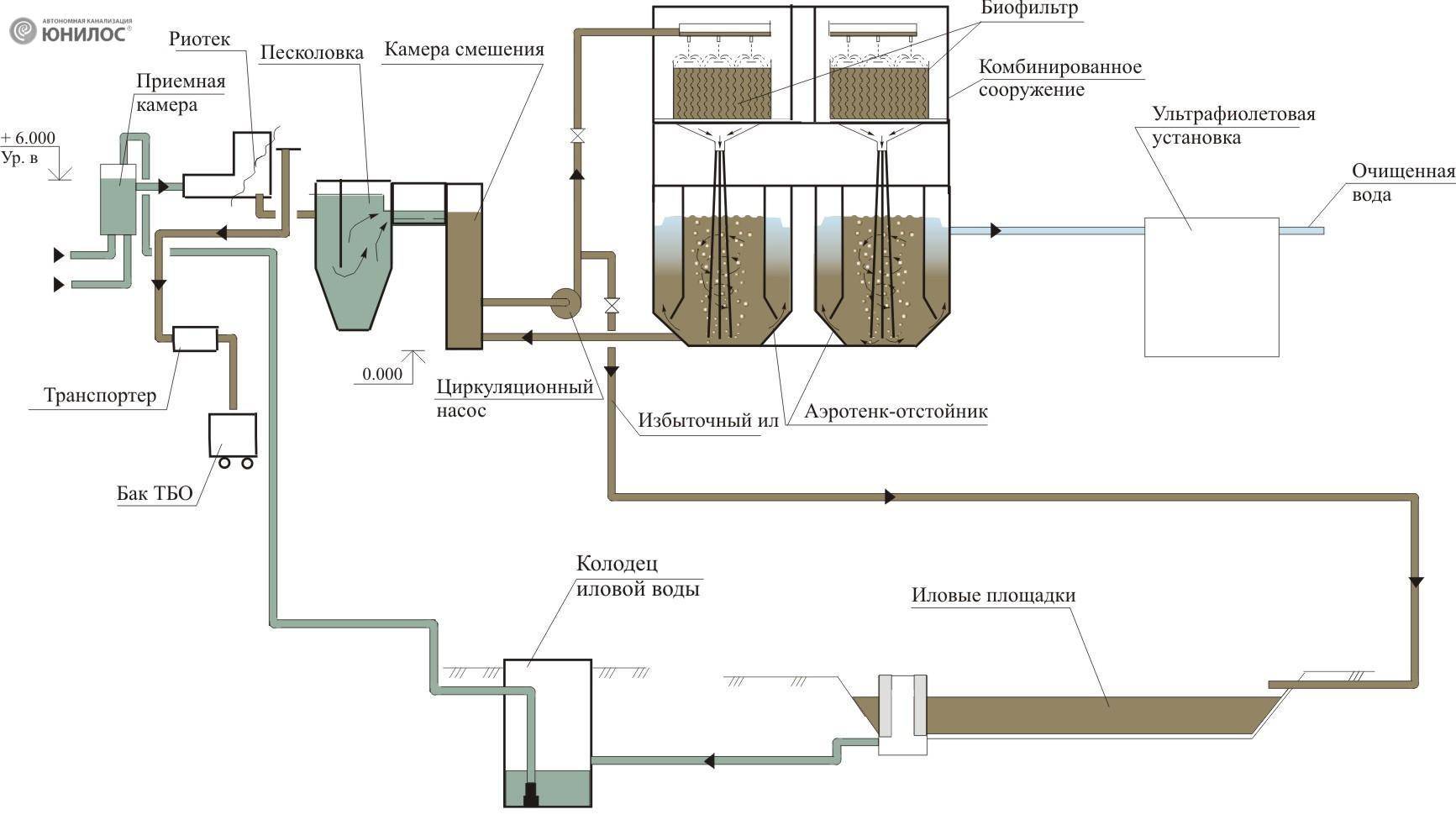
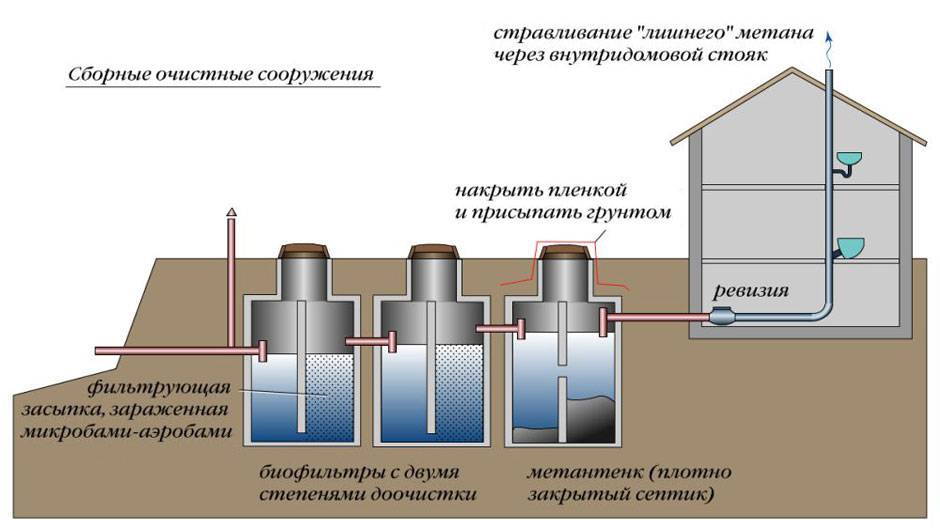
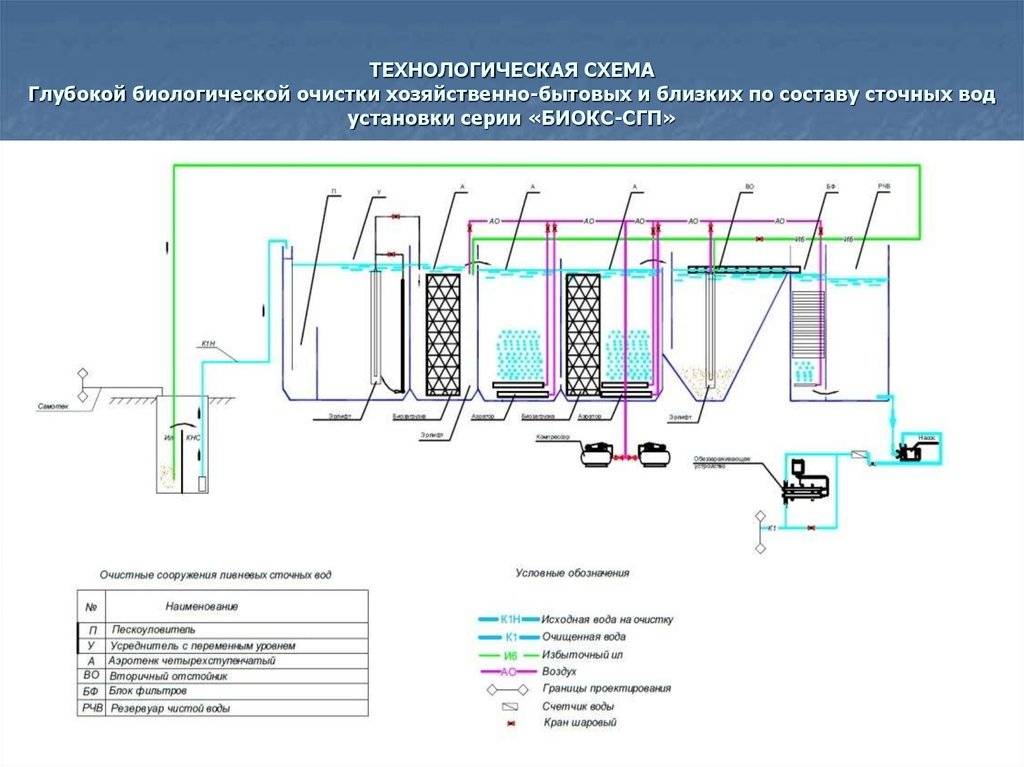
For the most part, they are made in a standard form.There is a wide variety of standard schemes for factories and factories of various types. If necessary (especially for large-scale production and for newly emerging industries), original developments are created. The use of certain cleaning devices in any production is not a good wish, but a direct prescription of the law. Even mechanical cleaning is very different depending on the specific industry.
Design Features
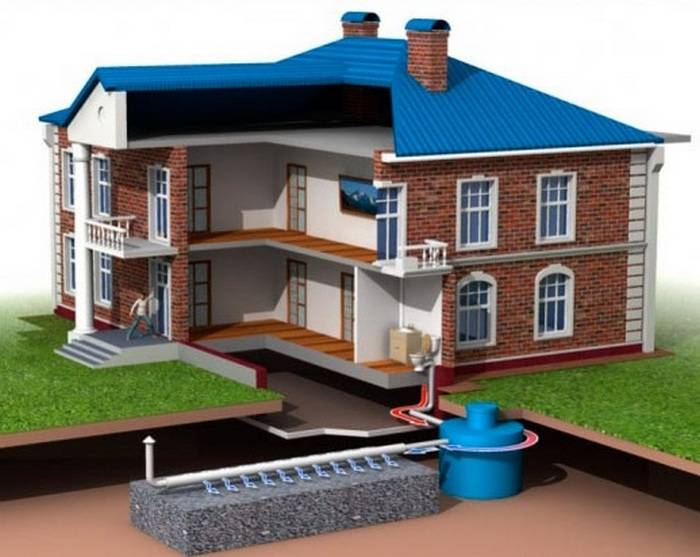
When performing the design of sewage treatment facilities, it is necessary to calculate all situations that in the future may affect the operation of the device
In carrying out the design of sewage treatment plants, it is necessary to calculate all situations that may affect the operation of the device in the future. First of all, we must not forget the various legislative bases, which are based on the protective function of the environment. So, to comply with the sanitary protection zone, the following indicators should be taken into account:
- Calculation of dimensions and volume;
- Selection of a place, according to the requirements that a sanitary protection zone (SPZ) has;
- Selection of the optimal device;
- Features of soil and climatic conditions;
- Performance calculation accuracy;
- Rational selection of cleaning method;
- The correct version of the assembly work for the installation.
Attention! The sanitary protection zone (SPZ) is a very important norm in relation to the location of the installation. If the requirement is not met, then environmental contamination is possible, and as a result, an ecological disaster will occur.
SPZ is not the only requirement. In addition, you should settle the paperwork so that later there are no problems with the establishment of a sanitary protection direction.So, the folder should contain the following documents:
- An agreement that testifies to the lease of a land plot;
- A schematic map showing a place where the construction of a sewage treatment plant can be carried out and the sanitary protection zone (SPZ) fully complies with the standards.
- Technical characteristics of the use of water resources;
- Difference between water intake and disposal;
- A document that contains information about the common items of a project;
- Flow filtration structure scheme;
- Description of the procedure for disposal and use of waste streams.
Attention! The permission of the sanitary epidemiological station is an important factor. Remember, if the sanitary protection zone (SPZ) is violated, then you may incur administrative liability
Block and modular treatment facilities
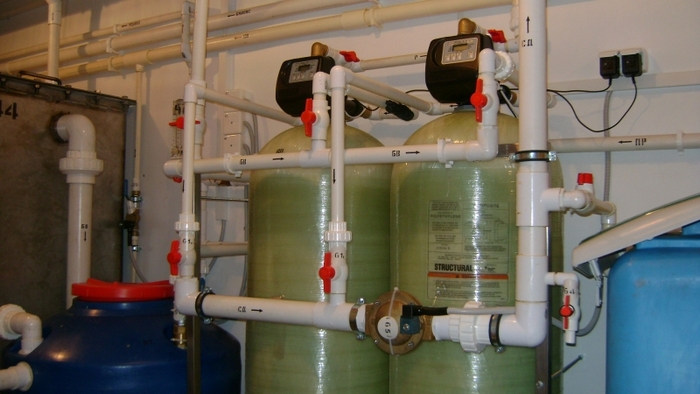
Sewage treatment plants with a modular and block system are deep cleaning devices
Sewage treatment plants with a modular and block system are deep cleaning devices that are used in the activities of the industrial, household and manufacturing industries. This type of installation performs the following tasks:
- Ensuring a high level of sewage water purification;
- Minimizing the formation of sludge;
- High quality deep cleaning
- Silent operation and environmental protection from drains;
- Allowing water to be reused.
It should be noted that the productivity of such devices reaches from 10 to 10 thousand cubic meters per day. This indicator is able to process the wastewater of entire villages. The advantage of the systems is the ability to function even in a temperature climate up to -55 degrees.Blocks and modules organize the type of work, which is based on step cleaning.
Installation of biological treatment stations
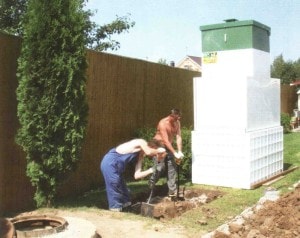
The process of installing a biological treatment plant
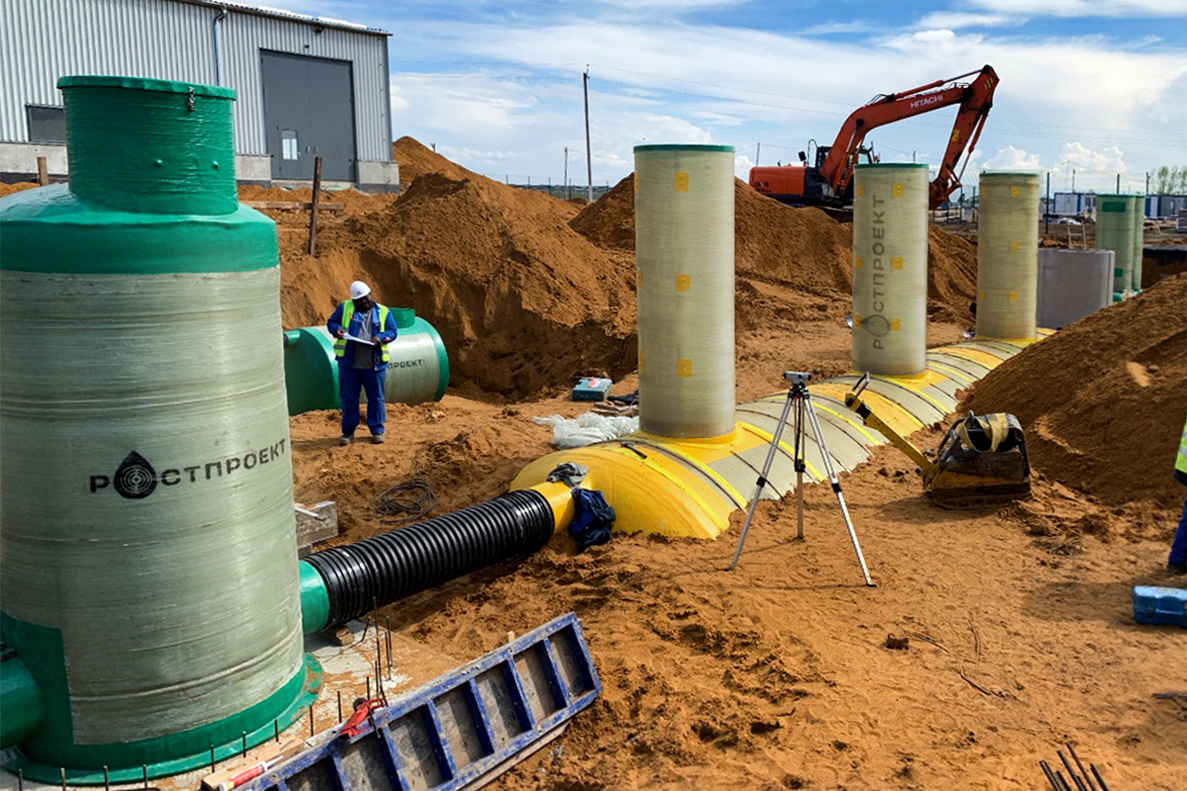
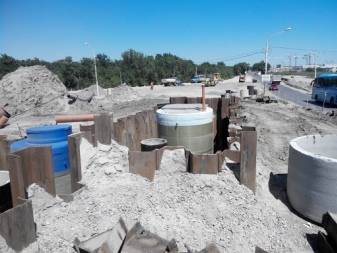
The installation of a biological treatment plant is carried out by placing it below ground level. For this, a pit is dug. The dimensions of the pit are determined by the size of the station. At the same time, for the comfort of installing the pit, it is necessary to make a little more septic tank (horizontal section). These allowances are also intended for the possibility of insulating the station. Station insulation and pipe insulation are recommended preventive measures. A reinforced concrete slab is placed at the bottom of the pit. The structure of the station is attached directly to it using anchor straps. Installation can be carried out without a plate, however, it is necessary to prevent displacement of the station caused by freezing of too high groundwater or their mobility
Before you start digging a pit, it is important to choose the right place for it.
After installation, connection of incoming and outgoing pipes, insulation, adjustment and commissioning, backfilling with sand is carried out with simultaneous moistening for proper shrinkage. Now we have described the process of installing a septic tank in general terms. Naturally, for each model and type of biological treatment plant, it differs to some extent. Our managers will tell you more detailed information.

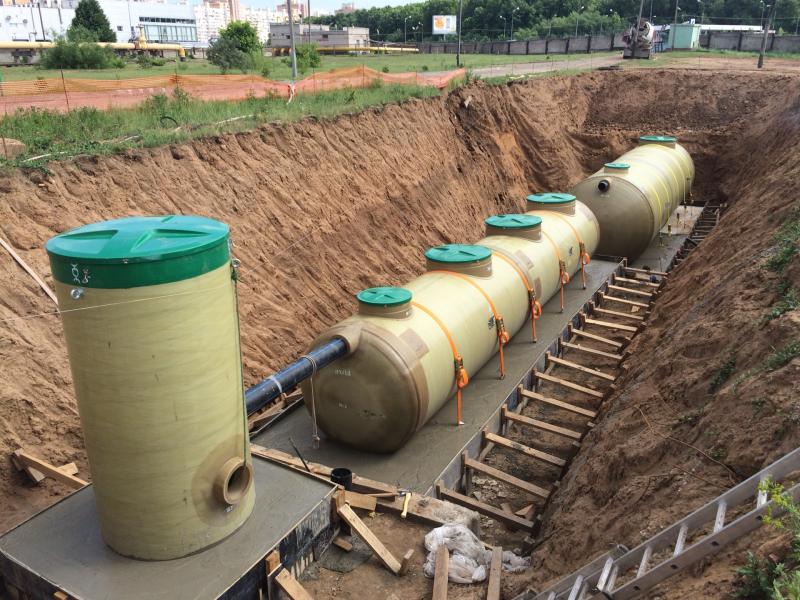


Thus, the installation of a biological treatment plant is a difficult operation that requires specialized knowledge, as well as an understanding of the intricacies of this process. Self-installation without the involvement of specialists is fraught with unpleasant consequences:
- Reduced equipment efficiency;
- Improper functioning;
- Breakdown or failure of equipment.
By purchasing any of the biological treatment plants from our company, you get a highly efficient system that can treat wastewater by 98%, as evidenced by certificates. The purchase of a station is the most optimal solution for organizing sewerage in a summer cottage, or in a suburban home. In addition to the fact that the biological treatment plant solves the problem of the lack of a centralized sewerage network, it also helps you to make a small contribution to the conservation of nature and the improvement of the environmental situation in the world. However, buying a septic tank is only the first step. Indeed, in addition to the acquisition, in order to use the cleaning station, it is necessary to make its correct installation, connection and commissioning.
Let us analyze the main features of these processes and analyze the factors influencing them.
Factors affecting installation
In order for the equipment to be installed correctly, the following factors must be considered:
- Type and model of the treatment plant;
- Soil type;
- Local groundwater level;
- Soil permeability indicators;
- Site slope angle;
- The height at which the pipe will be inserted into the septic tank.
In addition to the above, there are many other factors that also need to be considered. All of them require careful analysis. Indeed, the performance of the installation, its durability and reliability in operation depend on how correctly the installation will be carried out. The most correct solution to this issue is to attract specialists with the necessary knowledge and experience.
The cost of installing a septic tank depends on the following factors
- The type and size of the septic tank. Naturally, the larger the size of the station, the larger the pit dug under it will also be. And the volume of the most time-consuming work - earthworks - directly depends on this;
- Soil type of the site. Depending on whether there is groundwater on the site, the need for pouring a reinforced concrete base and, if necessary, installing formwork is determined;
- Method of water withdrawal. Various extraction systems involve the use of various technological elements, as well as their different number.
As you can see, for our company it is important not only to sell you equipment. We also do our best to ensure that its operation does not cause you problems and any difficulties in the future.
Therefore, we are at your disposal - from the first call to the start of operation of the station in your area. And even after! Indeed, in addition to sales, installation and commissioning, our company also provides after-sales service for biological wastewater treatment equipment.
Cleaning steps
It should be said that there are several stages of treatment in installations for storm drains and household waters:
-
mechanical or rough;
-
chemical;
-
bacterial.
Let's say a few words about each of them.
Mechanical
In this case, during the so-called rough cleaning, the wastewater enters the filters, the use of which makes it possible to separate large contaminants. After that, the liquid is re-filtered, which allows you to eliminate foreign particles of a smaller size. After rough cleaning, the water goes back to the storage tanks, where it is further clarified.
Chemical
Before being discharged into a reservoir, wastewater will need to be cleaned of substances, both organic and inorganic, that can have a negative and detrimental effect on the environment. For this, chemical neutralization is carried out, which is based on reactions of a redox-oxidative nature. If there are acid-type contaminants in the water, then it is treated with alkali. If the pollution is alkaline in nature, then it is treated with acids.
With the help of bacteria
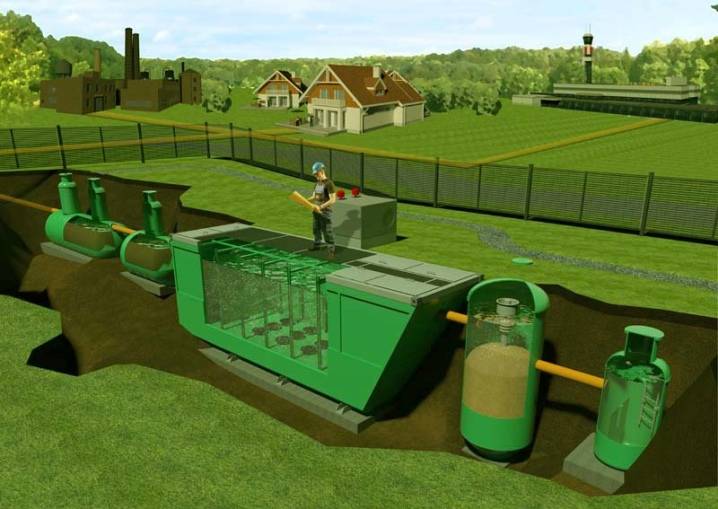
At this stage of purification, the decomposition of organic-type inclusions is carried out, which is produced against the background of the vital activity of bacteria of various kinds. Microorganisms carry out the processing of contaminants, which are then removed from the treatment plant. It should be said that both anaerobic and aerobic environments are suitable for the life of bacteria. Depending on the medium, treatment can be carried out with or without oxygen.
A whole aeration station in one small container
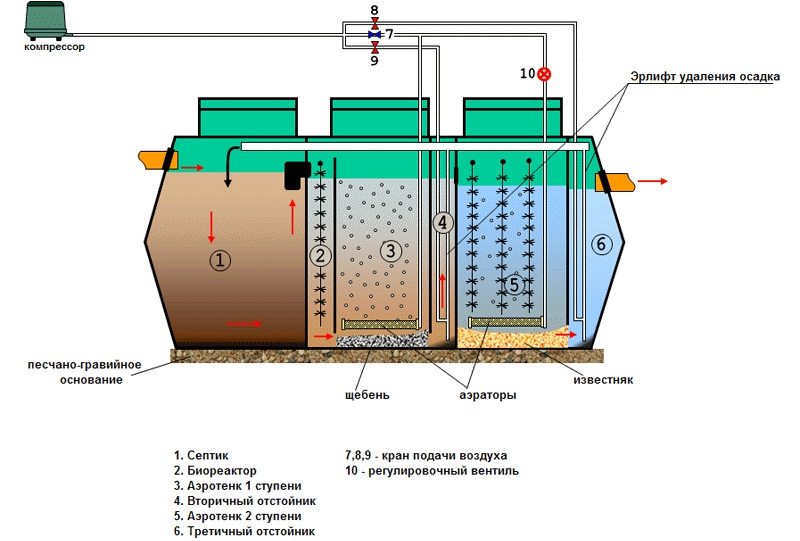
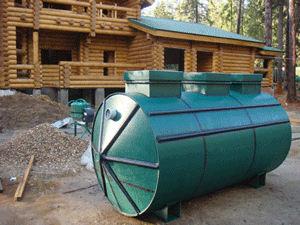
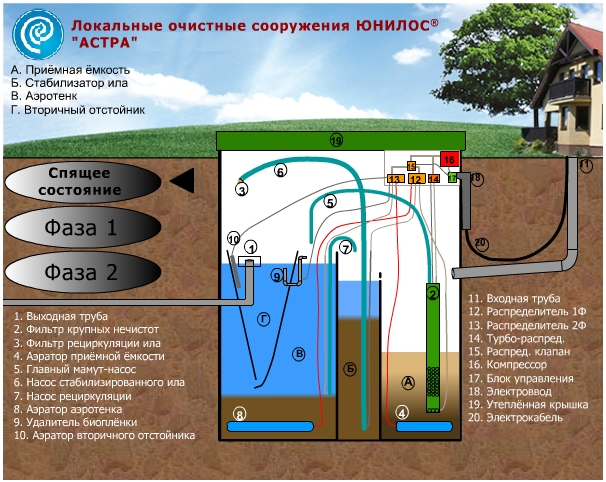
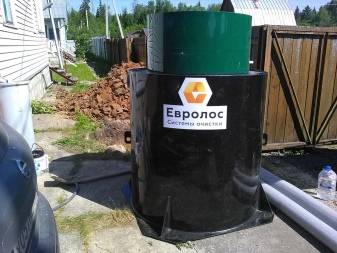
Local treatment facilities (VOCs) for a cottage or dacha must be selected depending on the number of people permanently residing there. According to SNiP 2.04.02-84, the specific average daily water consumption for household and drinking purposes for houses without centralized hot water supply is 200 liters per "capita". Therefore, for a family of 5 people, VOCs with a capacity of 1 cubic meter are quite suitable. m per day. This will be a container, which consists of the following sections:
- receiving chamber;
- aeration tank;
- secondary sump;
- stabilizer.
The receiving chamber and the aeration tank are equipped with aerators through which air is supplied by means of a compressor.
The main role in this community is played by bacteria, which form zoogley accumulations in the form of flakes, adsorb pollutants on the surface and, with the help of enzymes, break them down, using the energy released in the process for respiration, movement, and reproduction. Bacteria serve as food for representatives of the next link in the food chain: amoebas, ciliates, rotifers. When organics are finally oxidized to carbon dioxide and water, nitrifying bacteria are taken to work, which, under aerobic conditions, oxidize ammonium nitrogen first to nitrites and then to nitrates. The sludge mixture is sent to the secondary settling tank, where it is separated into purified water and circulating sludge, which is returned to the aeration tank through a special opening.


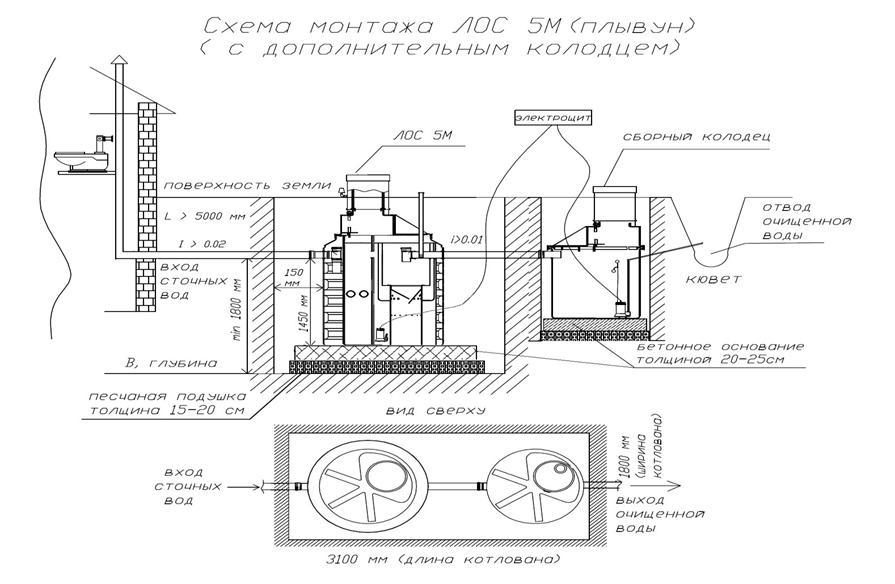
Excess sludge that has settled to the bottom of the aeration tank is pumped by an airlift to a stabilizer, where it is mineralized. Purified water enters a drainage well or storage tank, from where it can be taken for watering green spaces.
Of course, the cost of a local sewage system with complete biological treatment will be higher than a conventional septic tank. But its efficiency, reliability, durability, as well as a fully automated process in which the participation of the owners is minimized (it will only be necessary to clean the walls of the tank from excess sludge once a quarter), will more than pay off all the costs.
Rules and regulations for the installation of septic tanks on the site
In continuation of the topic “Sewerage system in a wooden house”, in this article we will talk about what rules and requirements should be observed when installing sewerage on the site.
Septic tanks pose a certain threat to the environment, their uncontrolled installation is prohibited and punishable by law.Before installing a septic tank on your site, you need to draw up a project that is agreed and approved by the SES. At the center of the State Sanitary and Epidemiological Supervision, a document called “project binding” is being coordinated, i.e. schematic representation of the area. This document depicts a canalized object, a place for discharging treated wastewater and where a septic tank will be located. Permission to implement the project can only be obtained if it complies with building and sanitary standards. The most important thing in the project is the location of the treatment plant.
When drafting a project, one should rely on regulatory documents, such as SNiP 2.04.03-85. It regulates the external construction of networks and sewerage facilities. SNiP 2.04.04-84 and 2.04.01-85 regulate the construction of outdoor and internal water supply networks. SanPiN 2.1.5.980-00 prescribes protective measures aimed at maintaining the purity of surface waters. Document regulating the creation of sanitary protection zones near supposedly dangerous objects, SanPin 2.2.12.1.1.1200-03. It should be noted that in some regions of our country there are local recommendations regarding water supply and sanitation. They contain detailed information on local treatment facilities of low productivity, indicate the negative impact of various buildings without treatment facilities on the state of reservoirs and groundwater.
It is sometimes difficult for a person who is far from construction to understand GOSTs, SNiPs and SanPiNs on his own, so the basic principles for installing a septic tank on the site will be outlined below.
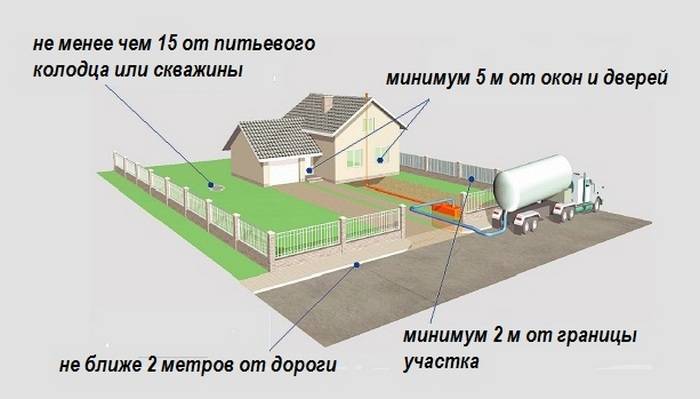
The most important point in the installation of an autonomous sewage system is the remoteness of the septic tank from the source of drinking water (well, well). It is necessary that untreated water runoff does not mix with water in the well and does not fall into groundwater. Despite the fact that the current septic tanks are impervious containers, emergency conditions are still possible. According to construction standards, from a well to a septic tank, the minimum distance is 20 m, the optimal one is 50 m, the greater this distance, the better. The sewage treatment plant must be located below the water intake. A hydrogeological survey on the site will help determine the presence of filter layers of soil, the need for this event is due to the fact that such types of soil as loam, sandy soil and sandy soil pass moisture well, but in the presence of clay soil and loamy soil, large-scale earthworks will have to be carried out to arrange sandy - gravel filters. According to SNiP, the distance between pipes with drinking water and a septic tank is regulated, it is at least 10 m.
SNiPs also require compliance with the following minimum distances from the absorbing or filtering area, the area of \u200b\u200bwhich with a waste volume of 1 m 3 must be at least 30 m 2. Violation of the requirements will lead to SES problems:
- from the foundation of the house to the septic tank - 3-5 m, a smaller distance is not permissible, a larger one will lead to blockages and the installation of revision wells,
- from the border line of the land plot - 4 m, from the fence of neighbors - at least 2 m. The interests of people living in the neighborhood must be taken into account in order to avoid a serious conflict,
- to a flowing water source (stream, river) - 10 m,
- from reservoirs with stagnant water (pond, lake) - 30 m,
- to trees - 5 m, to shrubs - 1 m,
- to gas pipelines 5 m.
When locating a septic tank, it is necessary to take into account the easy access of a sewage truck for the periodic removal of solid waste from the septic tank. The distance from the septic tank to the place where the vehicle stops should not exceed 4-5 m, since the standard length of the sewer truck hose is 7 m.
Violation of at least one requirement will not allow the installation of a treatment plant to be coordinated with the local SES, and if it is installed without permission, it can lead to litigation.
Installation Code septic tanks on site In continuation of the topic “Sewerage system in a wooden house”, in this article we will talk about what rules and requirements should be observed when installing sewerage on the site.
Features of modern septic tanks
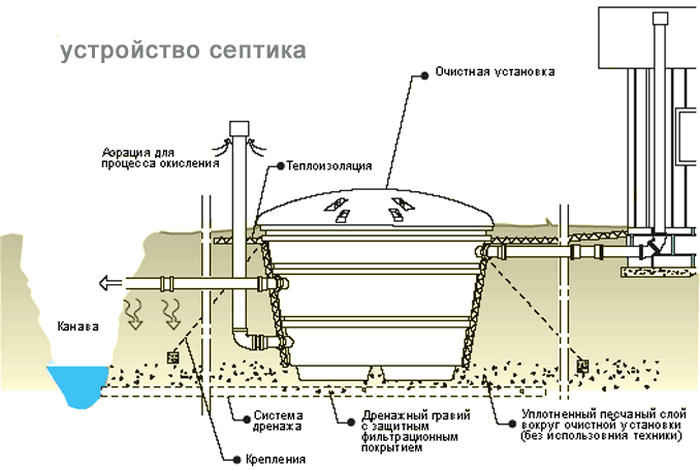
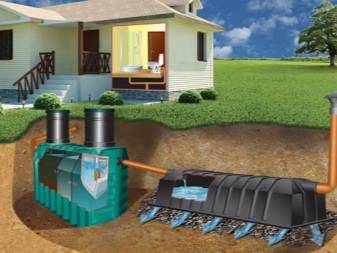
A local sewage treatment plant, in which wastewater from the house is collected and treated, is called a septic tank. The simplest models of these treatment devices operate on the principle of settling wastewater and further decomposition of the sludge due to the activity of anaerobic organisms.
Usually, after such a device, the drains are not sufficiently cleaned. Sanitary standards prohibit the discharge of such effluents into the ground or open water, so wastewater needs additional treatment, which they pass through filtration fields or drainage wells.
Modern septic tanks for a private house are autonomous deep cleaning stations that use the mechanical and biological principles of wastewater treatment. Thanks to this, a high degree of wastewater purity is achieved, reaching 98-99%.Sanitary regulations allow such effluents to be discharged into open water bodies or the ground, since they do not pose a threat to the environment.
home plumbing project
It is obvious that urban wastewater treatment plants and local installations for domestic use differ in their layout. Any effluent treatment project must be carried out taking into account external factors, as well as the performance and volley characteristics of the equipment.

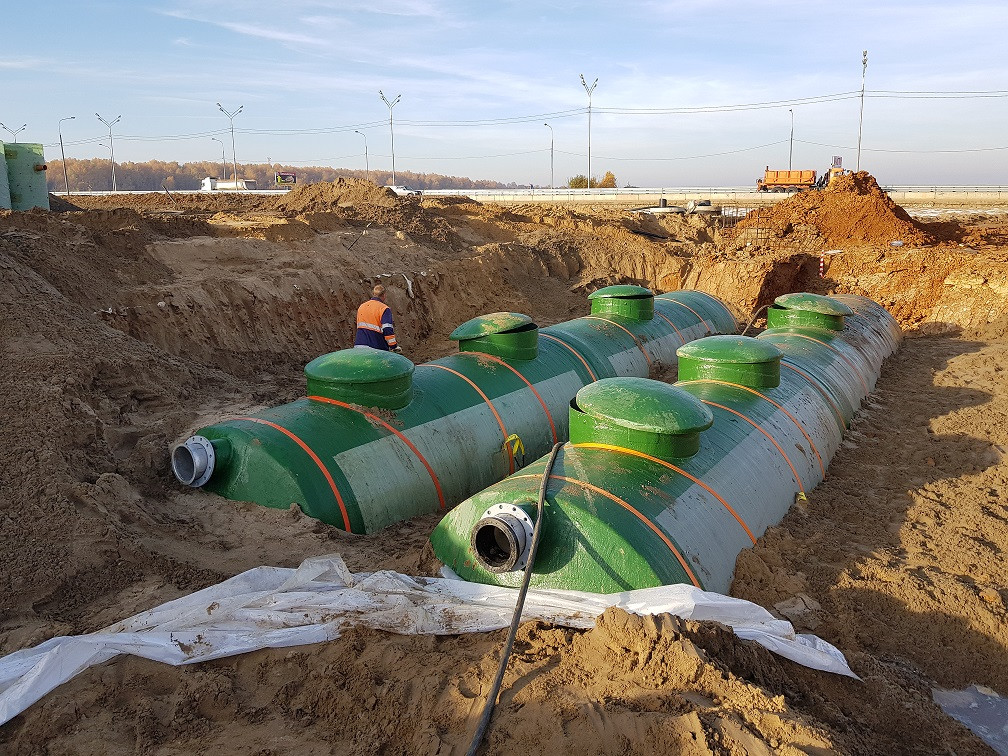


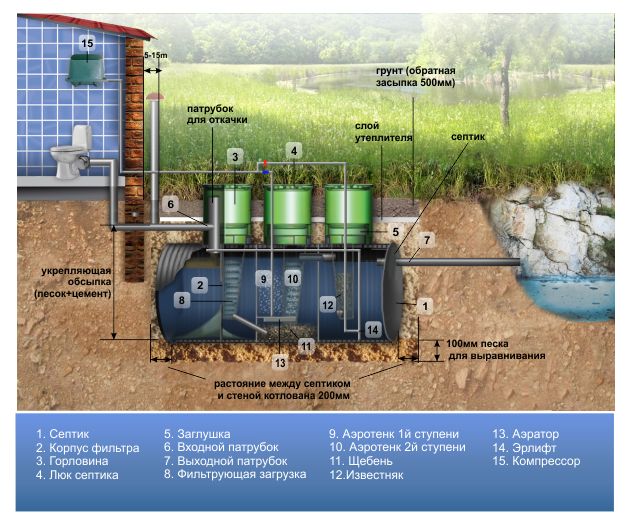
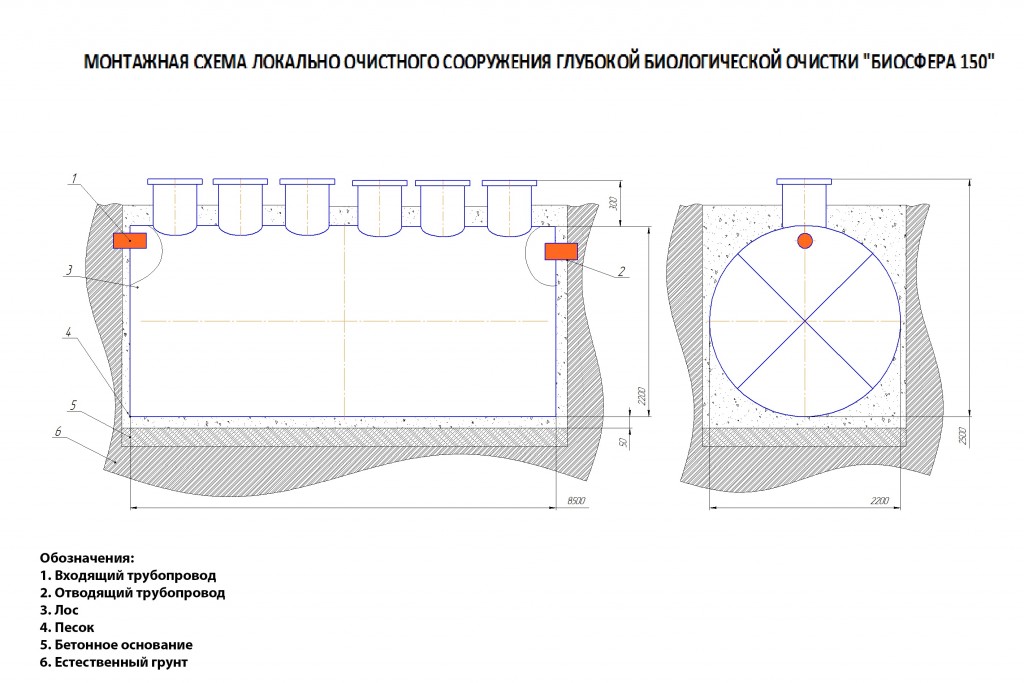
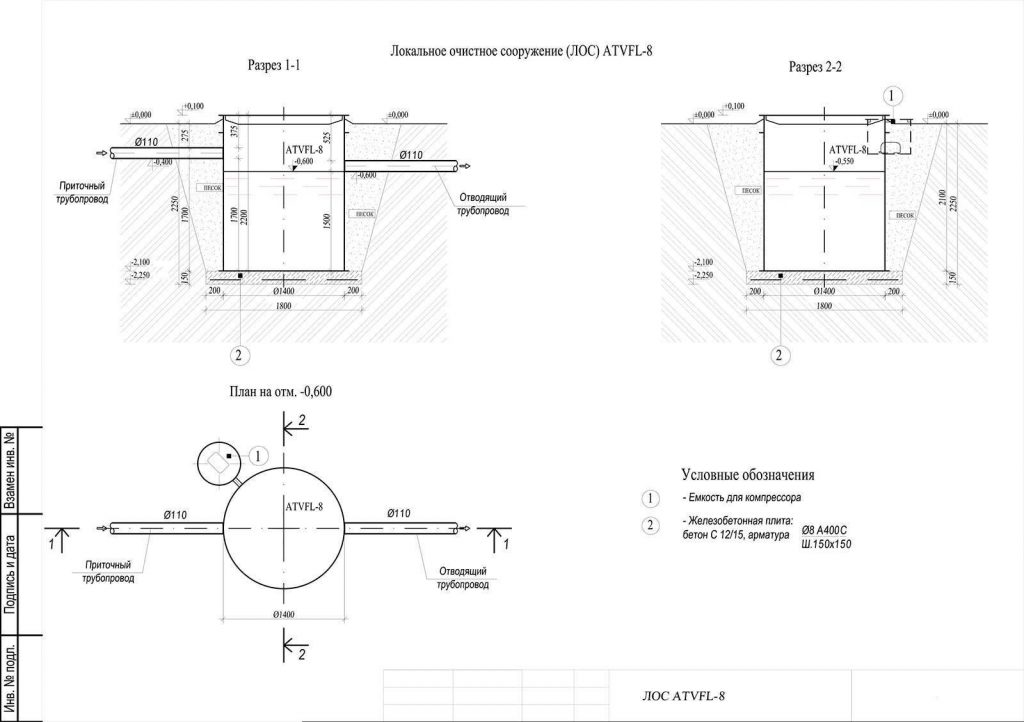

Project home plumbing with cleaning system is done taking into account the following points:
- Cleaning functions and the principle of operation of the device. It can be either a container or a septic tank.
- The planned volume and duration of earthworks, the depth of the sewerage room, as well as all materials for their implementation.
- Soil specifics.
- Building model.
At the planning stage, it is advisable to seek advice from specialists in this field. Improper design and construction can lead not only to permanent clogging of drainage systems, but even to environmental pollution, that is, a violation of current legislation.
Design and installation
Now consider some aspects of the design and installation of such structures. If we talk about design, then it will be important to correctly calculate the volume of the station, which will depend on the number of people. As already mentioned, according to SNiP 2.04.01-85, 200 liters per person are provided per day. That is, for example, for a family of 5 people, a septic tank for a 3-day wastewater in it requires a volume of 3 cubic meters.
Another important aspect regarding performance is the volume of the so-called salvo discharge. It makes it possible to know about the maximum possible amount of waste that the tank can clean in a given period. We are talking about the discharge of wastewater from various sources. By the way, if it is supposed to be discharged from the bathroom sink, it will not be superfluous to use a model with a grease trap. If the volume of the expected and real salvo discharge is higher in favor of the latter, the quality of water purification will drop significantly.
Another important point to consider when designing is the method of waste disposal. There are three of them.
-
Conclusion in the filtration field or filter type well. If we are talking about filtration fields, then they should contain a cushion of gravel or crushed stone at the bottom. This method is possible only in the presence of sandy or sandy soil, in which the excess volume of runoff is absorbed by the earth.
-
With the use of an intermediate well, which is made of reinforced concrete with a capital type bottom with a further output to the relief. This option will be relevant for several cottages that do not install individual VOCs each, but use one system. Water from the intermediate well does not go into the ground. After cleaning with a drainage pump, the water is sent to the relief.
-
Drainage into a storm sewer or a reservoir is used at a high level of groundwater, or in the presence of clay soils, which do not absorb water very well. This option is possible only for those who have bio-treatment stations with a degree of purification of 95-98%.
When designing, one should also take into account such a parameter as the depth of soil freezing.The exact values in a particular area can be found in SNiP 23-01-99. As an example, we can say that in the Moscow region, the soil can freeze to a level of 1.4 m. And if the station is used in the winter, then the input pipe should be located below the ground freezing level.
Another important factor in the design will be the frequency of application. If it is intended to use the system all year round, then it would be better to use aerial septic tanks. Organics in them will be a source of nutrition and energy for microbes.
You can, by the way, use them from time to time. Only then should there be food for microbes in the sewer.
The last important point to consider when designing is cost. Models structurally differ not very much. More expensive options usually have the same functionality, but can simply process large volumes of waste. And the most expensive systems are combined solutions that can be used in different conditions and at different intervals.
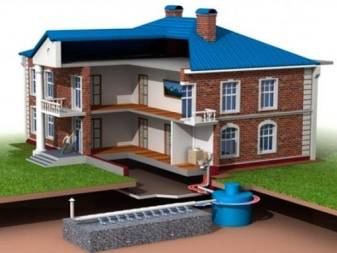
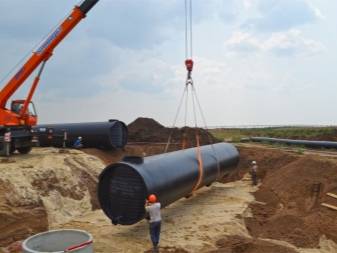
From the point of view of installation, the best solution would be to use a septic tank, which usually consists of filter media and a reservoir with several chambers. They are distinguished by their small size and the availability of everything that is needed for high-quality wastewater treatment. By the way, the tank is usually made of durable polymer, it is lightweight, which allows you to install it even alone.
It should be added that the septic tank copes well with temperature changes, exposure to aggressive substances and perfectly resists physical impact. Reinforced concrete is best suited for the construction of the drive.
In order to reuse water in this case, the septic tank should be supplemented with a deep filter.Otherwise, treated water cannot be used, because the septic tank belongs to the VOC of an incomplete type.
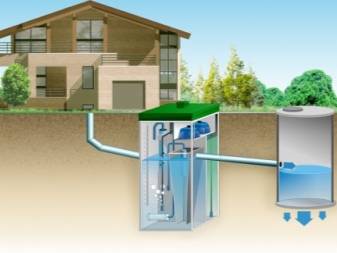
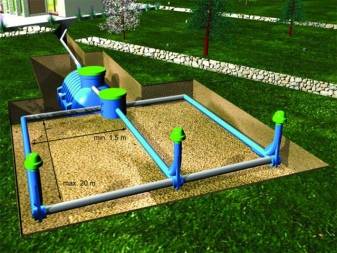
Regulation according to SNiP
This type of installation at each stage of installation work is regulated by the legislation of the Russian Federation
This type of installation at each stage of installation work is regulated by the legislation of the Russian Federation
It is for this reason that it is very important to carry out work in accordance with all norms and requirements in order to avoid a large number of problems in the future. If we take SNiP, then it contains building rules and sanitary protection zones (SPZ)
Let's find out the basic concepts:
- Points about "Sewerage. External networks and structures. they are fixed in SNiP 2.04.03-85;
- Clause 4.5, SanPiN 2.2.1, the rules "Sanitary protection zone and protective sanitation of enterprise classifications" are spelled out. It should be noted that the SPZ monitors the protection of nature from various types of pollution. For example, the zone should be located at a distance of 50 to 100 meters from the house.
FSUE "NII VODGEO" describes the standards for various calculations when creating a project.
If you adhere to all sanitary and protective standards, this will guarantee the quality of installation work and protect you from various problems with regulatory organizations.
What it is?
If we talk about what local treatment facilities are, then it would be best to turn to the regulatory framework, namely: SNiP. According to this document, the so-called devices or engineering structures that are designed to treat the user's wastewater before transporting it to the public sewer system or using it for domestic use.
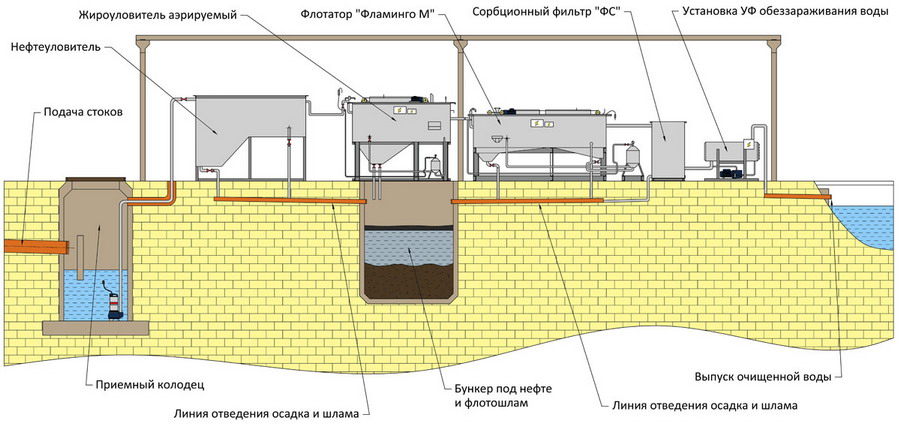

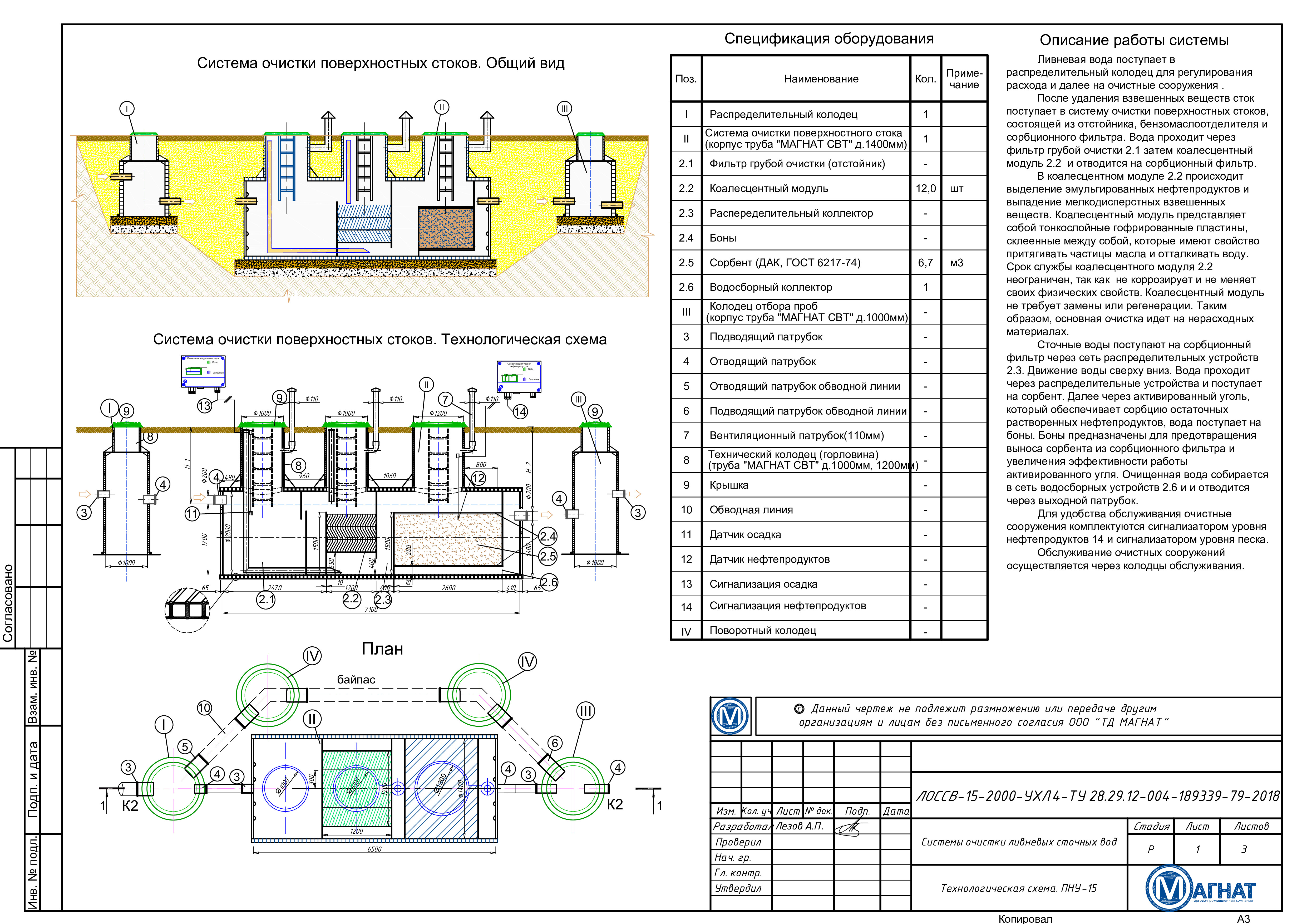


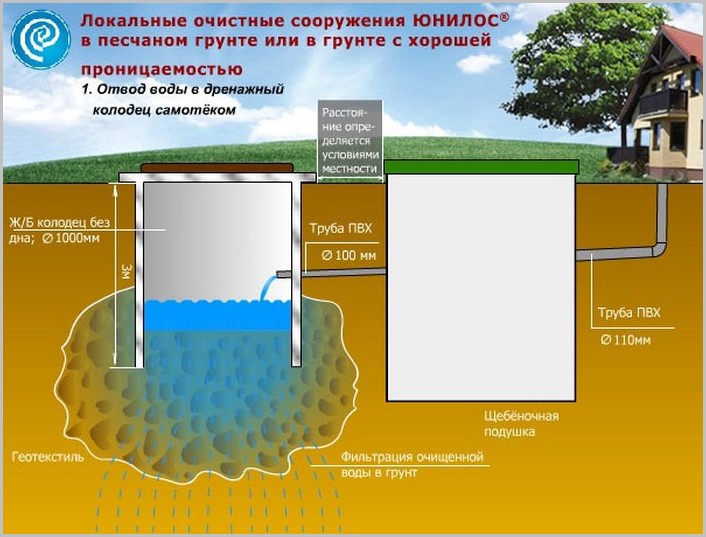
For this reason, the abbreviation VOC is not very suitable for autonomous treatment systems - this is due to the fact that there is no corresponding definition in state acts. According to manufacturers, VOCs are domestic wastewater treatment systems that do not involve the further use of recycled water and their transportation to the central sewer. Purified water simply goes into the ground on the site or is discharged outside it into the ditches for drains, or is used once for economic purposes. Waste that is not cleaned is simply pumped out and taken out of the territory with the help of sewage trucks for the purpose of their further disposal. All treatment facilities are usually located underground on the site. Most often they fall into two categories:
-
mechanical cleaning;
-
using pump-compressor type equipment.



