
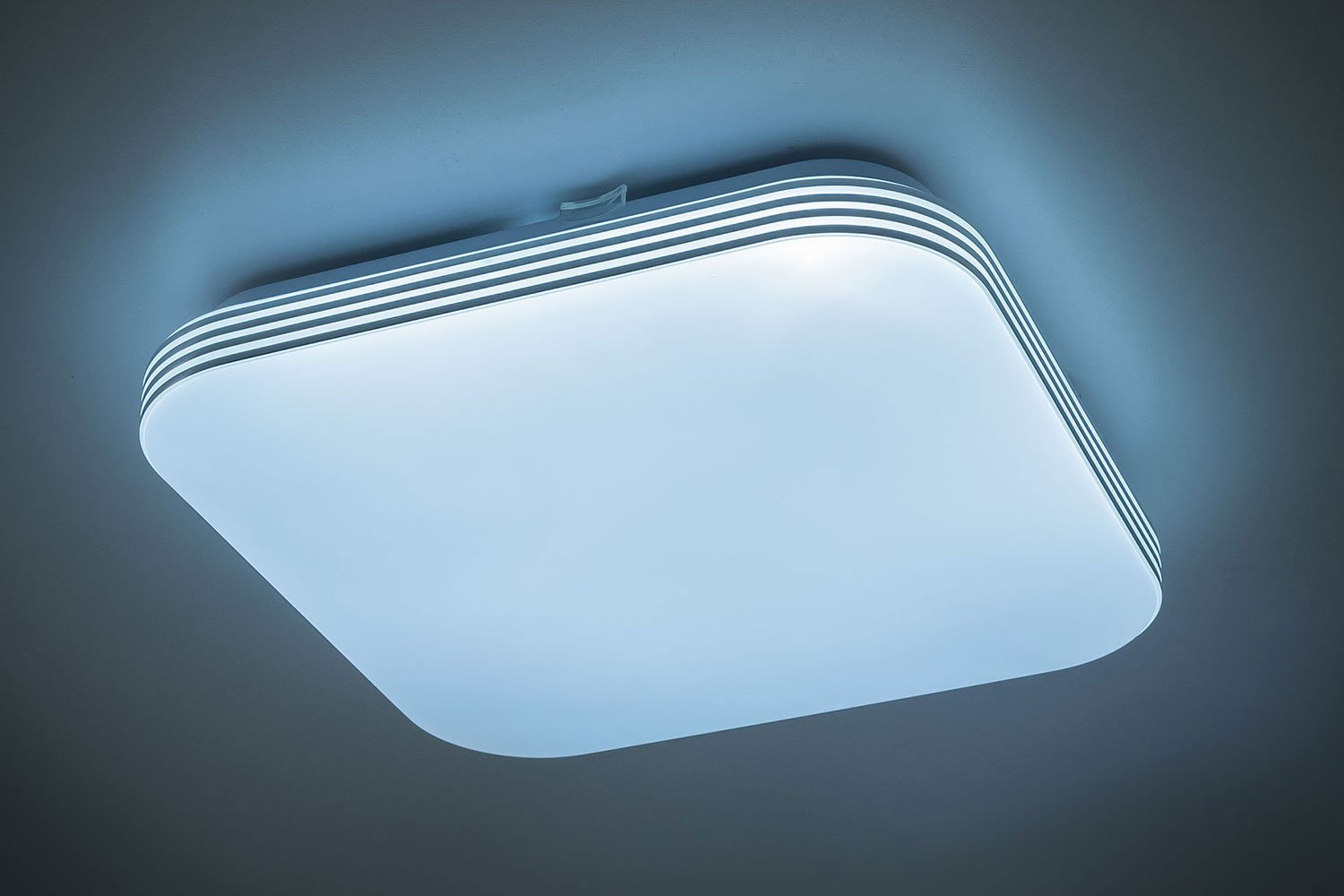
- The quality of LED lamps now and 4 years ago
- Benefits of LED Downlights for Ceiling Applications
- How to distinguish a high-quality good LED strip from a bad one
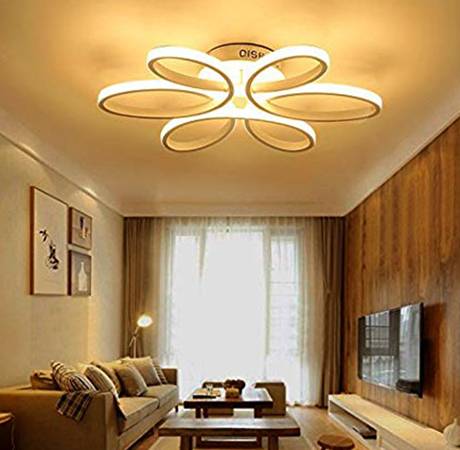
- Features of LED chandeliers
- Selection criteria for LED luminaires
- How are home LED lights designed?
- The best LED lamps of Russian manufacturers
- Overview of popular manufacturers
- Ecola
- Philips
- Gauss
- Citilux
- Feron
- Navigator
- Options for choosing a LED lamp for home
- Power and luminous flux
- Colorful temperature
- Plinth type
- The presence of a radiator
- Beam Angle
- The best office lamp IEK DVO 6560-P (36W 6500K) 59.5 cm
- Pros:
- Advantages and disadvantages of Led-lamps
- Advantages of LED products
- Cons of LED ceiling products
- Number 3. Type of lamps for ceiling lamp
- Conclusions and useful video on the topic
- Conclusion
- Main conclusions
The quality of LED lamps now and 4 years ago
Before you read the rating, I want to inform you that at present (2019-2020) the quality of all LED lamp manufacturers has noticeably deteriorated. Most likely it is connected with the economic point of view. It is not profitable for manufacturers that with such popularity of LED lamps, their real service life is 3-4 years.Some manufacturers do not install a driver at all and connect the LEDs in series; if one of them burns out, the entire lamp stops burning. Some put a driver, but obviously increase the output current in order to accelerate the degradation of the LEDs. Still others use low-quality radiators or do not use them at all. And for LEDs, good cooling is almost a must!
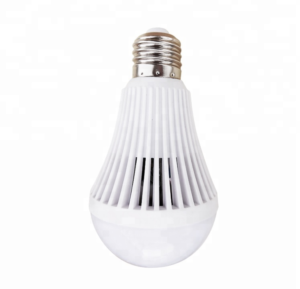
e27 led light source with cooling heatsink
Some buying tips:
- Don't choose e27 bulbs that are too powerful, as they are harder to cool. Better a couple of 5-10 W lamps than one powerful 20-35 W. There won't be much difference in price.
- The optimal power of filament lamps is 5-7 watts. Lamps of high power should be bought with a radiator. Especially filament lamps - they heat up even more
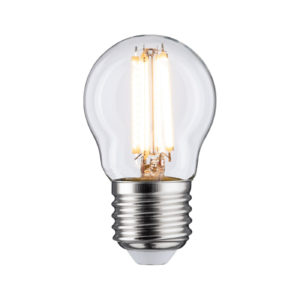
Filament light source bulb e27
- The larger the base of the LED lamp, the better. Again, for reasons of degradation of the LED due to their heating. Minimize the purchase of LED lamps with e14, g4, g9 ... etc. sockets.
- You should buy lamps with a guarantee (2-3 years) and closer to home :)
I hope the quality of LED lamps will be much better soon.
Benefits of LED Downlights for Ceiling Applications
The popularity of such lighting devices is explained by the huge number of their advantages. Among which are:
- LED lamps 220 V are very durable. Such a lamp will last 100 times longer than an incandescent lamp. Despite the fact that their cost is higher, due to the long service life, it pays off.
- Unlike a conventional energy-saving light bulb, LED ceiling lights are environmentally friendly and do not harm the environment.They do not pose a threat to health and do not require a special destruction procedure.
- High quality luminous flux. The LED bulbs provide excellent illumination. Soft, but bright, diffused light allows you to stay and work indoors for a long time, your eyes will not get tired, as there are no flickers.
- Ceiling built-in or overhead light sources transmit high brightness of light, while having low power consumption. They are not inferior to other light sources, but consume much less electricity.
- LED ceiling lights are universal. They emit very little heat during operation, so they can be mounted on any surface or installed in any ceiling without the risk of melting the material.
- A huge selection of LED overhead, recessed or pendant light sources makes it possible to choose an option for any room. Some models have several levels of glow and allow you to adjust the brightness, some provide diffused light, others - directional.
- Ceiling office and home lamps work without inertia. That is, when turned on, it immediately starts to burn at maximum brightness.
- Huge cycle on and off, using this function does not affect the life of the lamp, unlike all other light sources.
How to distinguish a high-quality good LED strip from a bad one
The first is to require a certificate from the seller. Although, in our age of high technology and dishonest sellers, you can always be shown fake papers. So the presence of certificates is not always an indicator of a real good LED strip.
The second is to check the brightness of the diodes. Easily checked with a light meter. Not suitable for everyone, becausenot everyone in their house has it. And it should. You don't have to buy an expensive device. It is enough to buy a cheap one and work with it. Moreover, it will always come in handy for you. Once you decide to engage in LED lighting, you are unlikely to be able to refuse it. And the brightness needs to be checked. Someone will say that it is not serious to work with cheap Chinese "display meters" and they show the weather. I can not agree. Lords from the Middle Kingdom have long learned to produce not bad goods. But we don't need this. Having any luxmeter device on hand, we should measure the illumination from any incandescent lamp at a distance of 50 cm. I would suggest 100 watts. These lamps have almost the same luminous flux. Remember the indicators and measure the tape or other light source in the same way. Thus, you can easily determine the difference between the illumination from an incandescent lamp and any other LED light source. This method, of course, is approximate, but it makes it possible to understand how much manufacturers are cunning (or not), indicating certain data on the illumination of the LED strip.
1The good tapes are those produced on the basis of Epistsar chips. They are one of the budget and do not give a bad light beam. If we take an LED strip on SMD 3528 (60 chips per meter), we will get a brightness of about 300 lumens per meter. Degradation, with proper operation, will not exceed 2-4 percent for every 1000 hours of operation.
2I have already mentioned bad tapes above. A meter of handicraft Chinese tape hardly reaches 200 lm. But everything would be fine. It seems to be cheap and it will pull on the backlight with beer, but the level of degradation is simply stunning. At least 20 percent for every 1000 hours of operation. Those.on average, after 1000 hours you can lose a quarter of the brightness of the tape. And this is already significant. And even if the diodes do not burn out, then there will be little light from them and you will have to change it. A slightly rosy prospect. Especially if the tape is installed in a hard-to-reach place.
3Very good LED strips are also produced on epistar chips, but with a brightness of at least 6 lm. Such devices are produced by honest Chinese gentlemen. The brightness at the same 3528 reaches up to 400 lm per meter. Already something! Degradation at a low level is no more than 1 percent per 1000 hours. But even such tapes have one significant disadvantage - the price. The cost of a meter is almost 25 percent more than that of the "good" ones.
4 Well, the best LED strips are premium devices. They are hard to find on the open market. For the most part, they are produced on a special basis. order. Chips can be installed by different well-known manufacturers, up to Samsung ones. On such diodes, the tape will be simply magnificent. The brightness per meter will be at least 500 lm per meter. But the price ... (1.5 or even 2 times more expensive than the "good" ones.
I always suggest buying only these if you are installing tapes in hard to reach places, if the tape is to be used as lighting, etc.
For a simple backlight, a good Chinese one is enough. Thankfully there are a lot of them now. You just need to choose the right one.
And I will draw your attention to the fact how else you can distinguish a bad LED strip from a good one, and maybe even a better one.
Features of LED chandeliers
In terms of external design, such lighting fixtures almost completely correspond to traditional counterparts.But, instead of conventional incandescent lamps, they use LEDs, which are directly a source of light. LEDs can be either already built into the chandelier, or installed separately in the form of lamps of various form factors, by analogy with conventional appliances.
If LED elements are already built into the chandelier itself, its electrical design is significantly different. Inside the device there is a special unit responsible for converting the voltage to the level required to provide power to the LEDs. The unit reduces the voltage from 220V to 12V or 24V, depending on the number and type of LEDs installed.
In multifunctional expensive chandeliers, there may be a separate control unit. He is responsible for interacting with the remote control, changing the color, temperature and brightness of the light. The control is carried out from a remote control, and the electronics built into the chandelier are responsible for directly adjusting the parameters of the LEDs.
There are chandeliers that can connect to a smartphone via Wi-Fi. In this case, through a special application, you can change all the parameters of the lighting device.
Selection criteria for LED luminaires
A simple test will help to check the pulsation - when you point the mobile phone's camera at the switched on pulsating lamp, the image will flicker.
What indicators you need to pay attention to to find the best LED lamps for your home:
1. Voltage. As a rule, LED-devices operate on the usual mains voltage of 220 volts, however, some types of foreign products are designed according to American standards of 110 volts, which should be taken into account when buying.
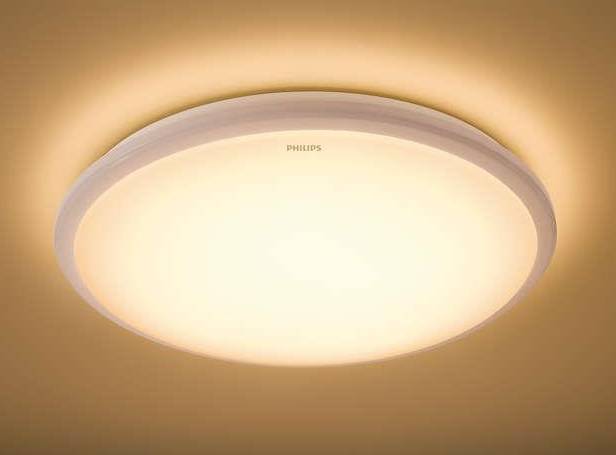

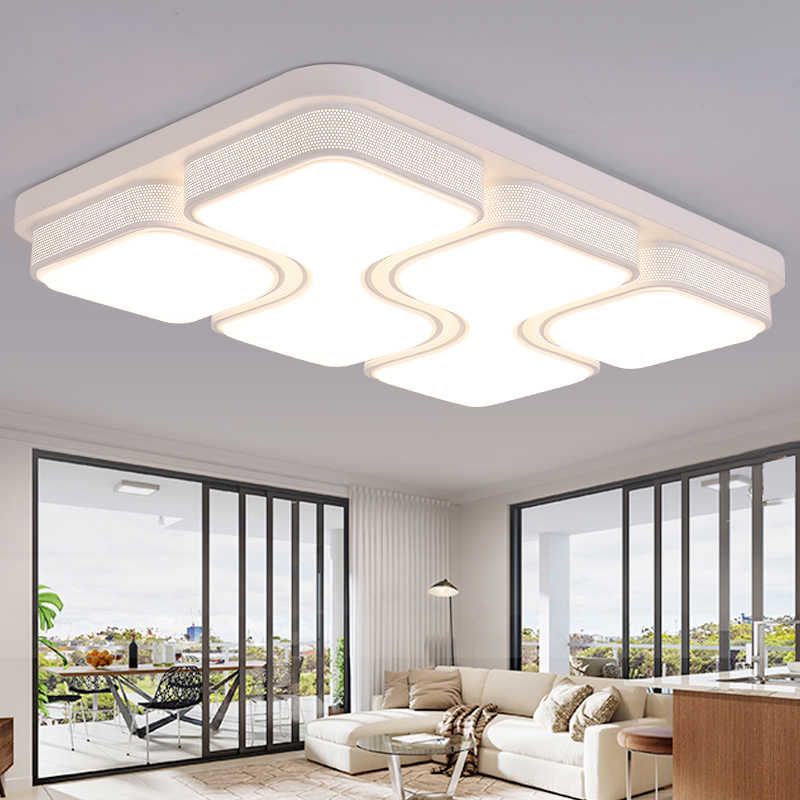


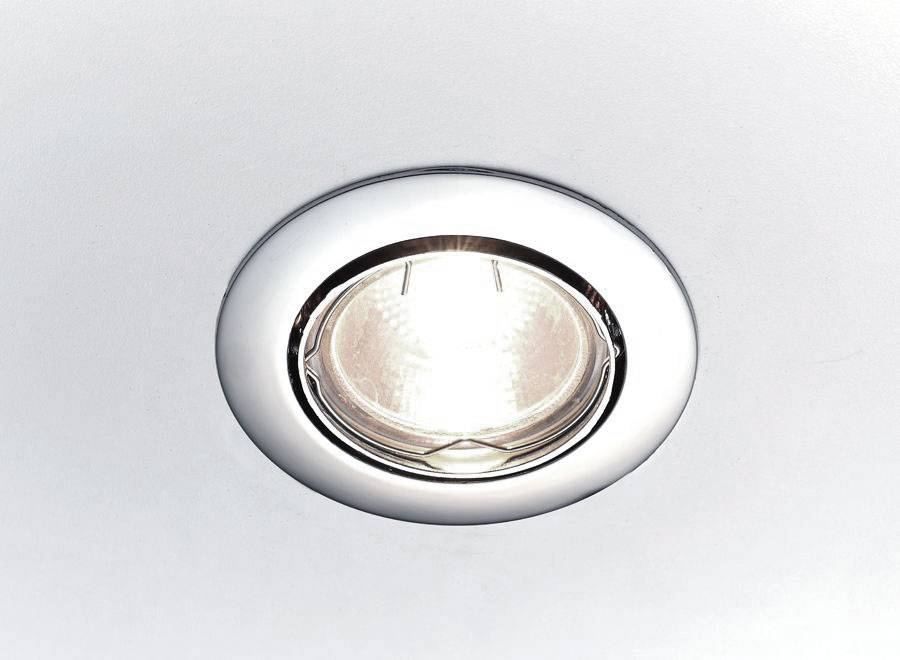
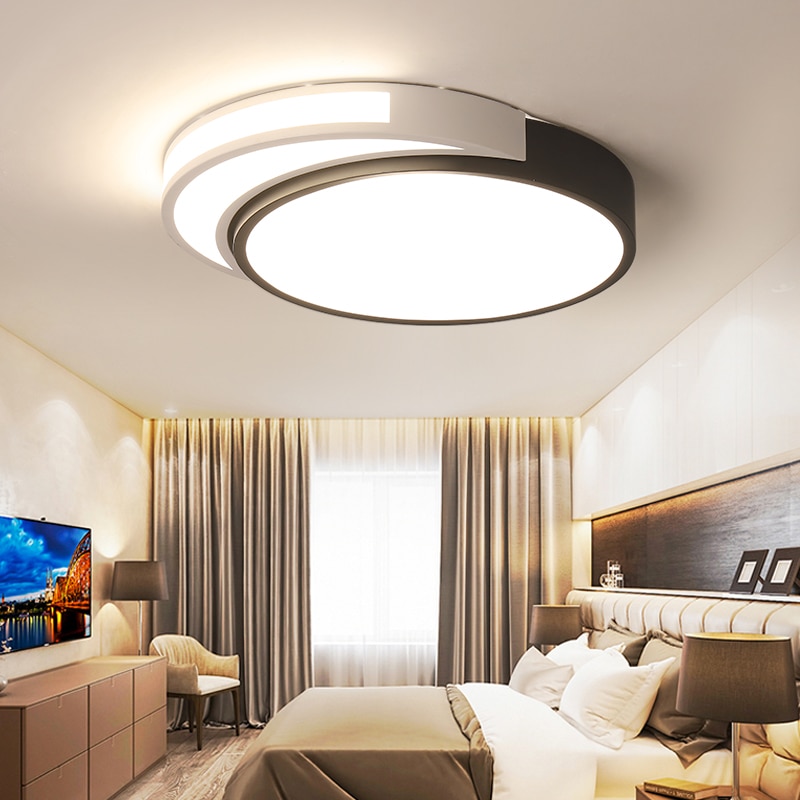
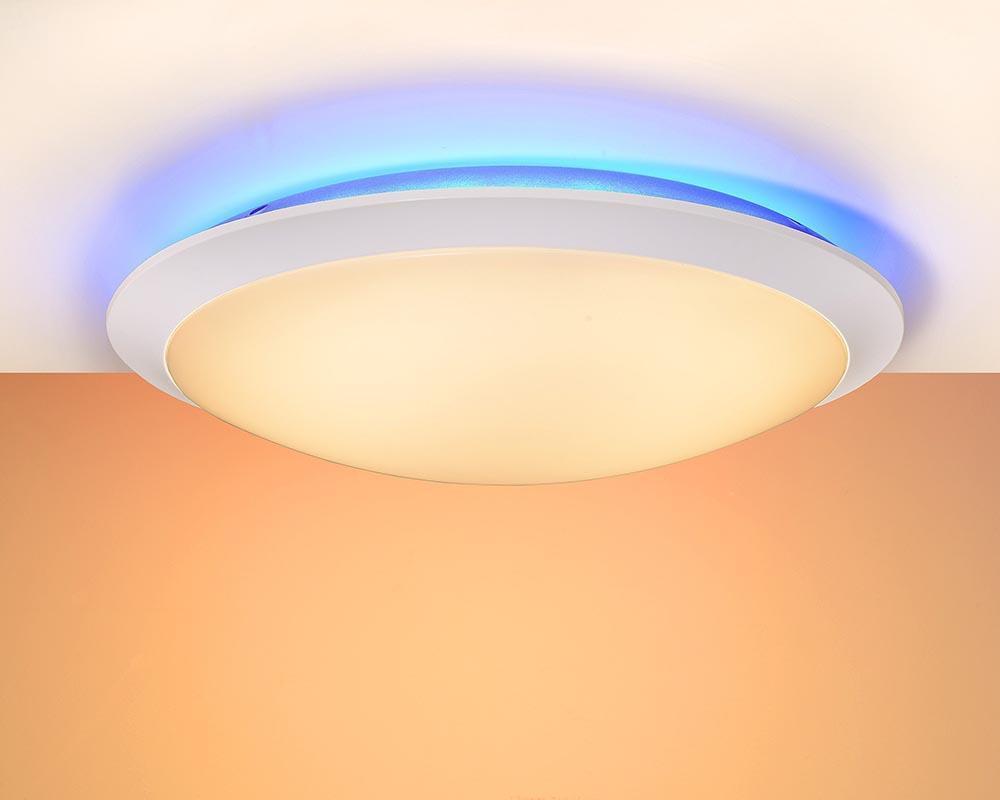
2. Power.When the level of illumination is quite satisfactory, but there is a desire to replace outdated sources with LED ones, you can use a simple formula: divide the power of the current incandescent lamp by 8. The result will show the required power of the LED lamp.
3. Device and form. It all depends on the preferences of the owners and rationality. For example, it makes no sense to buy a heaped lamp of a bizarre shape if it will be used in an ordinary lamp, hidden from contemplation.
4. Plinth. LED lamps are available with a screw (E) or pin (G) base, each of which has its own characteristics:
- E27 - a classic threaded base that fits lamps designed for LEDs and Ilyich bulbs;
- E14 minion - analogue of E27, but with a smaller diameter;
- G4, G9, G13, GU5.3 - pin bases for low-voltage lamps, which are equipped with spotlights;
- GU 10 - LED lamps with a swivel pin base are most often used to illuminate the work area, embedding them in a kitchen backsplash, furniture, hood, countertop, and more.
5. The number of LEDs in the lamp. Although LED light bulbs do not burn out, they age, so the more semiconductor diodes that provide the brightness of the light output, the longer the light bulb will last.
6. Degree of protection. It is indicated by the IP marking with numbers. LED lamps IP40 and IP50 are quite suitable for the house (for dusty rooms).
7. Housing materials. Experts advise to give preference to a transparent glass case, rather than ceramic, aluminum, plastic or matte, in view of its greater light transmission.
8. Cost. Naturally, LED lamps are expensive.Not everyone decides to give even 300-500 rubles for one product, not to mention a larger amount. But if you remember about energy efficiency, safety and a gentle effect on vision, then the issue of high cost is no longer so relevant.
9. Manufacturer. In LED radiation, the intensity of the blue spectrum is high, which is not very comfortable for others. Large companies care about the safety of LEDs for health, while unknown pay little attention to this aspect. Therefore, it is worth choosing only certified products, despite the fact that the price is higher. Health is more important.
How are home LED lights designed?
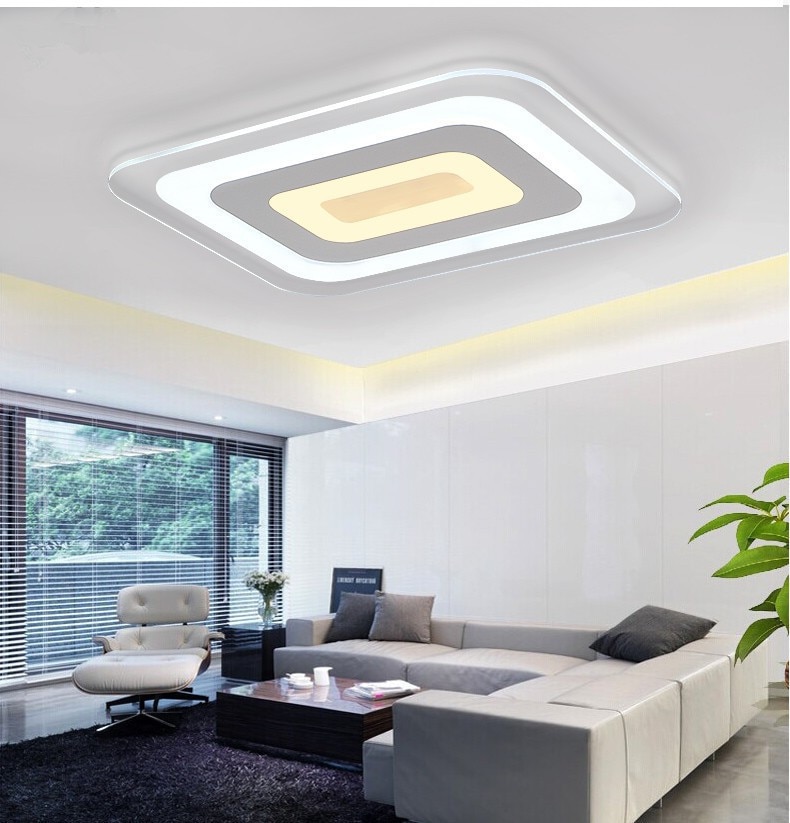
LED ceiling light. Hurry up to buy at a discount! Overhead LED lamps are good for the home in that their installation does not require the preparation of a special recess for attachment. They are installed with self-tapping screws, attaching to a flat ceiling surface. The products themselves can be constructed from different materials: wood, drywall or concrete. Durability of details guarantees protection of a plafond from accidental damages.
In spacious rooms, large modifications look better. In offices, overhead equipment of large sizes 59.5 * 59.5 * 5 cm is also better. This option is also appropriate in billiard rooms, as well as in gyms.
When choosing a device, you should take into account the power and dimensions of the lighting equipment. In addition, the color of the emitted light is important - cold or warm white or yellow.
You should also know that when buying a device for a bathroom or kitchen, you need to focus on its moisture-proof properties.
The best LED lamps of Russian manufacturers
 Segregated group.In our country, I know only 2 companies that produce LED lamps of their own production from start to finish - Optogan and SvetaLed. Optogan, according to the latest data, stopped the production of general-purpose lamps and switched to the production of industrial light sources. There are also Tomichi, but I don’t know how they set things up. Where do they get LEDs from? Do you grow or buy? Until I have this information...
What to say? Lamps are good! I won’t say anything about Tomich, I didn’t want to test them yet. But at first sight in the box left a negative impression.
But the price!!! This is, of course, a horror... Even if you release “your own, native”, it should not cost more than the European one. Your brands are mostly known only in Russia and not so long ago. And believe my experience, even if I know that Optogan will be better than Philips in terms of characteristics, I will still take a European. Because it is a time-tested quality. And not just the name. And you gentlemen from Optogan and Sveta are only a farce so far. The lines of light sources are poor, how the product behaves in general after a time is not known. I tested both companies. Yes. Characteristics are not overestimated, the luminous flux is powerful. But that's all! I refused to put these lamps at home in favor of Philips and Osram.
In general, you can buy, but is it worth spending that kind of money?
Overview of popular manufacturers
The market range of spotlights is quite wide. Dozens of factories present their products. Consider the most famous.
Ecola
A Chinese company presents unique lamps that use about 7% of electricity compared to conventional incandescent appliances. The service life of products is 5-10 years.
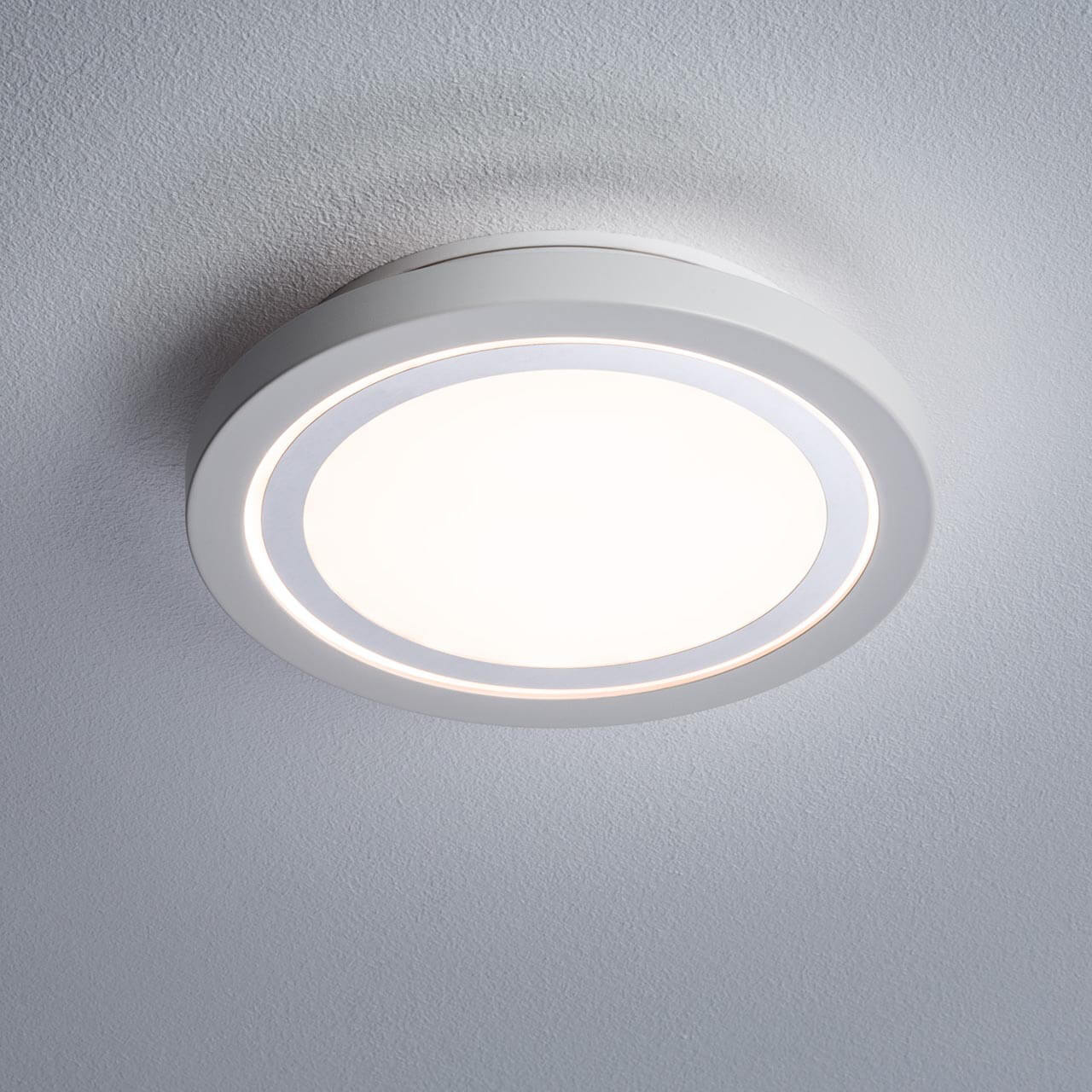
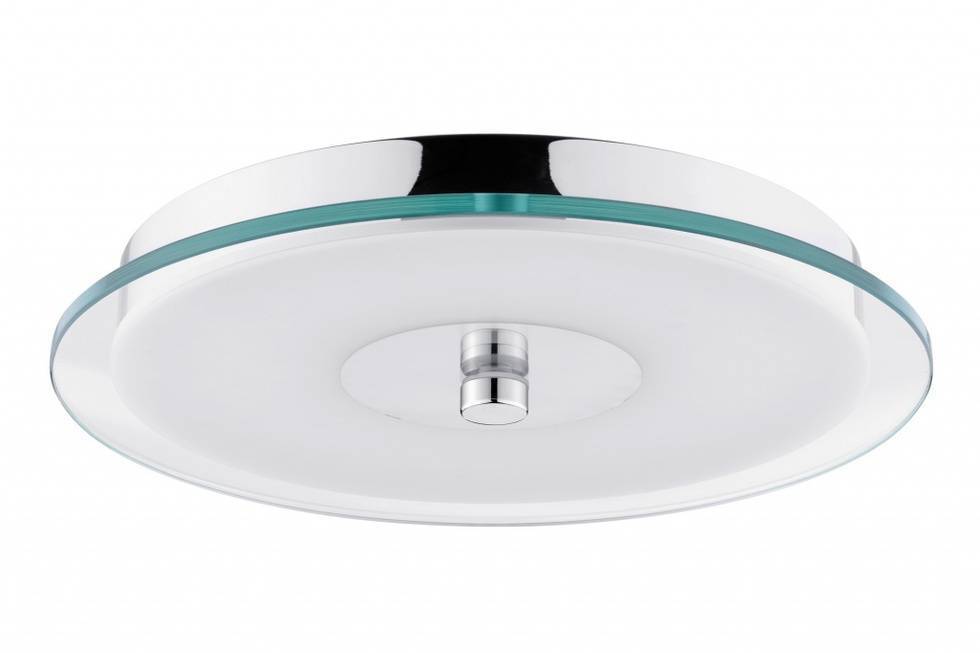
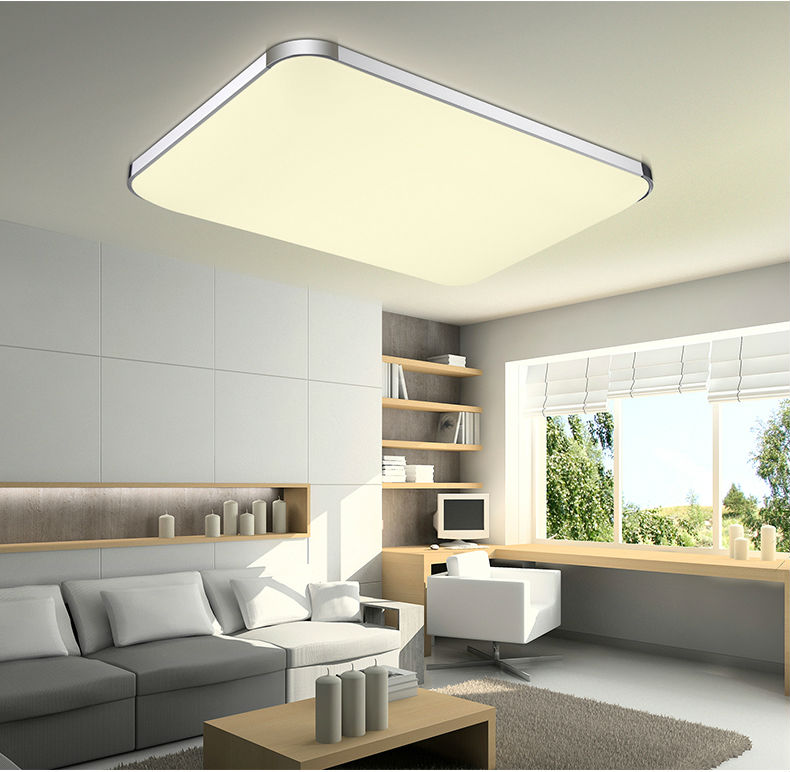
Ecola specializes in luminaires for stretch ceilings, including the GX53 with a thickness of 27 mm. The H4 model of this type is available in nine colors. One of its advantages is the metal lug to which the spring is connected. In a similar H6 model, everything is made of plastic. This material ages, so over time, the fasteners break and the lamp is kept in the air only by electrical wiring. The company also produces reflex devices. One of the unique novelties is a lamp with a key, which cannot be unscrewed from the base without authorization.



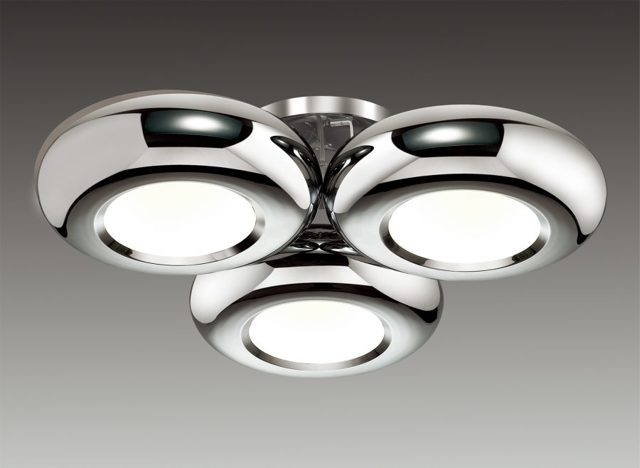
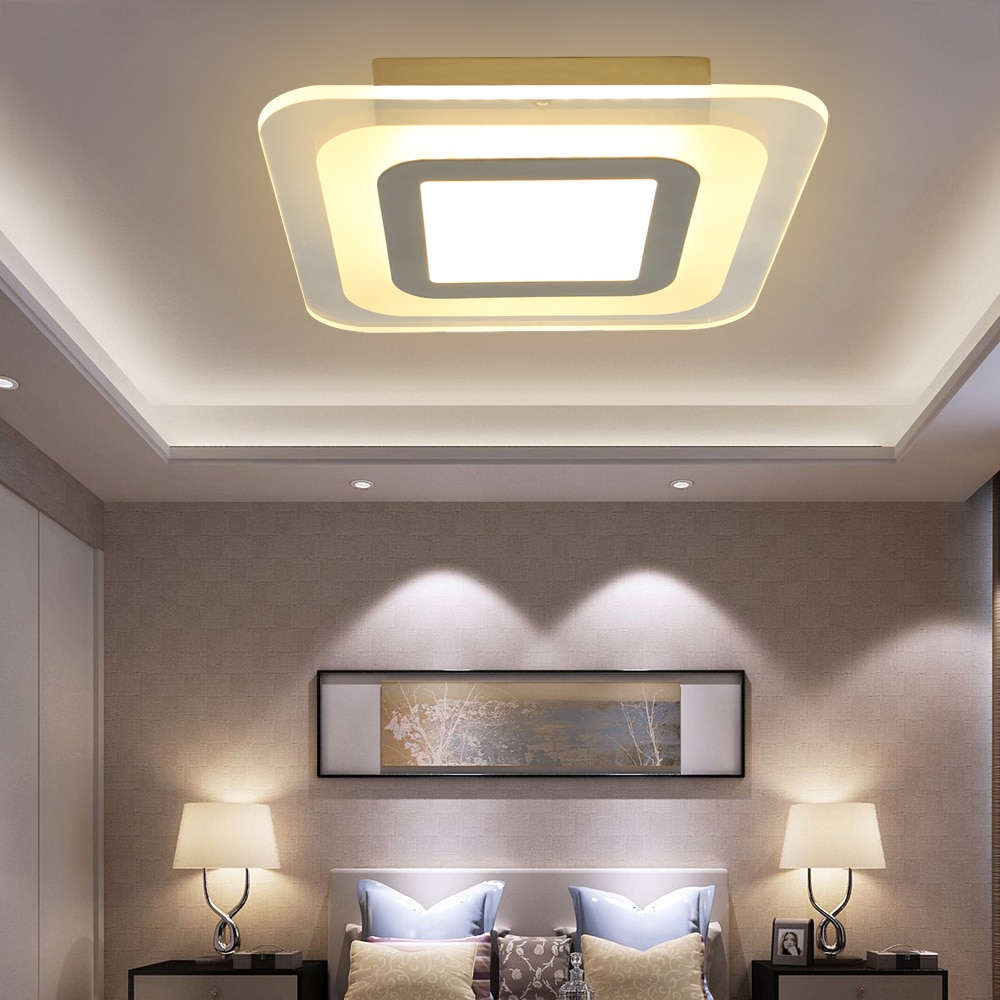
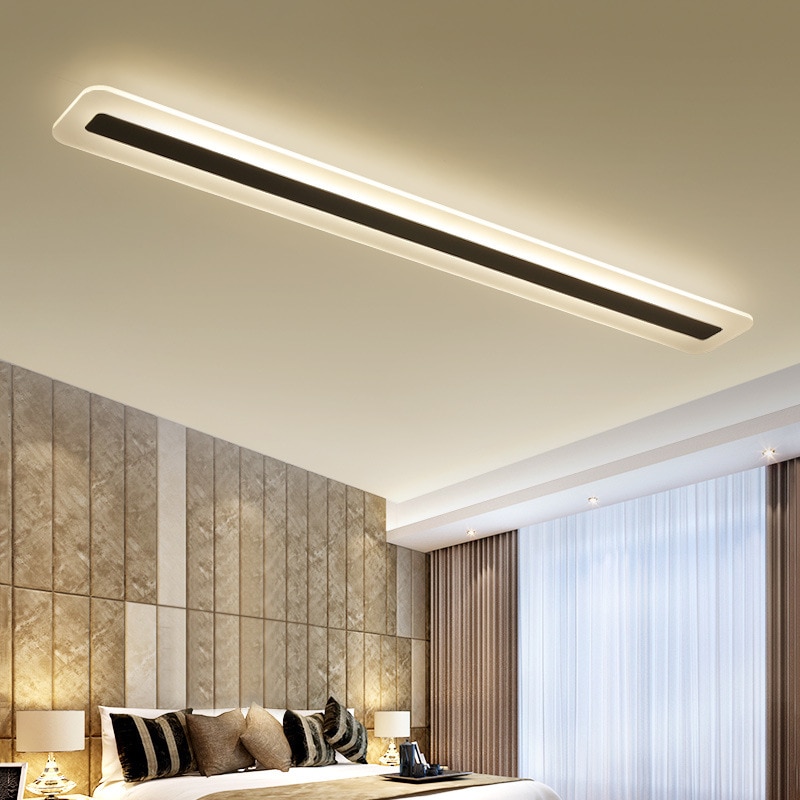
Philips
The Dutch company has also succeeded in this field by founding the Signify trademark. Under this name, universal and reliable lighting devices are produced. Many are compatible with stretch ceilings - for example, Probos spotlights. One of the distinguishing features of the Signify brand is a stylish European design that gives the interior a special charm.
Gauss
Spotlights of this brand are made in Germany - a country that is famous for its scrupulousness, punctuality and accuracy. There are solutions for different interiors. So, the discreet Aluminum and Tablet lines fit perfectly into the high-tech style. Gypsum are more designed for "classics". Products Brilliance, Crystal form interesting highlights on a glossy surface.
Citilux
The Danish brand, founded in 1944, creates household lighting equipment "for a beautiful and comfortable life." Its products are recognizable for their ease of use, light and elegant design, typical of the Scandinavian style. Devices are resistant to moisture, temperature fluctuations, vibrations.The main part of the assortment is presented in an affordable price category. For stretch ceilings, Citilux produces a line of spotlights "Alpha", "Beta" and "Moon".
Feron
This is another Chinese manufacturer in the Russian market. There are plenty to choose from too. For stretch ceilings, almost all types of spotlights are made - LED, waterproof, crystal, built-in, overhead, etc. The brand presents its products in the budget price category.
Navigator
The plant, located in the city of Klin, Moscow Region, is equipped with the latest technology. Advanced technologies have been introduced at the production site, which make it possible to produce products that can be put on a par with imported analogues. The brand offers modern devices - LED panels, built-in and overhead spots and lamps.
Options for choosing a LED lamp for home
Power and luminous flux
As in incandescent lamps, the power consumed is partially spent on heating, and in LEDs, it is not all spent on lighting. Something is spent on work driver, something is still "processed" into heat. But for the buyer it is much more important how much light he will receive at the specified power of the lamp.
Here it is best to draw an analogy with the usual incandescent lamps. To do this, the power consumption of the old light bulb must be divided by 9 (for a "reserve" you can reduce the divisor to 8). That is, if earlier a conventional 100 W lamp was enough for you to illuminate the room, it will be fully replaced by an 11-13 W LED lamp, giving out the same luminous flux of 1200 lm.
It should be taken into account that different glass lamps can affect the propagation of radiation.Matte flasks are the worst in this regard - they reduce the brightness of the glow by 30%.
Those who have just moved into a new apartment and do not yet know how much light to “settle” in each room should start from the established lighting standards:
1. In the kitchen, 150 lumens are required per square meter;
2. For the bathroom and bedroom, 54 lm / sq. is enough. m;
3. The living room should be lighter - 431 lm / sq. m;
4. In the home office - 250 lm / sq. m and not less than 434 lumens directly above the desktop;
5. For a corridor, 50 lm / sq. is enough. m.
You just have to determine the area of \u200b\u200bthe room and multiply it by the appropriate standard indicator, and then choose the right light bulbs. For example, you are a happy owner of a 12-square kitchen. To illuminate it, you need 150x12 = 1800 lm. Such a luminous flux will be provided to you by two 10 W LED lamps or one by 20.
Colorful temperature
Those who have already dealt with housekeepers, halogens and other "daylight" lamps know that they can give a luminous flux of different temperatures. Diodes do the same, creating "warm", "cold" or neutral light.
Here, everyone is free to choose a shade to their taste, and to understand exactly how your light bulb will glow, just its color temperature will help:
1. From 1800 to 3400 K - this is a cozy "warm" light with a yellow undertone, similar to that of incandescent lamps. Good for lighting the dining area of the kitchen and bedroom.
2. 3400-5000 K - neutral, the most versatile shade that does not allow distortion. Such light bulbs should be used in the floor lamp under which you read, near the mirror, above the kitchen work table and in the children's room.
3. 5000-6600 K - dead pale color, giving off blue.Excellent invigorating, so it can be used in the bathroom, home office or in the corner with exercise equipment.
Plinth type
LED lamps can be of any size and shape, but they also have a variety of socles. On sale you can find 2 of their main types:
1. E (threaded) - designed for screwing into standard cartridges. The most common are light bulbs with an E27 and E14 base (popularly "minion").
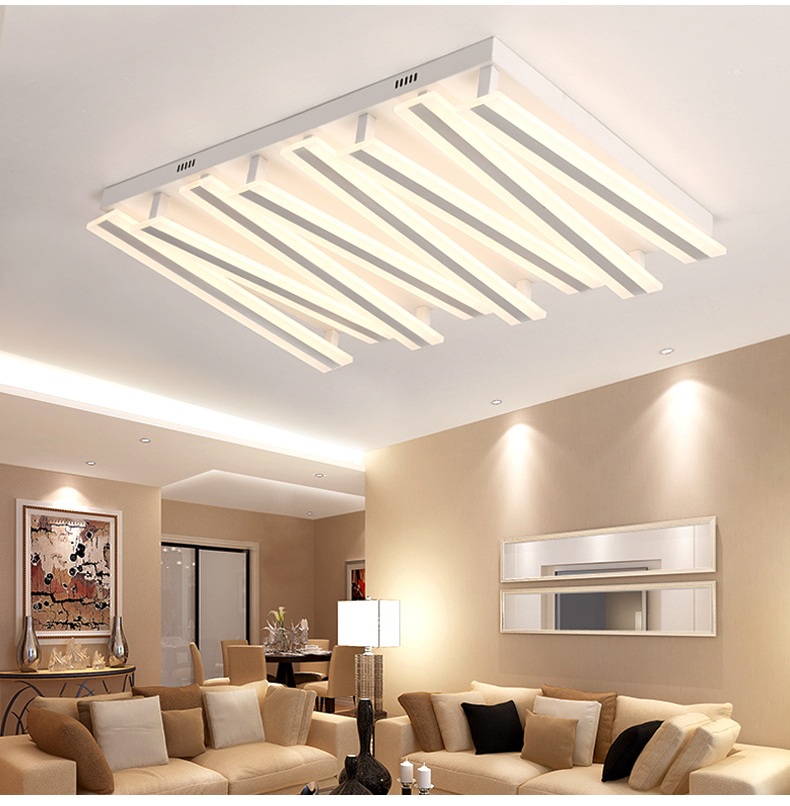




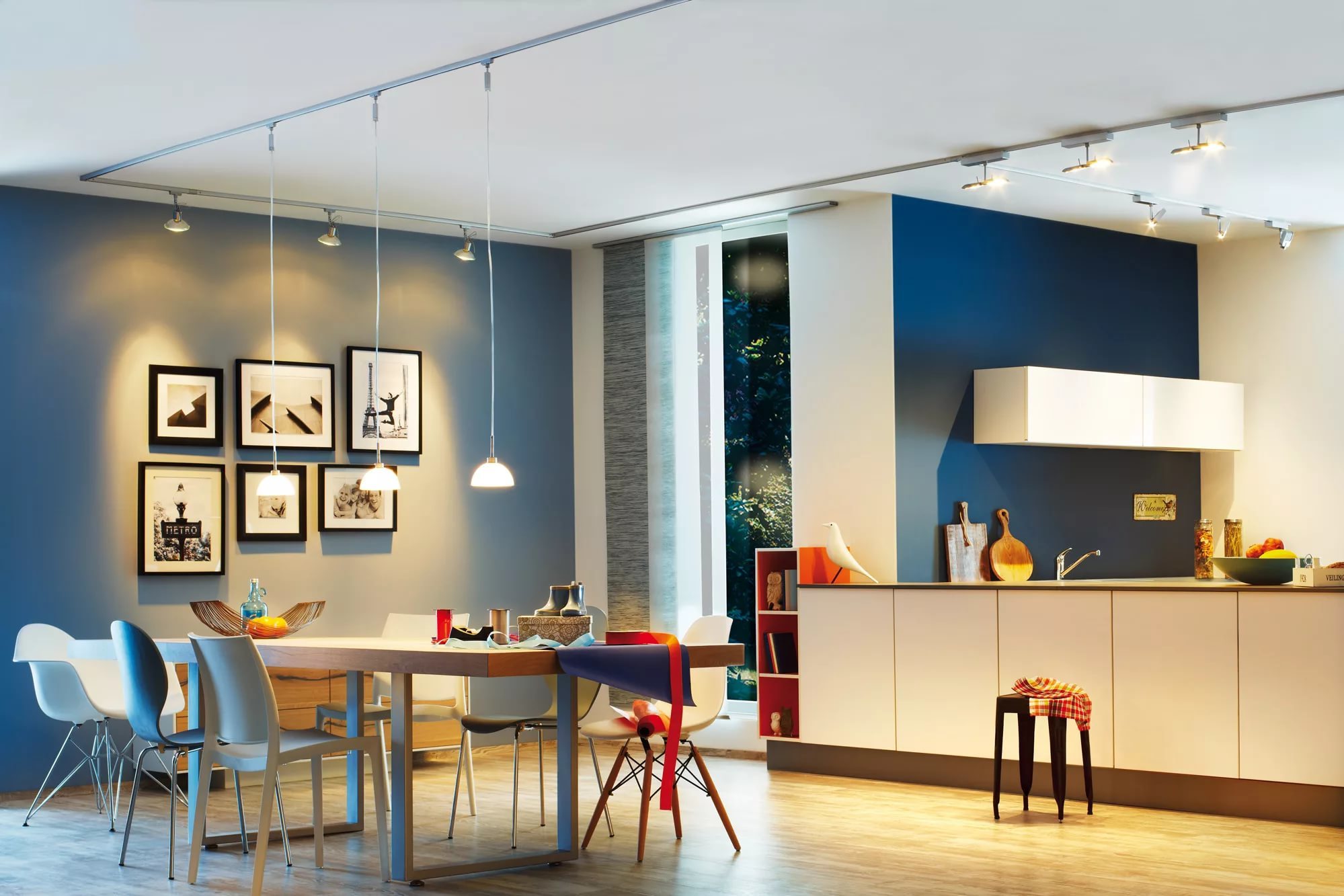

2. G (pin) - suitable for recessed spotlights, where it is easier to stick a light bulb than to screw it in. Popular options are GU 10 and GU 5.3.
In any case, when choosing a LED lamp base, you will have to focus on the type of cartridge in a particular lighting fixture - there are no other options.
The presence of a radiator
The radiator is an aluminum cuff between the base and the bulb of the LED light bulb. It is responsible for the removal of excess heat, thereby extending the life of lighting equipment.
The absence of this element or replacing it with a decorative plastic nozzle is the first sign that you have a fake or simply an illiterately designed light bulb that will not last the declared 3-5 years.
Beam Angle
This indicator was not needed when choosing a conventional light bulb with an incandescent filament, so many simply do not know about it. But in the case of LEDs, the angle of emission is of great importance.
Manufacturers usually do not give exact numbers, but use special markings:
1. VNSP - here the radiation propagates at an angle not exceeding 8 °. Such products are able to intensively illuminate only a small area in front of them.
2. NSP - angle of light emission from 8 to 15 degrees.
3.SP - 15-20°.These lamps create a directed beam of light, illuminating a small saucer-sized spot on the surface.
4. NFL - 24-30 degrees.
5. FL - from 34 to 50 °, enough to illuminate closets and other tight spaces.
6. WFL - 50-60 degrees. Such lamps already quite evenly distribute the beam of light around the room.
7. VWFL - over 60° (wide light output).
The best office lamp IEK DVO 6560-P (36W 6500K) 59.5 cm
- simple installation in two ways;
- bright daylight;
- energy savings up to 70 percent compared to analogues.
The square panel measuring 59.5x59.5 cm is made of durable metal and plastic. The product is practical and will last a long time. Produces cool white light of 3000 lumens at minimum output. Due to the color temperature of 6500 K, the lighting will be bright, natural, like during the day. The device is dustproof, but not splashproof.
Distinctive qualities of the universal panel are ease of installation, low price, energy efficiency. It can be built in without dismantling, which reduces installation time. The body thickness is 20 mm: the device saves ceiling space when built-in and is almost invisible when installed on the surface. The best office lamp in the ranking.
IEK DVO 6560-P is suitable not only for the office, but also for home spaces with a minimalist design, except for the bathroom.
The owners like the ease of installation - the panel is quickly and efficiently fixed to the ceiling or built into it. Good in quality. It has excellent light output, bright luminous flux.
Pros:
- perfect ceiling mount
- strong luminous flux at minimum power;
- strength of the body and ceiling;
- dustproof.
Advantages and disadvantages of Led-lamps
Lamps powered by LED elements have a whole range of unique advantages that allow them to be used not only exclusively for lighting, but also for organizing an original and unique atmosphere in the premises.
With the help of these progressive tools, you can give bright accents to even the simplest interior and make an ordinary room stylish and exclusive.
Advantages of LED products
The operating temperature is so low that it is possible to place the instrument in close proximity to flammable or melting materials.
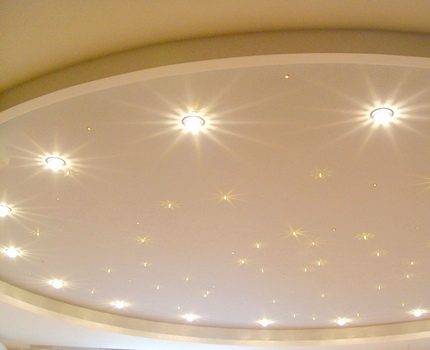
With the help of LED lamps, you can brightly and extraordinary arrange the lighting of the stretch ceiling. Led-elements will give the fabric a pleasant glow and create the effect of general radiance
The option of adjusting the direction of the light flow makes it possible to make zonal lighting in the room, emphasizing the style and originality of the design solution.
In this version, some places will be highlighted brighter, while others will go into the shadows and acquire some intimacy and intimacy.
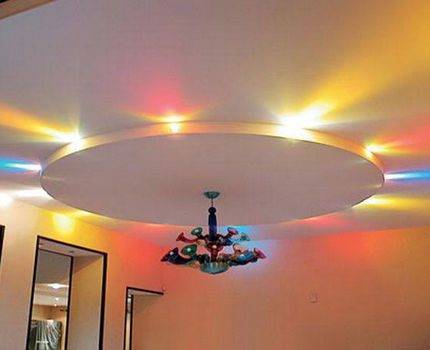
If the ceiling lamp is used for background lighting, it is better to complete it with low power lamps with different radiation temperatures. When you want to direct the beam to a specific area, you need a soffit with a mode for adjusting the direction of light supply
Another indisputable plus is expressed in the resistance of LEDs to cyclic load. They easily withstand a huge amount of activation, immediately flare up at full strength when turned on and instantly go out when the user presses the "off" button.

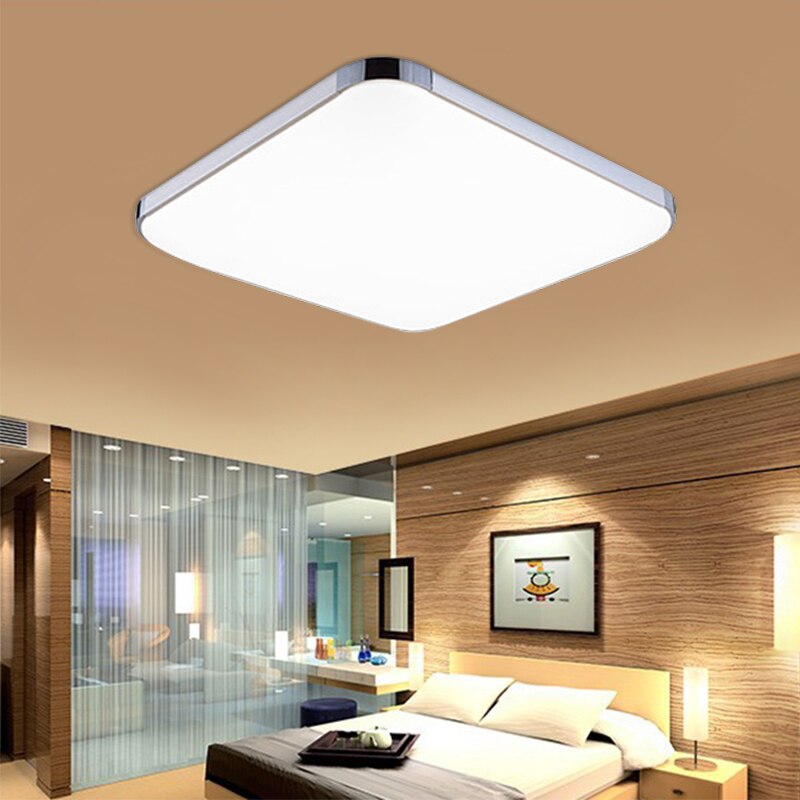

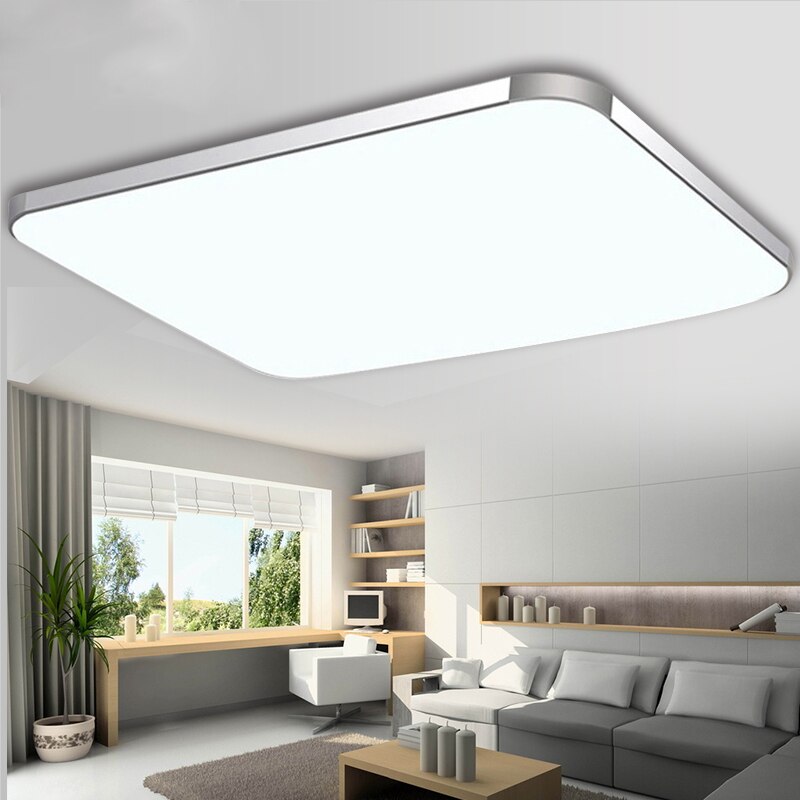
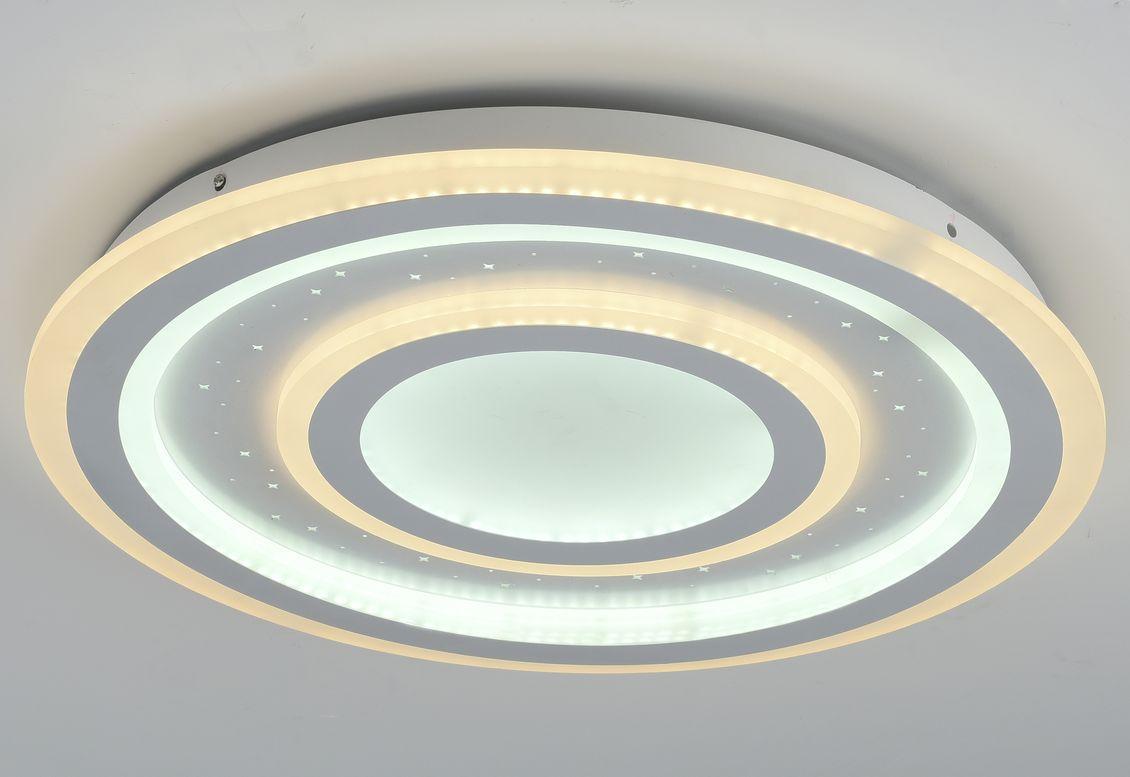

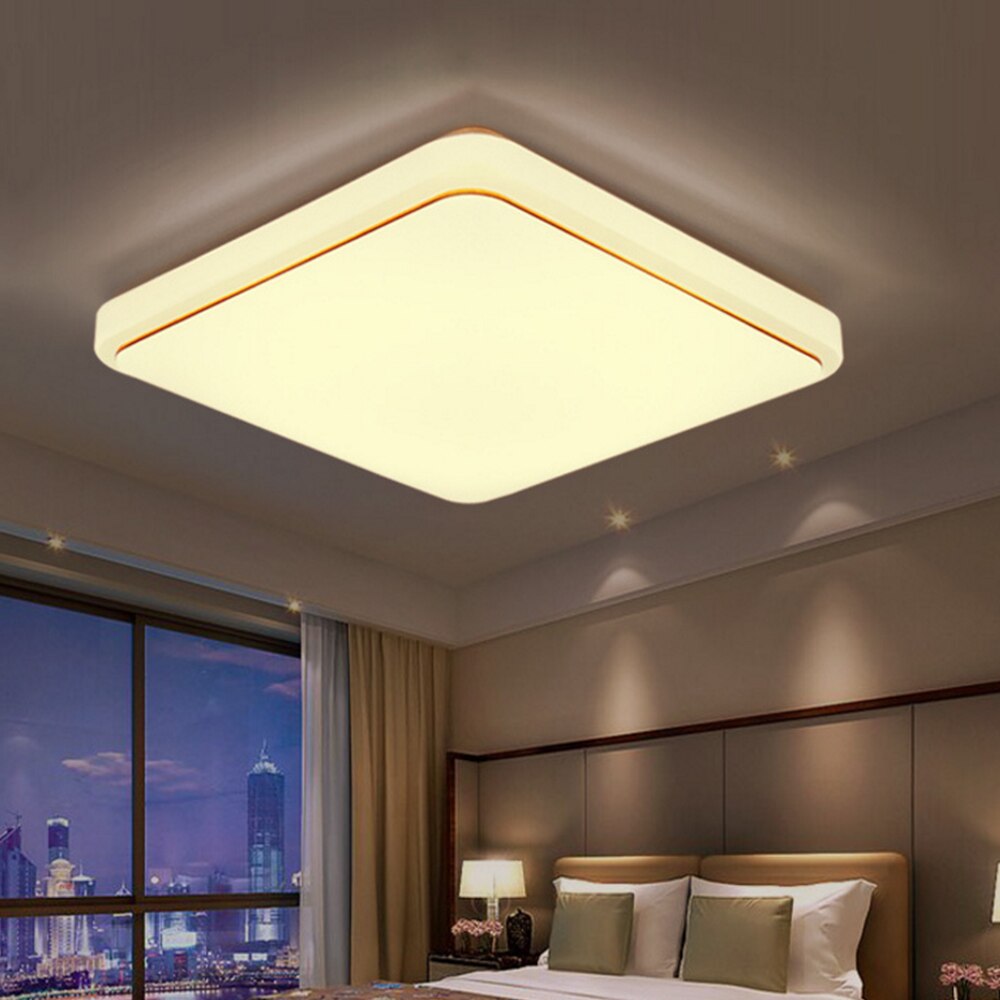
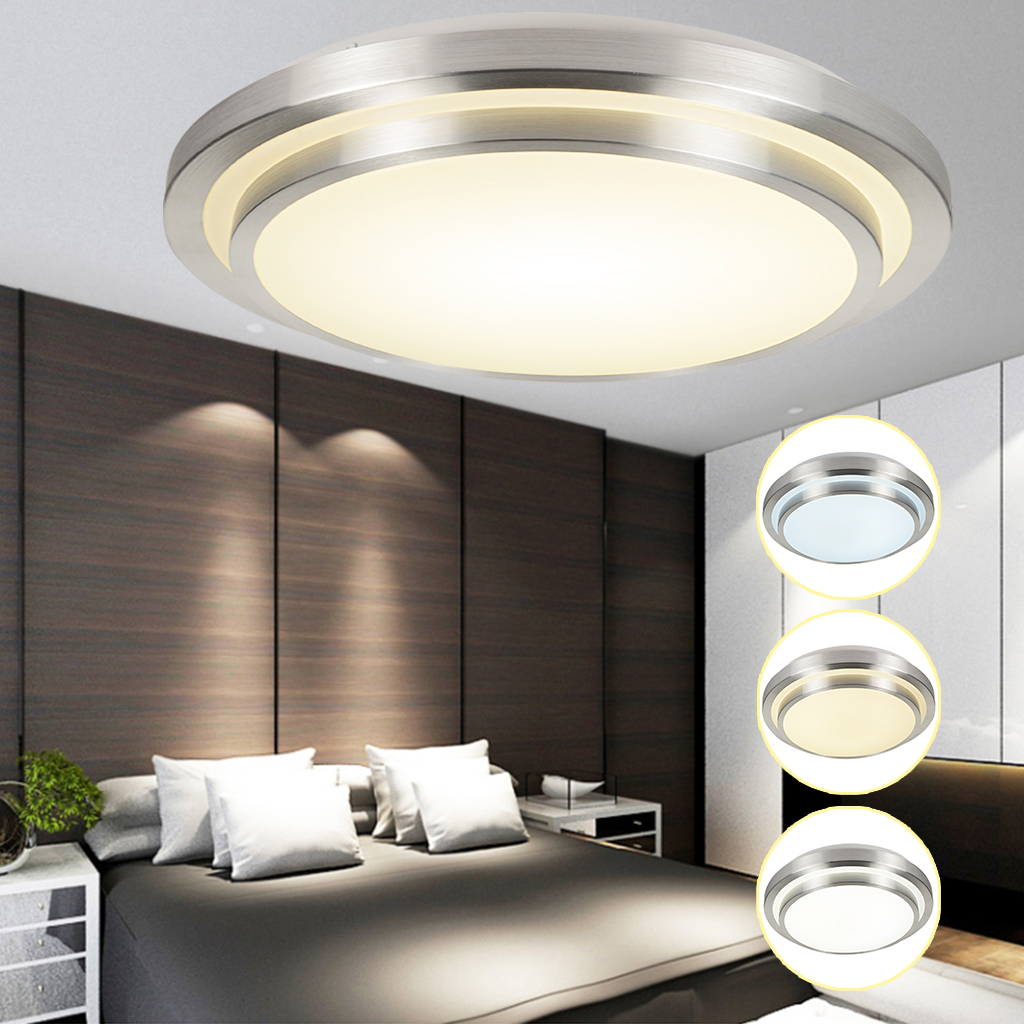


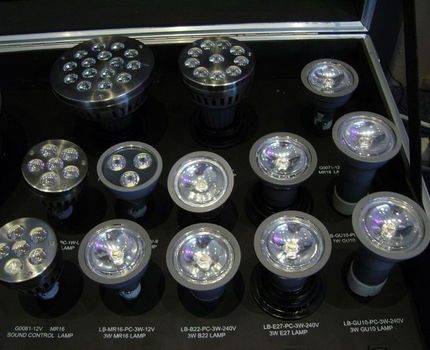
LED products are completely environmentally friendly and incredibly durable. Unlike conventional energy-saving modules, they do not contain mercury, are not afraid of shock, vibration and low temperature indicators.
The ability to consume electricity economically also adds points to Led bulbs. They consume 20 times less electricity than similar classic devices, while giving out lighting of the same power.
The service life of LEDs is measured in hundreds of thousands of hours. They burn for a record long time without replacement, without forcing the owner to constantly spend money on buying new lamps. The absence of UV radiation is one of the very attractive features of LEDs.
Working indoors even for a long time, they do not cause furniture upholstery to burn out, do not contribute to the tarnishing of wallpaper and do not cause cracking of paint in paintings. It is these moments that make ice products attractive and encourage users to give preference to it.
Cons of LED ceiling products
There are also disadvantages to LED products, although not in such a large number as advantages. The most basic thing that led-elements are reproached with is the initial high cost. Of course, this applies to devices manufactured under well-known and popular brands.
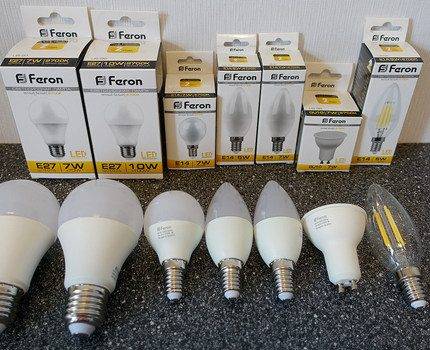
LED lamps must not be screwed into enclosed lighting fixtures. Being subjected to constant overheating, they lose their brightness and fail much earlier than the manufacturer promises.
Unbranded Chinese versions are quite affordable, but should be purchased with great care. Yes, and expecting that cheap options will meet all the parameters and last a long time is not worth it.
Price reduction here is achieved by saving on components, which, of course, has a bad effect on the quality of products.
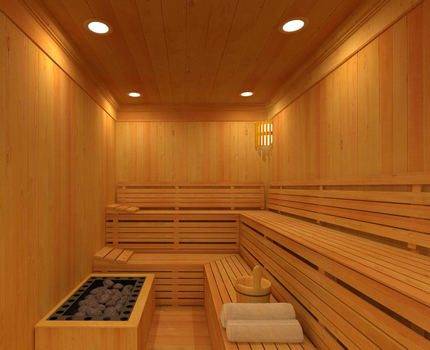
Sensitivity to elevated room temperature somewhat limits the scope of ice products and does not allow them to be used in baths, saunas and other similar places.
In addition, LED products cannot work correctly with switches equipped with diode illumination. They flicker or begin to dimly glow when the instrument keys are turned off and create inconvenience for people who are in the room at that time.
Number 3. Type of lamps for ceiling lamp
Although the choice of the type of light bulb is a completely different topic, we cannot ignore it, since the organization of lighting and the nuances of choosing the design of a ceiling lamp to some extent depend on which lamp will be used. There are several options today:
incandescent lamps are inexpensive, they have a pleasant warm light, but they also do not last long, are uneconomical, have low efficiency and high heat transfer, therefore their scope of use is limited. If we are talking about choosing a ceiling lamp for a stretch film ceiling, then it is better not to use incandescent lamps - they can damage the film with their heat;
Halogen lamps are similar to incandescent lamps, but in them the bulb is filled with halogens, which allows for a slightly longer service life. With dimmers, such lamps can last up to 8 thousand hours, but they still cannot be called economical. In addition, their heat transfer is also high;
fluorescent lamps are 5 times more economical than incandescent lamps and 5-20 times more durable.The surface of such lamps does not heat up much, the temperature of the light can be almost any
The main disadvantage is the content of mercury vapor in the flask, so they must be handled with care during operation. Problems are also associated with the disposal of such products.
Other disadvantages include sensitivity to voltage drops, flicker and the need for some time for the lamp to start shining at maximum;
LED lamps - the most modern today. They are 6-10 times more economical than incandescent lamps and 2-3 times more economical than fluorescent lamps, they are durable (they shine up to 20-50 thousand hours), safe, do not require warm-up time, are not sensitive to power surges, are durable and do not heat up. These are the most expensive lamps of all, but they are guaranteed for a couple of years, and they last for years. For rooms where the lights are switched on every day for several hours, this is the best option.
Conclusions and useful video on the topic
How to choose the right lamp, taking into account the features of use:
Do-it-yourself conversion of an ordinary lamp into an LED one:
When choosing an LED lamp as a source of additional lighting, it is better to first determine the type of product, the type of fastening and the main characteristics.
Thanks to this, it will be easy to understand the rich assortment of products offered by various manufacturers and buy the best model.
Would you like to supplement our material with useful recommendations for choosing a table lamp? Or share your experience of using an LED lamp from one of the manufacturers mentioned in our article? Please write your opinion, tips and additions in the block below, add unique photos of your table lamp, indicate its pros and cons noticed during operation.
Conclusion
When buying lighting fixtures, read the design features of the product. If the ceilings are suspended or suspended, it is better to stop at recessed spotlights. For owners of low rooms, panels or "plates" with a minimum gap from the ceiling are suitable. When choosing bathroom lamp consider the degree of protection against moisture. It must be at least 23, and for showers - 44.
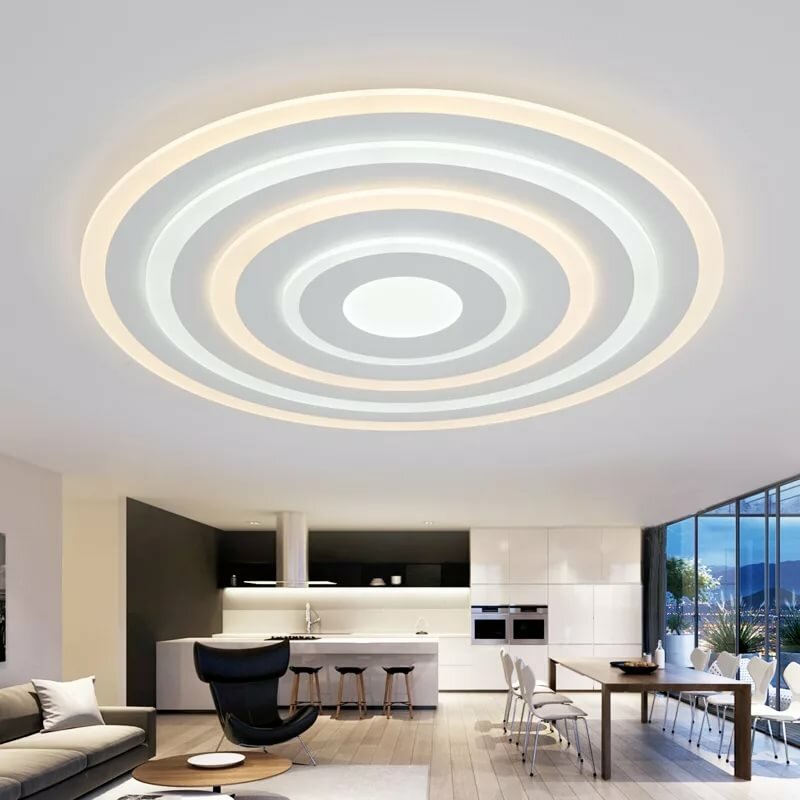


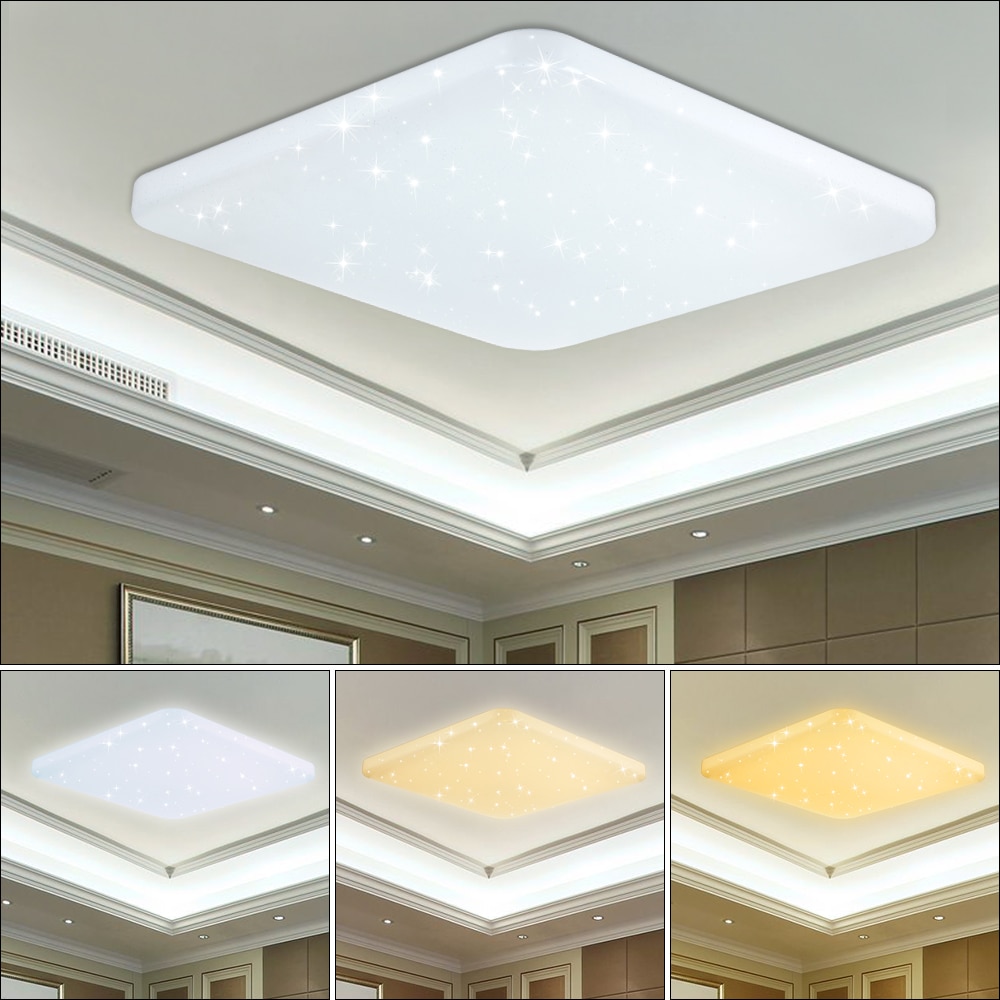


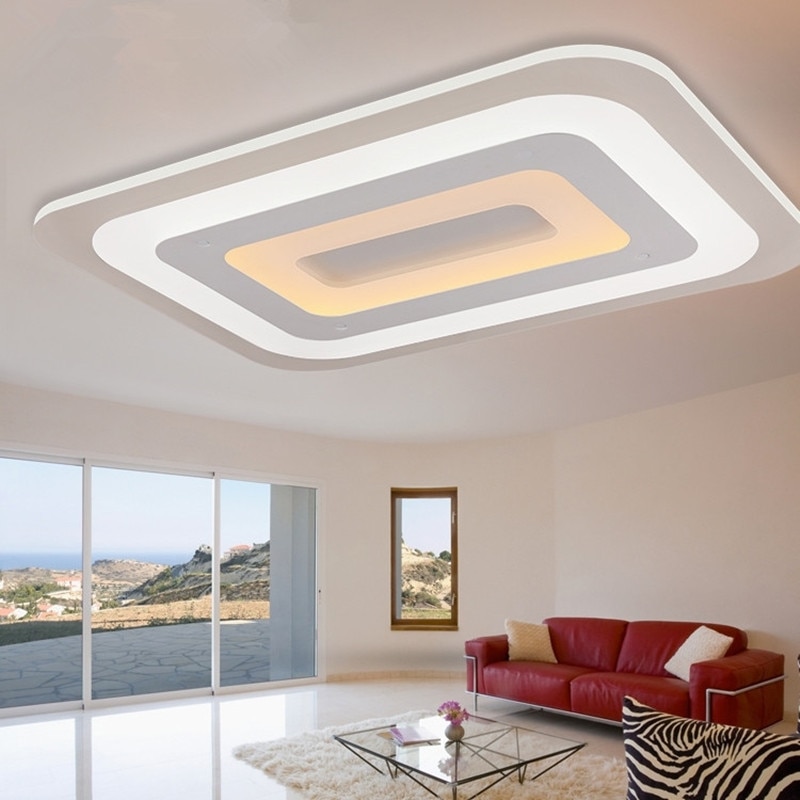

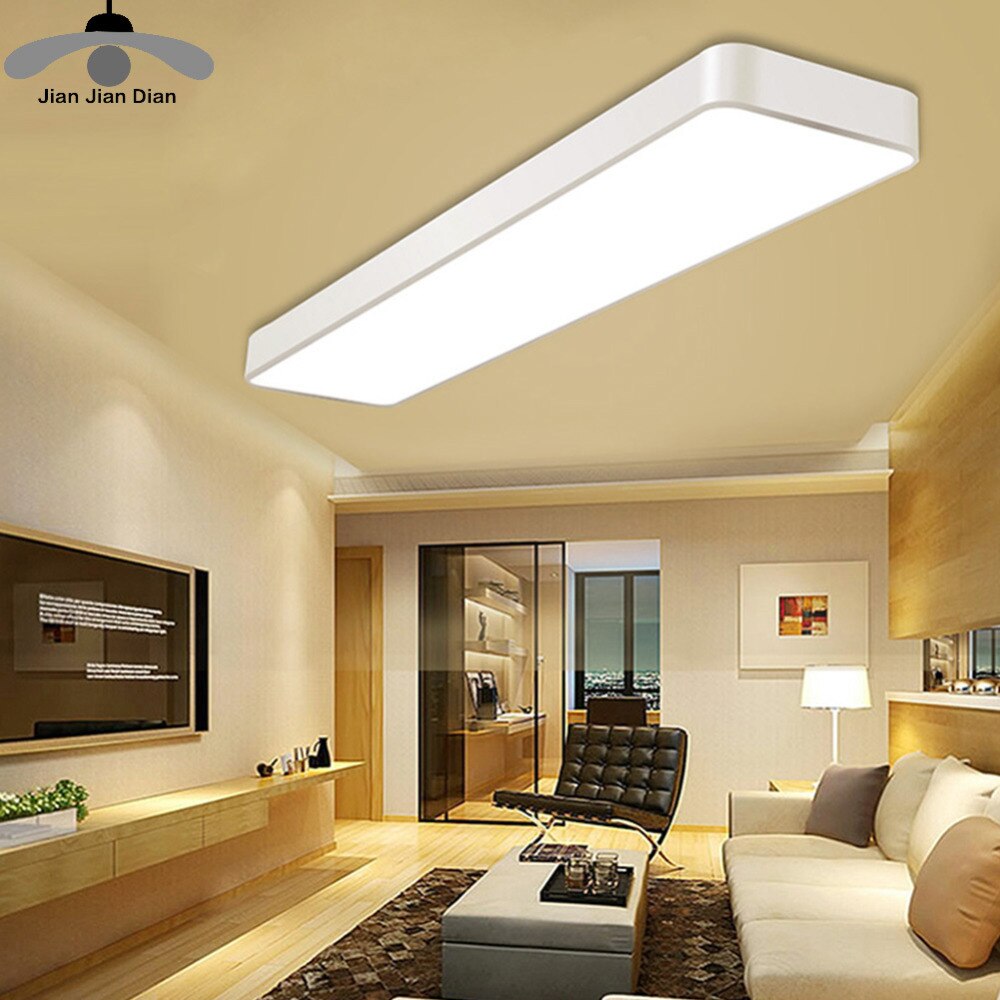
Based on the comparison of characteristics and the study of customer reviews, we have chosen the winners of our review in individual categories. They were the following models:
There are a lot of lighting fixtures in stores. It's hard to choose the right one. To find the right device, read customer reviews and use our review of really high-quality models.
Main conclusions
Range of LED modules
huge, theoretically anyone can choose the one they want. For
luminaires used in residential premises, such indicators as
strength and aesthetic appeal of the case.
You should not choose light bulbs on which
brand is not marked. Technical and operational characteristics of such
products do not correspond to the declared ones - after a short time it changes
the color of the glow, the degradation of the crystal begins.
If the seller is not willing to provide
certificate of quality, it is better to look for another store.
Previous
LEDs How to desolder an LED from an LED lamp
Next
LEDsWe choose and connect a 12 V power supply for an LED strip with our own hands



