In the bathroom there is excess moisture and unpleasant odors, which are removed with a hood. It is much more efficient than the gratings that are installed on the ventilation shaft. Such equipment can be mounted in a ready-made, renovated room. And you can plan and do it during the repair work. To do this, it is important to know which fan is best suited for these purposes and how to connect it to the mains.
Fan types
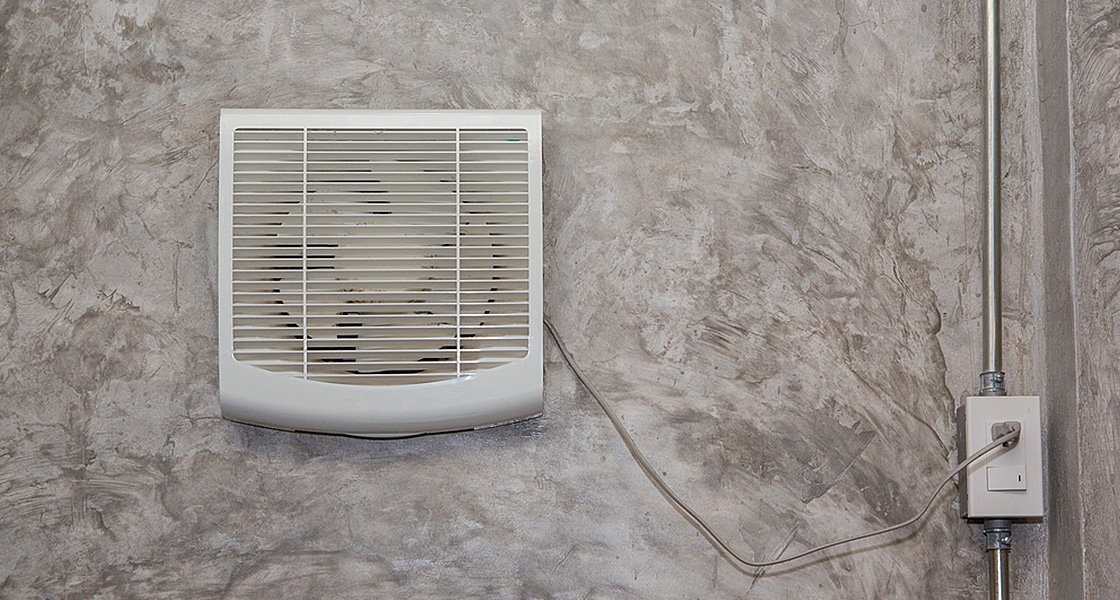
Exhaust fans in the toilet are different in appearance. Experts distinguish:
- external;
- invoices;
- axial;
- centrifugal (radial);
- channel.
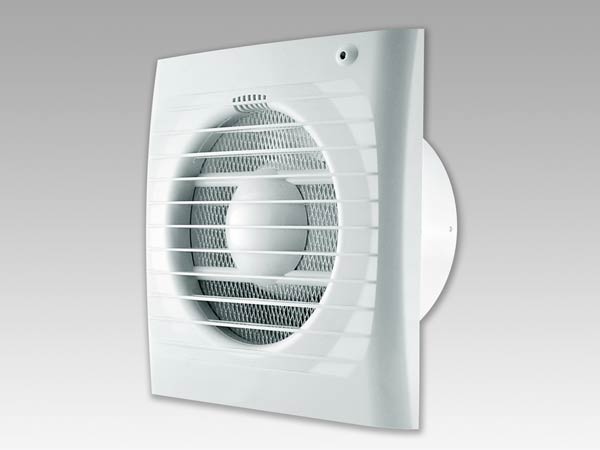
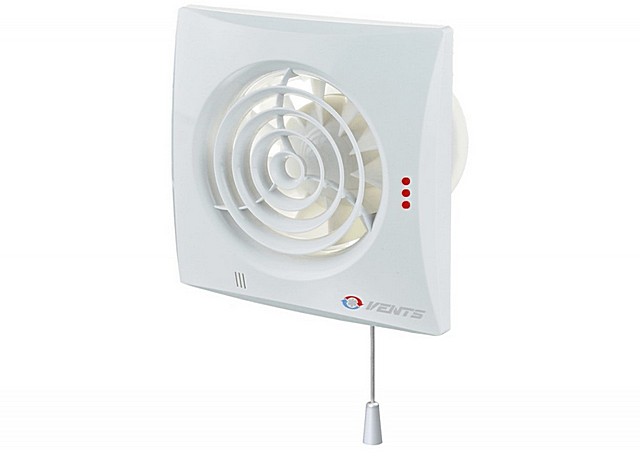
Such devices have front grilles or solid panels. They are made in different sizes and colors. But most importantly, they differ in the way the fan is turned on. Turning on can be done using a cord or a button located on the case.
Such fans are easy to connect, but they are not very convenient to use - each time you need to make a movement to bring the system into working condition.
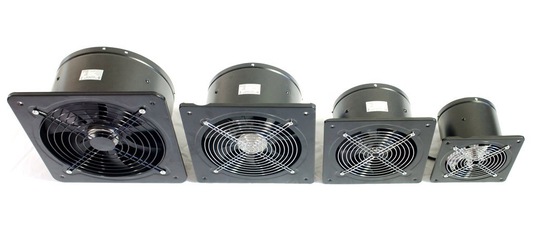
An axial fan is an impeller enclosed in a housing. The impeller is mounted on the rotor of the motor, which rotates it. Due to the geometry of the blades, there is a good intake of air and its movement along an axial straight line. The model has good performance and average noise level.
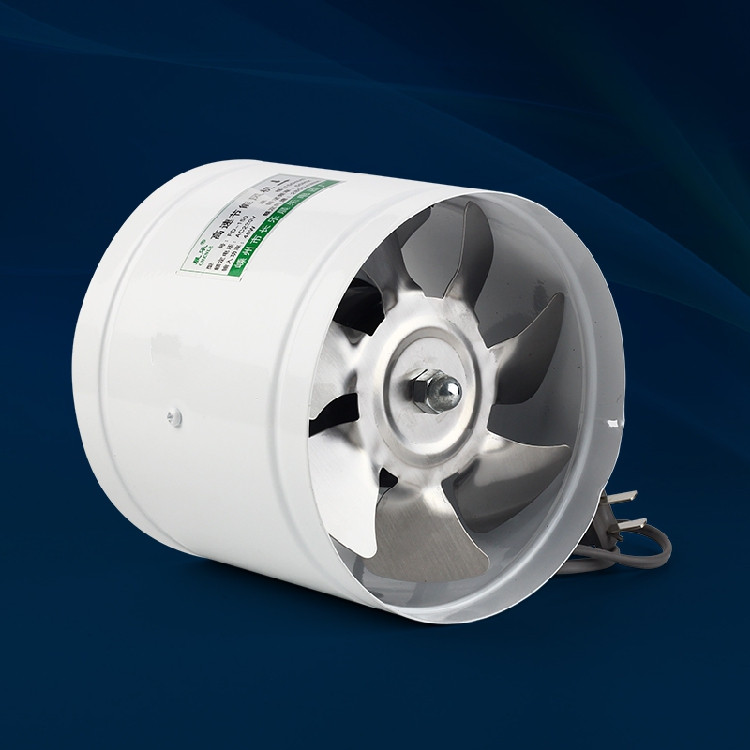
In a centrifugal fan, air is sucked in by the turbine due to the fact that the flow inside the housing is twisted and receives additional acceleration due to centrifugal force. The flow exits at a right angle. It has slightly less efficiency and more muffled noise.
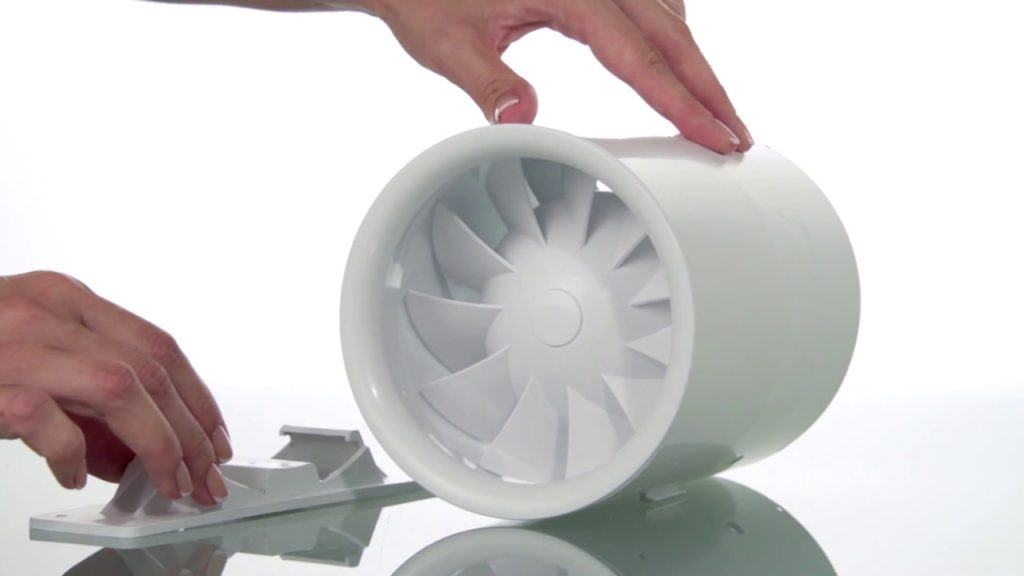
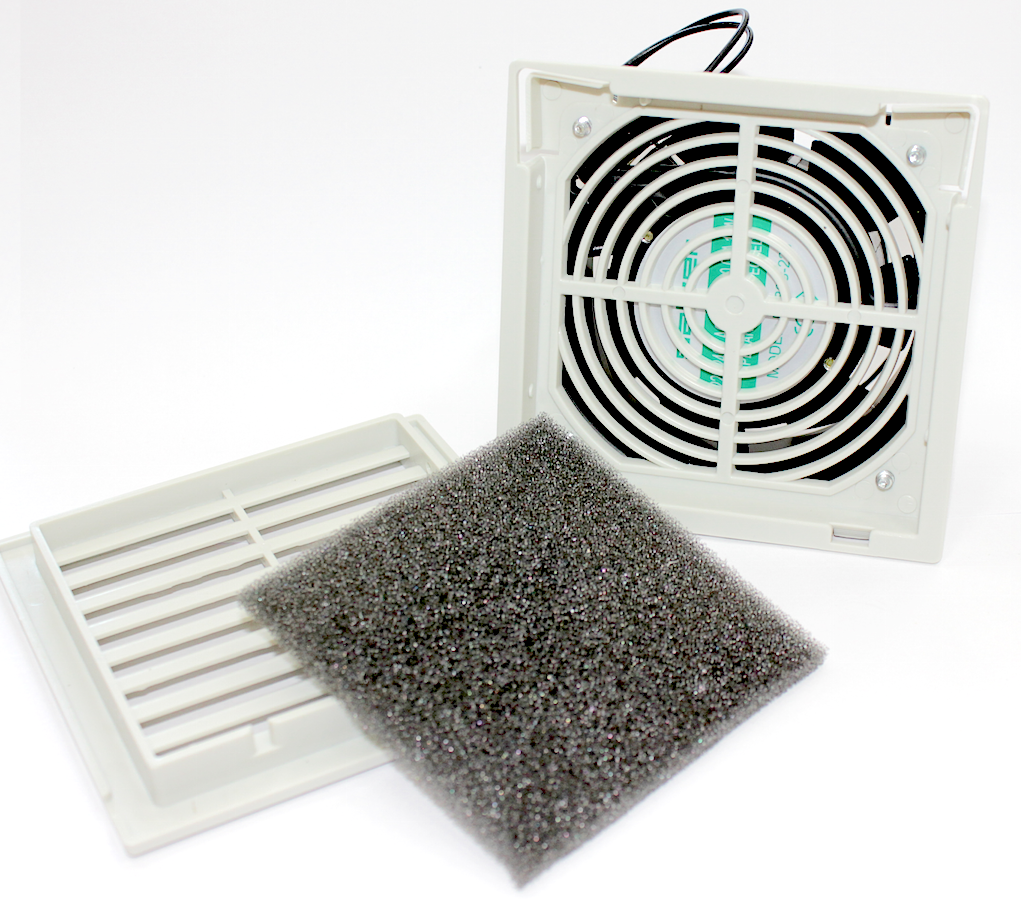
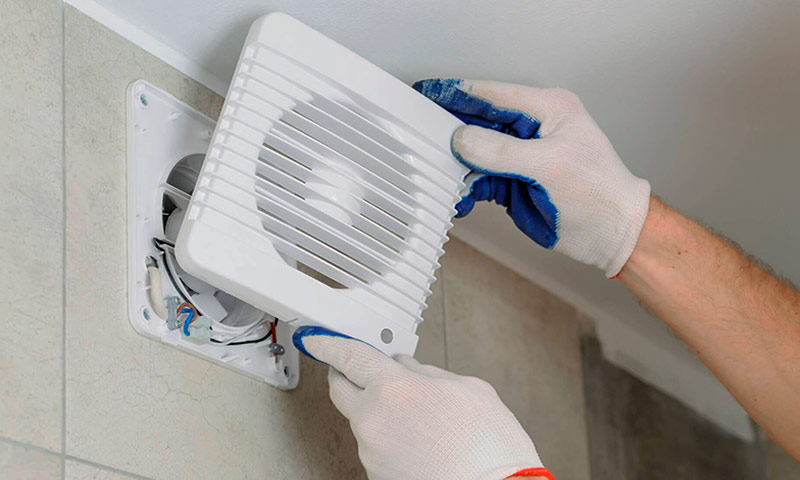
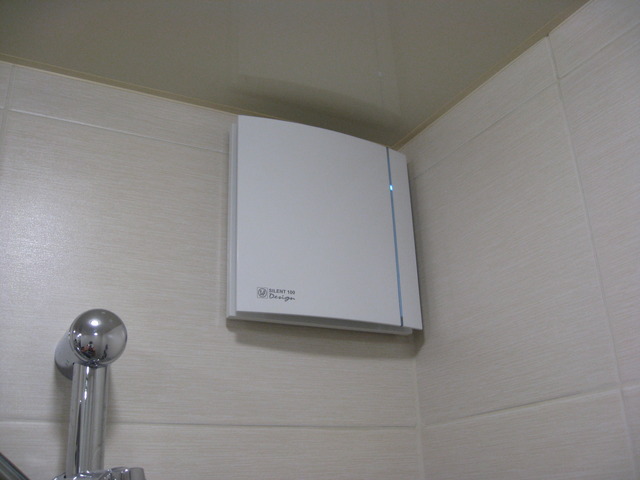
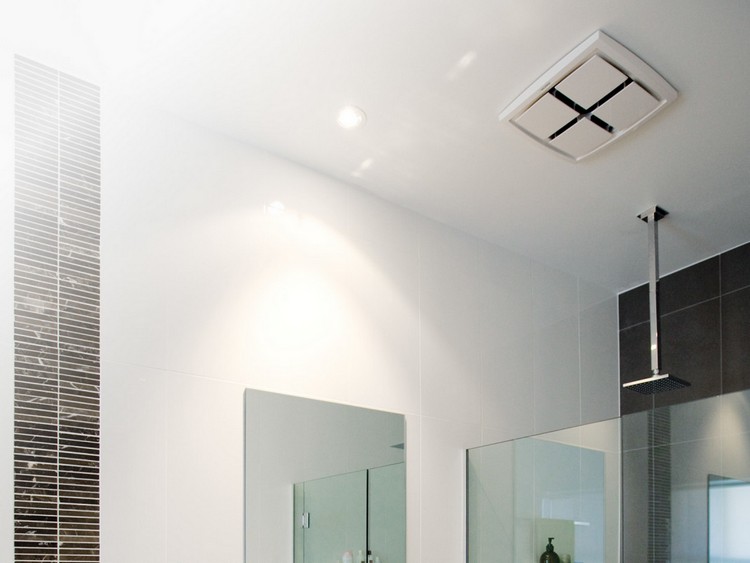
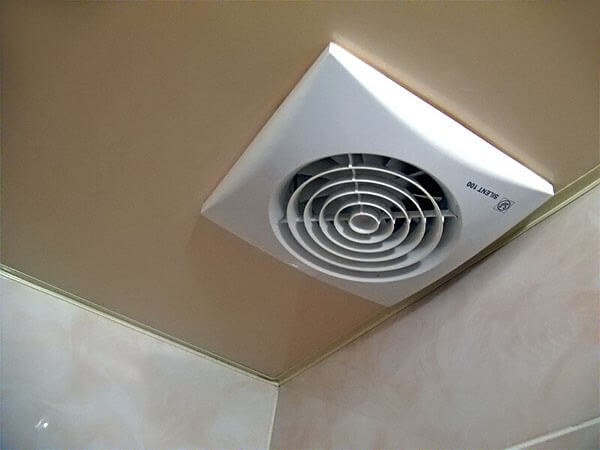
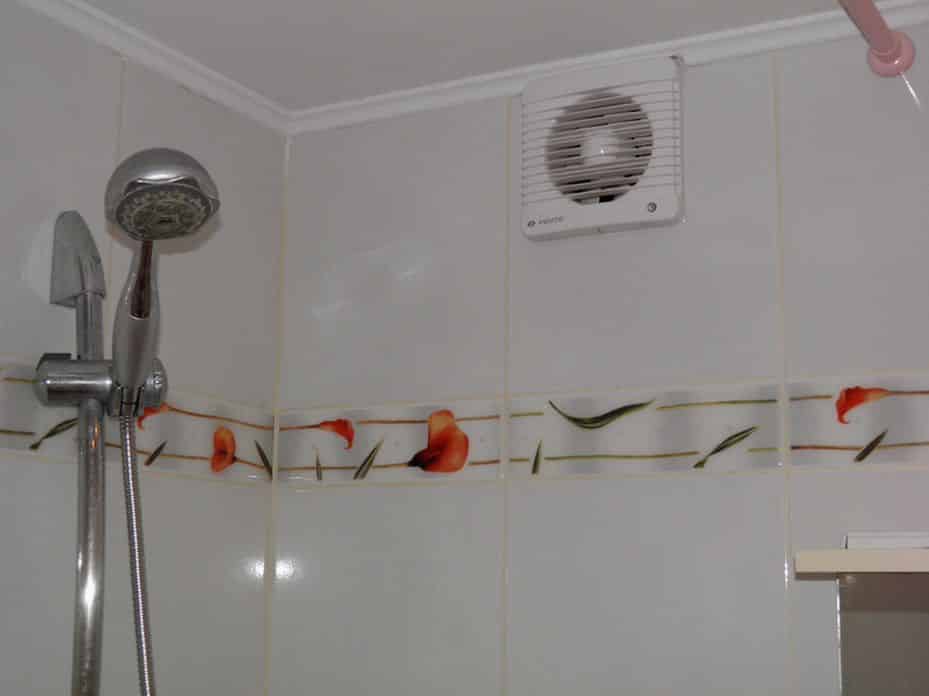
Outdoor bathroom exhaust fan installation is suitable for surface-mounted or ducted models, and involves mounting to the ceiling or wall at the point where the vent connects to the pipe system or exhaust shaft.
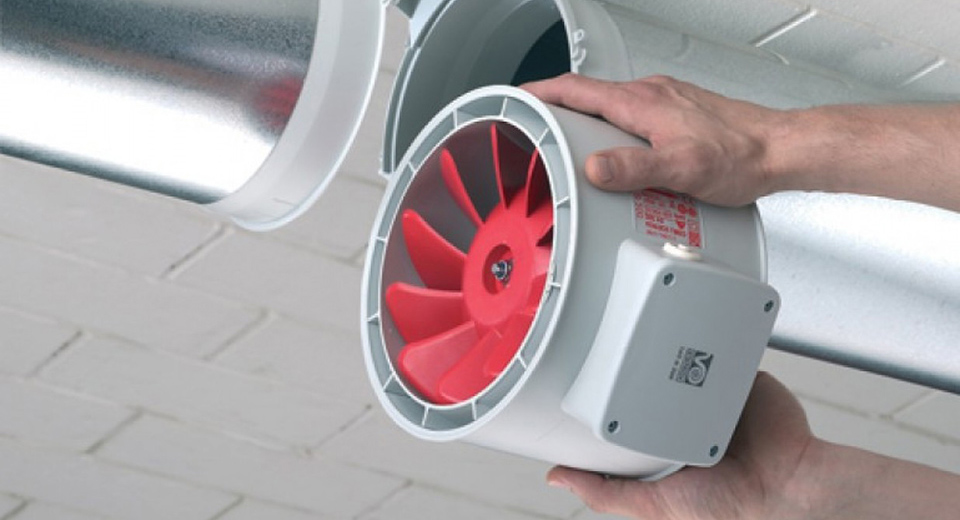
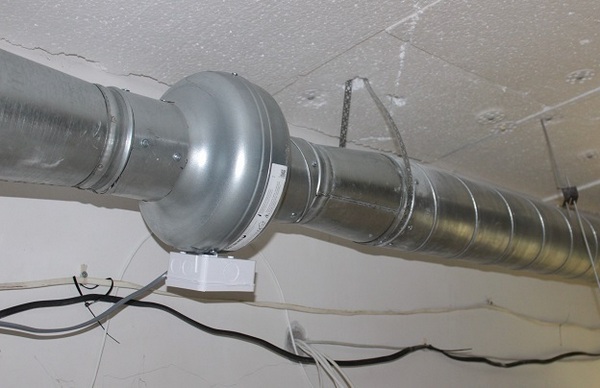
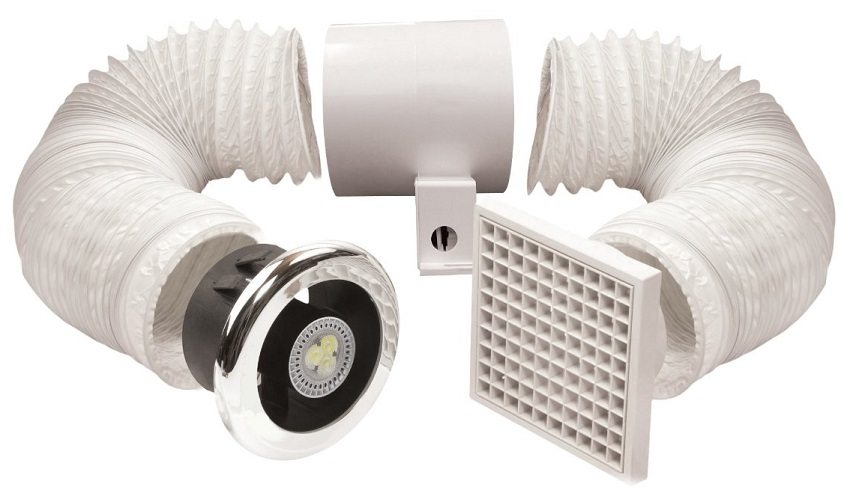
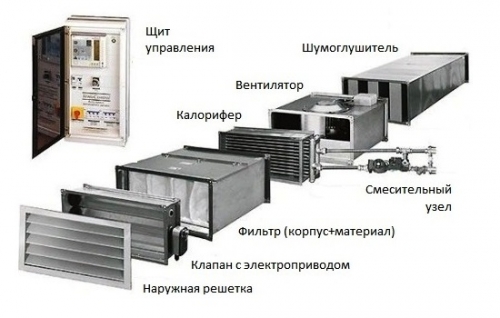
The duct type refers to the built-in equipment and is placed inside the duct. Such fans by design are axial and centrifugal. In the toilet, an additional grate is installed on them.
Wiring Connections: Schematic Options
A rather difficult stage is the installation of an exhaust fan. Even a minor mistake can cause the device to malfunction or endanger people.
Fan with built-in switch and its installation
How to make a hood in the toilet with your own hands? First, you need to choose a model that plugs into a power outlet.To start it, just press the button on the case or pull the cord. Such actions should not cause a feeling of discomfort. This switch must be within reach of all adult users.
Connection to lighting
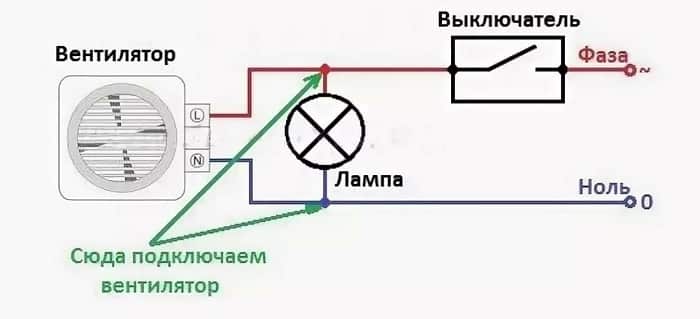
Powering the fan from a light bulb is another convenient way to install it in a toilet in an apartment or house. In this case, the hood will only work when the light is on. Therefore, for the normal operation of the device, it is necessary to ensure a constant power supply to the board. To do this, zero and phase are carried out from the junction box.
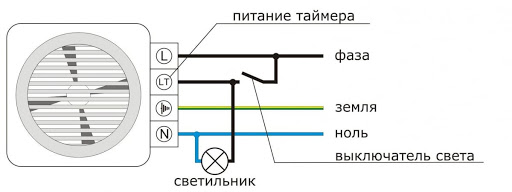
A similar scheme for connecting a fan in the bathroom and toilet is much safer. In this case, all connections are placed outside the walls of the room.
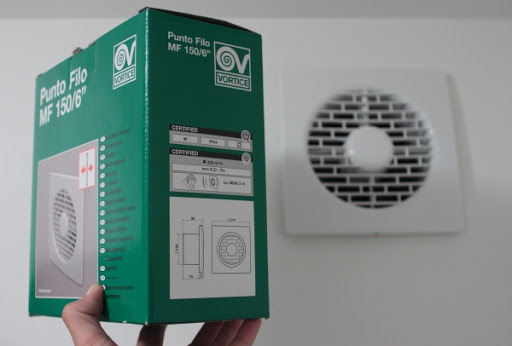
But people can be annoyed by the monotonous noise that accompanies visiting the bathroom. Sometimes the light run time is not enough to reduce the humidity level to the optimum level. This will fix the timer built into the device.
Connection via switch
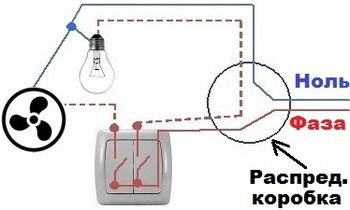
Installing a fan in the bathroom and in the toilet through the switch is the most reliable. But in this situation, the phase wire of the fan closes outside the lighting phase - it is connected to different wires of the switch from two keys.
Experts explain how to install an exhaust fan in a bathroom combined with a toilet: the zero wire is directly connected to the device from the switch box, and the phase wire is connected from the switch. When the room already has a single-key switch, it is changed to a two-key one. Connect it with a three-wire wire.
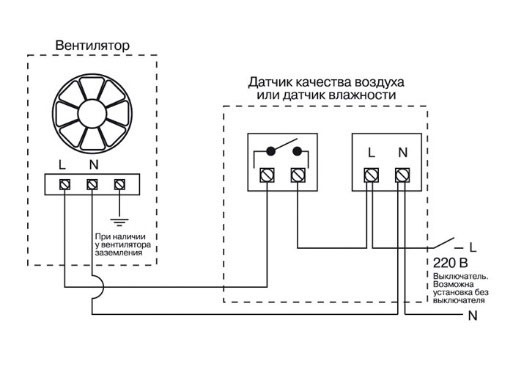
With external sensor
In any of the described schemes, you can add an external sensor that will respond to:
- movement of objects;
- humidity indicator;
- degree of air pollution.
It is also possible to connect a timer, provided that it is not provided in the kit. The optimal combination for a combined bathroom is an extractor hood with a humidity or air pollution sensor.
Fan installation procedure
Before installation, prepare a project. And this should be done before the start of repairs in the room. This approach will allow you to foresee many nuances in advance and hide all communications behind the interior decor.
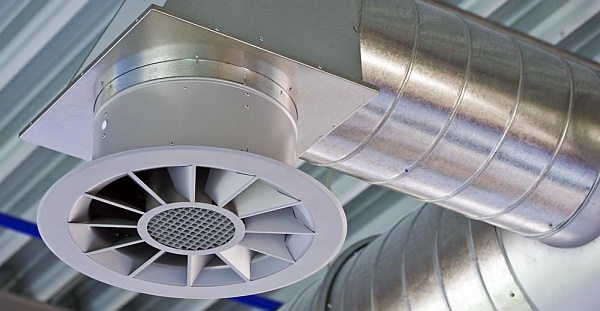
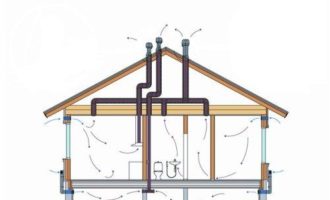
In multi-apartment buildings in the bathrooms, the project provides for an exit to the common house ventilation duct for natural ventilation. It can be made mandatory. To do this, you need to install a fan and connect it to the power supply.
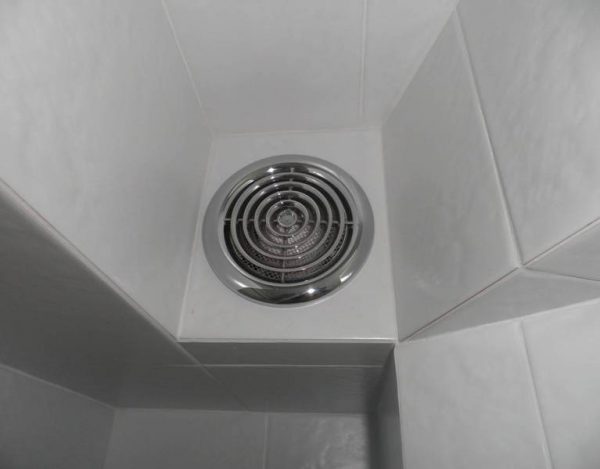
In private housing construction, such a system is designed from the very beginning and therefore air ducts are laid through a wall or roof and taken out into the street.
The channel must have good traction. They punch strobes for cable channels in order to cover them with trim - panels or ceramic tiles. The ventilation hole must be adjusted to the size of the fan. At the same stage, switches are mounted and connected to the network. It remains to install the hood itself in the toilet.
Installation steps
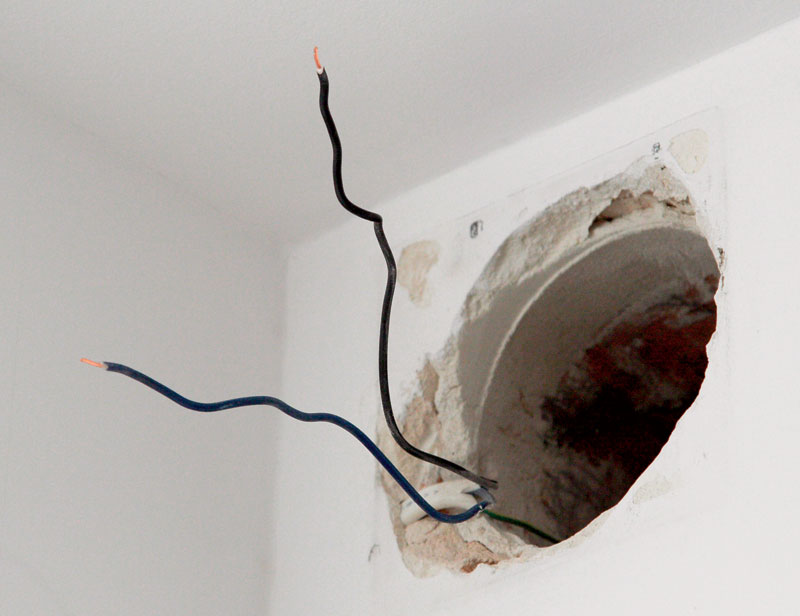
Installing ventilation in a toilet or combined bathroom is a sequence of specific actions:
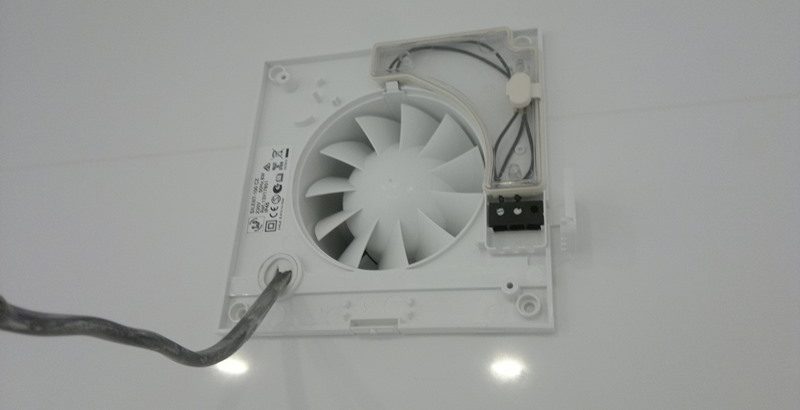
- Disconnect the wires that go to the fan.
- Remove the front panel;
- Attach the body of the device to the ventilation hole and mark the fastener points with a marker.
- Drill holes in the wall, hammer in the dowels.
- Lubricate the body of the device around the perimeter with sealant - this will reduce the vibration of the operating device.
- Insert the case into the hole, check the correct placement by level, press it against the wall as tightly as possible - so the sealant dries faster. Screw in the screws with a screwdriver.
- Connect the wires to the terminals.
- To check, turn on the hood and find out the degree of its correct functioning in each of the modes.
- Attach the front panel.
This sequence is suitable for mounting the hood in the bathroom and in the toilet of any type. The installation location can be the ceiling or walls. Before installing the decorative panel, set the timer, mode switch or hygrometer.
Common Mistakes and Additional Tips
There are a number of mistakes that are made when installing ventilation in the bathroom. They should be excluded, since such fans belong to the category of electrical appliances and any errors and violations during their installation and connection can cause serious problems: electric shock or short circuit. Therefore, it is so important to strictly follow all recommendations on how to install a fan in a bathroom, toilet or combined bathroom.
For better traction, the smallest number of folds should be organized in a toilet with a fan. When installing a duct fan for a separate bathroom, it is important that the air moves strictly from the bathroom to the toilet. If it is the other way around, all the air accumulated in the toilet at the time of its visit will enter the bathroom.
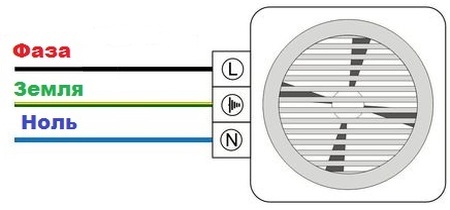
Do not use electrical tape to connect wires - it is better to choose terminal blocks.
A mosquito net installed on the exhaust channel will reliably protect the apartment from unauthorized entry of insects.
The metal fan housing should be grounded. We should not forget about the presence of forced ventilation - without it, the most powerful and sophisticated device will be a useless device. To increase the traction force, it is worth leaving a gap under the door. 150-200 mm will be enough. It is proposed to close it with a decorative grille.