- Noise source in the boiler
- Reason 1: Water saturation in the system
- Why is this noise dangerous?
- How to get rid of it?
- Reason 2: lime deposits
- How to get rid?
- The main causes of noise and buzz
- Oxygen saturation of water in the heating system
- Sediment on parts from water circulation
- Fan failure
- Gas pressure reduction
- Causes of noise
- Popping sound when starting
- The column hummed and hummed
- Gas boiler whistles
- Pops and clicks on ignition
- Rules for the operation of circulation pumps
- Pops and clicks on ignition
- Why does the speaker crackle and click?
- Batteries murmur
- Prevention measures
Noise source in the boiler
The noise in the boiler may have some differences:
- Uniform monotonous.
- Uneven, crackling.
In this case, the first type may occur even during the operation of a new boiler, but the second may appear after some time of operation. What can be the reasons for their occurrence?
Reason 1: Water saturation in the system
Let's try to figure out why the heating boiler is noisy?
As follows from practice, most often those installations that are connected to an open-type heating system make a sound. The reason may be the saturation of the water that circulates in the system with oxygen.It is released when water is heated and forms small bubbles, while the process is accompanied by a characteristic sound (you can recall, as an example, the process of boiling water in a kettle).
Why is this noise dangerous?
This process does not pose a danger to the boiler and the heating system. No defects or threats to work will also happen. But, the noise that is transmitted through the pipes can create discomfort in living rooms.
See also: Boiler liquefied bottled gas - pitfalls of use
How to get rid of it?
The only option would be to change the type of system from open to closed.
The process does not require time and investment, and an additional positive point will be the additional possibility of protecting the metal components of the structure from corrosion.
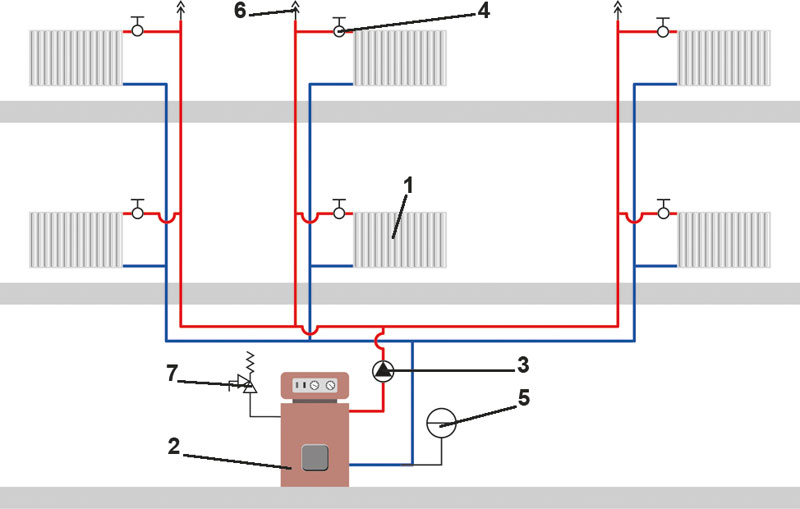
At the same time, changing the type of system will not affect the possibility of its functioning without a pump. The process of changing the type of system consists in installing air vents on the boiler and changing the expansion tank to a membrane one.
Learn more about all the pros and cons of a membrane expansion tank.
You can also install an automatic make-up system and a weather-sensitive automatic system, which will make the use of the unit more economical and comfortable.
Reason 2: lime deposits
Another thing is when an extraneous sound does not appear immediately, but after a certain period of time. Let's try to figure out why the boiler makes noise in this case?
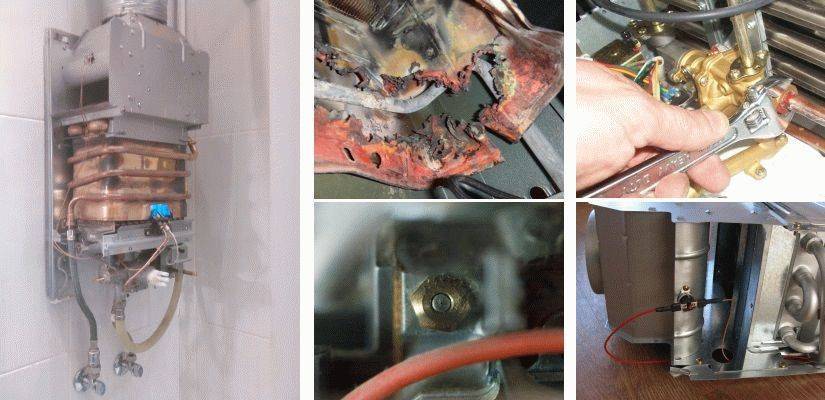
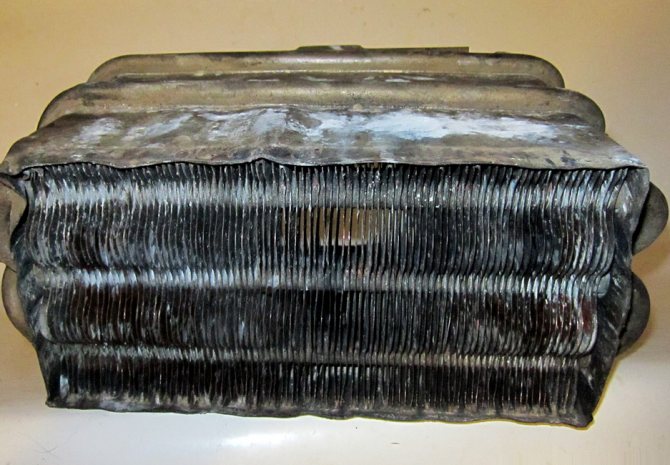
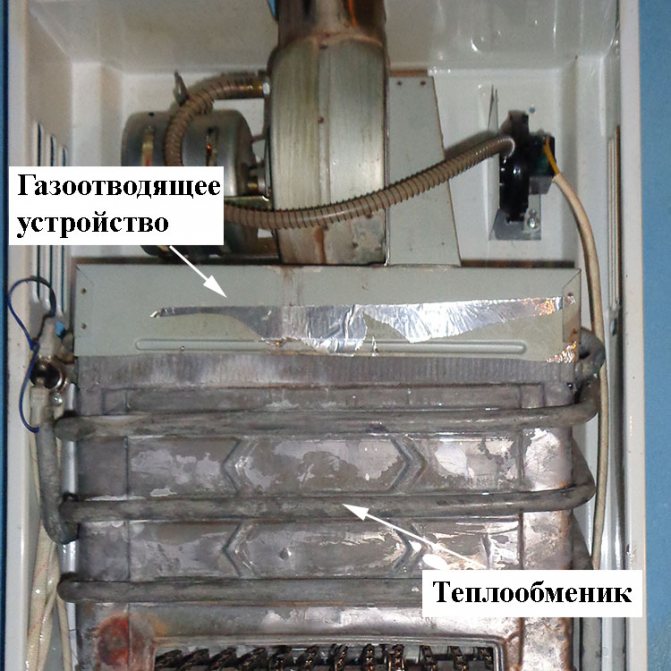
The thing is that lime deposits lead to noise. They form on the walls of the heat exchanger after a certain period of operation.
Such deposits lead to the fact that the temperature of the internal walls of the heat exchanger begins to increase, which also affects the wear resistance and durability of the structure.
The characteristic sounds that a boiler with deposits has formed are not only noise, but also strong clicks and knocks (they appear with heavy deposits).</p>
How to get rid?
Only cleaning the heat exchanger from formations will help get rid of this type of noise.
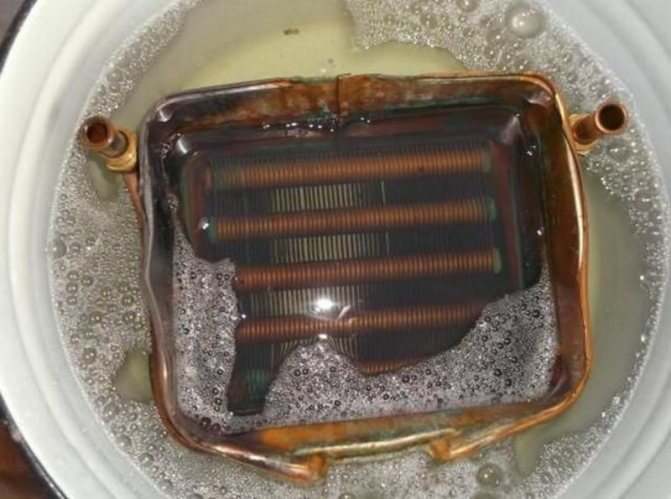
Tip: craftsmen advise periodically washing the parts of the heat exchanger in a 4% vinegar solution. It is better to do this after removing the heat exchanger, and be sure to rinse the parts with clean water.</p>
From the foregoing, we can conclude that there are actually not many reasons for the noise of a heating boiler, and they can be easily diagnosed and eliminated.
The video below shows how the Beretta Ciao boiler makes noise - watch it and pay attention if your equipment behaves in this way. Read more: Do-it-yourself heating boiler is real
Options overview
Read more: Do-it-yourself heating boiler is real. Options overview
<center>
</center>





If it was not possible to fix the boiler noise problem on your own, we strongly recommend that you do not delay and contact the specialists, because the consequences can be disastrous. The contact form is located at the bottom right of the page - write, do not be shy. Consultation on all issues is free.
Maybe it's time to look at a new boiler? New boilers - in the proven online store "Petrovich".
We hope that the material was useful to you. We will be very grateful if you click on the buttons of social networks. They are located a little lower.Let your friends learn how to deal with these malfunctions.
We invite you to our VK group and wish you a good day!
After long-term operation and quite often, the boiler begins to make noise and buzz, making uncomfortable sounds. This problem can have several causes, and only a specialist should fix them.
It is important to take preventive and repair actions in time according to safety regulations.
The main causes of noise and buzz
Let's name the most common causes of noise and buzz of the boiler:
- oxygen saturation of water in the heating system;
- sediment on parts from water circulation (including in the heat exchanger);
- fan failure;
- decrease in gas pressure.
Oxygen saturation of water in the heating system
The noise or buzz of the device can be monotonous or spontaneous with crackling. With the first option, this happens even with new boilers. In this case, usually such sounds are produced by installations that are connected to a heating system with natural circulation. The reason may be the oversaturation of oxygen in the water in the pipes. Then, when the water is heated, small bubbles form, making noise. Noise does not pose a danger to the operation of the boiler. But a small nuisance is still present, as it creates discomfort with noise in the pipes of the rooms. In this case, the system can be reworked to a closed one. The process of changing the type of system consists in installing valves on the boiler and changing the expansion tank to a membrane one. You can choose a weather-sensitive automatic system. These measures will help extend the life of the boiler.
Sediment on parts from water circulation
But there are other reasons why the boiler is buzzing. Wines can be in the sediment, which is formed as a result of the circulation of water.It is not pre-filtered; when heated, after some time it forms scale on the parts. Their functions are weakening, extraneous noise from the work process appears. The heat exchanger loses its ability first. It heats up as a result of gas combustion, transferring heat. Scale is formed not only on the walls of pipes and radiators, but also on the entire system. The passage for water narrows, which provokes the appearance of steam. Such processes reduce the wear resistance of the equipment and the efficiency. There is a knocking sound. This means that the system needs to be descaled. Cleaning with special chemicals. After that, the boiler stops buzzing.
Fan failure
Another common reason for a noisy boiler is a fan failure. He is responsible for the cooling of the system, the removal of combustion products outside the room, and smoke exhaust. The boiler specialist will determine the cause of the fan failure. This may be the location above the main heating pad or the lack of lubrication. Often just a spare part clogged with dust. They inspect, clean this part, lubricate the bearings. If necessary, it is worth changing the fan so as not to buy a new boiler.
Gas pressure reduction
It happens that the boiler makes noise and buzzes due to a decrease in pressure. As a result, less water begins to circulate in the system, air pockets appear, the boiler overheats and makes noise. The level of thermal output of the device and its sections decreases. It is enough to adjust the pressure. Most boilers have a lever for such cases.You should know the optimal performance and regularly check the condition of the boiler. Normal pressure is 1.5-2 atmospheres. Often a knock is heard from the pipeline and radiators, which means air has entered the system and must be removed. If the pump itself is noisy, then a factory defect is not excluded.
If you carry out preventive cleaning of the heat exchanger from scale in time, adjust the gas supply to the system, pressure, then you can extend the life of your boiler. But remember, the exact cause of the noise in the boiler and the elimination of this problem can only be eliminated by a qualified specialist in heating systems.
Causes of noise
Due to the very principle of operation of the technique, you can hear a small noise, it crackles. Sounds may be amplified if the room is not well ventilated. There is nothing terrible here.
Does the appliance make sounds when turning on hot water or heating? When drawing water, you may feel vibration because the flow passes through pipes, turns, passes through obstacles. To reduce the noise level, you can adjust the water supply knob. Scrolling it, listen: as soon as the sound vibrations decrease, leave it in this position.
Popping sound when starting
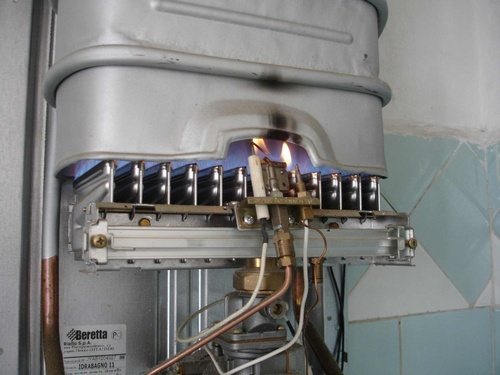
You start the technique and hear the pop? Does the device twitch and vibrate? So, there were problems with the gas supply. When starting, fuel accumulates in the working part: when the amount of air or gas is correct, pops should not be heard.
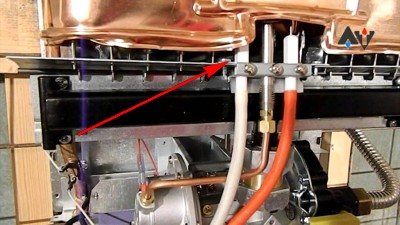
Such problems can even lead to the failure of the chimney. Therefore, contact the service center or try to fix them yourself.
- Turn off the gas and water supply.
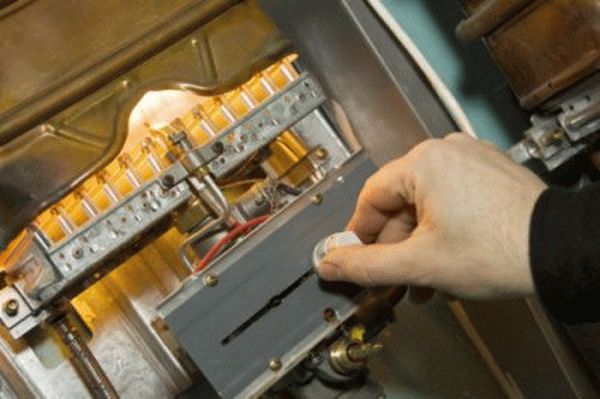
- Remove the equipment cover: pull the handle towards you, unscrew the two screws.
- Inspect the fuel supply system and burner.Clean the parts from dirt. How to clean the gas column, read the previous article.
- Loosen the two screws on the burner tongue.
- Check the condition of the injector. If it is clogged, clean it.
The column hummed and hummed
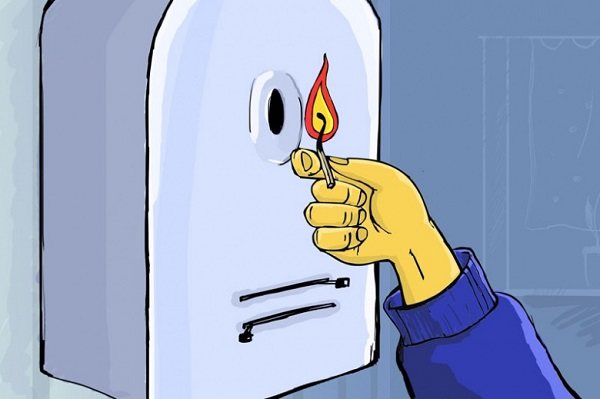
The main reason is poor traction. To test it, light a match and hold it close to the hole. If the flame deviates to the side, as from a stream of air, the draft is in order. If not, the chimney channel is clogged with soot and soot, which are produced during the combustion process. Need to clean it up.
Poor ventilation also contributes to increased noise. This often happens after installing plastic windows. The bags are so tight that natural ventilation becomes impossible.
What to do if the device cracks? This is possible when the nozzles (jets) of the burner are clogged. It is necessary to disassemble, as described above, and clean them.
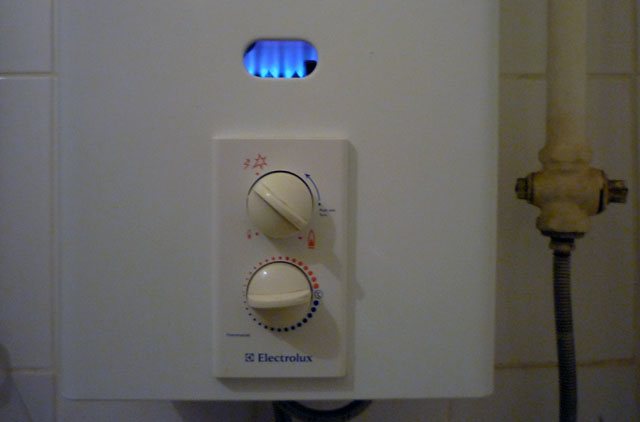
If your column is switched on by electric ignition, the reasons may be as follows:
- These devices run on batteries. When they are discharged, the fuel is poorly ignited or does not ignite at all. Clicks may be heard. In this case, replace the batteries.
- The flow control sensor is defective. Most often, its contacts are oxidized under the influence of moisture. You can try to clean the contacts, but it is better to replace the sensor.
- The spark does not ignite. The candle, which is responsible for ignition, has shifted, so the process is not completed. Put the candle back in place, resume the process.
- The ignition retarder does not work. Remove the item and shake. In this case, the sound of rolling the ball in the body should be heard. If nothing is heard, the ball is stuck or misaligned. Put it back in place with wire.
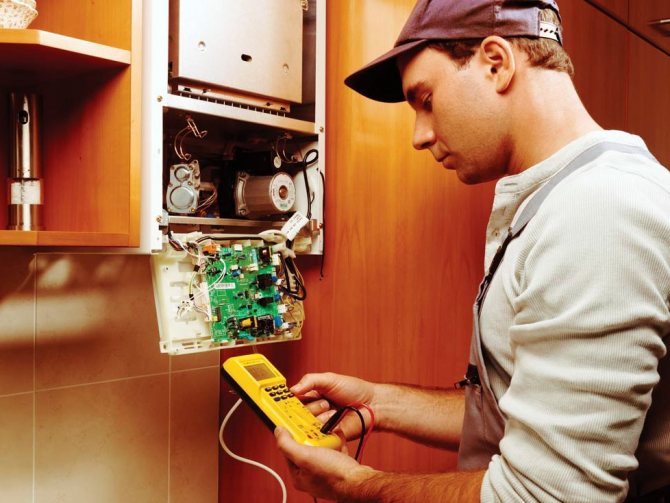
Rattles new equipment? Perhaps the reason is not in the boiler, but in an installation error. To find out, inspect all connections, correct connection. It may also be:
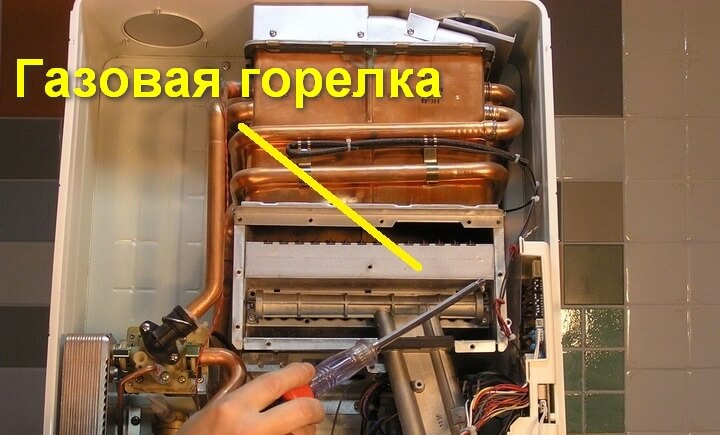


- Depressurization of the air duct. Air enters not only through the main opening, but also through the hole. So the noise gets louder.
- Incorrect burner placement. Perhaps it has shifted and cannot cope with the combustion of the entire volume of gas. You need to put it in place.
Gas boiler whistles
If the product whistles and squeaks, you need to find out where the sound comes from. What to do:
- Shut off the gas supply.
- Open the mixer in the "hot" position.
- Did the whistle get louder? So, the problems lie in the water path. The main reason is the deposition of scale on the parts of the heat exchanger or on pipes, blockage. It is necessary to clean all the elements in order to resume the performance of the equipment and eliminate the cause of the whistle. Reverse flow of water can clean the pipes from clogging.
If the whistling sound disappears when the tap is opened, the problem is in the gas path. There is probably a defect in the valve that controls the strength of the flame. Whistling may appear when the power is increased. Try turning the knob until the sound disappears. Does not help? Then it's a blockage in the tract. You need to disassemble and clean the device.
If you notice similar problems in your equipment, you can try to deal with the problems yourself. But it is better to contact the service center, especially with a valid warranty card. Employees will repair or remove faulty equipment.
Pops and clicks on ignition
When starting the Ariston boiler or another brand, do you hear knocks and pops? The problem requires an immediate solution.
Three-way valve
The part is used to switch the operation of the unit from heating hot water (DHW) to heating, and vice versa. A faulty valve will click every time it fires up. In this case, it needs to be replaced.
Ignition block
A loud bang occurs when a spark is ignited for a long time. Then a lot of gas accumulates, which flares up during ignition. It is obligatory to carry out diagnostics of the unit: burner, igniter, electrode, contacts and connections.
Wick blockage
When ignited, the product slams, which indicates a clogged wick or chimney. The problem is typical for semi-automatic models. Inspect the wick: if a blockage is found, clean it.
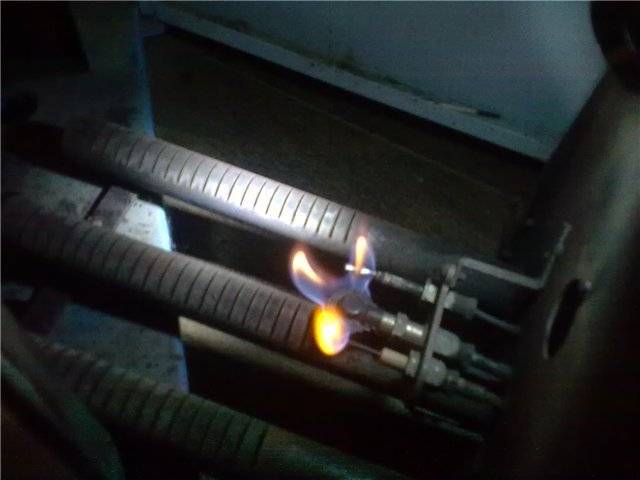
To make sure that the chimney shaft is clogged, check for draft:
- Hold a lit match near a control window or vent.
- If the flame deviates to the side - the draft is normal, if it burns evenly - cleaning is needed.
For your part, you can clear the shaft. But for complete removal of contaminants, it is better to contact the utilities.
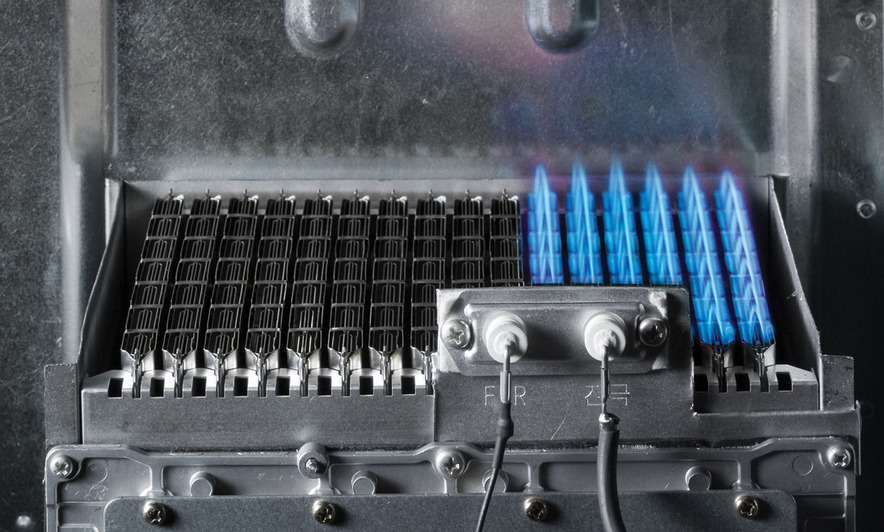
In models with automatic ignition, the electrode could become clogged. Strip the part and install 3-4 mm from the burner.
Clogged nozzles
When heated, noise is heard, ignition does not occur, or the flame breaks out jerkily. Shut off the gas supply and clean the holes with a thin wire.
Wrong installation
If the calculation is incorrect and the instrument case is hung, the sounds of metal impacts appear. When the lining is heated, the metal expands, and when it cools, it returns to its previous position, which leads to extraneous sounds.
The same thing happens with pipes that are walled up in walls.When the heating is turned on and hot water is started, the pipes expand slightly, which leads to knocking. When installing pipes into walls, it is required to leave a gap for thermal expansion.
Clogged heat exchanger plates
Then the boiler explodes when heated. And the plates can become clogged with dust, soot and soot. Remove the housing and clean the parts with a metal brush, a special vacuum cleaner.

The mesh, which is located at the bottom of the case, could become clogged with dust. In an open combustion chamber technique, this leads to a reduction in thrust. Don't forget to clean up.


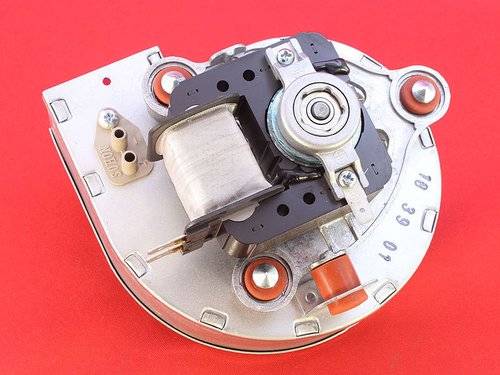


Incorrect operation of the circulation pump
As a result of uneven operation, resonance occurs in the system, which leads to extraneous noise. Correct pump settings.
Close the gas valve before starting any work.
Place a gasket under the housing to reduce vibration. Regularly service the unit and clean parts from scale and dirt. This will allow a long and safe operation of the boiler.
Loud noise during operation of the gas boiler may be a sign of a malfunction in the heating system. Extraneous noise occurs due to the manifestation of some kind of malfunction, which definitely requires the attention of a qualified specialist. Such a malfunction should not be ignored for a long time, as it can aggravate the problem and lead to an emergency stop. Strong noise from the boiler is a problem that can easily develop into the purchase of a new one. It's incredibly expensive and should be avoided.
If you notice that the gas boiler has become very noisy, the only and correct solution for you will be to invite our service engineer to study this problem in detail.An employee from our company is a highly qualified specialist who is needed in every home in the event of a problem in the operation of the central heating system, to carry out diagnostics to identify a malfunction.
Strong noise from the boiler is the reason for contacting us immediately and the reason to resort to the services of our engineers.
There are many reasons that cause the boiler to make noise during operation. Some problems are minor and are eliminated during one visit of our master, and some require money, especially where several breakdowns have “collided”.
Our company offers customers the following services:
-
heating boiler repair →
-
maintenance of heating boilers →
-
installation and piping of the boiler →
-
heating system installation →
-
flushing the heating system →
-
flushing the boiler heat exchanger →
Rules for the operation of circulation pumps
The circulation pump can last long enough only if the following series of rules are observed:
- The pump can only be started if the system is filled with coolant;
- The pump must not run when there is no supply;
- The volume of the pumped liquid must correspond to the range that the pump is able to handle, otherwise the equipment will wear out too quickly (you can find out the required value in the technical documentation for the pump);
- So that the pump does not undergo oxidation during the warm season, you need to start the heating system for 20 minutes at least once a month;
- The temperature of the liquid pumped by the pump should not be higher than 65 degrees - exceeding this level will lead to precipitation of solid salts.
There are two types of pumps on the market - "dry" and "wet".The classification depends on whether there is direct contact between the rotor of the device and the pumped medium. For dry pumps, high noise levels are common. The thing is that such devices are equipped with a fan, which makes a lot of noise during operation, so such equipment is not used in private homes.
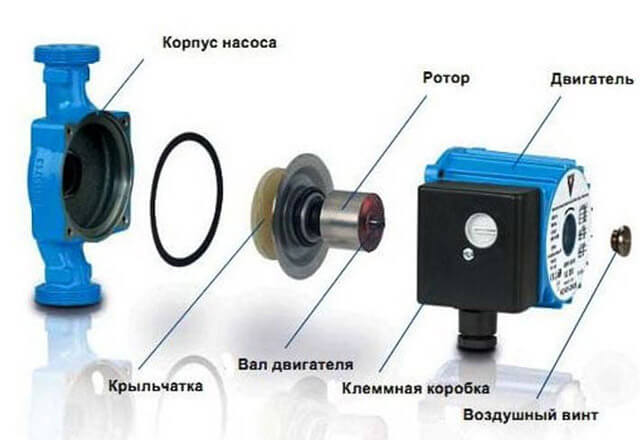
Of course, sometimes developers make a mistake (sometimes deliberately, and sometimes not) and install a pump with a dry rotor in a private house. Usually, the main argument of such developers is the high efficiency of such equipment - and they prefer to remain silent about the main drawback, which is that the heating pump is too noisy. In this case, it will be possible to solve the noise problem only by high-quality soundproofing of the room, or by replacing the pump with a more suitable one.
In wet pumps, the rotor is constantly inside the pumped medium, which also provides cooling for the working elements of the equipment. There is no fan in these devices, so they do not make noise during operation, and they can be safely installed in residential buildings.
Pops and clicks on ignition
When starting the Ariston boiler or another brand, do you hear knocks and pops? The problem requires an immediate solution.
Three-way valve
The part is used to switch the operation of the unit from heating hot water (DHW) to heating, and vice versa. A faulty valve will click every time it fires up. In this case, it needs to be replaced.
Ignition block
A loud bang occurs when a spark is ignited for a long time. Then a lot of gas accumulates, which flares up during ignition.It is obligatory to carry out diagnostics of the unit: burner, igniter, electrode, contacts and connections.


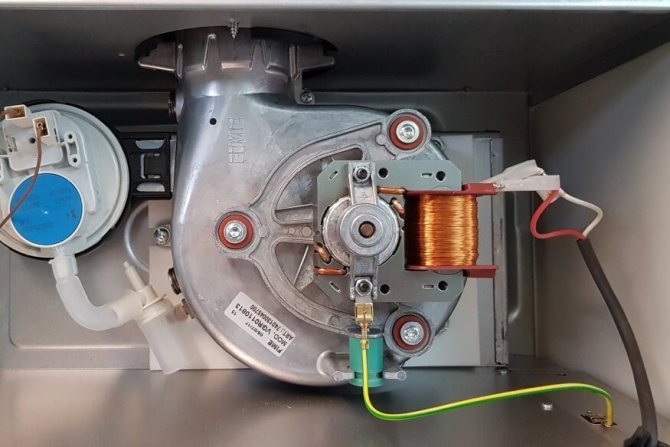


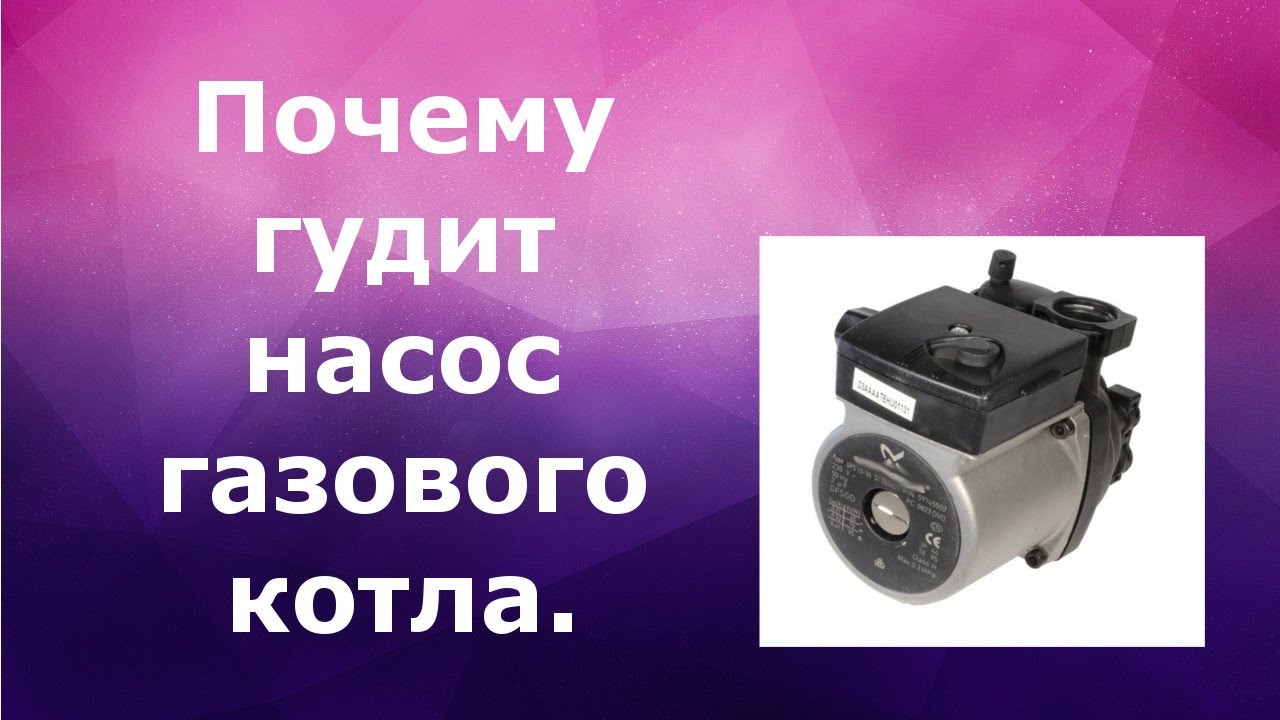
Wick blockage
When ignited, the product slams, which indicates a clogged wick or chimney. The problem is typical for semi-automatic models. Inspect the wick: if a blockage is found, clean it.
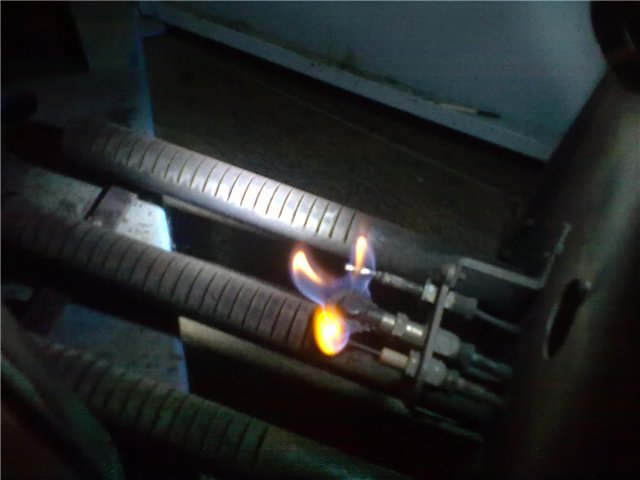
To make sure that the chimney shaft is clogged, check for draft:
- Hold a lit match near a control window or vent.
- If the flame deviates to the side - the draft is normal, if it burns evenly - cleaning is needed.
For your part, you can clear the shaft. But for complete removal of contaminants, it is better to contact the utilities.
In models with automatic ignition, the electrode could become clogged. Strip the part and install 3-4 mm from the burner.
Clogged nozzles
When heated, noise is heard, ignition does not occur, or the flame breaks out jerkily. Shut off the gas supply and clean the holes with a thin wire.
Wrong installation
If the calculation is incorrect and the instrument case is hung, the sounds of metal impacts appear. When the lining is heated, the metal expands, and when it cools, it returns to its previous position, which leads to extraneous sounds.
The same thing happens with pipes that are walled up in walls. When the heating is turned on and hot water is started, the pipes expand slightly, which leads to knocking. When installing pipes into walls, it is required to leave a gap for thermal expansion.
Clogged heat exchanger plates
Then the boiler explodes when heated. And the plates can become clogged with dust, soot and soot. Remove the housing and clean the parts with a metal brush, a special vacuum cleaner.

The mesh, which is located at the bottom of the case, could become clogged with dust.In an open combustion chamber technique, this leads to a reduction in thrust. Don't forget to clean up.
Incorrect operation of the circulation pump
As a result of uneven operation, resonance occurs in the system, which leads to extraneous noise. Correct pump settings.
Close the gas valve before starting any work.
Place a gasket under the housing to reduce vibration. Regularly service the unit and clean parts from scale and dirt. This will allow a long and safe operation of the boiler.
Hello dear readers. Why is the gas boiler noisy? This question is very relevant for the owners of this equipment.
Noises in a gas boiler may reflect difficulties in the heating network. It is necessary to quickly identify the causes and eliminate problems, otherwise the equipment may completely fail.
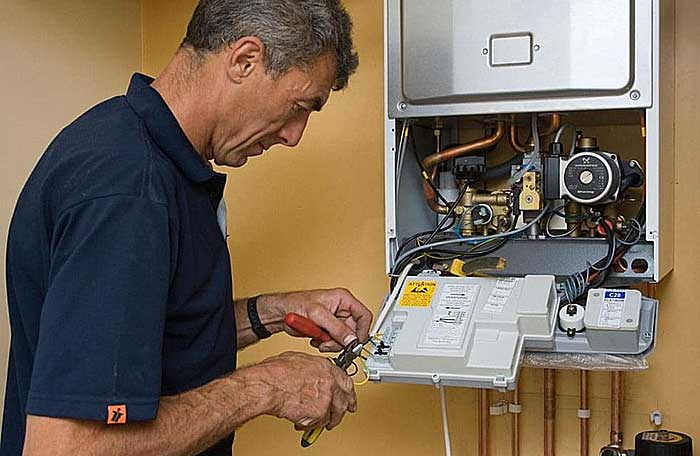
Why does the speaker crackle and click?
Clicking and crackling, another common malfunction of gas flow-through water heating equipment. Breakdown occurs in both automatic and semi-automatic boilers. The following is the nature of the sounds and indicates what exactly can cause them:

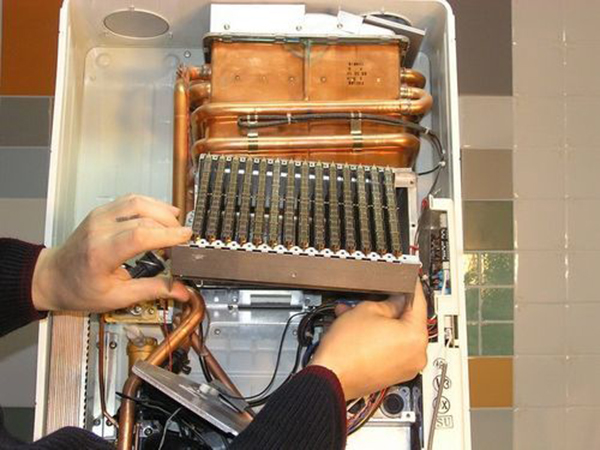


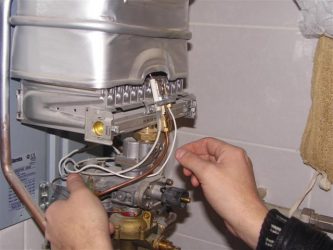


- The geyser clicks, but does not ignite - the contacts on the ignition unit are oxidized. The module is not disassembled and needs to be replaced. The catalyst for the fact that the geyser crackles, but does not ignite, can be dead batteries.
The geyser clicks after the water is turned off - the frog water regulator has failed. Inside the block there is a rod with paws connected to the ignition block. After turning off the water, the spring should return the metal rod to its original position. If the stem is rusted, it may seize. The ignition unit remains on and continues to produce a spark.For this reason, the column cracks after being turned on. A hardened frog membrane can cause a malfunction - it needs to be replaced.
The presence of a gas water heater in a house or apartment solves the issue of hot water supply. It is easy to use and usually does not cause problems for users. Therefore, the situation when a water heater clicks, whistles, or crackles, to put it mildly, is unpleasant, do you agree? But what to do in this case?
In this article, we will analyze the main reasons why the geyser is buzzing, as well as making other extraneous sounds. Let's talk about when it is necessary to immediately call a specialist, and in what cases you can restore the device's performance on your own.
Batteries murmur
The reason why the radiators in a private house or apartment began to murmur is the unevenness of the pipes and the different cross-sectional diameters. This is due to the fact that water circulating along irregularities and bends meets obstacles and flows around them. Violation of the fluid permeability index provokes the occurrence of murmur.
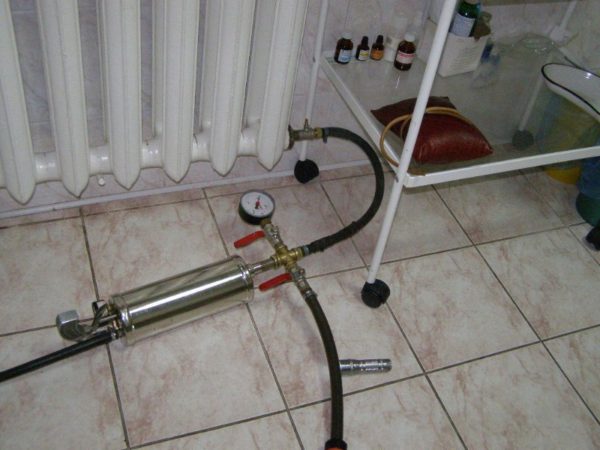
Cleaning and flushing batteries
In this case, in order to understand why the heating radiators are noisy, it is necessary to get rid of the blockage and check whether the valves are closed and not damaged. If everything is in order with them, use two methods:
- Cleaning with strong water pressure.
- With the help of special chemicals that corrode the garbage. Then it is washed out in the first way.
In cases where the blockage has occurred in large quantities and formed a plug, the help of a welder may be required to clear debris. Advice. When designing valves, consider the possibility of debris and discard the valve option. Use only ball valves.They are much easier to operate and have good wear resistance.
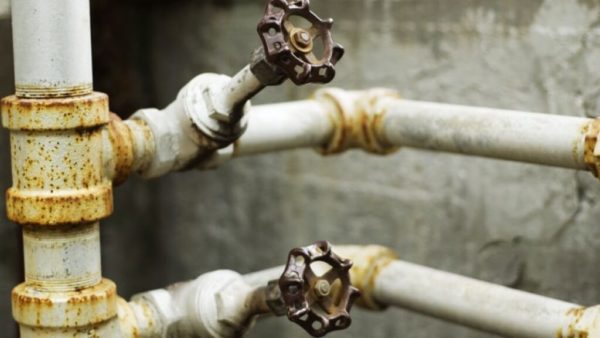
Increased degree of wear heating pipes in the apartment also contributes to the appearance of extraneous sounds in the heating system. Check it annually. If it was found out that the sound comes from the heating radiator, it is necessary to check its condition, and it is better to entrust its replacement to a specialist.
Prevention measures
If the boiler hums when starting or turning on hot water, you must first make sure that there is a sufficient level of liquid in the system and top it up if necessary. If sounds come from radiators and pipelines, it means that air plugs have formed in them, which should be removed. When the pump knocks or whistles, most likely it is a factory defect: you will have to install a new working unit.
An effective preventive measure is the timely removal of scale from the heat exchanger
It is also important to monitor the gas supply so that too high pressure is not created.