- Types of extraneous sounds in the heating pipeline
- Trumpets howl and hum
- Clicking, crackling and bubbling in pipes
- Trumpets murmur and whistle
- Pipes rattle and rattle
- Other sources of extraneous sounds in the heating pipeline
- Noise in the pipes with a working radiator
- Causes of knocking and noise in batteries
- How to solve noise problems
- Noise from the heating pump
- Monotonous hum in the heating line
- Noise in radiators
- Shooting and tapping radiators
- Radiator clicks and knocks: causes of crackling, knocking and clicking
- Murmur, rustle. Gurgling, the sound of pouring water in the battery
- Knocking in highways
- What to do if the radiators are noisy?
- Murmur, rustle. Gurgling, the sound of pouring water in the battery
- Noise in heating boilers
- Batteries click, shoot, rattle
- Noise in heating pipes
Types of extraneous sounds in the heating pipeline
Under the influence of various factors, noise can appear not only in batteries, but also in heating pipes. At the same time, both metal and metal-plastic pipes can sound equally unpleasant.
Extraneous sounds in the heating pipeline may appear:
- Bubbling.
- rattling.
- Crack.
- Clicks.
- Gurgling.
- Buzz.
- Howl.
- Whistle.
- Knock.
Often, such noises indicate serious problems in the heating system that require timely diagnosis and elimination.
Trumpets howl and hum
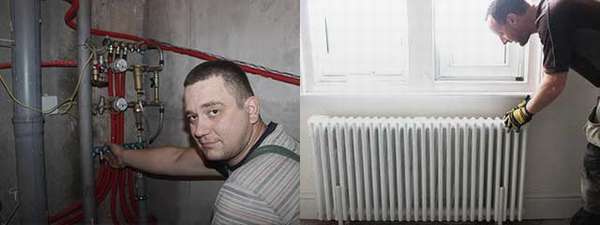
The most common type of noise is when pipes suddenly begin to hum, especially at night. The probable cause of the buzz and howl is a coolant leak. To identify the source of the leak, each apartment is carefully checked along the riser, as well as the basement. In a private house - any room in which a heating radiator and a boiler room are installed.
If a malfunction is detected in the operation of the system in an apartment building, residents have the right to complain to the management company or condominiums for repair work. In a private house, the repair of the system is carried out at the expense of the owner of the housing.
Another reason for the hum may be the different diameters of the pipes that were used to organize the pipeline. In such a case, the problem area is replaced by a larger diameter pipe.
Clicking, crackling and bubbling in pipes
In most cases, clogging with small particles of debris or sludge leads to cracking and clicking in the pipes. A characteristic sign of clogging is also a dull click.
In order for the pipeline to stop clicking, a high-quality flushing of the system is carried out. To do this, the coolant is completely drained through the flow valve into the sewer, and the pipeline and the heating circuit are washed with clean water.
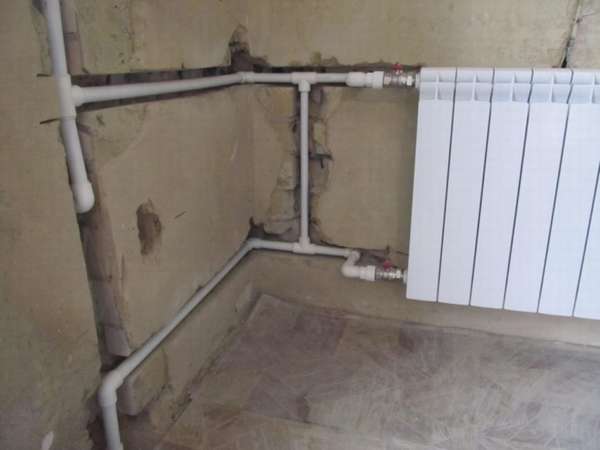
An equally serious cause of crackling and clicking is a broken valve or improper installation. The easiest solution is to install a new device.To prevent such a problem in the future, it is recommended to use ball valves, which are characterized by increased strength and resistance to blockages.
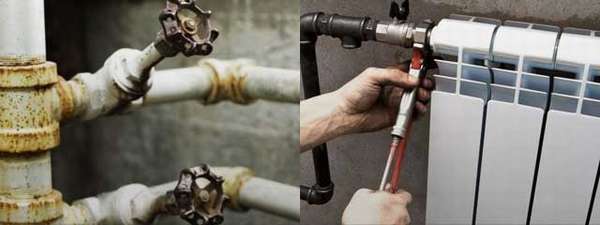
Trumpets murmur and whistle
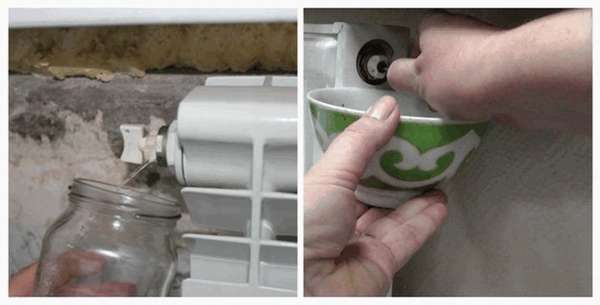
Often, in the presence of air jams, pipes whistle, and the coolant in the system begins to characteristically murmur. Air can enter the heating circuit and pipes during repairs through leaky fittings. In addition to constantly murmuring water, there may be insufficient heating of the heating equipment to maintain the optimum temperature in the room.
The problem is solved by draining excess air from the heating system through the Mayevsky tap. The hot coolant is supplied under high pressure, so water is collected in the prepared container in small portions.

Pipes rattle and rattle
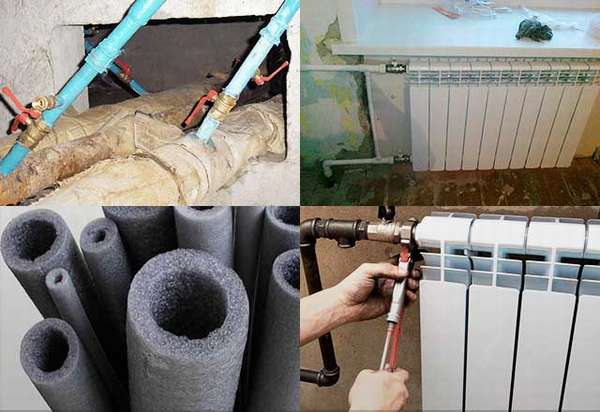
The reason for knocking in the heating system may be insufficient fixation of fasteners for pipes or radiators. The passage of the coolant through the system can cause even small vibrations that lead to rattling and knocking. The problem is solved by providing rigid fixation of supports for all elements of the system in each separate room.
Sometimes pipes rattle and knock if they are located close to each other. The thermal expansion of the metal leads to friction of surfaces that are capable of making unpleasant sounds. To eliminate knocking, it is enough to soundproof the problem area of \u200b\u200bthe pipe.
Other sources of extraneous sounds in the heating pipeline
In addition to violating the installation technology of the heating system, the horizontal pipeline and riser are noisy for the following reasons:
- Hydraulic shocks.
- Low quality coolant.
- Noisy operation of pumping equipment.
- Wear or deformation of individual elements of the system.
- Violation of tightness and patency.
Professional diagnostics will be required to identify significant problems.


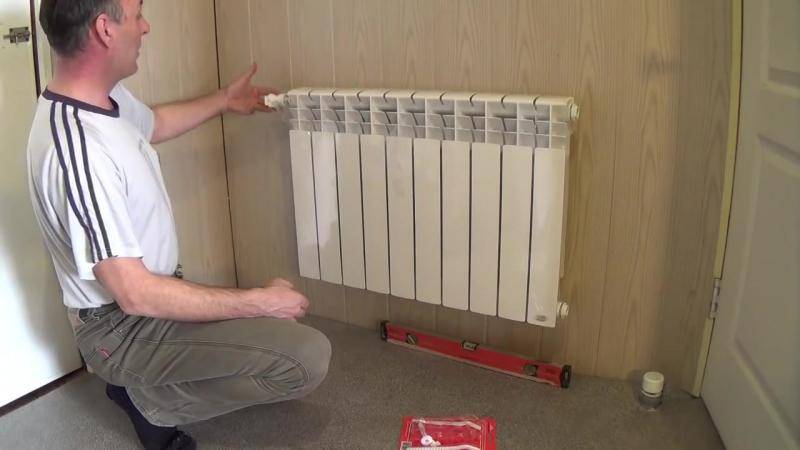
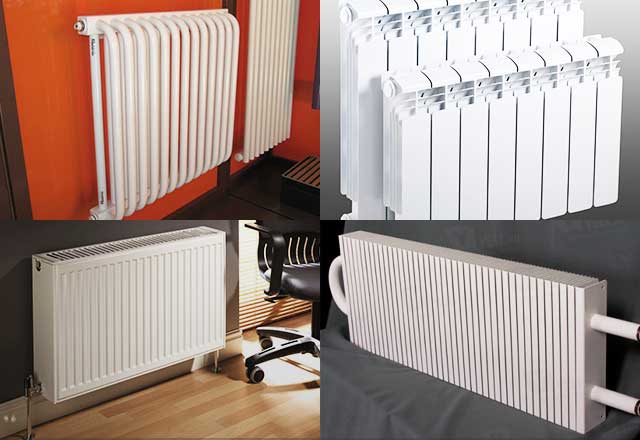



Having dealt with the reasons why radiators make noise in a multi-storey and private house, you can apply simple and effective ways to eliminate them. For example, reduce the pressure in the system, remove air pockets, replace pipes of the required diameter or a thermal valve. Difficult cases require an integrated approach to diagnosis and problem solving by experienced specialists.
Noise in the pipes with a working radiator
With a working radiator, the source of noise can only be in the basement. In the most unlikely cases, pipes of risers or wiring can make noise. This can be caused by a leak or equipment failure in the basement.
That is, if no leaks were found, then you will have to call a plumber to check the input node. What might be wrong? There may be problems with the pump. This is the most common case where the pump has not been properly adjusted. The pump must only be adjusted or replaced by a professional.
Vibration inserts, which are installed so that the vibration of the pump is not transmitted to the entire system, may become unusable. In this case, inserts change. Another option, which is typical for district heating, is a malfunction of the radiator or any of the communications as a result of water hammer. To fix this problem, you will have to change the radiator or other damaged element.
Causes of knocking and noise in batteries
Because of what, metal knocks, creaking and scratching are heard from radiators? This is usually due to one of two reasons:
- The first case is less likely and is associated with insufficiently reliable mounting of the radiator on the wall. If you just moved into an apartment or recently replaced the heating in your house, it is likely that the installers fixed the radiator poorly or used the wrong brackets. Also, fasteners can simply loosen. Try to substitute spacers in those places where the radiator comes into contact with the brackets.
- The second option is due to the fact that suspended particles circulate in open heating systems that are not captured by filters. Getting into the radiators and complemented by rusty flakes, they cause knocking sounds. Often these extraneous inclusions linger inside the heating radiator. In this case, the problem cannot be solved without disconnecting and cleaning the battery.
There are several ways to clean the heating radiator, but they are all divided into chemical and mechanical. In the first case, a special agent is poured inside that corrodes pollution, and then the liquid is drained and the radiator is further operated. During mechanical cleaning, the radiator is washed with a powerful jet of water, which flushes out all the dirt from the inside.
It is interesting: Leaking single lever mixer - how to repair
How to solve noise problems
It often happens that the heater is clogged from the inside. In this case, pieces of slag will move along the radiator along with the flow of water, hitting the walls.
In this case, washing will help. A hose is put on the faucet, and the water, along with the debris, gradually drains.
Video:
If the procedure does not help, at the end of the heating season, the radiator will have to be dismantled, disassembled and cleaned, or replaced.
An airlock in a heating device is a common cause of unpleasant gurgling sounds.
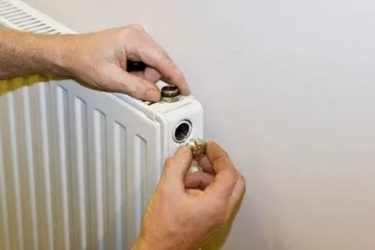
This problem is solved with the help of the Mayevsky crane, which will allow the air to be released and the battery to continue to work silently.
Quite often, at the beginning of the heating season, problems with noise in pipes can arise due to pressure that has not been equalized to the end.
When the pressure difference in the pipeline exceeds 1.5 atmospheres, tapping may begin.
In this case, the specialist must install a washer in front of the regulator nozzle, which will equalize the pressure.
In an apartment building, a circulation pump is responsible for the movement of warm water through pipes and heating devices in apartments.
If for some reason it starts to work incorrectly, then specialists should determine the solution: it may cost to install a special valve that will correct the operation of the pump, or it may go as far as replacing the unit.
If the cause of the noise is identified in the place where the heating battery joins the bracket, then you should think about replacing the brackets or choose an easier way - put a rubber lining between the battery and the fastener to prevent friction.
Leaks can be identified by yourself. To do this, it is enough to inspect the pipes in your apartment or house. If one can be seen with the naked eye, then this is good luck, and you can immediately take measures to eliminate it.
Having found out that everything is normal in the apartment, you need to go around the neighbors in order to search for a pipe from which water is leaking.
Video:
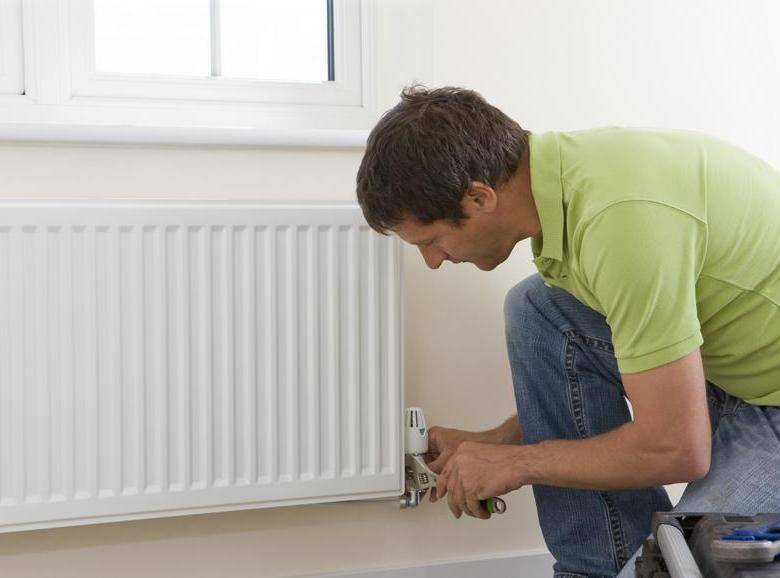



If the neighbors also did not find a leaking pipe, then it is necessary to inspect the main node of the heating system.
In an apartment building, it is located in the basement, going down into which you can immediately come across steam - it is he who signals the place of the breakthrough.
In this case, the emergency service is called immediately.
As it turned out, there are various causes of unpleasant sounds coming from radiators. But it will be easier to find out the reason now.
In most cases, it is better to solve the problem of eliminating noise according to the opinion of specialists, because they are guaranteed to have experience, knowledge, special tools and spare parts.
The main thing is not to hesitate, because this will help to avoid emergencies in the future.
Noise from the heating pump
When everything is in order with the pipeline and radiators, and the problem comes from the pump, then it is necessary to diagnose the type of its breakdown. Often noises come from malfunctioning components such as the rotor or impellers. With such a problem, the entire system suffers, because its efficiency drops. There are only two ways out: repair or replacement.
Noises from the circulation pump can be caused by external causes. These include voltage fluctuations. From here, an imbalance appears, a loss of synchronization and the coolant moves unevenly. From this, noise can appear both in pipes and in batteries. Therefore, you should think about this in advance and install an uninterruptible device. For pump diagnostics, it is better to contact a specialist.
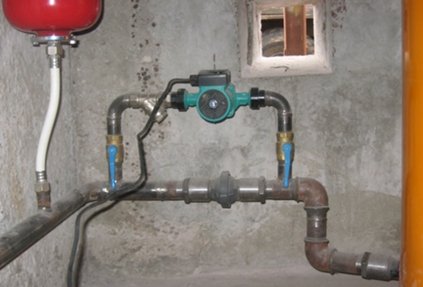
But there are times when the pump works stably, but the problem of noise and vibration remains. Then you need to check:
- The power of the equipment does not correspond to the initial calculated data.From this, the coolant moves either too fast or too slowly and creates different types of noise.
- Incorrect installation. Check the location of the device rotor. It must be in a horizontal position.
Only the most common problems and solutions are given. In life, it is quite problematic to understand why there is noise in the system. You need to contact a specialist, or if all the options have already been tried, you need to dismantle the heating and reassemble it with the same specialist, who can point out errors during installation.
Monotonous hum in the heating line
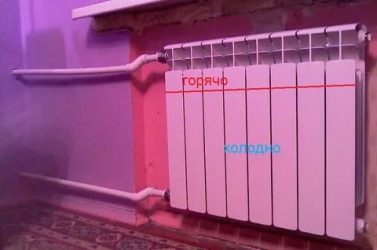
The most common cause of hum in the pipeline of the heating system is its airing. In order to check this, it is necessary first of all to check the quality of heating. If some sections of the radiator remain cold or not as warm as the neighboring ones, this is the main sign of air entering the system and the cause of the hum.
To eliminate this problem, as well as for uniform heating, it is necessary to release air from the system. Air enters the heating battery due to the following factors:
- incorrect installation;
- low pressure in places of heat supply;
- corrosion of metal structural elements;
- ingress of debris;
- incorrect installation of individual elements of the heating system;
- high air content in the coolant;
- incorrect start of the heating system;
- no air duct.
To solve this problem, it is necessary to eliminate air from the radiators, for this you need a screwdriver or a radiator key, as well as a water tank.
In order to solve this problem, you need to do the following:
- find a valve in the battery (older models are equipped with a valve instead);
- unwind it clockwise until a hiss of air is heard;
- air descends until drops of liquid begin to appear;
- wait until the water flows in an even stream;
- turn the valve.
Some radiators are equipped with a special option for automatic venting, which greatly simplifies the task.
Noise in radiators
Heating radiator repair
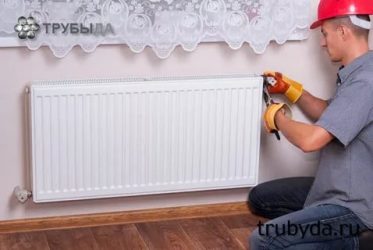
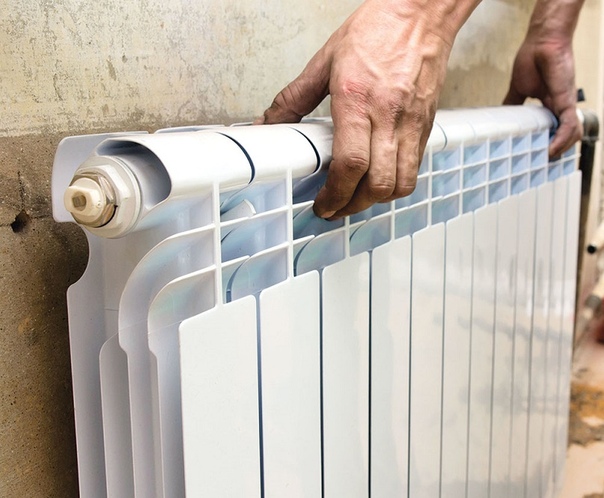
To determine why heating radiators are noisy, you must first check their condition. Often the reason for this is their breakdown - damage to the hull or other obvious design defect. In this case, battery replacement or restoration work is performed.
If everything is fine with the appearance and integrity, the type of noise is determined. More often the effect occurs in the form of clicks or a constant hum. This can be explained by several factors:
- The appearance of a small air lock. It only slightly hinders the movement of hot water, but at the same time there is a hum in the system;
- A large number of foreign elements in the heating device. This is a common reason why radiators make noise;
- Malfunctions in the operation of the thermostat. The locking rod has shifted, resulting in unwanted noise defects;
- Incorrect battery installation. Vibration during the flow of the coolant is transmitted to the mounting nodes in the wall.
These are the main causes of noise in radiators. After correct diagnosis, you can begin to work to reduce sound effects.
Mayevsky crane design
Eliminating the air lock can be done using the installed Mayevsky crane. It is designed for exactly this purpose.


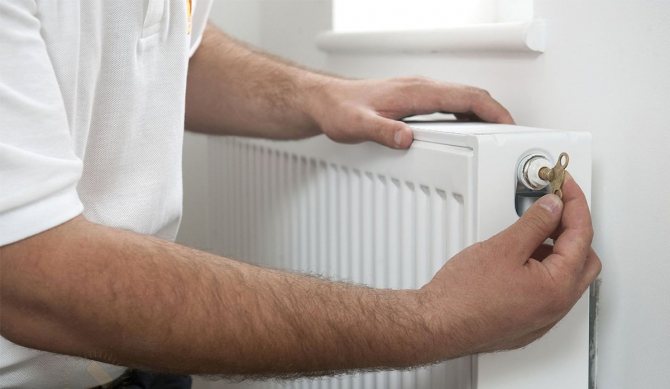


In case of noise from radiators, autonomous heating should be stopped so that the water temperature drops to + 25-30 ° С. Then you should do the following:
- Open Mayevsky tap.
- Gradually fill the heating system with water.
- Wait until coolant flows from the tap nozzle. It should weave for 1.5-2 minutes so that the air lock is completely removed.
Then the system is fully started and it is checked whether the noise has appeared in the heating radiators again. If the cause has been established correctly, this effect will no longer occur.
The concentration of debris in the radiator
To eliminate noise in the radiator due to a large amount of debris, the condition of the mesh filter is first checked. The presence of foreign elements in it (remains of rusting pipes and radiators, limescale) indicates a clogged system.
Finding out the cause of the noise in the batteries heating - the system should be cleaned. You can use several methods for this:
- Hydrodynamic. Debris and limescale are removed from the line and batteries under the influence of strong water pressure;
- Chemical. Special reagents decompose the blockage into small fractions, which are then washed out of the heating.
In this way, noise can be eliminated.
The easiest way to diagnose the appearance of noise in heating batteries due to improper installation. Its source is fasteners installed in the walls. In this case, you need to replace them and reinstall them.
Noise in heating radiators can be caused by more than just a problem in them. In some cases, the cause is the incorrect operation of other components of the system - boilers or pumps.Experts recommend a comprehensive approach to solving the issue of noise in heating batteries. Only a complete diagnosis will help determine the true cause.
Shooting and tapping radiators
In metal radiators, sharp sounds sometimes appear that resemble shots. These sounds are a consequence of the expansion of the metal: structural elements made of this material increase during heating and decrease when they cool. To prevent this factor, experts recommend using special insulation for pipes that are located close to the walls.
In addition, these sounds may be the result of improper installation of the structure or a violation of the rules for attaching heating batteries. To prevent this problem, you must strictly follow the installation instructions and the recommendations of specialists:
- the distance between the floor and the radiator should be 14 centimeters;
- from the windowsill, the battery should be located at least 10 centimeters;
- there should be a distance of 5 centimeters between the wall and the battery (a layer of insulation can be placed in it);
- pipes must be installed on a flat vertical surface;
- it is recommended to raise the end with an air vent by a centimeter.
In addition, periodic knocks can be heard in the heating system. Usually their occurrence occurs due to the difference in the diameters of the pipes used in the manufacture of the structure.
To prevent this malfunction, it is recommended to use elements with the same dimensions when installing the system. Instead of a diaphragm, it is better to install a regulator that monitors the pressure drop in the water supply to the heating battery.
The occurrence of extraneous sounds can also signal that the life of some structures has expired. You should diagnose the condition of the heating system and, if necessary, replace the radiator with your own hands or ask for help from specialists.
Radiator clicks and knocks: causes of crackling, knocking and clicking
Specific sounds in the heating system are created in the presence of foreign particles. Many reject this possibility, since the heating circuit of a private house is looped, it is a closed system with a small circulation of the coolant. But the appearance of debris in the batteries, due to which they knock, is a cumulative phenomenon.
The water used in heating does not pass through filters, but is taken from a regular water supply. With constant heating, metal salts settle on the walls of pipes and batteries, forming scale.
Breaking away under the pressure of water, the particles move from place to place, they seem to click.
For a private house, it is much easier to eliminate the problem of crackling, knocking and clicking in the battery than for an apartment building. Almost any owner can do it on their own. Through the flow valve, the coolant is drained into the sewer. The heating circuit and adjacent communications are washed with clean water. Then the coolant is replenished again.
If the valve malfunctions, a simple replacement of the obsolete element is sufficient.
It is interesting: Faucet handle broken "Aquaterm" - what to do?
Murmur, rustle. Gurgling, the sound of pouring water in the battery
When such sounds appear, the reasons may be the following:
- The appearance of an airlock;
- Clogging of the heating system;
- Damaged gaskets.
Airing the heating system is the most common problem with the appearance of extraneous sounds in the system. Air may appear due to the poor quality of water or coolant. This is especially true for aluminum radiators. Water with high acidity and alkalinity reacts with the metal and gas is released, which creates a blockage.
The second reason for the appearance of air is a poor-quality coolant. Over time, it may begin to break down and release oxygen or other gases (sometimes hazardous to health).


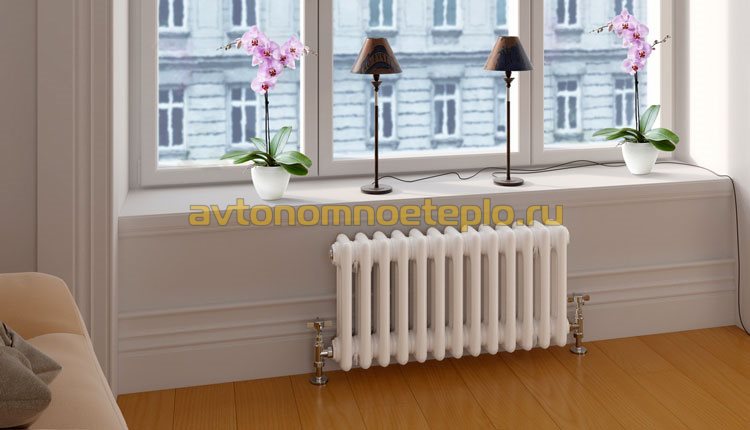

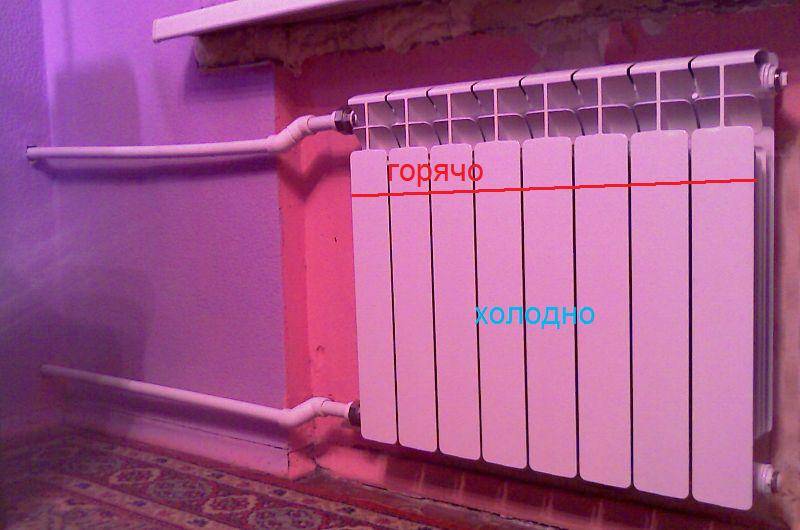
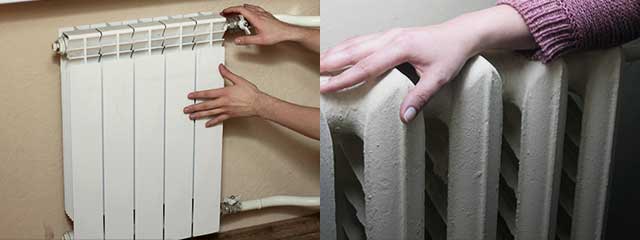
Finding an airlock in a radiator is easy. It is enough to touch it with your hand from above and below. If the upper part of the battery is less heated, air or gas has accumulated there.
If a Mayevsky crane is installed on the batteries, bleed the air from each individual radiator. After that, wait 15-20 minutes and repeat the process. If there is no Mayevsky crane, the process will become more complicated. Read more about this in the article "How to properly bleed air from a heating battery with your own hands."
Knocking in highways
How to find the source of knocking in pipes? To do this, you need a keen ear. If strong blows are heard from time to time, then the best solution would be to replace the valve that blocks the riser. Plumbers from housing and communal services are required to replace such units at the request of residents.
Knocking in the pipe may be associated with a change in the temperature of the water in the riser or with a hot water supply. To identify the problem in such cases, it is necessary to inspect the main and outline the places where the water supply is in contact with other stationary objects.
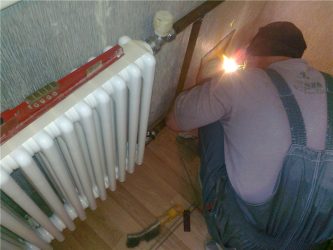
Poorly fixed sections of the water line are fixed with staples, anchors or welded to eliminate knocking.
You can also eliminate the contact of two pipes by creating a gap between them, and thus get rid of knocking in the lines.
Even the most modern heating system is not protected from the appearance of extraneous noise during its operation. There can be several reasons for this, ranging from improper installation to operating conditions. How to diagnose and eliminate noise in heating systems: batteries, radiators, pumps, pipes? To do this, you must first understand the factors that cause this phenomenon.
What to do if the radiators are noisy?
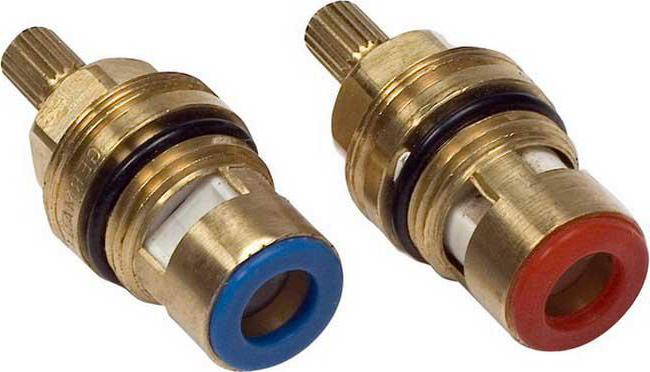
Hearing strange sounds from the battery, you can independently perform simple manipulations. First of all, check how the shut-off valve works by turning it several times from one extreme position to another and back. The difficult rotation of the valves indicates its incorrect operation. A good result is the replacement of the rubber gasket in the tap.
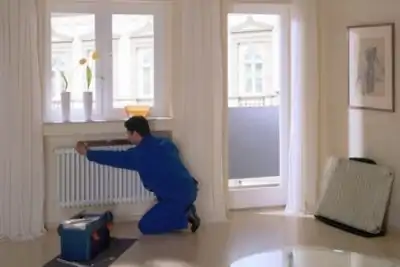
Next, a thorough inspection of pipes and radiators is carried out. It is possible that a fragment with a lower temperature than neighboring areas will be found.
Between the contiguous pipes or the radiator and its mount, it makes sense to lay rubber liners. This will eliminate the cause of knocking and clicking.
If the noise does not stop, you should seek help from a specialist in the management company. Do not try to interfere with the operation of the entire heating system, this can harm both yourself and your neighbors.
Murmur, rustle. Gurgling, the sound of pouring water in the battery
When such sounds appear, the reasons may be the following:
- The appearance of an airlock;
- Clogging of the heating system;
- Damaged gaskets.
Airing the heating system is the most common problem with the appearance of extraneous sounds in the system. Air may appear due to the poor quality of water or coolant. This is especially true for aluminum radiators. Water with high acidity and alkalinity reacts with the metal and gas is released, which creates a blockage.
The second reason for the appearance of air is a poor-quality coolant. Over time, it may begin to break down and release oxygen or other gases (sometimes hazardous to health).
Finding an airlock in a radiator is easy. It is enough to touch it with your hand from above and below. If the upper part of the battery is less heated, air or gas has accumulated there.
If a Mayevsky crane is installed on the batteries, bleed the air from each individual radiator. After that, wait 15-20 minutes and repeat the process. If there is no Mayevsky crane, the process will become more complicated. Read more about this in the article "How to properly bleed air from a heating battery with your own hands."
Garbage in batteries can appear for several reasons:
- Poorly purified water in the heating system;
- Decomposition of the coolant with the release of solid particles;
- Corrosion of the inner walls of radiators;
Small particles of rust and sand rub and hit the internal walls of the batteries, as a result of which an extraneous sound appears, like a rustle or rustle. The only way out is to flush the radiators.
Destruction of gaskets can occur due to:
- Their low quality;
- Waters with high acidity;
- Aggressive coolant;
- Flushing the system with strong detergents.
In this case, the only option is to replace the gaskets. Moreover, they need to be changed not only at the inlet and outlet of the radiator pipes, but also between sections.
Noise in heating boilers
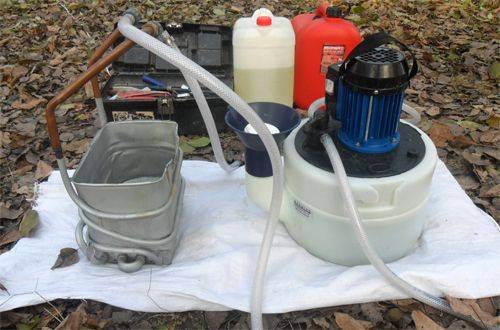
Constant noises in the heating boiler occur for the same reasons as pipes and radiators. Most often, this is the deposition of lime and clogging of the heat exchanger. But it all depends on the design of the equipment and the principle of its operation.

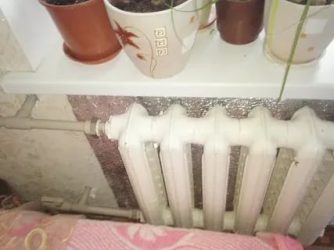


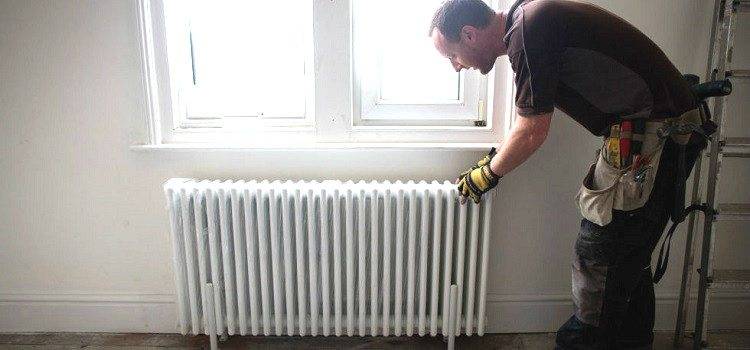
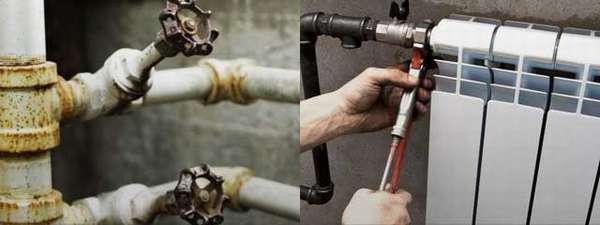
If timely cleaning the heating system did not give results - you should look for reasons elsewhere. In practice, the noise in the boiler may indicate its incorrect operation. Therefore, it is best to call specialists from the service center who will eliminate the cause under warranty or by taking a moderate fee.
If it is impossible to perform these steps, you can try to independently determine the cause of the noise in the boiler. It largely depends on the design and type of fuel used:
- Solid fuel models. Extraneous sounds may occur in the chimney. This is facilitated by its clogging and a decrease in traction. To eliminate it, clean the pipe and start the boiler at full power;
- Gas. Uneven burner operation. This is typical of older models without flame and CO2 control devices. It is best to install a new modulating burner;
- Diesel and waste oil. A characteristic whistling sound comes from the injector nozzle. This indicates an excessive amount of soot, which also prevents the complete heat transfer of the combusted fuel.
After identifying the causes, you should try to fix them at home. Cleaning is carried out only according to the method recommended by the manufacturer of heating equipment
It is important to choose the right cleaning products and technology for their application.
In the video you can see the technology for removing air pockets that cause noise in heating:
In multi-storey buildings, you can hear various extraneous sounds, especially when the walls in the apartments are not soundproofed enough. It is not uncommon to knock on pipes and crack, which is heard in the heating system. Such phenomena indicate the unstable operation of the heat supply structure or the presence of malfunctions in it.
Batteries click, shoot, rattle
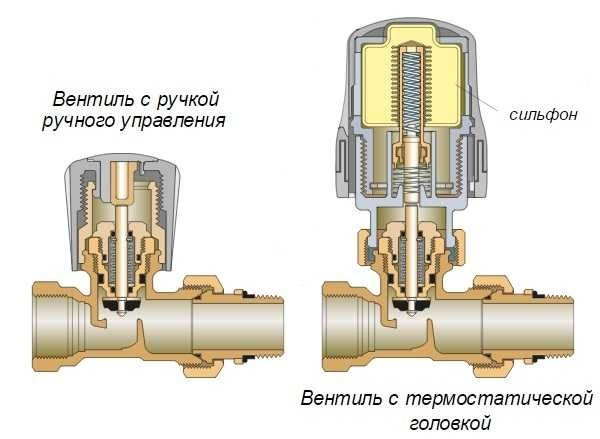
If a thermostat (thermal valve) is installed in the heating system, the reason may be in it. Check if it is located correctly. On its body there should be an indicator of the direction of the flow of water or coolant (see photo). The only way to get rid of knocking in the battery is to remove it and put it in the right direction.
Don't be lazy! Right now, check if the regulators in your apartment or house are installed correctly.
Temperature controller with flow direction indicator
Sometimes pipes can knock. This happens when they are placed too close to a wall or furniture. Due to the strong pressure, the heating system may begin to vibrate. And it is not always noticeable to the eye. You can solve the problem by wrapping the pipe in insulation or a thin piece of rubber.
Noise in heating pipes
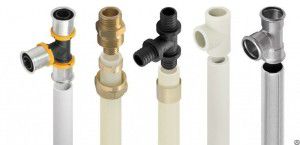 Types of heating pipes
How to determine why the heating pipes are noisy and what caused this phenomenon? The first step to identify the causes is to follow the methodology described above. So, a constant hum may indicate incorrect operation of the circulation pump.
Water noise in heating pipes can be caused by a number of factors. Often they are complex in nature - as if building on each other, they create a complex kind of sound effects. Let's deal with the cause of noise in heating pipes by the nature of the sound:
- Seething and clicking indicate a blockage in the pipes.A decrease in the passage diameter creates excess pressure in a certain section of the system, which is the cause of the noise;
- Cracking is the cause of the breakage of the air valve. After checking it and finding a malfunction, replace it;
- Vibration is due to improper installation. Noise in the heating pipe occurs when the coolant passes - the line can hit the wall.
The easiest way to get rid of extraneous sounds is to flush the heating system. To do this, you can use the methods described above. Diagnosis of incorrect fastening is carried out by touching the line. If there is a strong vibration with the simultaneous noise of water in the heating pipes, additional fasteners should be installed.