- Prohibited and allowed options
- Cases when it cannot be transferred
- Private buildings on one floor
- General rules
- In what case is permission given to transfer the kitchen to the room?
- How to transfer a gas stove?
- Apartment redevelopment
- Ventilation
- What can and cannot be done?
- When moving the kitchen to the room
- When moving to the corridor
- Through the bathroom
- Other options
- Redevelopment of the kitchen and its features
- How to legalize the transfer of the kitchen to the living room?
- Project approval
- How to legalize the transfer of the kitchen to the living room - options for standard apartments
- Standard Rules
- Purpose of the kitchen
- How to legalize reconstruction?
- What to do if the redevelopment has already been done?
- How to legalize the transfer of the kitchen to the living room - options for standard apartments
Prohibited and allowed options
Cases when it cannot be transferred
- After redevelopment, the kitchen room will be located directly under the bathroom of the neighbors from above.
This option can be obtained if you increase the area of the new premises due to the square meters of the bathroom by demolishing the partition.
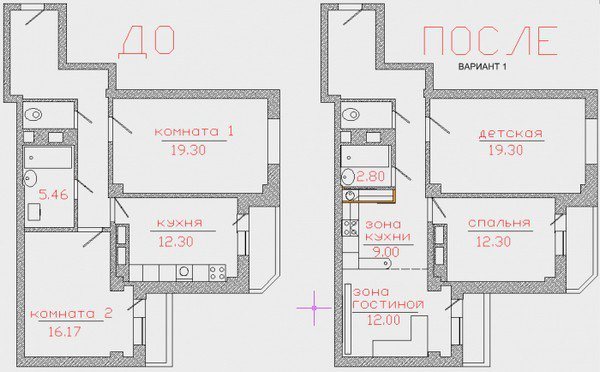
There are exceptions here.
- This can be done if you have a two-story apartment.
- You can do this if you live on the top floor.
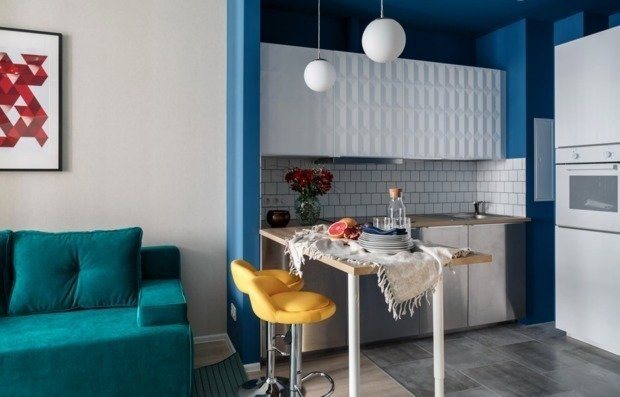
Kitchen moved to the living room along with communications
- Under the new kitchen after redevelopment are the living rooms of the neighbors.
There are exceptions here too.
- You can do this if you live on the first floor.
- This can be done if there is a non-residential premises under you. As a rule, these are premises for commerce on the first floors of apartment buildings. They can occupy one or two floors. With housing on the second or third floor, there is a chance to agree on the project in accordance with all the rules.
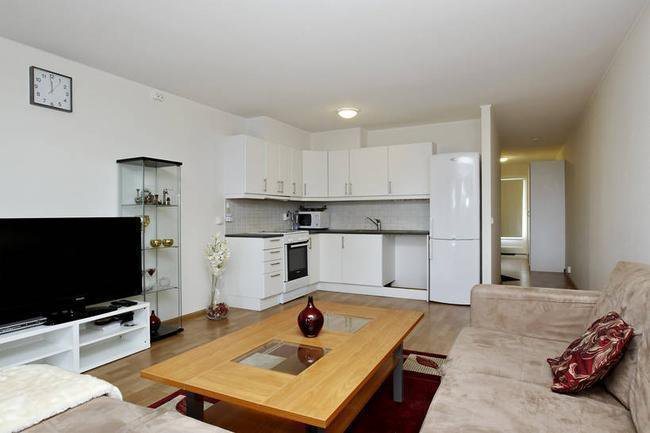
Kitchen in a large living room. Water supply and sewerage are connected from the bathroom behind the adjoining wall
- The neighbors above the kitchen will have a toilet or bathroom.
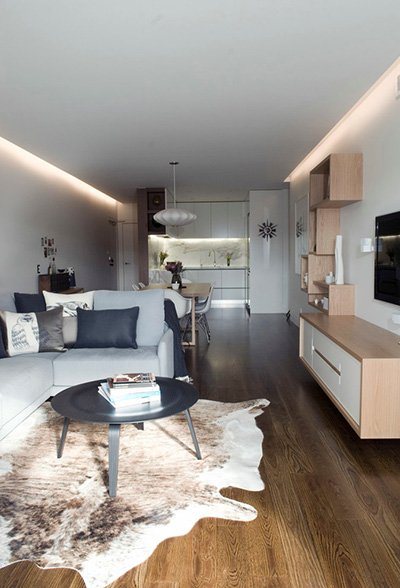
It is good if the location of the new kitchen is close to the original location. Then it will be possible to avoid problems with the supply of sewage, water supply and ventilation pipes.
- The kitchen is gasified.
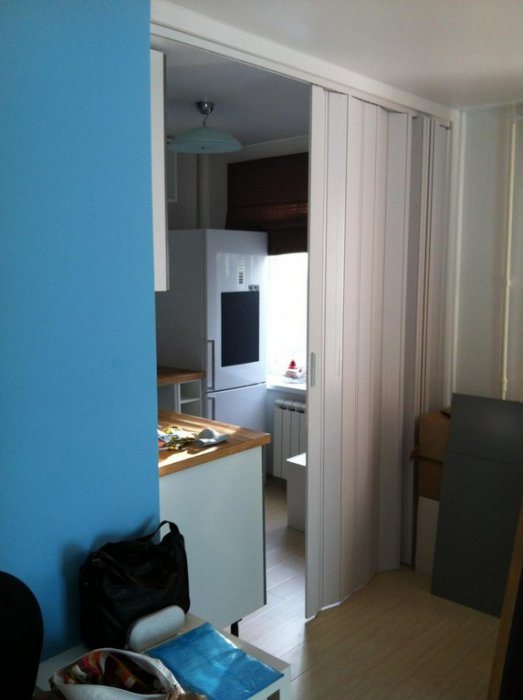
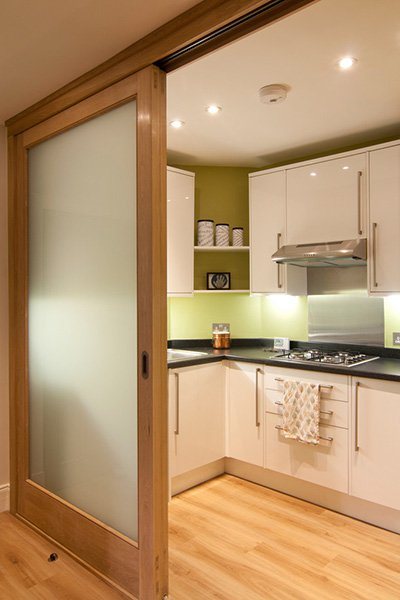
It is impossible to demolish the partition from the living room in a gasified room, because. according to the rules, it should be isolated. Let's make sliding doors.
Exception: you can legally refuse gas in your apartment in a single person by applying to the municipality. A special commission decides on a project for the reconstruction and transition to a new billing for electric stoves. After making changes to the technical plan, you can coordinate the time of work with gas services. The contract with old service providers is terminated and a new one is concluded with electricity suppliers.
- From the kitchen there will be an exit to the toilet or bathroom.
Private buildings on one floor
How to legalize the transfer of the kitchen to the living room? This question worries everyone who started the redevelopment of the apartment. When it comes to a private house, there are no problems.Previously, they demanded to collect a certain list of documents, which included permission from the gas supply organization, the consent of all co-owners, a project with confirmed sanitary standards and registration of the USRN (formerly BTI).
At the beginning of 2017, a law came into force, which greatly facilitates the coordination of redevelopment in private homes. To obtain permission, it is enough to contact the MFC. After that, all documents will be transferred to the territorial housing inspection.
General rules
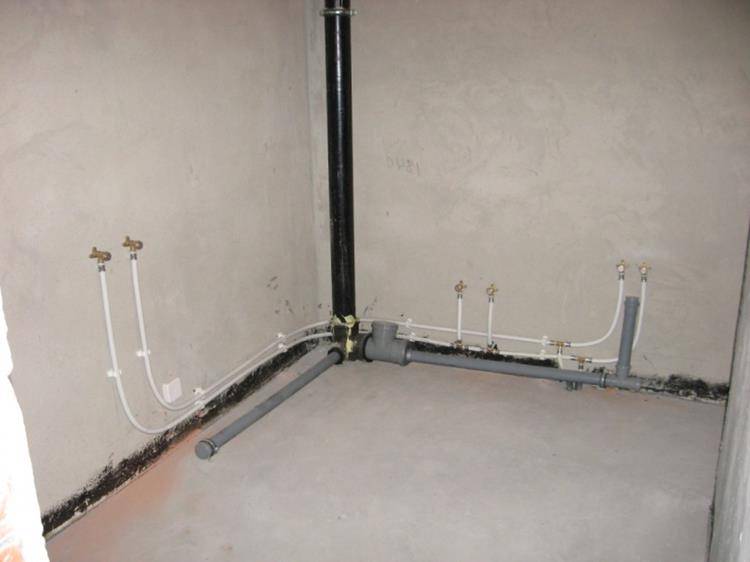
Any change in the position of engineering networks in the apartment is a redevelopment. If the sewerage is being transferred, all actions must be conditionally divided into 2 stages:
- coordination of redevelopment, obtaining permission to carry out work;
- execution of the technical part.
Transfer of sewerage in the apartment is necessary
coordinate with the BTI and other authorities. Without going into details, we note
the complexity of this procedure. First, you need to do a survey of the premises and
consult with experts. It is necessary to find out to what extent the expected
changes are possible and acceptable.
Second, you need a detailed
plan for upcoming changes. It must be approved, then it will have to be agreed
work in the architecture department, etc. Officials or persons in charge are reluctant to go
to meet the owners of apartments who want to make drastic changes. There is
well-defined rules:
- transfer of the sewer riser in the apartment is prohibited. Here, several restrictions apply simultaneously regarding property rights (the riser refers to common house property), technical (changing the configuration of engineering networks is prohibited).In addition, the placement of wet rooms above the living rooms of neighbors from below is prohibited by housing legislation;
- it is forbidden to destroy or reduce the size of load-bearing walls. Similar actions are often performed when combining two apartments or attaching a kitchen to a room;
- if the kitchen is moved to the living room, the sewer can leak and flood the neighbors from below. Regardless of whether a flood occurred in a residential or ancillary premises, claims will arise against the culprit.
Given these difficulties, officials
try not to take risks and do not give permission to perform work. Effects
illiterate transfer
sewers can
touch the one who gave permission for this step. Especially since the rules
talks about changes in the general sewerage scheme of the house, and these include any
work.

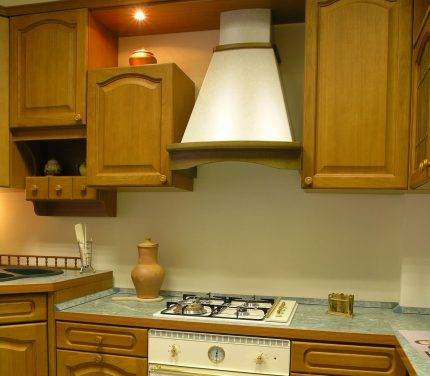
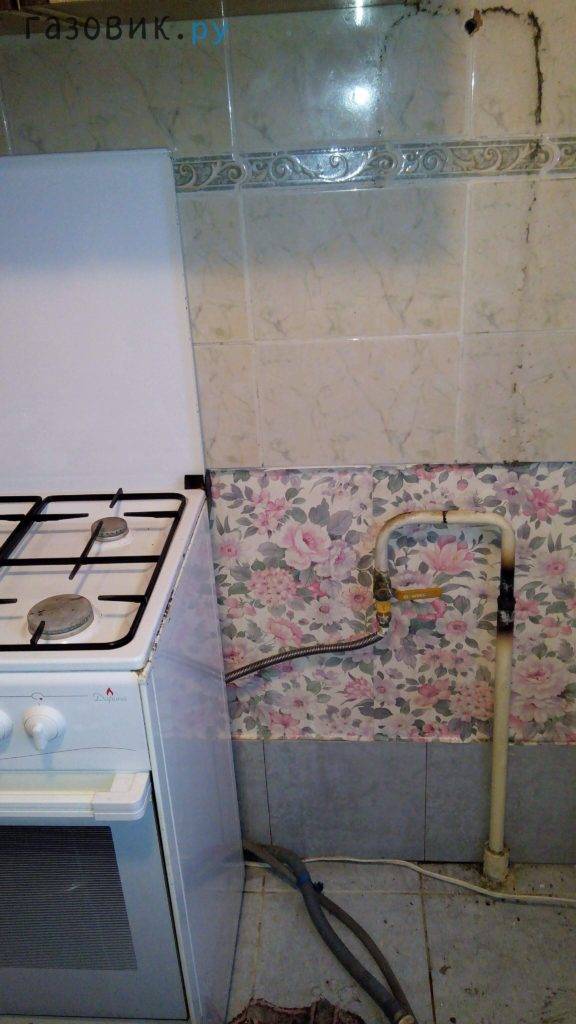


Therefore, before sewerage into
apartment to another room, you should critically consider your plan and
weigh his weaknesses. If there are too many of them, it is better to look
other, less problematic options. This will save you time, money,
Eliminate unpleasant conversations with neighbors.
In what case is permission given to transfer the kitchen to the room?
When studying all the regulations, it seems that it is simply impossible to obtain a work permit. However, it is not. Although there are numerous prohibitions, it is quite possible to carry out the transfer of the kitchen. In what cases will the law be on the side of the apartment owner?
- The location of housing on the ground floor allows you to transfer the kitchen to any room. The main thing to clarify is that basements are not considered residential.
- For owners of apartments on the top floor, it is allowed to shift communications towards the bathroom or toilet.
- If there is a pantry or an entrance hall under the kitchen, then it is quite possible to get permission for redevelopment.
- In multi-level apartments, you can move the kitchen space to any room on the second floor.
- If there are shops, cafes and other non-residential premises under the apartment, then redevelopment is allowed without any restrictions.
In addition to the above, it is necessary to pay attention to one more important point. Even with compliance on all counts, you can get a refusal if the room is less than 8 m2
There are also certain temperature requirements. It should be between 18°C and 26°C.
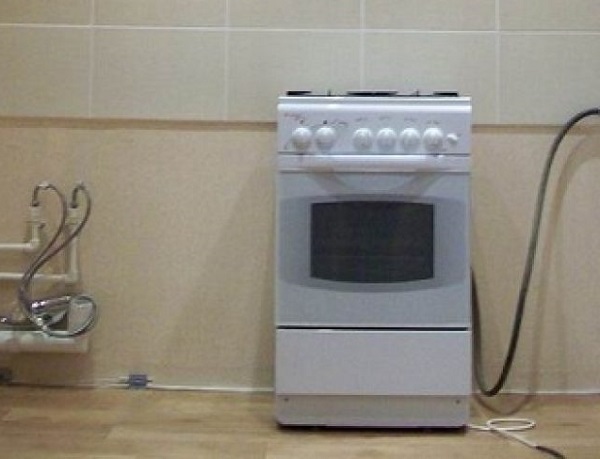
How to transfer a gas stove?
gas stoves
are the most common appliances in our kitchens. Started
install such units more than a hundred years ago, and the housewives immediately appreciated
the convenience of gas stoves. Of course, modern models are strongly
different from their "great-grandmothers", they acquired more functions, became
safer and more convenient to operate. And also retained a common feature of all
gas stoves - durability. When used correctly, stoves are extremely rare
are out of order.
But for all its
reliability, gas stoves are classified as high-risk appliances. Violation
rules of operation threatens with extremely serious consequences. That's why,
reorganizations associated with the transfer of gas stoves require registration
permissions.
During renovation
kitchen space, it often becomes necessary to place the stove on another
place. If the stove is electric, then the owner can carry out the rearrangement himself and
no permits are required for such alteration. When moving gas
plates, it becomes necessary to lengthen the gas pipeline pipes in order to ensure
gas supply. It is not permitted to carry out such work on your own. Realize
Only a specialist from the Gas Service can intervene in the gas pipeline.
economy.
For this you
you will need to issue a call to the master at home. Immediately tell the model and brand of your
plates, such foresight will save time. After all, otherwise
case, the master who came to the call may not have the necessary
details, and you will have to issue a call again.
Because the
the location of the gas stove is marked on the BTI plan, then its movement will be
be considered a redevelopment. Therefore, it is necessary to preform
permission to rebuild.
However, it should
to know that when issuing permits, the Housing Inspectorate is guided by the current
norms, and if they are violated, approval will be denied. For example, you decide
carry out redevelopment with the analysis of the partition between the kitchen and the adjacent
room. If the apartment is
one-room, then redevelopment may be prohibited on the basis of what is not allowed
place gas appliances on the territory of residential premises. And in case of parsing
partitions, there will not be a single room left in the apartment that will
be considered residential. However, in some areas such redevelopment is allowed
subject to the separation of the kitchen area from the living room light sliding
partition.In the event that the apartment has two or more living rooms, then
As a rule, there are no problems with obtaining permission.
So can
difficulties arise with the coordination of redevelopment, including the transfer
kitchens in the living room. Such redevelopment may be allowed
only on the condition that there are no residential premises under your apartment. Coordination
such a reorganization takes place according to a project in which, among other things,
be calculated the extension of the gas pipeline. This section of the project must be approved
City Gas Service.
Concerning
the cost of coordinating redevelopment, consisting of the transfer of a gas stove, then
it includes two components - payment to the Gas Service, whose masters
carry out repairs, and payment for approval by the Housing Inspectorate.
The gas transfer itself
plates is nothing complicated and can be done by the owner himself.
Masters will also need to pay for the fact that they bring gas to the stove. How
would such a service cost? It depends on how far from the pipe
gas pipeline is now located stove. In case the movement
insignificantly, you will just need to replace it with a longer sample, a hose, according to
to which gas is supplied. This service is inexpensive. At large
distances, it will be necessary to connect additional pipes to the gas pipeline, which
is more complex and therefore more expensive. Usually, services
Gas services for moving the plate cost 1000-3000 rubles.
Coordination of such
redevelopment in some departments of the Housing Inspectorate are free of charge. But there is
areas where you have to pay for such approval, the amount of the receipt,
which will need to be submitted to the inspection department is 2000 rubles.
To avoid
unpleasant surprises when agreeing, it is better to get a preliminary
consultation on whether the planned redevelopment meets the standards and
rules.
Apartment redevelopment
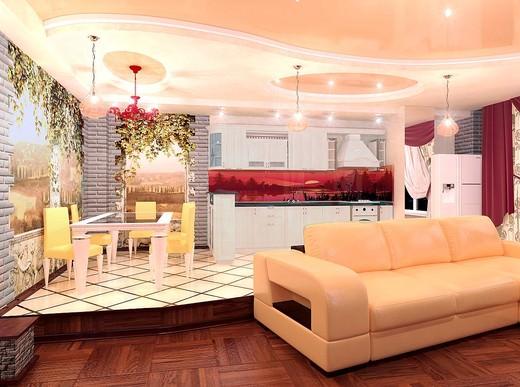
The kitchen combined with the hall is a very rare phenomenon, but undoubtedly original.
The kitchen can be moved to a corridor, a living room or another room (depending on the features of the house plan). In most cases, kitchens with an area of less than 10 square meters are transferred. m. The transfer process is quite complicated both in terms of coordination and implementation, because it is necessary to transfer and connect engineering communications to existing pipelines, as well as take care of ventilation.

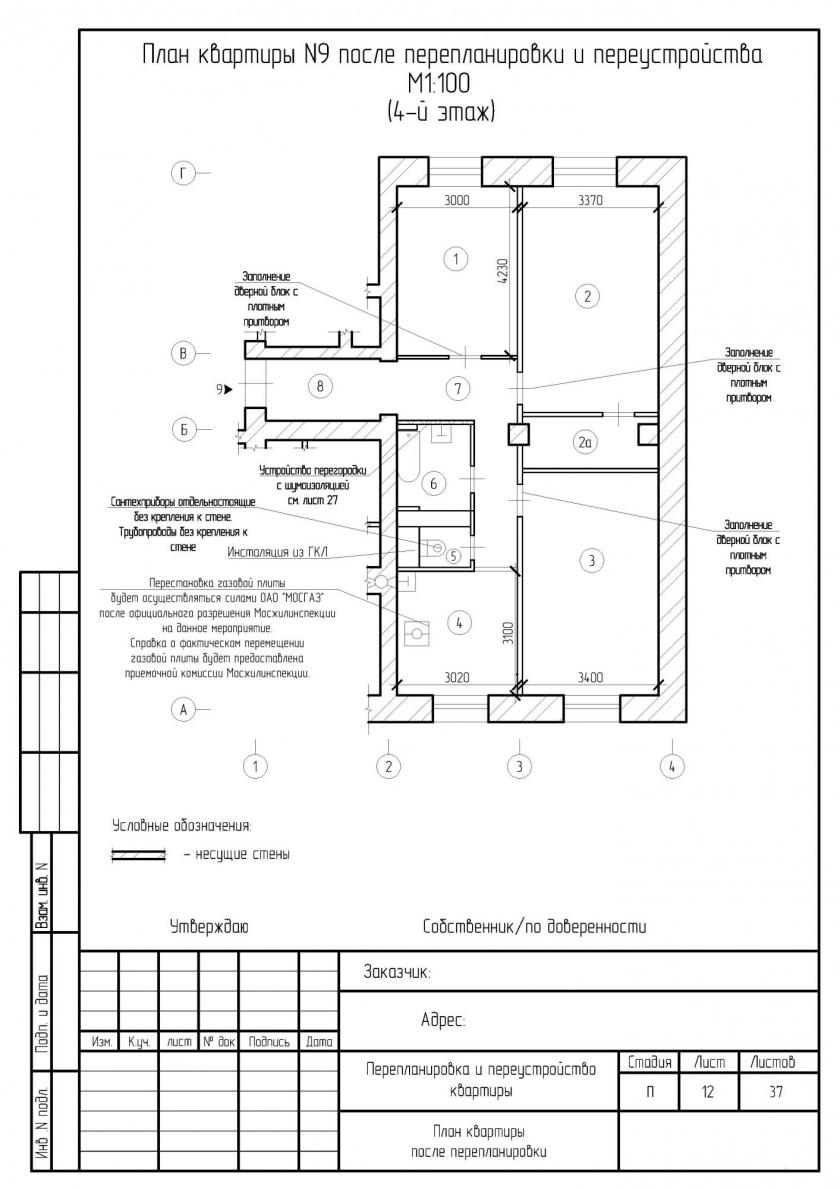


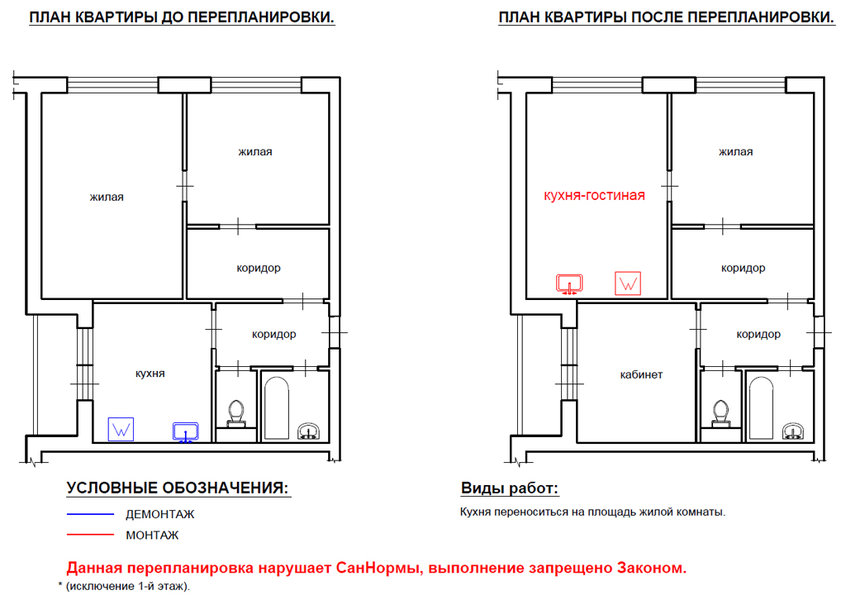

For example, to ensure the gravity flow of sewage, pipes must be laid at a slope. The required slope angle will be quite difficult to provide when moving the kitchen to distant rooms. In addition, it can be difficult to run sewer pipes without getting into doorways. If, for similar reasons, the proper slope is ensured, there is no possibility, a sewage pump is used. Its use makes it possible to carry out a sewerage system without a slope. The only downside is its cost.
Ventilation
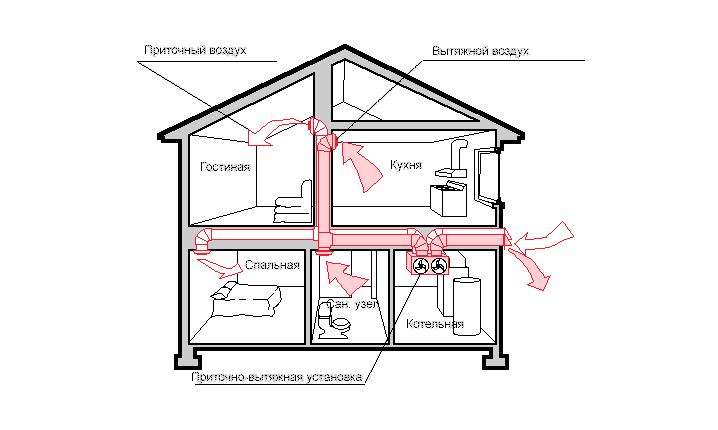
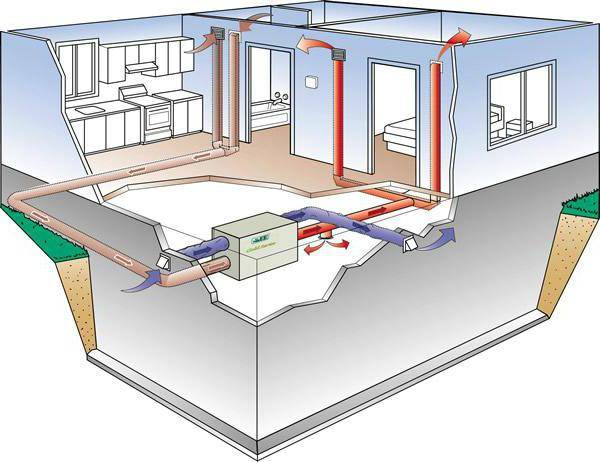
The redevelopment of the apartment provides for additional ventilation. Initially, the channel is mounted with the calculation of the dimensions of the room and direct traction. When transferring, you will have to use pipes and ducts that will redirect the air flow. Traction deteriorates significantly if the structure is equipped with a large number of turns, and is also removed from the channel for a long distance.For example, after 10 meters you will need to use forced ventilation. For this, fans are installed
It is important to understand that the vent cannot open into other rooms.
What can and cannot be done?
There are many prohibitions and restrictions regarding the galley.
When moving the kitchen to the room
Is it possible to redevelop the apartment - transfer the kitchen to the living room? The location of apartments in a residential building is typical, and the floor plans are the same. The kitchen has pipes for supplying water and draining it after use; in the event of an accident or leakage, the downstream premises will be flooded.
Is it possible to agree on such a redevelopment - a kitchen instead of a room? If the kitchen is moved to a bedroom or a nursery, or another room, then this constitutes a potential threat of flooding a similarly located room on the lower floor with water, therefore such redevelopment is prohibited.
This prohibition does not apply to the first floors of residential buildings.
When moving to the corridor
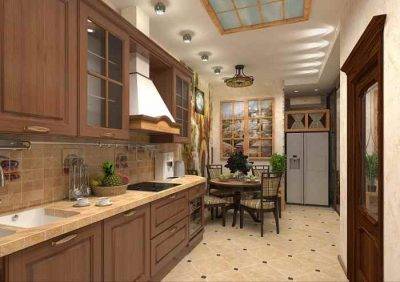 Will they be allowed to move the kitchen to the hallway? The corridor is a non-residential area, when combined with a galley, this is a plus.
But not always the squaring of the corridor is sufficient to allocate space in it for an unhindered, comfortable passage, and a niche for kitchen equipment.
The kitchen in the hallway is not the best solution, but to fence off a niche for placing a stove with an extractor hood, a sink is quite reasonable.
Ideally, if ventilation does not require metamorphosis, and will be carried out through existing kitchen vents. channels, since the use of gas appliances without natural ventilation is prohibited.
It is impossible to destroy load-bearing walls without agreement with the designer and without taking measures to strengthen the new opening.
Through the bathroom
In the "Khrushchev" such a redevelopment will not work, since expanding the small kitchen towards the bathroom, moving the partition is the only legal way, and it is unrealistic to move in the Khrushchev bathrooms.
Modern apartment layouts make it possible to slightly reduce the bathroom and expand the kitchen, but it is hardly possible to globally solve the problem of turning a galley into a mess room in this way.
It is categorically unacceptable to change these rooms in places, only move the partition towards the bathroom, expanding the kitchen. Exit from the bathroom to the kitchen is prohibited.
Other options
The most problem-free way to increase the galley is to combine it with a pantry or a dressing room, if they are adjacent, and they are separated not by a load-bearing wall, but by a partition.
In this case, global changes are not needed, because:
- ventilation remains in the design version, natural, and using existing ventilation ducts;
- on the lower and higher floors there are also auxiliary premises, non-residential purposes;
- natural light is preserved in its original form.
In recent years, it has become fashionable to use an island arrangement of kitchen equipment, it is interesting and convenient, but you will need to move a gas stove, supply pipes for water supply and outlet networks, and lay out electrical cables.
A lot of approvals and a considerable cost of work - this is the price of applying the trend in your apartment.
Redevelopment of the kitchen and its features
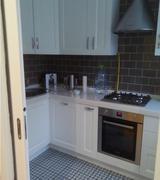
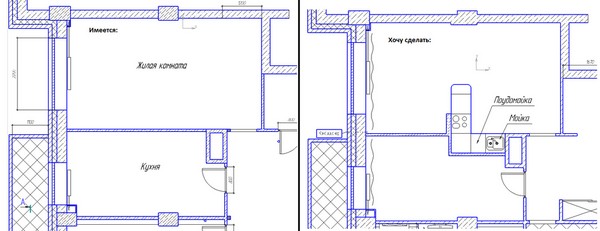
How to make a room out of the kitchen? Kitchen redevelopment is a complex undertaking both technically and legally. First of all, the principles of using residential premises are taken into account:
- taking into account the rights and interests of neighbors;
- compliance with fire safety standards;
- compliance with sanitary and hygienic standards.
These are not recommendations, but requirements enshrined in the Rules for the Use of Residential Real Estate. When transferring the kitchen to the room, they are often violated.




Invalid actions
Is it possible to place the kitchen above the living room?
The owner will have problems with supervisory authorities in the event of:
- placement of bathrooms and toilets above kitchens and living quarters (SanPiN 2.1.2.2645-10; SNiP 31-03-203);
- moving the kitchen to the living room (clause 22, Decree of the RF Prospect No. 47 of January 21, 2006);
- placement on the freed up area of a bedroom, nursery or even a living room;
- combining a gasified kitchen with rooms for permanent residence.
How to legalize the transfer of the kitchen to the living room?
I am renovating my apartment. I want to swap the kitchen and living room. How can I legalize it? Tell me the course of action.
We would love to highlight the correct procedure for transferring the kitchen to the living room, but there is none. Unfortunately, such redevelopment cannot be legalized.
By law, it is forbidden to place a kitchen above the living rooms of neighbors below. This is stated in paragraph 24 of the Decree of the Government of the Russian Federation dated January 26, 2006 No. 47. It will also not work to move the wall and expand the kitchen at the expense of another room.
The ban does not apply if you live on the ground floor or on the first floor and there is non-residential premises below you, such as a grocery store or restaurant. In this case, you can safely move the kitchen to another room. To do this, you need to apply with a redevelopment project and an application to the local housing inspection for permission.
Firstly, only the sink and stove are reflected in the plans of the BTI.If you are not going to transfer them, there will be no harmonization problems. A kitchen island and refrigerator can also be placed in the living area. That is, if you want to make a niche kitchen and a large dining room at the expense of the room, such a redevelopment will not violate the law.
Secondly, the stove and sink can be moved to other non-residential premises - a corridor or a pantry. You can't go to the bathroom or toilet. It is believed that in this way you will worsen your living conditions - place the kitchen under the wet zone of the neighbors from above.
There is another limitation: the kitchen must have natural light. That is, your new kitchen should have a window or light should come from another room, for example, through a glass partition.
It turns out that the kitchen can be moved to the corridor or pantry, but not to the bathroom.
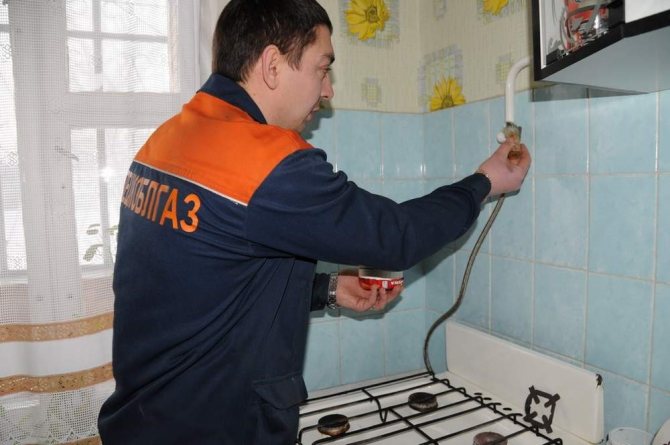
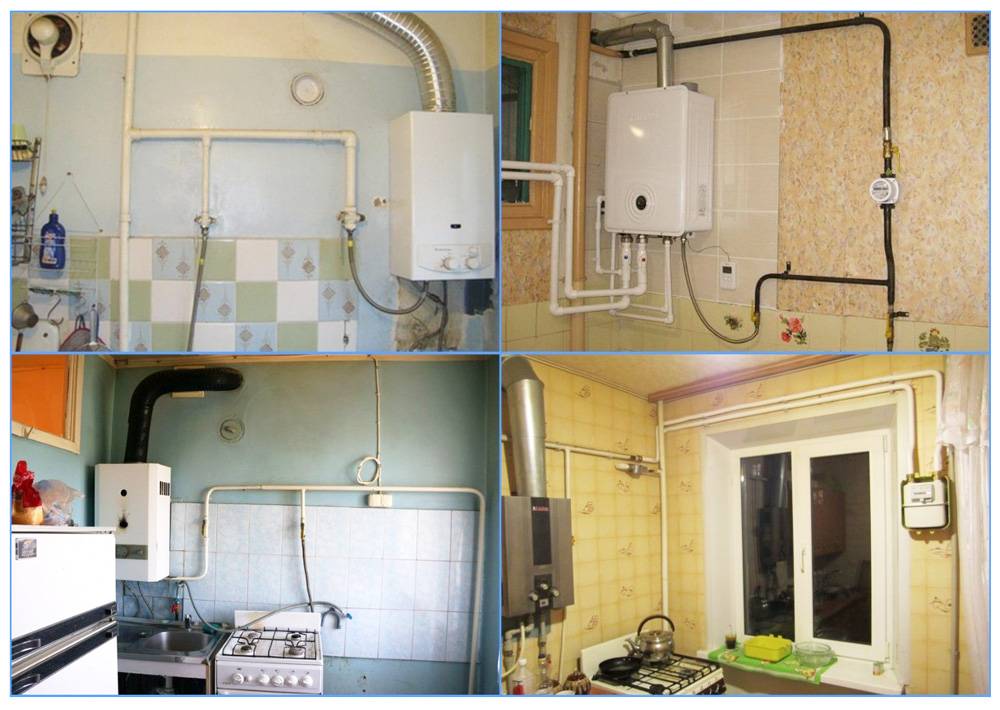
More difficult with a gas stove. It is almost impossible to move it, because the kitchen with such a stove must be insulated, and it is forbidden to pass the gas pipe through the living quarters. And it's dangerous.
It is better not to touch the gas stove at all.
Thirdly, despite the fact that there should not be living quarters under the kitchens, it is possible to enlarge the room at the expense of the kitchen and vice versa. To do this, you need to make a new room non-residential on paper. In project documentation, such a room can be called an office or a living room.
Perhaps there are other tricks that designers know about. To do this, we advise you to contact a competent architect to develop a project.
Project approval
Remember that moving a kitchen without project approval is impossible, because it needs to be reflected in the BTI documents. Even the transfer of a sink within the kitchen requires prior permission from the housing inspectorate.
If you decide on an illegal redevelopment, unpleasant consequences may await you. For example, downstairs neighbors will complain that you are rattling pots over their bed. Then the housing inspection may come to you with a check. She has the right to issue a fine of 2000-2500 R and order to bring the premises to its previous state. We'll have to break everything and return the kitchen back, otherwise the court and the sale of the apartment at auction threaten.
In addition, in the future you are unlikely to be able to sell an apartment with illegal redevelopment. The bank will definitely not approve mortgages for potential buyers.
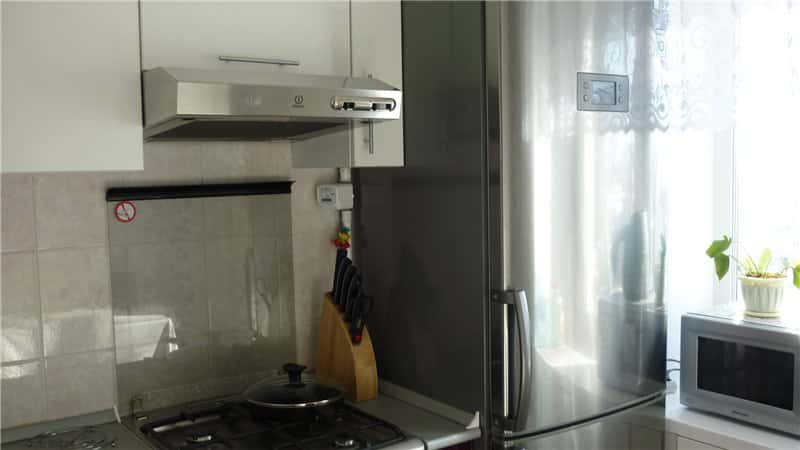


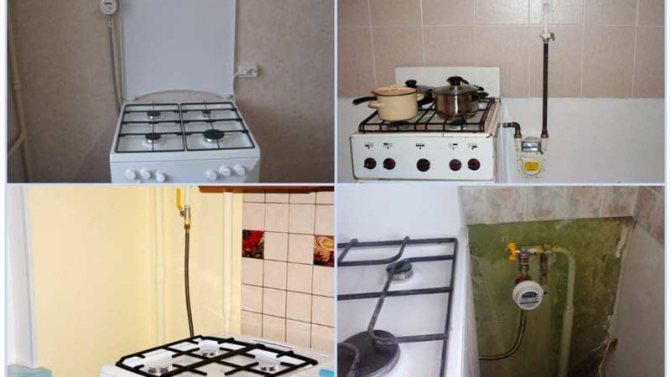


How to legalize the transfer of the kitchen to the living room - options for standard apartments
How can you redesign the kitchen in a typical apartment?
There are no problems with the transfer of the kitchen to the living rooms:
- In duplex apartments.
- For residents of the upper floors, without affecting the area of contact between bathrooms and other auxiliary premises of residents of the lower floor.
- The conditions are feasible in the apartments of the first level of the house, located above the shops and other non-residential premises.
In the above cases, there is no deterioration in the living conditions of other citizens, but plans still need to be coordinated. For approval, you will have to think carefully about the options.
Possible Solutions
There are two ways. The combined kitchen-living room is organized without changing the location of technological and sanitary equipment. Economic area with all those. nodes is moved to a non-residential premises according to the project.
What should be taken into account in this:
- it is possible to combine two adjacent rooms during the design installation of an electric stove;
- in the case of gasification, it is not permissible to completely remove the partitions between the rooms.You'll have to get creative by building non-standard arched doors or sliding panels. But only after agreement with the BTI.
- almost a win-win option - moving the kitchen to the corridors and verandas. However, it is necessary to design new communications and make changes to the registration certificate of housing. This is done by specialists of the Bureau of Technical Inventory.
If by hook or by crook the kitchen was moved to another place, a spacious room was freed up. The owner is making plans to furnish a bedroom, nursery or living room here.
As you know, it is forbidden to organize living rooms under the technical premises of neighbors from the upper floors.
Standard Rules
Apartments in old houses usually have an unusual layout, in which the living rooms have a large footage, while the kitchen is only a few square meters.
For a modern person, such an area cannot be comfortable, since neither a good kitchen set nor large comfortable furniture can be placed here. To correct this situation, redevelopment is often resorted to.
- You need to rely on Articles 25 and 26 of the Housing Code.
- But there is a special decree for the kitchen room, which was issued by the Government in 2006 under number 47.
It says that the kitchen cannot be transferred to the living quarters. It can only be located above non-residential premises.
If under the area, due to which it is planned to expand the kitchen, there is a living room or hall, then such redevelopment is prohibited.
Purpose of the kitchen
How is the transfer of the kitchen to the room along with communications?
What is a kitchen in a modern apartment? First you need to understand whether this room is residential or utility, because the requirements for the parameters and operation of both are different.
Let's look at the legal provisions. The Housing Code of the Russian Federation (FZ No. 188 of 2004) dominates here.
Residential and utility rooms
The first part of Article 16 of the Housing Code of the Russian Federation refers to residential premises:
- Apartments and its parts. An apartment is considered to be a dedicated room in an apartment building, consisting of one or more rooms. As well as auxiliary premises, those that provide for the domestic needs of a person (part 3, article 16).
- Rooms. This is already a narrower concept with an exclusively residential purpose of the premises (part 4 of article 16).
How to legalize reconstruction?
What documents need to be issued for a legal redevelopment of the kitchen?
The main rule: first we agree on the project and only after obtaining permission we start work. Moreover, obtaining a permit is no less difficult than carrying out the work. Algori includes:

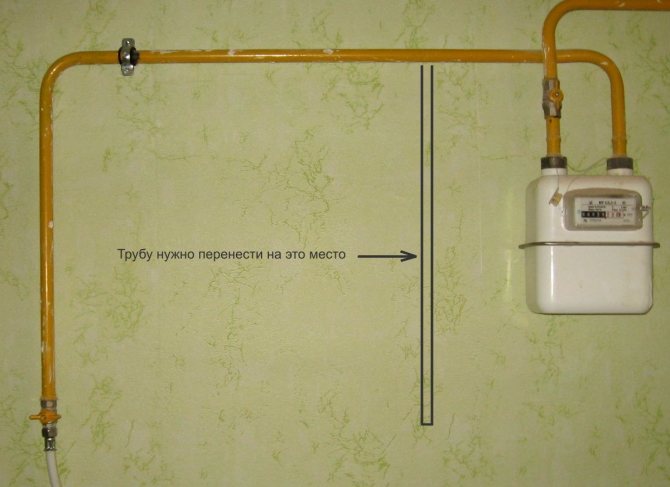


- collection of documents;
- sending the prepared package for consideration by the commission of architecture and urban planning under the municipality. You will have to be patient: 30 days are allotted for an examination of the upcoming work, submitted papers and a decision;
- hiring a team of specialists and carrying out work on a reconstruction / redevelopment plan.
What to do if the redevelopment has already been done?
Unauthorized actions can be legalized only through the courts. Moreover, this is often the case for new apartment owners who have learned about the redevelopment after the purchase.
If an unauthorized alteration of the dwelling is detected, it is necessary:

- call a BTI engineer to fix the true state of affairs and develop a new registration certificate.On it, the specialist will put a stamp on illegal redevelopment. The BTI engineer has the authority to inspect the supporting structures and issue a conclusion on their integrity if they were not affected during the reconstruction;
- submit an application to the Housing Inspectorate for approval of changes, attaching to it the documents received from the BTI employee. The refusal of the commission will serve as the basis for going to court.
After filing a claim, a commission will visit the apartment and evaluate it in terms of compliance with sanitary, building and fire regulations. If there are no reasons for refusal, the court will make a positive decision.
How to legalize the transfer of the kitchen to the living room - options for standard apartments
How can you redesign the kitchen in a typical apartment?
There are no problems with the transfer of the kitchen to the living rooms:
- In duplex apartments.
- For residents of the upper floors, without affecting the area of contact between bathrooms and other auxiliary premises of residents of the lower floor.
- The conditions are feasible in the apartments of the first level of the house, located above the shops and other non-residential premises.
In the above cases, there is no deterioration in the living conditions of other citizens, but plans still need to be coordinated. For approval, you will have to think carefully about the options.
Possible Solutions