- 4 Filling out the passport
- Certification according to the existing regulatory documentation (SNiP)
- Approximate cost of certification
- Who maintains the passport of the ventilation system at the enterprise
- Rules for filling out a passport
- Why is passportization needed?
- Maintaining a passport and its cost
- Which authorities to contact?
- Registration of a ventilation system passport
- Cost of certification
- Features of maintaining a document
- Passport for forced industrial ventilation system
- Passport for ventilation unit
- Who performs certification
- List of works performed during certification
- Passport of the ventilation system. Registration and responsibility
- First of all, let's answer the question: why do we need to test ventilation systems?
- A package of documents for the ventilation system
- Samples and examples of the passport of the ventilation system
- Passport for the ventilation system
- Passport for ventilation unit
- Passport of ventilation according to SNiP
- 3 Ventilation regulations
4 Filling out the passport
Passport for the ventilation system is a document of 10-15 sheets, stitched into a brochure. In general information indicate the ventilation system of the passport and its number. The latter is written with paint on its body. It also states:
- name of the organization or enterprise;
- address;
- names of premises served by the system;
- plan and diagram of these rooms with outgoing air ducts and grilles.
Section A reflects information about the purpose of the system and its brief description. Section B contains technical specifications in the form of tables. They include design and actual data on the marking and characteristics of all products.
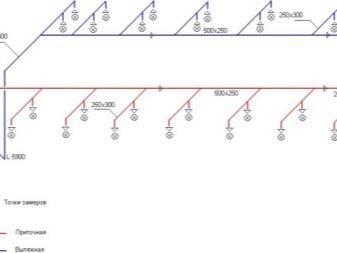
The next section of the passport contains a ventilation diagram, which details the measurement points, deviations from the project, installation height, the number and type of gratings, and the placement plan for all types of ventilation equipment. The document is issued in two copies, one remains in the archive of the issuing organization, and the second is provided to the customer. The passport of the ventilation system is issued for the entire life of the ventilation system, but the data in it changes periodically based on the results of inspections that take place once every three years.
The calculation of the cost of certification for the ventilation service is carried out according to the estimate, which is agreed with the customer. When there is a need for re-certification, it is done at a discount. If the customer applies for this service to another organization, then the sample is changed, and discounts are not provided.
Certification according to the existing regulatory documentation (SNiP)
The passport of the ventilation system according to SNiP is required upon commissioning of the constructed building. Then the certification of data is carried out regularly (once every 5 years), therefore, the existing document provides for several similar tables that are filled in by the responsible person as the next checks are carried out. They contain all the information about the repairs made and the improvement of ventilation equipment.A ventilation system passport is a document with a certain number of pages, which is stitched in a bookbinding workshop or fastened with a spring.
The sample passport consists of approximately eight pages (not including sections on repair and replacement of parts). A sample protocol (act) and sometimes recommendations for the operation of the ventilation system in an abbreviated form are attached to the passport.
If necessary, also attached:
- Fan aerodynamic testing protocols.
- Network tightness protocols.
- Protocols for the degree of system noise production and vibration.
- Overpressure protocols, etc.
Very often, the installer company archives the results of the work performed in electronic form, in this case, a note is made in the passport about the presence of the prescribed protocols and the possibility of their subsequent issuance if necessary.
Approximate cost of certification
The calculation of the cost of the passport occurs when drawing up an estimate, which is then discussed with the customer. Secondary certification, which is carried out as part of the current production process to control the work of the TS, is already carried out at a discount. But if the customer, if necessary, re-certification draws up an agreement with another organization, then the work is carried out at full cost.
The price of a passport primarily depends on the scale of the facility, the total area of the branching of the ventilation network, as well as on the amount of equipment.
Travel and travel expenses are calculated in a separate document and then added to the estimate. If the volume of work on commissioning and issuance of a passport is very large, then some organizations enter into an agreement for a phased payment for services.
The cost of certification of NE fluctuates around 3,000–4,000 rubles and depends on the complexity of the industrial system. Some companies prefer to evaluate their services by the area of the ventilated building. In this case, the cost will range from 50 to 100 rubles per square meter.
Who maintains the passport of the ventilation system at the enterprise
The passport for the VS (ventilation system) is maintained by an authorized person who is fully responsible for the operation of the equipment. This could be a mechanic, engineer, power engineer, or any contracting company, as long as the organization is not in the industrial sector.
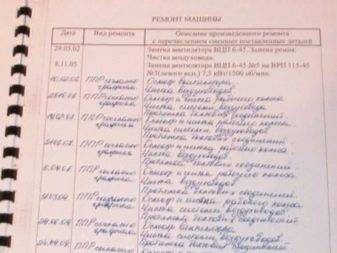
In the passport of the ventilation unit, it is necessary to regularly put down marks on all the repair work carried out, as well as on any changes that have occurred in the system diagram, and also attach the available test reports that have been carried out during this time.
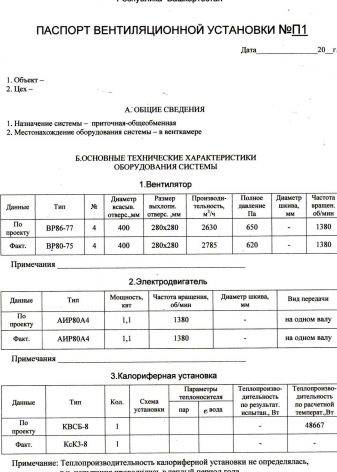
The first page of the ventilation passport contains general information about the purpose of the system, its installation location and the equipment used
Over time, many protocols are typed, so only the very first and the last five in chronological order are left.
In this article, we tried to tell in as much detail as possible about what certification of ventilation systems is, why industrial enterprises and organizations need it, and who can and has the right to carry it out. In addition, we considered the procedure for maintaining a passport for a ventilation system and calculating the cost of services for certification of ventilation installations.
Rules for filling out a passport
Regulatory documentation does not regulate the filling in of a passport, but there is a generally accepted sample that is easier to submit to the supervisory authorities. First you need to flash your passport.
Having passed the thread through all the pages, fix its ends on the last sheet with adhesive paper and put the seal of the organization. On the title page write the address of the object, the year of issue of the passport and the purpose of the system.
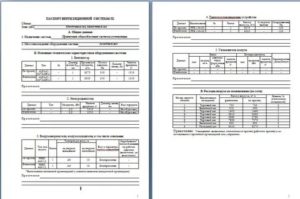
On the first sheet reflect the place of laying the system and record the main characteristics of the main devices. On the second, they fill in the table of air consumption by rooms. It contains design and actual data, as well as the discrepancy between them.

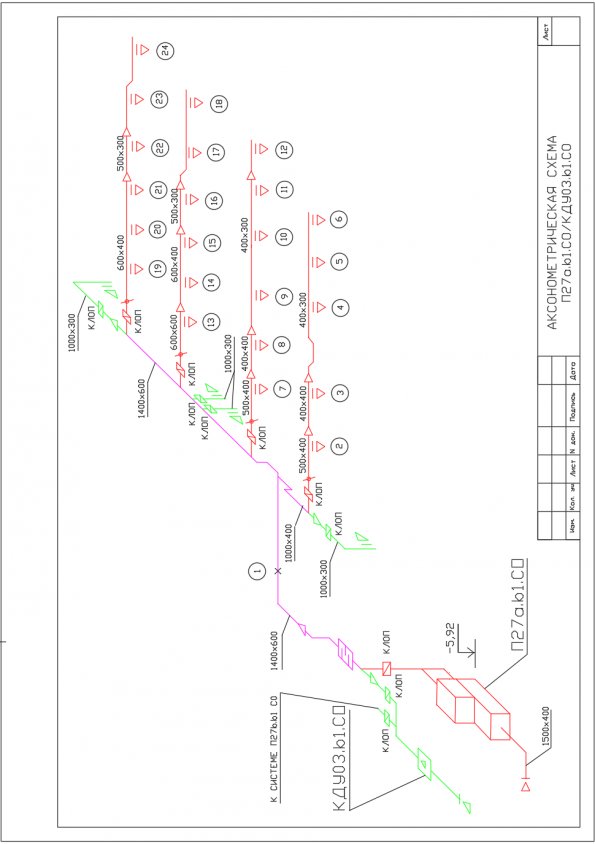
The third page shows an axonometric diagram of the ventilation system. It reflects the size of the equipment, the length of the air ducts and the availability of all necessary appliances and devices, including roof fans.
At the end, they file the license of the organization that provided the passport, as well as an order for the representative who tested the system.
Passportization can only be carried out by a licensed company. Before the start of the audit, the responsible representative submits documents confirming the competence of the company and his personal qualifications.
All devices used for measurement must be certified and undergo mandatory periodic verification.
Why is passportization needed?
So, certification is a series of mandatory measures for all air ventilation systems and smoke exhaust systems. As a result of the check, a special organization issues an appropriate document to the owner or developer of housing.
The frequency of certification is not frequent. For the first time, it is carried out during or immediately after commissioning, and the second time - only during the reconstruction or modernization of the system, as well as when replacing individual elements of equipment.
Prior to the commissioning of a modernized or new structure, the owner of the building must have a completed passport with the signatures of all institutions in his hands.
A passport is required in order to organize the correct and efficient operation of the air duct and air conditioning, for the convenience of their repair or maintenance. In addition, the presence of this document is a mandatory requirement of various inspections and regulatory authorities.
The passport has no expiration date, all subsequent acts and protocols that support the correct functioning of the entire system are attached to the brochure.
The presence of a complete set of technical design documentation allows you to correctly fill in and speed up the process of issuing ventilation passports, and accurately form an estimate for the implementation of all work.
Maintaining a passport and its cost
New passports are drawn up when the ventilation pipeline is put into operation, but entries in the text of the document are added regularly during inspections. Information is entered in special tables, they are made by a responsible person, for example, a power engineer or a mechanic of an enterprise. If the organization does not have such employees, specialists are hired. A lot of protocols accumulate during the long-term operation of the system, so only the first and last 5 options are left.
The cost of the passport is given in the estimated calculation, which is agreed with the customer before work is carried out. Rechecking is usually done at a discount if the same experts are involved. The price depends on the size of the object, the branching of the main line and the number of equipment involved in the pipeline.The approximate cost of the examination and drawing up a passport is 3 thousand rubles including VAT.
Which authorities to contact?
Certification of ventilation systems is carried out by one of the following organizations:
Private office. The most accessible, and therefore the most common way. However, there is a high risk of colliding with non-professionals, and therefore, getting a low quality of work. The passport can be filled out with errors, not all the data may be indicated in it, which means that the whole procedure will go down the drain.
Assembly organization. Specialists who install ventilation systems often issue passports for them.
However, it is important to know that qualified performance of work can be guaranteed not by a simple installation specialist, but only by a chief engineer.
Specialized laboratory. In principle, it is possible to obtain a passport in such a test center: their technical base is equipped with everything necessary for certification
However, professional engineers are not always on the staff, so there is also a risk of misinterpretation of indicators.
Organization for certification and diagnostics. Real professionals work here, since the enterprise itself is highly specialized. If you need high quality work, this is where you should go. Here you can also get answers to all your questions, for example, about what is certification of the ventilation system and how often it should be carried out. And also how it will help to further promote your business.
Registration of a ventilation system passport
For each ventilation or air conditioning system, a passport is issued in two copies in a certain form.The form was approved by SP 73.13330.2012 "Internal sanitary systems of buildings". The passport is filled in the following order:
- Indicate the name of the department or installation organization that carries out certification.
- Specify the full name of the object.
- In the line "Zone (workshop)" indicate the specific room where the system is installed.
-
Section "A" contains information about the purpose of the ventilation system (supply, supply exhaust, air conditioning system, etc.) and the location of the system equipment (floor, wing, orientation relative to the coordination axes of the building).
The first page of the passport contains section "A", which indicates the basic data about the system: its purpose, type and location
- Section "B" contains the numerical values of the characteristics that were indicated in the design documentation, and the actual characteristics of the installed equipment of the ventilation system. Actual data is taken from test reports. The passport must indicate:
- fan parameters (its type, serial number, diameter, flow rate, pressure, pulley diameter and speed);
- parameters of the electric motor (its type, power, speed, pulley diameter and gear);
- parameters of air heaters and air coolers (their type, number of equipment, piping schemes, layout, type and parameters of the coolant, the presence or absence of testing of heat exchangers for operating pressure);
- parameters of the dust and gas trapping device (its name, serial number, number of devices, air flow, suction percentage, resistance);
- characteristics of the air humidifier (type, water flow, pressure in front of the nozzles and speed of the humidifier pump, type, power and speed of the humidifier motor, humidifier characteristics).
-
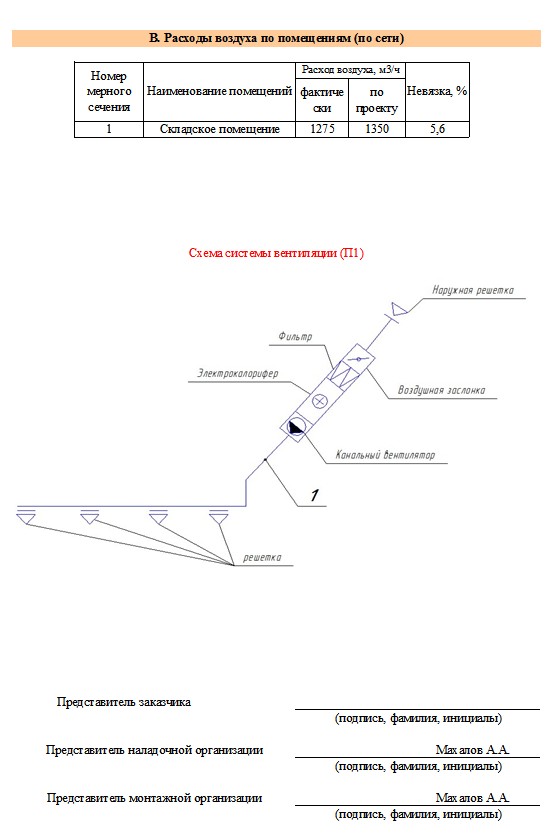
In section "B" indicate the air flow in each room. The table lists all the rooms that the ventilation system covers, the numbers of measured sections, the design and actual air flow in m3 / h and the discrepancy, which is the percentage of deviation of the actual values of the air flow from the design.
Section "B" of the passport for ventilation indicates the actual data on the air flow in each room and their deviation from the design
- Three parties sign the passport of the ventilation system: the responsible person from the contractor or commissioning organization, the representative of the designer and the responsible person from the organization that carried out the certification.
At the end of each section there is a "Note" line, in which additional information is recorded that may significantly affect the further operation of the system.
In addition to the main approved form of the passport, large operating organizations and enterprises may have their own forms of passports for systems and installations, which contain a lot of additional information required for the correct and efficient operation and ease of maintenance of specific equipment.
Cost of certification
- The cost of certification of a ventilation system or installation depends on the time of its implementation. If certification is carried out primarily by the organization that installs this system or installation, then the cost will be relatively small, because.part of the necessary work will be carried out in parallel with the commissioning of the equipment.
- If the work is carried out by an organization that did not install the system, or the system was operated for a long time at the time of certification, then the cost will be slightly higher.
- The cost of certification depends on the scope of work, since ventilation systems are small and large, with the same type of equipment and not the same type, complex and not very complex.
On average, the cost of obtaining a passport for a ventilation system or installation varies from 5 to 20 thousand rubles. During the construction or reconstruction of a new facility, certification work is included in the estimate for the installation and commissioning of the ventilation system.


Registration of a passport does not take much time, the main work is measurements and tests. Certification is best done in conjunction with commissioning, since during commissioning all controlled parameters are measured and compared with the required and standard values. For the installation organization, certification does not present any difficulties and is the final stage of installation.
Features of maintaining a document
Knowing all of the above is very good - no one argues with that. But for the customer of the work or for the owner of the building, other circumstances are more important
It is important for them to have clear criteria in order to understand whether the ventilation system passport provided by the contractor is correct. You also need to know what to enter in this document yourself, and what is not worth making.
There are three types of ventilation passports that are officially recognized.
The first type is the so-called construction type, the second is compiled during operation, and the third applies only to installations that clean gases.Additionally, they can draw up passports that take into account the specific moments of a particular industry. But this is a completely different topic. "Construction" passports are drawn up whenever commissioning is carried out
Important: this is required even in the absence of adjustment as such, because otherwise the operation becomes illegal
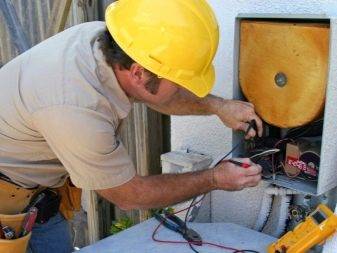
Characteristic features of a poorly drafted document will be:
- complete coincidence of design figures and actual data (in reality, this does not happen);
- lack of notes;
- an abundance of empty graphs (those who do not know enough about the ventilation adjustment are forced to skip them so as not to demonstrate their incompetence);
- mention of testing without specifying a specific date for them.
If the certification customer detects at least one of these signs, he has the right to return the document to the contractor and demand a reworking of the work or a refund of the amounts paid. The title page (although it is not always present) describes the identification information about the object. The heading of the passport contains an indication of the commissioning organization. Information about it should allow you to fully identify this structure. It is allowed (although not mandatory) to place corporate symbols.

If the organization has been accredited, it will definitely report the number of the certificate confirming this fact. This number will be required later - to draw up test reports. It substantiates the legitimacy of each conclusion drawn. As for the type of ventilation system, it must be signed in full, indicating the passports for the exhaust and inflow, for the humidifier and other components.In the future, it will be easier to navigate in such a document for both controllers and operational services.
If the number of installations exceeds 50–70, devices of the same type by purpose may be indicated in the documentation in color font. No standard regulates this, so the choice of color is at your discretion. Although construction practice implies writing the address according to the project, it is better for state inspectors to show the act, which indicates the real address of the structure
Important: it is also worth writing down the legal address of the contractor (along with the actual one), which helps to achieve the favor of the regulatory authorities. If everything is done in good faith, it is necessary to immediately provide for a reserve of free space, where the results of tests for efficiency will be reflected.
The problem of the building form is that it reflects a number of information that is unnecessary for practitioners, while not including really important information. Most often, this disadvantage is eliminated through the use of notes.
For fans indicate:
- numbers assigned at factories;
- full typical names of ventilation units that differ from the names of fans;
- settings of control blocks or rotational speed corresponding to passport parameters;
- other installed equipment;
- information about repairs (if any).
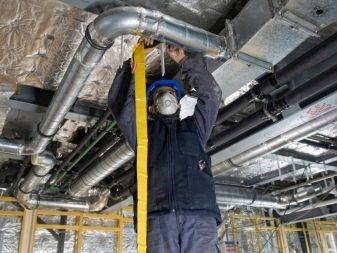
The passport must be accompanied by protocols recording the results of the tests. Usually building practice does without them, although this is just a habitual omission. In some cases, you can add instructions for using the ventilation system (if it is somehow different from the usual one). We are talking only about brief instructions (up to 1 sheet).Full instructions sometimes include up to 30 sheets; they do not need to be attached to passports.
Passports for exhaust devices are reduced if there is no section on the air heater. But the documentation compiled in production often grows due to information reflecting the replacement of individual components and modernization work. A full reflection of maintenance alone requires several pages.
As a result of tests, protocols are also added to the passports, reflecting:
- results of aerodynamic testing of the fan;
- tightness of pipeline channels;
- noise level;
- vibration intensity;
- overpressure.
Test hint efficiency of ventilation systems - in the video below.
Passport for forced industrial ventilation system
Work on the start-up and adjustment of the forced ventilation system is carried out in two stages.
- Tests of an individual nature and subsequent adjustment of ventilation equipment.
- Issuance of a building commissioning permit (passport). Based on the results obtained, it is issued by a commission consisting of employees of the sanitary-epidemiological and fire supervision.
Sample passports are issued taking into account the requirements and norms of the state SNiP 3.05.01–85. The performers fill out the passports and give them to the customer company along with the act of carrying out work on the commissioning of the system and axonometric diagrams. The passport is issued in two copies, one of which remains in the archive of the contractor, and the second is issued to the customer. Therefore, if one of the passports is lost, it can be restored.
If the performer has a passport, he will be able to answer certain questions about the operation of the ventilation system without even leaving his office. Some general contractors ask that they make 3 or 4 copies of the passport, which is prescribed in the concluded contract.
Although axonometric diagrams are not mandatory in the provided package of documents, they are usually attached by the installation company.
The passport of the ventilation system is a mandatory document that is submitted to the sanitary and epidemiological supervision.
Passport for ventilation unit
All forced industrial ventilation systems are checked once every 5 years without fail, as well as when changing the owner of the company and when the original is lost. This is one of the main rules for the operation of all power plants.
In this case, start-up and adjustment work is carried out on all equipment that requires verification. Such works are called "adjustment and testing of ventilation systems for compliance with technological and sanitary and hygienic standards and requirements." In order to obtain a passport for a VU, it is necessary to carry out more detailed work than during the initial tests.
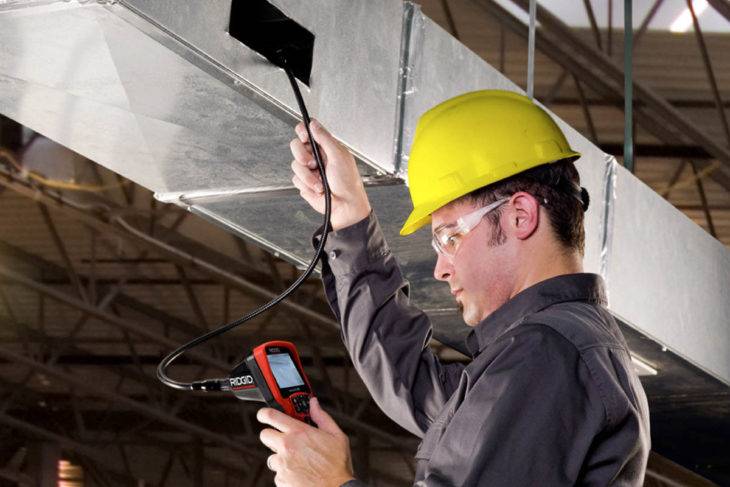 When conducting a technical inspection of the VU, it is necessary to conduct more complex tests than during the initial commissioning
The data obtained is reflected in the technical report (as opposed to the technical documentation in the above case). In the report, it is necessary to indicate in detail information about the object being serviced and record the time of the test.
This document contains the following information:
- air exchange (in tabular form);
- indoor air quality;
- the degree of noise and other important indicators of the operation of the WU.
One sample of the completed passport is sent to the operation service.
Who performs certification
Primary certification is often performed by the installer, which performs the installation and commissioning of the ventilation system, since the customer almost always prescribes this item in the terms of reference. The installation organization performs the work on its own or with the involvement of another specialized organization.
In the case when certification is carried out after the system is already in operation, the customer (operating organization) can contact a specialized company directly.
It should be noted that the ventilation system passport is not the only mandatory document. Every year, the system must undergo production control, which is often also carried out with the help of specialized organizations. Therefore, if the customer does not have narrow ventilation specialists on staff, it is best to select a stable and experienced contractor at the stage of processing the first document to maintain the ventilation system and complete all necessary documents.
List of works performed during certification
Since all certification measures are aimed at clarifying strictly standardized information, only typical procedures are performed. It is categorically impossible to do, as already mentioned, without deep testing of ventilation systems. First of all, they study the design features and the practical state of the air supply systems. They must fully satisfy both the official working draft and the norms of the standards.
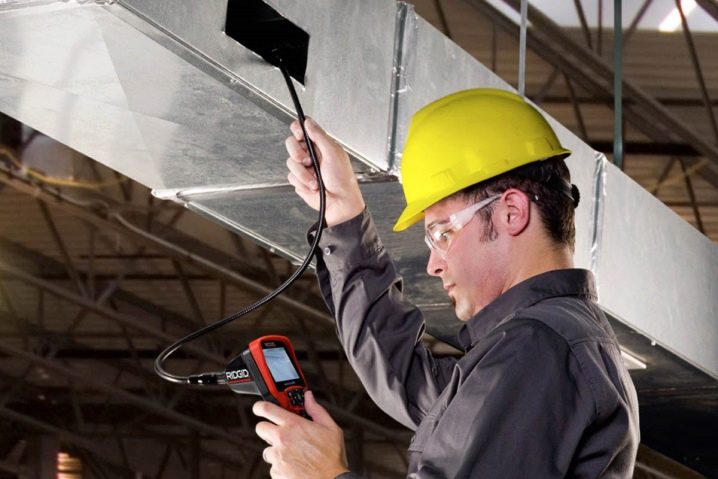
Thereafter:
- understand whether the tightness of hidden areas is broken;
- look at the work of the main part of the equipment at idle;
- make sure that the fans have the characteristics declared in the documentation (or do not have).
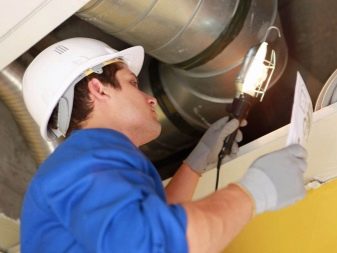
The next step is to check the efficiency of air exchange through ventilation in fact and whether it meets design standards.
Important: the regulatory authorities can and should also check the natural circulation in order to find out whether the information on it underlying the projects is correct. Measurement of the volume of sound that occurs during the operation of ventilation is carried out at several points
Where they are located is determined in advance using special calculations. This applies to a greater extent to acoustics and deserves a separate discussion.
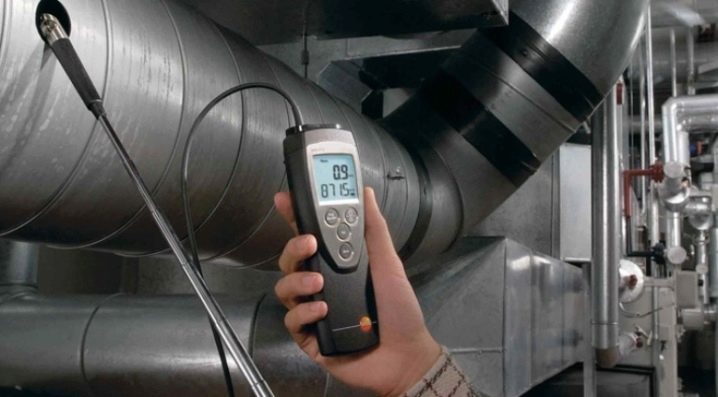
Passport of the ventilation system. Registration and responsibility
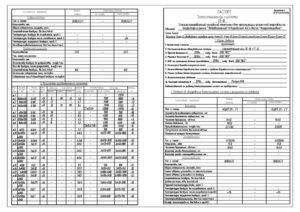
Passport of the ventilation system - a document containing information about the name of the enterprise, the location of the ventilation system, the purpose of the ventilation system, the location of the ventilation system equipment, the type of equipment according to the project and after the fact. If changes are made to the ventilation system, changes should be made to the passport. In the absence of passports or their inconsistency, administrative penalties are imposed on the operating organization.
Working in the field of installation, adjustment, operation and testing of engineering networks, we have repeatedly encountered ignorance of the Customer's specialists, misunderstanding of what a ventilation system passport is, what is the purpose of periodic testing, what means are used in the performance of work, who has the right to test ventilation systems .
First of all, let's answer the question: why do we need to test ventilation systems?
It is no secret that sanitary norms and rules in force in the Republic of Belarus prescribe periodic testing of ventilation systems.
Why do the rules require this? Because, depending on the type of room, on the technological process that takes place in the room, it becomes necessary to supply fresh air and remove the old one.
This is necessary for the normal well-being of people in this room, as well as to achieve conditions that do not disrupt the operation of the equipment.
And in indoor pools, the calculation of the fresh air intake is based on the number of simultaneously engaged athletes + the number of spectators (to ensure sufficient oxygen).
And the hood should provide, first of all, the removal of moist air, and it is calculated from the size of the water mirror and the amount of evaporated water.
Thus, in the pools there is a disproportion between the supply air and the exhaust air and, as a result, a slight rarefaction of the air inside the room in relation to the street. If this condition is not met, then excess moisture from the pool can penetrate into the building envelope and damage them.
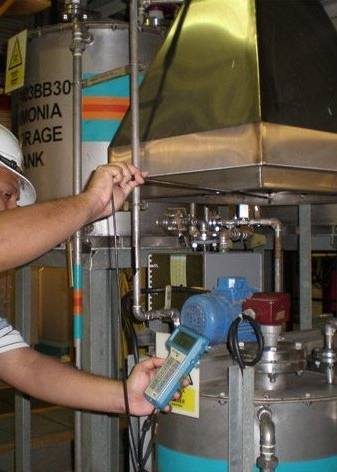
To check the compliance of the volumes of supply and exhaust air, a laboratory employee measures these volumes on all ventilation grilles of the ventilation system and compares these indicators with the design data. In the absence of a project with the current SanPiN standards, the results are recorded and the protocol is attached to the passport.
Measurements are allowed for employees with specialized education, a tool entered in the register of SI RB, certified by accredited calibration laboratories, according to methods approved by BelGIM.
Only compliance with all these conditions allows the organization to be tested! The activities of other organizations that do not meet these requirements are recognized as ILLEGAL, with the imposition of liability on the contractor, in the amount of double the amount of revenue received! The customer, if he is a state, is liable up to Criminal. SEE THE SIZES OF FINES AND OTHER PUNISHMENTS.
If the testing laboratory has a valid Accreditation certificate, then this guarantees the Customer the accuracy of the data given in the protocols and protects him from unscrupulous performers, and according to the Law of the Republic of Belarus on Accreditation, state customers are obliged to give preference only to accredited contractors.
A package of documents for the ventilation system
Existing rules strictly define the order of registration passports of the ventilation system, its content, form of protocols, frequency of work. Below we have given an example of how a package of documents for a ventilation system should look like.
- Passport of the ventilation system ( download in pdf )
2. Periodic Aerodynamic Test Report ventilation systems (download in pdf)
For applications, please contact:
Address: 220104, Minsk, st. Matusevicha 33, room. 505.
Tel: +375 29 336 25 26 | +375 17 336 25 25
Samples and examples of the passport of the ventilation system
Technical documentation can be issued in paper or electronic form.
The technical document of the ventilation system reflects all changes during installation and operation. Records are updated regularly during reconstruction or periodic checks.
The protocol conclusions of aerodynamics testing and acts of inspections during the events are attached to the passport:
- checking the performance of fans depending on the pressure difference in the line;
- inspection of the tightness of the seams of the pipeline and connections;
- control of isolation from noise and determination of the degree of vibration;
- study of the occurrence of excess pressure in the control areas.
The passport contains about 8 pages, which are stitched in the workshop or connected with a spring. Additionally, a protocol on the replacement of constituent elements or their replacement is submitted. Recommendations for the operation of the pipeline are attached in an abridged version. If the installer saves the results of research and work in electronic form, a note is made in the passport that such protocols exist, and an address is given for obtaining them if necessary.


Passport for the ventilation system
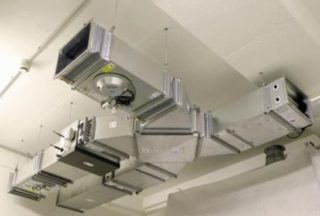 The dimensions of the equipment are entered in the passport - ventilation pipes, grilles
An assessment of the quality of the microclimate in the installation area is being carried out. Temperature, humidity, air mobility are studied. Noise in the ventilation system is caused by lack of insulation, unbalanced fans or small duct diameters. Heat is lost through the system, if the duct is not protected from the cold, heating costs increase. If the humidity in the room regularly rises, fungus and mold appear.
The procedure for drawing up a passport for ventilation:
- dimensional parameters of boxes, bends and fittings are measured;
- the air pressure at the outlet and inlet is determined;
- the correspondence of the actual flow turnover and the calculated air exchange rate is checked;
- the speed of air movement is measured;
- the cleanliness of the internal space and the presence of accidentally falling objects are checked;
- the state of the heat-insulating shell is examined;
- an expert opinion and an act of work performed are drawn up.
Passport for ventilation unit
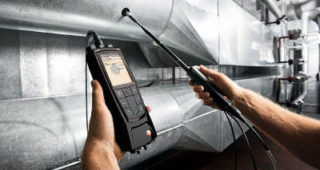 Aerodynamic measurements of ventilation
The study of the ventilation line during certification includes aerodynamic tests according to a certain methodology. Measuring equipment is used in a standard manner with the expectation of statistical errors. The aerodynamic resistance is checked in the sections of the main channel and bypass channels, and the overhead structure is examined.
The indicators revealed during the test are compared with theoretical data, and a conclusion is made about the factors influencing the change in working indices.
The passport describes the structural elements:
- links for coordinating work, for example, dampers or turbine adjustment devices;
- heat exchange system between the incoming and outgoing stream (recuperation scheme);
- electric motors, their type and characteristics.
During start-up and adjustment, valves and devices that organize flows are adjusted to a state where the output parameters will correspond to the design values. The technical document must be filled out when the owner changes or the old sample of the ventilation system passport is lost.
Passport of ventilation according to SNiP
Ventilation must comply with the regulations of SNiP
A sample of the passport of the ventilation system and its constituent sections are given in SNiP 3.05.01 - 1985 "Internal plumbing systems". The passport for ventilation units is regulated by the text of SNiP 44.01 - 2003 "Heating air conditioning and ventilation».
The description states:
- the address of the object under study and its purpose;
- characteristics of systems;
- layout of equipment in axonometric projection indicating control areas and test points;
- technical documents for fans, coolers, filters, heaters, etc.
An example of filling out a ventilation system passport for 2020 in terms of compliance with sanitary and technical parameters is in SanPiN 2.2.2.548 - 1996 "Hygienic requirements for the microclimate of premises".
3 Ventilation regulations
Supply and exhaust ventilation must be installed in all production and auxiliary premises based on the requirements of SNiP 41-01-2003. The amount of air that is needed to ventilate industrial premises is calculated for each of the harmful factors and for the number of employees. The air in the working area should contain at least 20% oxygen and no more than 0.5% carbon dioxide.
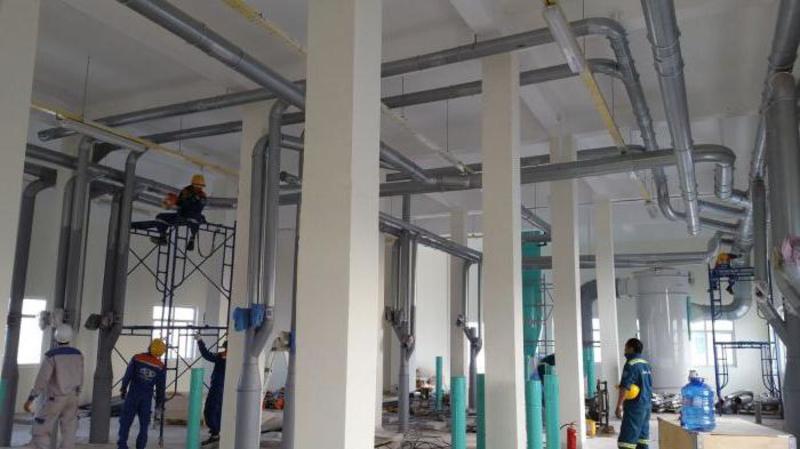
During the working day, all ventilation installations must operate, otherwise the work process at the enterprise must be stopped. AT office premises in case of malfunction of ventilation natural ventilation must be used. Air sampling should be carried out systematically. The operation of the system must be checked at least once a year. According to its results, current repairs, cleaning and disinfection are carried out.
Air heaters and air conditioners must be installed strictly horizontally and be sure to use rubber gaskets for this to exclude any vibration. For the same purpose, the air ducts are connected to the fans with flexible connectors. Taps and fan valves should open and close freely, without effort. Flares always look up when assembling a vertical channel.To make the socket denser, hemp bundles are used, which are impregnated with cement mortar with the addition of glue. All remaining empty spaces are filled with mastic.