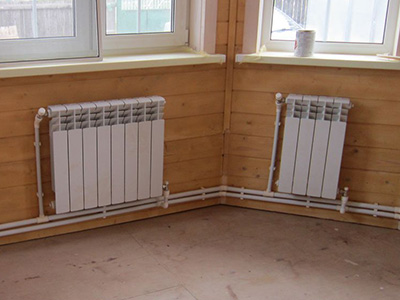
- Electric heating of a wooden house
- Water heating in a wooden house
- Single pipe system
- Recommended heating equipment
- Electric boilers
- Diesel heating
- Solid fuel boilers
- gas boilers
- Air heating of the building
- Varieties of heating systems
- Advantages and disadvantages of natural circulation
- Distinctive features of pumping systems
- What is the benefit of electric heating
- How to choose the best heating system?
- Modern built-in heating systems
- Installation of heating systems
- Electrical system device
- Gas heating
- Solid and liquid fuel boilers
- Differences in schemes according to the method of connecting heating radiators
- Is gas heating suitable for a log house?
- Types of heating wooden houses
- Electric heating
- Gas heating
- Solid fuel
- oven
- liquid fuel
- infrared
Electric heating of a wooden house
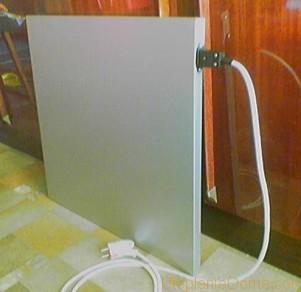
Electrical appliances for heating are widespread
Electricity is perhaps the most common and easily accessible source of thermal energy in our country. In almost all regions, in the most remote places, it is possible to connect to the power grid. That is why electric heating is always available and can be arranged in almost any case.In addition, a huge selection of heating devices powered by the mains makes it easy to connect and disconnect it without special installation. However, before making a choice in favor of heating a wooden house with electricity, we recommend that you familiarize yourself not only with the pros, but also with the cons of such a system. First of all, it is, of course, the cost of electricity itself. Before installing powerful convectors in each room, calculate the power of the appliances and estimate the cost of monthly costs. Perhaps the amounts that you get will seem unacceptable to you, and then you need to think about saving.
You can save money in various ways:
- reduce the number of heating devices;
- install water or combined electric heating in a wooden house;
- install automation systems that will help to maintain the optimal mode of energy consumption.
And if the first point is not always feasible, if only because of the climate, then the following operating conditions for electric heating in a wooden house will help to establish quite comfortable living conditions with affordable costs. So, for example, when installing a water heating system, electricity will be consumed only for heating the coolant in the boiler. The house or cottage itself will be heated by radiators. Automation sensors, periodic shutdown of the boiler when the required temperature is reached, the use of a three-tariff meter, which gives significant savings when using electricity at night - all this will help optimize the cost of heating a wooden house with electricity.
Water heating in a wooden house
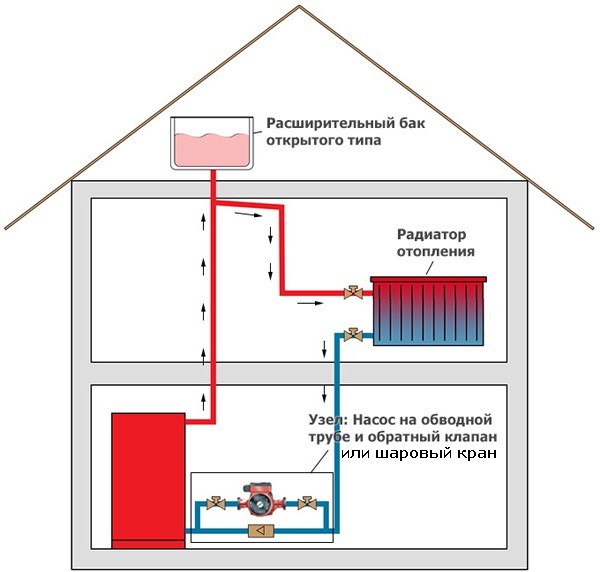
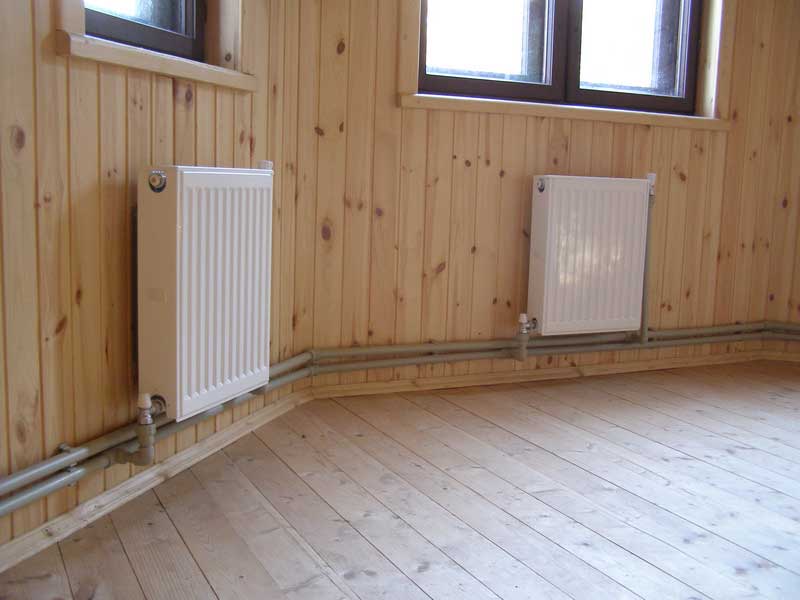
The circulating fluid heating system is efficient, reliable and easy to use. Water heating for a wooden house is in demand due to the harsh domestic climate. The boiler heats the water, which moves through the pipes to the radiators. After the coolant has given up all the energy, it returns the liquid back to the boiler.
Gas, coal, wood and diesel fuel are used as fuel. Instead of water, antifreeze can be poured into the system, which does not freeze at low temperatures.
There are two types of fluid circulation:
- natural;
- artificial
In the first case, the water flow moves through the system due to the created pressure. In artificial circulation, the fluid is moved by a pump. This allows you to install pipes of smaller diameters.
During operation, the wooden beam loses moisture and dries out. Over large areas, the deformation can reach several centimeters. Because of this, communications fixed by rigid fasteners break and break.
Compensators are installed both on horizontal and vertical sections of the highway, thereby increasing its service life.
Single pipe system
 One-pipe connection diagram
Now we will analyze the option of installing a single-pipe heating system in a two-story wooden house. However, it is immediately worth noting the fact that its use has not only advantages, but also disadvantages. So, as for the disadvantages, the lower radiators tend to heat up less. This will lead to the fact that on each floor the air temperature will be different. Such a system will significantly save building materials.And in order to make the temperature in each heated room the same, just add sections to the radiator. The pump is able to increase circulation if mounted at the cold water inlet.
Recommended heating equipment
When installing water heating, which is most popular in the CIS countries, several types of energy carriers are used. Each type of boiler has certain advantages and disadvantages, therefore, equipment should be selected taking into account the characteristics of the heated room and the availability of a particular fuel.
Electric boilers
Electric models are considered the easiest to operate. They do not require a large installation space and do not require complex maintenance. Differ in stable and long work.
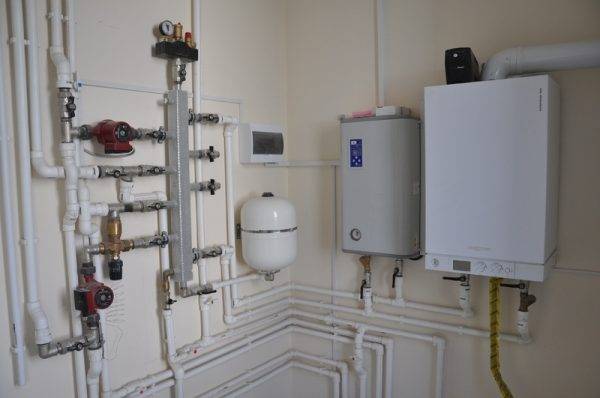
The main disadvantage is the high energy consumption.
Diesel heating
It has the highest efficiency in comparison with other types of boilers (about 95%). At the same time, it has a number of disadvantages. During operation, it spreads an unpleasant odor in the room. Only those rooms that are located away from living rooms are suitable for installing the boiler. In addition, space is required to store fuel.



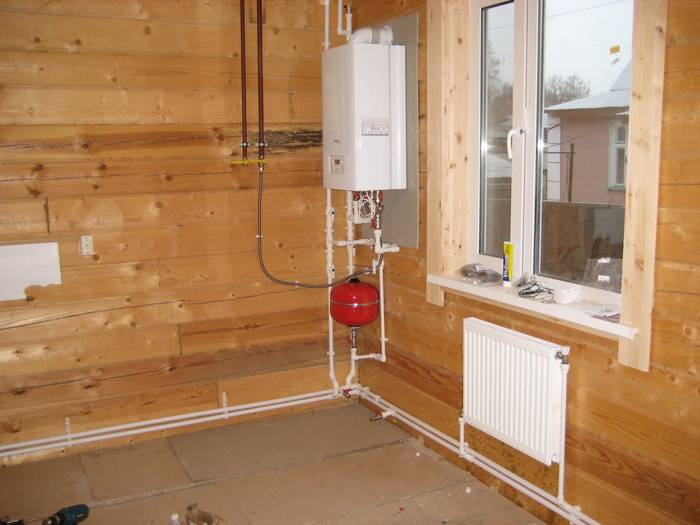


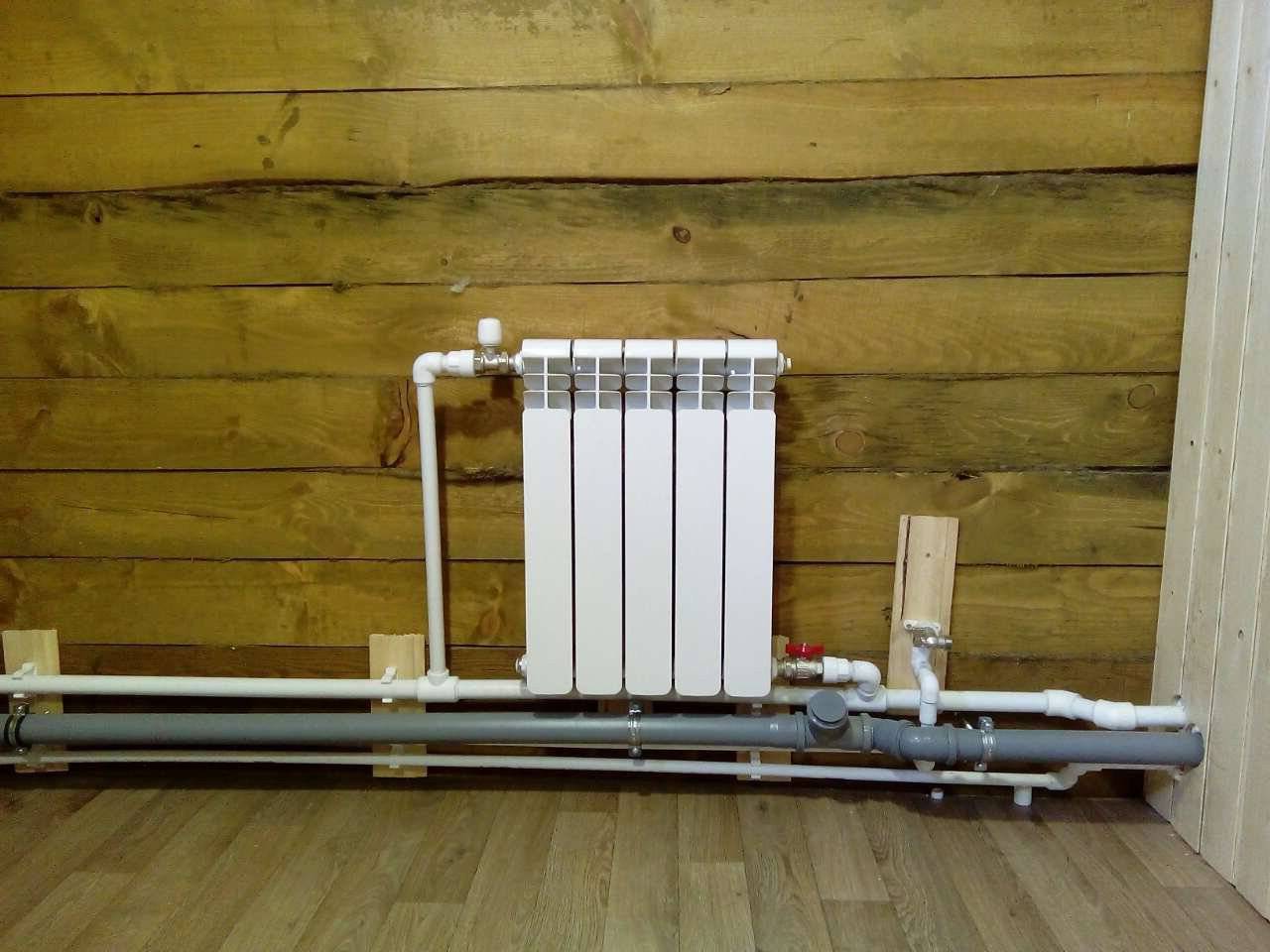
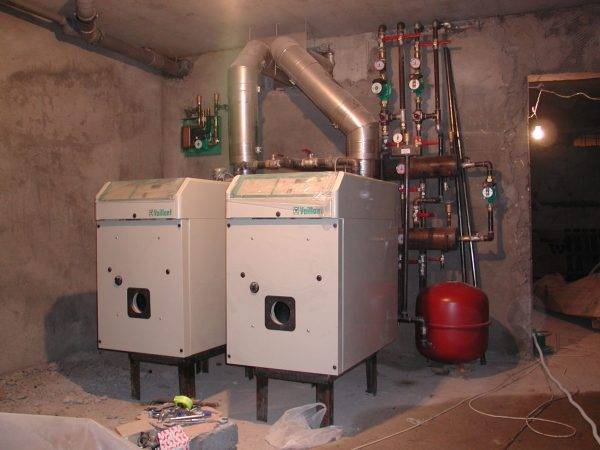
Diesel heating is not a budget option.
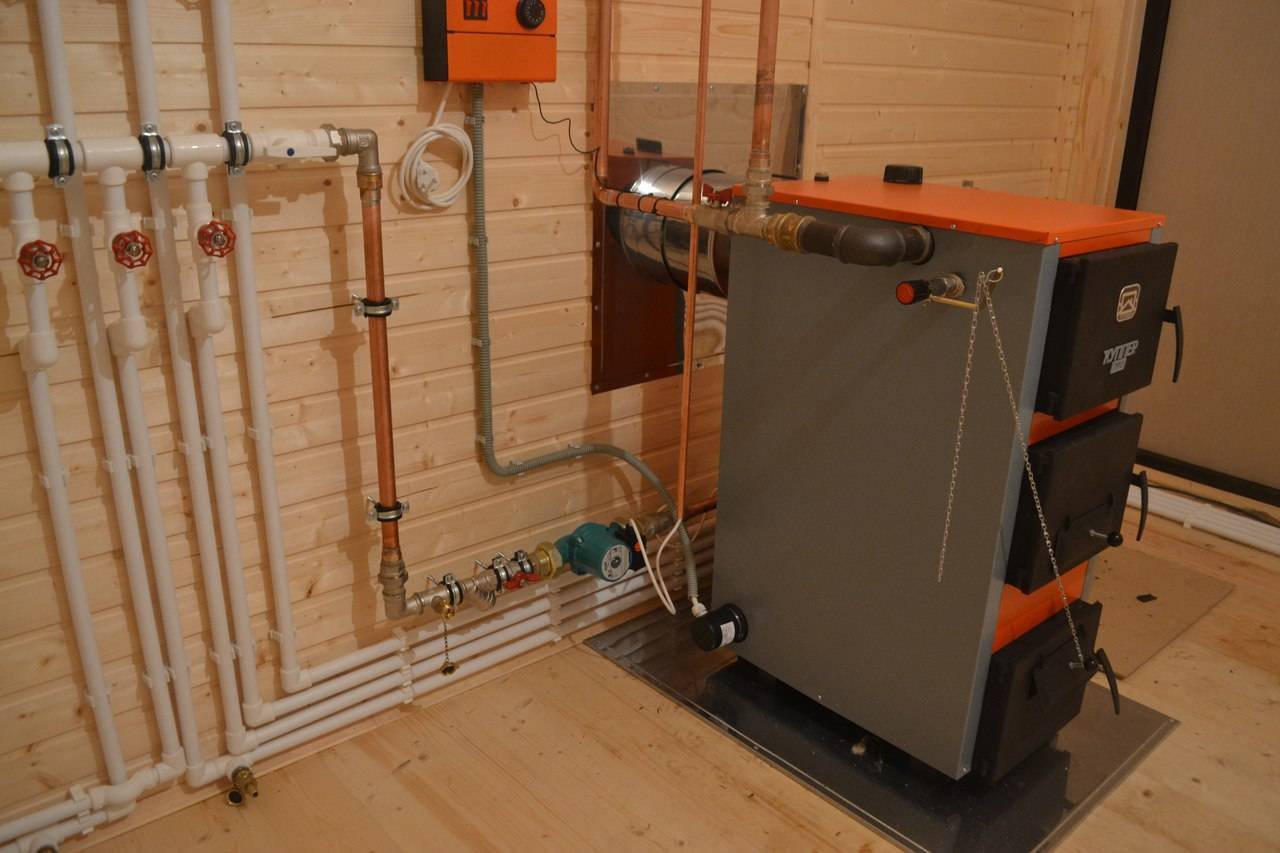
Solid fuel boilers
This type of equipment works on wood, coal and briquettes. It is mainly used in non-gasified settlements. The efficiency of a boiler equipped with a heat accumulator is about 65%.
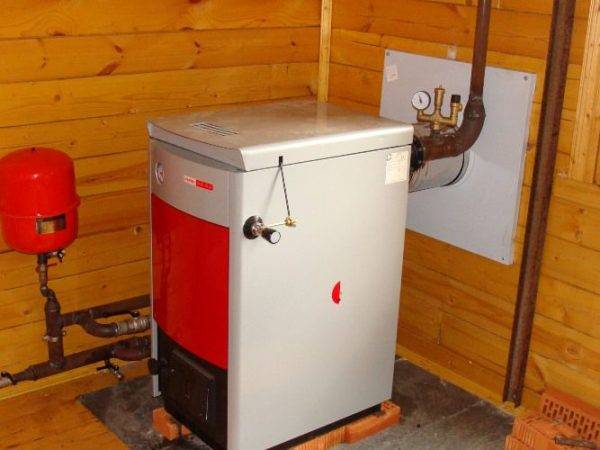
The main disadvantage is the need for constant fuel loading. When installing solid fuel boilers, it is necessary to take care of ventilation and a place to store fuel.
gas boilers
The most popular type of heating boilers. Gas heating is the least expensive and does not require manual loading of the material. The main disadvantage is considered to be a high fire hazard, therefore, when installing such boilers, all installation rules must be observed.
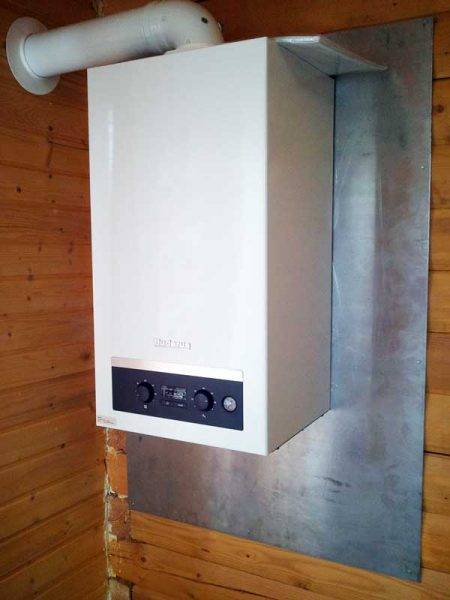
Gas boilers are divided into 2 types:
- Single-circuit - designed for heating only. It is small in size and weight, equipped with a closed combustion chamber and electronic ignition. Hot water supply for domestic purposes in such boilers is not provided.
- Double-circuit with a boiler - is able to both heat the house and provide residents with hot water. It is easy to operate, easy to install and fuel efficient. It works almost silently, has a built-in security system.
Air heating of the building
This is another type of heating a private house. Its main distinguishing feature is the absence of a coolant. The air system is designed so that air flows pass through the heat generator, where they are heated to the desired temperature.
Further, through special air ducts, which can have a wide variety of shapes and sizes, the air masses are sent to heated rooms.
Air heating can be used to heat a private house of a large area, while it is possible to create a comfortable microclimate in each room
According to the laws of convection, heated flows rise, cooled ones move down, where holes are mounted through which air is collected and discharged to the heat generator. The cycle is repeated.
Such systems can work with forced and natural air supply.In the first case, a pump is additionally mounted, which pumps the flow inside the air ducts. In the second - the movement of air is carried out due to the temperature difference. It is clear that forced circulation systems are more efficient and powerful. We talked about the arrangement of air heating with our own hands in the next article.
Heat generators are also different. They can operate on a variety of fuels, which determines their performance. Most of all, gas, electric and solid fuel appliances are in demand. Their disadvantages and advantages are close to similar water heating boilers.
The circulation of air masses inside the building can be carried out in different ways. It can be a closed cycle without adding outside air. In this case, indoor air quality is poor.
The best option is circulation with the addition of air masses from the outside. The indisputable advantage of air heating is the absence of a coolant. Thanks to this, it is possible to save the energy required for its heating.
In addition, installation of a complex system of pipes and radiators is not required, which, of course, also increases the efficiency of the system. The system does not have the risk of leaks and freezing, like its water counterpart. It is ready to work at any temperature. The living space heats up extremely quickly: literally, about half an hour passes from starting the heat generator to raising the temperature in the premises.
A gas heat generator is one of the possible solutions for the implementation of an air heating project for a private house. However, such systems are rarely used in practice.
Another significant plus is the possibility of combining air heating with ventilation and air conditioning.This opens up the widest possibilities for realizing the most comfortable microclimate in the building.
The air duct system in the summer can be successfully used for air conditioning. Installing additional equipment will make it possible to humidify, purify and even disinfect the air.
Air heating equipment lends itself well to automation. "Smart" control allows you to remove burdensome control over the operation of appliances from the homeowner. In addition, the system will independently select the most economical mode of operation. Air heating is very easy to install and durable. The average life of its operation is about 25 years.
Air ducts can be installed at the construction stage of the building and hidden under the ceiling covering. These systems require high ceilings.
The advantages include the absence of pipes and radiators, which gives room for the imagination of designers decorating the interior. The cost of such a system is quite affordable for most homeowners. Moreover, it pays off quickly enough, so its demand is growing.
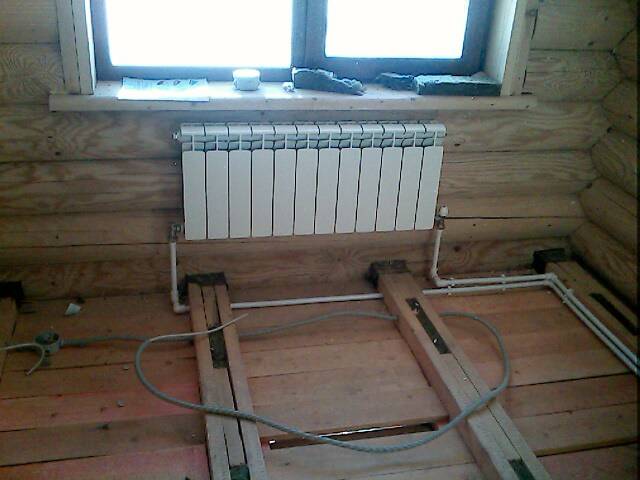

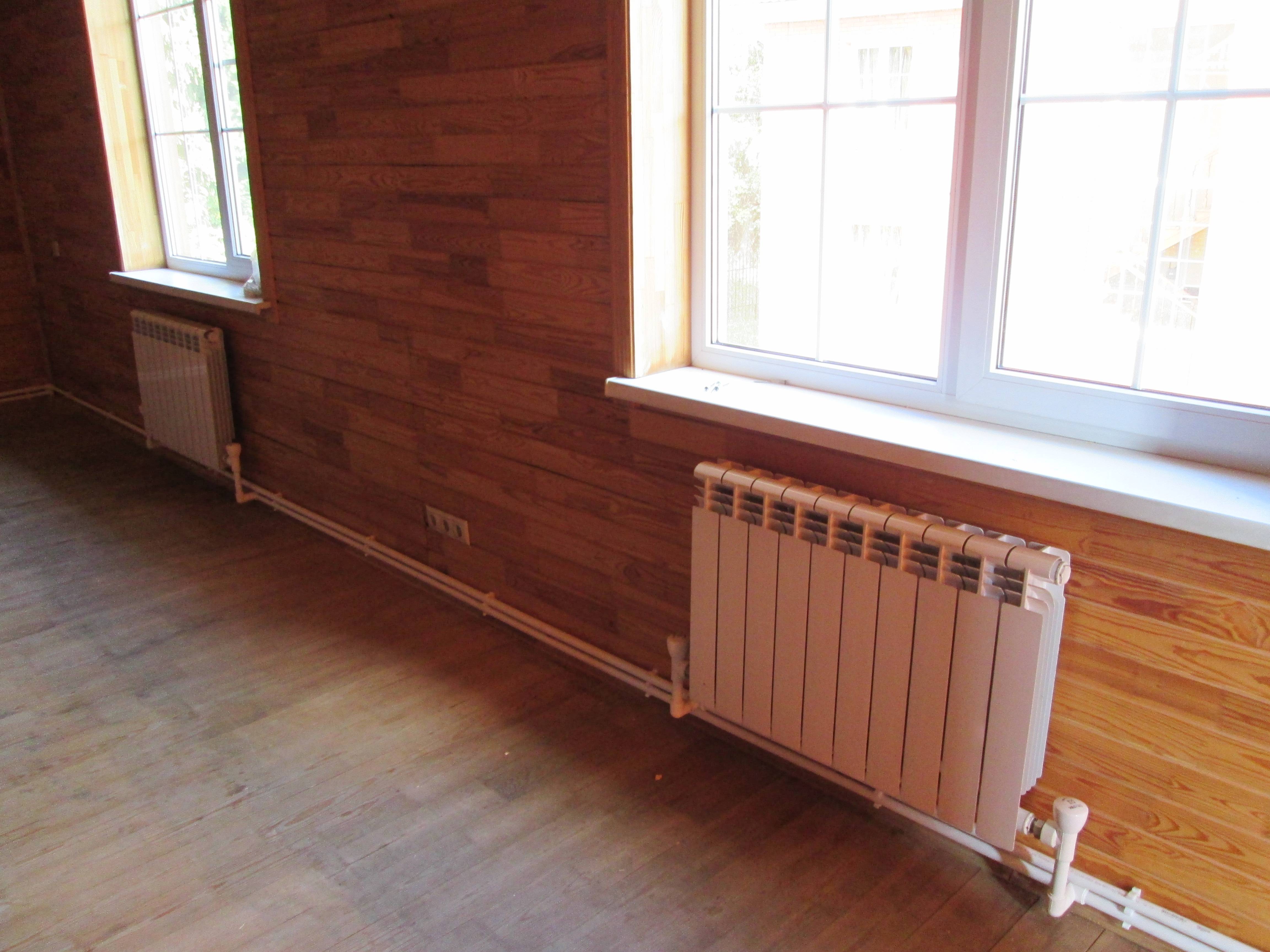


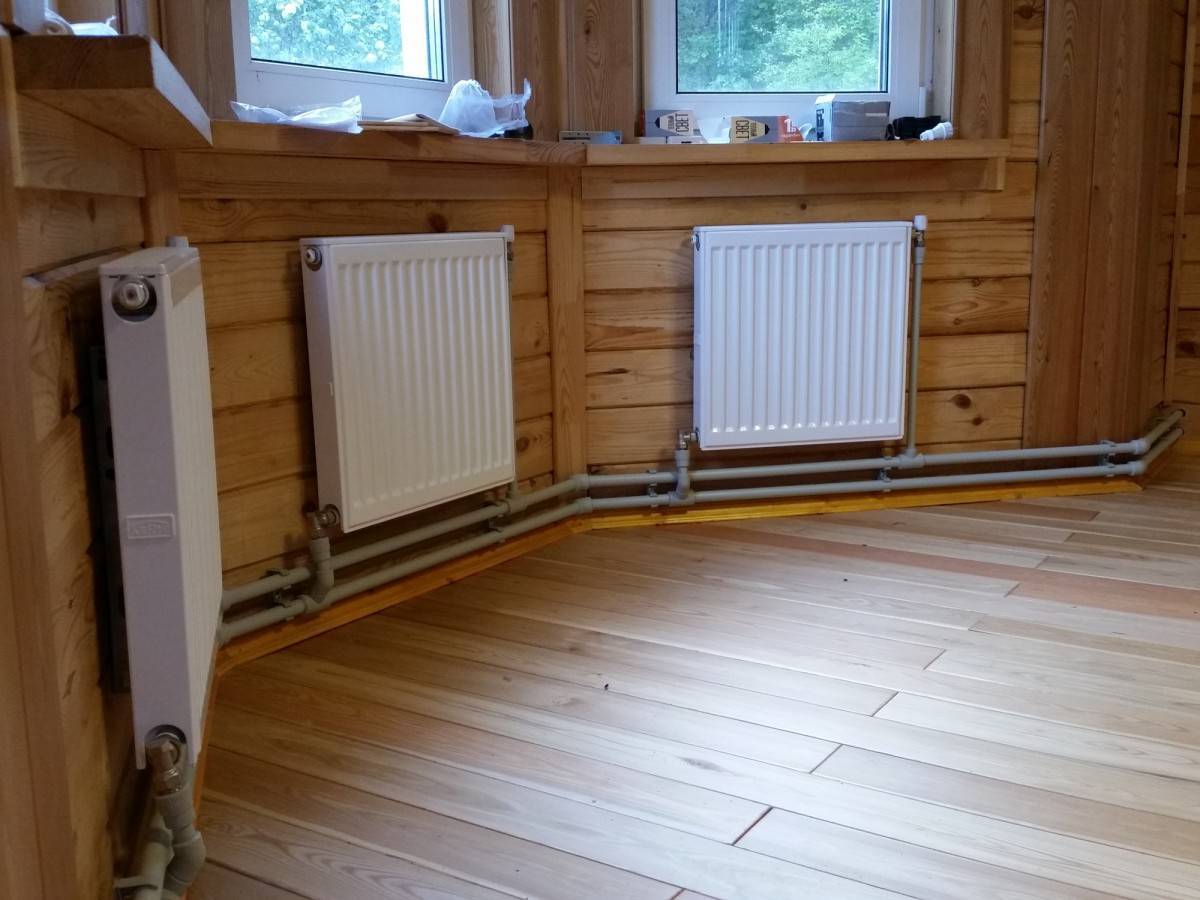


Air heating also has disadvantages. These include a significant difference between the temperatures in the lower and upper parts of the room. On average, it is 10 ° C, but in rooms with high ceilings it can reach up to 20 ° C. Thus, in the cold season, it will be necessary to increase the power of the heat generator.
Another disadvantage is the rather noisy operation of the equipment. True, this can be leveled by the selection of special "quiet" devices. In the absence of a filtration system at the outlets, a large amount of dust in the air may occur.
Varieties of heating systems
First of all, the house can be heated using an autonomous structure with forced or gravitational (natural) circulation of the coolant. Each of these methods has its own advantages and disadvantages. In addition, there are situations when it is better to use one or another variety.
Advantages and disadvantages of natural circulation
Gravity pumping is entirely based on the laws of physics. To be more precise, the heat carrier moves through the pipeline due to the difference in weight between the cooled and heated water.
A hot liquid has a much larger volume, but a much smaller mass. Accordingly, it rises up the riser, moves further along pipes that are laid at a slope, and is pumped into heating radiators, where it is cooled.
Before making the final choice in favor of a certain type of fluid circulation in the system, you need to consider the pros and cons of each of the heating options.
The list of advantages of such a solution should include ease of installation. The natural circulation system lasts much longer and is more stable. At the same time, the absence of a pump allows you to get rid of excess noise and ensure independence from the availability of electricity.
As for the disadvantages, this kind of solution can only be used when heating a small house. In addition, the system needs to lay pipes of large diameter, which significantly increases the cost of organizing a home heating system.
When choosing natural circulation, you need to responsibly approach installation - errors will lead to a serious decrease in the speed of transferring the heat carrier
Distinctive features of pumping systems
To make the water move faster through the pipes, a circulation pump crashes into the heating system. With it, you can move the media with virtually no temperature loss. As a result, a wooden building warms up much faster, which saves a lot of fuel.
The main advantage of forced circulation is that the area of a heated house can be practically unlimited. At the same time, the owner is given the opportunity to control the amount of heat and the speed of the pump. The disadvantages of this solution are the dependence of the system on the availability of electricity and the high noise level of the equipment.
When installing a heating pump, pipes of small diameter can be used. This allows you to save on the purchase of sanitary fittings.
This is interesting: Thermal imager for construction - how to make a survey with a thermal imager at home
What is the benefit of electric heating
Bringing the highway to the site is an expensive pleasure, so many homeowners are looking for other options. The use of liquid fuel boilers is not suitable for everyone, because a special container is needed to store diesel fuel. But heating a wooden house with electricity is a worthy solution to the problem. What is the rationale for this? Lots of arguments:
electric boilers have a number of significant advantages. This includes safety of operation, compactness, efficiency, noiselessness, environmental friendliness. Electric boilers fit perfectly into the interior, as they have an elegant appearance. In addition, the equipment is equipped with automation.With the help of "smart" devices, the temperature in the premises is regulated, energy saving is ensured and remote control is carried out;
Electric boiler "Dakon Daline PTE" is connected to any heating system
water heating - double-circuit boilers are used for this purpose;
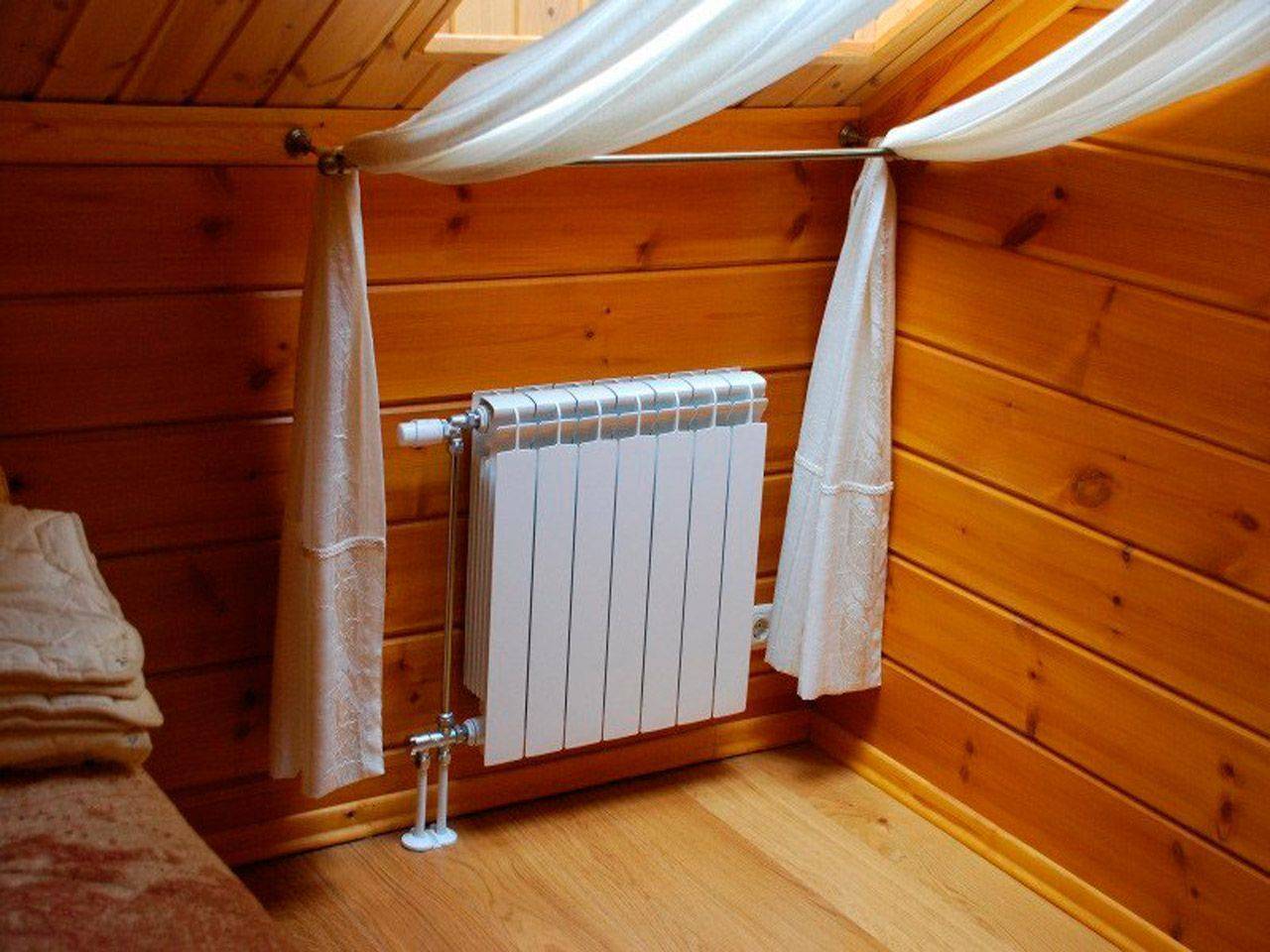
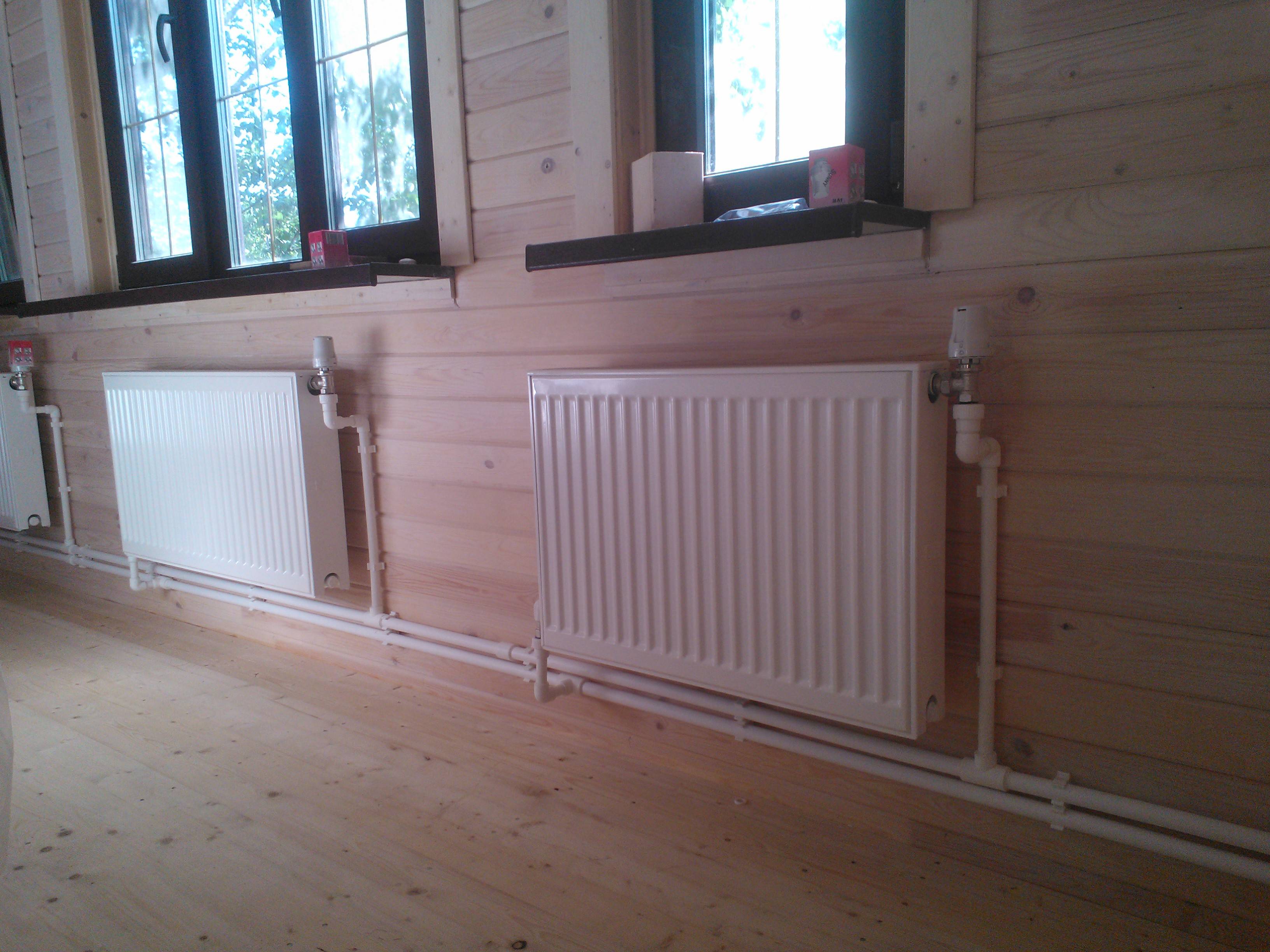
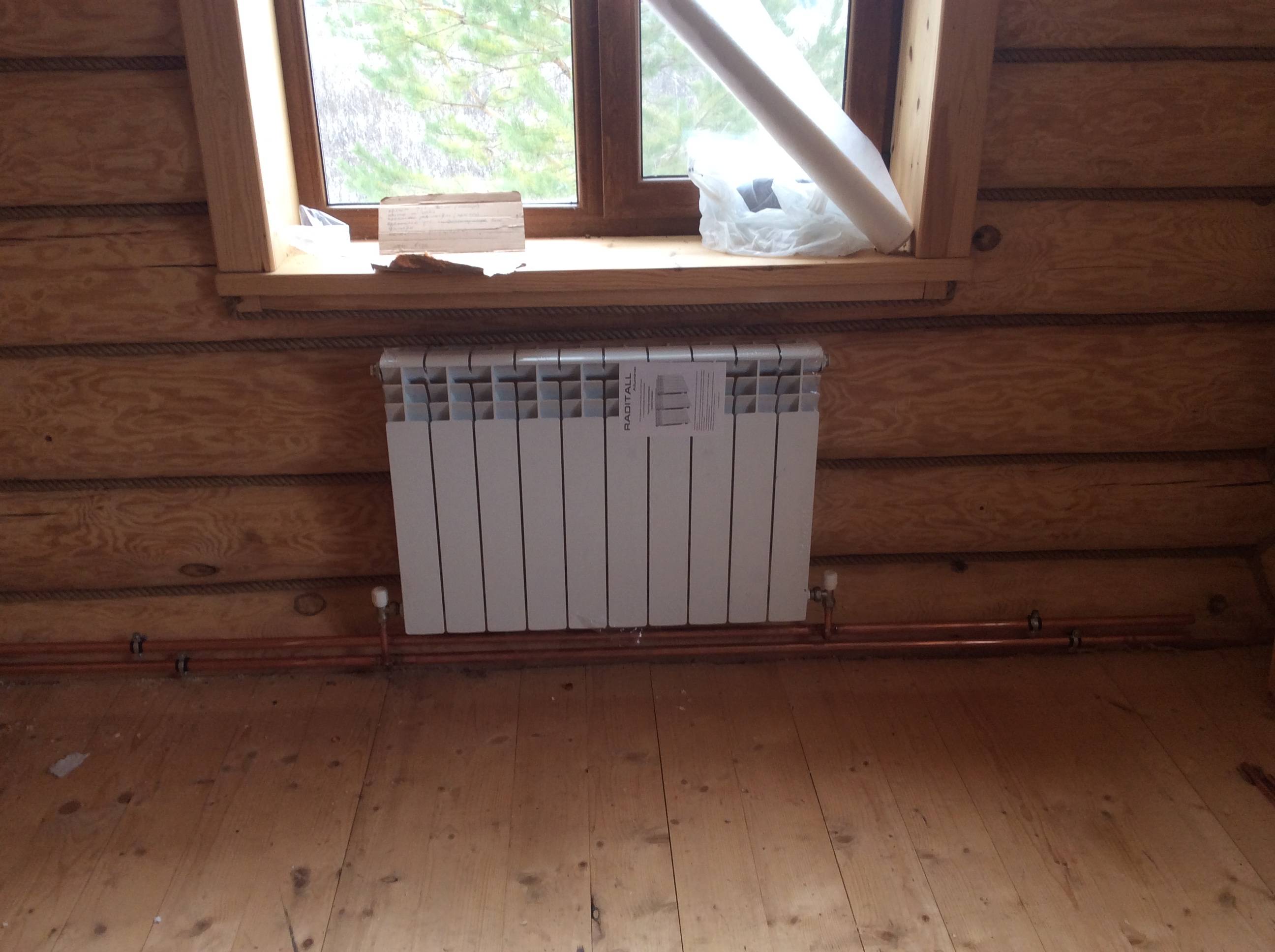
a large selection of radiators - heating batteries for a wooden house are represented by a wide range: aluminum, steel, bimetallic
Leading manufacturers pay close attention to product quality and develop interesting ideas. Aluminum batteries last a long time and have a fast heat dissipation
Steel radiators are affordable, and bimetallic ones can withstand high pressure.
Considering the options for heating a wooden house with electricity, you need to say a few words about the use of heaters. Basically, electrical appliances are used as additional sources. They are classified according to the nature of heat transfer. Electric heating in a wooden house is equipped with different heaters:
- Oil radiators - they do not irritate the respiratory system.
- Convectors are portable devices, the principle of which is based on the passage of air from the bottom panel to the top through the heating element.
- IR devices are heaters that have a positive effect on the body.
Convectors "Zilon" occupy a minimum of space and provide instant heating
How to choose the best heating system?
There are many heating systems. All of them have attractive sides and significant disadvantages.It is quite difficult for an unprepared person to navigate them and make the right choice.
In order not to be mistaken, you need to know exactly what points you should pay attention to.
First, it is the availability of fuel and its cost. You can consider this as a key point. As much as you like the system, but if the fuel for it is difficult to obtain, is supplied intermittently to the region, or is too expensive, you should consider another option. Otherwise, heating the house will cost a pretty penny and turn out to be inefficient.
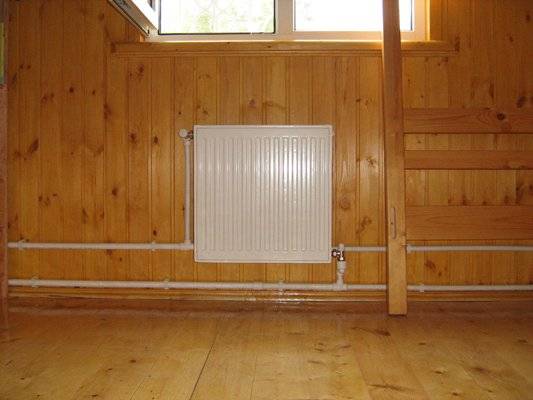

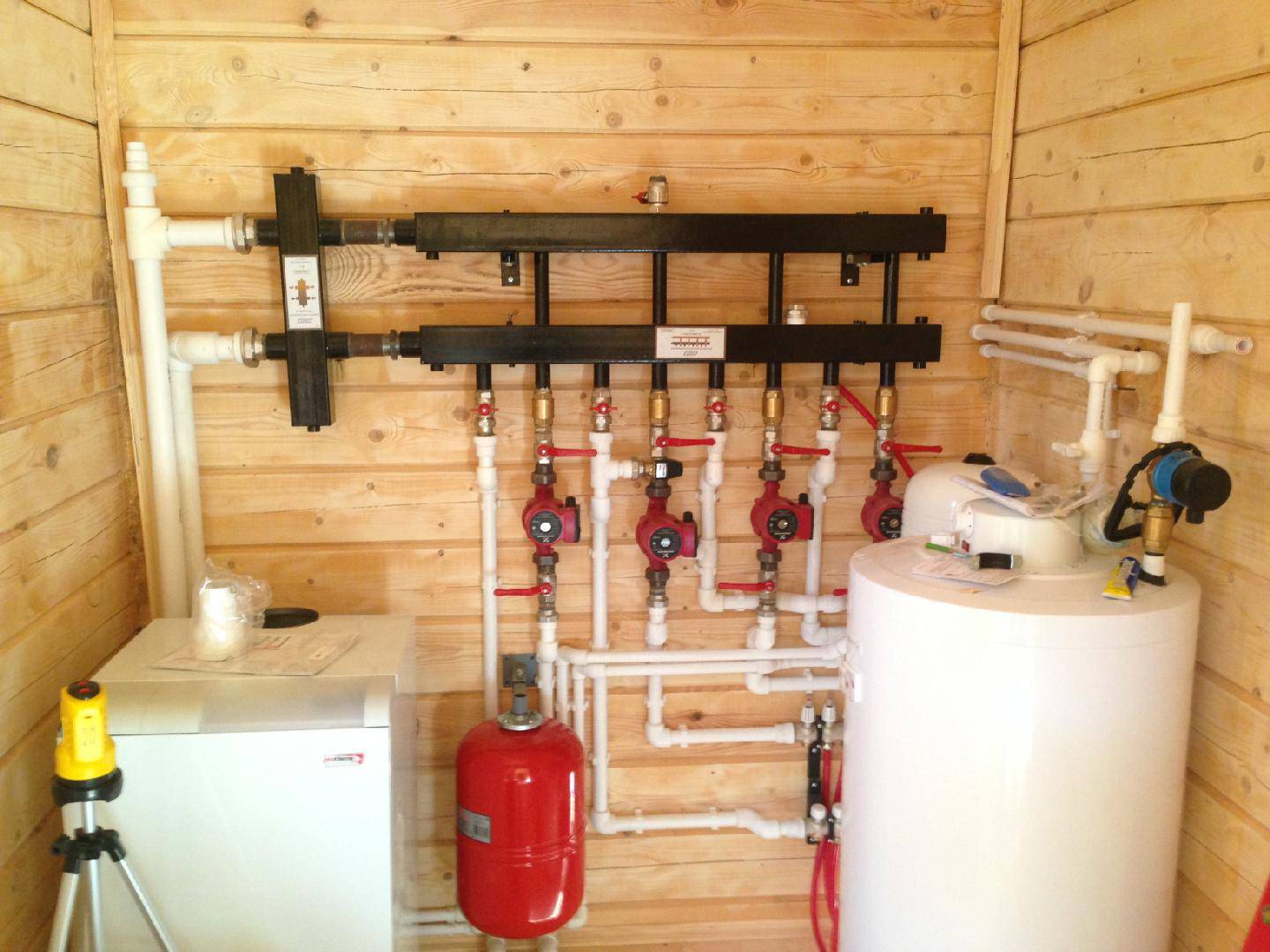


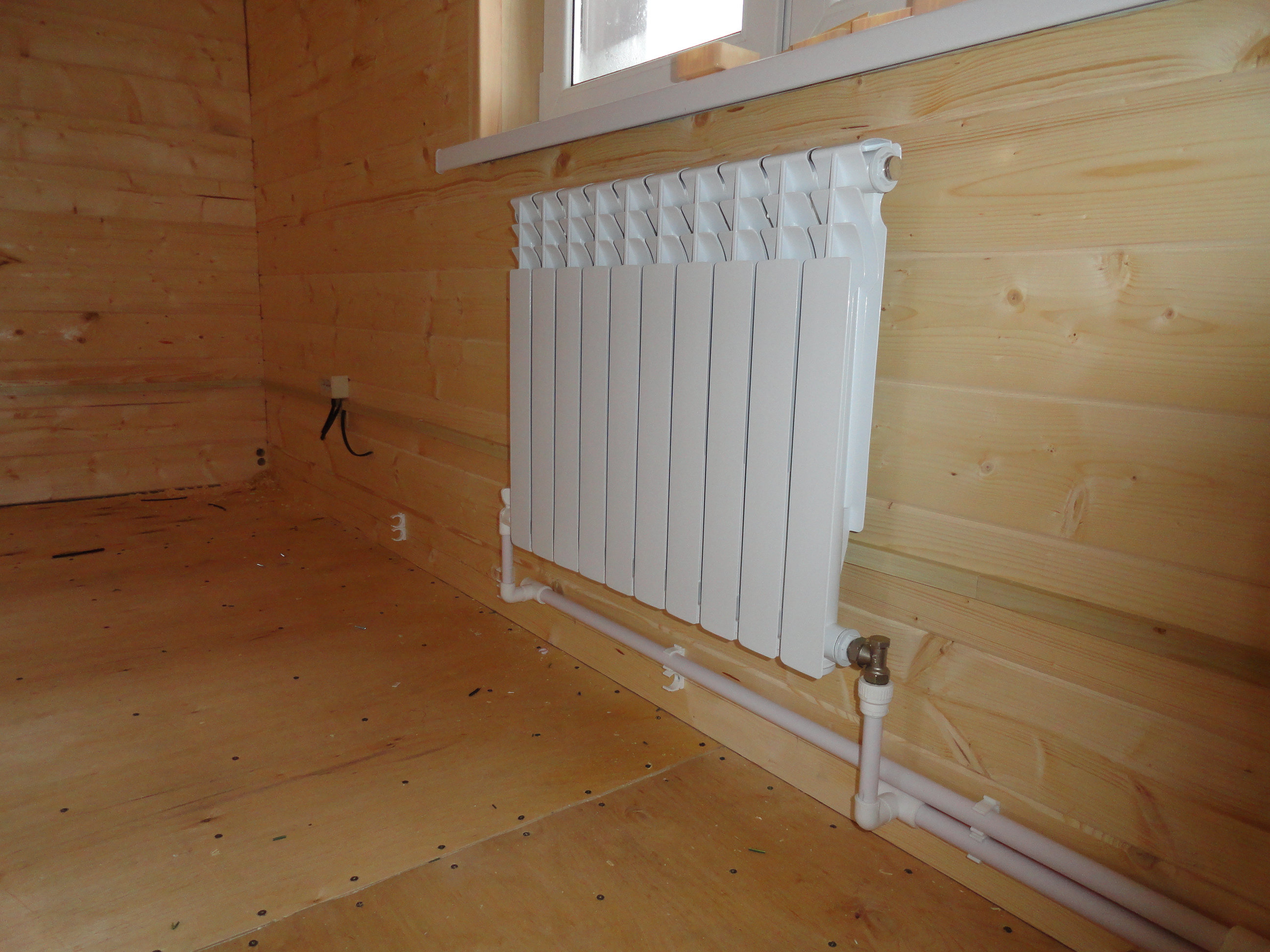
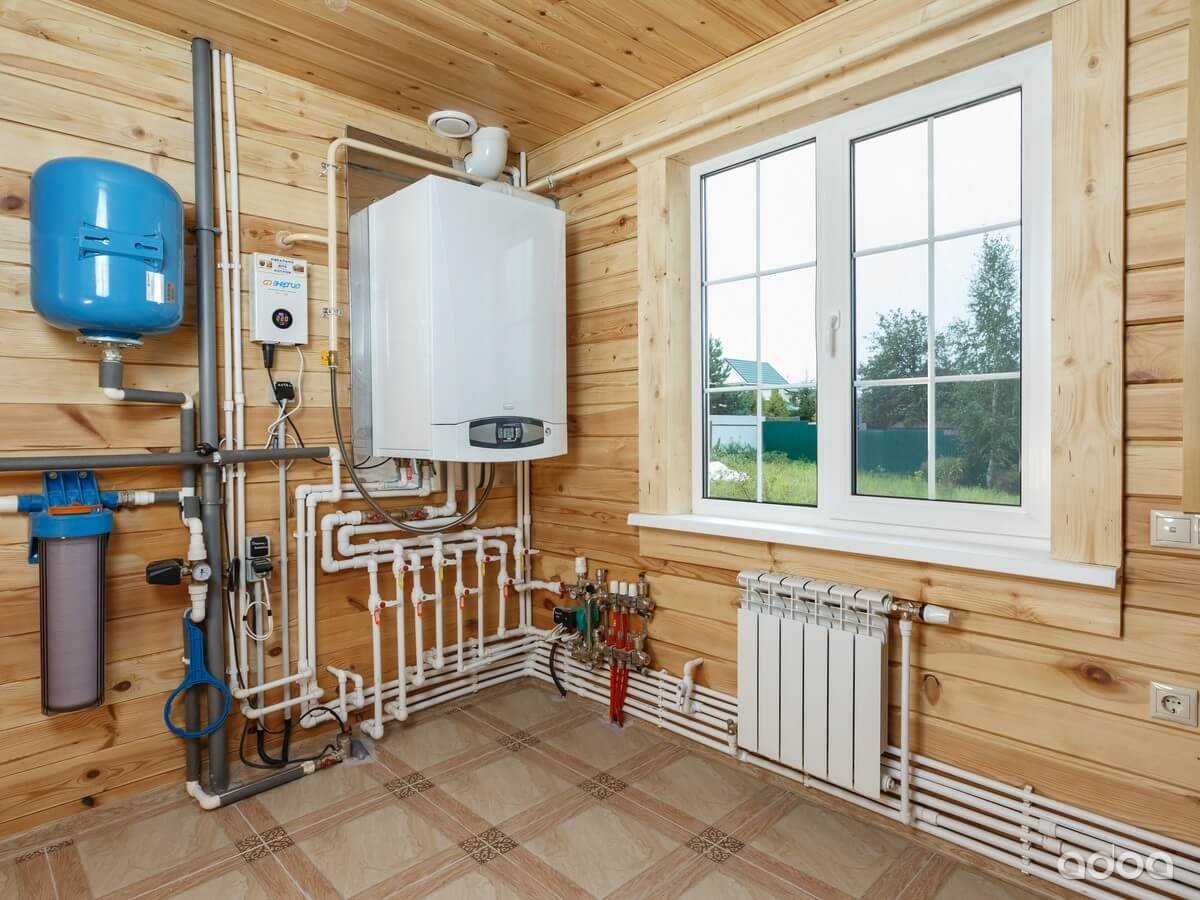

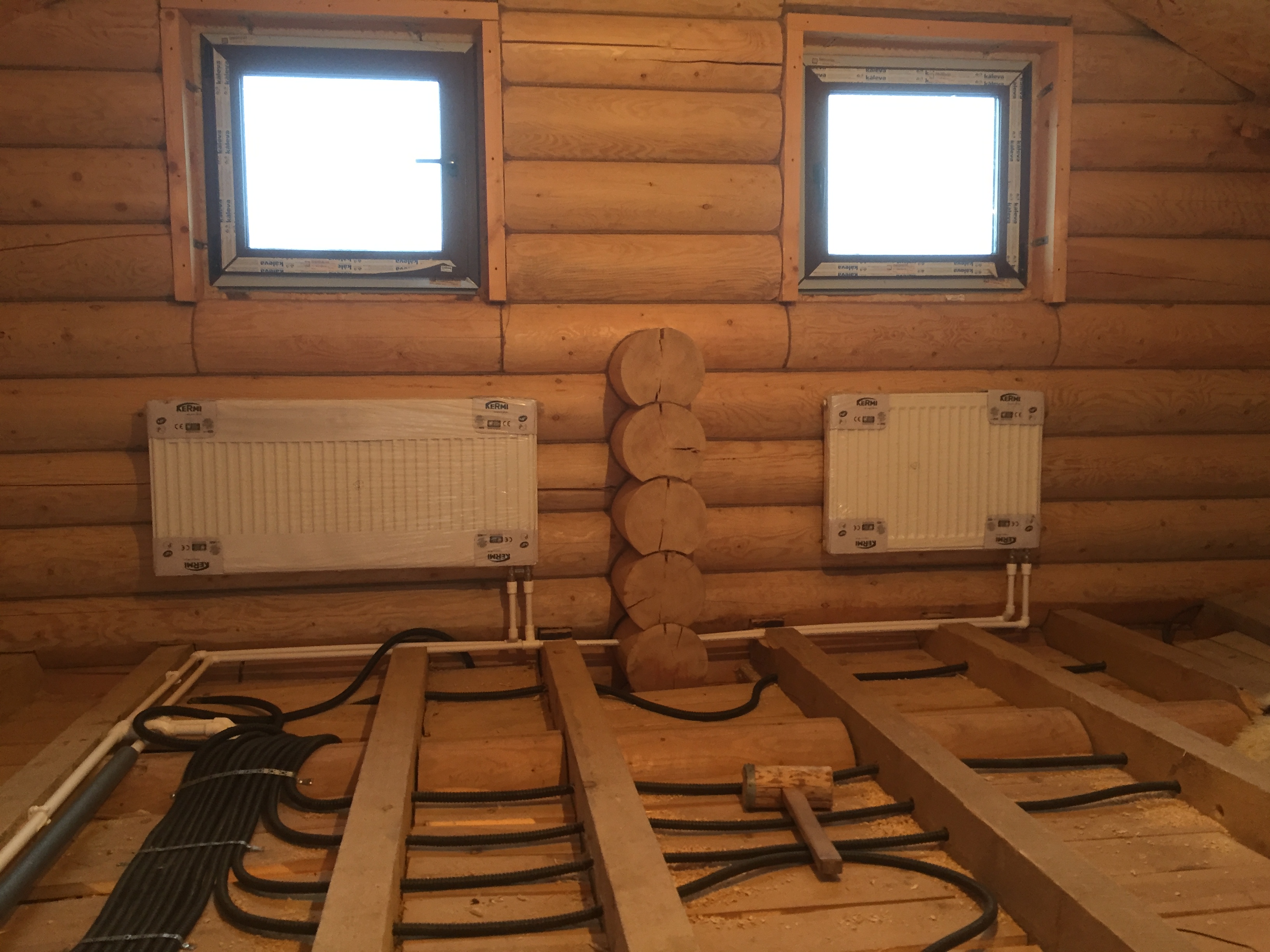
According to statistics, most owners of private houses choose heating systems with a liquid coolant. This is a practical, reliable and quite economical option.
The second point is the possibility of combining heating systems. In some cases it can be very practical to use a primary and secondary system. This gives confidence that in case of possible interruptions in the supply of energy, the house will not be left without heat.
In addition, there is an opportunity to save money, since you can use the most economical heating method at the moment.
And finally, the financial side of the issue. It is necessary to determine how much the consumer will be able to allocate for the purchase of equipment, its competent installation and subsequent regular maintenance.
Modern built-in heating systems
Underfloor heating system - practical and comfortable
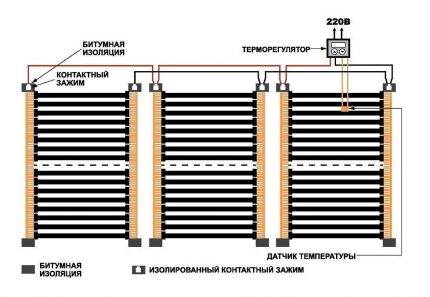
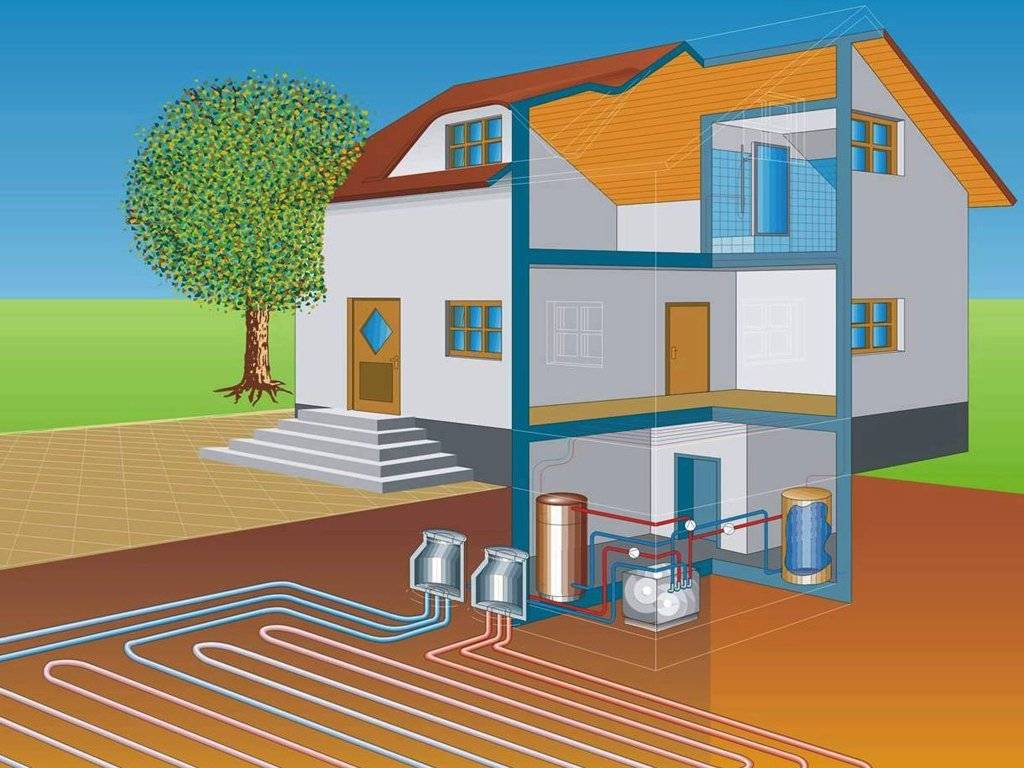
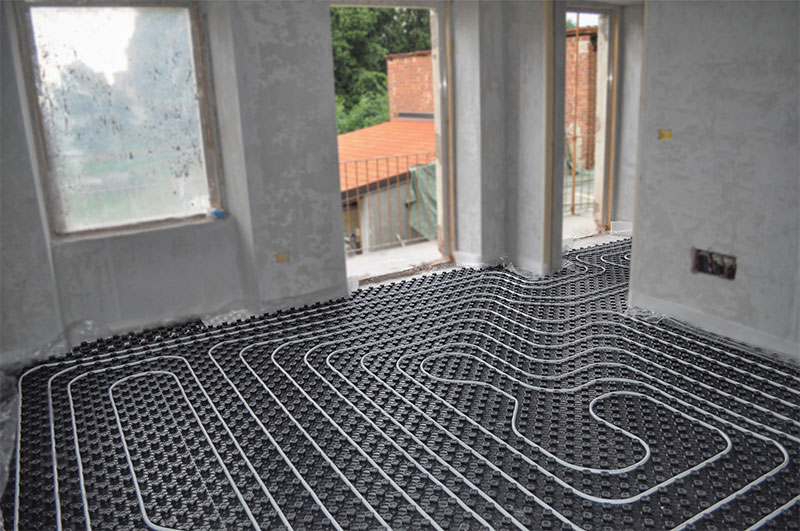
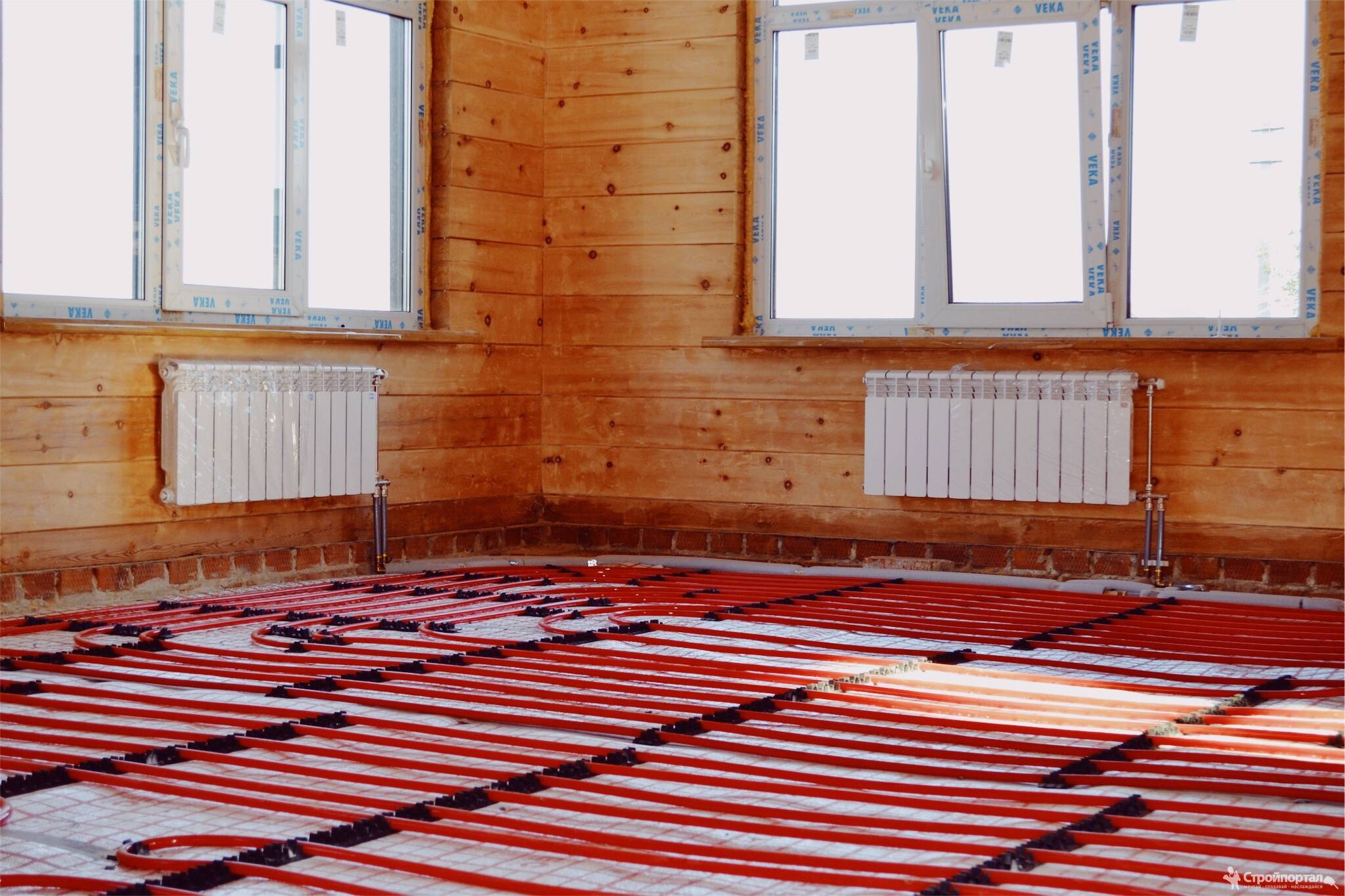
The "warm floor" systems have firmly entered the everyday life of consumers. Theoretically, they can work not only on electricity. This name is given to any design of heat-conducting systems located under the floor. For example, sometimes a serpentine branch is made from a hot pipeline and mounted under the floor of a bathroom or kitchen.The hot water from the system gives off its heat to the floor surface and thus heats up the entire room. There are also infrared floor heating options that are more economical than electric ones. But so far they are just beginning to gain their fans. In addition, the full heating of a wooden house with underfloor heating is hardly advisable. Such systems are perfect for zone heating of a room, and it is better to use them in combination with any other heating methods.
The most modern systems include infrared heating of a wooden house. Infrared radiators are economical, do not require investments during their operation and, if properly installed, are able to maintain a comfortable temperature. Sources of infrared radiation can be placed on the floor, on the ceiling, on the walls. What matters is where they go. Since the source of heat for infrared heating is not the emitters themselves, but those objects that reflect the radiation. And it can be any objects, including living beings. However, long-term exposure to infrared radiation directly on a person is hardly useful. Therefore, it is recommended to place infrared heaters so that they are below or above the level of the head of people permanently residing in the house.
Installation of heating systems
In order to save money, the arrangement of the heating system can be done by hand
At the same time, it is very important to take into account all the norms, rules, follow the sequence of actions, as well as fire safety techniques.
Electrical system device
Installation of a system for heating a house with electricity is considered affordable even for those who do not have practical experience.Connection of convectors, selected in terms of power according to the quadrature of the room, is carried out using a conventional socket. If there are several devices, a separate machine in the electrical panel and an individual grounded power source should be installed on each of them.
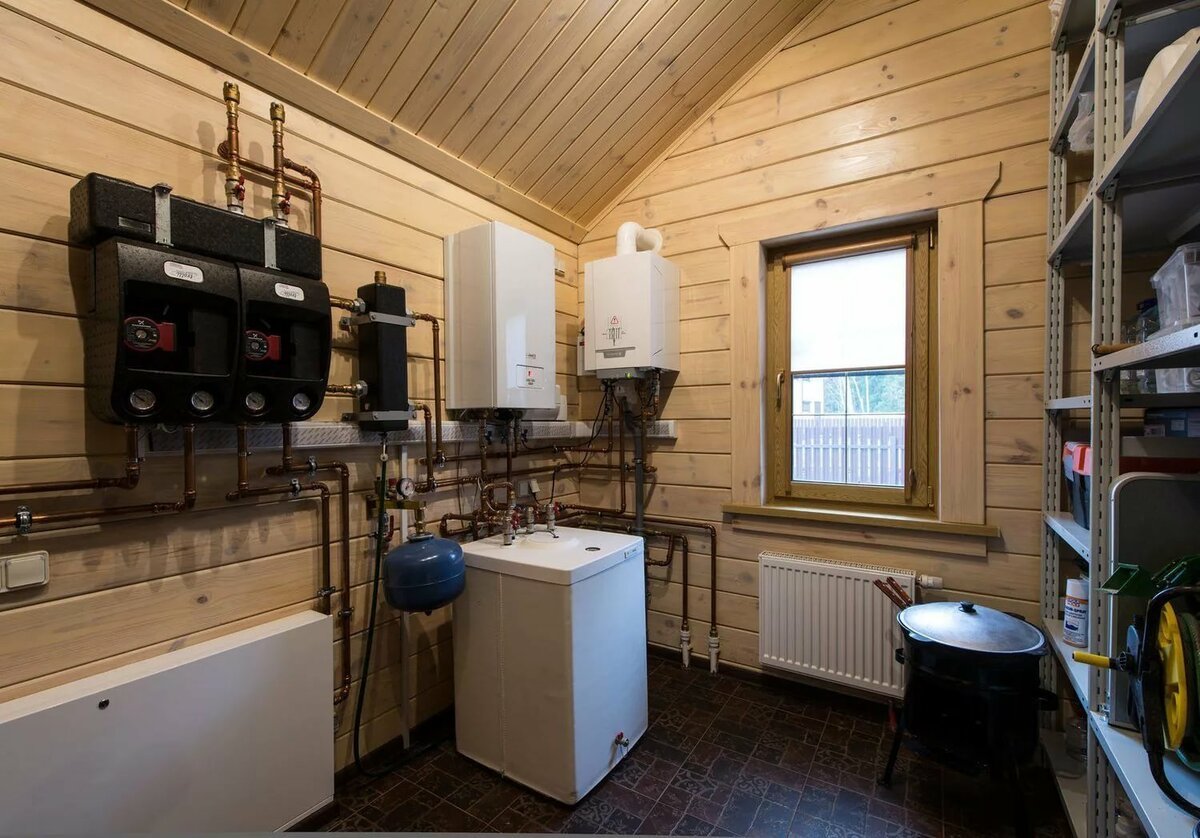
Electric boilers are installed in a place convenient for piping at home, in addition, radiators made of bimetal, aluminum or steel are fixed in the rooms and pipes with fittings are installed.
It is desirable to make the coolant circulation system forced by installing an additional circulation pump. This will result in significant savings. A multi-tariff meter can also affect cost minimization.
Electric heating systems also include "warm floors". They are installed under the floor surface or in a concrete screed.
It is important to provide good thermal insulation of the base under the floor, which will not allow heat to dissipate.
Gas heating
This type of heating can be carried out by installing a gas boiler (used if there is a gas main nearby) or a convector (it is advisable if the gas is imported). Boilers with electronic ignition are considered the most economical.
If the system is powered by a centralized boiler, then the coolant will circulate through pipes and radiators that provide heat to the room
At the same time, in addition to the installation of the pipeline, it is important to equip the boiler room and install a high-quality ventilation system there.
If a scheme with convection heating is chosen, then it is necessary to install pipes around the perimeter of the house, and the radiators should cut into them in parallel, and not breaking the system.
Convectors are placed in each room of the house under the window, a gas cylinder is placed nearby, and a coaxial pipe provides the removal of combustion products.
Solid and liquid fuel boilers
Such heating is most often used in areas where other methods of heating are not available. The installation of the boiler must be carried out in a specially designated room or on the basement floor. If you plan to install the system yourself, then it is worth considering some points:
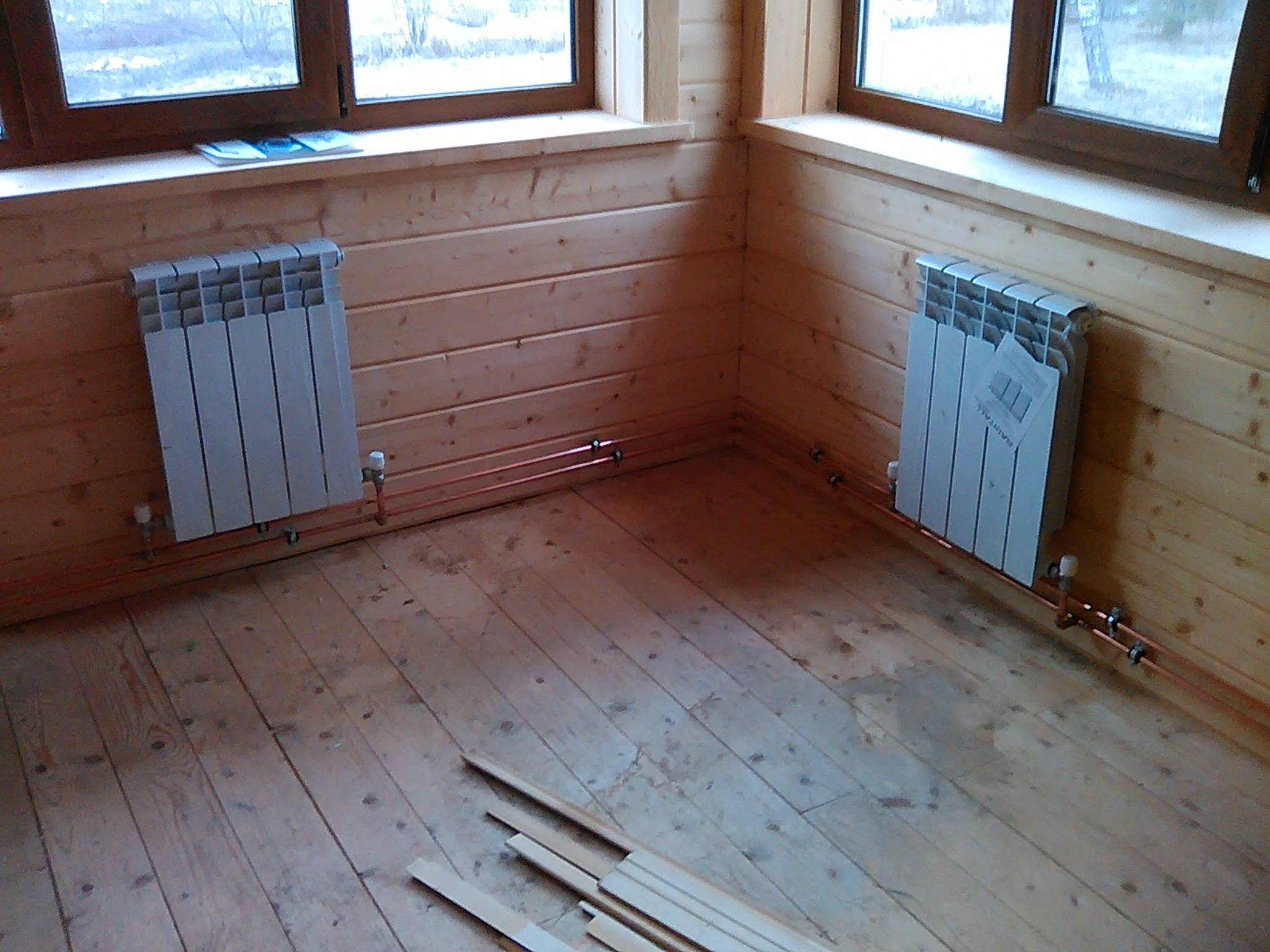

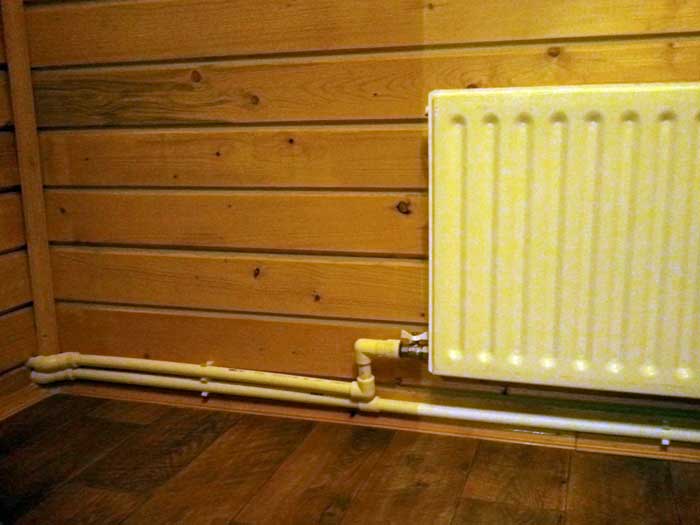
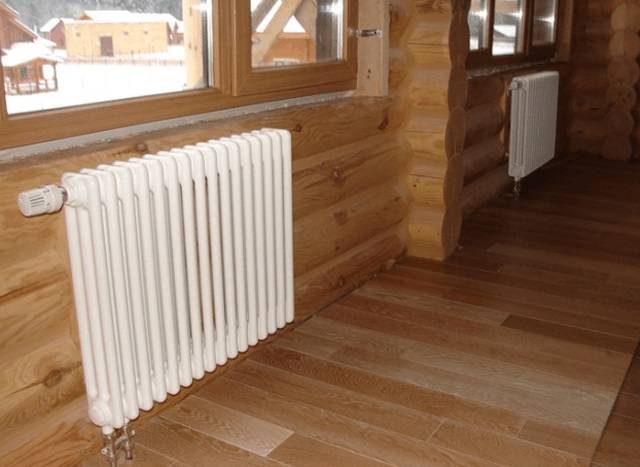
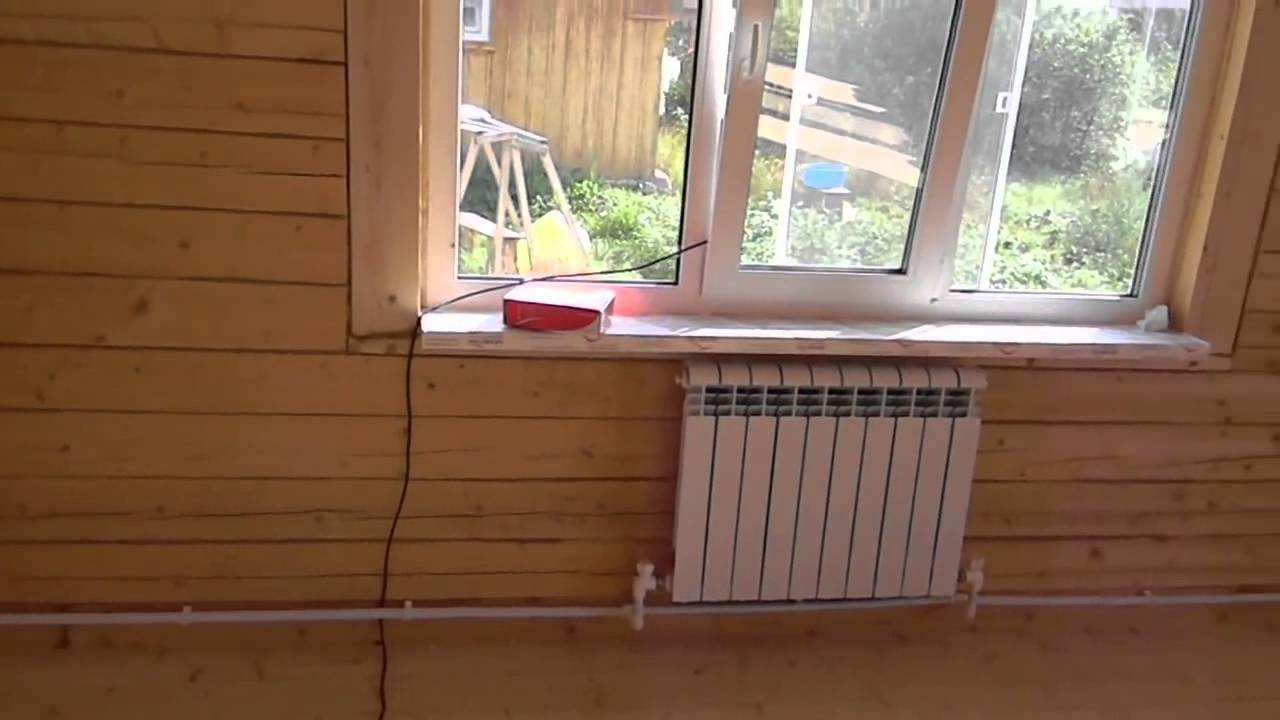


Mandatory installation of a compensation system.
The use of high quality material (radiators and pipes).
The importance of proper connections and docking of elements, preventing leakage.
Reducing the number of risers (installation of wiring on all floors).
Important: Do not mount solid fuel boiler piping on a wooden wall!
The main thing is to do everything right when installing a heating system in a wooden house: strictly follow the instructions and adhere to safety requirements.
Differences in schemes according to the method of connecting heating radiators
When radiators are connected in series, the coolant from the boiler first enters the first radiator, then the next, and so on. The water that has cooled down at the end is sent back to the boiler.
Such a scheme is quite simple, uses a minimum amount of material, but its effectiveness is a rather controversial point. Already cooled water will flow into the last radiator, so it is used only in small houses.
"Leningradka" is a modification of the one-pipe system discussed above. But she has one feature.Each radiator is equipped with a "bypass" pipe, which has a smaller diameter and a control valve. With it, the heating of each individual radiator is adjusted. Such a system is much more balanced than a simple one-pipe system.
Is gas heating suitable for a log house?
Autonomous gas-fueled heaters in local heating systems for log houses are used very rarely. This is due to the presence of open fire in such devices. There is another significant drawback of gas heaters. During the combustion of fuel, they burn oxygen in heated rooms.
At the same time, gas fuel is the most common energy carrier for autonomous heating systems in private homes. The main condition for such systems is the ability to connect to the central gas pipeline. Modern gas-fired heating boilers are economical, have an automated control system and high power. Such a unit can effectively heat a house made of timber with an area of several hundred square meters. There are floor and wall models of gas boilers. The latter devices can be used without arranging separate chimneys. The main disadvantage of autonomous heating using such boilers is the high cost of laying a gas pipeline to the house. In the absence of such an opportunity, some developers use gas tanks or liquefied gas cylinders. Such decisions are not always economically justified.
Despite all its shortcomings, gas heating is considered the most convenient and cost-effective option for a log house.Very often, together with such boilers, floor heating systems are also used. In private houses with a small area, gas convectors can be installed. For the installation of heating systems on gas fuel, you will need equipment such as a gas boiler (the best option is automatic wall-mounted models with a pump), polypropylene, gas pipes and special valves.
It is important to design and professionally equip a chimney for a gas boiler. A disc with a small hole is embedded at its base.
To calculate and equip the design of the chimney, you will need an experienced stove-maker. It is not allowed to place a gas boiler in the basement. Such equipment is located in the corridor or in the kitchen. Installing a convector allows you to achieve more economical operation of the heating system, as it becomes possible to adjust the temperature in certain rooms of the house from a bar.
Types of heating wooden houses
In order for a log house to be cool in summer and warm and cozy in winter, it is important to choose the right heating options based on modern heating systems.
Electric heating
Heating a wooden house by means of electric heating guarantees residents the ease of controlling appliances and the absence of harmful emissions. In addition, there is no need to build a separate boiler room and chimney.
The electrical system has practically no flaws, but it can be affected by external factors in the form of an ever-increasing resource cost and imperfect operation of power networks with frequent voltage drops. To protect yourself from such problems, you can stock up on a generator, but in this case, the issue of savings becomes moot.




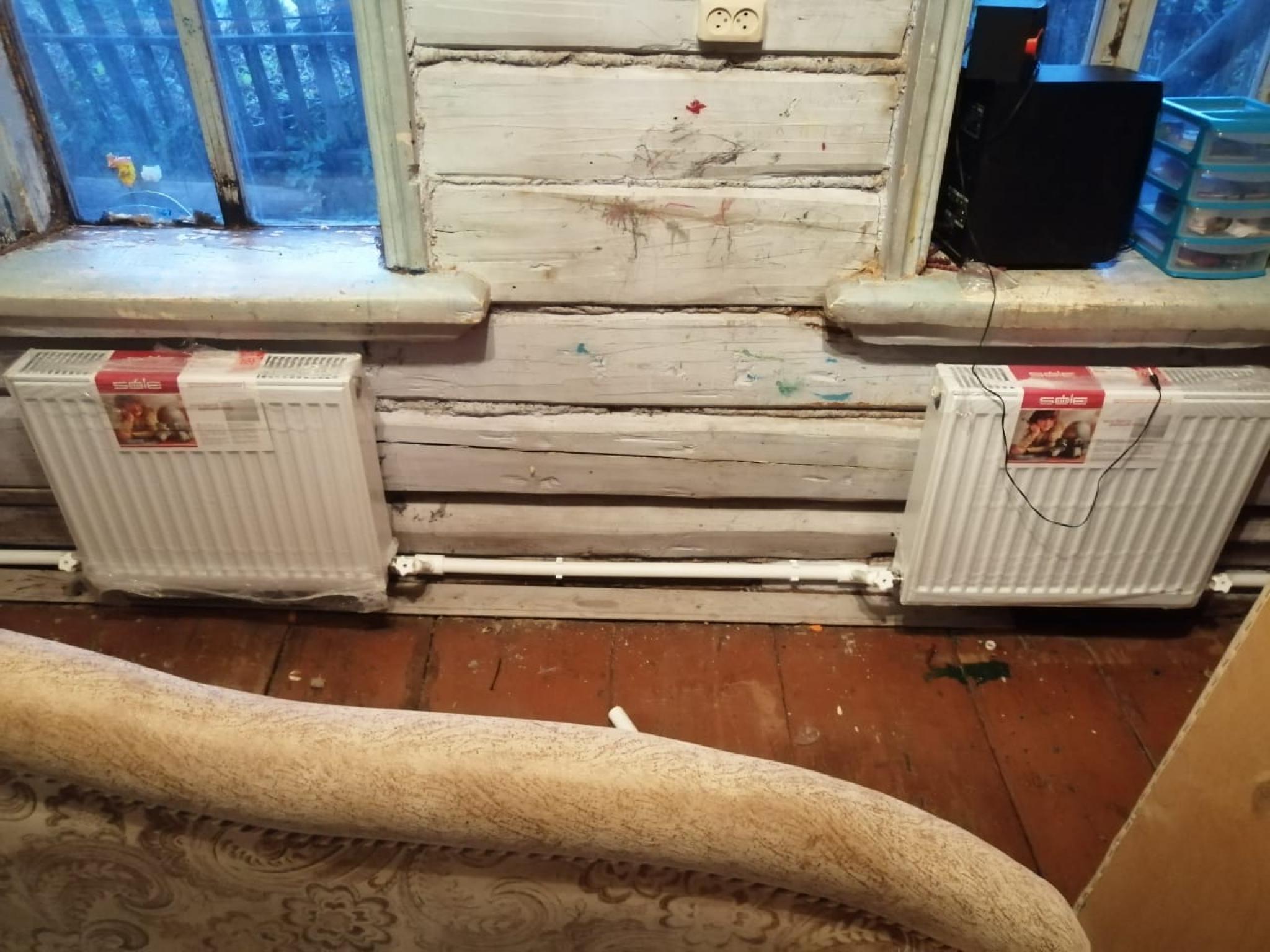
If water electric heating is used, then the risk lies in the coolant, which, if the equipment is used incorrectly, can leak or freeze.
Electric heating is provided by:
- heaters (mounted, floor, built-in - such as underfloor heating);
- radiators equipped with individual heating elements;
- radiator heating scheme, the "heart" of which is considered to be a heating electric boiler.
Gas heating
Gas heating in a wooden house is an easy-to-maintain and quite effective method that provides high efficiency, but at the same time requires increased attention to safety. This is especially true of wooden structures in which it is planned to install a gas boiler.
In addition, far from all suburban settlements are supplied with gas, which is also a problem that can be solved by installing a special container for storing imported gas on the site - a gas tank or by purchasing cylinders, but this will significantly increase costs.
Solid fuel
Solid fuel equipment is considered the best option for heating those houses that do not have access to a gas pipeline and where there is questionable operation of the power grid.
Such heating is efficient and less expensive than an electric unit, and also attracts by the low price of equipment and the possibility of installing all the elements with your own hands. In modern models of solid fuel boilers, components and parts are provided that improve their efficiency: for example, an automatic machine for metered supply of coal to the boiler.
For normal operation of the unit, it is necessary to install it on the ground floor or in a specially built boiler room.
The raw material for heating this type of boiler is coal, peat, firewood, sawdust or pellets. During operation, the device becomes very hot, which increases the risk of fire
In order to ensure safety, it is important that the boiler room is lined with non-combustible material. In addition, it is necessary to take care of the room intended for the storage of raw materials.
oven
Stove heating in a wooden house provides warmth and comfort. Most often, stoves of the "Swede" type are used, which combine not only the functions of heat transfer, but also equipped with a hob and an oven. If desired, such a stove is supplemented with a fireplace and sleeping places are arranged near its wall.
The disadvantage of stove heating is the likelihood of poisoning by combustion products or ignition. In addition, the stove will be able to heat a house with a square of no more than 100 square meters with wood or coal. m.
liquid fuel
Oil-fired boilers are also particularly popular in areas where other heating options are not possible.
Diesel fuel (solar oil) is used as the main raw material. The advantage of this type of heating is the low cost of raw materials, and the main disadvantage is the possibility of carbon monoxide poisoning, the occurrence of fires if safety precautions are not observed, and the need to equip special rooms.
infrared
Given the difficulties with popular heating systems, an innovative and rational heating scheme based on infrared radiation was developed.
The principle of operation of this equipment is the operation of heating elements that radiate thermal energy on the surface of a wooden house (furniture, walls, ceilings, floors), which, when heated, release heat into the air.At the same time, warm air rises and mixes with cold air, which avoids overheating and saves up to 70% of energy.
Sometimes combined types of heating are used when several types are used simultaneously. This may be heating with an electric boiler, the functions of which, in the event of a power outage, begin to be performed by a solid fuel unit.