- Principle of operation, structural differences
- Wall dryers
- Floor models
- Duct dryers
- Features of air exchange of pools
- Optimal pool ventilation system
- Supply and exhaust system
- Air Dryer
- Conditioning
- How to design a ventilation system
- Rules for ventilation and heating of swimming pools
- Project development features
- Fundamentals of calculating the ventilation system
- Useful tips and rules
- Recommendations for creating a ventilation system
- Pool microclimate
- An example of calculating the evaporation of water from the pool per day
- Choosing the Right Equipment
- Ways to Control Humidity
- Method #1 - Using dehumidifiers
- Method # 2 - the organization of proper ventilation
Principle of operation, structural differences
Despite the wide variety of models, the principle of operation for all dehumidifiers for pools are the same. It consists in the following: this device contains a powerful fan and a special cooling radiator inside. The air injected into the device is freed from steam by its instantaneous condensation on the icy surface of the ice radiator. Further, this condensate flows into a special container. At the outlet of the device, the air is heated to normal temperature and supplied to the room.Depending on the power, dehumidifiers are domestic and industrial.
Correctly, such dehumidifiers are called freon-type installations or evaporative-condensing units. Each of these devices has two heat exchangers. One cold - condenser and one hot - evaporator. They are arranged in series in the air stream. The air after drying warms up slightly, its temperature rises by 5-6 degrees.
There are also absorption dehumidifiers, which absorb steam with a special fiberglass absorbent disk. But such installations in swimming pools are rare, these dehumidifiers are more intended for food and pharmaceutical enterprises. There are also household dehumidifiers, but they are too small for pools. They are intended for bathrooms and basements. Industrial models have a capacity of up to 360 liters per day, household ones - no more than 20. Industrial units provide 24-hour non-stop operation and the ability to operate at sub-zero temperatures. They regulate the time, mode and intensity of dehumidification.
Also, the selection of the dehumidifier is carried out according to the form and method of installation, and they are divided into three main varieties:
- Wall mounted;
- floor;
- Channel.
We give their brief characteristics.
Wall dryers
Designed specifically for small pools. Their productivity does not exceed 3 liters per hour. They are hung on the wall on special brackets. So that the dehumidifier itself does not rust in a wet room, it is made of galvanized steel, which is additionally coated with thick enamel. This reliably protects against corrosion and ensures long-term operation. As a rule, repairing dehumidifiers for small pools is inexpensive and uncomplicated.
High-quality dehumidifiers are equipped with an additional dust filter, and most modern models are fully automatic, have built-in humidity and temperature sensors. These dehumidifiers are designed for pools up to 40 square meters. The low price and easy installation have made the wall-mounted dehumidifier the best option for private ponds.
Floor models
The floor-mounted dehumidifier does not require any installation effort, they are simply placed on the floor in close proximity to the pool. They are also designed for small spaces. Even if the ventilation of the pool in the cottage is not good enough, such a dehumidifier will do its job perfectly.
Duct dryers
Powerful indoor air duct dehumidifiers for swimming pools contain a whole system of air ducts. They are equipped in a separate room, which can be located under the pool or above the ceiling. Thus, the equipment is out of the recreation area and visibility for visitors. People do not hear the noise, and the equipment does not spoil the design of the room. This type of equipment has many advantages for large pools. We list these advantages:
- High performance;
- Intelligent automatic control system;
- Air is distributed evenly;
- The ability to set the most optimal and stable microclimate due to the wide functionality and many settings.
However, this is complex equipment, any duct dehumidifier requires specialists to install and configure.Proper installation is impossible without preliminary calculations and necessarily includes the design of pool ventilation, respectively, the cost of installing such equipment is much higher, therefore, for private pools, the issue price is often unattainable. This equipment is for water parks and large commercial pools, where a powerful air exchange is planned.
Features of air exchange of pools
During the construction of swimming pools for public and private purposes, they often do not pay due attention to the ventilation of the halls, considering them to be non-residential premises.
However, it is there that, without proper arrangement, harmful fauna and flora are born, carrying a real threat to the practically unprotected organisms of bathers and swimmers.
Image gallery
Photo from
Organization of ventilation in the pool - a measure necessary for dehumidification and supply of fresh air
Ventilation units that remove excess moisture from the swimming hall with a bath, at the same time remove unpleasant odors
Depending on the area of the bath and the frequency of visits to the pool, ventilation equipment is selected. These can be compact monoblocks or massive installations with climatic functions.
Stationary ventilation systems are equipped with devices for supplying fresh air from the street, which must be heated by a heating system.
Most often, the preparation of fresh air supplied to replace the remote exhaust air mass is heated by water or steam heating.
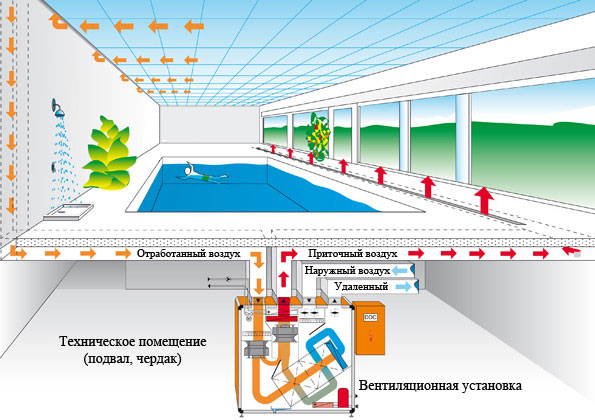
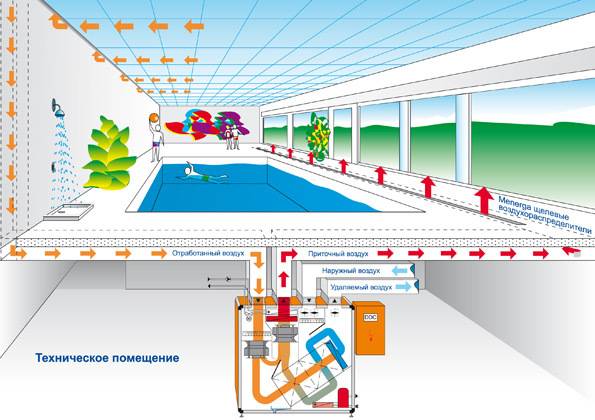
The output of the exhaust air flow and dehumidification of the air in the pool is impossible without the use of a supply and exhaust mechanical system. The unit can work either for exhaust or supply
The movement of air mass in ventilation circuits is induced by the fan. It, together with air filtration and heating systems, is located in the basement or in the attic, or in the utility room next to the pool
If the air handling unit is equipped with only one fan, the system operates exclusively on supply air. Exhaust air is displaced by fresh air
Fighting high humidity
Side effect
Monoblock types of equipment
Design nuances
Air preparation before supply
Supply ventilation option
Location of system hardware
Single Fan Installation
Proper organization of pool ventilation and air exchange fundamentally solves a number of operational problems that arise in such facilities. The purpose of indoor air exchange devices is to maintain humidity within the allowable established norms.


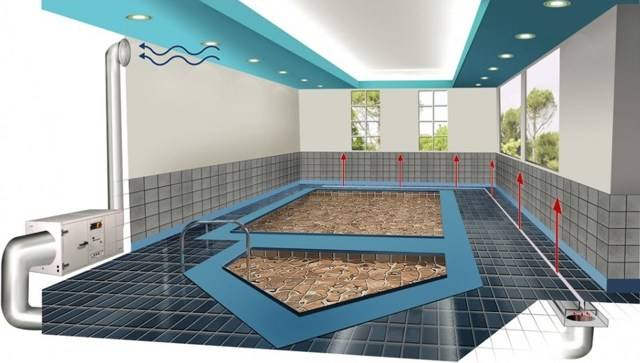

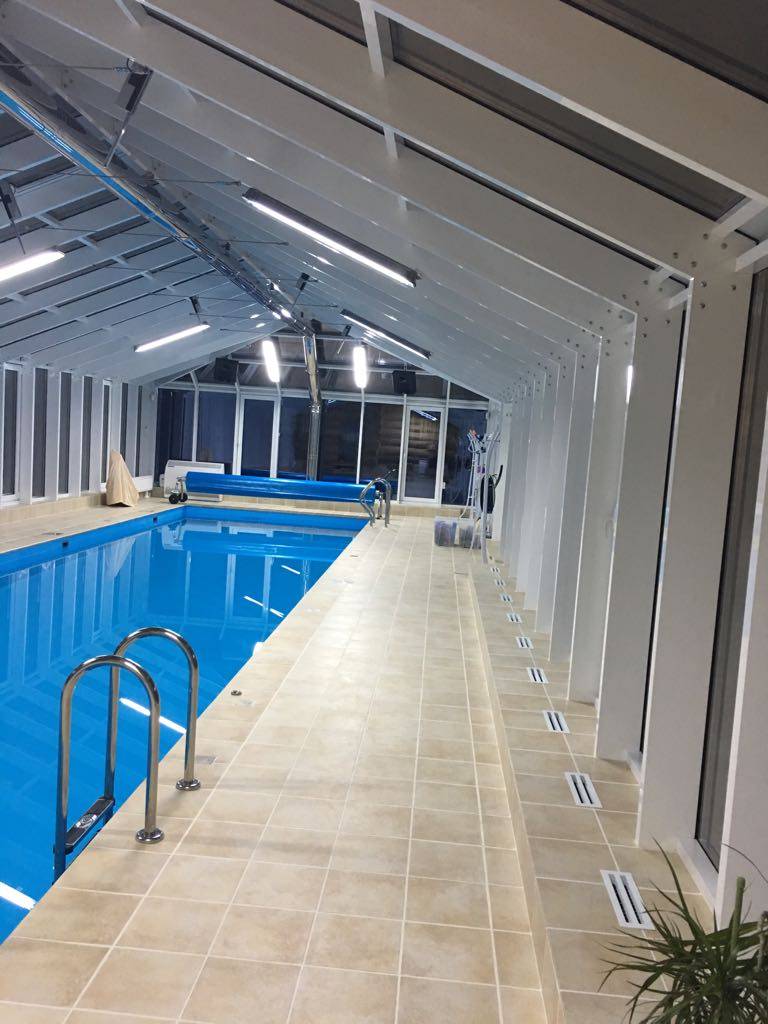

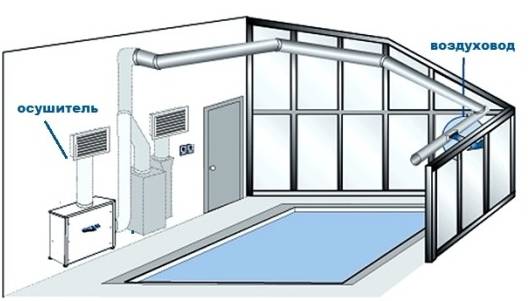


Specialized equipment removes excess moisture and promotes the flow of fresh air, while creating good conditions for visitors. The task is complicated by the need to organize a microclimate that is comfortable for being naked in the pool.
A large amount of water constantly evaporates in a swimming pool, increasing humidity and reducing comfort.
Ventilation of the pool premises performs two main functions:
- maintaining optimal humidity readings;
- ensuring air exchange in accordance with sanitary and hygienic standards.
Exposed water surfaces and wet walking paths evaporate water vapor, significantly increasing humidity. In a room with high humidity, a person is uncomfortable, he feels excessive stuffiness and tiring heaviness.Polluted pool air with microimpurities of chlorine from water and carbon dioxide exhaled by visitors also has a negative impact.
Ventilation of pools ensures the flow of clean air, the removal of harmful microorganisms and the stabilization of humidity within the limits of standard indicators
Optimal pool ventilation system
It is clear that the microclimate will create the temperature of the water inside the open tank. Therefore, there are certain rules that relate to this parameter. For example, in sports pools, the water temperature should be 24-28C, in medical pools 36C, in children's pools 29-32C.
Accordingly, the air inside the room should correspond to the water temperature, adjusted upwards by 1-2 degrees. First of all, this is a comfortable environment, and secondly, such a ratio of temperatures does not allow water to evaporate intensively. And another indicator is humidity. It should be in the range of 40-65%.
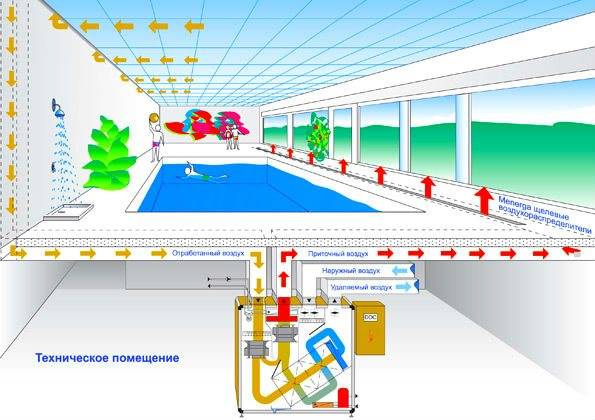
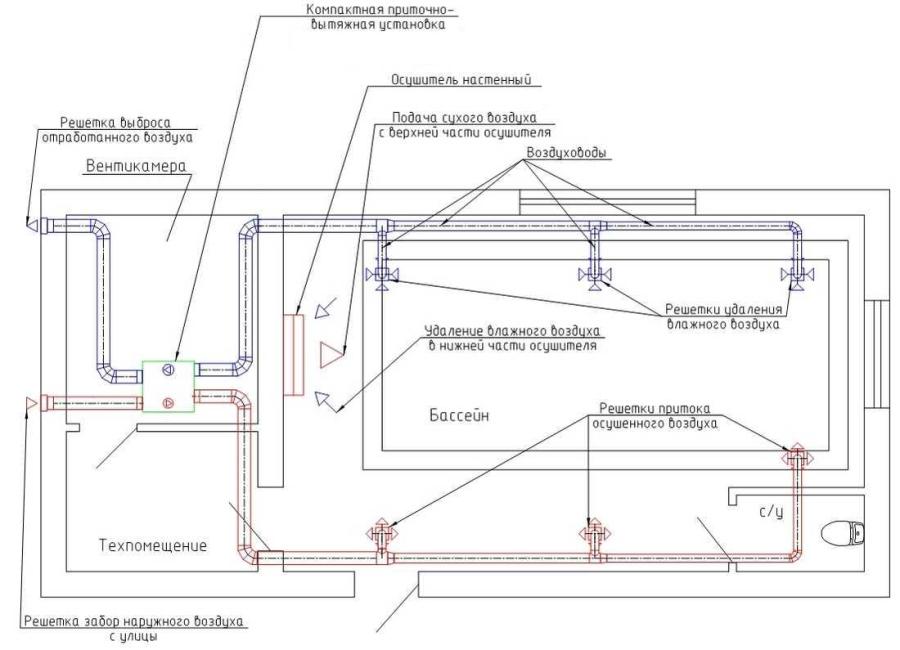
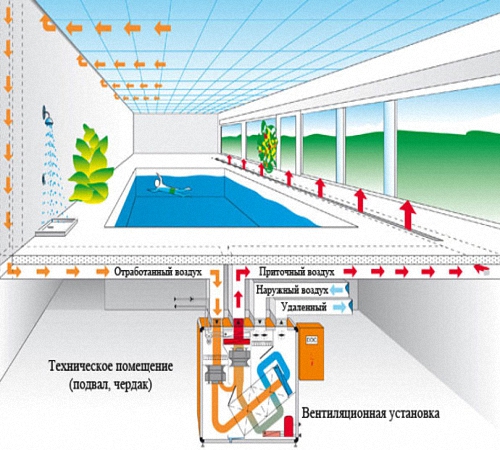
pool ventilation scheme
To fully ensure these conditions, the construction of a supply and exhaust ventilation system in the pool is required. This is when air from outside the room (usually from the street) enters inside, and wet vapors, along with chemicals, are removed from it. That is, it turns out that ventilation will consist of two parts: inflow and exhaust.
Supply and exhaust system
Let's begin with that supply and exhaust ventilation system for basin is a forced variety. This is when fans are installed on two circuits of the ventilation network, and this is an inflow and an exhaust.With their help, on the one hand, fresh air is injected, and on the other, exhausted moist air is removed.
But it should be noted that this is the simplest scheme, quite effective, no frills and inexpensive. In fact, with the help of fans, their speed of rotation can control the humidity in the room. And if necessary, by changing the speed mode, vary the humidity indicator, which often leads to savings in energy consumption. For example, during the hours of least visitation, you can reduce the rotational speed of the fans, thereby reducing air exchange. Or, conversely, increase the speed when the pool is fully loaded.
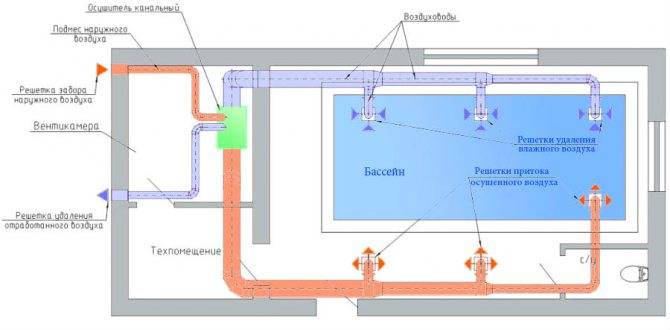
Supply and exhaust ventilation scheme
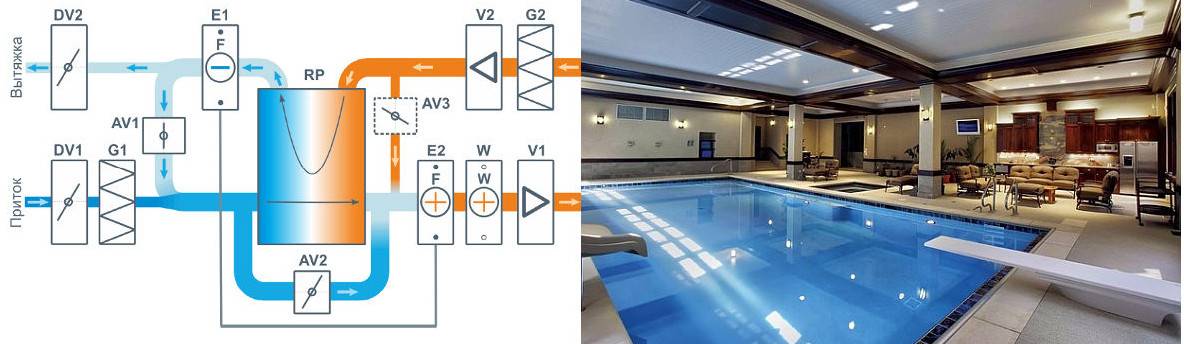
At the same time, supply ventilation and exhaust ventilation can work as separate systems, or as a single complex equipment. By the way, the latter include a supply and exhaust unit (PVU), which contains two fans at once, working for different systems.
Air Dryer
The previous scheme is without air dehumidification. That is, fresh air flows are simply fed into the room, and wet ones are removed. There is a second option for organizing ventilation - this is still the same supply and exhaust scheme, only with the addition of a supply air dehumidifier. This is a special device that is installed indoors. It is volatile and independent of ventilation, that is, it operates in its own mode, which depends on humidity. Therefore, humidity sensors are introduced into its circuit, located on the walls of the room at a certain level.
It turns out that the ventilation itself is only engaged in air exchange, and the dehumidifier is engaged in dehumidifying the air. It also controls the humidity inside the object.In terms of efficiency and savings, it is an excellent option, but it is recommended to use it if the area of \u200b\u200bthe water mirror is not less than 40 m².
Conditioning
Pool air conditioning should be approached from the position that this system itself can control the humidity and temperature of the air. In fact, air conditioners perform the same functions as a dehumidifier, only in a wider range. They are usually installed at sports facilities where there are spectators in clothes. So, it is for them that comfortable conditions are created. And this temperature is in the range of 34-36C. That is, when we talk about air conditioning, we must understand that this applies mainly to sports facilities.
How to design a ventilation system
Since this system is extremely important, and at the same time easily copes with all tasks, its creation is considered mandatory even in the process of forming the pool itself, located in a private house. Ventilation design must be carried out in accordance with certain rules and requirements
In the process of this work, the following features of the place where it is supposed to create a pool are taken into account:
- Features of the walls of the room, as well as its size;
- The thickness of the walls that connect to the street or other building elements;
- Dimensions of the pool bowl, as well as the amount of water that will be contained in this design;
- The maximum temperature and air humidity that can be achieved during the use of the pool for its main purpose.
Without preliminary design, you can get a system that will not be reliable and of high quality, effective and optimal, according to which the room will not have a very pleasant environment and microclimate, so it will not be too easy to use it, and swimming in the pool due to high humidity at all it will be very hard.
Rules for ventilation and heating of swimming pools
Rules for newly built or modernized pools formed in recent years:
- It is necessary to ensure thorough ventilation of the entire space;
- Avoid forming poorly ventilated corners with possible condensation;
- Always supply dry, low relative humidity air to the glazing at a sufficient rate;
- Try to keep the entire space under negative pressure (min. 95%) to avoid the risk of water vapor penetrating into adjacent rooms or building structural elements through improper vapor barriers;
- Always design pool ducts of stainless material; possibly aluminum or polyurethane;
- Ensure perfect tightness of the stainless steel air duct, with a slope towards the condensate drain, provide access for cleaning and excellent thermal insulation.
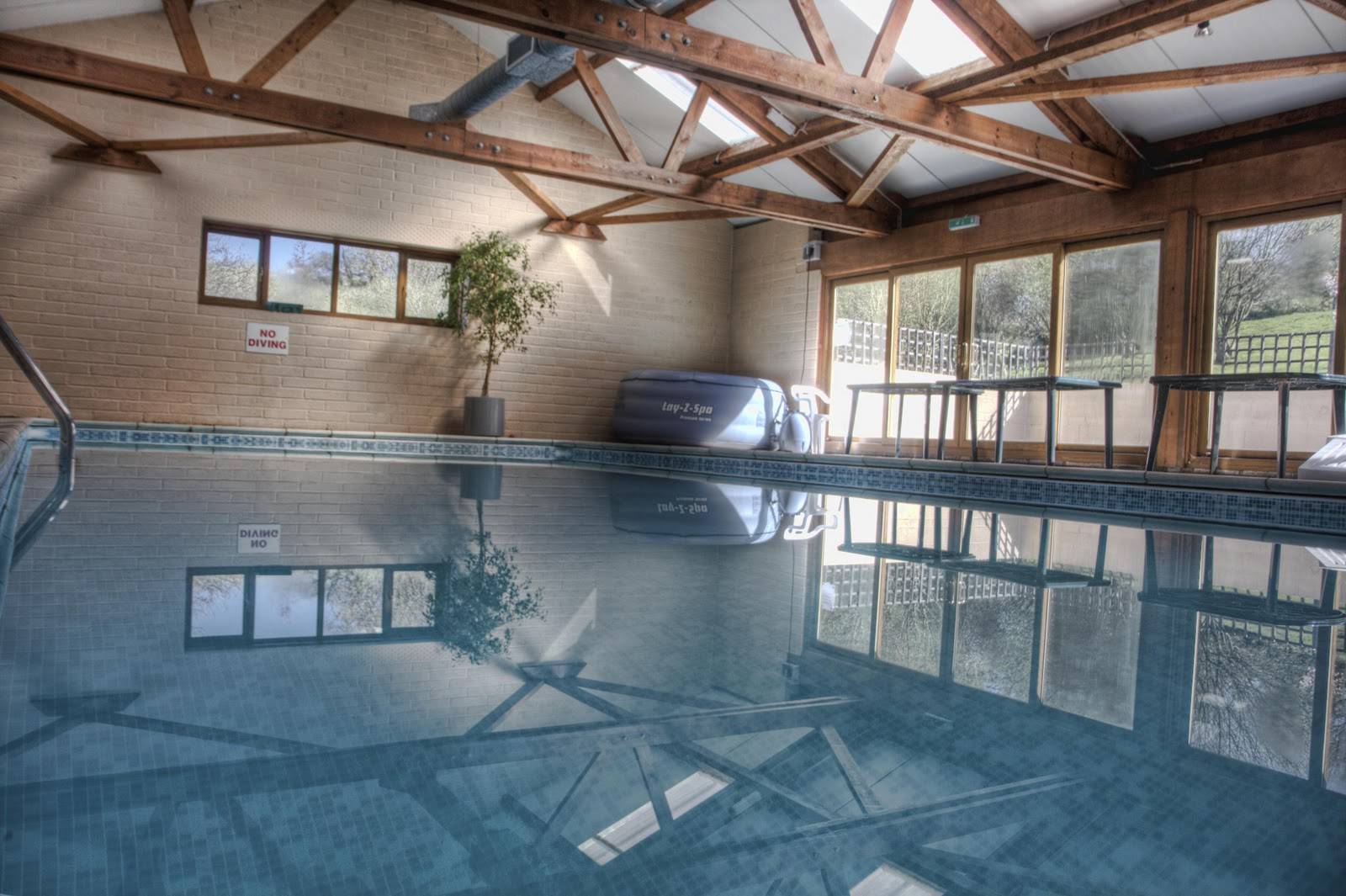

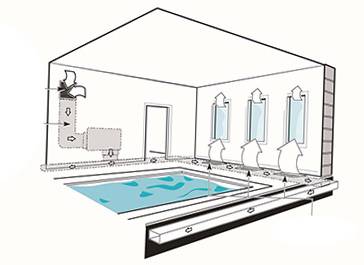

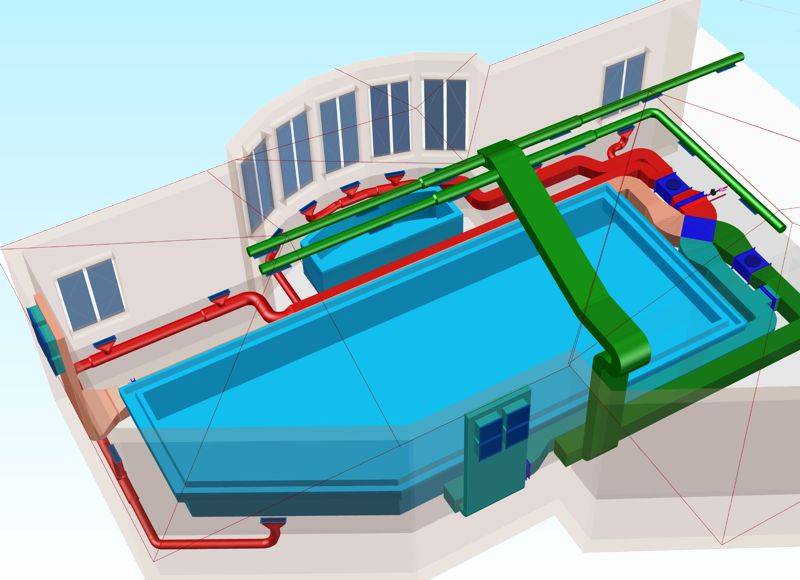
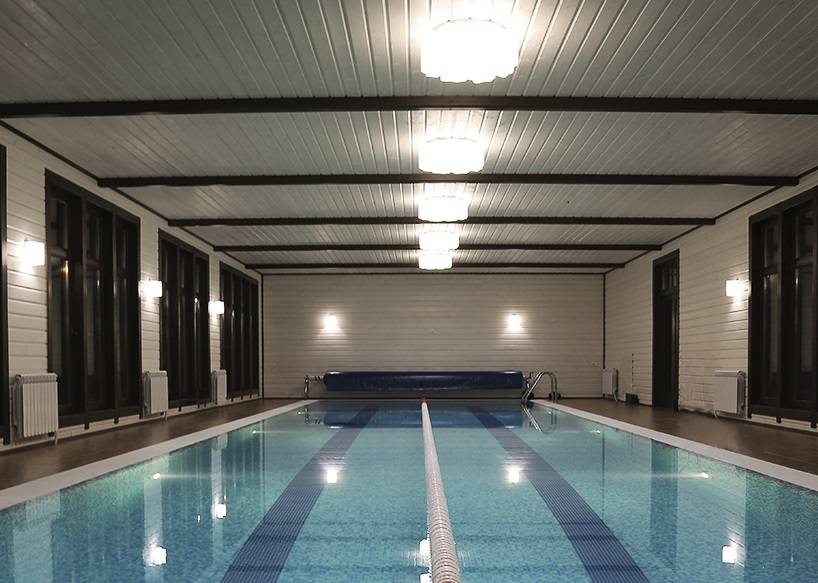

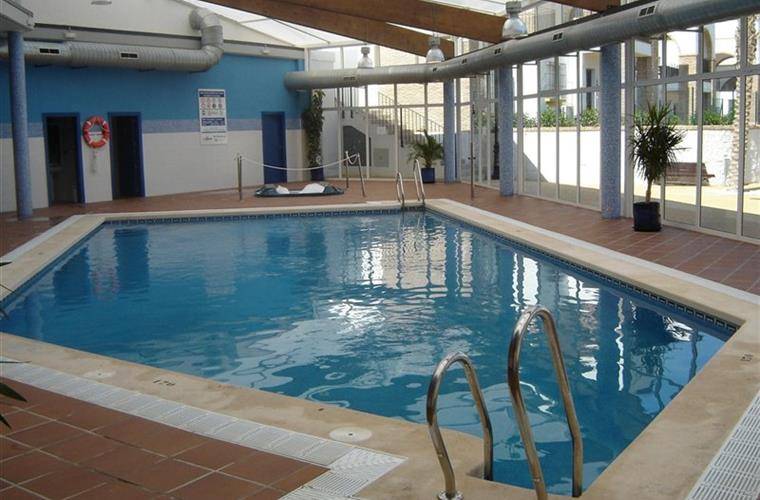
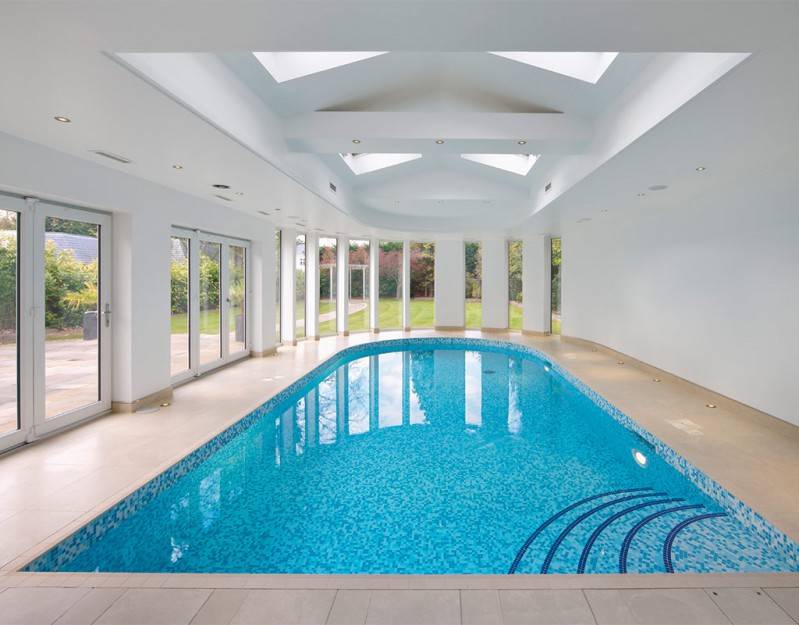
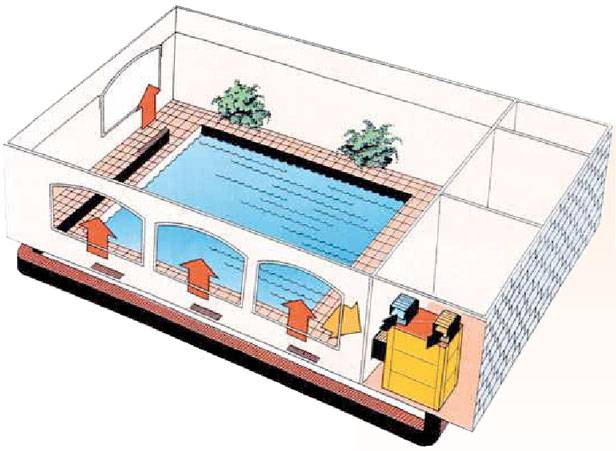
The design of air ducts outside the pool must ensure the tightness of the duct (for example, polyurethane), with a slope towards condensate drainage and thermal insulation. Do not install exhaust grilles in the false ceiling through cuts in the vapor barrier!
The suction grill must be installed in the center, opposite the glazing under the ceiling of the room.
Air distribution for very small rooms (eg with only one window or in a basement) can only be achieved with one air duct.
Always isolate pool ventilation from the rest of the house, incl. supply and exhaust ducts to avoid drafts.
Due to the short duration of use of the pool in a residential building (for example, 1 - 2 hours a day), it is ideal for him to install a thermal air treatment system with heating of the incoming air, in order to quickly reach the required temperature, in just a few tens of minutes (with thermal insulation and vapor barrier on walls inside).
Any supply and exhaust ventilation unit for a pool, among other things, must be resistant to the aggressive effects of chlorine, i.e. with heat recovery core made of stainless steel or plastic material, condensate drain pan made of stainless steel or with a special protective finish.
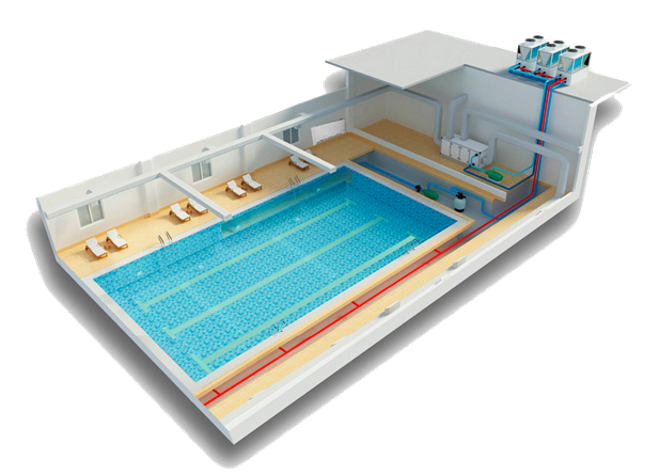 Installation of ventilation in the pool
A warm floor is recommended as the main heating system, preferably installed with a connection to a low-temperature heat source (for example, solar energy). It may be worth considering a system of floor convectors under windows, with a good anti-corrosion finish and special protection to avoid human injury.
Ventilation specialists can help any pool owner or manager determine the correct size and type of ventilation that is needed in each case, they will professionally explain how to properly ventilate a private pool, give an example calculation. And they will tell you what other equipment may be required to ensure normal air exchange in the pool.
Since ventilation is one of the heaviest items in the construction of the pool, it is important to initially consider how the object will grow in the coming years. In addition, maintenance and repair should be provided for, they must be considered when calculating and choosing which supply and exhaust ventilation of pools will be optimal in your case.
Project development features
The design of pool ventilation implies taking into account not only the ability to provide effective air exchange, but also the exclusion of the formation of factors harmful to the equipment. The first of these is condensate, which falls on the surface of the ventilation shaft, which will lead to its rapid wear. To do this, the inner or outer surface of the ventilation shafts is insulated, and electrically heated dampers are used. Trays for collecting condensate are also required.
Ventilation of a private pool, as well as a public pool system, should provide for the possibility of using equipment of a slightly lower capacity during the downtime of the premises when it is not in use. And additional devices with higher power will turn on when the pool is in use. Thus, there will be no excess consumption of electricity when servicing the premises around the clock, but the required value of air exchange will be achieved. Ventilation in the pool of a private house to a greater extent requires such an approach to organizing the operation of equipment, since the frequency of use of this room is an order of magnitude lower than that of a public one.
Supply and exhaust ventilation in the pool can solve all problems, as it contains several components: a filtration system, a heater, a fan. If desired, you can choose a monoblock unit with recuperation, as this device will help to reduce electricity consumption by a quarter. The pool provides for water heating, preferably around the entire perimeter of the bowl.
The ventilation system is equipped separately from the main one. It is advisable to plan the pool in a separate room or adjacent to the main building. When do-it-yourself pool ventilation is equipped, the so-called curtaining of the pool bowl is often used, which will help reduce evaporation from the water surface and the release of moisture into the air.
Fundamentals of calculating the ventilation system
Humidity levels up to 65% are allowed. However, in practice, a decrease in this parameter to 50%, and sometimes even below 45%, is often noticed. The feeling of excess moisture in the air plays a role here, since even if the supply ventilation in the pool and the air exhaust are organized correctly, providing a fairly high percentage of humidity, discomfort can be felt and condensation can occur on the walls of the room.
When designing pool ventilation, the calculation includes determining the air flow. By means of tables, at a given temperature and a certain value of the area of the pool bowl, air exchange is determined. For example, if the pool area is 32 m2 and the room temperature is 34 degrees, the air flow is approximately 1,100 m3/h. The heater power should be about 20 kW.
ventilation systems
- the area of the pool bowl;
- bypass area;
- the total area of the premises;
- outdoor air temperature in warm and cold periods;
- water temperature;
- air temperature in the room;
- the number of people who regularly visit the pool;
- taking into account the peculiarity of the movement of air in the room (warm streams rise up), for the calculation it is also necessary to know the temperature of the air removed from the upper zone.
If ventilation in the pool is independently designed, the calculation should include a number of calculations:
- Sensible heat input (taking into account the release of heat from solar radiation, from swimmers, from bypass paths, from lighting, as well as from heating the water in the pool).
- The entry of moisture into the air (from swimmers, from the water surface, from bypass paths).
- Air exchange is calculated by moisture and by total heat, as well as standard air exchange.
Useful tips and rules
In order for the design and installation of an air exhaust system to be as successful as possible, a lot of rules and recommendations must be taken into account. You should visit a special site where you can calculate the required parameters online. Planning a ventilation system will be successful only after consulting with an expert, as well as taking into account several important points.


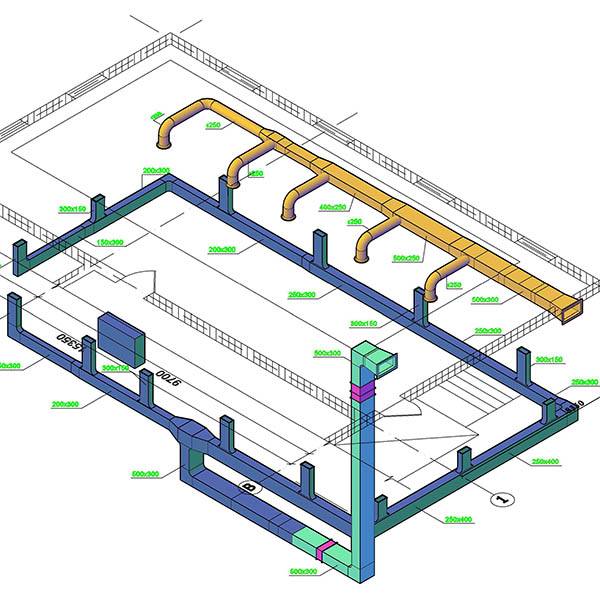
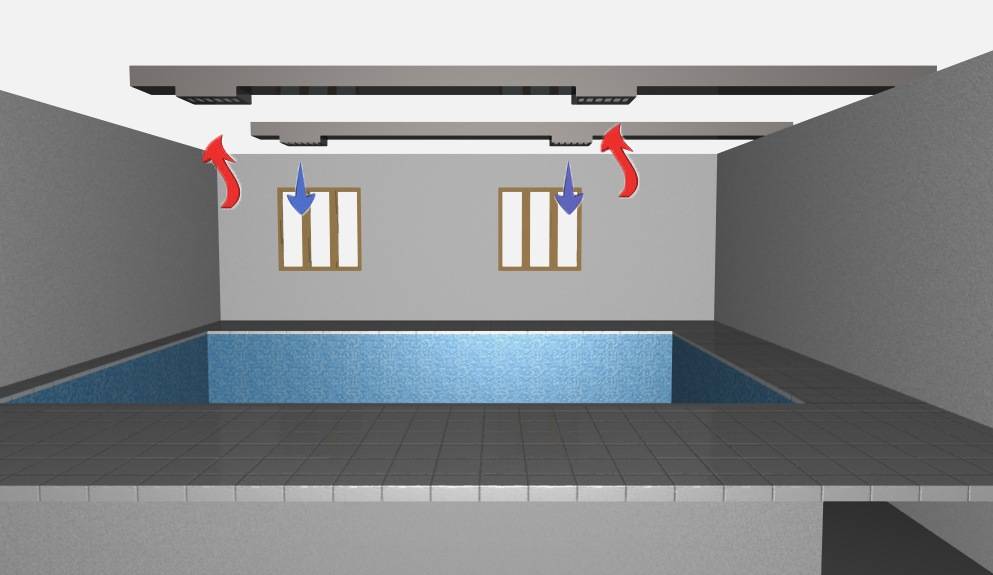




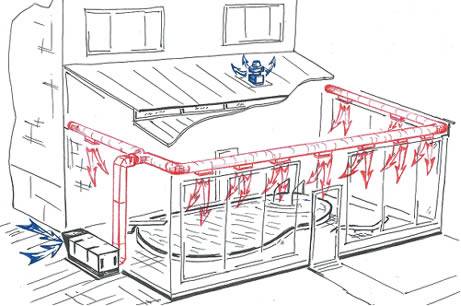
As you know, air with high humidity and high temperature is constantly directed upwards, and when it collides with a cool surface, it turns into condensate. In this regard, ventilation equipment can be placed both in the adjacent building and under the bowl, around it or on top. In many cases, such systems are placed around the pool or in two of its sides, which causes the exhaust moist air to be quickly expelled.
To ensure a comfortable microclimate in a building with a swimming pool, it is first necessary to prevent drafts. To do this, it is enough to equalize the volumes of supply and exhaust air. In a place where visitors are located, the air should not move faster than a given speed. Often, the intensity of movements is reduced using various schemes or specific grids.
The air supply channel is best located near the windows. It is also desirable that it be made of a good heat-conducting material. Under the influence of dry air, any condensate will cease to settle on the glass, while in contact with the window, warm air will begin to cool.
The duct with the hood is installed directly under the ceiling, where an intense accumulation of moisture and heat is noticed. Otherwise, the air will quickly come out. If there are suspended ceilings in the building, you need to think over the ventilation system in advance. If this is not done, an area with a high moisture content will appear above them.
Therefore, in order to extend the life of the pool and protect it from premature deformations, it is important to design and install ventilation equipment in time.
Recommendations for creating a ventilation system
The reliability and high-quality productivity of the pool ventilation system is laid at the stage of developing a working project, which should take into account all the nuances of future operation. According to the laws of physics, warm air masses rise up, and condensation forms on cold surfaces.
The equipment can be installed in the next room, under the bowl of the reservoir, on the wall.Supply ducts are often placed along the perimeter of the room, to quickly remove moist air upwards, where the exhaust ducts are located. In this case, it is necessary to take into account:
compliance with the volume of incoming and outgoing air contributes to the absence of drafts;
special types of grilles reduce the intensity of the movement of air masses without disturbing the rate of air exchange in the room, which is important for the places where bathers stay;
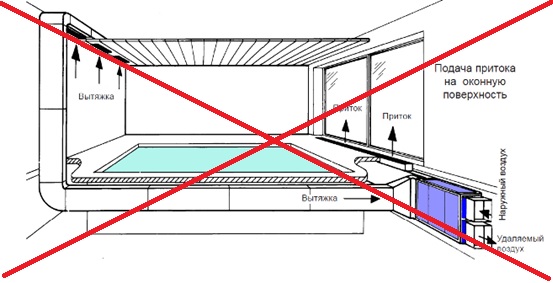
if there are windows in the room, the air supply should be carried out under the windows, preventing the formation of condensate on the glass;
exhaust air ducts are always mounted above the supply air ducts, preferably under the ceiling, ensuring high-quality removal of moist air;
the space between the false ceiling and the main one must be ventilated to prevent the formation of colonies of mold and fungi;
the flow of forced air should not pass over the water mirror, because this reduces evaporation from its surface;
the system should have 2 airflow control options: automatic and manual.
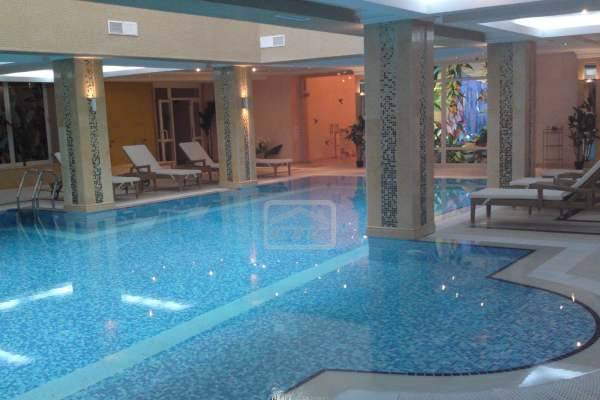
Atmospheric air temperature affects the total energy consumption for its heating and equipment performance. Using automatic temperature control, you can significantly improve the rational use of electrical energy.
Pool microclimate
The pool ventilation device is an extremely important factor in creating a comfortable microclimate for a person. The lack of a high-quality ventilation system leads to the rapid spread of fungus and mold, and the accumulation of a large number of microorganisms in the air leads to various diseases.
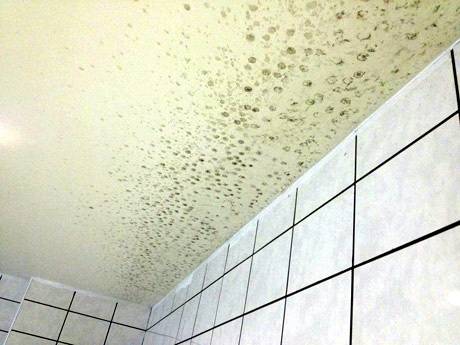 High humidity in the indoor area of the pool leads to corrosion of metal and rotting of wooden structures, destruction of the finishes and walls by the fungus
Humidity in the pool room should be at the level of 50-60%, in this case, a moderate level of moisture evaporation from the water surface is achieved, which affects the comfort conditions in the room. At a given humidity and air temperature of 28-30 ° C (typical temperature for swimming pools), dew will form at 16-21 ° C. This is noticeably higher than for conventional rooms, where the air temperature is at the level of 24 °C, the humidity is 50%, the dew point is at the level of 13 °C. For indoor swimming pools, excess moisture content of the air is considered the norm.
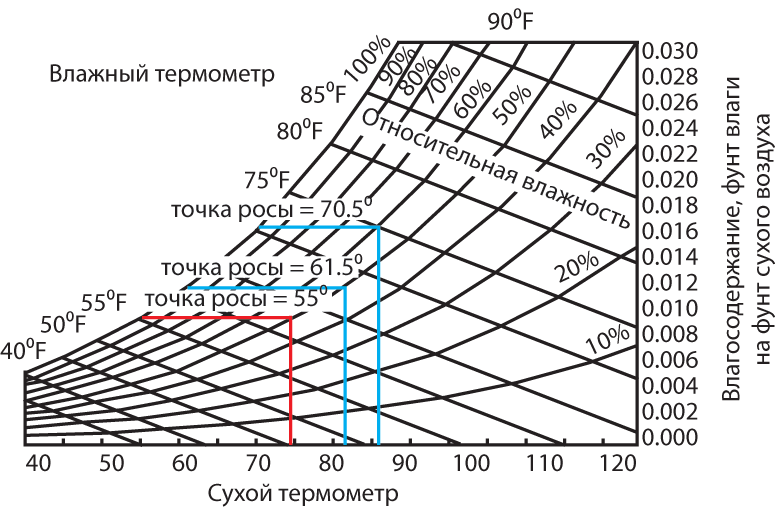 Temperature and humidity for the pool
Recommended air parameters in indoor pools:
- The water in the pool is within 24–28 °С.
- The air in the pool room should be 2–3 °C higher than the water temperature. When the air temperature drops, there is a danger of a cold. With increasing humidity, a feeling of stuffiness may occur. It is also not recommended to lower the air temperature at night in order to save energy, as the heat consumption increases.
- To avoid drafts, the recommended air speed should be between 0.15–0.3 m/s.
All these and many other conditions are taken into account when designing, and solutions are offered to reduce moisture condensation on the ceiling and walls. The complexity of the situation lies in the fact that when people, for example, do not use the pool at night, heat and humidity do not disappear anywhere.
The pool cannot be "turned off" at night. The only way to reduce the amount of evaporation is to use water surface coatings, but these devices are short-lived and rarely used.




| The rate of evaporation of water from the surface of the pool, depending on the method of its operation | ||
|---|---|---|
| pool type | Empty | With bathers |
| Regular or skimmer pool | 10-20 grams/m²/hour | 130-270 grams/m²/hour |
Upon reaching the level of 80-90% humidity at a temperature of 29-30 ° C, there is a risk of exacerbation of chronic diseases, a sharp deterioration in well-being. Therefore, with a properly calculated and designed ventilation scheme for a private pool, excess moisture is removed from the air, it is cleaned due to intensive air exchange, but it does not dry out.
Dehumidification of air to the required parameters is carried out by dehumidifiers, according to the parameters of moisture release. Dehumidifiers are monoblock and built into the ventilation system (at).
An example of calculating the evaporation of water from the pool per day
Initial data:
- The size of the mirror is 4.2 × 14 m.
- air temperature in the room +28 °C;
- water temperature in the pool +26 °C;
- relative humidity 60%.
Calculation:
- The surface area of the pool is 58.8 m².
- The pool is used for swimming 1.5 hours a day.
- Evaporation of water during bathing will be 270 grams / m² / hour x 58.8 m² x 1.5 hours = 23,814 grams.
- Evaporation at rest for the remaining 22.5 hours will be 20 grams / m² / h x 58.8 m² x 22.5 hours = 26,460 grams.
- Total per day: 23,814 grams + 26,460 grams / 1,000 = 50.28 kilograms of water per day.
Choosing the Right Equipment

The scheme and successful design are good, but they do not end with the ventilation of the pool in the cottage
Before installing this system, it is important to understand which one is better to choose. This is not to say that there is some ideal option, because everything, for the most part, depends on the characteristics of your home, the level of humidity in the room and the air temperature.
In general, according to the methods of heating the air, supply and exhaust ventilation is divided into the following three types:
- Electrical installations;
- Water installations;
- Ventilation units with heat recovery.
Usually in a cottage or a country house there is a gas boiler, thanks to which it is easy to provide heating of water and air. If you connect an air heating system to the boiler, this will greatly facilitate its use and operation. The air will be heated to the desired temperature and run into the premises through special grilles. The very fact that this system runs on gas makes it much more popular and affordable than other analogs running on electricity.
Ways to Control Humidity
The method of regulation and control of humidity indicators is the dehumidification of the entire volume of the internal air of the pool through a supply and exhaust ventilation device, the installation of an air dryer, or a combination of these two systems.
Method #1 - Using dehumidifiers
The problem of high humidity in the pool is partially solved by means of special dehumidifiers. The choice of this equipment is carried out according to the volume of the room. Dehumidifiers for 1 hour of work pass three times the volume of humidified air mass in the room.
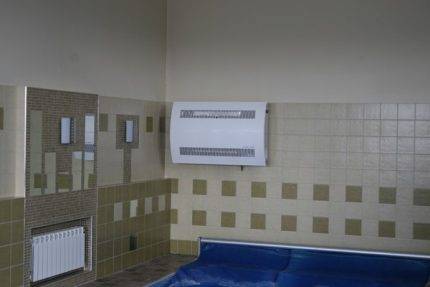
We determine the optimal relative humidity of the pool in a private house to select the necessary characteristics of the dehumidifier
The selection of dehumidifiers is carried out according to the parameters necessary for this object. The operation of dehumidifiers is based on the condensation of water vapor. Some models are equipped with a fresh air intake device.
Dehumidifiers according to their purpose are divided into types:
- Household. These compact units dehumidify small areas, on walls, floors or concealed.
- Industrial. These are high-tech systems that process large volumes of air.
According to the installation method, the devices are wall-mounted (floor-mounted) or ducted, mounted inside the air ducts.
The use of wall-mounted dehumidifiers has not gained much popularity due to the noise of the unit, inconsistency in design, significant cost and the need for maintenance. Channel-type dehumidifiers operate more silently, do not distort the design, but have a decent cost.
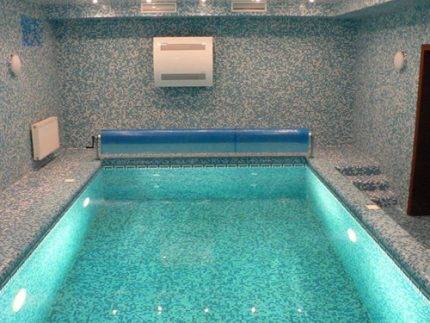
Whether a wall-mounted dehumidifier is needed in the pool or whether it is necessary to install a channel option is chosen by the owner of the house
Basically, existing dehumidification systems do not supply fresh air to the room and do not remove the exhaust air. It is only partially possible to solve the problem of high humidity and air exchange of the pool by means of dehumidification devices.
It is possible to fully ensure the required level of humidity in the pool using dehumidifiers in combination with other types of ventilation.
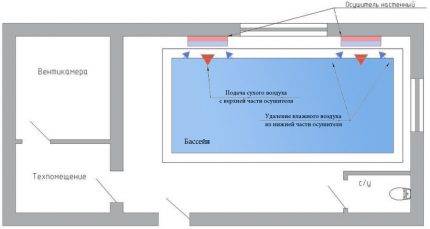 Wall dehumidifiers can reduce indoor humidity levels, but they are not able to supply fresh air (+)
Method # 2 - the organization of proper ventilation
The most common way to maintain optimal values of humidity and air quality in the pool is supply and exhaust ventilation.This system includes a ventilation unit, a network of air ducts and distribution devices.
The ventilation unit, in turn, contains elements such as an air filter, a fan, a heater, a heat exchanger and an automation system.
In very hot weather, air coolers and autonomous dehumidifiers are added to the system. The use of air mass recuperation in the ventilation system is economically feasible, as it makes it possible to use the exhaust air for heating the supply air.


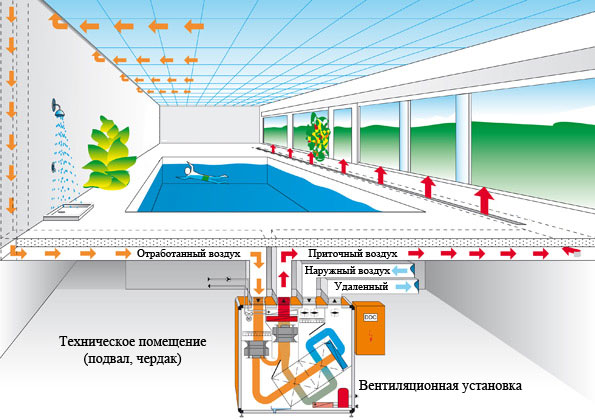


Forced ventilation system removes unpleasant odors that occur in the pool with high humidity. Installation of a supply and exhaust system is effective for a small area of the pool and not intensive use.
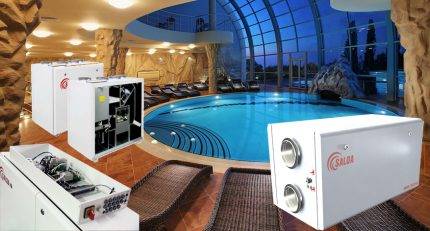 Air handling units for swimming pool ventilation are most effective in winter (+)
This method of ventilation cannot guarantee the desired level of humidity throughout the year. The system is ideal in winter, it replaces the humid pool air with dry air from outside.
In summer, the humidity of the atmospheric air is increased, so its movement by supply and exhaust ventilation into the pool does not give the desired effect.