
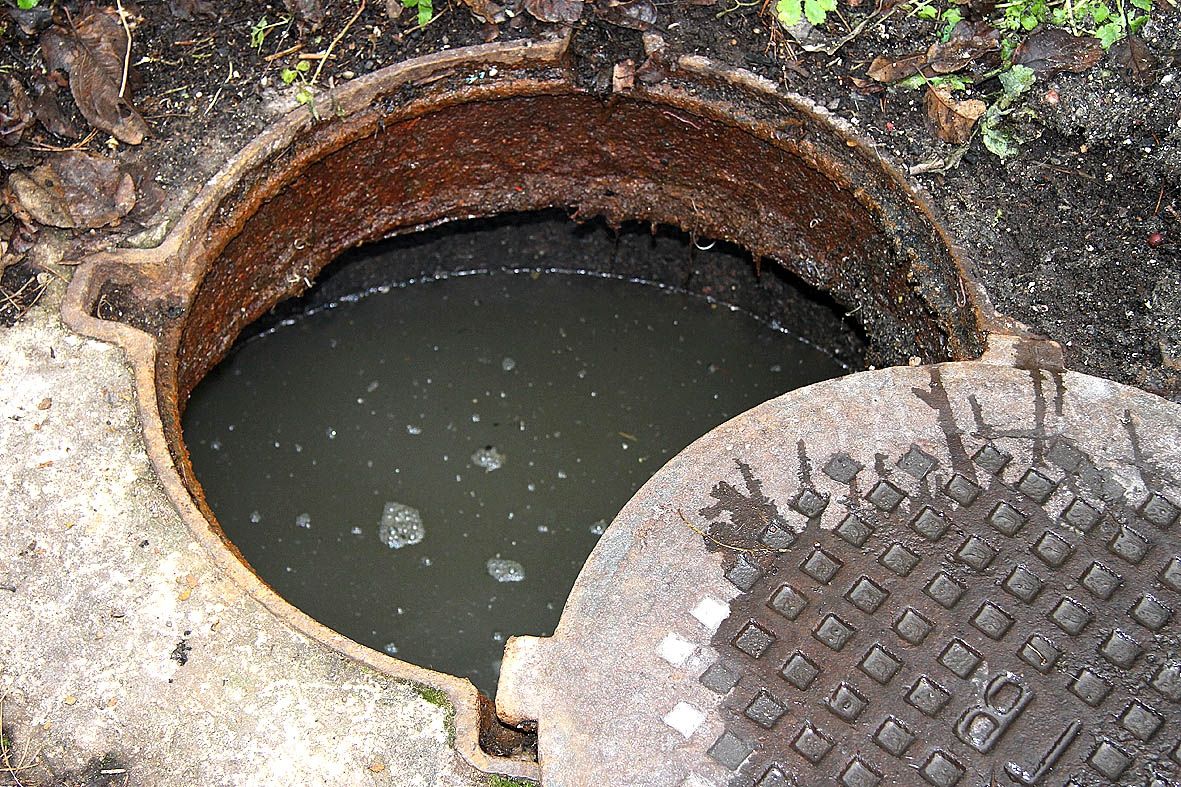
- Remove grease and soap residue
- drainage well
- Filter field
- Valuable advice
- Causes of silting
- Solving the problem with silting
- Cesspool Rating
- Video
- Cleaning methods
- Cleaning the cesspool with biological products
- Chemical cleaning
- Cleaning with cesspool equipment or pump
- Prevention measures
- Alternative cleaning
- Biologicals
- Chemicals
- Ways
Remove grease and soap residue
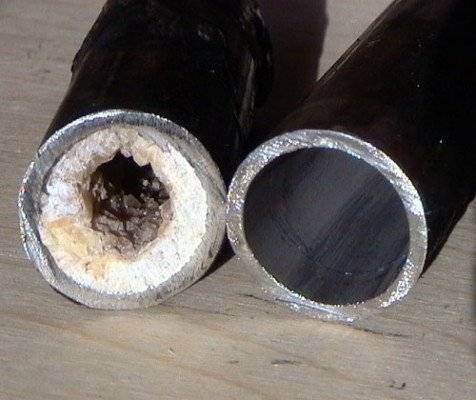
In factory closed-bottom septic tanks, the main reason for the rapid filling of the sump tank is the formation of fatty or soapy deposits that impede the movement of liquid precipitation through the overflow channels. However, soap and grease plugs can also form in makeshift sewers. Moreover, the very fact of their occurrence is only a matter of time if there is no grease trap or a separate sump for kitchen drains in the sewer.
To remove soap and grease plugs, you can use two methods - mechanical and chemical. At the same time, the second option works much more efficiently than the first and is implemented without any effort.
soapstone
To do this, pour the desired bactericidal preparation into the sinks, toilet and bathroom. And repeat this procedure until the throughput of the sewerage and overflows is restored.
In practice, it looks like this:
- We pump out the septic tank. We fill it with water. Let the water settle so that the chlorine evaporates from the liquid.
- We pour preparations into sinks, bathrooms and toilets that can destroy soap and grease deposits.
- We begin to use the sewer, monitoring the throughput of pipes and the water level in the septic tank. If necessary, fill in an additional portion of the drug.
- After restoring the capacity of the overflow channels, we introduce supporting cultures that can absorb fat deposits.
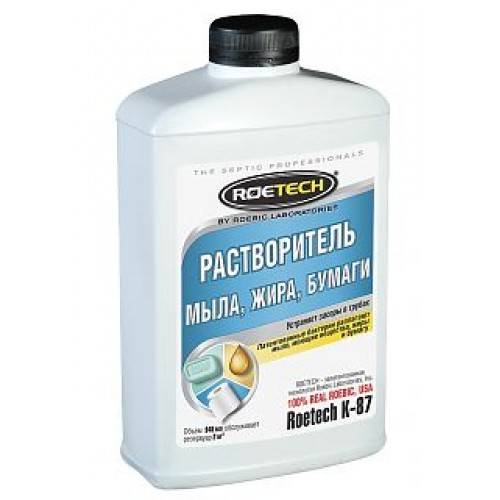
As a preparation for removing soap and grease, you can use the following options:
No drugs can solve the problem of insufficient power of the septic tank. If the daily discharge of water exceeds 1/3 of the volume of the sump, then building a well or filtration field is an almost inevitable step, an alternative to which will only be the dismantling of the old septic tank and the installation of a new treatment plant.
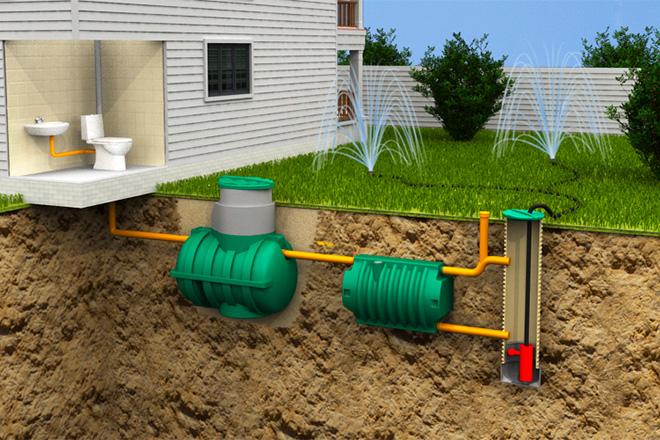
drainage well
The basis of such a structure is a shallow mine of 3-4 meters, dug to the sandy layers of soil. Usually it comes off at a distance of up to 5 meters from the septic tank and is connected to the sump by a separate pipeline with a diameter of 110-150 millimeters. The pipe should go under a slope (towards the well), with a height difference of 2 centimeters per linear meter of the line.
The walls of the drainage well are reinforced with concrete rings, the lower of which will have to be perforated by drilling many holes in its body with a diameter of 15-20 millimeters. Clarified water from the septic tank overflows into the well and goes into the sandy horizon of the soil.
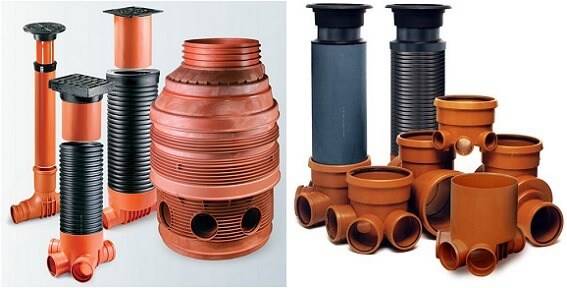
An alternative option is a drainage well made of polymer, assembled by 2-3 people from plastic parts (bottom, ring with bends for the pipeline, telescopic neck).
Filter field
This is a larger system, consisting of a perforated pipeline buried a meter deep into the ground. Moreover, perforated pipes are laid on sand and gravel bedding with a thickness of 25 centimeters and covered with the same mixture.
It involves digging a trench, placing bedding on its bottom and laying pipes. After the pipeline is assembled, it is covered with a 20-cm layer of sand and gravel bedding. In the final, the trench is covered with selected soil.
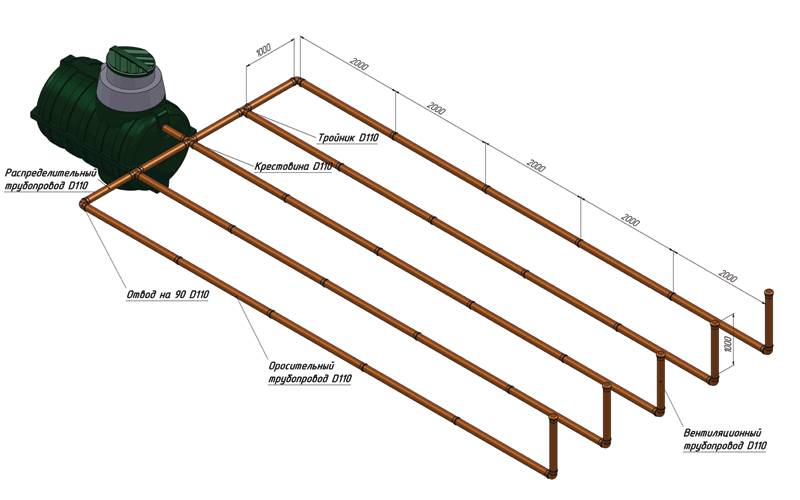
The pipeline of the filtration field runs at a slope of 2.5 centimeters per linear meter, so the depth of the trench can vary from 1 to 1.5 meters. As a rule, at least 8 linear meters of the pipeline of the filtration field are allocated per user, therefore, the owners of volumetric septic tanks dig not one trench, but several, placing 5 or 10-meter sections parallel to each other.
Valuable advice
In some situations, it is necessary to improve the performance of the structure by arranging a drain pit with an overflow system. This design will act as a septic tank. A similar one should be installed near the old tank. The first tank must be completely sealed, the second must be permeable or have no bottom. With the tightness of the second tank, you should consider the filtration field where the drains will go. The overflow is mounted in the upper part of the tanks, observing a slight slope.
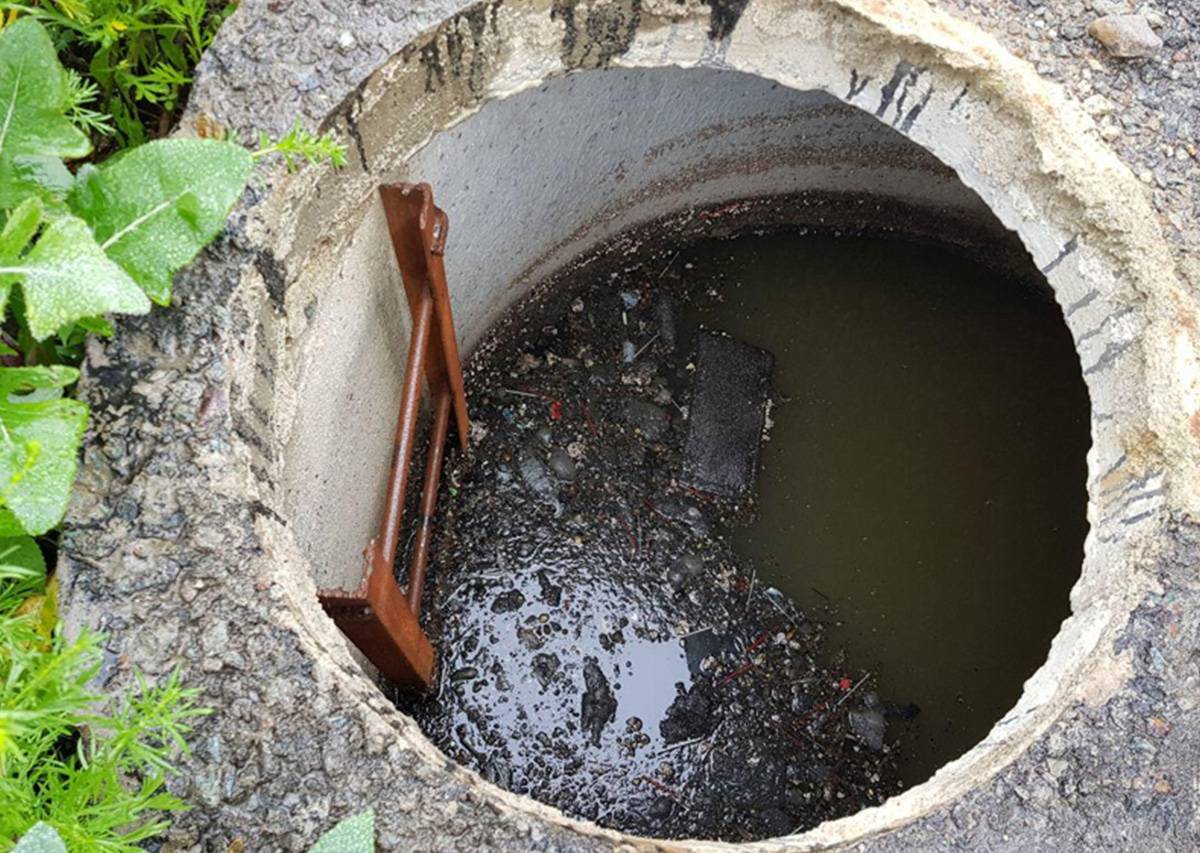



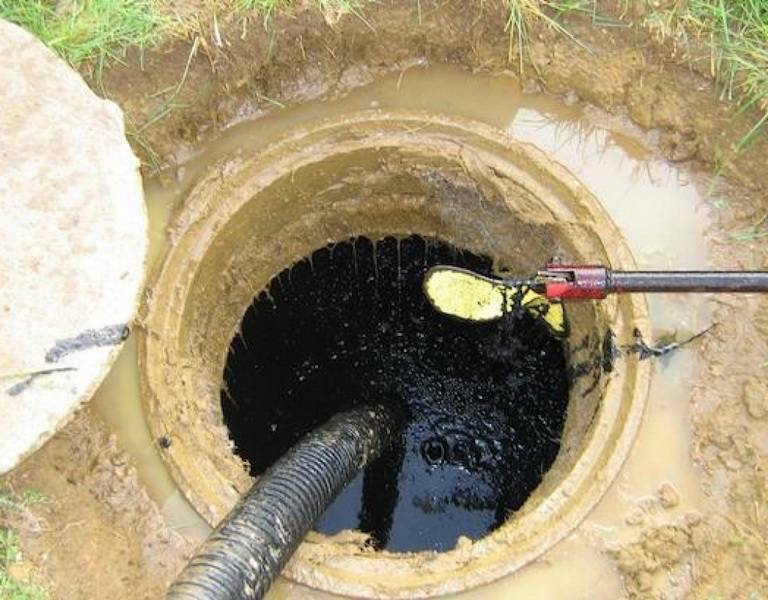


First of all, runoff water will enter the first chamber, which will serve as a sump. Solid inclusions will settle at the bottom, liquid effluents will flow into another container when they reach the overflow hole.
Effluent will then flow into the filtration field to be recycled. At the same time, the pit will overflow less often, which means that it will not need to be cleaned often.The walls of the pit will not be heavily silted.
Causes of silting
The process of silting a sewer tank implies a deterioration in the throughput of its surface due to the formation of a dense mass on it, impervious to water and various wastes. All types of sewage pits are subject to this action, since there is no movement of water inside them, which can wash out organic particles and other wastes that practically do not allow liquid to pass through. They gradually accumulate on the walls and bottom, clogging the holes.
The following factors provoke this phenomenon:
- poor periodic cleaning of the sewer tank, subject to the constant use of sewage equipment instead of a sludge suction device;
- the presence of a large amount of fatty elements in wastewater, which prevent the water from leaving;
- the presence of waterproof non-decomposing objects and materials in the waste - personal hygiene products, insoluble garbage, solid food materials.
To fix this problem, it is recommended to use different methods. Disinfection and disposal of wastewater is carried out by the following methods:
- By mechanical means. This can be pumping out in manual mode, using a pump or a sewage machine. The essence of this method is the separation and further removal of insoluble dimensional particles of mineral origin from the waste. The procedure is carried out by settling, as well as filtration. Mechanical cleaning of the cesspool does not allow the removal of insoluble compounds, for this reason it is used as an addition to the biological and chemical recycling technology.
- Biological cleaning.One of the most popular and safe methods. It is based on the activity of anaerobic and aerobic varieties of bacteria for sewers. These microorganisms provide a qualitative transformation of wastewater, dividing it into sludge and clean water. The decomposition procedure occurs due to the fact that anaerobic bacteria perform the initial oxidation of the liquid, and then aerobes provide its additional purification.
- Cleaning chemicals. The procedure involves the transformation of soluble substances when exposed to reagents into hardly soluble compounds. Then the last substances are precipitated. The option is optimal for processing industrial waste and fecal matter.
Solving the problem with silting
Silting is a serious problem for both a permeable filter well and a sealed pit latrine. In the first case, the liquid part of the sediment will not be able to enter the soil due to the dense silt layer that covers the inner walls of the structure. In the second case, sewage will have to be pumped out more often, since deposits will reduce the volume of the tank.
One of the signs that silt is forming inside the cesspool is the appearance of a characteristic unpleasant odor - hydrogen sulfide vapor. When figuring out how to clean a silted cesspool, you must remember that in this case you need not just neutralize the waste or pump out the contents.
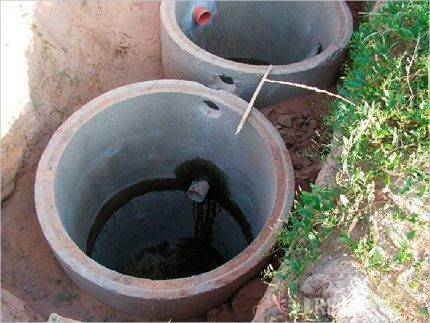
If the cesspool fills up too quickly or silts up frequently, consider upgrading it with an additional container and an overflow.
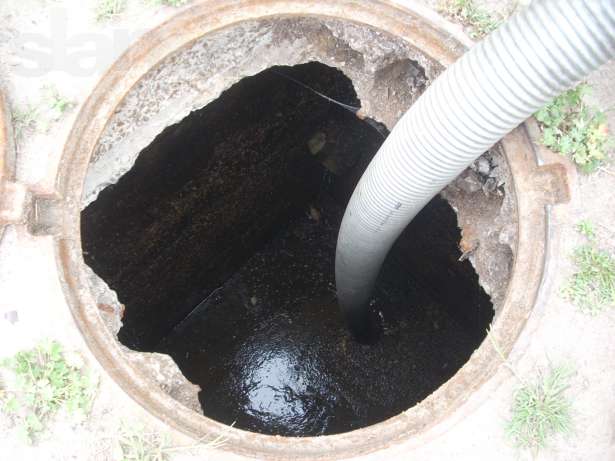
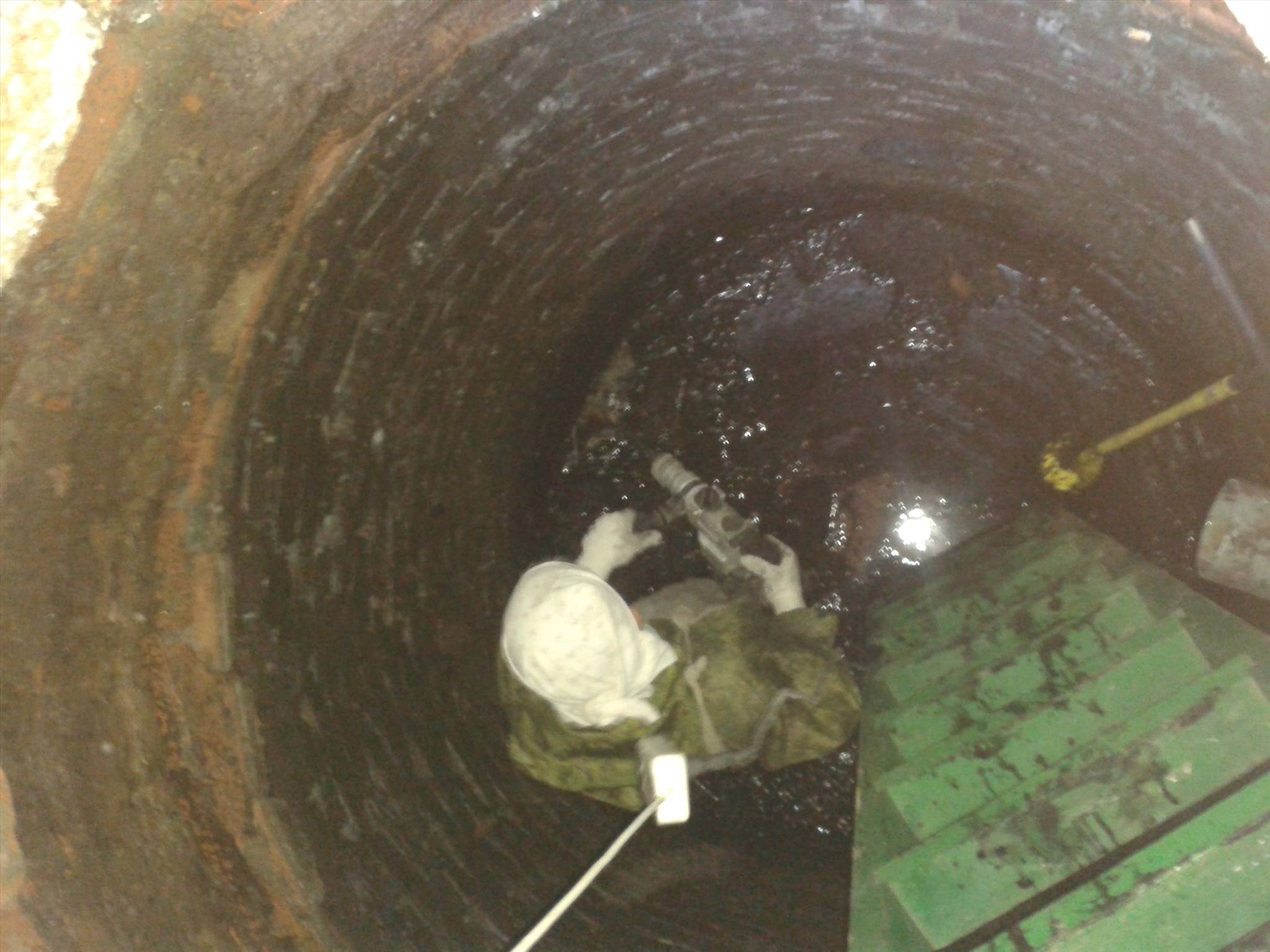
All plaque should be removed from the walls and bottom of the container. To do this, chemical agents or chemical cleaning methods are used, but a combination of these methods often turns out to be most effective.During mechanical cleaning, the bulk of the sewage is first pumped out. After that, using a hose, water must be supplied to the container under strong pressure.
The inner surface of the cesspool is treated with a jet in such a way as to break up the silty sediment and dismember it into separate small particles. Processing is carried out until the container is filled by about 25%. After that, the contents are pumped out with a pump or sludge pump, and then disposed of.
For chemical cleaning of a silted structure, chemical cleaners are used to dissolve solid inclusions - the nitrate oxidizers already described above. They usually cope with silty deposits as well. After some time, all or almost all of the contents will become liquid, it can be pumped out without problems.
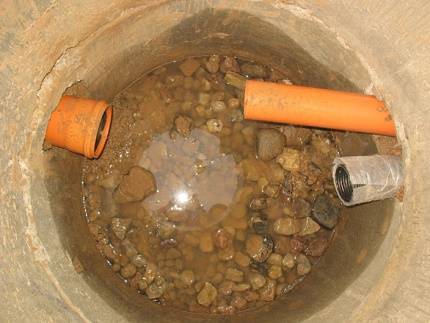
After cleaning the absorption well, it is recommended to replace its filter bottom: remove the old backfill and fill the vacated space again with layers of sand, gravel and crushed stone
It is worth noting that the use of chemicals will cost significantly more than emptying by pumping, but this operation is easier to perform and takes less time. In the process of physical removal of sludge, you will have to put up with a lot of dirt, which usually accompanies this procedure.
In cesspools without a bottom, you will also have to clean or renew the sand and gravel filter, which is located below. The safest bet is to remove the entire contents of the filter and re-lay the clean components: a layer of sand, crushed stone and / or gravel about 40 centimeters thick.
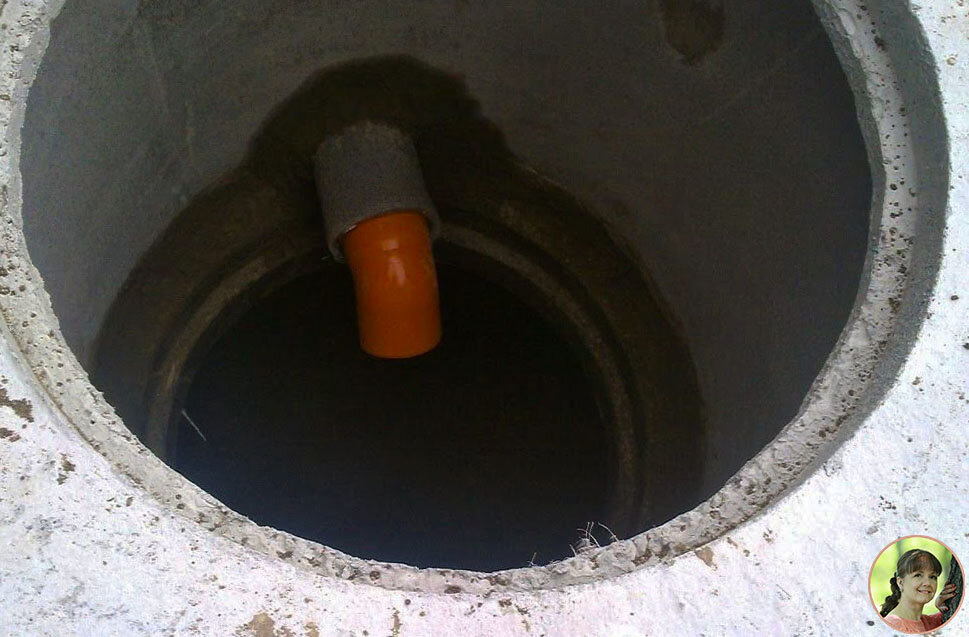
To prevent silting of the cesspool, it is recommended to divert water from it to the filtration field.It is best to do it at the stage of creating a structure, but if you wish, you can perform this operation later. To do this, you need to install a horizontal sewer pipe at about half the height of the cesspool to drain liquid waste.
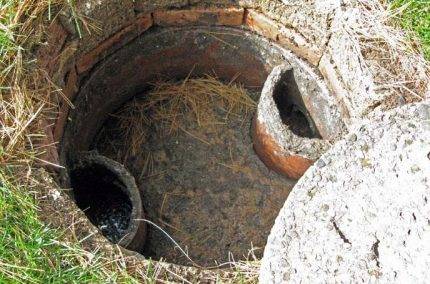
If the cesspool is silted up, it should be immediately pumped out and the walls cleaned using a scraper or chemicals, such as nitrate oxidizers.
For the device of the filtration field, it is necessary to excavate the soil to the level of laying the outlet pipe. A layer of agrofibre is laid down, and crushed stone is poured on top. A pipe coming out of the cesspool is laid on this “pillow”. The pipe must be perforated, you just need to make holes in it at an equal distance.




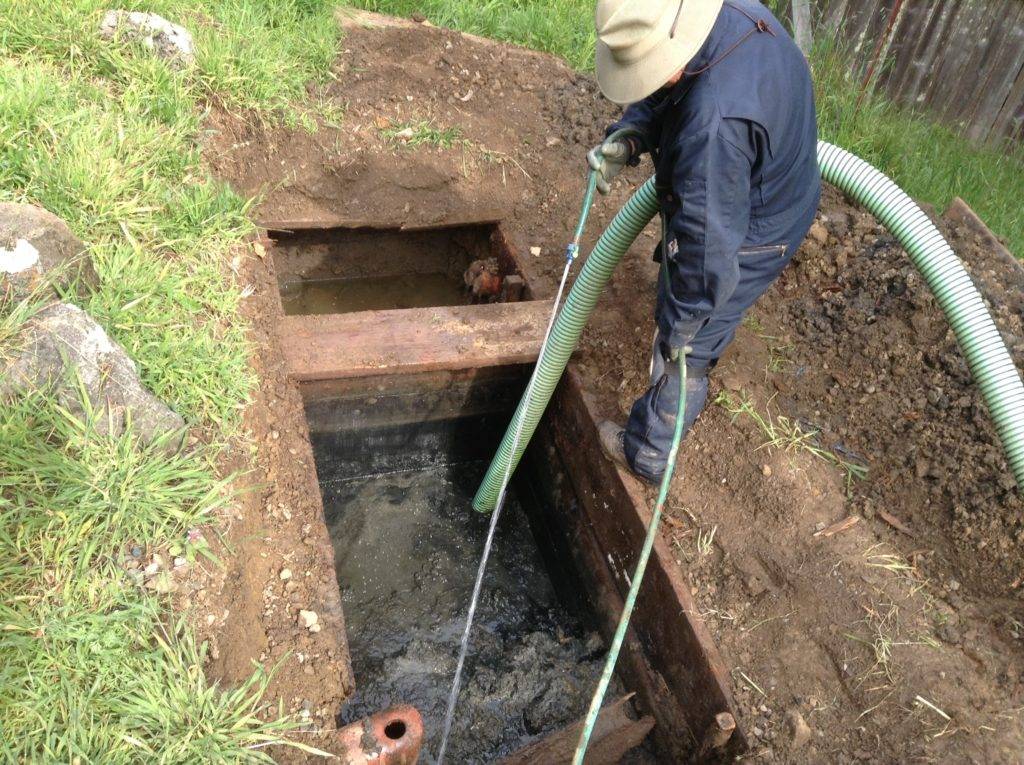
Another layer of crushed stone is poured on top of the pipe, and then again covered with agrofiber. It turns out that the pipe is surrounded on all sides by filter materials. This will ensure the rapid removal of liquid contents from the cesspool and its safe disposal in the ground.
Cesspool Rating
Comparison of all funds was carried out according to the following parameters:
- Type - chemical or biological;
- Release form - powder, liquid, tablets, granules;
- The volume of packaging and its convenience;
- Consistency and aroma;
- Economy of consumption;
- Effects - elimination of an unpleasant smell, softening of waste, reduction of their quantity;
- The rate of activation of bacteria;
- Composition and quantity of components;
- Duration of exposure;
- Safety for the environment and humans;
- Best before date;
- Working temperature range.
An important factor was the adequate ratio of price and quality of the products under consideration, as well as a combination of efficacy, safety, and ease of use of the drugs.
The best septic tanks for home and garden
Video
How to clean a cesspool at home, properly care for an outdoor toilet, where to dispose of the contents using bioactive and chemical preparations, you can learn from the videos presented:
About the author:
Found an error? Select the text with the mouse and click:
ctrl
+
Enter
Do you know that:
The birthplace of pepper is America, but the main breeding work for the development of sweet varieties was carried out, in particular, by Ferenc Horvath (Hungary) in the 20s. XX century in Europe, mainly in the Balkans. Pepper came to Russia from Bulgaria, which is why it got its usual name - “Bulgarian”.
Cleaning methods
Cleaning can be done in one of three ways:
- with the help of biological products;
- chemical agents;
- call the cesspool truck.
Below we will consider all the options in more detail.
Video: How to clean a cesspool yourself
Cleaning the cesspool with biological products
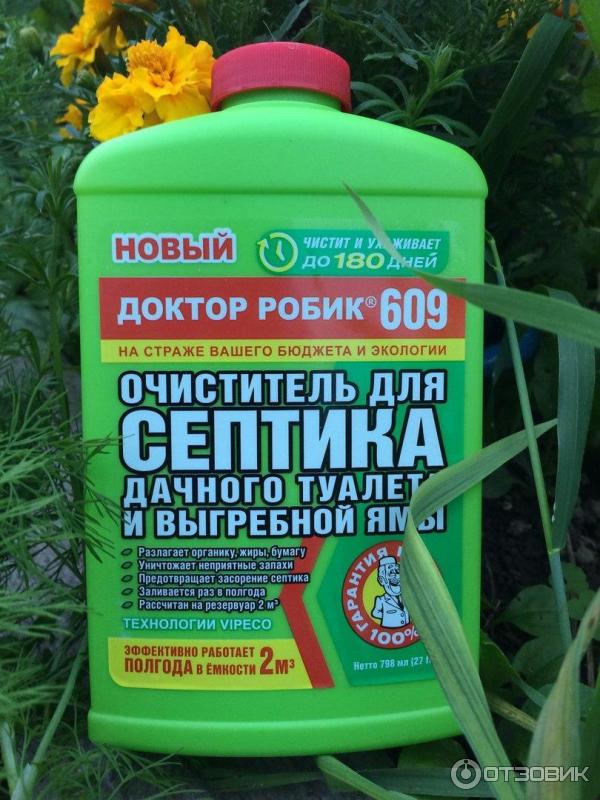
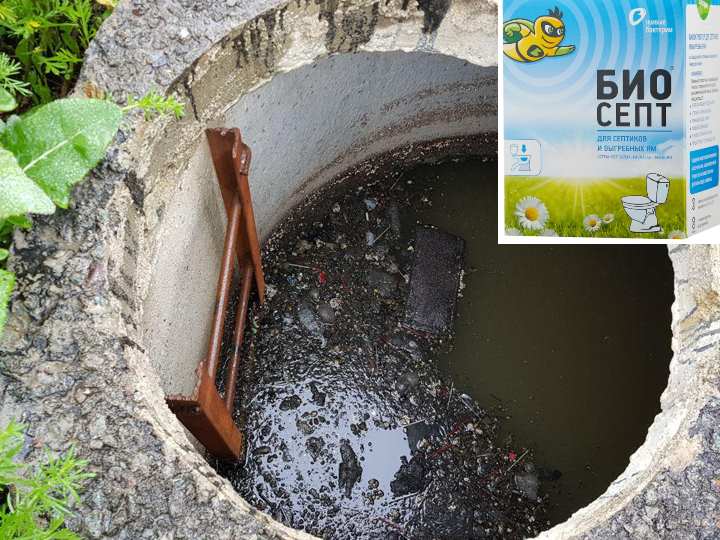
The use of biological additives is an excellent solution to the problem. These preparations contain bacteria that decompose organic particles. After their work, all organic matter turns into a harmless liquid that will go into the soil or can be used for irrigation.





For a container with a volume of 2 m³, it will be enough to dilute ½ cup of the biological product in 10 liters of water. Stir and let it brew for 2 hours. During this time, the activity of reproduction of microorganisms will increase. After that, the solution is poured into the pit. The table shows the approximate amount of bioadditives for sealed pits and without a bottom.
| Tank volume (m³) | Number of spoons | ||
| single dose | monthly | ||
| 2 | 2 — 3 | 2 — 3 | |
| sealed | 6 | 12 | 3 |
| 12 | 16 | 4 | |
| 18 | 20 | 6 | |
| bottomless | 4 | 10 | 3 |
| 8 | 12 | 4 | |
| 16 | 16 | 12 |
See the package for exact proportions.
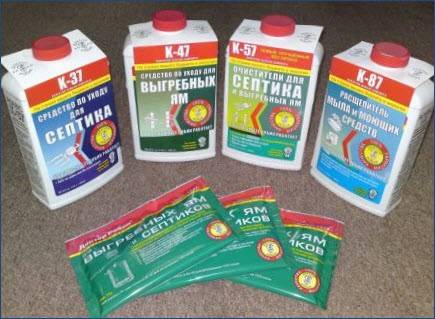
Use depending on the type of dietary supplement:
| Additive type | Tablet | Granules | Liquid |
| Application | Cesspool and outdoor toilets up to 5 m³ | Cesspool and street toilets from 5 to 15 m³ | Pit latrine and outdoor toilets / Large enterprises |
| Mode of application | Apply to contaminated site. Enough for 4 months. | Dilute in 10 liters of water, add after 2 hours. Enough for 4 - 12 months. | Dilute 1/200, use in a day at the rate of 5 liters per 100 m. |
| Result | Decomposition of organic particles, as a result - there is no need to call a sewage equipment | ||
| Application conditions | Temperature | 20 - 45°C | |
| PH level | 7,5 |
This method has a fairly large number of advantages and disadvantages. Below are some of them.
Advantages:
- do not have a negative impact on building materials (concrete, brick, plastic), so the walls of the pit will not collapse;
- no smell - 4 hours after application, the smell will disappear.
Flaws:
- do not cope with inorganic material: plastic, household and construction waste, etc.;
- work at temperatures from +4 to +30 ° C, in winter the bacteria die.
Also, with frequent use of chlorine-containing products, for example, when washing dishes or washing, it is better to refuse this cleaning method.
Chemical cleaning
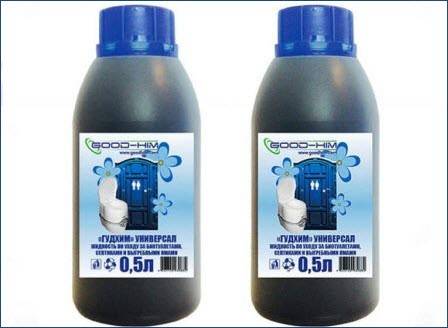
Since the microorganisms contained in biological preparations cannot withstand the cold, their use in winter is impossible. And if for a summer residence this is not a significant problem, then for a private house it would be more expedient to use chemical agents. These include:
- nitrate oxidizers - they include surface-active substances (surfactants) that can break down organic compounds and are also resistant to any detergents;
- ammonium compounds - cope with the task, but do not get along well with household chemicals, and their impact on the environment is practically unknown;
- bleach - almost never used, as it negatively affects wildlife.
Pros:
- resistant to low temperatures and its sudden changes;
- effectively process different types of waste and fight against an unpleasant smell;
- resistant to household detergents and aggressive environments.
Of the minuses, one significant one can be distinguished - they are not safe for the environment. The safest of all the above reagents is the nitrate oxidizing agent.
Cleaning with cesspool equipment or pump
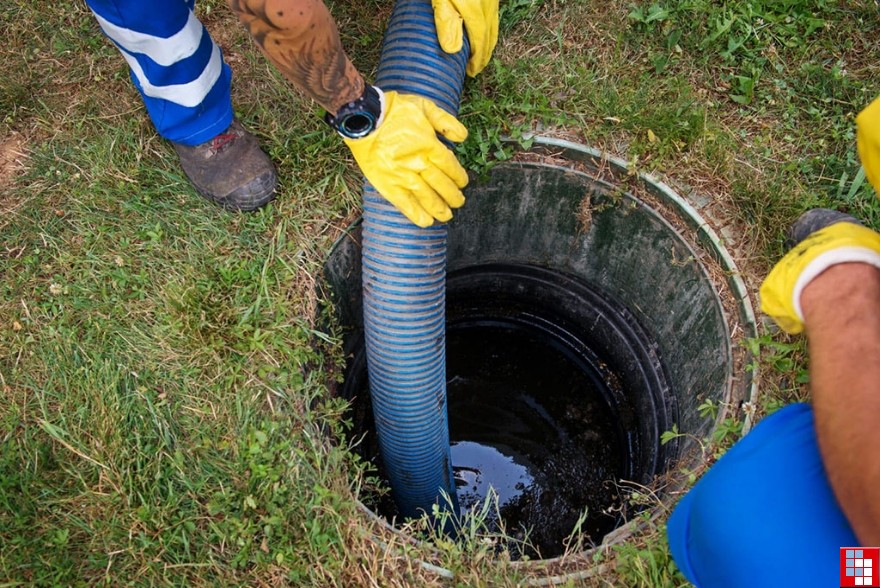
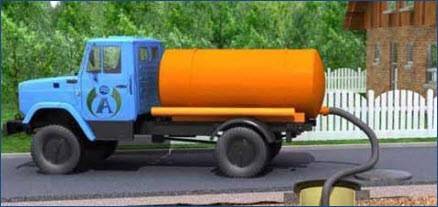
Pumping out a cesspool is the easiest way to clean it. A special machine equipped with a vacuum pump will cope with the task in a few minutes. The advantage of this method is that all work on pumping, removal and disposal is undertaken by a specialized company. The disadvantage is that the pit stops absorbing moisture, it is advisable to rinse the pit inside after that, and these are additional costs.
Perhaps you will be interested in:
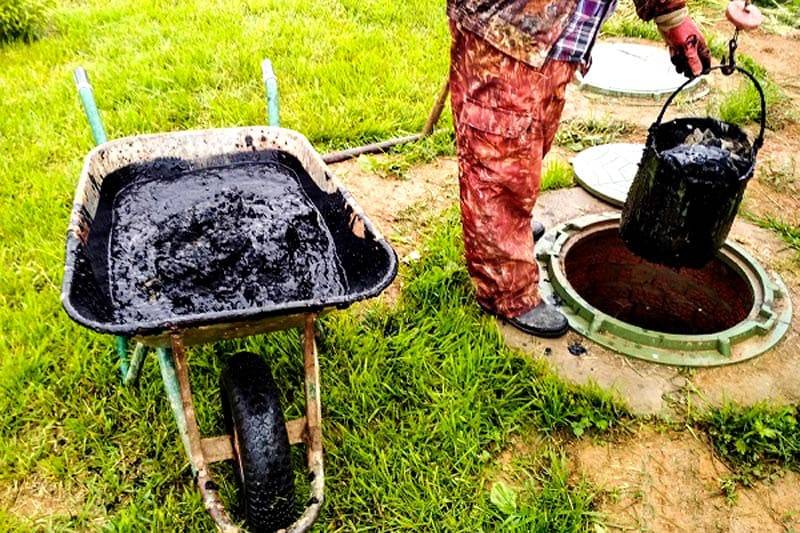
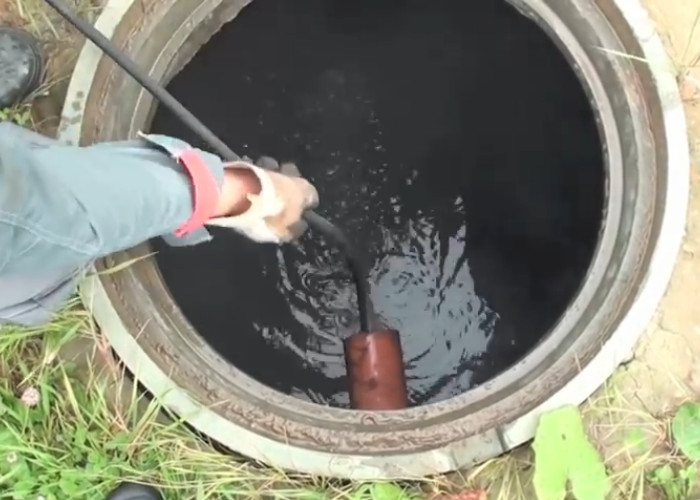
However, if the pit is small or it is not possible to fit a car to it, then you can pump it out yourself. For this you need:
- fecal pump;
- waste collection container.
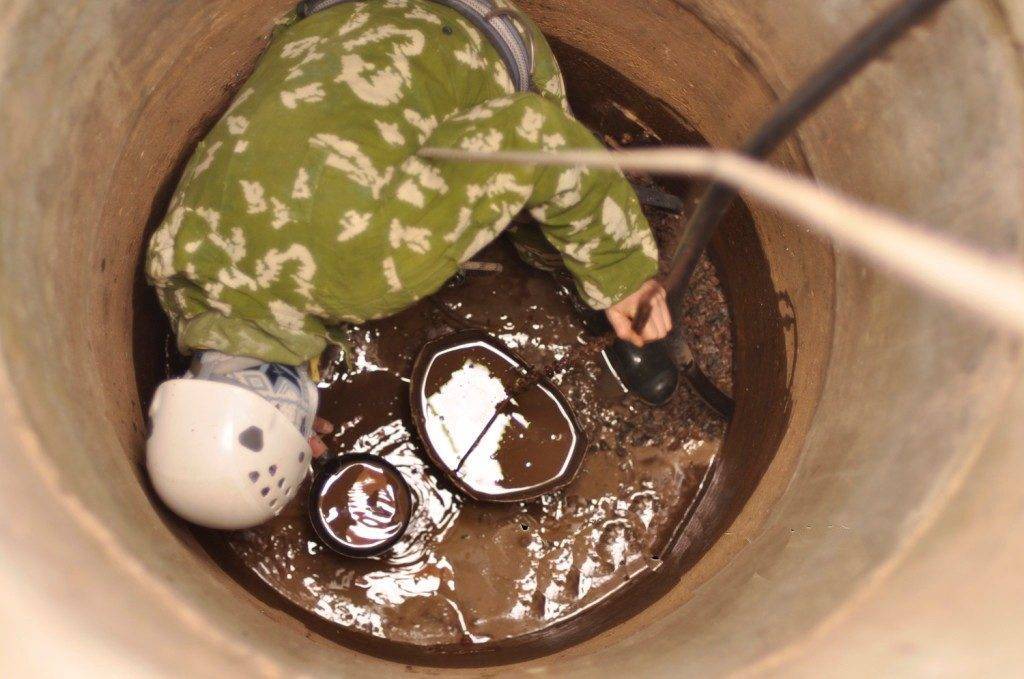
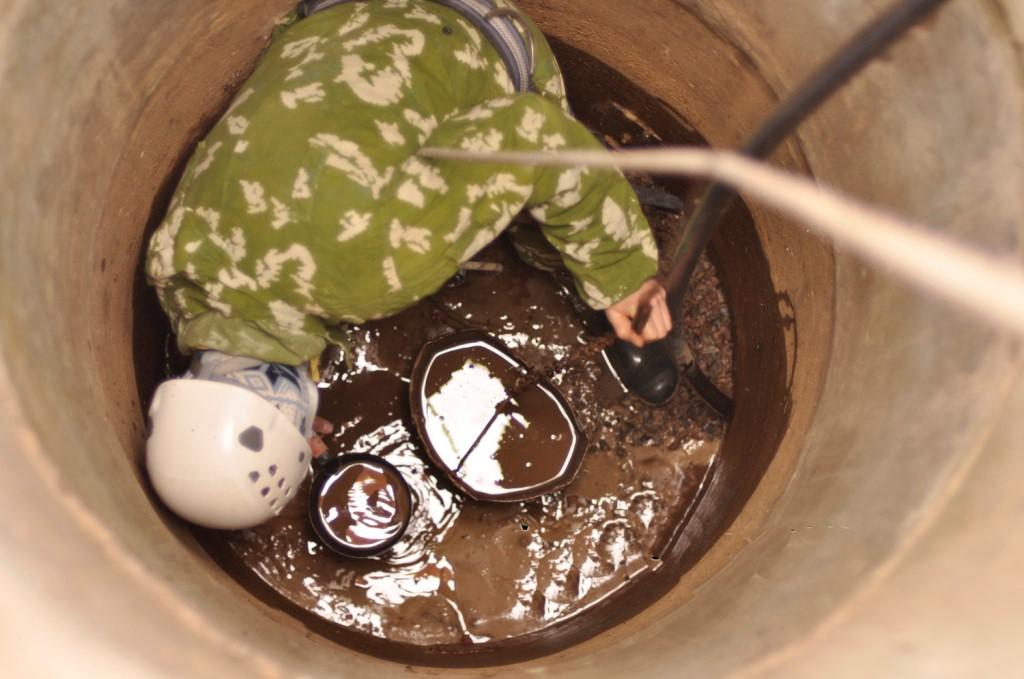
It is also worth taking care of overalls: rubberized clothes, shoes and gloves, a respirator or gas mask.The performance of the pump will depend on the volume of the pit, it is better to take a plastic container with thick walls and a neck and a drain hole located below.





Attention!
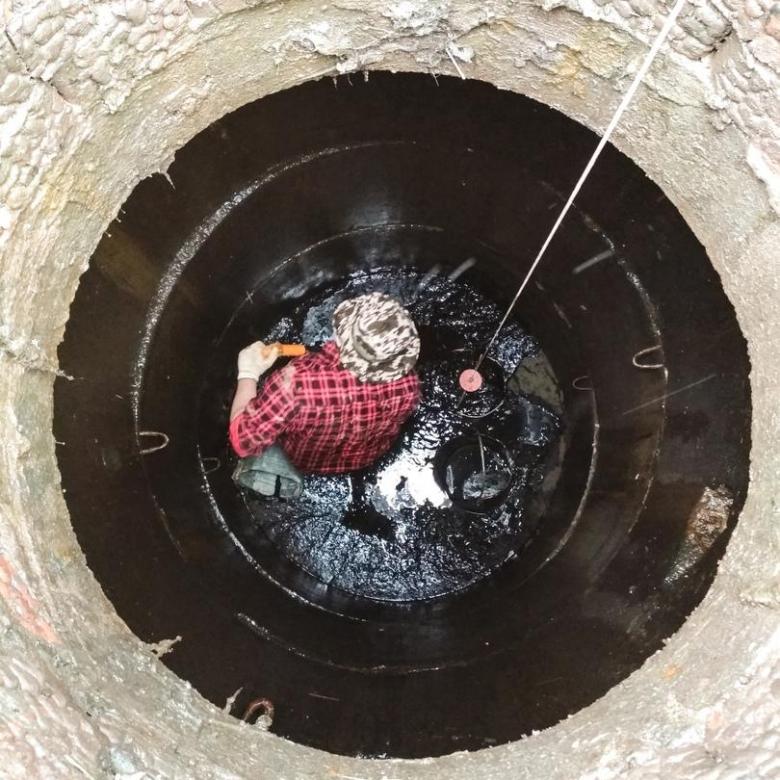
Inside the cesspool, the deadly gas is methane. Therefore, it is impossible to pump out alone, there must be a person nearby who is able to come to the rescue.
Prevention measures
Preventive measures include regular flushing of the pit with strong water pressure. If you carry out the procedure only once a year, this will eliminate the clogging of the walls, the liquid will be absorbed into the soil without any problems.
It is also necessary to apply biological agents in warm weather to eliminate the formation of solid waste. This will reduce the reservoir's susceptibility to siltation.
It is advisable to equip the tank with thermal insulation properties. Thermal insulation is a good method of getting rid of many problems. For example, if you bring a heat cable to the tank, it will be possible to avoid icing of waste without the use of additional funds.
How to clean a cesspool or toilet in a private house with your own hands
About bacteria for cesspools and toilets - which are better for septic tanks
How to pump out a cesspool - order and cost of the machine
How to do cesspool with concrete rings do it yourself
How to make a cesspool in a private house with your own hands
Submersible fecal pump with grinder - description, characteristics
Alternative cleaning
Biologicals
The use of sawdust and plants in cesspools does not exempt summer residents from cleaning them. Recently, biological agents that quickly and effectively decompose organic residues have gained wide popularity. They are called bioseptics.These preparations contain specific substances and cultures of beneficial microorganisms that turn sewage into harmless compounds. Most of them turn into gas and liquid. With a good gas outlet, they evaporate quickly. The remaining heavy substances remain in the minority and sink down. The amount of sludge processed by a bioseptic is much less than without their use. In addition, the resulting sludge is harmless to plants. Once cleaned, it can be composted or used as fertilizer.


This is an undeniable advantage, which reduces the number of cleanings at times.
These drugs have disadvantages. They cannot be used if there are phosphorus-containing and other aggressive substances in the wastewater. They are found in household chemicals.
There is a way out of the situation - to use environmental detergents in the household. This will not only reduce the number of cleanings, but also improve the quality of the health of the whole family.
Chemicals
This trend has been known much longer than bioseptics. The most famous means are formaldehyde and bleach. The latter they are banned for use due to the toxicity of high carcinogenicity. In civilized countries, their production is suspended at the state level.
As an alternative to this drug, continue to use:
- Quaternary ammonium compounds that break down organic matter. Their impact on humans and the environment is not well understood. Therefore, the buyer uses them at his own risk.
- Nitrate oxidizers are popular because they decompose not only human waste products, but also household waste.
What means to use each summer resident decides for himself.But, nevertheless, it must be remembered that a closed cesspool must be cleaned. The question is how often should this be done.
Ways
All sewer cleaning methods are divided into two groups:
- chemical;
- mechanical.
A third group can be distinguished, which combines the features of both chemical and mechanical effects. These include a folk remedy with mixing soda and vinegar directly in the sink or bath drain.
To prevent blockages, chemical products are used, which can be found in any hardware store or supermarket. Their task is to clean the walls of pipes from fatty films and solid sediment. Mechanical methods are suitable in any situation, even with a slight clogging, even with the formation of a plug impenetrable to water. However, it is mechanical means that can harm the pipes themselves, their inner surface, from which the next pollution will proceed more actively.
So the general rule is that to prevent blockages, you should regularly use chemical products to keep the pipes clean and only if there are problems with the drain, when the water no longer leaves on its own, use physical force and break through the sewer by force.



