- What is reverse osmosis
- Disadvantages of reverse osmosis technology
- Mineral composition of water
- Possibility of water contamination
- Dimensions
- Installing additional items
- How often to change the filter
- When not to choose a reverse osmosis filter
- Advantages and disadvantages
- Video description
- Criterias of choice
- Briefly about the main
- Practice: filter comparison
- Dimensions
- Cleaning speed
- Rating and which model is better
- Atoll
- Aquaphor
- new water
- Econic Osmos Stream OD310
- TO300 with the possibility of installing a mineralizer
- Barrier
- Myth #4: Purified water has no taste.
- How a reverse osmosis filter works
What is reverse osmosis
Reverse osmosis is now well-known even among the layman, since well-known household filter companies now also produce filters, the principle of which is based on reverse osmosis: water passes through a special membrane with a certain pore size that traps pollutants. The process takes place under pressure. Strictly speaking, this is the same filter, but with a specific filter material and internal conditions.
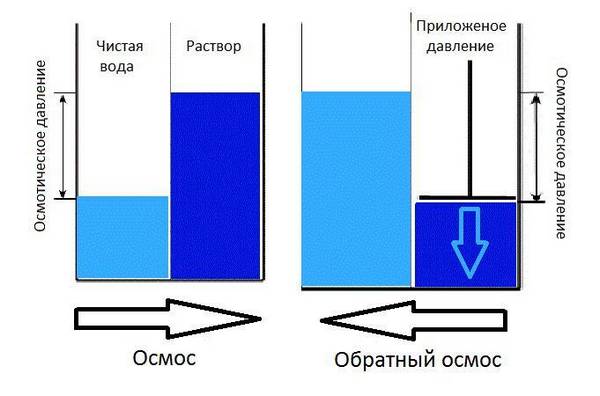
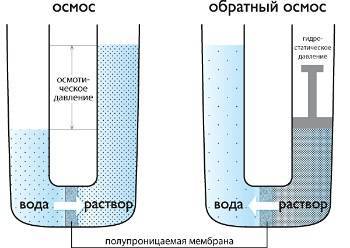
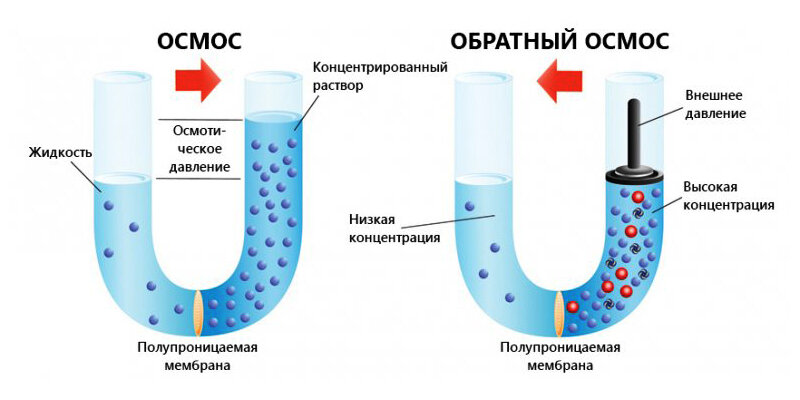
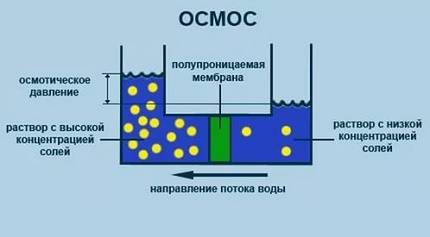
The phenomenon of osmosis is the basis for the functioning of animals and humans. Normally, if there are solutions with different concentrations on opposite sides of the membrane, then the solution will flow from the side with a higher to the side with a lower concentration.The force that water exerts on the membrane is the osmotic pressure.
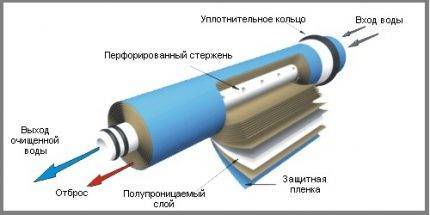
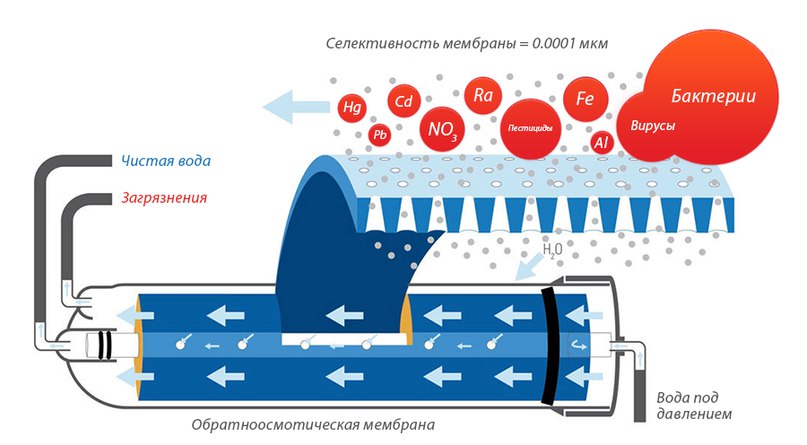
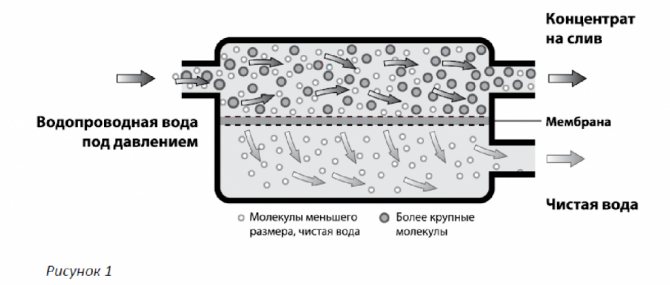
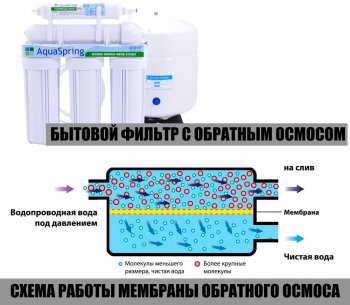
In the technique and technology of wastewater treatment, the phenomenon of reverse osmosis is applicable. That is, a pressure above the osmotic pressure is applied to the compartment with a higher concentration and water begins to pass through the semipermeable membrane. The pore size of the membrane corresponds to the size of a water molecule, so it allows only water to pass through, leaving in the concentrate part all molecules larger than water (which is almost everything, except for gases). Thus, on one side of the membrane, a concentrate (sludge) accumulates, which can be disposed of or diluted and passed through the membrane again (depending on the source water), and on the other, purified water.
Disadvantages of reverse osmosis technology
Since the talk about the benefits or dangers of water after reverse osmosis does not subside, then, of course, this technology is not without drawbacks. And here are some of them:
Mineral composition of water
Not only pollutants are removed from the water, but also useful mineral impurities. The salt content in purified water is about 5-20 mg / l, while SaNPiN 1.4.1074-01 “Drinking water. Hygienic requirements for water quality in centralized drinking water supply systems” allows a salt content of 1000 mg/l. It is clear that CaNPiN sets the upper limit of concentration, but the concentration of salts in water purified on membranes is negligible.
This problem is solved either by installing a mineralizer, which is another step in an already complex multi-stage purification system, or by using vitamin and mineral complexes.
Possibility of water contamination
When the membrane is deformed and the pores are ruptured, viruses and bacteria can slip through and enter the water.Such deformations are possible if the pre-filters are out of order or worn out and have not been replaced in time. Plastic storage container - an excellent environment for the development of microorganisms
It must be understood that the installation does not imply other means of disinfection, and therefore it is important to be on the alert
Normally, water after membrane purification can not be boiled, but if the membrane breaks, it must be boiled.
This situation can be easily avoided if the pre-filters are changed in time and the membrane filter is inspected (and, if necessary, changed) as a preventive measure (see below).
Dimensions
The dimensions of the reverse osmosis equipment to be placed under the sink are quite large and will not fit under every sink in every kitchen. The price of such an installation is also high compared to a 3-stage installation (5-7 times on average).
Installing additional items
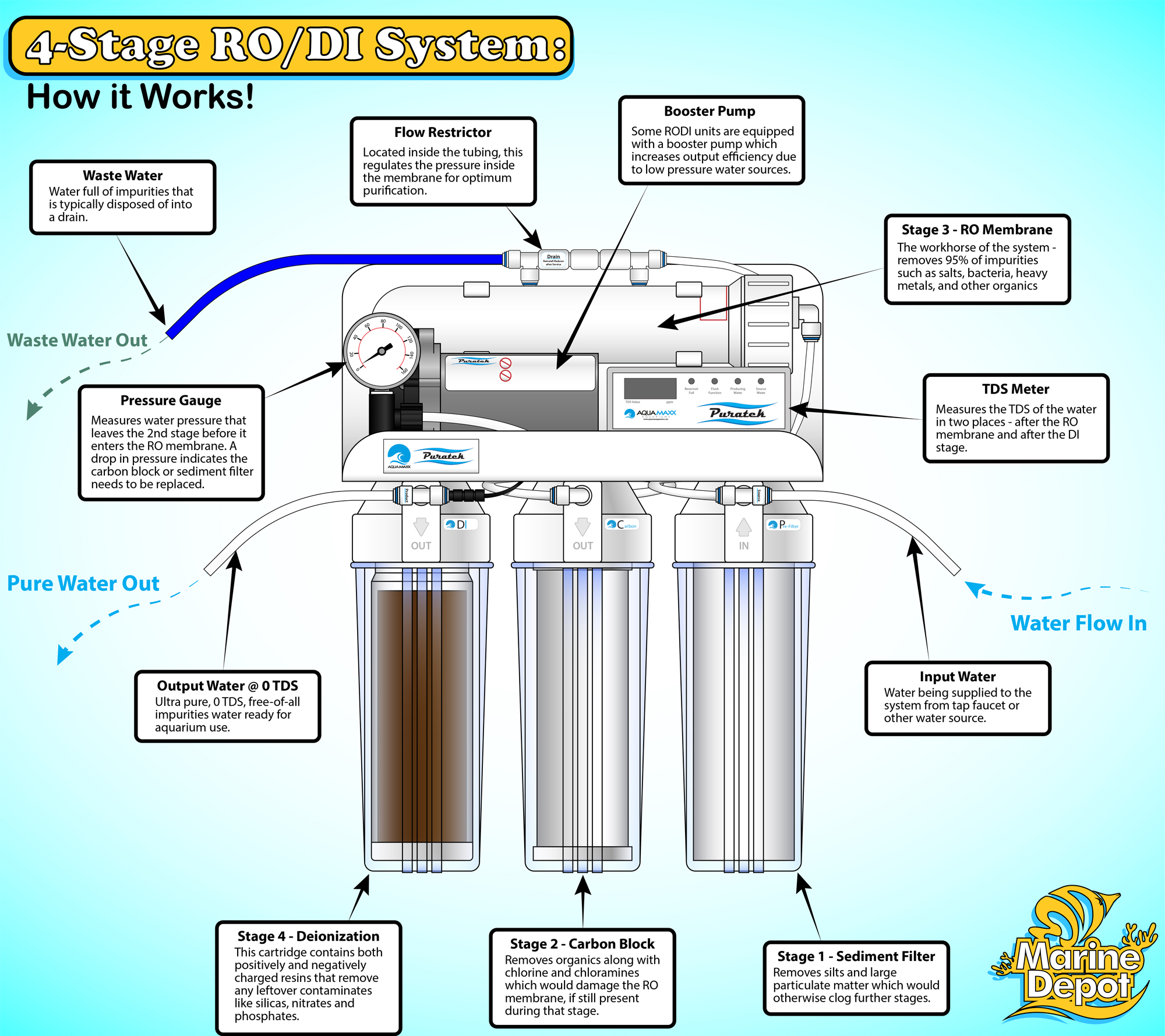
Since the reverse osmosis system operates at a certain pressure, it must be controlled. The pressure in the pipes of apartment buildings may not satisfy the required passport characteristics. In this case, if you need to increase the pressure, you need to install a booster pump, if you need to lower the pressure, then you need a gearbox.
How often to change the filter
Pre-filter cartridges must be changed according to the equipment passport. Russian manufacturers have a cartridge resource of 8000 liters. With an average water consumption (7 liters per person) in a family of 2 people, the first stage coarse filter cartridge needs to be changed every 3-6 months, the other two filters once a year.
However, the resource may be exhausted earlier if the filters are installed in a large family, as well as for hard or contaminated water.Manufacturers always provide experts to calculate and select the best options.
The membrane needs to be changed every 1-5 years, depending on the number of users and the quality of the source water. It’s easy to understand when it’s time to change the membrane: by the appearance of scale in the kettle.
When not to choose a reverse osmosis filter
As you know, it's not clean where they clean well, but where they don't litter. The best and most competent choice, based on civic responsibility, would be the choice in favor of environmental awareness of citizens. Not to litter on the streets, to use personal transport in moderation and to take part in meetings and peaceful rallies is not so difficult.
But for now, we have to deal with what we have, namely dirty tap water and garbage everywhere.
Expensive cleaning (and reverse osmosis can be attributed precisely to such) should be chosen only on the principle of expediency. Capital wastewater treatment plants (Moscow and St. Petersburg), for example, do an excellent job of water treatment. Rust and bacteria from pipelines are successfully neutralized by the usual three-stage cleaning on coarse filters and a sorption filter, as well as boiling.
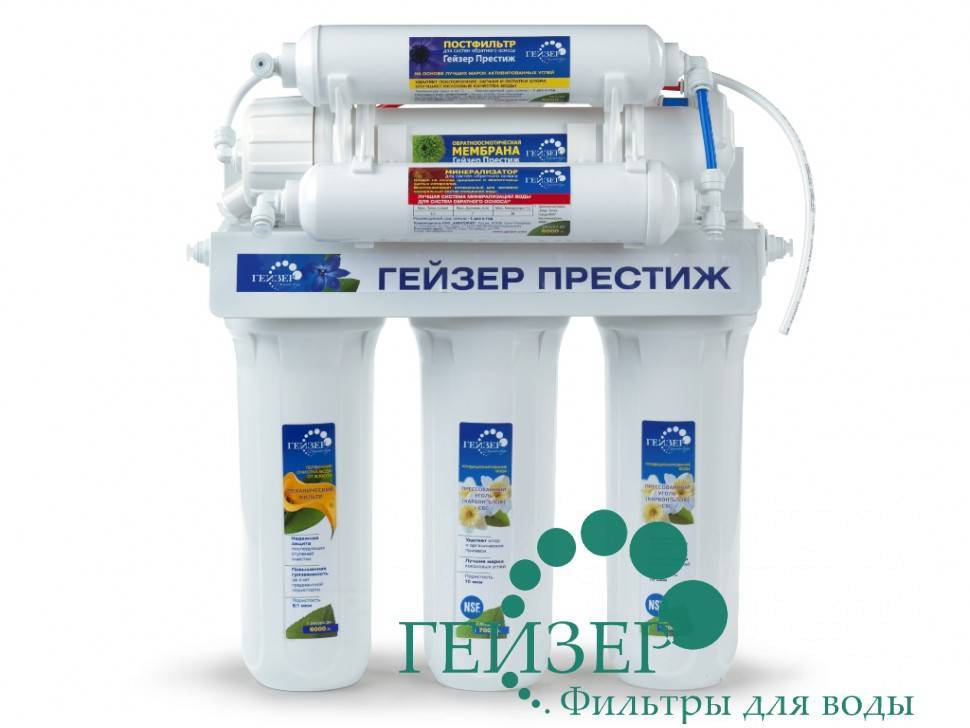
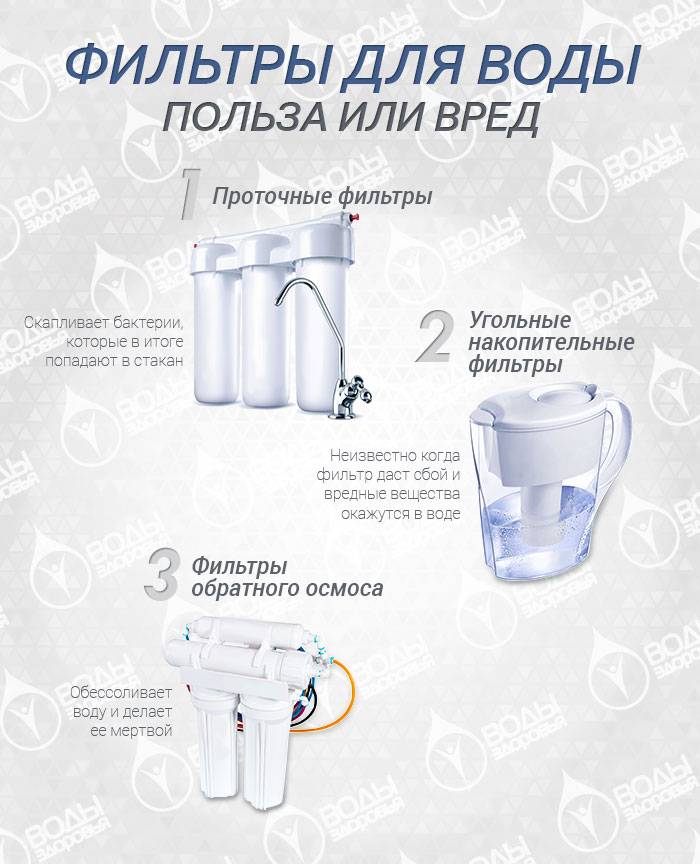
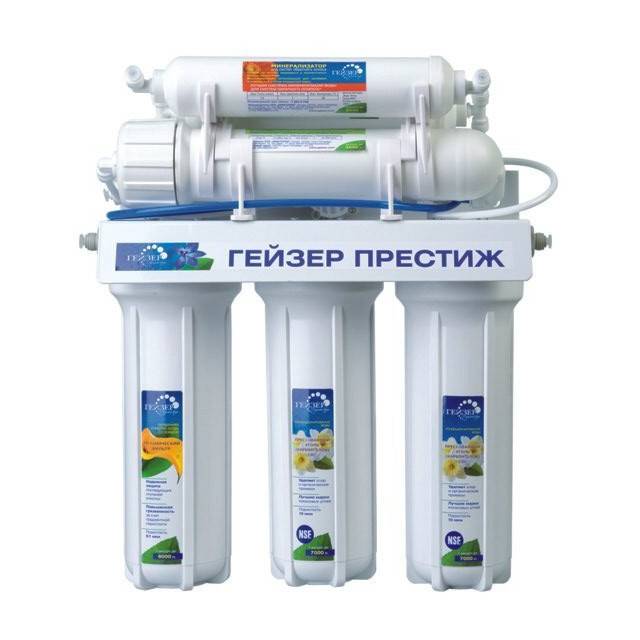
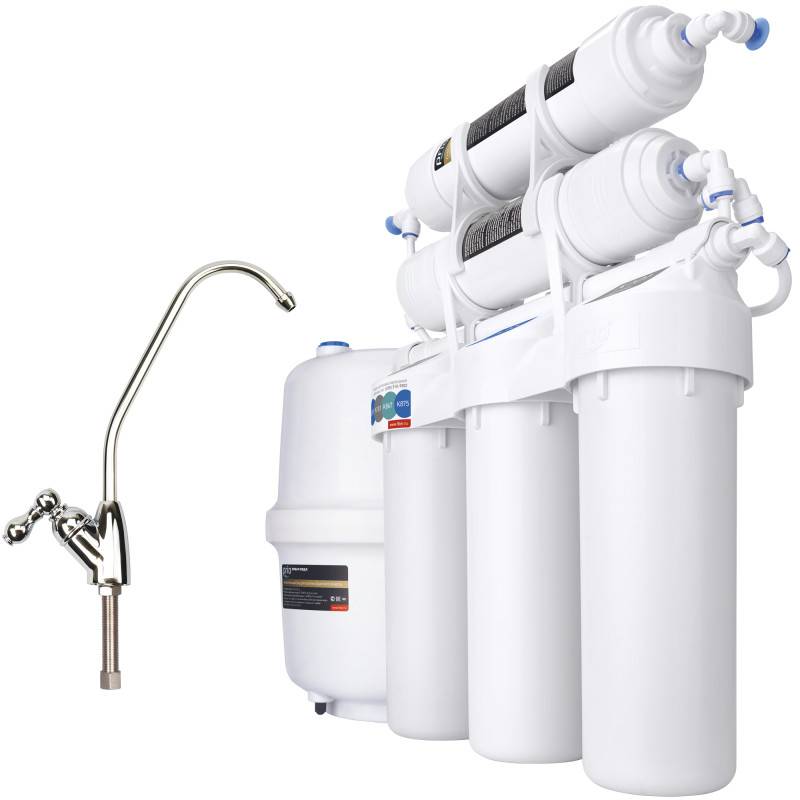
If there is no opportunity to get clean tap water, then installing a reverse osmosis filter will be a real salvation.
It is important to remember that water is not only an important resource, we also wash food with water, bathe children, cook with it. If you can save on something, it's definitely not water.
Irina Dombrovskaya, environmental engineer
Advantages and disadvantages
So, having dealt with reverse osmosis - what it is, let's move on to the pros and cons of the device.
To begin with, many consumers are frightened by the fact that the water leaving the filter is very clean. That is, it does not contain the required presence of nutrients. That is why the mineralizer was installed, although it is not present in all models. That is, the problem is solved. At the same time, the water that has passed through the minerals acquires a pleasant taste.
But it should be noted that the purest water does not carry any harm to humans. In addition, it will contain a minimum amount of viruses and bacteria. And this is a big plus.
There are industrial plants that desalinate sea water. And they have reverse osmosis technology. It is clear that this cannot be done with a household appliance, but this proves that the efficiency of this type of filter is very high.

Industrial reverse osmosis filter for water desalination
Another advantage is the compactness of the device and the ease of installation. No complicated tools are required for installation. Usually connections are made manually. Changing the cartridge is also easy.
It was mentioned above that reverse osmosis for water purification is inexpensive. But this is in comparison with a complete set of house water treatment. When compared with conventional water filters, it is much more expensive. But, as practice has shown, today this does not stop consumers who want to get clean drinking water from the tap. In any case, everything pays off quickly.
There is another disadvantage - the periodic purchase of filter cartridges. Membrane is especially expensive.
Video description
In the video, a specialist talks about the principle of operation of a reverse osmosis filter, its advantages and disadvantages:
Criterias of choice
So, we will understand the question - what to look for when choosing a reverse osmosis water filter.The first thing you should be interested in is the mineralizer
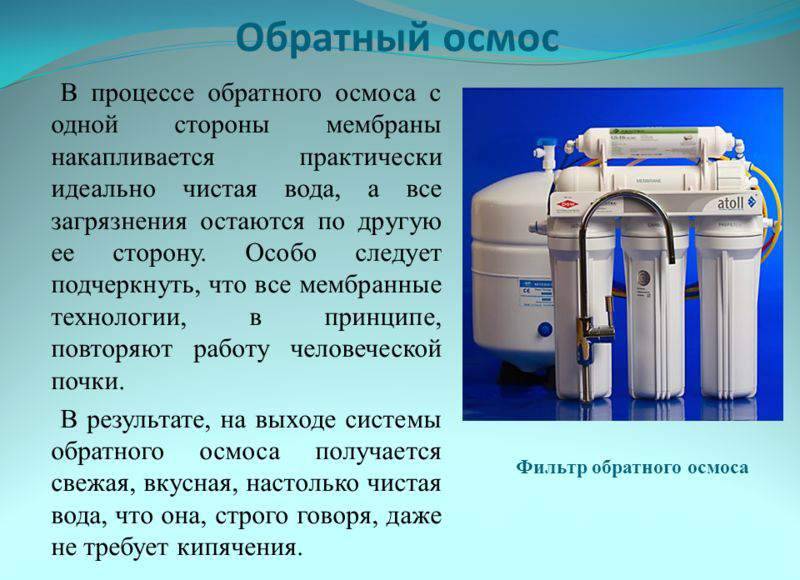
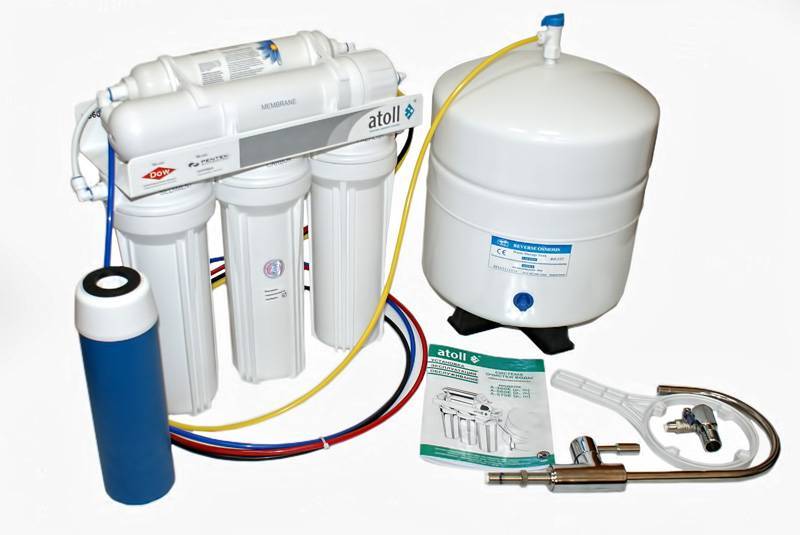
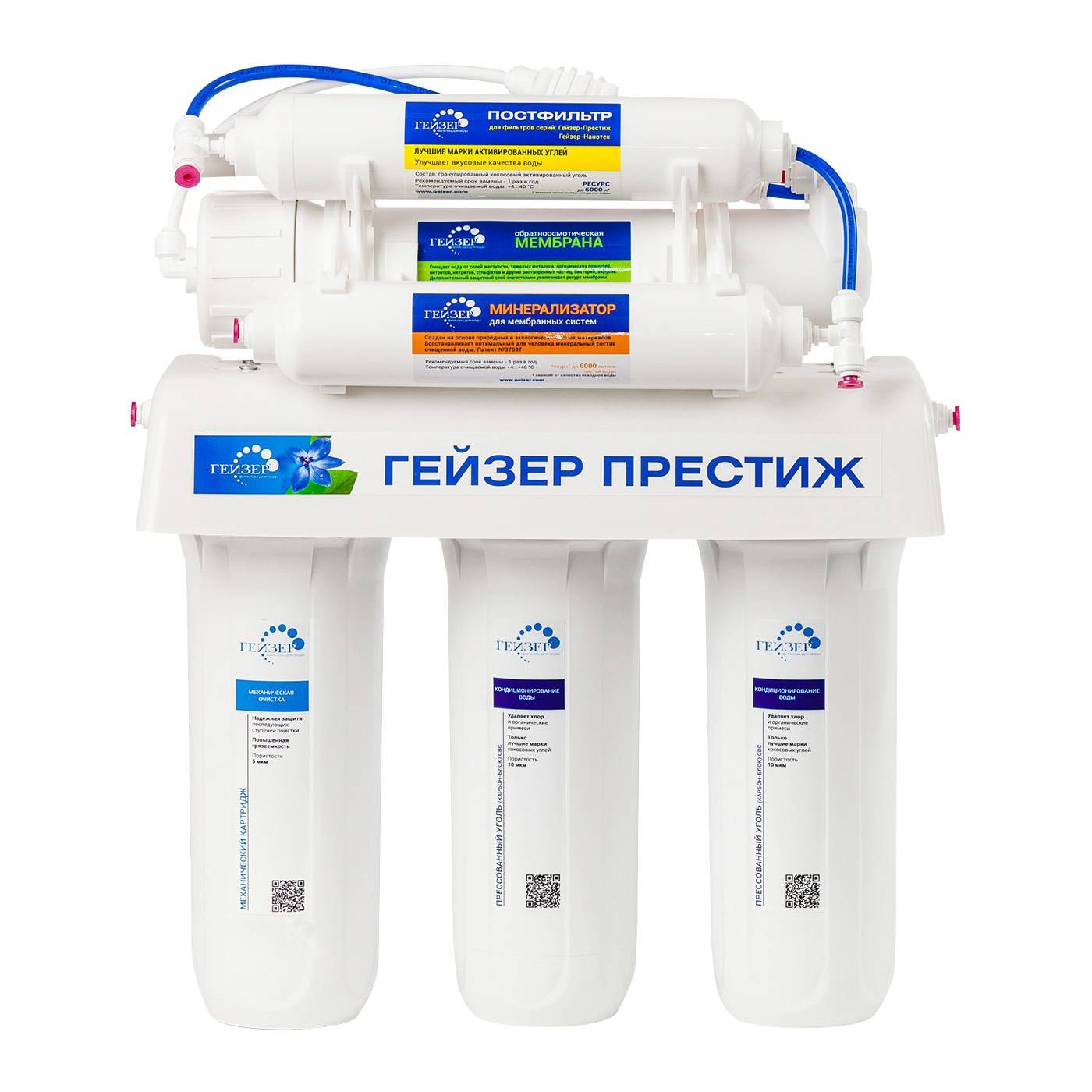
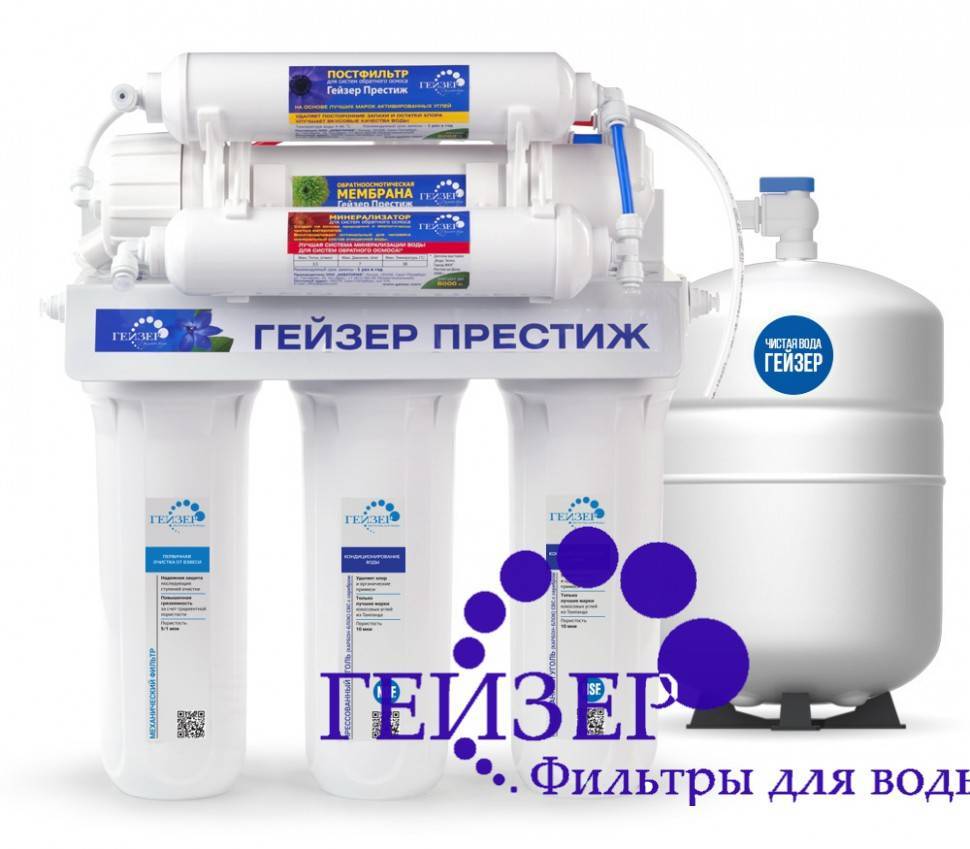
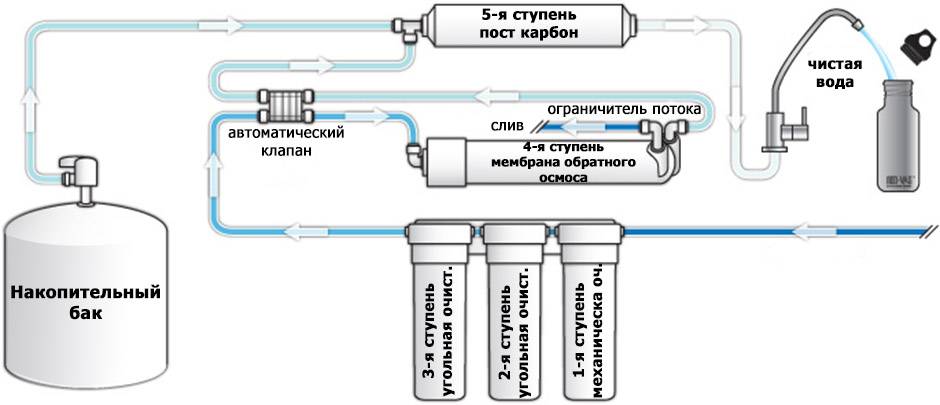
Don't buy a filter without it. Also remember that a modern osmotic filter is a device with five degrees of purification. That is, there should be three filters in the form of vertical flasks at the inlet. Then a device with a membrane. And the last is another horizontal fine filter. This is the most efficient model to date.
The first thing you should be interested in is the mineralizer. Don't buy a filter without it. Also remember that a modern osmotic filter is a device with five degrees of purification. That is, there should be three filters in the form of vertical flasks at the inlet. Then a device with a membrane. And the last is another horizontal fine filter. Today it is the most efficient model.
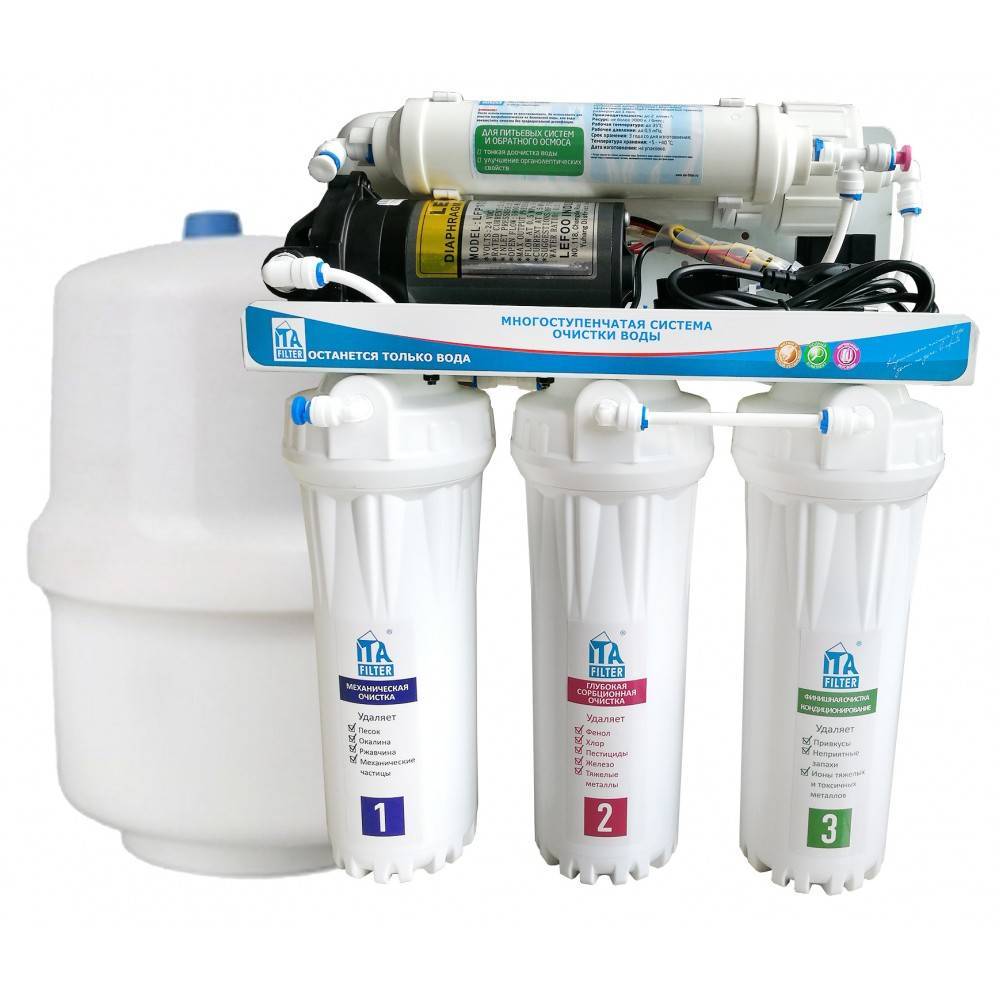
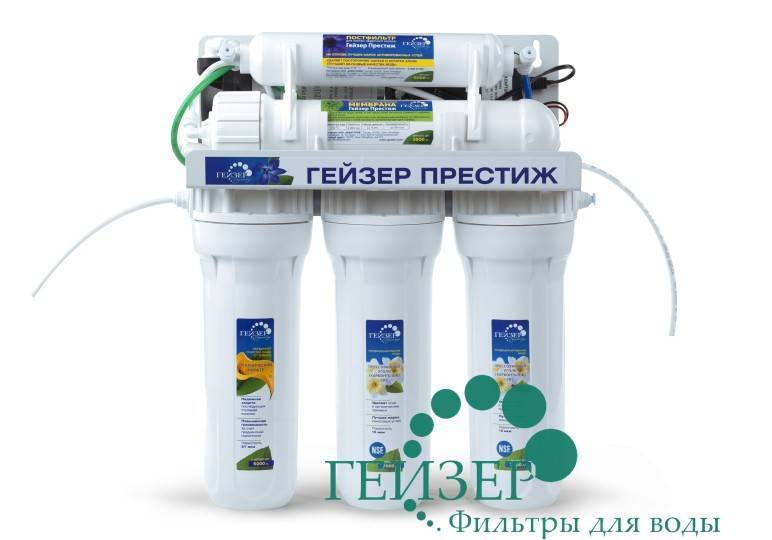
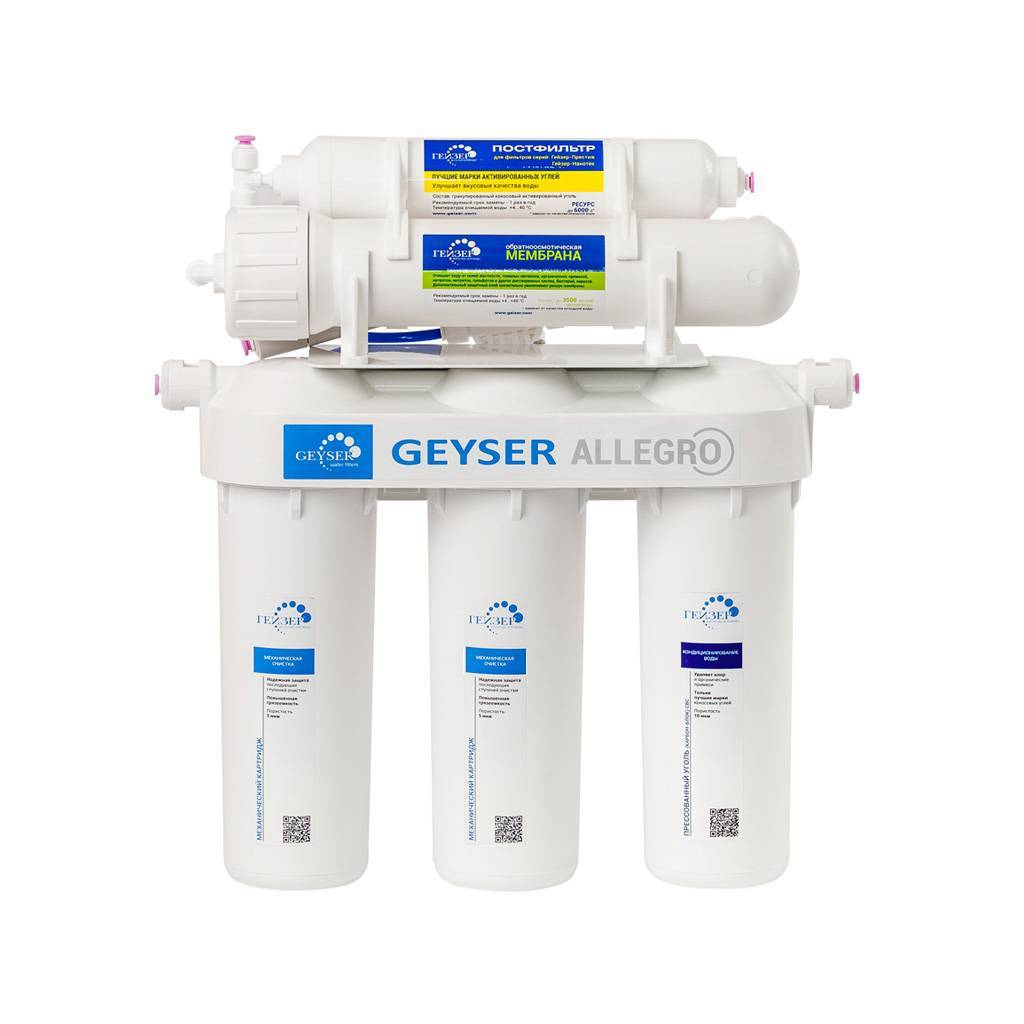
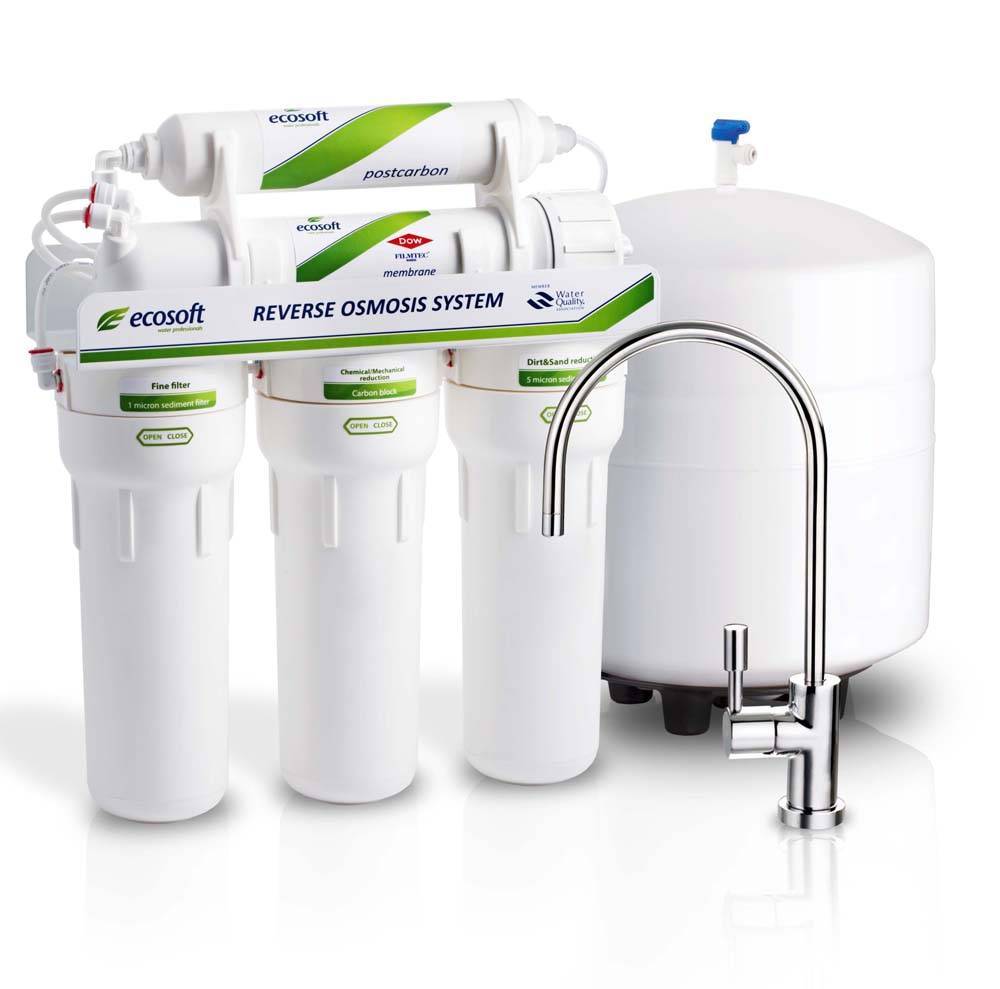
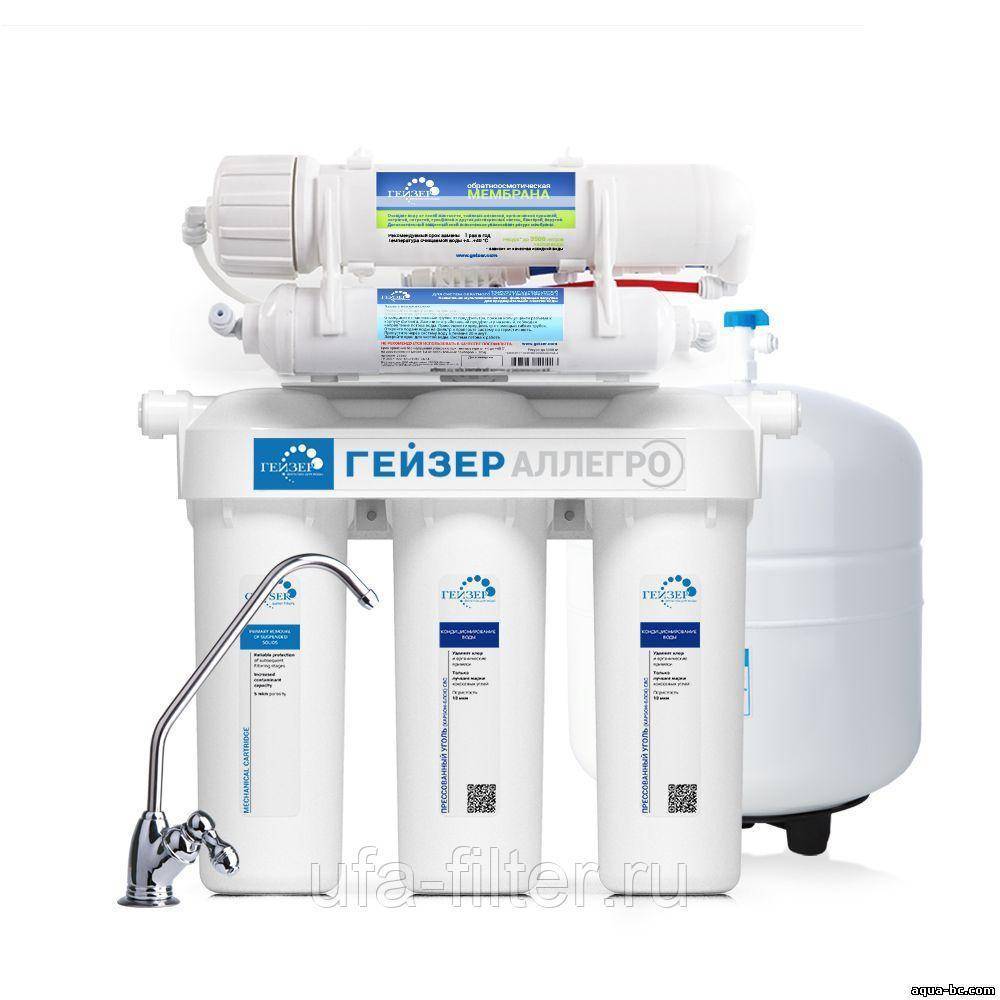
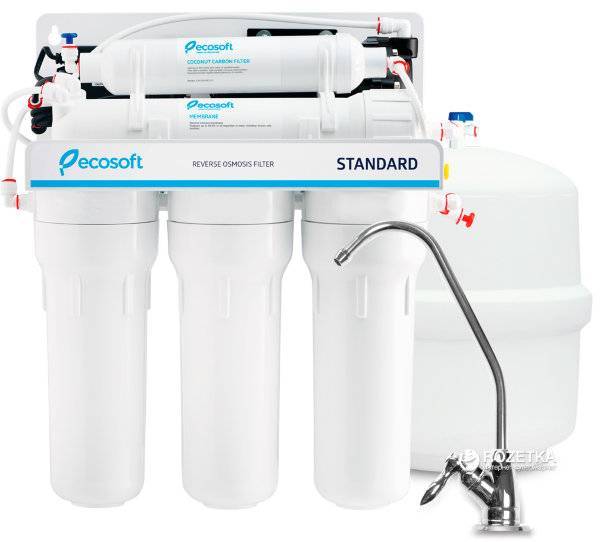
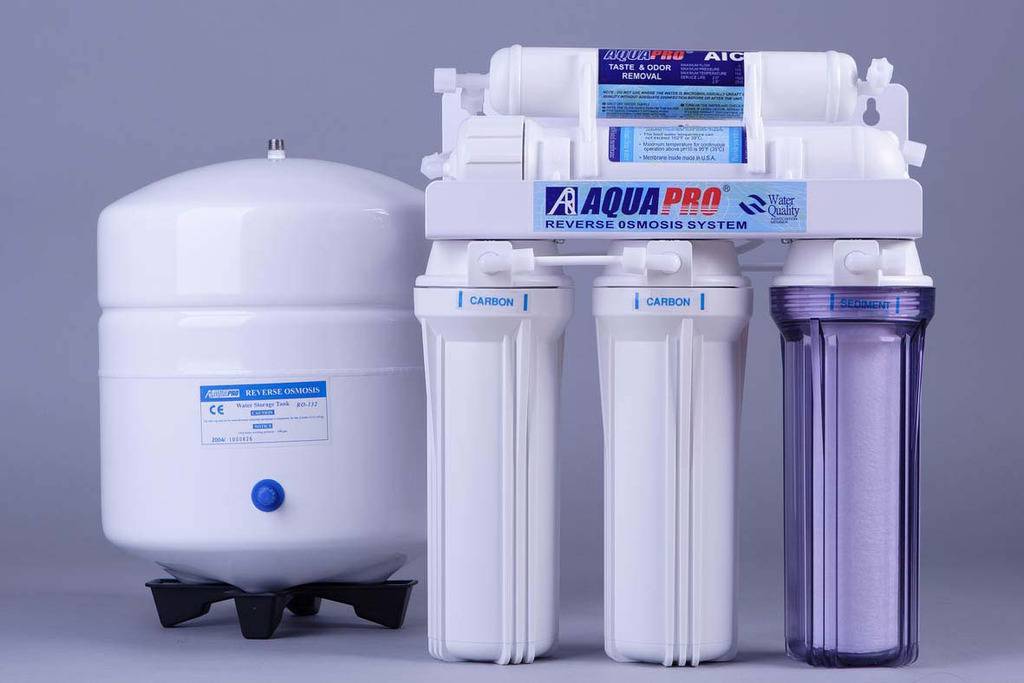
Some models are equipped with structurizers. It should be noted that water that has passed through a reverse osmosis filter cannot be called biologically active. So it needs to be restructured. For this, another element is installed in the device. Inside it are bioceramic cartridges or tourmaline fillers.
The task of the two substances is to purify water from pesticides, bacteria, heavy metals, chlorine and other things. At the same time, the taste of water becomes pleasant. We add that the structurizer has a fairly serious operational resource - 2 years.
And, of course, be sure to read the instructions for the purchased filter. Just make sure that it can be used to carry out all degrees of water purification.
Briefly about the main
Reverse osmosis is a technology for purifying water by forcing it through a membrane that allows only liquid molecules to pass through.
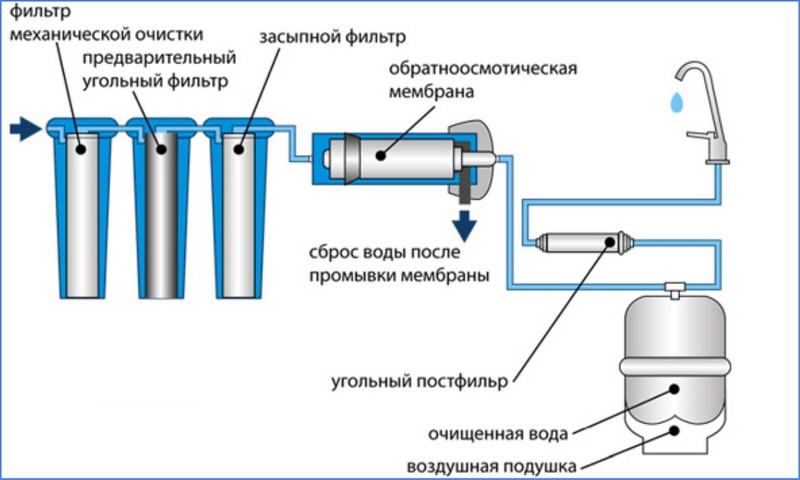
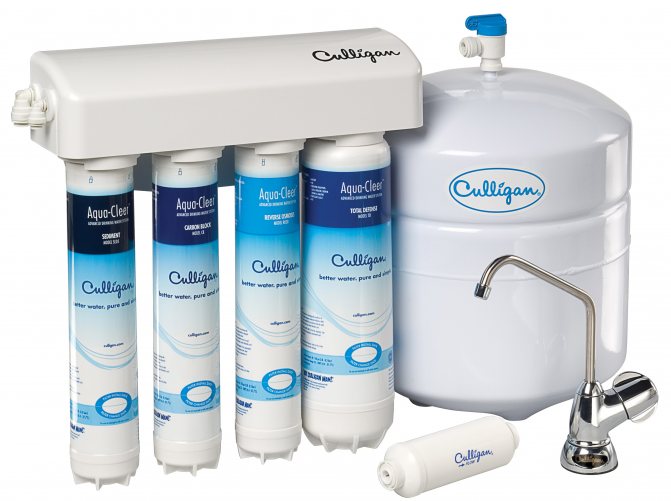
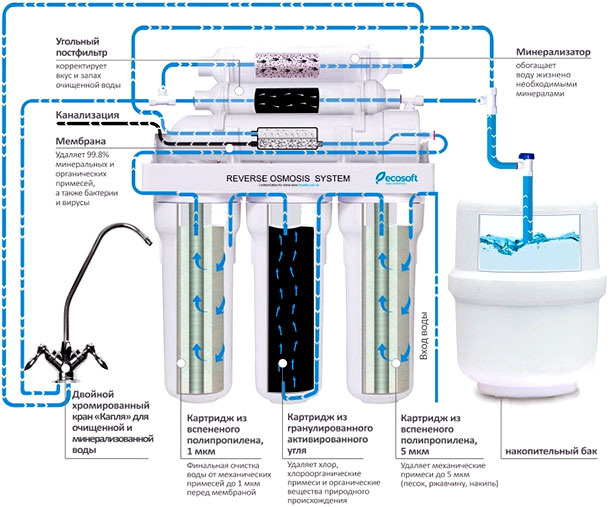
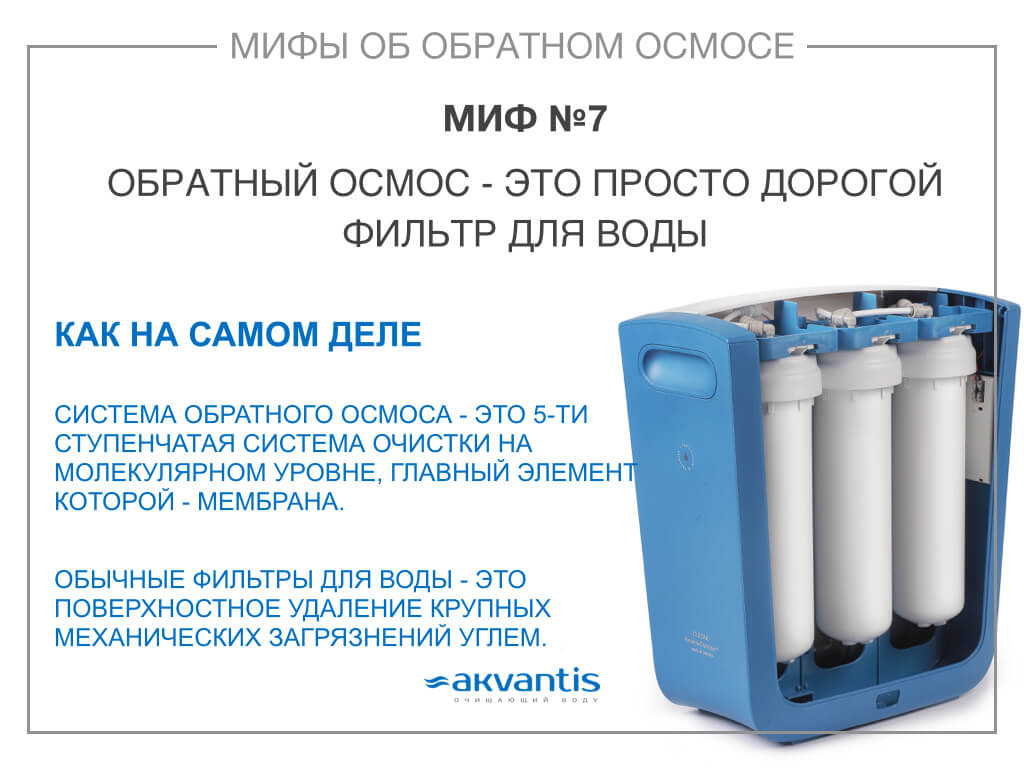
The design of the reverse osmosis filter includes: three fine filters in the form of flasks with fillers, a membrane filter, a mineralizer and a device that finally purifies the water.
The main characteristic of this filter is its capacity, which varies from 150 to 250 l/day.
For correct operation, a certain water pressure of the water supply network is required - 3 atm.
All filtration elements are periodically replaced with new ones, which is included in the expenses of the family budget.
Practice: filter comparison
As I said earlier, Aquaphor Morion (8,490 rubles) and the Barrier Profi Osmo 100 filter (8,190 rubles) participated in a comparison of the efficiency and cost-effectiveness of reverse osmosis systems.
While I was preparing the material, both Aquaphor and Barrier went up slightly in price. Thanks to the reader who pointed out this flaw. Above I replaced the price tags with the current ones.
Dimensions
"Aquaphor Morion" has dimensions of 37.1 x 42 x 19 cm. At first I thought that they forgot to put the clean water tank in the box, but it turns out that the five-liter tank is already built into the case. That is, such dimensions are already taking into account the tank. At the same time, the Barrier filter has dimensions of 38.5 x 44.5 x 13 cm, and it comes with a 12-liter tank with a diameter of 23 cm and a height of 39 cm. You can evaluate the difference in dimensions from the photo below:

From left to right: Aquaphor Morion in profile, Aquaphor Morion full face (this is not one filter in two parts, but two separate filters from different angles), and Barrier Profi Osmo 100.
Cleaning speed
The membranes in the compared filters differ in their declared performance. The Aquaphor filter uses a 50 gallon membrane (50 gallons = 189 liters per day).The Barrier filter has a 100 gallon membrane (378 liters of water per day). Logically, the performance of the Barrier filter should be twice as high.
In order to evaluate the actual filtration rate (and not the rate of water supply from the storage tanks), we started the test with an empty storage tank for both filters. The cleaning speed of the Aquaphor and Barrier filters differs by 1.5 minutes / liter: Aquaphor cleans a liter of water in 7.5 minutes (8 liters per hour), Barrier - in 6 minutes (10 liters per hour ). In principle, these figures are close to the 7.8 liters per hour for Aquaphor and 12 liters per hour for the Barrier declared on the manufacturers' websites. But, as you can see, there is no twofold difference in performance.

Water consumption

Rating and which model is better
Trademarks "Barrier", "Aquaphor", "New Water", Atoll, Aqualine have proven themselves well. They manufacture components themselves or use membranes from Filmtec, Pentair and Osmonics from the USA, TFC from South Korea. These semi-permeable media serve 2.5-5 years.
Systems are operational for 5-7 years if they are periodically serviced. Below, in the form of a kind of rating, the models that have become sales leaders are described.
Atoll
The Russian manufacturer uses PENTEK brand cartridges and flasks (Pentair Corporation products) in its systems. All elements are fastened according to the John Guest standard - they are quickly disassembled without the use of special tools.
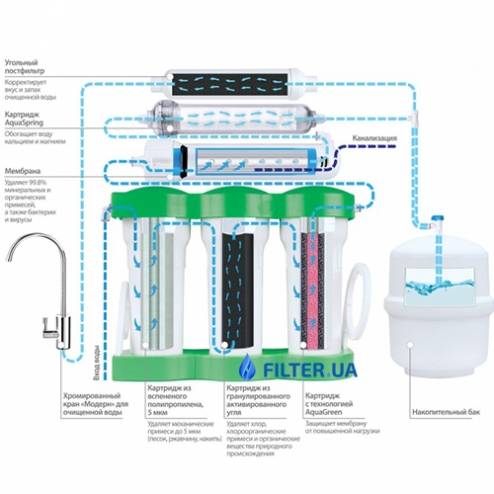
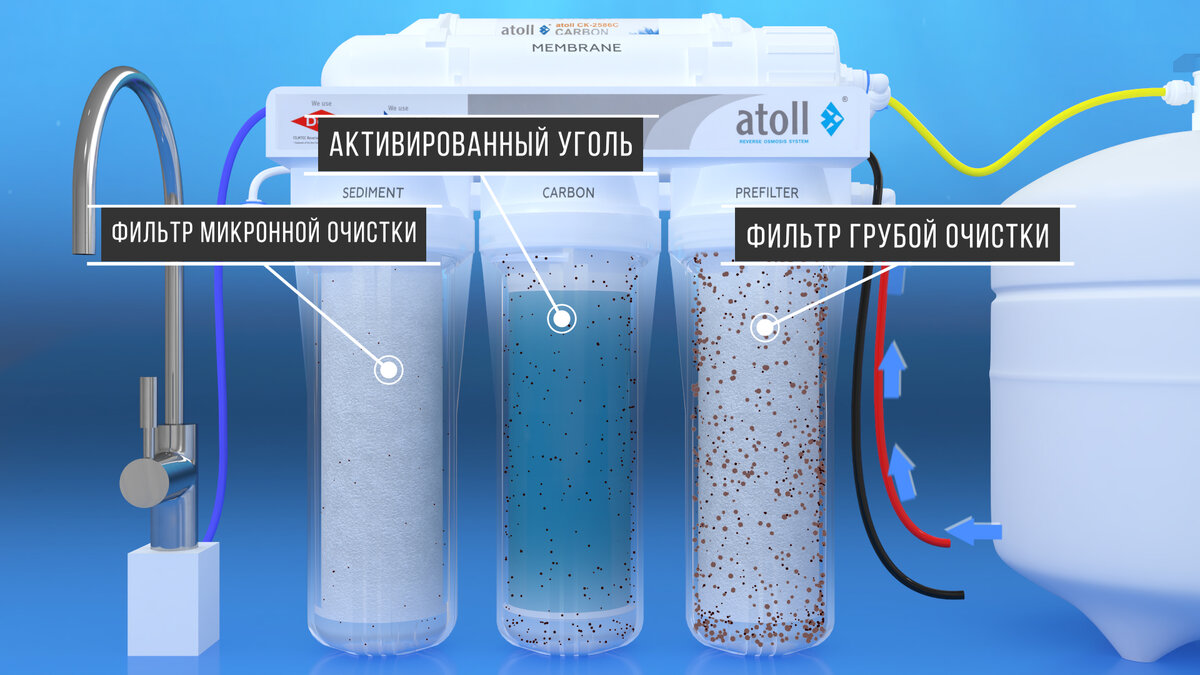
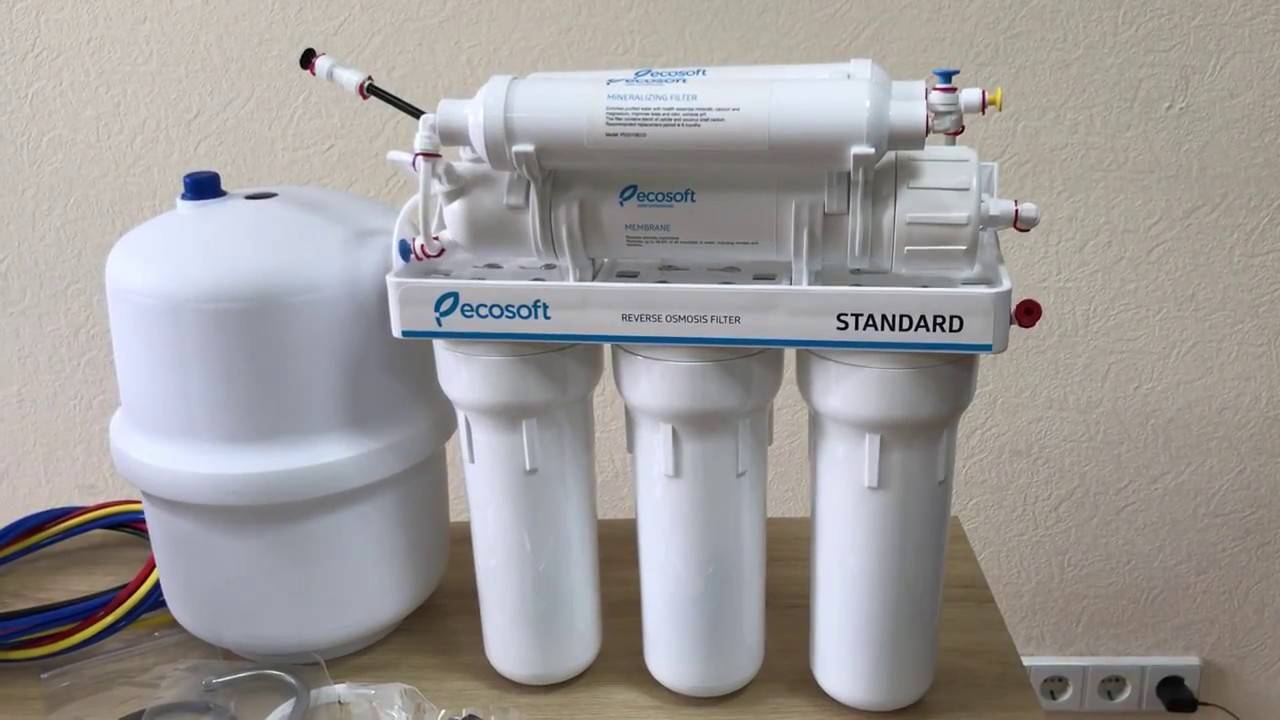

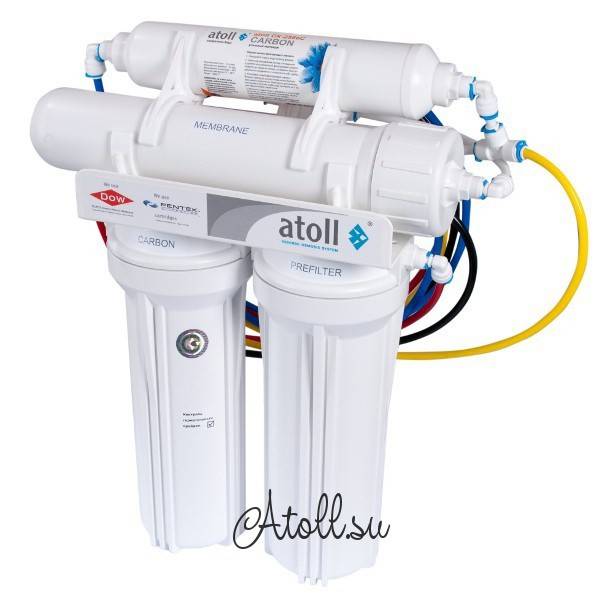
The modules are equipped with cartridges of Big Blue, Slim Line and Inline standards, which are sold all over the world. The manufacturer claims that each part is tested for leaks.
Among buyers, the Atoll A-575m STD model is popular.
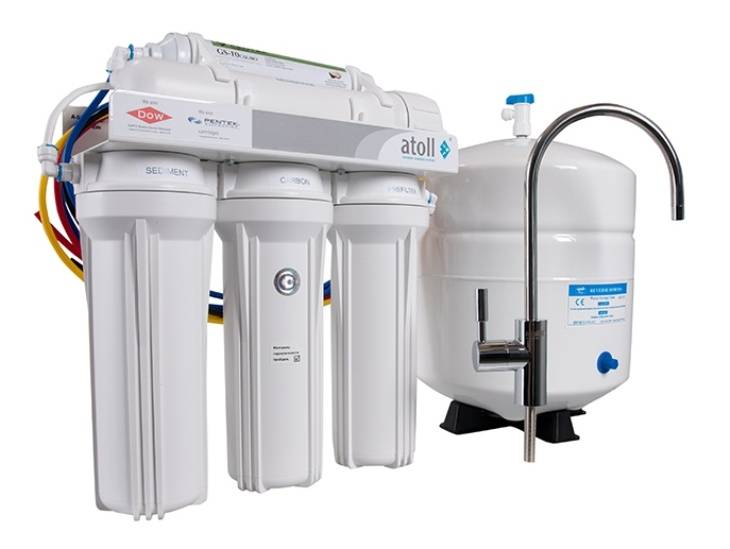
Technical description:
| Price | 14300 r. |
| Number of cleaning steps | 5 |
| Performance | 11.4 l/h |
| Volume of the tank | 18 l (12 l - usable volume) |
| Additional functions | Mineralization |
Pros:
- Compact size, light weight (5 kg);
- Long service life;
- Ease of maintenance;
- Volumetric tank;
- Removes 99.9% of contaminants and pathogens, then infuses the fluid with beneficial mineral compounds.
Minuses:
The cost of the system and replaceable elements is higher than that of competitors.
Aquaphor
The company has been operating since 1992. The filters use Akvalen sorbent fiber, granular and fibrous sorbents. In expensive models, the membranes are hollow fiber. The company independently manufactures all components. Specializing in household filters.
The leader of sales is the model Aquaphor OSMO 50 isp. 5.
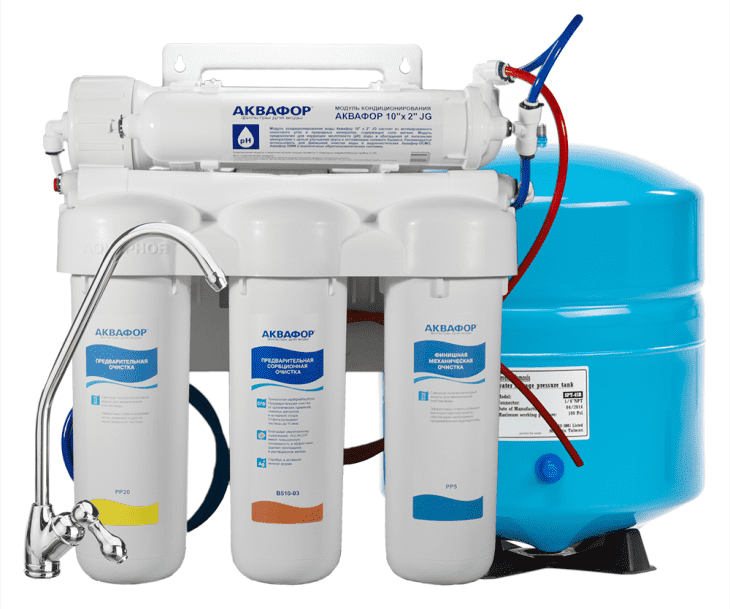
Technical description:
| Price | 7300 r. |
| Number of cleaning steps | 5 |
| Performance | 7.8 l/h |
| Volume of the tank | 10 l |
| Additional functions | No |
Pros:
- Affordable price;
- Removal of particles larger than 0.0005 microns;
- Easy cartridge replacement.
Minuses:
- Large weight - 10 kg;
- Operates at a pressure of at least 3.5 bar, there is no pump included.
new water
The company has been in existence for over 12 years. The manufacturer Novaya Voda has joined the International Water Quality Association. In Russia, only two companies have received such an invitation. New Water products comply with the ISO 9001:2008 quality certificate and the ISO14001:2004 environmental management system certificate.
The Econic Osmos Stream OD310 won the trust of customers. This system is based on the latest technology.
Reference. Pre-treatment is handled by one powerful filter, not three, as in standard systems.
Econic Osmos Stream OD310
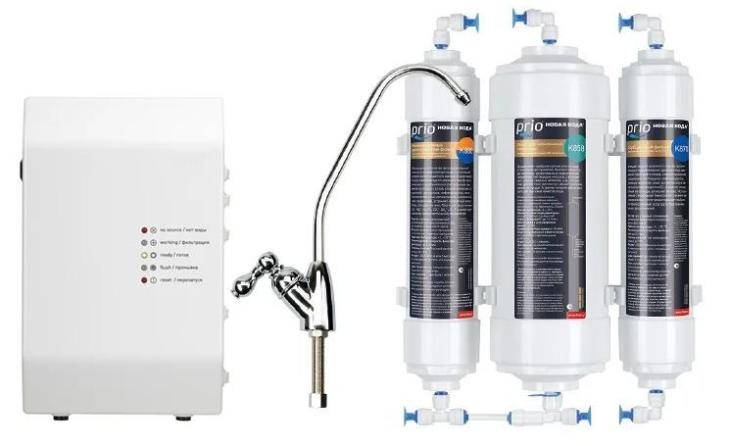
Technical description:
| Price | 12780 r. |
| Number of cleaning steps | 3 |
| Performance | 90 l/hour |
| Tank | missing |
| Additional functions | installation of a post-mineralizer is possible |
Pros:
- High-performance membrane Toray (Japan);
- Compact - the system does not need a tank, it quickly purifies water in real time;
- Small drain of liquid into the sewer;
- The membrane serves at least 3 years, the pre- and post-filter must be changed once every 6-12 months;
- The system is lightweight - weighs 2.1 kg;
- The filter is operable at a pressure of 2 atmospheres, withstands loads up to 52 atm.;
- Replaceable elements are easily disconnected;
- Warranty 3 years.
Minuses:
High price.
TO300 with the possibility of installing a mineralizer
Another popular model from the Novaya Voda company is TO300. This is a budget option from the manufacturer. Direct-flow system with reverse osmosis satisfies the drinking water needs of 2-3 people.
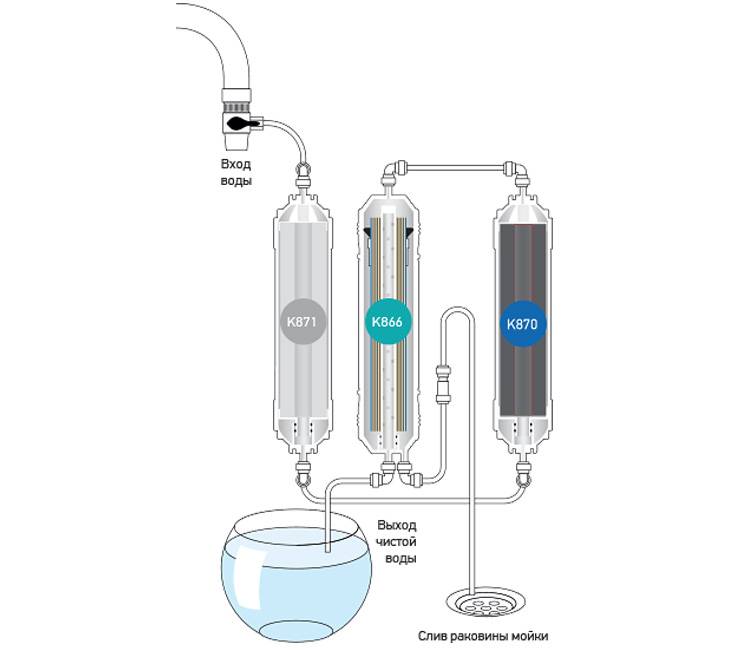
Technical description:
| Price | 4940 r. |
| Number of cleaning steps | 3 |
| Performance | 11.4 l/h |
| Tank | missing |
| Additional functions | installation of a post-mineralizer is possible |
Pros:
- Cartridges and Toray membrane retain 99.9% of contaminants;
- The filter softens the water well;
- The system can be expanded by installing a water tank, an additional filter or a mineralizer;
- Very light and compact design - 1.2 kg;
- Easy installation;
- Elements are quick-release.
Minuses:
The diverter through which the filter is connected to the water supply does not withstand the warranty period.
Barrier
The Russian company has been making filters for over 15 years. Water purification systems are made from durable BASF plastic, Norit coconut charcoal serves as a sorbent.
Interesting. For each region of Russia, experts recommend a specific filter.
Buyers appreciated the model Barrier PROFI Osmo 100.
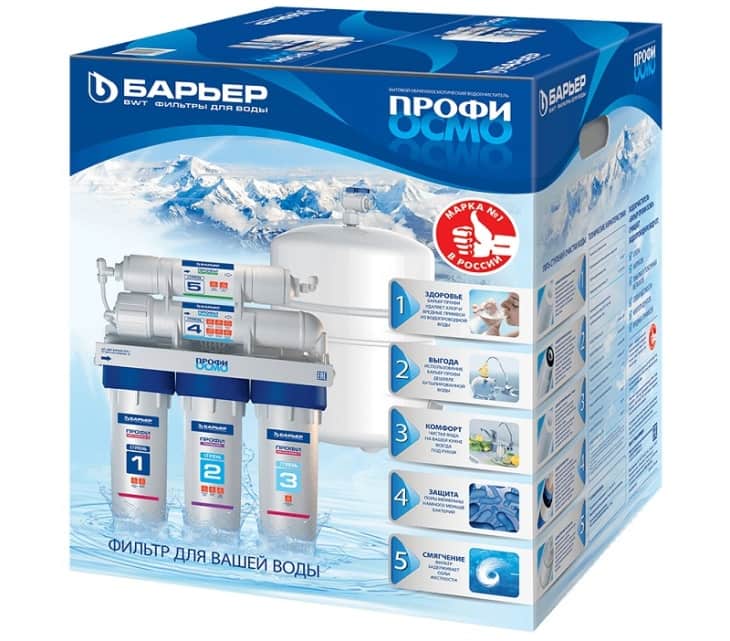
Technical description:
| Price | 7500 r. |
| Number of cleaning steps | 5 |
| Performance | 12 l/hour |
| Volume of the tank | 12 l |
| Additional functions | No |
Pros:
- Reliable system for an average price;
- Fast water purification;
- High build quality.
Minuses:
- Frequent replacement of filters;
- Takes up a lot of space under the sink.
Myth #4: Purified water has no taste.
This is perhaps the most popular myth about this water. Quite often you can find a similar statement in articles describing water treatment systems. If the article also describes the reverse osmosis method, then in most cases it is said that this purification method removes mineral components from the water, thereby making it absolutely tasteless. But, most likely, the authors of the articles have never even tried water freshly made from a reverse osmosis system. Most often, these statements are simply read somewhere and then used for their own descriptions.
It is unfortunate that consumers are simply misinformed by such descriptions, they are imposed with an absolutely biased opinion about such water, which is not substantiated and not proven in any way. What explanations can be given as the reason for the emergence of such a myth?
In past years, pre-carbon filters and their final counterparts were not installed. Therefore, if you happened to taste water taken directly from the installation without preliminary filtration and final passage through filters (activated carbon), then it could seem with a “stale taste”. But in modern installations, water first passes through a system of mechanical filters, where heavy mechanical impurities are removed from it.After that, the water goes to iron removal and softening with the help of a special ion-exchange unit. Here, iron ions are removed from the water, and it becomes softer.
After this process, water passes through a reverse osmosis porous membrane at a pressure of 15 atmospheres. Membrane cell diameter is 0.0001 microns. It is here that all pollutants such as chlorine nitrates and salts of heavy metals stop. At the outlet of the membrane, an absolutely pure water molecule is obtained, which is saturated with oxygen.
The final carbon filter removes volatile organic pollutants and gases, that is, everything that could slip through the membrane. It is precisely because of the absence of this final filter in the installations of past years that the water could have the smell of these gases and seem stale in taste.
Therefore, it is very important to have a final carbon filter, which performs a "polishing" function to remove volatile gases. The last stage of water purification is passing it through the rays of an ultraviolet lamp, which destroys almost 100% of microorganisms.
Another reason that such an opinion about tasteless, purified water has appeared may be the habit of mankind to drink water with a high content of iron and chlorine. When such people manage to taste crystal clear water, their taste, in all likelihood, simply comes as a shock. The sweet taste of the water will be familiar to those people who regularly drink water with a high iron content. But after such a person happens to taste perfectly pure water without impurities of iron, he will say that the water is tasteless.
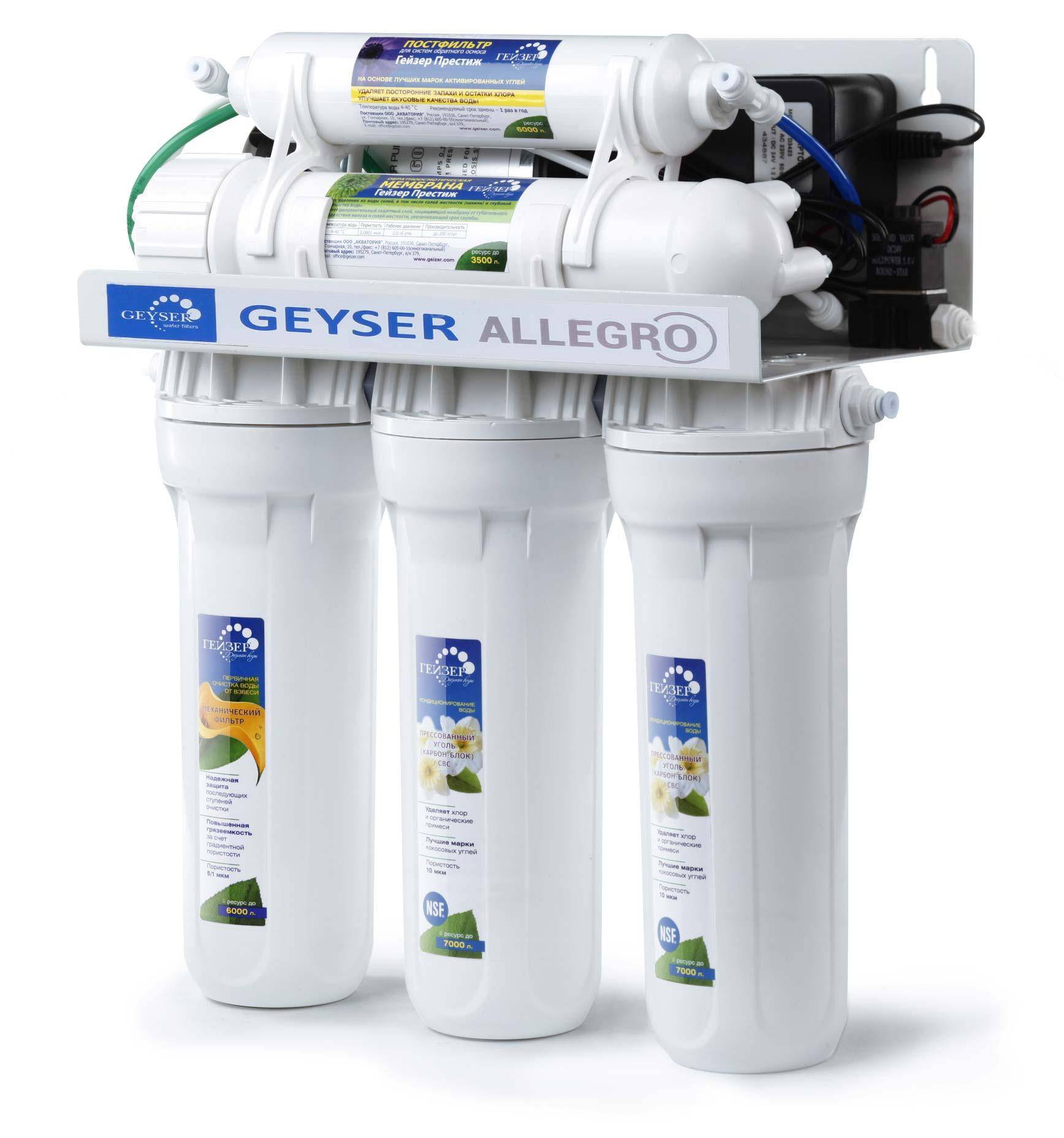
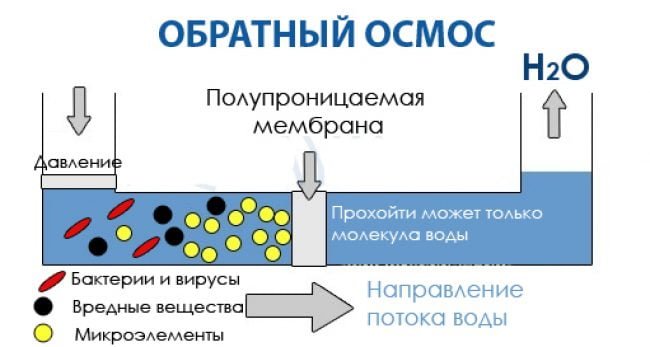
People buy bottled water for several reasons, one of which is its taste.But it is worth remembering that such water is just billions of money for its manufacturers. Consumers are convinced that the minerals in the water are simply essential and that they give it taste. But in fact, the taste of water depends on the content of oxygen in it. In no case should the water leave behind an unpleasant metallic taste.
Water is a universal solvent that absorbs everything it comes into contact with. Buy water purified by reverse osmosis in plastic bottles is not worth it. Since absolutely pure water can absorb the taste of the plastic from which the bottle for storing and selling water is made. But thanks to modern technologies for the manufacture of polycarbonate containers, as well as using the rotational molding method, it has become possible to obtain high-quality materials that, in contact with water, do not give it their foreign odors.
In its composition, properties and taste, reverse osmosis water is very close to the melt water that is extracted from ancient glaciers. According to environmentalists, such water is the safest.
From all this it follows that the purified water obtained by reverse osmosis is by far the purest and most suitable for consumption.
How a reverse osmosis filter works
The work of reverse osmosis filters consists in supplying water under pressure to a container separated by a membrane, which requires cleaning. It can be water from a central water supply, or from an autonomous source - a well or a well. Entering one half of the container, the liquid is literally forced through the filter. Let's take a closer look at how reverse osmosis plants used for domestic needs work.
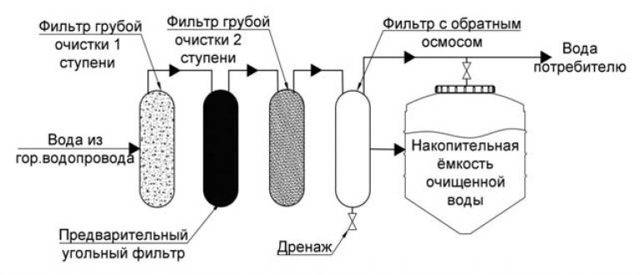
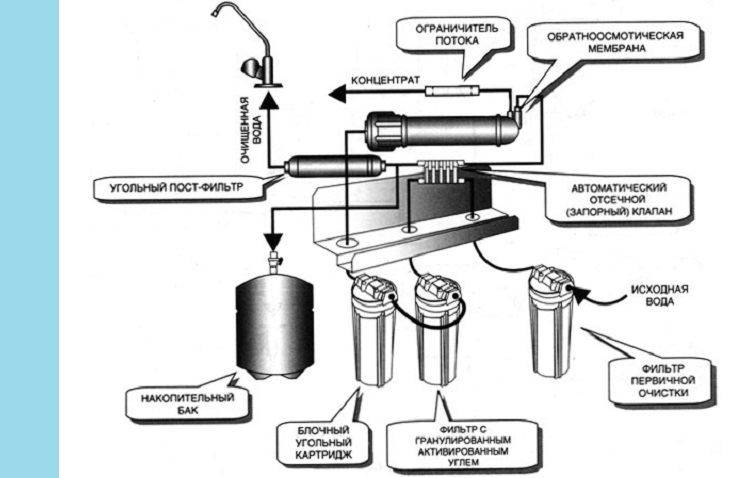 Reverse osmosis wiring diagram
Next, tap water enters the module with a carbon filter, which traps smaller organic and mineral impurities. These are suspensions of heavy metals hazardous to health, such as mercury or lead, particles of petroleum products, and other chemical elements. Carbon filters are capable of retaining smaller components dissolved in the liquid, the minimum size of which is 1 micron.
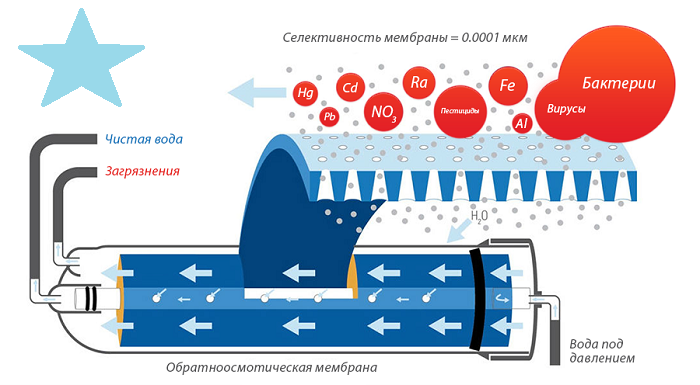
The almost crystal-clear water that has passed through the membrane is fed into the storage tank, and from there to the tap for drinking water. You can use it without prior boiling, and for drinking, and for cooking food. The contaminated solution that has not passed through the membrane filter is washed into the sewer. This is how water is purified by reverse osmosis. With a decrease in the supply of clean water in the storage tank, the system automatically starts, filtering and refilling the tank.
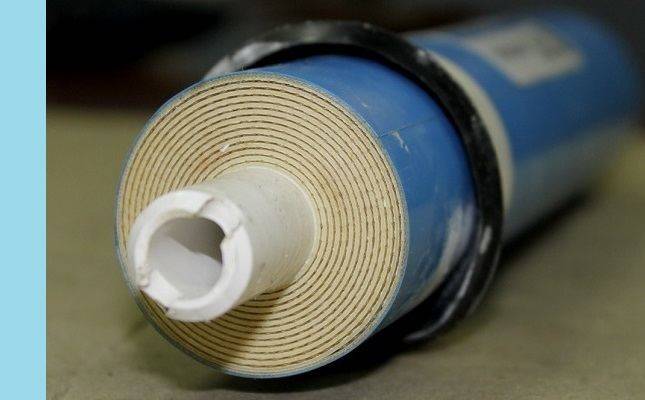 Reverse Osmosis Membrane Filter
The tie-in is made directly into the cold water supply pipeline so that the equipment can function separately from the general-purpose water tap. Filter modules have their own individual service life, after which they will need to be replaced with new ones.