- View overview
- Electrical
- Diesel
- Gas
- The best oil heaters for the garage
- Timberk TOR 31.1606 QT
- Hyundai H-HO9-05-UI846
- RESANTA OMM-7N
- What factors influence the choice of a garage heater?
- Which heating device is ideal for your garage?
- The best inexpensive economical heaters according to experts, TOP-15
- Electric (fan heaters)
- Oil coolers
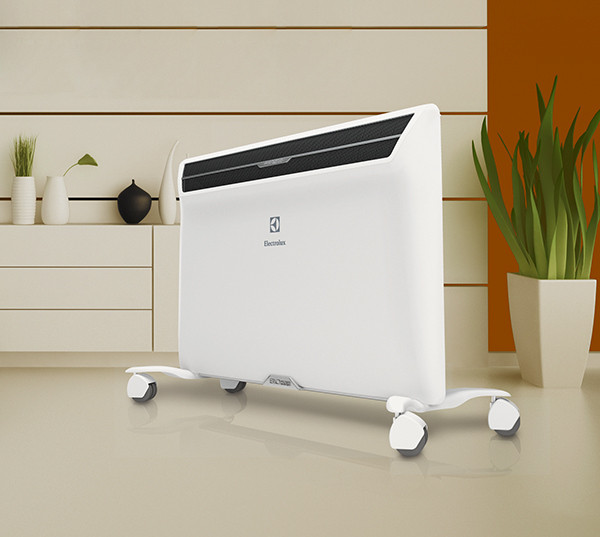
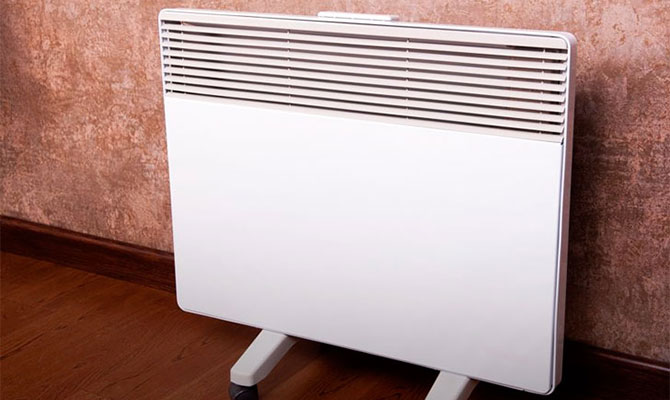
- Convectors or convection heaters
- infrared
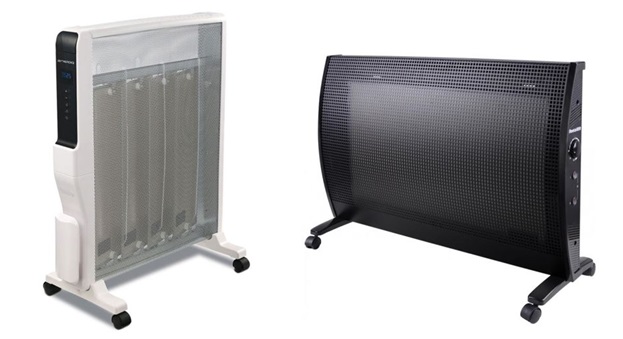
- Infrared mikathermic
- infrared
- Ceramic
- catalytic
- Popular heating systems
- Water
- Gas
- Electrical
- heat gun
- infrared rays
- Firewood
- Criteria for choosing a diesel heater
- Principle of operation
- Diesel heaters
View overview
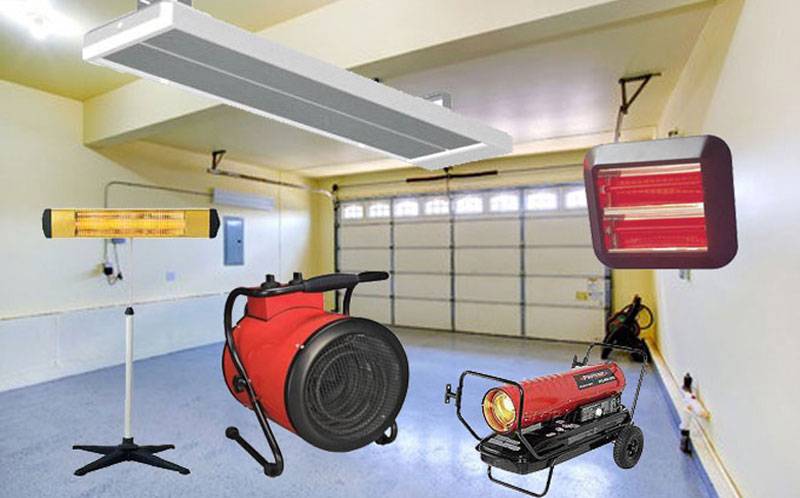
The evolution of heat guns went in three main directions, determined due to the characteristics of the main energy carrier. Heaters could be kerosene, diesel fuel, gas appeared a little later. Electric heat guns have become a separate area.
Electrical
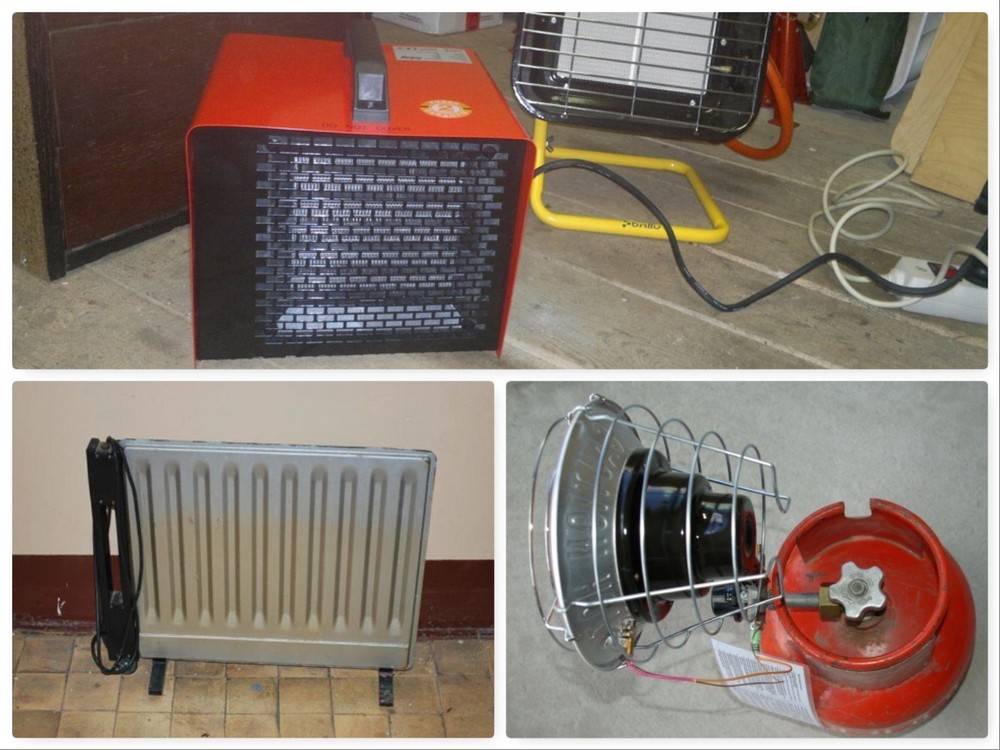
An electric gun is the most common and easy-to-use type of heat gun. The availability of electricity has made this variety the most popular. The simplicity of the design plays in favor of the electric gun. To start it up, all you need is a power connection.
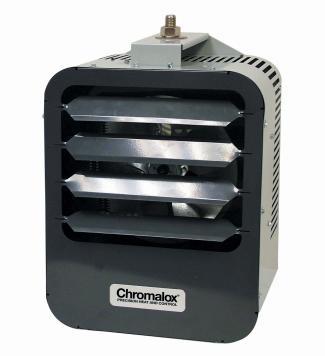
It is important to determine in advance the power consumption, since there are electric heaters that need to be connected to a three-phase network of 340 volts, and they can not be connected everywhere. Typically, a 3-5 kW unit is used to heat a standard garage.
These heaters are equipped with switches that allow you to set the intensity of heating: from a simple fan to maximum power. The disadvantage of this type of heaters is the rather high cost of energy consumed, the need to install large-section wiring, otherwise there is a danger that the power grid will not withstand the increased voltage.
Diesel
These heat guns are considered the most powerful. Indeed, even very large rooms can warm up such units for a long time. The most common cable is needed for connecting to the mains, because electricity will be consumed only by the rotation of the fan, while heating is carried out by burning diesel fuel. And here comes the main problem of this type of heat guns - toxic gases.
In no case should such heating equipment be turned on in rooms with difficult ventilation. This problem is especially relevant for very efficient direct heating heat guns. In this case, the air flow is heated by the flame of burning fuel and all combustion products are thus thrown directly into the room. More often, such heat guns are used to quickly warm up open boxes with a constant supply of fresh air.
Diesel heat guns of indirect heating are somewhat safer.A combustible mixture of air and diesel fuel is injected into a special chamber, where combustion takes place, the air flow is heated from the heated surface of the chamber. It is clear that the efficiency of such a heater is somewhat lower, but this makes it possible to remove gases from the combustion chamber through a special gas exhaust system from the room to the outside.
Gas
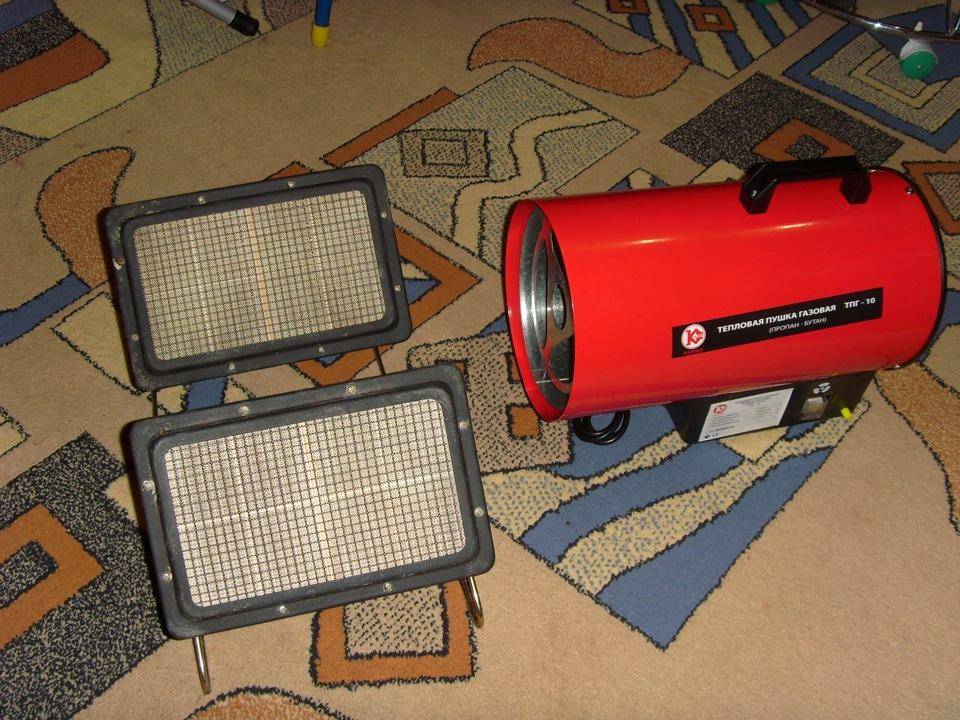
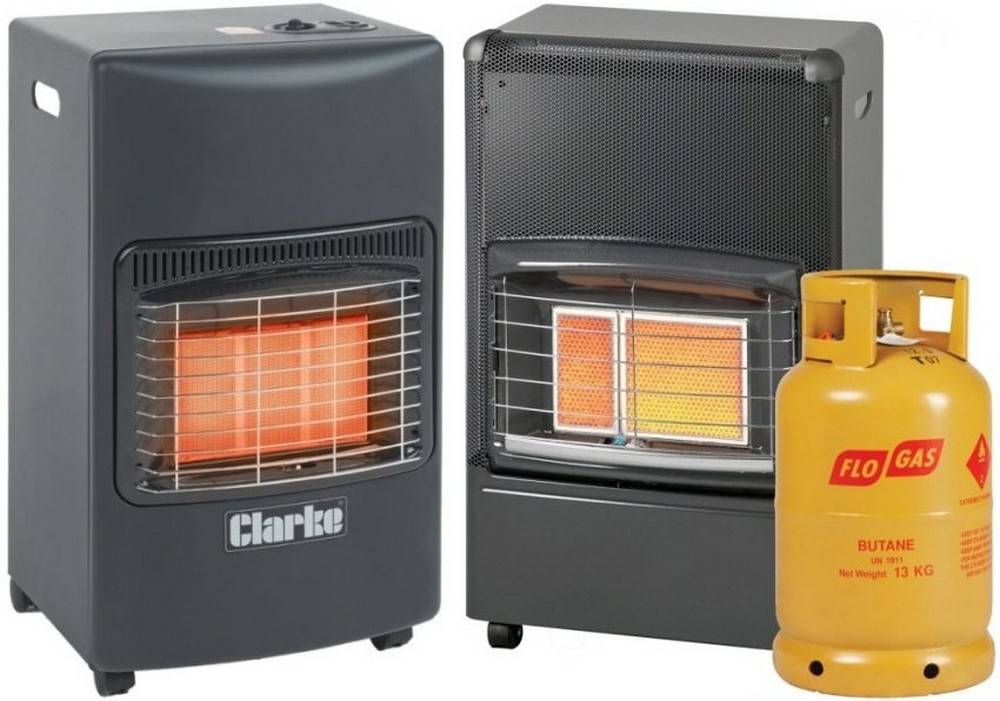
The most modern heat guns are gas. These units also require connection to a standard electrical outlet for the fan motor to run. A relatively inexpensive fuel is used to heat the air - a household mixture of propane and butane from cylinders or from a gas network. Gas heat guns are very efficient heating equipment with an efficiency of almost 100%.
The disadvantage of this type of heat guns may be the need to connect additional gas equipment (hose, cylinder, etc.) in addition to the electrical cable. In addition, during the operation of gas heaters, there is always a danger of carbon monoxide poisoning, imperceptibly accumulating in an unventilated room. Therefore, for normal, long-term and safe operation of the device, you will either have to leave the garage door open or periodically open it.
The third option is the installation of a special forced ventilation system that provides a constant supply of fresh air. Naturally, in any case, part of the heat will constantly go to heat cold fresh air, which significantly increases gas consumption.
The best oil heaters for the garage
Such heaters use a four-stage heat transfer scheme. First, electricity heats the heating element, which then heats the oil. Already from it the temperature is received by the metal case and the surrounding air.This slows down the initial heating of the room, but these heaters have increased inertia and consume electricity more economically.
Timberk TOR 31.1606 QT
Rating: 4.9

In the first place, the experts placed an oil heater with a power of 1600 W from Timberk. The radiator has six sections and occupies 23x62x31 cm in size. The device weighs 7.3 kg. It is suitable for a garage with an area of 15 m². For floor mounting, two brackets are provided to which the bars with wheels are attached, which makes it easy to move. There is an insulated plastic handle on the top to prevent burns. The heater can operate in three modes, each of which is controlled by a thermostat. If the temperature is too high, the protective function will cut off the power. Judging by the reviews, heat continues to radiate from the radiator, 30 minutes after being turned off.

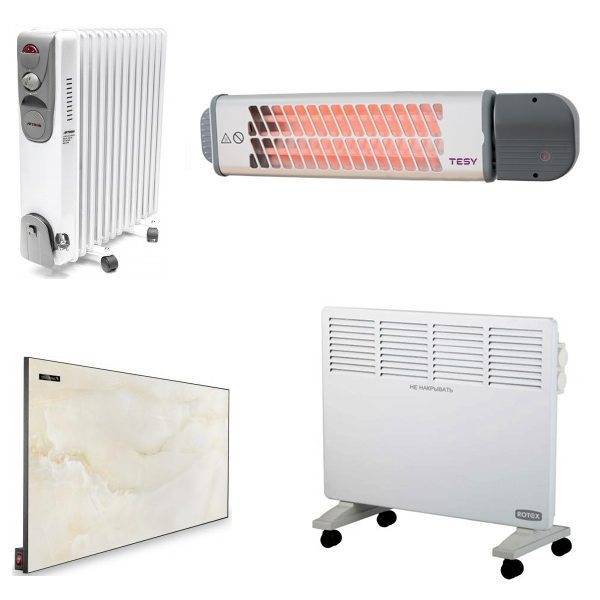

This heater is notable for the presence of a fan. The blades rotate in the side compartment, under the control panel, and accelerate the return of warm air from the oil section. In terms of heat transfer rate, this model is the best in the category.
- there is a compartment for the cord;
- wheels for easy movement;
- built-in thermostat;
- light indication of inclusion;
- overheating protection is activated.
- the white body is very easily soiled;
- noisy work.
Hyundai H-HO9-05-UI846
Rating: 4.8

The oil type heater is available in black and white. The radiator consists of five sections. Floor mounting is carried out on its own base with wheels. The device delivers 1000 W of power and is suitable for a small garage of 10 m². The fireplace always functions in the same maximum mode, but thanks to the thermostat, you can adjust the frequency of switching on and the length of idle pauses.The light indication tells you what state the device is currently in. For storage and transportation, the power cord can be wound on a special ledge. Users like the tightness of the case in the reviews - during everyday use, oil does not leak anywhere.
We considered the vertical heater to be the best compact heater in its category. If there is not enough space in the garage, but you need long-term heating with economical energy consumption, then this device is the best option. Dimensions are only 24x62x25 cm and do not interfere with the passage. The fireplace effect will provide soft heating without noise, which will allow you to repair a car at any time of the year.
- light indication of inclusion;
- economically consumes electricity;
- light weight 4.2 kg;
- the ability to adjust the temperature.
- only one mode;
- no fall protection
- there is no handle for moving;
- low heat transfer due to the small surface area.
RESANTA OMM-7N
Rating: 4.7

And here is a small oil heater from the Resanta brand, which consumes only 700 watts. This power allows it to be used only in 7 m² garages where a motorcycle or scooter is stored. In more spacious rooms, its presence is not noticeable. The device has one mode of operation and a thermostat. The latter plays the role of including buttons and temperature controls. The radiator consists of 7 sections mounted on insulating legs. A handle is provided for warm transfer. Judging by the reviews, the battery heats up well, but users lack the length of the power cord, which is 140 cm.
Experts singled out this oil heater due to the body height of 37 cm, which is almost two times lower than other models on the list (62-65 cm). This allows you to install it on a rack shelf so as not to take up space on the floor. So the heater will be less tangled underfoot and will last longer.
What factors influence the choice of a garage heater?
The most common heater operates on the principle of transferring heat from the heating element to the surrounding air. Previously, electric stoves or potbelly stoves were typical heating devices in garages and sheds. They are usually referred to as direct heating devices. Today, there are a large number of various products on sale, whose effectiveness and safety of use are much higher than these primitive devices.
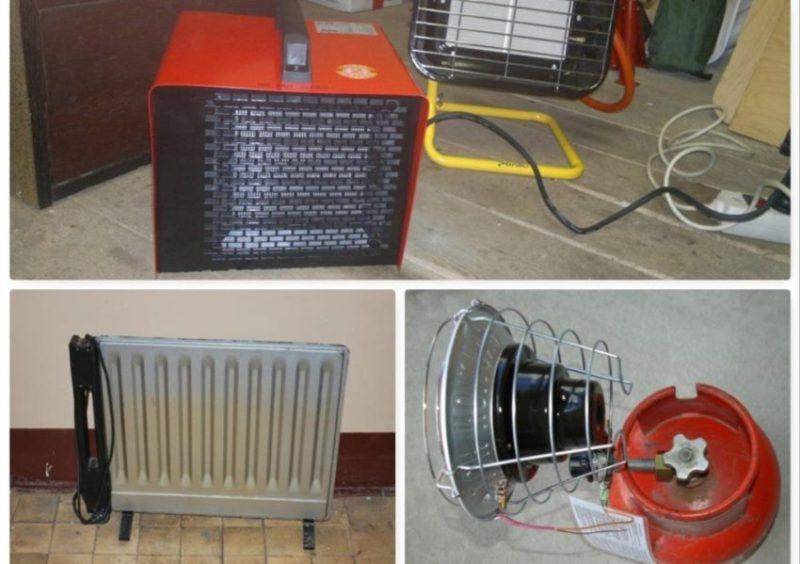
One of the most typical is the oil heater. This equipment does not need special installation, it is distinguished by a simple device, it almost never breaks. There is no need to prepare a separate place for its installation, moreover, you do not have to comply with various safety requirements. The oil cooler has a decent heating surface area, its heat transfer is quite high. The main thing here is to choose such a device so that its power is quite enough to heat a certain area.
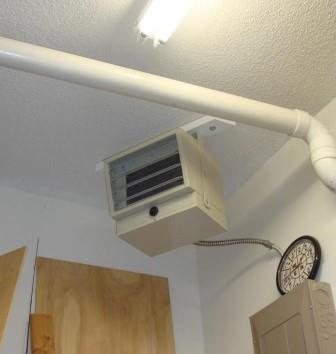
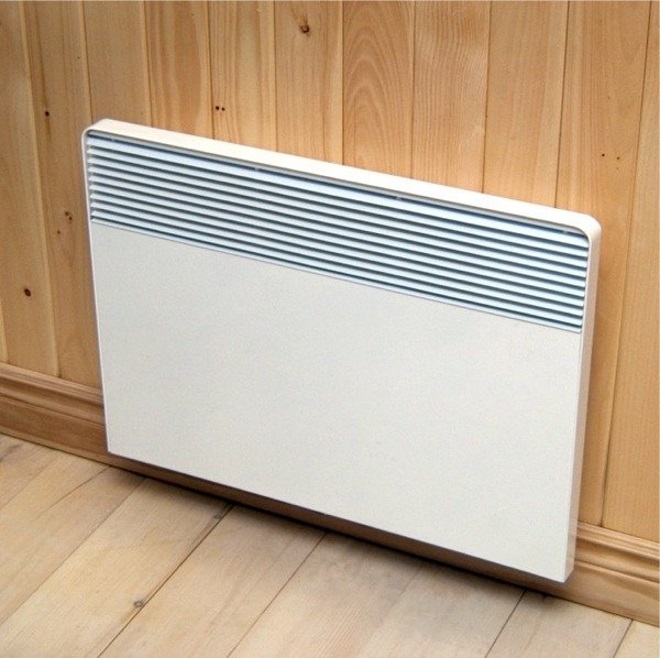
Convective type heaters provide air circulation throughout the room, passing cold masses through themselves and giving out already heated masses. Such equipment is usually mounted on a wall, the outlets are usually equipped with adjustable louvers so that the direction of the air flow can be adjusted. According to the type of fuel used, they are gas, electric and water.Electric garages are usually installed, as they do not need special maintenance and are easy to operate. When installing any such device, it will be necessary to equip an exhaust hood to provide access to fresh air, since convectors dry it out a lot.
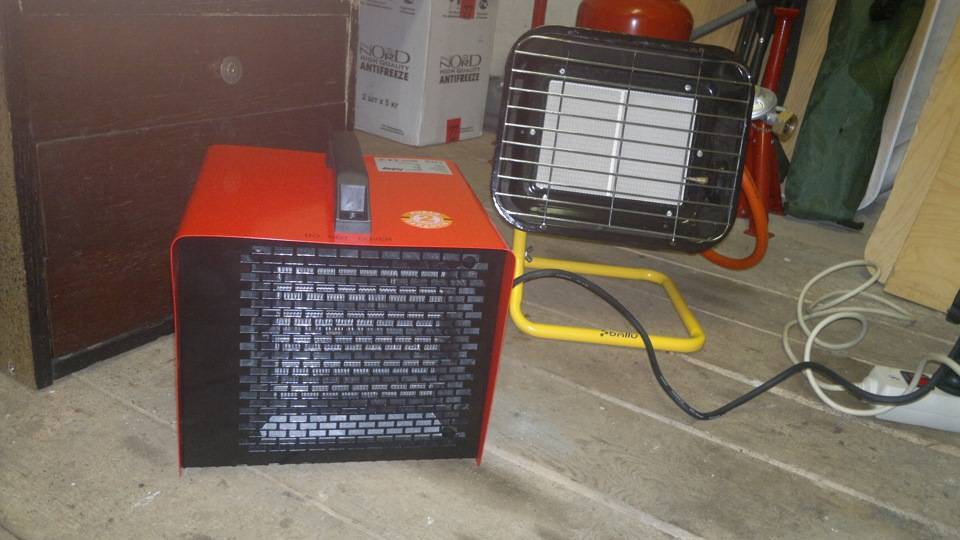
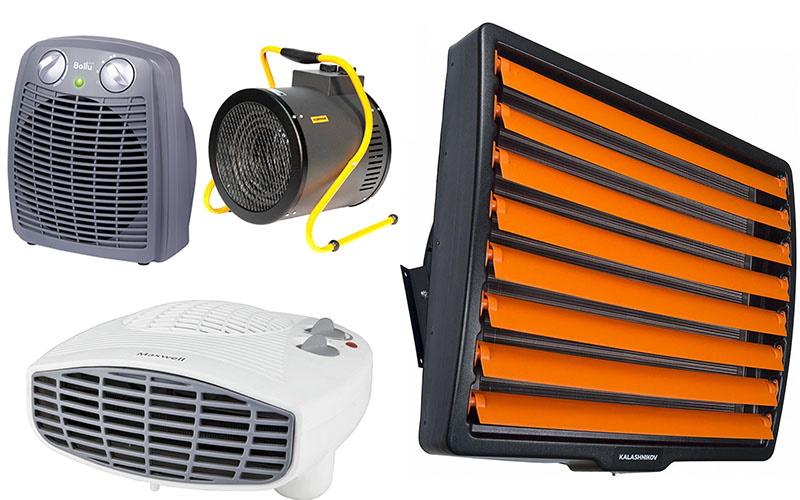
Fan heaters or heat guns have approximately the same principle of operation, but their power ratings are much higher. In the first devices, a nichrome spiral, heating element or ceramic plastic acts as a heating element. Ceramics is the safest, as it creates less unpleasant odors and, in general, is not too harmful to the human body.
When choosing a heat gun, you should immediately check what voltage it works from, since sufficiently powerful designs require 380 V. Another point regarding the safety of use is the ability of the electrical wiring to withstand this power, otherwise a short circuit may occur, which often causes a fire. On sale you can also find diesel and gas devices that are not connected to the mains at all. It should be borne in mind that the combustion products in this case will penetrate into the room, therefore, it will be necessary to consider their removal outside the garage.
Infrared heaters are among the safest in terms of operation. They do not heat the air, but the objects around them, which begin to give off heat to the room. When choosing models for our ranking of the best garage heaters of 2020, we took into account all these factors, read a huge number of user reviews of such equipment, and also did not bypass the price-quality ratio of the model.We hope that the data we have collected will be enough for you to choose the most suitable product. So, it's time to consider the useful characteristics of each product.
Which heating device is ideal for your garage?
To choose a heater for your garage, take into account such nuances:
- garage area;
- the amount of free space;
- the time you plan to spend in it;
- the presence of flammable materials in the room.
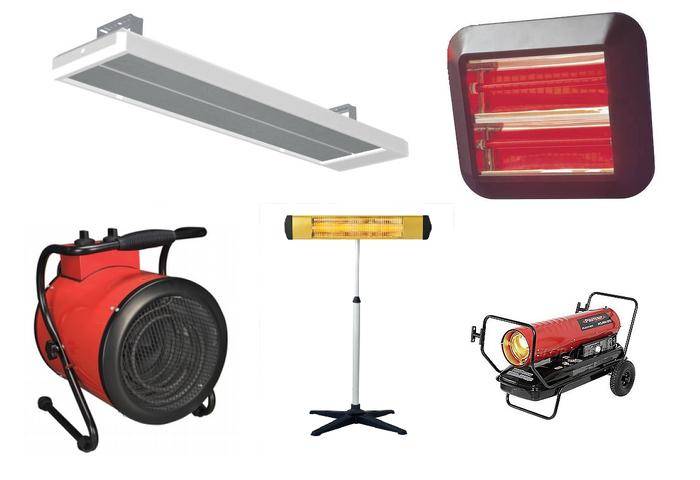
If your garage is filled with various details and objects, then it would be preferable to hang an infrared or convector heater, which will save a lot of space.
If your garage space is very small and the budget is small, then you can easily get by with one or two floor fan heaters or an oil cooler.
Large garages used in car service activities (repairs, car troubleshooting, etc.) can use heat guns - this will be the best choice for such conditions.
And applicable to absolutely all types of appliances - do not skimp on good heaters.
Consider all types of models available today.
The best inexpensive economical heaters according to experts, TOP-15
When choosing a heater, it is often difficult to understand whether it is good or not by one of its types in a store, and checking for performance is also not enough.
Before going to the store, it is important to know exactly which of the heaters will really do the job, and which one should not be considered.
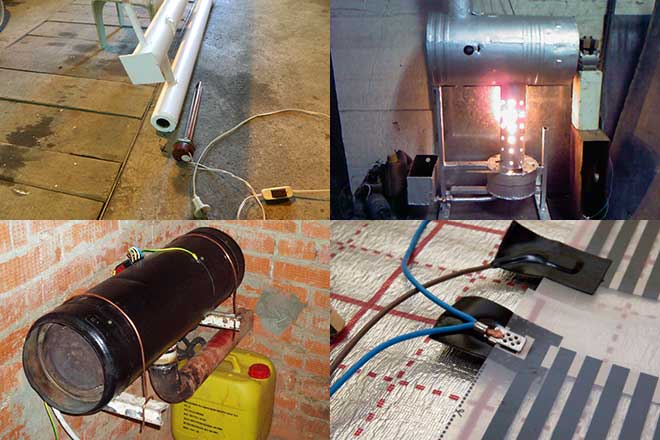
To this end, we have compiled a rating of the best and most inexpensive heaters suitable for a house, cottage or apartment, based on a room of 20 sq.m, with a power of 1000 to 2000 watts.This rating is based on expert opinion and experience of use by other users.
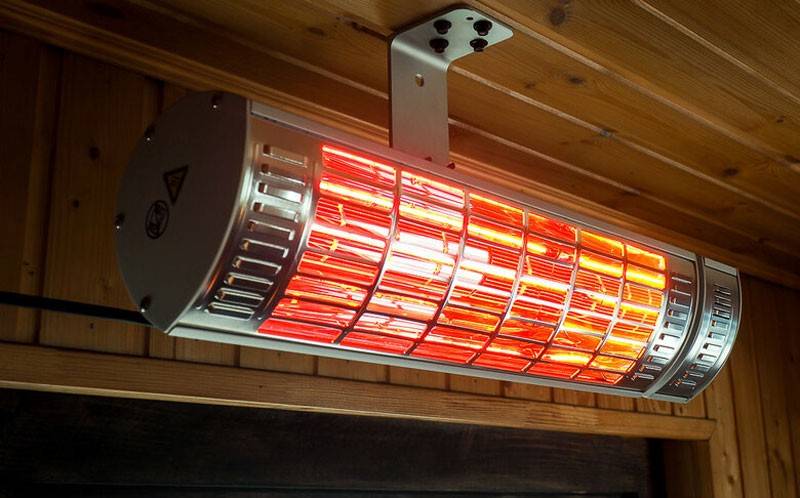
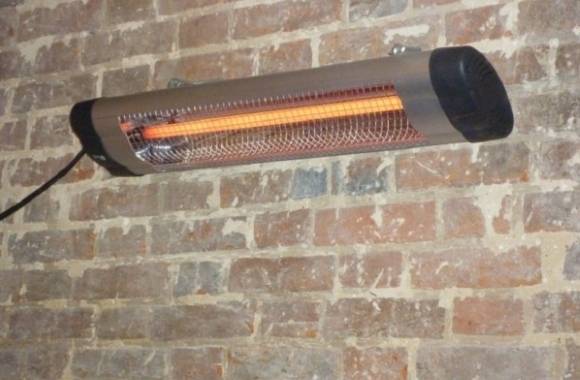
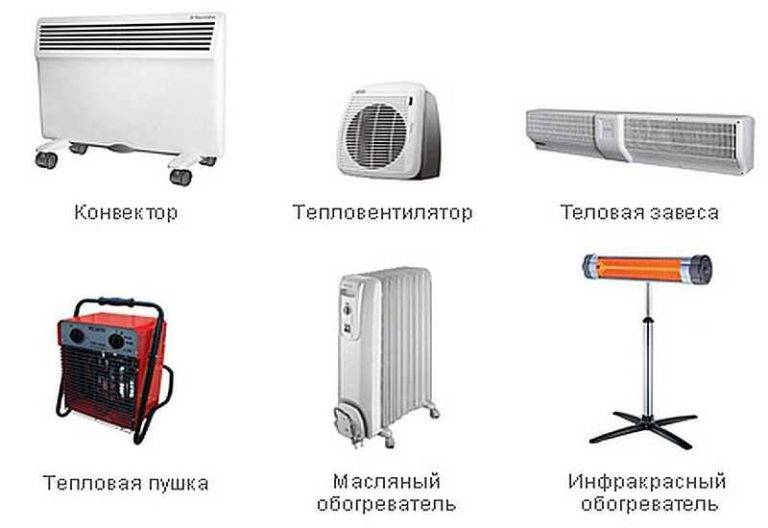



When choosing, also additionally pay attention to the reviews of other users and the cost in retail stores
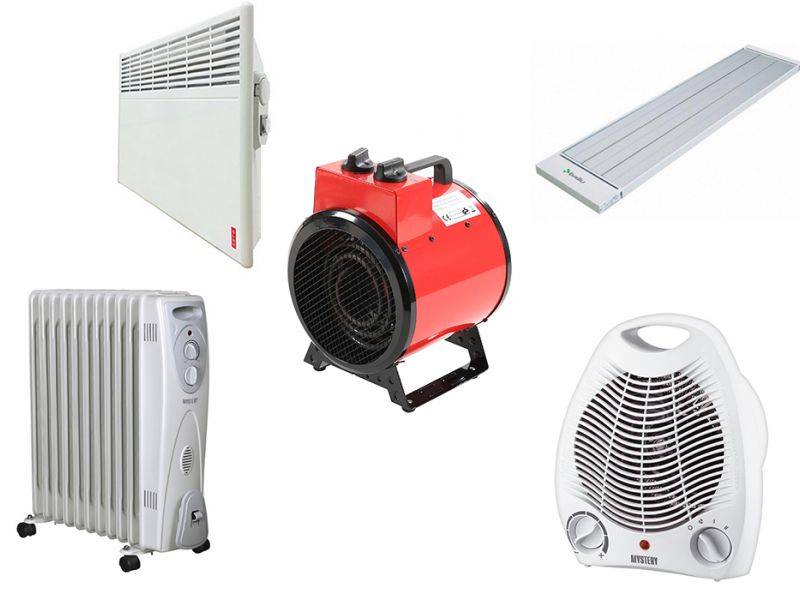
Electric (fan heaters)
Electrolux EFH / S-1115 1500 W (1100 - 4000 rubles)
Zanussi ZFH / C-408 1500 W (1450 - 4000 rubles)
Ballu BFH / C-31 1500 W (790 - 3600 rubles)
Oil coolers
Ballu Classic BOH / CL-09 2000 W (2800 - 3300 rubles)
Electrolux EOH / M-6209 2000 W (3600 - 4900 rubles)
Timberk TOR 21.1507 BC / BCL 1500 W (3400 - 3950 rubles)
Convectors or convection heaters
Ballu Enzo BEC / EZER-1500 1500 W (4230 - 4560 rubles)
Electrolux ECH / AG2-1500 T 1500 W (3580 - 3950 rubles)
Electrolux ECH / AS-1500 ER 1500 W (4500 - 5800 rubles)
infrared
Ballu BIH-LW-1.5 1500 W (2390 - 2580 rubles)
Almac IK11 1000 W (3650 - 3890 rubles)
Timberk TCH A1N 1000 1000 W (4250 - 4680 rubles)
Infrared mikathermic
Polaris PMH 2095 2000 W (7250 -8560 rubles)
Polaris PMH 2007RCD 2000 W (6950 - 8890 rubles)
De'Longhi HMP 1000 1000 W (6590 - 7250 rubles)
infrared
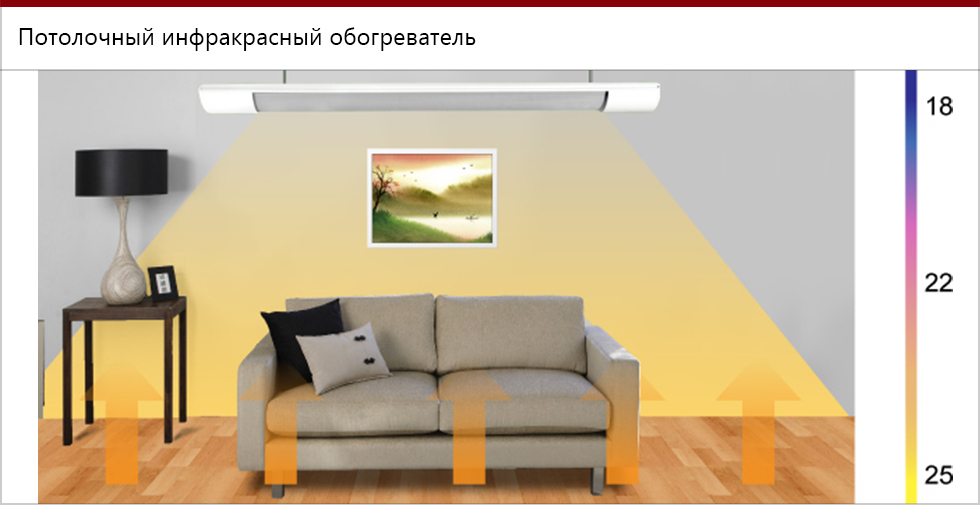
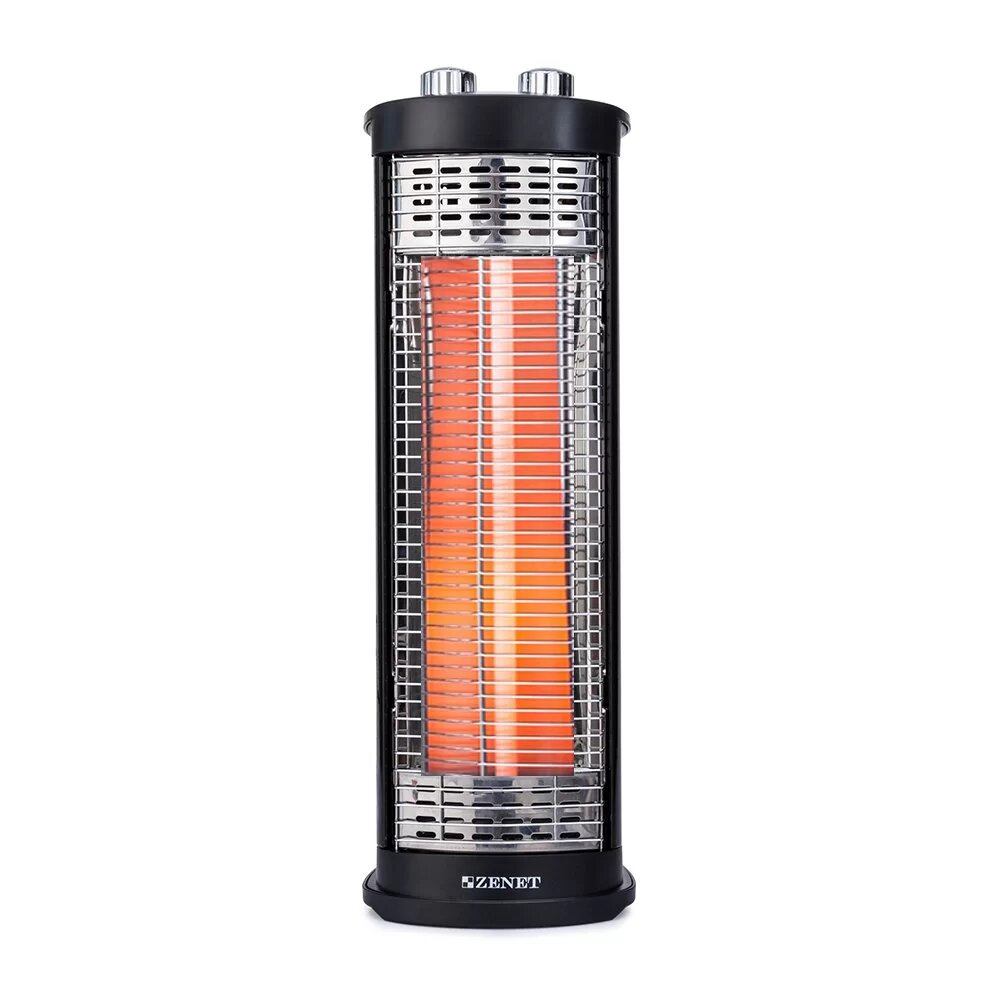
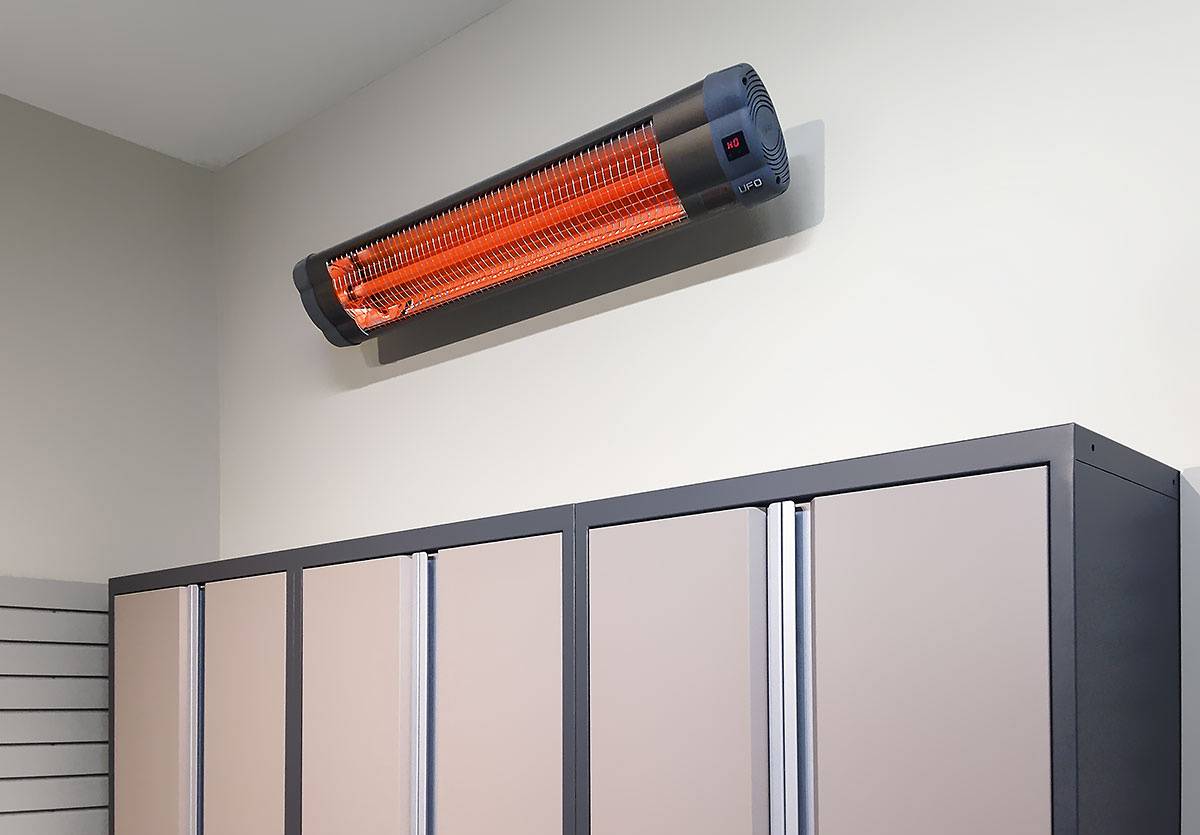
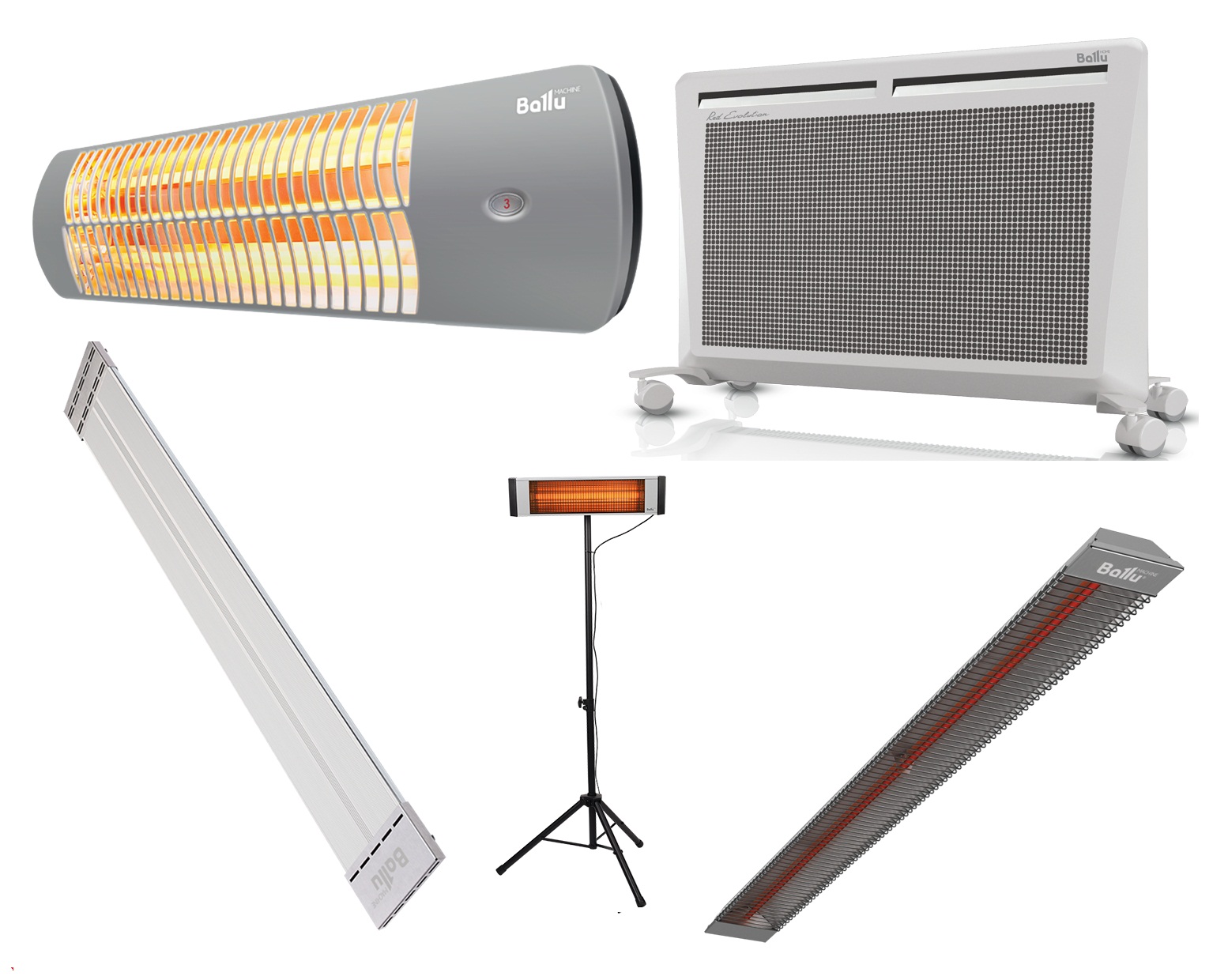
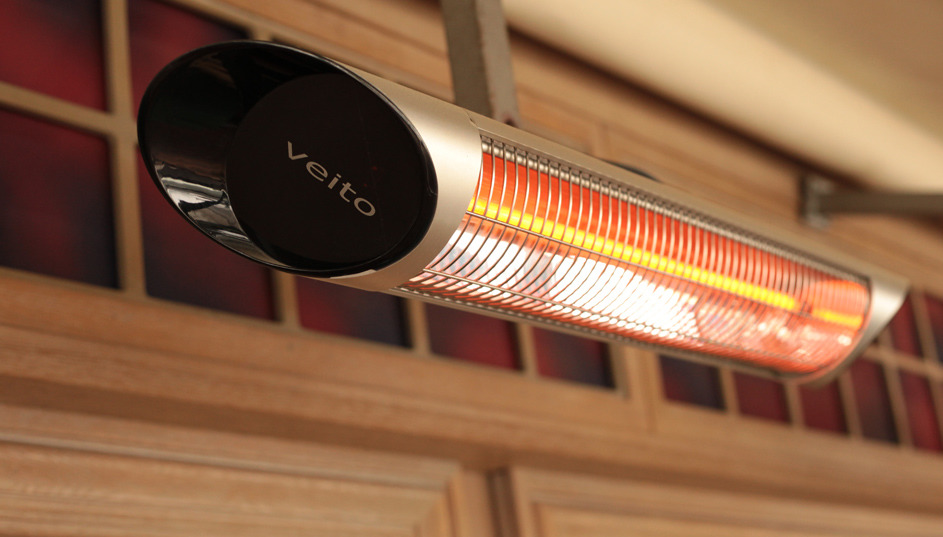
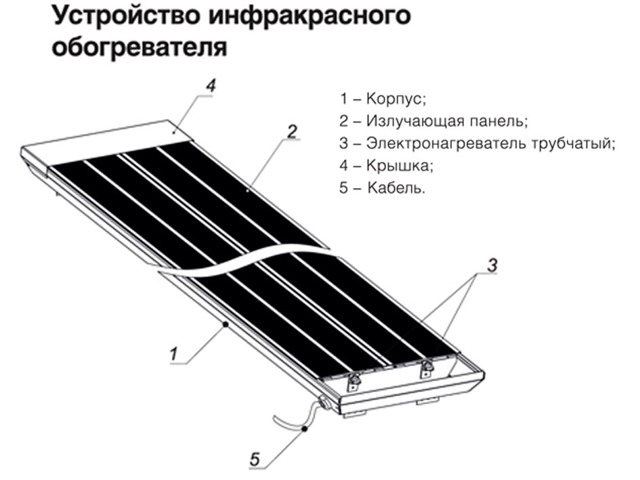
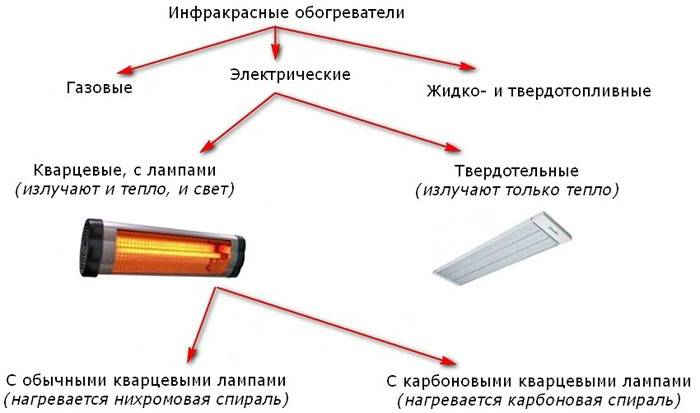
Thermal energy is transmitted mainly by radiant energy, infrared radiation emanating from the heater. At the same time, it is not the air that is heated in the first place, but objects in the room or the area of the heater. The radiation is easily directed with the help of mirrors and reflectors in the right direction, without wasting heat in vain. Space heating is not accompanied by active air convection, which is excellent even for open areas and rooms with active ventilation.
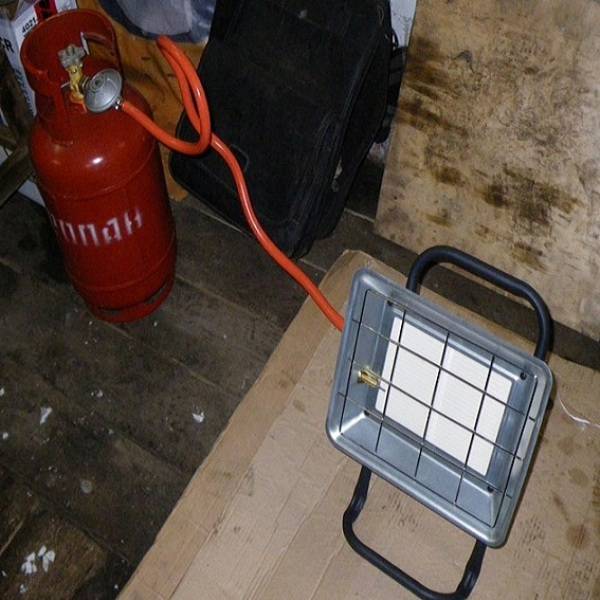
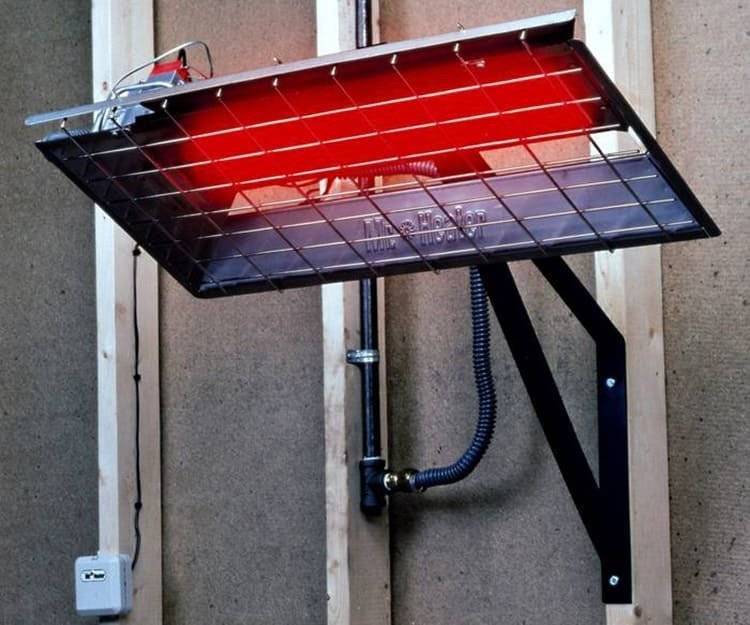
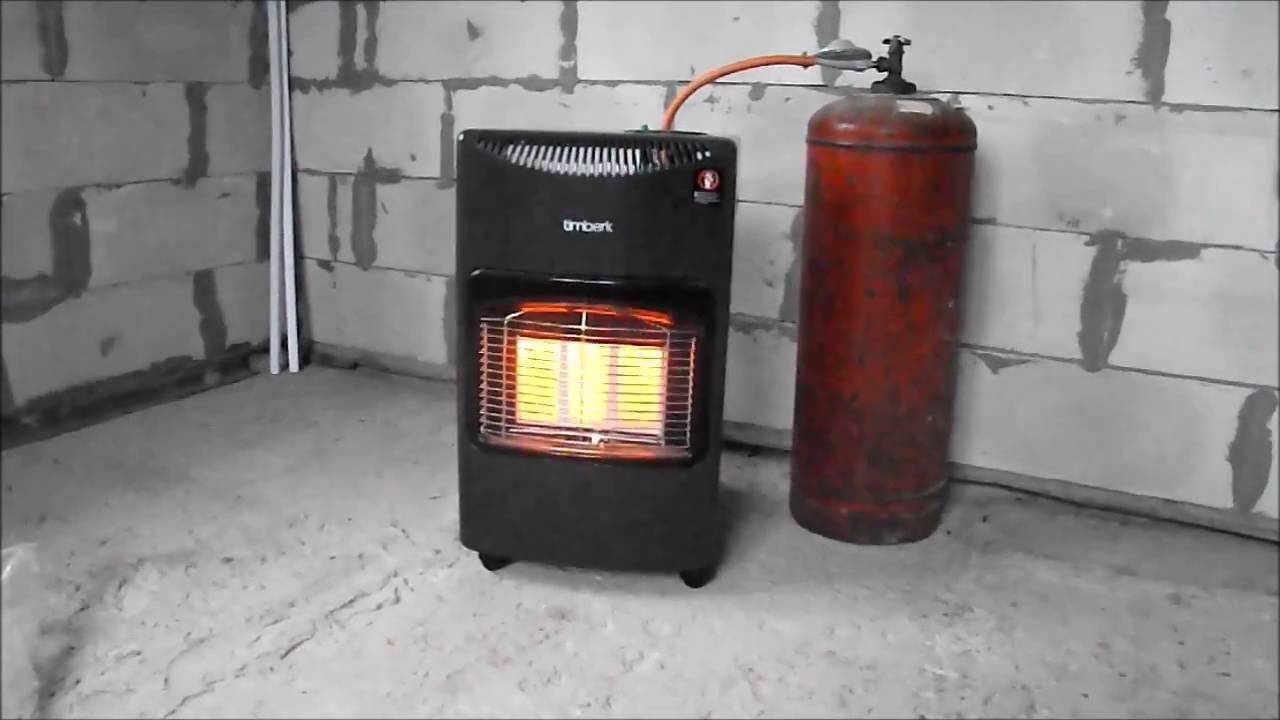
The source of radiation can be both an open flame and surfaces heated to a high temperature.So the following types of infrared gas heaters have become widespread:
- ceramic;
- catalytic combustion.
At the same time, these two types differ in the way gas is burned. In ceramic, the combustion process takes place inside a protected chamber. In catalytic combustion open type over the entire working surface, and additional protection is required. However, the catalytic burner is often made in the form of a ceramic plate.




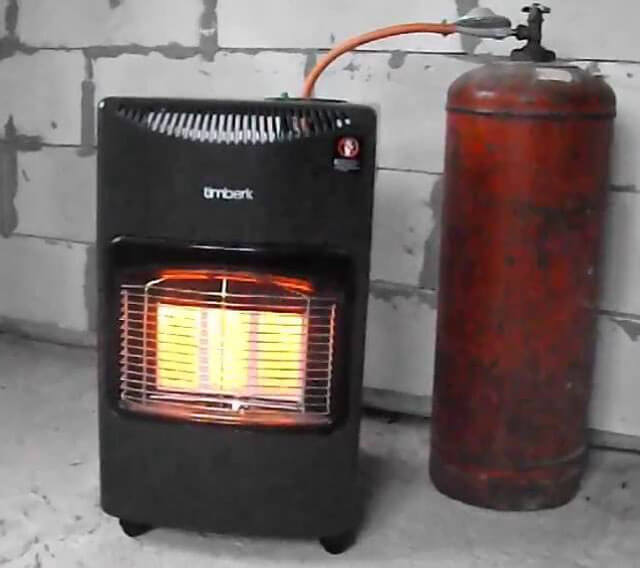
Ceramic
The preparation of the gas-air mixture and its combustion takes place in an isolated chamber, preventing the flame from escaping to the outside. Most of the heat generated is transferred to the ceramic plate with a large surface area. After that, energy is emitted from the outside of the plate in the form of infrared waves. The composition of the ceramic plate and its shape are selected in such a way as to increase the proportion of thermal radiation and reduce the surface temperature of the heater.
The purpose of creating ceramic infrared heaters was to reduce the risks associated with the use of flames and explosive gases. The combustion chamber is reliably protected and equipped with additional protective equipment that will shut off the gas supply in any emergency situations. At best, there are the following protection components:
- Heater temperature control. Turning off the gas supply when the plate surface overheats or, conversely, if for some reason the flame in the combustion chamber goes out.
- Position sensor. If the heater tips over, turn it off immediately. In many models, automation is responsible for this, which will turn off the gas supply if the position of the heater is unacceptably changed.
- CO2 sensor.Switching off the heater if carbon dioxide accumulates in the room above the allowable limit.
Ceramic gas heaters cover the entire power range from 0.5 to 15 kW available for portable devices, they are safe and reliable in operation. However, their cost is higher than catalytic analogs.
Among the advantages, one can indicate the possibility of removing combustion products outside the room, which is facilitated by a closed combustion chamber. Some models have an outlet, to which, if necessary, a chimney made of heat-resistant material, such as an aluminum corrugated pipe, is connected.
catalytic
In this type of heaters there is no flame, the gas is not burned in the usual sense, but is actively oxidized by oxygen with the release of heat. Such a reaction is possible only in the presence of a catalyst, in the role of which platinum or other elements of the platinum group are used.
A special lamellar grating made of refractory material (steel, ceramics) is coated with a catalyst. The oxidation reaction starts only after the catalyst plate has warmed up well, and gas is constantly supplied to support the process. Oxidation of the gas occurs only directly near the surface with the applied catalyst, which prevents the occurrence of active flames.
The heat generated by the heater is mostly distributed by infrared radiation. However, an active convection process is also formed, since the overheated oxidation products remain inside the room and mix with the air.
Advantages of a catalytic heater:
- Compact dimensions and the lowest weight among gas heaters.
- Extremely simple design.
- The ability to orient the heater with a wide angle of rotation.
- Affordable cost.
Flaws:
Active oxidation is not much different from open combustion in terms of the release of harmful combustion products.
The high surface temperature of the catalyst, if handled carelessly, increases the risk of fire, therefore, increased attention and additional protection of the heater is required.
Popular heating systems
The choice of the optimal heating method depends on several factors:
- financial opportunities;
- permanent or occasional work;
- room area.
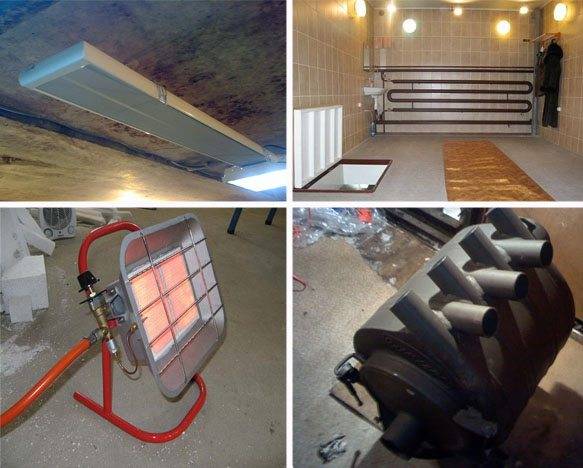
In addition, heating can be autonomous or shared with a residential building. The general heating method is suitable for garages located close to the house. Autonomous heating of the garage is carried out using a separate independent heat source.
Water
Usually this option is used when the garage is attached to a residential building. If the garage building stands apart, you will have to buy a boiler to heat water, lay pipes, install batteries, and an expansion tank. These are big costs. And you also need to have access to water supply and electricity inside the garage if you plan to use an electric boiler as a heat source.
If the garage is an extension of a residential building, it will be enough to extend the pipe and install several sections of radiators. This method is low-cost and allows you to adjust the amount of heating in individual rooms.
Sometimes steam heating is used as an alternative to this type of heating. Then steam is used as a heat carrier. The advantage of this method is the following:
- heat transfer is 3 times higher than that of water;
- the heat source can operate on waste oil;
- fast system warm-up;
- low cost of equipment.
Gas
The gas heating method is chosen only when there are appropriate communications. Separately, no one will pull gas to the garage. This option can be used if the building is attached to a house that is already connected to the gas pipeline. It is also impractical to use gas cylinders, moreover, it is dangerous.
Electrical
Assumes the use of autonomous heaters. Their number may vary, depending on the size of the garage itself. More often, car owners buy oil heaters. They store heat for a long time and can maintain the desired temperature for a long time.
Heating the garage with electricity is not the most convenient, as the heater will not work all the time. Usually it is turned on for several hours to carry out repairs. Do not leave the heater turned on, a fire may occur. In addition, this method is economically disadvantageous.
heat gun
With the help of such a unit, the room warms up almost instantly. You can immediately begin repairs in comfortable conditions. However, the consumption of electricity and gas for air heating garage unreasonably large. When the gas burns, there is noise and it becomes uncomfortable to be in the room. An open flame in the garage should not be used due to the presence of flammable substances (paints, varnishes, oils, gasoline, etc.).
infrared rays
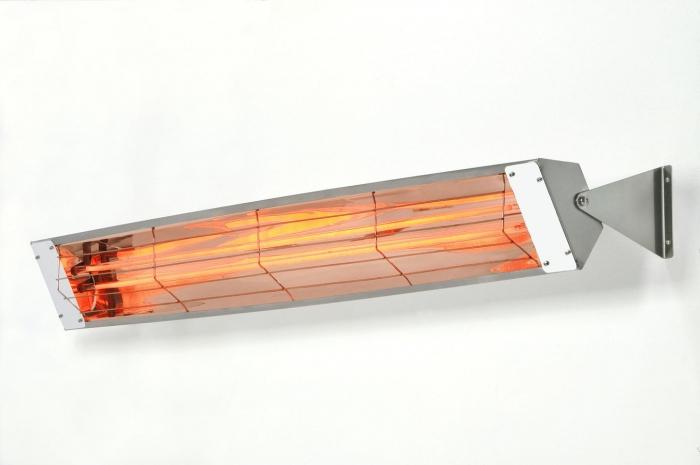
How to heat a garage with infrared radiation? You just need to buy a heater, connect it to the power supply and properly position it in the room.Objects inside the garage heat up and begin to radiate thermal energy, so after a few minutes the room reaches a comfortable temperature. No need to run pipes, connect water, maintain the system.
Another advantage of infrared heating is the possibility of its use in open spaces, which cannot be provided by any other method. Therefore, such a device makes it possible to heat the garage in winter even with the gates open.
Firewood
Let's not forget the most popular method in the past - heating with wood. It is clear that no one will build a brick oven for heating a garage. There are other options. One of them is to heat the room with a well-known potbelly stove.
Many people are familiar with the principle of operation of a potbelly stove. Such stoves are relatively inexpensive, the need for firewood is simply satisfied. But the efficiency of this unit is low. It is unlikely that you will be able to heat the entire garage in a short time. In addition, carbon monoxide and stove smoke can cause problems.




Therefore, it is extremely important to organize effective ventilation.
Criteria for choosing a diesel heater
Undoubtedly, each person, before purchasing any unit, adheres to certain criteria, which he prefers. When choosing a heater, the criteria may be the following:
- Air exchange. This indicator is very important for heat guns. The higher this value, the more heat flows accelerate, and, consequently, the room heats up in a short period of time;
- Fuel consumption. It must be taken into account that approximately 10 kW of power should be obtained from 1 liter of fuel;
- Direct and indirect action.For the first type of heaters, additional ventilation is required, because. products of combustion enter directly into the room. For this reason, they are not advisable to use in small and enclosed spaces. Indirect units are equipped with filters, unlike the first type, they are not so economical;
- Ability to change modes. It is very convenient if during the operation of the heater you can change its power. It is also economical, because some devices with minimal heat can operate without refueling for two weeks.
- Timer. With it, you can set the time during which the heating will be intense, after which the heater will turn itself off;
- Noise. When the diesel heater is running, there will be noise in any case. This is a fundamental indicator, it must be taken into account. Note that an indicator of 45 dB can be considered appropriate;
- The presence of wheels. Large heaters are equipped with wheels to make them easier to move.
Principle of operation
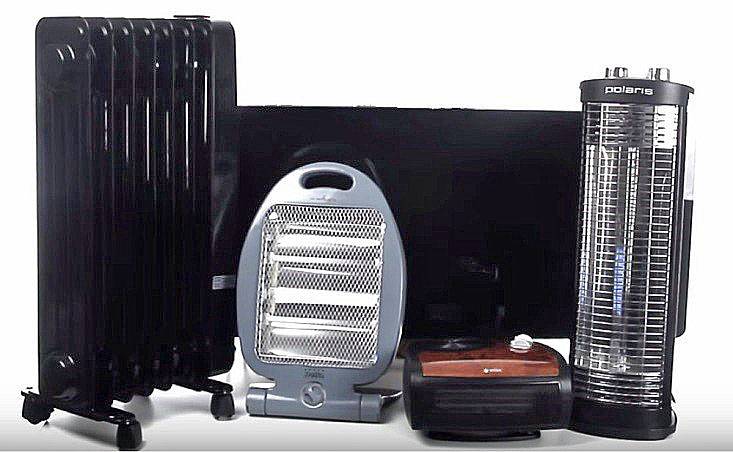
First you need to remember the principle of operation of heaters. Fan heaters are considered the simplest devices, heating occurs due to the distribution of hot air by a fan through an incandescent lamp, the efficiency is rather low.
The principle of electric fireplaces is similar to fan heaters, as a rule, such devices are stationary and carry a rather decorative component, the efficiency of such devices is at an average level.
In oil radiators, heat is distributed by heating the oil inside the heater with heating elements. Heating takes a long time, but cooling is noticeably slower. Due to the smooth heating of the oil inside the radiator grill, such batteries cannot be called economical, and further you will find out why the efficiency is low.Even in some European countries they are assigned a class C for energy efficiency.
Convectors work on the basis of the principle of convection due to the circulation of air inside the room through the heater. Heavy cold air descends, is captured by the convector, heats up and rises, displacing cold air as it rises. The efficiency of such devices is quite high.
Quartz panels are a heating electric element enclosed between artificial stone panels, the efficiency is average. First, energy is spent on heating the plates and further slow heat transfer occurs by these plates.
In infrared heaters, special emitters (lamps) are installed that emit infrared rays invisible to humans, which primarily heat the surrounding objects, and not the air around them. They differ in the type of emitter lamps, there are: halogen, carbon, quartz. Such devices are more economical than oil and electric fireplaces. The efficiency is quite high, see the table below.
Infrared with mikathermic heating elements have appeared recently. This is an innovative type of infrared heaters with the highest efficiency. Unlike conventional infrared heaters, in such heaters, the source of thermal energy is a special design made of Micatherm panels, which distributes invisible, safe infrared radiation. As a result of exposure to such radiation, the surrounding objects are heated, and not the environment.
Diesel heaters
A generalized description of the "diesel heaters" group will not give the desired idea about these units, the types of which differ in design and technical characteristics.For these reasons, we will consider one model of each type of diesel fuel heaters that are popular with garage owners.
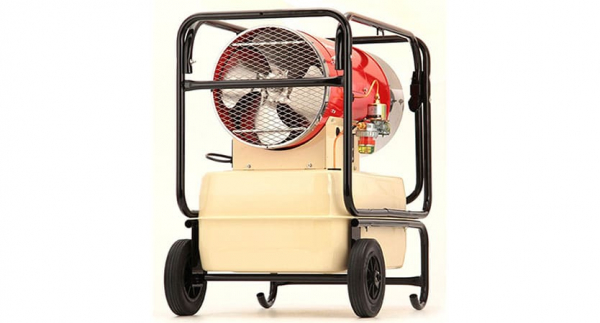
Diesel heat gun of indirect heating BALLU BHDN-20 of the TUNDRA series
Indirectly heated diesel heaters differ from direct-acting units in that their combustion chamber is isolated from the air of the heated room, and the products of combustion of diesel fuel during the operation of the device are removed through the chimney to the outside.
This design feature is especially important for a garage - a room with a limited volume, the content of carbon monoxide in which, when heated by a direct heating diesel gun, will reach dangerous values in a matter of minutes.
Diesel heat gun of indirect heating BALLU BHDN-20 of the TUNDRA series
Characteristics:
- dimensions - 89x67.5x44 cm;
- weight (without fuel) - 22.0 kg;
- maximum heat release power - 20 kW;
- fan capacity - up to 500 m3/h;
- supply air temperature - 95o C (at 20o C in the room);
- Efficiency - 78-82%;
- maximum heating area - 200 m2;
- consumed fuel - diesel fuel;
- average consumption of diesel fuel - 1.9 l / h;
- fuel tank capacity - 24 l;
- time of continuous operation on one gas station - 15 hours;
- power supply voltage - 220-230 V;
- cost - 32-37 thousand rubles;
- manufacturer - China.
Advantages:
- high level of security;
- high-performance fan;
- ignition - 2-electrode;
- electronic ignition with a powerful spark;
- high-precision electronic flame control based on a photocell;
- durable heat exchanger and combustion chamber (heat-resistant stainless steel);
- anti-corrosion and heat-resistant paint coating of the body;
- molded rubber tyres.
A more complete picture of liquid-fuel heat guns of indirect heating will help a video demonstrating the Aurora TK-55 ID diesel garage heater - a unit identical to the Ballu BHDN-20 described above:


Liquid fuel heaters of the company "SolaroGaz"
The line of heaters of this manufacturer is represented by five main models, differing in power (1.8 - 2.5 kW) and slightly constructive (reflector geometry, material of manufacture of the furnace).
The dimensions of these compact units are in the range of 30-40 cm, which does not require much space when placed and allows you to transport heaters in the trunk of any car. Heaters of the "SolaroGaz" line, with a modest size, allow maintaining a comfortable temperature regime in rooms with an area of 20-25 m2, consuming an average of only 0.2 liters of fuel per hour.
Liquid-fuel mini-heaters produced by "SolaroGaz"
The volume of fuel tanks of heaters, depending on the model, is different (2.5 - 3.5 l), but on average ensures continuous operation of the device for 10 hours, and in economy mode up to 18 hours.
The unit is started in the following sequence:
- raise the divider with the emitter grid;
- using the regulator, open the fuel supply;
- set fire to the wick with a lit match;
- lower the spreader.
Infrared liquid fuel heaters: on the left - PO-2.5 Mini; on the right - PO-1.8 "Caprice"
Advantages:
- versatility (two types of fuel used);
- functionality (heating and cooking);
- compactness and low weight with sufficient power;
- efficiency - low fuel consumption;
- ease of use;
- affordable cost (3-5 thousand rubles).
Flaws:
- factors of open fire, including the need for periodic ventilation of the premises;
- relatively slow exit to the operating mode;
- when using diesel fuel, the release of odor during ignition and shutdown.