
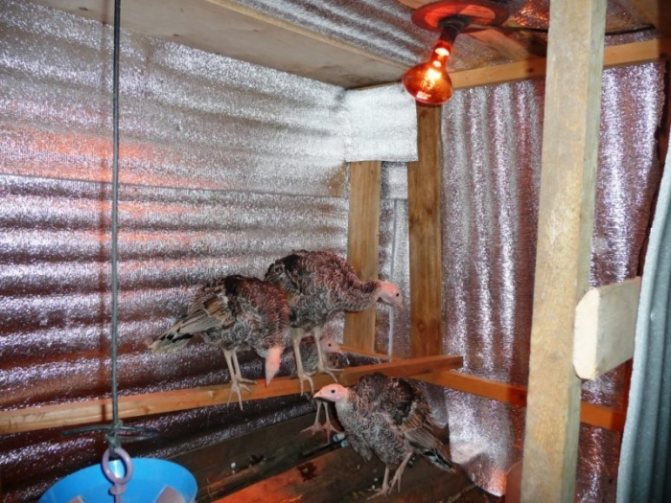
- Why should the chicken coop be warm?
- Advantages and disadvantages of IR heating for chickens
- How to heat a chicken coop in winter without electricity
- artificial heating
- Stove heating
- Water heating
- Gas heating
- Diesel heating
- Rules for warming a chicken coop
- Other options for IR heaters
- Types of infrared heaters
- Infrared lamp - pros and cons
- Installing an infrared heater
- Security measures
- 10 Ballu BIH-AP4-1.0
- Building site requirements
- Features of the construction of a warm chicken coop
- Lamp Rating
- Stationary lamps
- Mobile
- Film
- Panel
- Features of infrared (IR) heaters
Why should the chicken coop be warm?
Laying hens are able to walk all day in the cold and even snow, but this fact does not mean that it should be cold in the hen house. The bird's feet are constantly cold due to the lack of plumage. Emerging colds affect the decrease in egg production.
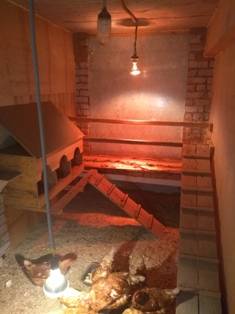
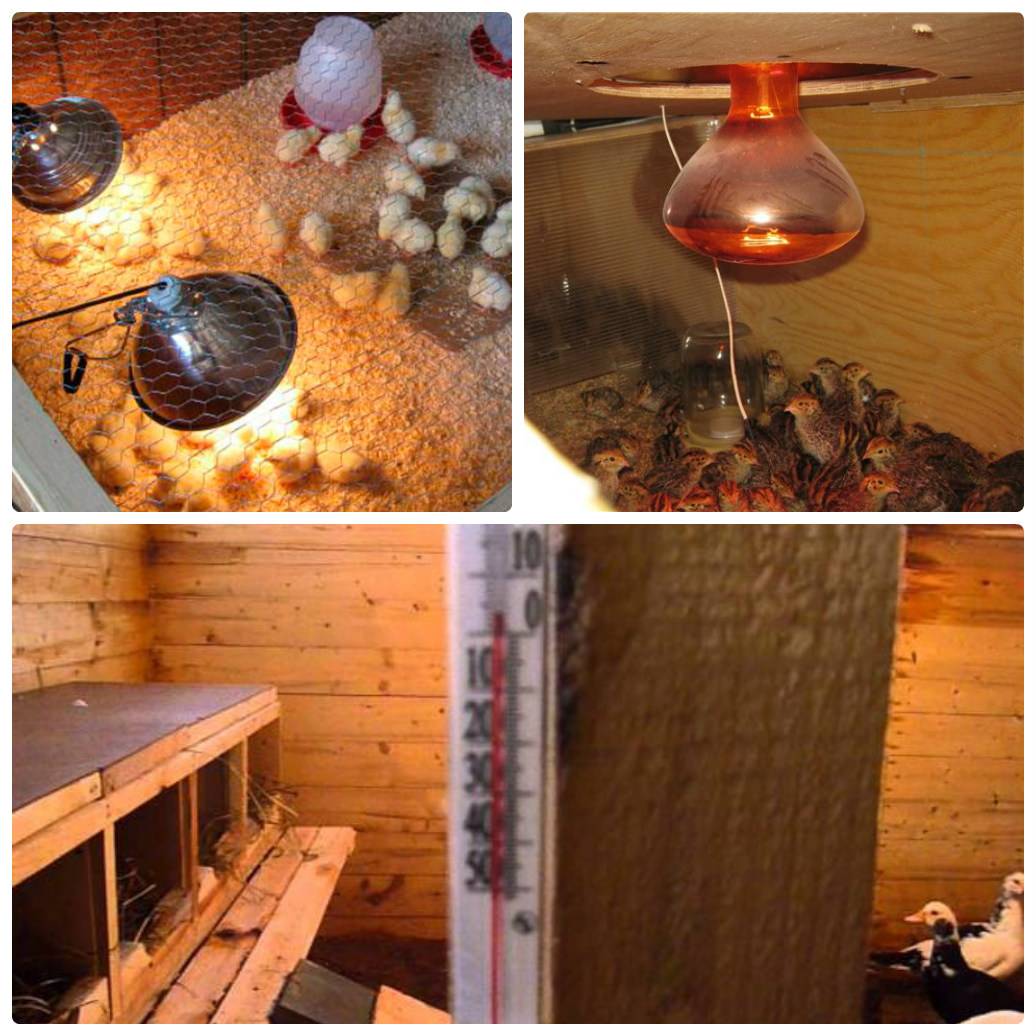
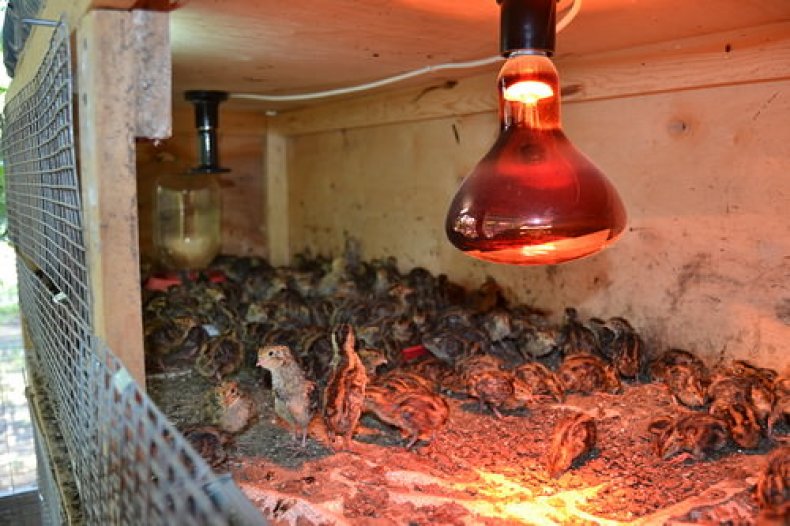
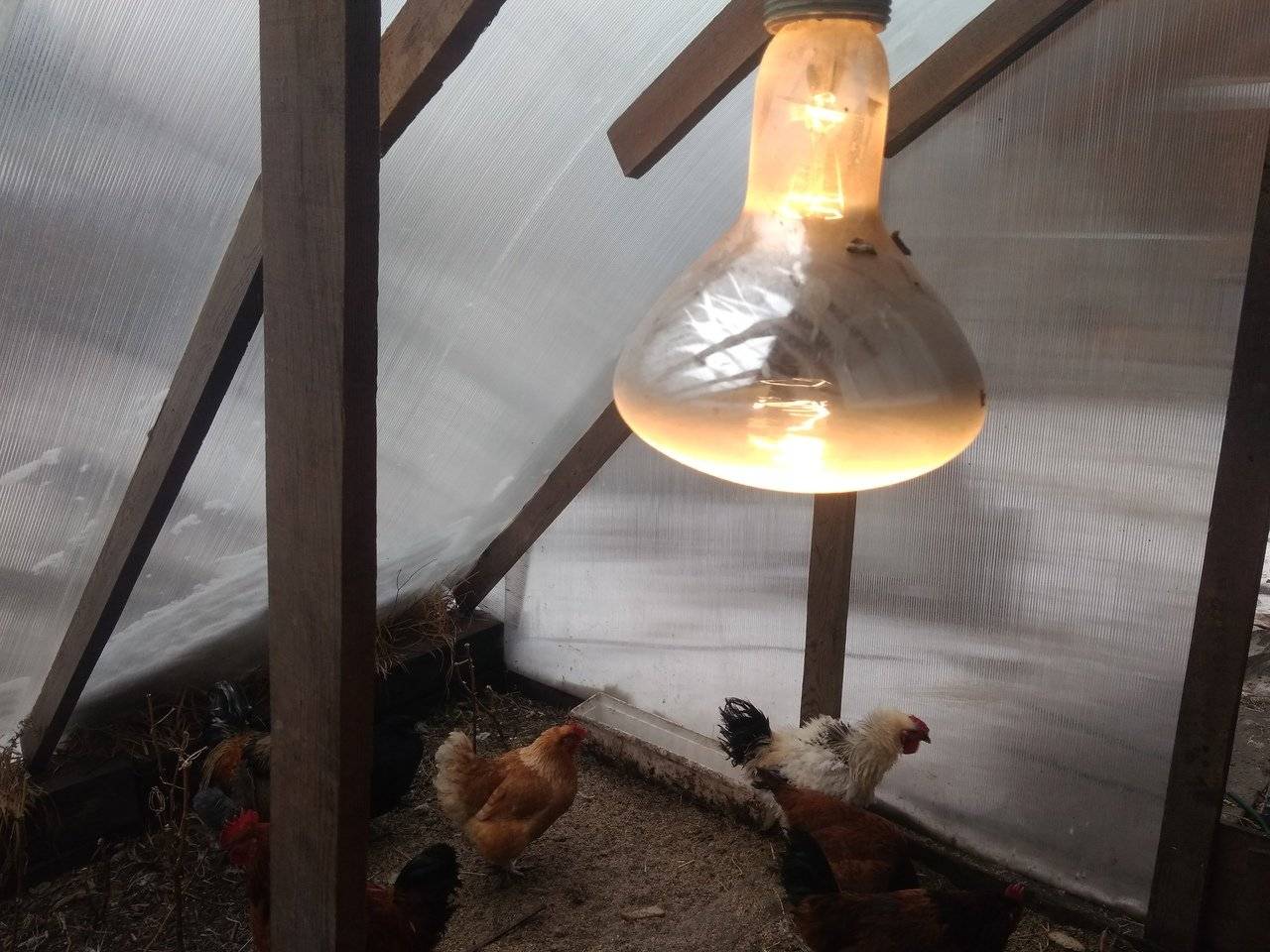
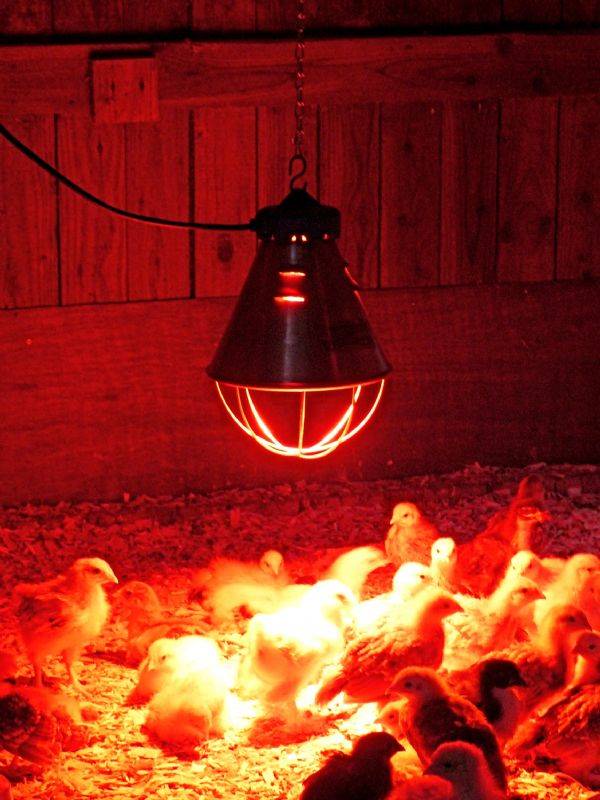
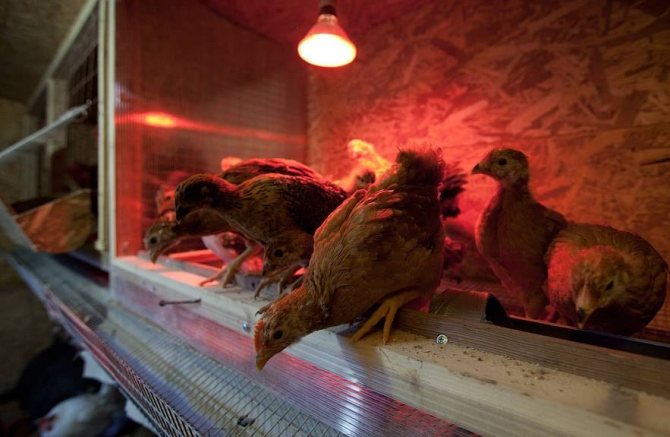
Red lamps suspended from the ceiling help prevent the temperature from dropping below +7 ° C. Electricity consumption will increase, but the poultry farmer will benefit in another way. The benefit is an increase in egg production up to 40% and feed savings. The fact is that chickens eat more in the cold. Feed consumption increases, and its cost is not cheaper than electricity.The negative point of increasing food consumption is its poor absorption. Chickens get fat, but do not gain weight, but become less active.
When installing heating, it is important to understand that some heating lamps chicken coops in winter will bring little benefit. Birds have cold feet and need a warm floor
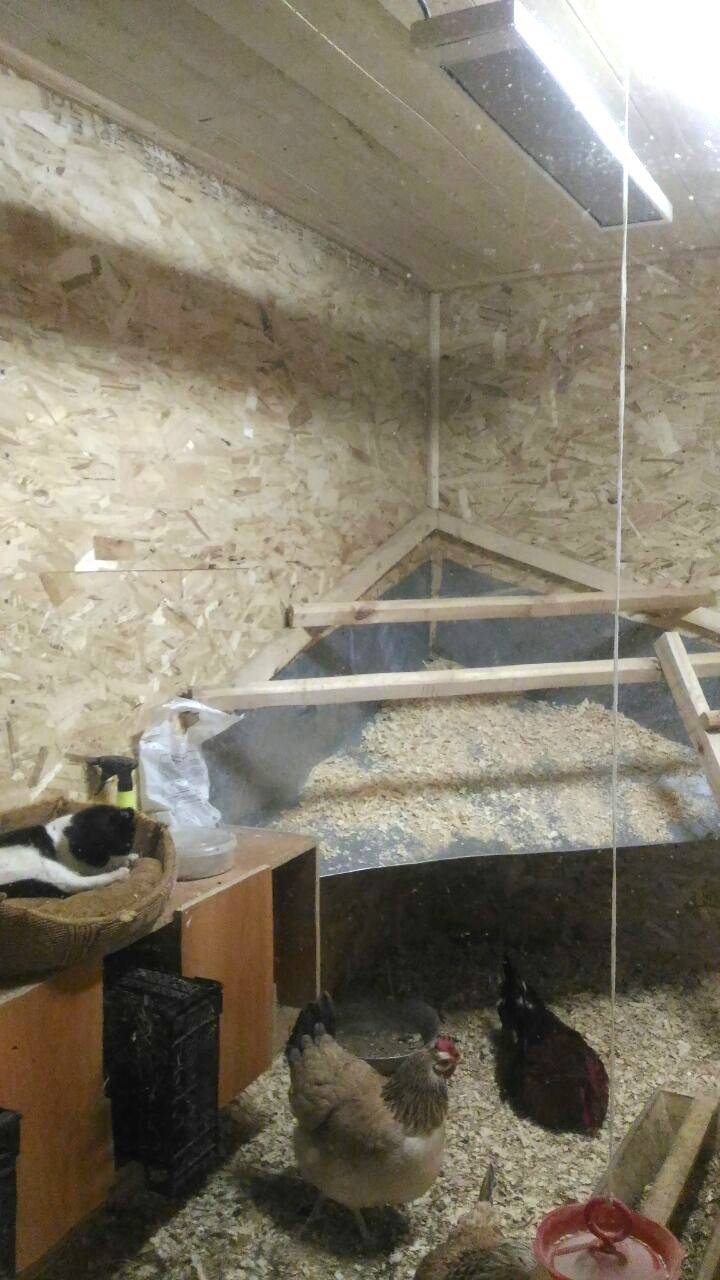
Equip it with a deep bedding. Additionally, the walls and ceiling are insulated. If the chicken coop is prepared for the onset of cold weather, then the red lamp will have to be turned on for less time, which will affect energy savings.
Advantages and disadvantages of IR heating for chickens
Pros and cons of infrared lamps.
Infrared lamps are arranged very simply: a flask is taken, which is filled with nitrogen and argon and a tungsten filament is inserted. The positive qualities of such a device are as follows:
- Infrared heaters in a chicken coop only heat objects, not the air in the room;
- 10% is spent on lighting the chicken coop:
- red light calms the hens, they practically stop pecking;
- IR radiation lowers the humidity in the poultry house;
- pathogenic microorganisms are destroyed;
- feathered inhabitants digest food better;
- chickens increase immunity;
- using the device, you can heat specific objects or the entire room;
- these lamps are easy to install and replace;
- efficiency factor - 98%.
Of the minuses of this device, it should be noted:
- Many breeders say that it is more difficult to care for chickens in a room with such lamps;
- the inefficiency of the device is also noted - with high humidity in the room, these lamps quickly fail.
How to heat a chicken coop in winter without electricity
The technology assumes that heating devices and electricity will not be used to heat the premises in winter. In the fall, you need to conduct a thorough inspection of the room where the chickens live. Seal up all holes, cracks, chips in the walls, it is advisable to caulk them for the winter.
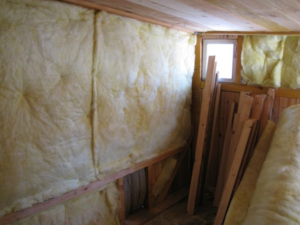
If the bird is provided with full and sufficient nutrition, then it will be able to heat itself. Additionally, the walls of the chicken coop are sheathed from the inside with insulating material. The simplest option for insulation is polystyrene foam or mineral wool.
Take a thick layer of material and sheathe it so that there are no gaps between the sheets of insulation. The ceiling in the chicken coop is also sheathed with insulating material, and the doors and windows are decorated with rags.
Thus, you will be able to get rid of the draft and maintain the desired temperature in the room. The floor in the chicken coop is covered with a thick layer of bedding, it helps to keep the heat from below. Bedding should be poured at least 10 centimeters in thickness.
Bedding material is hay, peat, straw or sawdust. The litter is also convenient because in the spring it can be used as fertilizer for the garden. In winter, the bedding works as a natural heater.
The bottom line is that during the life of chickens, the litter is mixed with excrement and the composting process begins. During this process, heat is released, it lingers in the room and can provide an air temperature of up to 12 degrees Celsius.
Periodically, the litter should be turned up and a layer of fresh material added. Until spring, up to 25 centimeters of compost can collect in the chicken coop. Before preparing the bedding in the chicken coop, the floor in the room is treated with slaked lime.





The proportion of the material is 1 kilogram of lime per 1 square meter. Lime helps the composting process and disinfects the room. When exposed to heat, it kills bacteria. For a normal microclimate in the chicken coop, ventilation must be adjusted.
If it works poorly, or does not work at all, then a persistent smell of ammonia will appear in the air. It is harmful not only to birds, but also to humans. The ventilation hatch is opened several times a day for ventilation, and then closed.
Heat also escapes through ventilation, and if you do not use heating appliances, then you need to regulate the flow of fresh air.
This method of warming may be suitable for regions where the winter is warm. In the northern regions of the country, drastic measures will be needed to heat the premises.
artificial heating
In regions with a temperate climate, heating is not always required, but in most regions of Russia, winters are cold and cannot be dispensed with. Many poultry farmers are considering installing heating in their coop, with most on a tight budget and looking for a cheaper way. However, it is necessary to take into account not only the price of heating appliances, but also monthly expenses in the cold.
Stove heating
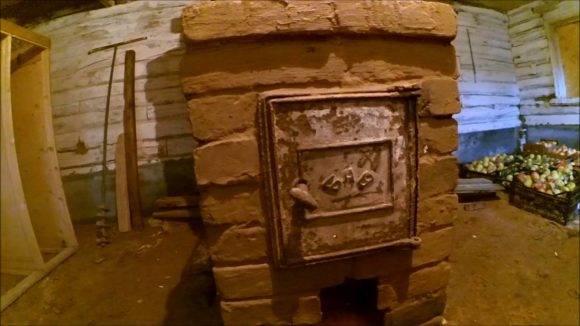
Most often, a potbelly stove is installed to heat the chicken coop, this is due to the fact that the raw materials for the firebox are in abundance and it is cheap. The stove can be fired with both wood and charcoal. If you have the skills, you can make the design yourself, but if you don’t have them, then it’s better to buy a potbelly stove. The stove is placed away from flammable materials, this will reduce the likelihood of a fire. It is also better to protect it from birds so that they do not accidentally get burned.
On a note!
The oven must be monitored around the clock.
Water heating
This method of heating is used if the room where the birds live is located near a residential building. Then pipes and radiators can be installed in it and connected to the home heating system. It is not profitable to make separate water heating in a small chicken coop, as it requires large investments.
Gas heating
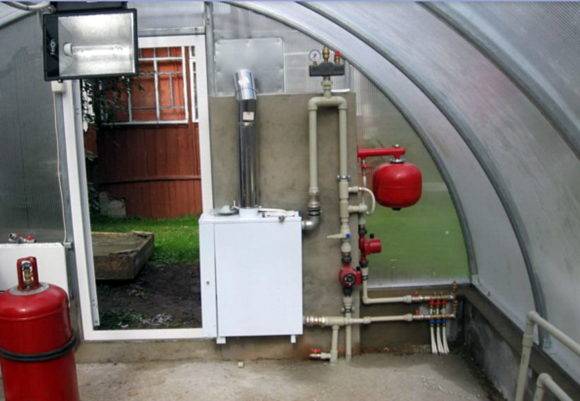
It makes sense to buy gas equipment only on an industrial scale or if there is a large farm. After all, the installation of a heating system requires the participation of specialists, and their services will not be cheap. You also need to make a project and buy the equipment itself. The heating system is divided into two types of water and convector. Water is as follows: when gas is burned, heat is released, with its help water is heated, which circulates through pipes. Convector heating consists of heating elements - convectors, which are combined into a system. Appliances heat up when gas is burned.
On a note!
Periodically it is necessary to carry out preventive cleaning of gas equipment.
Diesel heating
Does not require large investments in the early stages, but fuel consumption is quite high. In addition, most appliances, when burning fuel, emit an unpleasant odor and harmful substances that accumulate and can adversely affect the health of chickens.
Maintaining a comfortable temperature for birds in a chicken coop without electricity is not difficult. But before installing any heating, it is necessary to insulate the room, this will significantly reduce the cost of heating the chicken coop in cold weather.Warm shelter in birds will help protect chickens from colds and infectious diseases, as well as increase egg production in cold seasons.
Rules for warming a chicken coop
IR devices and red lamps are ineffective if the bird is kept in a cold barn. Loss of heat will be reflected in the high payment for electricity. The first thing to do is to insulate the floor. Deep litter is considered effective. For its arrangement, every 1 m 2 of the floor is covered with 1 kg of slaked lime. Small straw, sawdust, seed husks or chopped hay are poured on top. As tamping is done, new bedding material is added. The mass contaminated with litter is discarded. The floor will be clean all winter, warmed up by a red lamp or an infrared heater.



Together with the floor, the walls and ceiling of the chicken coop are insulated. It is optimal to overlay them with mineral wool or polystyrene. From above, the insulation is covered with plywood, otherwise the chickens will peck it. Windows and doors are insulated. Close up all the cracks.
Other options for IR heaters
In addition to lamps, other types of IR heaters can be installed in chicken coops. 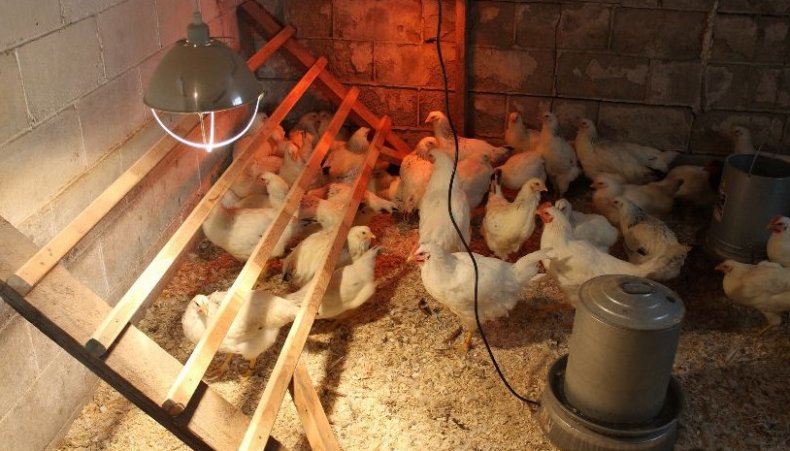
All of them can be divided into three main groups:
- lamps;
- spotlights;
- ceiling lamps.
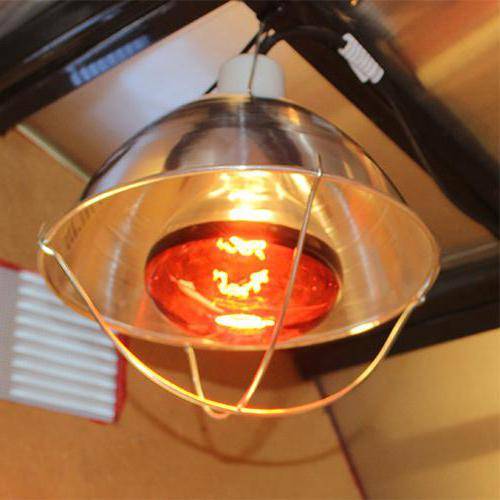
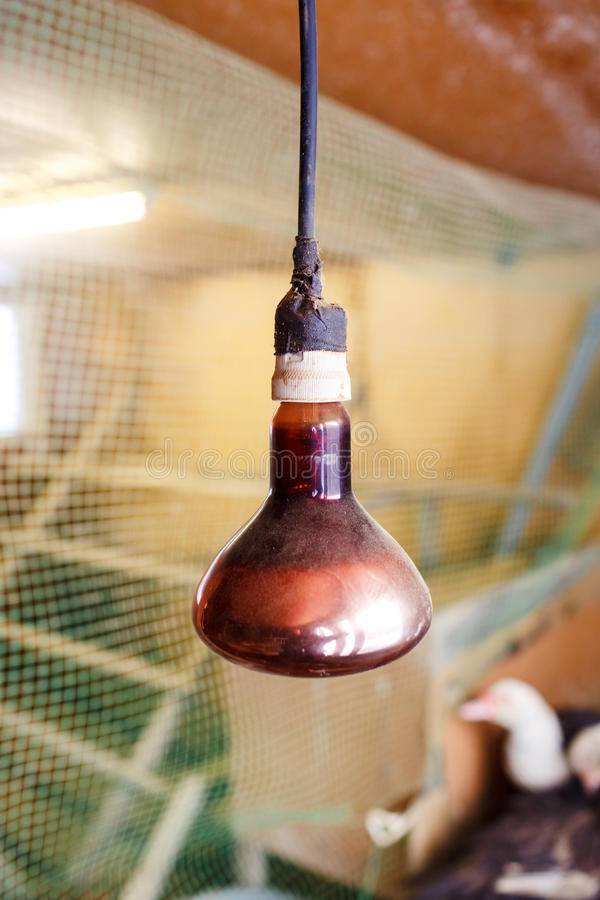
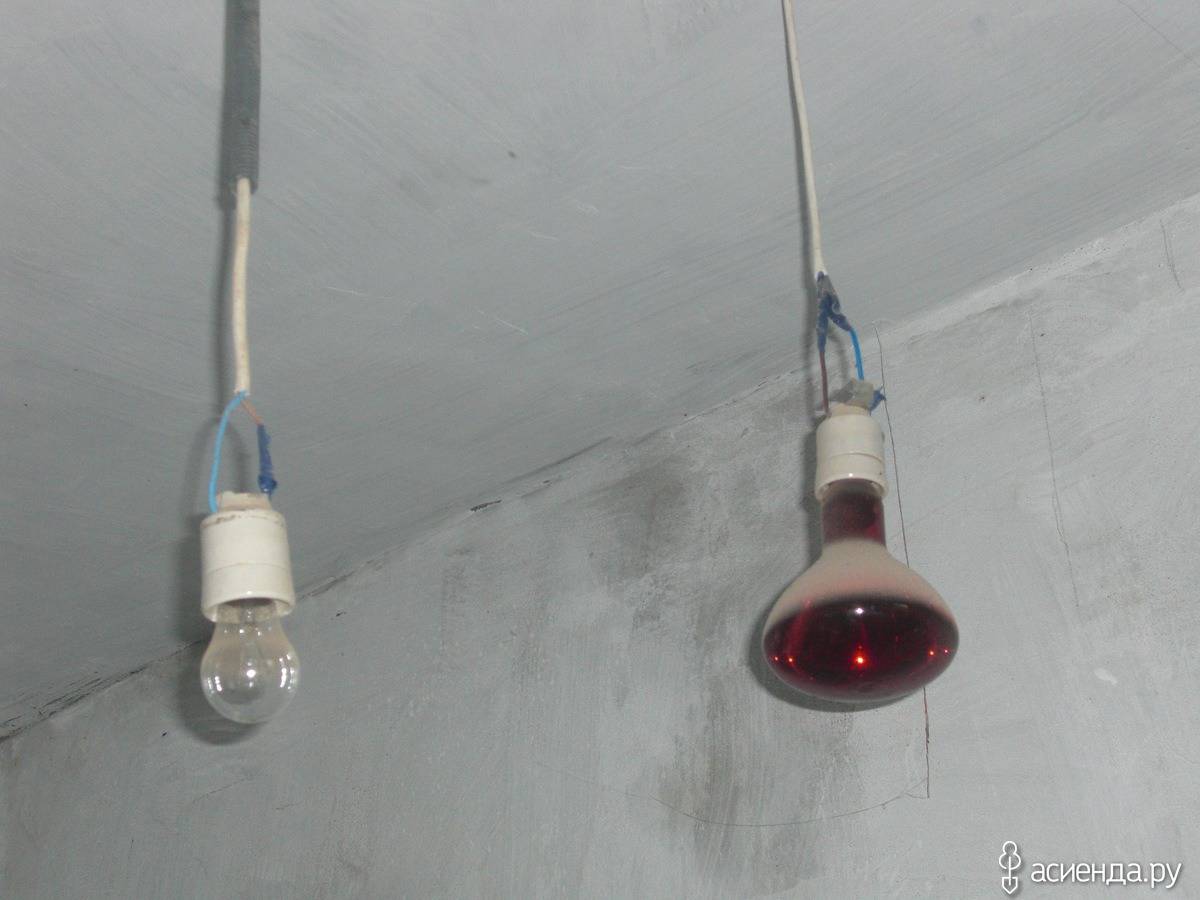
Two main types of infrared lamps will help you get both light and heat at the same time: mirror lamps with the IKZ marking (in fact, those lighting elements that resemble ordinary incandescent lamps) and infrared mirror red lamps, on which you can see the designation IKZK (in this case, the bulb is made of red dark glass, due to which most of the energy is transformed into heat, and not into light).
It is the latter that are more relevant in animal husbandry and can successfully perform their functions in poultry houses.If we are talking about linear infrared light sources, then among them there are three main types:
- with a ruby red tube (suitable for heating large rooms);
- with a quartz tube made of transparent glass (they do a good job of drying varnish and paint, and also help rid the room of harmful microorganisms);
- a tube with a golden coating (its use is relevant if it is necessary to heat warehouses and showrooms, where regulation of the brightness of the light flux is required).
Types of infrared heaters
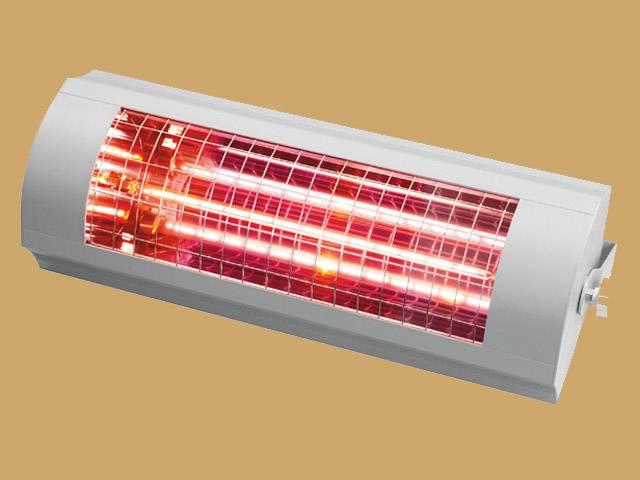
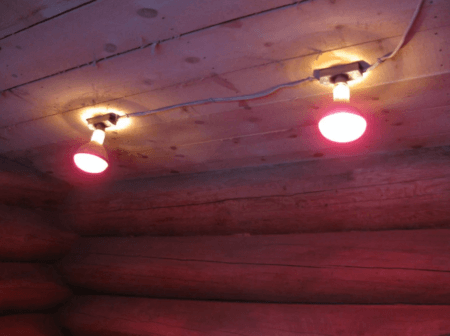 Ceiling infrared heater
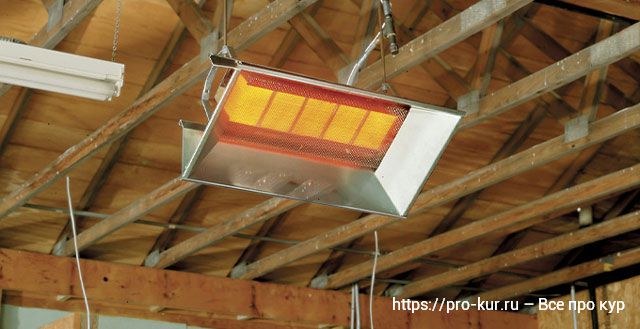
The heating of the shed where the chickens are kept can be arranged using a red lamp. However, there are other energy-saving, efficient thermostats based on IR radiation. A feature of the devices is that they do not warm up the air, but the object they are aimed at. A heater shining from the ceiling is more efficient than on the wall.
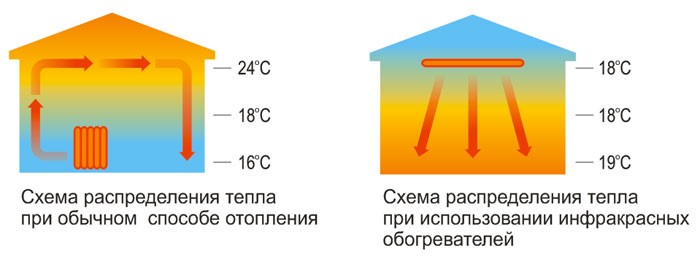
Heat from a conventional converter-type heater rises to the top. The bottom remains cold. With an infrared heater, the light is directed downwards to heat the litter, nest, water, food. Heat is reflected, evenly disperses throughout the room.
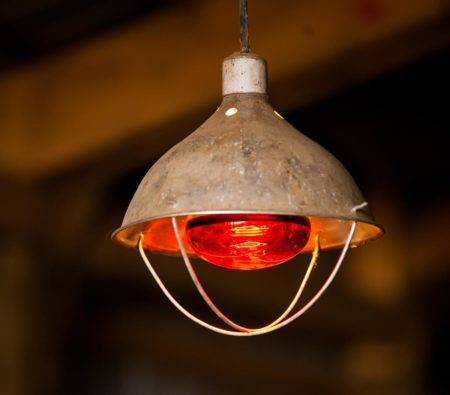 To prevent the bird from breaking the flask, use a metal mesh around the heater
Infrared heaters do not burn oxygen.
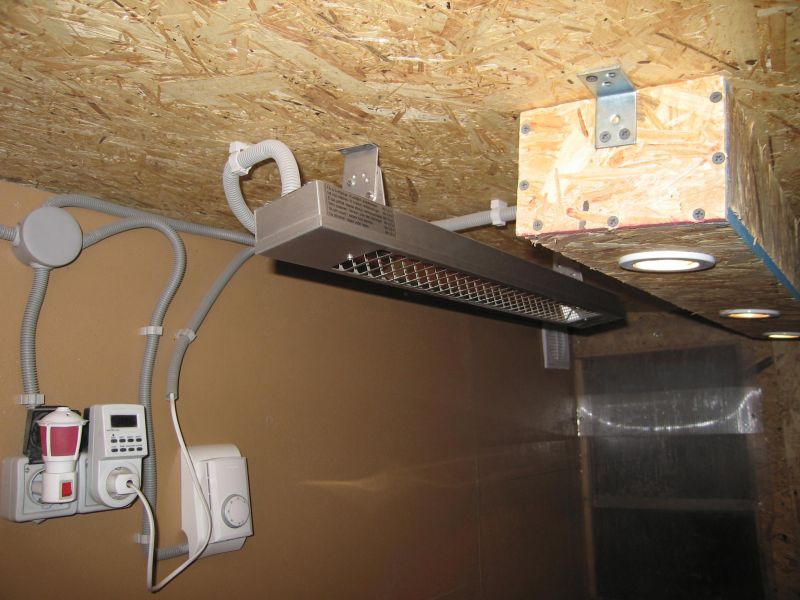
To comply with the first condition, it is necessary to select a device with a temperature controller. When calculating the power of the device, they start from 80W per square meter of the room.
To comply with safety requirements, the heater is hung on the ceiling or wall - contact of the bird with the device is excluded. Wires are fixed on the wall or under the ceiling.
Infrared lamp - pros and cons
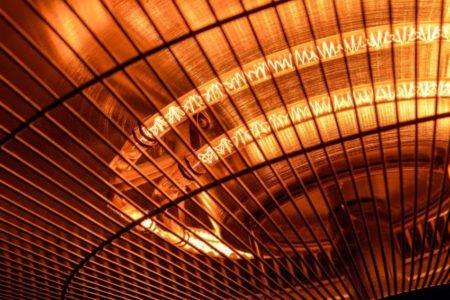 IR lamp - an alternative option for heating a small area
The design is simple - a tungsten filament is located in a flask with argon and nitrogen. Device Features:
- When the device is operating, the surrounding objects are heated, not the air.
- 10% is spent on lighting the room.
- The softness of the red light has a calming effect on the bird.
- Infrared radiation reduces the level of humidity.
- Destruction of pathogenic organisms.
- Better digestion of food.
- Strengthens the immunity of the bird.
- Easy to install, replace.
- Efficiency - 98%.
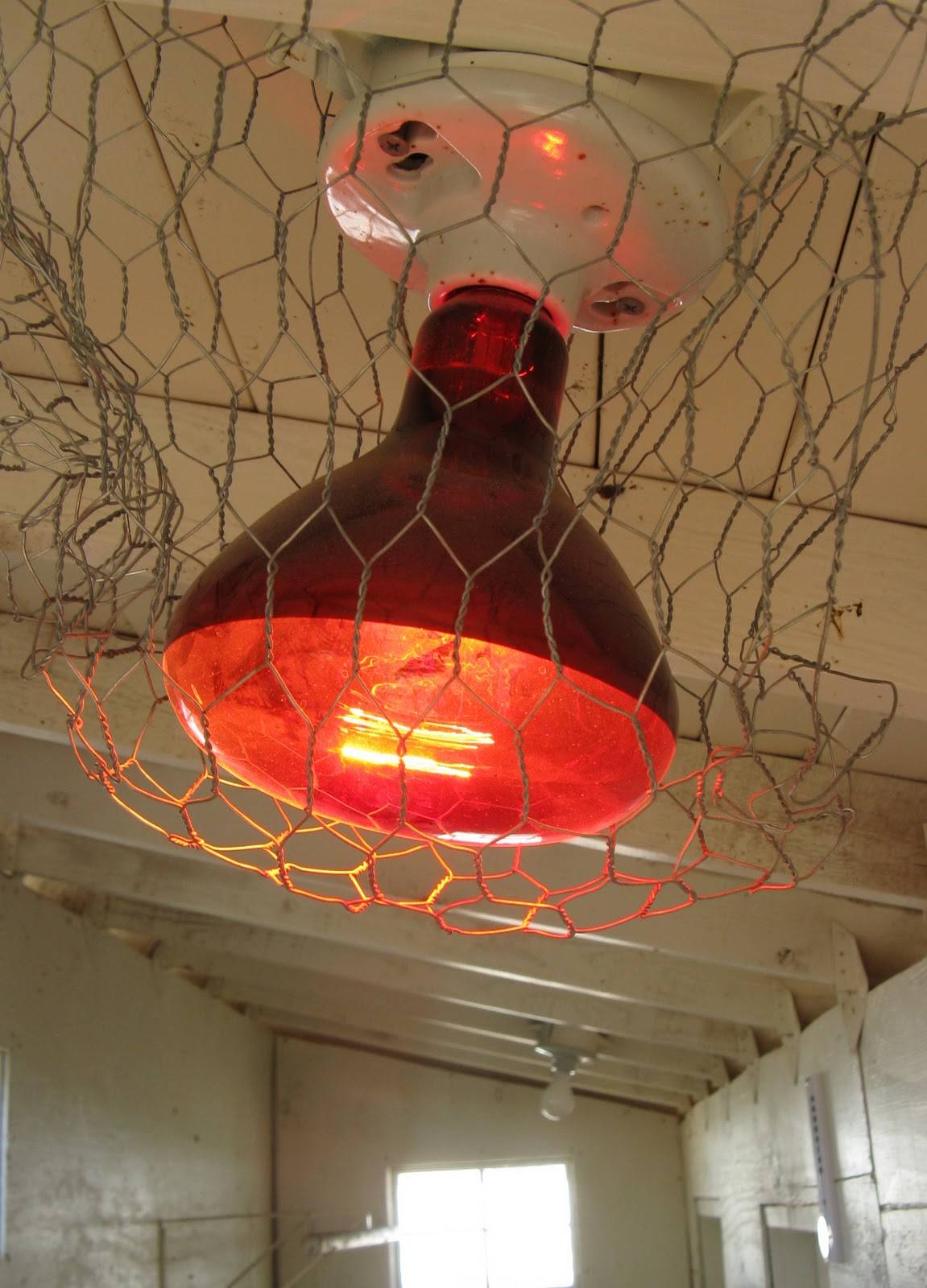
On the ceiling, the heater is fixed using a platform with an E27 ceramic cartridge. Under the influence of high temperature, the plastic cartridge may melt.
The heating element is placed in a fencing mesh so that, in case of accidental damage, it does not fall out of the cartridge onto the floor. Spontaneous damage to the lamp is possible with high humidity, water ingress.
The thermostat maintains the temperature (about 10 - 12 degrees), saves energy.
In order not to forget to turn on, turn off the lamp, you can set a timer. Switching on and off will occur automatically.

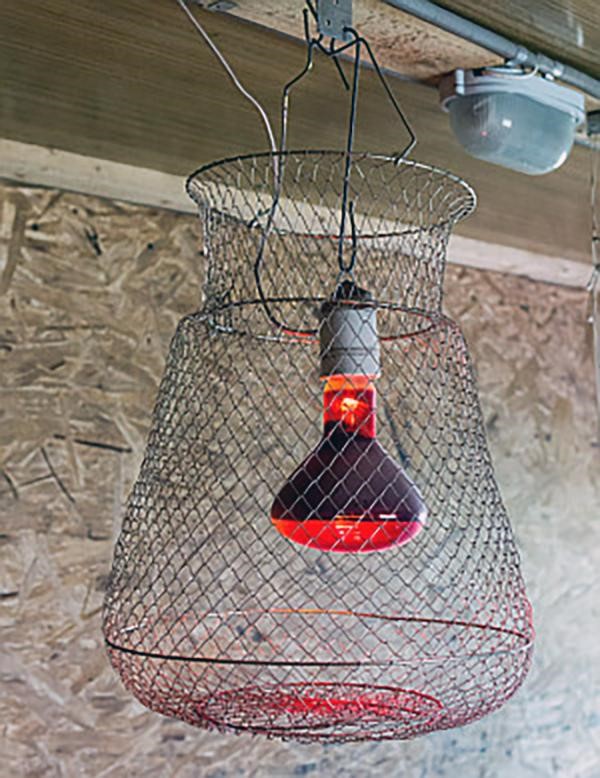
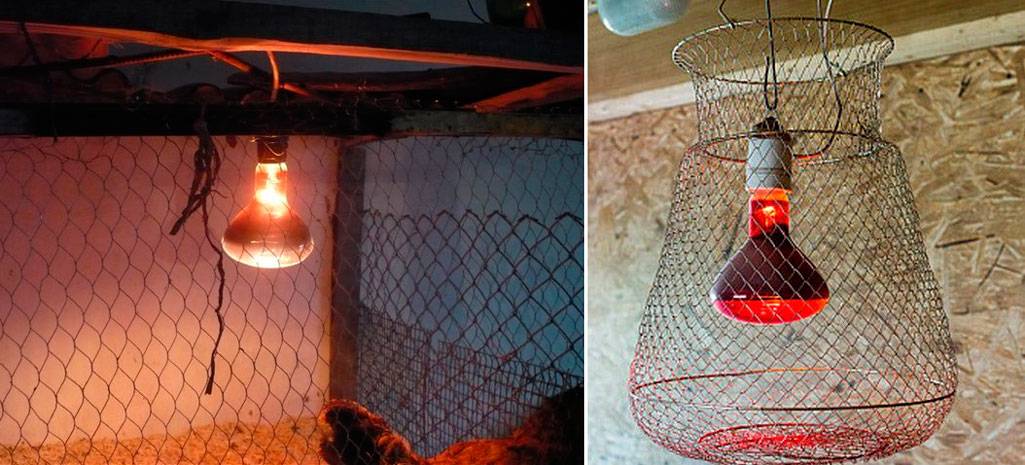


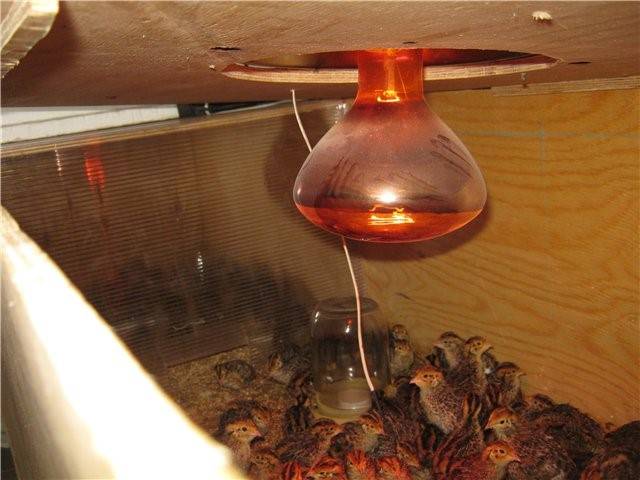
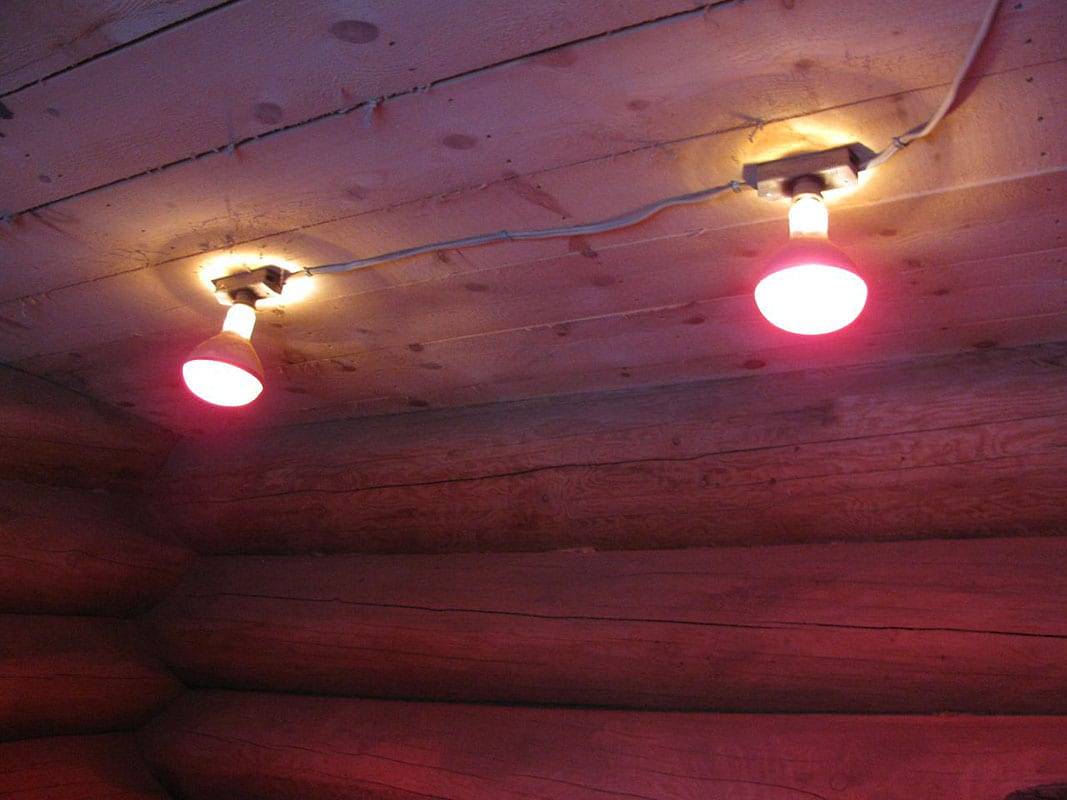


There are models that have a mirrored inner surface of the lamp. There are products with increased moisture resistance, mechanical strength.
Poultry breeders say that IR lamps are not economical, they quickly fail, break when wet. However, if you follow the rules of operation, purchase a quality product, problems can be avoided.
Installing an infrared heater
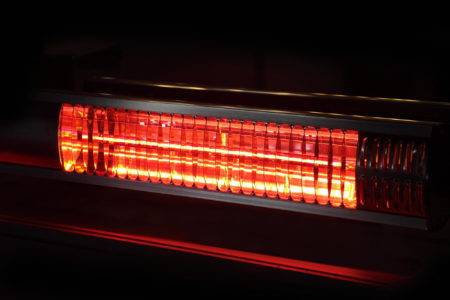 Infrared Heater
With the help of infrared equipment, you can organize a multifunctional heating system.It is desirable to have a thermostat that automatically controls the temperature.
Products differ in the way of fixing: ceiling, wall, floor. For a chicken coop, it is better to choose a ceiling type of mount. It will turn out to direct the flow of radiation down, to heat the floor, feed, water. You can choose a wall mount type. From the floor should be abandoned.
The heater differs from the IR lamp in the type of heating element. Long-wave models are characterized by plate-type heaters that heat up to 230 degrees. The distance to surrounding objects should be at least 50 cm.
In short-wave devices, spiral-shaped heating elements are used, located inside a glass tube. They heat up to 600 degrees. The distance to objects is at least 3 meters.
Ease of use of the heater - you can heat a small area of the room, the entire area.
IR heaters are film, panel.
Security measures
In addition to checking the device itself, it is important to make sure that the wiring can withstand the load. Otherwise there is a risk of a short circuit
The lamps themselves are covered with a wire mesh. Otherwise, the birds may be injured or damage the equipment.
To avoid overheating, install all devices within a meter from objects in the chicken coop (including perches).
In general, IR lamps are an effective means of heating. Compared to other devices, they allow you to transfer heat to those objects that need it. This saves energy.
10 Ballu BIH-AP4-1.0
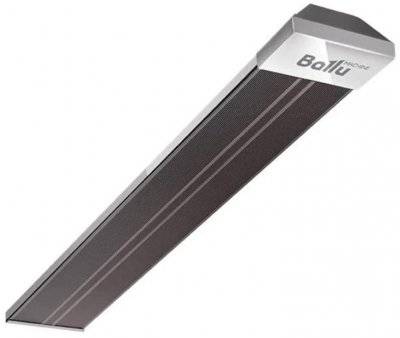
This is the most popular infrared heater in the ranking, at least according to the number of searches and reviews.The model combines everything you need for full-fledged heating of the chicken coop - optimal power, high resistance to environmental conditions, ergonomic shape, energy efficiency and low price.
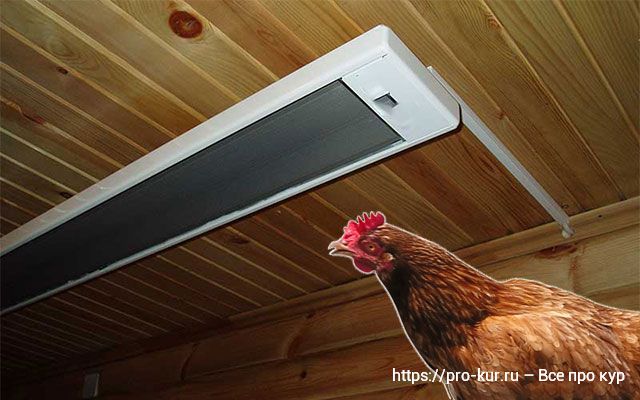
The device is designed for heating rooms up to 10 square meters. m, which is quite enough for a small poultry house. At the same time, it consumes little electricity. The device is protected from moisture and dust, and the black anodized surface guarantees a long service life. The Ballu heater is recognized as the most compact and thin due to the unique shape of the body. With the help of special brackets, the model can be mounted both on the ceiling and on the wall. If necessary, the angle of inclination can be easily adjusted. Buyers unanimously argue that, given the low price, the device is simply excellent.





Building site requirements
Since a winter chicken coop is created for many years, the choice of location must be approached especially carefully. It is necessary to take into account not only the comfort of the birds themselves, but also other animals, as well as people. Primary requirements:
- elevation - you should not choose low-lying places because of the constant accumulation of moisture (you can determine the slope visually and using a level);
- as far as possible from a noisy road, garage, dog house;
- at a distance of at least five meters from the entrance to the house.
Important! Windows and chicken walking area are located on the south or southeast side. There should not be any shadow from the wall, fence or other buildings.
Features of the construction of a warm chicken coop
If a summer chicken coop can be made in a simple dugout or barn, then a winter one is a capital building with a ventilation, heating and lighting system. When designing, several requirements are taken into account:
The area should not be too large.In winter, chickens huddle together and lose activity, so 1 m2 is enough for 3-4 individuals. The place should be on a hill to avoid excess moisture
Inside, the optimum temperature of +12–18 ° C should be maintained even in cold weather, so it is important to choose the right construction material and insulate the walls, floor and roof. Windows must be oriented to the south (the walking area is also located there), and doors to the north
Lamp Rating
| Place in the ranking | Model variant | Device type | Installation location | Average service life | Can be used for lighting |
| 1 | ESEXL 300W/230V | Stationary lamp | Ceiling | At least 1 year | Not |
| 2 | Zilon IR-0.8S | Stationary | Ceiling | At least 3 years | Not |
| 3 | Nikaten NT300 | Panel | Wall | At least 5 years | Not |
| 4 | Zebra EVO-300 PRO | Film | Ceiling, wall | About 5 years | Not |
| 5 | IKZK-250 VT | Stationary / mobile lamp | Ceiling, tripod | 6500 hours | Yes |
Stationary lamps
Designed for permanent ceiling or wall mounting. Outwardly, they can be made both in the form of an ordinary incandescent lamp with a mirror coating and a red light filter (in this case they are usually equipped with a metal lampshade-reflector), and in the form of panels with a lamellar (for long-wave models) or spiral-shaped (for short-wave) working element. As a rule, stationary lamps additionally provide additional lighting, however, this is not typical for all models.
Advantages:
- Reliability. With proper fastening and connection, they are absolutely safe in terms of fire and can work even for a whole day.
- Adjustability.Stationary models are almost always equipped with thermostats, and in some cases timers and temperature sensors - then the device can turn on itself at the right time or when the temperature in the room drops below a certain one.
- The ability to use ready-made infrastructure in the premises. In particular, IR lamps can, if desired, be screwed into a conventional incandescent lamp socket.
However, there are also disadvantages:
- The need to accurately choose a place for attachment. Ideally, the device should be located on the ceiling, only in extreme cases it is permissible to place it on the wall, pointing down.
- Great power consumption.
- Small area of lighting and heating. On average, for every 10 sq. m of the area of the chicken coop, you need to put 1 device.
Temperature regime for chickens in winter in the chicken coop to preserve egg production, as well as for walking
Read
Keeping chickens in winter. Highlights on the equipment of the chicken coop, the organization of walking and nutrition
More
Proper feeding and optimal maintenance of broilers in the winter for normal productivity
Watch
Mobile
Structurally, these devices are made in such a way as to easily move around the chicken coop, heating any selected area. They are useful in cases where it is necessary to warm not the entire room, but only part of it (for example, nests for laying hens or a hen with chickens in a fenced off corner).
Advantages:
- Easy installation.
- Ease of use.
Flaws:
- High power consumption.
- Less ease of use.
Film
These devices are a flexible package of three elements:
- The reflective layer is, in fact, an ordinary foil that does not allow thermal radiation to pass through and directs it back.
- heating layer. These are strips of carbon fiber or other material that heat up when an electric current flows through them.
- conductive layer. It allows heat to pass through and is only needed to protect the carbon strips from damage.
Film emitters are convenient for the following:
- When placed in the lower part of the room (underfloor heating technology), they provide the best and even heating in the room.
- Compared to incandescent lamps and stationary radiators, they are more economical.
- Structurally equipped with thermostats. Without them, the connection is usually simply impossible.
However, there are also disadvantages:
- The floor in the chicken coop is exposed to chicken manure, the birds also scatter pieces of food. A high quality material for the conductive layer is required. In addition, it becomes more difficult to clean such a floor.
- Difficulty in installation. The film can only be cut along production lines with a pitch of about 25-30 cm. In irregularly shaped rooms, this can lead to placement difficulties.
- The thermal film on the floor is sensitive to moisture, so spilled water from the drinker can lead to a short circuit.
Do you use an infrared chicken coop heater?
Not really
Panel
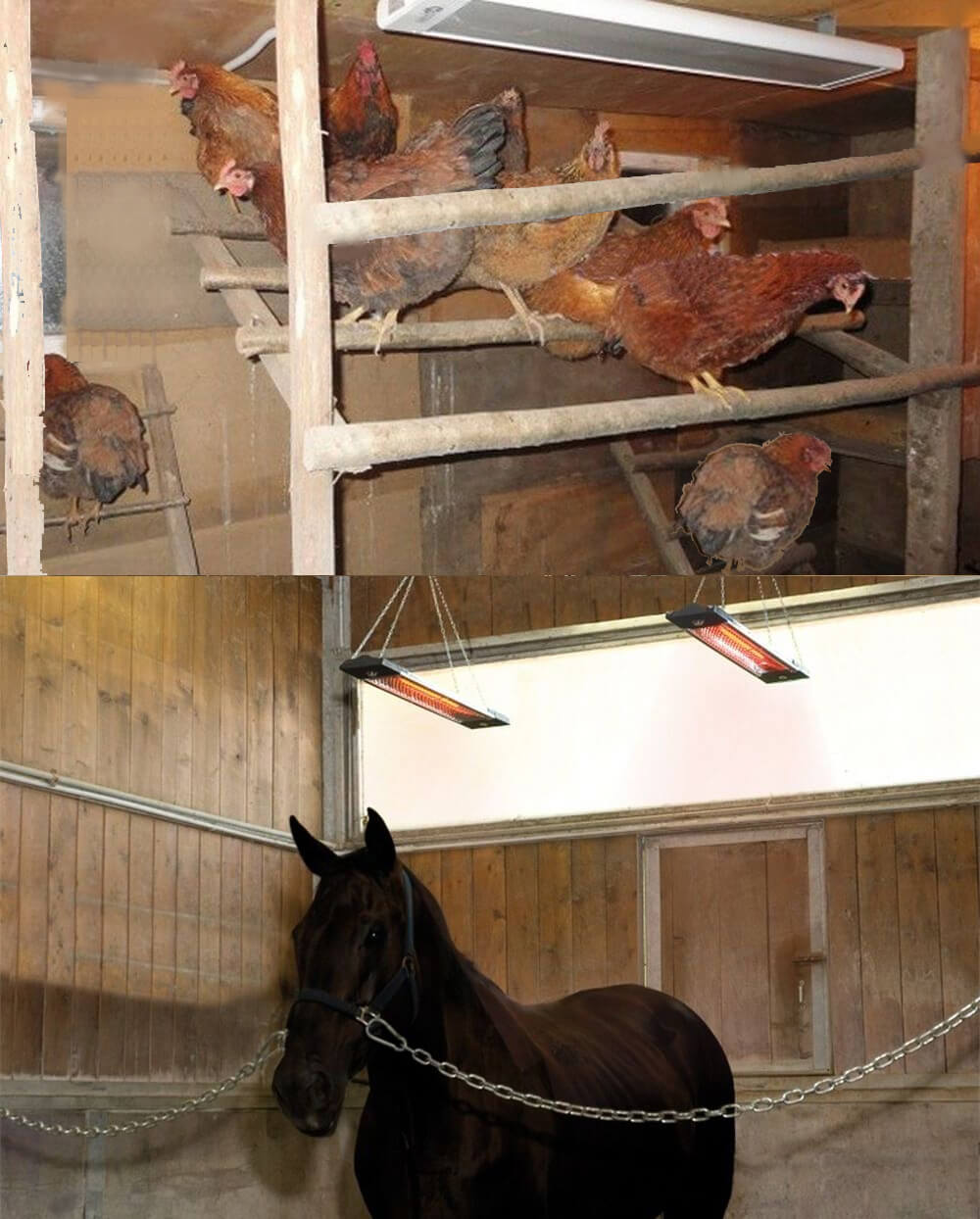
Their principle of operation is the same as that of the IR film. The only difference is that the panels are inflexible, and therefore are usually placed not on the floor, but on the walls of the chicken coop. There are also mobile panels that can be installed on the floor using the included stands.





Benefits of using them:
- Economy in terms of energy consumption.
- Ease of installation. Even in the wall version, it is enough to transfer the fasteners.
The disadvantages can be considered:
- Placement in a vertical plane. The floor with the help of panels almost does not warm up.
- In the mobile version, the panels will additionally have to be protected from chickens, which will probably try to use them as a perch.
Features of infrared (IR) heaters
A distinctive feature of infrared heaters from other heat sources is that they do not heat the air, but objects that are in their zone of action. The air in the room is heated by solid objects (roost, chicken, bedding).
How heat is distributed with the conventional convection heating method and infrared is shown in the figure below. It clearly shows that, according to the laws of physics, warm air from a conventional heat source rises. It's hot upstairs and cold downstairs. This shortcoming is deprived of an infrared heater. In its zone of action, the temperature is evenly distributed.
Moreover, when heated by rays, oxygen is not burned and the dryness of the air does not increase, and drafts do not have such a decisive effect on the temperature in the room. But this does not mean that the chicken coop does not need to be prepared for the winter: insulate, caulk cracks, lay deep bedding.
Structurally, they can be made for installation on the floor, for fixing on the wall or on the ceiling. Ceiling heaters are best suited for a chicken coop. In this case, they will not interfere with either you or the bird, the working area remains free. It also eliminates the possibility of burns. The heating panel is equipped with a protective grid.
When installing IR heaters, safety regulations must be observed, as their heating elements get very hot.
- The long-wave IR heater has a heating element in the form of a metal plate, the heating temperature of which is 230 degrees. Therefore, the minimum distance to the nearest heated object should be at least fifty centimeters.
- At a short-wave IR heater, a spiral in a glass tube is heated to a temperature of 600 degrees. For safety reasons, they should not be installed closer than three meters to heated objects.
IR heaters can be used for local heating, that is, a specific place in the chicken coop. To do this, it is enough to direct it to the desired object. Moreover, the heating of the object occurs instantly. Such rapid heating will reduce energy costs.
And if the heater is also equipped with a thermostat, it will automatically turn it off when the set temperature is reached. This will further save energy, since, in a well-insulated poultry house, the heater will only occasionally turn on when the temperature drops below the set limits. And so all the time to be in “sleep” mode.
If you purchase an IR heater without a built-in thermostat, then it is better to buy an autonomous one in addition. Without it, you will not achieve efficient and economical operation of the device. In addition, you yourself will have to control its work. If this is not done, then heated objects may ignite.
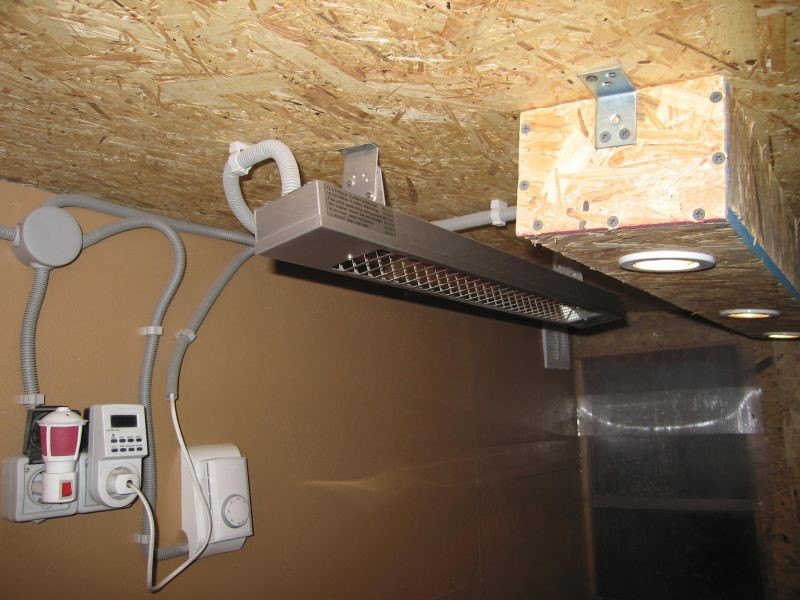
The advantages of infrared heaters are
- silent operation;
- no smell of burning during operation;
- the air does not dry out;
- dust does not circulate, as from fan heaters.



