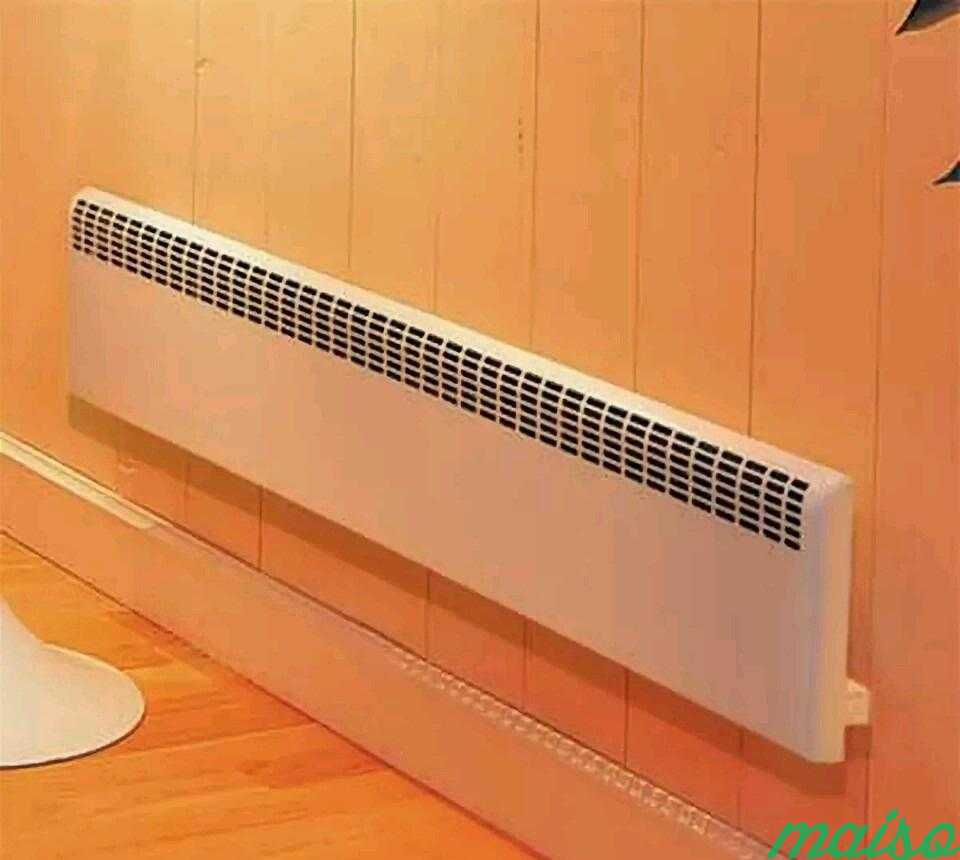
- Which brand of convector is better to choose
- How to choose an electric convector
- Varieties
- infrared
- Electrical
- Gas
- Water
- How to choose an economical convector for a summer residence, criteria
- Types of convectors
- Electrical
- Gas
- Water
- Positive and negative!
- Installation rules
- Advantages and disadvantages of electric convectors
- The best convectors in terms of quality and reliability
- 1. Ballu BEC/ETER-2000
- 2. NeoClima Comforte T2.5
- 3. Timberk TEC.PF8N M 2000 IN
- 4. Electrolux ECH/R-2500 T
- Electric heating convectors
- Mechanical thermostat
- Accessories
- Features of choosing an electric convector
- Options for the location of the convector in the room
Which brand of convector is better to choose
Companies producing convectors, as a rule, are engaged in a narrowly focused activity - the production of heating appliances. Surveys show that users prefer reliable, trusted companies that have a lot of positive reviews and a decent reputation. For review, brief characteristics were collected for each brand:
- Noirot Spot, a brand from France that produces heaters, manufactures and develops them only at its own facilities, importing heat sources to more than 90 countries.
- Stiebel Eltron is a brand from Germany that produces electric heating equipment.It has many subsidiaries in the territories of Asian and European countries, is a sponsor of sports and charity events, and is one of the market leaders in the field of heating.
- Electrolux is a popular company from Sweden that produces household appliances for the home, produces climatic and professional equipment. The company's products belong to the middle and low price segment.
- Timberk is another large corporation from Sweden that produces climate equipment. Focuses on the production of a wide range of products, from simple water heaters to functional split systems.
- Resanta is a Latvian brand that manufactures electrical goods. Offers a large selection of convectors, heaters, voltage stabilizers at average prices. Every year the company participates in international exhibitions, where it presents its own developments.
- Hyundai is a large holding from South Korea that manufactures consumer electronics. In creating its products, the company uses only modern innovative systems aimed at making the use of products more comfortable.
- Ballu is a Russian brand that produces climate control equipment for industrial and domestic purposes. It has production facilities not only in Russia, but also in China, uses only high-quality raw materials.
- Scoole is a manufacturer from Russia that produces climate equipment for the home, offering a large range of air conditioners, split systems, and fans. It sells goods on the territory of the Russian Federation and the CIS countries, in compliance with strict international quality standards.
- Power KVZ is another Russian company producing climate equipment.In production, components of well-known brands are used, which ensure the reliability, safety, and quality of devices.
- Varmann is the largest brand producing convectors, heat exchangers, facade heating systems. It sells goods to Russian and European markets, gives long warranty periods for all products, accepting orders for individual projects.
- KZTO Breeze is a plant for the production of thermal equipment, which has been a leader among Russian manufacturers for 20 years. The advantages of the company include reliability, style, reasonable price for premium goods.
- iThermic ITTZ is a trademark of the Rada-M company, which produces heating devices. It manufactures premium products, provides long-term guarantees, and uses high-quality raw materials in production.
How to choose an electric convector
The successful operation of an electric convector depends on the correct choice, which is influenced by the following parameters:
Appointment. If you intend to use the device as an additional element in case of poor performance of the main heating, you can limit yourself to a low-power model with a mechanical thermostat. It is preferable to choose a convector with electronic control and additional functions as the main heat source.
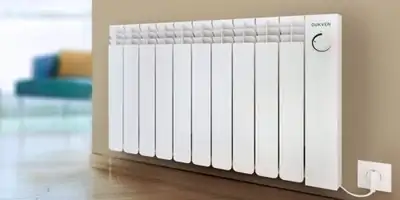
To create a comfortable temperature, a device is used, the power of which will be sufficient to heat a particular room. When choosing, take into account the area of \u200b\u200bthe height of the ceilings, the presence of heat loss
An important condition for the safety of the convector is a reliable housing. Its height directly affects the power of the device and its convection ability.
To place a small area, a device with a size of 50-60 cm is enough. The thickness of the case is no less important.
When choosing a model, take into account the type of thermostat. Mechanical ones require human control, they do not withstand constant loads. Electronic ones are distinguished by a high degree of reliability, they are economical in energy consumption, which justifies the increased price. The programmable ones are equipped with a remote control. Their inclusion can be done using GSM notifications from a long distance.
Varieties
Convectors have many varieties that differ:
- by type of heat carrier (electric, gas, water);
- by type of work (convection, infrared or mixed type);
- by installation method (floor, wall, ceiling, plinth);
- according to the material of manufacture (steel, ceramic, glass, quartz);
- according to additional options (with natural convection or forced with a fan, with an ionizer or humidifier, with a dust filter and others).
When choosing a convector for a summer residence or for a home, it is worth remembering about the different power of the devices. Preference for one or another type should be given based on the volume of heated air in the room. Manufacturers usually indicate the maximum number of square meters for which the device is designed.
If, for example, the room is poorly insulated, there are drafts, the windows face north, or there are other conditions that contribute to lowering the temperature and heat loss, you should choose a convector with a higher power. So, for a room of 15-20 square meters, a heat appliance with a capacity of at least 2 kW is purchased. A 1 kW device can heat a very small room up to 12 square meters. If the convector has additional options (air humidification, electronic thermoregulation), then these losses during the operation of the device should also be taken into account.Accordingly, it will fit the area less than the declared one by about 30-40%.
infrared
These are the latest innovative models. Their efficiency is increased due to the additional effect of infrared radiation. Combined type devices have 2 heating elements and can work even if one of them fails.
They have an increased efficiency and warm up the room faster than other types due to the release of heat by IR waves to objects in the environment. Such appliances often have decorative panels and are the latest generation of heating systems.
Electrical
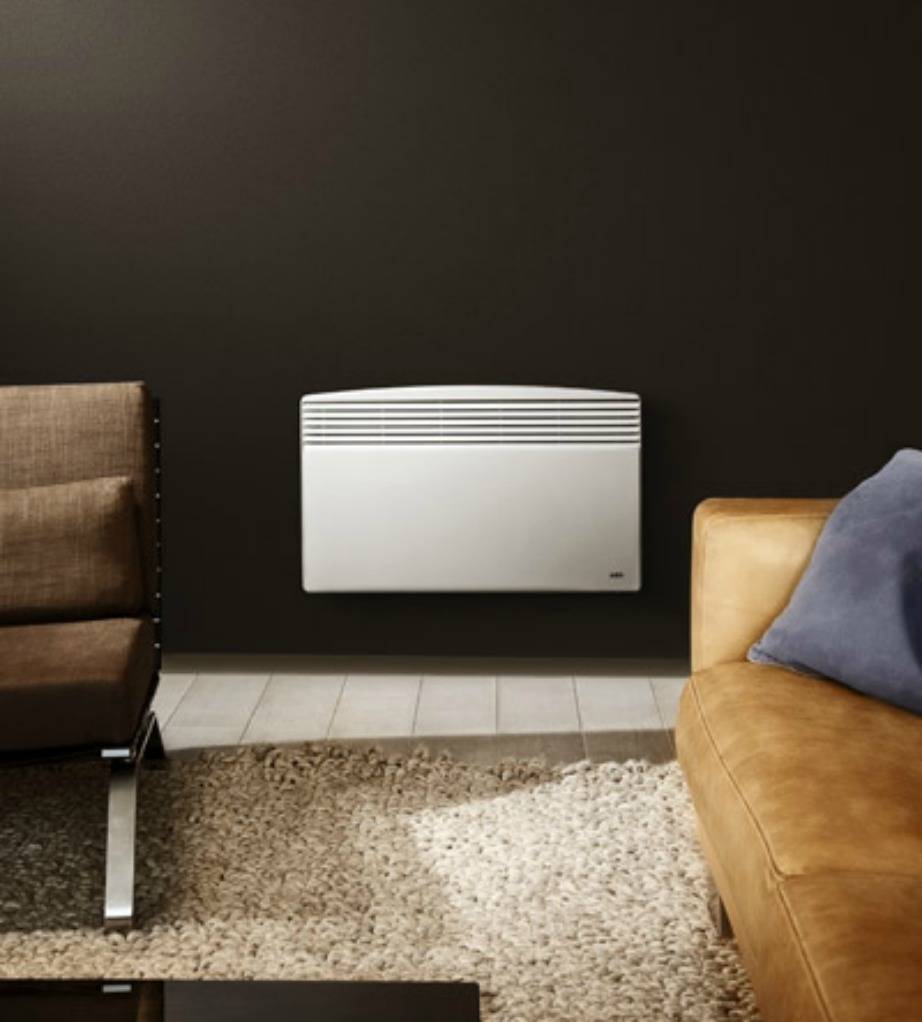
Electric convectors work by heating the internal element (TEN) with electric current. The use of such a device is absolutely safe. The heating element is protected by insulation and the convector shell, therefore, at any set temperature, its surface does not heat up above 50-60 degrees.
They are equipped with automatic thermostats. It is worth remembering that an electric convector consumes a sufficient amount of energy. Therefore, you need to choose the option with maximum energy saving. It is suitable for a small room or intermittent work (during the breaks between heating seasons).
Gas
The gas convector is not very popular, although it was originally designed as a more economical alternative to the electric one. It runs on liquefied gas from a cylinder. It is convenient to use it in private households with the possibility of connecting to the highway. At the same time, its installation should be carefully considered, since it may be difficult to further dismantle and transfer the device.
In addition, a gas convector requires a flue gas removal and recovery system. Installing such a convector will require special skills. And the savings become relative, since significant heat losses will occur through ventilation to remove gases in the outer wall.




Water
Convectors with water as a heating medium are characterized by maximum efficiency, ease of use and safety.
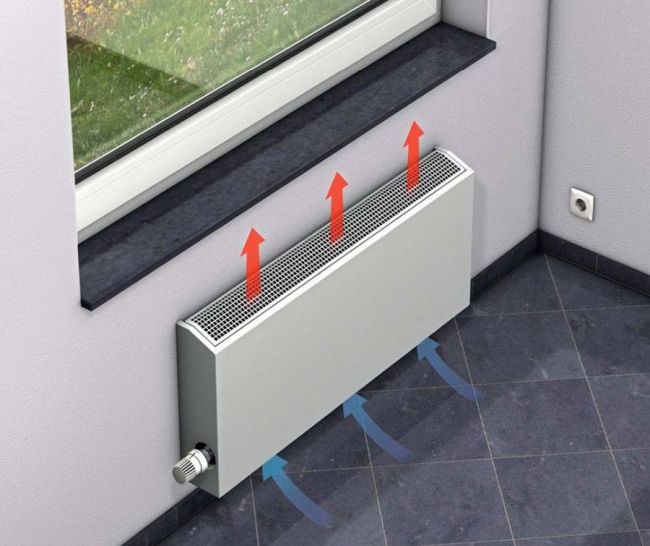
Water intake for heating in them comes from a central heating system. They are compact and can be hidden under the floor surface (the so-called "skirting models"). Their only drawback is the small area of \u200b\u200bthe heated room. It should not exceed 10-12 square meters.
How to choose an economical convector for a summer residence, criteria
When choosing a heating electric convector, first of all, the following are evaluated:
Power of electrical equipment
The power of the convector is selected depending on the intended area of \u200b\u200buse. If the equipment is used as the main heating system, the power of the installation is calculated based on the ratio of 1 kW per 10 m2 of heated area. 15 - 20% should be added to the calculated value for possible heat losses.
In the case of using the device as a backup system, the convector power can be significantly less. The exact value depends on the characteristics of the main heating circuit, the quality of the thermal insulation of the building and the outside temperature. As a rule, the power of such convectors is from 150 to 500 watts.
Type of thermostat
The design of modern electric convectors uses both mechanical and electronic thermostats.Devices with mechanical adjustment are simple and reliable, but the functionality of such convectors is minimal.
The use of electronic control units ensures precise compliance with the set temperature regime, the possibility of remote and program control, and also allows you to connect additional functional modules.
The use of electronic heating convectors is advisable as the main heating system. For a backup system, it is more profitable to purchase an inexpensive convector with a bimetallic thermostat.
Heating element type
Electric convectors can have heating elements of both open and closed type. When using an open-type heating element, there is a high probability of burning out oxygen, and in addition, under the influence of natural air humidity, corrosion destruction of the wire spiral is possible.
In closed-type heating elements, the filament is placed in a sealed tube with special aluminum fins designed to increase the efficiency of heat transfer. The use of such heating elements completely eliminates the combustion of oxygen and corrosion. Despite the higher cost, it is closed heating elements that are most widely used.
Additional functions
As a rule, additional functions are available for convectors with an electronic control system; they are extremely rare in "mechanical" convectors. The most requested additional features include:
- Antifreeze mode. When this function is enabled, the unit automatically maintains the temperature in the room at +5 C, preventing the building from completely freezing in the absence of the owners;
- Work in the programmed mode. The option allows you to automatically change the temperature mode in order to save energy. For example, in the absence of owners, the convector can operate in the minimum heating mode, and at a certain time, an hour or two before their return, the device switches to the optimal temperature mode.
- The remote control makes controlling the device comfortable.
- Turning the convector on and off by timer allows you to significantly reduce energy consumption.
Device Security
To ensure safe operation, the convector must have a number of basic protective functions:
- Reliable protection against moisture ingress;
- Turning off the heating element in case of tipping over will help to avoid a fire;
- Turn off the heating element in case of overheating of the device;
- Frost protection, which consists in maintaining the temperature within +5 - 7 C in offline mode in the absence of owners.
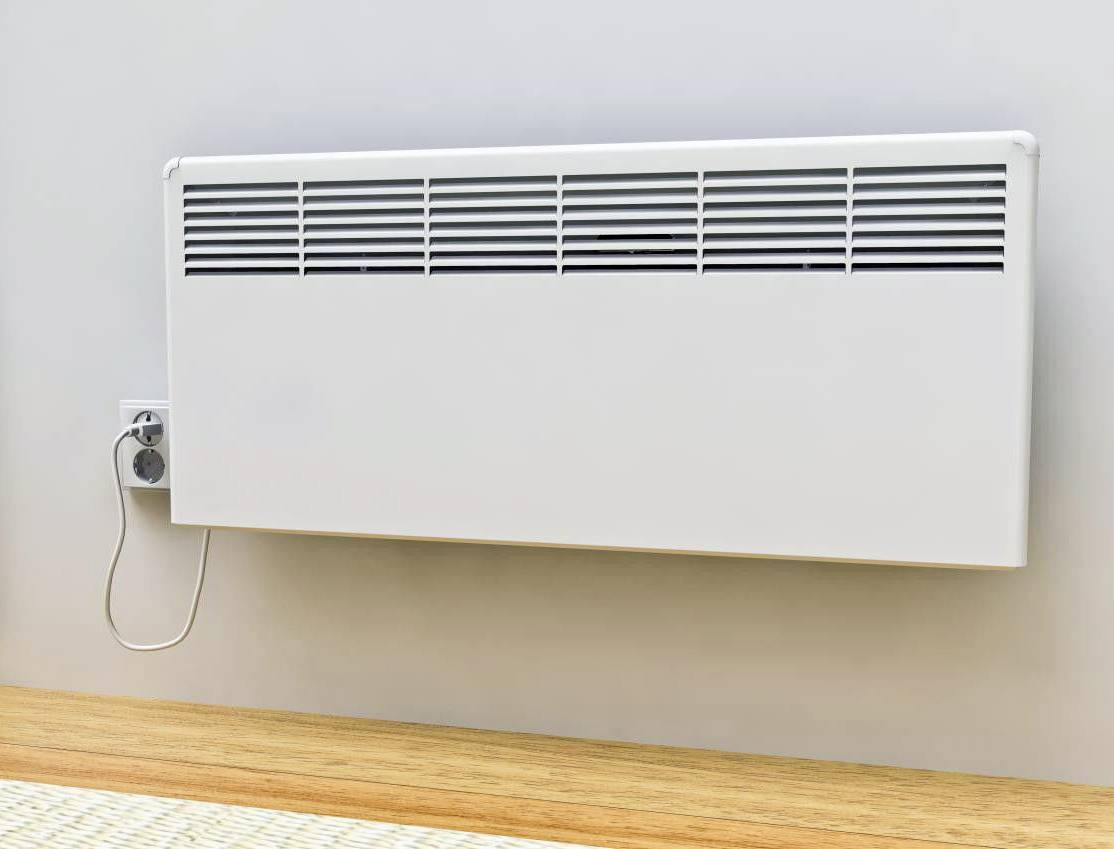


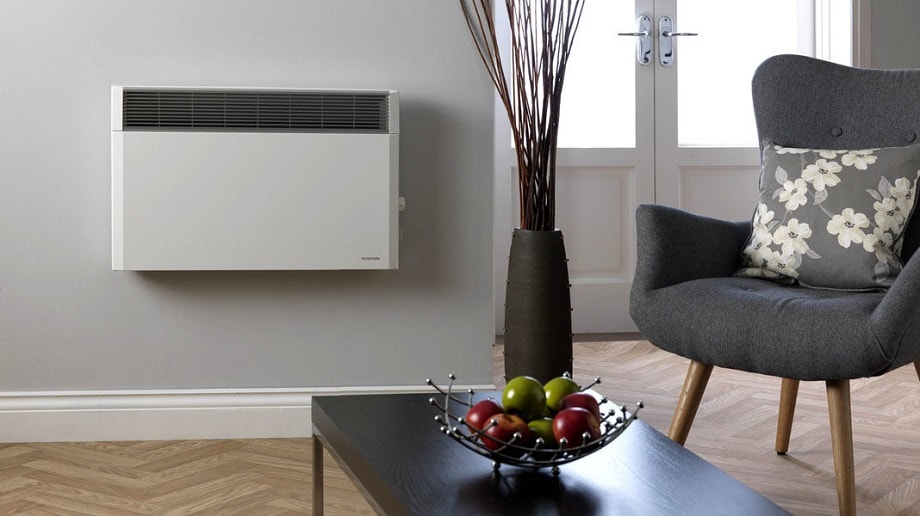

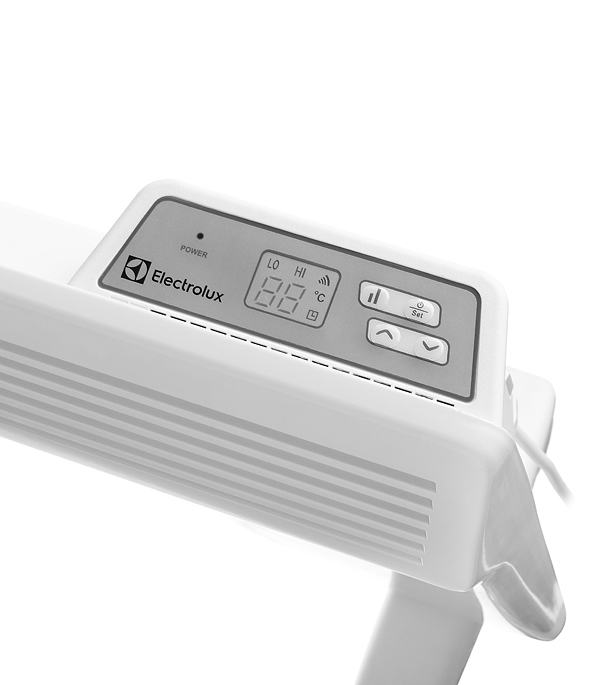
In addition, if the convector is installed in a children's room, the presence of sharp edges and corners that can injure the child is unacceptable.
Types of convectors
Electrical
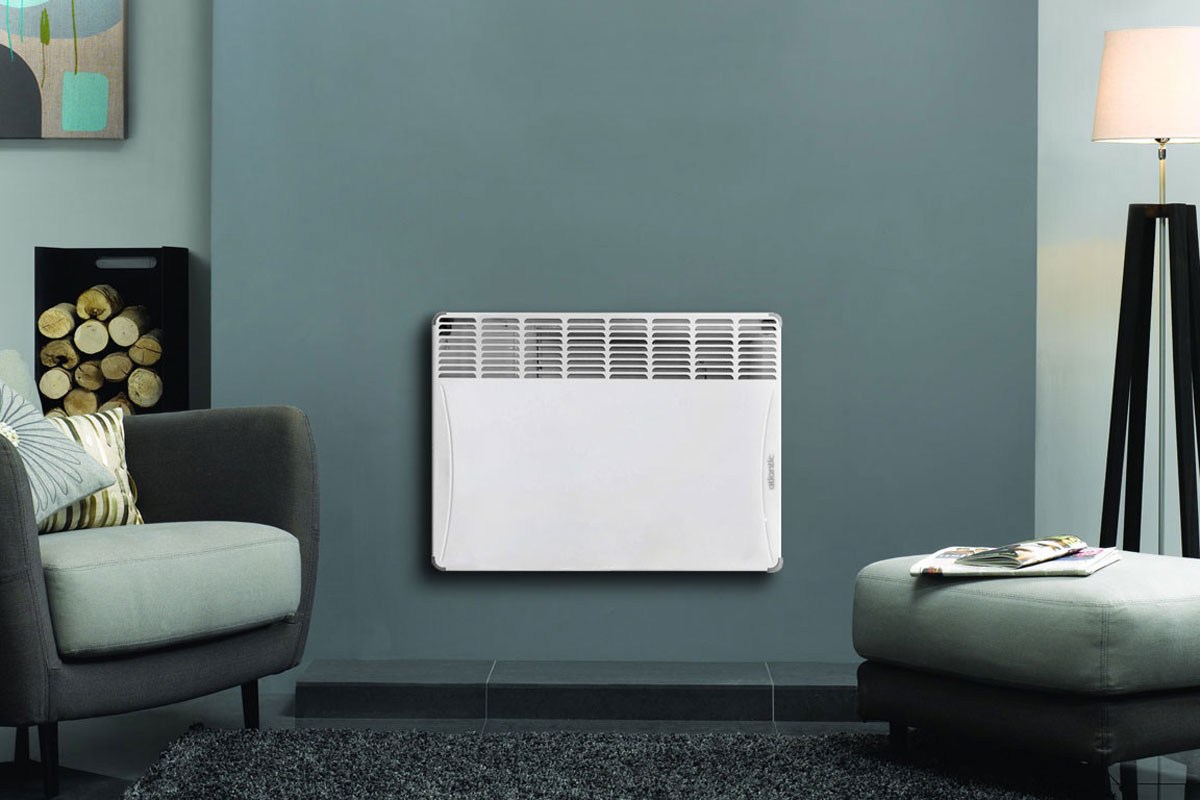
They are the most common among heating devices and have a wide range of heated areas. They differ in affordable cost and various customization options.
They are installed in children's rooms, bedrooms, offices and living rooms to maintain a comfortable temperature in combination with central heating. Without the latter, appliances are able to heat rooms on their own, but with high electricity consumption.
Advantages:
Flaws:
- thermostat operation is associated with clicks;
- some models have a very simple design;
- high current consumption at maximum mode for powerful devices.
Gas
Here, heating is carried out by supplying blue fuel to the burner, which acts on the heat exchanger. Hot air exits the case, and cold air enters in its place. To speed up convection, a fan is mounted in the device.
In addition to working from a gas pipeline, such a device is able to function from a cylinder. The main condition for operation is the presence of a chimney for the removal of combustion products. Such convectors are used for basic heating in private houses or apartments.
Advantages:
- by installing one device in each room, it can be used as the main heating;
- no piping required around the house;
- work on natural and liquefied gas;
- long service life;
- large heating area;
- low consumption;
- temperature adjustment from +13 to +40 degrees;
- secure wall mount.
Flaws:
- chimney installation is required;
- high price.
Water
Water convectors are powered by a liquid heat carrier and have in their device a network of gratings with laid pipes that ensure a rapid temperature transfer from water to air. To speed up the effect, fans are built into them.
The main area of use is corridors, panoramic windows, greenhouses in winter, swimming pools, shopping centers. Installation is carried out in the floor or window sill, where only the radiator grill protrudes flush with the coating.
The device does not have a heating source and is connected to a boiler or central heating.
Advantages:
- long service life;
- unpretentious design;
- indoor installation that does not take up useful space in the room;
- does not spoil nearby furniture;
- eliminates condensation on windows.
Flaws:
- a separate boiler is required;
- fast dustiness of internal elements;
- high price.
Positive and negative!
A convector is a device that converts electrical energy into heat. But like all inventions of mankind, it has both positive and negative sides.
- The device does not require special installation. Comes pre-assembled, and the user just needs to hang it on the wall and plug it into a power outlet
- With a fairly high power (1500 - 2500 W), he does not need to spend electricity on heating. The device reaches the set temperature in just a minute.
- Manufacturers give a guarantee for use for 5 years. In practice, the service life reaches 15-25 years.
- Due to the high efficiency (95%), energy losses during operation are excluded. Electricity is almost completely converted into heat.
- The compact size allows you to place the device in any room, as well as freely move from place to place.
- Profitability in operation (do not require service) and affordability.
- Electric convectors are absolutely safe to use, as the outer casing does not heat up above 60 degrees.
- The device has the ability to adjust the temperature mode according to your needs.
- High electricity consumption (270 kWh per month) is the main disadvantage of using these devices.
- Uneven heat distribution is another disadvantage, especially for those who are sensitive to temperature differences. In some models, the outlets are at the top, so warm air enters upwards and remains cold at the bottom. Therefore, we advise you to buy convectors in which these holes are located in the middle of the body.
- Another disadvantage is the formation of dust, due to the forced movement of air flows by the device.The solution to the problem will be the purchase of a convector with a built-in dust filter, which needs to be cleaned periodically.
Installation rules
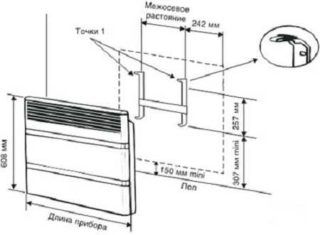 Installation rules for the correct operation of the device
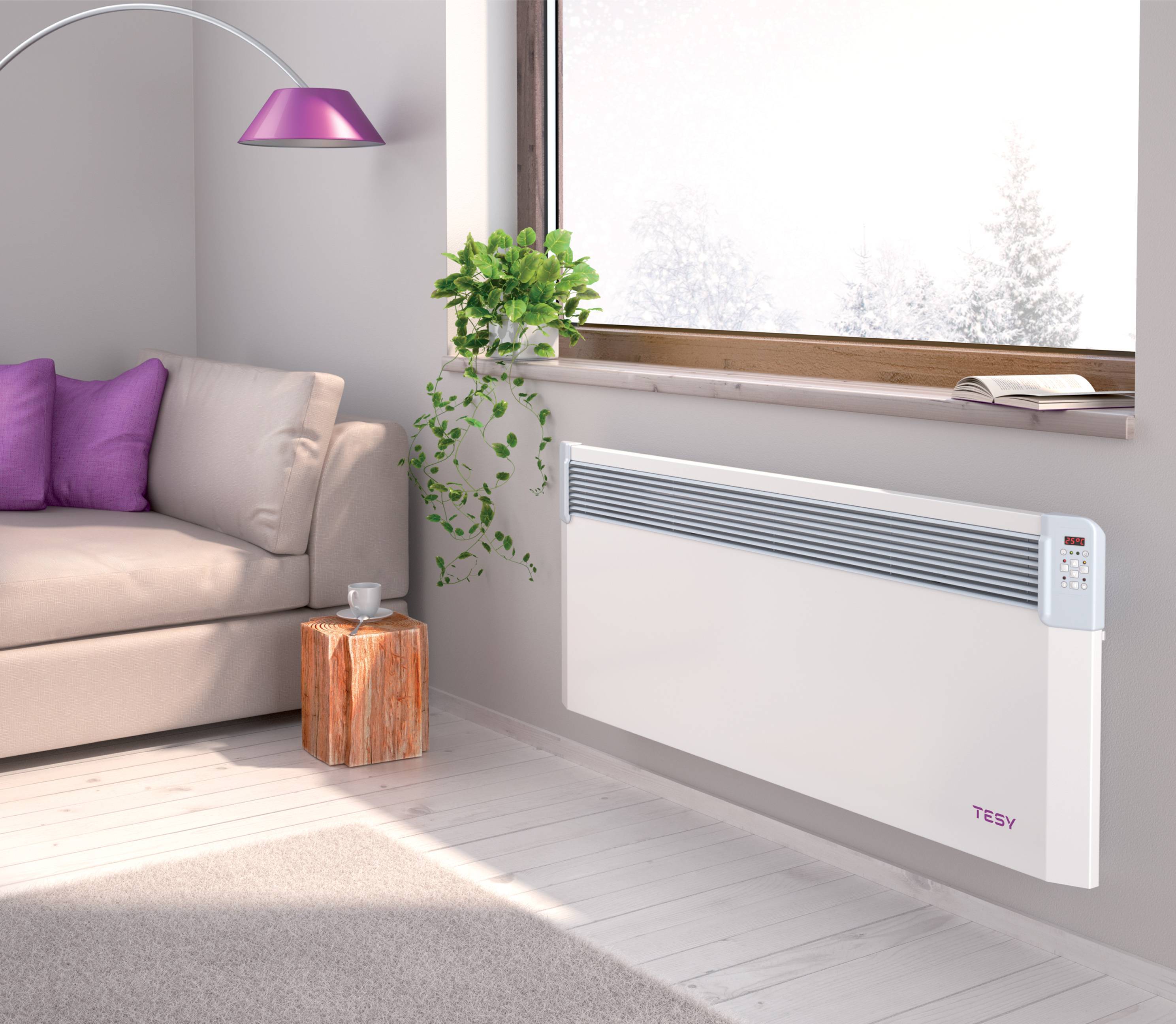
For mounting wall-mounted electric batteries, brackets are used, which are included in the kit or purchased separately. The fasteners must withstand the weight of the convector.
During installation, strictly adhere to the manufacturer's instructions. If there are no instructions, they are guided by distances:
- from the floor - 200 mm;
- to the walls - 20 mm;
- to pieces of furniture closely located on the sides - 200 mm;
- up to the window sill 500 mm;
- from the socket at least 300 mm.
- floor oil convectors are located no closer than 250 mm from walls and furniture.
Compliance with the rules contributes to good air circulation, interior items will not suffer from overheating and will not lose their attractive appearance.
Advantages and disadvantages of electric convectors
Heating a private house with electric convectors has a number of undoubted advantages that allow you to solve or avoid diverse problems:
- unlike heating with a boiler, there is no need to pull pipes throughout the house and be afraid that they will leak or, for one reason or another, defrost;
- there is no need for a separate room for the boiler, as well as for the storage of solid fuel;
- no chimney needed - good ventilation will do the job;
- the room warms up quickly, since the heating element reaches its operating power within a few seconds;
- it is not necessary to install convectors in all rooms, only in the coldest ones;
- if central heating does not provide sufficient heat, you can additionally install a convector in an ordinary apartment to achieve the desired temperature;
- safety in use: devices do not have open elements that could lead to fire or burn;
- electric convectors for heating are equipped with a thermostat that turns them off if the temperature in the room has warmed up to a predetermined level;
- neat appearance of the device and a variety of options will allow you to choose the device to your taste;
- They are reliable, durable and easy to use.
Not to mention the shortcomings. This is, first of all, a large consumption of electricity, but it depends more on heat loss in the room. High-quality double-glazed windows, modern doors, properly insulated walls can reduce the amount of energy consumed. You can also avoid this disadvantage by setting the regulator to the optimal heating mode, in which the air will not overheat.
The downside is the overdrying of the air and the circulation of dust particles in the air stream, and in addition, a somewhat uneven heating of the air in height. This is especially noticeable in houses with an unheated basement.
The best convectors in terms of quality and reliability
Choosing heaters for the review, first of all, we focused on the efficiency and reliability of the devices. Therefore, any convector, including the most affordable solutions, will not disappoint you with its work. But if the device will work almost non-stop (in a hostel, a poorly heated office, a security guard's cubicle, etc.), then it is better to buy a convector from the second category of the rating. Their cost is still quite low. However, structurally, all units are thought out better, therefore they can withstand a large load.

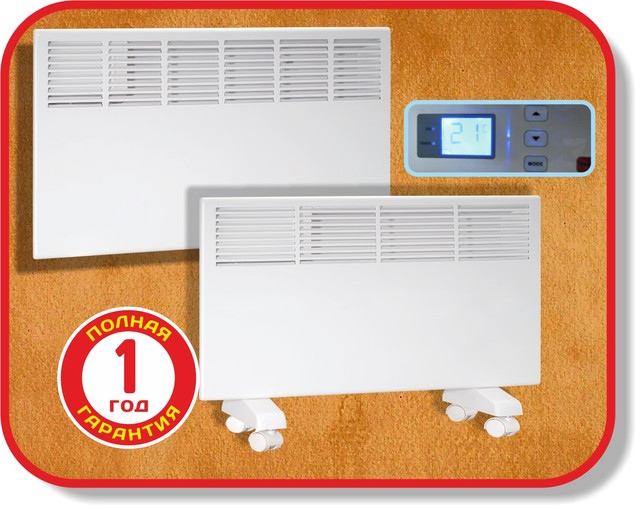
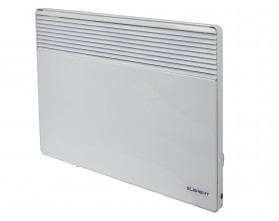

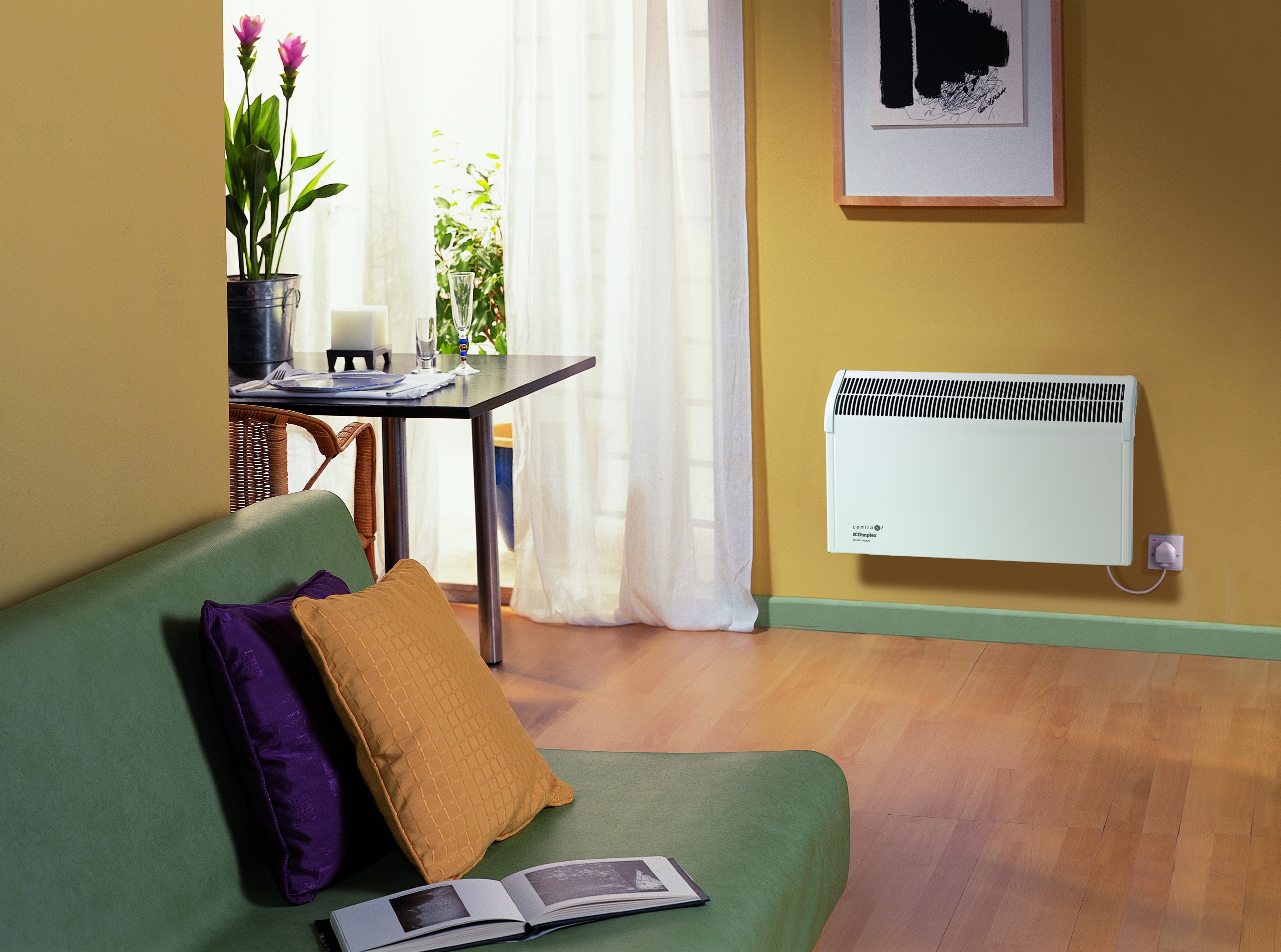
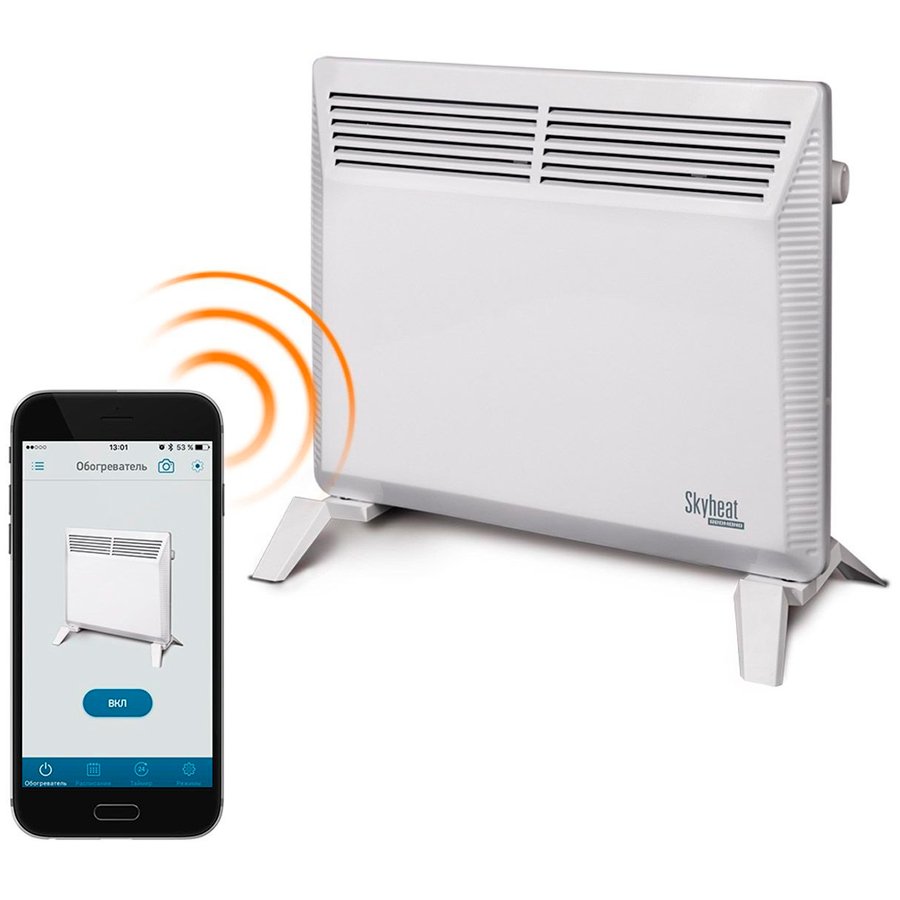


one.Ballu BEC/ETER-2000
In modern cities, there are not so many natural corners left. But the number of cars, factories and other objects that pollute the air is increasing every year. Because of this, people develop allergic reactions, respiratory problems, diseases of the cardiovascular system and other problems. Air ionizers can get rid of or at least reduce their manifestation.
Moreover, such devices are not only offered separately, but also built into various appliances, including popular models of convectors for home use. One of them is BEC/ETER-2000. This is a reliable 2 kW heater from the Ballu brand. The device can operate at half load, and its case is protected from moisture, which even allows you to dry things on the case. The convector also has a screen and a timer.
Advantages:
- moisture protection of the case;
- legs-wheels included;
- rollover protection;
- built-in ionizer;
- monolithic heating element.
Flaws:
stamped body.
2. NeoClima Comforte T2.5
The next line was taken by the most affordable convector in this category - Comforte T2.5. NeoClima offers a heater from 2550 rubles. For this amount, buyers get a reliable device without frills: power levels of 1250 and 2500 W, simple temperature control, protection from frost, overheating and moisture. Without a doubt, this convector can be called an ideal option for summer cottages and studio-type apartments. Yes, and in small office space, he will perfectly cope with his duty.
Advantages:
- compact dimensions;
- moderate cost;
- frost protection;
- optimum power.
Flaws:
smell during the first hours of operation.
3. Timberk TEC.PF8N M 2000 IN
The times when consumers demanded only good performance of their functions from household appliances are long gone. Today, almost every device in the house is also an element of the interior. Therefore, the desire to choose not only a practical, but also a beautiful device is quite reasonable.
So what is the best convector to buy if you need a great design? We recommend taking a closer look at the TEC.PF8N M 2000 IN. This heater is produced by the popular Timberk brand, so you can not worry about its reliability. The front panel of the convector is covered with impact-resistant tempered glass with a mirror surface. However, keep in mind that you will have to wipe the elegant case regularly.
Advantages:
- luxurious appearance;
- heating speed;
- protective systems increase reliability and safety;
- two installation methods;
- good power;
- high efficiency.
4. Electrolux ECH/R-2500 T
The best convector in terms of price-quality ratio is offered by the Electrolux brand. The ECH/R-2500 T heater model is an ideal solution for home and office. The device is equipped with a removable control unit, which can be mechanical, electronic or inverter. Therefore, when upgrading or changing the configuration, you can buy an additional unit, replacing the standard one with it.
In addition, the Electrolux compact convector (thickness less than 10 cm) boasts the use of a monolithic X-shaped heating element. This made it possible to achieve more uniform heating of the room, as well as to increase the area of the working surface. Thus, for the same price as competitors' products, Electrolux offers a convector with the best efficiency.
Advantages:
- serviced area;
- minimum thickness;
- decent build quality and materials;
- high performance;
- excellent build;
- reasoned cost.
Electric heating convectors
Mechanical thermostat
Install Master Series: PF1 M
Islandia Series: E3 M
Islandia Noir Series: E5 M
Presto Eco Series: E0 M
Elegant Series: E0X M
Pontus Series: E7 M
Black Pearl Series: PF8N M
White Pearl Series: PF9N DG
Mirror Pearl Series: PF10N DG
Accessories
TMS TEC 05.HM
Modern manufacturers offer the widest range of heating equipment, but Timberk's developments surpass them in many criteria. Each device combines the best technologies - efficient, saving. So, what unique technologies do electric heating convectors have?
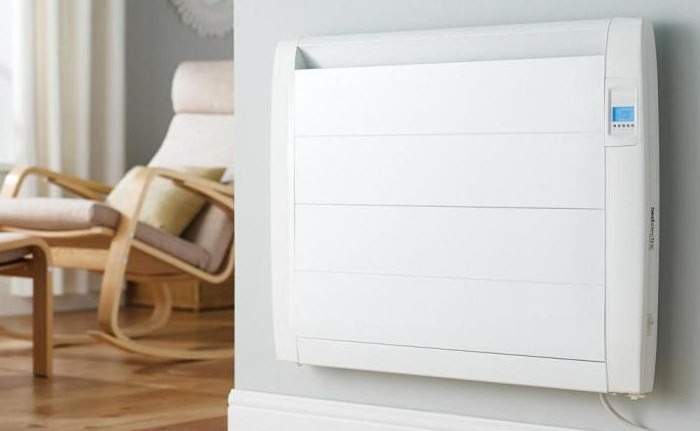


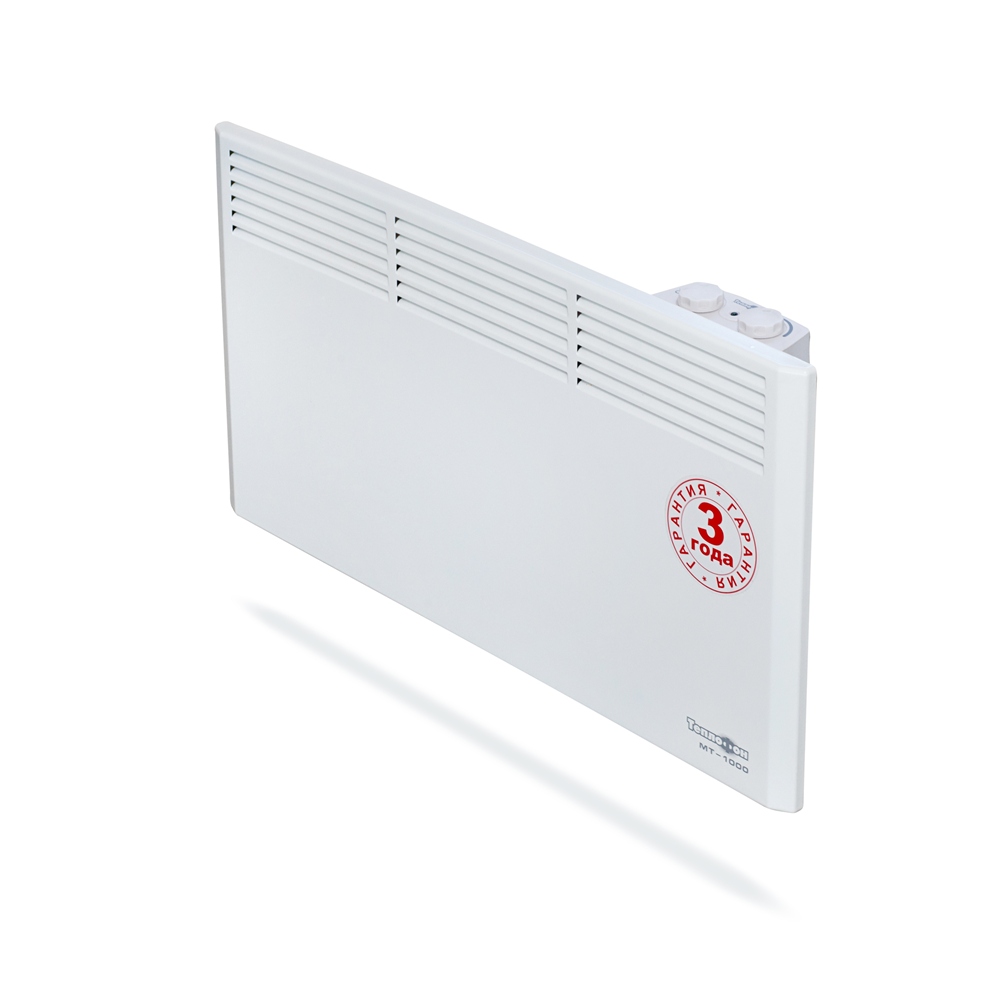
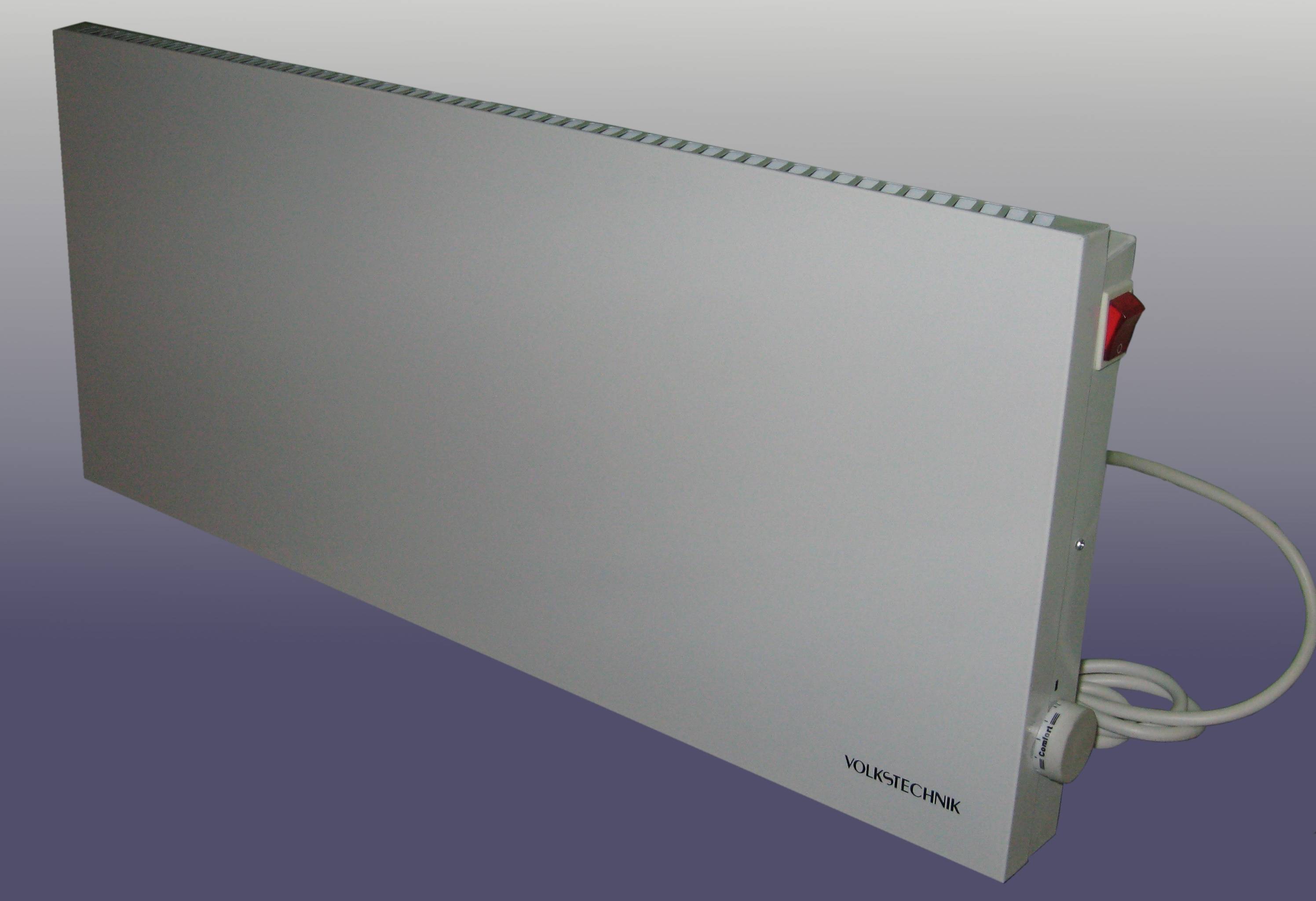
1. Saving electrical energy through the Power Proof system (TENs TRIO-SONIX and TRIO-EOX can operate in any of three modes: intensive, standard, economical).
2. Electric wall convectors Timberk perform the function of air ionization, which allows you to get rid of many diseases, remove allergens and pollution from the air, and restore its biological activity.
3. The package of electric heating convectors often includes Health Air comfort technology, represented by such an additional accessory as a steam humidifier.
4. For the convenience of users, electric heating convectors are equipped with a slatted heated towel rail, which is practical and functional.
5.Electric wall-mounted heating convectors are characterized by a high splash protection class IP24, which allows the use of devices in bathrooms and other rooms with a high level of humidity.
6. Timberk convectors are equipped with the Profile Safety system, which is responsible for safe operation, and all equipment undergoes a special 360-degree quality check.
7. Bright color design is another advantage of the presented electric heating convectors (colors can be very diverse - red, black, orange, white, blue, etc.).
With surprising regularity, Timberk specialists introduce new technologies into the production process that make electric heating convectors even more in demand. For example, electric wall-mounted heating convectors, equipped with the latest generation heating element, cope with the task by approximately 27% more efficiently than other models. The secret lies in the special surface treatment of the heating element using quartz sand abrasive technology.
In fact, Timberk is a whole range of effective new products, and you can see it right now!
Features of choosing an electric convector
Each owner thinks about the question of how to choose electric heating convectors
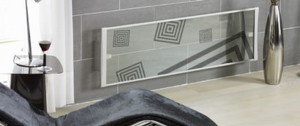
Manufacturers offer a huge range of products, but when buying, you should pay attention not only to the technical characteristics and design of the appliance, but also to its impeccable appearance.
On the body should not be present:
Electric heating convectors
- Damage to the outer paintwork.
- Uneven seams.
- Inaccurate execution of corner elements.
- Curved edges.
- Dents.
- Bubbling.
- Bulges.
When buying a convector that is planned to be installed in a humid room, you should carefully study such a characteristic of the device as the moisture protection class.
It should be noted that the designation:
- IP20 indicates that protection is not provided here.
- IP21 means protection against possible ingress of drops.
- IP24 guarantees splash protection.
When choosing an electric convector, it is necessary to clarify the presence and type of thermostat. It must be present in the design of the heater in question, so its absence should alert.
Heating convectors
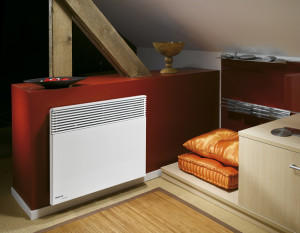
Electronic thermostats have better performance than mechanical ones, but they are expensive. But heating the cottage with electric convectors with mechanical thermostats will be justified. It does not require high-precision maintenance of temperature conditions, and in case of voltage drops that are too common outside the city, the stable operation of the device will be ensured by the appropriate modes.
When choosing the type of thermostat, it should be borne in mind that the electronic device operates silently, and the mechanical thermostat, when turned on or off, will make characteristic clicks. So, when buying an electric convector, lovers of silence should give preference to a model with an electronic thermostat, otherwise the sound when switching mechanics will begin to annoy sooner or later.
The power of electric heating convectors plays the most significant role in their choice.
When calculating it, they take into account not only the area and height of the room, but also take into account many other factors, such as:
- Number and size of openings (windows and doors).
- Wall thickness.
- The orientation of the house to the cardinal points.
- The location of the premises in terms of (angular, adjacent).
- The presence of nearby heated or unheated rooms, attics, basements.
An approximate calculation consists of the fact that for heating 10 sq.m with a ceiling height of 2.7 meters in a room, it is necessary to have a convector power of 1 kW. For more accurate data, you should contact a specialist who will make a competent calculation.


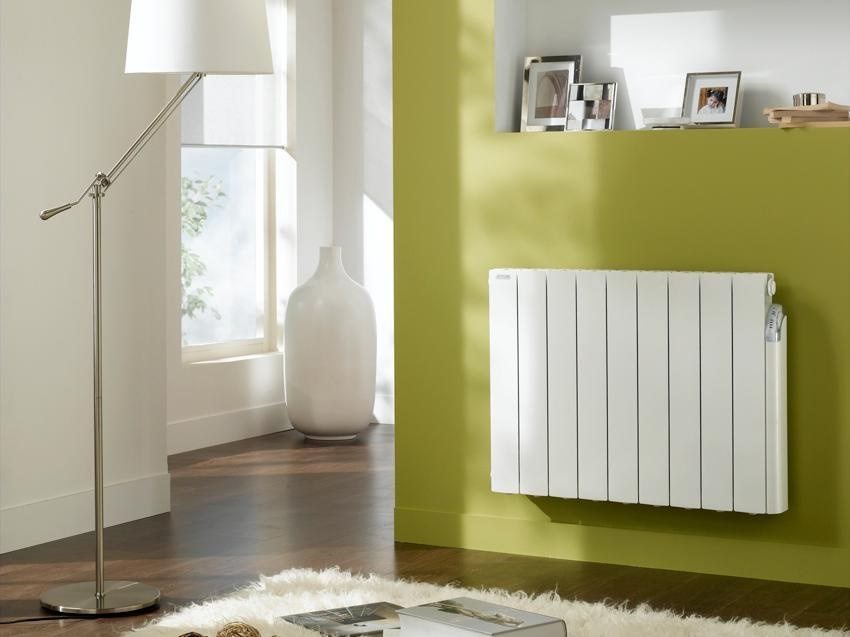

When choosing an electric convector for home heating, you need to remember that it should be warm and cozy with it!
Published: 23.10.2014
Options for the location of the convector in the room
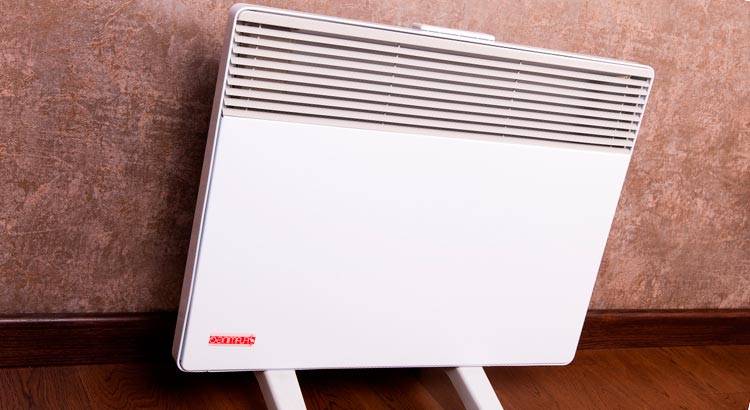
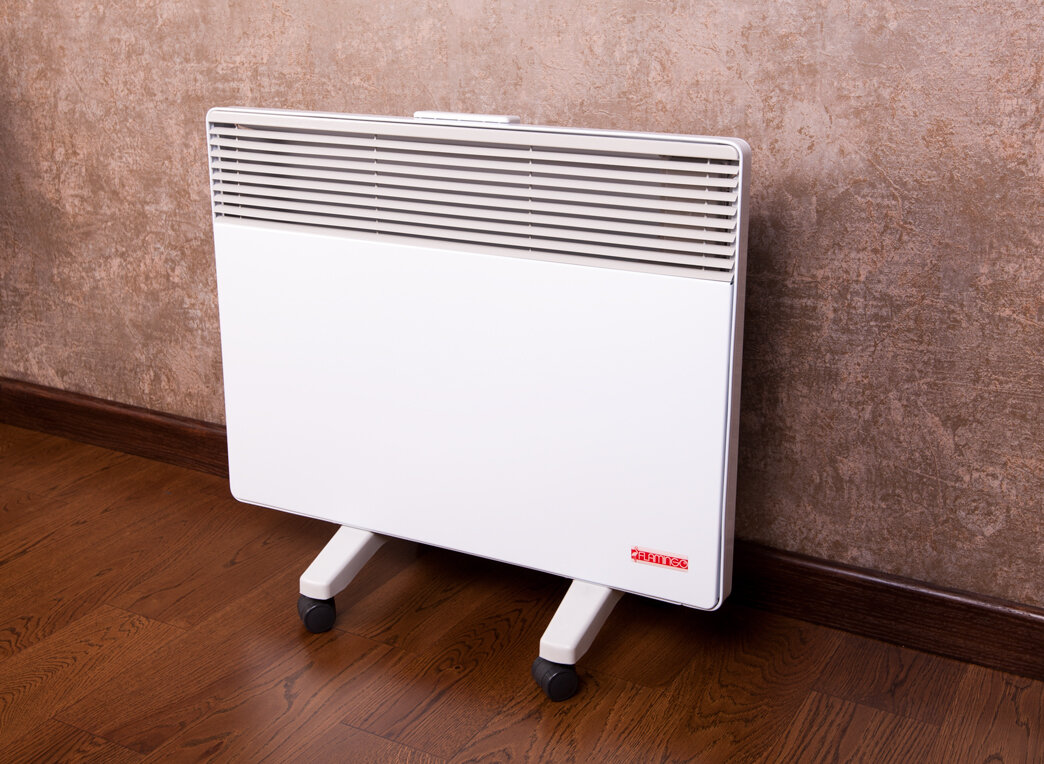
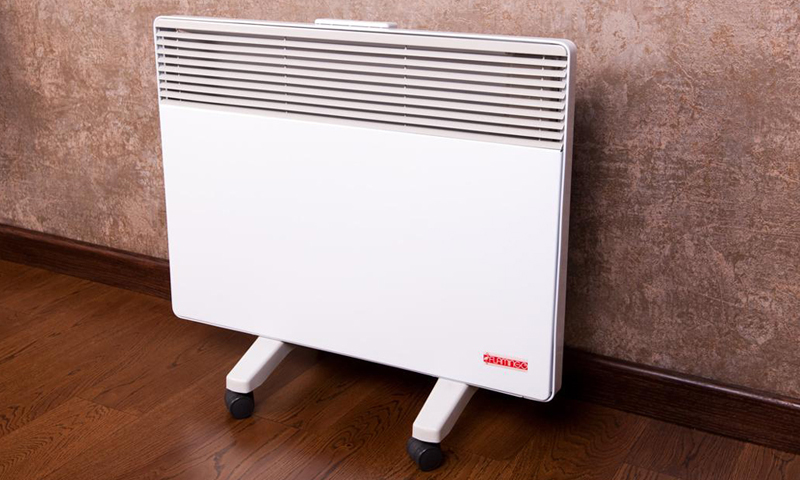 By attaching supports with wheels, the wall model can be converted into a floor-mounted electric heating convector with a thermostat
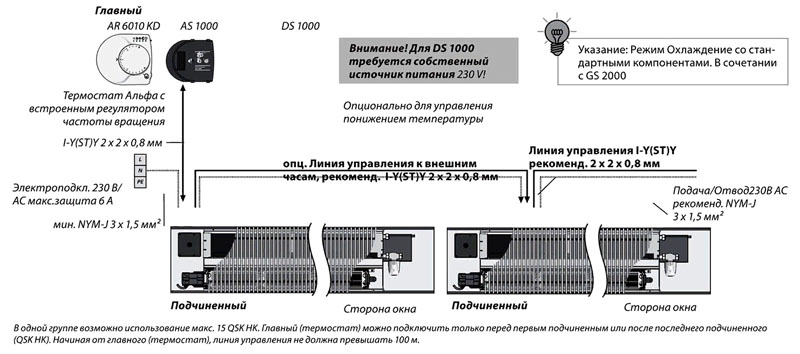 Wiring diagram and additional kit components
Such convectors are built into the floor. Some modifications are equipped with fans to increase performance. To maintain the design efficiency, it is necessary to provide free access to fresh air. To solve this problem, sometimes a special ventilation duct is installed inside building structures.
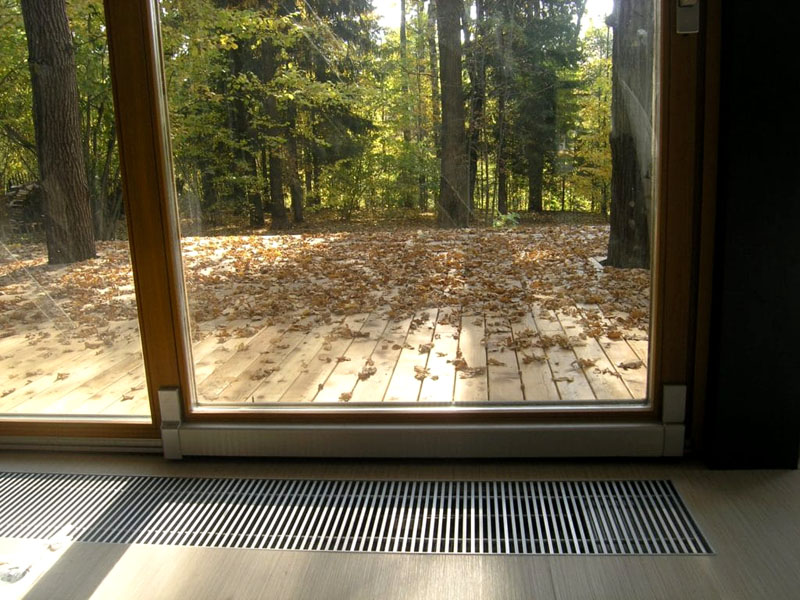 Typical locations for the built-in convector are in front of panoramic windows, exits to the terrace