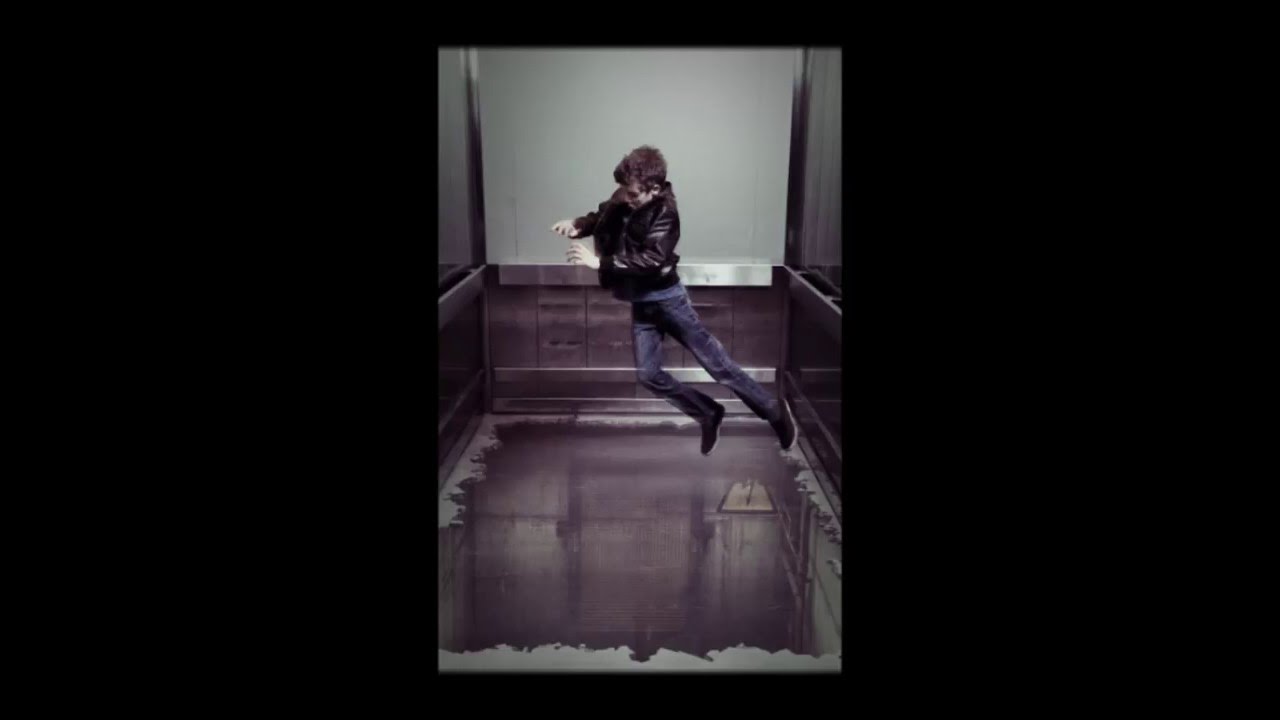
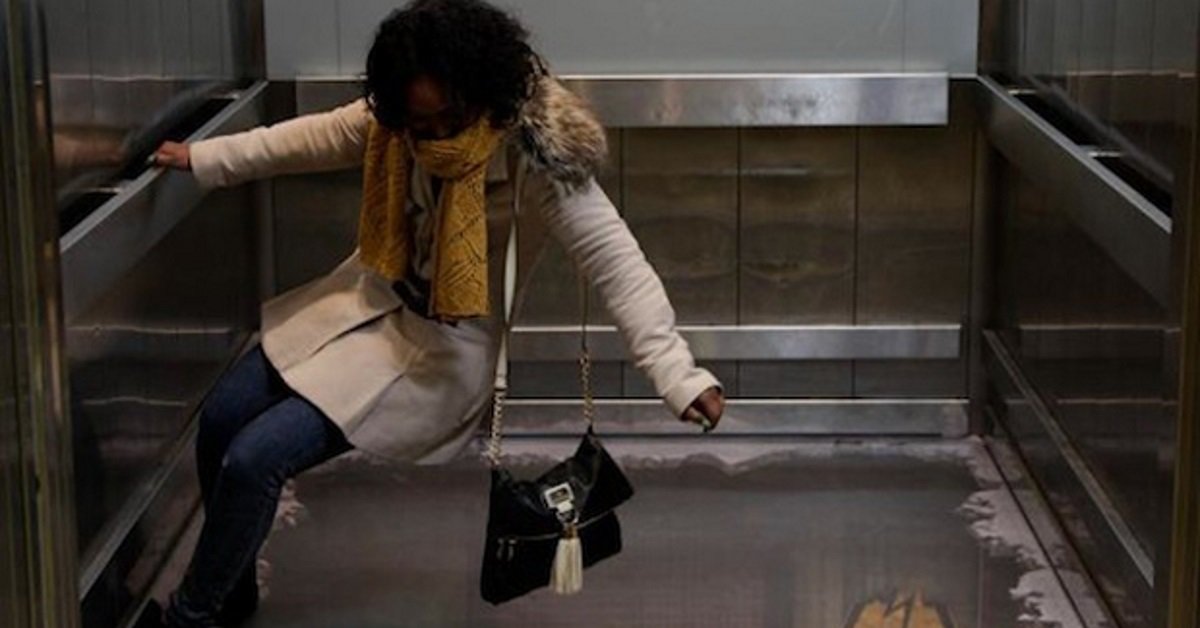
Reasons why you shouldn't jump in an elevator
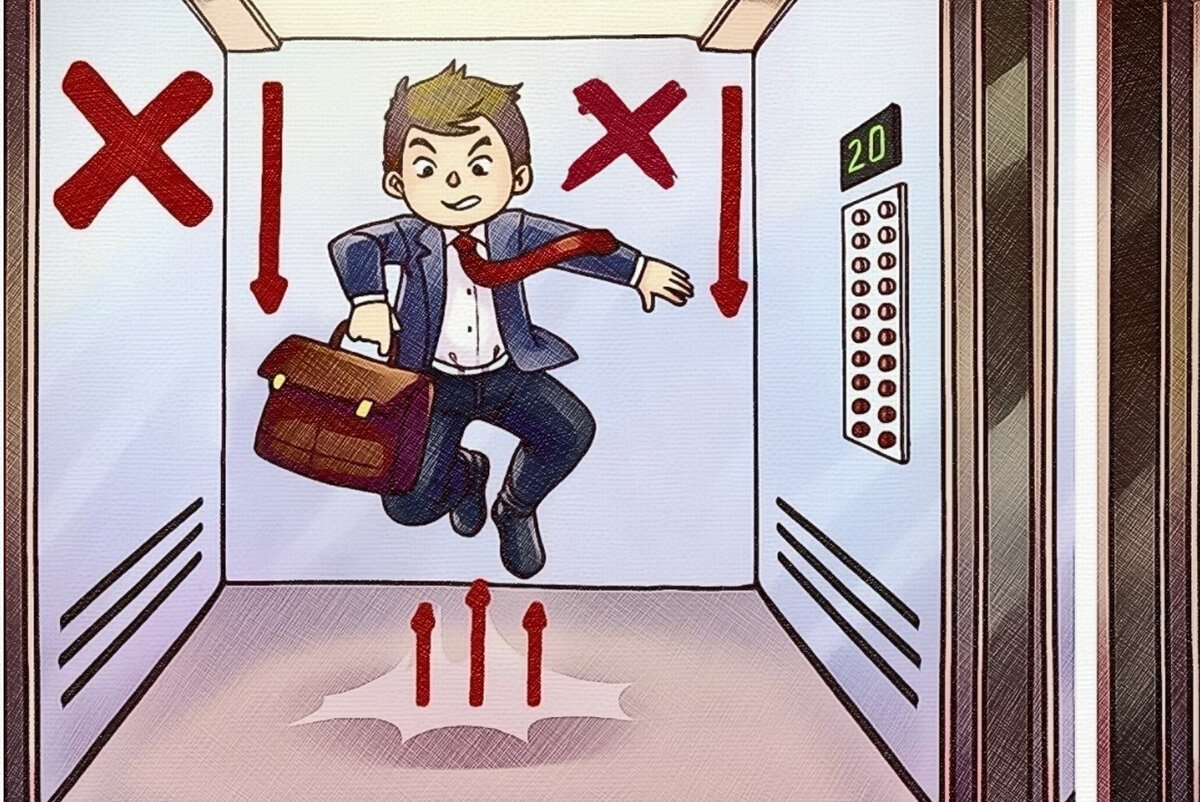
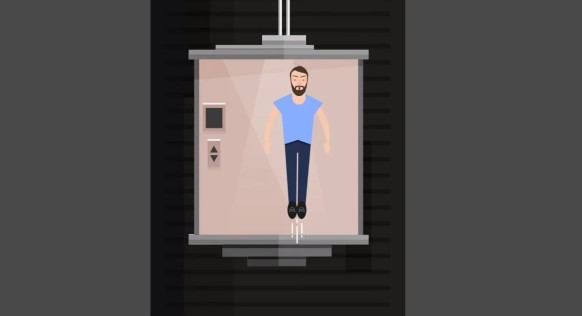
If we talk about new elevators, then it is unlikely that something terrible will happen when jumping, as technology is becoming safer every day. But large drops in load quickly bring the device to a non-working state.
Systematic jumping will negatively affect valuable parts, and this effect tends to accumulate. Repairs are usually expensive, which is why homeowners and management companies post certain rules of conduct in elevators, where there is a no-jumping clause.
But the passenger will never know what state the mechanism is in at the time of the trip, especially if it is in an old house, so you should put your own safety above curiosity.

Jumping in an elevator can be the result of serious problems in the mechanism of the device. They depend on:
- design and quality of the elevator;
- the weight of the jumper or the aggregate of several jumpers;
- lift structure wear.
The consequences may be as follows:
- stop the mechanism;
- cable break or floor break;
- cabin tilt.
Stopping the mechanism
This is the most common result of jumping in an elevator, but stopping work is the best possible outcome. But it may take a long time to wait for the rescue team.
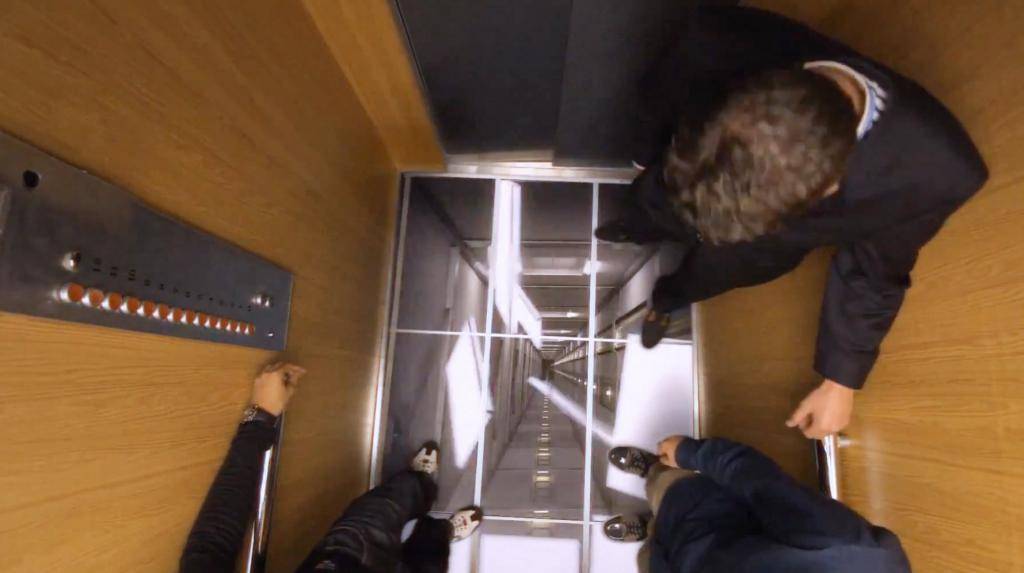


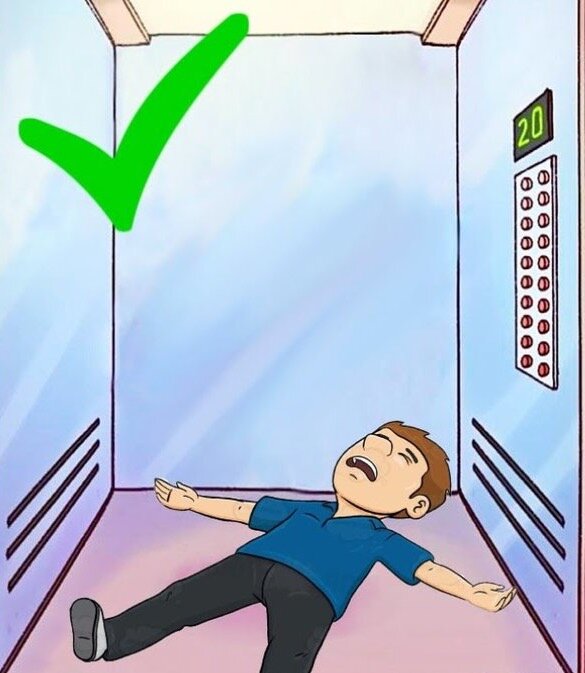
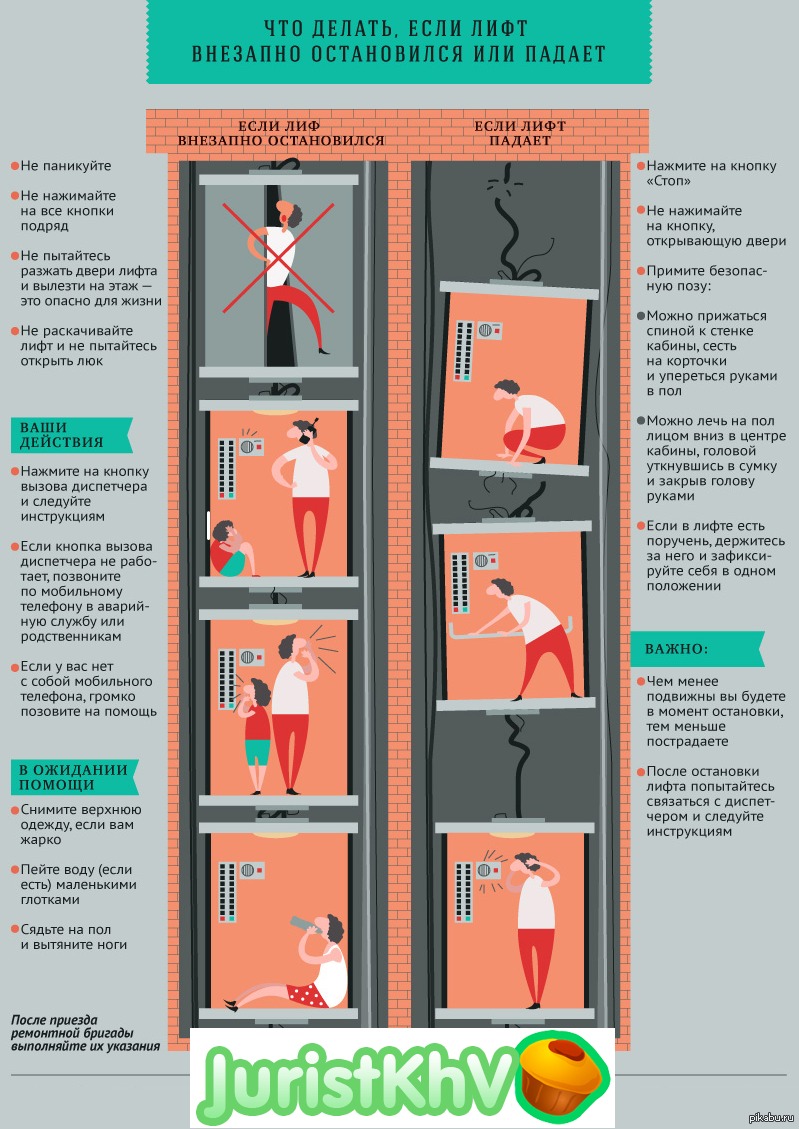


Full stop occurs due to sudden drops load on the whole system, which can perceive a pressure drop, and then a strong blow, like a cable break. Elevators are equipped with a safety system that automatically locks the mechanism if the cable breaks. It turns out that the passenger simply simulated a similar situation with his jump. The mechanism immediately activates the wedge grips, and the passenger remains in a standing elevator, because only specialists can turn them off.
There is another option when jumpers do not have to wait for workers - more or less modern elevators often have floors that react to weight. When there is no load, the elevator does not go anywhere. In this case, the passenger will only need to press again on the desired floor button to resume movement.
With another type of modern elevators, a stop will not occur at all, since their mechanisms are universal and better tolerate overloads. The device will only slow down its course, but the rise will continue.
Rope break or floor break
For a break, one weight of the jumper will not be enough. This can happen if:
- the period of use of the elevator has exceeded the permissible norms;
- the cable and the mechanism as a whole were incorrectly installed;
- gross violations were committed during maintenance;
- operating rules are violated (systematic excess of loads, for example).
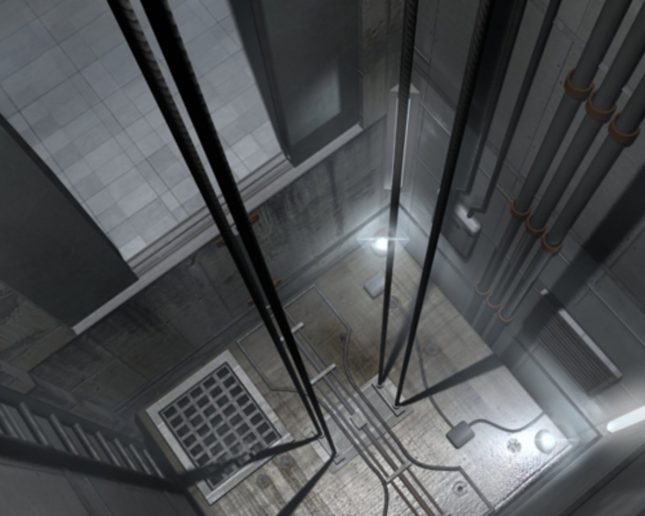
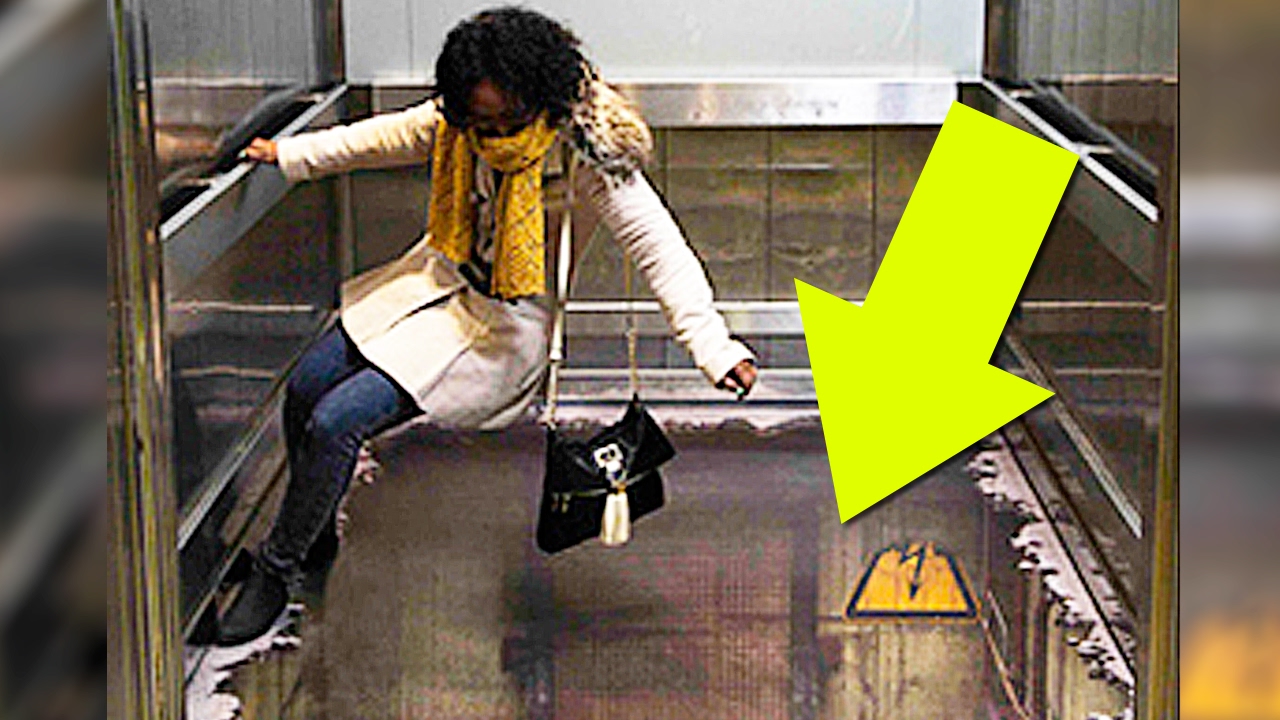
With a floor break, the situation is almost the same - long-term operation of the cabin negatively affects the materials.Therefore, the older the elevator, the more worn out all the components of the system. With this outcome, it is unlikely that a person will fall into the mine, but it may well damage the legs.



Cabin skew
This is an extremely unpleasant situation that can lead to injury to passengers, as well as to cable breakage. Such a breakdown will require complex and lengthy repairs.
The cab will skew if you jump not in the center of the cab, but closer to any edge. The tension on the cables increases greatly, and it is very difficult to maintain balance, which can lead to undesirable consequences.
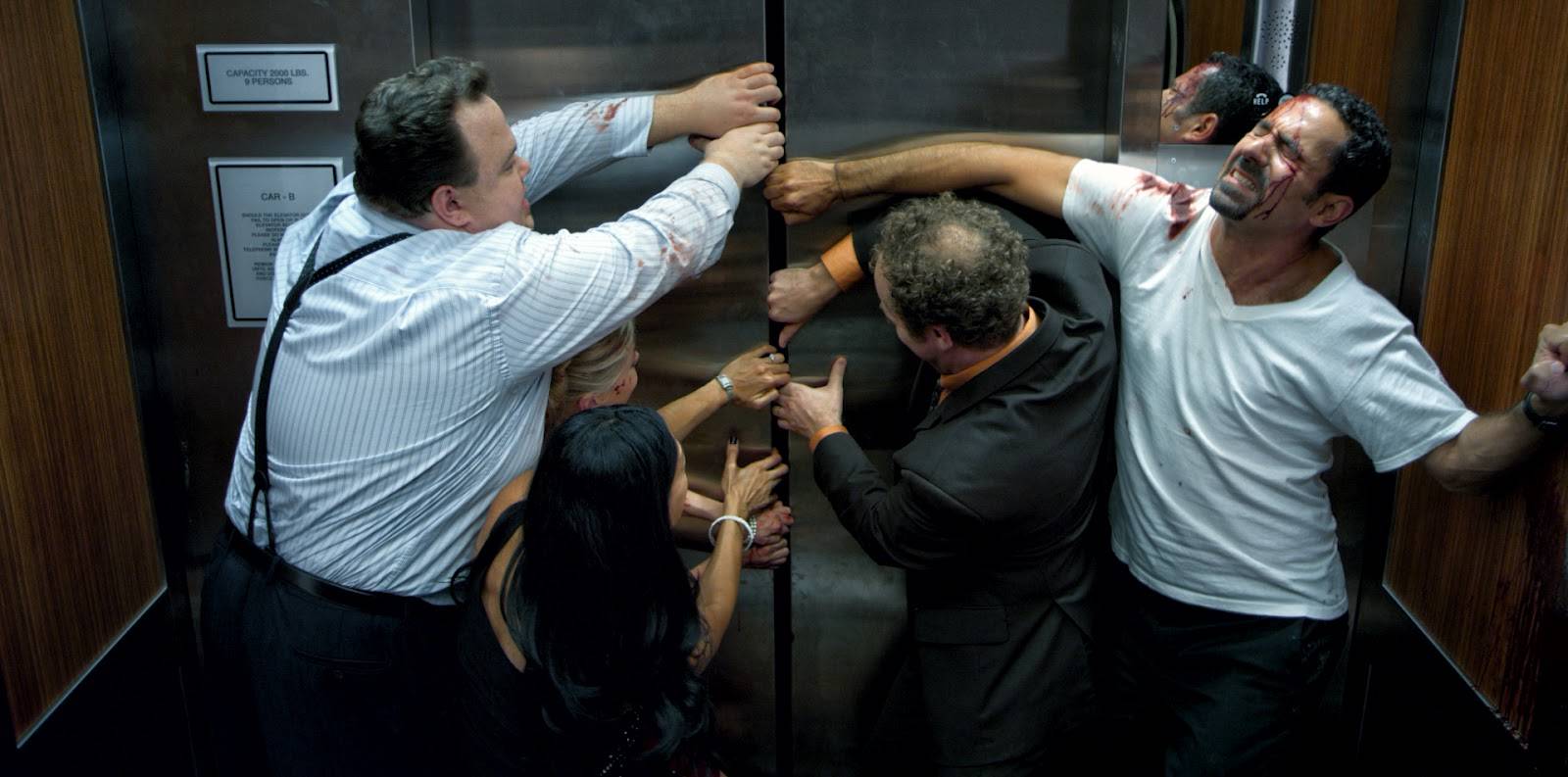
Pulling passengers out when the cabin is tilted is not an easy task, so you will have to sit in a confined space for more than one hour.
The probability of salvation in a broken lift
The design of the cabin provides for various options for emergency deceleration and stop, however, this is not a guarantee of complete safety. The result of an accident depends on:
- from height;
- serviceability and deterioration of the mechanism;
- passenger actions.
The first emergency braking system was developed and commissioned by Elisha Graves Otis. The flat spring, through which the lifting cable was passed, straightened under the weight of the falling elevator and stalled in the notches located at the edges of the elevator.






The Otis spring became the prototype of modern catchers. They are installed on the counterweight or the cabin, they capture the rails and do not allow the structure to break, regardless of which floor the accident occurred on. High-speed and high-speed elevators are equipped with soft braking catchers to reduce the risk of injury from an emergency stop of the mechanism. The same systems are installed in medical institutions.If there is a hall, corridor or dwelling under the mine, then two safety catchers are used to enhance security, which, in turn, are activated after the speed limiter is triggered. It receives a signal about exceeding the maximum allowable speed and blocks the movement of the winch.
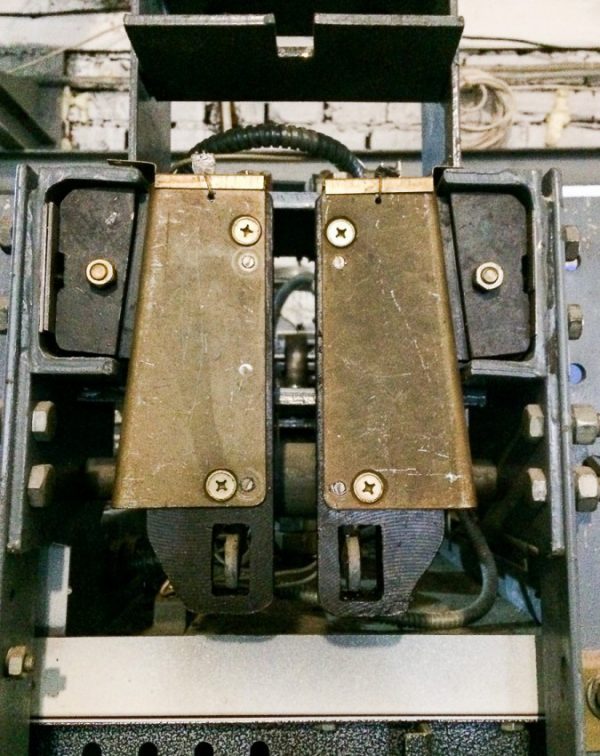
After the speed limiter is activated, two mutually opposite safety plates are tightly compressed, holding the elevator car on the guide rail or winch in the shaft
All lifts are equipped with such safety elements, so the probability of a fall remains low. In each case, the danger grows:
- with strong wear of the elevator mechanisms, including after the expiration of the service life;
- exceeding the permissible load capacity;
- unreasonable behavior of passengers: cab swinging, bouncing.
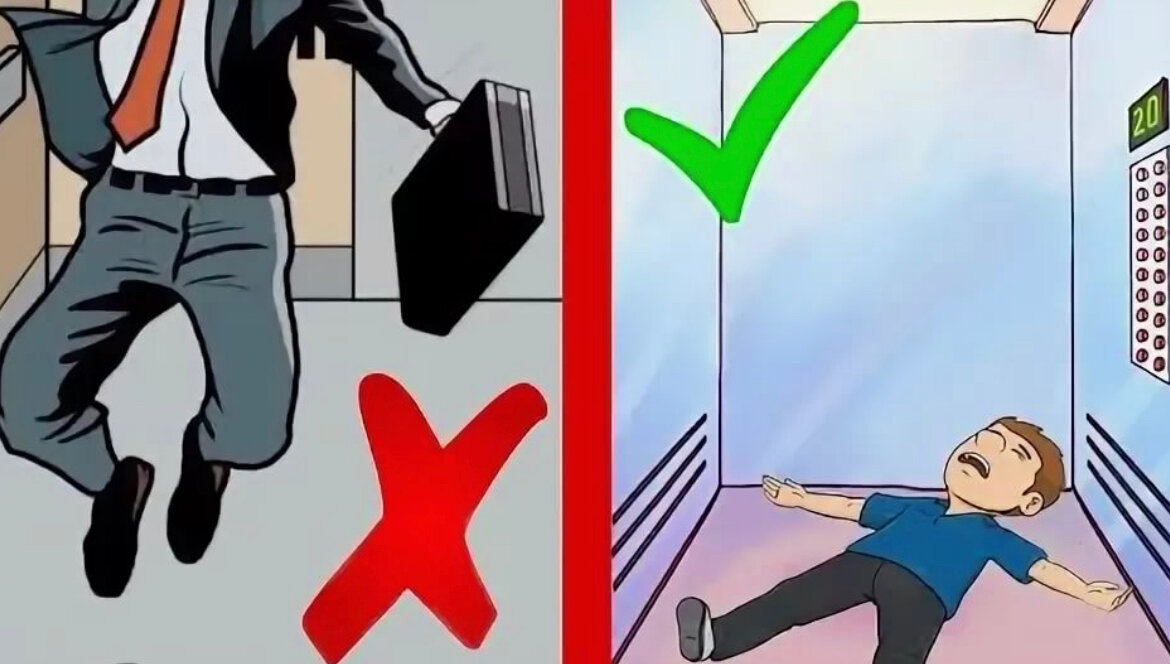
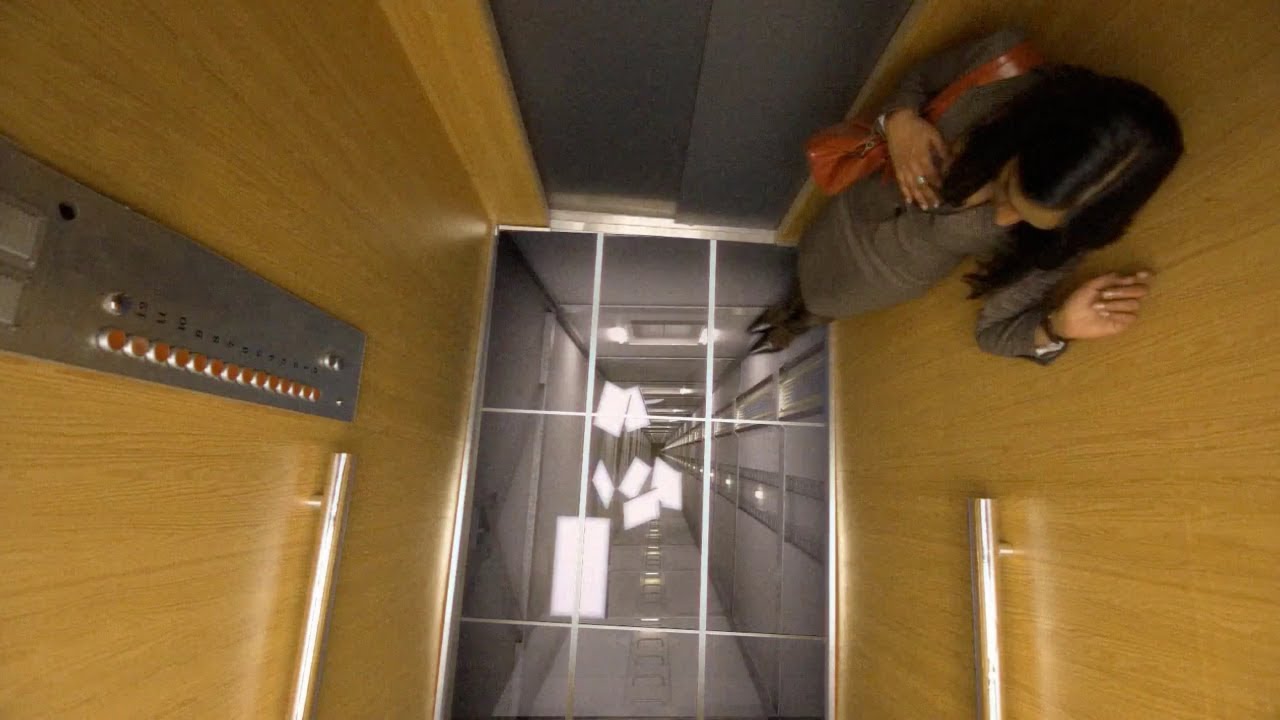
During an accident, the chances of surviving largely depend on the height of the fall. The higher the cabin is, the faster it will accelerate and hit the bottom of the shaft harder. The speed reaches 70 km / h or more, which is comparable to the movement of a car on a busy highway. In this design, the human body is in free fall, so when it stops abruptly, it takes on a powerful blow.
Already on the third floor, the risk of injury when falling in an elevator is seriously increased. With each new flight, the danger increases - fractures and severe bruises of soft tissues are practically unavoidable. An unfortunate body position during the landing of the cabin contributes to a compression fracture of the spine. The higher the height, the less chance of salvation.