- Temperature controller type
- Electric wall convectors
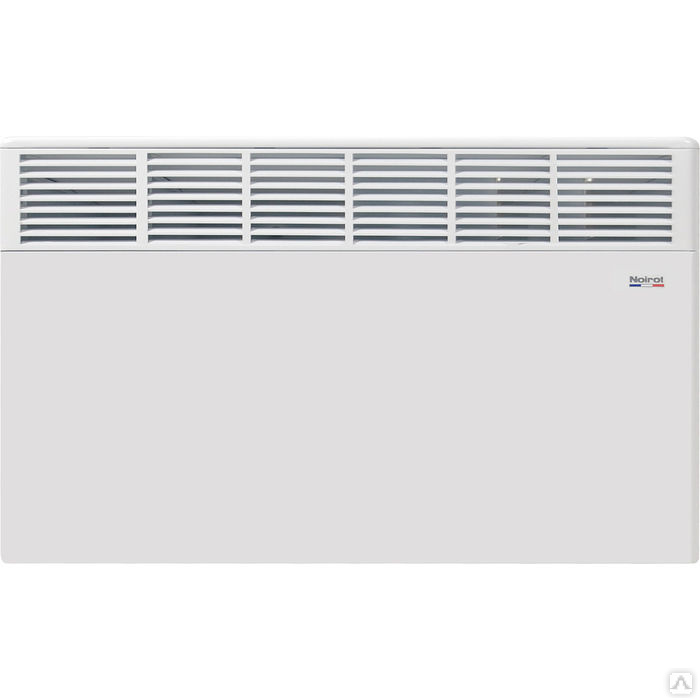
- Noirot Spot E-3 1000
- Nobo C4F 20 XSC Viking
- Timberk TEC PF8 LE 1000 IN
- Selecting an installation site
- The main differences from other heating devices
- What is it and how does it work?
- The difference between a convector and a radiator
- What is an electric convector?
- Convection
- Thermostat (thermostat)
- Heating element
- Tips for selection and operation
- Overview of popular brands
Temperature controller type
The regulator in the control unit is designed to automatically maintain the temperature in the room. Based on the readings of the sensor installed in the lower part of the convector body, the regulator turns on and off the heating element when the set temperature is reached.
There are two types of temperature controllers:
- mechanical;
- electronic.
Regulator types
The mechanical regulator is made on the basis of a step switch, it is distinguished by the simplest design. The disadvantage of mechanical control is low accuracy with an error of 1-3 degrees, as well as low reliability. When turned on heater with mechanical control a distinct click is heard.
Mechanical control box
The advantages of this type of switches include resistance to voltage drops in the network. When a mechanical regulator fails and fails, it can be quickly and inexpensively replaced.
Convector with mechanical thermostat
The electronic control unit is a more complex device that allows you to set the temperature with an accuracy of 0.1 degrees, as well as different modes of use: night, day, mode of maintaining positive temperature. Turning the heater on and off is silent. Electronic controllers are often equipped with an LCD display that displays the temperature in the room, as well as the mode parameters when programming it.
LCD display on the electronic control box
Electronic regulators are generally more reliable, but fail when the voltage drops by 15-20% of the nominal value. Repair and replacement of the electronic unit are expensive, so it is better to install the device in conjunction with a voltage stabilizer or protective voltage relay.
Electric convector JH-heater
Electric convector Electrolux ECH/AG-500MF
Electric wall convectors
Noirot Spot E-3 1000
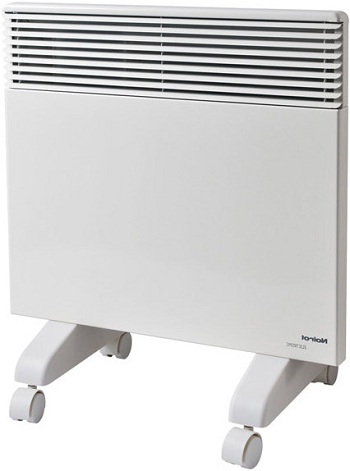
This convector has an efficiency of 90% and is a powerful device. It is perfect for heating rooms with an area of 10-15 square meters. meters. This model dries the air to a minimum and ensures its rapid heating. The model is produced in Europe, however, despite the fact that the climate there is mild, the model can easily withstand high voltage fluctuations, but if the electricity suddenly turns off, then the next time you turn it on, you won’t have to do the settings again. This is because the electronics are smart and will therefore be able to easily resume all settings. And thanks to excellent automation, it will be possible to save your own time, so the price fully justifies the quality of the product.
If we talk about the advantages of this device, we can easily distinguish the following:
- high efficiency;
- Reliability and economy;
- Numerous settings;
- Overheat protection;
- No noise.
If we talk about the shortcomings, then there are literally none.
Nobo C4F 20 XSC Viking
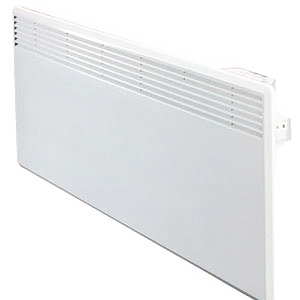
This device is designed for higher area readings, about 27 squares, since it has large power ratings. The device provides fast heating of air and will help to create silent work which you by all means and with pleasure will estimate.

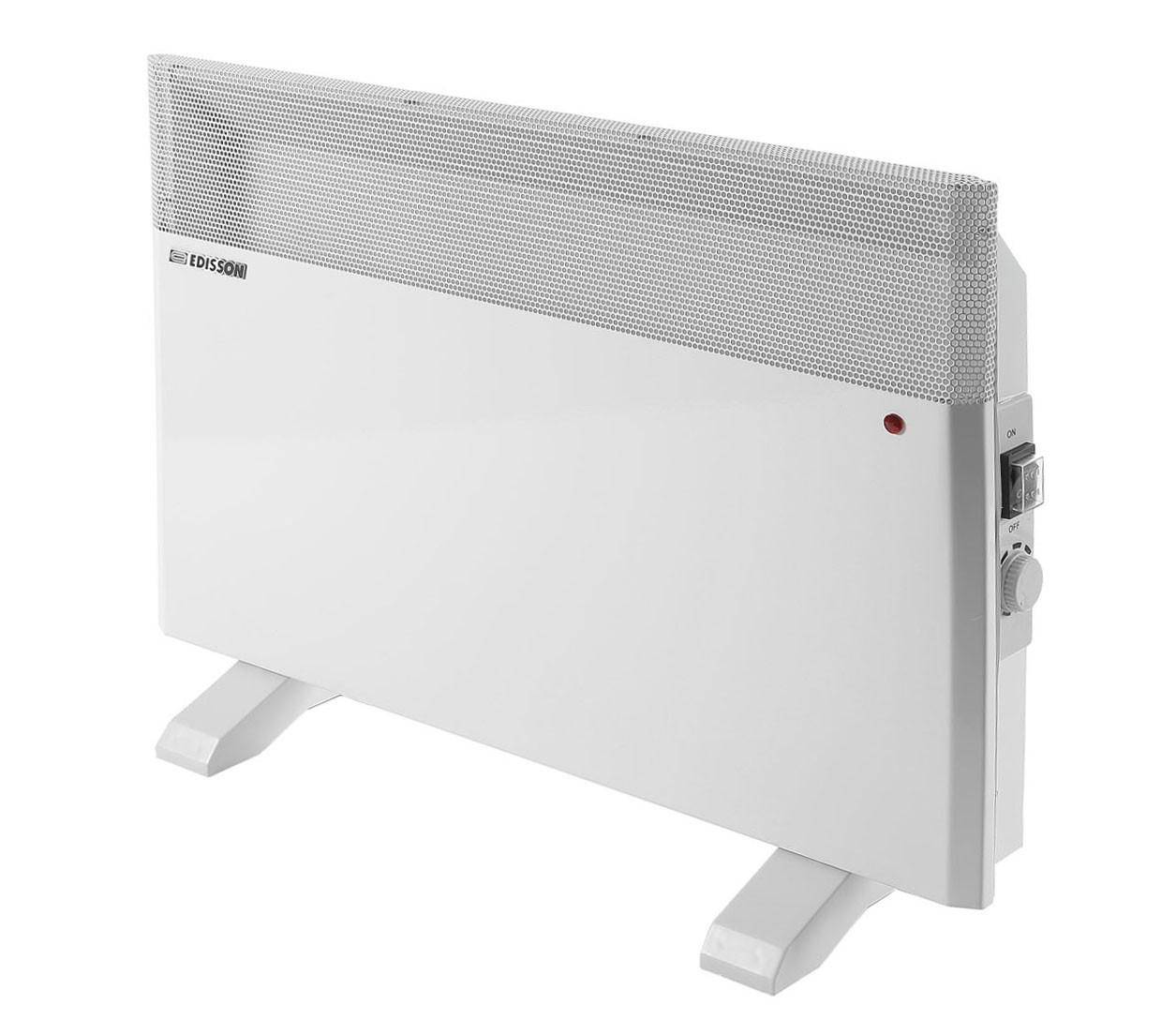
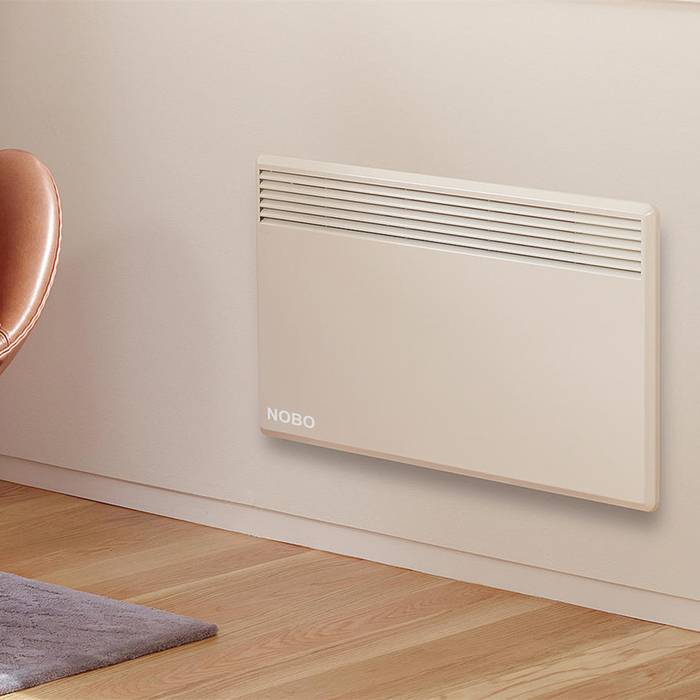
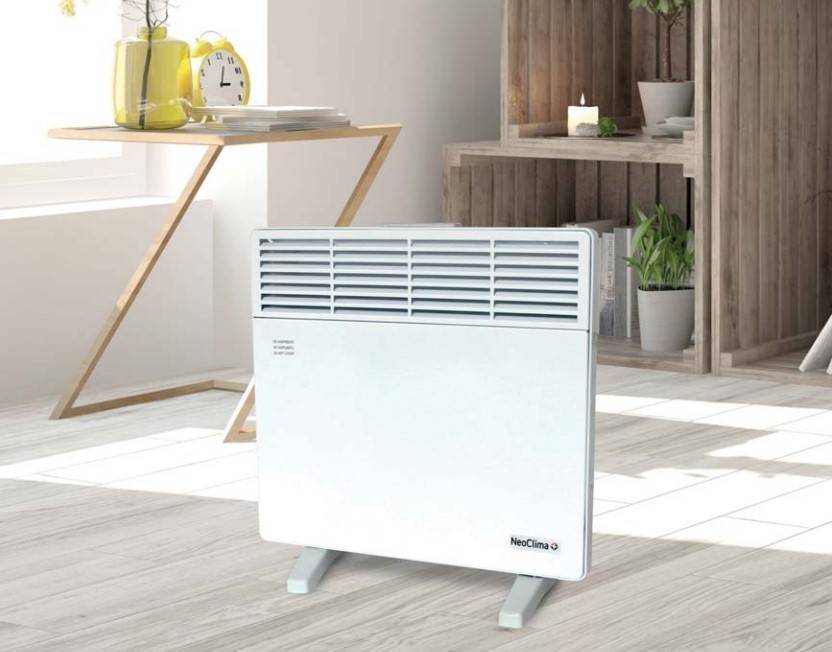
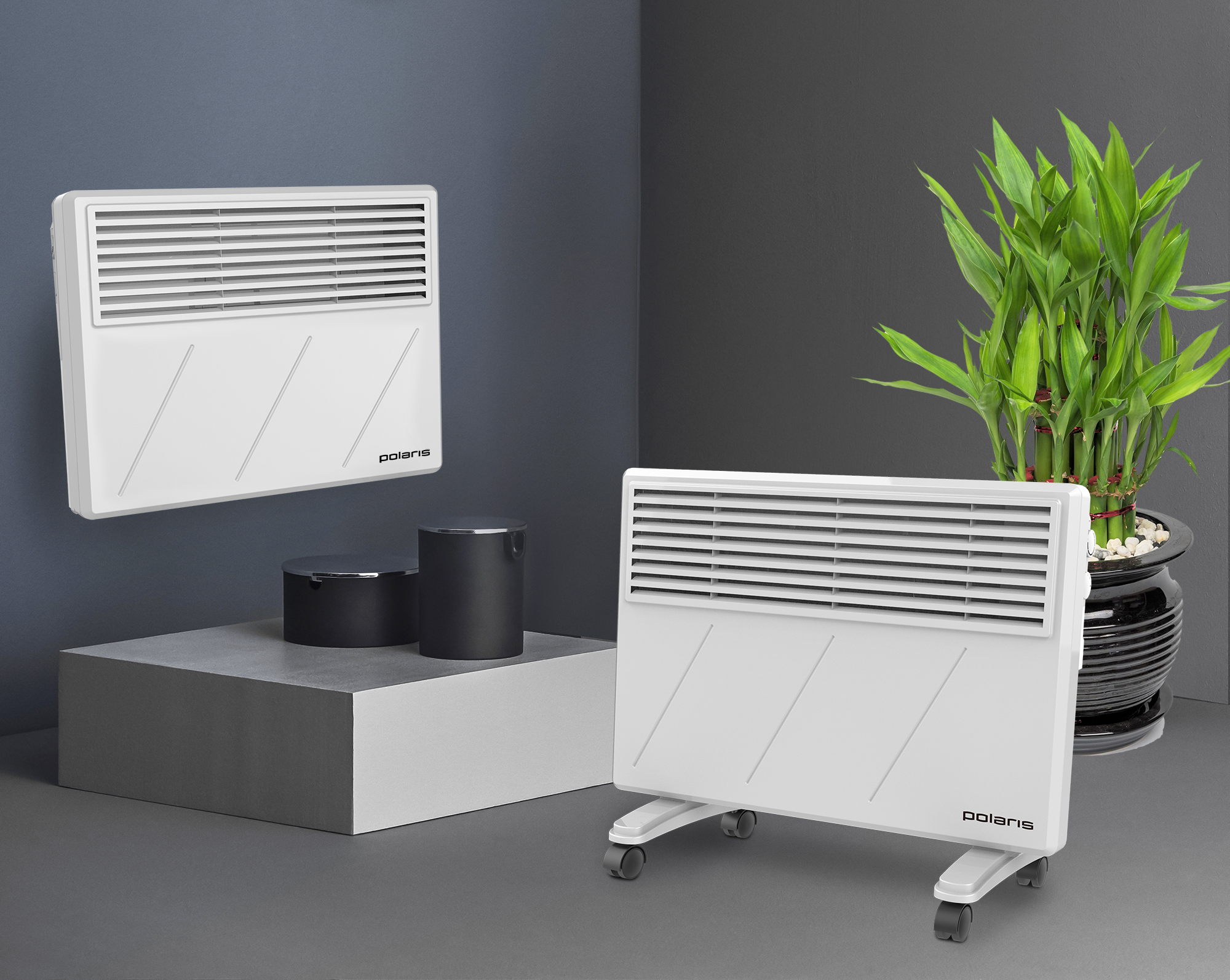


The operating mode is reached in just a minute, and the device is also equipped with aluminum “ribs”, so the so-called oxygen combustion will be excluded.
If we talk about the advantages of the model, then they are obvious:
- Can heat large areas, heats up quickly;
- There is a function of protection against overheating;
- The device maintains the temperature as accurately as possible;
- Has a convenient design;
- characterized by a long service life.
However, this device has one drawback in the form of high cost.
Timberk TEC PF8 LE 1000 IN
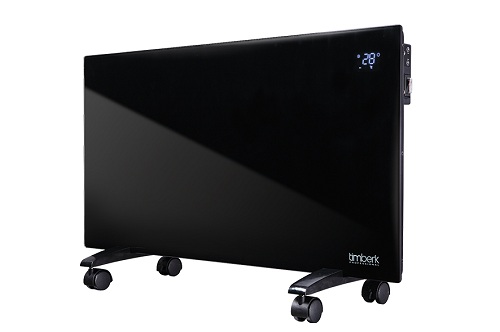
This model is wonderful and boasts undeniable advantages that simply cannot be ignored. In this category, it can get its rightful third place, and one cannot fail to note the fact that the device is resistant to voltage drops. Provided protection from moisture and other influences that could have a negative impact. There are many advantages that will help you make a choice in favor of this particular device.
Advantages:
- original design;
- Strength, practicality, durability;
- Acceptable price.
Selecting an installation site
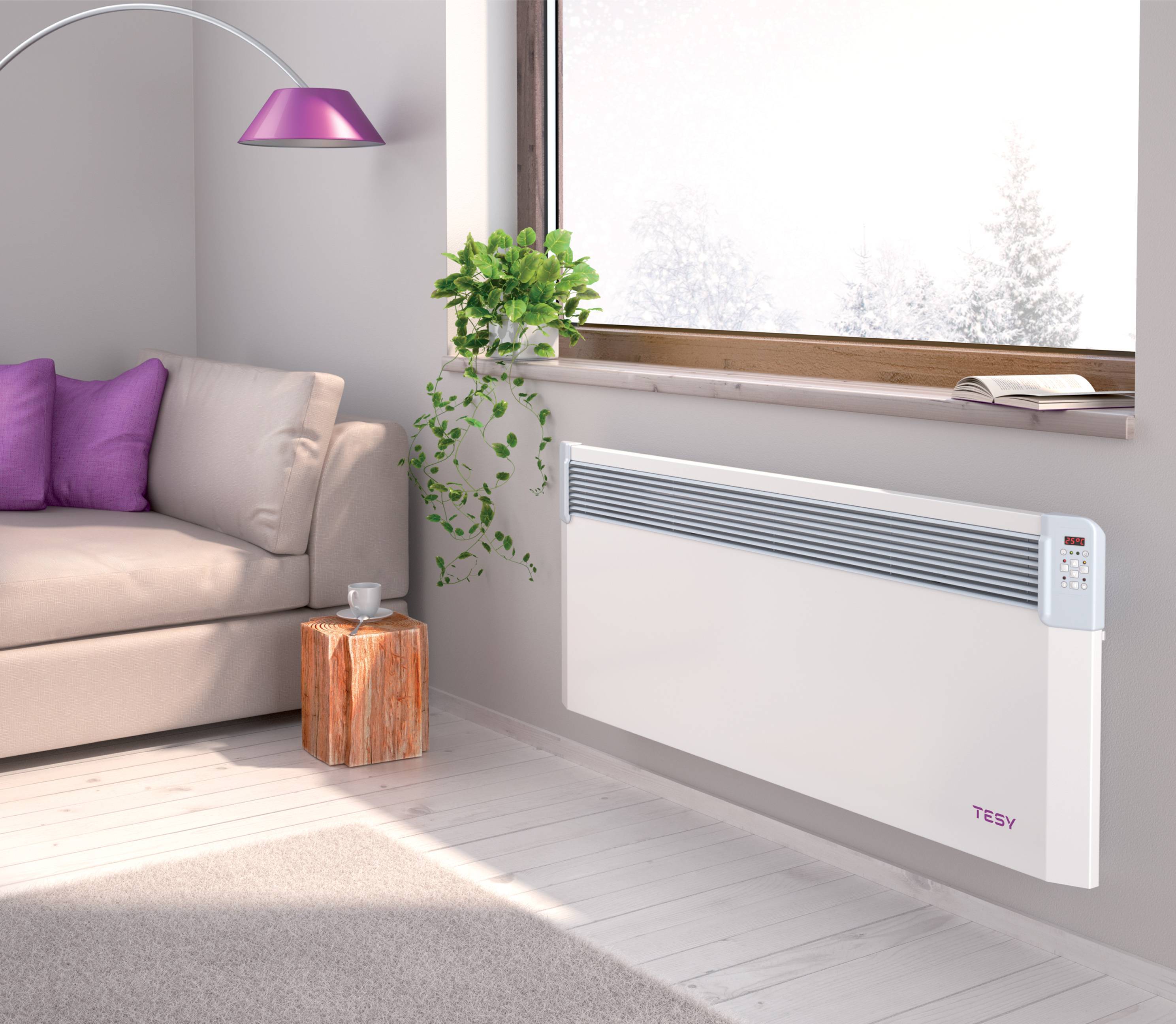
Rather, the question is not like this: which of the convectors is suitable for fulfilling your wishes.If you want to bring the appearance of the room closer to the standard, you can hang rectangular wall convectors under the windows. A little more attention is drawn to models that can be installed under the ceiling, but they are inaccessible to children and pets - they will not be able to burn themselves or "adjust" in their own way. The mounting method is the same here - on brackets fixed on the wall. Only the shape of the brackets differs.
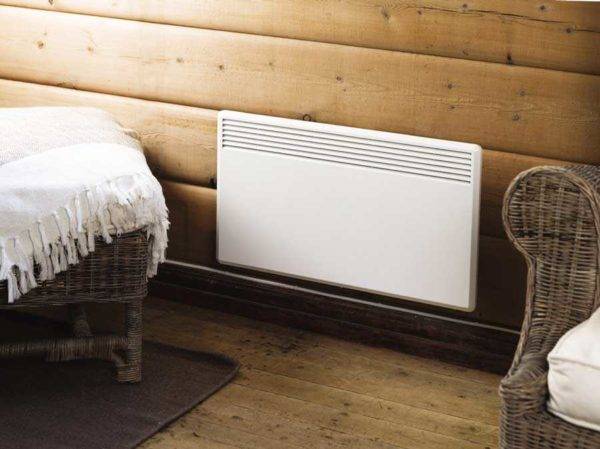
You can choose any place for installing an electric convector. It is only desirable that it is not covered by furniture.
If you want the heaters not to be visible, you will have to choose between skirting models and floor models. There is a big difference in installation: the skirting boards were simply installed and plugged into the network, and under the floor ones you will have to make special recesses in the floor - their top panel should be on the same level with the finished floor. In general, you won’t install them without a major overhaul.
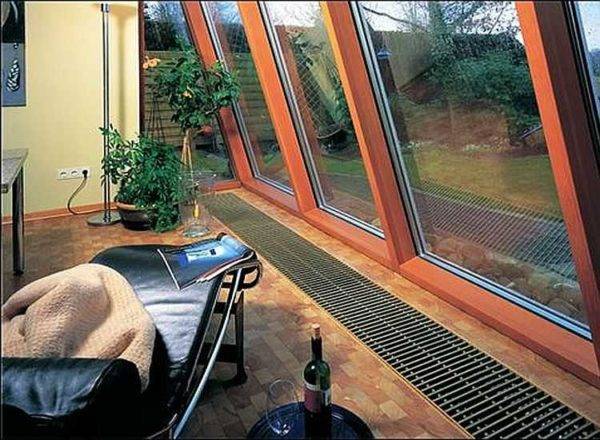
These are floor mounted convectors. They are also electric.
The main differences from other heating devices
A convector is fundamentally different from a radiator or an oil heater. It helps to maintain exactly the average comfortable temperature in the room. It does not act pointwise, but on the entire volume of air, therefore it can be less economical.
Choosing one or another type of device, it is impossible to say whether it is worse or better. Each of the devices has its own advantages for working in certain conditions. Based on the specific data of the room and the requirements for heating, the desired type of heater is selected.
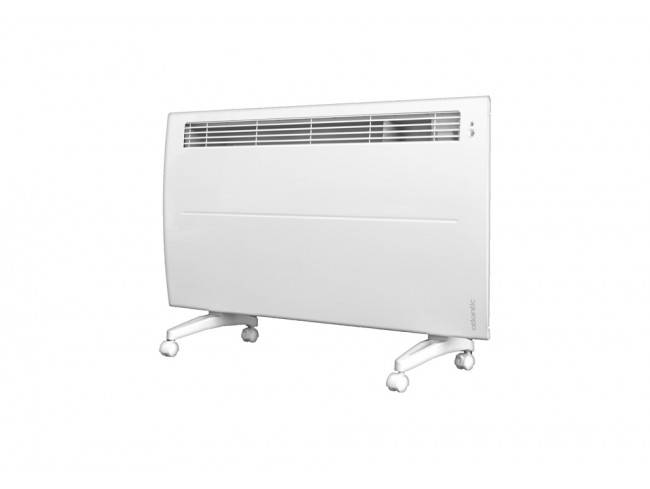

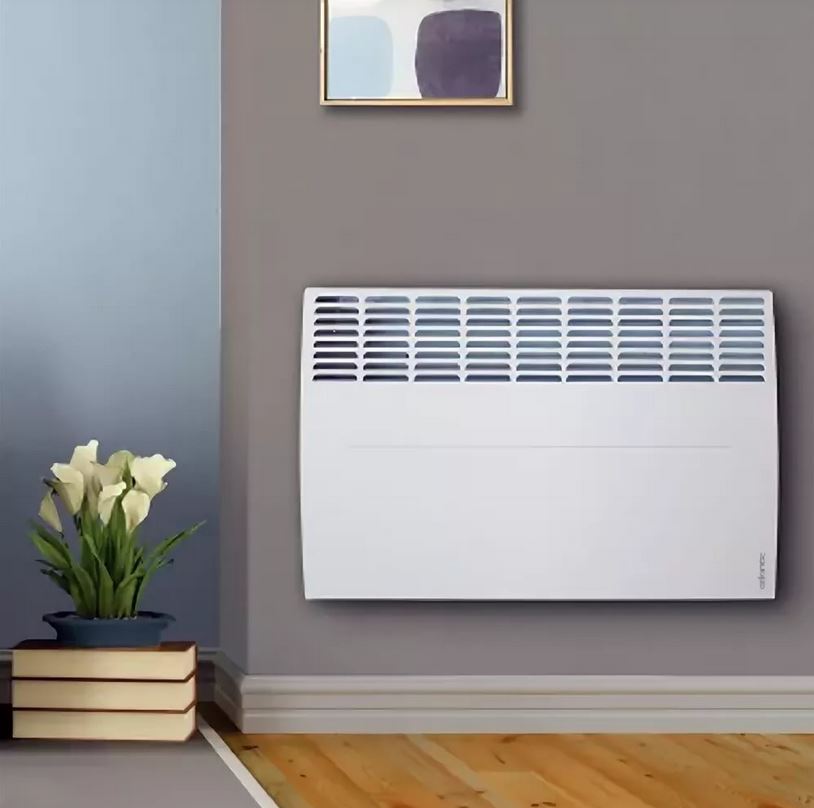


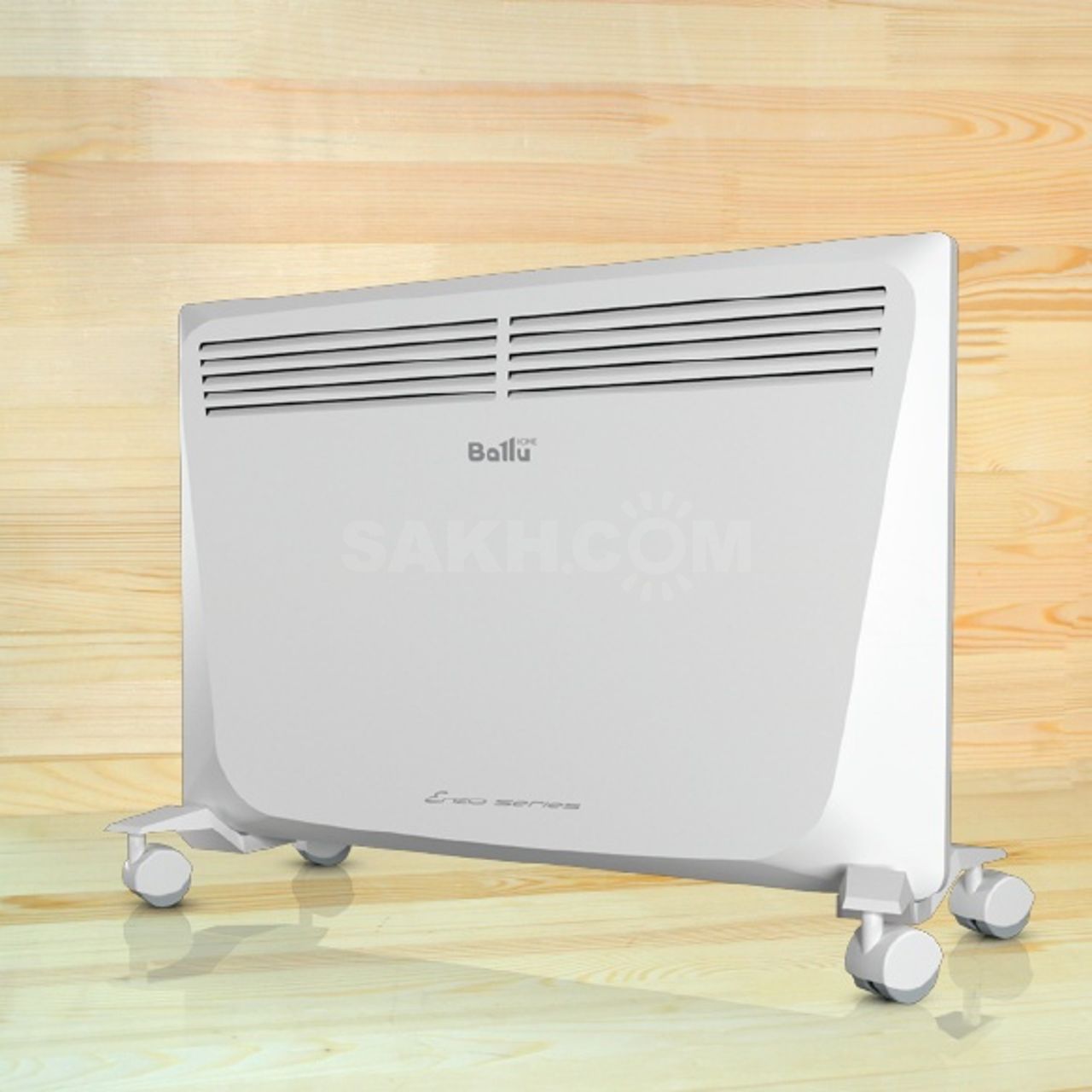


A convector-type heater is also suitable for summer cottages, where it will be used seasonally. But for heating large houses it is better to use an electric boiler of the required power. In favor of oil coolers, the choice is usually made because of their cheapness. They are able to quickly heat a small room, but they are more dangerous to use and burn a large amount of oxygen during operation.
What is it and how does it work?
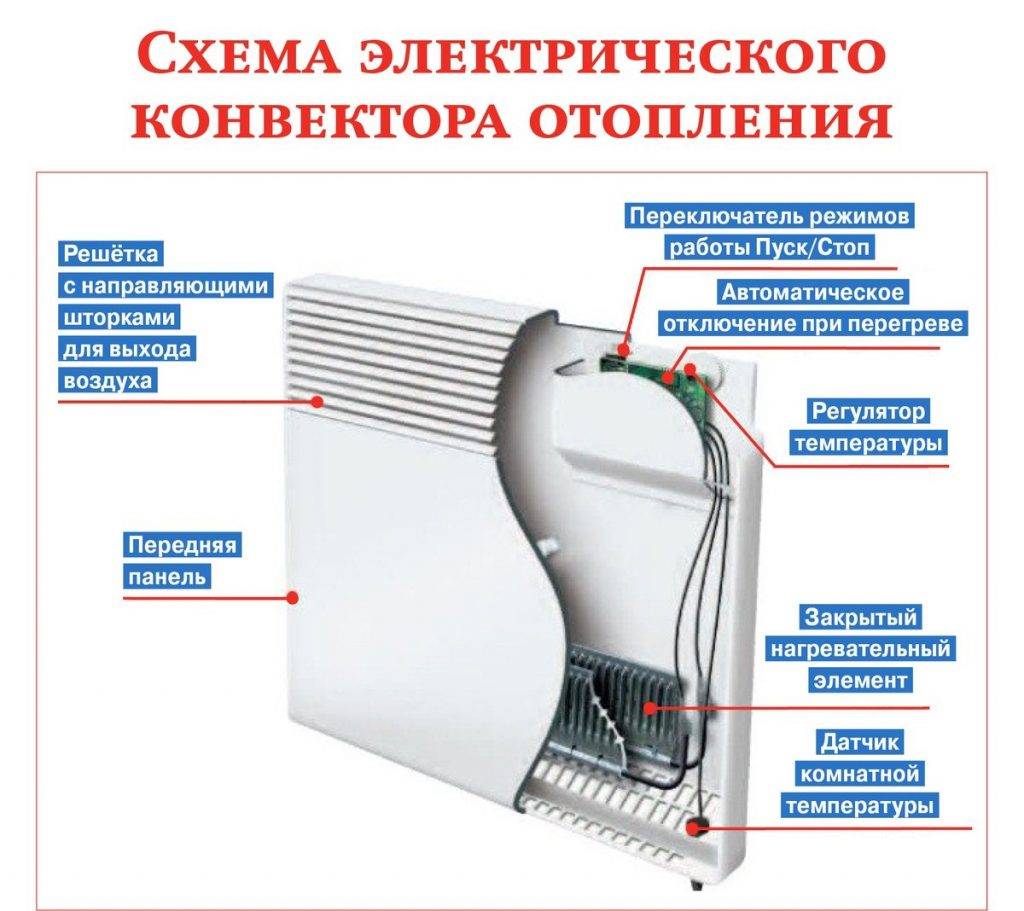
Strictly speaking, a convector is not a radiator in the usual sense of the word. Its most important feature is that it does not need to stretch pipes and install specialized water boilers. And also there is no need to draw up sophisticated projects. But the difference is not only in this, but above all in the very physical essence of the workflow. To heat the house, the natural movement of hot air upwards is used, and cold air, respectively, downwards.
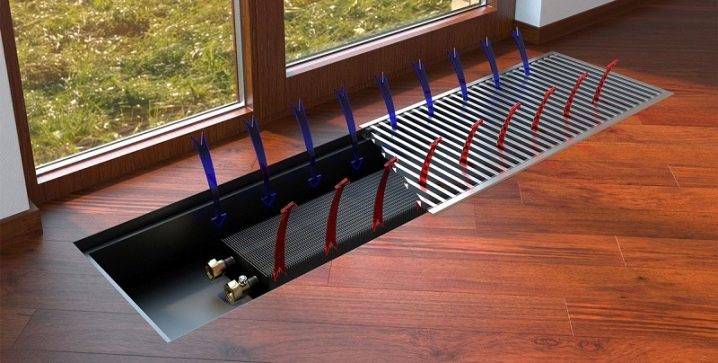
Therefore, the systems are simple and efficient.
Everything looks really simple:
- there is a heater;
- this heater is placed inside a steel case;
- passing through the holes in the housing and touching the fins of the heater, the air receives heat;
- the heated mass rises to the ceiling, it is immediately replaced by a new one (that is, when the heater is in operation, the circulation goes on continuously - and no pumps are needed).
In addition to the grating through which the heated stream passes, peculiar blinds are sometimes used. They help regulate its movement and weaken or increase heating. The share of radiation accounts for 10% of the energy given out to the outside, the rest of the heat leaves the body precisely due to the convection effect. Almost all commercially available convectors now heat the air using electrical energy.
The difference between a convector and a radiator
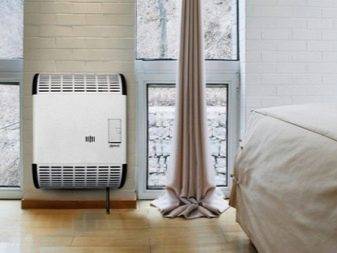
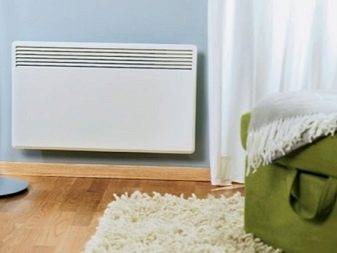
First, do not confuse a convector with a radiator. Inexperienced users often make mistakes in terms and mistake one device for another. A radiator is a heating device that heats the environment by heating itself. A wall-mounted heating convector with a thermostat passes air through itself, heats it up and thus heats the space.
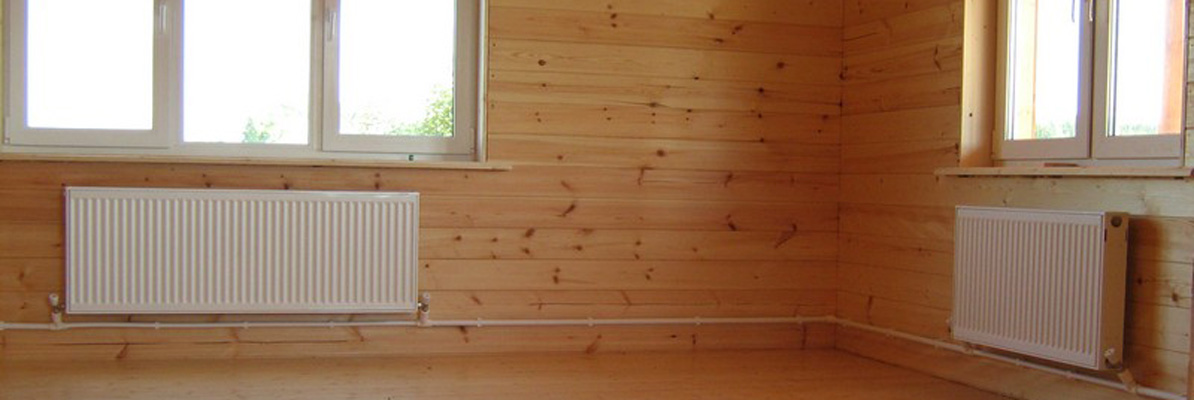
The main advantage of a wall-mounted convector over a radiator is the ease of installation and the small amount of space occupied. The device is installed on the wall in any convenient place, so there is no danger of tripping over it, no need to lay cables and pipes, no need to supply coolant.
 The principle of operation of a wall-mounted heating convector.
Among other features of economical wall-mounted electric convectors for heating cottages and apartments, the following can be distinguished:
- The convector is very easy to install with your own hands. If we are talking about wall mounting, then you just need to drill a few holes in the wall, and the floor, as the name implies, is simply placed on the floor.
- The efficiency of the convector approaches 100%, that is, all electricity is spent on heating the air.
- The equipment does not require maintenance, unlike many other heating systems.
- The convector is an environmentally friendly heating device. When heating a room, no emissions into the atmosphere occur, there is no combustion of air.
- The average service life of the device is up to 20 years, and this is a very solid period.
- The heater works completely silently, as there is no circulation pump, fan or other elements that can create noise.
- The price of an electric wall-mounted convector with a thermostat is not much higher than a radiator with a similar power output, but it has many more advantages.
The convector does not dry out the air and does not burn oxygen. Note! If you choose a convector for a house with a small child, then please note that the wall model does not turn over, does not have sharp corners and does not heat up in the housing area.
The disadvantage of an electric convector is only one - the high cost of electricity. Fortunately, many modern models have a so-called "economical" mode of operation, but it does not always save. Another small minus is the uneven temperature in the room when using a convector. According to the laws of physics, warm air accumulates at the top, and cold air at the bottom, and with a high ceiling height, this can be a very significant nuance.


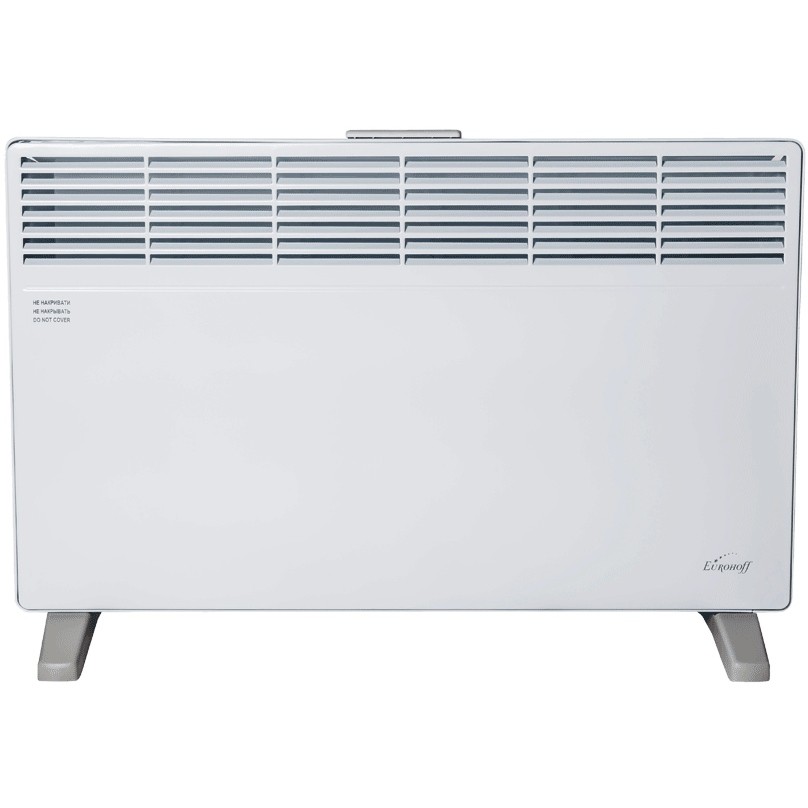

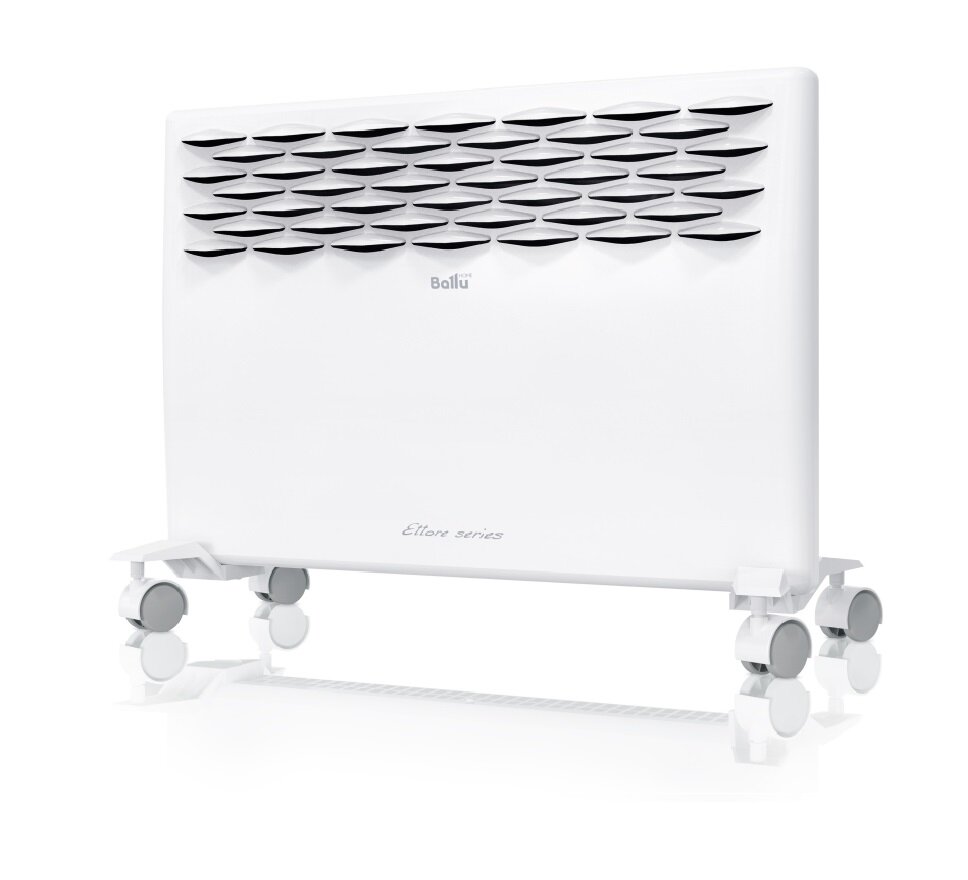
 The room temperature is controlled by a thermostat.
What is an electric convector?
An electric convector is a special heating device powered by the mains, which operates due to air circulation. Consumers confuse it with an oil cooler due to its external similarity, but according to the principle of operation, these are two completely different equipment. In order to understand how to choose the right heater, let's analyze some of the components of the convector.
Convection
In simple terms, this is a way to heat the air.
Convection types:
- Natural. The essence of the work is that the device absorbs cold air and releases it into the room already warm. This method is suitable for small and medium rooms.
- Forced.The device with forced convection works due to the fan, which drives the air through itself, making it warm. Such a heater can quickly supply heat even to a large room.

Thermostat (thermostat)
The thermostat regulates the process of heating the air in order to set the most acceptable level of heat in the room.
Types of thermostats:
Digital. This is a device with a display that shows all the indicators. Sometimes they are even used to control several devices at once.
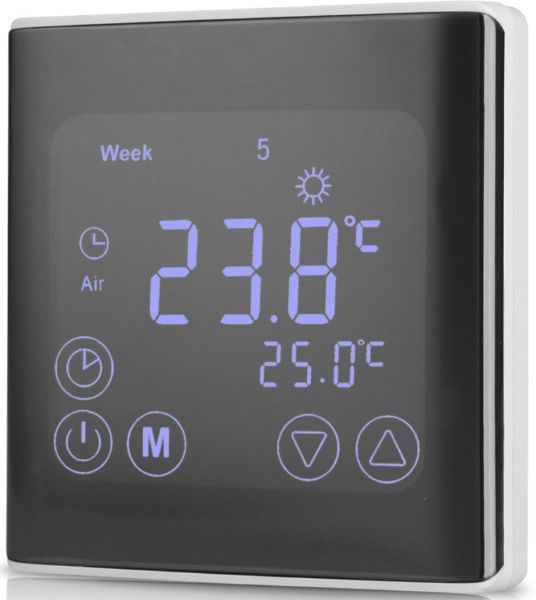
Mechanical. Such a thermostat turns itself off and stops heating the room when a certain temperature is reached. When turned off, it makes a corresponding click.

Electronic. The user changes the parameters himself with the help of a special regulator. The set settings are read electronically.

Heating element
There are several types of heating element:
- heating elements;
- filaments;
- nichrome coils.
The safest is the heating element (tubular heating element), because its temperature does not exceed 60 degrees. Therefore, you can not worry about the safety of children and pets.


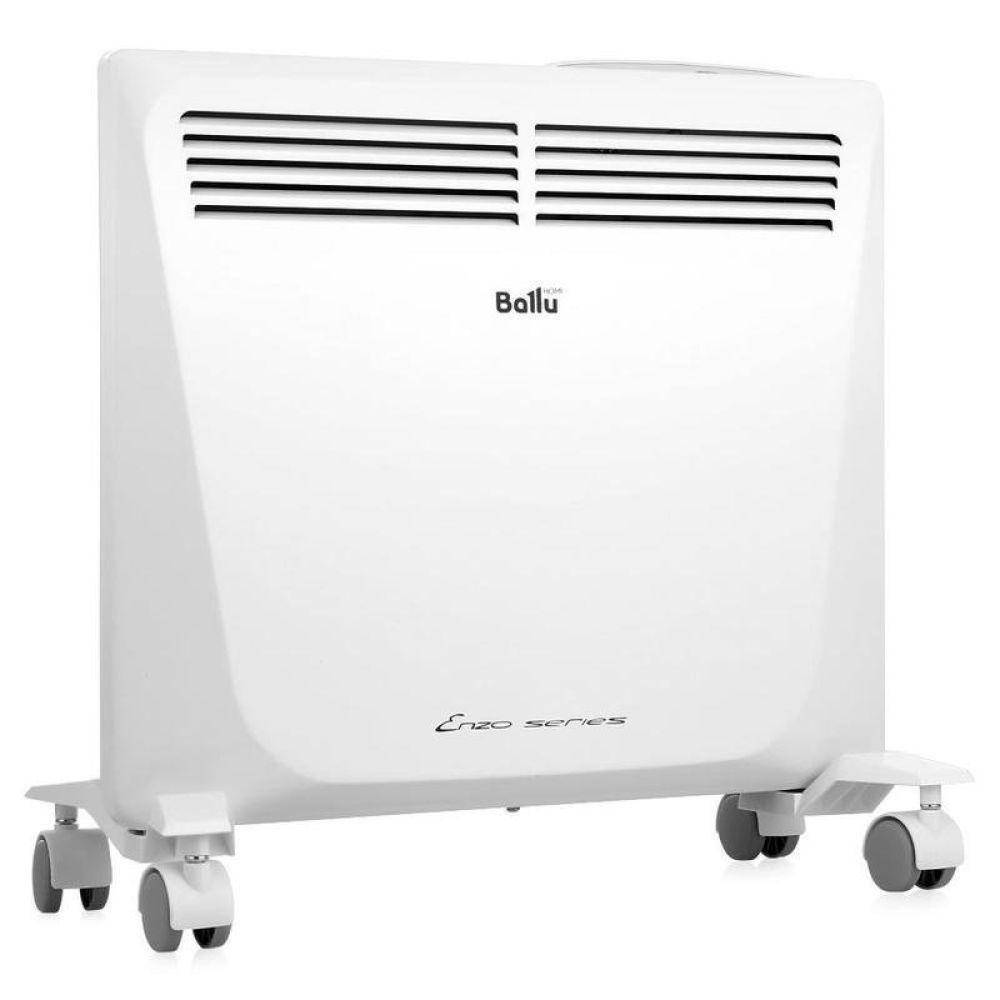


Often people ask themselves the question: “Which heating element is better?”. In order to avoid more such questions, read below the characteristics of the types of heater.
Types of heating elements:
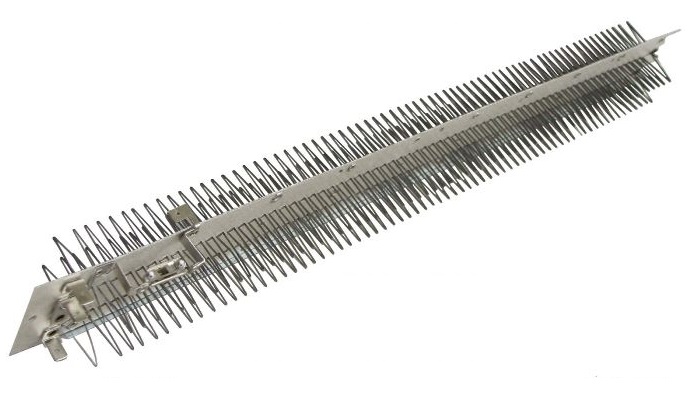
Needle. It looks like a thin plate on which a chrome-nickel thread is located, forming loops. Due to this structure, the loops quickly heat up and cool down.
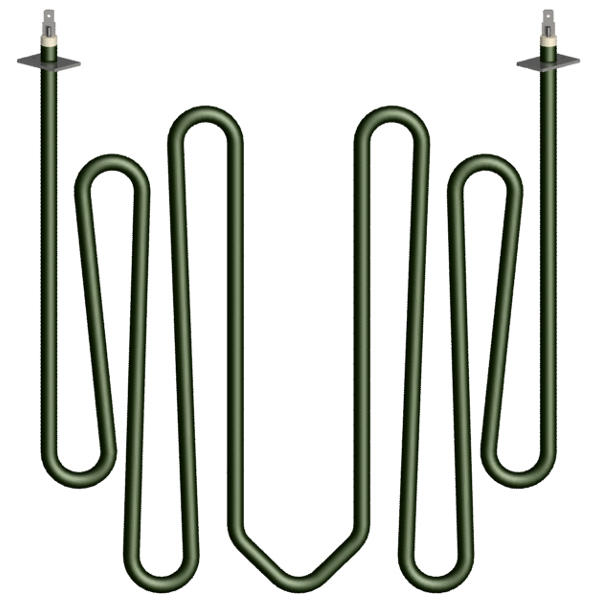
Tubular. The heater is covered with nichrome thread. The tube, on which the aluminum fins are fixed, conducts heat well. This type of heating element lasts for a long time even in rooms with high humidity.
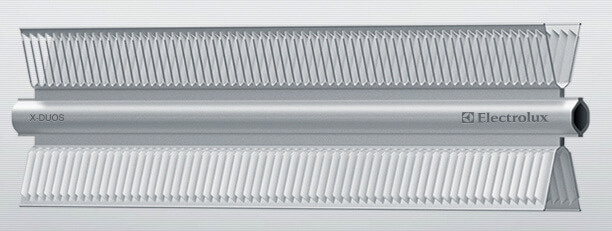
Monolithic (x-shaped).The monolithic heating element is a one-piece x-shaped structure. The device heats up quickly, but the surface itself remains at an acceptable temperature, so no one gets burned.
Tips for selection and operation
When planning to purchase an electric convector for a country house, you should pay attention to important parameters
- The power of the device. It depends on the area of the room. On average, 100 W of electricity consumed should fall on 1 m2. With weak insulation of the object, energy costs will be 50% higher.
- Placement method. Wall modules are installed in living rooms, floor mobile options are used to warm auxiliary rooms. If the convector is the only source of heat, it is fixed on the wall, under the window, like a conventional radiator. Floor models are convenient, do not take up free space, but they are installed at the construction stage.
- Object type. It is better to equip corner rooms or spaces with large window openings with several low-power convectors, evenly distributing them in the interior of the house.
- Heater status. If we are talking about the auxiliary use of a convector in combination with water or air heating from a boiler, furnace, you can take the device 40-60% less powerful than with a completely autonomous application.
- Type of heating element. Monolithic options - all-metal, with a common frame and frequent comb gratings are considered the most reliable. Options with heating elements are cheaper, tubular elements give off heat well, but when heated, they crackle slightly and do not tolerate shock loads.Needle heating elements are included in the cheapest models, their value as convectors is low.
- Type of thermostat. The mechanical version is the simplest, it works with step switching and a special relay, it has an error of up to 3 degrees. These types of control units are reliable, more easily tolerate power surges and temporary power outages. The electronic thermostat is more accurate and perfect, it allows you to adjust the temperature conditions, automate heating, reducing heat production during certain periods. In a country house, a simple option with a mechanical thermostat will be more reliable.
- Device security level. Appliances may have built-in moisture protection - such models are suitable for bathrooms, kitchens. In addition, the device must have a degree of protection against electric shock. Floor equipment can be equipped with a special sensor that de-energizes it when the device is overturned.
During the operation of the device, the owner will benefit from options that help make its use more efficient. Modern convectors can be controlled from the remote control, remotely. In addition, among the options, the air ozonation function, a restart that reproduces the last used mode, will be useful. Models with electronic control are capable of automatically switching on when the room temperature drops below +5 degrees, maintaining the set indicators in the “anti-freeze” mode.
For a wooden country house with minimal thermal insulation, the efforts of a convector may not be enough.But in a room with stone or brick walls, without drafts and significant heat loss, such a device will give good results.
How to choose an electric convector, see the video below.
Overview of popular brands
Models of electric convectors are produced by manufacturers from different countries in Europe, Asia, and America.
To name just a few of them:
- Arbonia. Swiss-German company producing steel pipes, heating radiators, heated towel rails and convectors. The company's product range is extremely extensive, while almost all products can be purchased in Russia. The proposed models of convectors are very diverse: they have different shapes, colors and sizes. The company also accepts orders for non-standard products, such as corner appliances.
- Buderus. The German brand, now part of the Robert Bosch GmbH concern, originated in the first half of the 18th century. Initially, the company produced cast-iron elements for arranging hearths, and since the beginning of the 20th century, it has been engaged in the production of heating appliances, including those operating on electric current. The company produces high-quality high-quality convectors that combine high technical characteristics and attractive appearance. In 2012, the company was awarded the Red Dot Award for excellence in design.
- Kermi. The start of production of this German company dates back to 1960. The company produces various types of products, including shower cabins and heating equipment, but it is the convectors, which are widely represented in Russian stores, that are the hallmark of the company.
- Purmo.The company, founded in the Finnish town of the same name, since the late 1950s has been engaged in the production of heating appliances that can withstand the cold climate of the northern country. In the early 1970s, after the company became part of the Rettig concern, production was significantly modernized and automated. Now the company's products are known all over the world: they are exported not only to European countries, but also to other continents.
- Zehnder. The Swiss company, established at the end of the 19th century, specializes in the production of luxury products. Its assortment includes heated towel rails, radiators and convectors of various types (ceiling, floor, wall), which have a truly "cosmic" design. In addition to serial products, the company is engaged in the manufacture of models to order, taking into account the individual requirements of customers.
In addition to the above companies, the convectors of the French company Noirot, Norwegian Nobo, German Stiebel Eltron, Roda and other enterprises are popular.
Still not able to decide on the choice of a convector for your home? We recommend that you familiarize yourself with the tips for choosing appliances for heating, which are given in our other article.