- Other requirements
- 5.3.4. Systems with discharge of treated wastewater into the ground
- What it is?
- Connection to sewerage networks, what documents are required
- Possible sewer schemes
- The outer part of the sewer
- Do-it-yourself arrangement of autonomous sewage in a private house: videos and recommendations
- How much will it cost to build a sewer in a private house: turnkey price
- Tips for installing an autonomous sewer at their summer cottage
- Modern models of the sewer system
- Additional Factors to Consider
- Use of a cesspool
- Do-it-yourself step-by-step sewerage device for a country house
- Installation steps
- External sewerage
- Septic tank device
- What to look for when designing
- Obtaining the necessary documents and permits
- What documents need to be prepared
- Features of modern septic tanks
Other requirements
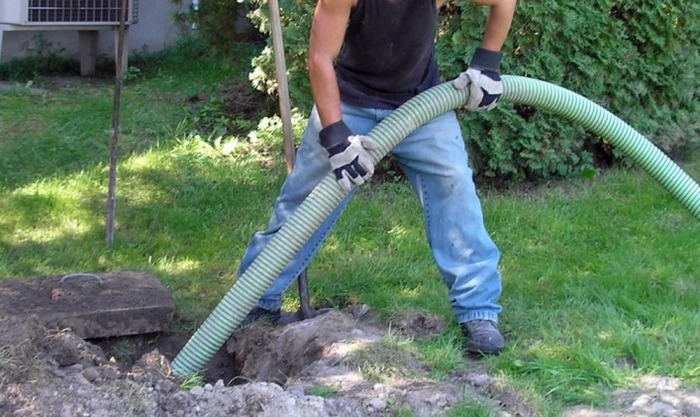
When choosing a place for the construction of a septic tank, the following additional requirements are taken into account:
- It is better to place the cleaning product on soft ground. So it will be easier for you to carry out earthwork, especially if everything is done manually.
- If there are outbuildings on the site, at least 1 m recedes from their foundation to the septic tank. So you eliminate the risk of washing away the building when the treatment structure is depressurized.
- Periodically, it is necessary to clean the chambers of the septic tank from accumulated sludge. The frequency of cleaning depends on the type of treatment plant. If you do this with the help of vacuum trucks, then a free access of equipment should be provided to the installation site of the septic tank.
- Trees on the site should not grow closer than 3 m from the cleaning product, and shrubs can be planted at a distance of 1 m.
- At least 5 m away from the gas pipeline.
5.3.4. Systems with discharge of treated wastewater into the ground
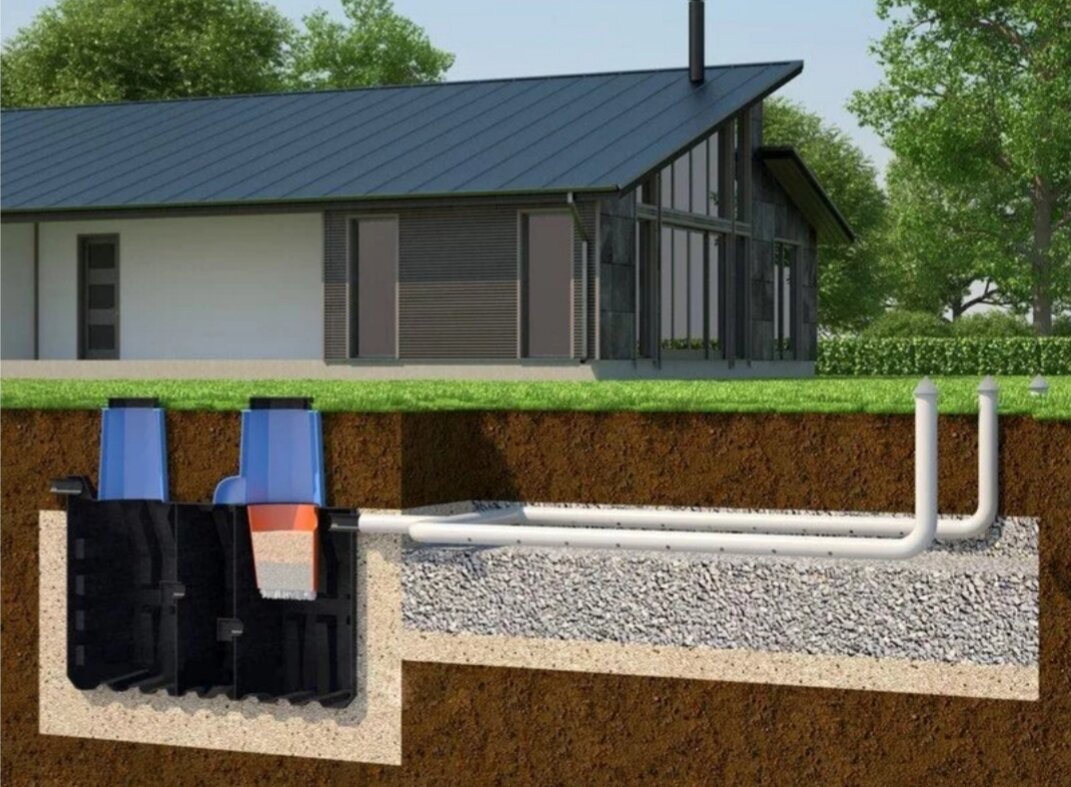
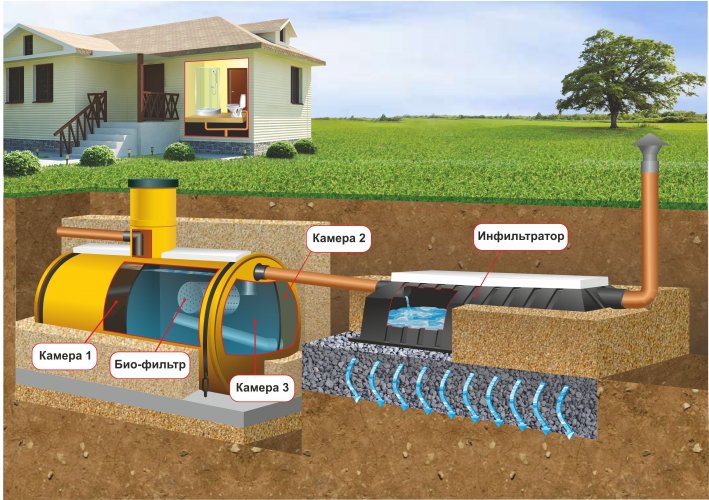
5.3.4.1 In cases where the construction site is of sufficient size and is located on soils with filtering properties, it is recommended to use systems with wastewater discharge into the soil. Soils with filtering properties should include sandy, sandy loamy and light loamy soils with a filtration coefficient of at least 0.1 m/day. In rural areas, wastewater diversion into absorbent soil can be used for seasonal subsoil irrigation of crops grown on the site.
5.3.4.2 Disposal of wastewater into the ground is recommended to be carried out:
in sandy and sandy loamy soils - through a filtering well or through an underground filtration field after preliminary cleaning in septic tanks; at the same time, the level of groundwater when installing filtering wells should be no higher than 3 m from the surface of the earth, and when arranging underground filtration fields - no higher than 1.5 m from the surface of the earth;
in loamy soils - using filter cassettes after preliminary cleaning in septic tanks; at the same time, the groundwater level should not be higher than 1.5 m from the surface of the earth.
What it is?
If we talk about what local treatment facilities are, then it would be best to turn to the regulatory framework, namely: SNiP. According to this document, the so-called devices or engineering structures that are designed to treat the user's wastewater before transporting it to the public sewer system or using a recycled type for household purposes.
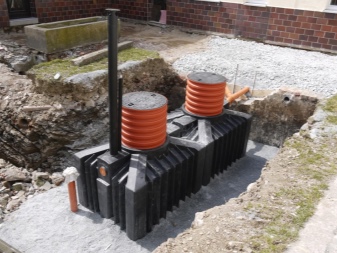
For this reason, the abbreviation VOC is not very suitable for autonomous treatment systems - this is due to the fact that there is no corresponding definition in state acts. According to manufacturers, VOCs are domestic wastewater treatment systems that do not involve the further use of recycled water and their transportation to the central sewer. Purified water simply goes into the ground on the site or is discharged outside it into the ditches for drains, or is used once for economic purposes. Waste that is not cleaned is simply pumped out and taken out of the territory with the help of sewage trucks for the purpose of their further disposal. All treatment facilities are usually located underground on the site. Most often they fall into two categories:
-
mechanical cleaning;
-
using pump-compressor type equipment.
Connection to sewerage networks, what documents are required
Finished house plan. Mandatory, on paper, a diagram of the laying of a sewer pipeline must be presented. This process is carried out with the help of a company that conducts geodetic expertise.
All technical conditions for connecting sewerage. All these issues are considered by the organization.
The scheme on which the plan will be indicated, precisely according to needs to be connected to the sewer. This document must be provided by a specialist who designs and installs technical functions. It relies on the basis of the specification, thus producing a new plan.
The project, which is prepared in the water utility, with their approval. This process is carried out by architectural management.
It is also necessary to remember one main nuance. Before starting construction work, you must obtain permission from your neighboring residents. They are required to sign their consent. If additional questions arise regarding the pipeline that will pass through the places where other electrical or thermal networks have already been laid, then in this case, it is necessary to take another permit. It is necessary to require a special document in the organization. If the owner does not pursue certain requirements, he will have to pay a huge fine.
To lay the pipeline to the central highway, you need to take permission. If there is a well nearby. The pipe that will pass through the site to the well will be directed at a certain slope and angle. To determine the laying depth with accuracy, it is necessary to use the special values \u200b\u200bprovided by the data in SNiP.
There is also one main piece of advice to keep in mind. This question concerns the existence of existing curves on the track. As shown in practice, turns on the track should not exist, but if such a problem suddenly arises, then it is necessary to turn the highway a few degrees, about 90. It is also recommended to install an inspection well.Since, in this case, the well performs the function of control over this system.
A significant role is played by the correct selection of the height of the trench digging. Certain elements must be taken into account. The pipe diameter must be larger than the inner diameter. The usual size is up to 250 mm. Basically, pipes with a diameter of 150 to 250 mm are used. After the specialist decides on the size of the pipes, it is necessary to dig the bottom of the trench. As soon as the process is completed, the pillow can be provided for laying the pipeline.


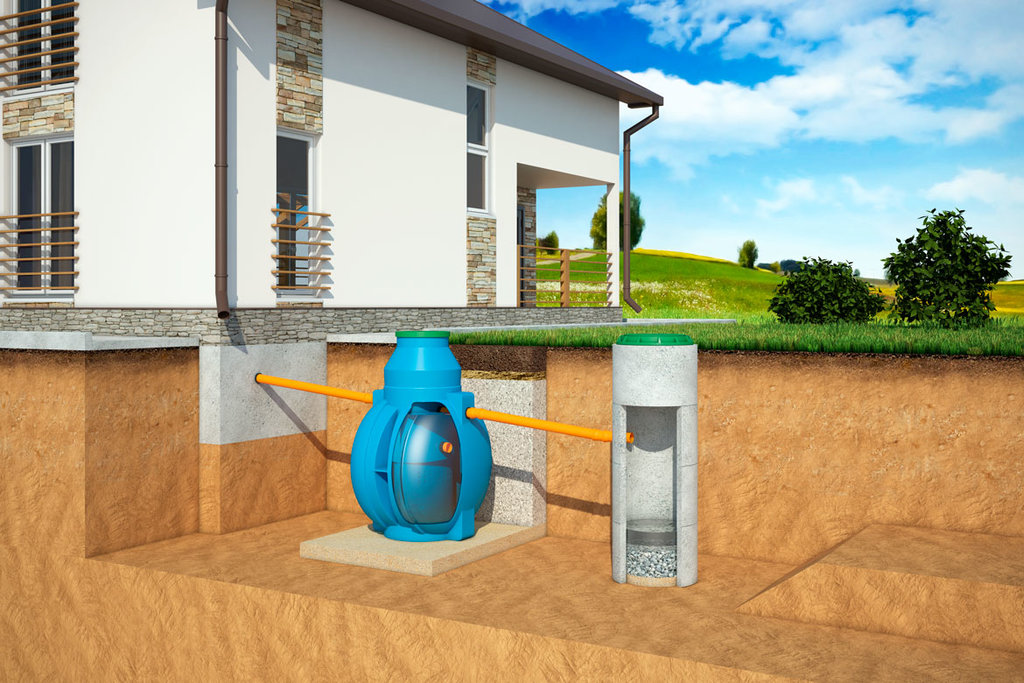


Possible sewer schemes
Depending on the number of residents, albeit temporary, the number of plumbing fixtures, the total number of drains, objects connected to the sewerage system, the schemes can be completely different.
- internal wiring;
- simple or branched pipeline;
- type of pit or septic tank.
Consider some of the most popular schemes.
A modern dacha bears little resemblance to a utility room or barn. The owners of even modest country plots are trying to build solid, reliable, roomy housing, so a two-story building has long ceased to be a rarity. The optimal layout for two floors is shown in the diagram:
The toilet and bathroom are located on the second floor (sometimes it's just a modernized attic space), and the kitchen is downstairs. Pipes from plumbing lead to a riser located at the wall closest to the septic tank
In small one-story houses, a toilet + sink set is usually installed. The shower, if present, is located on the street, not far from the garden area.
Drains from the toilet enter the inner pipe, then go outside and move by gravity to the septic tank.
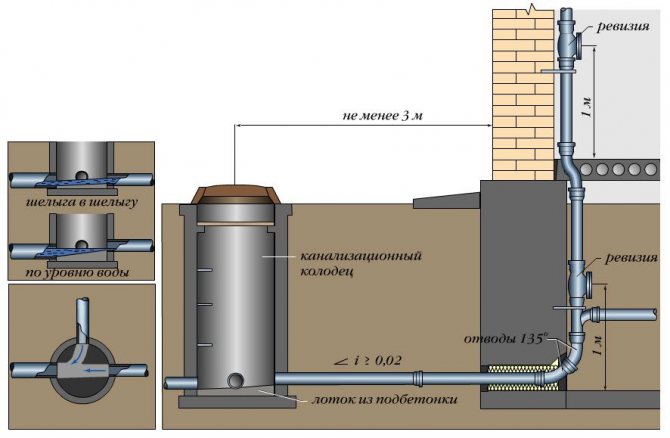
Scheme of the device of the riser and sleeve for the design of the transition of the pipe to the outside.The cross section of the line, as well as the riser, must be at least 100 mm, and the pipe fragment in the wall must be wrapped with a sheet of metal and thermal insulation
The cesspool is most often placed near the building, at a distance of 5-10 m. Less than 5 m is not recommended according to sanitary standards, more than 10 - difficulties may arise when laying the pipeline. As you know, to ensure the movement of wastewater by gravity, a slope of sewer pipes is required - about 2 cm per 1 m of the main.
It turns out that the further the location of the pit, the deeper you have to dig. Too deeply buried container is inconvenient for maintenance.
Scheme of the location of the drain pit. This is the most popular option among summer residents, which is chosen because of its cheapness, simplicity of design and installation method.
Increasingly, instead of a cesspool, a two-chamber septic tank or cesspool is being built with overflow into a filter well. Vacuum cleaners will also have to be called, but much less frequently.
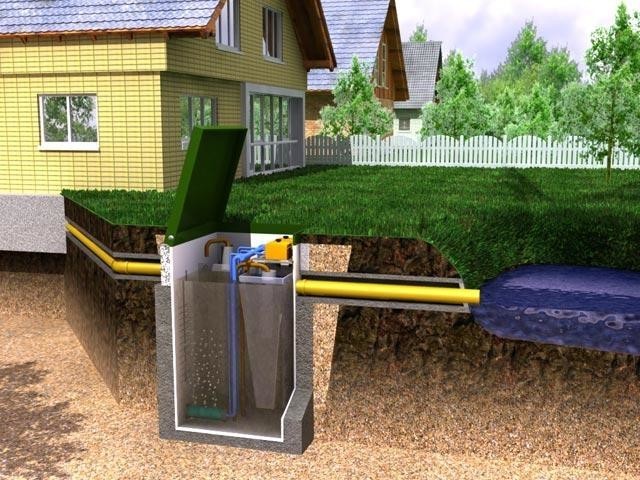
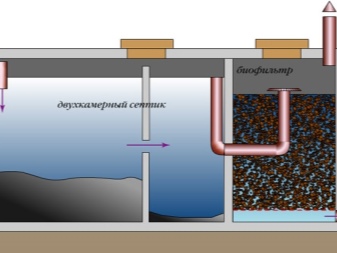
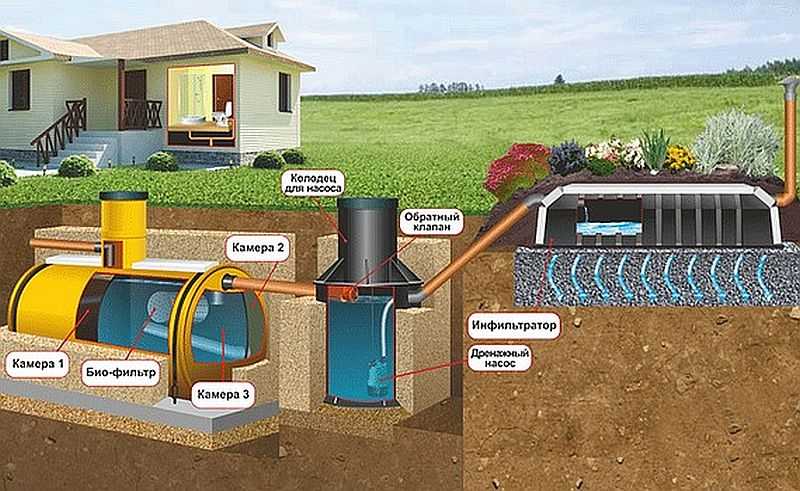
Diagram of a do-it-yourself two-chamber septic tank. The filter well receives partially clarified effluents and continues to purify them, transporting them through a sand and gravel filter into the ground
Common country sewerage schemes can be supplemented with branched internal or external wiring, connecting more waste disposal points, a more efficient septic tank, and a filtration field.
The outer part of the sewer
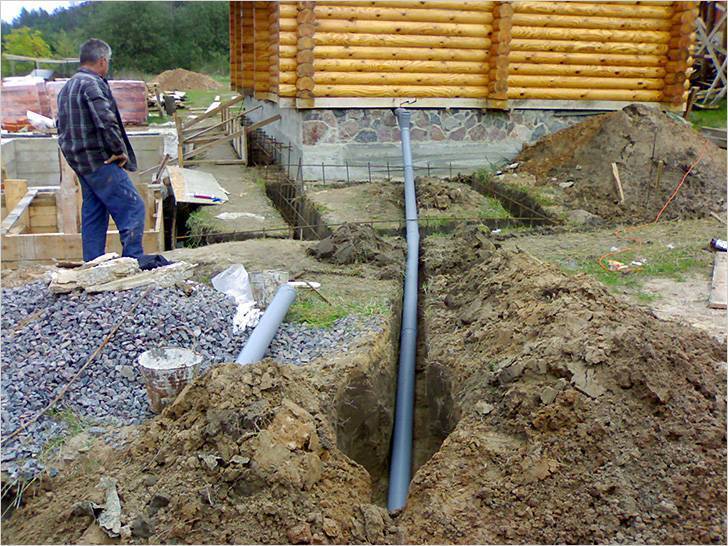
The external circuit of domestic sewage refers to the system of pipelines used to transport wastewater in the direction of a cesspool or sump. Autonomous settling tanks are also most often included in an integrated system of treatment facilities.Note that the transportation of wastewater can be carried out in a suburban area in two ways: by gravity (the so-called drainage sewage system) or under pressure, using a pump installed in the system.
Naturally, when using the drainage option, the level of the cesspool should be below the level of the pipeline route, which is installed in this case with a slight slope. If the second option for delivering sewage to the sump is more suitable for you (using additional pumps that create the necessary flow pressure), you can place the cesspool in any place convenient for you.
The route of wiring of sewer pipes is not limited by anything and can be chosen arbitrarily (based on the convenience of carrying out land work). If you don't want to get in troubleassociated with the operation of your sewer system - try to lay pipes in such a way that their bending angle is always more than 90 degrees (which will eliminate the possibility of blockages in them). When choosing the location of the treatment pit, the requirement for its distance from the residential complex by at least 6–7 meters must be met.


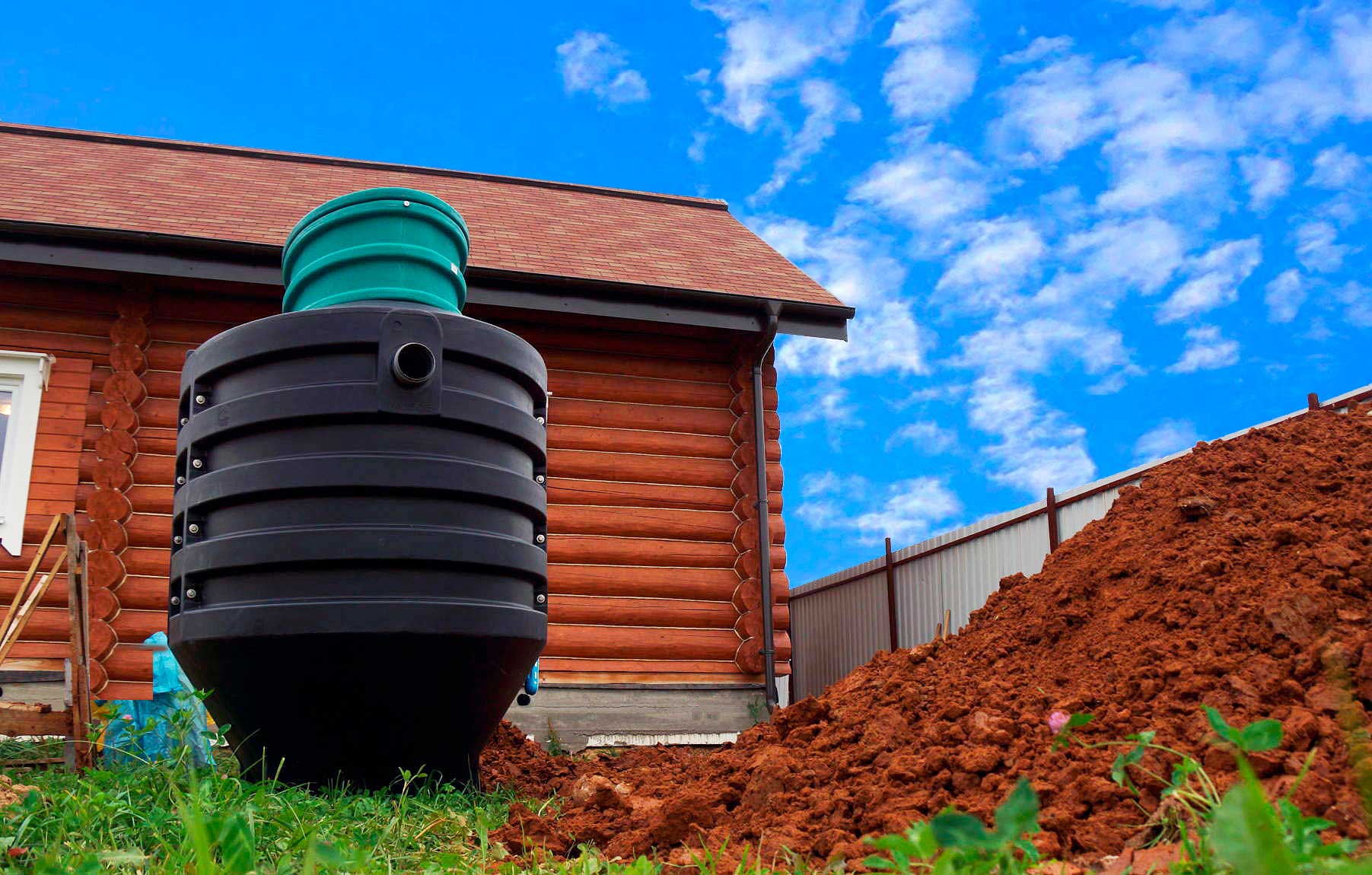


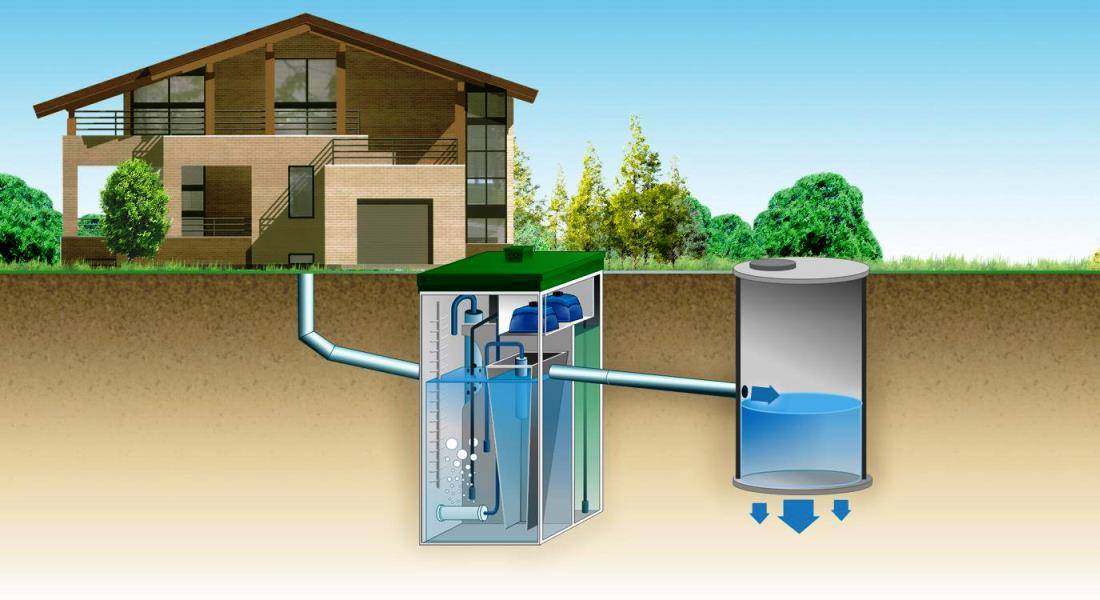
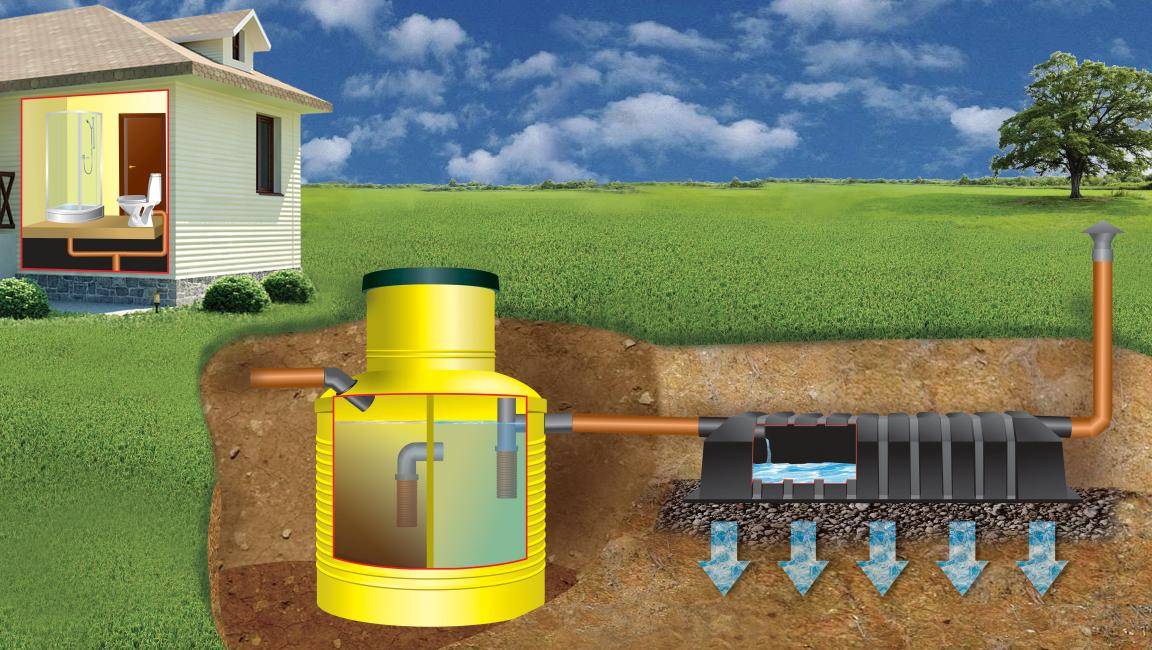
The simplest and most common version of an autonomous sump is considered to be an ordinary cesspool. The principle of operation of a classic cesspool is quite simple and is as follows. Impurities that enter the sump through sewer pipes gradually accumulate in it, after which light fractions are disposed of by seeping into the soil.After the pit is completely filled with heavy fractions, they are pumped out of it using special mechanisms (usually special cars of local sewage services are rented for this purpose).
Do-it-yourself arrangement of autonomous sewage in a private house: videos and recommendations
As a material for the manufacture of autonomous sewers, polypropylene is used, which is characterized by low weight, environmental friendliness, strength and high thermal conductivity. Wastewater treatment is carried out by certain types of bacteria that feed on organic waste. Access to oxygen is a prerequisite for the life of these microorganisms. The price of an autonomous sewage system in a private house is much higher than the cost of arranging a conventional septic tank.

The constituent elements of the autonomous sewage system
This is due to the numerous advantages of autonomous type systems:
- high level of wastewater treatment;
- unique aeration cleaning system;
- no maintenance costs;
- no need for additional acquisition of microorganisms;
- compact dimensions;
- no need to call a sewage truck;
- the possibility of installation at a high level of groundwater;
- lack of odors;
- long service life (up to 50 cm).
How much will it cost to build a sewer in a private house: turnkey price
The possibilities of autonomous sewers Unilos Astra 5 and Topas 5 are considered the most optimal for summer cottages. These designs are reliable, they are able to provide comfortable living and the necessary amenities for residents of a country house. These manufacturers offer other equally effective models.
The average price of autonomous sewers Topas:
| Name | price, rub. |
| Topas 4 | 77310 |
| Topas-S 5 | 80730 |
| Topas 5 | 89010 |
| Topas-S 8 | 98730 |
| Topas-S 9 | 103050 |
| Topas 8 | 107750 |
| Topas 15 | 165510 |
| Topaero 3 | 212300 |
| Topaero 6 | 341700 |
| Topaero 7 | 410300 |
The average price of autonomous sewers Unilos:
| Name | price, rub. |
| Astra 3 | 66300 |
| Astra 4 | 69700 |
| Astra 5 | 76670 |
| Astra 8 | 94350 |
| Astra 10 | 115950 |
| Scarab 3 | 190000 |
| Scarab 5 | 253000 |
| Scarab 8 | 308800 |
| Scarab 10 | 573000 |
| Scarab 30 | 771100 |
The tables show the standard cost of the system. The final price for the installation of an autonomous sewage system on a turnkey basis is formed taking into account the prices for laying an external pipeline and other points affecting earthworks and installation work in general.
The average price of autonomous tank type sewers:
| Name | price, rub. |
| Biotank 3 | 40000 |
| Biotank 4 | 48500 |
| Biotank 5 | 56000 |
| Biotank 6 | 62800 |
| Biotank 8 | 70150 |
Tips for installing an autonomous sewer at their summer cottage
As in any other system, it is recommended to install the pipeline at an angle from the house towards the purification tank. The optimal angle is between 2 and 5° for every meter. If you do not adhere to this requirement, the full discharge of wastewater by an autonomous sewer for a summer residence will become impossible.
During the laying of the highway, care should be taken to securely fix its elements. To eliminate the risk of pipe deformation and displacement during soil subsidence, the soil at the bottom of the trenches must be carefully compacted. If you fill the bottom with concrete, you get a more reliable fixed base. During the installation of pipes, it is desirable to adhere to a straight path.
Be sure to check the joints for tightness. Liquid clay is usually used for docking. It is allowed to use specialized products recommended by the pipe manufacturer.If a line is being installed on the basis of elements with a diameter of 50 mm, the maximum allowable length of the straight sections of the system is 5 m. When using products with a diameter of 100 mm, this figure is 8 m maximum.

When choosing a place for a septic tank on the site, it must be taken into account that at least five meters must remain before the fence
Modern models of the sewer system
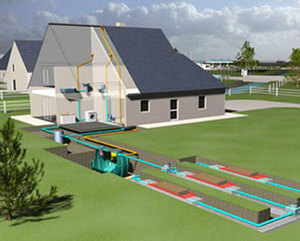 In country houses, the use of a sewer system does not seem to be surprising, but at the same time you can meet a new model every time. These can be septic tanks, a simple cesspool, or even a biological treatment system. As a rule, all systems differ from each other not only in design, but also in the additional purposes of purpose in the form of irrigation of vegetable gardens with recycled water. In addition, all sewer systems differ in price from each other, which can vary both when buying equipment for installing a sewer, and when installing a system in a country house.
First of all, when choosing a local sewer, you need to pay attention to the type of waste that will be processed. Most often, simple dry closets are used in country houses, which work on the principle of mixing waste with peat or similar materials.
Further, biological waste products are simply composted and can later be used to fertilize fields that are located near the sewer system. Dry closets can only handle waste of (human) organic origin. All other types of local sewers can easily cope with waste that is more complex in structure.

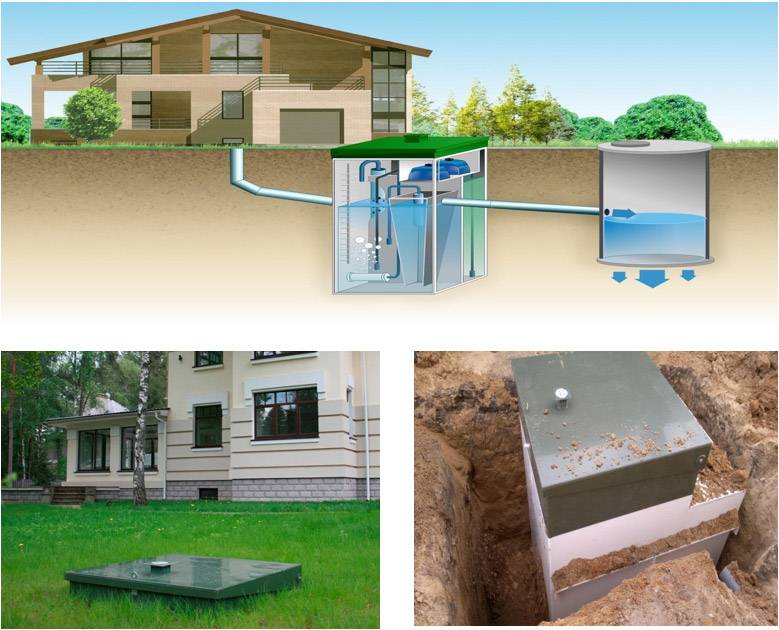




Additional Factors to Consider
When choosing a local sewage system for a country house, it is also important to pay attention to the choice of system functionality. Simple systems, as a rule, can only operate according to the accumulative principle or even additionally purify water. This cleansing is more symbolic.
Cesspools are the simplest example of such a sewer system, when waste water simply passes through filters and accumulates in a special compartment. Such water is not suitable for irrigation of nearby lands and, in addition, problems with an unpleasant odor can begin.
This cleansing is more symbolic. Cesspools are the simplest example of such a sewer system, when waste water simply passes through filters and accumulates in a special compartment. Such water is not suitable for irrigation of nearby lands and, moreover, problems with an unpleasant odor can begin.
It is worth noting that more modern sewer systems, or rather, septic tanks, biofilters and other analogues of such systems, work not only as a waste outlet, but also clean, mix and remove waste. When using such systems, the unpleasant smell completely disappears, water does not enter the wastewater, and wells or wells can be easily used for irrigating the land. The disadvantages of using such a local sewerage system is that they have a higher price for the purchase of equipment and installation.
- Vertical sewerage in a country house is different in that its installation does not require a large amount of territory and materials.As a rule, the vertical allows you to get rid of waste floating up when pumping them out, cleaning pipes or raising groundwater, but this method is not always convenient. Even if we take seasonal pipe cleaning, problems can arise with a vertical sewerage model.
- The horizontal model requires more materials for installation. Large areas are also required. It is these factors that determine the overpriced price when choosing such a sewer option, but at the same time the system is easy to clean. It is enough just to put the required number of manholes or plugs at the intersection or pipe bends. Waste floating up when using a horizontal model is a fairly common problem, but it can be easily eliminated if you do constant cleaning of the system.
Use of a cesspool
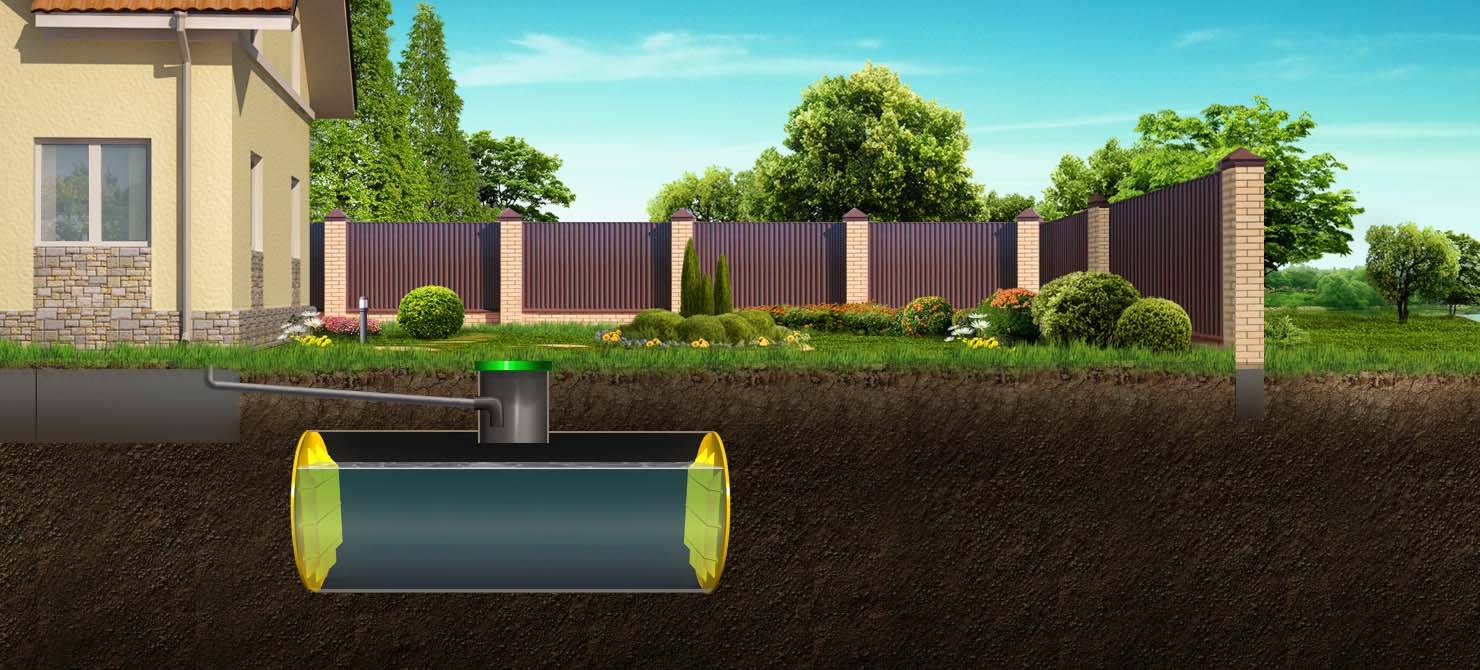
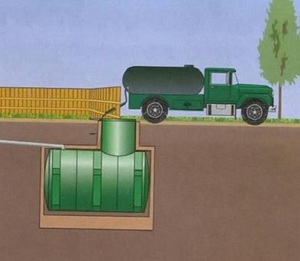 Although there are many types of sewerage, country houses in our country most often have the simplest sewage system in their arsenal, or rather, a cesspool. There are plenty of disadvantages of such a system, but at the same time, the installation is carried out quickly enough and at no extra cost. For an ordinary country house, a cesspool is the most suitable option, since there is only human waste, which means that it makes no sense to install innovative sewerage models.
Although such a cesspool is quite cheap, it has disadvantages. First of all, you need to understand the design of the operation of such a sewage model. Here, as a rule, all wastewater enters the soil, where it undergoes natural purification by natural bacteria. Many additionally install crushed stone or pebbles in order to create a simple drainage system.All residual waste is eventually pumped out by a sewer machine.
A cesspool is dangerous because over time, too much waste and bacteria accumulate in the soil, which can get into groundwater, and then into wells or wells. This is fraught with poisoning not only in the territory where the owner's house stands, but also waste can also get into the groundwater in neighboring houses. It goes without saying that the sanitary services follow the order, which sometimes may prohibit the construction of a cesspool or require strengthening the walls with brick or concrete.
Building and choosing a sewer for a private house is not an easy task that requires some knowledge and experience. With knowledge, you can understand that the cheapest and simplest sewerage system may not always be reliable and safe.
Do-it-yourself step-by-step sewerage device for a country house
- Do-it-yourself sewerage device of a country house is carried out by installing external and internal sewerage. If the work will take place in an already built house, then it is necessary to prepare for the fact that the relief of the site will be disturbed and repairs will have to be carried out in the house after the installation of the sewer system. Installation of the outer part of the local sewerage of a private house has several stages:
- Determination of the size and volume of the septic tank. Here it is necessary to take into account that the water must be settled in the septic tank for at least three days. Considering the number of people living in the house and the fact that the volume of wastewater per person is taken as 150 l / day, we can calculate that for a family of 4 people need a septic tank with a volume of at least 1.8 m3 (150 l / day * 4 people * 3 days = 1.8 m3).
- Choosing the location of the septic tank.It is recommended to install a sewage receiver near the house so that the liquids do not have time to cool down, and in winter they do not freeze in the pipes. Sealed septic tanks can be located close to the house and even in the basement; it is not recommended to place unsealed septic tanks closer than 5 meters to the house. High temperature accelerates the process of decomposition of contaminants in wastewater.
- The choice of material for the septic tank. The septic tank must be sealed. You can purchase a ready-made plastic container with a different number of cameras. You can save money and make your own concrete tank using concrete rings.
- Marking the site and digging trenches for pipes and a pit for a septic tank. The pit is dug out, based on the size of the septic tank and the number of chambers. The trenches are prepared taking into account the fact that the pipes will be located with a slope to the treatment plant of 2–4 cm per meter of pipe. The depth of the trench is 60–120 cm (depending on the type of soil and the depth of soil freezing) and 60 cm wide. The pipeline must be protected from freezing.
- Installation of a septic tank. Installation is carried out using a level, the septic tank is sprinkled with sand and filled with water to the measurements indicated inside to seal.
- Insertion of the inlet and outlet pipes, careful sealing of all seams.
- Filling the sewer with sand and compacting the soil.
- Septic service. This process involves pumping out deposits from the bottom of the tank. You can also add bioactivators to the container to speed up the decomposition process.
Installing the inside of the sewer system is less time consuming, but no less important. It includes several items:
- Calculation and purchase of pipes for internal sewerage;
- Pipe laying.Pipes are laid with a slope of 1–3 cm per meter, joined through socket joints;
- Plumbing installation. When the installation of the pipeline is completed, plumbing can be attached: toilet, sink, bathroom, etc. At the same time, it must be remembered that the connection of the toilet bowl is carried out separately, in contrast to the sink and the bathroom. This is due to its specific function.
Installation steps
Gray pipes are used for internal sewage
You need to install a home sewer from its inside. In all rooms with sanitary equipment (kitchen, bathroom, swimming pool, sauna), pipes are mounted towards the riser. The wiring is made from tubes with a diameter of 50 mm. A pipe with a cross section of 110 mm is connected to the toilet.
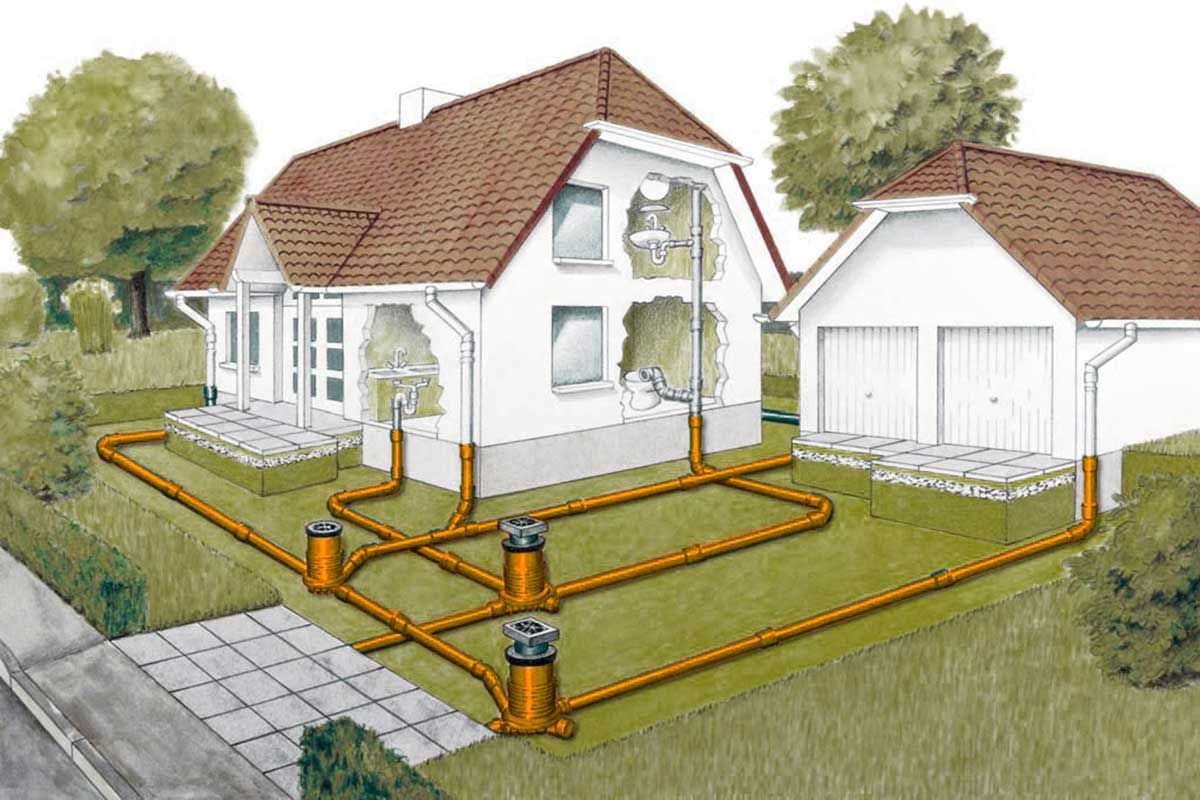

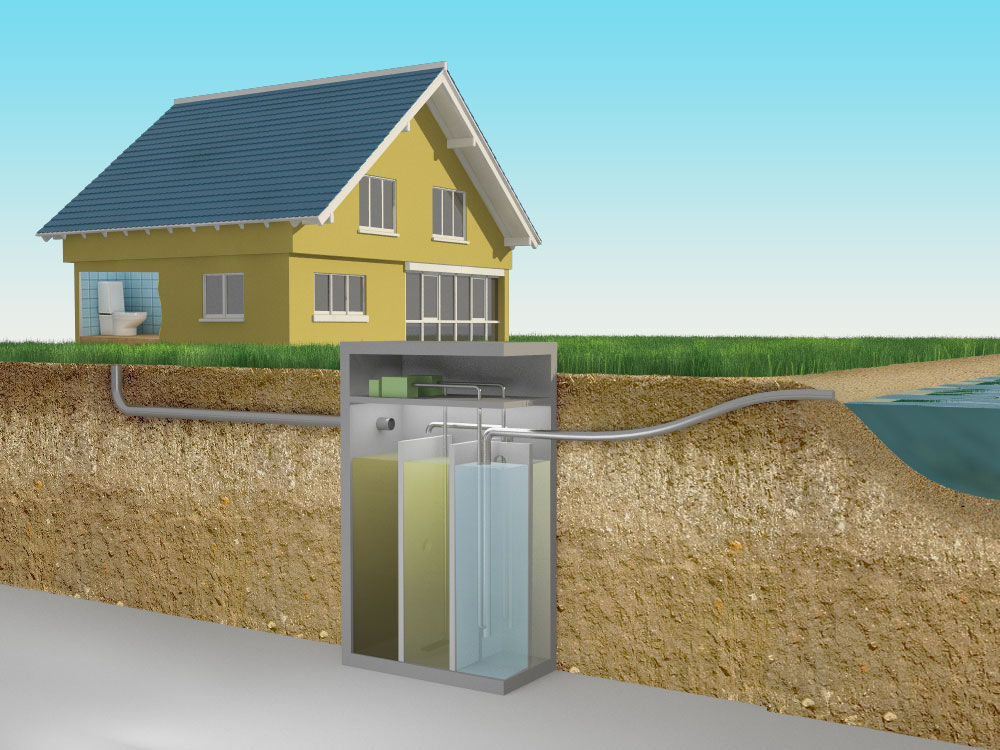
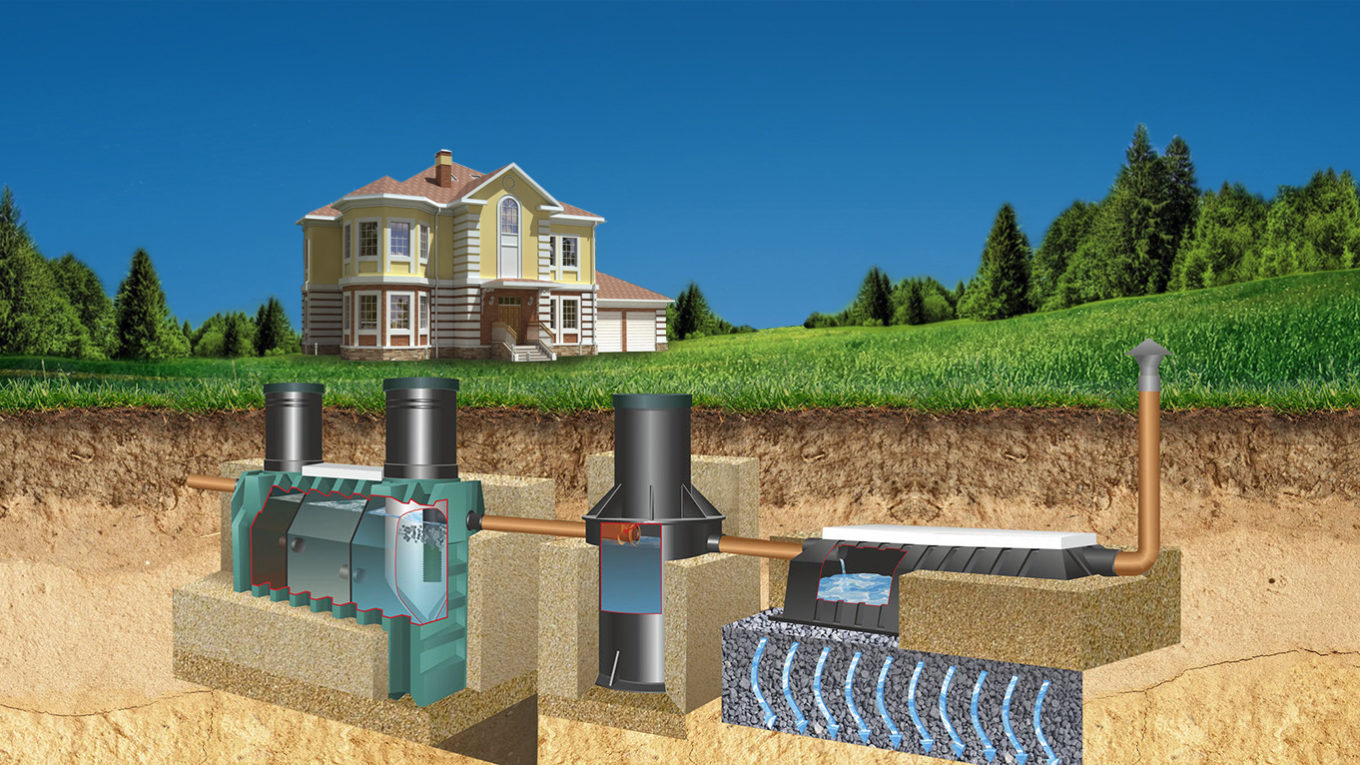




All joints, connections must be treated with sealant. In places of conclusions for household washing appliances, plugs are installed.
The riser is brought to the foundation, in which a hole with a diameter of 130-160 mm is pre-punched. A metal sleeve must be inserted into it. Through it, the collector pipe is taken out. The outlet of the outer pipe is qualitatively insulated, the gaps between the sleeve and the foundation are concreted.
External sewerage
Initially, you will have to dig trenches under the collector. They are dug from the very exit of the pipe from the house and up to the intended location of the septic tank. The depth of digging depends on the level of soil freezing in the region, as a rule, it is at least 70-90 cm. The upper edge of the laid pipe should be at this mark from the soil surface.
During the digging of trenches, the slope specified by SNiP is observed. The final receiver of wastewater should be located below the exit of the sewer pipe from the house. Then they work like this:
- A pillow of sand is poured at the bottom of the trenches and it is well rammed.
- Pipes are laid on the base, securely connecting them.
- The fully assembled system is checked for leaks. If there are no leaks, the water leaves the house freely, you can backfill the collector. At the same time, the soil is not heavily rammed. It will settle down on its own in time. If necessary, then pour more earth on top.
Septic tank device
At the final stage of work during the installation of a private sewer, you need to build a home-made septic tank. As the simplest option, you can use a tank in the form of a plastic barrel. Some build a sewage receiver from car tires, concrete rings. Plastic is easier to work with. The principle of installation of a two-chamber septic tank looks like this:
Pits are dug under the tanks in accordance with the parameters of the barrels. At the same time, the depth and width of the pit is increased by 30-40 cm under the base and backfill.
The bottom of the pit is carefully rammed. Pour a sand cushion of moistened sand. It is well sealed.
A wooden formwork is placed on the sand under the first chamber and a concrete solution 20-30 cm thick is poured.
The bottom of the second tank is made drainage. A layer of fine gravel is poured onto a pillow of sand, and broken brick or cobblestone is placed on top.
After the solution has dried, both tanks are placed next to each other.
It is important that there are no distortions.
Both chambers are connected by an overflow pipe at a level of 40 cm from the bottom of the barrels.
A drain/sewage pipe is connected to the first receiver in its upper part. All joints are well sealed.
The tanks are filled with water and only after that they are backfilled with thorough compaction of the soil.If the barrels are not filled with water, they may subsequently burst in the soil.
The top of the septic tank chambers is covered with hatches.
If the barrels are not filled with water, they may subsequently burst in the soil.
The top of the septic tank chambers is covered with hatches.
What to look for when designing
Local sewage for a country house is primarily intended for the accumulation of sewage and waste. In addition, it is a protection against the emergence of infectious microorganisms and the spread of unpleasant odors. Subject to the rules of SNIP for a local sewage system, even a typical drain pit will become a safe solution. In order for an autonomous sewage system in a private house to comply with standard standards, you should:
- Calculate the required amount of daily water consumption.
- Location of the main source of drinking water. This is a paramount aspect, provided that a mine well or a local well is located on the territory of a suburban area.
- Location of nearby lakes and rivers.
- Climate and topography of the local area.
- The depth of groundwater.
When designing an autonomous sewer, it is necessary to choose the right location
After evaluating each of the named parameters, we proceed to the choice of a place where an autonomous sewage system for the house will be located. To do this, we use SNIP sanitary standards:
- The slope of the sewer pipes must correspond to at least 3%. If the place where the sewer will be installed in a country house is located far from housing, then the trench will have to be deepened one and a half to two times, otherwise it will be necessary to install additional plumbing equipment or a feces pump.
- The sewer storage tank is equipped no closer than 7 meters to the extreme wall of the house. Regardless of this, it is necessary to provide for the tightness of the effluent collector. If necessary, remove the fan riser.
- Sewerage for a country house is installed no closer than 20 meters to a nearby source of drinking water.
- The sewerage in the cottage is designed in such a way that it is provided with free access for the silo.
- At the final stage, each element of the sewer is waterproofed.
Obtaining the necessary documents and permits
Each network has an owner. Centralized sewer - too. Therefore, first you need to find out to whom it belongs, because it is with the owner that you will have to negotiate and cooperate. This may be, for example, Vodokanal, or maybe another organization. For the convenience of the owner of the network, in the article we will call Vodokanal.
Having found out the owner, it is necessary to collect and prepare the required documents, to carry out preparatory work on the site. Only after that, in the presence of a representative of Vodokanal, a legal connection is made. Otherwise, for illegal tapping, penalties and disassembly of the connection are due at your expense, plus they can take money for the diversion of drains in 6 months.
If an unauthorized connection to central sewerage of a private house was done before you purchased it, you should contact Vodokanal. If the summing up and tie-in are made in accordance with the standards, you may not have to disassemble everything. The connection will be issued, which will cost much less.


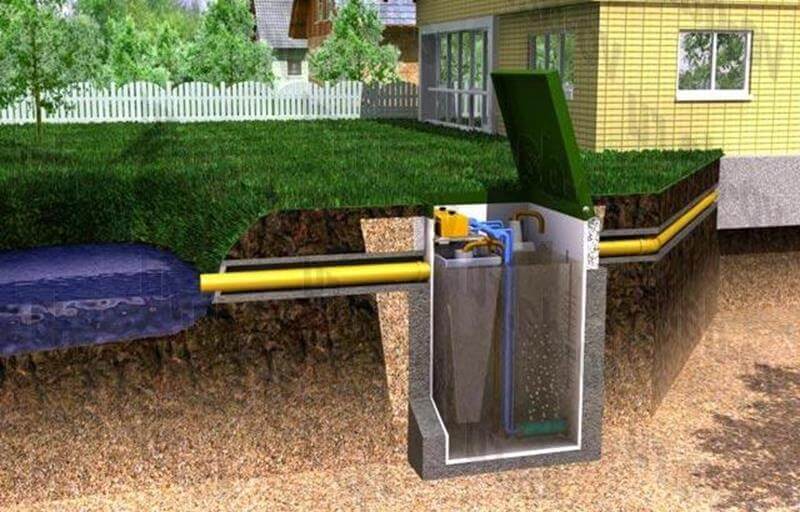


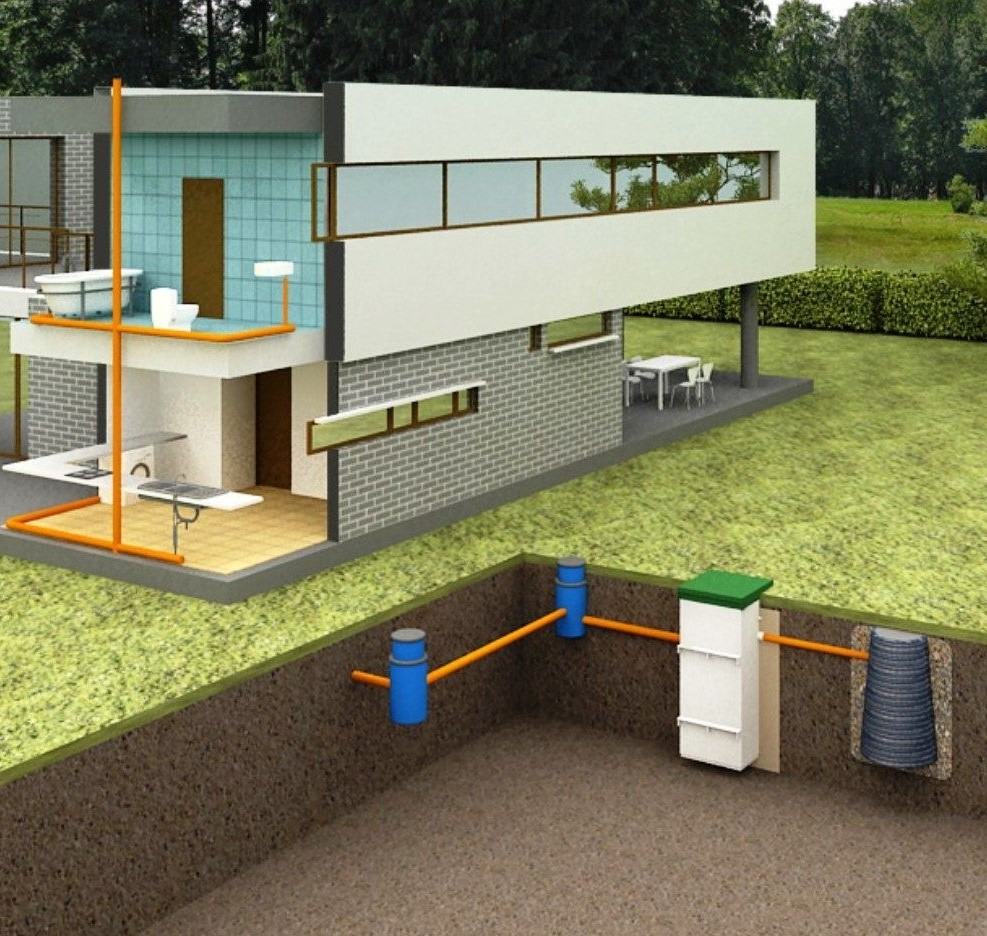
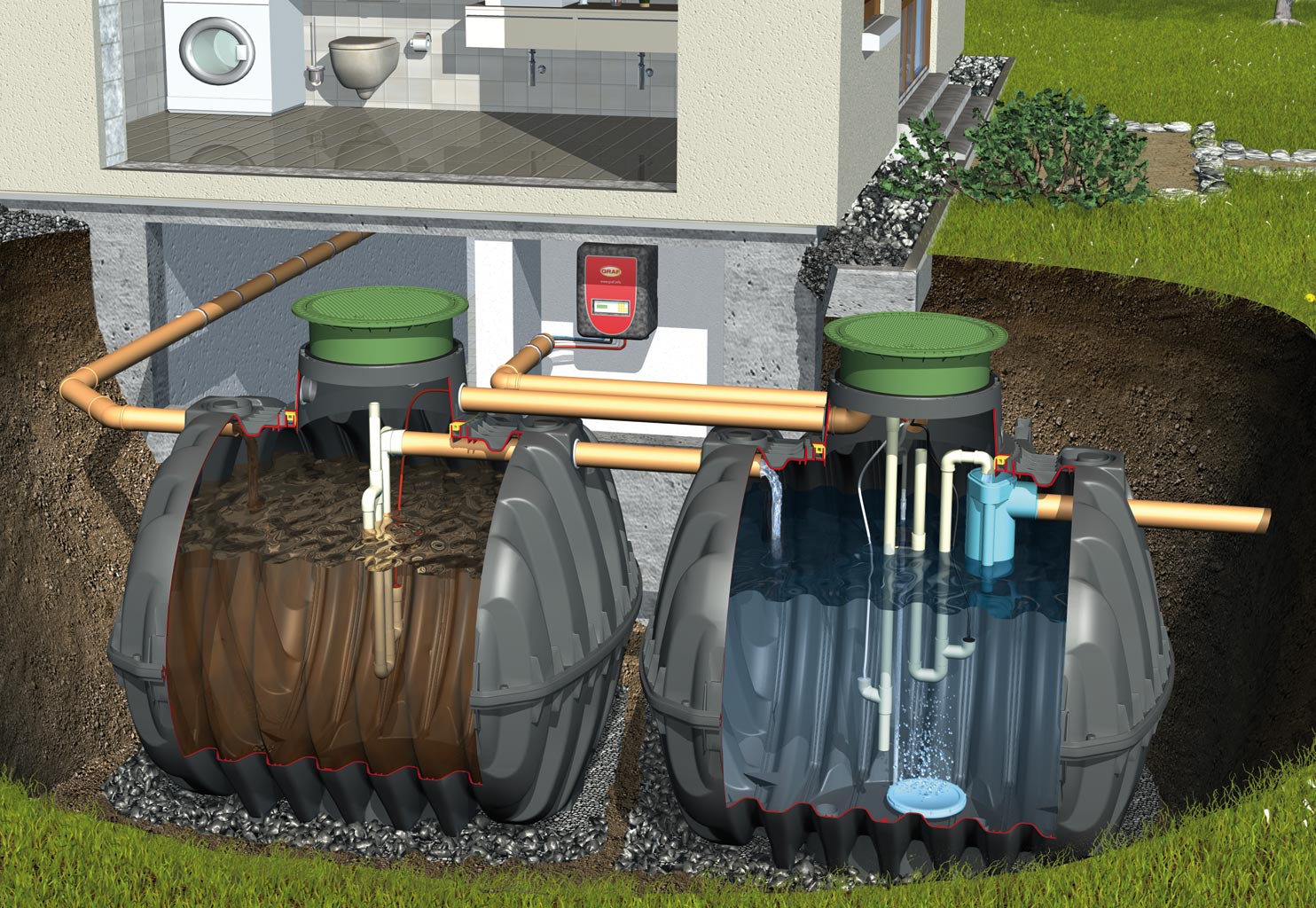
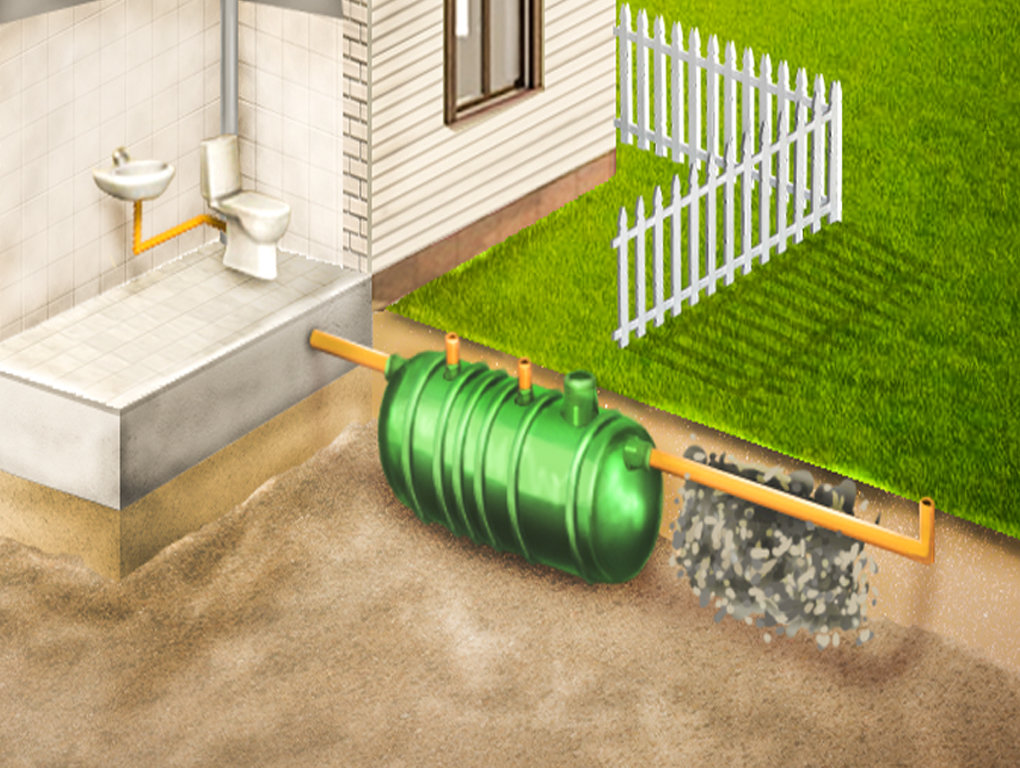
To apply for connection to the Vodokanal service, you need:
- Determine the exact connection point (tie-in);
- Draw up a diagram of the inlet branch of the pipeline for laying;
- Pick up pipes for her.
Therefore, first you need to find out what type of central sewer network you have to connect to. It can be separate, when domestic and storm drains each go through their own pipelines. It can be mixed, when the drains go in one pipe, there is no need to tie in two separate branches. The type of sewage system determines the method of diverting water from the site (in one or two mains), as well as the possibility or impossibility of diverting storm water. For a separate system, permission for each of the networks is issued separately (all papers and the project). In the case when it is impossible to divert storm water to the central network, they can be cleaned and used on the site, for example, for irrigation, washing. To collect storm water, you will need a separate tank.
Since all the financial costs of bringing wastewater to the tie-in site, as well as tie-in work, fall on the shoulders of the developer (the owner of the site), it is reasonable to first make an approximate calculation of costs, think over all measures to reduce it. Perhaps it will be possible to gather like-minded people among the neighbors, then the costs will decrease. Another measure could be the financial participation of the developer in the modernization project. With a positive decision of Vodokanal, part of the work will be paid by the organization.
In order to avoid difficulties related to the rights of neighbors, you must first coordinate with them the construction work next to their sites. The consent of the neighbors must be recorded (a free-form document with a list of signatures).
What documents need to be prepared
- First of all, you need to contact the surveyors in the company engaged in geodetic examinations, get a site plan with a sewerage scheme (usually on a scale of 1:500).
- With the received plan, attaching a copy of the passport, a document on ownership of the property, the owner applies to Vodokanal with a statement.
- Vodokanal specialists must issue technical conditions (TS) for the future connection (the response time to the application is 2 weeks).
- It is necessary to develop a connection project, made by the designer on the basis of specifications and site plan.
- Coordination of this project by specialists: an architect and an expert from Vodokanal.
- The choice of a contractor - the owner of real estate or an organization that will directly connect a branch of a private pipeline to a centralized highway. The artist selection is displayed in the document.
- If there are other central networks in the territory where the sewer and storm branches will pass, permissions from the owners of the networks will also be required to carry out work in their area of responsibility.
Already from what has been said, it is clear that an exact project, agreed upon in several instances, will be needed. For most owners of suburban areas or new buildings, it is easier to apply for the preparation of documentation to companies involved in the collection and preparation of documents. This is not cheap, however, it saves the owner of the site from wasting time and making mistakes.
Features of modern septic tanks
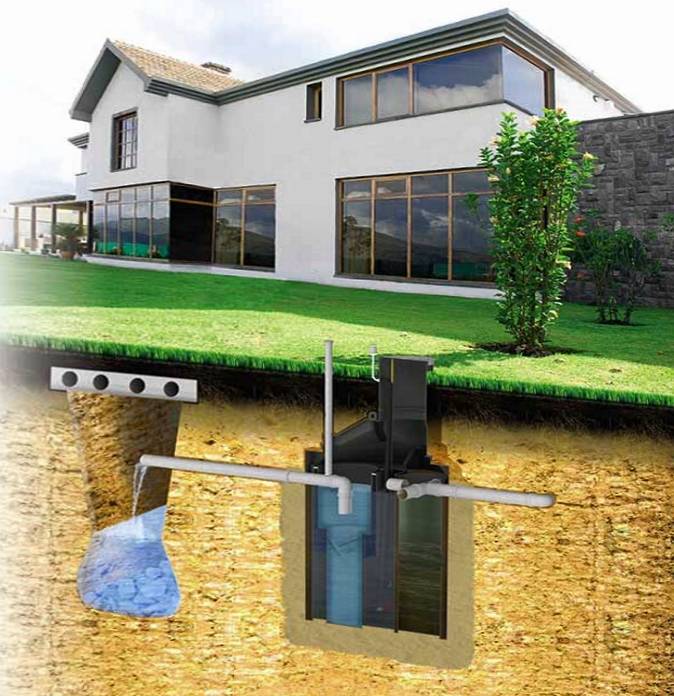
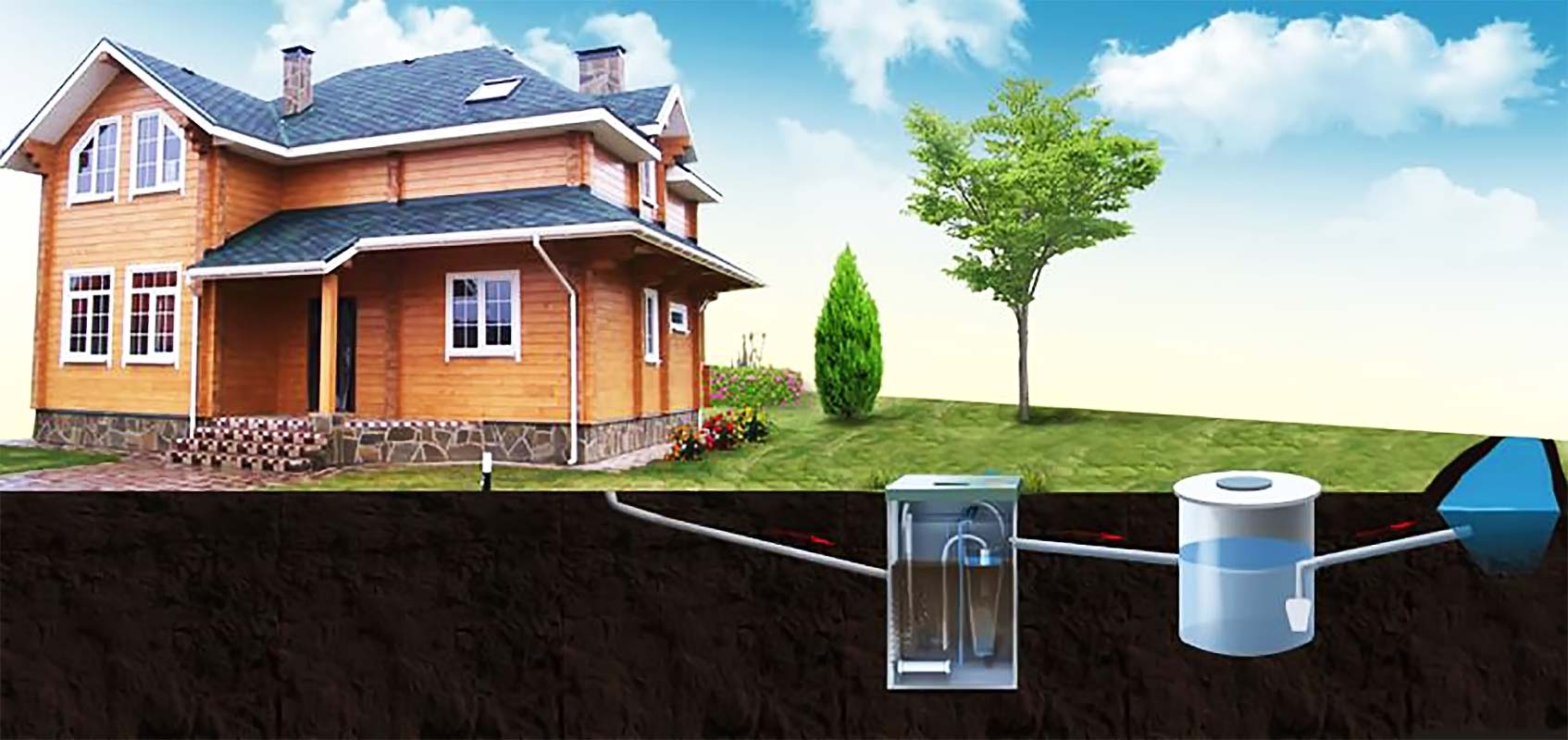
A local sewage treatment plant, in which wastewater from the house is collected and treated, is called a septic tank. The simplest models of these treatment devices operate on the principle of settling wastewater and further decomposition of the sludge due to the activity of anaerobic organisms.
Usually, after such a device, the drains are not sufficiently cleaned. Sanitary standards prohibit the discharge of such effluents into the ground or open water, so wastewater needs additional treatment, which they pass through filtration fields or drainage wells.
Modern septic tanks for a private house are autonomous deep cleaning stations that use the mechanical and biological principles of wastewater treatment. Thanks to this, a high degree of wastewater purity is achieved, reaching 98-99%. Sanitary regulations allow such effluents to be discharged into open water bodies or the ground, since they do not pose a threat to the environment.