The device and principle of operation of boilers for heating a private house
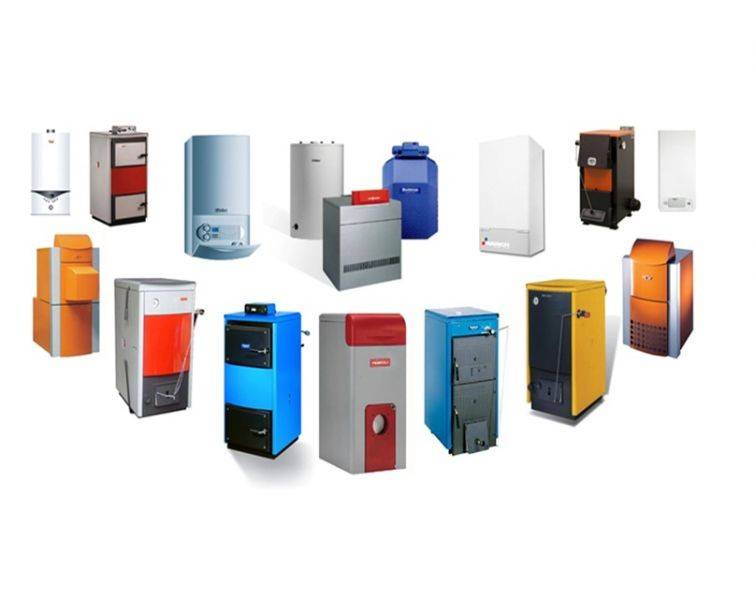
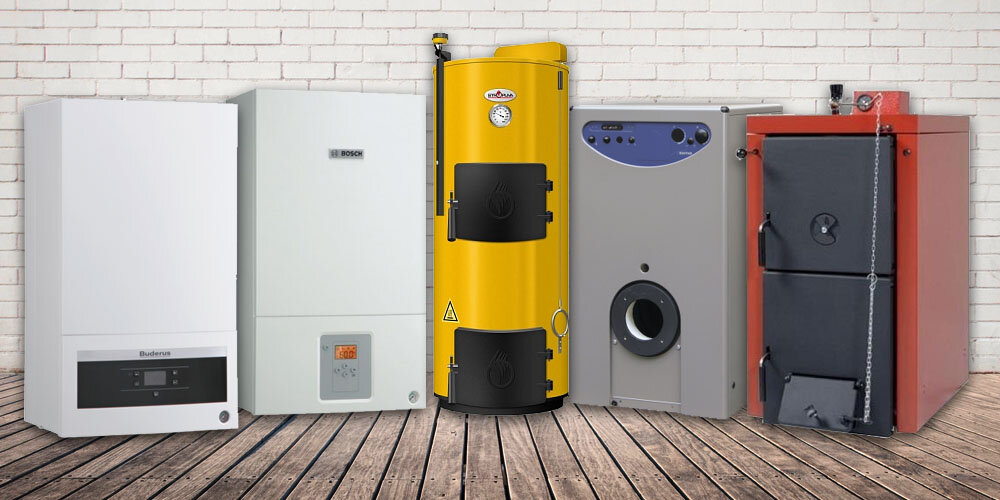
You can create an autonomous heating system in a private house using boilers: gas, electric, combined, solid and liquid fuels.
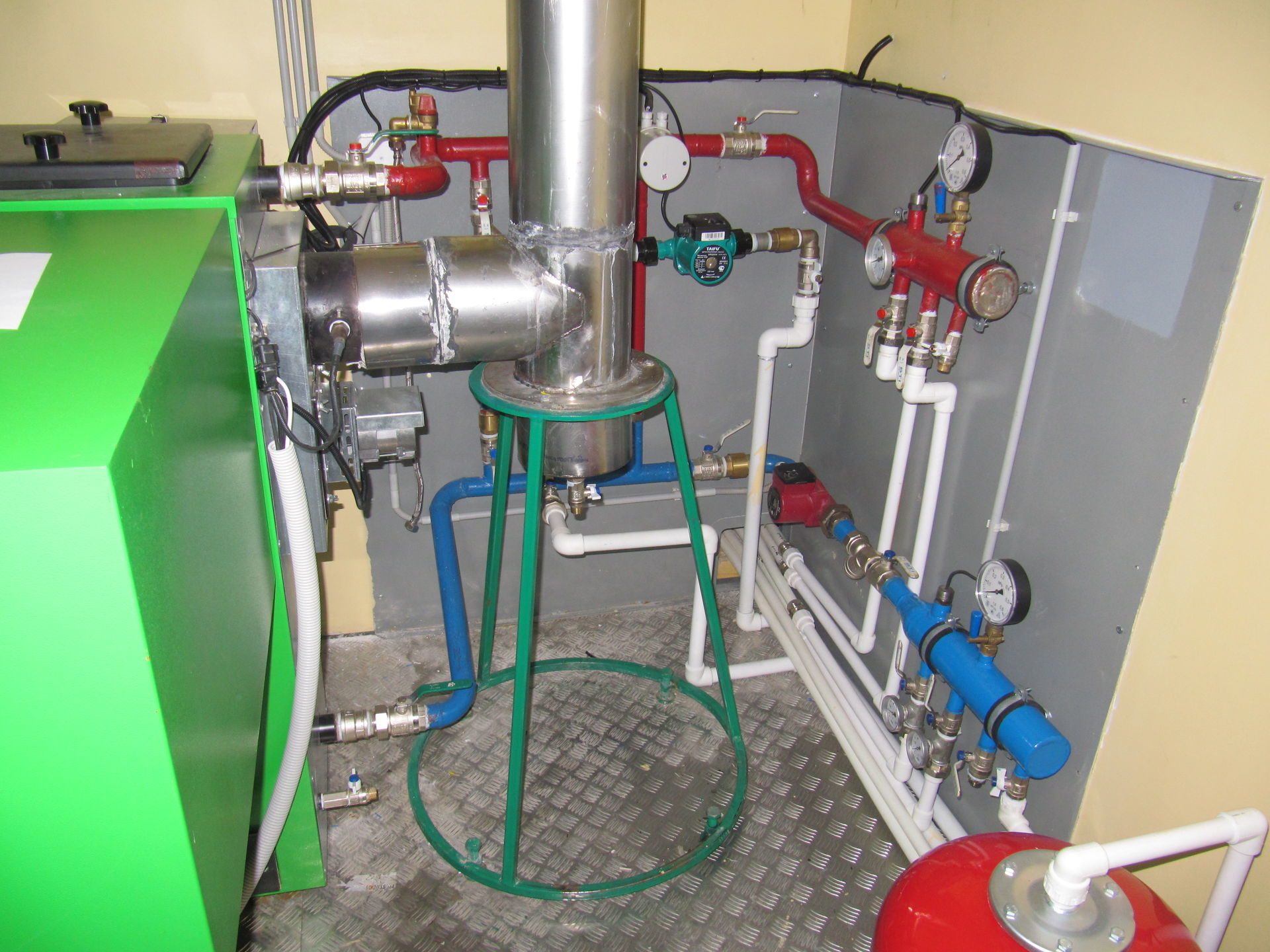
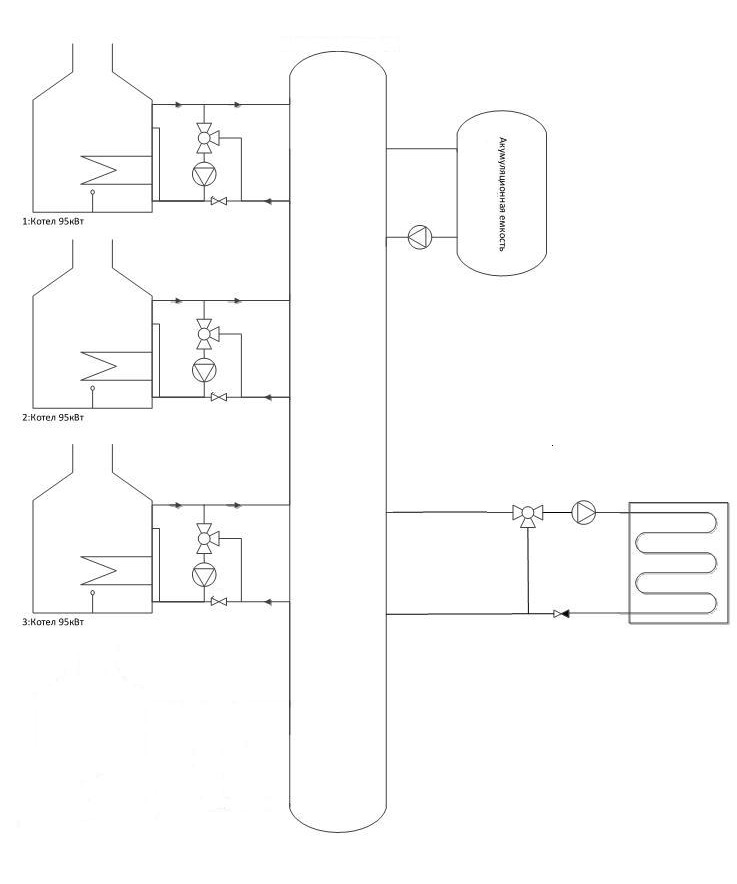
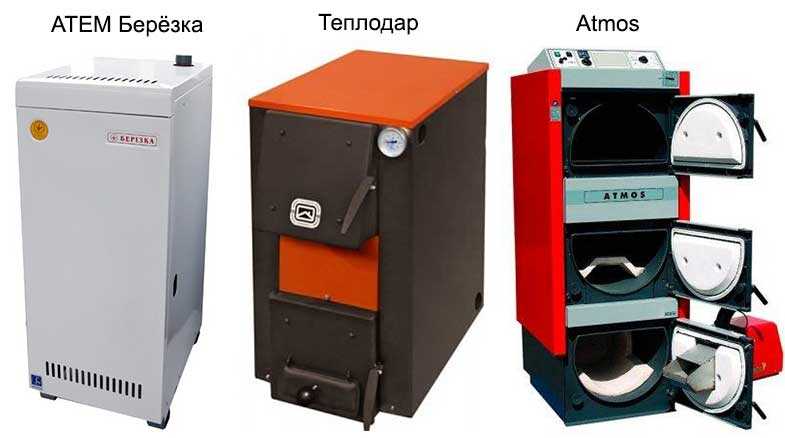
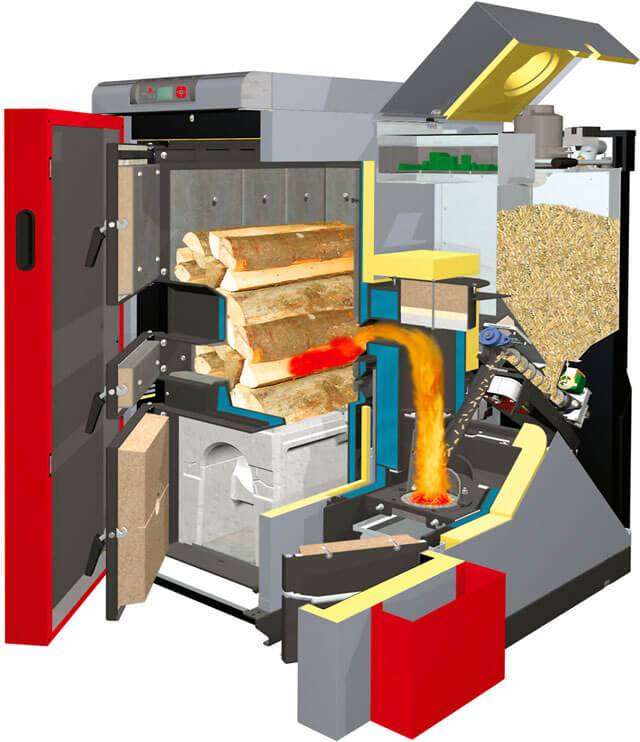
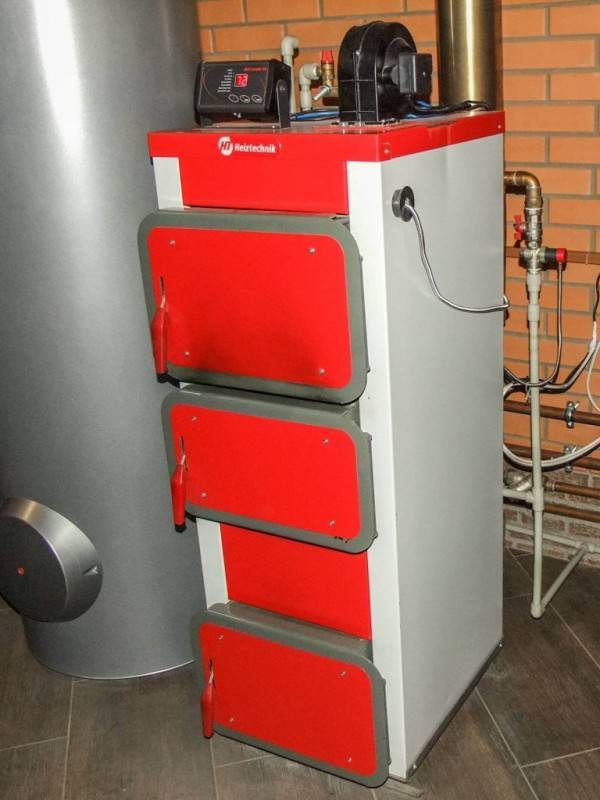
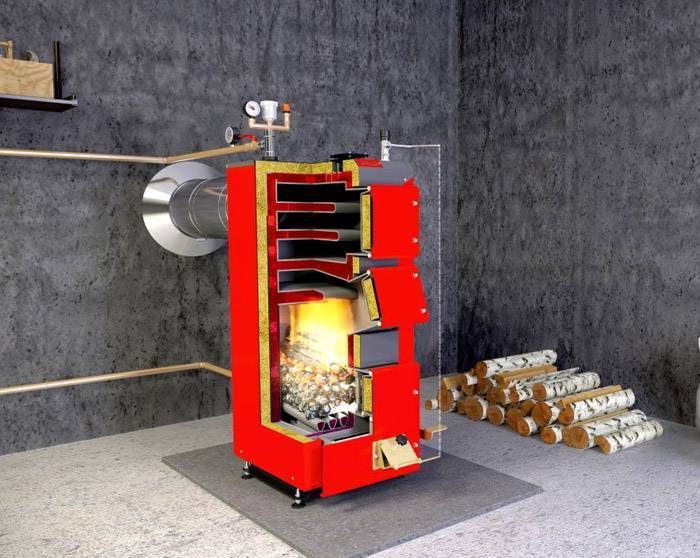
Gas and liquid fuel models are fundamentally the same: a combustion chamber, a burner, a heat exchanger, control and monitoring units, as well as an outlet to a chimney or a coaxial pipe. Solid fuel versions add a grate, ash pan, water jacket and damper. Electrical modifications are significantly different - the heat exchanger in them is heated in a tank with heating elements, electrodes or inductive coils. The combined device is a "symbiosis" of the above devices.
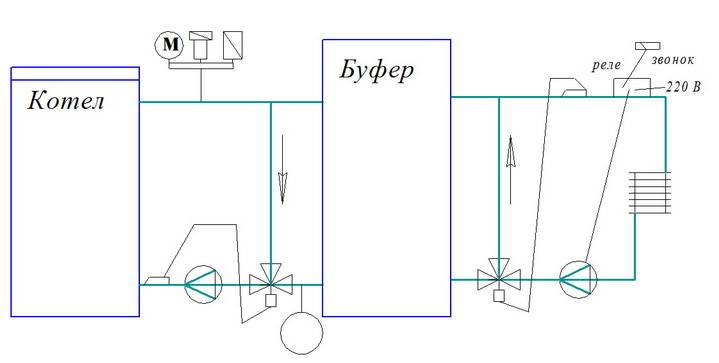
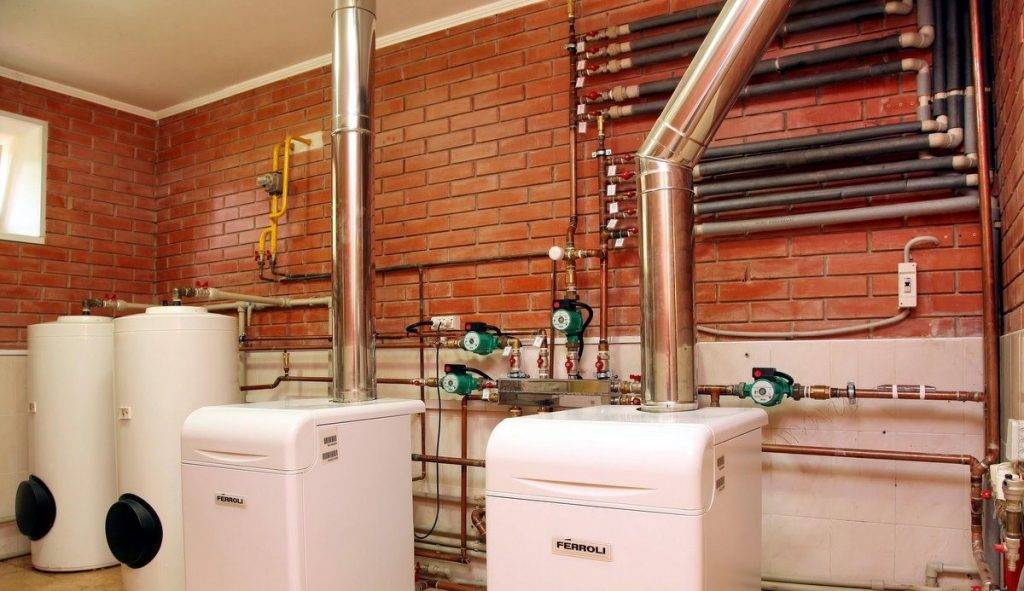
Schematic diagram of the operation of gas and diesel units: fuel is supplied to the combustion chamber; the burner is switched on mechanically or automatically and the fuel is ignited; the coolant is heated in a heat exchanger, after which, with or without a pump, it circulates in the heating system; in the presence of a boiler or 2 circuits, water is also directed to collapsible points.
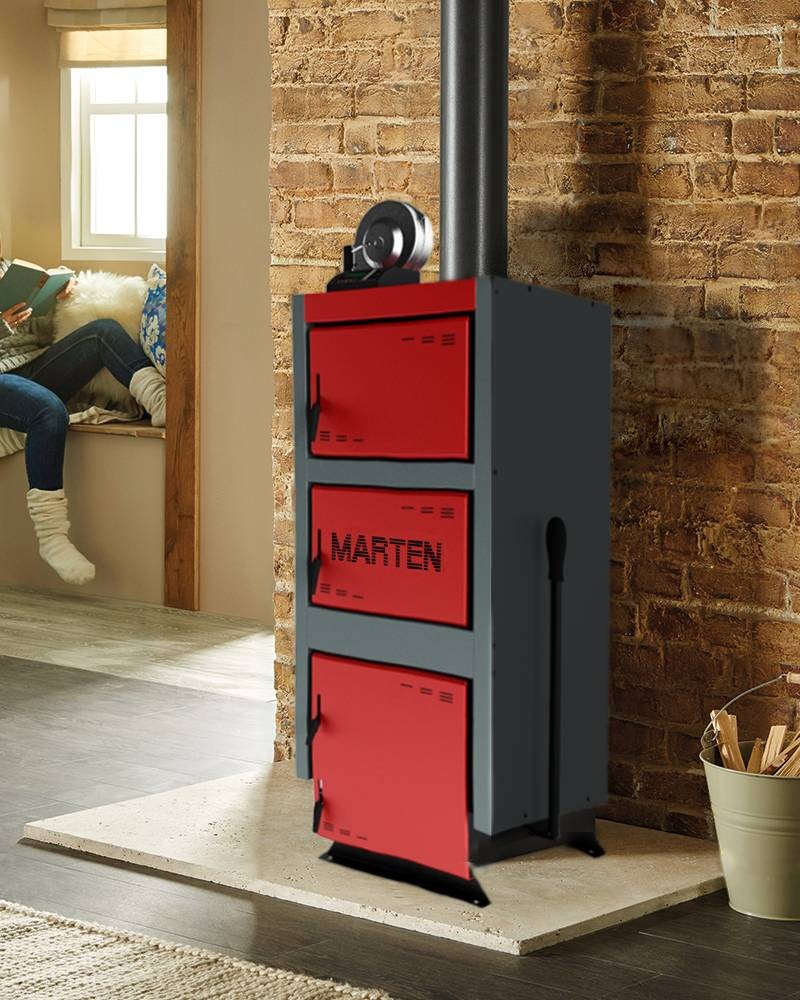
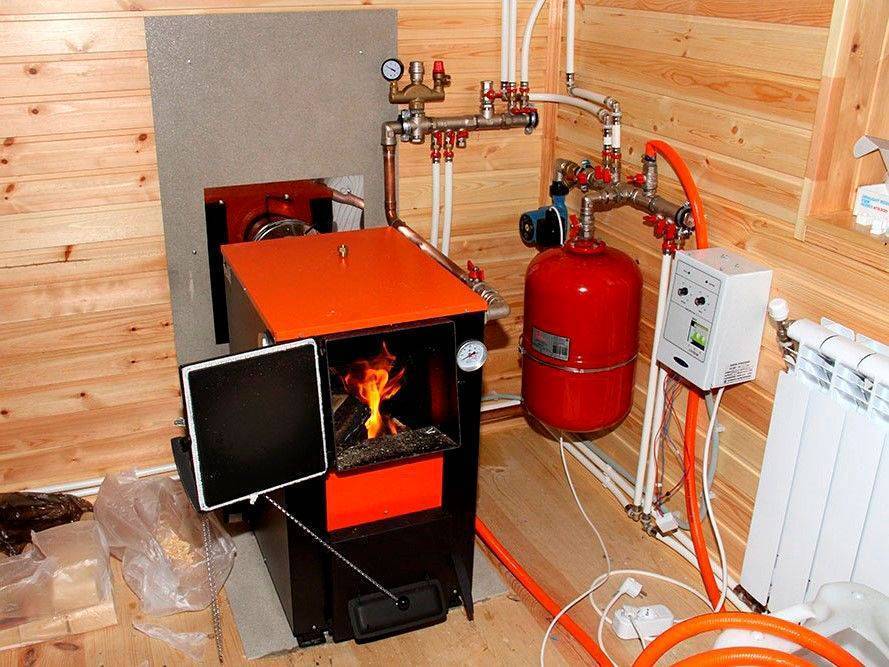
The operation of a solid fuel appliance has its own characteristics - it is necessary to regularly load coal, firewood, or briquettes into the furnace, as well as clean the equipment from ash, tar and soot. When using an electric boiler, the water is heated after the settings are made and the unit is connected to the network. Combined vehicles operate in the same way as others separately, only with switching to a specific type of fuel. For example, to switch from firewood for gas a special burner is installed, and to connect the heating element, the plug is inserted into the socket.
Parameters for choosing a boiler for heating a private house
Before going to the store, first of all, the fuel on which the device will work is determined. Each fuel has its pros and cons, so the approach in this case should be individual. Gas is considered the most practical. Firewood and coal are also popular outside the city.
1
The main parameter that you should pay attention to is power. It can be accepted from the condition: for 10 m² of a room with a ceiling height of up to 3 m, 1 kW + 20% of the reserve is needed
With a more accurate calculation, many factors are taken into account, for example, the area of \u200b\u200bthe external walls and the degree of their insulation.
2. The efficiency is tied to power - the higher it is, the less waste of thermal energy. The maximum efficiency for condensing gas models (up to 110%), the minimum - for solid fuel modifications (usually 80 ... 90%, although there are 55%).
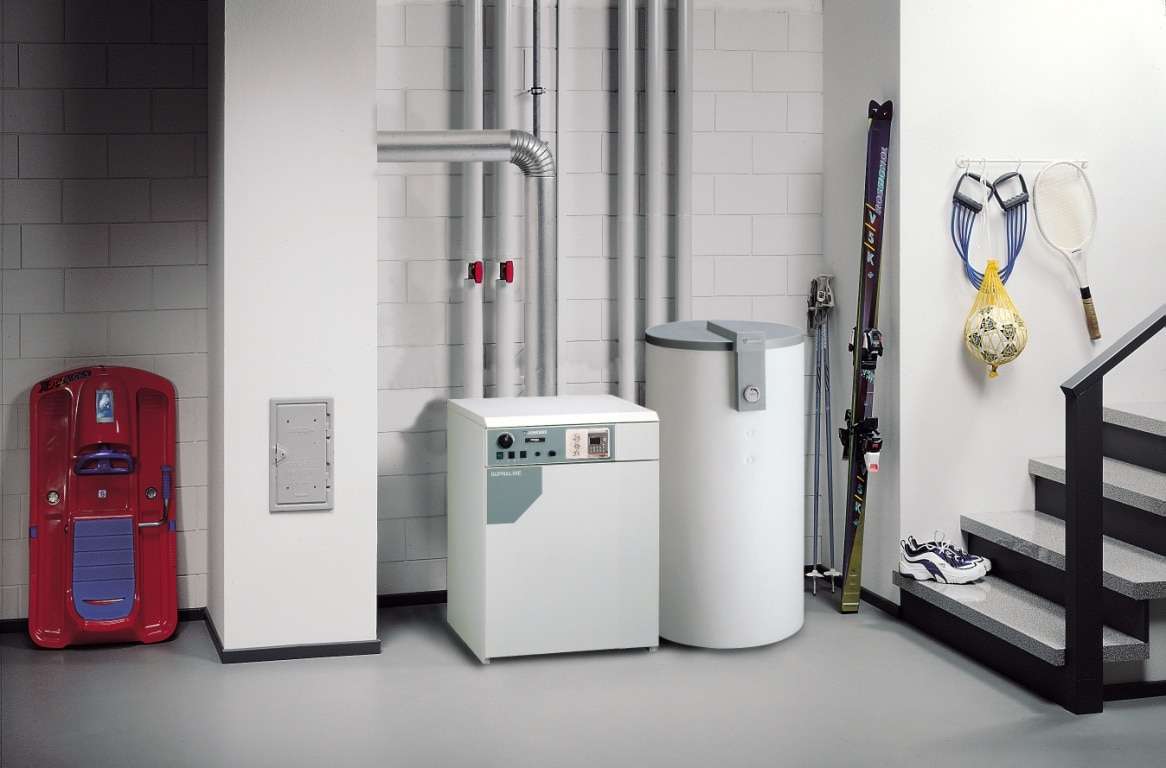



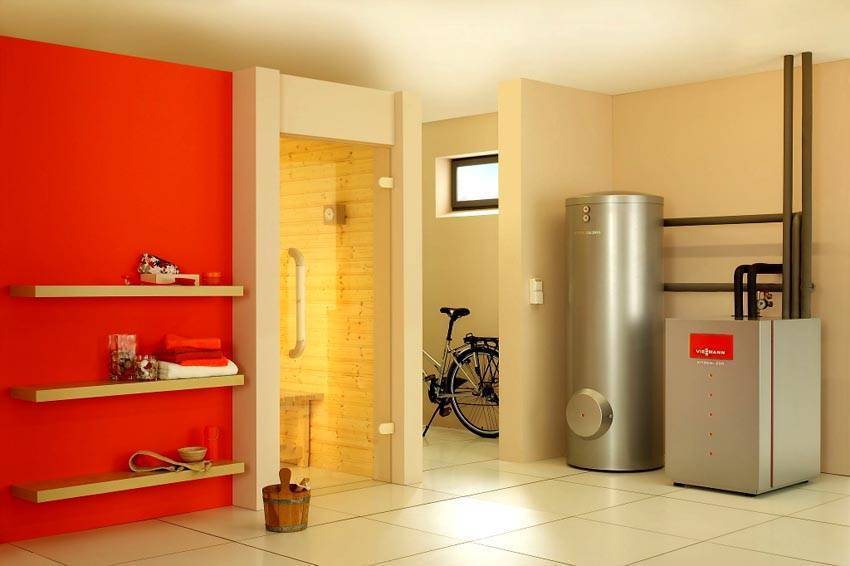

3. If DHW is also planned in addition to heating, the 2-circuit version is selected. An alternative, more suitable for a private house, is a 1-circuit device + indirect heating boiler.
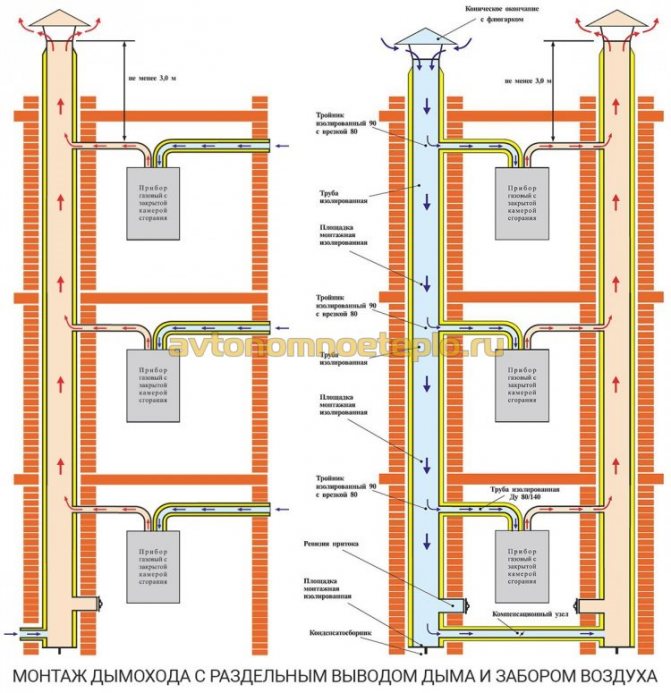
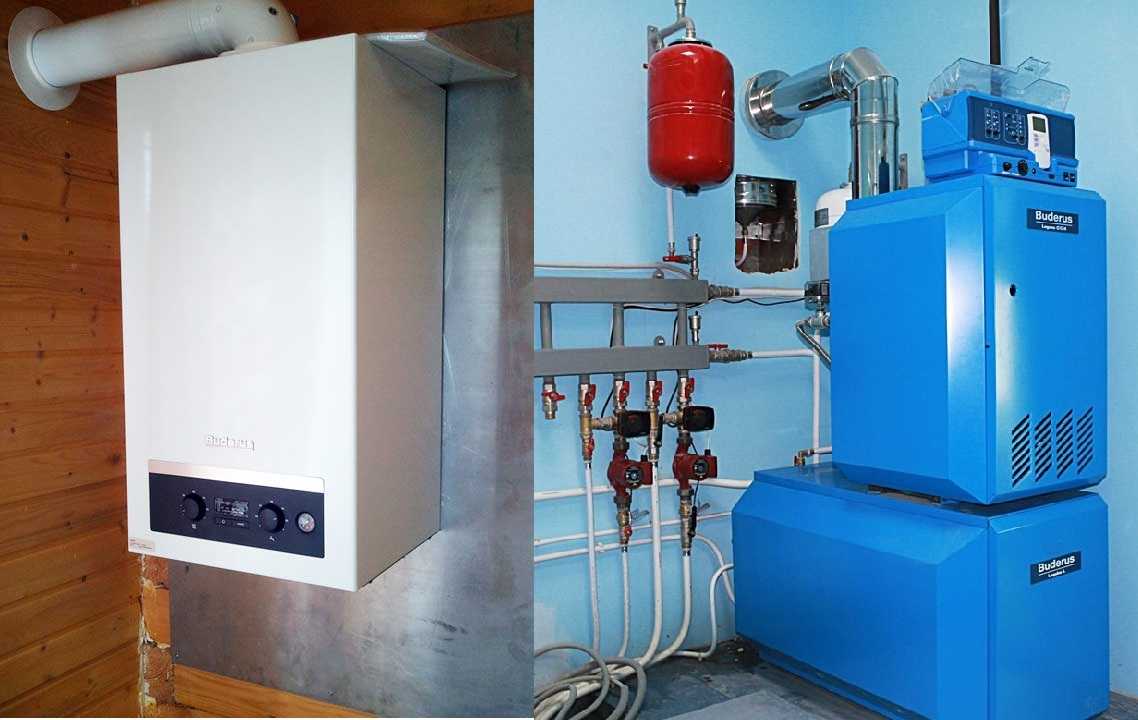
four.There are 2 options for the workflow: air intake through an open chamber, use of an atmospheric burner, removal of combustion products by a chimney; the use of a closed firebox and a turbocharged burner, air intake and smoke removal with a coaxial pipe. Both methods are suitable for the home, although the first is more acceptable.
5. Heat exchangers are: expensive cast iron, which do not corrode, keep heat for a long time, but crack with sharp temperature fluctuations; cheaper steel ones that can withstand any thermal conditions, but rust during operation.
6. The units are divided into non-volatile, continuing to work when the electrics are turned off, and those that stop when the mains is turned off. When choosing in this case, it is necessary to evaluate the quality of power supply.
7. With the solid fuel version, it must be taken into account that firewood is regularly loaded manually, and pellets are fed automatically by means of a bunker.
8. When buying an electric boiler, you need to understand: you will have to pay accordingly for maximum convenience - compared to other types of fuel, electricity is the most expensive. Among the heating elements, induction, electrode models, the first ones are the most popular - if only for the reason that heating elements are inexpensive and simply change.
9
Serious attention is paid to command and control systems, including security. The latter parameter is especially relevant in case of gas pressure drops, power outages and the onset of severe frosts.
10. When choosing equipment, the following are equally important: the name of the manufacturer, price, warranty period and the possibility of high-quality after-sales service.





Which boiler for heating a private house to choose
1. Boiler for a city house
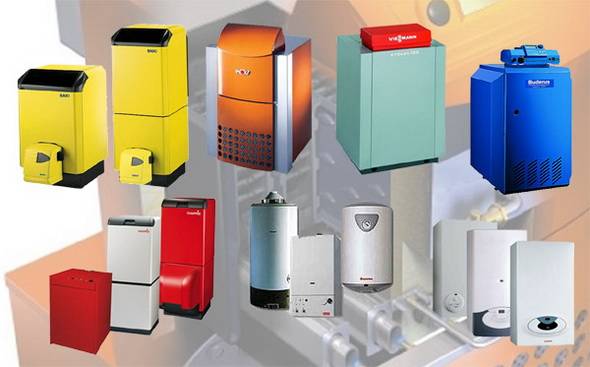
In private houses, any of the boilers discussed above are installed, but the specific choice is made based on the circumstances.
For large facilities located within the city, it would be most rational to connect a floor-standing single-circuit boiler to the gas pipeline and additionally arrange hot water supply using an indirect heating boiler.
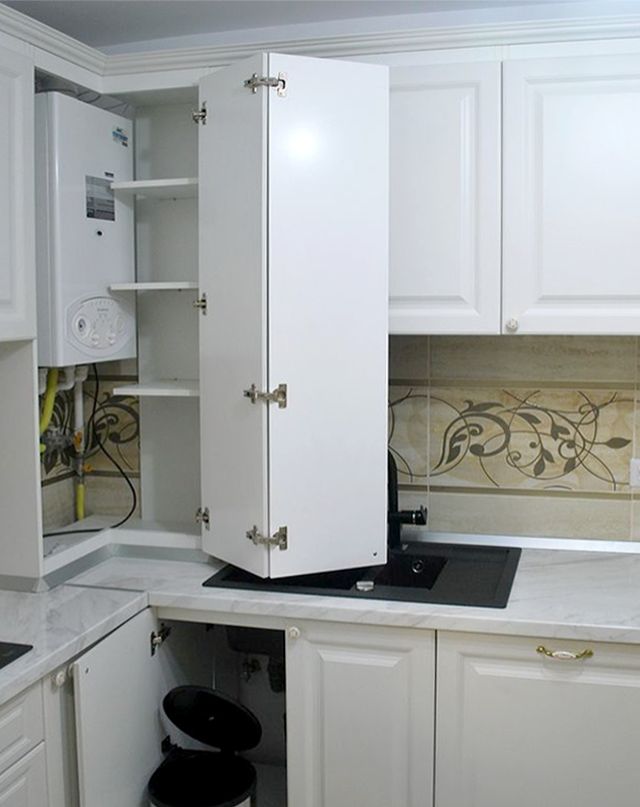
In smaller private dwellings, you can mount the same unit, but a two-circuit wall-mounted one with a closed firebox. In addition, it is better to choose a cast iron heat exchanger. If the water is soft, then - steel bitermal. When comfort plays a role, and money does not matter, you can stop at an electric appliance.
2. Boiler for a country house
In the case of a house located outside the city, the options are the same, but if it is possible to connect to the highway. Otherwise, a good alternative is a solid fuel boiler, the fuel for which is selected based on the prices for coal, coke, firewood, pellets, briquettes in a particular region.
How much does a boiler cost for heating a private house
Below is the cost of the most popular heating boilers for a private house:
1. Gas - Protherm Cheetah 23 MOV: N=9…23 kW, efficiency 90%, equipped with two circuits and an open chamber, attached to the wall. 32.7 ... 39.1 thousand rubles.





2. Gas - Vaillant ecoVIT VKK INT 366: N=11…34 kW, efficiency 109%, equipped with one circuit and an open chamber, installed on the floor. 140.8 ... 186.4 thousand rubles.
3. Electric - Protherm Skat 12 KR 13: N=12 kW, efficiency 99%, equipped with one circuit, connected to a 3-phase network, mounted on the wall. 31.7 ... 41.9 thousand rubles.
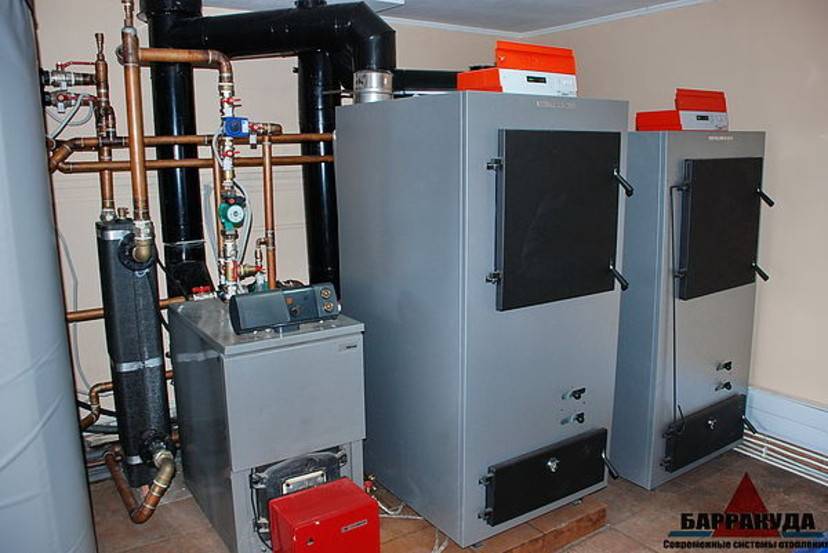
four.Solid fuel (wood, briquette) Stropuva S40: N=40 kW; Efficiency 85%; equipped with an open chamber and one circuit, installed on the floor. 96.1 ... 122.0 thousand rubles.
5. Liquid fuel (diesel) - Buderus Logano G125 SE-25: N = 25 kW, efficiency 96%, equipped with one circuit and an open chamber, installed on the floor. 102.4 ... 139.3 thousand rubles.
6. Combined (gas-diesel) - De Dietrich GT 123: N=21 kW; Efficiency 96%, equipped with an open chamber and one circuit, installed on the floor. 51.5 ... 109.0 thousand rubles.
Prices are valid for Moscow and the region as of August 2017.