
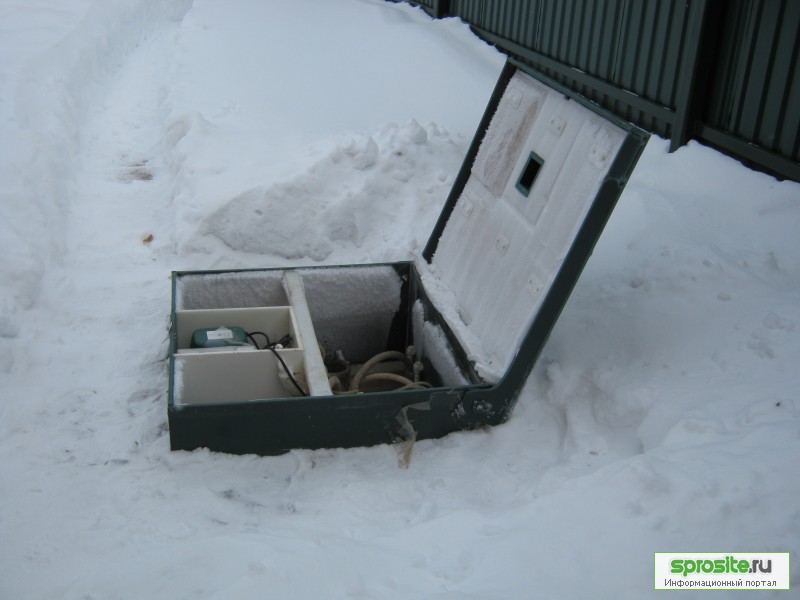
- Instructions for the use of sewerage Topas in winter
- How to serve Topas in winter?
- The specifics of the installation of septic tanks "Topas"
- How to insulate a septic tank
- The advantages of Penoplex when isolating a septic tank
- WARMING OF THE SEPTIC
- Consider the most common options:
- Modern methods of insulation
- Rules for the conservation of treatment facilities
- Method 1: preparation of industrial septic tanks
- Method 2: stop the work of a homemade structure
- Technology of spring reactivation of a septic tank
- Prevention of clogging and silting
Instructions for the use of sewerage Topas in winter
There is a myth that it is impossible to use Topas during seasonal living on the site, or with such use, it is possible to harm the sewer system. This myth has no right to exist, since any autonomous sewer system, for use in a summer cottage, may well work in any mode and at almost any air temperature. There are instances of sewer systems that are operated at ski resorts and even at polar stations, so low temperatures in our latitudes do not pose any danger to the Topas sewer at all.
Let us consider in more detail the mode of operation of the Topas station in the winter period of time or similar during the period of irregular residence, there are two options for the conservation of the station.
The first option is the preservation of the Topas septic tank for the winter
The first step when turning off the Topas station for the winter will be to disconnect it from the electrical network, this can be done by pressing a button located on the station body, as well as using an automatic switch, which is usually installed in the house.
After Topas is disconnected from the electrical network, it is necessary to remove the air compressor, or rather disconnect it
This can be done in one movement, since they are attached with clips in the working compartment of the station.
At a station with forced ejection, it will be necessary to dismantle the pump, which is designed to eject clean input.
It is important that the water level in the station remains at around 3/4 of the full level of the chamber. This is important, since many owners of the Topas system empty the chamber for the winter period, guided by the knowledge that at low air temperatures, water freezes
And having emptied all compartments of the chamber, they create serous problems, as a rule, upon returning in the spring, the owners find that their chamber is floating in the pit, or crushed by the action of the soil. These consequences are due to the fact that drained all the water, because water helps to prevent the impact of the ground, and also prevents the camera from being pushed out. As for the freezing of water, this is impossible, because the temperature in the chamber is constantly positive, regardless of weather conditions.
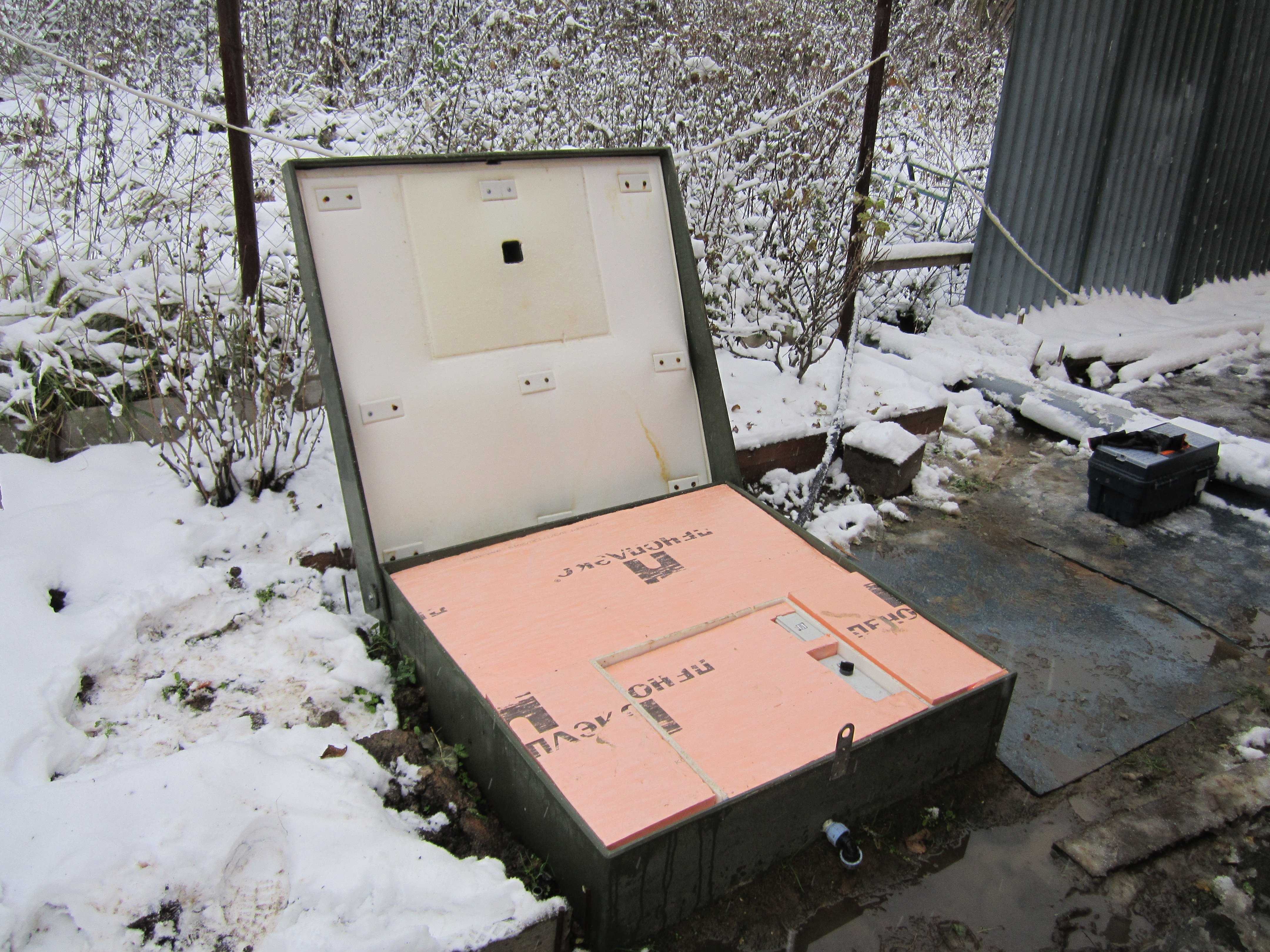
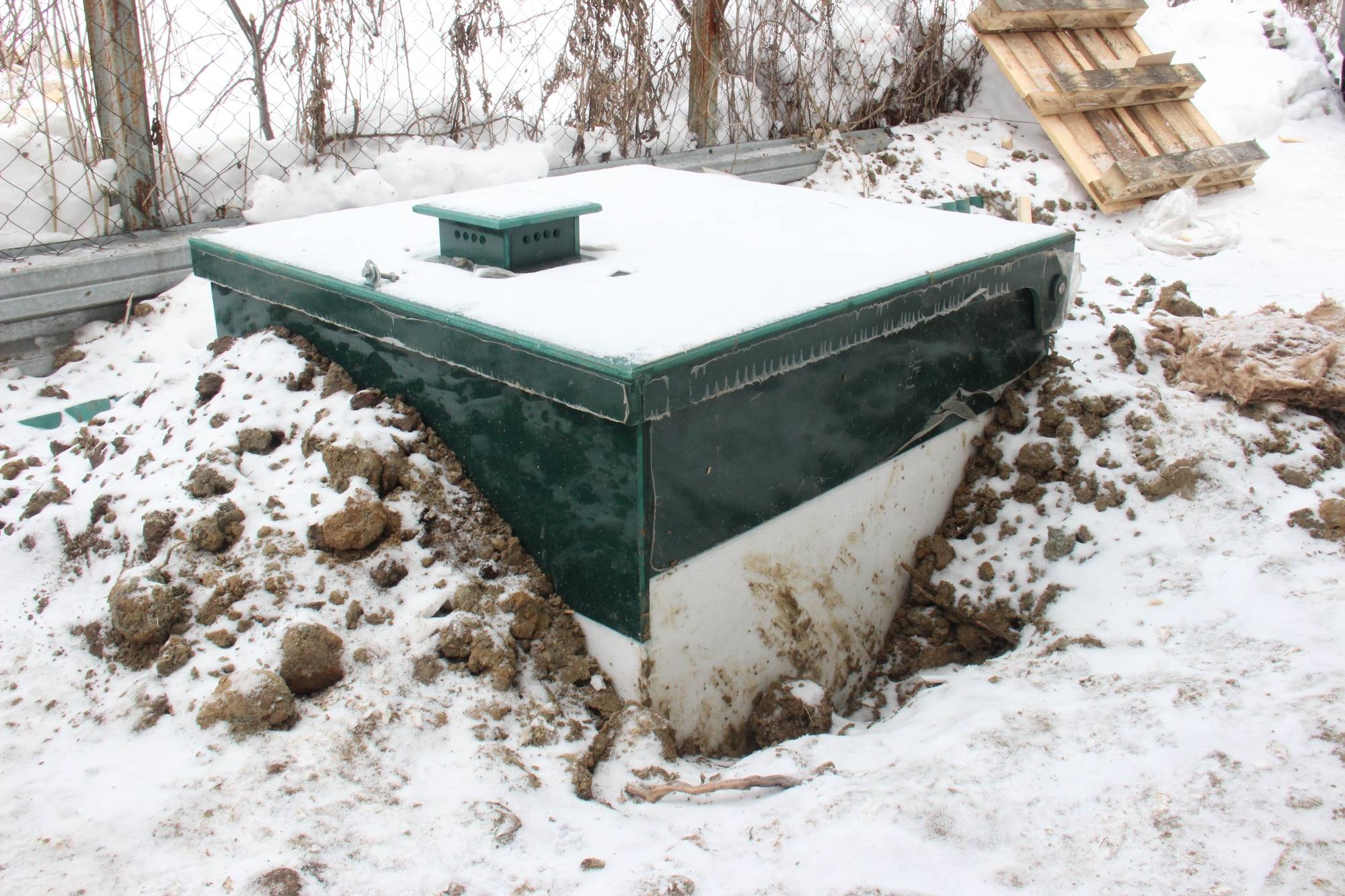
If necessary, you can insulate the station with foam sheets.The best option for insulating Topas would be the lining of the insulation between the cover of the station itself and the layer of stone that comes with the septic tank.
Conservation for the winter Topas is necessary if you rarely appear in your country house and therefore will not use the sewer system for a period of more than one month. If you take no action, then, most likely, the bacteria will die due to the fact that there was not a sufficient supply of organic substances, which means that the station will not be able to fully purify water by the promised 99%.
The consequences described above await you if you do not take any action during a long absence. The bacteria that are in the septic tank tend to self-form, which means that when wastewater with the presence of organic compounds enters the septic tank for the first time, new bacteria will begin to form in it. After starting the septic tank, it takes a little time for the bacteria to multiply to such an extent as to ensure maximum cleaning of the drains. If necessary, you can use purchased bacteria that are designed specifically for septic tanks, and it will be easier to pour spoiled kefir into the receiving chamber of the treatment plant, this will help speed up the process of formation of the necessary bacteria.
How to serve Topas in winter?
In winter, Topas septic tanks operate with approximately the same efficiency as in summer. However, in regions with average thermometer readings below -20º in the winter months, the structure should be insulated to the depth of seasonal freezing in the region. In any case, the cover should be equipped with thermal insulation.
If the thermometer does not show below -20º, and at least 20% of water with domestic pollution enters the station for processing, measures to warm the skeptic for the winter can be omitted.
The devices inside the unit that are most sensitive to low temperatures are the compressors and the pump, if used. A noticeable cooling of the air surrounding them can cause an overload in the operation of the devices and even their breakdown.
If winter operation is expected, then with a thermometer reading below -15º, you should not open the cover of the device without urgent need.
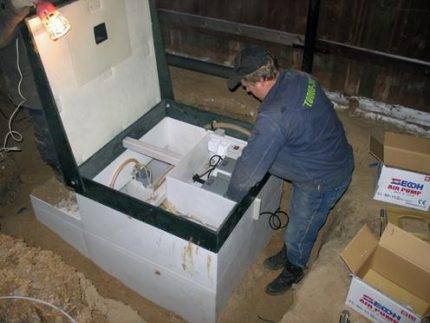
Even before the onset of cold weather, it is recommended to perform a full range of maintenance of the Topas septic tank: pump out silt, clean filters, rinse the device, etc.
If the average temperature during the winter months varies in the range of -5º (-10º), there is no need for thermal insulation of the body.
The container is made of durable polypropylene, and this material has a reduced ability to transfer heat. This allows you to keep the temperature inside the septic tank almost unchanged even with the onset of slight frosts.
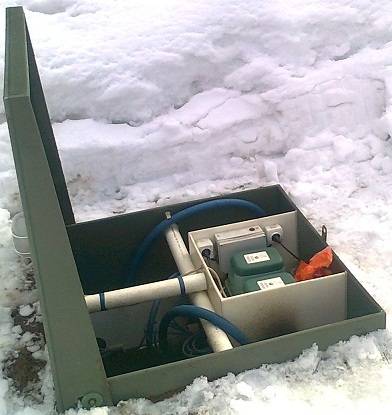


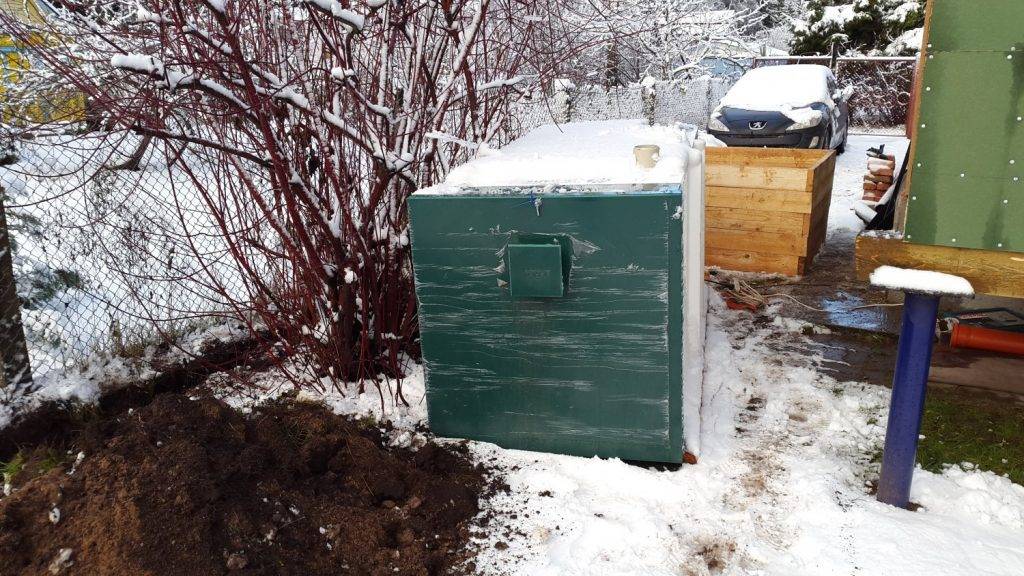


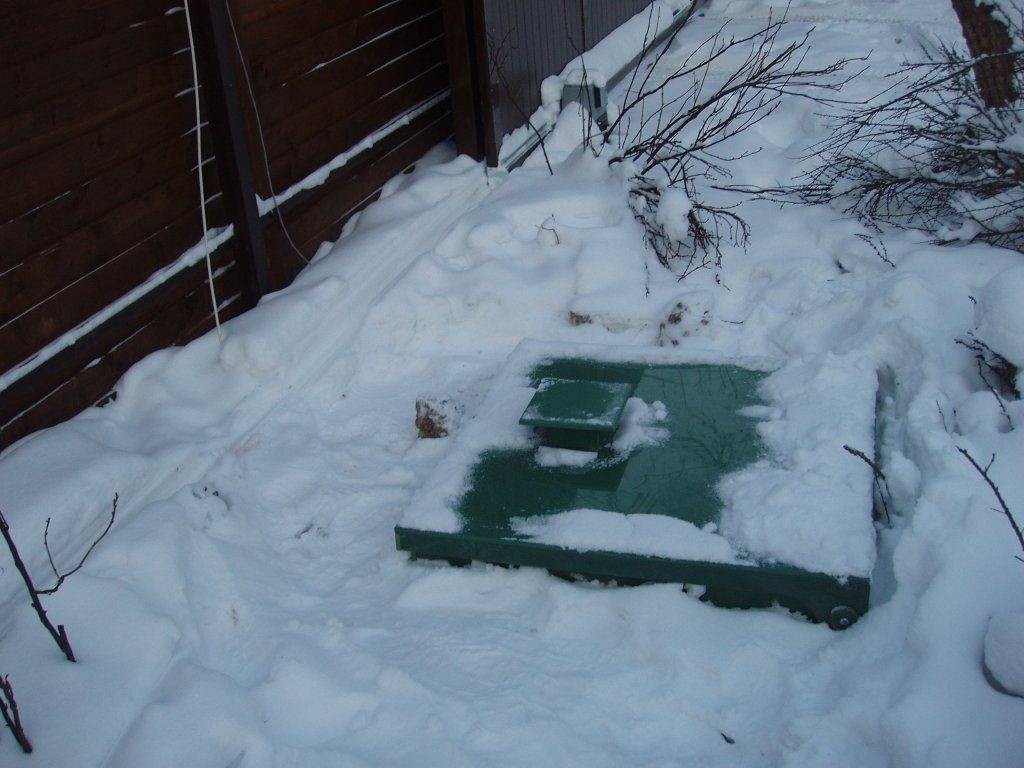
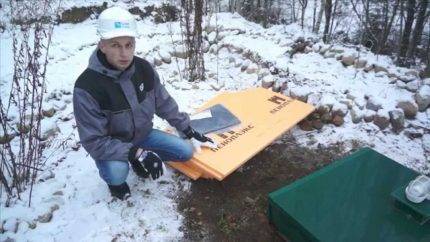
Additional external insulation of the cover of the Topas septic tank can be performed using modern heat-insulating materials or a large amount of rags, but you must definitely take care of sewer ventilation
Inside the septic tank itself there is its own source of thermal energy. These are aerobic bacteria that actively generate heat during the processing of waste, as mentioned earlier.
In addition, the lid of the septic tank is additionally insulated with extruded polystyrene foam - a reliable and modern insulating material.Therefore, Topas usually does not require special preparation for winter, and its maintenance is carried out in the same way as in the warmer season.
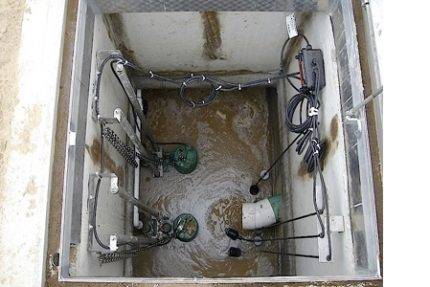
At the bottom of the Topas septic tank, the so-called neutral sludge accumulates, which is recommended to be pumped out every three months. This procedure must also be performed before storing the device and when preparing it for winter.
However, in areas with a harsh climate, or if there is a possibility of freezing of the septic tank due to special operating conditions, it is still worth taking some additional measures to protect the device from frost. The selection of heat-insulating material is made in accordance with the actual climatic conditions in a particular region.
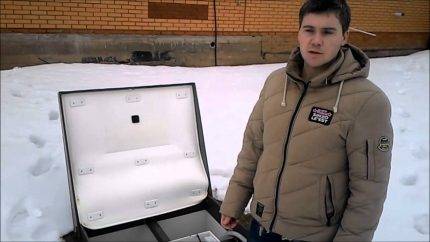
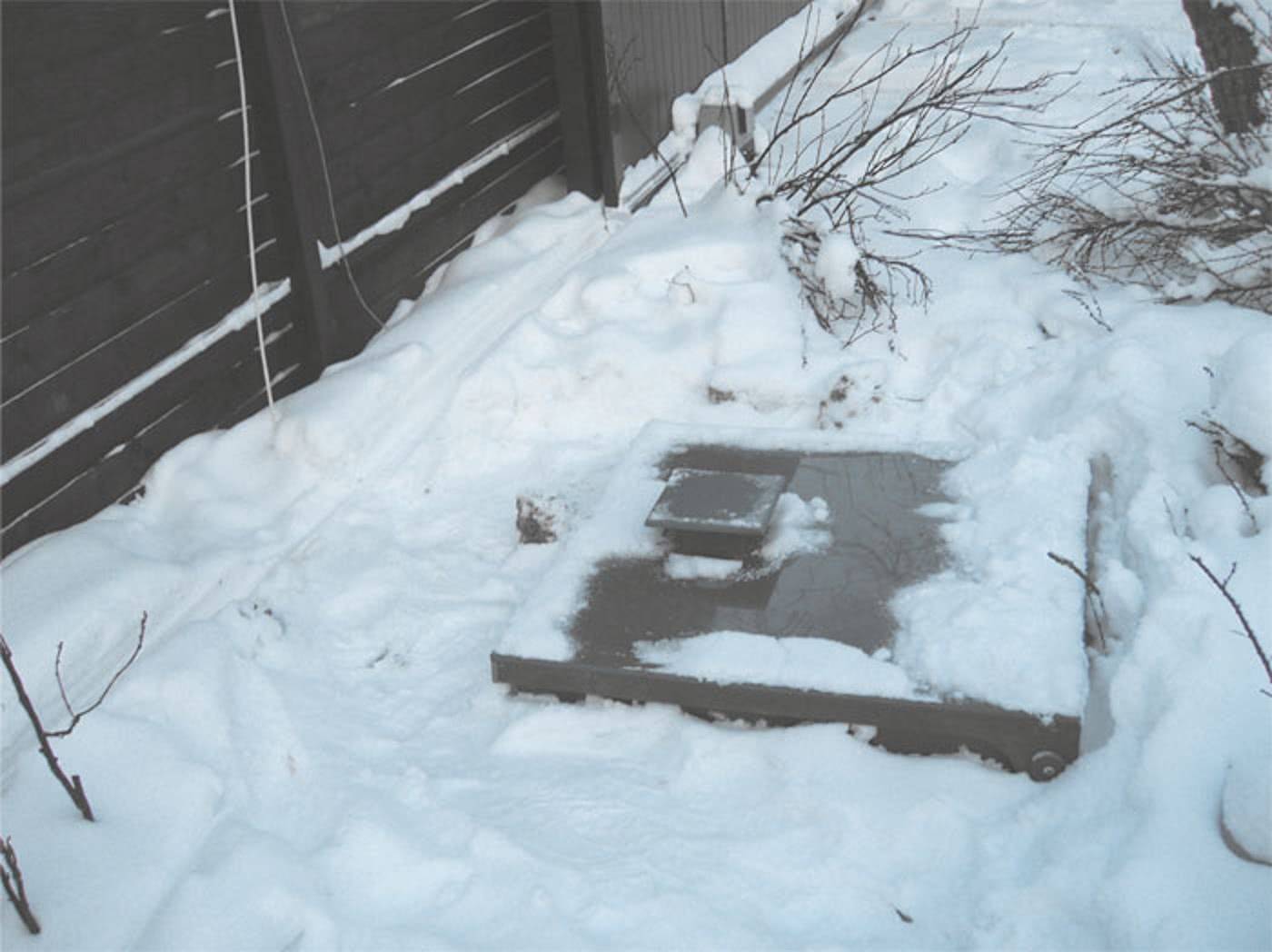
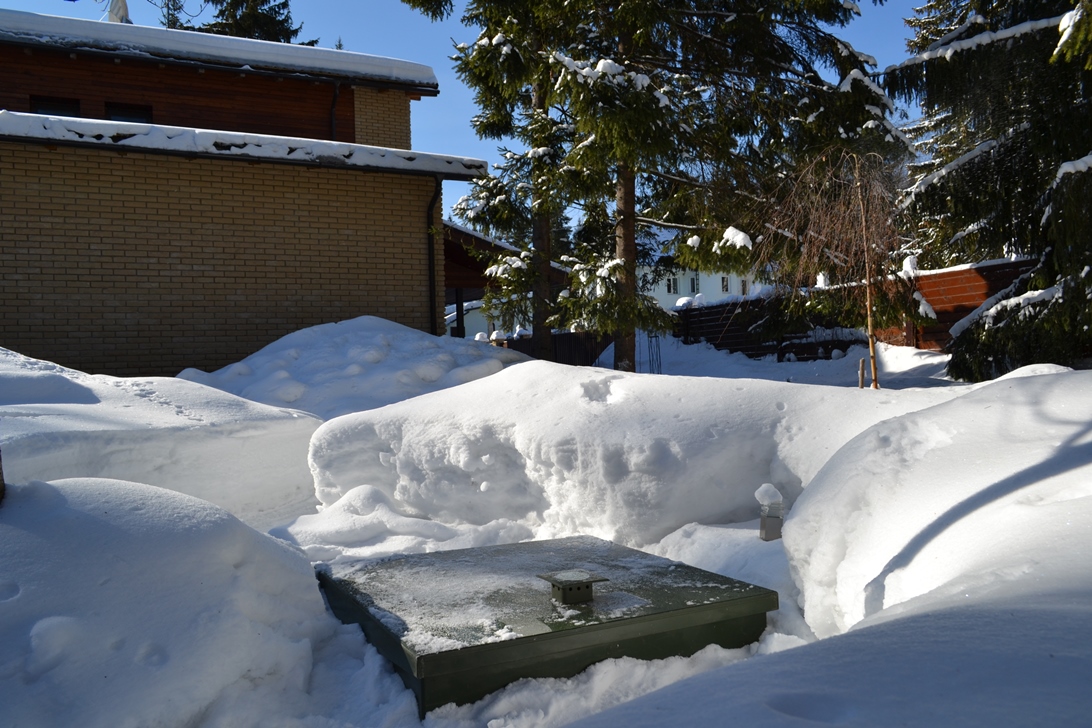
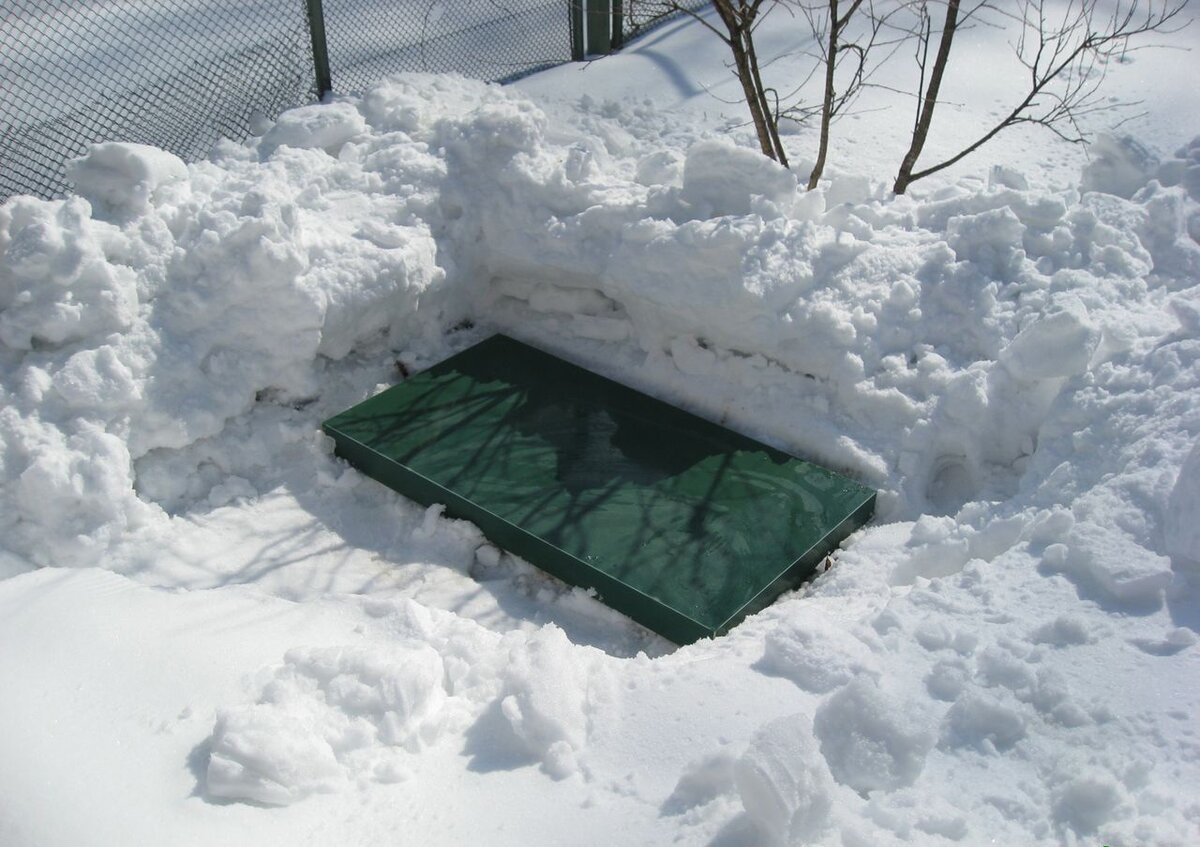
The cover of the Topas septic tank is protected from the cold by a layer of insulation, but during severe frosts additional external thermal insulation will not interfere
An important condition is good ventilation of the septic tank. The access of fresh air to the device must be constant, otherwise the aerobic bacteria inside will simply die
This situation is simply unacceptable, because if the fermentation process stops, an unpleasant smell will come from the device, serious pollution will have to be eliminated.
Another significant moment in the winter is the overflow of the septic tank. Do not allow this, as this can cause damage to the mechanisms of the device. This situation is also dangerous in summer, but it is much easier to repair a septic tank in the warm season than when frost sets in.
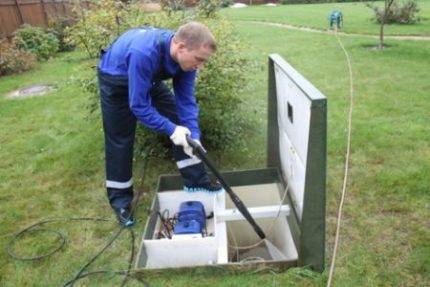
Regular flushing of the Topas septic tank improves its performance. It is necessary when preparing the device for cold weather or before its preservation.
In the first year of operation of the septic tank, you should especially carefully monitor its operation. With the onset of severe cold, flaws made during installation and not previously detected may appear. Such breakdowns should be repaired immediately so that the septic tank does not completely fail.
A lot of problems can also arise as a result of the influence of third-party factors, for example, due to improper installation of a sewer pipe or in the absence of its high-quality insulation. If conservation sewerage based on the septic tank Topas will not be carried out, then it must be serviced at least once every three months.
The following article, which we recommend for reading, will acquaint you with the details and rules for servicing septic tanks operated in the winter.
The specifics of the installation of septic tanks "Topas"
Most often, septic tanks of the Topas-5 or Topas-8 type are used to service a private house. The performance of these devices designed for regular maintenance needs of a family of five or eight, respectively.




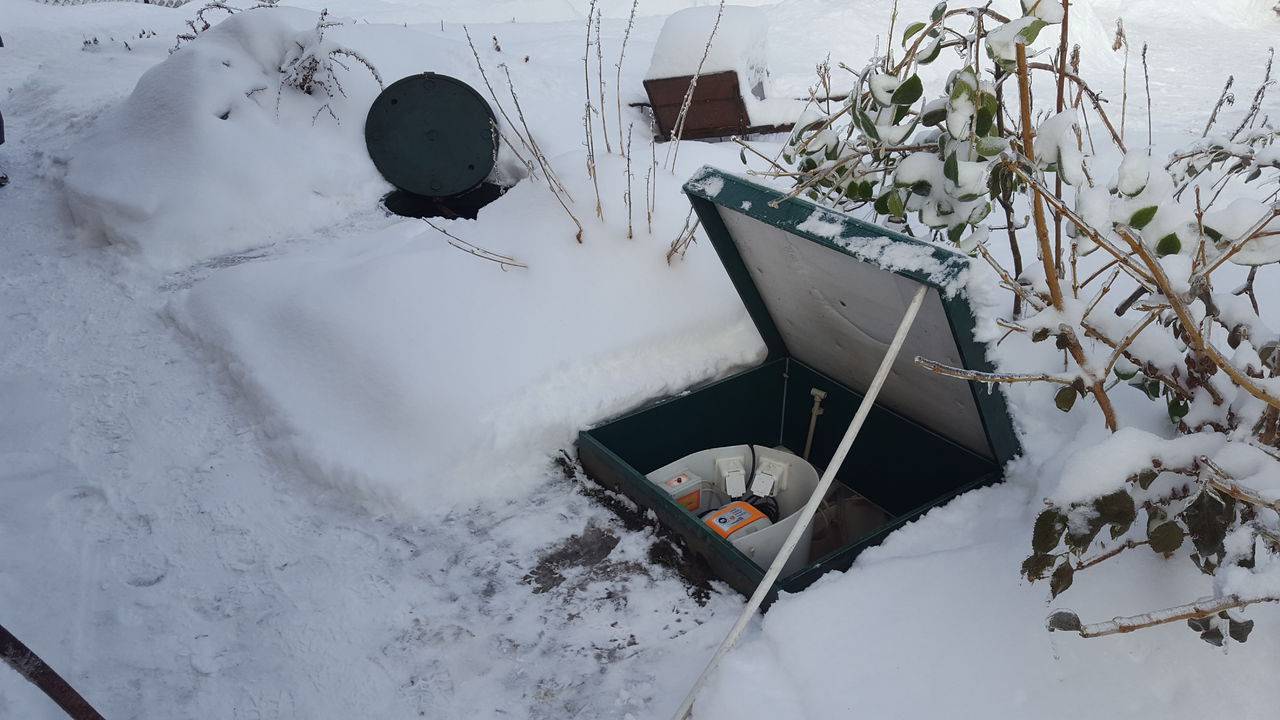

In addition to the performance of Topas septic tanks, they may differ in modification. However, the maintenance of autonomous sewage of this type does not have big differences, and their device is largely similar.
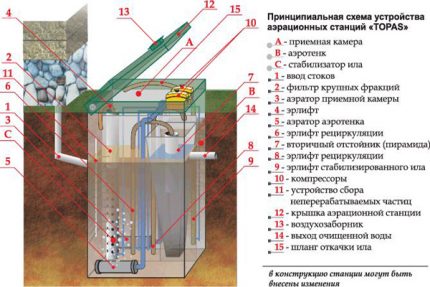
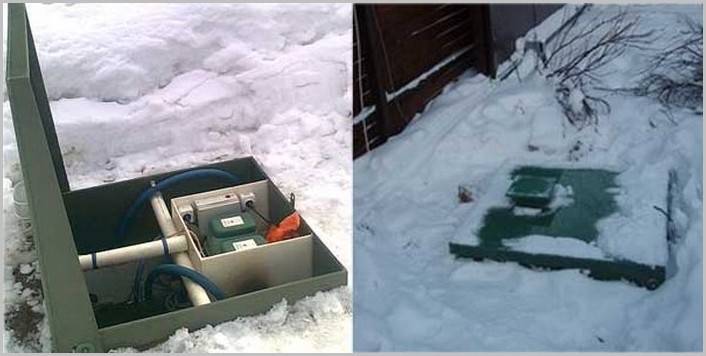
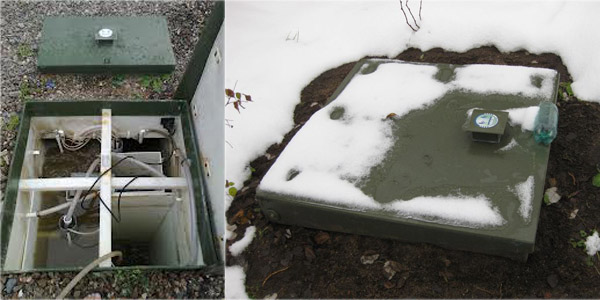
The scheme shows in detail the device of the autonomous sewage system "Topas" and its components and mechanisms that need regular maintenance are indicated
Topas septic tanks have four working chambers. The first chamber is a receiver in which the primary treatment of wastewater with anaerobic bacteria is carried out. The incoming masses are filtered to remove inclusions that are not suitable for bacterial processing.
In the second compartment, with the help of an aerator, the drains are saturated with air.This makes the environment more favorable for the life of aerobic microorganisms.
Aeration also helps to separate solid contaminants from the bulk of the waste, which must be removed immediately. Saturated with air and already partially processed drains are moved to the third chamber with the help of an airlift. This chamber usually has a pyramidal shape and acts as a sump.
In the chamber - the secondary sump, the waste masses are subjected to separation, as a result of which the activated sludge is separated from the liquid component of the processed sewage masses.
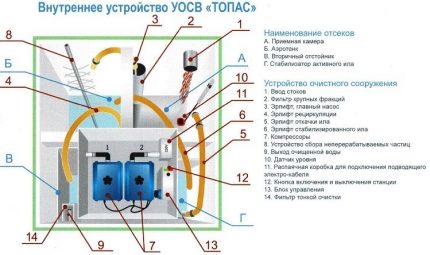 The septic tank with the Topas logo consists of four interconnected compartments: a receiving chamber, an aeration tank, a secondary clarifier and an activated sludge stabilizer. After multi-stage treatment in each chamber, the liquid component of the wastewater can be discharged into the soil post-treatment system, into the sewer or used to irrigate green spaces (+)
Then the waste is moved to the fourth compartment of the septic tank, where the fermentation process continues, although not so intensively. Here, the silt settles to the bottom, and the water, after settling, moves to the storage tank. Sometimes the secondary settling chamber also has the form of a pyramid in order to create favorable conditions for settling neutral sludge.
From this last chamber, water enters the soil treatment device. At this stage, the effluents pass through a meter-long filtering layer in an absorption well or through a system of drainage perforated pipes with a geotextile sheath.
If the geological section of the site is represented by water-repellent rocks, additional treatment is not carried out, and the effluents are discharged into a gutter or into a centralized sewer network.
Saturation of the waste mass with oxidizing oxygen is provided by two compressors installed inside the device. There are also airlifts, filters, etc. Forced effluent pumping plants are equipped with one or more pumps to stimulate the movement of the processed mass.
Technical devices require power, while mechanical devices need regular maintenance. For example, nozzles and airlifts should be periodically cleaned or replaced, compressors and pumps should be repaired.
Information about the device of the Topas septic tank is needed not only for the competent operation and maintenance of the treatment point. Knowing the design features is necessary in case of a system breakdown in order to quickly make available repairs if it is impossible to quickly deliver the personnel of the service company.
How to insulate a septic tank
If there is a possibility of freezing drains, then proper insulation of the septic tank will help you in this difficult matter. But what kind of insulation to use better for septic everything, you will learn further.




Styrofoam will not work, because it tends to absorb moisture, which is an excellent conductor of heat and the situation will only get worse. By the same reason when deepening not it is worth sprinkling the tank with expanded clay to insulate it. Since this mineral quickly collapses under the pressure of the soil, as well as from the effects of moisture.
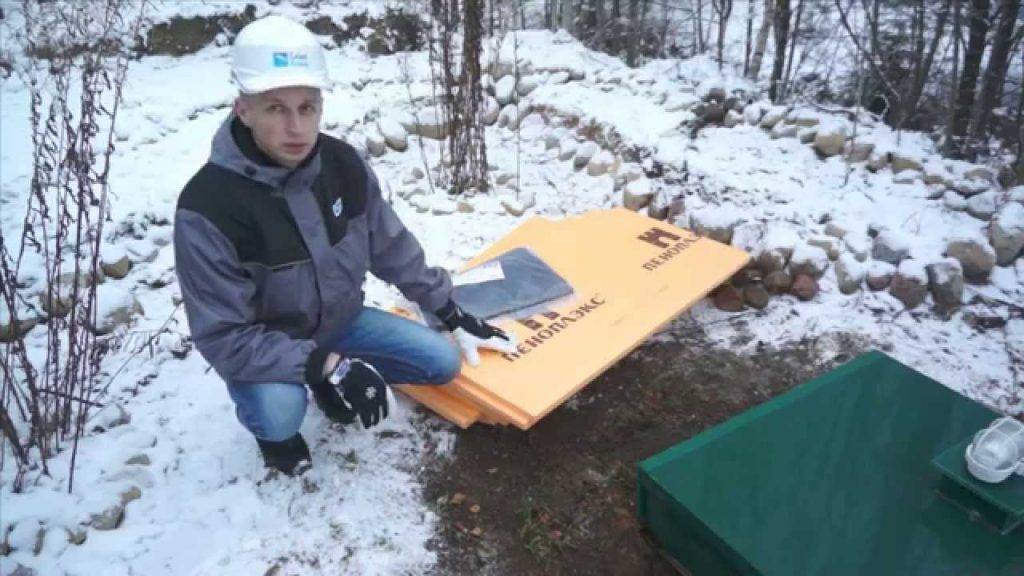
When insulating any septic tank with their own hands, experts recommend using special heaters. Best for the task at hand extruded polystyrene foam Penoplex. It has a very low thermal conductivity and zero moisture absorption, which allows you to reliably protect the septic tank from freezing.It is also perfect for insulating concrete rings, and for insulating a plastic eurocube.

For additional safety, it is also necessary to insulate pipes with special materials, since, as practice shows, they are the weakest link in the drainage chain in the winter.
With thermal insulation with Penoplex, the sewage system will regularly perform its functions even in the most severe frosts.
The advantages of Penoplex when isolating a septic tank

Penoplex has a number of advantages over other types of thermal insulation materials:
- has low thermal conductivity,
- does not absorb moisture at all
- ease of use - all manipulations on the thermal insulation of the septic tank are easy to do with your own hands,
- durable - service life of more than 50 years,
- environmentally friendly - does not contain phenolic resins and is produced without the use of freon,
- safe - completely non-flammable material.
Take care of the high-quality thermal insulation of the sewer in advance and you will not have to think about its work throughout the winter!
WARMING OF THE SEPTIC
The rules for installing septic tanks require its operation without long interruptions. The installation depth exceeds the freezing depth of the soil, the sewer pipe system has a positive slope that prevents stagnation and freezing of water, warm sewage and the fermentation process that generates heat - all these factors suggest year-round operation without additional insulation.
But even with the correct installation of the septic tank, emergency situations are likely, for example, in the event of a harsh winter and an increase in the depth of freezing of the soil or a possible change in the slope of the drain pipes in the event of soil deformation caused by frost heaving forces, prolonged power outages, seasonal intermittent use of sewage. Therefore, it is better to play it safe and insulate the septic tank for the winter in order to avoid unforeseen problems.
The most vulnerable is the entrance of the sewer pipe and the upper part of the septic tank. The decision on how to insulate a septic tank depends on your financial capabilities and preferences. Experts advise not to use organic heaters (sawdust, straw) for these purposes, which will rot and in 1-2 years you will have to return to this issue.
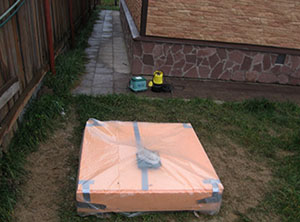 Consider the most common options:
- Expanded clay is considered the most optimal material, which has fairly good thermal characteristics. This material is poured between the walls of the installation and the slopes of the pit, while the thickness of the insulation should not be less than 20 cm. The upper part of the septic tank and part of the inlet sewer pipe are also filled up.
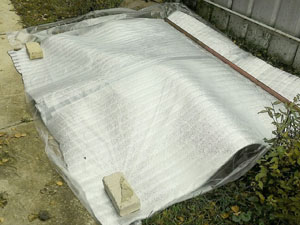
- Mineral or glass wool insulation. This method is somewhat more expensive, but it can also be attributed to budget options. Before insulating a septic tank, it is necessary to consider the method of waterproofing the coating. The fact is that materials of this class, when wet, lose their heat-insulating properties. It is best to use roll materials, they are easier to mount. The sewer pipe and septic tank are simply wrapped with thermal insulation, which can be secured with synthetic twine or wire.Waterproofing is carried out using roofing material or other roll materials. At the same time, one should not forget about the normalized overlaps of individual canvases. Fastening is also carried out using wire tying. The use of such materials, of course, is not the best option; it is chosen solely because of the low cost.
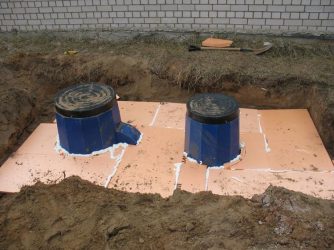
- Insulation with expanded polystyrene. This material is used quite often. Preference should be given to extruded polystyrene foam, which has a higher mechanical strength that allows it to withstand a significant load from the ground. In addition, it has minimal moisture absorption. To insulate sewer pipes, a special foam shell is used, and the septic tank is lined with sheets of material. It can be glued to the installation surface using various compositions.
Do not forget that septic tanks contain living microorganisms - aerobic and anaerobic bacteria, they need access to fresh air filled with oxygen. If the septic tank is not mothballed, a series of small holes should be made in the insulation for ventilation. From above, expanded polystyrene can be covered with polyethylene, in which holes are also needed.
 Modern methods of insulation
- The electric heating cable for the septic tank allows active protection of the treatment plant. The thermal energy released during the heating of the cable is quite enough to ensure reliable thermal insulation of the installation and the sewer pipe. It should be remembered that the heating cable must be covered with a layer of insulation and waterproofing. It is advisable to use such systems for heating septic tanks with aerators, in this case it is not necessary to resolve the issue of supplying electricity.
- Another material that has been gaining more and more popularity lately is polyurethane foam. Two-component polyurethane foam has high thermal insulation properties, minimal moisture absorption and vapor permeability. It has high adhesion, can be applied to any materials, and does not require the use of additional fasteners.
After warming by any of the listed methods, backfilling of the pit with soil is performed.
Rules for the conservation of treatment facilities
Usually, the operation of the septic tank is suspended with the first cold weather - as soon as the temperature drops to 0 ° C
It is important not to wait for frosts and start conserving the treatment plant until the ground begins to freeze. This period is considered the best, because. the groundwater level is already lowering to the minimum level, and the soil is stabilizing (movements are practically excluded)
If all measures for the preservation of the septic tank for the winter are carried out correctly, enough viable bacteria will remain in the tanks, which will begin to multiply intensively as soon as the first sewage flows with the necessary organic substances arrive. Very quickly, they will be able to process wastewater at the proper level, although at first the quality of treatment will not be the highest.


Method 1: preparation of industrial septic tanks
Septic tanks of industrial production are convenient not only in installation and operation. The order of their conservation is described in detail in the technical documentation. Each model has its own characteristics, so before stopping work, you should carefully read the instructions.
There are several general rules that should be followed when mothballing any volatile wastewater treatment plant:
- De-energization. Biological treatment stations are connected to the mains. They are turned on and off using a special automatic switch in the house and / or a button on the control panel.
- Partial dismantling of electrical equipment. It is mandatory to remove the compressor fixed in the working compartment. To do this, you need to disconnect the clip-locks.
- Dismantling the pump. Some models have a pump for forced pumping of filtered water. It also needs to be removed, inspected, cleaned and, if necessary, repaired.
- Water level gauge. For conservation, it is necessary that the septic tanks are filled to 2/3 or 3/4 of the total volume. If there is not enough liquid, you need to add the missing amount.
- Thermal insulation of the roof of the building. This is an optional event. It is performed only if there is a risk of freezing of the septic tank. The roof is insulated with any available material - polystyrene foam, polystyrene, straw, dry grass, sawdust, etc.
A properly preserved septic tank will not float or suffer from ground instability. It can be put into operation almost instantly - immediately after installation and connection of the compressor.
Before stopping the operation of the septic tank for the winter season, it is recommended to clean the airlifts and chambers, remove silt deposits. In regions with a harsh climate, it makes sense to install several floats in the liquid chambers, which will protect the hull wall from damage due to ice crust.
Making floats for a septic tank is very easy.To do this, take several plastic bottles from drinks with a volume of 1.5-2 liters and pour sand into them to such a level that the containers are about half immersed in the liquid and do not sink. Ready-made floats are tied to a long nylon rope so that they can be easily pulled out if necessary. The rope itself is firmly fixed on the outside.
Method 2: stop the work of a homemade structure
An industrial septic tank is convenient, efficient, but expensive. Many owners of summer cottages choose cheaper home-made structures. Usually these are non-volatile structures, with the conservation of which there can be no particular difficulties.
The septic tank is cleared of sludge. If any electrical equipment is installed (compressors, pumps, etc.), it is dismantled and preventive maintenance is carried out. If necessary, replenish the liquid level in the same way as in the case of an industrial septic tank - by 2/3 or 3/4 of the volume of the chambers.
If insulation is needed, special materials or straw, dry leaves, sand are used. In the case of using polystyrene foam boards, polyethylene or other insulators that do not allow air to pass through, several holes should be made so that aerobic bacteria receive the oxygen necessary for their life.
Technology of spring reactivation of a septic tank
In the spring, the septic tank must be properly reactivated. To do this, almost all operations that were carried out during conservation should be done in reverse order:
- remove the insulation layer;
- take out the floats;
- install pumps, compressors and other equipment;
- connect the power supply.
After that, the septic tank can be used as usual.After a few days of normal use, the system will return to normal. Usually it is not required to add new bacteria to the septic tank.
All owners of self-contained treatment facilities know that live bacteria (aerobic and anaerobic) live inside plastic tanks, which help to purify wastewater so that it can be used for watering a garden or as process water. However, the septic tank is often left unattended in winter if you leave the cottage, or if you live in the house year-round, it is exposed to low temperatures. What happens to the microscopic workers of this structure? And how to protect them and drains from freezing in winter? Some owners are interested in the question of how to equip a septic tank that will work in the winter, or how to build this structure in the winter? You will find the answer to these and many other questions in our article.
Some owners, fearing that the septic tank would freeze in winter, made one big mistake - they completely drained wastewater from treatment plant and pipeline. Most likely, they did this by analogy with the heating and plumbing system, fearing that if the water freezes, the plastic tank will expand and burst. You should not do this, because the result will always be sad:
- If you return to your dacha in the spring, you will find your septic tank upstairs, floating in the pit. The thing is that during a flood, groundwater will easily push an empty container up, since its volume is quite impressive, and its weight is small.
- But worse can happen.Since the soil in which the tank is dug is not a static state, it can move as a result of temperature changes and changes in the groundwater level. During this process, the septic tank will experience significant stress. As a result, the autonomous sewer tank will simply burst or deform.
As a result of this, the septic tank will become unsuitable for further operation in winter. Owners will need to change the damaged product, buy a new septic tank and install it, which will entail rather big expenses.
Prevention of clogging and silting
In order to avoid problems with autonomous sewage in winter, the following simple rules should be observed:
- Do not flush plastic bags, synthetic rags and other inorganic materials down the drain.
- It is advisable to install filters for coarse mechanical cleaning of wastewater before entering the septic tank.
- It is necessary to minimize the ingress of liquids containing chlorine, acids and alkalis into the drain, as well as medicines, bleaches and petroleum products.
On the one hand, solid non-biodegradable waste can lead to clogging of pipes and septic tank systems. On the other hand, there are many liquids that, if they enter the VOC, will lead to the death of microflora in it. In both cases, the autonomous sewer system will cease to perform its functions.


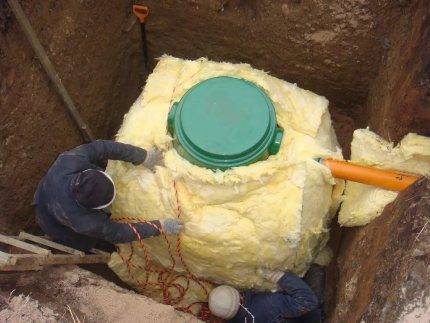
If the house is located in a region with low average daily air temperatures according to winter, then the septic tank is subject to mandatory insulation
The problems of a septic tank can be associated not only with silting or dying of a colony of bacteria, but also with a narrowing of the pipe leading to it due to clogging with debris.Only mechanical or hydrodynamic cleaning of the pipeline will help here.
Another problem is the power outage in the aerobic VOC. Without power supply, the aerator and pumps pumping water do not work. And this is a direct way to settling and stagnation of silt.
If power was not supplied to the cleaning station with aerobes for several hours, then after the appearance of electricity, it is worth checking how correctly it works after such a downtime. An unscheduled check in this case will definitely not be superfluous.



