- Division of radiators by type of installation and place of operation
- Choosing a specific radiator model
- We calculate the thermal power
- Determine the required dimensions
- The final stage of the purchase of radiators
- Steel heating radiators
- District heating problems
- Features of the central heating system
- Cast iron radiators
- Rating of heating radiators for an apartment
- cost of heating radiators
- What are the dangers of centralized heating?
- What is the difference between bimetallic and semi-bimetallic radiators
- semi-bimetal
- Which bimetallic radiator to choose
- Criteria for choosing types of heating radiators for an apartment
- Heating bimetallic devices
- Reliability and durability, service life
Division of radiators by type of installation and place of operation
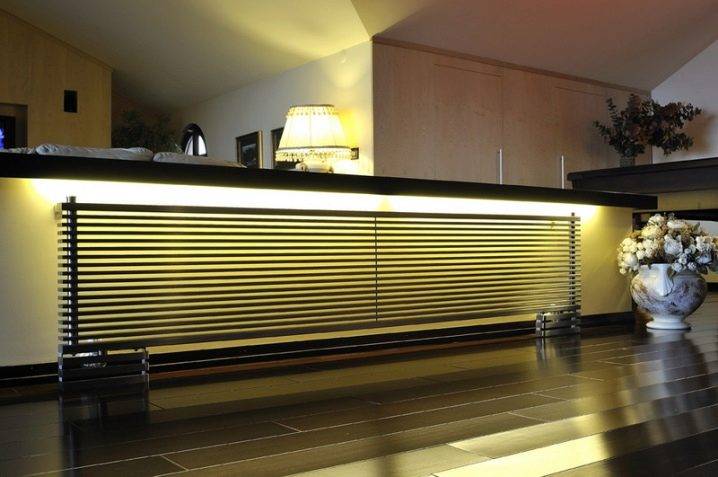
Batteries can be installed on walls or floors. The decision on the location is made in advance, the appropriate models are purchased. They are called:
- Vertical. These are wall-mounted.
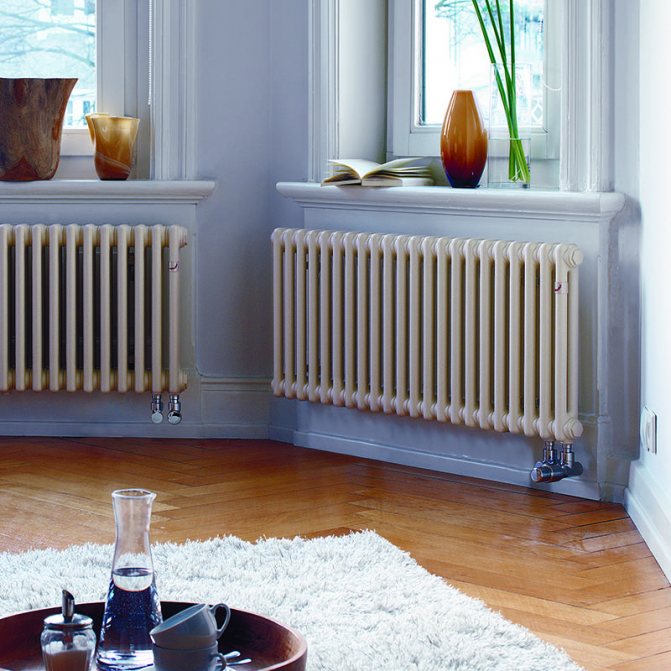
- Horizontal. These are floor. Radiators are identical to conventional ones, but are installed on a horizontal surface. Some models are portable, just placed on the floor. Other radiators are fixed on it. The latter provide uniform heating.From the wall radiators, the heat rushes up, leaving a cold layer of air near the floor. However, the installation of horizontal heaters requires pipes hidden in the screed to be connected to them.
According to the place of installation, the batteries are divided into ordinary, for the bathroom, for industrial premises. There are also standard and designer models to order.
Choosing a specific radiator model
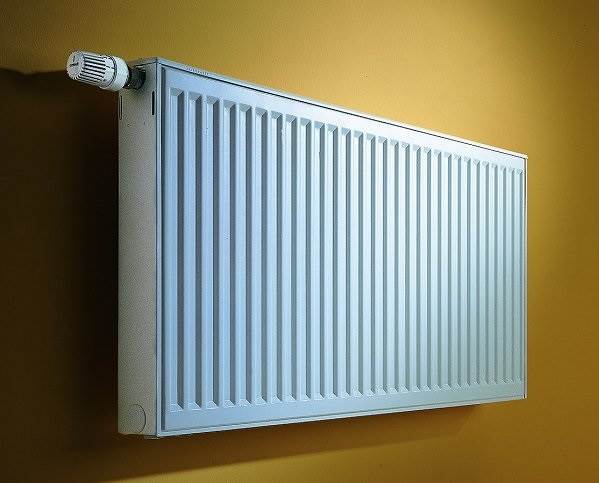
After you have decided on the type and type of heating radiators you need, it's time to calculate and select specific models of these radiators that will have the necessary technical parameters.
We calculate the thermal power
And how to choose the right heating radiators to achieve the proper level of warmth and comfort? To do this, you need to calculate the thermal power of the radiators planned for purchase. For certain standard conditions, a heat output of 0.09 to 0.125 kilowatts per square meter of space is required. It is this power that should be enough to create optimal climatic conditions in the room.
Now about what is meant by standard conditions. It's simple, it's a room that has a window with a wooden frame and three-meter (not higher) ceilings, as well as an entrance door. At the same time, hot water of a seventy-degree temperature flows through the heating pipes. If you have the same conditions, then multiplying 0.125 by the area of the room you will get the power of the radiator or radiators (if you need several) necessary for the room. Then it remains to look at the passport of specific radiators and, having learned there the thermal power of one section or the entire radiator, select the required model.
But this is a simple calculation, in fact, it is necessary to take into account some other factors that will have an influence in this case:
- You can reduce the power of radiators by 10 - 20% if you have plastic energy-saving double-glazed windows installed in your room, because they reduce the heat loss of the room by about that much.
- If there are not one, but two windows in the room, then you need to put a radiator under each of them. Their combined capacity should exceed the standard by 70%. We will do the same in the case of a corner room.
- With an increase or decrease in the temperature of hot water for every 10 degrees, the power of the device is also increased (or reduced) by 15-18%. The thing is that if the temperature of the coolant decreases, then the power of the heating radiators drops.
- If the ceilings are higher than three meters, the heat output must be increased again. The increase must be made as many times as many times higher for 3 meters the ceilings in the room. If the ceilings are lower, then you need to make a decrease.
When calculating, we will take into account how our radiators will be connected. Here are some recommendations for this:
- If the coolant enters the radiator from below and exits from above, then heat will be lost decently - from 7 to 10%.
- The lateral one-way connection makes it unreasonable to install radiators with a length of more than 10 sections. Otherwise, the last sections from the pipe will remain almost cold.
- Increases heat transfer by 10 to 15 percent by gluing a special reflective insulating material to the wall behind the radiator. For example, it may be a material such as Penofol.
Determine the required dimensions
When buying a radiator, you need to know exactly the following points:
- What type of eyeliner do you have - hidden or open;
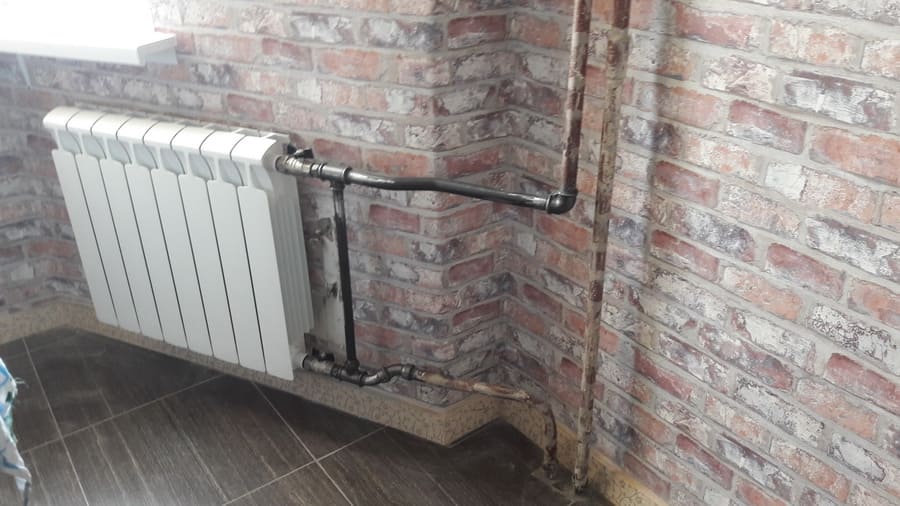
- How pipes are connected to the radiator, from the floor, from the wall, from above, from the side, etc.;
- Diameter of heating pipes;
- Distance between pipes (centre distance).
We also provide for such a placement of the radiator so that the air can flow around it freely - otherwise the room will not receive 10 to 15% of the heat. The norms for the placement of radiators are as follows:
- The distance of the radiator from the floor is from 7 to 10 cm;
- distance from the wall - from 3 to 5 cm;
- distance from the window sill - from 10 to 15 cm.
Basic rules for the placement of radiators.
The final stage of the purchase of radiators
Now, if you have autonomous heating, you can, taking these calculations with you, feel free to go to the store for heating appliances. But for residents of a high-rise building with a centralized CO, it makes sense to first go to the DEZ, having found out what the working pressure is in your heating system. We will build on this parameter, deciding which heating radiator is better to choose. The pressure indicated in the passport of the device must be higher than that named by the employees of the DEZ in order to get a certain margin. After all, do not forget that in each new season, heating devices are tested with pressure, which is 1.5 times more than the working one.
Steel heating radiators
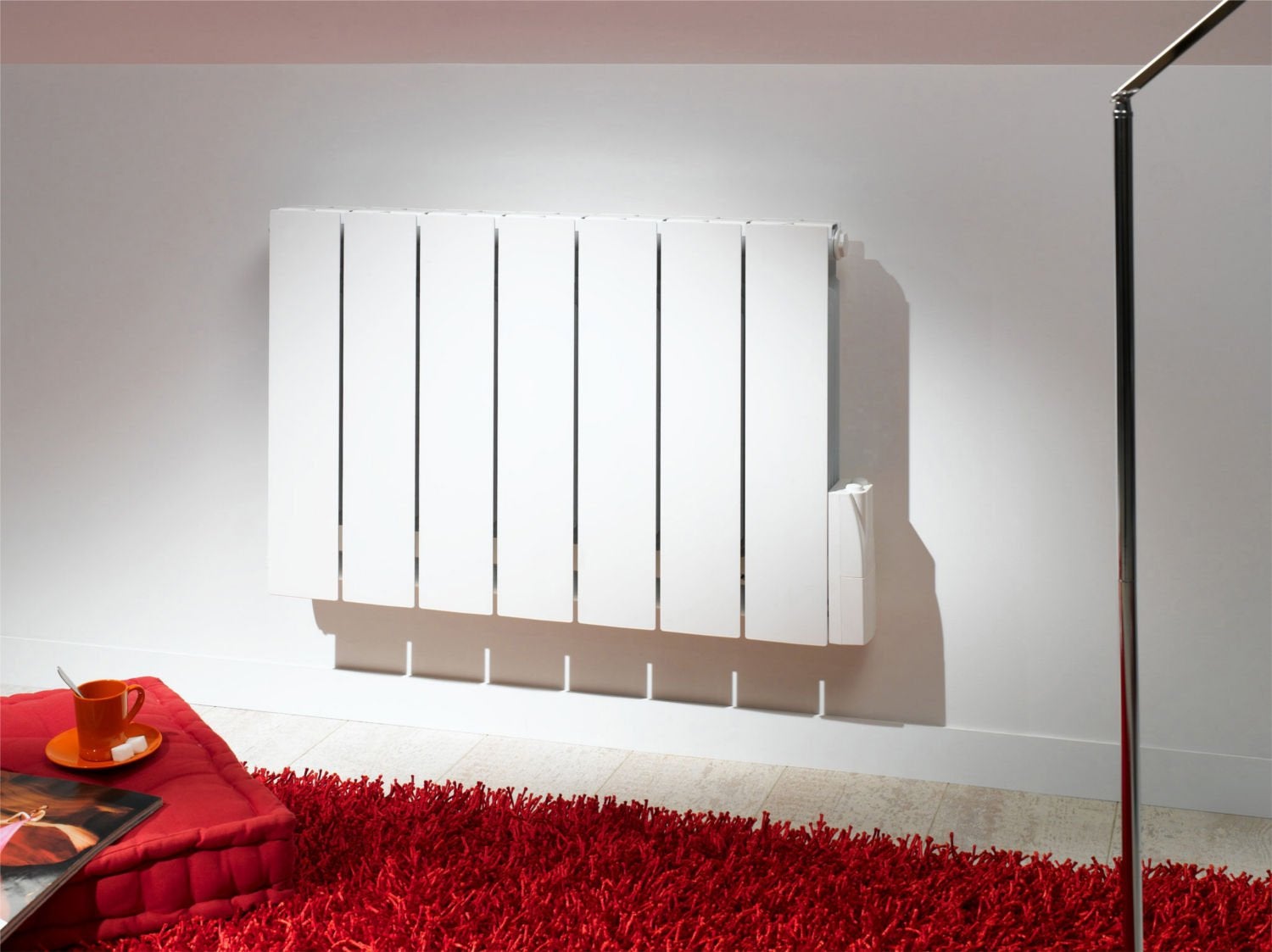
A good and fairly modern version of radiators are steel, which have a nice design, relatively low weight and a high degree of heat transfer.
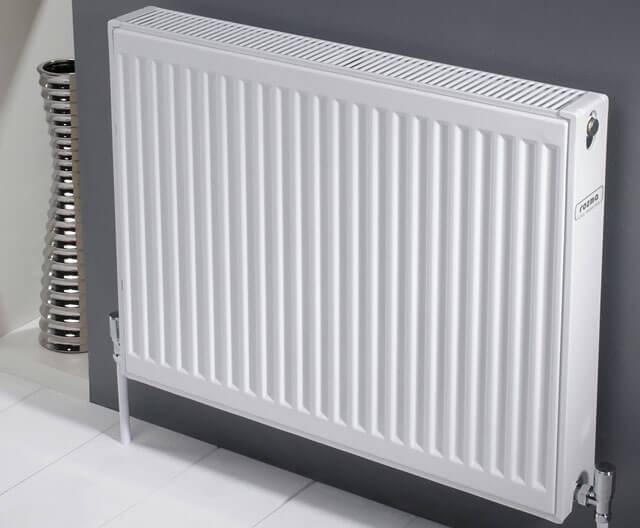
Steel heaters are divided into two types:
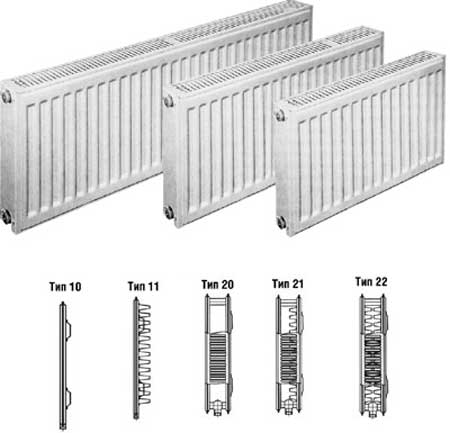
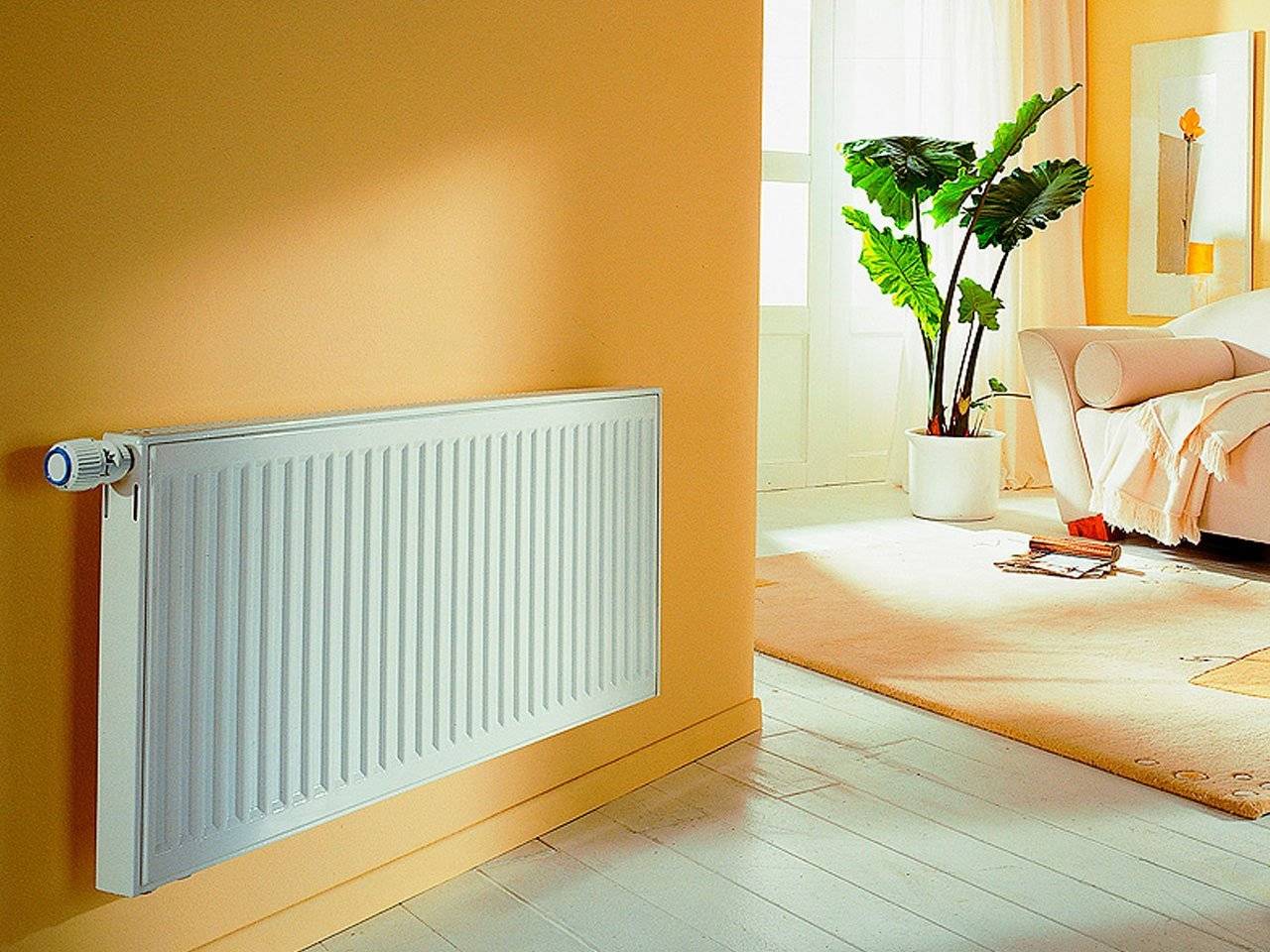
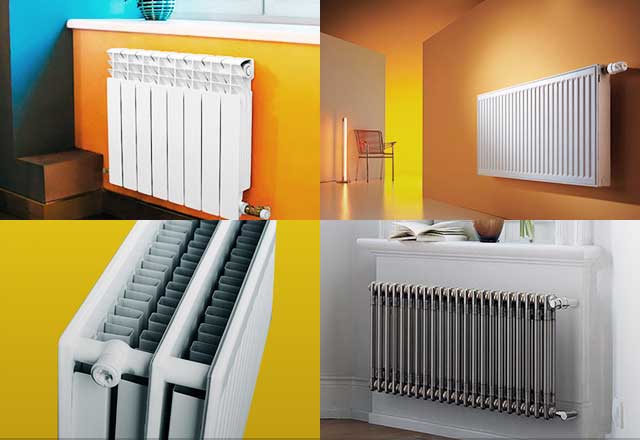
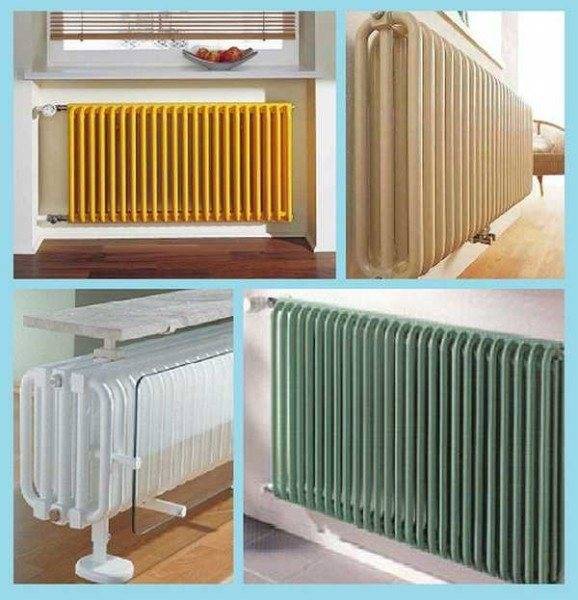
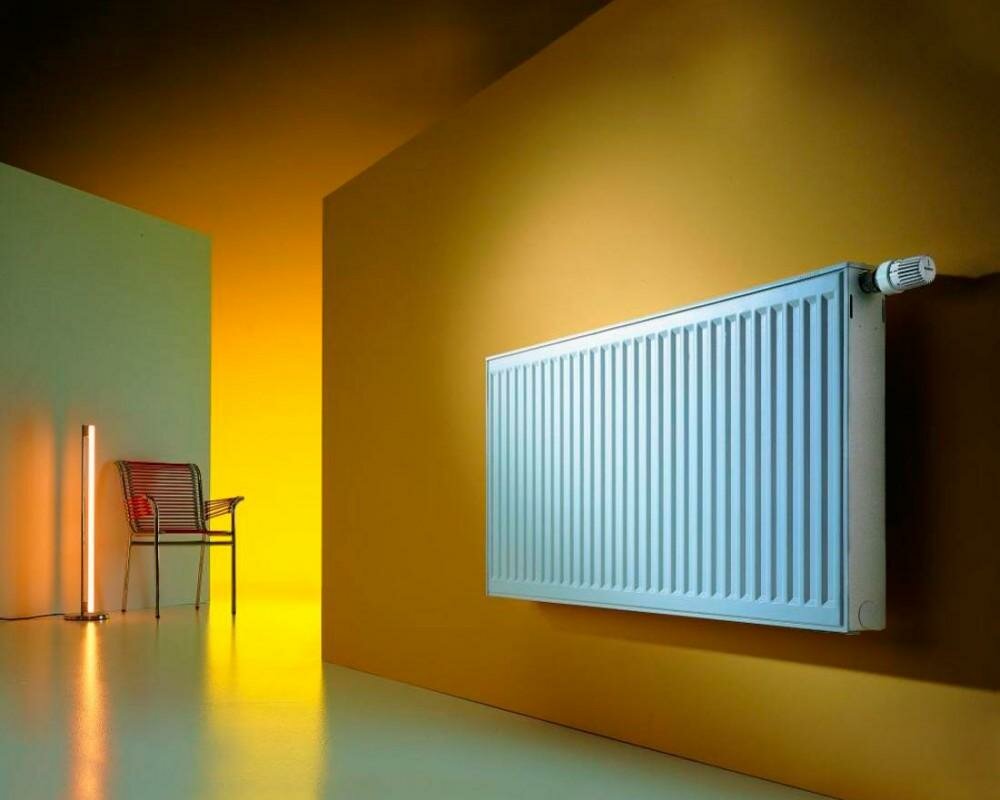
- Panel.The design of panel radiators includes metal sheets welded in pairs, in which there are oval recesses for passing the coolant. The number of such panels in one radiator can vary from one to three. To increase heat transfer, convectors are welded onto the inside of the panels - as a result, the efficiency increases, but the devices collect more dust during operation. Standard models without welded ribs are well suited for childcare and medical facilities due to their cleanliness.
- Tubular. In tubular radiators, the collectors are connected by means of vertically installed steel pipes. The advantages of such radiators in comparison with panel ones are an increased margin of safety and a more interesting design. The disadvantage is the rather high cost. If you do not take into account the price, then when trying to determine which radiators are best for an apartment, steel ones will definitely be one of the most interesting options.
District heating problems
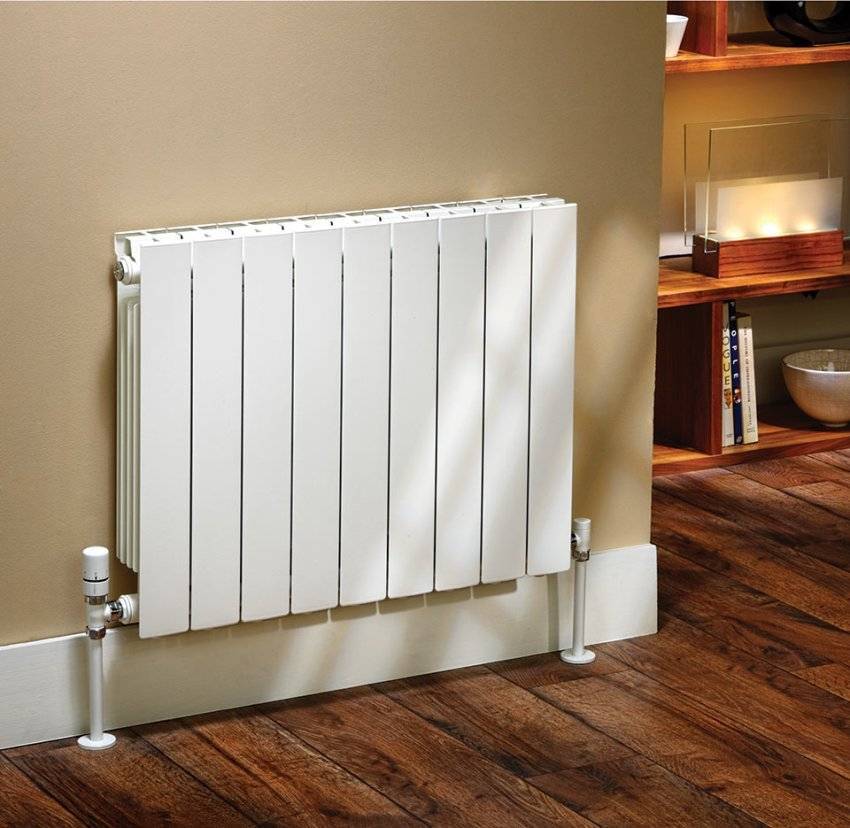
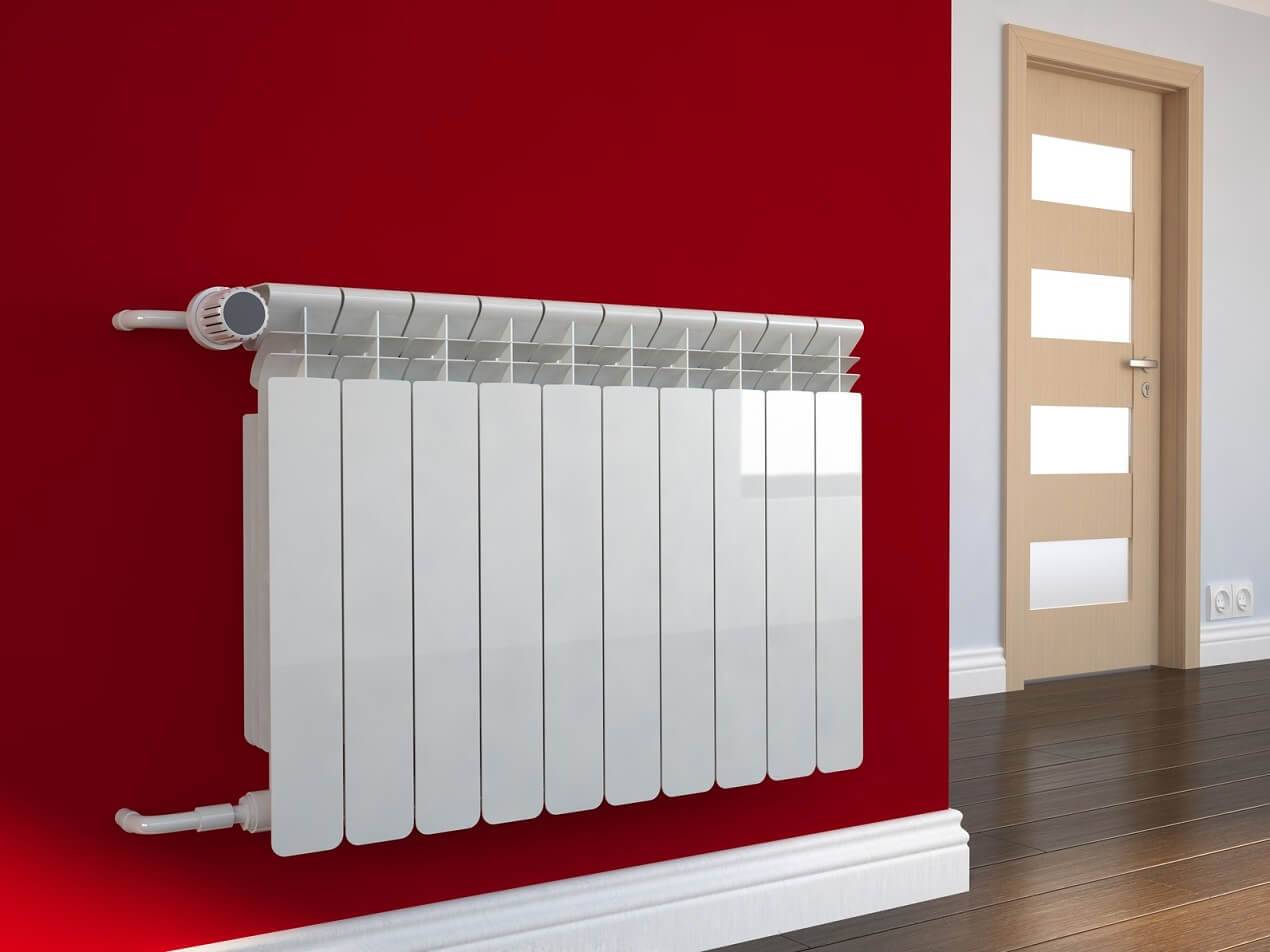
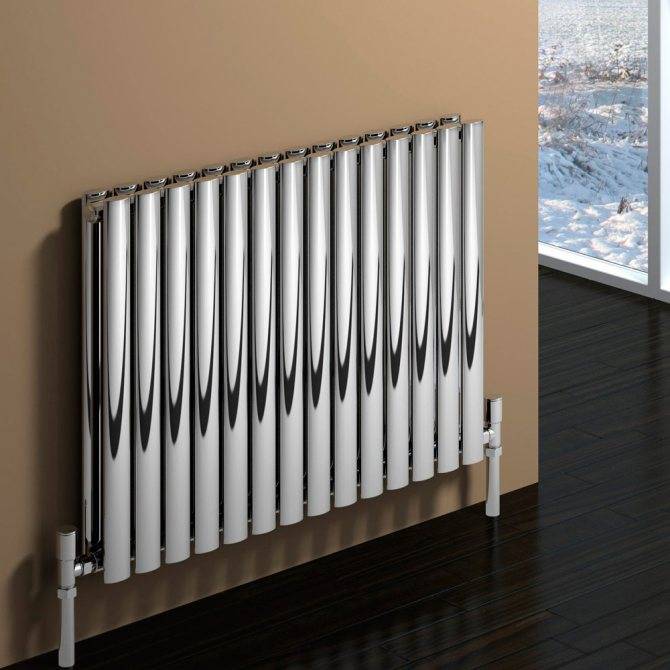
Most high-rise buildings are centrally heated. This method of obtaining heat is very convenient for owners. They don't have to worry about anything other than the choice of radiators. Deciding which heating batteries are best for an apartment is not difficult if you know about the features of centralized heating systems in which they will have to work.



Features of the central heating system
- Devices connected to the circuit will receive coolant from a common boiler room. This suggests that they are affected by:
- Unstable pressure in the circuit. Small drops are not uncommon and they are not dangerous. During the crimping period, it is raised above the worker and this is normal. But sometimes there are water hammers.This is the name of sharp jumps provoked by excess air in the network, abrupt closing of the tap in the boiler room, etc. Water hammer is very dangerous. Radiators with a small margin of safety cannot withstand them, they are torn.
- Low quality coolant. It contains aggressive chemical impurities that provoke metal corrosion. In addition to them, sharp particles of sludge circulate along with the liquid. They act on the internal parts of the structure as an abrasive, gradually destroying it. They also clog the channels, which reduces heat transfer.
- Mandatory seasonal draining of the coolant. Air enters the circuit. This provokes rapid corrosion of some metals.
Temperature fluctuations are not uncommon in heating systems. For them, this is not dangerous, except that it can cause inconvenience to residents.
Cast iron radiators
Cast iron room heating radiators are familiar and familiar products that can still be found in any apartment. Of course, outdated radiators produced in Soviet times are not of good quality, unlike modern counterparts, which will be discussed further.
Updated models of cast-iron heating radiators are quite compact, have a pleasant appearance and are distinguished by well-finished surfaces.
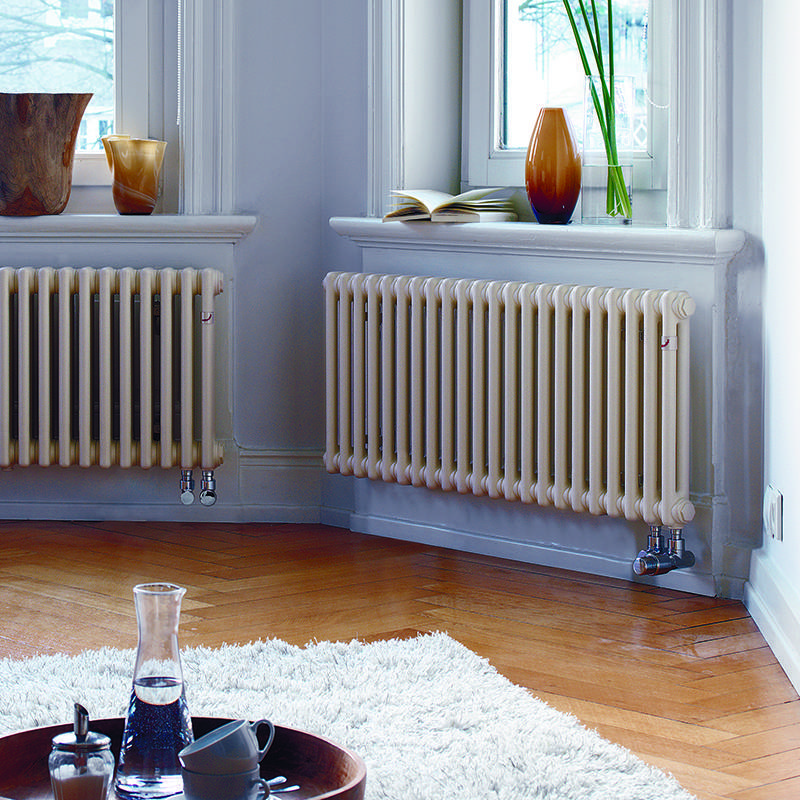
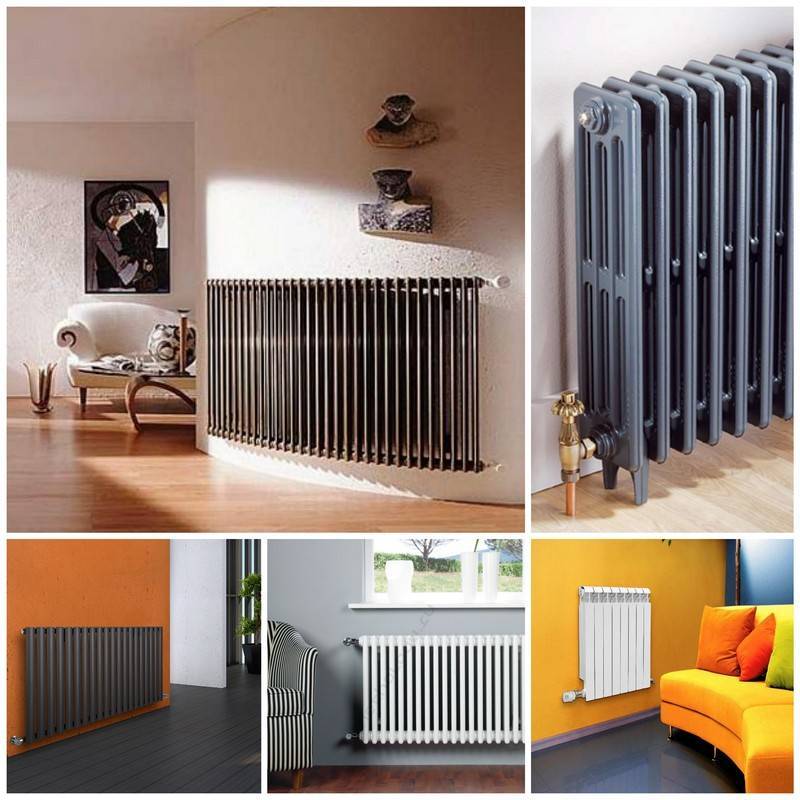
If financial possibilities allow you to choose more expensive products, then you should pay attention to retro-styled radiators that can fit perfectly into a suitable design - the perfect answer to the question of which heating batteries are best for an apartment.
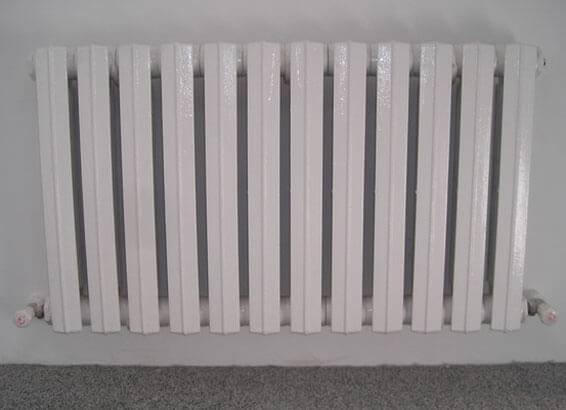
The main advantages of cast iron radiators are the ability to give off accumulated heat for a long time, resistance to corrosion and a long service life, which, with proper maintenance, can be decades. Of the shortcomings, it is mainly worth noting the large weight and the associated installation difficulties. In addition, noticeable disadvantages are the long heating of radiators, a large volume of coolant and the brittleness of cast iron, which is why such devices sometimes cannot withstand strong water hammer.
Rating of heating radiators for an apartment
Battery replacement is ideally done once and for all life, or at least for 20 years. If you want the devices to serve for a long time, carefully approach the choice of the manufacturer. The reliability of the device, the quality of its work will largely depend on this. Regardless of how much a heating radiator in an apartment costs, be sure to ask the manufacturer for certificates confirming the originality of the heat exchangers.
Particularly noteworthy are the products of the Italian brand Global, Sira. Models are not cheap, but the quality justifies the price. The devices have a classic look, made of bimetal or aluminum. The advantage lies in the cost-effectiveness and high heat transfer of the installations. The following brands also received good customer reviews:
- Kermi - excellent German quality and conciseness of forms;
- Arbonia - an original design that will allow these appliances to become a decoration of the room;
- Smart - inexpensive branded China is quite worthy of attention;
- Rifar is a domestic manufacturer that deserves attention.
cost of heating radiators
The most affordable option is cast iron radiators, which are usually sold in sections.Of course, this applies only to standard products - you will have to pay almost 10 times more for retro radiators. A little more expensive than simple devices made of cast iron are steel panel products, especially domestic ones - foreign-made models are always more expensive.
Next in order of increasing cost are aluminum radiators. Extruded ones are a little cheaper, cast ones are more expensive. Only bimetallic radiators and tubular steel products remain - they cost an order of magnitude more expensive than all the others.
What are the dangers of centralized heating?
On the one hand, heat supply from the outside is more convenient than autonomous heating - no need to bother with installing the boiler and setting it up. Autumn will come, and hot water will merrily run through your batteries, warming the apartment.
But not everything is so smooth in the central heating system:
- Water that has come a long way contains many chemically active impurities that can cause corrosion of pipes and radiators.
- And small particles of sludge, which inevitably get into the coolant, scratch the batteries from the inside, wiping them to holes after a few years.
- And the water temperature is not always stable - then the batteries are at room temperature, otherwise it is impossible to touch them.
- And the main danger is a sudden huge pressure surge in the heating system, the so-called water hammer. It happens, for example, for the reason that the locksmith closed the valve of the pumping station too abruptly.
What is the difference between bimetallic and semi-bimetallic radiators
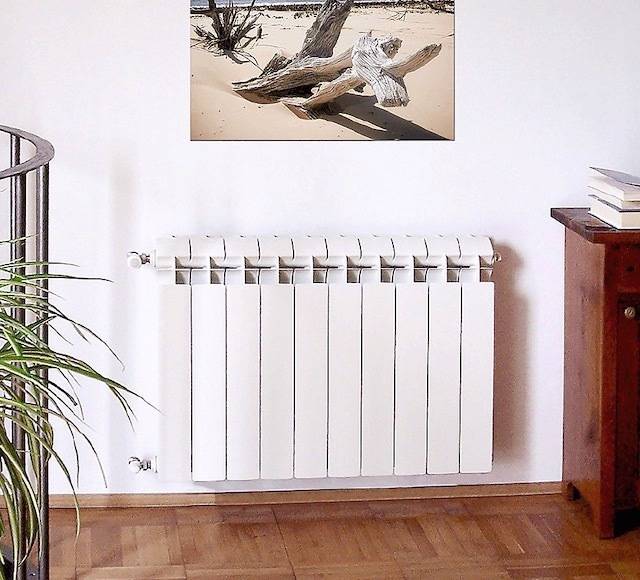
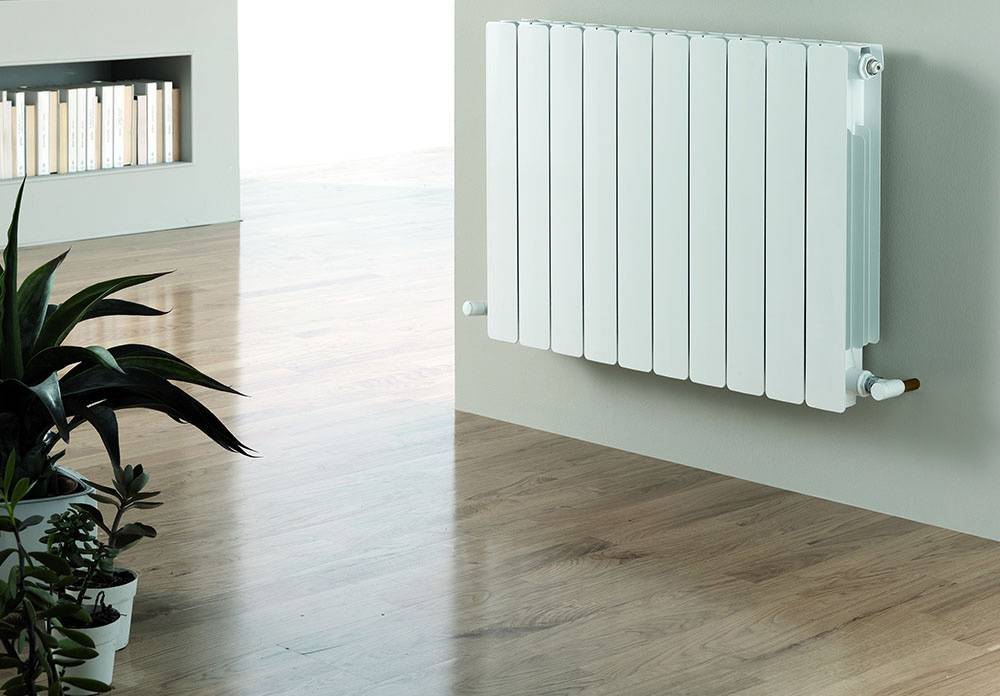
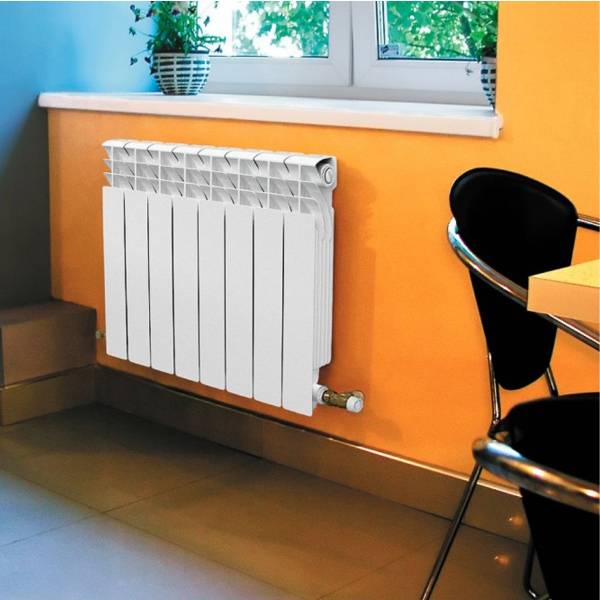
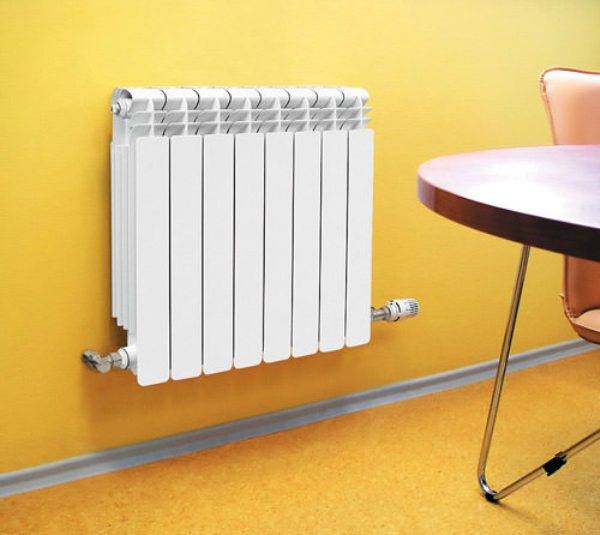
In real bimetallic heating devices, only the outer part is made of aluminum.Radiators are produced as follows: pipes of a steel core are welded, and then they are filled with aluminum under pressure. As a result, the coolant comes into contact only with steel, without touching aluminum surfaces. This saves the radiator from corrosion and gives it increased strength. Well, the figured body increases the heat transfer performance.


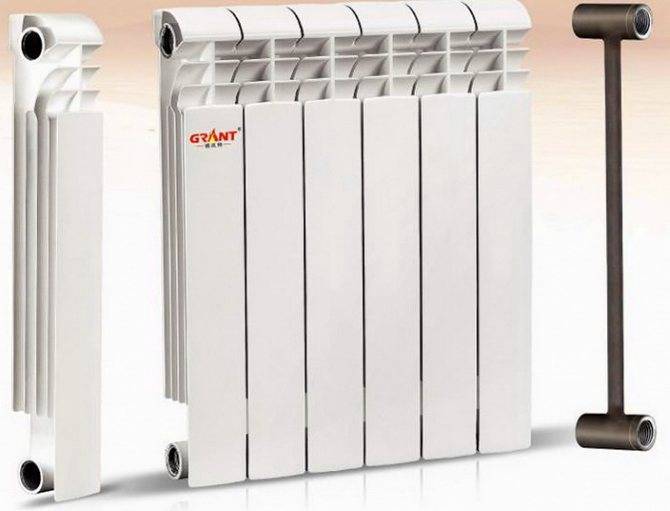



They also make radiators, the core of which is made not of steel, but of copper. This is a real salvation for those autonomous heating systems where antifreeze is added to the water. After all, such a coolant will quickly destroy steel pipes.
semi-bimetal
In a semi-bimetallic radiator, the core consists of two metals. The vertical channels in it are reinforced with steel elements, but the horizontal channels are aluminum. Due to the increase in the amount of aluminum in the product, the heat transfer of the radiator increases. However, hot water with a high alkali content (in central heating) in contact with this aluminum causes corrosion. And one more thing: different thermal expansion of aluminum and steel parts of the core can cause their displacement, leading to instability of the radiator.
As a rule, bimetallic radiators are installed in apartments with a central heating system. In such systems, there are 2 big problems - this is high pressure with periodic jumps and low-quality coolant. Both will have a rather large negative impact on semi-bimetallic type radiators.
Which bimetallic radiator to choose
In conclusion, a few tips on how to choose a bimetallic radiator so that it does not disappoint, but justifies the hopes placed on it.
So, here are some obvious criteria by which you should choose this type of heating equipment:
- manufacturing firm;
- indicators of working and pressure testing;
- design reliability;
- ease of installation and connection;
- power and heat dissipation.
Well, having adopted the above information, you can safely get ready to go to the nearest specialized store and purchase a high-quality, stylish bimetallic radiator.
Criteria for choosing types of heating radiators for an apartment
- Operating pressure.
This indicator can be found in the product passport, which you should definitely pay attention to. It should not exceed the pressure in the heating system (in any case, no more than 1.5 times)
If we take into account the peculiarities of the operation of Russian utilities, pressure drops (test and work) become one of the most important causes of failure of modern heating appliances.
For example, the average pressure level in five-story houses of the old housing stock, as a rule, is up to 8 atmospheres. While in modern multi-storey buildings, a coolant with a working pressure of up to 15 atmospheres is most often used.
- Water hammer resistance.
This determines the life of the product and the efficiency of all types of heating radiators. It is impossible to protect yourself from water hammer in an apartment with central heating. Therefore, it is necessary to choose heating devices with high resistance to water hammer.
- Number of sections.
Some heating appliances can be built up during use.And if you do not have the opportunity to immediately determine the required size of the radiator, or you are not sure about the efficiency of a particular model, you should give preference to just such types of heating radiators.
- Radiator power.
This factor is certainly the key one. Not all types of heating devices are able to maintain an optimal microclimate in homes, if in winter the temperature drops to -40 ° C
Then you should pay attention to the maximum temperature of the coolant. Some models from foreign manufacturers are designed up to +90 °С
But in those regions where harsh winters are foreseen, it is necessary to select products with a maximum temperature of up to +130 ° C.
- The composition of the coolant.
Practically none of the Russian utility organizations is notable for the high quality of the coolant, which wears out the radiator walls. When choosing a heating device, this factor should be taken into account and a radiator with thick walls should be selected.



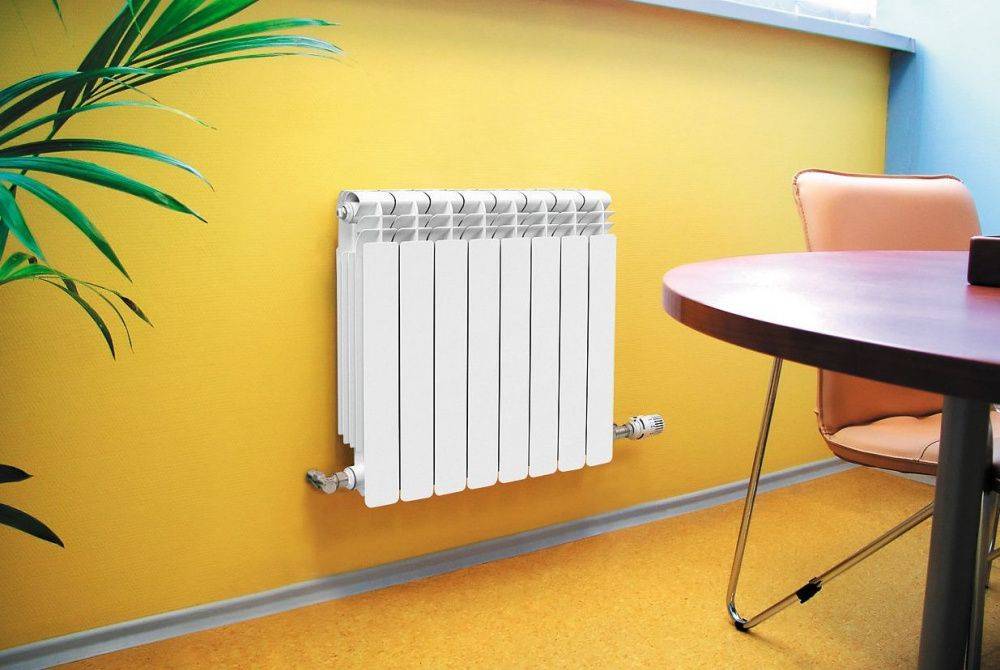
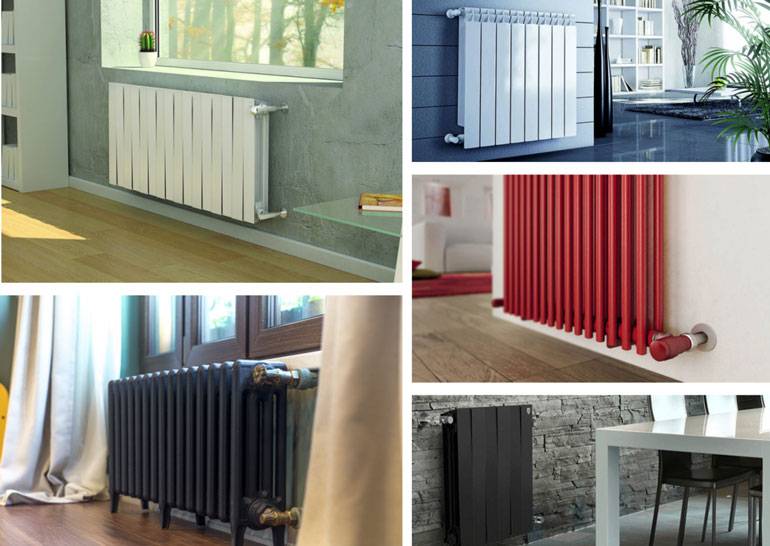
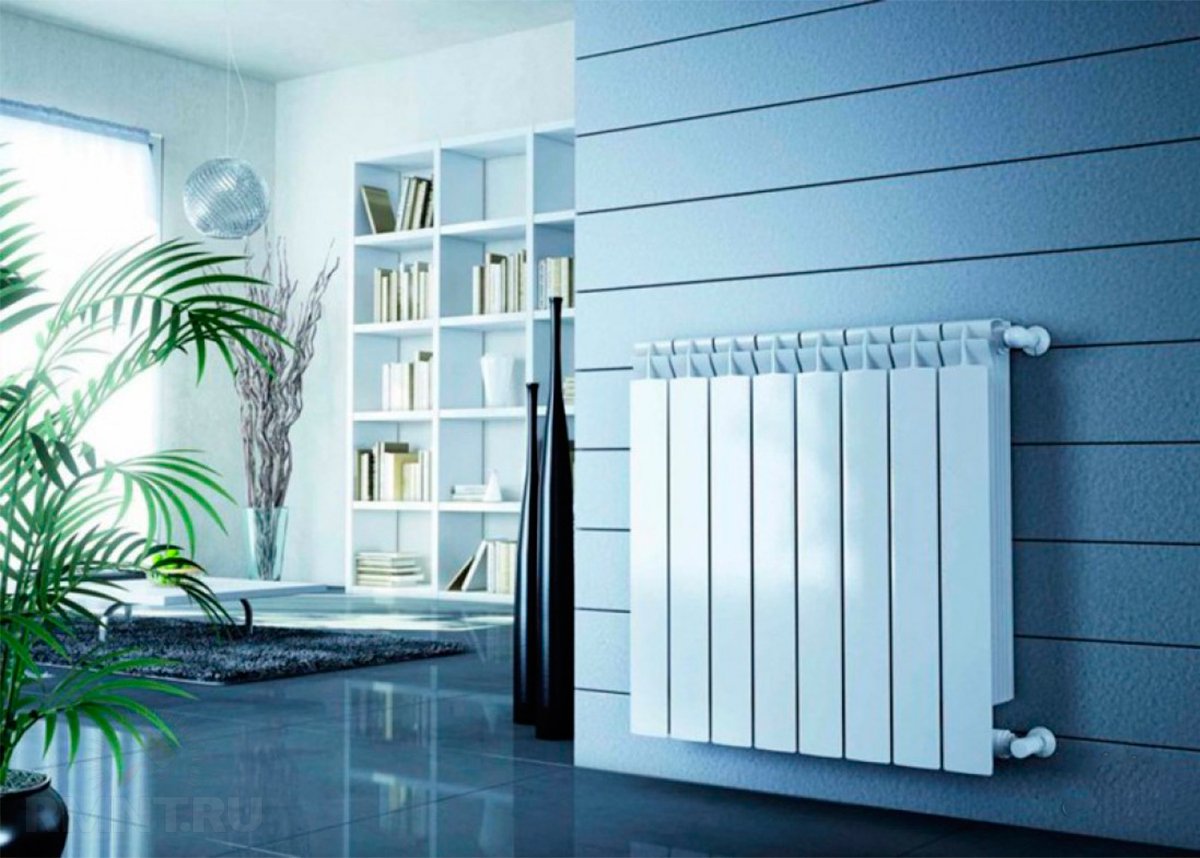
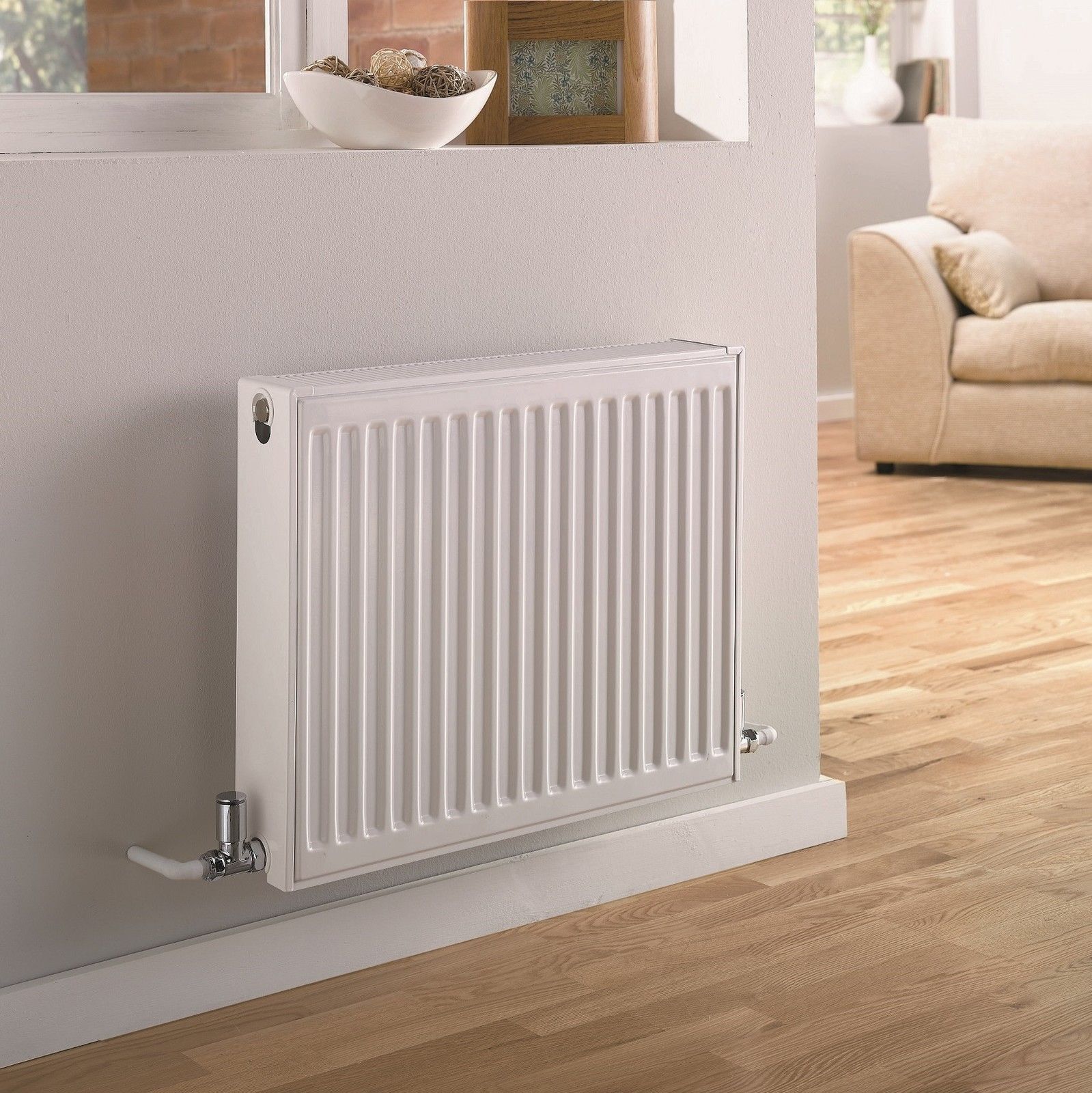
- Design and decoration of products.
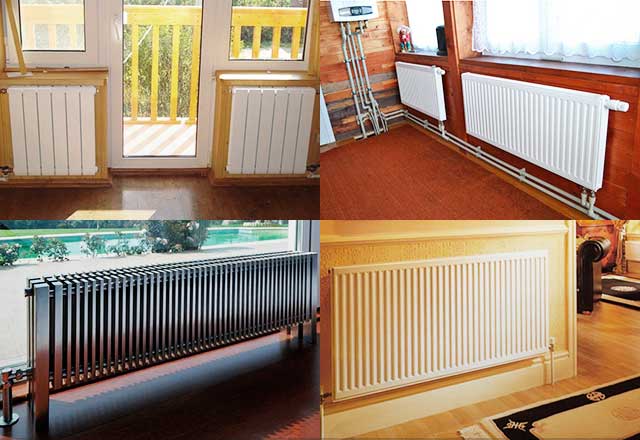
If you are choosing a battery for an apartment with a modern finish, then you probably do not want to install an old-style three-dimensional structure.
- Service life of the product.
This criterion is due to the working conditions and technical features of the utility service. Replacing batteries in an apartment is not the cheapest event, so when choosing a device, give preference to such types of heating radiators that will last you at least 20-25 years.
- Ease of installation.
This is important if you plan to install radiators yourself. Heavy cast iron construction is not suitable for this purpose, while lightweight panel batteries can be installed by anyone.
- Manufacturer.
As a rule, the popularity and impeccable reputation of the manufacturing company matters. The modern market offers products from numerous European and domestic manufacturers. Consumers often prefer German, Italian companies, as well as Spanish, Austrian and Polish brands.
AQUALINK radiators are quite popular. These heating devices are suitable for installation in both autonomous and centralized heating systems. Aluminum heating devices and bimetallic types of radiators are designed specifically for use in heating systems in the Russian Federation. Due to the high heat transfer of the sections, the AQUALINK device is suitable for use in a low-temperature heating system, and due to the low inertia, fast and effective temperature control in the rooms is carried out.
our company SantekhStandard supplies aluminum and bimetallic radiators to Russia. Our main areas of activity are:
-
wholesale trade in engineering plumbing equipment;
-
organization of delivery of our goods across the territory of the Russian Federation and the CIS;
-
production of sanitary products.
Aluminum and bimetallic types of AQUALINK heating radiators are presented in a rich assortment with a different number of sections - 4, 6, 8, 10, 12. All radiator models are painted with snow-white epoxy enamel.You can also choose accessories for heating devices, which are represented by battery connection kits, mounting brackets, adapters, plugs, manual air vents, control and shut-off valves. All products are insured and have passed the procedure of voluntary certification in the GOST R system.
Heating bimetallic devices
To date, bimetallic radiators are the most in demand, since they combine the advantages of aluminum and steel products. They are ideal for housing with central heating, and their disadvantage is high cost.
STOUT heaters of this type have been specially adapted to the Russian market. They are able to withstand operating pressures up to 100 atmospheres and operate effectively at ambient temperatures up to 135°C.
The manufacturer provides a 10-year warranty for this product. The number of sections can be 4 - 14 pieces and therefore there will be no problems with which batteries to choose for the apartment.
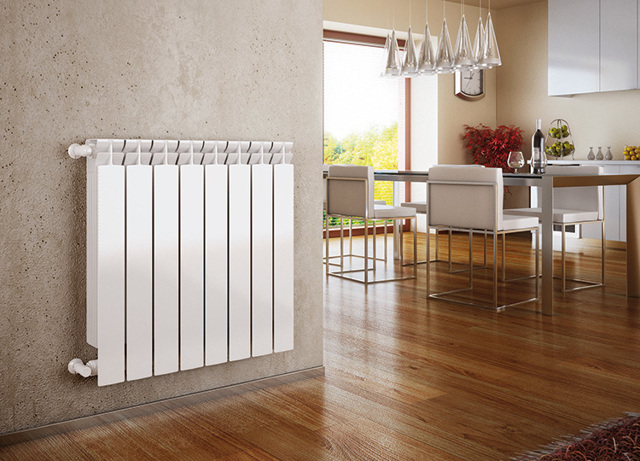
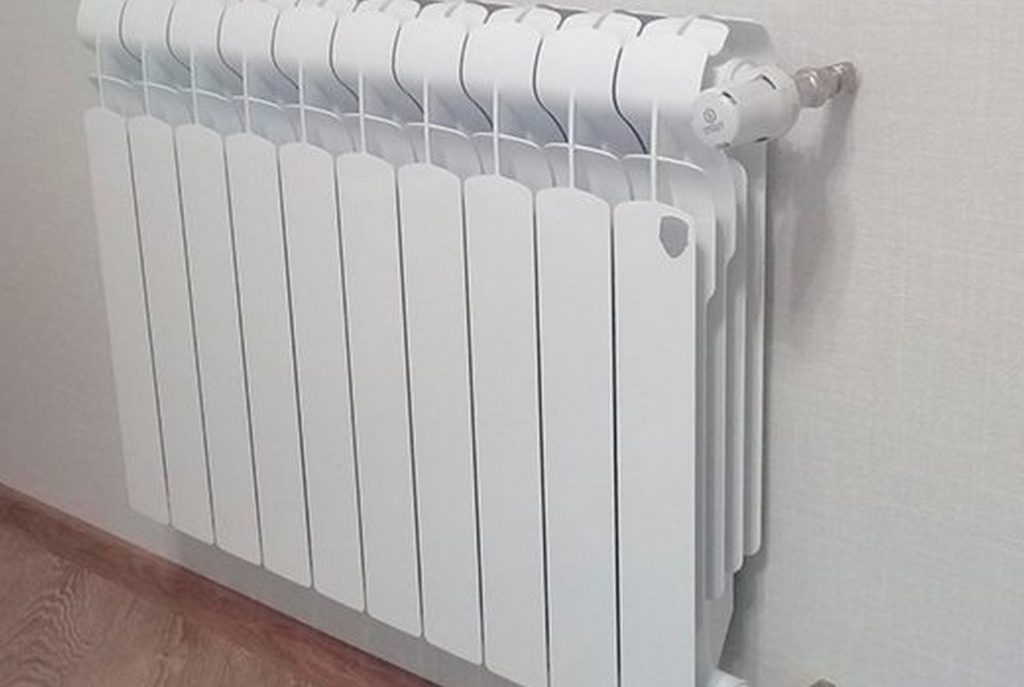
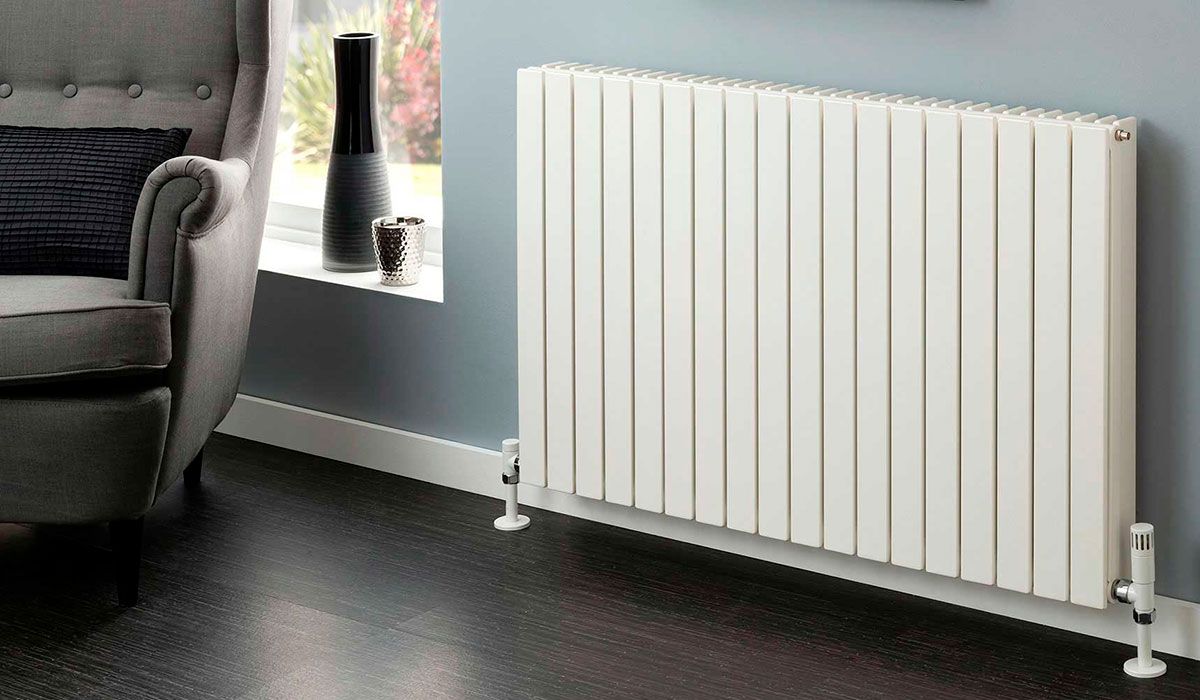

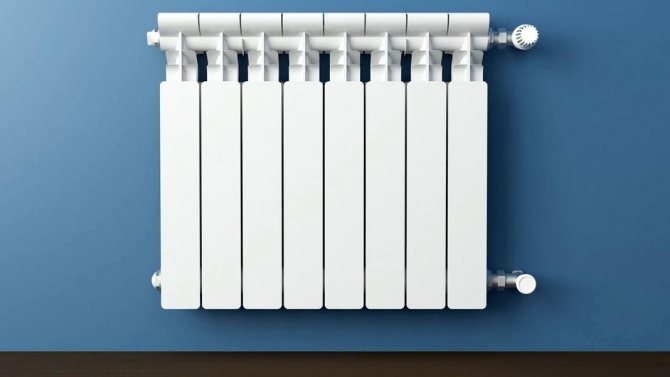

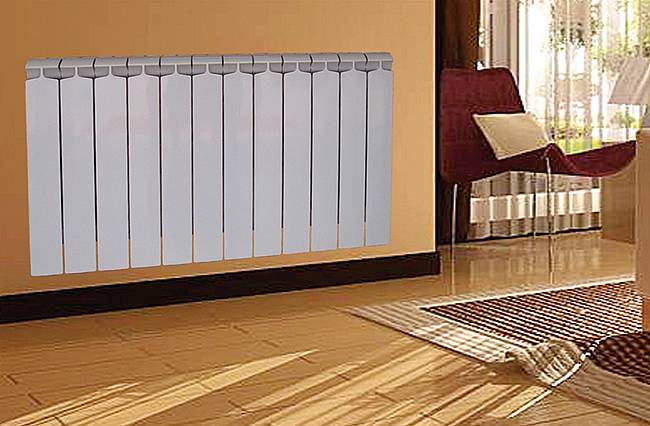

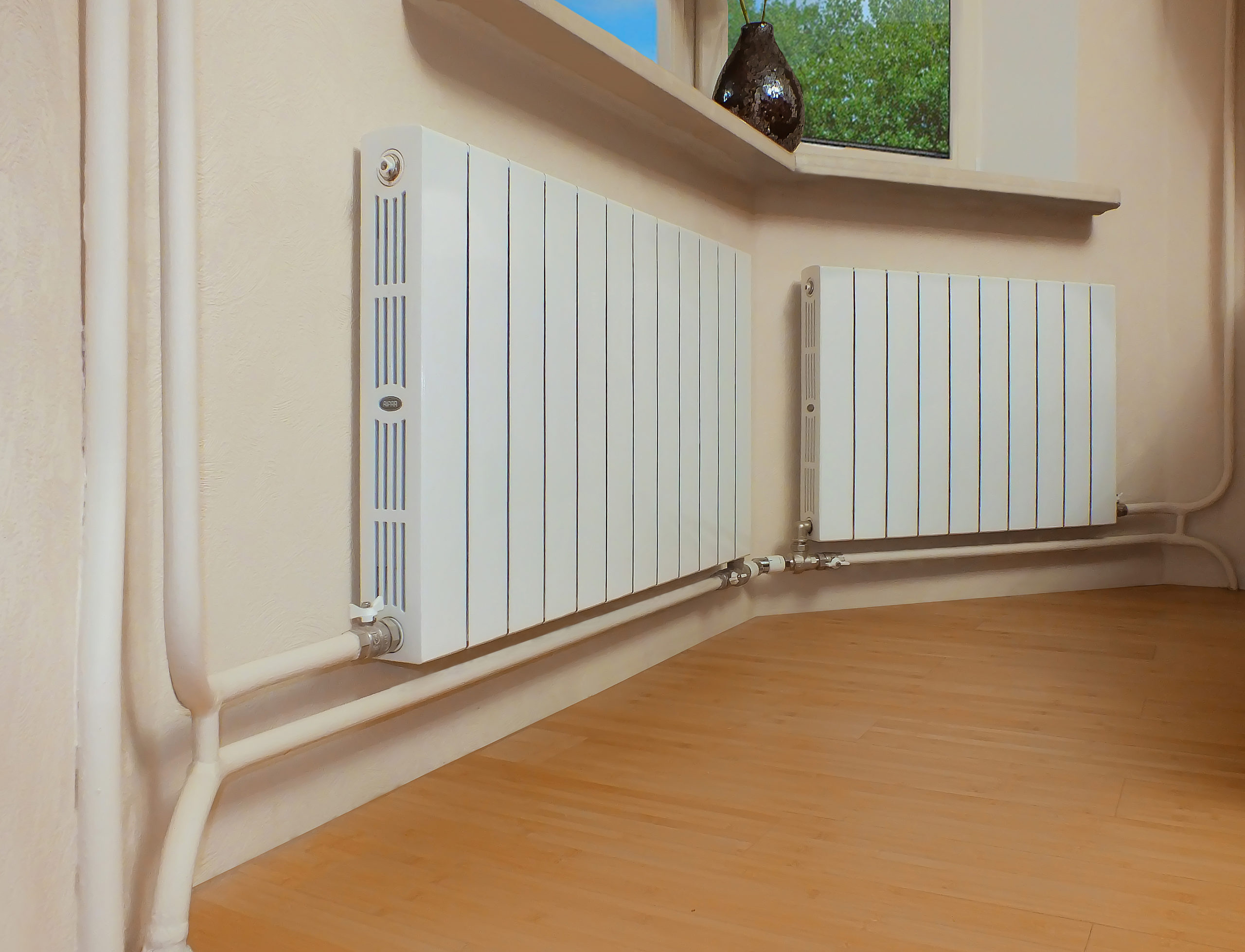
For the production of bimetallic radiators, two metals are used - aluminum and steel. In order to improve technical performance, various silicon compounds are sometimes added to the composition, which increase wear resistance and service life.
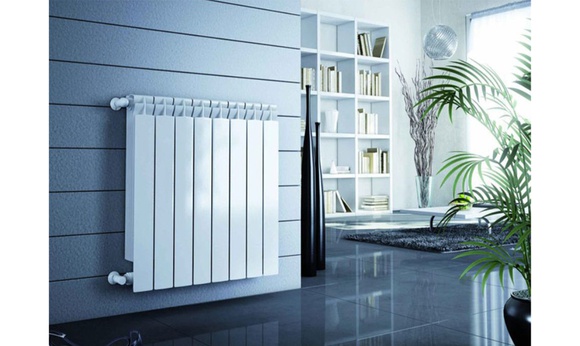
Inside the bimetallic product there is a structure consisting of two parts. The first of them is a steel core along which the coolant moves. Its functional purpose is to accumulate thermal energy and transfer it to the second part, made of aluminum. Heat enters the room through the heat exchanger.
The aluminum casing has no direct contact with the working medium.This task is performed by a high-quality steel alloy. Outside, the radiator is covered with enamel paint, and the modern design provides a protective coating.
The strength of steel and the high heat transfer of aluminum make it possible to manufacture highly efficient heating devices that can quickly warm up a room, they are not afraid of pressure drops that occur in the system. They are resistant to corrosion processes.
The steel core can easily withstand a working pressure of 35 - 40 atmospheres, and when tested for strength in production conditions, even 45 - 50 atmospheres. If the house has an unstable heating system, choosing which batteries are best for the room from the entire range, you don’t have to worry that bimetallic devices will fail.
In some models, the cores are made of copper, not steel. They are intended for autonomous systems in which a coolant with the addition of antifreeze functions, and it destroys steel parts.
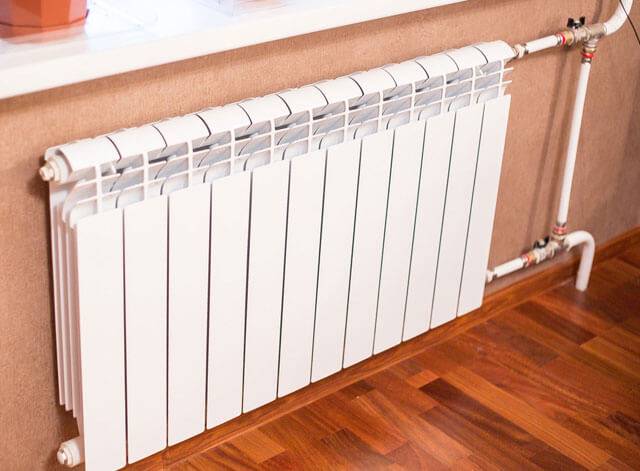
The outer panel of the radiator has a ribbed structure to enhance heat transfer. Since the design weighs a little, there are no problems with its installation. The inside of the radiator is covered with a special layer with the addition of polymers. It protects the device from the negative effects of abrasive components present in the water.
Today there are no problems with the acquisition of such units: their center distance can be from 200 to 800 millimeters. To determine the number of sections, it is necessary to make calculations.
To make the right choice, you need to know what kind of batteries are available for heating an apartment of a bimetallic type - monolithic and sectional.The first of them are more expensive, but they also have the best technical indicators, and the absence of joints prevents leaks.
Advantages of bimetallic devices:
- ease of installation;
- resistance to high pressure and water hammer;
- light weight;
- stylish look;
- variety of design solutions;
- high degree of heat transfer;
- long service life - about 50 years;
- minimum requirements for the quality of the coolant.
These devices have one drawback and this is their high cost, but it pays off due to a long period of operation and reliability. When solving the problem of how to choose heating radiators, the choice in favor of bimetallic products can be called the best option for apartments with central heating in multi-storey buildings.
There is one circumstance that should be taken into account before buying. Bimetallic products are outwardly similar to aluminum appliances
These designs are difficult to distinguish, so before choosing a radiator for a room, you need to look inside them.
Reliability and durability, service life
When trying to determine which batteries to put in an apartment, you also need to take into account their service life, which looks like this:
- Cast iron - more than 50 years;
- Aluminum - 15-20 years with normal water acidity;
- Steel - 15-25 years;
- Bimetallic - 20-25 years;
- Convectors - 10-25 years.
When deciding which radiators are better to put in an apartment in terms of durability, and knowing the indicators described above, a couple of obvious conclusions can be drawn. For the radiator to last the longest, you need to choose cast iron products.It is advisable to study the manufacturer's reputation when buying - the materials used and build quality should be at an acceptable level.


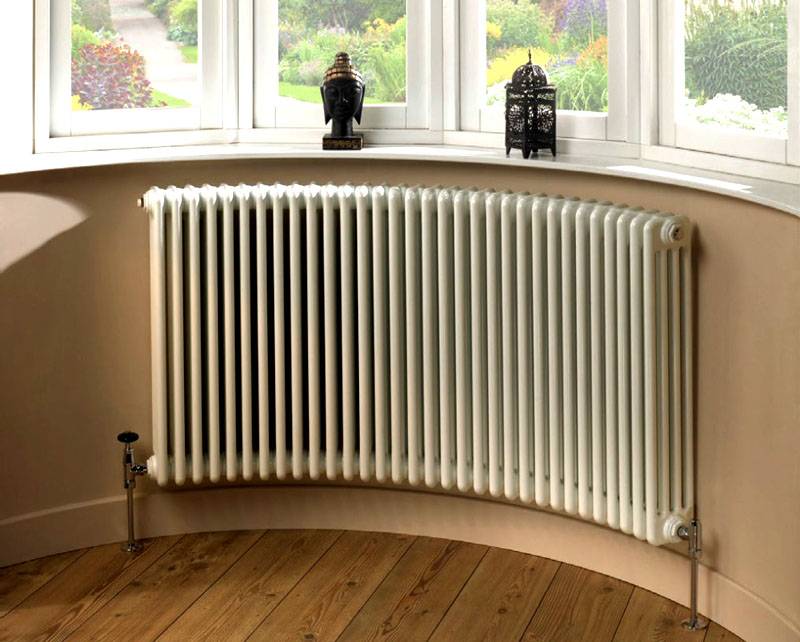


The second parameter is reliability, which means the effect of pressure and coolant. For work in conditions of high pressure, bimetallic radiators are best suited, followed by aluminum, cast iron and steel appliances. The lowest requirements for the quality of the coolant are made by cast iron products, and immediately after them are bimetallic ones. When using steel radiators, you should try not to drain the water for a long time, otherwise the material will be susceptible to corrosion. The worst choice of a heating battery in terms of reliability is aluminum products that can only work if the acidity of the water is within 7-8 units.