- How do you know it's time to change your toilet?
- Toilet cuffs: features, varieties
- Toilet cuff: concept, features, advantages and disadvantages
- The main types of cuffs for the toilet, their characteristics
- Practical Tips
- Choice
- Step-by-step installation of a toilet bowl on an eccentric
- Connection specifics without corrugation
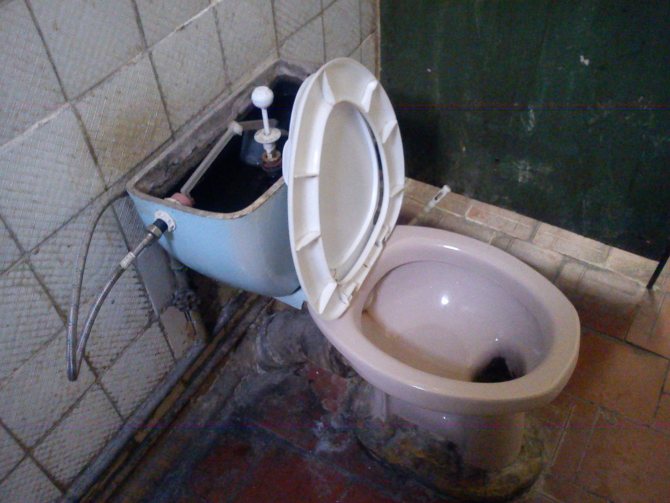
- Dismantling of old plumbing
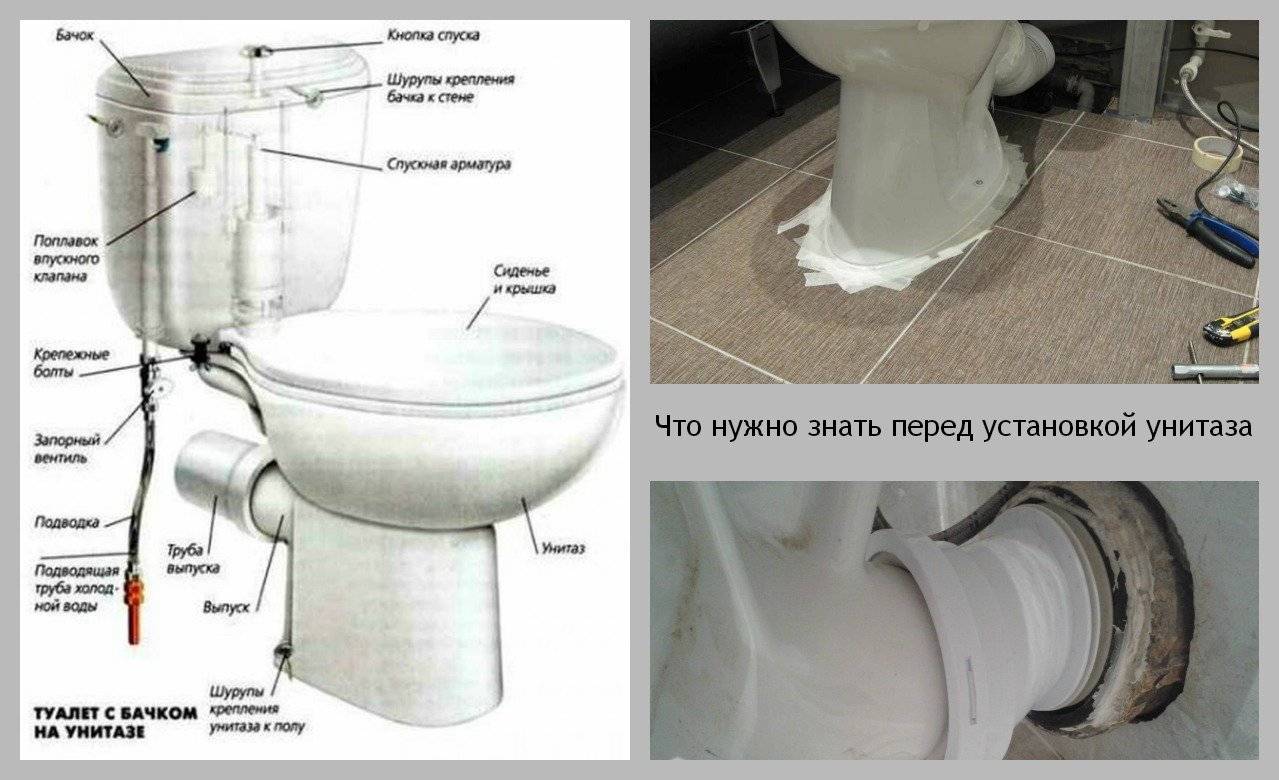
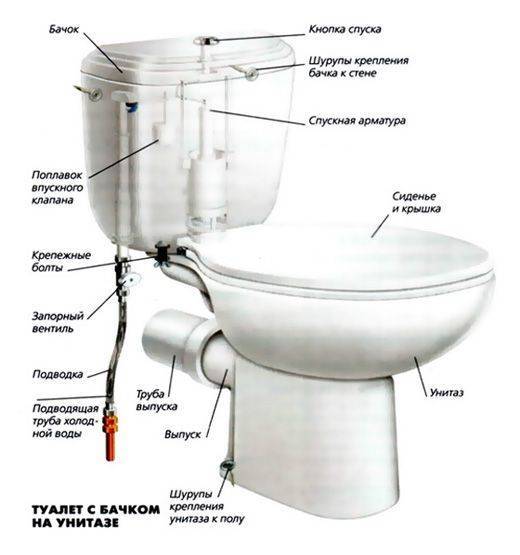
- Construction device
How do you know it's time to change your toilet?
At first glance, the wording may seem strange. Anyone understands that the toilet needs to be changed when it is out of order. But in fact, most of the problems associated with malfunctions of the sewer system and the toilet in particular can be fixed without replacing the plumbing. Most often, the following malfunctions occur:
- flows from the tank;
- flows from under the bowl;
- cracks in ceramics;
- bad smell from the sewer.
If water is constantly flowing from your tank, this is a serious reason to think. Such wasteful use of water is contrary to the current trend of protecting the environment and conserving natural resources. If it drips from the tank onto the floor and you are tired of placing basins, and all pipe connections are normal, most likely the cause was a chip or crack.
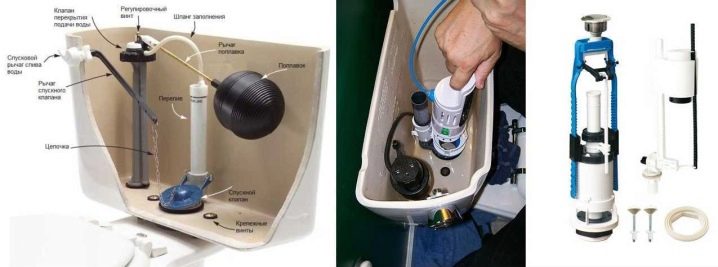
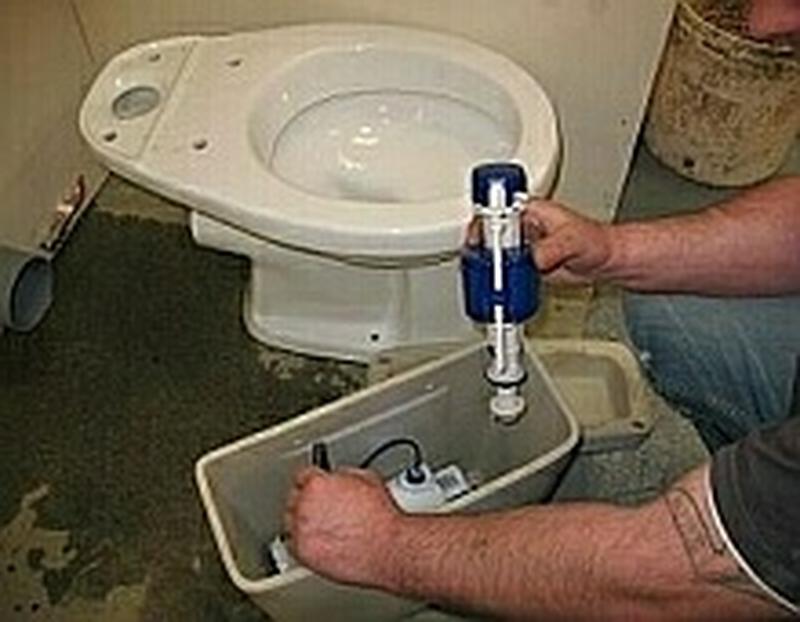
In this case, you can only temporarily solve the problem, but the toilet should be replaced as soon as possible.But if the water from the tank flows down the wall of the bowl into the sewer - good news, most likely there is no need to change the plumbing. The cause of such a malfunction is often a leaky valve. Luckily, the entire inside of the cistern is sold separately and can simply be replaced.
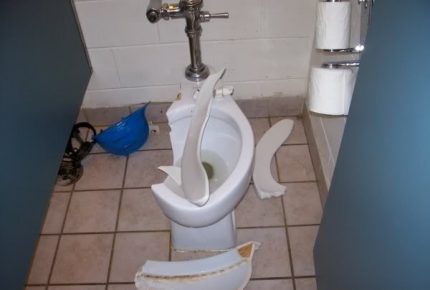
Plumbing faience and porcelain are fragile materials that are unstable to sudden changes in temperature. Enamel can become covered with a network of cracks, which not only spoil the aesthetic appearance, but also threaten the destruction of the entire product.
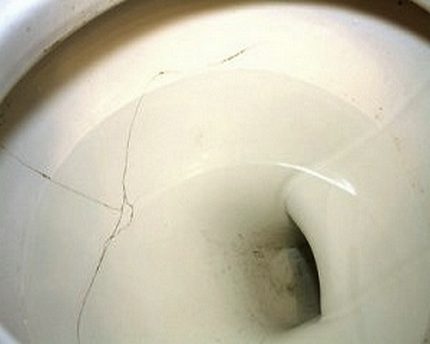
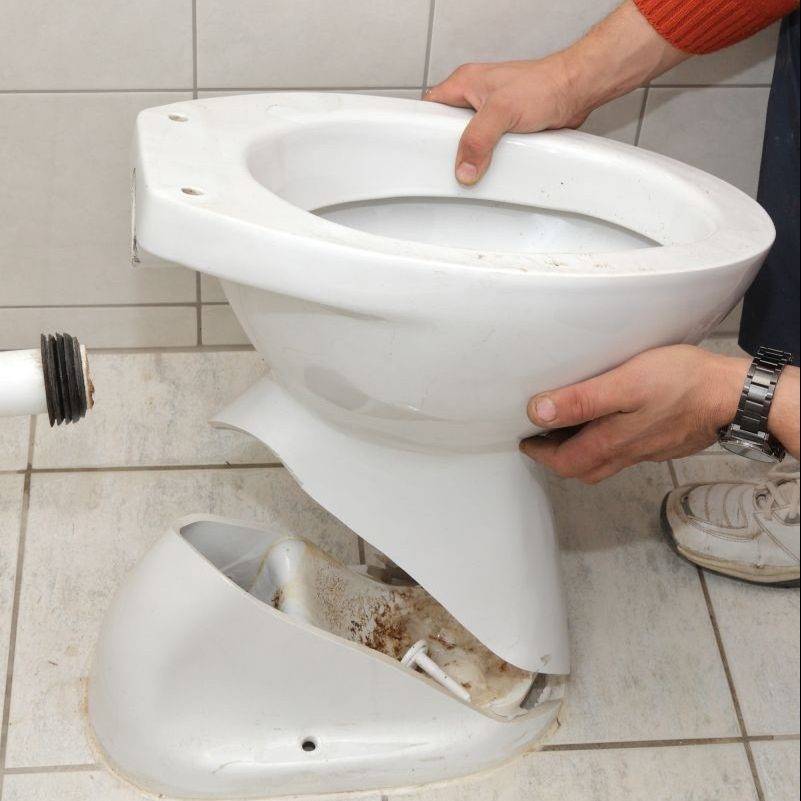
If cracks or chips appear on the toilet, try to replace it as soon as possible. You never know at what point ceramics will not withstand and will burst under the weight of a person, exposure to water, or simply from internal stress. It’s good if at this moment someone is nearby and can quickly eliminate the consequences of the disaster, otherwise you can count on the upcoming repairs in the toilet of the neighbors below.
Bad breath is another bad sign. Often the reason for this is the incorrect location of the sewer pipes, when drains are delayed in the sewer. But if you are convinced that everything is in order with the pipeline and you can be sure that the earthenware is clean, look for the cause in the destruction of the glossy coating of ceramics.
If the enamel is corroded and the porous sanitary ware begins to come into contact with dirty drains, it will soon begin to absorb and absorb unpleasant odors. It will no longer be possible to remove them, such destruction is an irreversible process. Here, a complete replacement of plumbing is indispensable.
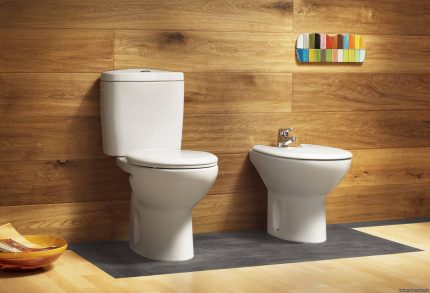
Another reason to change the toilet is to repair the toilet. Few people want to leave old plumbing with a complete bathroom redesign. This is definitely a nice occasion.New models of plumbing appear regularly, and it is difficult to keep up with fashion. Whether you choose a classic model or an unusual copy from a fashion catalog, the replacement will be carried out according to the same principle.
Toilet cuffs: features, varieties
Modern dwellings are quite difficult to imagine without a sanitary room equipped with everything necessary. In simple words, a bathroom or a toilet (if the bathroom is separate). Whichever toilet model you choose among the variety of different options, its main goal is always the same - the drain of waste products into the general sewer system


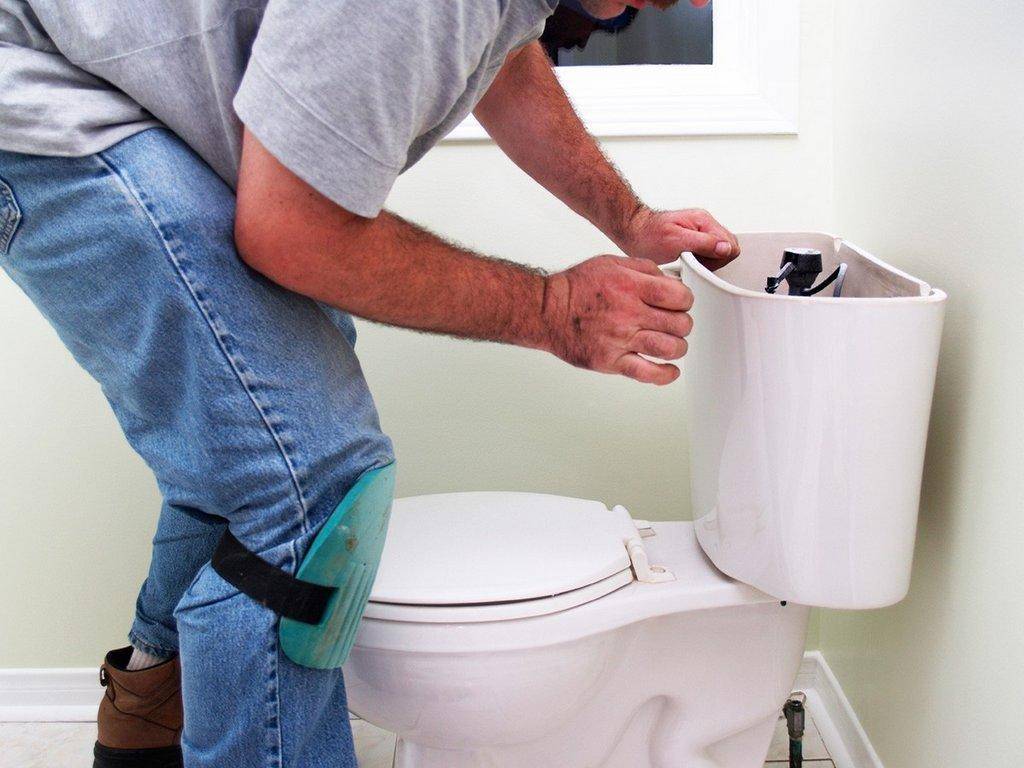

In order for this to happen quickly and efficiently, it is important to choose high-quality structural elements for home plumbing, including toilet cuffs. Today we will talk about what cuffs are (stepped, conical), give their general characteristics: features, size according to GOST, diameter, etc.
Toilet cuff: concept, features, advantages and disadvantages
Cuff - an element of drain fittings, which is a kind of adapter between the toilet bowl and the sewer system. This part is made of heat resistant polypropylene/polyethylene. The main purpose of this element is to provide a tight connection between parts of the system for efficient draining.
The outer diameter of the cuff attached to the toilet is 13.4 cm, the inner diameter is 7.5 cm. The part installed on the sewer pipe has a diameter of about 11 cm.
On the one hand, the cuff can be considered a practical element of the sewer system, since it is very convenient to move the toilet if necessary.But, on the other hand, this element is quite fragile - the slightest mechanical load is enough for damage to appear.
Nevertheless, the cuff is used quite often when mounting the toilet due to some of its advantages:
- makes it possible to install a toilet bowl if the diameter of the outlet and the inlet socket of the sewer pipe do not match;
- suitable for mounting in open areas;
- differs in aesthetic appearance;
- durable with proper use.
- easy to maintain and install;
- has an acceptable price.
But in addition to the advantages, the toilet cuff also has some disadvantages:
brittleness of the material (therefore, the part should be handled very carefully);
the presence of low-quality products in trade construction networks;
if the cuff length is incorrectly selected, it may sag during operation and, as a result, blockages in the sewer pipe may appear.
A few words should be said about the criteria for choosing a quality toilet cuff. Firstly, you should not save money by choosing the right model for your home, since the cuffs are not very expensive anyway.
It is also worth paying special attention not to ordinary plastic cuffs, but to those in the design of which not only plastic is presented, but also reinforced wire made of metal. This will make the cuff more durable and practical.
Advice. When choosing a suitable cuff for a toilet bowl in a small bathroom or in a combined bathroom, it is better to give preference to a corrugated pipe with a branch.
The main types of cuffs for the toilet, their characteristics
There are two main types of toilet cuffs:
- Cuff eccentric. A part of this type most often has a standard straight shape, but sometimes it can be presented in the form of two small pipes tightly connected to each other at a certain angle. The first option is designed to connect a standard configuration toilet bowl with a sewer pipe. The second is ideal for domestic waste systems in which the outlet pipe and plumbing are located at different levels. The eccentric is of two types: long and short (depending on how the place for mounting the element looks like).
Practical Tips
Finally, take on board some useful tips from professionals that will help you avoid possible problems when installing the cuff or preparing for it. First, try to minimize the distance between the sewer pipe and the socket. If this is not technically feasible or practical, try to strengthen the corrugation as best as possible. This can be done with the help of special props.



When using a sufficiently short cuff, you should not stretch it until it is mounted into the system, since you can randomly stretch it and during installation it will simply sag.
Advice
When it comes to using a cuff in the sewer system of a private building, pay attention to the presence of tailed "guests". If any are present, it is better to use the standard option - a cast-iron elbow
On this, our acquaintance with the existing types of cuffs for toilet bowls comes to an end. Enjoy the shopping!
Choice
Most often, people do not consider the choice of this device a difficult matter.The list of requirements for it is limited to convenience, lightness and, sometimes, color. Beyond this, most buyers do not go. But in addition to external characteristics, each model has its own technical indicators. Leading companies in the plumbing market regularly update their product range, releasing more and more interesting new products. Focusing only on the appearance and convenience of the toilet, you can soon encounter problems that will not be easy to solve. Before you make a replacement, you need to think about some characteristics.
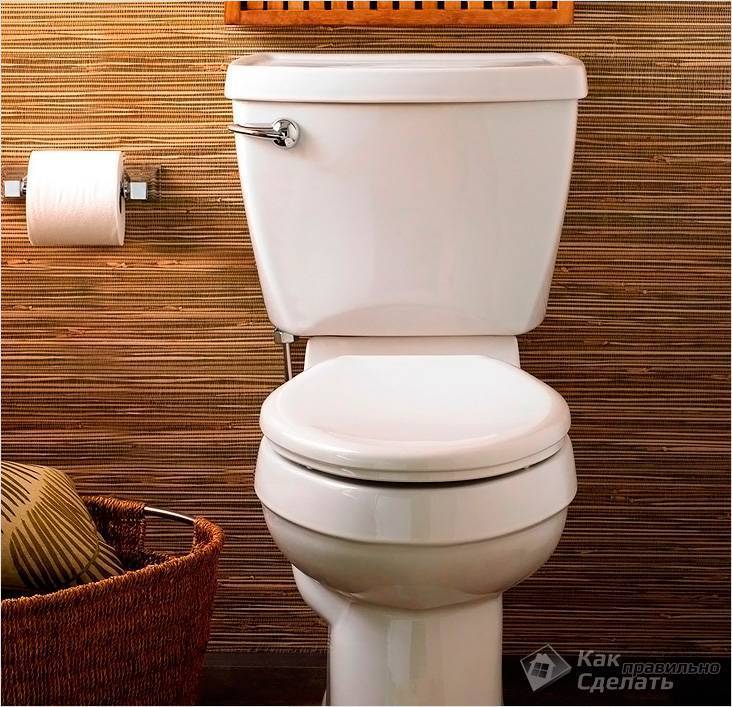
When choosing a device, consider bathroom or toilet size. For large spacious rooms, it is recommended to purchase designs with a bidet and a tank. If the dimensions of the bathroom are very small, then you can organically fit a toilet without a tank into the space. Such models have a special built-in flush system. They are very convenient and will save space in the room.
The material of manufacture of the unit is very important. By purchasing cheap products, the consumer runs the risk of getting low-quality ceramics, which will very soon spoil all the pleasure of buying. Of all the proposals for the home, it is better to choose models made of porcelain and faience in the middle price segment.
Of great importance is the internal shape of the bowl. Some of the models have a special splash guard.
The design of the flushing device is also important. It is selected taking into account the features of the communication system in the house. There are three types of such structures: vertical, oblique and horizontal. To make the right choice, you need to look at the features of the flush device in your system.
Today there are many models of drain tanks.It is necessary to take into account the noise level of the tank, its capacity and other indicators.
You should also pay attention to the location of the tank relative to the toilet itself.
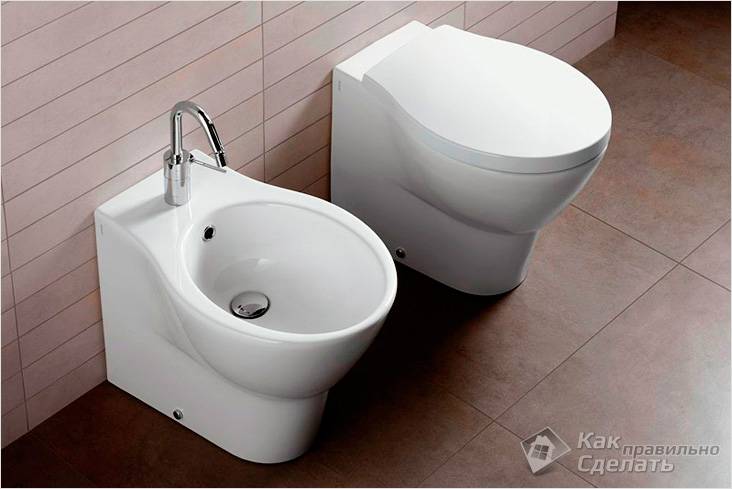
It is known that the simplest models are the easiest to install. Usually they also do not cause any special problems during operation. Choosing too complex a design, the consumer may later regret his choice. In the simplest models, most of the problems are associated with a drain tank, which is not difficult to fix.
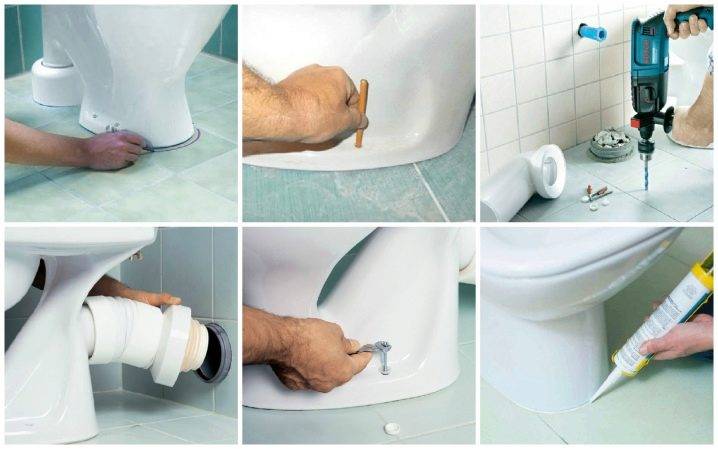
Step-by-step installation of a toilet bowl on an eccentric
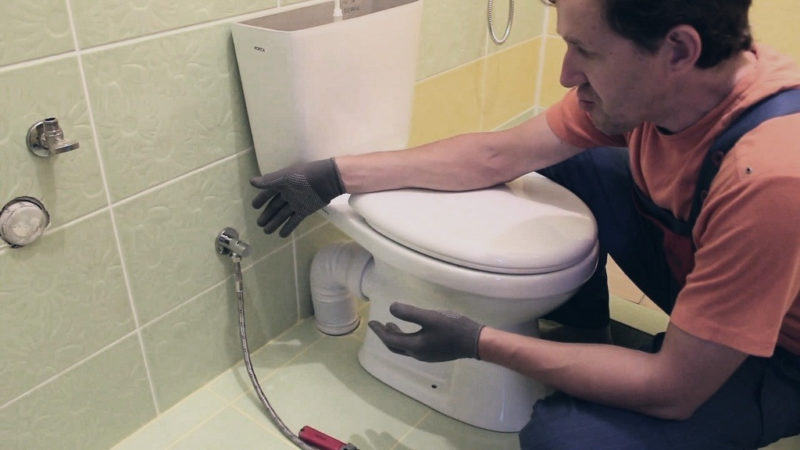
For example, consider installing a toilet bowl in a newly renovated toilet, where the tiles on the floor and walls were completely changed and there is only an exit from the sewer pipe. In the source data, the presence of an axis offset between the connected elements.


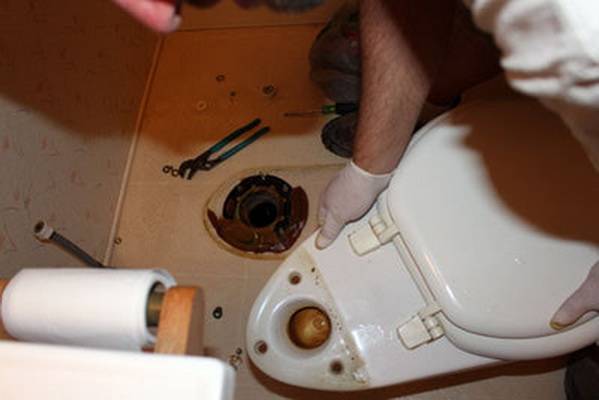
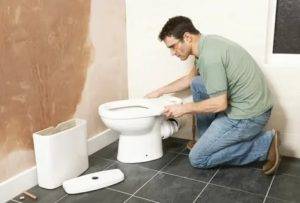

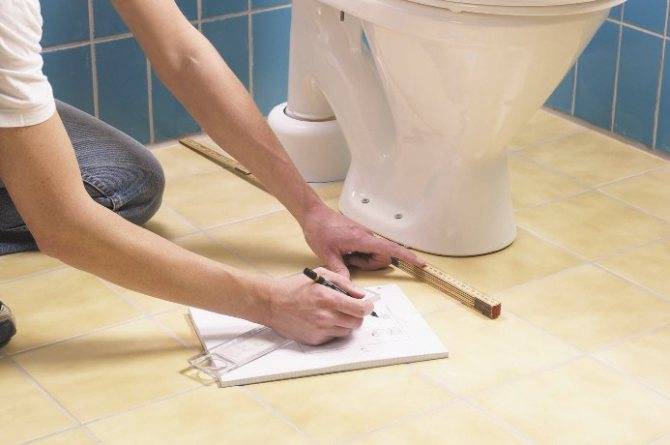


The process is divided into several steps:
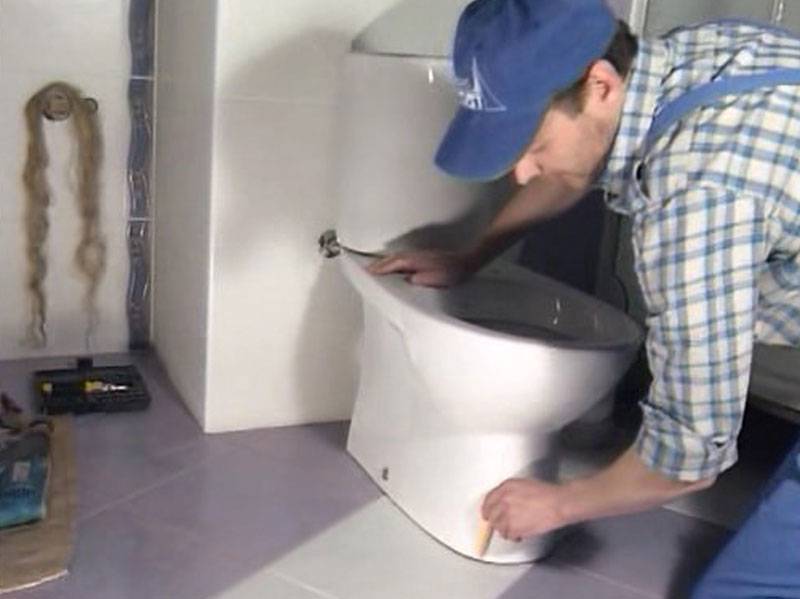
- Install the toilet in place of its permanent position and outline the leg with a black marker directly on the floor tile. Mark mounting holes.
- Measure the distance between the nozzles, plus add 5 cm to each side to put on the toilet eccentric.
- They buy an eccentric of the desired length and an automotive sealant (it does a better job of sealing the seam than silicone).
- Move the toilet to the side, insert the eccentric into the socket of the sewer pipe. They return the toilet bowl to its place and, turning the eccentric in a circle, achieve the exact entry into it of the toilet bowl outlet.
- A marker on the eccentric and socket of the sewer pipe makes a common notch in order to have a reference point for the position of the element.
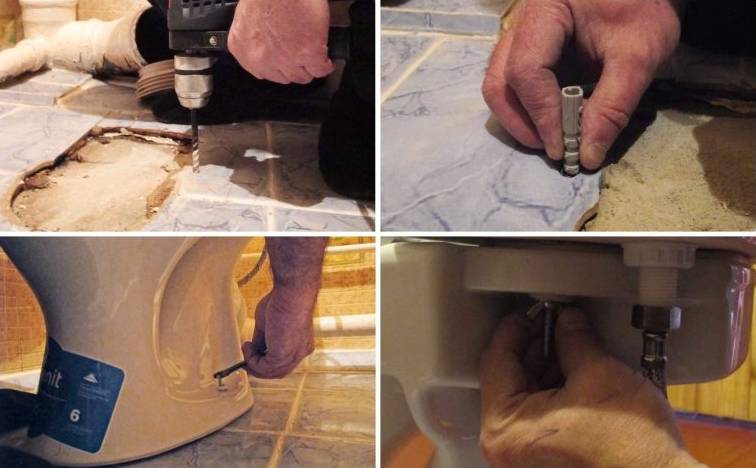
- The toilet is removed, the coupling is removed from the pipe, the mounting holes are drilled and plastic dowels are installed in them.
- A layer of sealant is applied along the inner circumference of the sewer pipe (at the place where the eccentric fits) and the sleeve is inserted, aligning the marks.
- A layer of sealant is applied to the toilet drain outlet and the latter is installed in a permanent place, inserting a toilet bowl eccentric by 100 mm.
- Let the sealant sit for 30 minutes and check the drain by pouring a few buckets of water into the toilet. To control leakage, a sheet of white paper is placed on the floor under the cuff.
- If everything is successful and there is no leak, the toilet is screwed to the floor with screws, the marker line is wiped with alcohol.
It is important to consider that a reliable seam can be achieved by applying sealant only to a dry surface.
Connection specifics without corrugation
A corrugated adapter is not needed if the plumbing product was purchased in advance and the sewer outlet was organized taking into account the type of release of a particular model.
In this case, the connection takes place with the help of a rigid elbow, which has no irregularities on the inside and is not prone to blockages.
It is necessary to take into account the features when installing with a plastic pipe:
- Distortions in the design are unacceptable, as they lead to leaks;
- Joints and joints must be lubricated with silicone grease;
- Pipes are shortened with a hacksaw.
Dismantling of old plumbing
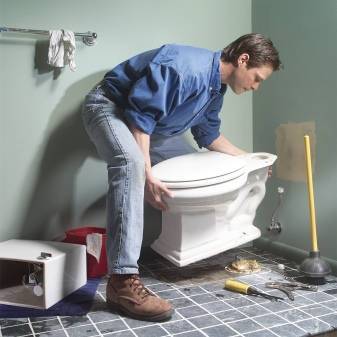
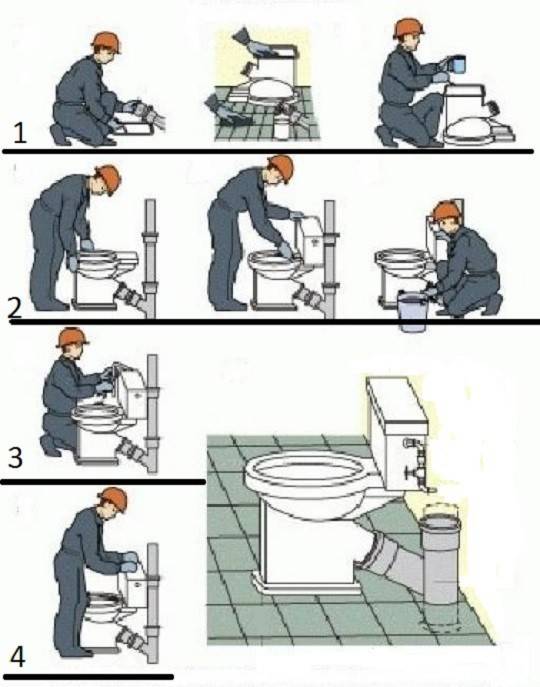
When replacing a toilet bowl, the old plumbing should be dismantled. This is done in the following sequence:
- Shut off the water supply.
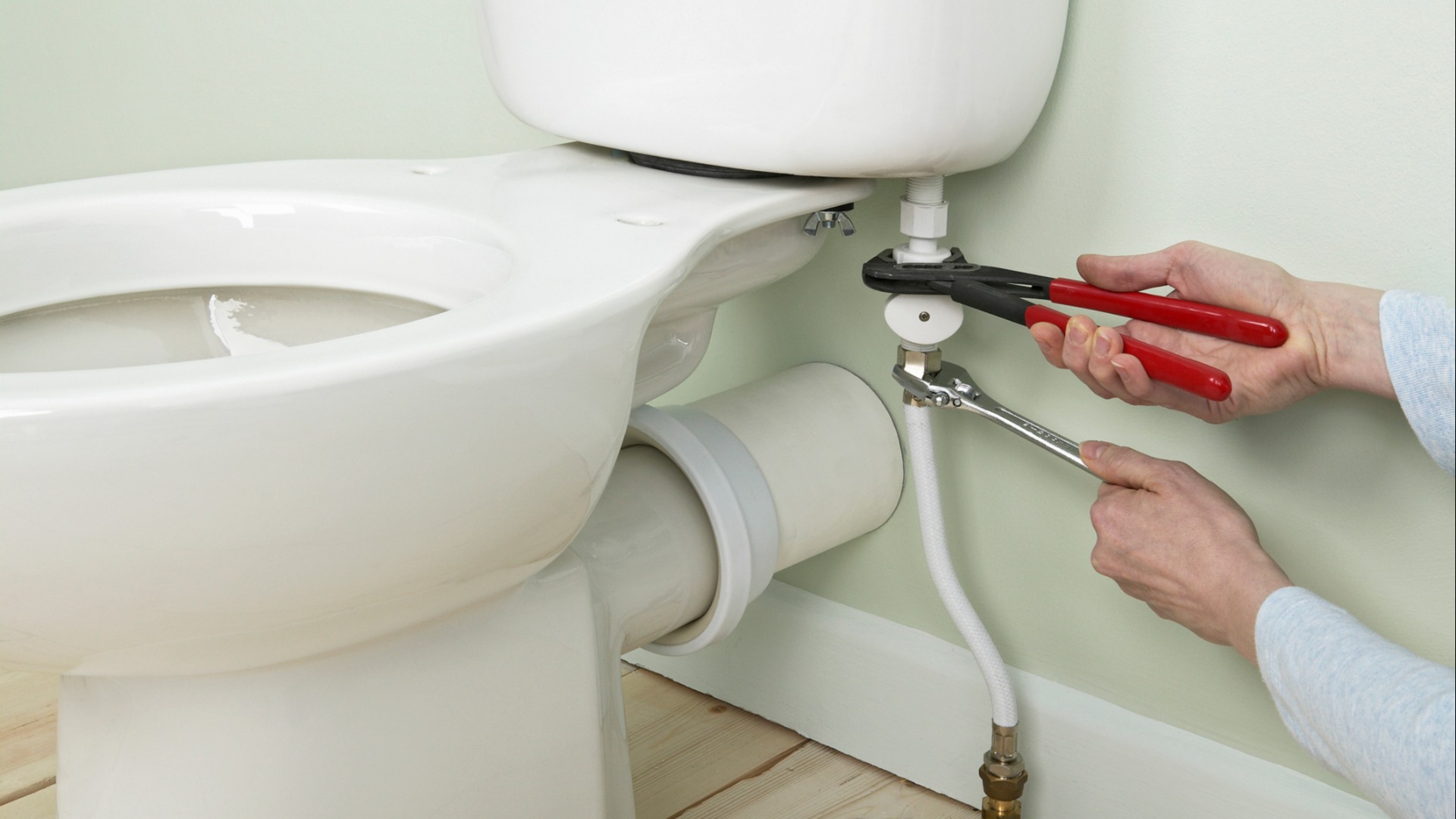
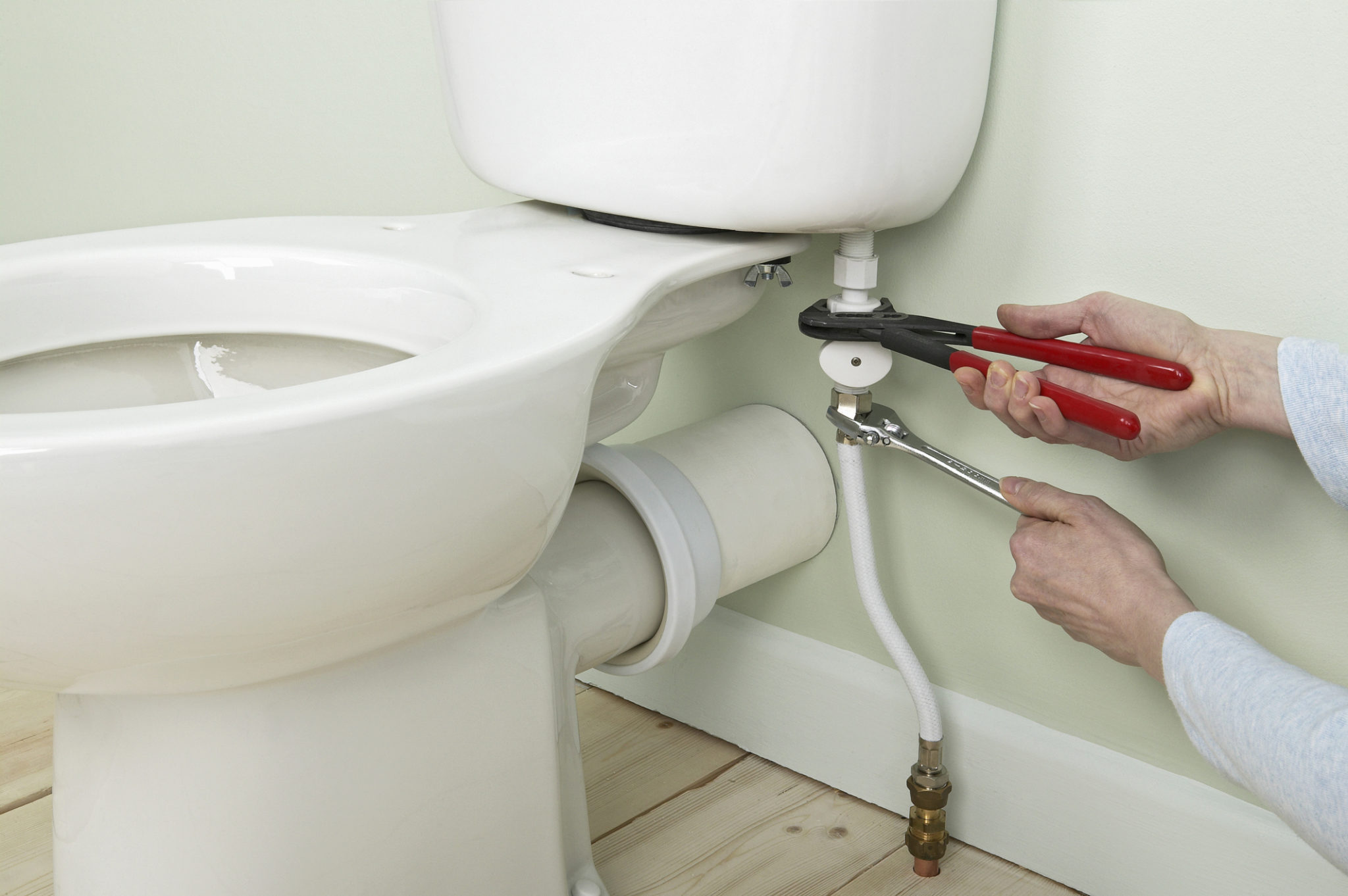
- Shut off the water supply to the drain tank by removing the supply hose.
- Dry the bucket.
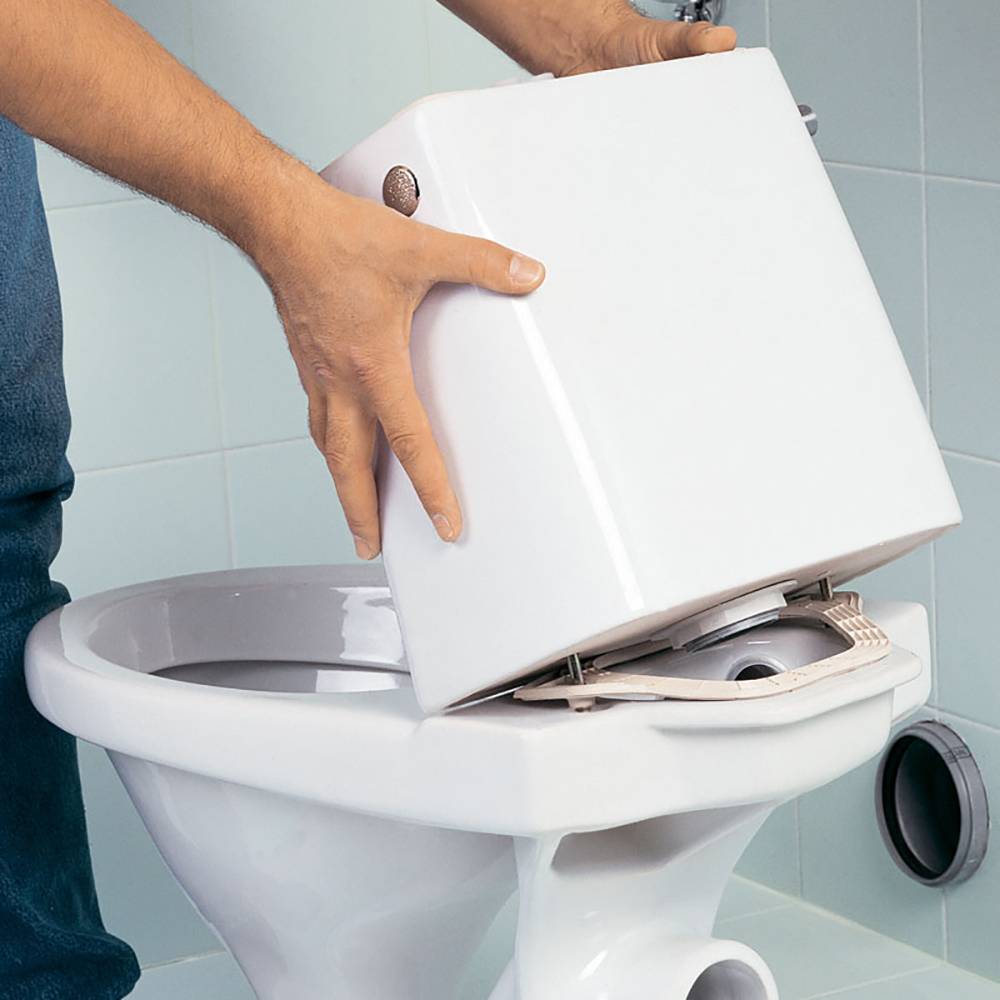
- Unscrew all fasteners of the tank and carefully remove it.
It is likely that the old bolts holding the cistern are rusty and partially corroded. Take kerosene or aerosol lubricant, moisten a rag and thoroughly wipe the rusted fasteners to make them easier to succumb to the tools. Carefully hold the fasteners with an open-end wrench or a screwdriver on one side, on the other hand, unscrew the nut with an adjustable wrench.
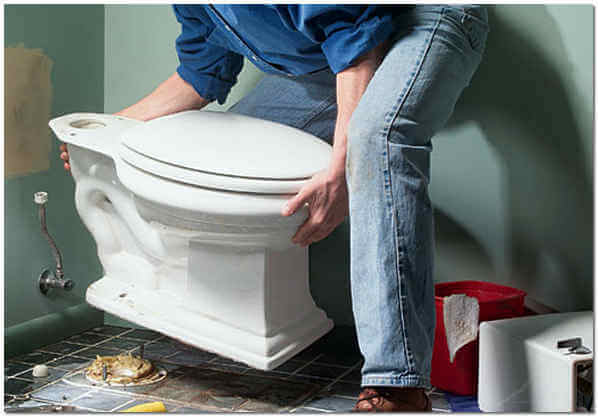
- Carefully remove the toilet mounts. Old plumbing can be attached to the floor with anchors or dowels. If the fasteners are covered with rust, use the above advice.
- Disconnect the drain from the sewer pipe.
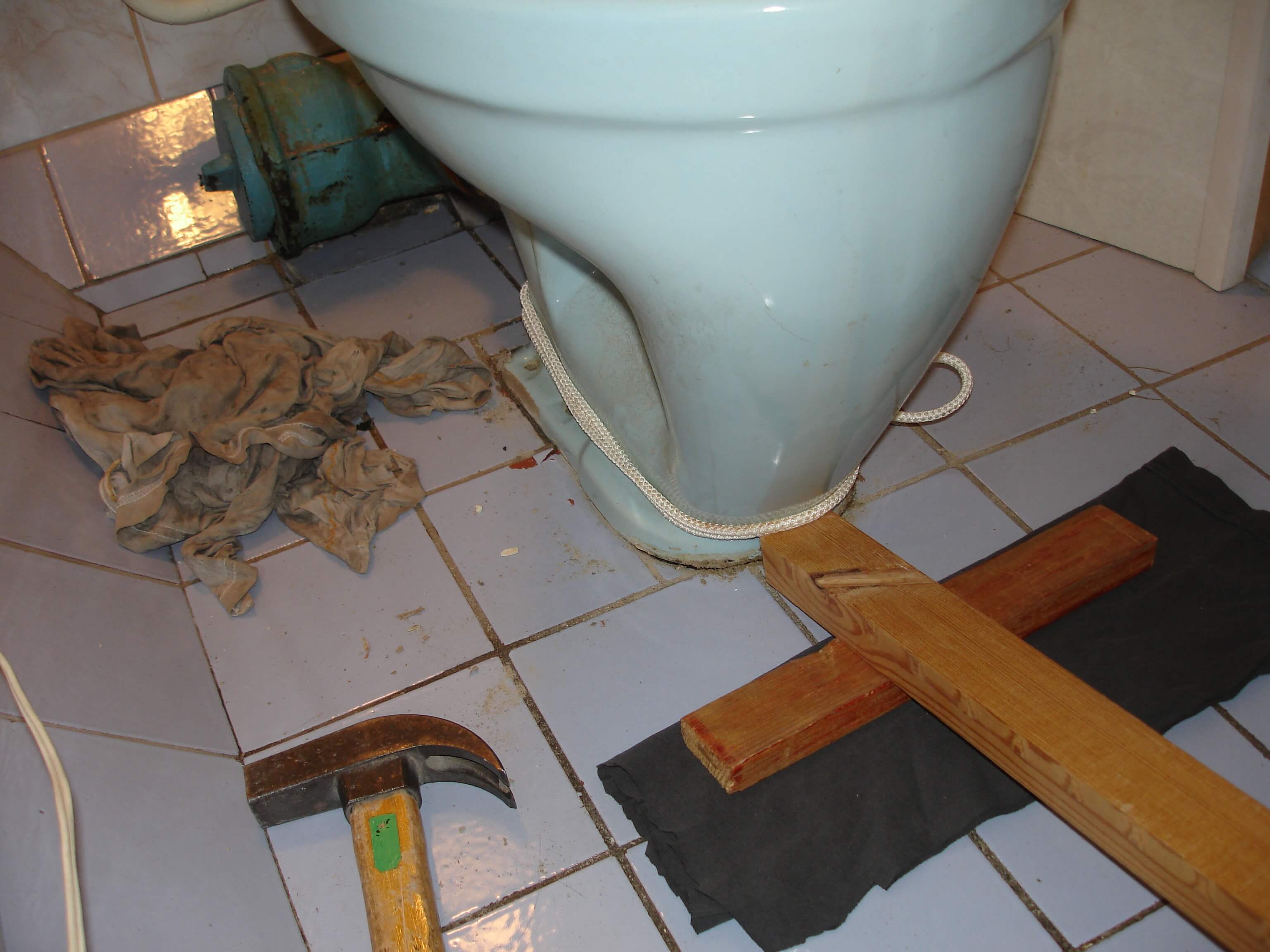
As a rule, the drain is tightly cemented. This method of fastening is ubiquitous in old houses. A hammer and chisel will help you. In two places of the cement coating, pick the layer with a chisel and tap on it with a hammer. The cement should crack, part of it spills onto the floor (lay an oilcloth for ease of cleaning). Next, shake the toilet to loosen and turn the drain. Make sure it doesn't pop out of the pipe. Then you need to tilt the toilet and drain all the water into the sewer. Carefully remove the drain from the drain.
It is unlikely that the old toilet will be used in the future. When dismantling it, do not stand on ceremony with plumbing and, without regret, beat off pieces from it if necessary. You can also use the lever method: punch a hole in the nozzle and insert a strong wooden stick or metal cable to facilitate the dismantling process.
Be careful! Plumbing chips are so sharp that they can easily rip through protective gloves and cut your hands.For work, choose the thickest gloves possible and try not to touch the chipped areas.
- Close the sewer drain carefully with a wooden plug. Remember that the pipe not only spreads miasma, but the gases coming out of it are fire hazardous. Do not smoke while working with sewers!
- Change pipes if necessary. If your pipes are old, made of metal, it is more advisable to change them to a plastic version.
Construction device
To date, stores offer a wide range of sanitary products, looking at which the eyes just run up. Therefore, before making a rash purchase, you need to figure out which toilet is suitable for a particular bathroom.
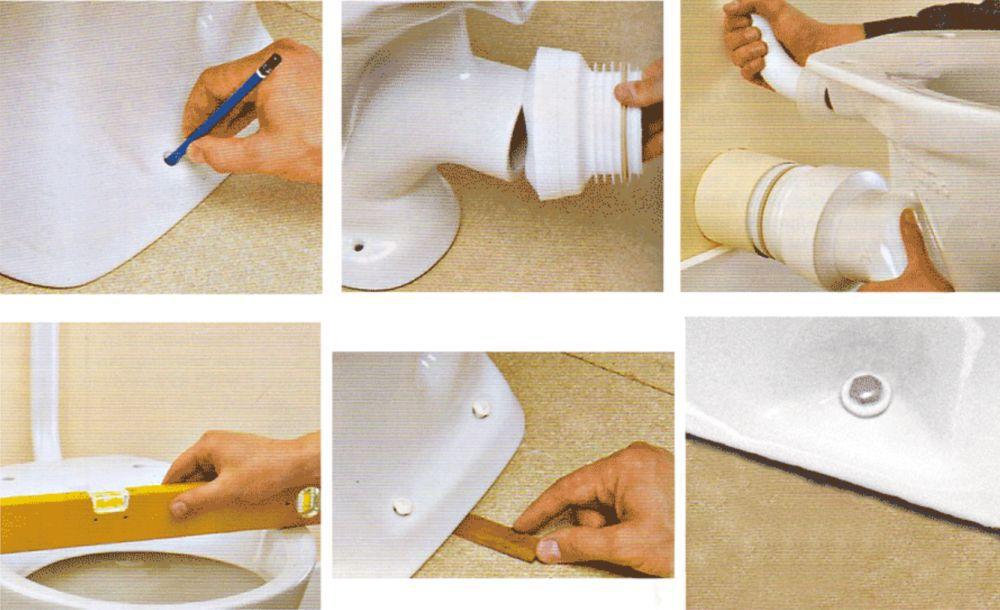
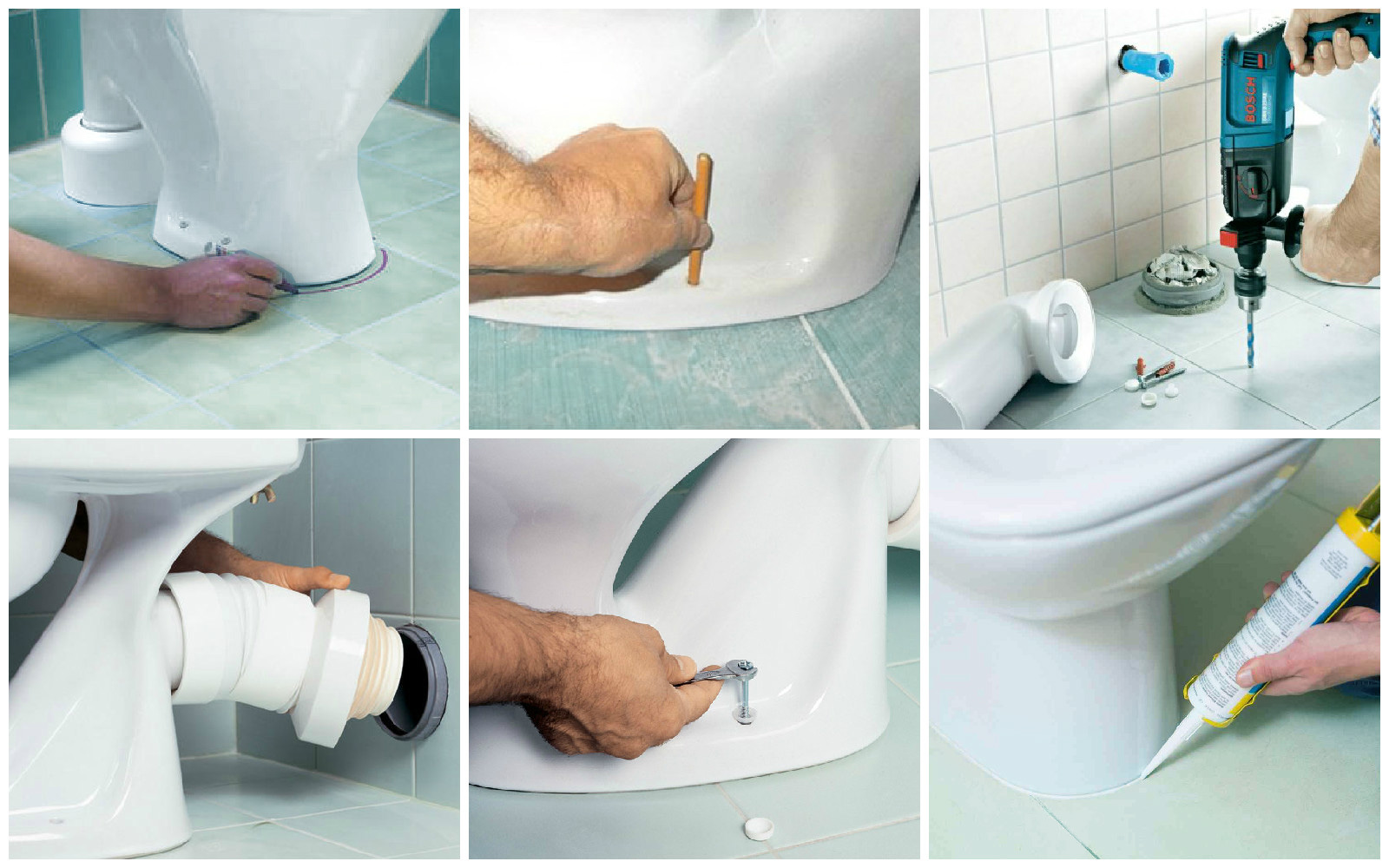




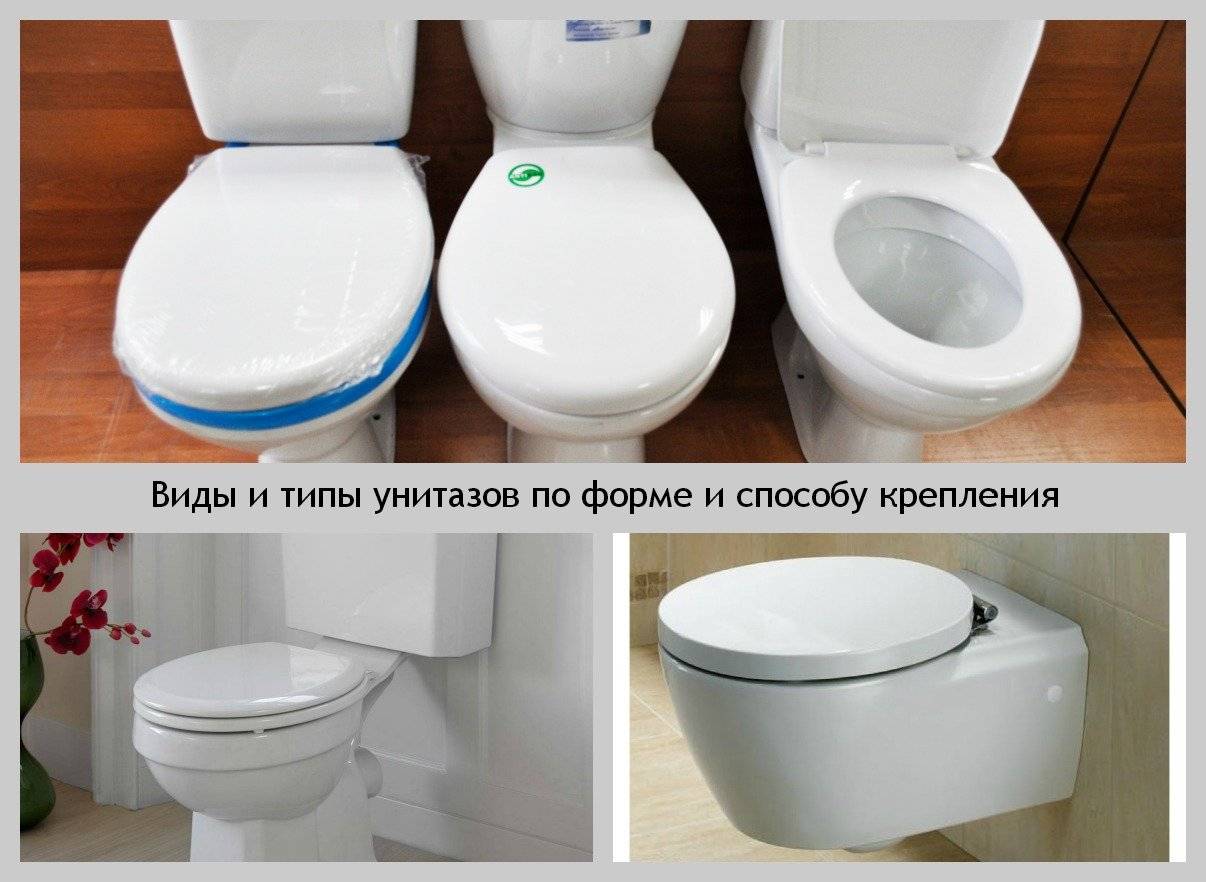
There are the following main types of structures:
- floor;
- suspended.
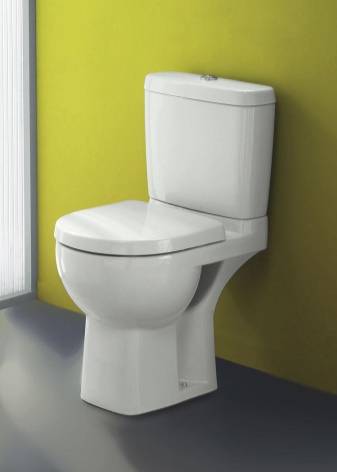
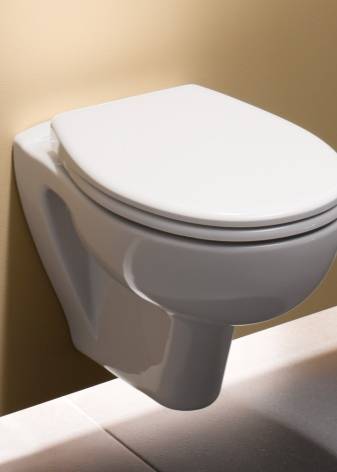
Floor options are more common, as they are classic. Their choice is quite wide.
They can be divided into several types.
- Monoblock. The bowl and tank are connected together;
- Compact. Parts are separated, they are connected during installation;
- With hidden drain system. This is the most modern type, the tank is located behind a false wall, which gives a neat look to the bathroom and hides all communications.
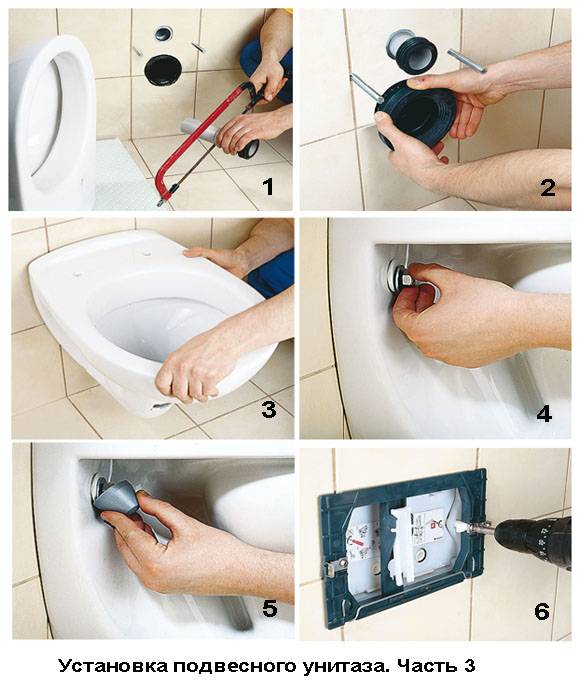
As for hanging toilet bowls, they are not installed on the floor, but are attached to the wall. This is a new, more modern type, which has a number of undeniable features. Such a toilet is more compact, under it there is free space, which is always lacking. Also, when buying and installing a new toilet, you need to decide on the direction of the water drain.
There are three varieties.
- With vertical outlet.The vertical outlet is an outdated model, and today it is practically not used, since the sewerage must pass under the floor, and in modern houses such a design has not been built for a long time.
- With oblique release. An oblique outlet can be found in modern panel houses. The neck of such toilet bowls is located at an angle of 45 degrees and is connected to the sewer, usually with a tee.
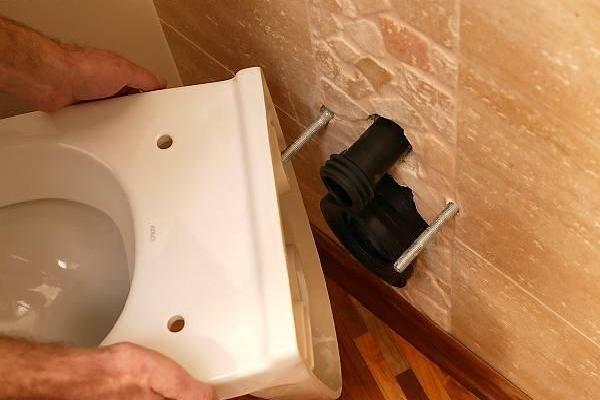
- With horizontal outlet. Toilets with a horizontal outlet have become very popular in recent decades. Sewerage passes behind the wall, and the connection to the bathroom is made parallel to the floor using a corrugated pipe or cuff.
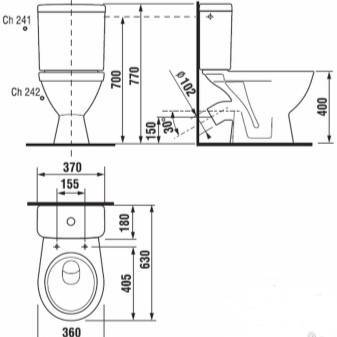
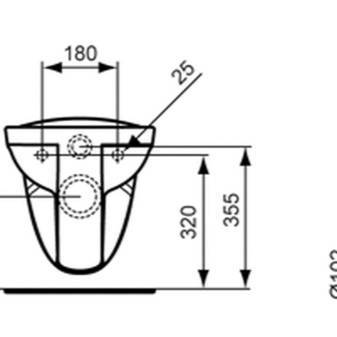
It is worth paying attention to the material from which the toilet is made. Most often, the following materials are used for the manufacture of toilet bowls: Most often, the following materials are used for the manufacture of toilet bowls:
Most often, the following materials are used for the manufacture of toilet bowls:
- earthenware is an inexpensive and fragile material that can last up to 15 years, but by the end of its service life it can become covered with small cracks;
- porcelain is strong enough, but the price is correspondingly higher. Its service life is up to 30 years;
- cast iron and steel. These materials are very strong and durable.
- Acrylic is lightweight and durable, but does not tolerate sudden changes in temperature and shock.
When choosing a place for a new toilet bowl in the bathroom, the following rules should be considered, which are mandatory:
- there must be a distance of at least 60 cm from the structure to the door;
- there must be at least 20 cm between the structure and the side wall.
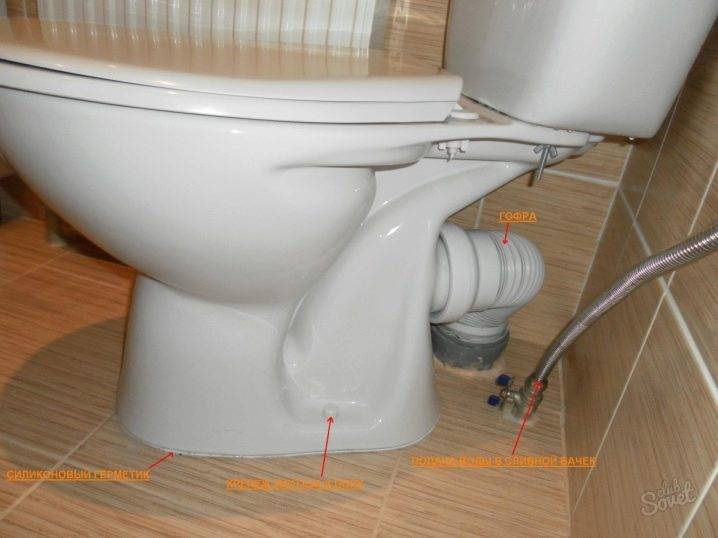
If you comply with these standards, then after installation the toilet will be located in the most comfortable place, and there will be no problems with its operation. You can install the toilet yourself without experienced plumbers, if you follow all the instructions and stock up on the necessary tools.
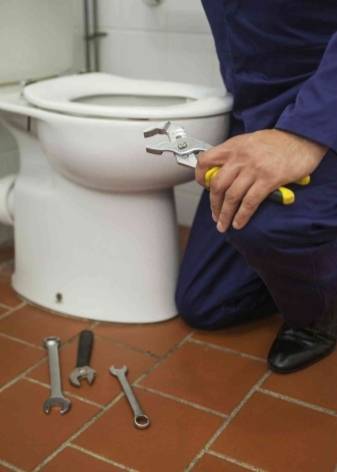
Need to have:
- perforator;
- screwdriver
- wrench;
- grinder;
- a hammer;
- sealant gun;
- putty knife;
- level;
- protective equipment for eyes and skin.
Also, additional materials such as:
- FUM tape;
- sealant;
- corrugated pipe;
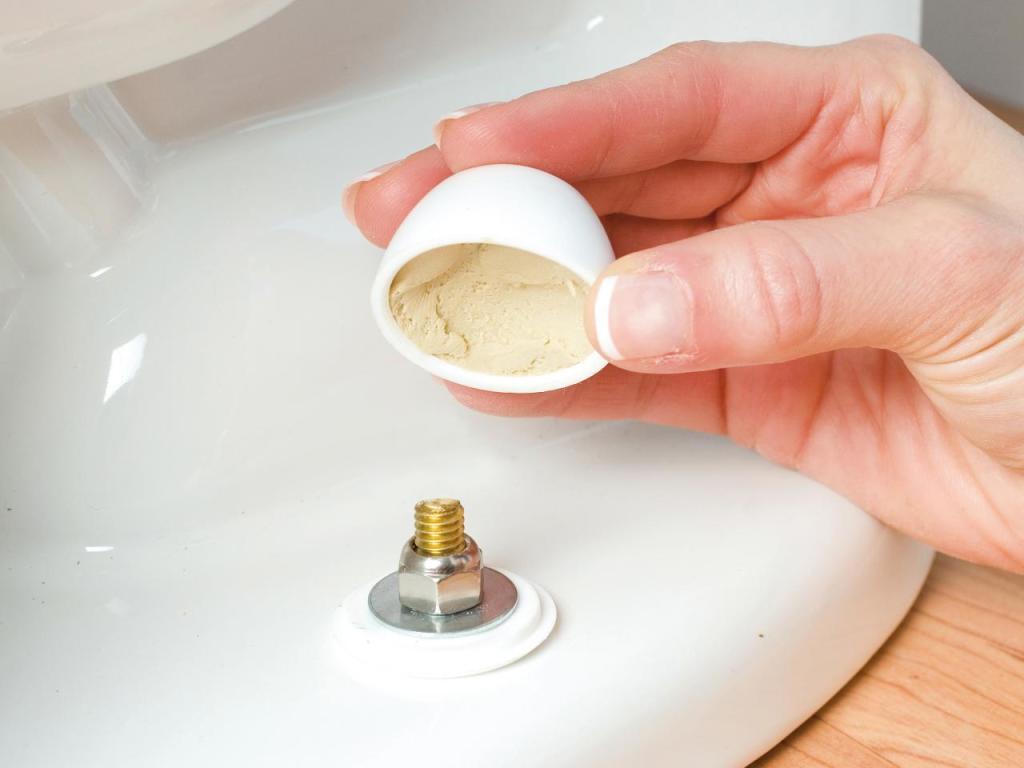
- fastener kit;
- pipe for water supply;
- tap.
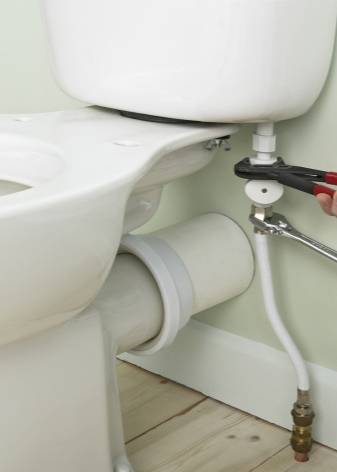
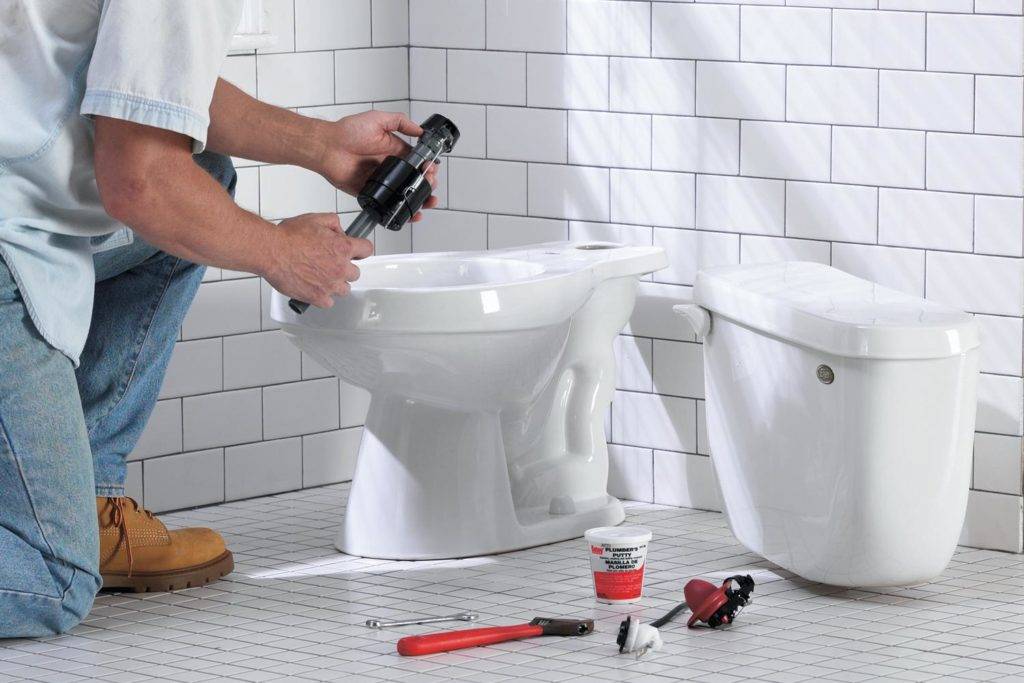
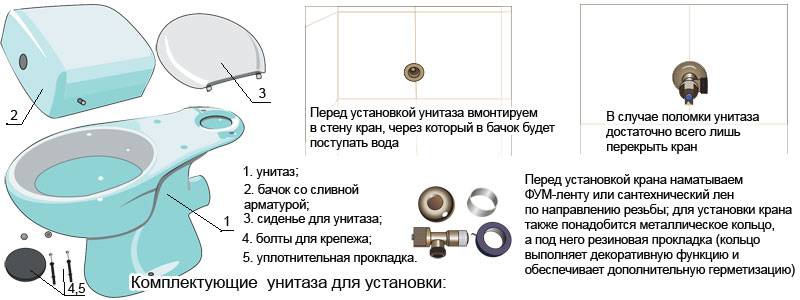
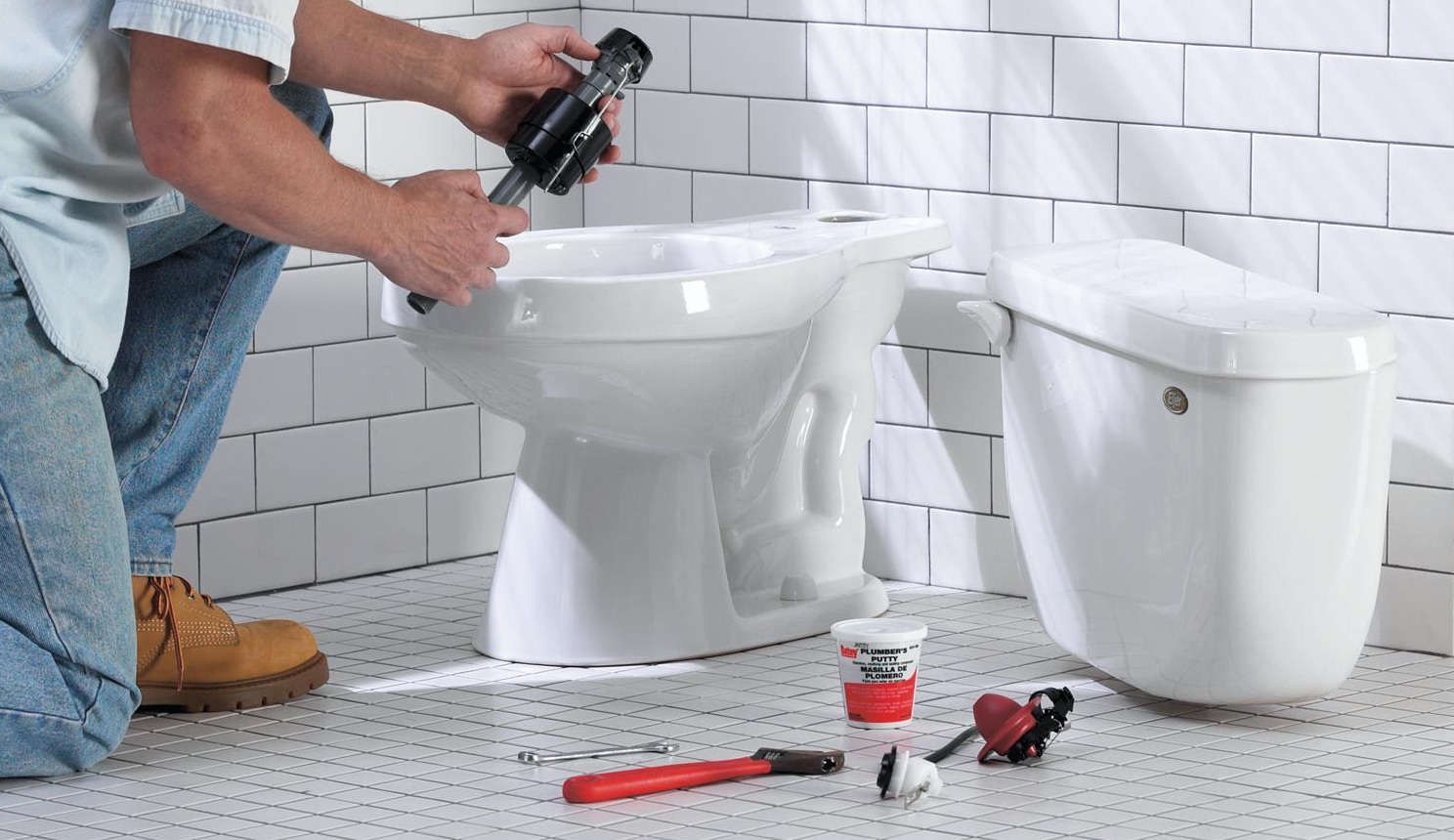
During the installation of the toilet, be sure to correctly install all the gaskets, rubber bands, rim, and clearly assemble the drain mechanism according to the instructions. In the future, this will help to avoid problems during the use of the structure. It is also better to assemble the insides of the toilet according to the instructions. This is a water flushing system. In some models, everything is initially assembled, in some you will have to work hard on your own.