
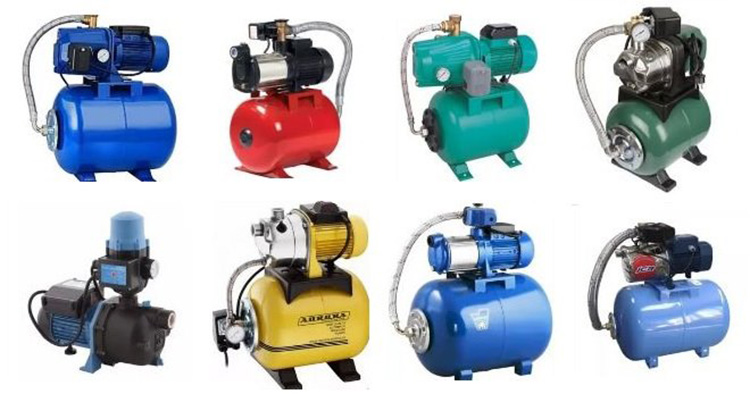
- Variety of units
- The best budget pumps for home heating systems
- CALIBER NTs-25/8-180
- VORTEX TsN-32-6
- UNIPUMP CP 25-60 180
- The best wet running pumps for home heating systems
- GRUNDFOS UPS 32-80 180
- WILO Star-RS 25/2
- JILEX "Compass" 25/80
- Choosing a pump for a private house
- Characteristics
- Which is better to choose?
- Which pump to choose - surface or submersible
- Equipment classification
- Working mode
- Cooling methods
- Design differences of pumping equipment
- Design parameters of pumps
- Expert answer
- Popular home plumbing pumps
- Choice between deep and surface pump
- The best submersible pumps for a well
- Pedrollo NKM 2/2 GE - pump for wells with moderate energy consumption
- Water cannon PROF 55/50 A DF - for pumping contaminated water
- Karcher SP1 Dirt is a silent model with low power consumption
- Grundfos SB 3-35 M - powerful pump with low starting current
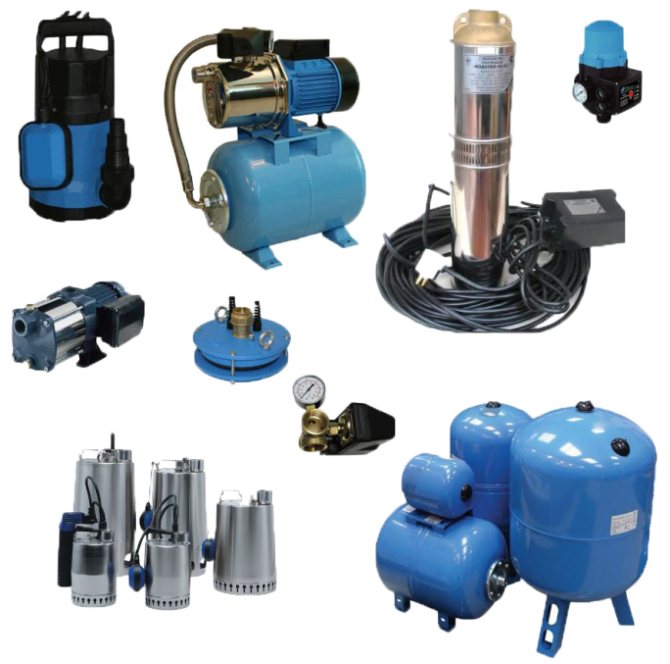
Variety of units
Each model of the device differs in design features.
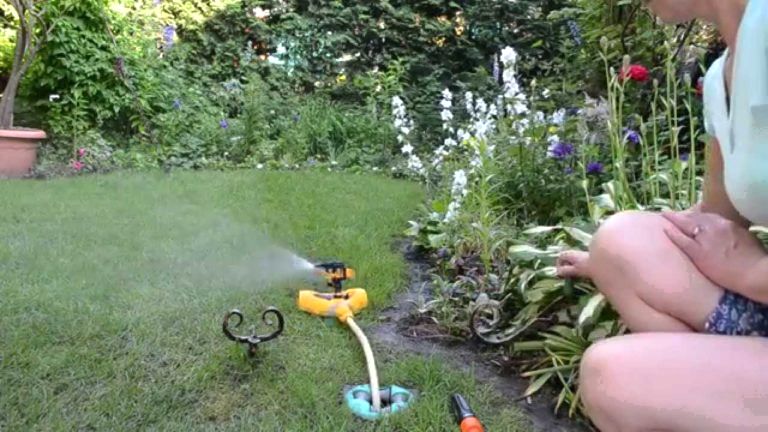
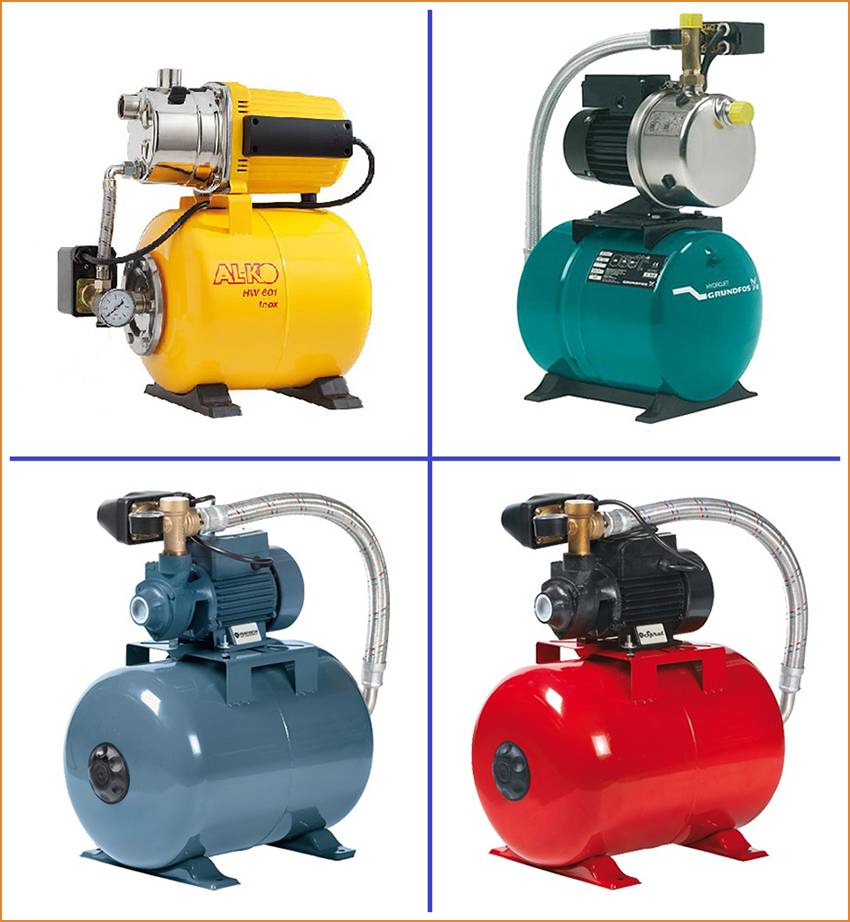
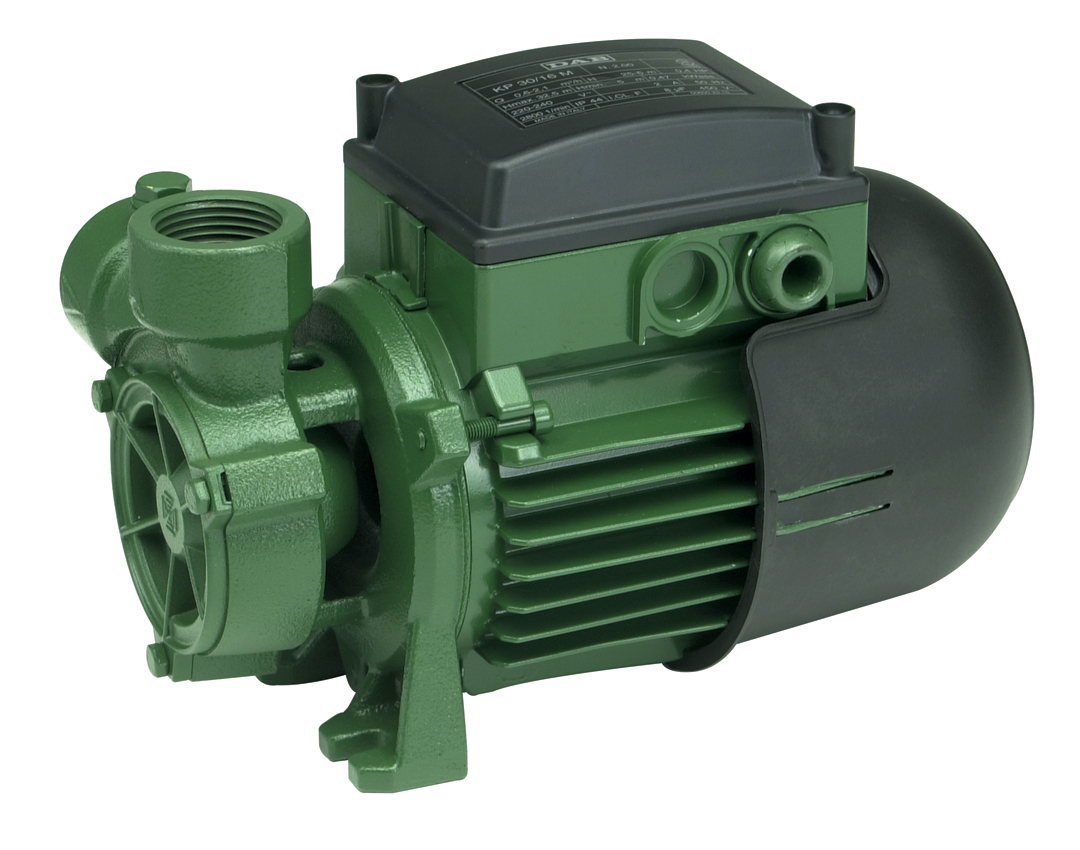
The principle of operation of the equipment is one, due to the vacuum created inside the case. Depending on the mode of operation, the units are:
- Centrifugal devices are used in everyday life and in production. A centrifugal force is created inside the body, creating a pressure of water.Depending on the structure, pumps are cantilever, vertical, horizontal, submersible, surface.
- Vortex units operate due to the wheel. Centrifugal force is created by a metal disk with blades. A feature of the model is a powerful pressure of water. But we must not allow the ingress of suspended particles into the liquid. The device can quickly fail.
- Vibrating units work from the influence of an electromagnetic field. They are used for autonomous water supply. They pump water with particles of sand or dirt without any problems.
When selecting a pump, it is recommended to take into account the main purpose. The unit will work only for pumping clean liquid.
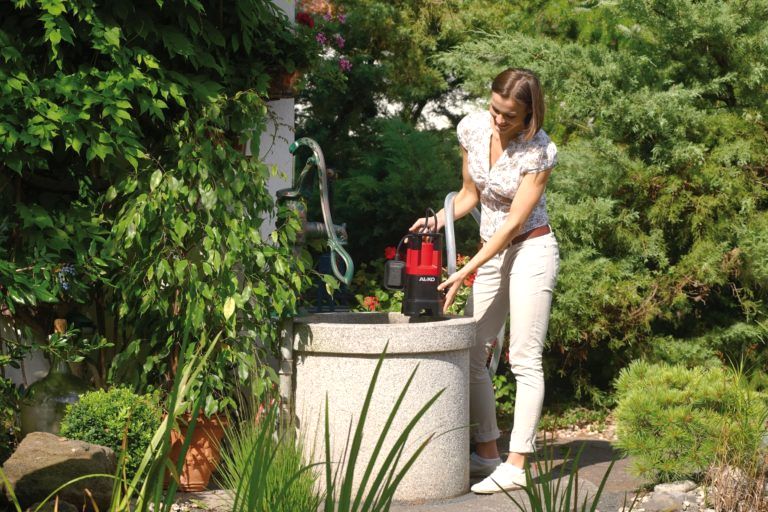
Will the pump have to raise groundwater with sand. When buying, you should consider performance, power, maximum pressure. If in doubt, it is better to seek help from specialists.
The best budget pumps for home heating systems
Such models are in the price category up to 5 thousand rubles, they are characterized by low power and performance. However, they are very stable in operation, have small dimensions and do not require specialized maintenance.
CALIBER NTs-25/8-180
4.8
★★★★★
editorial score
89%
buyers recommend this product
The pump is driven by a single-phase asynchronous motor. The unit is distinguished by the presence of three power modes, characterized by maximum productivity from 3.6 to 9 cubic meters per hour.
Compact dimensions and operation with a heat carrier with a temperature of up to 110 ° C allow you to install the device on any segment of the heating system. A pressure of 10 atmospheres ensures stable operation in storey buildings.
Advantages:
- small dimensions;
- ease of installation;
- 3 power modes;
- quiet work.
Flaws:
resistance to moisture and dust.
CALIBER NTs-25/8-180 is installed in residential buildings. It's worth buying for branched heating system in a country house or cottage, which includes a network of radiators and a "warm floor" system.
VORTEX TsN-32-6
4.8
★★★★★
editorial score
87%
buyers recommend this product
The advantages of the model include a long service life and adjustment of the pumping speed. The latter is produced by rotating the impeller, which allows you to adjust the temperature regime as accurately as possible.
Long-term stable operation is ensured by the robust cast iron housing, natural lubrication and cooling of the bearings, and the ability to vent the system.
Advantages:
- silent operation;
- durability;
- speed control;
- small dimensions.
Flaws:
weak pressure.
VORTEX TsN-32-6 is designed for installation in small areas. It is used in one-story houses, small apartments or commercial buildings.
UNIPUMP CP 25-60 180
4.7
★★★★★
editorial score
85%
buyers recommend this product
See review
The engine of the device has protection against overheating, which ensures long-term operation at high load.
The maximum productivity of the model is 53 liters per minute. The fluid pumping speed is controlled by a three-stage controller.
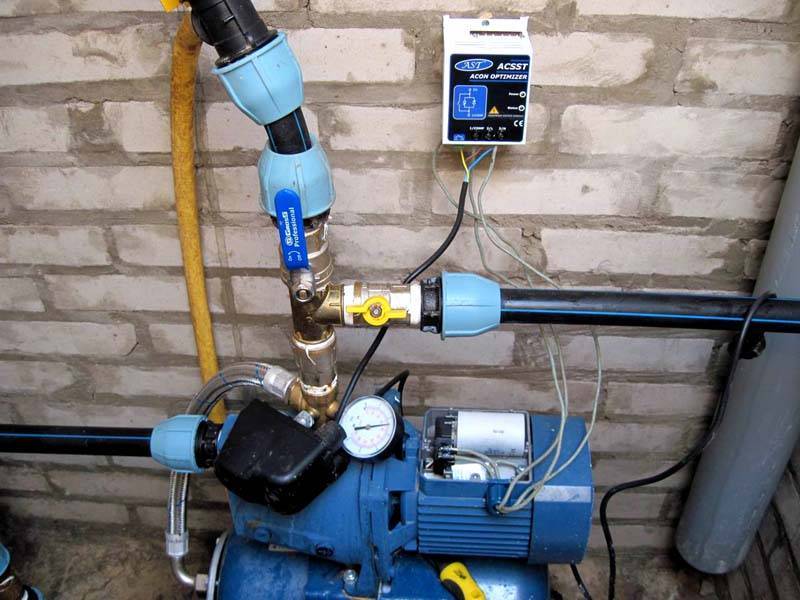



As a coolant, it is permissible to use not only water, but also other low-viscosity liquids.
The pressure in the system is up to 10 atmospheres, due to which the pump remains stable when working in highly branched heating systems.
Advantages:
- thermal protection;
- high pressure;
- performance;
- speed controller.
Flaws:
lack of fluid filtration.
UNIPUMP CP will perform well in a one-story building. High performance allows you to successfully use the pump in large areas or ensure the circulation of the coolant in a single system for several buildings.
The best wet running pumps for home heating systems
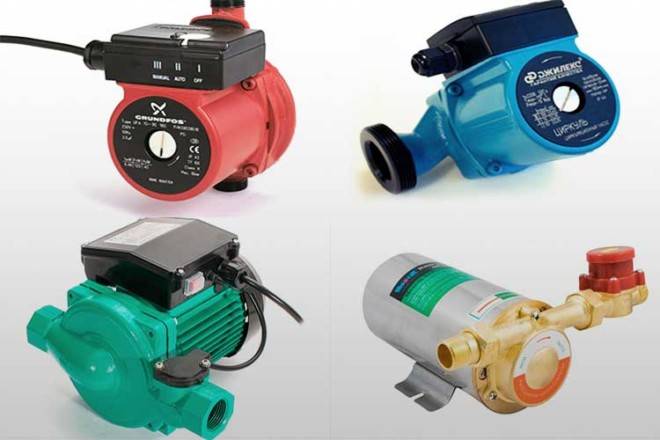
Models of this type have insulation only of the stator and other elements of the electric motor, while the rotor and impeller are in contact with the coolant.
Wet running pumps are reliable, quiet and do not require frequent maintenance, but they have a low efficiency of about 50% and low power.
GRUNDFOS UPS 32-80 180
5.0
★★★★★
editorial score
100%
buyers recommend this product
See review
The main features of the model include flexible operation settings and economical power consumption. It is provided by the choice of the high-speed mode of rotation of a shaft by means of the switch on a terminal box.
The device also has the ability timer work and with automatic performance control. The maximum pressure is 10 atmospheres, the temperature of the liquid is allowed in the range from -25 to +110 ° C.
Advantages:
- simple connection;
- long service life;
- speed setting;
- silent operation.
Flaws:
high price.
Grundfos UPS 32-80 180 produces a pressure of up to 8 meters and is designed for installation in one-story houses. An excellent choice for both closed and open heating systems.
WILO Star-RS 25/2
5.0
★★★★★
editorial score
97%
buyers recommend this product
The reliability of the model is ensured by the electric motor resistant to blocking currents, the perforated design of the shaft made of stainless steel and the water filtration system.
The maximum pressure is 2 meters, the productivity is 2.2 m³ / h. Horizontal shaft support and double sided terminal box connection make it easy to mount the pump at various locations in the pipeline.
Advantages:
- durability;
- ease of installation;
- low price;
- economical energy consumption.
Flaws:
no fixings included.
Wilo Star-RS 25/2 is suitable for home use. Quiet operation and a five-year warranty make the pump comfortable and reliable.
JILEX "Compass" 25/80
4.8
★★★★★
editorial score
88%
buyers recommend this product
Thanks to a convenient valve located on the body of the model, the user has the ability to quickly bleed the air that accidentally got into the heating system. This ensures uniform heating in all its areas.



The three-mode shaft speed switch provides economical energy consumption and comfort during use. The noise level during operation of the pump is 45 dB, the maximum head is 8 meters.
Advantages:
- protection of fasteners against corrosion;
- speed shifter;
- air valve;
- low noise level;
- overheat protection.
Flaws:
requires regular flushing of the system.
"Compass" 25/80 can be used in multi-stage heating systems. The right solution for installation in large buildings or low-rise buildings.
Choosing a pump for a private house
Going to the store for a pump, you need to know what characteristics it should have. And also decide on the brand of equipment, choose a manufacturer that suits you both with the quality of the product and its price.
Characteristics
The main parameters for choosing a pump, in addition to its power, suction height and water quality, are performance and pressure:
- The required performance is determined based on the required water consumption per unit of time.
- Each region has its own water consumption standards, which usually range from 200 to 400 liters per person per day.
- But this is true for those who live in city apartments with a centralized water supply. If you are going to buy a pump, it is better to make more accurate calculations by adding up the water flow from all available water points per second or per hour.
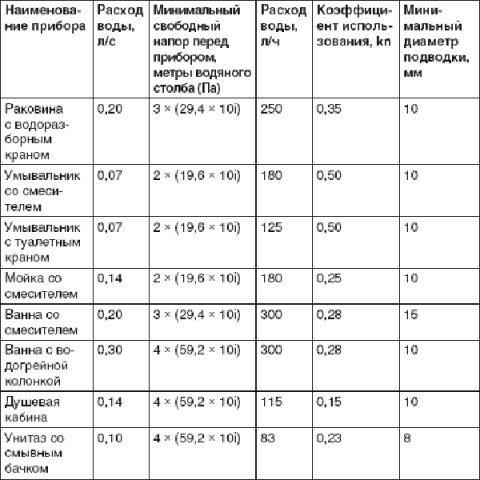
Table for calculating water consumption
- The pressure characteristics of the pump must be such as to not only raise water to the surface, but also deliver it through pipes to the place of supply, raise it to the highest draw-off point and give normal pressure at the outlet.
- The instruction for determining the required pressure includes formulas that take into account pressure losses in horizontal sections and friction losses in the pipeline.
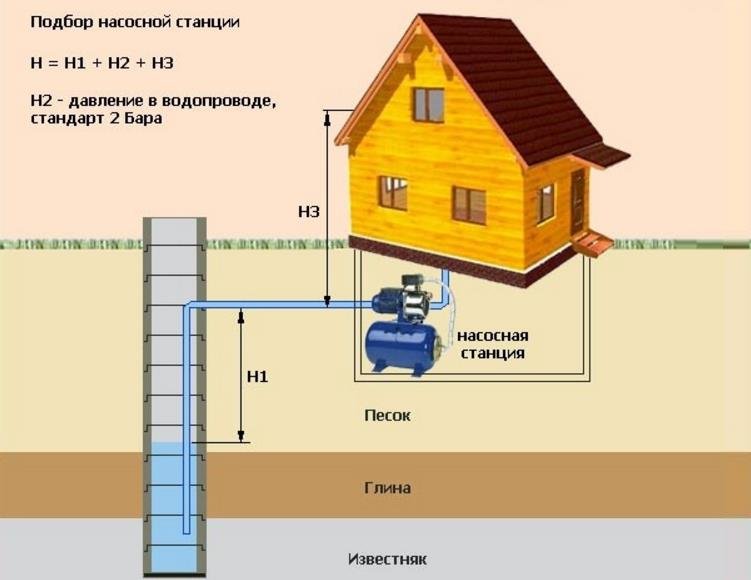
But you can use a simple formula to calculate the estimated head:
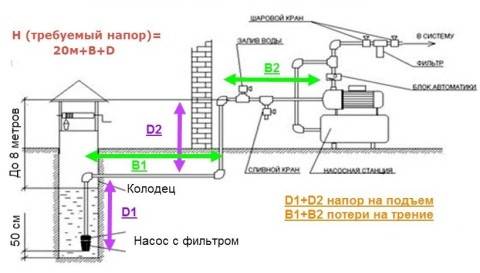
Figure for determining the head
Here B1 and B2 are the horizontal distances from the source to the entrance to the house, and from the entrance to the pump located in the house, multiplied by 10% (average friction losses). And 20 m is the standard pressure at the outlet of the tap.
Which is better to choose?
Before choosing a water pump for your home, you should compare the advantages and disadvantages of their two main types:
| Surface pumps | Submersible |
|---|---|
| Installed permanently. Easier to maintain. | For repair and maintenance work, they require lifting from a well or well to the surface. |
| They need two pipelines: suction and discharge. | They work only for injection. |
| The maximum suction height is 10 m. The real one, taking into account losses in the pipeline and the margin for lowering the water level in the well, is no more than 7~8 m. | Climbing from a depth below 10 m. |
| They need to be filled with liquid before the first start-up or after repair work. | Ready to go immediately after diving. |
| There is a danger of the motor overheating during prolonged operation. | The pump immersed in water is cooled both by external water from the outside and pumped from the inside. |
| The need for conservation for the winter for the summer version of the water supply. | For the winter it is enough to drain the water from the system. |
| Work is noisy. | Noiseless. |
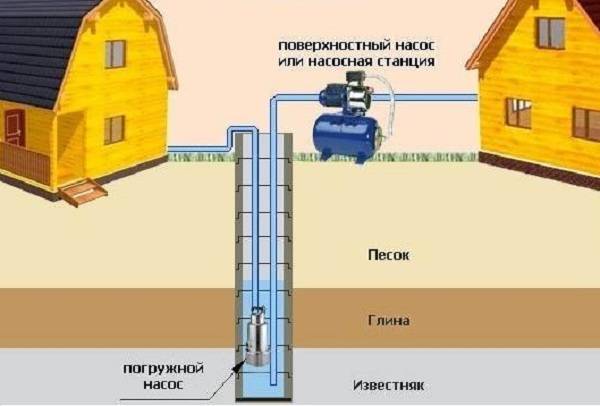
Thus, it is easier to use a surface pump or pumping station to lift water from a well, and a submersible rotary or centrifugal pump from a well.
Which pump to choose - surface or submersible
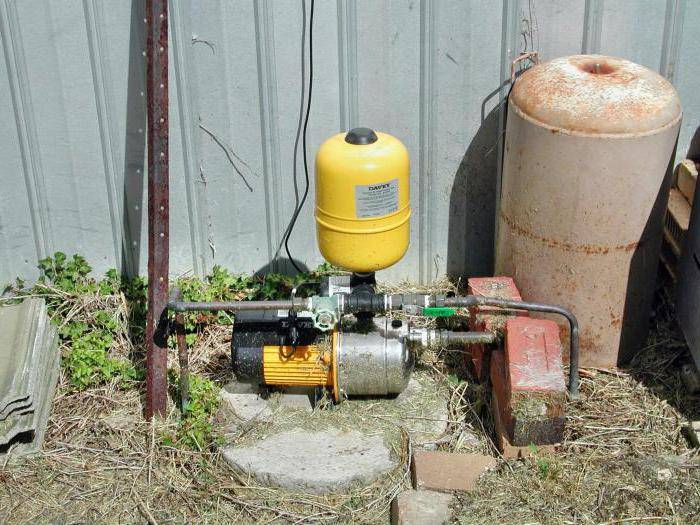
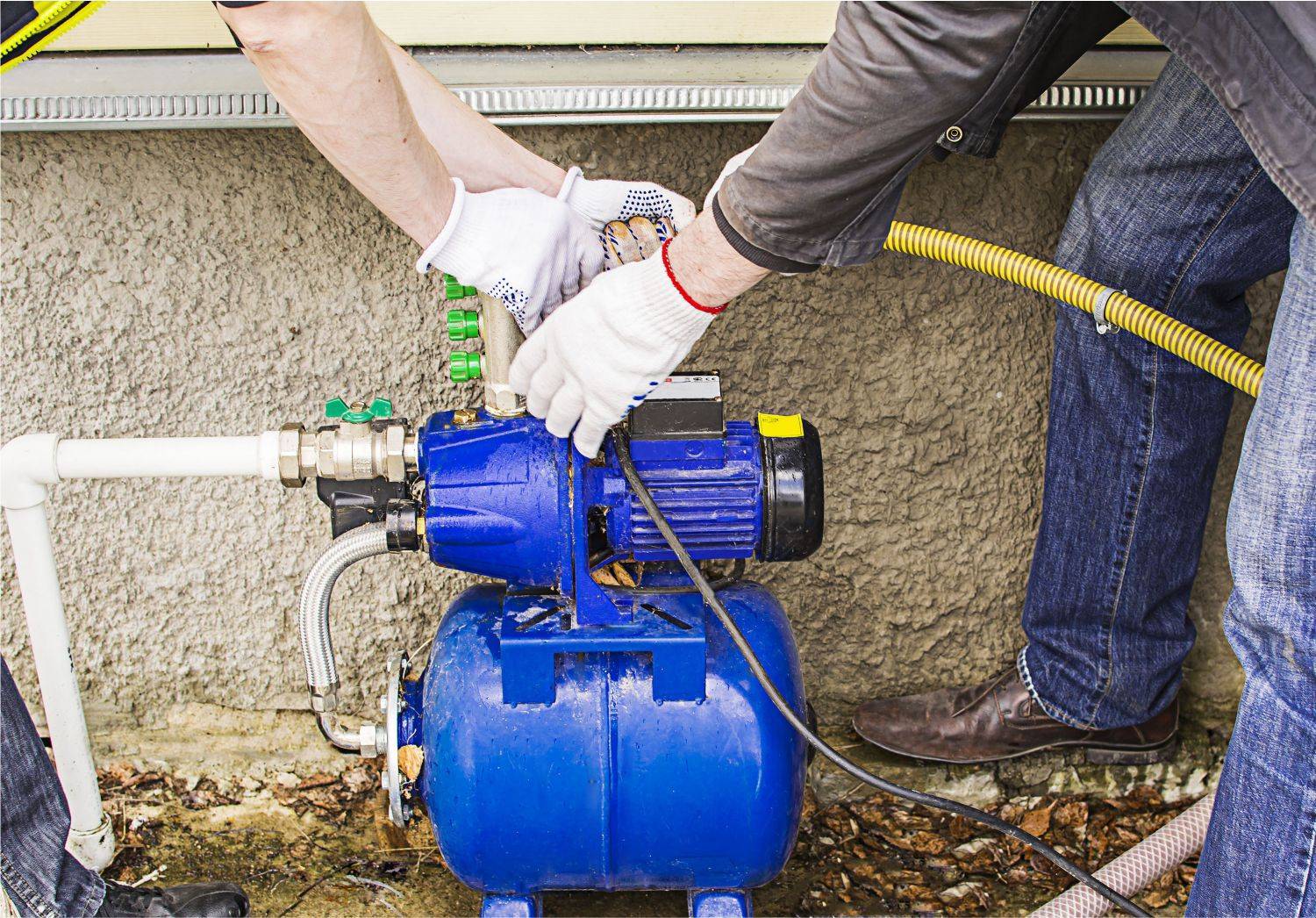
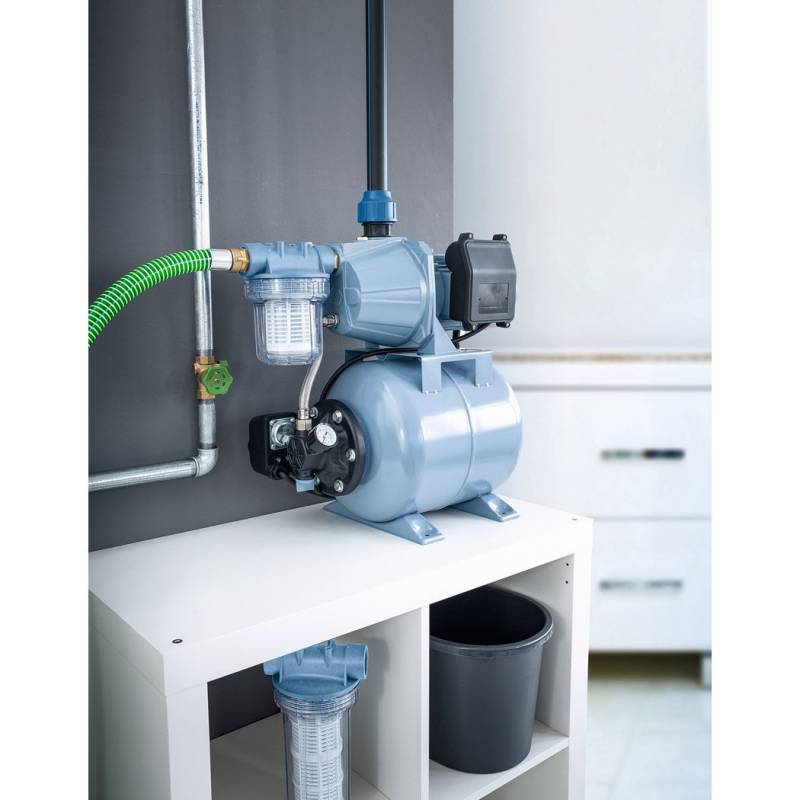
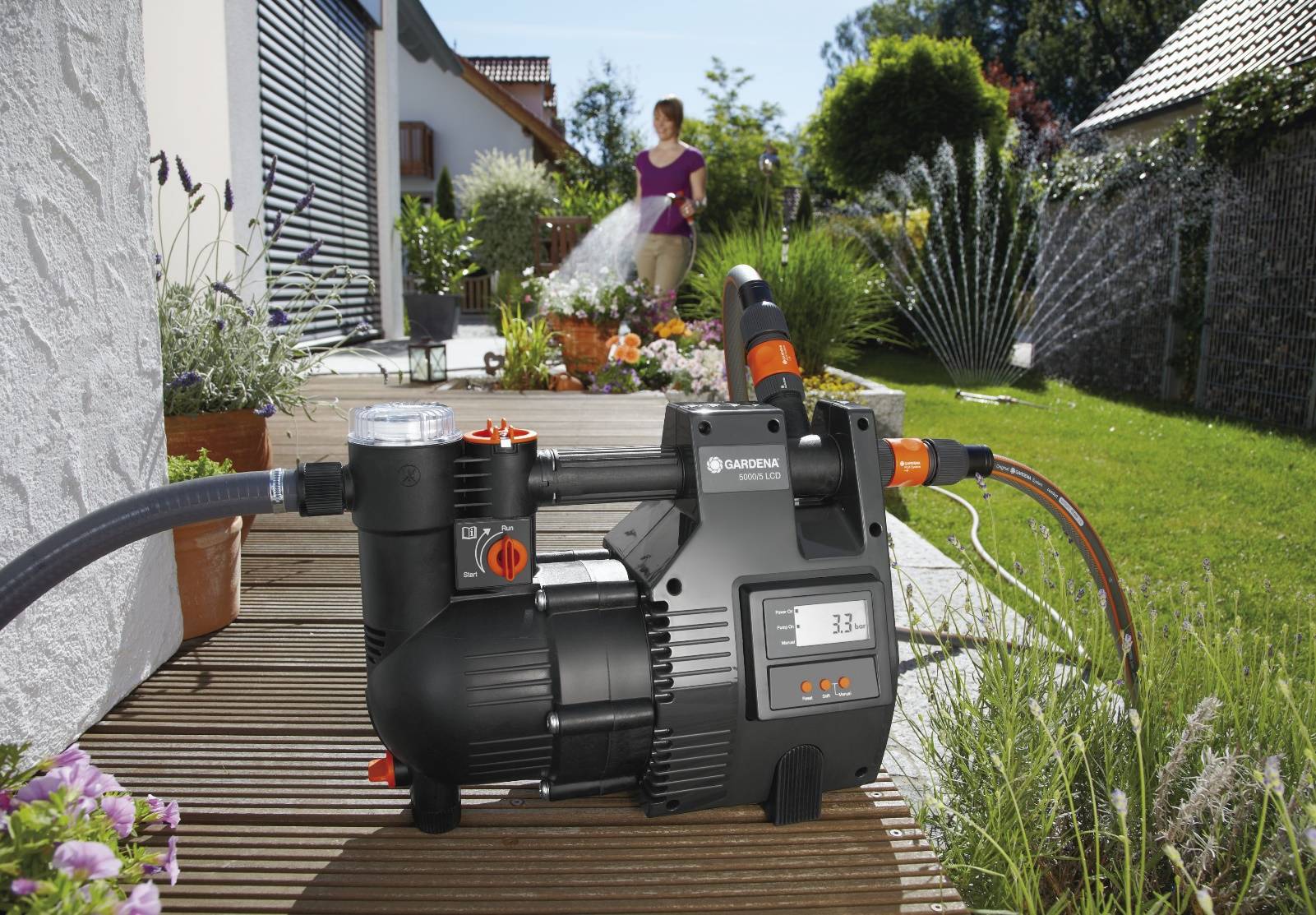
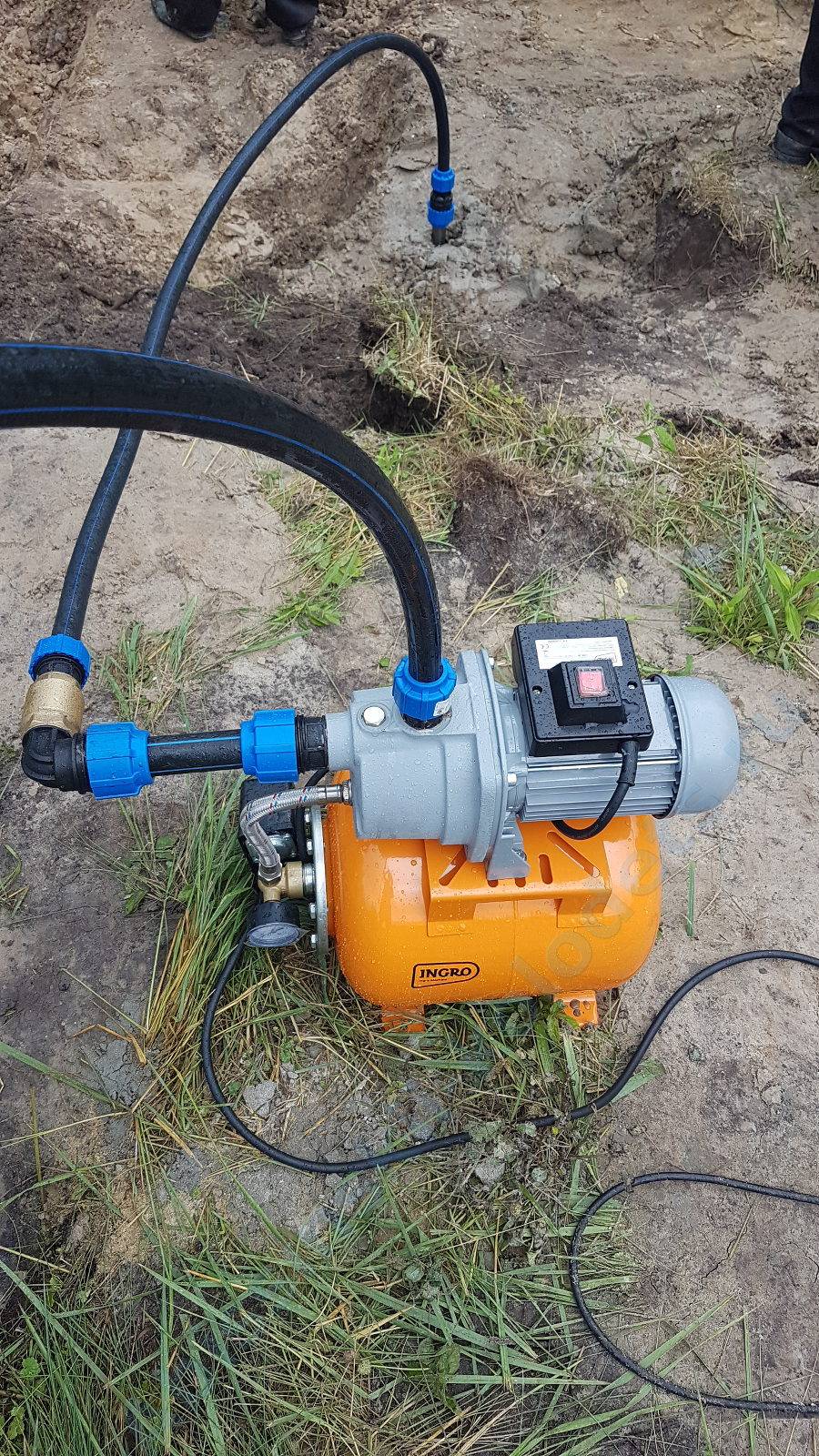
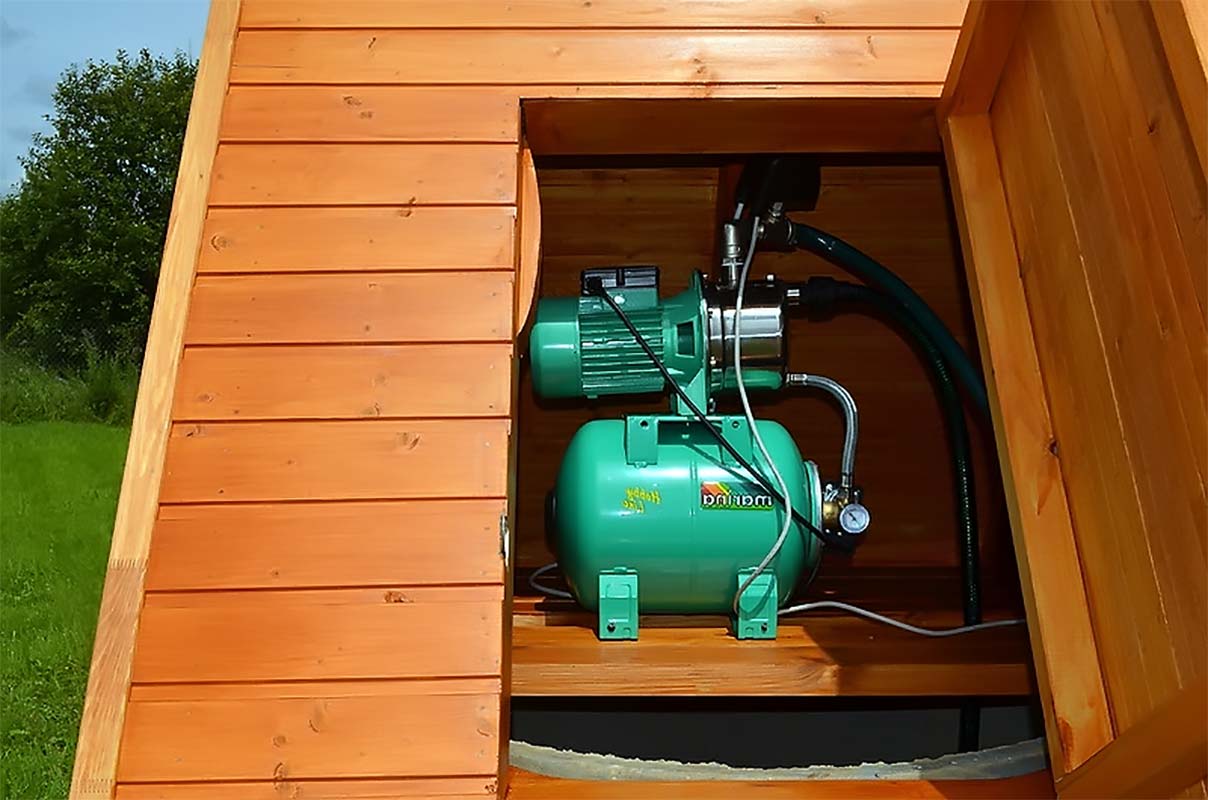
Water pumps for domestic plumbing, as mentioned above, can be submersible or surface. The latter are installed at the head or in the basement of the house. Such units supply water from a source using a pipe immersed in a well shaft. This pipe must be filled with water, because the surface pump does not work dry. Such a unit should be chosen for several reasons, among them it is necessary to highlight the ease of maintenance and ease of installation.
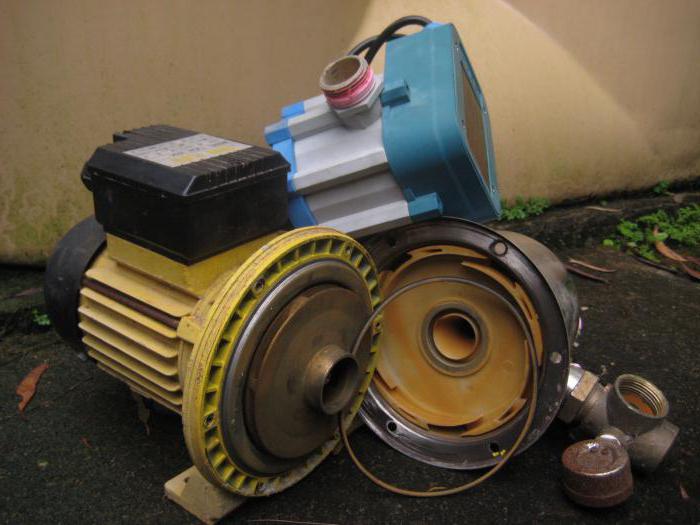
The suction pipe can simply be lowered into the well and the device turned on, after filling the working chamber with water. In this case, the unit will begin to pump fluid. As practice shows, it is much easier to disassemble a ground-based vehicle than a submersible counterpart. However, such a unit also has weaknesses, which are expressed in the risk of overheating, loud noise and insufficient performance.
Any pump makes noise, not only a surface one, but we hear only the last one. The situation is similar with overheating. In the case of the submersible model, cooling occurs with the help of water, while in the case of the surface model, it is done by means of a fan. Insufficient performance is also a consequence of low power. If the last parameter is impressive, then the performance will be high.
Equipment classification
In order not to make a mistake with the pump, you should figure out what you need: just increase the low pressure or “drive” water from the lower floors of a residential building to the upper ones.
For those consumers who are only interested in increasing pressure, small pumps with low power will be the best choice.
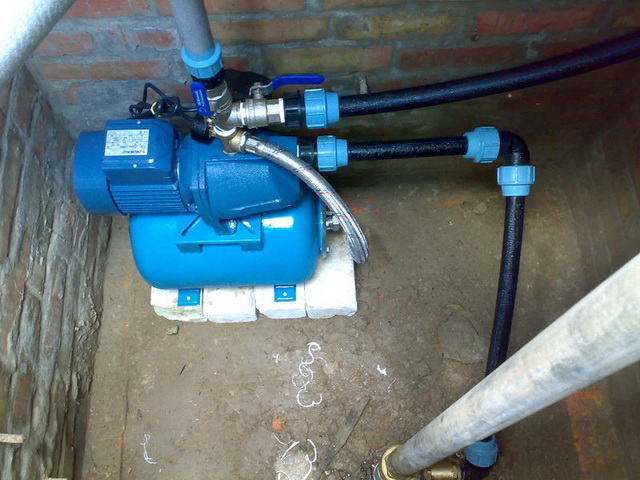
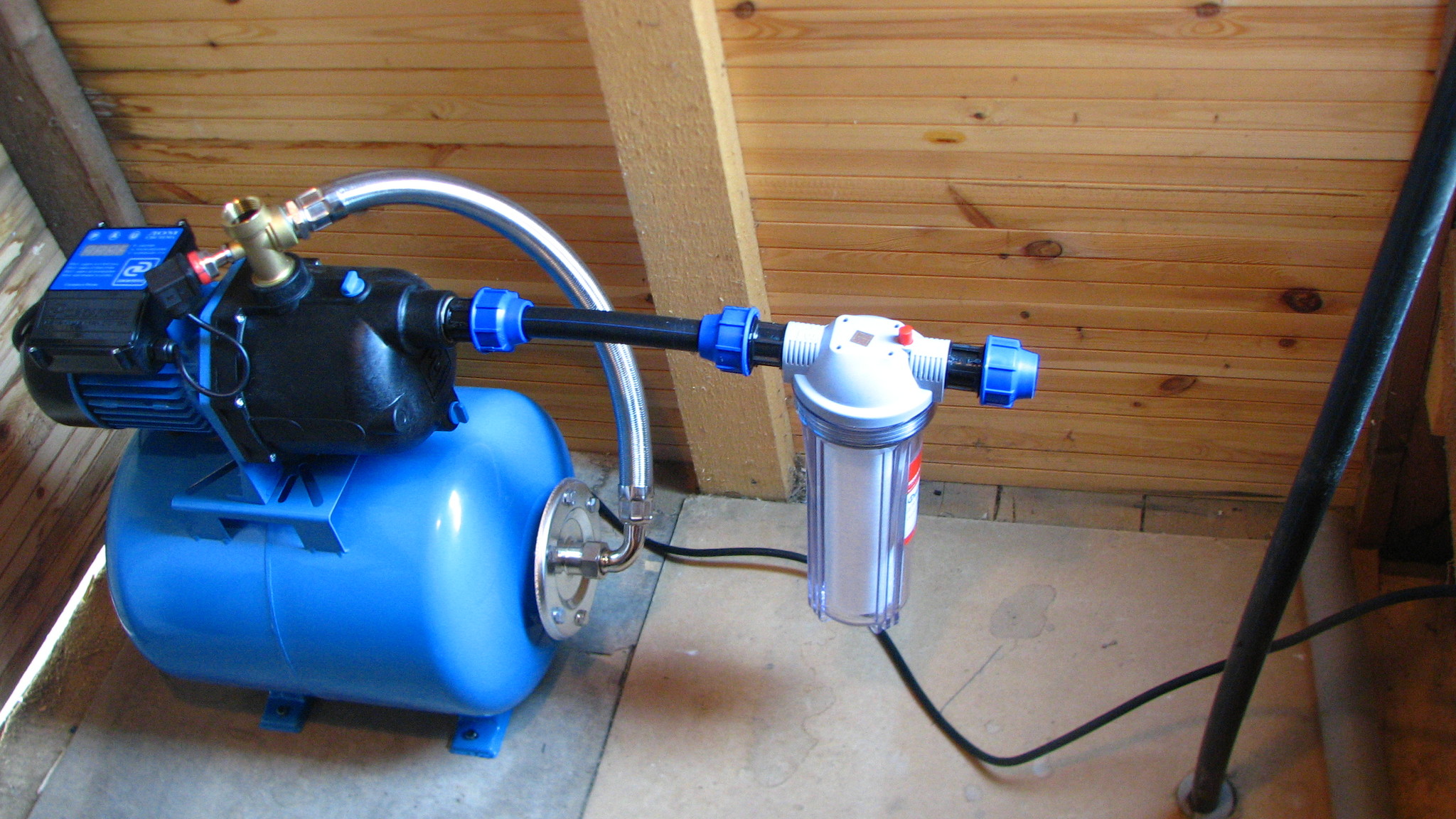
In this case, if the task is to lift water from the bottom up, you should pay attention to a centrifugal pump with a hydraulic accumulator. It should be borne in mind that models of pumping equipment are available on the market that increase the pressure for pipes with hot and cold water.
Working mode
Manual mode - the pump can work without any failure
So that it does not overheat, it is important to monitor its performance and, if necessary, turn off the pump. If this is not done in a timely manner, this will lead to its overheating and subsequent breakdown.
Automatic - the main function of regulating the workflow is assigned to the flow sensor
The device itself turns on when the water tap turns. In other words, until the consumer needs water, the pump will remain at rest. If we evaluate the capabilities of the listed modes, it is clear that models with an automatic mode of operation are considered more convenient and functional.Their feature is the presence of protectors that do not allow the equipment to be turned on in the absence of water consumption. Such a solution allows such pumps to be used only when necessary and thereby extend their service life.




Cooling methods
Also, modern pumps for the home may differ in the cooling option, which also needs to be considered during the selection.
- Motor impeller - refers to the blades located on the shaft, which prevent the device from overheating. Due to the use of a dry rotor mechanism, the pump creates a fairly small amount of noise during operation and provides higher efficiency.
- Fluid - water is used to protect against overheating, which is pumped during operation. This option is typical for models with a "wet" rotor, which are almost completely silent, which is superior to the previous option.
Design differences of pumping equipment
The best mobile application for experienced BPlayers has appeared and you can absolutely free download 1xBet on your Android phone with all the latest updates and discover sports betting in a new way.
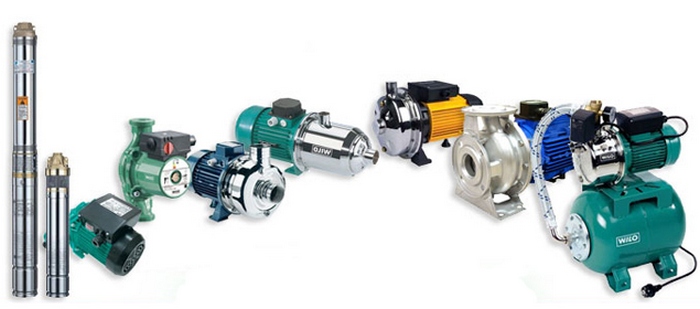
There are several structural types of devices:
- Piston pumps used only for high volume purposes. Bulky structures are not suitable for installation at home, as they have low efficiency, a short working life.
- Centrifugal devices are popular due to ease of installation and use, cost-effectiveness and high reliability of pumps.
- Turbines are similar to centrifugal designs, but the blades are located not on the side, but on the axis. They are distinguished by increased productivity, durability and high efficiency, however, the use is shown only for industrial purposes.
- Rotary / screw pumps for a private house are ideal for extracting water from wells. Featuring a small diameter, easy installation and long service life, the devices have a low noise threshold and affordable cost.
- Membrane / vibration pumping units are leaders in popularity and demand. Inexpensive, average performance and decent efficiency devices are known to all summer residents.
According to the type of placement, pumps for water supply are divided into two types:
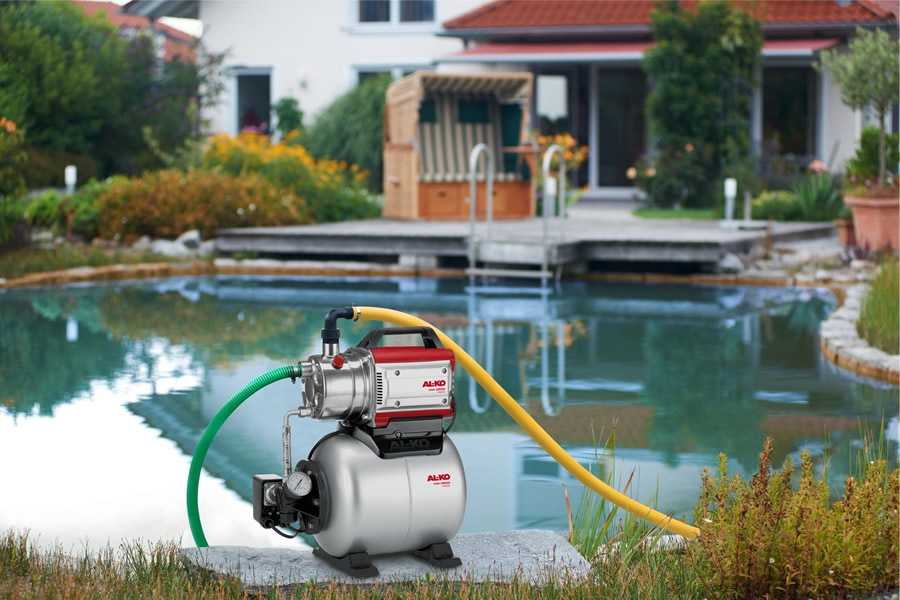
- surface structures. These are devices located in the immediate vicinity of the source, providing suction through a pipe lowered into the water intake.
- Submersible is a pump for water supply, lowered into the casing to a depth.
Design parameters of pumps
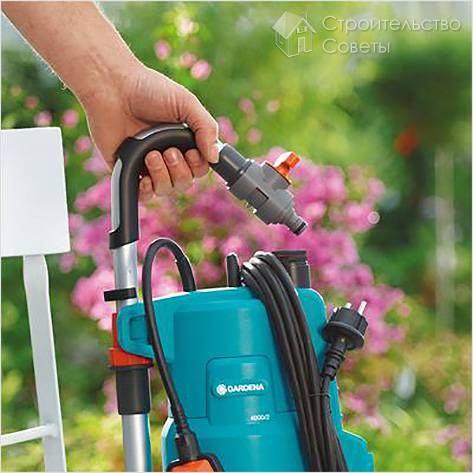
Now that you have an understanding of the different types of pumps, you can familiarize yourself with other, more detailed parameters of similar installations in order to know exactly which choice to make.
The basic characteristics by which the efficiency of the pumping unit is evaluated are:
- productivity (liters per minute or cubic meters per hour), that is, the volume of water that the pump is able to pump;
- water head (in meters), which is a measure of the height to which the installation is able to supply water.
The performance and pressure of water depend on how much pressure is created in the system.
For example, to meet the domestic needs of a family of three to five people, a device with a capacity of 3-4 m3 per hour will be required. For construction and earthworks, the productivity should be 1-2 m3 per hour.
The following required indicators of the pumping unit:
- water supply parameters, which are especially important for 2 or more storey buildings. These parameters include the material of the water pipe, its diameter, as well as fittings (valves, rotary and tee parts);
- idle control, which allows you to stop the operation of the pumping unit in order to avoid its breakdowns and premature wear in the absence of water in the system, which is carried out automatically.
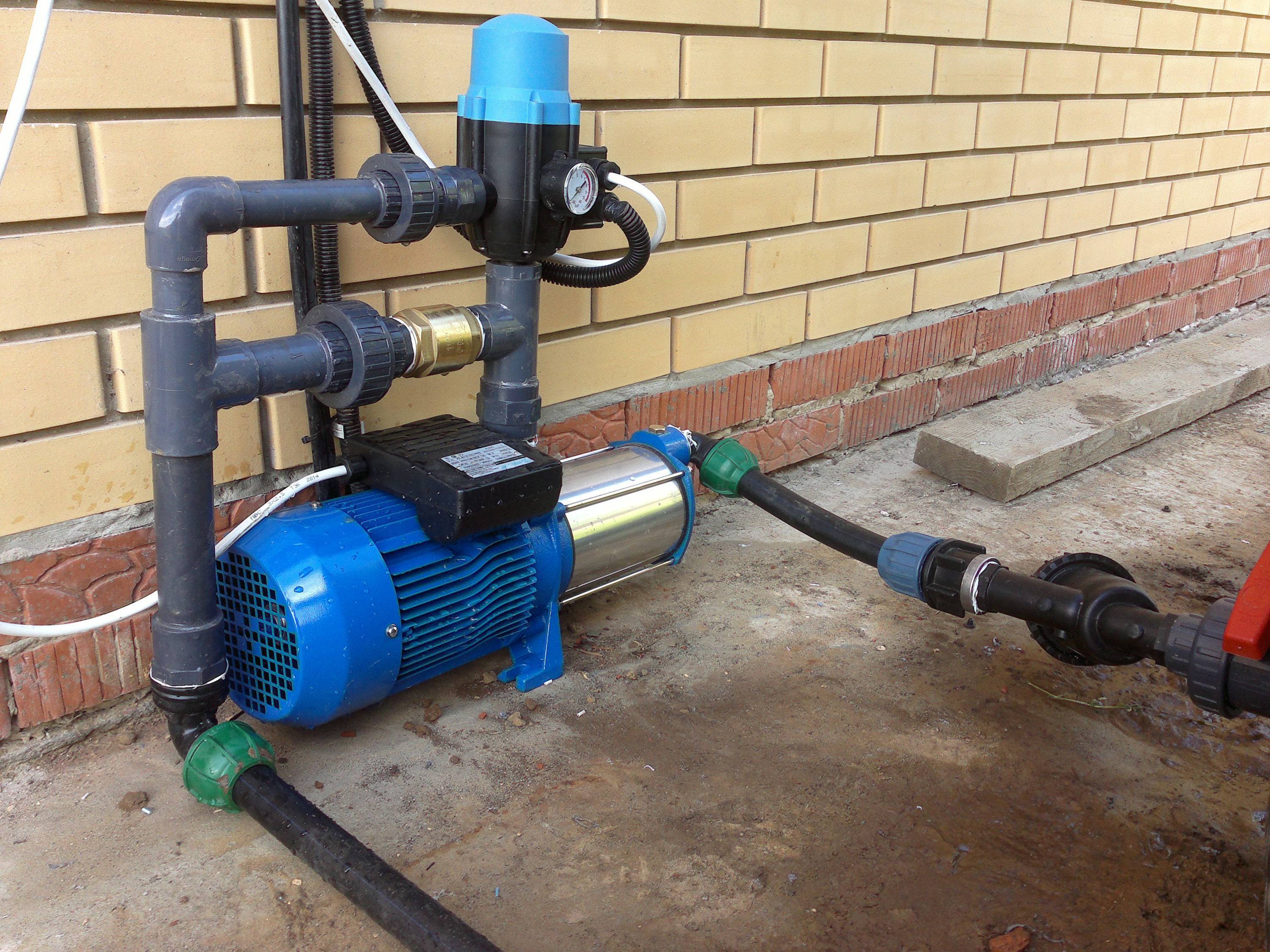
How to choose water pumps according to the parameters of the automation system? To do this, you should know that the efficiency of the device is increased due to such automation elements as a pressure switch and a hydraulic accumulator.
The pressure switch monitors the pressure in the plumbing system, providing control over the viability of the pump in all its main operating modes.
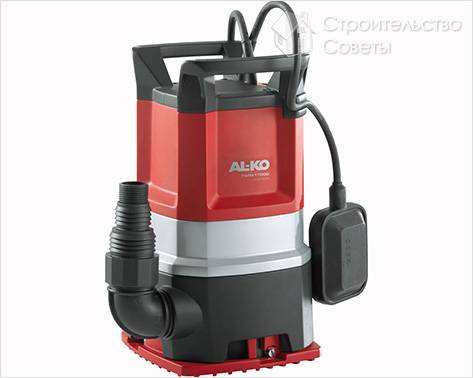
The hydraulic accumulator, which controls the working pressure in the water supply system, increases the service life of the equipment due to the fact that at the time of overload it prevents the unit from shutting down.
Such an attentive approach to the choice of the pump model and its components based on individual calculations for your water supply will allow it to function successfully for more than one decade. It is hardly worth saving by underestimating the importance of equipment, on which the efficiency and quality of your plumbing system will depend.
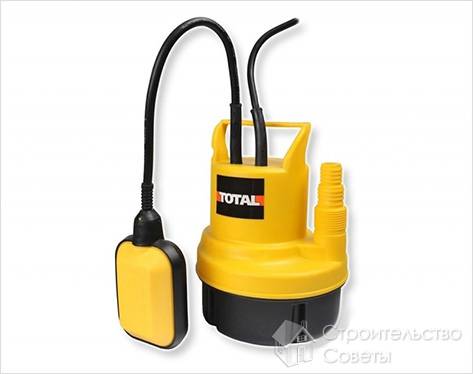
When buying a water pump, you should also not forget about the possibility of service at a high quality level and the manufacturer's warranty obligations.
Expert answer
Hello Michael.
Your problem is solved by a simple calculation pressure and flow characteristics pump.To obtain data on the minimum head of the unit, it is necessary to calculate the losses in all sections and add a small margin of productivity to this value. In addition, you should determine what water flow will satisfy the needs of your family per unit of time.
It is best if the pump is located directly at the source or at a small distance from it. For your conditions, the water supply installation will have to provide a water rise of 16 m, since every 10 m of the horizontal section of the main is equated to 1 m of vertical supply. If you install the unit at a point where water reaches by gravity (2 meters up, 10 meters horizontally), then the minimum pressure can be reduced by 3 m. Therefore, the desired value will decrease to 13 m.
Note that in any case, the pressure value must be multiplied by 1.15 (hydraulic resistance coefficient) and the flow value increased by another 10-15%, otherwise the pump power will only be enough for the water to reach the tap - at best, you will be able to observe a thin stream liquids. And these are only the minimum (not to be confused with nominal) indicators. Taking into account voltage fluctuations in the network, the quality of modern electrical equipment and other factors, for the normal operation of the unit, we recommend making a two-fold margin for the pressure characteristic.
As for consumption, you should determine how much water your family uses per day and find out the maximum one-time consumption. The last value can be calculated based on the number of all outlets in the house.So, up to 10 liters of water pass through the shower mixer per minute, the washbasin and kitchen sink taps “give out” another 6 liters each, and the toilet bowl - about 4 l / min.
We note right away that a flow rate of 25-30 l / min will be quite enough, since cases of simultaneous switching on of all valves are infrequent. In addition, it is possible to provide a margin of performance with the help of a hydraulic accumulator.
As for the pressure, we recommend choosing a pump designed to lift water at least 25 meters if you decide to install it next to a spring.
If the equipment is installed at a distance of up to 10 m from the house, a pump with a head of 10 m will be sufficient, but conventional installations cannot be used. The thing is that the suction capacity of most pumping stations is limited to a height of 9 m. In your case, the height of the water rise is (8 m + (80 m / 10)) - (1 m + (10 m / 10)) \u003d 14 m, and this is only available for more expensive units with an ejection suction system. However, if you are ready to spend several times a large amount, you can easily pick up equipment with design parameters.
Popular home plumbing pumps
When organizing water supply in domestic conditions, it is better to choose proven reliable pump models.
- Bison ZNVP-300-25 is a vibration unit capable of serving domestic water pipes, for which wells are provided with a depth of 5 m. The head of the device is 55 m, and the productivity is about 1.4 thousand liters per hour. Accordingly, such a model is suitable only for a shallow well. However, it must be remembered that due to vibration, the source may “silt up”. The price of this unit is 1.5–2 thousand rubles.
- Caliber NVT-210/16 is a vibratory submersible apparatus that pumps out about 720 liters of water per hour. The device is suitable for a well up to 10 m deep. The advantages of the model are the consumption of about 210 W and the price of 1.1–1.3 thousand rubles. Accordingly, such equipment is often used in the organization of water supply in the country.
- The Patriot 10 M has a head of 70 m, so you can pump liquid from a remote well. Such equipment will cost only 1 thousand rubles. Naturally, the unit will be appropriate only at their summer cottage.
- Karcher SPP 33 Inox is a more efficient pump. It is capable of pumping out about 6 thousand liters of water per hour. At the same time, the pressure is no more than 33 m. The advantage of the product is considered to be almost silent operation, the possibility of pumping water with small impurities and the presence of several important sensors. Naturally, the price of such a unit will be quite high. It is about 13 thousand rubles, but it's worth it. Thanks to such equipment, it will be possible to organize a reliable and durable water supply system in the house. The pump itself has a durable stainless steel housing and several sensors that provide protection against possible overheating.
- Gardena 5500/3 Classic is a submersible centrifugal pump with a fairly high performance. So, for an hour, the equipment pumps out about 5.5 thousand liters. This is a great alternative to German equipment, because in this case the price is only 7–9 thousand rubles. Moreover, the unit, which is an indispensable element in the organization of water supply, if necessary, acts as a drainage pump.
Choice between deep and surface pump
The depth of the water supply source determines the design specifics of the water pump.
Therefore, when deciding which pump is better for a well, submersible or surface, you should find out that there are two types of mechanisms for supplying water:
- Surface pump suitable for installation in the house or near a water source. With the help of such a device, water is transported from a depth of up to 10 meters. These can be open sources or small wells. It is recommended for use in the warm season in order to supply water to temporary operation facilities.
- Deep pump works directly in a well or other working, therefore it is also called submersible or borehole. A mounting cable and a hose for water supply are attached to such a pump. Such devices can transport water from a depth of up to 200 meters. The main use of a submersible well pump for water supply is autonomous aquifer systems that operate all year round.
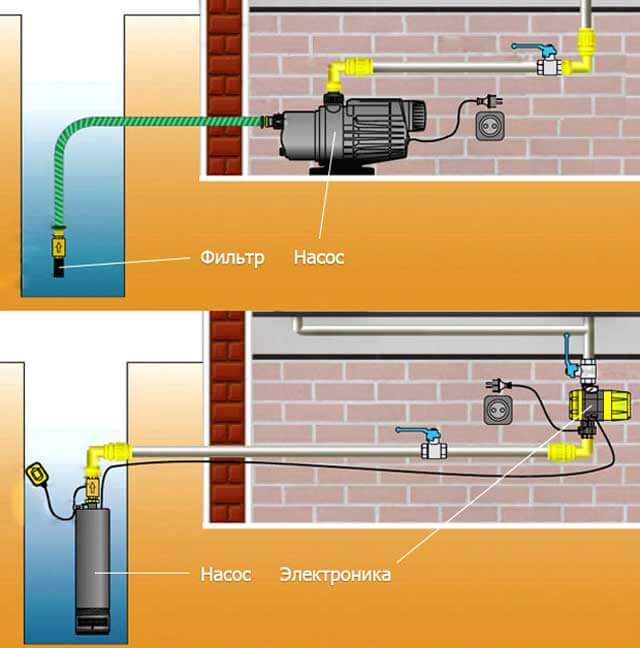
Surface pumps have a simpler design than downhole devices. In addition, they are characterized by low productivity and suction capacity. All this explains the low cost of devices.

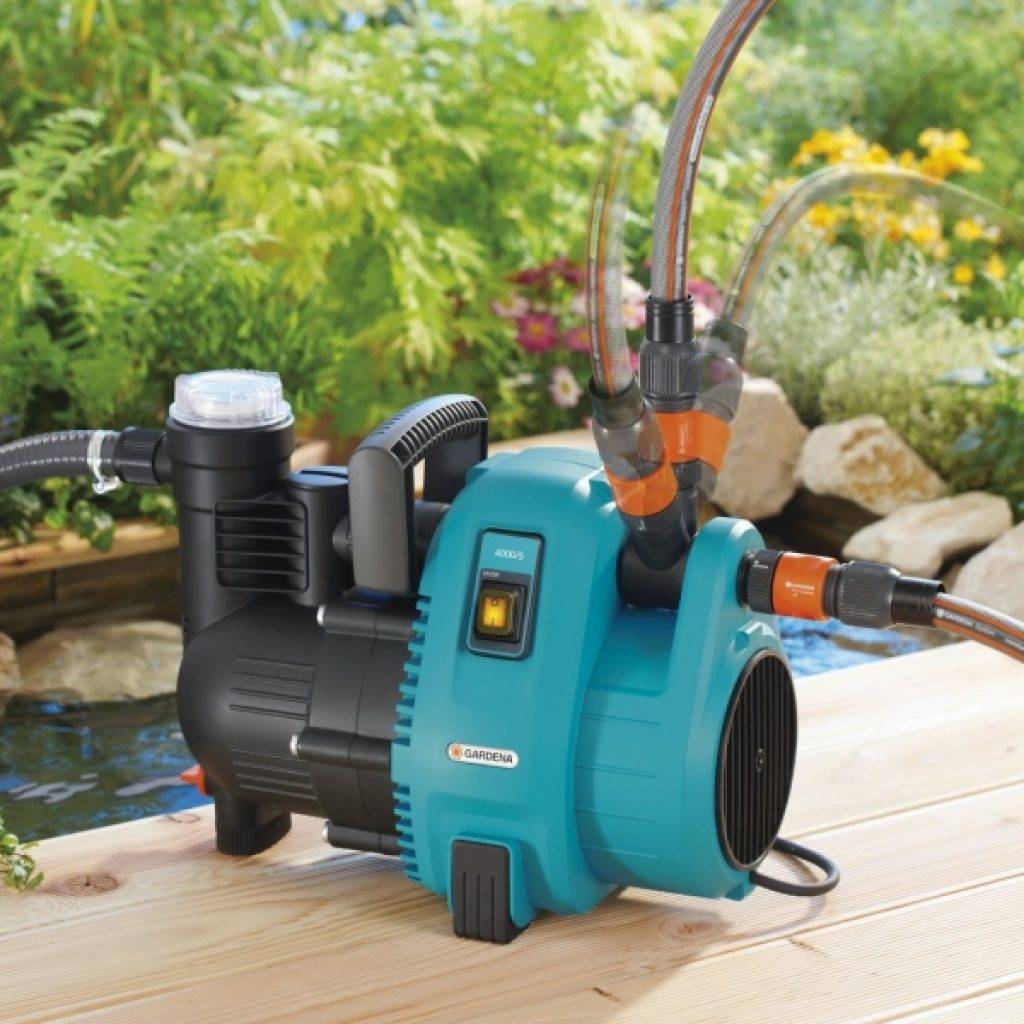


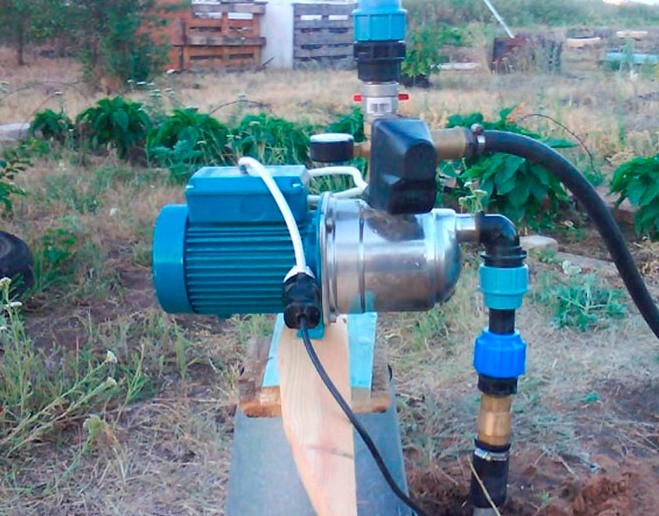

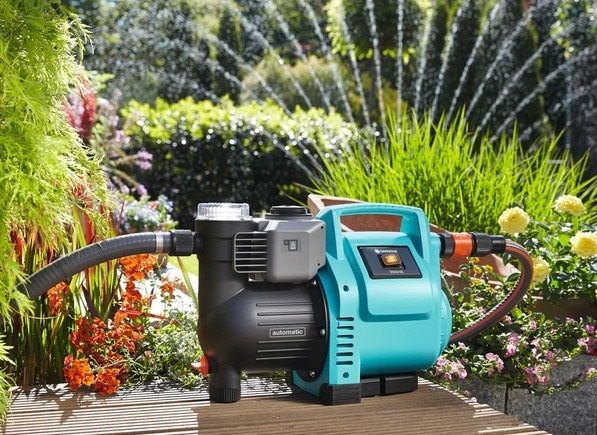


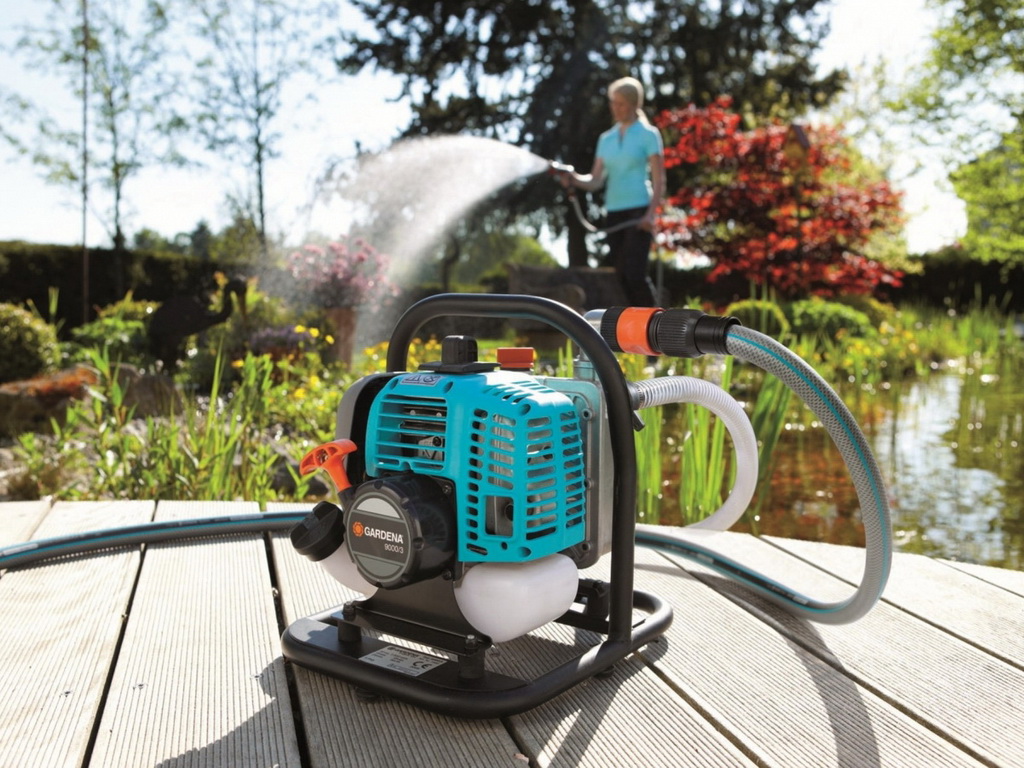
A submersible pump in a well for water supply at home is much more expensive, since its design is more complex. Due to the presence of multi-stage motors, such pumps transport water from great depths under significant pressure.
For those who do not know which pump to put in the well, it should be said that among the submersible models there are pumps for wells and wells. At the same time, when arranging a well in a summer cottage, you can use both a borehole and a well pump, both devices pump water out of the mine without pollution.However, it should be noted that the second option is more adapted to work in wells. For the smooth operation of the borehole and well pump, the water must be clean, free of grains of sand and clay suspension.
There are some restrictions in the operation of deep-seated equipment; they are not recommended to be installed in old wells. However, this problem can be solved if the walls and bottom of the well are reinforced with concrete mortar, and a new bottom filter is installed.
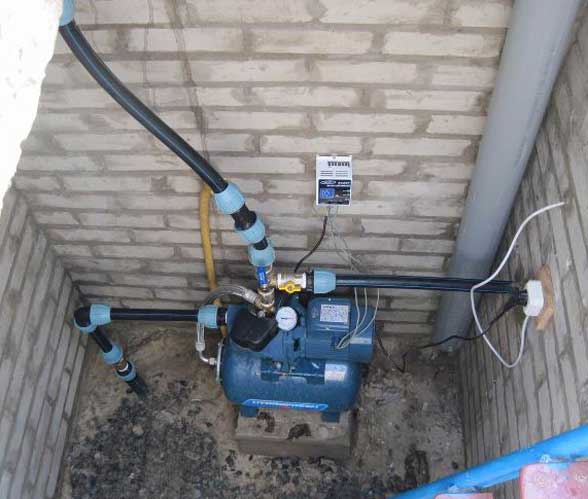
Surface type pumps can operate in water with some contaminants present. Therefore, it is quite possible to use surface aggregates to transport technical water from the upper aquifers. Most often, the top water has an unstable supply of water, in which case you can purchase a pump with a signal float. Such a device allows you to stop the water supply if the level is below the technical limit.
With the help of surface pumps equipped with an ejector, water can be supplied from a depth of up to 30 meters. In this case, it is possible to lower the unit according to the principle of a submersible system, however, pumping water will be performed by a surface device.
The best submersible pumps for a well
As the name suggests, these pumps are designed to be fully or partially submerged in water. Among them, well and borehole models are distinguished. Depending on the type chosen, the height of the water column varies from 9 to 200 m. Submersible pumps are characterized by high efficiency (compared to surface models) and the presence of a sealed casing.
Usually they are equipped with a filter and automatic protection against dry running.
Experts also recommend paying attention to the presence of a float that will turn off the power to the pump when a critical water level is reached.
Pedrollo NKM 2/2 GE - pump for wells with moderate energy consumption
5.0
★★★★★
editorial score
100%
buyers recommend this product
A productive and reliable pump that is able to "digest" water with minor mechanical impurities up to 150 grams / 1 m3 without harm to itself. With an immersion depth of 20 m, the unit provides up to 70 liters of water, raising it by 45 m. Also, this model can work stably in networks with a "drawdown" of voltage.
Advantages:
- Reliability.
- Excellent performance.
- Stable operation in polluted water.
- Low power consumption.
- The presence of a float switch.
Flaws:
High cost - 29 thousand.
A very good model for organizing the water supply of a private house. The main thing when using this pump is to take into account the flow rate of the well.
Water cannon PROF 55/50 A DF - for pumping contaminated water
4.9
★★★★★
editorial score
97%
buyers recommend this product
See review
The novelty of this year is a submersible pump with impressive technical characteristics. When submerged to a depth of 30 m, this unit is capable of delivering up to 55 l / min. to a height of up to 50 m. Protection against dry running is provided by a float switch.
The main feature of the device is the floating design of the impeller. This technical solution makes it possible to pump water containing solids up to 2 kg/m3. The cost of the unit is 9500 rubles.
Advantages:
- Good performance and pressure.
- Existence of protection against an overheat.
- Ability to work in water with a high content of mechanical impurities.
- The presence of drainage channels to reduce the load on the engine at start.
Flaws:
Non-return valve included.
A good model for creating an automated water supply system at home. However, its construction requires equipment with additional elements and accessories (hoses, fittings, check valve, etc.) that must be purchased separately.
Karcher SP1 Dirt is a silent model with low power consumption
4.8
★★★★★
editorial score
90%
buyers recommend this product
See review
A reliable submersible pump from a well-known German manufacturer is designed for a maximum performance of 5.5 m3 / h at a depth of immersion up to 7 m. The unit is equipped with a carrying handle, a patented quick connection system, has the ability to work in manual and automatic modes with float switch fixation.
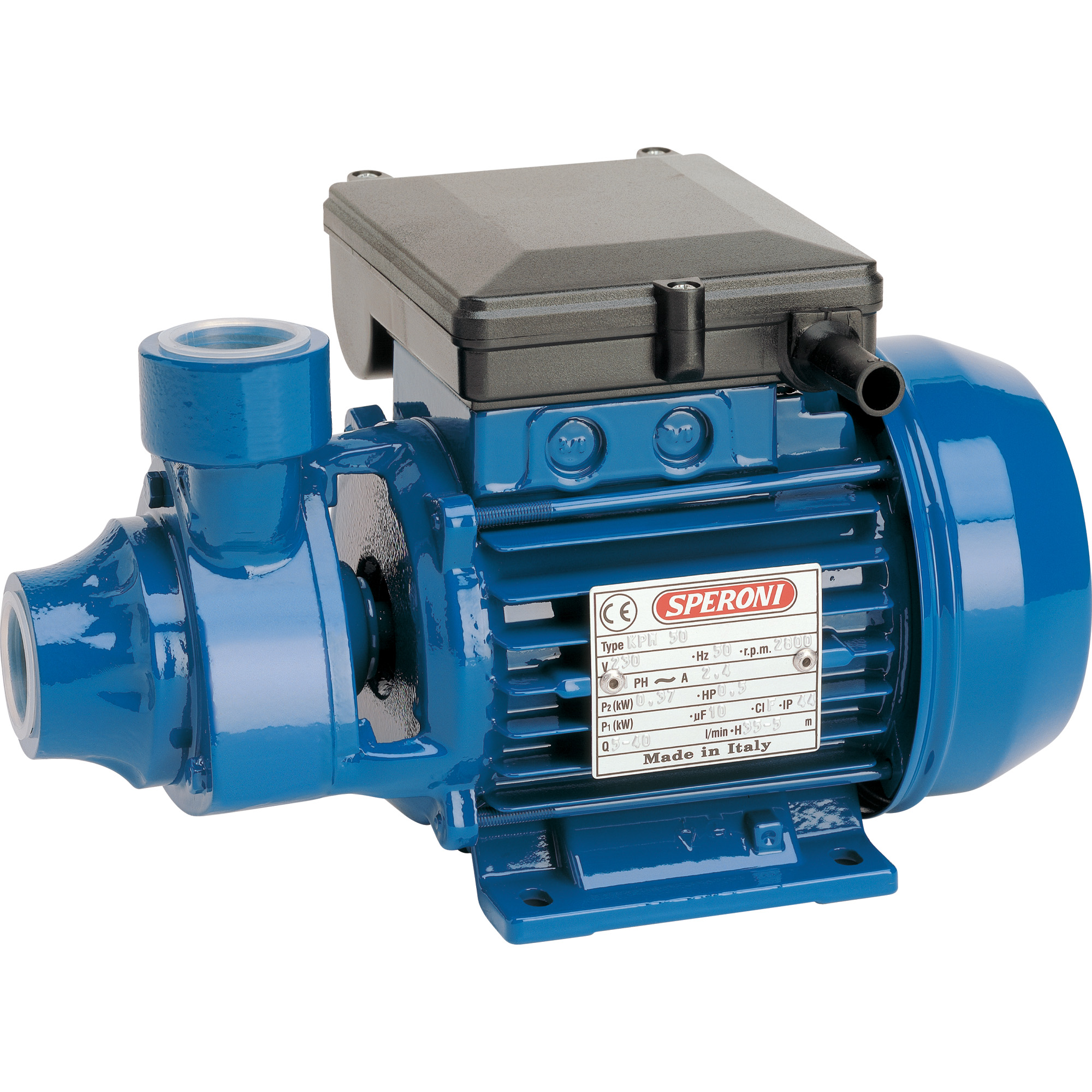


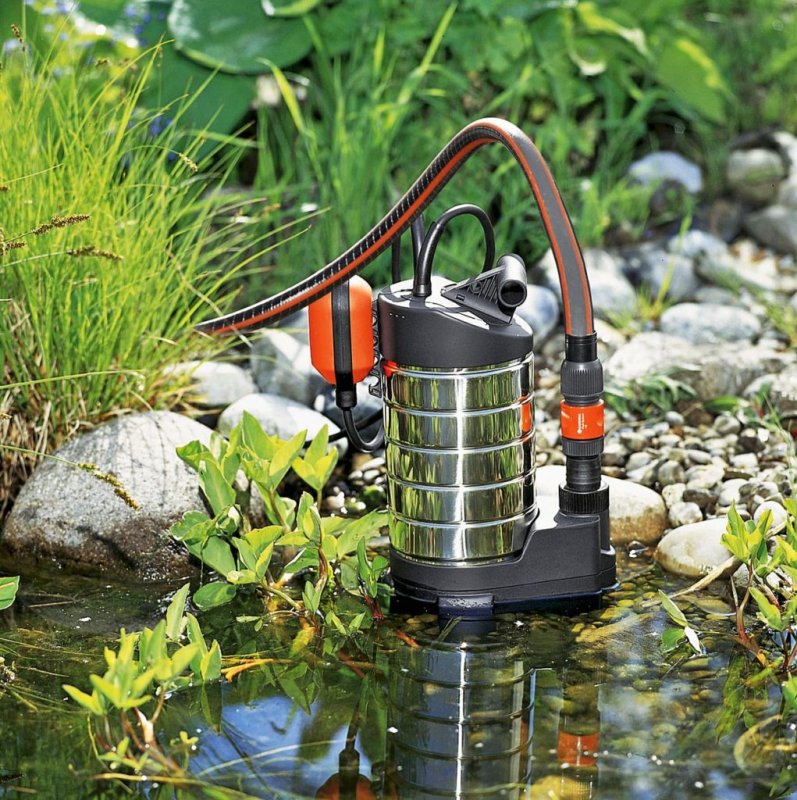
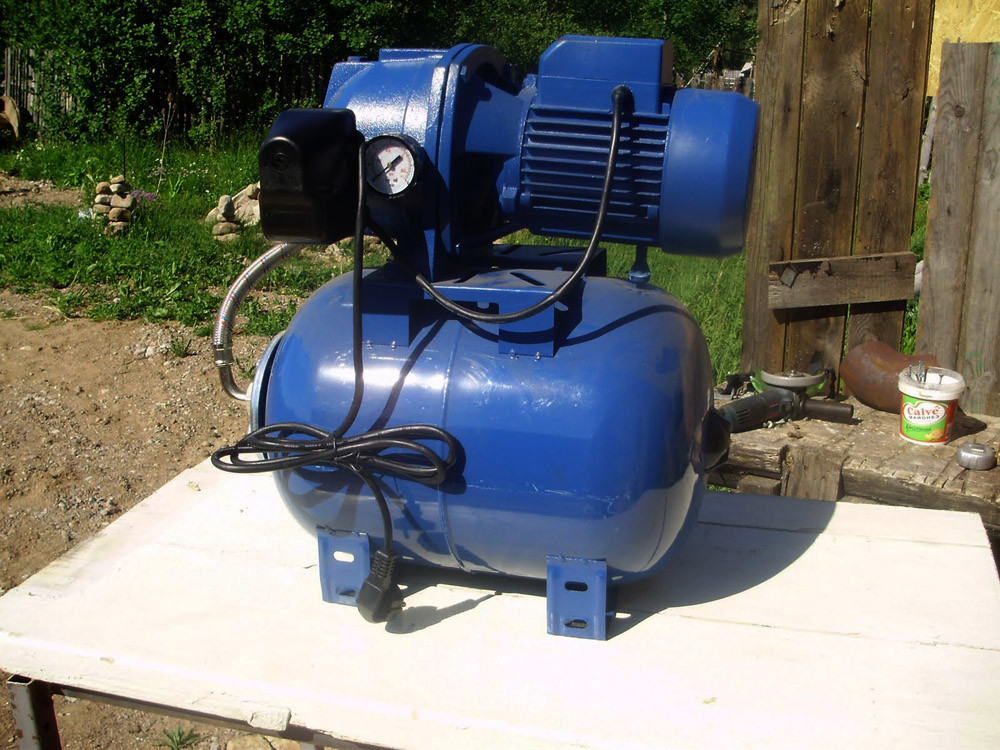
The main feature of Karcher SP is the possibility of stable operation in turbid water with mechanical inclusions up to 2 cm in diameter. At the same time, the price of the device is quite low - 3300 rubles.
Advantages:
- High performance.
- No noise during operation.
- Quality build.
- "Digestion" of large mechanical inclusions.
- Extended warranty (5 years) from the manufacturer.
Flaws:
- There is no inlet filter included.
- Large outlet diameter - 1″.
The extremely low pressure of 4.5 m indicates the narrow specialization of the device. It is suitable for watering the site, draining drainage wells and pools.
Grundfos SB 3-35 M - powerful pump with low starting current
4.7
★★★★★
editorial score
85%
buyers recommend this product
Structurally, this model differs from analogues in the absence of automation, due to which the manufacturer has significantly reduced its cost.The pump is equipped with a 0.8 kW motor, which provides a solid performance of 3 m3/h with a water column of 30 m.
Alas, the cheapening of the device affected its ability to work with polluted water. The device is able to "digest" no more than 50 g/m3 of mechanical impurities. The price of the unit was a little less than 16 thousand.
Advantages:
- Reliability.
- Simplicity of design.
- Good pressure and performance.
- A small load on the power grid when starting the device.
Flaws:
No dry run protection.
A very good model for a private house with increased water consumption. In case of urgent need, the problem of lack of automation is easily solved by purchasing and installing a float switch.



