
- Dust collector type
- Types of vacuum cleaners depending on the intended purpose
- Construction vacuum cleaners
- Car vacuum cleaners
- Types of vacuum cleaners
- standard model
- Vertical Models
- Robot vacuum cleaner
- Vacuum cleaner power
- What power should be
- Types of dust collectors
- Vacuum cleaner filters
- Vacuum cleaner power
- Which vacuum cleaner to choose by suction power
Dust collector type
In my practice, I often heard the request of customers: "Advise which vacuum cleaner is more convenient: with or without a dust bag?" On the one hand, everything is very simple: if maximum cleaning efficiency is important to you, then buy with an aquafilter; if compactness and hygiene of service are in the first place, then choose with disposable bags; if you don’t want to constantly pay for consumables, then your option is a bagless cyclone filter. But on the other hand, each type has its own advantages and disadvantages. Let's talk about them in more detail, and you will be able to make the right choice yourself.
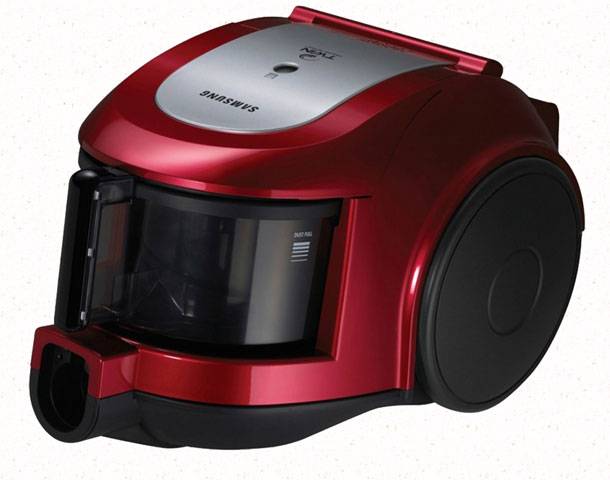
Classic vacuum cleaners with bags are more widely represented on the market, they have an affordable price and are in high demand. There are two options here: disposable paper bags and reusable cloth bags. In the first case, any contact with the collected dust is excluded; when filling, the bag is removed and discarded.Unfortunately, this approach can hardly be called economical. Bags for different models have their own cost, and finding them is not always easy. In addition, the bag must not be completely filled (some housewives may try to save money this way), as this reduces suction power, and accidental damage poses a threat to the motor.
A fabric bag is more durable, but it has its drawbacks: the textile material does not hold fine dust well, the procedure for shaking out the contents is very inconvenient (it is better to do it outside and with gloves on), periodic washing is required. Since the bags are changed or shaken out when filled (and on average it is about 1-2 times a month), mites and microorganisms begin to actively multiply inside, which is not acceptable for fans of a clean atmosphere in the apartment.
Vacuum cleaners without a dust bag became an alternative to the first type. In them, the dust collector is a container, and garbage collection is carried out under the action of centrifugal forces. Such a device is called a cyclone filter. It is released as it is filled, while you do not have to breathe dust - all the contents are easily shaken out into the trash can. An important advantage of this type is the independence of suction power from the degree of filling of the container. There are some nuances. For example, a sharp decrease in the air flow should not be allowed if a part of the material being removed is accidentally sucked in. The principle of operation of the cyclone filter involves the creation of turbulence, which increases the noise level, so it is difficult to find quiet models in this group.
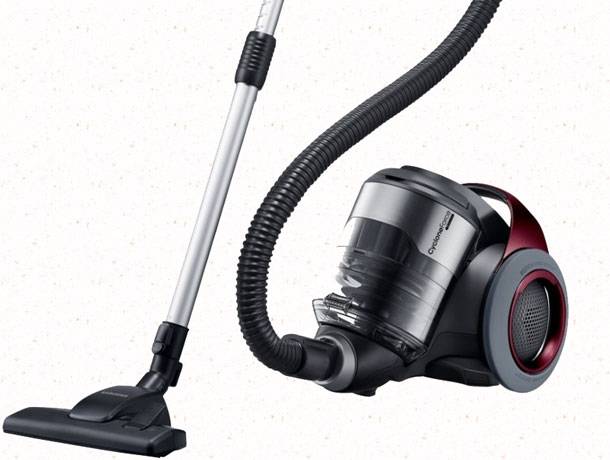
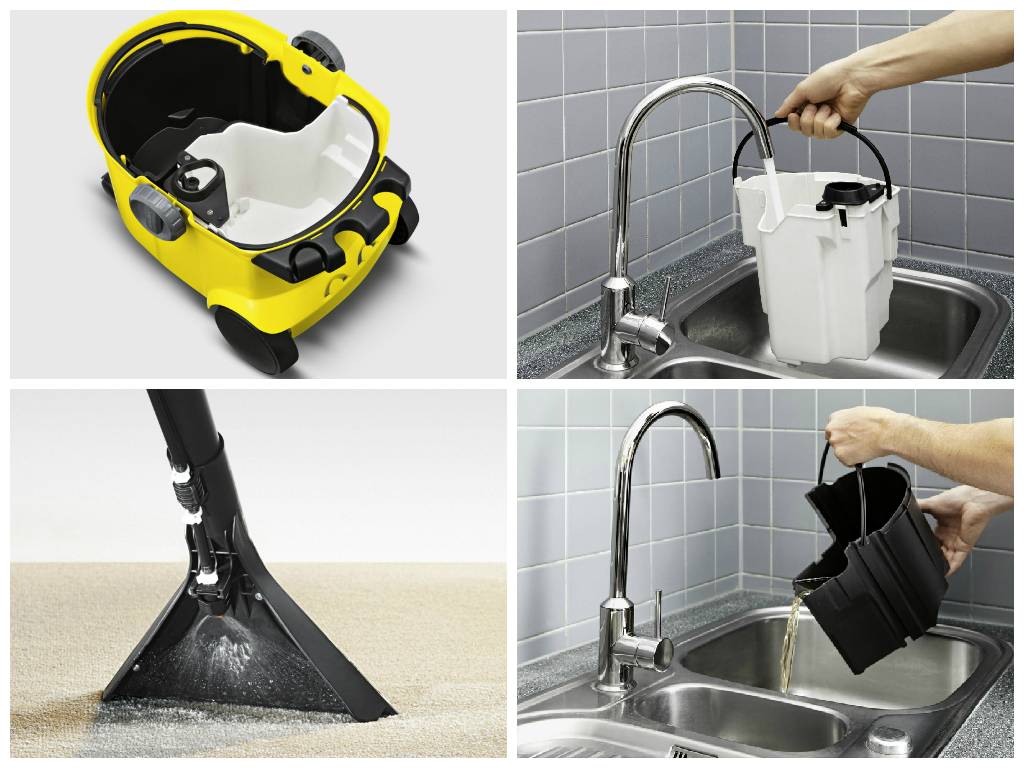
High quality cleaning and fresh air will be provided by aqua filters, which are a container with water.Dirty air passes through the water and leaves all impurities in it, additionally moistening. Such a filter allows for dry cleaning of parquet with the effect of a washing vacuum cleaner. A model with an aqua filter will provide the best cleaning results, no matter which brand you prefer. This is the most acceptable option for a family with small children or allergies. There will be no problems with cleaning the dust container: just pour out the dirty water and rinse the tank. It is only necessary to carry out these procedures after each cleaning. The disadvantages of vacuum cleaners with a water filter, in addition to the high price, include large dimensions.
Types of vacuum cleaners depending on the intended purpose
The vast majority of manufactured vacuum cleaners are designed for cleaning residential premises. But there is a cleaning technique that has another highly specialized purpose. First of all, we are talking about construction and automotive vacuum cleaners.
Construction vacuum cleaners
At first glance, a construction vacuum cleaner does not differ from an ordinary household vacuum cleaner in anything other than dimensions. However, having the same principle of operation and a similar device, it is still designed to solve completely different problems.
A household vacuum cleaner, which copes well with ordinary household dust, will most likely not be able to handle small pebbles. The situation will be worse if fine-grained building dust is on its way: of course, it will easily “absorb” it, but it will also easily “spit it out” from itself along with the air flow. The saddest thing is that part of the "undigested" dust will get into the engine, which is likely to cause the equipment to fail.
A construction vacuum cleaner was originally designed to collect large volumes of industrial and construction waste - chips, small stones, wood or cement dust, etc. This is possible due to the fact that such a vacuum cleaner has a particularly powerful engine, a highly efficient multi-stage filtration system, an increased volume of the dust collector, and a larger hose diameter than usual.
Car vacuum cleaners
A car vacuum cleaner, as its name implies, is designed to clean the interior of a car. Thanks to its compact size, it allows you to reach the most inaccessible places. Some car vacuum cleaners are able to suck up liquid, which is especially useful in winter, when puddles of melted snow accumulate on the car mats.
The car vacuum cleaner can work either from the on-board network of the car or from the battery. For the first version to work, only a connection to the cigarette lighter is required. Rechargeable car vacuum cleaners require constant recharging, but if necessary, they can be used outside the car.
Types of vacuum cleaners
The main classification is represented by conventional and vertical models, if you figure out which vacuum cleaner is better to choose, then it all depends on the purpose of the household appliance.
standard model
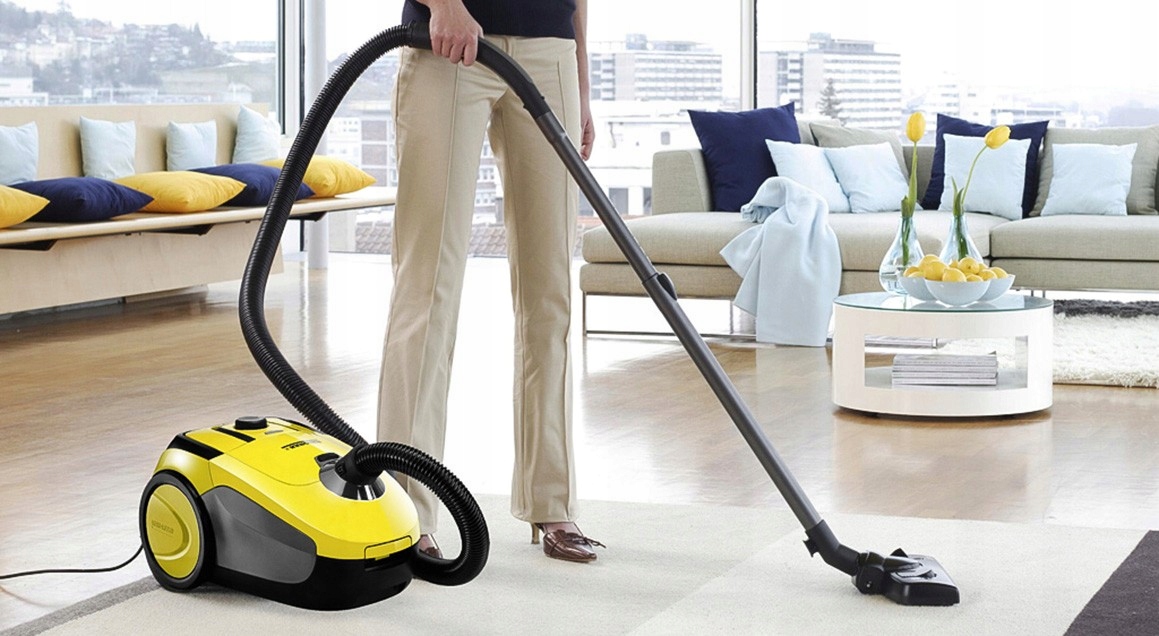
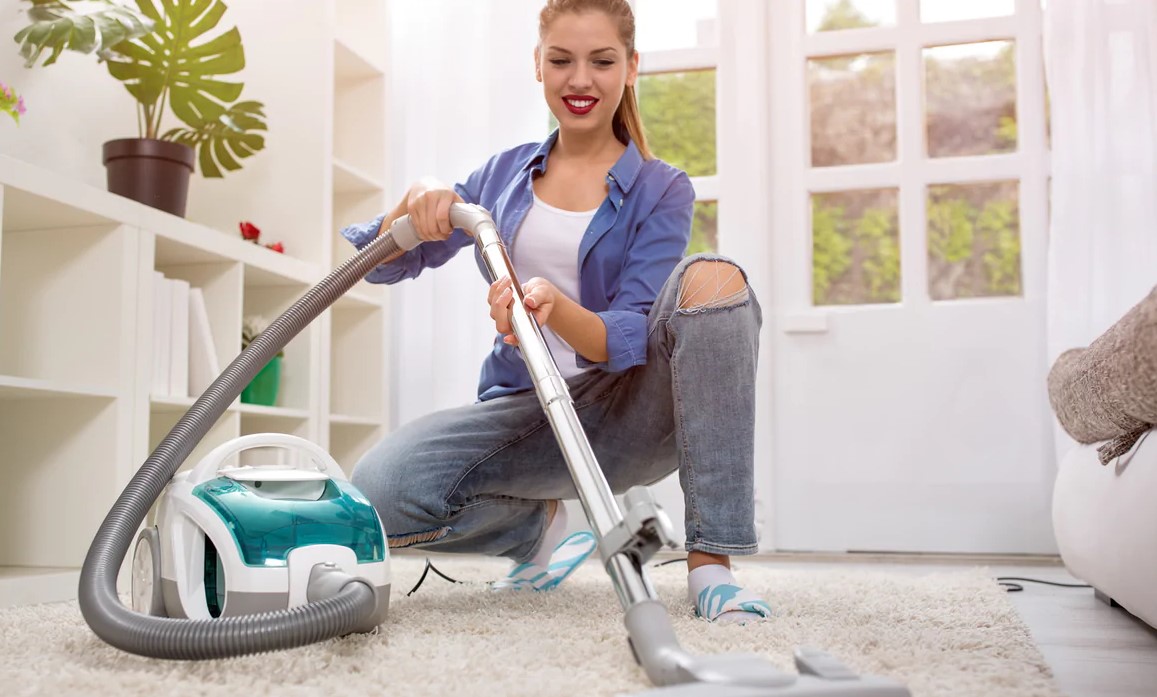
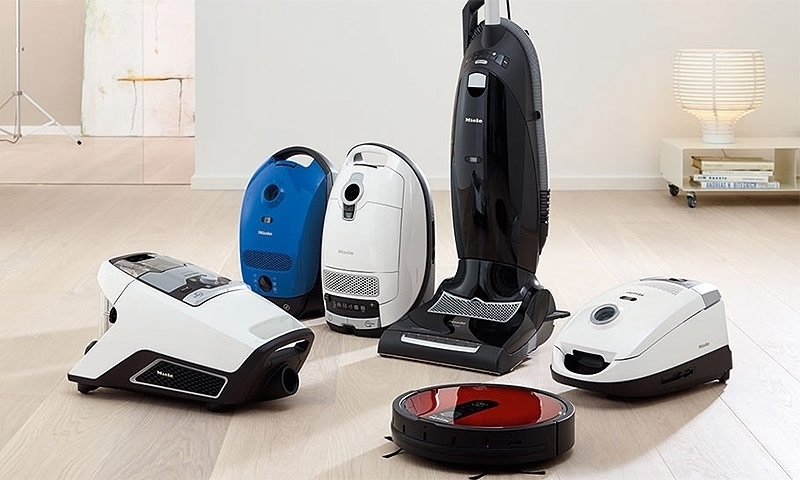
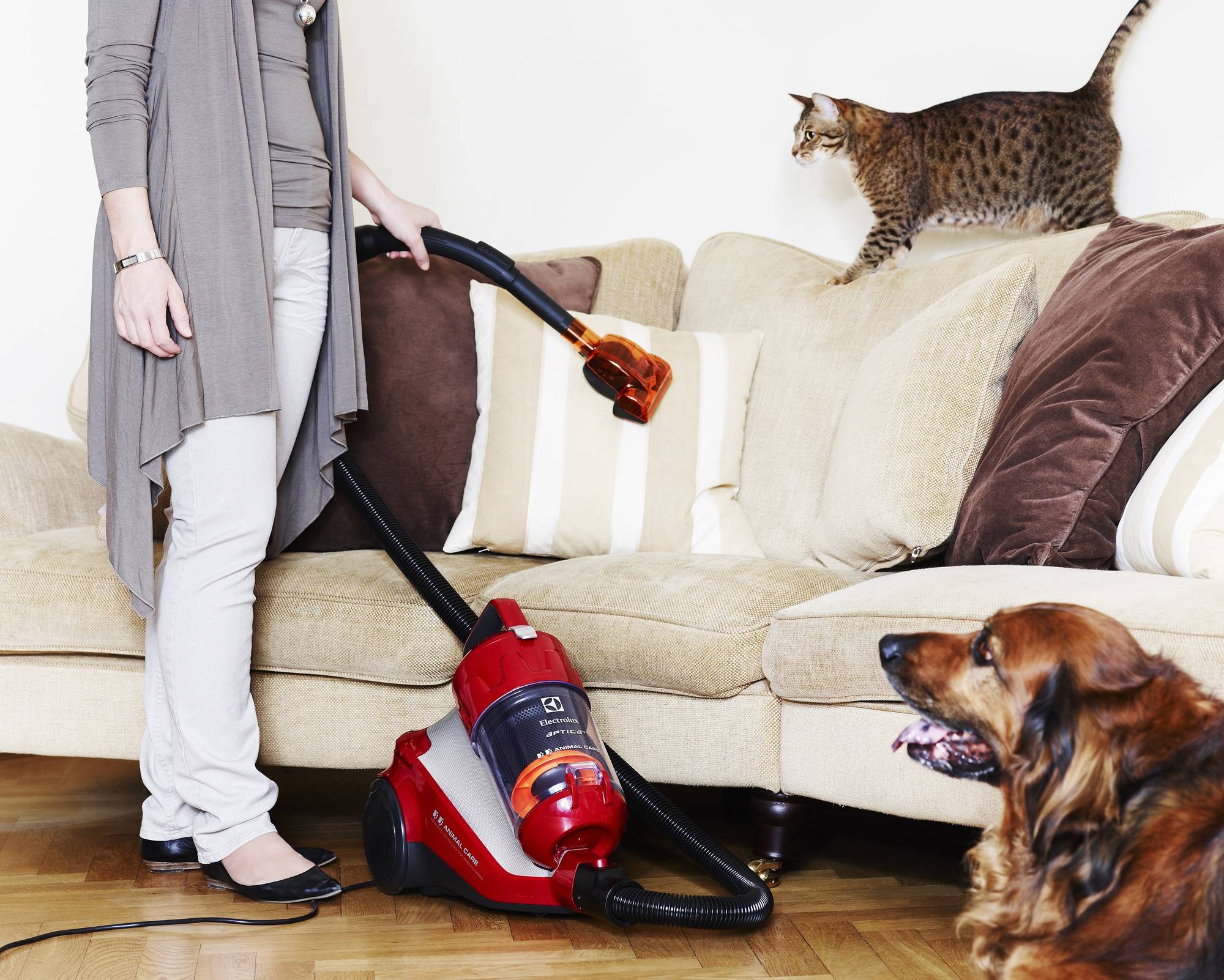
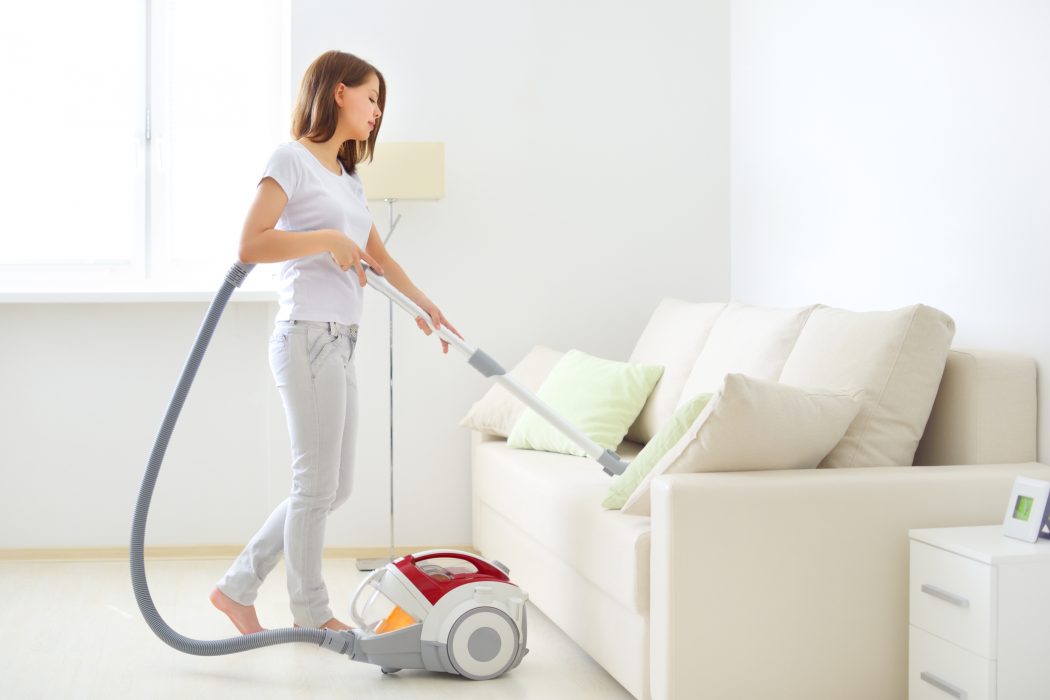
It is considered the most common. The basis of such a device is formed by a body, a hose and a suction pipe. The structure moves on wheels. A hose, a debris suction tube and various nozzles are attached to the body. Most vacuum cleaners are powered by the mains, but some manufacturers equip their equipment with batteries.






Vertical Models
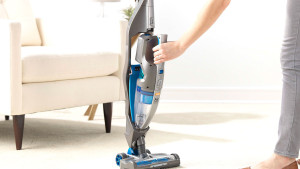
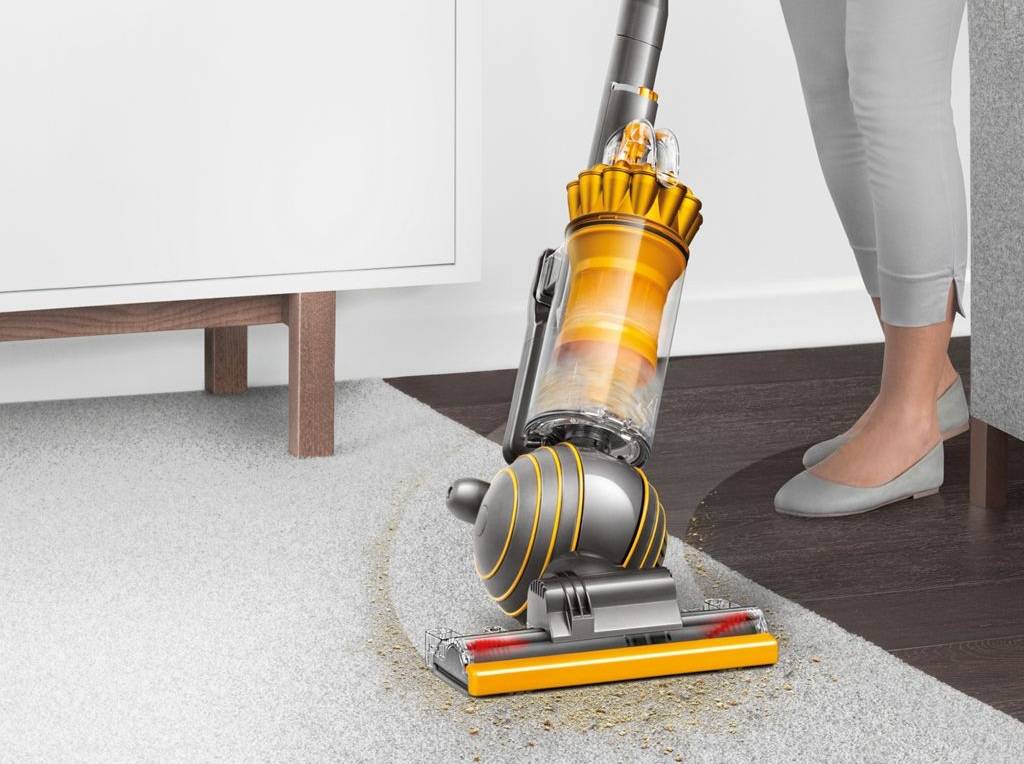
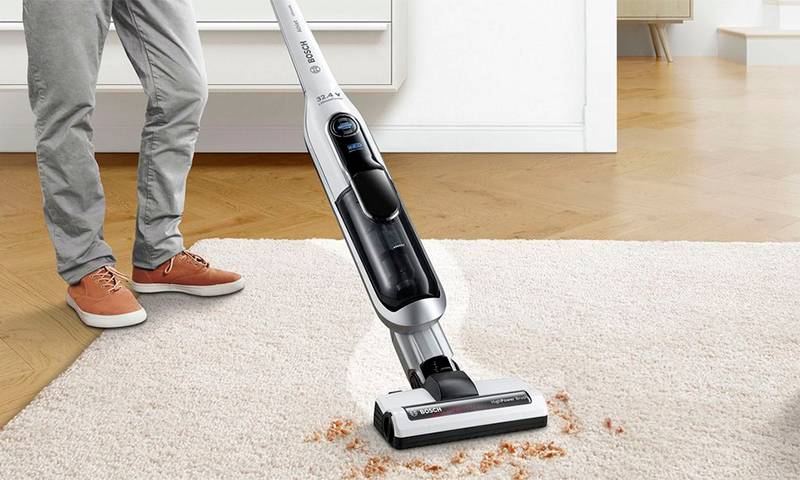
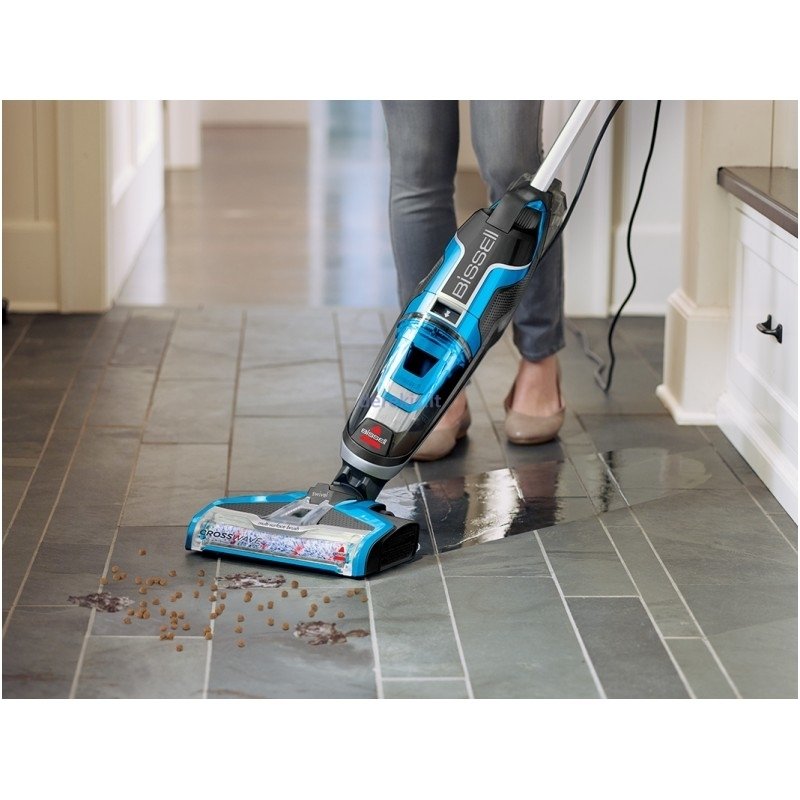
Gradually become more and more popular. Rare instances operate from the network, while most are equipped with rechargeable batteries. The design of this model is made in the form of interconnected dust collector, motor and suction tube, while the center of gravity is at the bottom. If you need a vacuum cleaner for an apartment with a relatively small area, then the vertical model is what you need.
The battery life is about 60 minutes (at maximum power, the device can be operated for no longer than 30 minutes). The volume of the dust collector is no more than 1 liter. It should also be noted that the suction power is low, so it is recommended to get a turbo brush with a rotating element. In some models of vacuum cleaners, it is possible to detach part of the structure with a dust collector. Thanks to this, the device turns into a compact portable device.
Robot vacuum cleaner

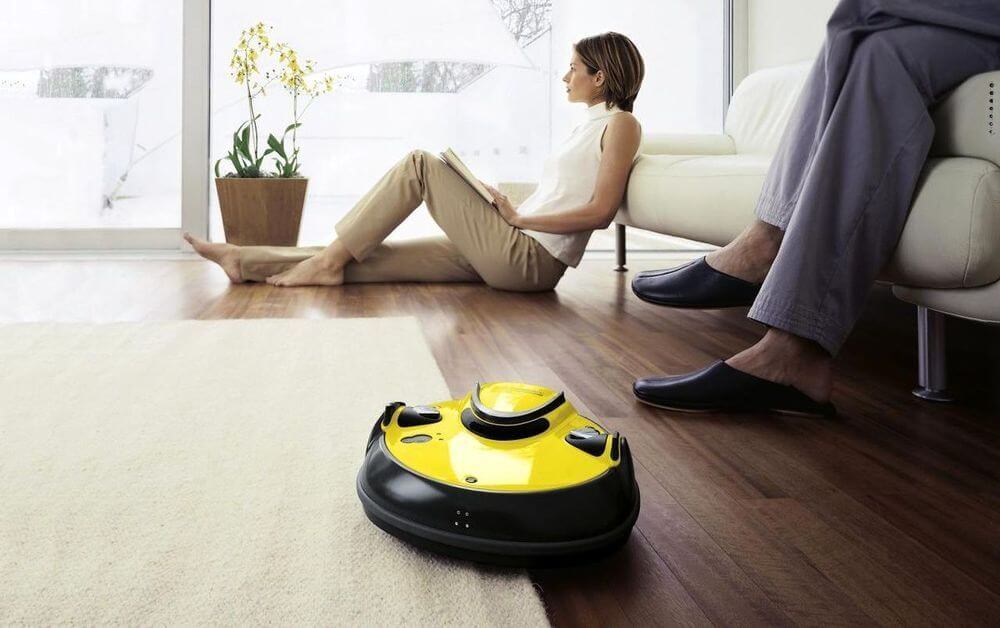
Another interesting variety that is quite suitable for daily cleaning. This model is used to keep the room clean between more thorough cleanings. The device is equipped with artificial intelligence, thanks to which it moves independently and orients itself in space. It effectively collects animal hair, small debris, dust, penetrates into hard-to-reach places. You can set up a schedule according to which the robot will start automatically. It is recommended to first free the floor from furniture that will interfere with cleaning, and other items, wires.
Vacuum cleaner power
All those who are thinking about how to choose a vacuum cleaner for an apartment are always interested in the power of the device.
It is worth paying attention not only to the power consumption, but also to the suction power, and the second parameter is more important, as it directly indicates how effective this or that model is in cleaning.
It should be noted right away that the suction power of a vacuum cleaner is a variable parameter, and it depends on the degree of filling of the dust collector (for vacuum cleaners with bags), on the position of the hose and the main nozzle of some other factors. Moreover, there is still no single standard for measuring the suction power of a vacuum cleaner, so manufacturers usually indicate its maximum value.
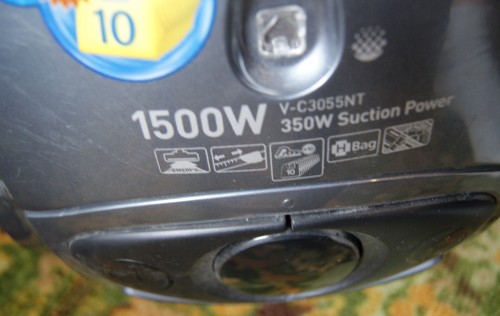
Suction power is indicated in watts (W), but more and more often you can find another unit of measurement - aerowatts (aW), which is actually identical to watts. There is no direct relationship between power consumption and suction power, i.e. optionally, a vacuum cleaner with a higher power consumption will be more efficient in cleaning. You need to choose the model that, with the required suction power, has less power consumption. In the description of vacuum cleaners, the power consumption and suction power are indicated through a fraction - 1500/500, for example. Among the two vacuum cleaners 1700/400 and 1500/450, the second one will be more efficient, and it is worth choosing it.
Now the question is different - what power consumption will be enough to clean the room? It all depends on the features of the home interior. Here are the data that you can rely on when choosing the right suction power:
- 350 watts - power suitable for cleaning smooth surfaces, incl. linoleum, laminate, parquet, tiles, etc.;
- 400-450 avt - power sufficient for cleaning long pile carpets;
- 550 watts is enough for wet cleaning;
- 650 watts is enough for deep cleaning of upholstered furniture;
- vacuum cleaners with a power of 800 watts or more are used for professional cleaning.
From all this it follows that for most a vacuum cleaner with a suction power of 300-400 watts is suitable, it will be enough to work with a turbo brush. This is one of the additional nozzles, which will be discussed later.
What power should be
Many people choose vacuum cleaners by power - the higher the power, the better. But not many people know that this trend is wrong. The power of the motor of the vacuum cleaner depends only on the consumed electricity, and this parameter should not be more than the capacity of the electrical wiring in your house. The optimal number of this parameter ranges from 1.5 to 2 kW.

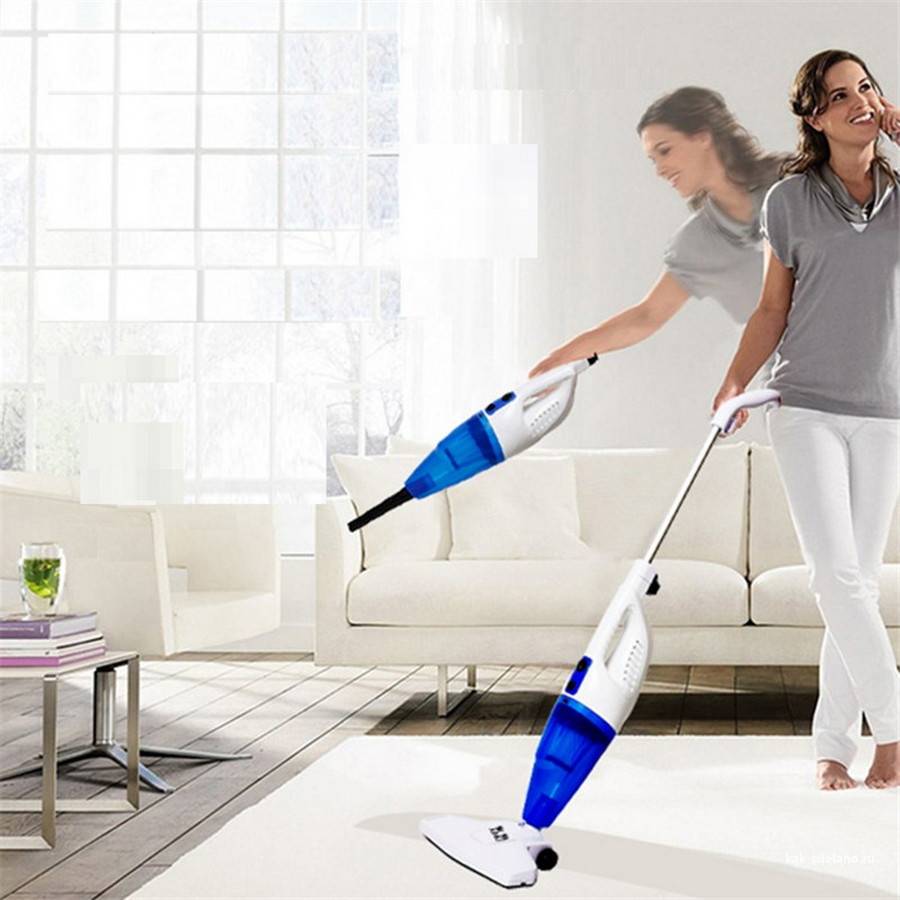


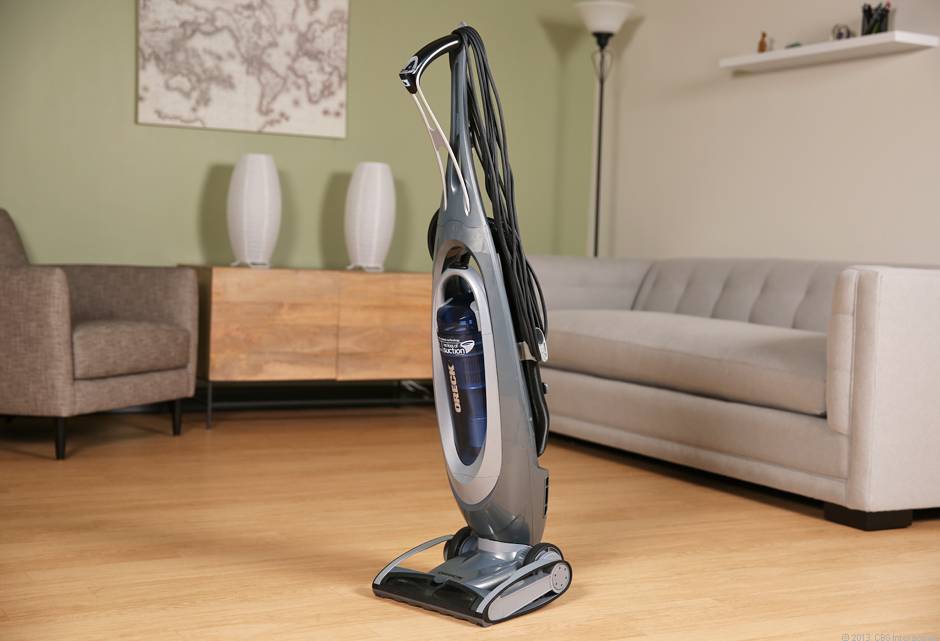


There is another coefficient that does not depend on the first - suction power. What it is? Suction power is the force with which the vacuum cleaner will suck up dust. According to this criterion, you need to choose a vacuum cleaner. The optimal value of this coefficient is from 350 to 500 W.
Types of dust collectors
The dust container is the dirtiest part of any vacuum cleaner. But the quality of cleaning, ease of use and care of the device depends on it. There are 3 types of dust collectors in total:
- bag;
- plastic container;
- aquafilter.
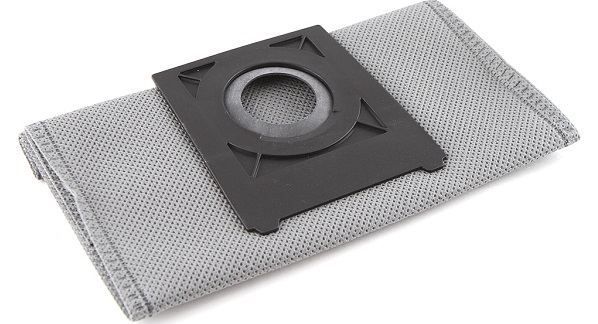
Dust bags, in turn, are divided into disposable and reusable. Disposable bags are made of paper and are designed for the calculated amount of accumulated contaminants. The procedure for replacing such a bag is simple and hygienic: the old bag is removed and thrown into the trash with all its contents, and a new one is installed in its place.They are made of multi-layered paper and are equipped with a flap so that during the replacement procedure, the dirt from the old bag does not wake up.
Reusable bags are made from fabric. They are not equipped with a damper and retain dust worse, so when cleaning the dust collector, part of the dust remains on the outer surface of the bag itself. The procedure for shaking out the contents is quite uncomfortable and unhygienic. However, a reusable bag saves the owner money, as it can last for years and decades.
In the last decade, manufacturers have packaged their vacuum cleaners with both disposable paper bags and reusable textile bags. The buyer himself decides which type of dust collector it is more convenient for him to use.
Plastic dust collectors can be found in devices with cyclone air purification. The procedure for cleaning it is relatively quick and comfortable: the plastic box is removed from the vacuum cleaner, after which the dirt from it is poured into the trash.
An aquafilter is a reservoir of water that becomes more and more dirty as it is cleaned. Cleaning this element does not create difficulties for the user: dirty water is poured into the sewer, after which the filter is washed with water and installed back.
Cyclone and aquatic dust collectors, unlike bags, provide the maximum level of air purification and filtration. In aquafilters, the dust filtration rate is close to 100%. They are able to trap microbes and bacteria, and also have a long service life.
Vacuum cleaner filters
The second important factor that needs to be taken into account before buying a vacuum cleaner for the home is the type and number of filters, because it depends on this parameter what air will come out of the vacuum cleaner, which means how healthy the microclimate in the apartment will be. Manufacturers may claim that their vacuum cleaner uses an air purification system that includes 7 or even 10-12 filters, but all this is nothing more than a marketing ploy, because three levels of purification that are in all models are of key importance:
Manufacturers may claim that their vacuum cleaner uses an air purification system that includes 7 or even 10-12 filters, but all this is nothing more than a marketing ploy, because three levels of purification that are in all models are of key importance:
- the first is a bag, container or aquafilter. At this stage, the main part of the dust is retained, but the smallest particles pass further, so air purification is necessary at subsequent stages;
- the second is the engine compartment filter, which protects the engine from dust and cleans the air from fine dust particles. Often the filter is made of foam rubber or other material with a similar structure, which can pass air, but traps fine particles;
- the third stage is the final fine filters, whose task is to completely clean the air before leaving the vacuum cleaner.
Fine filters play a special role, so when choosing a vacuum cleaner, they should be given maximum attention.
Fine filters are most often represented by one of the following options:
- microfilters of electrostatic type;
- HEPA filters;
- S-filters.
Let's take a closer look at each of them.
Electrostatic type microfilters are the cheapest option, which is still used in budget models of vacuum cleaners. Such filters are made on a foam, cellulose or pressed microfiber basis. They trap dirt particles, freely passing air. The degree of purification is quite decent, but still inferior to more modern HEPA and S-filters. In addition, from time to time such filters will need to be changed or washed.
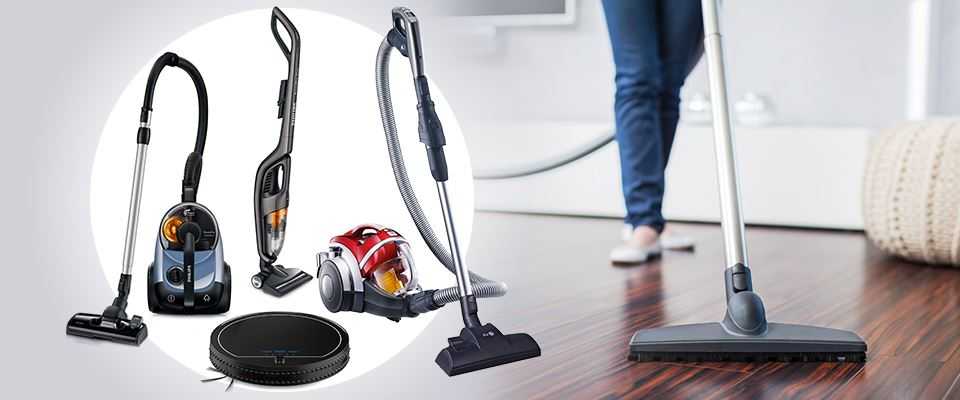


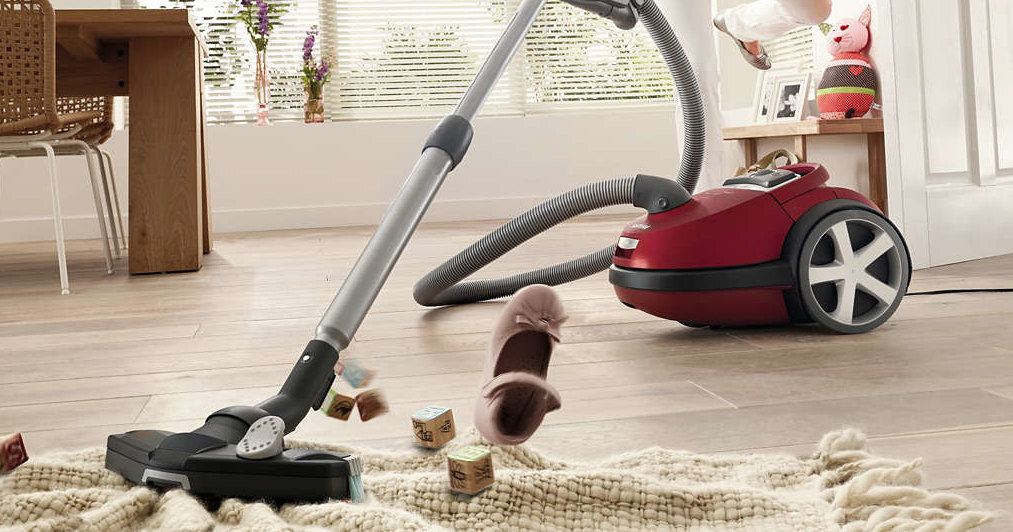



HEPA filters are used in the vast majority of vacuum cleaners today, and improved options are constantly appearing with an ever higher degree of purification. This filter resembles an accordion, is made of fiber material, the holes in it are from 0.3 to 0.65 microns in diameter, so they can trap even the smallest dust particles.
The HEPA filter can be disposable and made from paper or fiberglass. In this case, you will sometimes have to change used filters for new ones, and the manufacturer indicates the frequency of such replacements for each model and different operating conditions. Permanent filters are made of PTFE and require only periodic washing. If you comply with this requirement, then the filter can be used for as long as a vacuum cleaner.
The efficiency of the HEPA filter is determined by the European standard EN 1822. In the description of a specific vacuum cleaner model, you can see designations of this kind: HEPA H 10 or HEPA H 11, HEPA H 12, etc. A number from 10 to 16 indicates the degree of air purification, and the higher it is, the better. Thus, HEPA H 10 filters retain up to 85% of dust particles, and HEPA H 13 filters already 99.95%.If you do not know which vacuum cleaner to choose for a house where an allergic person lives, then it is better to opt for HEPA H 13 filters, which trap both plant pollen and tobacco smoke. By the way, you can already find HEPA H 14 with a purification rate of 99.995% and even more efficient filters on sale.
S-filters also provide a high degree of purification - 99.97%. Can be interchangeable or reusable. They will need to be replaced or cleaned once a year.
Once again, it is worth noting that the three degrees of filtration described are the main ones and provide excellent air purification. In order to increase sales, manufacturers offer vacuum cleaners with a dozen degrees of purification: you will spend more money on a purchase, but the output air will be the same.
Vacuum cleaner power
One of the main indicators of the effectiveness of the vacuum cleaner is its power. Distinguish power consumption vacuum cleaner and suction power dust.
The power consumption of a vacuum cleaner ranges on average from 1000 to 2000 watts.
The maximum power consumption is valid for several minutes after the vacuum cleaner is switched on.
The buyer is mistaken, believing that the greater the power consumption, the better the vacuum cleaner collects dust.
Cleaning efficiency is not directly related to power consumption. It is affected by other factors. Therefore, several vacuum cleaners with the same power consumption may differ in suction power.
Which vacuum cleaner to choose by suction power
When choosing a vacuum cleaner, pay attention to the ratio of power consumption and suction power, which will suit you in terms of power and energy efficiency. Suction power determines cleaning efficiency
Allocate average effective and maximum suction power.
Average effective power suction - the ability of a vacuum cleaner to suck dust for a long time with a certain power. It is determined after the first 5 minutes of operation of the vacuum cleaner.






Maximum suction power - this is the power with which the vacuum cleaner sucks dust for the first few minutes. It is 15-30% more than the average effective suction power. This is the highest suction power.
The average suction power decreases as the dust container gets dirty and full.
Before choosing a vacuum cleaner, pay attention to the average suction power, because
vacuuming is a longer process than the first 5 minutes.
The greater the suction power, the stronger the intake air flow inside the vacuum cleaner.
The consumer has the opportunity to independently choose the suction power of the vacuum cleaner, using the switch, depending on the degree of contamination of the room to be cleaned. Buy a vacuum cleaner with more power and use the regulator to increase or decrease the suction power, based on the degree of contamination of the surfaces.
The suction power of a vacuum cleaner is determined by the vacuum (h) and the air flow (q) and is equal to their product.
P =qh (aero W)
Vacuum characterizes the ability of the vacuum cleaner to suck up dust. It is measured in Pascals (Pa).
The intensity of the air flow shows how much air the vacuum cleaner passes through itself per unit of time. Measured in m³/min or dm³/s.
The suction power depends on both criteria, on their normal ratio. If the air flow is good and the vacuum is weak, then any resistance will cause a decrease in the efficiency of the vacuum cleaner.
If the vacuum is sufficient and the air flow is weak, then heavy particles will remain on the floor or carpet.
For cleaning small apartments, a vacuum cleaner with a suction power of 250 watts is suitable.
In case of significant pollution, pay attention to models with a power of 300 W or more. When using turbo brushes, look for models with a power of 350 W
When using turbo brushes, look for models with a power of 350 watts.



