- Device and principle of operation
- Receiver
- Transmitter
- Remote switch design
- Boost your home's intelligence: smart light switches
- Mounting methods
- Varieties
- When to buy clean electrics?
- Manufacturers of models of the middle price segment
- Berker
- Wessen
- Makel
- Protective properties of various sockets
- What does the market offer?
- Manufacturer rating
- Xiaomi (Chinese product line Aqara)
- sonoff touch
- Contactless module selection options
- Advantages
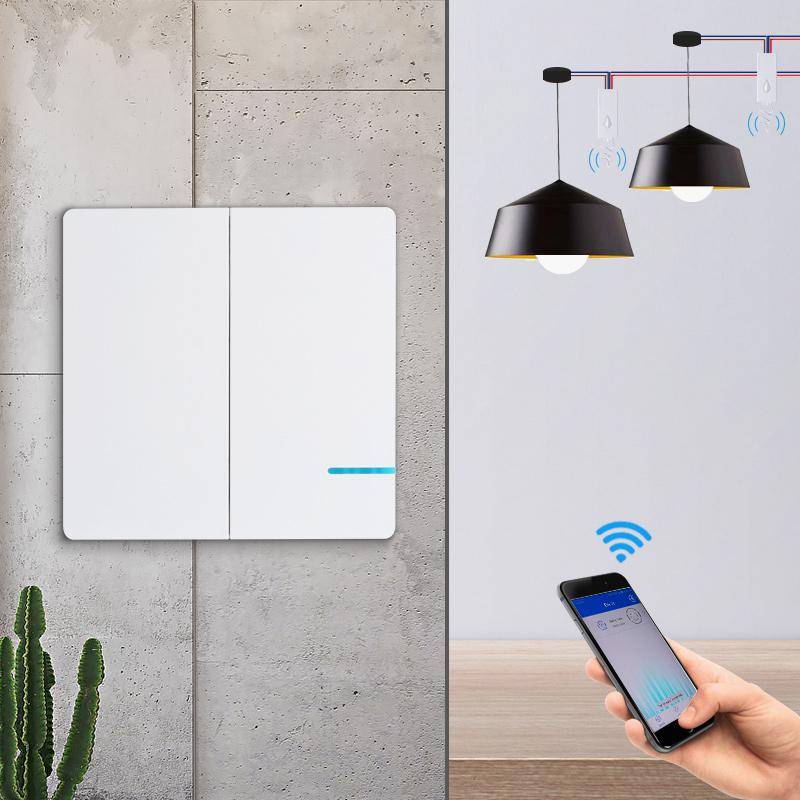
Device and principle of operation
The wireless switch structurally consists of two elements:
- signal transmitter;
- receiver.
Together they provide remote control of the lighting system.
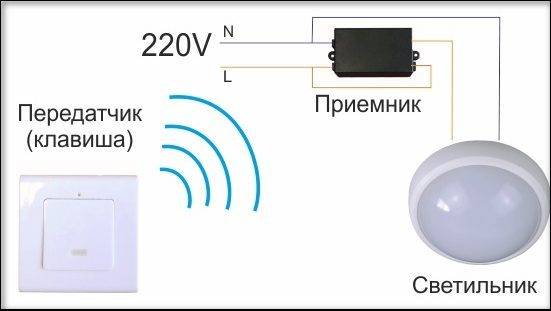
The wiring diagram of the wireless switch is simple:
- a transmitter is installed in the selected location;
- the receiver with the relay is placed in the light source or next to it;
- the input is powered from the home mains, the output is connected to the load.
Receiver
The receiving part is an over-the-air relay. When a command arrives at the receiver, the relay is activated and closes the contacts, turning on the light. Shutdown occurs on another appropriate command.
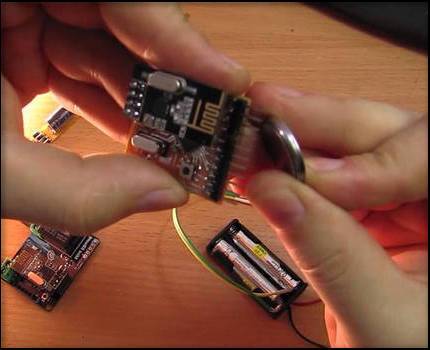
There are two groups of contacts on the board - input and output. The first is usually denoted by the word Input, the second - Output. This hint is given to avoid incorrect attachment.The board itself is no larger than a matchbox in size and is easily hidden in the body of a chandelier or lamp.
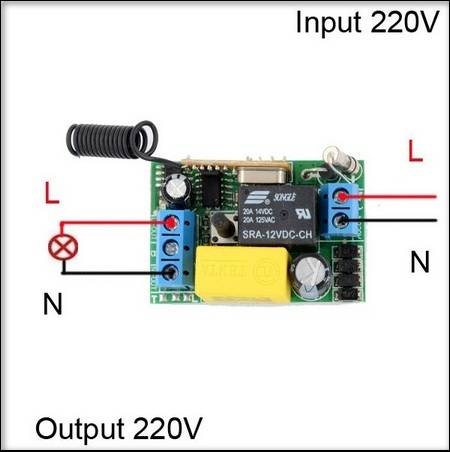
The relay is installed as close as possible to a lamp or other lighting device, but always within the "visibility" of the signal from the transmitter. At the same time, such gadgets are sometimes placed directly in the junction box, if technically possible.
Control is carried out from the remote control, computer, tablet or smartphone via a supported wireless protocol.
Transmitter
This device must be mobile, so most transmitters operate on autonomous power supplies - batteries and accumulators, or have kinetic generators to convert the keystroke pulse into current.
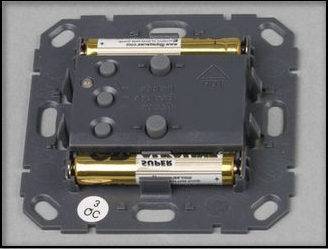
An important parameter is the coverage area. It depends on the technology used and the configuration of the room. Inexpensive samples have a range of 20–50 meters, while advanced ones are able to “pierce” a radius of up to 350 m. But they are also much more expensive, intended for large houses and other premises with a large area.
On sale there are models designed for "smart homes" that can not only turn the light on and off, but also change the level of illumination. To do this, they are equipped with a special regulator - a dimmer. It controls the power supply to the lighting fixture, changing the brightness by reducing or increasing the power. Dimmers effectively interact with both modern LED lamps and classic incandescent ones.
Remote switch design
The switch is very easy to take apart. It is enough to pry the slots at the junction of the cover and the body with a screwdriver. No screws need to be unscrewed.


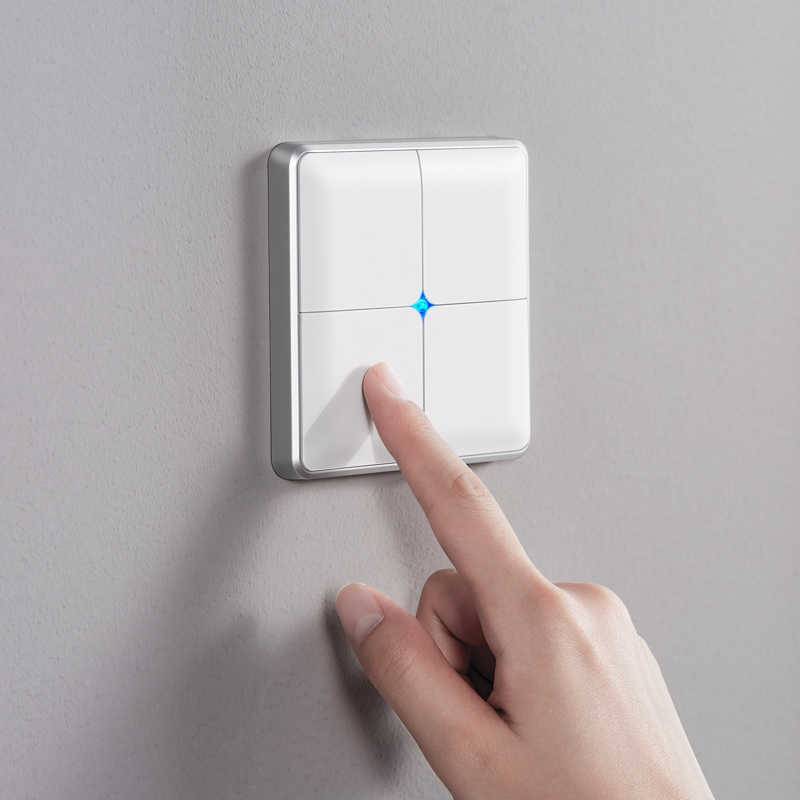




Inside it is:
electronic board
central on/off button
LED for visualizing the binding of the switch and the radio module
battery type 27A for 12 volts
This battery, even with intensive use, can last from 2 years or more. In addition, there is no particular shortage in them at the moment. It may not be included in the package, keep in mind.
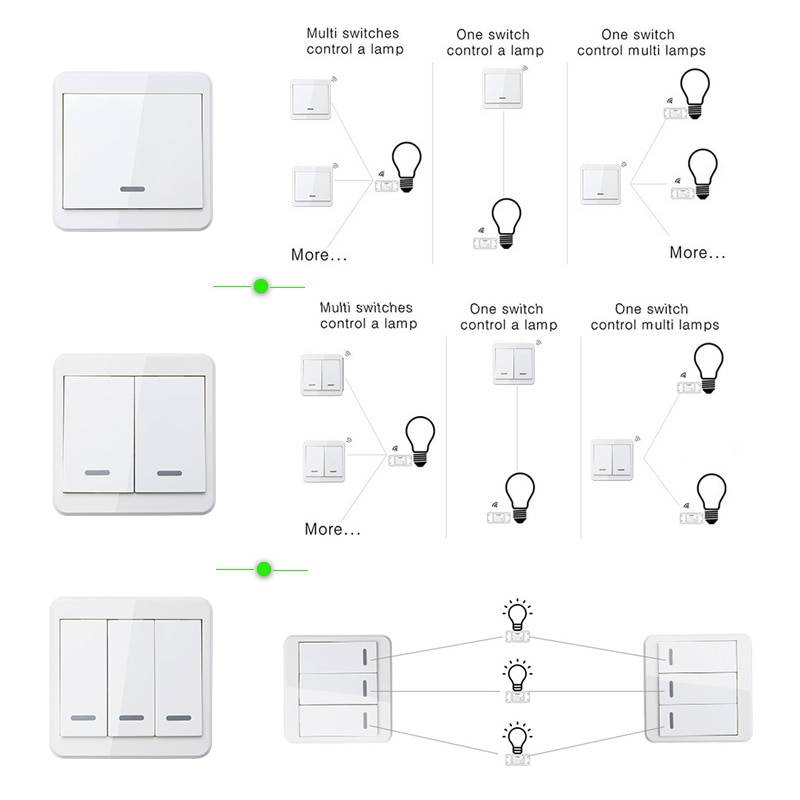
By the way, the switch is initially universal. On the sides of the central button, there are places where you can solder two additional buttons.
And by changing the key itself, you can easily get from a single-key - two or even three-key.
True, in this case, you will have to add more modules, according to the number of buttons.
There is a hole on the radio module box. It is intended for a button, when pressed, you can "bind" or "unbind" a particular device.
According to the range of the radio signal, the manufacturer declared a distance of 20 to 100 meters. But this applies more to open spaces. From practice, we can say that in a panel house, the signal easily breaks through four concrete walls at a distance of 15-20 meters.
There is a 5A fuse inside the box. Although the manufacturer indicates that through a remote switch you can connect a load of 10A, and this is as much as 2kW!
The wiring diagram for connecting the wires to the contacts of the radio module of the wireless switch is as follows:
When connecting, you can also focus on the inscriptions. Where there are three terminals - the output, where two - the input.
L out - phase output
N out - zero output
Connect the wiring going to the light bulb to these contacts. Apply 220V to the two contacts on the other side.
On the side of the output contacts there are three more solder points for jumpers.By soldering them accordingly (as in the figure), you can change the logic of the product:
This can be used to make a call or to give a short signal. There is also a middle contact "B". When used, the switch will operate in inverse mode.


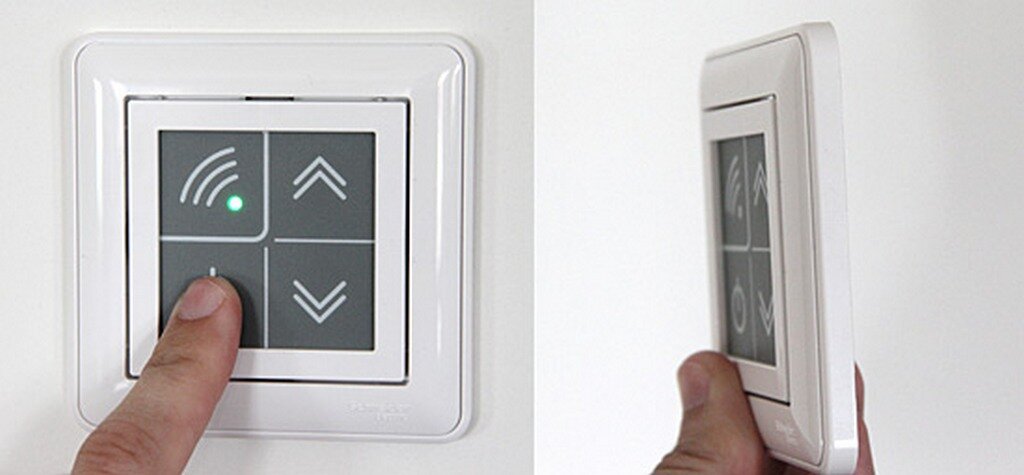
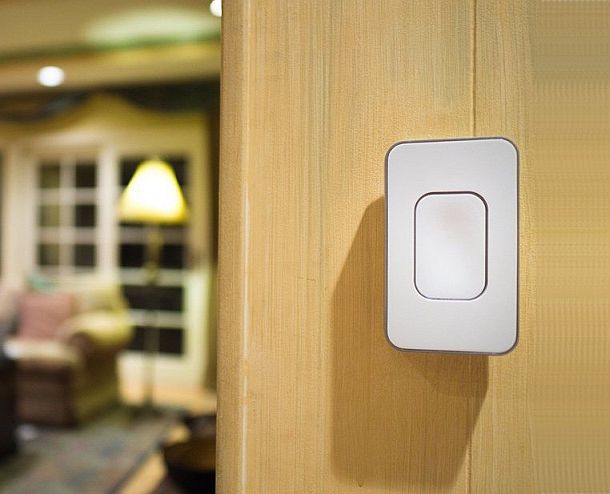
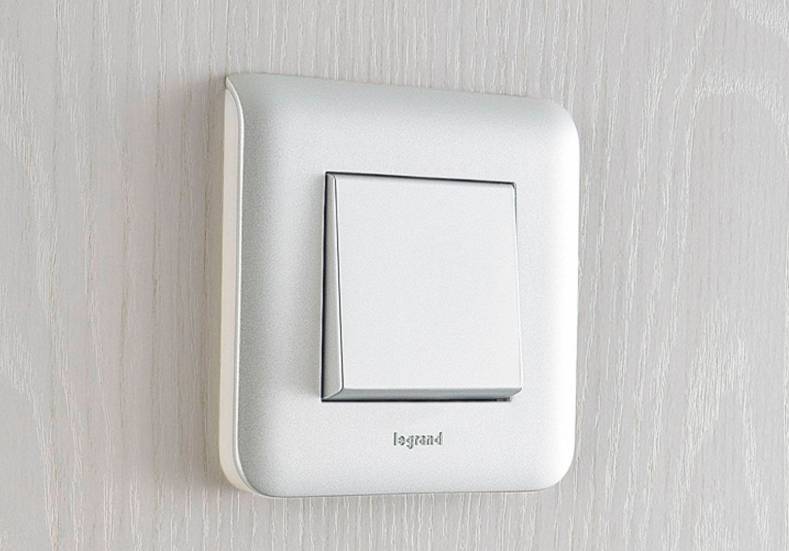


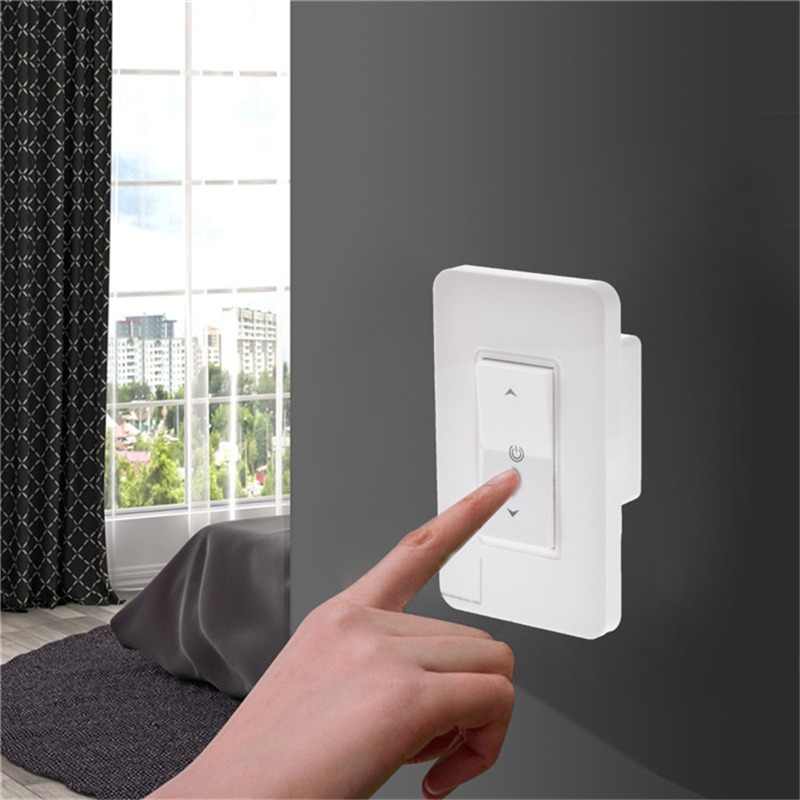
Boost your home's intelligence: smart light switches
In a sense, little has changed with smart switches. You will still be able to control them from the wall, as always.
The upside of smart switches is the extra functionality you'll love. Some come with remote controls that make manual manipulation easy, and you can also dim the lights when the mood calls for it.
Another key benefit is that smart switches work effectively with existing fixtures, even if they are not suitable for a smart light bulb.
The installation is permanent and more complex, but the results justify this extra effort.
Mounting methods
And here we are dealing with two options - screw (for aluminum wiring) and clamp (for copper). The photo clearly shows the difference in the connections used in the light switches. In the first case, the wires are fixed by tightening the screws, in the second they are inserted into the terminals with a clamp.

In the case when you need to install the switch yourself, it is important to follow all safety measures and have experience working with electrical appliances.


In order to deal with the features of a particular model, you need to remove the protective shield and determine the contacts and the places where the phase and zero occur, which are indicated by symbols or numbers.
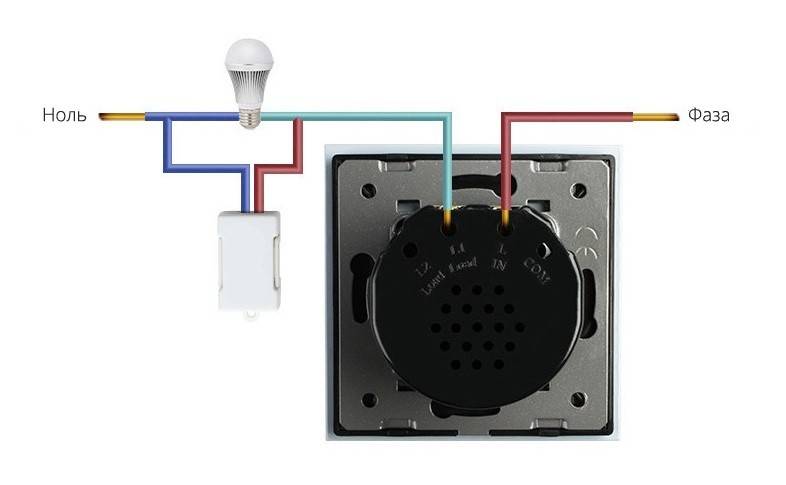
After the ends of the wires, cleaned of insulation, are fixed, the mechanism is installed in the socket and fixed with screws. Then the frame is put on, and the key is inserted.

Varieties
The sensitive mechanism may have additional elements, its system is based on a variety of operating principles.

It is worth noting the most popular options:
Modification with remote control. It is convenient to use when you turn on the wall lamp, LED strip, for example, control the lighting of a multi-level stretch ceiling. All light switches with remote control have their own unique address. In other words, each radio transmitter is activated only on commands sent from the control resource installed in the RAM.

The capacitive type acts as a means of measuring illumination and is sensitive to the presence of an object at a certain distance. The mechanism is installed instead of classic light switches. It does not require a keystroke to activate it. The device responds to the slightest touch. Such an installation can be mounted independently.
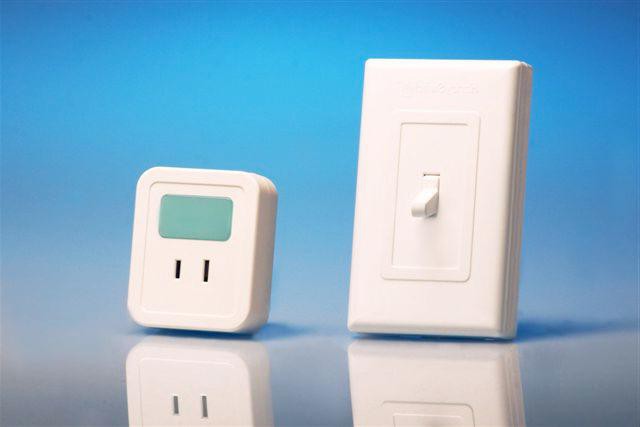
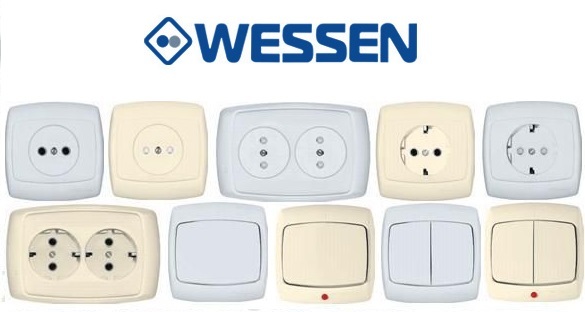


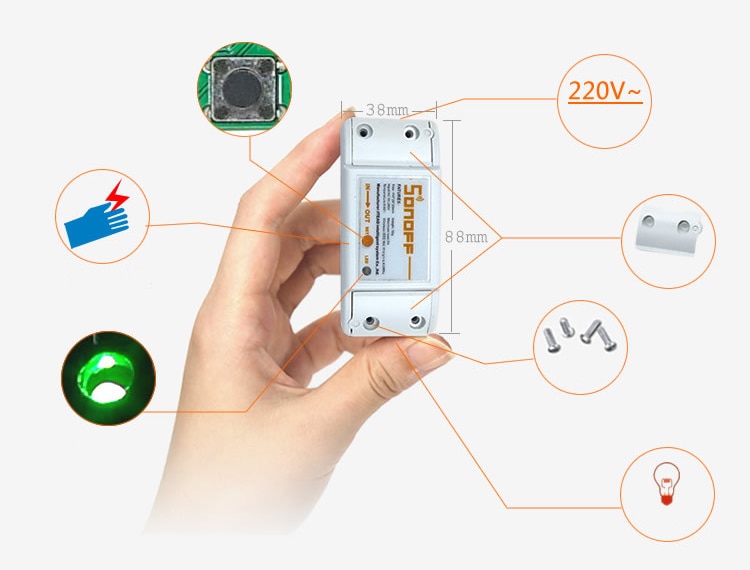
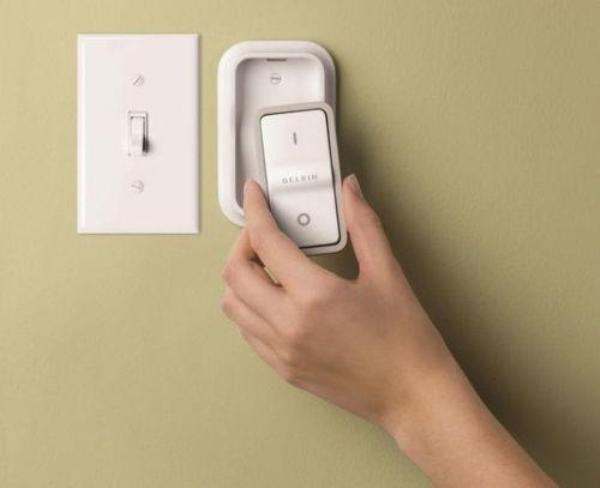
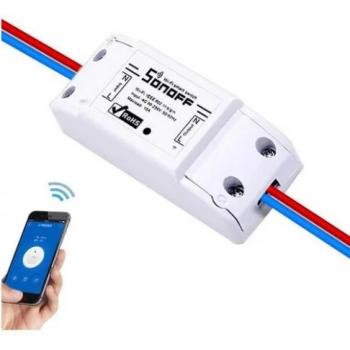

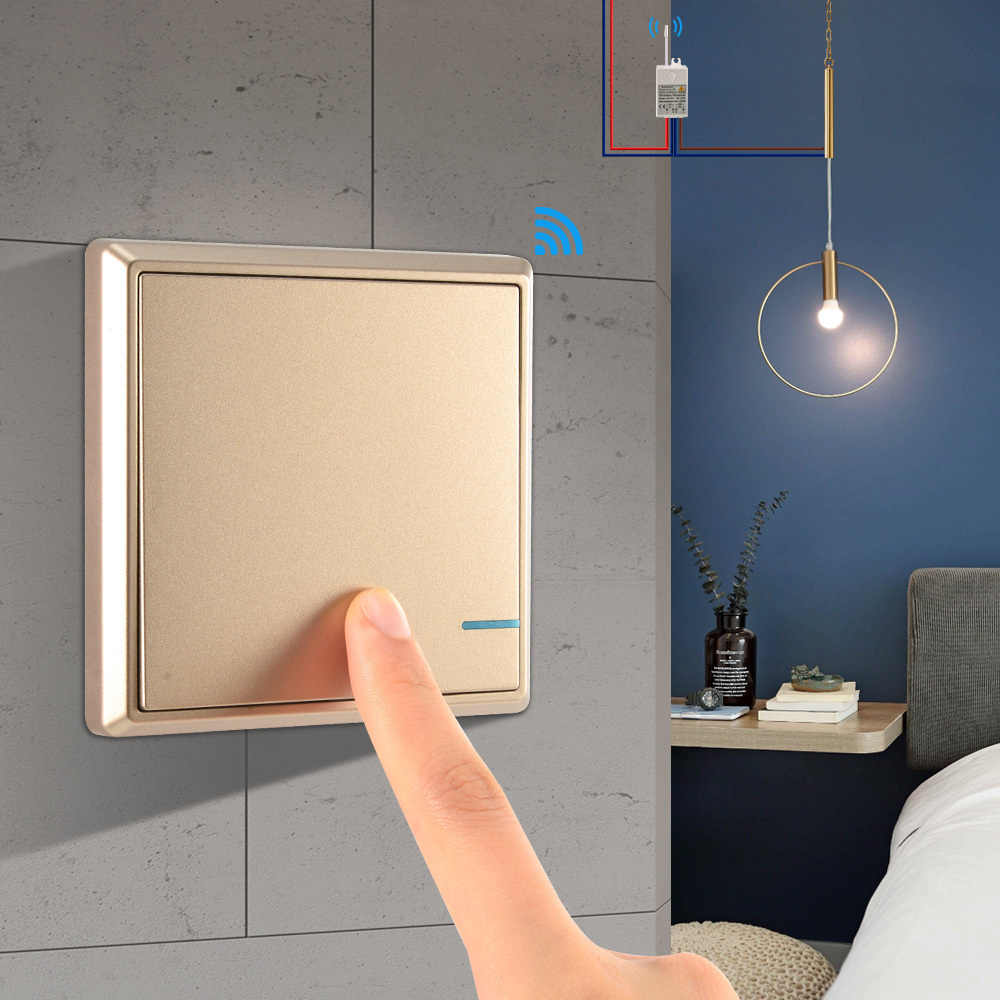

With a timer that gives a certain signal at a given time. Minimizes electricity costs by turning off the light if everyone has left the apartment. The electronic circuit of the device is designed and adapted to various types of lamps: traditional lamps, with halogen vapor, with LEDs, as well as touch switches are used to operate any equipment, which expands the scope of use to a greater extent.
The switch, equipped with an infrared sensor, performs its functions without contact. It recognizes only thermal radiation in an electromagnetic field that emanate from the body when moving. A similar name is a displacement sensor.
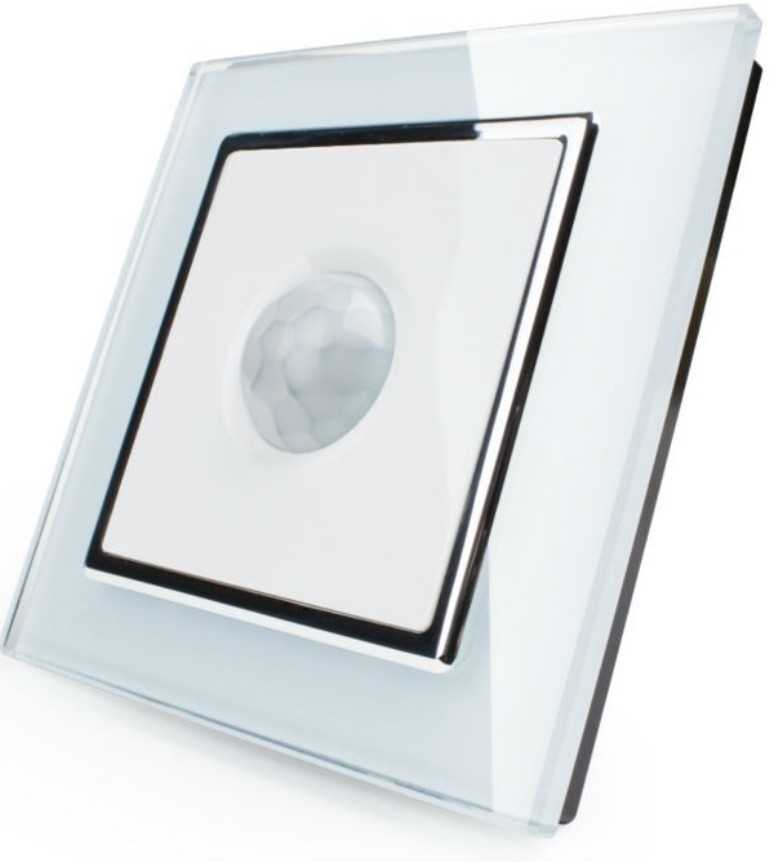
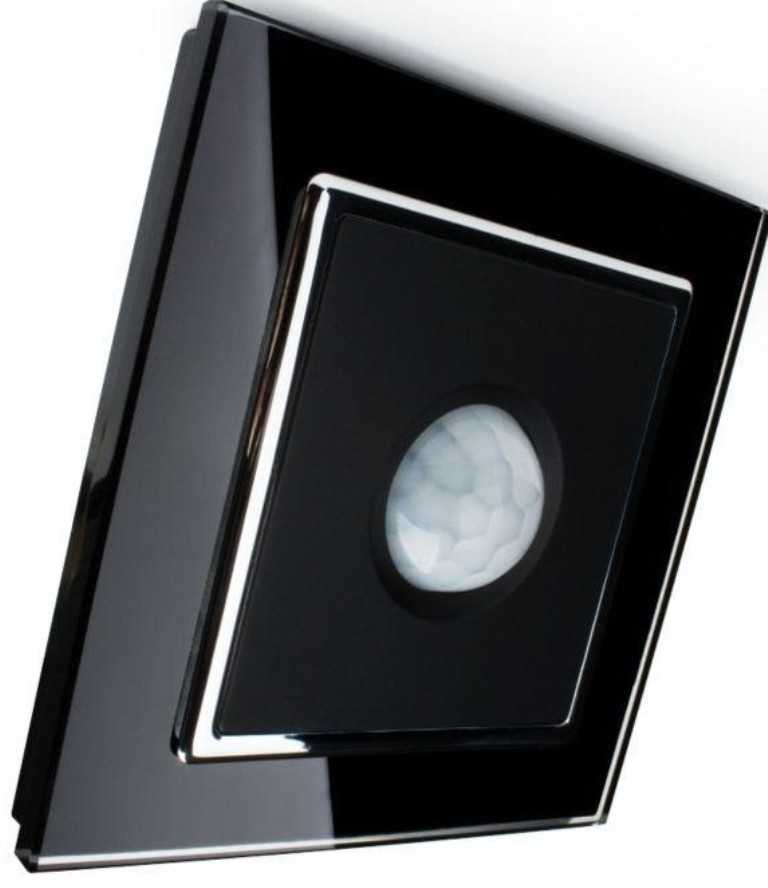
Touch switches for LED strips (dimmers) designed to control light. They can work in conjunction with installations powered by at least 12 V.

The models are equipped with photo sensors that block the switch in daylight. The possibility of triggering the sensor mechanism on small objects, such as pets, is excluded.

When to buy clean electrics?
Mistake #1
Clean electrics cannot be bought in advance.
It was in the old days that good products were brought in rare batches from Europe, after which they were immediately snapped up from the shelves. And the order often had to wait several months.
Today, retail chains and stores keep the entire range in stock in their warehouses. Come, choose, buy and go.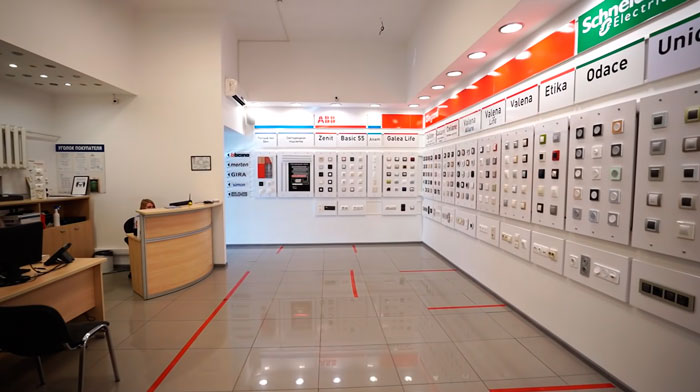
How long does it take to buy sockets and switches?
The universal rule is to buy a week before installation.
Of course, you can go shopping earlier, having decided on prices and assortment. But in reality, you should go shopping at the stage of wallpapering and laying the final floor.
The main problem of early purchase is the change in the number of electrical outlets. During the repair process, deviations and adjustments to the project almost always occur.
At the same time, the number of sockets and switches never decreases, but rather increases. They are always added.
But when the wallpaper is already pasted, it is unlikely that it will be possible to change something. Therefore, at this stage it will be problematic to make a mistake.
Manufacturers of models of the middle price segment
The most famous in their niche are Berker, Wessen and Makel. If you set yourself such a goal, how to choose a switch at a reasonable price, but with high quality components, then you need to look at the products of these brands.
There is already a much smaller selection of unique design solutions - the main attention is paid by manufacturers to maintaining a balance between quality and price. However, some models are even available with replaceable outer cases, which allows you to refresh the interior without resorting to a complete replacement of sockets.
Berker
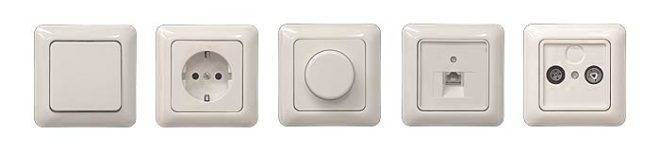
Design solutions are not the strength of this brand, but in return you will get proven German reliability, safety and performance gains at an affordable price.
Product Features:
- country of production - Germany;
- concise and functional style;
- a sufficient range of frames;
- high quality mechanisms;
- high degree of strength and reliability;
- moderate cost;
Wessen
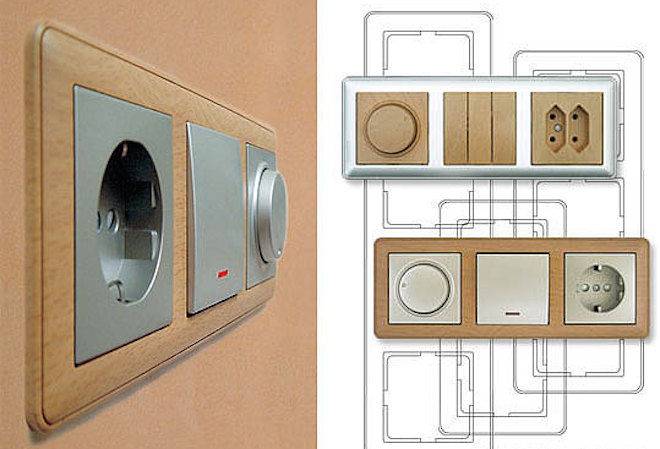
Domestic brand, covers more than a third of the Russian market. The design of their products is a heat-resistant material that increases protection from various influences and increases the service life.


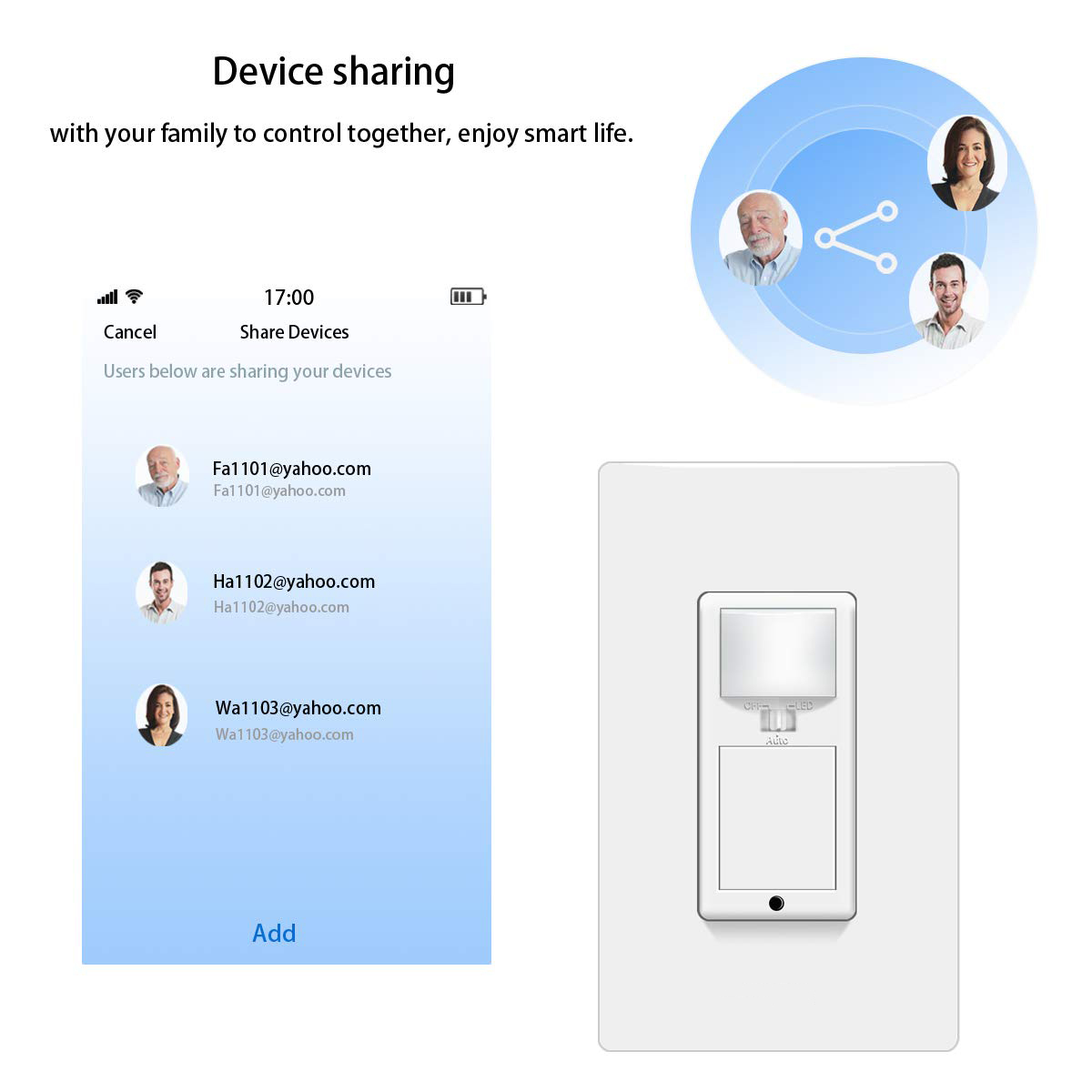
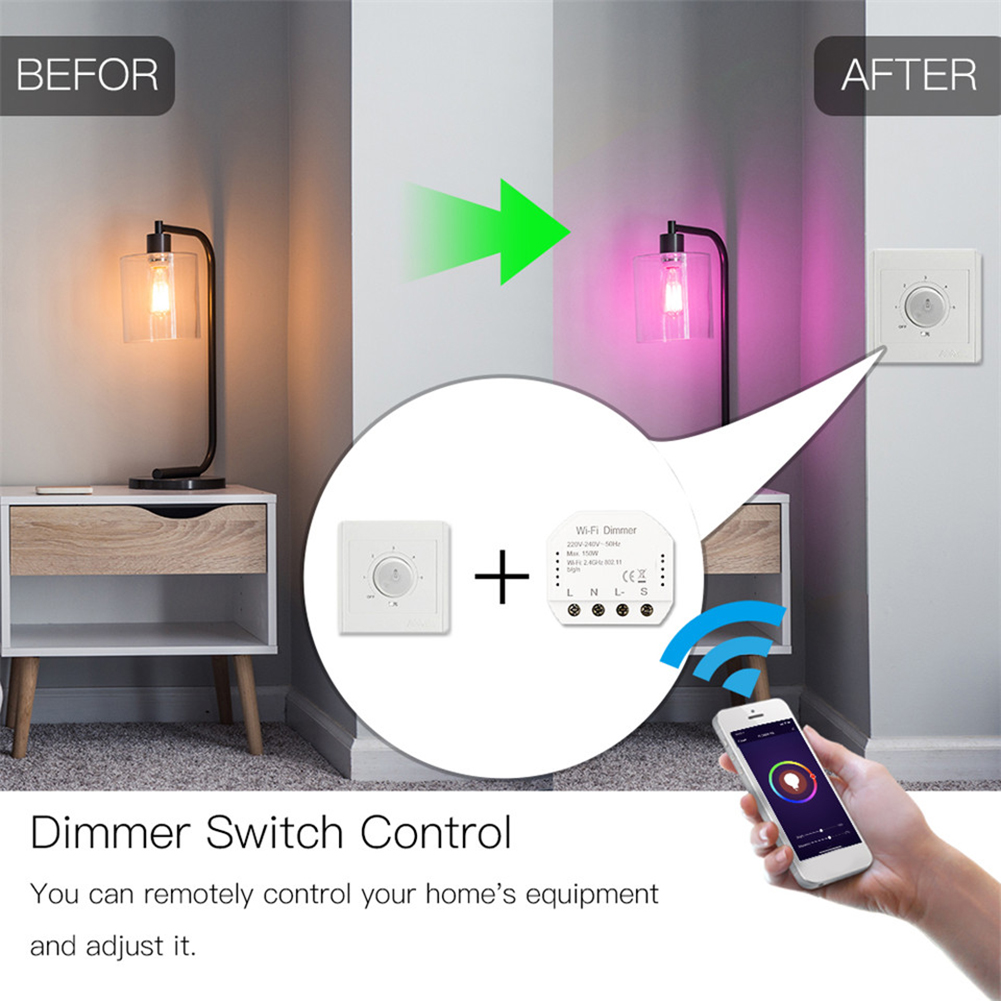


Main advantages:
- good plastic coating;
- replaceable elements and frames;
- comfortable termination of wires;
- fairly low cost;
Makel
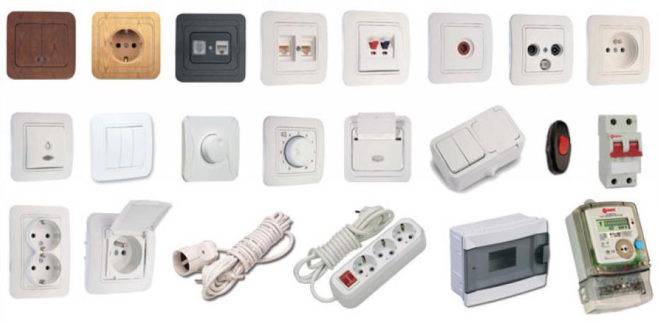
Electrical equipment manufacturer from Turkey, whose products are exported to more than 40 countries. Their range includes safe and cheap sockets and switches. Sturdy fastener clips ensure a tight fit of the contacts. They are based on a heat-resistant middle, which will protect the device from overheating and allow you to connect powerful household appliances.
Main advantages:
- low price;
- full satisfaction of safety requirements;
- a wide range of models;
- a complete set of each product;
- replaceable modules;
- comfortable installation.
Protective properties of various sockets
The degree of protection of different types of sockets from touch, as well as the ingress of certain parts of solid bodies, particles of dust and moisture, is indicated by the IP marking, where the first digit corresponds to the following indicators:
- - the complete absence of protective functions with open access to equipment nodes;
- 1 - the penetration of large solid bodies with dimensions of more than 5 cm is limited. Protection from the touch of fingers is not supposed;
- 2 - provides protection for the fingers, and also excludes the ingress of an object with a size of 1.25 cm or more;
- 3 - device nodes are protected from possible contact with power tools and other foreign objects, the size of which exceeds 2.5 mm;
- 4 - indicates the presence of protection that prevents the ingress of solid particles larger than 1 mm;
- 5 - indicates partial protection against dust;
- 6 - the highest degree of protection against ingress of any foreign objects, including microscopic dust particles.
The second digit of the marking indicates the degree of protection of the device from moisture. "0" in this case also indicates the absolute insecurity of equipment nodes. Other notations can be seen in the following examples:
- 1 - vertically falling drops will not cause a short circuit when they hit the shell;
- 2 - drops that fall vertically at an angle of no more than 15 degrees will not be able to overcome the shell;
- 3 - protection prevents short circuit even in cases where water drops fall at an angle of 60 degrees;
- 4 - equipment nodes are reliably protected from moisture, regardless of the direction of spray movement;
- 5 - it is allowed to hit a water jet that is not under pressure. Devices with this designation can be washed regularly;
- 6 - the equipment is able to withstand sufficiently powerful directed flows of water;
- 7 - short-term immersion of the device in water to a depth of not more than 1 meter is allowed;
- 8 - diving to a considerable depth is allowed;
- 9 - absolute tightness allows the equipment to function under water for an unlimited duration.
The NEMA mark is used for US-certified electrical outlet types. Below are the areas of use for devices with different "NEMA" ratings:
- 1 - products are intended for installation in domestic and administrative premises and provide protection against dirt ingress;
- 2 - designed for domestic premises where there is a possibility of moisture ingress in minimal quantities;
- 3 - devices used outside buildings in conditions of increased dust formation, as well as atmospheric precipitation. Additional characteristics have models "3R" and "3S";
- 4 and 4X - equipment that can withstand the dirt sprayed as a result of traffic, as well as resistant to aggressive weather conditions;
- 6 and 6P - protective functions are provided by a sealed case, thanks to which the device can be under water at a relatively shallow depth;
- 11 - products are mainly used in places where corrosion processes constantly occur;
- 12 and 12K - designed for rooms with an increased level of dust formation;
- 13 - are particularly resistant to various types of pollution, including oily substances.
There are also other types of markings, which, for example, indicate the degree of strength of the product body. However, it does not make sense to consider this indicator in relation to a conventional household outlet.
What does the market offer?
A wide range of wireless remote switches allows you to choose a product based on price, features and appearance.
Below we consider only a few models that the market offers:
- Fenon TM-75 is a remote-controlled switch made of plastic and rated for 220 V. The features of the device include the presence of two channels, a 30-meter range, a remote control and a delayed turn-on function. Each channel can be connected to a group of lighting fixtures and controlled. The Fenon TM-75 wireless switch can be used with chandeliers, spotlights, LED and track lights, as well as other devices powered by 220 volts.
- Inted 220V is a wireless radio switch designed for wall mounting. It has one key and is installed in combination with the receiving unit. The operating voltage of the product is 220 Volts, and the range is 10-50 meters. The wireless light switch is mounted using self-tapping screws or double-sided tape. The body is made of plastic.
- INTED-1-CH is a light switch with remote control. With this model, you can control the light sources remotely. The power of the lamps can be up to 900 W, and the operating voltage of the product is 220 V. Using the radio switch, you can control the equipment, turn on and off the light or alarm.The product is based on a receiver and a transmitter. The latter has the form of a key fob, which has a small size and transmits a signal over a distance of up to 100 m. The body of the product is not protected from moisture, so additional protection must be provided when installed outdoors.
- Wireless touch switch controlled via remote control. The product is wall-mounted, small in size and made of tempered glass and PVC. The operating voltage is from 110 to 220V, and the rated power is up to 300W. The package includes a switch, remote control and bolts for attaching the accessory. The average life cycle is 1000 clicks.
- Inted 220V for 2 receivers - wireless light switch for wall mounting. Management is made by means of two keys. The body is made of plastic. The operating voltage is 220 V. The number of independent channels is 2.
- BAS-IP SH-74 is a wireless radio switch with two independent channels. Management is carried out using a mobile phone on the Android operating system. To work, you need to install the BAS application. Model SH-74 is used to control incandescent lamps with a power of up to 500 W, as well as fluorescent light bulbs (power limit - 200 W).
- Feron TM72 is a wireless switch that controls lighting at a distance of up to 30 meters. Light sources are combined into a receiving unit, and switching on and off is done using the remote control. The TM72 model has two channels, each of which can be connected to a specific group of devices. The product has a large power reserve per channel (up to 1 kW), which allows you to connect various types of light source.A big plus of the model is the presence of a delay equal to 10 to 60 seconds.
- The Smartbuy 3-channel 220V wireless switch is designed to connect light sources to three channels with a power limit of up to 280 W. The rated supply voltage is 220 V. The control is carried out from the remote control, which has a range of 30 meters.
- Z-Wave CH-408 is a wall-mounted radio switch that allows you to program various lighting control scenarios. If necessary, up to eight switches can be connected to it. Of the additional features, it is worth highlighting the management of Z-Wave devices (up to 80) and ease of configuration, regardless of the main controller. The device is powered by two batteries, when they are discharged, a corresponding signal is given. The firmware is updated via the Z-Wave network. The maximum distance to the controller should not exceed 75 meters. Protection class - IP-30.
- Feron TM-76 is a wireless light switch that is controlled remotely using a radio signal. The receiver is connected to light sources, and the remote control controls the receiving unit at a distance of up to 30 meters. The Feron TM-76 model has three independent channels, to each of which you can connect your own group of lighting fixtures. Management in this case will be carried out separately, using the remote control. The maximum power reserve is up to 1 kW, which allows you to connect lamps of various types (including incandescent ones). The operating voltage is 220 V.
Manufacturer rating
The rating and review of manufacturers of wireless Wi-Fi switches looks like this.
Xiaomi (Chinese product line Aqara)
Produces switches with 1 or 2 keys, which are automatically returned to their original position by a spring. If only a phase is present in the model and there is no grounding, it can be taken from any outlet. The device is connected from any modern gadget using the MiHome application. Features of the models of this manufacturer are:
- adjusting the brightness of lighting on light bulbs in different rooms;
- setting your own script and timer for each key;
- display of electricity consumption for a certain period, broken down by days and weeks;
- the same key can be controlled both physically and programmatically (turn it on by pressing it, and turn it off through the application);
- designed for the Chinese electricity system (250 volts, not 220 as in Russia);
- to connect, a standard gateway and a location selection of "mainland China" are required;
- in the international version of the firmware, the software is released with a noticeable delay of several months (therefore, it is better to take the Chinese model);
- compatible with most motion sensors;
- you can move the key to the desktop of almost any modern gadget.
sonoff touch
This is a touch switch with eWeLink software." Its features:
- you can touch the key with wet hands (the overlay on the button is made of tempered glass);
- you need to confirm the creation of an account in the application via SMS;
- registration of the device on the network is required.
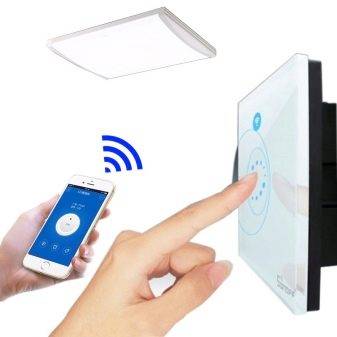
Among other popular devices, we note the following.
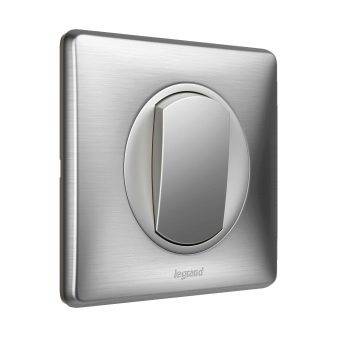
- Legrand (Celian series) - French silent remote switches.
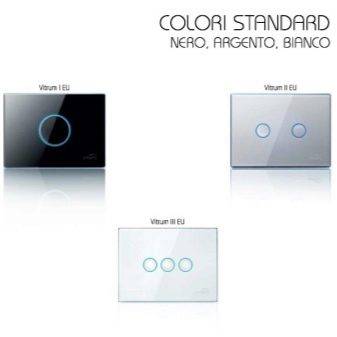
- Vitrum - Italian switches with Z-Wave technology (accelerated data transfer).
- Delumo - Russian products (switches, dimmers).
- Noolite are high-quality budget Wi-Fi switches from a Belarusian manufacturer.
- Livolo - switches and sockets for automatic control of lighting inside the apartment from a Chinese manufacturer.
- Broadlink - remote two-button Chinese Wi-Fi switches for controlling two lighting fixtures at the same time. Operates on a standard 12 volt battery.
- Kopou - Chinese switches with a dimmer in the form of a key fob.
- Philips Hue introduces switches that can only control all the lights in one room at once. Outside the same room, the signal does not work; it is impossible to configure each device separately in the room.
Contactless module selection options
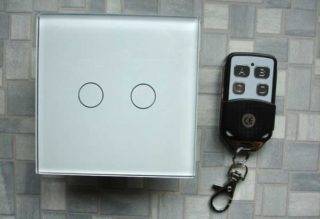 Management can be done using the remote control, which for convenience is made in the form of a key fob.
Before purchasing a contactless limit switch, you need to pay attention to the following characteristics:
- block type - the external one can be put in place of the standard device, the internal one is mounted after removing the chandelier;
- layout - the kit includes a remote control, charging, rarely - a battery and a holder;
- features of lighting lamps - devices are compatible with LEDs, halogens and incandescent bulbs;
- operating frequency - ranges from 2.2 to 5 GHz, on which the quality of receiving and transmitting signals depends;
- range - budget models operate at a distance of 10 m, luxury models - at a distance of 100 to 350 m;
- power - non-contact equipment has a maximum load limit of 1000 W, but you need to select a power unit with a power of 20% more than declared;
- number of clicks - the battery runs out after 10-20 touches, the sensor is designed for the number of touches up to 100 thousand;
- current rating - from 6 to 16 A;
- number of channels - modern devices receive a signal from 1-8 sources.
Advantages
The main advantages of such devices:
- You do not have to damage the walls by wiring. Imagine how much time you save by not doing this.
- Such switches can be installed anywhere in the room. You can install such a device even on a cabinet, on a mirror. Ordinary switches are sometimes installed in such a way that they interfere with moving furniture if necessary.
- The easy installation process of such a system is clear even to those who have never dealt with such issues.
- The wireless light control system is considered safe enough, as it has no wiring. This may be especially true in houses made of wood.

- Many people want to be able to turn the lights on or off from different parts of the room (or even from different rooms). Such a system makes it possible to translate this into reality. This eliminates the need to run wires to each switch. Of course, if desired, you can use the remote control.
- The operating range of such devices is quite wide and is approximately 300 meters. It depends on the model you have chosen.
- Wireless switches have a stylish design, such devices make the interior more interesting. Wireless lighting in the apartment allows you to decorate the interior of the room very beautifully, in an original and tasteful way, but more on that later.