
- TOP-3 of the best examples of climate technology
- Model for an apartment
- Home model
- Office model
- Advanced Features
- 3 General Climate GC/GU-EAF09HRN1
- Inverter and linear air conditioners
- How to calculate the cooling capacity of an air conditioner
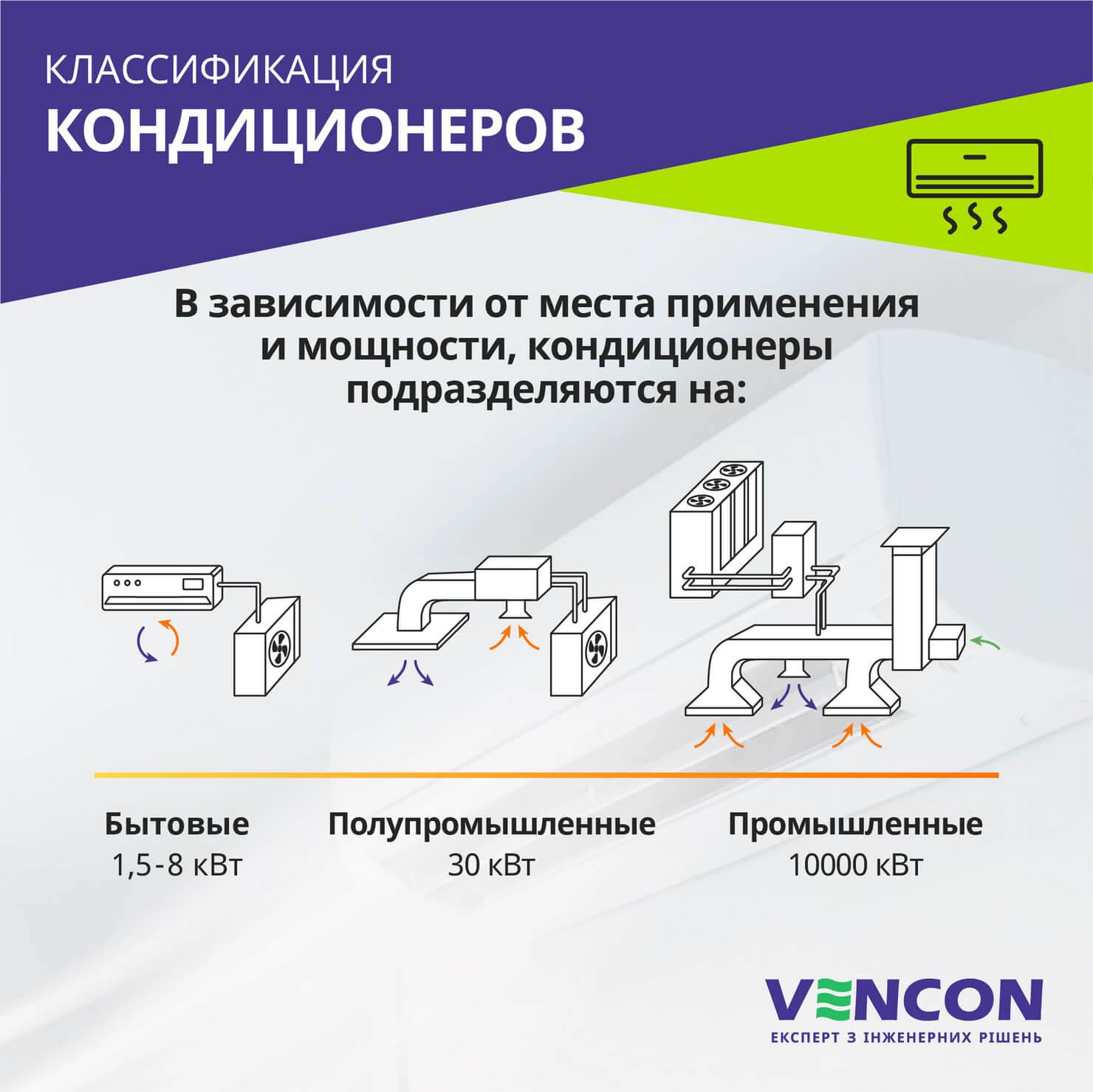
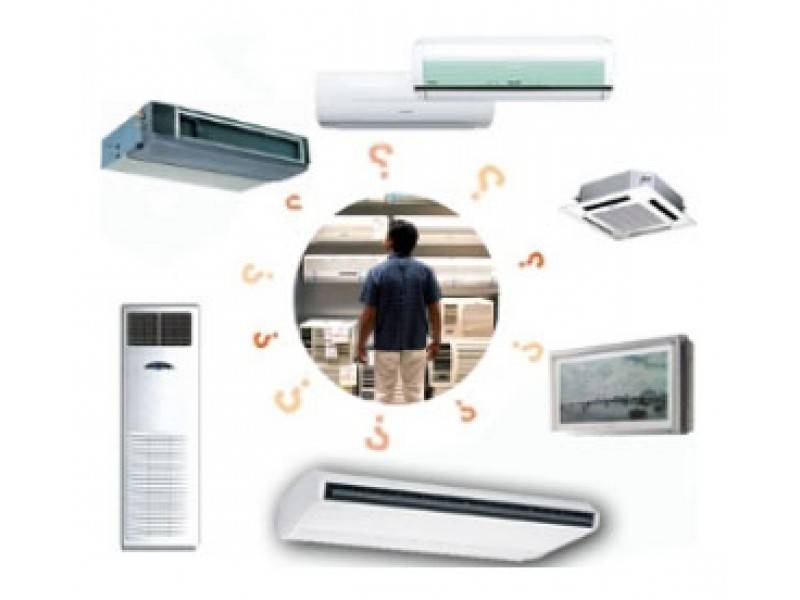
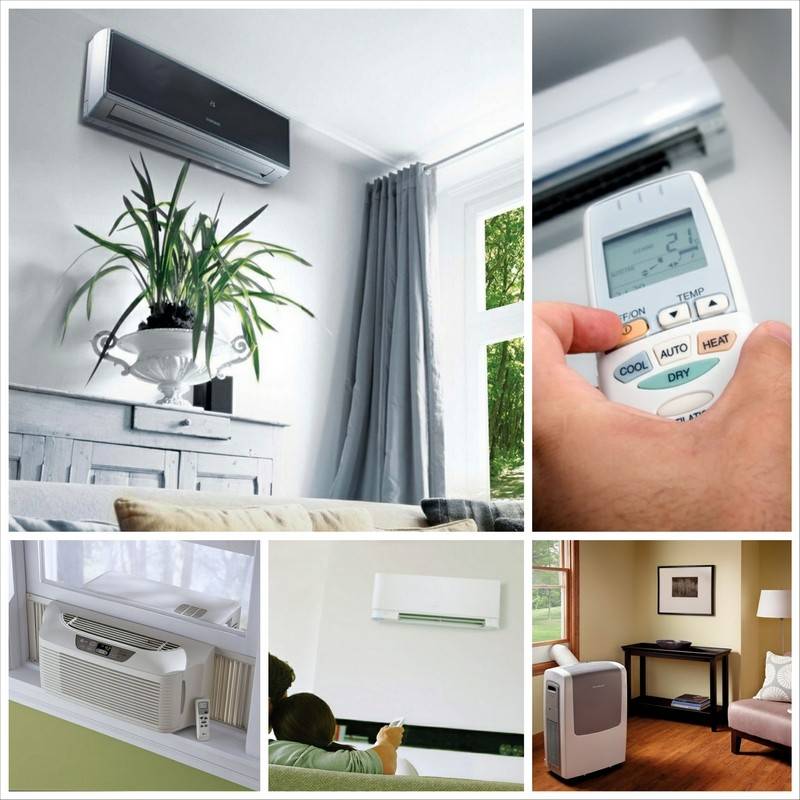
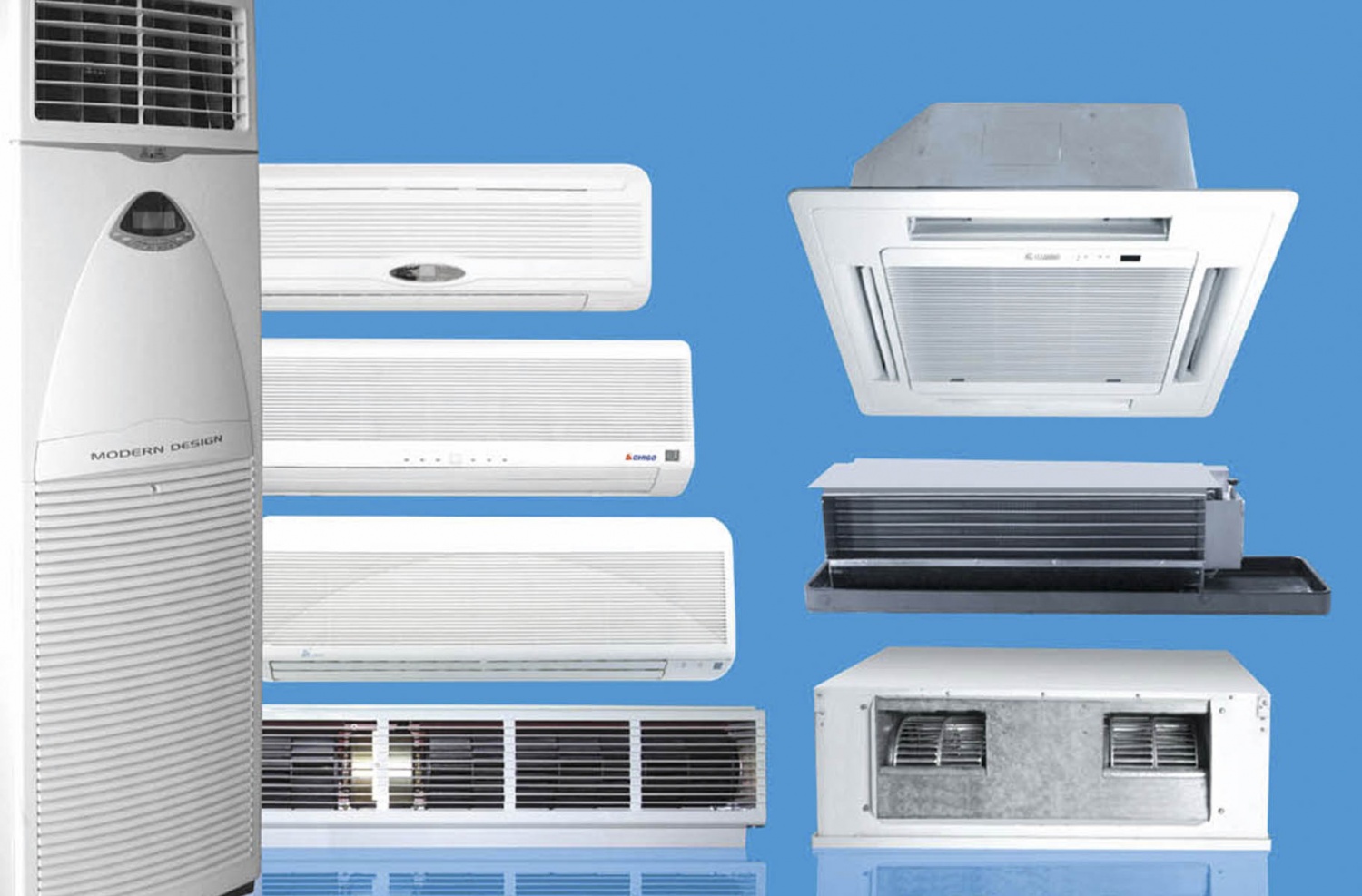
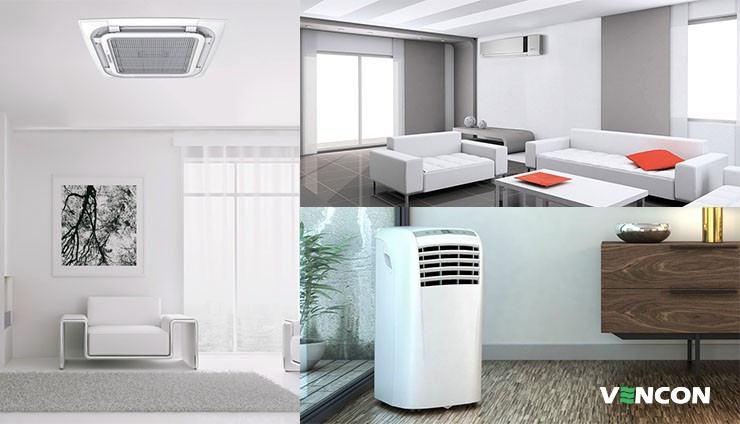
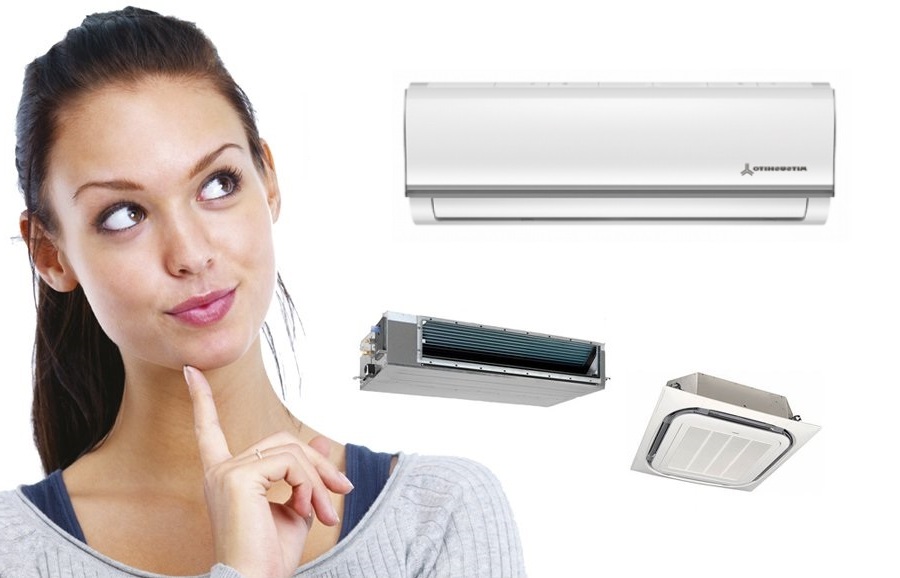
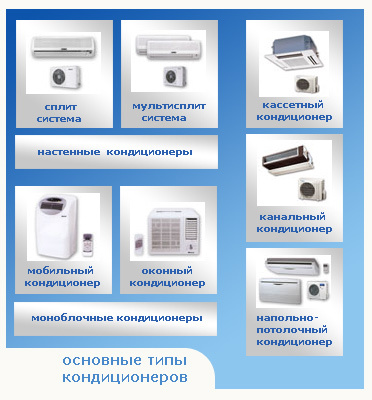
- Types of household air conditioners
- Monoblock domestic air conditioners
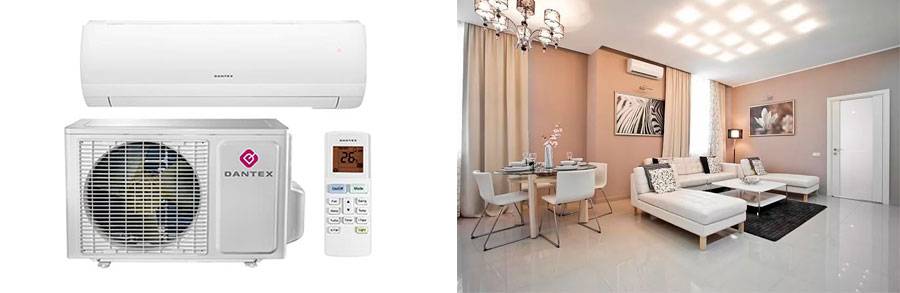
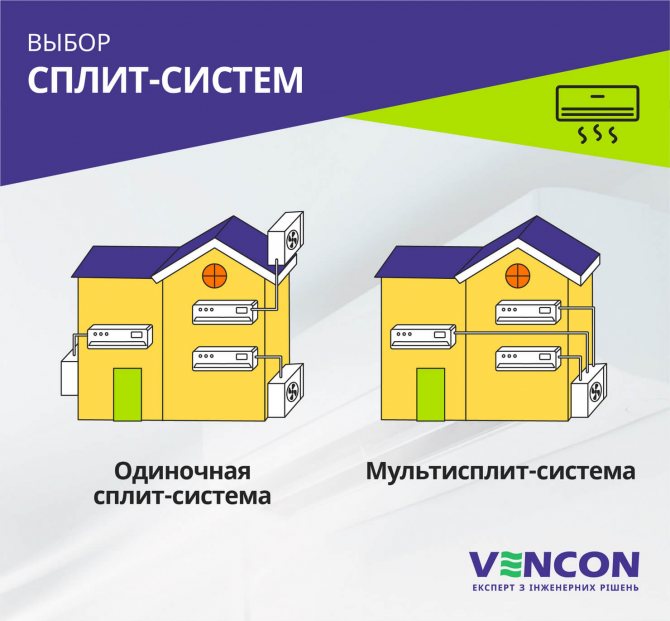
- Split systems
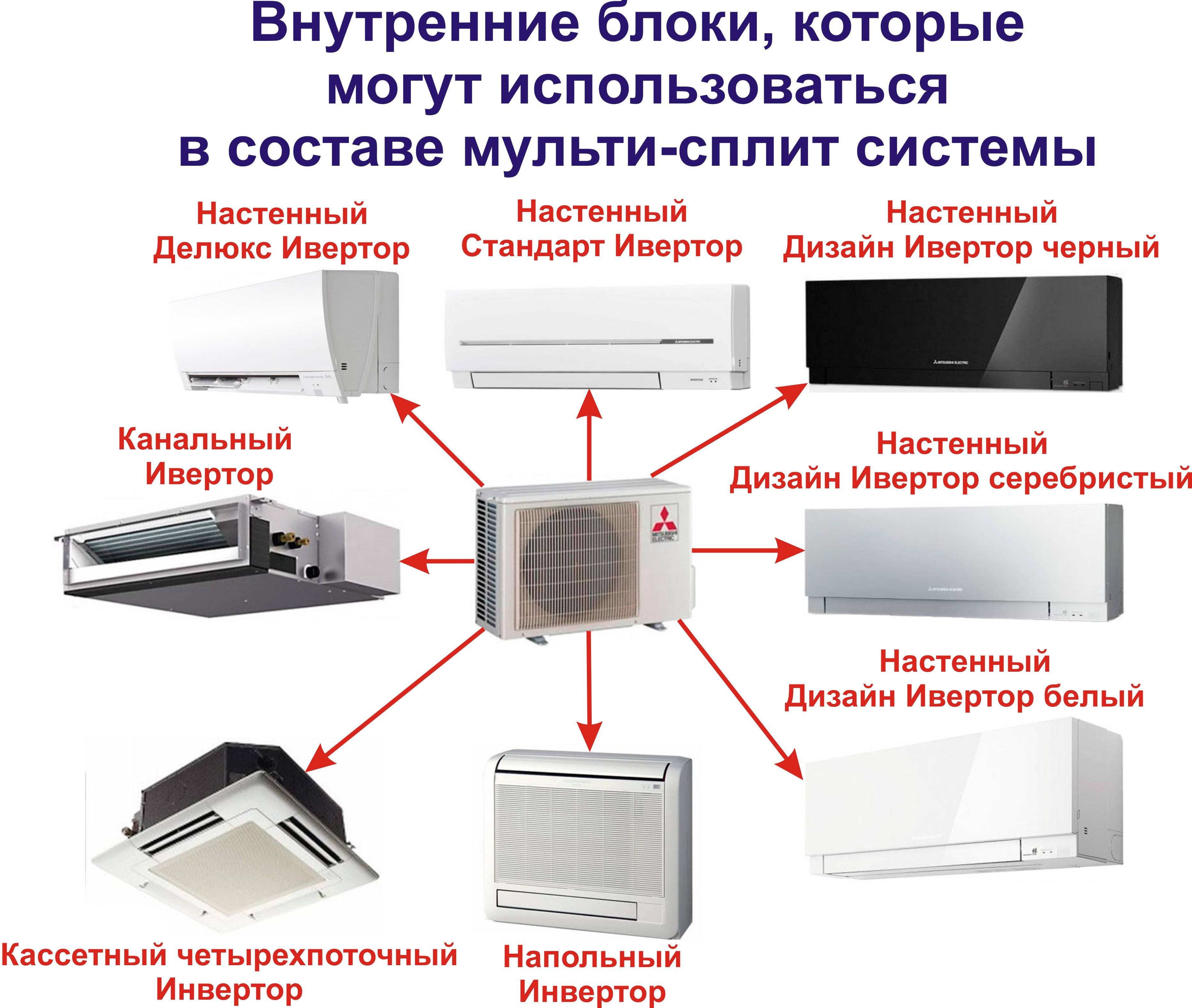
- Multisplit systems
- Household air conditioner price
- Type of cooling systems
- How does air conditioning work in an apartment - the basics of functioning
- Types and principles of operation of air conditioners
- Cold evaporation
- Compressive temperature reduction
- Main Modes
- Heating
- dehumidification
- Ventilation
- Air cleaning
- Required functionality
- heating function
- Dehumidification function
- Ventilation function
- Air purification function
- Ionization function
- Oxygenation function
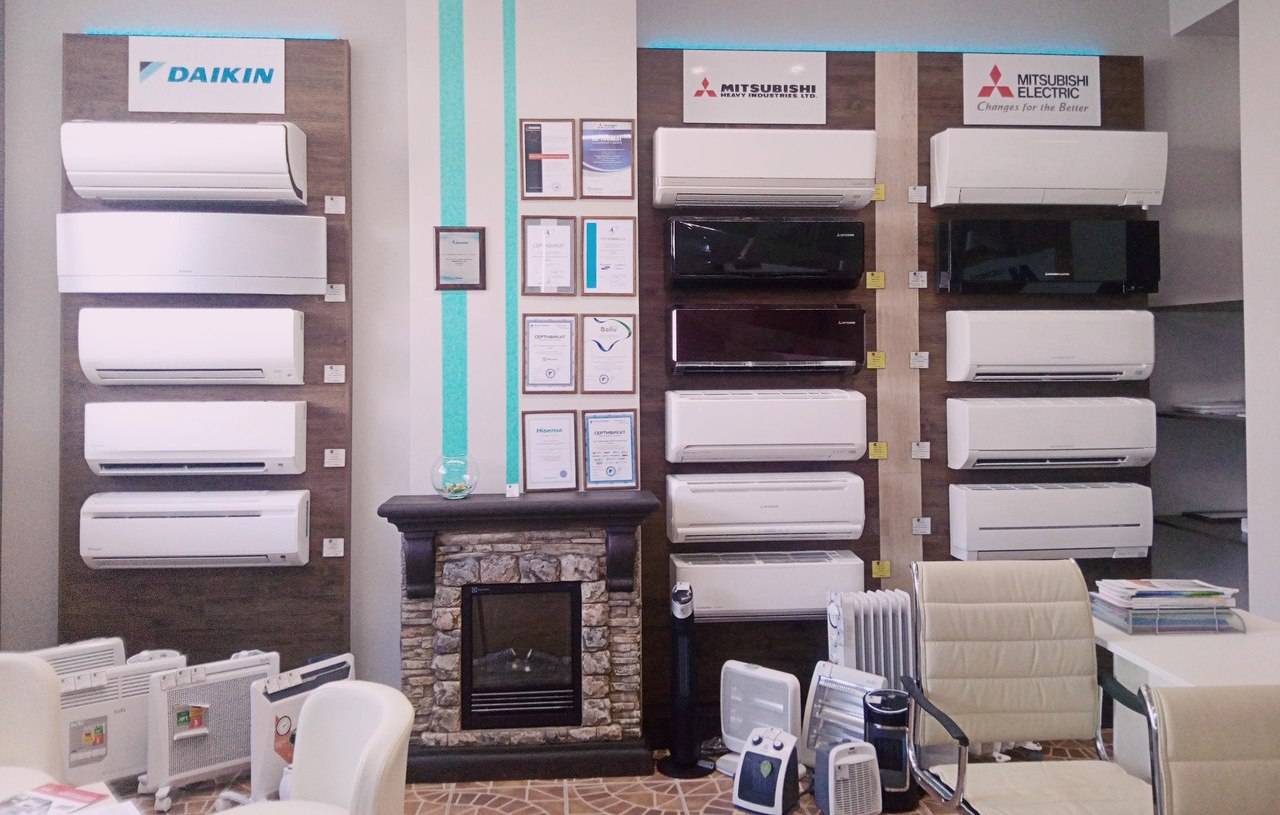
- About manufacturers
TOP-3 of the best examples of climate technology
Depending on the place of installation of a split system, the most successful options for an apartment, for a home and for an office can be distinguished.
Model for an apartment
If you need an inexpensive and high-quality air conditioner, then feel free to choose Panasonic CS-E7RKDW/CU-E7RKD. This is a low power (Class A) inverter sample that has earned high praise from customers for its quiet operation and versatility.The air conditioner works both for cooling and heating, is equipped with a motion sensor, a self-diagnosis option, an anti-ice build-up system, several operating modes, including night, dehumidification and ventilation.
Panasonic CS-E7RKDW/CU-E7RKD on Yandex Market
Home model
For air conditioning of a private house, it is convenient to use multi-split systems. For example, for a large building area, the Mitsubishi ElectricMXZ-3E68VA inverter outdoor unit, which operates in cold / heat mode, is perfect. Its heating power is 8.6 kW and cooling power is 6.8 kW. Such indicators are quite enough to connect up to three internal modules to it, picking them up depending on the dimensions of the rooms.
ElectricMXZ on Yandex Market
Office model
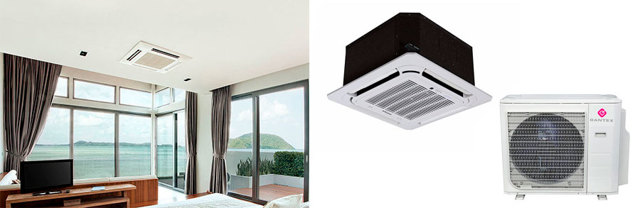
For climate control in offices, cassette split systems are most often chosen. Two-flow air conditioners of this type are in great demand - Daikin FXZQ-A series. Their decorative panels and dimensions of the indoor units are designed to match the dimensions of the Armstrong ceiling tiles, so the entire system is seamlessly mounted in the false ceiling. Each Daikin FXZQ-A unit has enough power to cool or heat a room from 20 sq. m to 70 sq. m. In addition, the filtration system installed in them is able to purify the air from dust and other contaminants (up to 0.3 microns).
Daikin FXZQ-A series on Yandex Market
So, choosing and buying a good air conditioner for your home on your own is a completely solvable task. If you have to equip the climate system in rooms characterized by a large area or complex architecture, it is better to trust specialists who will not only suggest the best option, but also help in designing split system connection schemes.
Advanced Features
What about advanced features? First, additional filters. Remember that the main task of the filter in the air conditioner is to protect the fan and heat exchanger from dirt and dust.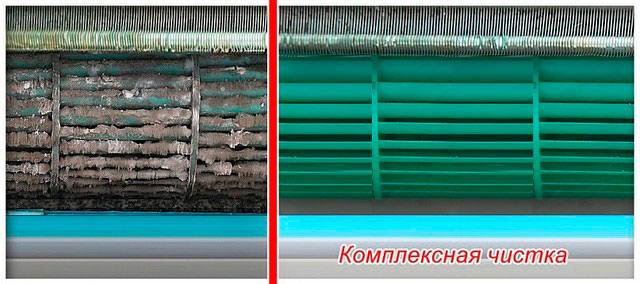
If the heat exchanger becomes clogged, heat removal will deteriorate and the compressor will burn out. All other benefits are naked advertising. Therefore, do not get fooled by all sorts of catechin, apple and vitamin C filters.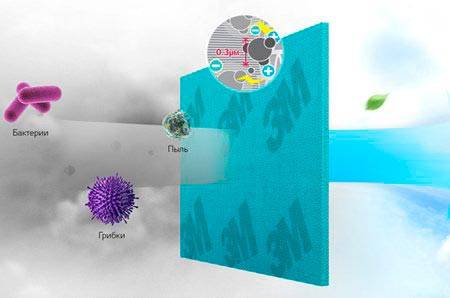
The same applies to the ionization function. The ionization block they have is of such size that you will never feel the real effect from it. Unless you tell yourself otherwise.
All these additional features are an elementary marketing ploy in order to sell the air conditioner at a higher price and stand out from the competition.
Well, in the end, we give a rating of the most popular models of split systems according to the site version, indicating their characteristics, main advantages and disadvantages. For information, click on the tab with the name.


3 General Climate GC/GU-EAF09HRN1
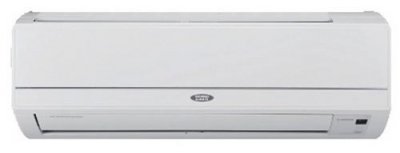
General Climate GC/GU-EAF09HRN1 is a wall-mounted split system with an inverter type of control. It differs from competitors mainly in high cooling (2600 W) and heating (3500 W) capacities. However, the maintenance efficiency of the area is not too high - only 22 square meters. Inside the air conditioning unit there is an anion generator that purifies the air from dust microparticles, and a special deodorizing filter that gives freshness to the air. The fan operates at four speeds, adjustable with the remote control, and also has an auto-on timer. The price of the model is also pleasantly surprising: it is an order of magnitude lower than that of competitors.
Advantages:
- the best price for an inverter split system;
- high heating power;
- installed anion generator;
- deodorizing filter.
Flaws:
small service area.
The popularization of inverter split systems gradually replaced the classic installations from everyday life, without any fundamentally good reasons for this. The change of generations happened so quickly and imperceptibly that consumers did not have time to really figure out what an inverter is and how it positively differs from the classical system. Indeed: does it make sense to buy modernized air conditioners, or is it nothing more than an idea imposed by world brands? Consider the main advantages and disadvantages in a detailed comparison table.


| Device type | pros | Minuses |
| Classical | + Low cost + Possibility of the system operation when the limits of operating temperatures in the street are exceeded (work with increased wear of sensitive sensors and the system as a whole) + Less susceptibility to failures at low mains voltage + Small dimensions of compressor and condenser units | – Low efficiency (10-15% lower than inverter models) – The presence of noise during operation – High power consumption (compared to inverter models) – Creating a constant load on the home electrical network – It takes longer to reach the set operating mode |
| inverter | + Faster reaching the set temperature + Low noise level due to operation at low compressor speeds + Significant energy savings (30-60% of the energy consumption of classic) + Low load on the home electrical network + The actual absence of the reactive component of the current, contributing to the heating of the wiring + High temperature accuracy (down to 0.5 °C) | – The actual presence of electrical losses (but less than in classic split systems) – Higher cost (approximately 1.5 – 2 times) – Large dimensions of the external (compressor) unit – Sensitive electronics. responding to the slightest voltage fluctuations in the mains – The inability to turn on the air conditioner when the maximum permissible operating temperatures in the street are exceeded |
Inverter and linear air conditioners
There is another classification of air conditioners - according to the principle of operation of the electrical control system. According to this classification, all devices are divided into inverter and linear.





The compressor of a conventional linear air conditioner is always running at full capacity. In this case, the temperature in the room is controlled by cycling the device on and off: when the set temperature is reached, the air conditioner turns off, when the air heats up again (or cools down, if we are talking about heating mode), the temperature sensor will give a signal to turn on. In practice, the temperature curve in the room where the linear air conditioner is installed is zigzag, and people sometimes feel uncomfortable due to temperature differences.
In inverter air conditioners, the change in the speed of rotation of the compressor motor occurs smoothly and continuously. Such speed control over a wide range is possible due to the fact that in the inverter the alternating current is converted to direct current, and then again to alternating current, but of a different, required frequency. At the same time, both the performance of the device and the amount of electricity consumed by it are constantly changing.
Inverter-type split systems have a number of advantages that linear units do not have:
- quick access to the set temperature regime and its more accurate maintenance;
- high energy efficiency due to the absence of frequent compressor starts (in comparison with linear air conditioners, they save up to 60% of electricity in cooling mode and up to 45% in heating mode);
- low noise operation.
It is quite predictable that the cost of such equipment will be significantly higher than technically simpler linear air conditioners. Repairs will also be expensive if the control board suddenly fails.
Visually about the difference between inverter and linear air conditioners, see the video:
How to calculate the cooling capacity of an air conditioner
One of the main characteristics of any air conditioner is the cooling capacity. In the labeling of climate equipment there are numbers corresponding to its cooling capacity, expressed in thousands of British thermal units (1 BTU / h = 0.293 W).
How to choose an air conditioner for your home or office in terms of cooling capacity? Equipment with what indicator is needed to maintain a comfortable temperature in a particular room?
If we are talking about a small house or apartment, then it is quite acceptable to carry out calculations according to a simplified scheme that correlates the required cooling capacity with the area of \u200b\u200bthe room. It is assumed that 1 kW (i.e. 3.41 kBTU/h) is sufficient to air-condition a 10 m2 room (with a standard ceiling height of just under 3 m).
If you want to make a more detailed calculation, which is especially important when determining the required cooling capacity of an air conditioner that will be installed in a large area, you will need to take into account many additional parameters, including:
- number of storeys;
- location of the room (sunny or shady side);
- ceiling height;
- glazing area;
- the average number of people in the room;
- the amount of heat energy released during the operation of household appliances and lighting fixtures.
So, for example, each person in the room brings about 100-150 W of heat, about 300-400 W enters through the windows located on the sunny side for each square meter of glazing, the heat released during the operation of household appliances and light bulbs is calculated from their rated power using a heat dissipation factor of 0.3, etc.
Factors and parameters that need to be taken into account when conducting a detailed calculation of the cooling capacity of the air conditioner, quite a lot, so it is better to entrust this work to professionals.
Types of household air conditioners
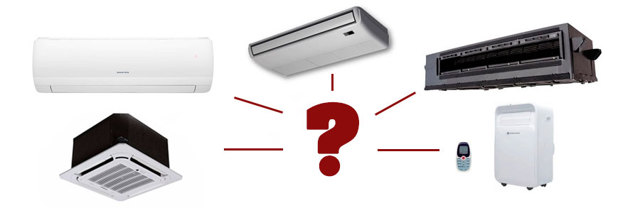
The first thing you need to pay attention to when buying an air conditioner is the type of its device. They can be divided into the following types:
Monoblock domestic air conditioners
Mobile domestic air conditioners include a single unit of equipment and a long air duct, the end of which is led outside the room. Such an air conditioner throws hot air out of the room through the duct, and leaves the cold air in the room. Installing a mobile air conditioner does not require special skills or special tools, the unit can simply stand on the floor of the room.
The principle of operation of a monoblock air conditioner
Advantages of monoblock air conditioners:
- minimum cost;
- ease of installation;
- simplicity, reliability and durability of operation.
The disadvantages of such devices are excessive noise and low power, which significantly limits their use in apartments and houses. In addition, very common window air conditioners reduce the light area of the window and, as a result, worsen the illumination of the room. Thus, although inexpensive monoblock models can satisfy the needs of many consumers, they cannot be called effective.
Split systems
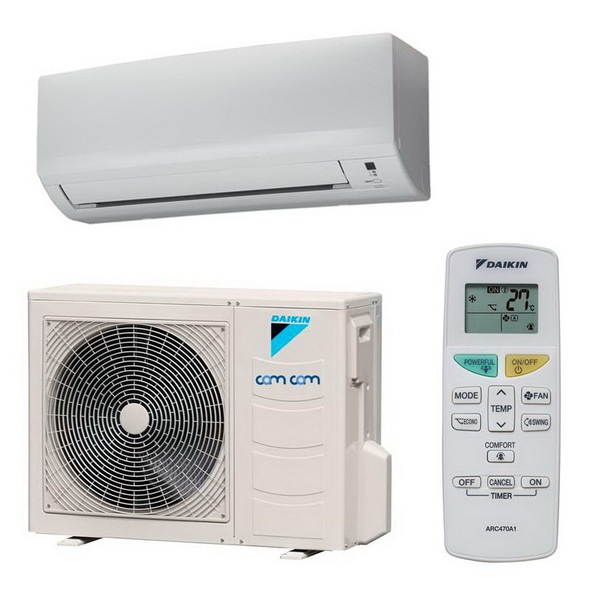
This design allows you to move the outdoor unit containing the compressor outside the refrigerated space, reducing noise and increasing productivity. Thus, split air conditioners do not clutter up the window and work much quieter. Separate units of the air conditioner can be removed from each other at a distance of up to twenty meters.
The principle of operation of split systems
Advantages of split air conditioners:
- higher power and productivity compared to monoblock designs;
- low noise;
- compactness;
- relative ease of installation;
- additional features and settings.
The cost of split air conditioners, of course, is much higher than the price of monoblock equipment, besides, their installation requires the invitation of qualified specialists. But a more significant disadvantage is that when using them, it is possible to install only one indoor unit, which can provide air conditioning, respectively, only in one room. Nevertheless, split systems are considered the most optimal format for home climate equipment.
Multisplit systems
At the same time, indoor units can be of various types and capacities. This will allow you to set the air conditioning parameters individually for each room.The outdoor unit is located on the outside of the house or in one of its utility rooms. The length of the multi-split system routes connecting the outdoor unit with the indoor units can be up to 25-70 meters, which is quite enough for effective air conditioning in a country cottage or a large apartment.





Advantages of multi-split systems:
- air conditioning in several rooms at once;
- low noise and ease of use;
- the possibility of creating an individual microclimate in the rooms of an apartment or a country house;
- wide functionality.
The disadvantage of multi-split systems is the high cost of both the climate equipment itself and its installation. In addition, in the event of failure of the outdoor unit, all indoor units stop working. Due to the long length of communications and the high cost of equipment, it is advisable to install multi-split systems if the rooms in which the indoor units will be located are located as close as possible to each other, that is, they are adjacent. Otherwise, installing a multi-split system will be very expensive.
Household air conditioner price
It is important to understand that a modern household air conditioner is a very complex technical equipment, the development and production of which requires appropriate investments. In this regard, you should not chase various advertisements that offer frankly low prices or incredible warranties.
Most often, this hides the poor build quality of the device and dubious performance.
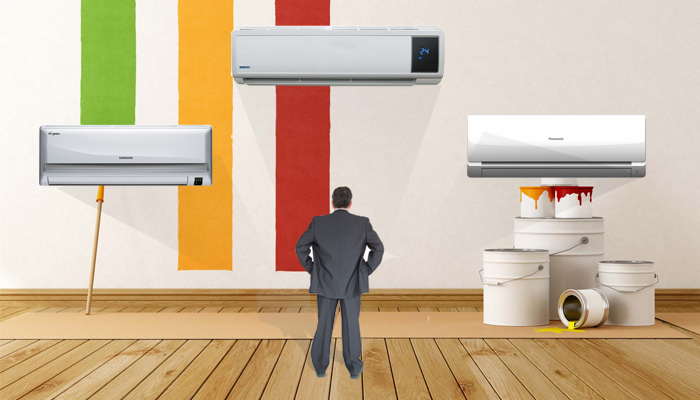
At the same time, choosing an air conditioner for your home according to the principle - the more expensive, the better is also not worth it.It is best to ask your friends for opinions on various models of household air conditioners or look for reviews on the Internet. Reputable manufacturers of household air conditioners, as a rule, have their own service centers and offer consumers clear guarantees of the quality of their products.
Thus, when choosing a household air conditioner for your apartment or country house, you should familiarize yourself with the main characteristics of various models - power, number and features of units, possible operating modes, the presence or absence of an inverter.
It is always necessary to select the type and power of the air conditioner based on their size and purpose of a particular room. The correct calculation of air conditioning is one of the keys to a long and flawless operation of the air conditioner.
Type of cooling systems
Depending on your wishes and the size of the room, the issue of air conditioning can be solved in various ways. Here are the most basic types of climate control devices that can be found in stores.
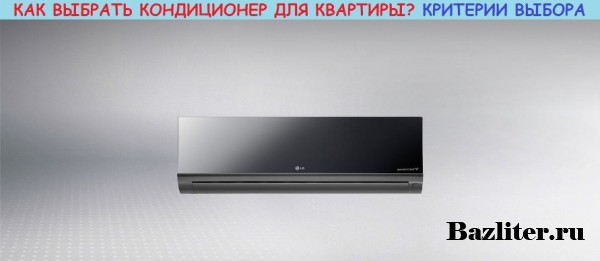
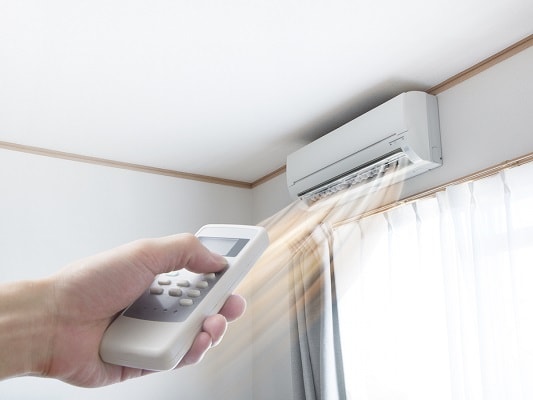
1. Split system. The most common type of air conditioning, which consists of 2 blocks: indoor and outdoor (street). Low noise level, remote control and additional functionality make the split system the best option for one-room and two-room apartments with a small area.
2. Mobile
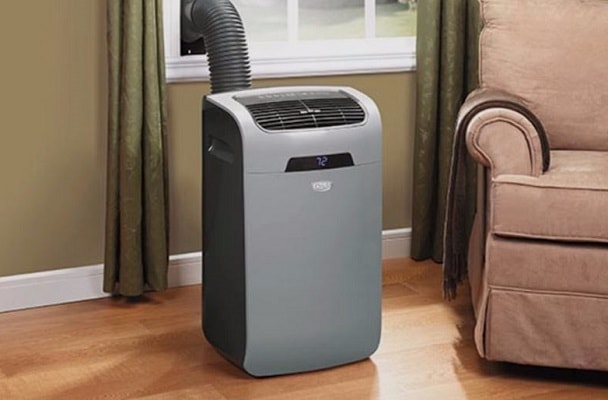
If you need a compact air conditioner, then pay attention to the window type of air conditioners. They do not need to be mounted on the wall, they can be easily moved from one room to another using wheels
The disadvantages of this type are as follows: a lot of noise during operation; movement is limited by a short air duct, which must be taken outside through the window. Overall, this is a great option for small spaces at an affordable price.
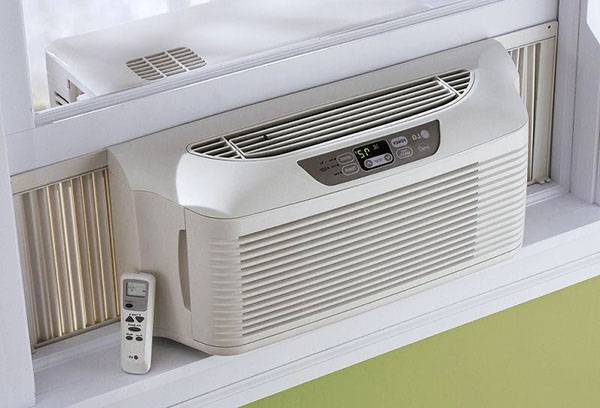
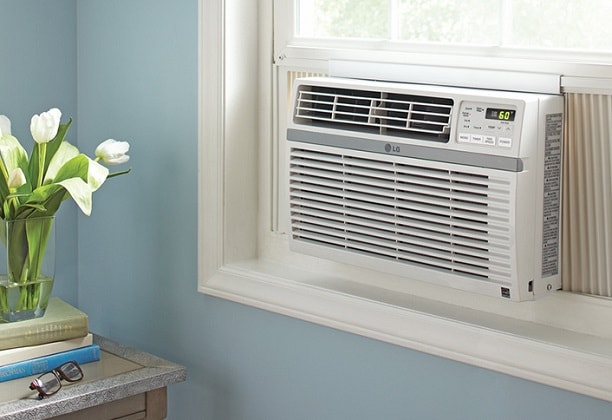
3. Window. This type of air conditioner is very rare on store shelves. This is due to the fact that it has more minuses than pluses. Let's start with the pros: low cost and good cold air performance. As for the minuses: it takes up most of the window, which prevents sunlight from entering; in winter, cold air penetrates through the cracks; makes a lot of noise during operation. It is advisable to buy a window type only if there is no money to buy a split system.
How does air conditioning work in an apartment - the basics of functioning
Air conditioning is now not a luxury, but a way to normalize the climate both at home and at work. Moreover, most of the models are designed not only for traditional cooling, but also for space heating. This means that the purchase of a product will help not only to survive the thirty-degree heat in the summer period of the year, but also in the autumn-spring period it will warm the apartment and prevent its inhabitants from freezing.
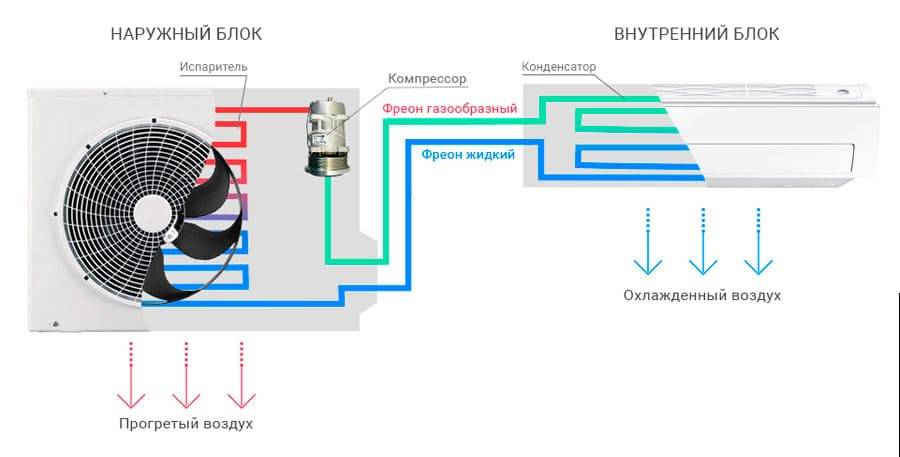
The air conditioner works like this: the refrigerant freon is able to become gaseous or liquid. Depending on this, the air is heated or cooled. The unit itself has two blocks, outdoor and indoor.
Table. The structure of air conditioner units.
| block type | Structure |
|---|---|
| Outer | Inside there is a fan, which is responsible for creating an air flow that blows around the radiator. Further, there is a condenser available, which is responsible for the process of cooling the freon itself.There are also processes of compression of the refrigerant, which then circulates through a special circuit. The circulation process starts the compressor equipment. Air filters are also here. |
| Interior | The structure has a grid that allows air to pass through. Then there is a filter for cleaning the air masses, it helps to catch large dust particles and prevent them from getting inside the air conditioner. These items need to be cleaned regularly. Deep purification and disinfection of air occurs due to the presence of a number of other special filters. The air then enters the evaporator and heat exchanger. Here he cools down, and then through the guide blinds goes into the room. The shutters are controllable and the air flow can be directed so that there is no draft. |
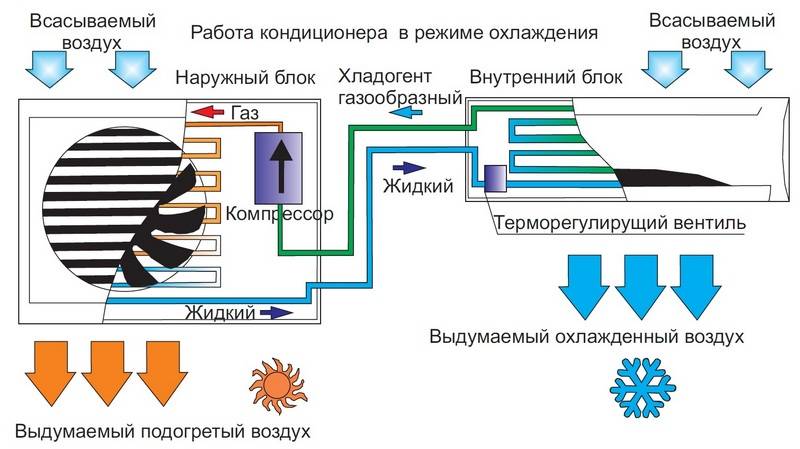 How air conditioner works
Also, modern models of air conditioners have a third, electronic unit, which allows you to control the settings of the entire system. You can turn certain functions on and off using the remote control as the main control module.
Pros of having an air conditioner at home:
- air temperature control;
- humidity control;
- air purification;
- normalization of sleep in the presence of cool air.
Cons of using an air conditioner:
- because of the air conditioner you can catch a cold;
- it is not cheap;
- it needs to be cleaned and maintained regularly.
Types and principles of operation of air conditioners
The main task of the air conditioner is to cool the atmosphere of the room, other functions are designed to create additional favorable conditions.
The floor monoblock works on the principle of evaporation
Monoblock (from one module). All elements are in a single housing. By location, window, wall and mobile air conditioners are distinguished. window worked on the principle of evaporation, they were installed in the opening of the window. With the advent of plastic windows, this equipment was no longer used.


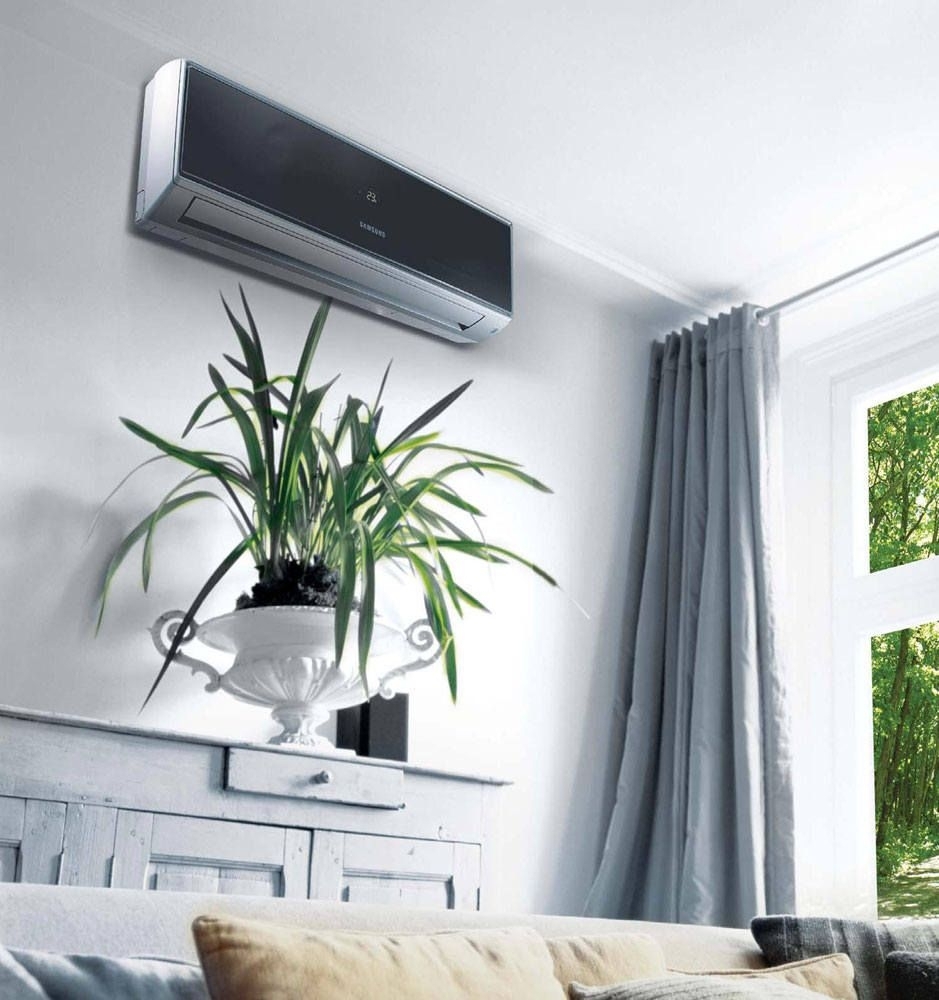


Wall monoblock refers to the compression type: it consists of an evaporator and an air blower. For installation, two holes are required to be punched outward - for the inflow of fresh air and the removal of hot air from the condenser.
Mobile or floor standing Compression air conditioners and coolers work on the principle of evaporation. Installation is not required: the heated air outlet sleeve is directed to the window or hole in the wall.
Split systems according to the mode of action compression. Divided into 2 modules interconnected by an electric cable and tubes for refrigerant overflow. The external unit serves to discharge heat to the street, it is placed on the outside of the wall. It has a freon cooling condenser, a fan and a compressor. The interior of the split system can be wall, floor, ceiling and mobile - the first option is in greatest demand.
The functionality of the air conditioner allows you to cool and heat the air, clean it from dust and outdoor gases, maintain humidity within the established range. The structure is controlled by a remote control.
Cold evaporation
Principle of operation:
- air enters through the cartridge;
- heat from the incoming flow is directed to the working grids;
- drops of water evaporate from the heated element, the temperature drops, the air becomes cold at the outlet of the air conditioner.
Compressive temperature reduction
The principle of temperature reduction is identical to the processes occurring in the refrigerator. Main elements: compressor, condenser, evaporator.
The whole system works in a closed mode - freon circulates through copper or aluminum tubes between the functional parts, which transfers heat from the room air to the outside. The principle is based on the property of a liquid refrigerant to boil and turn into a gas at a temperature of 10–20ºС, depending on the pressure in the system.
Principle of operation:
- the evaporator is under low pressure, freon is transferred from the liquid phase to the gaseous state and takes heat from the incoming air stream;
- the heated refrigerant vapor enters the compressor through the tubes, pressure is pumped, due to which the boiling point of freon rises, the gas passes into the initial liquid state;
- the evaporator receives the condensed heat carrier of the second circle, hot air is pumped through the fan to the outside.
Main Modes
Each modern air conditioner is equipped with a whole set of necessary useful functions. They allow you to ensure the comfort and convenience of using the device.
Heating
Most modern air conditioners are designed to cool the air and to heat it. The device will perfectly help to survive the off-season coolness in the house, but it will not be able to completely warm the air. If the air temperature outside the window is below -15 degrees, then switching the device to heating mode can lead to its breakdown.
dehumidification
The dehumidification function helps maintain the optimal level of humidity in the room. This function is suitable for those who have a high level of humidity in the apartment.
Ventilation
The fan is provided in all models of conditioners. It helps distribute airflow throughout the room.In ventilation mode, the device operates without cooling or warming the air. It simply stimulates the movement of air currents. The function is useful when you need to disperse stagnant air without changing the temperature.
Air cleaning
Almost all devices have one filter that can trap particles of dust and dirt. Some models come with fine filters that can trap pollen, cigarette smoke, viruses and bacteria. Filters are changed every 4 months.
Required functionality
Below will be a description of several functions of air conditioners that are important for creating a comfortable atmosphere in the room. Implemented models have all this functionality, but if most of them are missing in the device, the acquisition loses its meaning.
heating function
When choosing an air conditioner for your home, which one is better in terms of functionality, you should pay attention to whether it is able to heat the room and what outside temperatures it is designed for. Most modern split systems are equipped with a heating function.
This mode, as a rule, is used in the off-season, when the central heating is already turned off, and it is noticeably colder outside the window. The air conditioner turned on for heating warms up the freon and drives it to the indoor unit.

Air conditioning with heating function.
It should be noted that in this mode split systems work stably at external temperatures down to -7 degrees. When the temperature drops, the heating function may cause frost to form on the outdoor unit, and the heating quality drops noticeably.
Meanwhile, you can find models with an inverter type of compressor that are able to provide high-quality heating even at -25 degrees Celsius.
Dehumidification function
Another useful feature that is equipped with almost all modern models of air conditioners. It allows you to create a more comfortable microclimate during extreme heat, and in wet weather it does not allow mold to spread indoors.
Ventilation function
Working in this mode, the compressor forces the air filling the room to circulate. In most cases, when this function is enabled, the compressor and fan of the outdoor unit are turned off and only the indoor unit remains in operation. This mode of operation differs from pumping fresh air into the room from the street.





Air purification function
There is no need to talk about the importance of this function, and filters of various degrees of purification are installed in air conditioners. Modern split systems, at a minimum, are equipped with coarse filters
The best air conditioners also have fine filters on board.

Air purifier and humidifier. Source achievekidstri.org
The first type of filtration is designed to block dust and other foreign particles such as fluff, feathers and large insects from entering the room. Fine filters can do more. They can stop plant pollen from entering a room and even fight bad odors in the form of cigarette smoke or smog.
To ensure maximum comfort, the filters must be monitored and cleaned in a timely manner. The coarse filter elements can be restored to their previous state with a conventional vacuum cleaner. Fine cleaning is somewhat more difficult. As a rule, they are designed for a certain service life, after which they must be completely replaced.
Ionization function
Some consumers consider this feature a simple attempt to sell a more expensive device and a marketing ploy. However, not all so simple. When the air conditioner is switched to this mode, the air passing through it is actively saturated with ions.

Air conditioner with air ionization function
Under natural conditions, such an effect can be observed on the sea coast, highlands, near waterfalls and mountain rivers. The positive impact of such places on the human body is recognized by physicians around the world.
Oxygenation function
This functionality is not available to most household split systems. They perform only the role of circulating pumps working with air in the room itself. But more expensive models are capable of this.
It should be noted that air saturation with oxygen can be performed according to three different schemes:
-
The use of a special generator that splits air into basic gases. With this method, nitrogen is removed to the street, and oxygen remains in the room.
-
The use of a membrane of a special design that works as a filter and does not let nitrogen molecules into the room.
-
Installation of an exchanger that is similar in action to a membrane. It allows you to remove carbon dioxide-saturated air from the room, and only sucks in fresh air from the street.

Air conditioner with oxygen saturation function.
Of course, the cost of air conditioners equipped with this function is an order of magnitude higher than standard split systems.
About manufacturers
You can decide which company to choose a split system for an apartment in a simple way. Having determined for yourself how much money you are ready to allocate to buy a device, you can understand what characteristics the device will have:
- Economy Simple devices that perform basic air conditioning functions.Often high-quality models from not promoted brands fall into this category, so you can find an interesting option for good money. The most famous manufacturers of economy class air conditioners are Beko, Neoclima, Electrolux, Haier, Ballu.
- Average. Reliable instruments, often with additional features. They do not reach the best devices, the cost is between economy and premium classes. The middle class of air conditioners are great for placement in apartments. The most popular brands are Samsung, Dantex, Kentatsu, LG, Panasonic, Hitachi, Mitsubishi Heavy Industries.
- Premium. Devices differ in more perfect details and expanded functionality. Premium air conditioners have a long service life, but they are also more expensive than others. Popular brands in Russia are Fujitsu, Mitsubishi Electric, Daikin.
Installing a device with a dozen functions in a small apartment does not make sense if it is only about maintaining the optimum temperature. Currently, models of all these categories are produced with a pleasant design, they practically do not make noise.
I suggest reading an article about how the cost of an air conditioner affects its quality. Good luck!



