
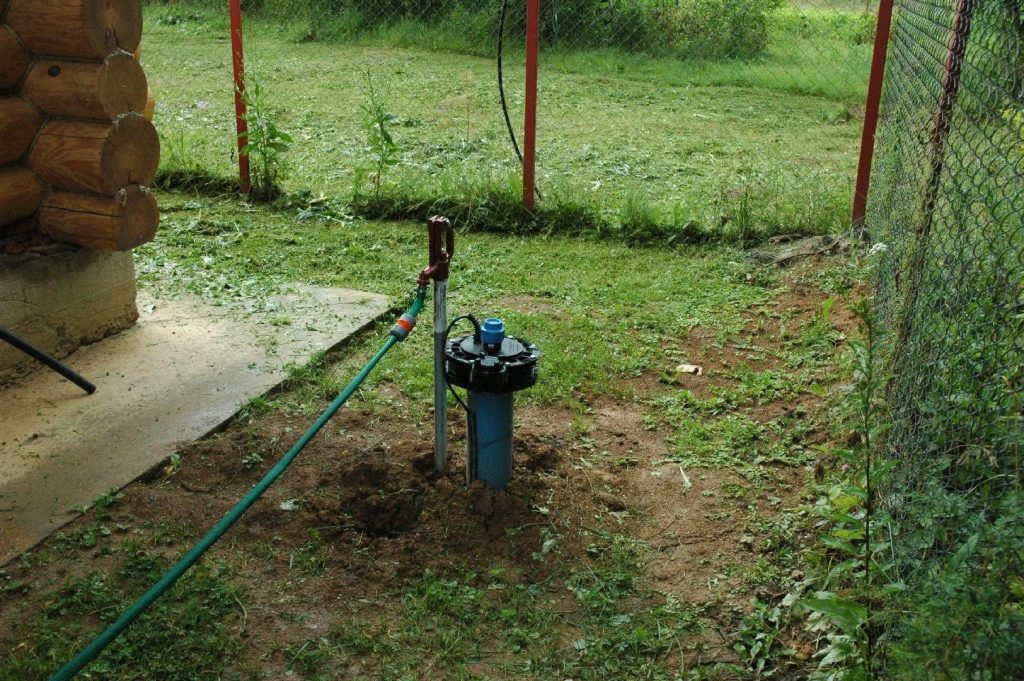
- The procedure for issuing a license
- Why pay a well tax (video)
- Instances and stages
- Collection and submission of documents
- Well drilling, territory development and registration
- Water samples and obtaining a passport
- Registration of an artesian well
- What documents are needed for licensing?
- For SNT and summer residents - is there a difference?
- Legalization procedure
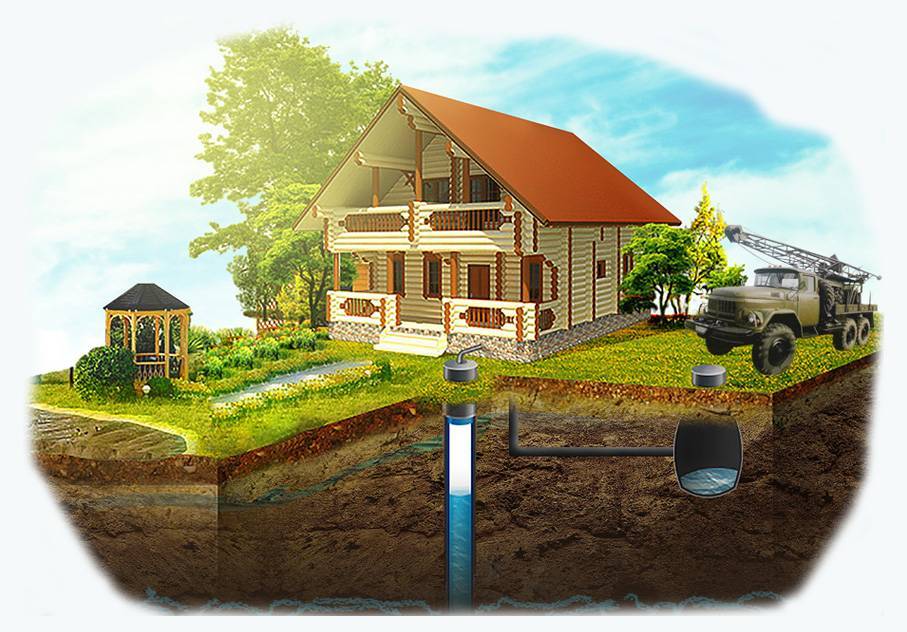
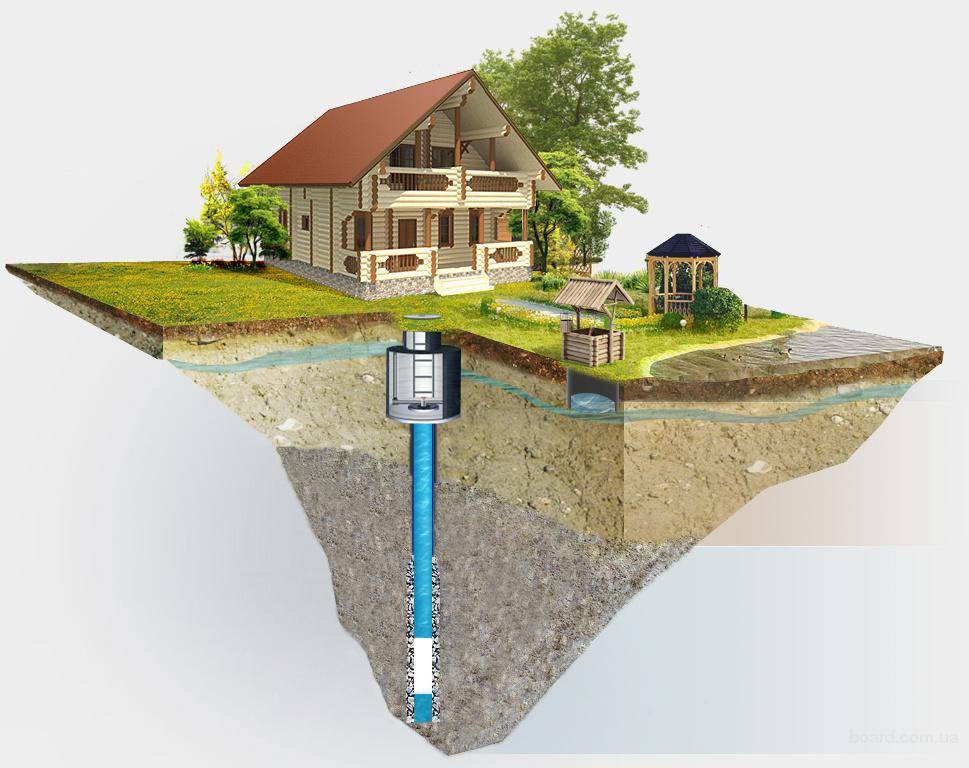
- Ways to get drinking water
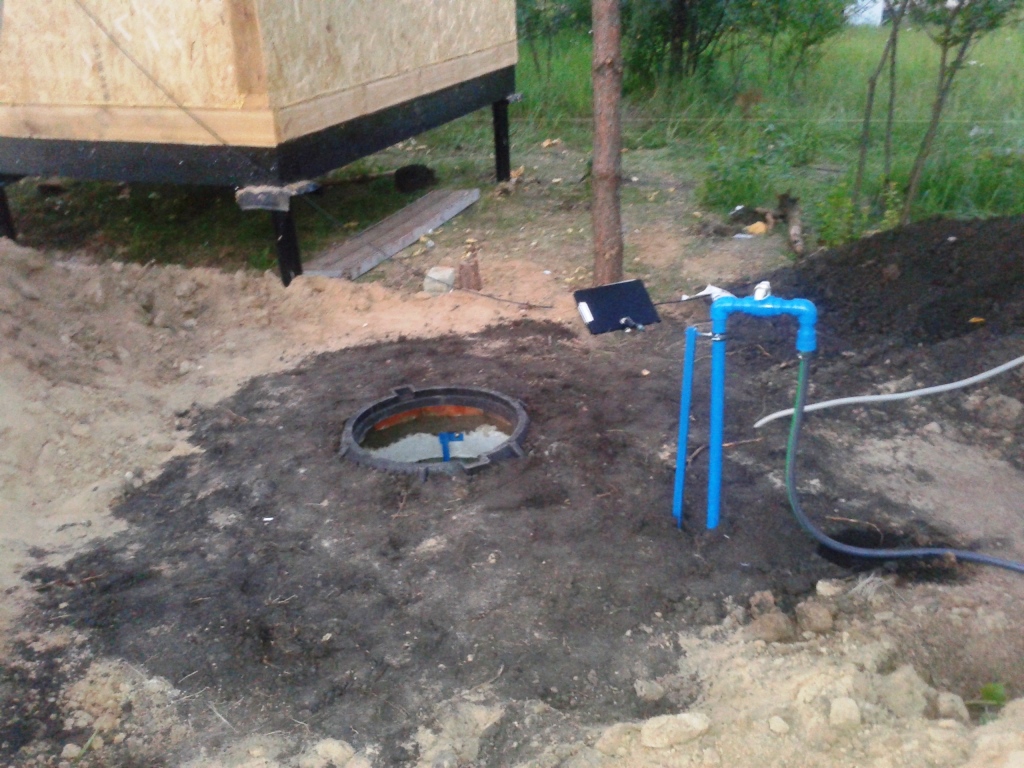
- shallow well
- Artesian well
- Advantages
- The procedure for how to properly legalize a well
- Do you need a permit for ordinary people - individuals?
- How to get a water use permit
- How an aquifer is registered
- Preparatory measures for drilling a well for water
- How to register a finished well
- Prices for registering wells
The procedure for issuing a license
The regulation of the design of a well for water is carried out by several regulations at once:
- Law "On Subsoil";
- Decree of the Armed Forces of the Russian Federation No. 3314-1;
- Roskomnedra Instruction No. 583;
- Instruction "Roskomnedra" No. 2395-I.
In addition to the listed documents, regional acts established by local authorities in the field of land and subsoil use may apply.
Obtaining a license for wells and wells fed from surface aquifers and having a debit of less than 100 m3 / day is not currently required.It is mandatory to draw up documents for artesian wells. It does not matter whether the well has been used for a long time or is just planned for drilling - from 01/01/2020 it will have to be legalized without fail.
The procedure and list of documents that will be required for obtaining a license are the same. The difference may lie in the timing.
For convenience, we present the licensing procedure and the terms of registration in the form of a table:
TABLE 1
| № | Title of the document | Permitting authority | Timing |
| 1 | Scheme of drainage | Territorial body of Rosgeolfond | Week 1 |
| 2 | Drawing up a plan for water intake less than 100 m3 | Rosgeolfond | 1 week |
| 3 | Drawing up a plan for the first 3 belts | Rosgeolfond | 2 months |
| 4 | Expert opinion | Rospotrebnadzor | up to 2 months |
| 5 | Designing a water quality control program | Rospotrebnadzor | 1 week |
| 6 | Sanitary Permit | Rospotrebnadzor | up to 2 months |
| 7 | Report on water reserves at the drilling site | Rosgeolfond | up to 1 month |
| 8 | Mandatory consultation on additional documents for obtaining a license | Rospotrebnadzor | 1 week |
In addition to the above documents, you will need: examination of the project, laboratory analysis of water samples, receipt of payment of state duty.
With a well debit of more than 100 m3 / day. The number of permits is increasing, and the terms are lengthening. With the active participation of the interested person and control over compliance with the deadlines for the execution of documentation, it can take from 6 to 18 months to issue a license. The total costs can vary from 500,000 to 1,000,000 rubles.
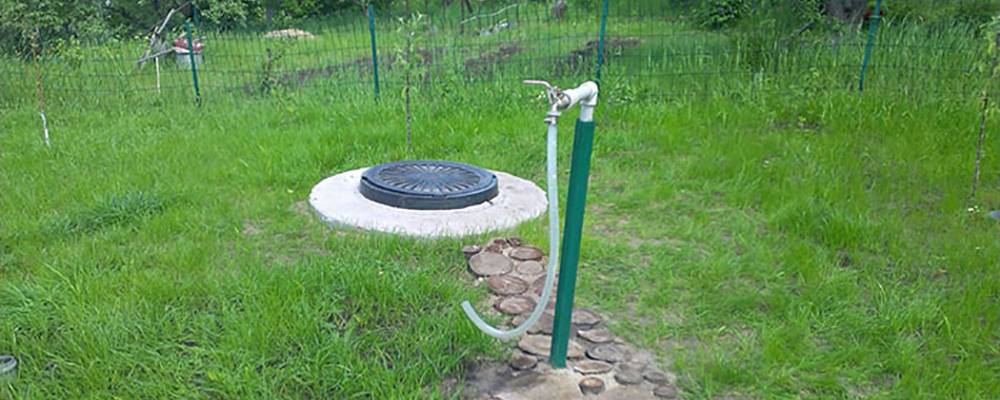

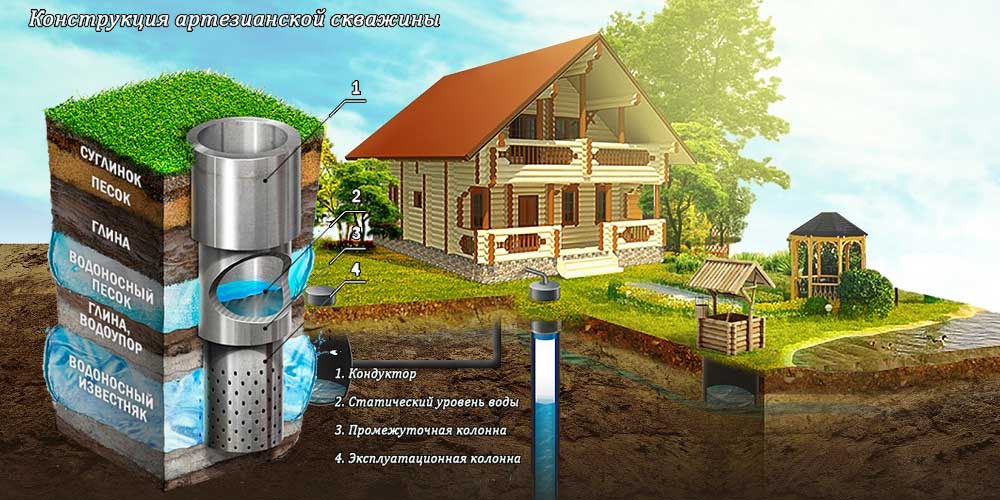
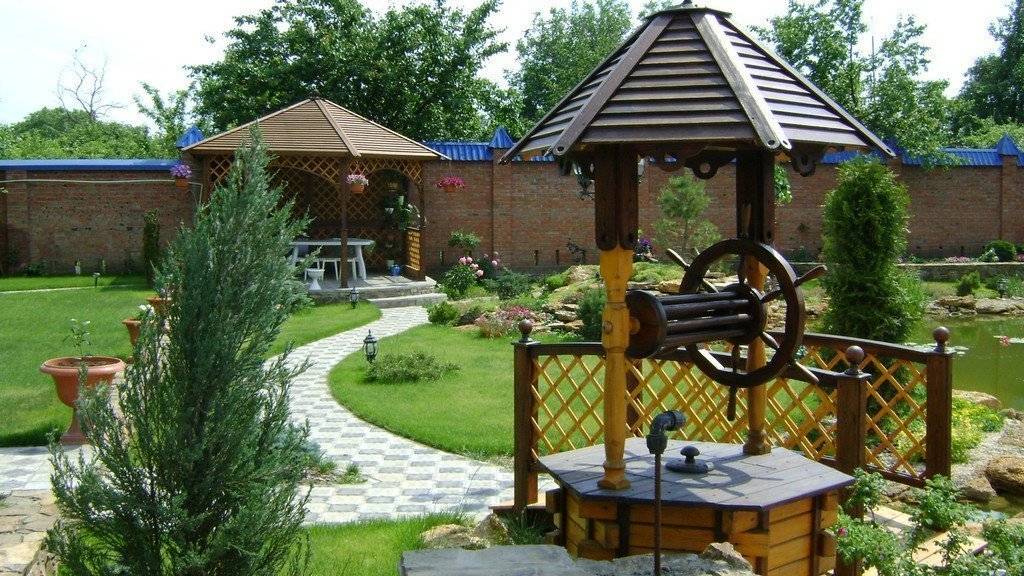
Why pay a well tax (video)
Both the drilling process itself and obtaining all the necessary documents require a special individual and, most importantly, the right approach.Collect all the certificates, papers and issue a license, the process is not only not simple, but also too expensive, and therefore it is worth taking care of hiring a specialist who can help in this situation
It is important to remember that the violation of any laws entails a fine, and possibly forced dismantling of the structure, and therefore, it is better to prepare everything in advance in order to exclude these moments. Having done everything according to the rules, you can use the source for your pleasure for many years.
Instances and stages
The whole path from obtaining a license to operation can be divided into several main stages:
- Submission of documents to regulatory authorities, approval of projects and obtaining a license.
- Drilling of a well and arrangement of the territory.
- Conducting water analysis, registering a well and obtaining a passport.
Collection and submission of documents
The first and longest stage is obtaining a license for subsoil use.
The sequence of actions to be carried out:
- We confirm the ownership or right to use the land. We provide a project for the development of the site and the arrangement of the territory for the well. certificate of ownership of the land
Cadastral passport
- This is followed by coordination of the calculation of water consumption in accordance with the approved standards in the department of water resources in your region.
- Obtaining the conclusion of Rospotrebnadzor and the project in the territorial Center for state monitoring of the state of the subsoil.
The result of your efforts will be obtaining a long-awaited license.
An important detail - an artesian well requires the implementation of certain sanitary standards. The area of the site must be at least 60x60 m.It also requires landscaping, a fence and the absence of buildings on this site. In some cases, you may be allowed to halve the area. To study the information in more detail, we advise you to refer to the Sanitary Rules and Norms 2.1.4.1110-02 "Zones of Sanitary Protection of Water Supply Sources and Water Pipelines of Domestic and Drinking Water Supply".
Well drilling, territory development and registration
Stages following the receipt of a license for the use of subsoil:
- Drilling work.
- Arrangement of a sanitary zone.
- State examination of conformity of documentation.
- Well registration.
- Test water intake.
- Obtaining a technical passport.
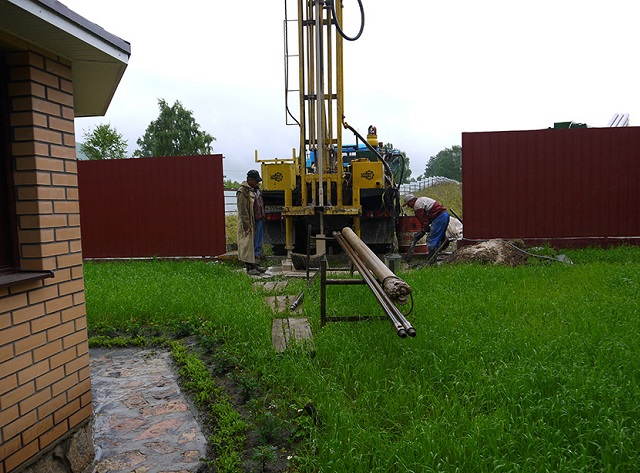
After agreeing on the project and obtaining a drilling license, you can start work. They can be carried out by companies that have the appropriate permits. After their completion, the well is registered, the sanitary zone is equipped and the documents are submitted for a specialized examination.
Documents for cadastral registration are submitted to the authorities registering any other real estate in the corresponding locality. These may be local district councils or other authorities.
Subsoil use license
Construction company licenses and permits
Water samples and obtaining a passport
The passport is issued by the contracting company that installed the equipment. However, it is issued after a test water intake. The procedure is strictly regulated by the relevant GOST 31862-2012 and GOST R 53415-2009. Water analysis is carried out by licensed commercial companies that have received appropriate state accreditation to conduct appropriate analyzes.After sending the water for analysis, the pump is installed and the procedure is repeated. Before the sampling and analysis procedure, all the technical characteristics of the well are entered in the passport. Successful sampling will allow the well to be included in the register and start its legal operation. Detailed requirements for water characteristics are provided by SanPiN 2.1.4.1074-01.
Control over compliance with the norms and operating conditions is carried out through checks by Rospotrebnadzor after inclusion in the register of artesian wells. These checks are regulated and aimed at the correct use of subsoil.
Certificate of conformity of water samples to sanitary standards
Registration of an artesian well
Once the license is in hand, the construction of the well can begin. You should contact special organizations that are engaged in drilling. They are professionally engaged in drilling and projects. After drilling has taken place, the well should be registered.
To do this, it is necessary to assign a cadastral number to the well, as well as acceptance of work for further operation. A number of steps should be taken to register a well:
- The project is submitted for state and environmental expertise;
- Arrangement of the sanitary protection zone of the site;
- You should get a conclusion from Rospotrebnadzor on the possibility of using water for drinking (you need to wait for the results of the water analysis).
To register a well, you need to have the following list of documents with you:
- General plan with a scheme of water consumption facilities;
- Situational plan;
- Accounting drilling card;
- Well passport;
- A document describing the installed equipment (pump, water meter, pipes).
After drilling, along with rights comes a number of responsibilities. It is necessary to regularly provide reporting documents on the state of groundwater, as well as pay a tax for use. The license also has its own terms of validity.
The process of collecting documents collects most of the time, and the drilling process itself lasts from 5 to 10 days. All efforts are not in vain, the well on the site is a source of clean water.
Well service after drilling
After obtaining permission and license, the well should be constantly looked after. Make sure there is no water pollution. To do this, the well should be cleaned regularly and the filter changed. Well silting may occur. Worth controlling. To prevent this from happening.
The main methods of well cleaning:
- Blowing with compressed air;
- Washing with water under pressure.
What documents are needed for licensing?
To register a water well, a legal entity must issue two licenses:
- for the right to use a subsoil plot for geological study;
- for the right to use subsoil for the purpose of extracting groundwater.
With these permits, the owner of the water source receives the right to operate it legally.
However, measures for registering water intake are not only about obtaining licenses, developing a project, and counting groundwater reserves. You also need to provide the relevant authorities with a variety of certificates and documents. The package of papers can be conditionally divided into legal and technical documents.

The legal part of the package contains documentation to confirm the existence of a particular legal entity and its financial solvency, confirm the absence of tax debts, and prove the technical possibility of safe water intake.
The technical part of the package contains a set of documents with information on the technical characteristics of water intake, on hydrogeological conditions, and on the sanitary condition of groundwater.
A package of documents for legal entities to obtain a permit for a well:
- Application for registration of a license (on the letterhead of the organization).
- Power of attorney for the person submitting the documents.
- Details of the form indicating the full name in accordance with the Charter of the organization, legal and postal address, bank details.
- Certificate of tax registration of the organization.
- Certificate of registration of a legal entity with the assignment of the main state registration number.
- Certificate of making an entry in the Unified State Register of Legal Entities.
- Articles of association.
- Memorandum of association (if any).
- Information about the codes of the State Statistics Committee (with decoding of the codes).
- Order on the appointment of the head of the organization (with the current term of office).
- Certificate from the tax office on the absence of debt on resource payments with accounting.
Required package of documents for individual entrepreneurs:
- Application for a license.
- Copy of passport (notarized).
- Certificate of tax registration of an individual with the assignment of TIN.
- Certificate of making an entry in the Unified State Register of Individual Entrepreneurs.
- Information about the codes of the State Statistics Committee (with decoding of the codes).
- Certificate from the tax inspectorate on the absence of debt on resource payments with the balance sheet for the year preceding the application, with a mark of the tax authority on its acceptance.
- Certificate from the personnel department about the employee of the enterprise serving the water intake unit.
Individuals, if desired, can also apply for a well permit by providing the following documents:
- Application for a license.
- Copy of passport (notarized).
- Certificate of tax registration of an individual with the assignment of TIN.
Documents for the land:
- Certificate of state registration of ownership.
- The document on the basis of which the Certificate of state registration of ownership was issued.
- Land lease agreement (if any).
- Extract from the Unified State Register of Rights (on the owner of the land) for a period not exceeding 1 month at the time of application.
- Cadastral passport of the land plot indicating the cadastral number, copyright holder and permitted use.
- General plan for the development of the territory at a scale of 1:500 or 1:1000, indicating the location of wells and 1 zone of sanitary protection zones. Situational plan of the area indicating the organization and wells at a scale of 1:10,000 with reference to settlements, with well numbers.
Additional documents:
- Conclusion on the hydrogeological conditions of the subsoil plot.
- Sanitary and epidemiological conclusion of the Office of Rospotrebnadzor for the zone of sanitary protection.
- The balance of water consumption and water disposal, agreed by the MOBVU.
- An agreement or other documents confirming the acceptance of wastewater, if there are own treatment facilities, a permit for the discharge of wastewater.
- Chemical, bacteriological and radiological analyzes of water.
- Well drilling project.
Seeing how much paperwork needs to be collected to obtain a license, many subsoil users use the services of specialists in collecting the necessary documentation.
For SNT and summer residents - is there a difference?
In the vast majority of cases, wells and wells on owned or leased plots are built by gardeners and summer residents.
 The Subsoil Law grants them such a right under certain conditions:
- daily extraction of a maximum of 100 m³;
- the depth of the well is no more than 5 m, there is no exact figure for wells, it is necessary that the depths are not registered by the state (as a rule, this is 30-40 m).
Subject to all the conditions (these and those indicated above), the gardener is not required to agree with any authorities and obtain permits. Such water use is also not subject to taxation.
If a gardener doubts the “legitimacy” of his own source of water supply, from 01/01/2020 he needs to obtain the conclusion of the territorial Fund of Geological Information. The application filed there is accompanied by a map of the area (1:10000) with a designated area.
To receive you will need:
- passport and TIN (copies certified by a notary);
- title documents for the land;
- his cadastral plan;
- a stationary plan for the placement of all objects on its territory.
Garden non-profit partnerships (SNT) are now engaged in the central water supply of garden plots.From 01/01/2020, this activity is subject to licensing in accordance with the established procedure, without any exceptions.
To obtain permission this year under the simplified procedure, the SNT must provide a package of documents that differs from those required from the gardener:
- a copy of its own charter, certified by a notary;
- plan of the site where water is supposed to be extracted (or where extraction is already organized);
- the layout of the structures necessary for water supply - stations for water intake, water towers, pipelines;
- well passport (if any);
- official expert opinion on the compliance of water with sanitary and epidemiological standards.
The state duty for SNT and summer residents is the same - 7500 rubles. The period during which the license will be valid is also (25 years). But the wording in it describing the permitted activities will be different.
Using groundwater without a license is an offense for which Code of Administrative Offenses of the Russian Federation Art. 7.3 provides for punishment in the form of a fine.
Its size is 3,000-5,000 rubles for individuals and 800,000-1,000,000 rubles for legal entities. In addition, the violator is obliged to dismantle the well itself and all auxiliary structures at its own expense.
Legalization procedure
It is possible to legalize the use if the equipment has already been installed. To do this, you will have to go through the procedure for submitting documents, obtaining a license and a passport in the general manner. The only snag may be the discrepancy between the requirements and norms of the real situation.
In this case, the owners will need to bring the site in line with sanitary construction and technical requirements.In cases where this is not possible, the regulatory authority can not only impose a fine, but also dismantle the equipment with its subsequent confiscation.
Ways to get drinking water
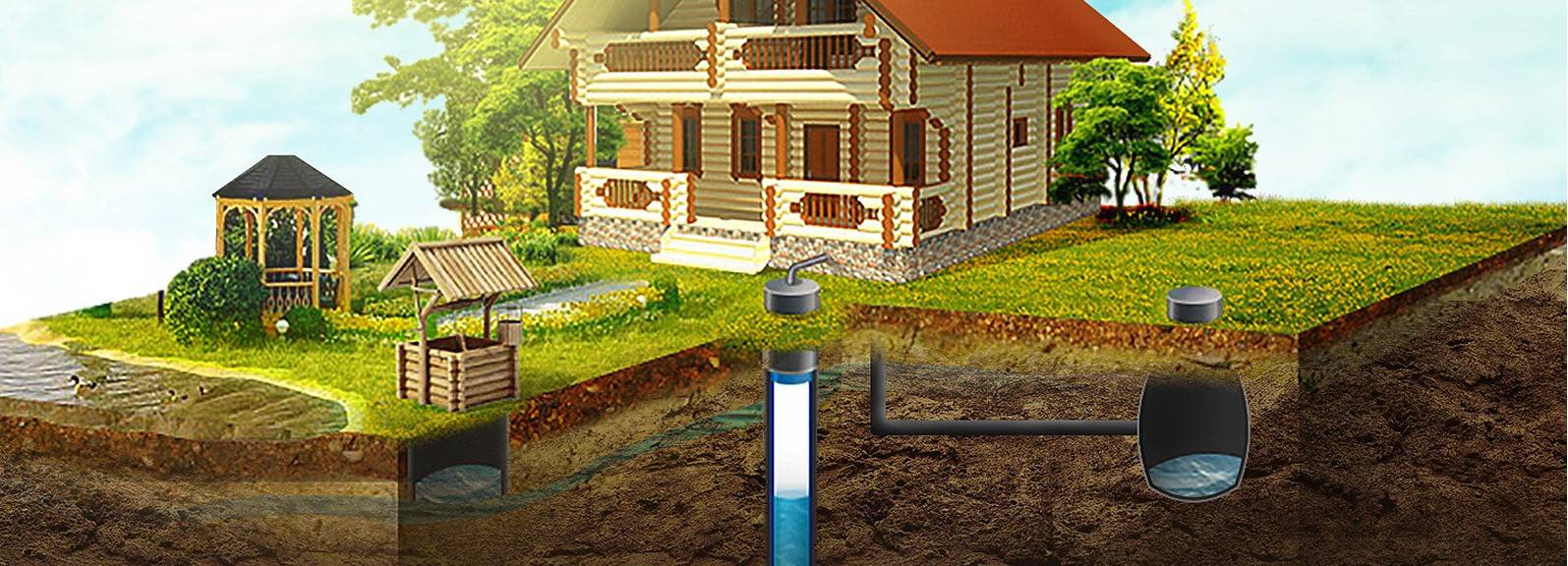
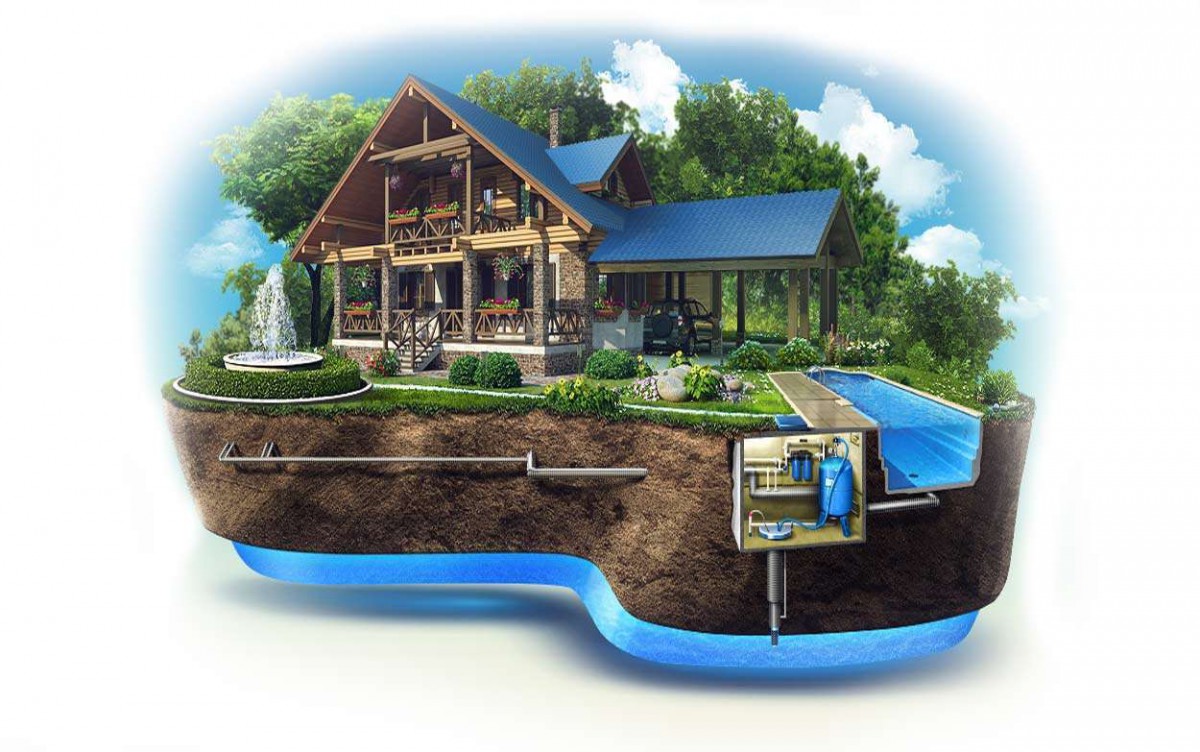
Depending on the characteristics of the geology of the region, population density, remoteness from civilization and other factors, there are several main ways to get water from the bowels of the earth:
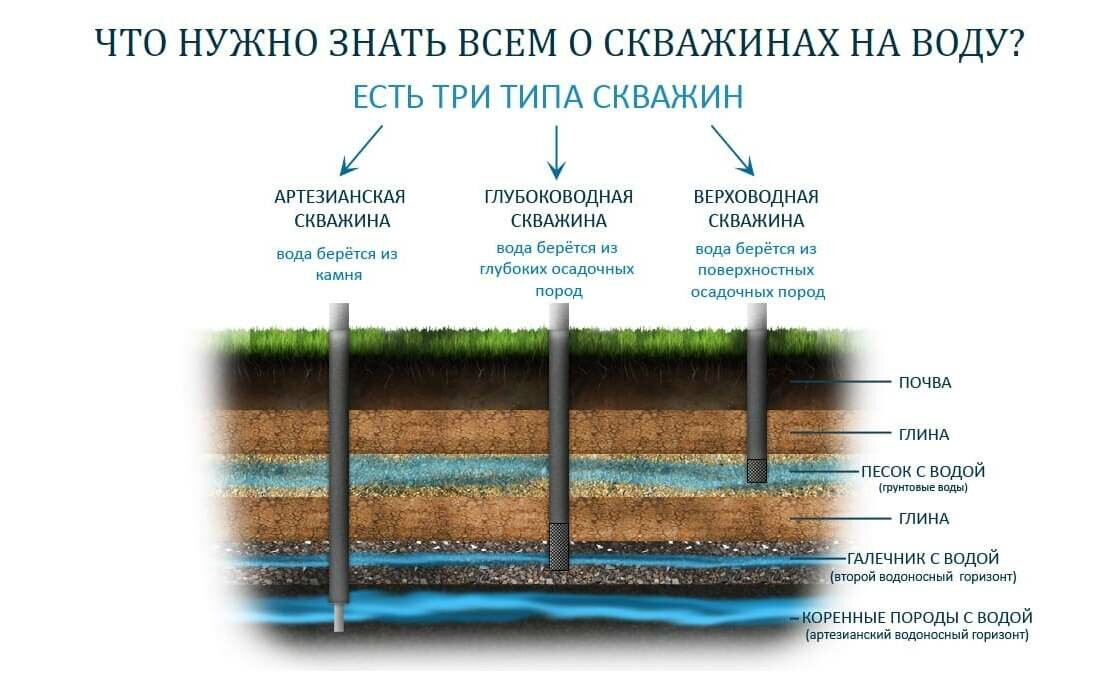
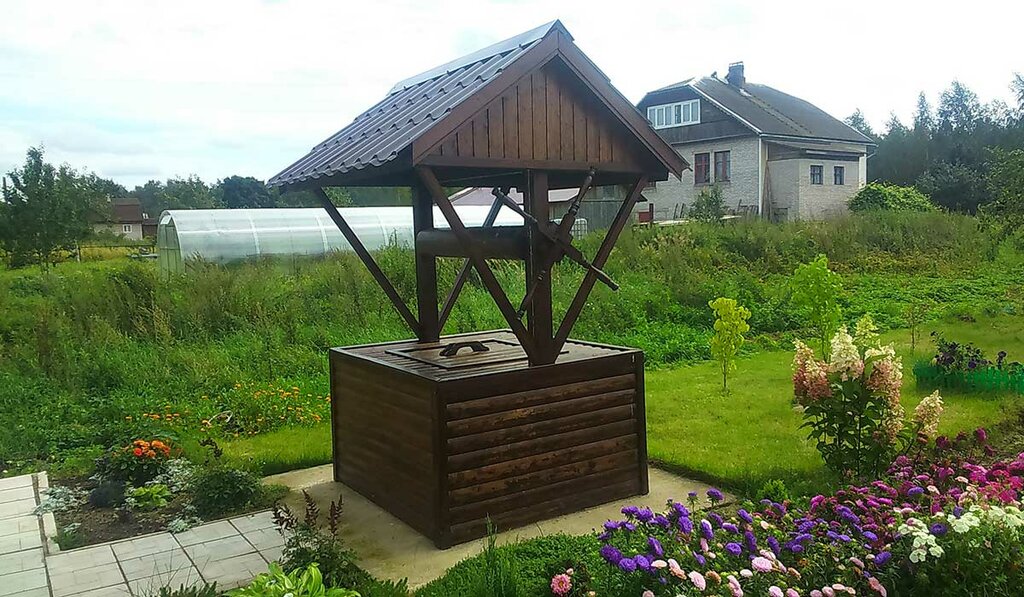
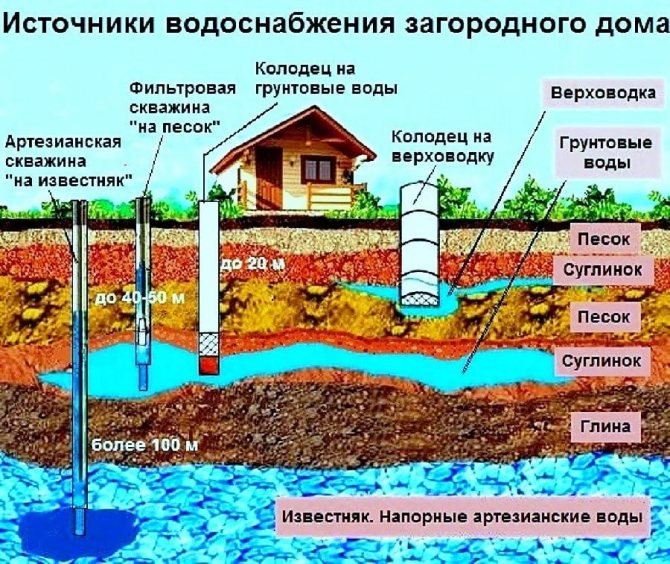
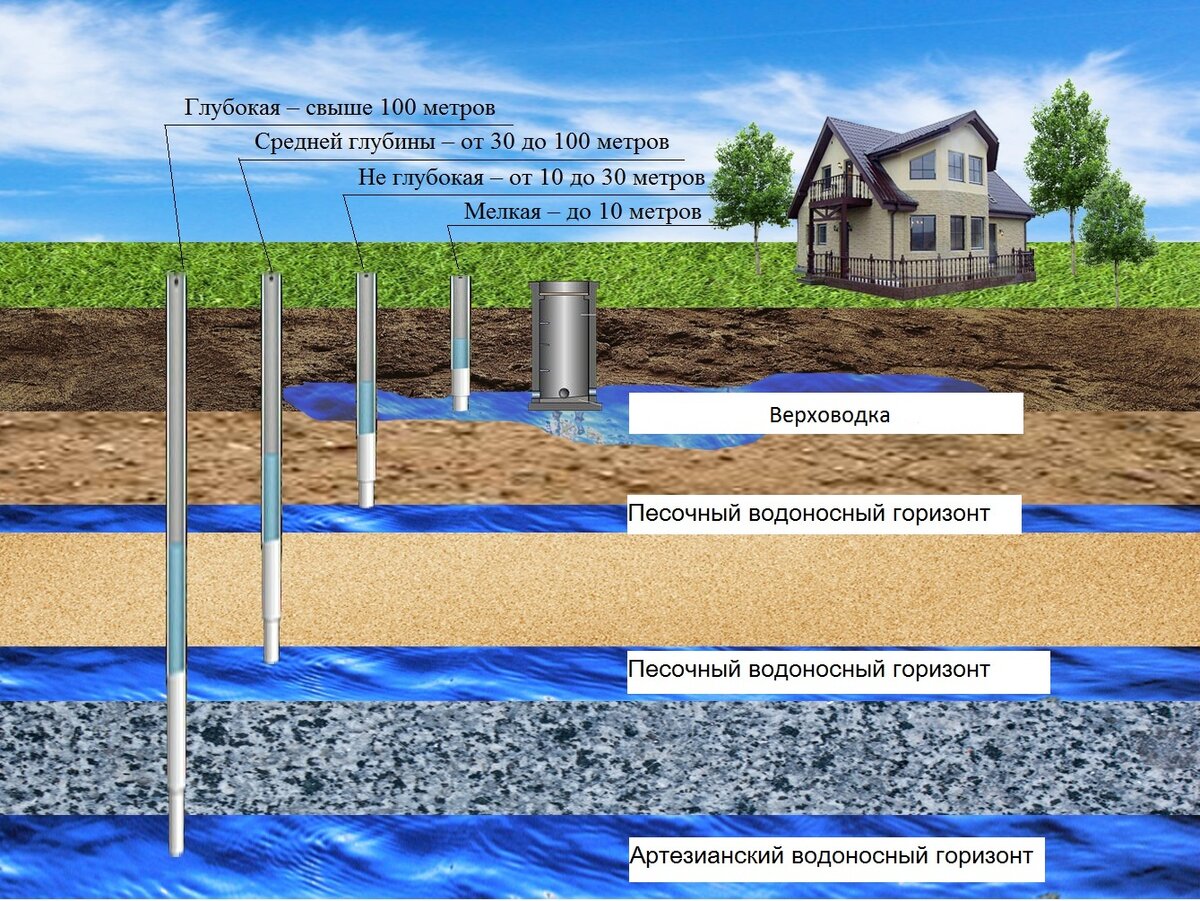
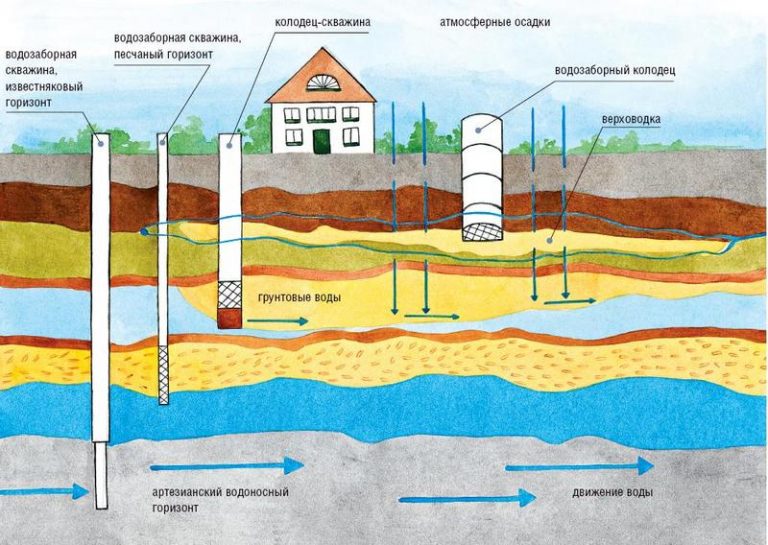
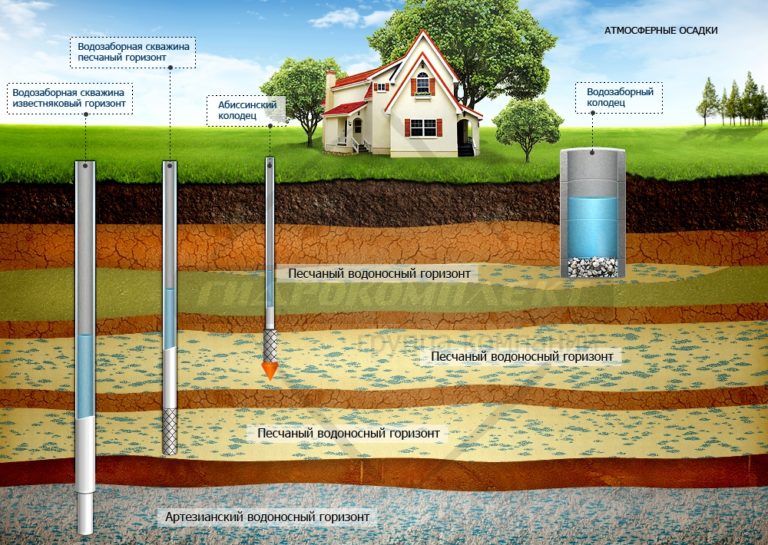
- Shallow well (usually up to 30 m). Water is extracted from sandy aquifers.
- Artesian well. Limestone aquifers, with a depth of 50 m.
shallow well
Its depth rarely exceeds 30 m. It is quite simple to extract shallow water. You do not need to go through a permit procedure, and the cost of drilling is quite low. At first glance, it may seem that getting water at shallow depths is beneficial from any point of view, but this is not entirely true. A number of shortcomings can pretty spoil your life and complicate housekeeping.
Sandy horizons are highly susceptible to external factors, which calls into question the feasibility of drilling to shallow depths. When extracting water at a depth of up to 30 m, there is a high probability that waste from nearby industrial enterprises will enter the water, which, at best, can spoil the taste of water. Do not forget about the climatic and weather factors. The dry season may well contribute to the depletion of the aquifer.
Artesian well
At a depth of several tens to hundreds of meters, water is extracted from limestone horizons. The depth of limestone occurrence is quite large and begins on average at the level of 50 m.This complicates the technical side of the issue. Drilling will be more difficult, longer and more expensive. These factors often scare away the owners of private plots.
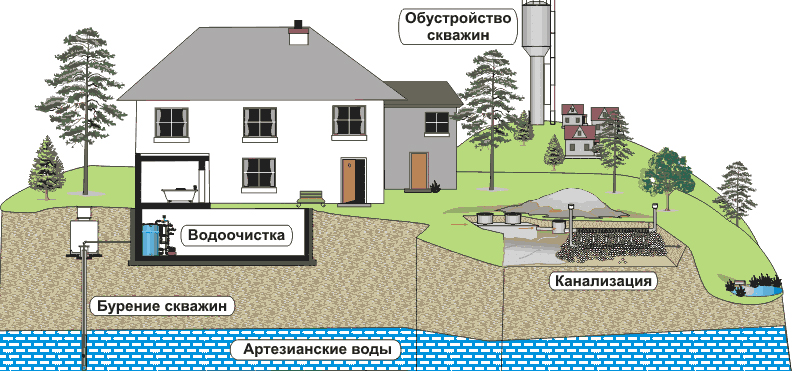
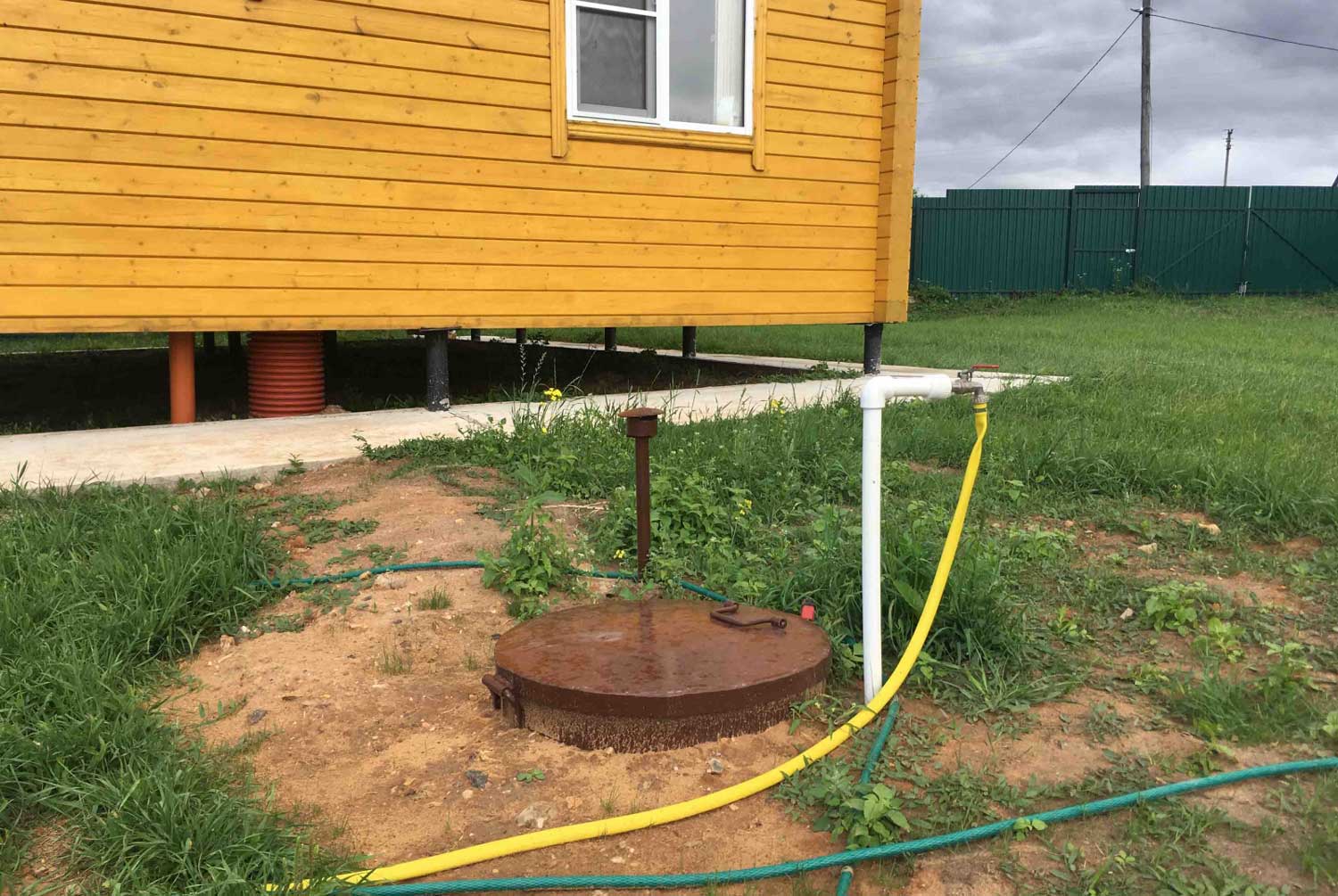
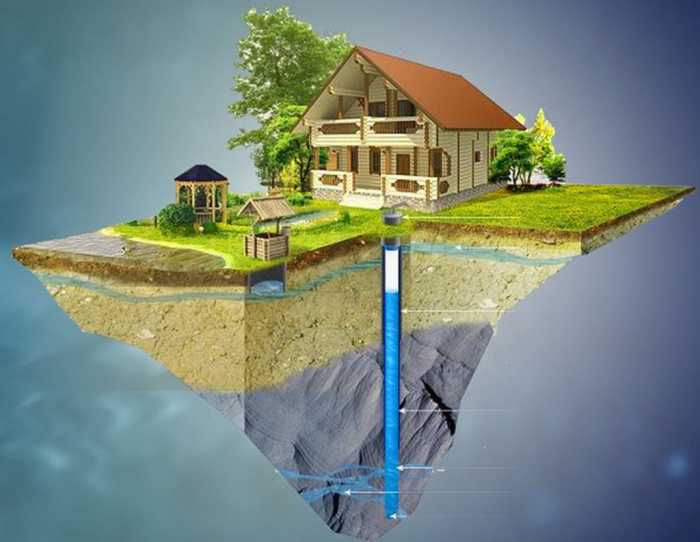
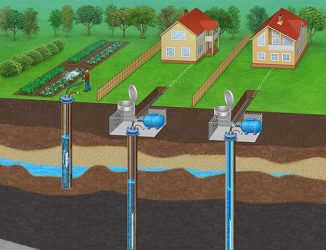
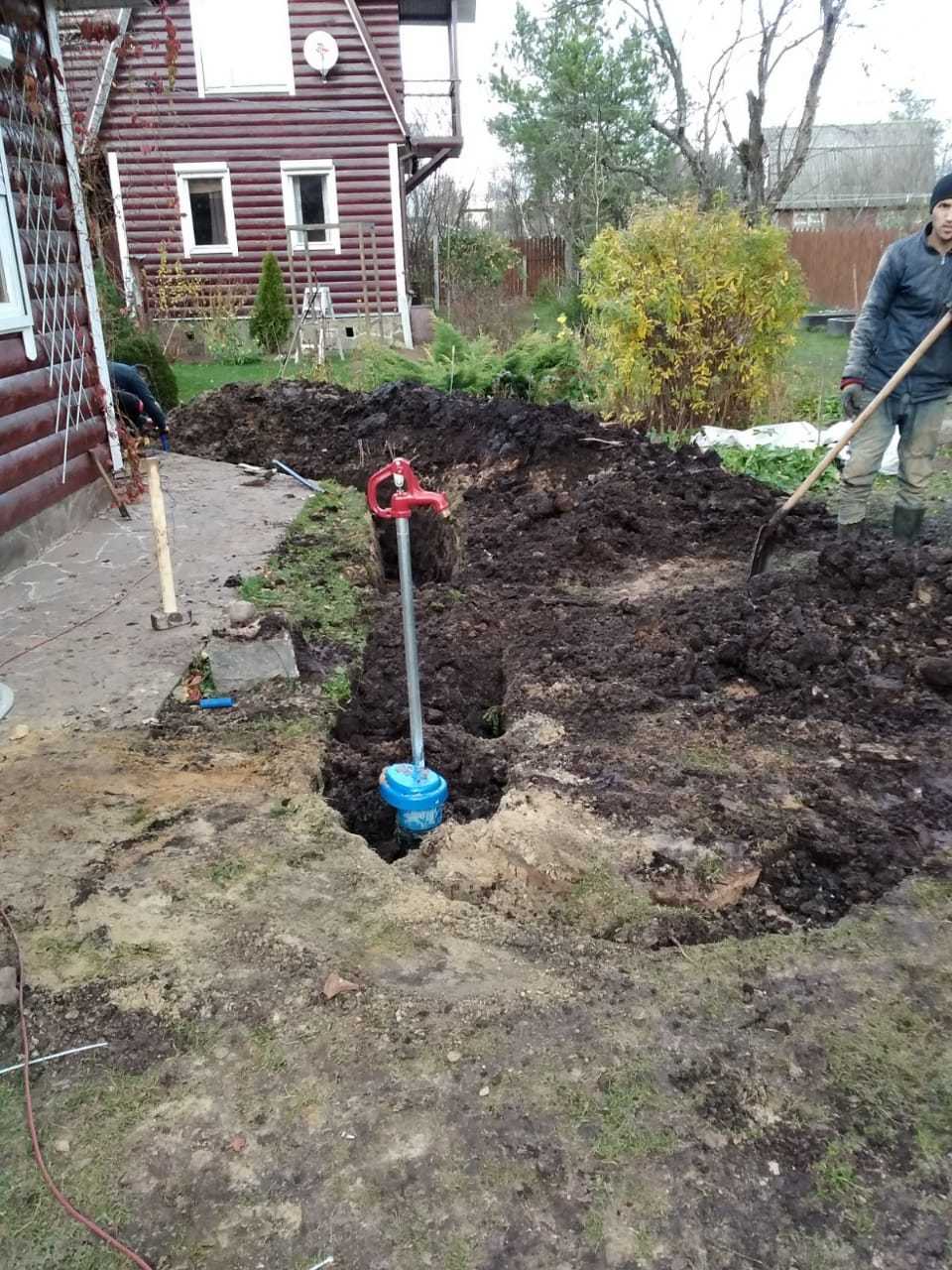
The high price, the need to obtain a license and the complexity of the procedure seem to be an impossible task. However, having become acquainted with the issue closer, everything becomes not so scary. The benefits of using an artesian well far outweigh the arguments against drilling it.
Advantages
Comparing the features of water production from sandy and limestone horizons, we get the main and undeniable advantages of the latter:
- high productivity - due to limestone layers saturated and rich in water, entire cottage settlements can be provided with water;
- deep water will always be crystal clear and have an excellent taste;
- complete independence from dry seasons - limestone horizons have their own geological nature, which is not affected by weather and climate;
- the absence of the negative impact of ecology and man-made factors - the depth of occurrence allows you to avoid the consequences of human activity in the water.
Save the article on social media:
April 21, 2017
The procedure for how to properly legalize a well
It is clear that it is possible to legalize a well only if the requirements for the arrangement of water intake are met:
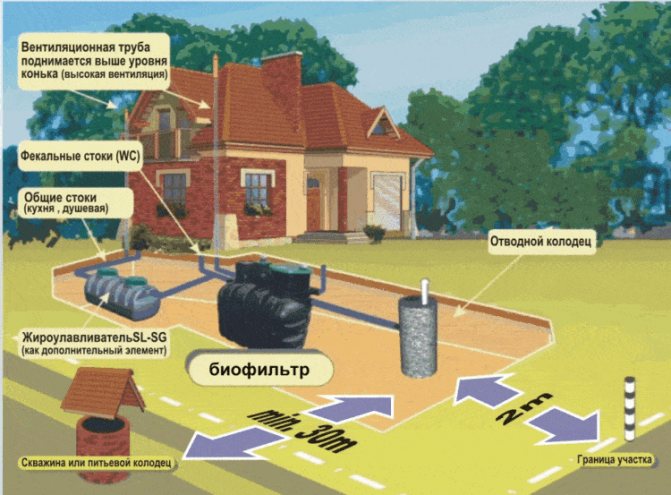
- At a distance of 300 m from the wellbore, there are no objects that can lead to pollution of aquifers;
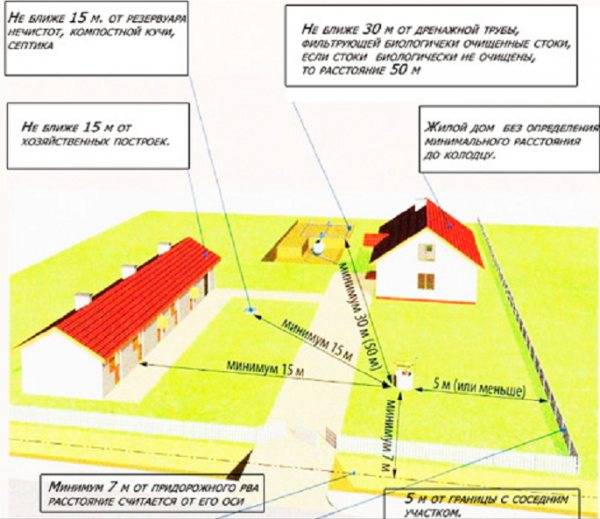
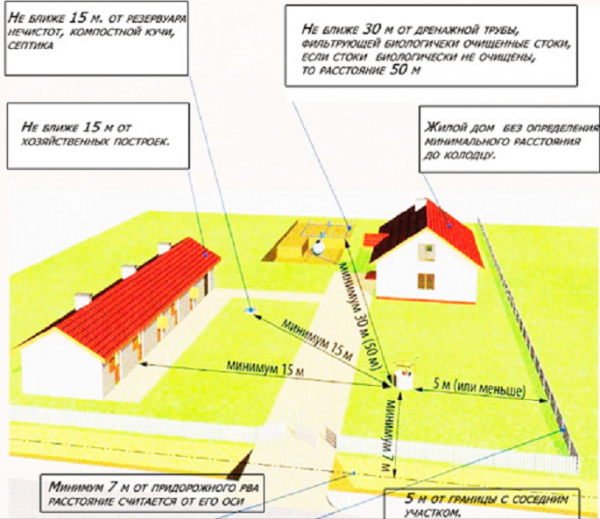
- Within a radius of 30 m there are no landfills or sewers, often the first condition necessary in order to legalize a well is the elimination of drains, pits and the improvement of the sanitary well-being of the territory;
- Lack of communications and pipelines in the well construction zone.
Regardless of whether a well has been drilled or is only planned to be built, in order to legalize water intake, first of all, permission from the Ministry of Natural Resources and Ecology will be required. To do this, they apply to the regional department with an application and a package of documents, and a decision is made within 10 days. Every little thing is important, sometimes due to mistakes made, for example, in the coordinates of the location of the well, it is not possible to legalize the object within a year.
If the well is operating, then before obtaining a license or other way to legalize the object, it will be offered to plug it for the period of paperwork. As a rule, the term for fulfilling the prescription is less than the time required to legalize the water intake.

In order to legalize water intake, you will need to collect the following documents:
- Extract from the general plan of the area;
- Situational drawing of the location of the household in the specific infrastructure of the city or village;
- A document for the right to own or long-term lease of a land plot;
- Extract from the cadastral plan;
- Certificate of registration with the tax authorities;
- Passport data - copies;
- Calculation of future water consumption, performed by an authorized organization and agreed with the regional branch of the Ministry of Natural Resources and Energy. In order to legitimize wells, you will have to squeeze into a 100 cubic meter debit of water intake;
- The decision of the local administration of Rospotrebnadzor on the possibility of arranging a 60x60 m sanitary zone.

After the approval of the project and the parameters of the debit of the well in the regional committee for water use, the entire package is sent to the Subsoil Supervision Department, a license can be obtained in a month, and we can assume that the water intake is legal.
Only after receiving the document, it is possible to negotiate with the drillers, in some cases, the craftsmen take up the construction before the well has been legalized. But in this case, there is a risk of earning a fine of up to 5 thousand rubles. Specialists of the Ministry of Natural Resources or Rospotrebnadzor like to go to the area under the pretext of checking the declared information. If a water intake is discovered, for which permission and legalization are yet to be obtained, then the owner of the well will be fined.
If the well was built on the site under the old owners, then there is no question of fines, but in order to legalize it, a thorough examination will be required, which costs a lot of money.
Do you need a permit for ordinary people - individuals?
At the request of the Ministry of Ecology of the Moscow Region, which issues licenses for the extraction of groundwater, the answer was received that ordinary summer residents do not fall under the Law "On Subsoil". For individuals who are sources for personal water intake points in the home, obtaining a license is not mandatory.
All innovations have been introduced, mainly for legal entities and private entrepreneurs who use state-owned minerals in the production process.
Article 19 of the Law "On Subsoil" fully regulates in what cases, and under what conditions, the owners of individual water sources in their personal area can extract and use well water without the need to register the design of the water intake.
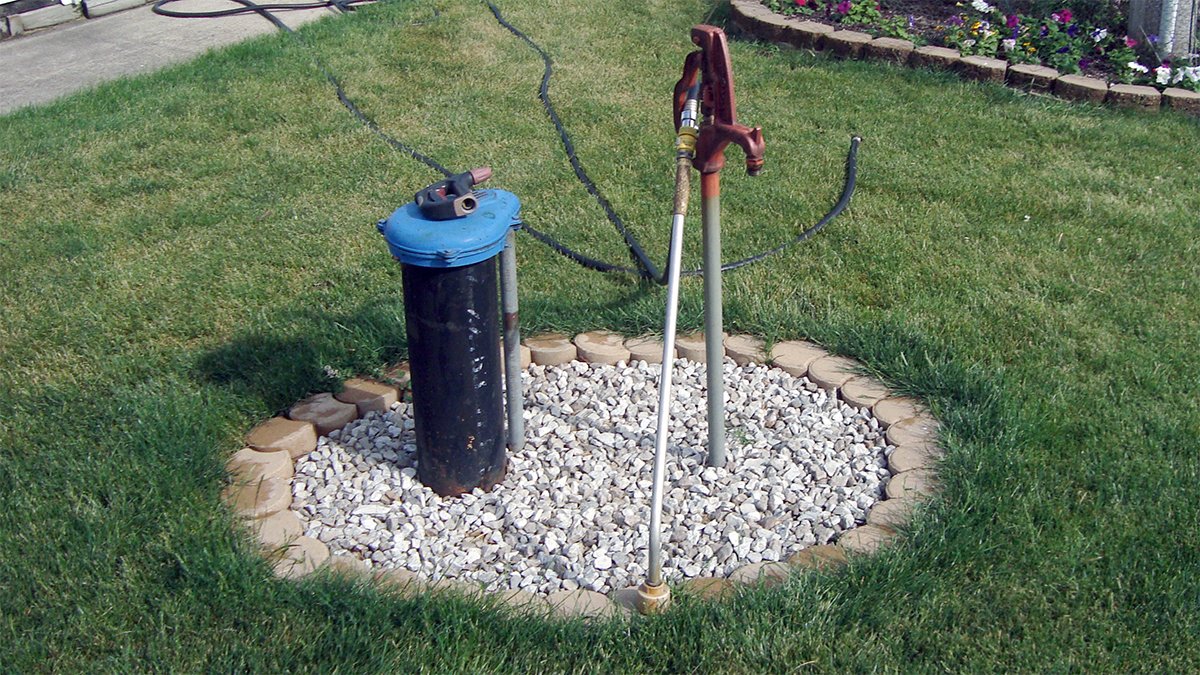
Owners of suburban real estate for private purposes can dig shallow wells in their area to extract fluid from the surface layer or dig wells that feed on the resources of the first aquifer.That is, you can use the "top water" ground moisture for personal needs.
At what depth should the water be in order to use the source without registration:
- in wells, the permissible depth is 5 m;
- in wells, those depths that are not on state records are suitable. As a rule, it is 5-21 meters, but sometimes it is possible to dig up to the artesian layer from 34 to 41 meters.
That is, a license for a well for individuals is not necessary if you use moisture from any aquifers, except for artesian ones. To do this, you need to have an idea about the aquifer on the site.
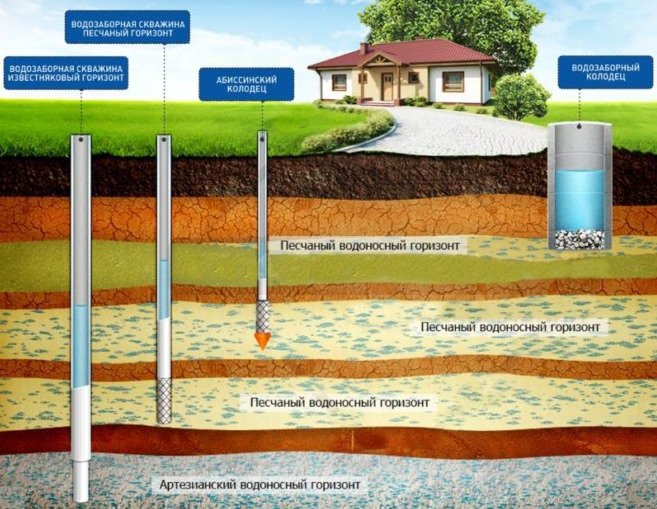
The law specifies three conditions that the owner of an individual well must comply with:
- The owner of the well resource can use it exclusively for personal needs.
That is, it is forbidden to use the source for business activities. Wells in summer cottages should be used only for water supply to the house and irrigation.
- The volume of consumed well water should not exceed 100 m³/day.
Statistical studies show that private traders fit into a measured amount. An ordinary family of 4 adults spends no more than 1.0-1.5 m³ / day for hygiene procedures, domestic purposes and watering green spaces. To control the flow, meters are installed.
- Water can be extracted from the aquifer, which is located above the artesian horizon, that is, above the source of centralized water supply.
The third condition can be ignored, since there is no exact data on centralized sources.
According to the Law, all individuals have the right to use water from a well for personal needs, so there is no need to obtain a license.And if there is no centralized water supply in a particular area, then the depth of the well is not limited.
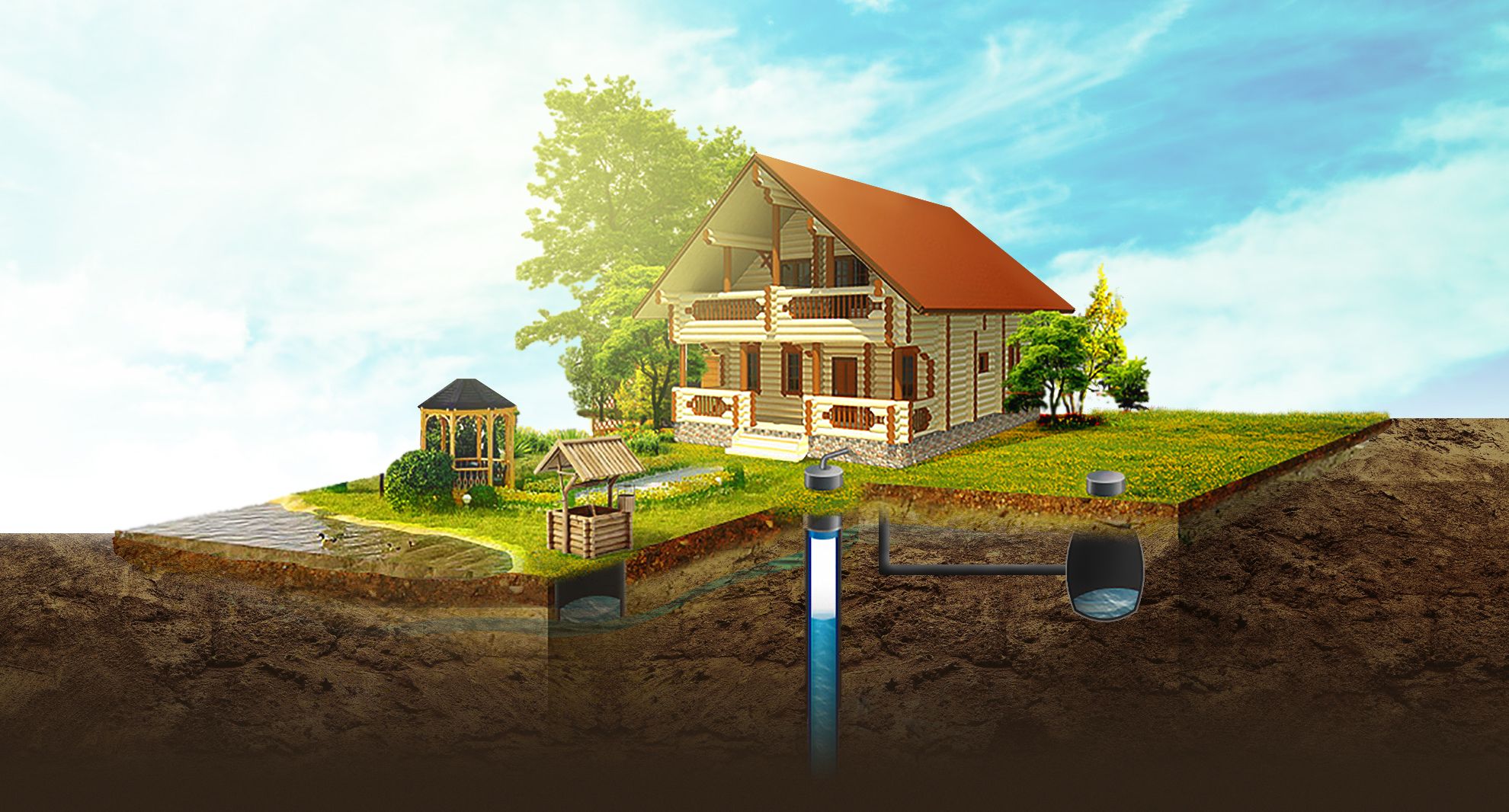
How to get a water use permit
Information on the procedure and terms for obtaining a document authorizing the use of subsoil is contained in the Administrative Regulations approved by order of the Ministry of Natural Resources in September 2009. A paper on the right to assess water resources for 3-5 years is issued for an existing facility.
A mining license for a period of up to 25 years is obtained after the calculation of reserves and the preparation of a protocol by the relevant commission. The results of hydrogeological surveys, as well as water characteristics, are entered into the technical passport of an artesian well.
All objects for which licenses are issued are entered in the state register and are used for the following purposes:
- watering home garden plantings and berry and vegetable crops grown in dacha cooperatives;
- technological and household water supply of enterprises and organizations;
- drinking water supply of the population from artesian wells.

The procedure for obtaining a license for water intake.
The licensing procedure provides for a multi-stage work from drawing up a project for the geological study of the territory to preparing reporting documents on water reserves based on field studies. All these materials will be required when concluding a license agreement for subsoil use.
How an aquifer is registered
Sometimes the owners of shallow water wells drilled to the upper water layer deliberately ignore the registration process.The flow rate of such water intake rarely exceeds 500 l / h, powerful water loss at depths of about 20 meters is the exception rather than the rule. Another thing is an artesian well, its drilling, development and licensing is a rather laborious task, not to mention problems with the law.
Note! All artesian aquifers with high water quality, respectively, the constructed wells and water intakes are registered with the state.
Punched to the depth of limestone layers, it can easily exceed the limit of 100 cubic meters per day by several times. Typically, the depth of occurrence of such water carriers is at least 50 m, but there are outcrops of layers with clean water at 30 and even 20 meters. If there is such an exit on the site, then the well must be registered according to the law.
Preparatory measures for drilling a well for water
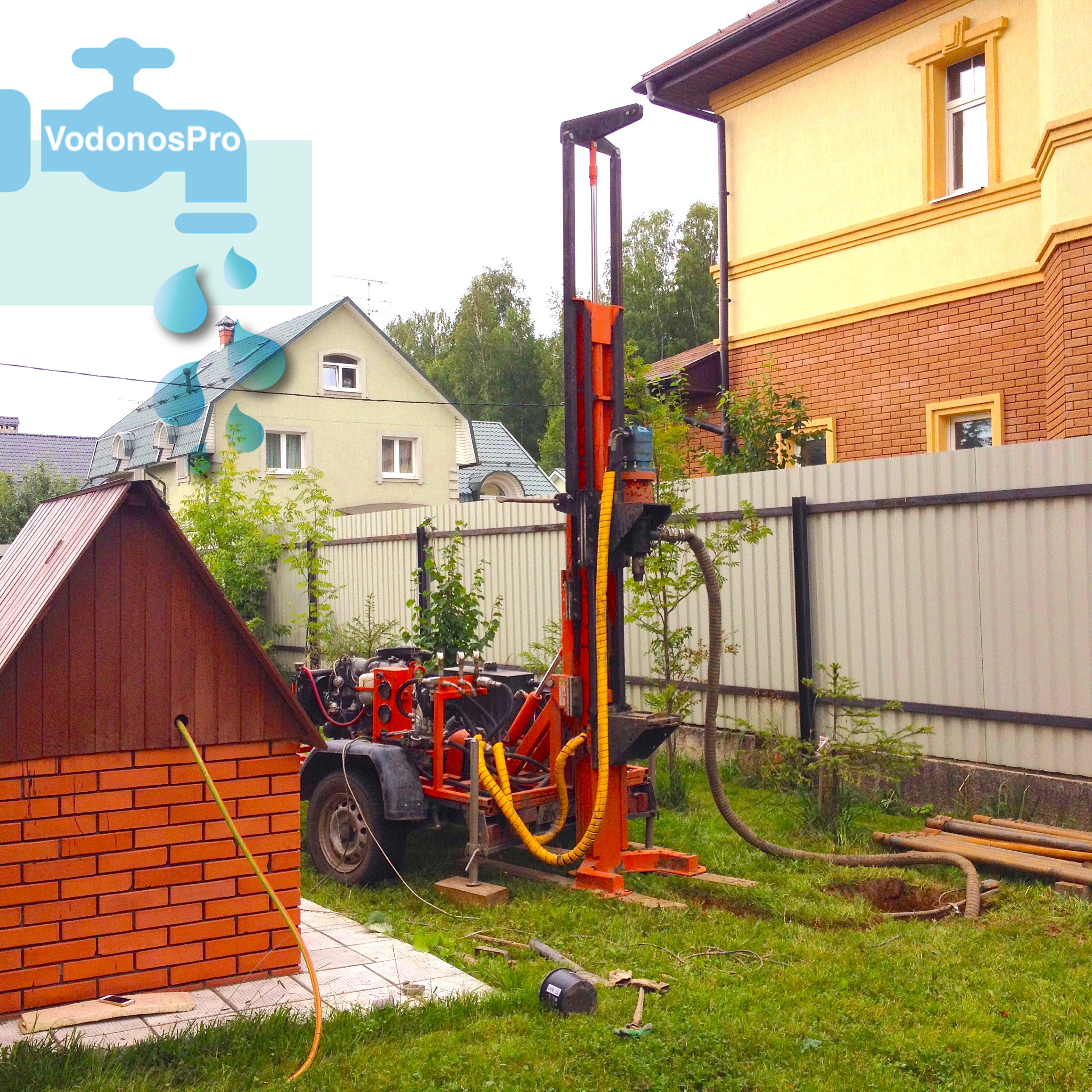
According to the law, the drilling of an artesian well must be carried out by a specialized organization that has the appropriate license to carry out drilling operations. It is not difficult to find such an office, but they are unlikely to undertake to drill a shaft before the package of permits is issued. In addition, the cost of work is from 5 to 10 thousand dollars, so the artesian is often punched into a pool.
A technically convenient option for drilling artesian wells for water is hampered by the imperfection of the law "On Subsoil", since many provisions on joint use are simply not spelled out or specified.
According to the law, the license for the use of artesian water intake is issued by the Ministry of Natural Resources. Before applying for a license, you will need to obtain several permits and approvals:
- The calculation of the planned water consumption is carried out, of course, not independently, but by specialists. The design calculation is consistent with the local administration of the Federal Agency for Water Resources;
- According to the provided plans of the territory, the department of Rospotrebnadzor makes a decision on the suitability of your site for the construction of a well. According to the law, there should be no buildings on an area of 60 by 60 m, the nearest sources of pollution are at a distance of more than 300 m, and the soil should not contain hazardous substances;
- Based on these documents, it is possible to obtain approval and order a project for drilling and arranging an artesian well bore.
After receiving the finished project, you can apply to the local office of the Ministry of Natural Resources for a license. In addition to permits and approvals, by law, in order to obtain a license for new wells, you must provide proof of ownership and registration documents for land.
After drilling a well for water, according to the law, a passport of the object must be drawn up indicating the characteristics of the well. The constructed shaft, according to the law, must be accepted for operation by the commission. An act and a survey protocol are drawn up, on the basis of which information about the registration of a well for water will be entered into the state register of the Office of the Federal Registration Service as a real estate object.
How to register a finished well
Obtaining a license for an existing well is often more difficult than obtaining a license for a new one. But this must be done by law in any case, especially if the well gives a good flow rate of clean water. Today, a source of high-quality water can turn out to be no less profitable than an oil vein, the only question is the organization of the marketing process.Therefore, it makes sense to look for a way to legalize and formalize water intake.
To register an operating well, it is necessary to submit an application, documents for the site, including the master plan and the decision of Rospotrebnadzor on the sanitary well-being of the site, to the licensing department of the local government of the Ministry of Natural Resources and Economics.
Until 2020, registration and obtaining a license for semi-legal wells is carried out in the manner of the so-called "water amnesty". If the location of the water intake and the amount of water withdrawn do not harm the environment and the strategic water resources of the region, then in most cases the decision to legalize the well is made fairly quickly by law.
As a justification, one can refer to the lack of high-quality sources of drinking water in the region, the great importance of water intake for farming or meeting the urgent needs of an enterprise.
Prices for registering wells
** Depends on the available set of documents for the well.
In a private house, quite often there are problems with the water supply, and central water supply is a rarity. What to do in such a situation and how to ensure a constant supply of water? It is worth installing and plugging a water well. This is a structure, for the operation of which documents, registration and permission are needed, and only in this case the well in the country house will be installed on completely legal grounds and according to the rules. It is worth noting that, having installed a well even on your own site, you need to inform the relevant authorities, since it is the same piece of real estate as a house, which means that you need not only notify the state, but also pay the appropriate tax for operation and ownership.In the same way as a house, a land plot and similar objects, a well will need to be registered with the Federal Registration Service. There are some exceptions, which are detailed in this article.
Individuals may be subject to penalties, the amount of which may vary between 3-5 thousand rubles, if they use an unauthorized well without registration, and this is evidenced by the law in the administrative code, clause 3, article 7. If there are violations in technical projects, an additional fine of 2-3 thousand may also be imposed. In other words, this information indicates that water production, or to be more precise, the location of the well, begins only after agreement has been made with special services and a location has been selected, in compliance with the sanitary zone.
A well license costs almost the same as drilling itself, and therefore the owners prefer to install not objects such as an art well, but wells, due to which water is supplied from sandy soil or a high water horizon. It is worth noting that you can not find this water layer in every territory.
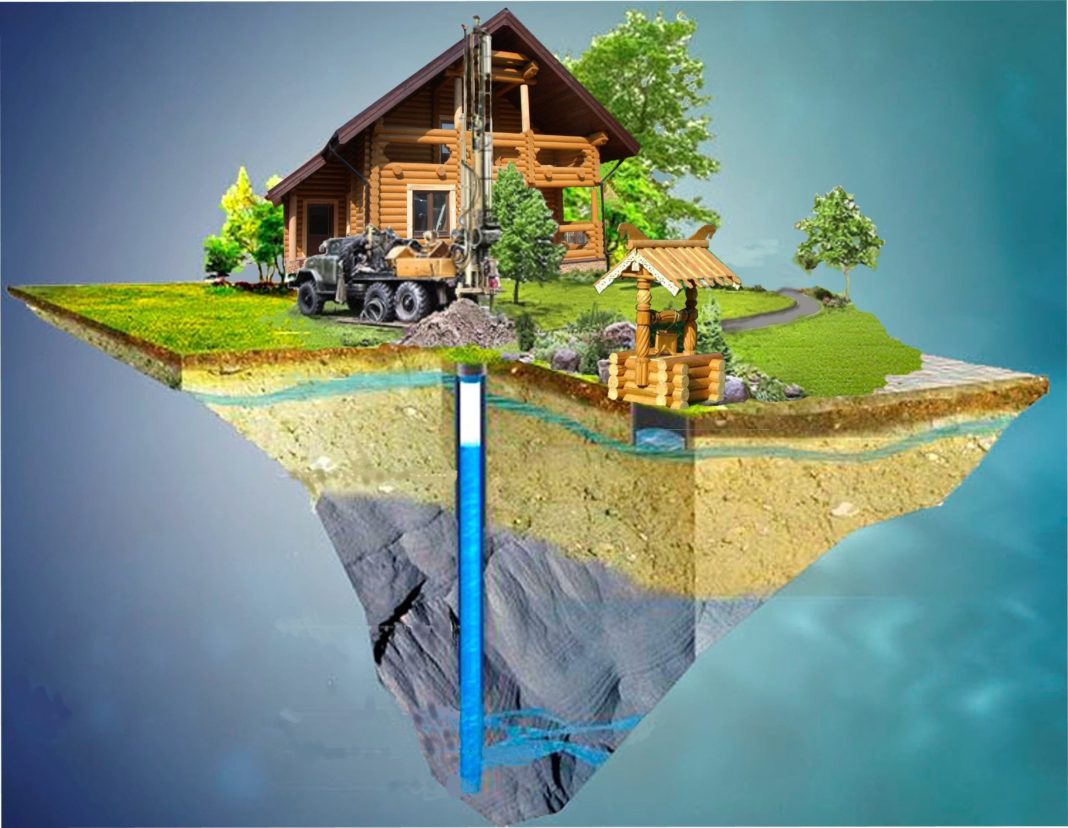
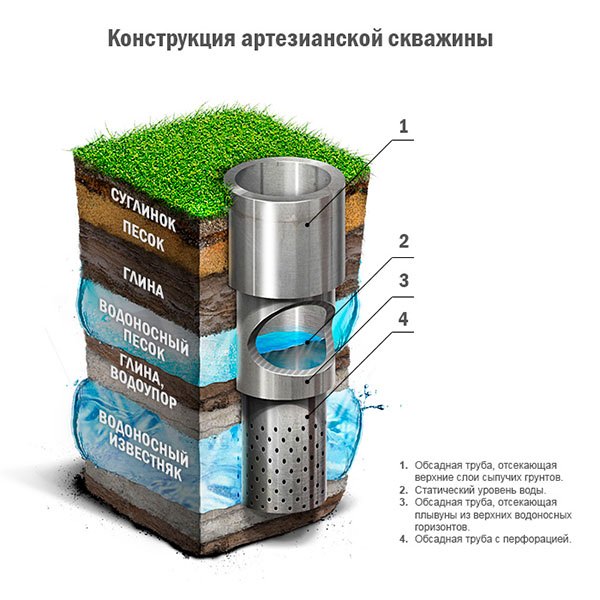
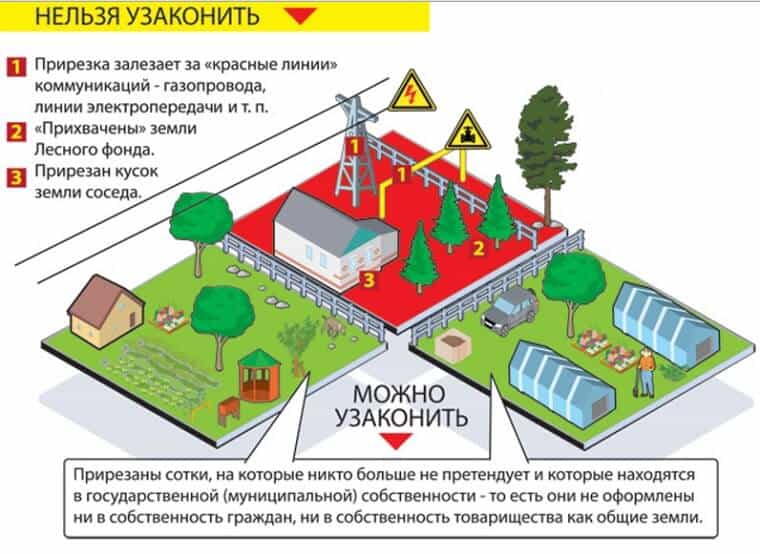
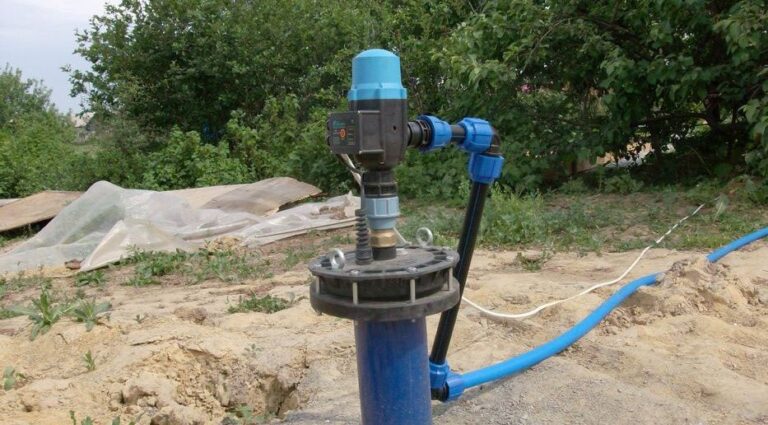
An artesian well has many advantages. regarding these water sources:
- It is possible to obtain high quality water;
- Not required or required, but in a minimal amount, preparation of equipment;
- The resource of the source is 70-100 years.
If such a well is drilled in a garden plot, it can provide itself with water intake for many years, however, when installing a dry well, geological survey may be required only in 50% of cases, which significantly saves the customer’s money, but the water itself will have to be cleaned regularly and it is undesirable to consume immediately after mining.



