
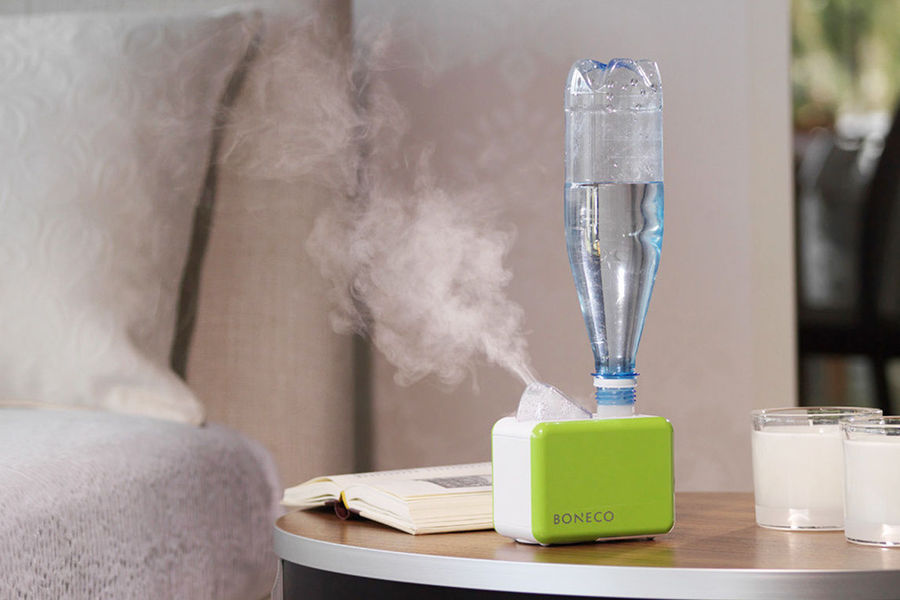
- Winter ways to moisturize
- Use of humidifiers
- Moisturizing Methods
- Air humidification through ventilation
- Moisturizing with water
- Indoor plants help
- Aquarium or waterfall in the apartment
- What is the danger of low humidity in the apartment
- Why is it necessary to humidify indoor air?
- How do you know if the air needs to be humidified?
- Master class: how to make a humidifier with your own hands at home
- Green plants in the fight against dryness
- What danger is fraught with dry air?
- How is the air dried?
- How is air humidity measured?
- Relative humidity according to GOST
- Effects of dry indoor air
- Why is it necessary to artificially humidify the air in the room
- Benefits of a humidifier
- Optimum operating conditions for the instrument
Winter ways to moisturize
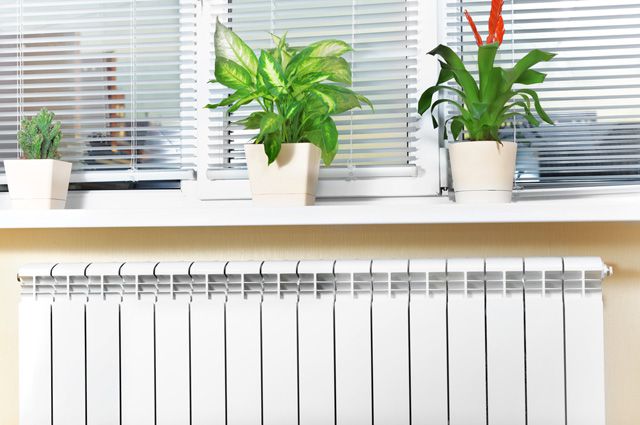
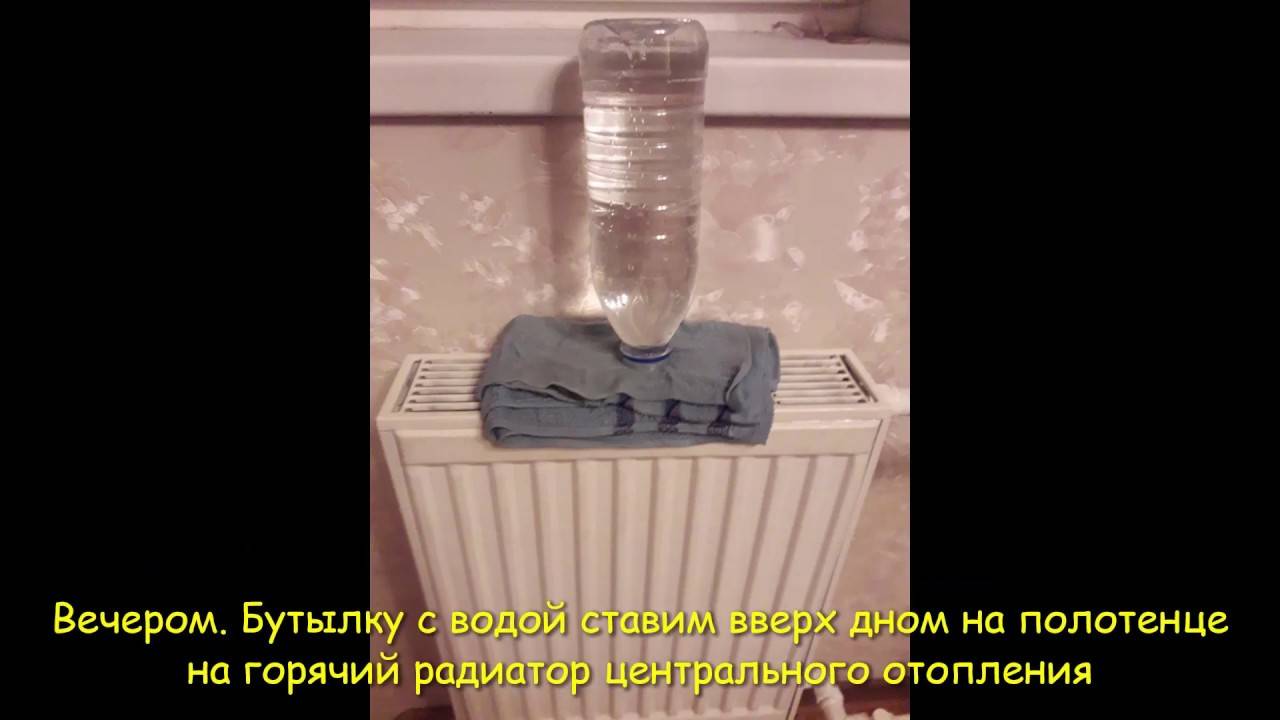
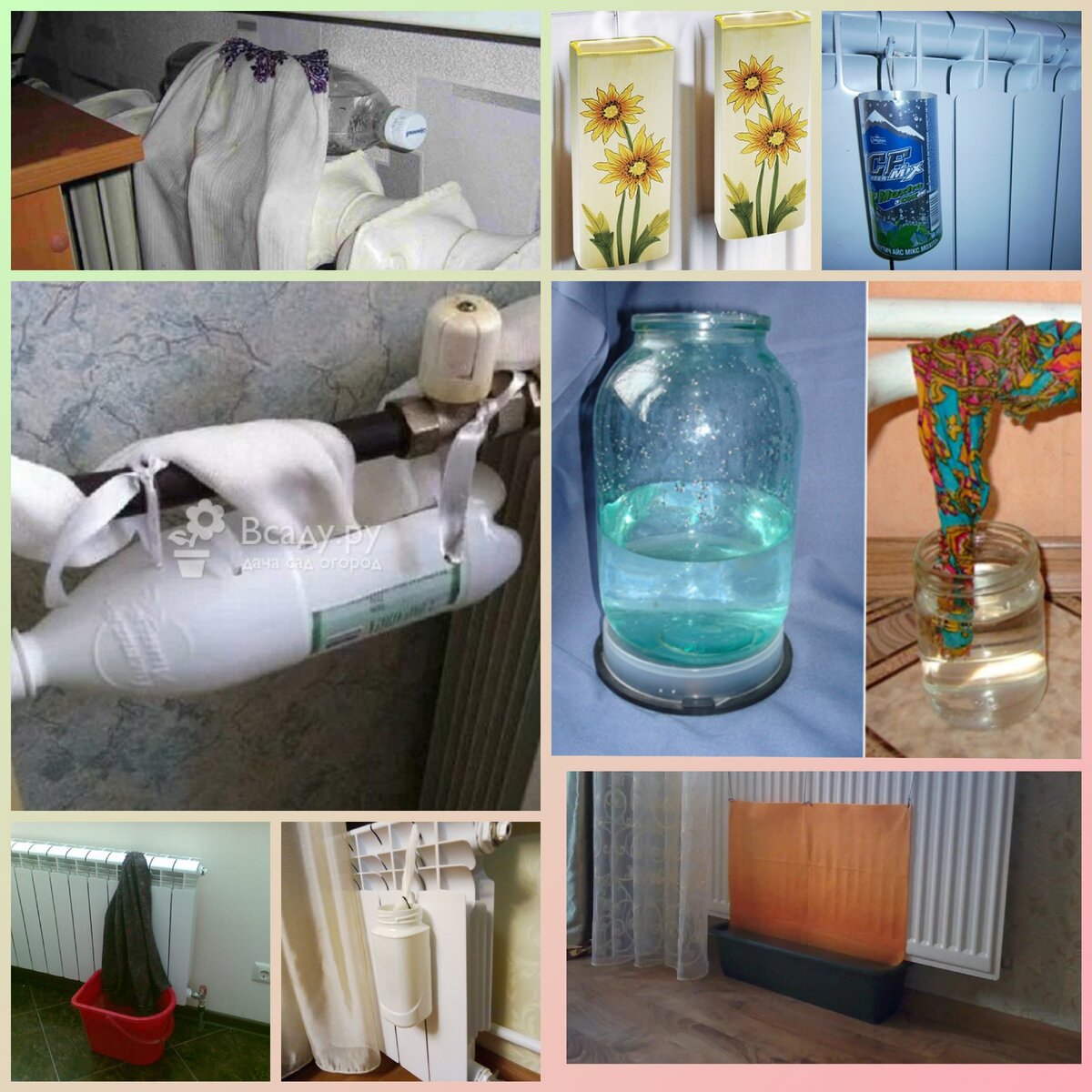
If there are heating radiators, you can solve the problem of dry air in the apartment in winter by covering the radiators with terry towels soaked in water. When heated, the moisture from the towels will mix with the air, saturating it with vapor. There is one drawback in this method - towels will often have to be wetted as they dry to achieve the required humidity. Many housewives solve the problem easier - they spray curtains and curtains with water from a spray bottle from time to time.Gradually evaporating under the influence of heat emanating from the battery, moisture enters the room.
Some craftsmen adapt the design of a plastic bottle. There are several options:
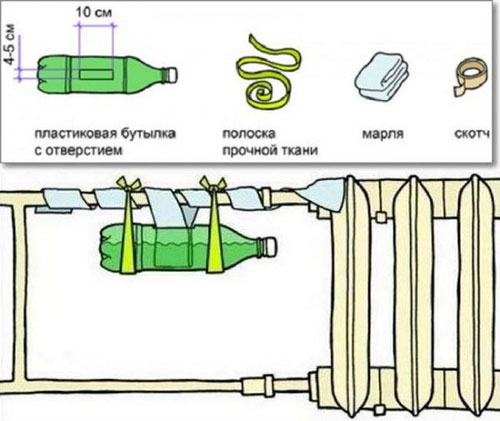
- A narrow strip is cut off from the side of the plastic bottle; the bottle is fixed with a strong thread at both ends in a horizontal position on the heating pipe and filled with water. As the warm air heats up, the water evaporates and saturates the air.
- The cap is unscrewed from the plastic bottle, a tourniquet from the bandage is passed into the container so that one end of the bandage reaches the bottom of the bottle, and the second is long enough so that it can be wrapped around the radiator pipe with several turns. The bottle is filled with water, suspended with a strong rope loop to the battery, the free end of the bandage is wrapped around the battery. The bandage wick will constantly "suck" the water out of the bottle, which will evaporate very quickly when heated.
In both cases, it will only be necessary to periodically add a new portion of water to the bottle.
As the simplest option, just put a container filled with water next to the radiator, but in this case the evaporation effect will be much lower.
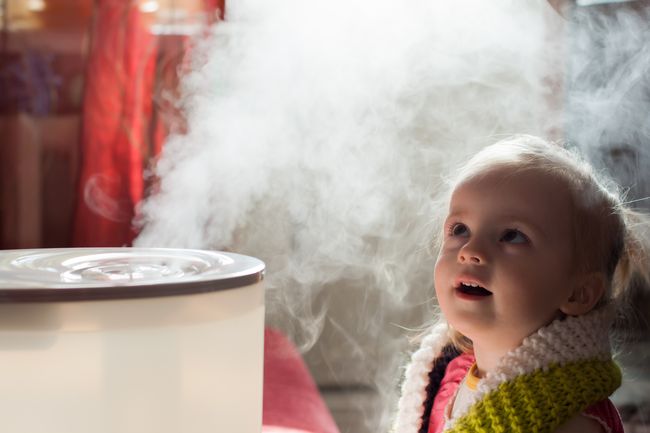
Use of humidifiers
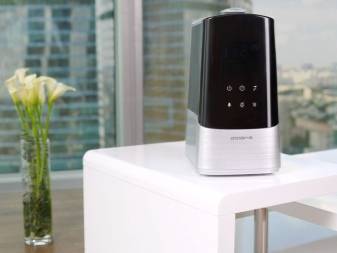
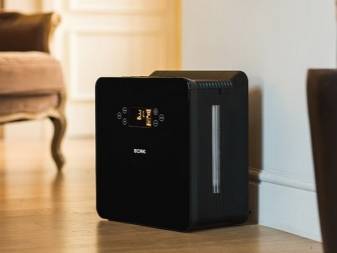
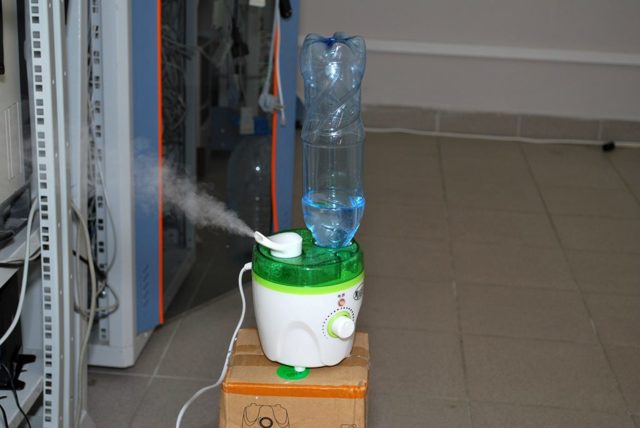
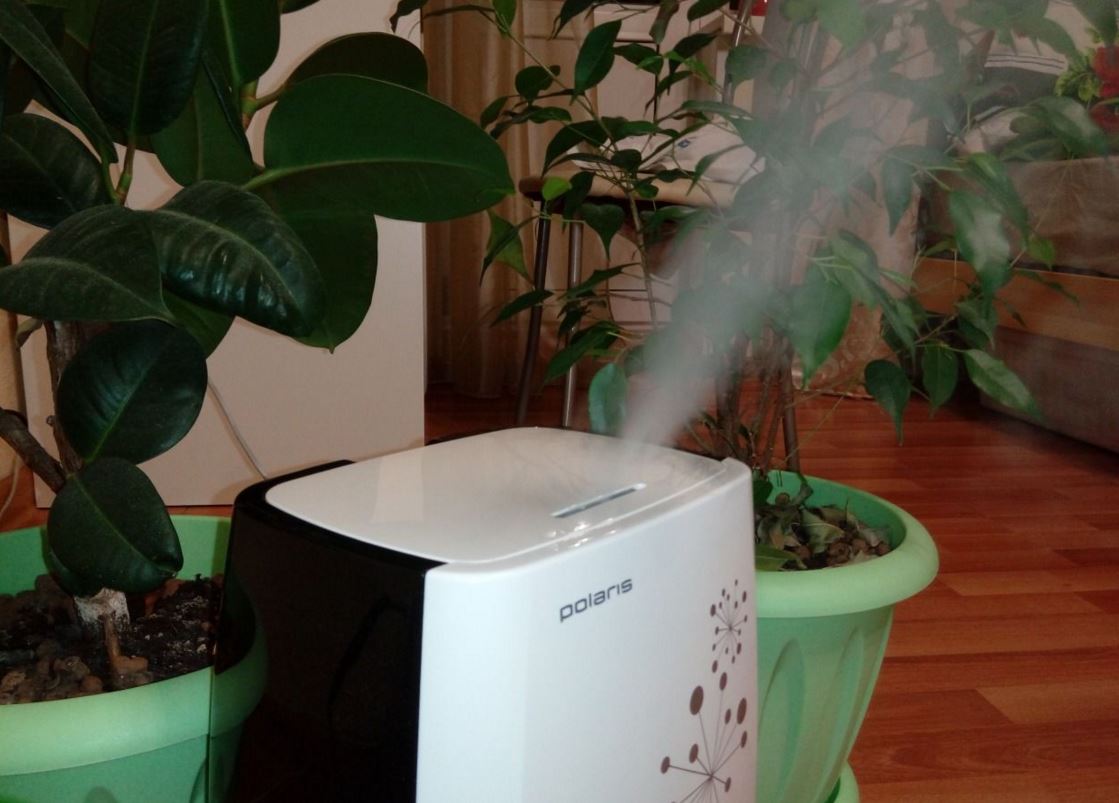
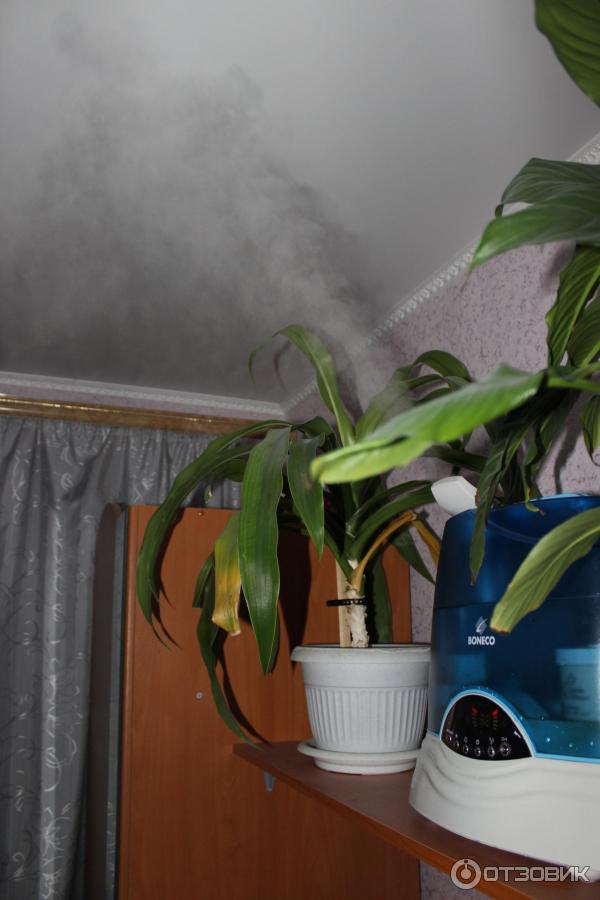
To maintain a comfortable environment in the house, you can use a household humidifier. Modern technologies significantly improve the quality of human life. Thanks to them, high-quality and functional equipment that can improve all spheres of people's life comes to the market. For example, a modern humidifier is indispensable both in the heat and in the cold period, spraying moisture vapor for air humidification. Another indisputable advantage is its compactness and small size, it takes up little space even in a small apartment with a shortage of free space. Simplicity and ease of use are also important advantages.
Of course, there are also disadvantages, namely:
- additional electricity consumption can hit the wallet of a low-income consumer;
- modern models of well-known brands last much longer, but their price is more expensive;
- the characteristic noise that accompanies the operation of the device causes discomfort.
Manufacturers offer many models. It can be simply humidifiers, climatic complexes and humidifiers-purifiers or so-called air washers. They are steam, ultrasonic and traditional. The most in demand among consumers are the easiest to use and economical ultrasonic humidifiers or "fog generators". The main advantages are fast fogging, noiselessness, no droplet loss, reduce the temperature of the atmosphere by 5 degrees, simple water treatment, automatically maintain humidity up to 95%.
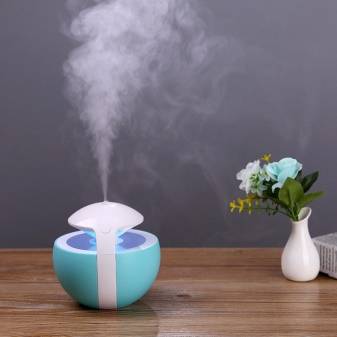
A number of criteria will help determine the choice of a suitable device. The main indicators are the humidification rate, the filtration system, the service area and the power level, and they are different for everyone.
First of all, you should pay attention to them. What else may be of interest to a potential consumer is the capacity of the water tank, the noise level and additional functionality.
It is no secret that for most buyers, the choice of products from a well-known manufacturer is essential.High-quality models of well-known brands, in addition to the main functions - moisturizing and cleaning, perform various other tasks. For example, they additionally aromatize and ionize the air, provide a quiet night mode of operation, are equipped with a display and convenient touch or remote control, connection to the water supply.
They determine the rate of air humidification. The cost of each device directly depends on its functionality. You can always find a suitable option in any price range. Consumers are satisfied with the price of budget options for most Polaris, Vitek and Ballu models. The cost of Bork models, which have several convenient operating modes, is much higher than budget models.
Moisturizing Methods
- Arranging water containers throughout the room is the easiest and most affordable method.
- Frequent ventilation of the room.
- Do not refuse to buy plants for your apartment, especially those that perfectly moisturize the air.
- Get an aquarium with fish or an interior waterfall.
- Wet cleaning.
- Using a water spray bottle.
Air humidification through ventilation
Ventilation is an excellent method of humidifying an apartment. But this is a great option for how to humidify the air in a room without a humidifier in winter. In summer, this approach will be completely ineffective, since the air outside the windows is dry in hot weather. But the winter air is filled with moisture, and it can easily get into the room thanks to the open windows.


You need to ventilate the apartment in winter often. Open windows at least three times a day for 15-20 minutes. In summer, windows can be left open all day.But keep in mind that when the air temperature is high outside, you will need to use other ways to increase the humidity in the room.
Moisturizing with water
The easiest and most effective method is to place water containers around the apartment.
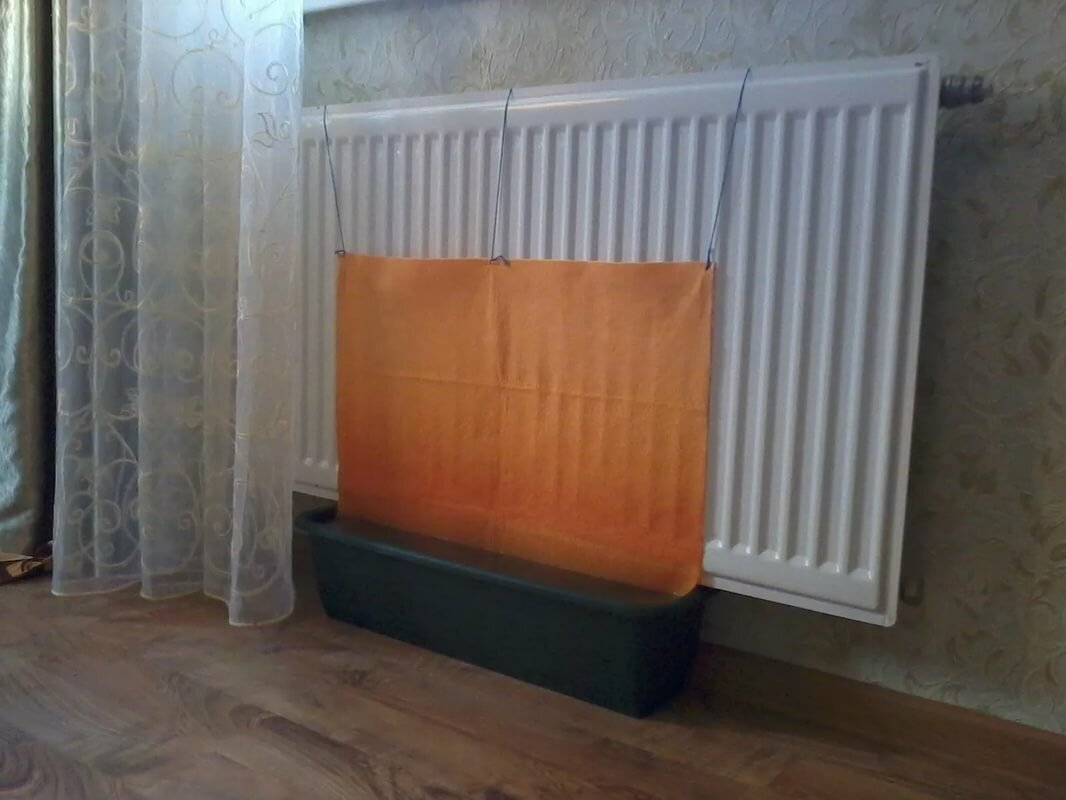
Instead of a container, you can use a wet towel or diapers that are hung on the battery. Due to heating, water evaporates and quickly enters the air. In this case, you need to monitor the condition of the towel and moisten it every time it dries to prolong the moisturizing effect.
If you don’t want to run to the tap every time, you can use the following advice: put a basin of water under a heat source, lower one end of the bandage into the water, and place the rest of the matter on the battery. On the basis of the bandage, the water will rise, and thanks to the heat from the battery, it will evaporate, increasing the humidity.
You may be advised to use a spray gun. Spray flowers, carpets, curtains on the windows and you will immediately feel that the air is filled with moisture.
Important! The method using water is simple and effective, but not hygienic. Over time, bacteria accumulate in the dishes and microorganisms multiply, so do not forget to rinse it as often as possible.
Indoor plants help
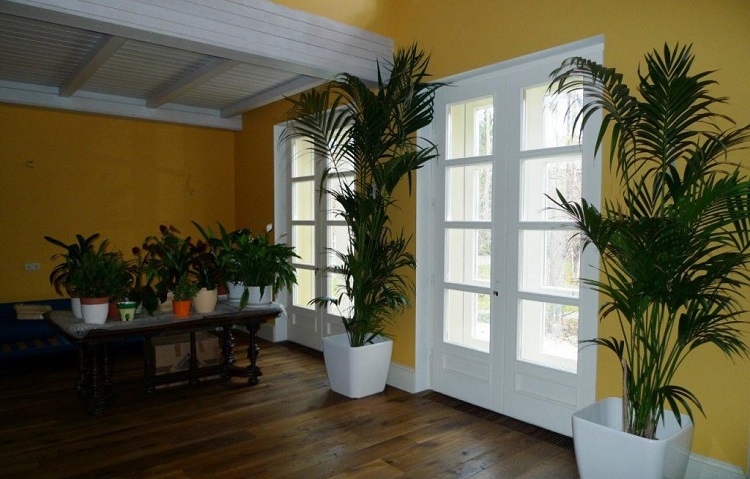
Humidification is provided by almost all indoor plants, since water enters the soil during irrigation, and then evaporates through the leaves.
For maximum effect, get cyperus, nephrolepsis, ficus, fatsia, hibiscus, dracaena or sparmannia at home. Cyperus perfectly moisturizes, it is able to release up to two liters of moisture per day. Nephrolepsis additionally ionizes the air.One or two pots of plants per small room will be enough to properly humidify the room.
Aquarium or waterfall in the apartment
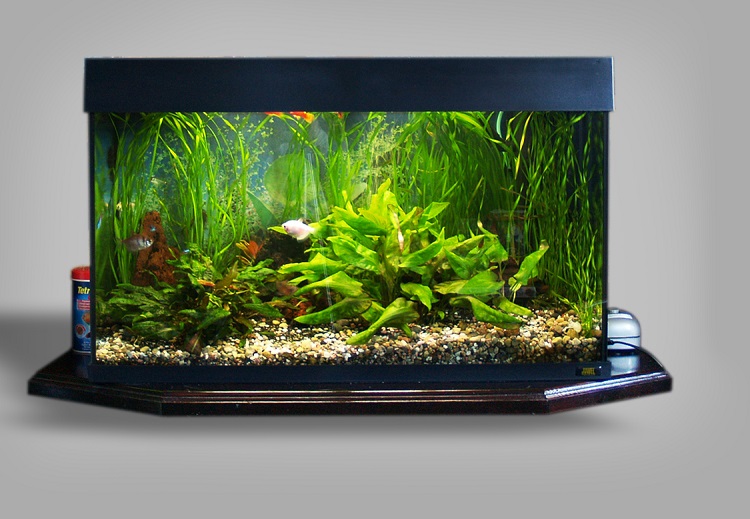
Installing an aquarium in an apartment is an option for natural humidification. In general, the use of an aquarium is a method that completely resembles the method of arranging water containers around the apartment. But in this case, we have not just randomly arranged basins, but an attractive decor. The larger the volume of the aquarium, the greater the effect of increasing humidity.
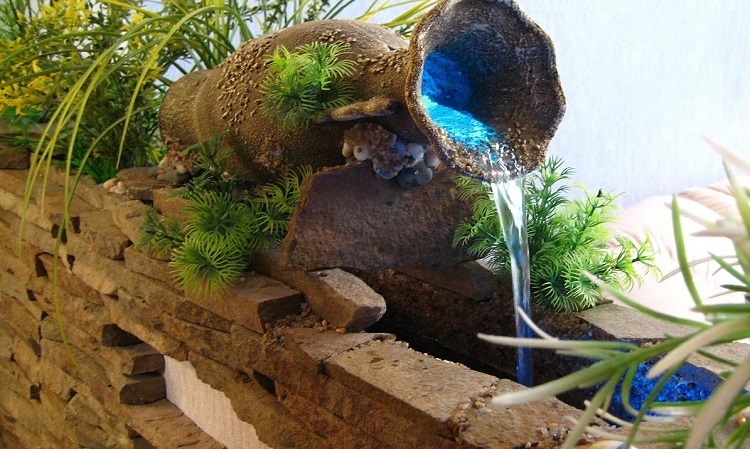
Small fountains look beautiful indoors, which will also help create an optimal microclimate. The principle of their operation is very simple - water circulates in a closed cycle. But at the same time, it gradually evaporates, so do not forget to add water to the fountain.
Important! Fountains and aquariums are a great way to humidify rooms, but don't forget that they need to be looked after.
What is the danger of low humidity in the apartment
Low air humidity negatively affects both the health of the people living in this apartment and the objects in it.
If you inhale dry air, the mucous membrane of the throat and nose dries up and does not retain bacteria and viruses. At the same time, in dry air, there is a high circulation of household dust (one of the most common allergens). Dust does not settle, but hangs in the air, and when inhaled, it settles in the lungs, which is the cause of a decrease in immunity and an increase in acute respiratory infections from September to May.




Children especially suffer from low humidity. There is drowsiness, distraction, fatigue. Low humidity negatively affects the condition of nails, skin, hair: nails and hair become more brittle, and the skin, especially on the hands, can become dry and even crack.

Indoor plants grow worse and even shed their leaves. For a comfortable state, they need a natural humidified atmosphere, therefore it is no coincidence that plants such as guzmania, clerodendrum, gloxinia must be sprayed with clean settled water at room temperature.
Furniture and floors begin to dry out, cracks may appear. Be aware that if your cabinets have broken doors, this is not necessarily a manufacturing defect, perhaps the furniture has simply dried out due to low humidity.
Remember that air humidity is optimal:
- For a person -40-70%
- For office equipment and telecommunications equipment -45-60%
- For plants in winter gardens, greenhouses and conservatories -55-75%
- For musical instruments and furniture -40-60%.
Why is it necessary to humidify indoor air?

In winter, air dryness rises by 20%, which is not the best way for human health. Moreover, children and the elderly suffer the most.
Lack of adequate moisture leads to numerous problems.
- Diseases of the respiratory system. The bronchi cannot clear themselves, so a protective mechanism is activated and a hysterical dry cough appears.
- The mucous membranes of the nose, throat and lungs dry up, the secretion of protective mucus begins, which is an excellent breeding ground for pathogens. A runny nose, all kinds of sinusitis and sinusitis can begin almost from scratch.
- The skin loses its elasticity and ages quickly.
- Hair becomes dull and brittle, now you can only dream of a natural shine.
- There are frequent cases of allergic reactions. In excessively dry rooms, more dust, dust mites and parasites appear.
- Immunity decreases and colds increase, microbes and viruses penetrate the human body more easily.
- The eyes do not have time to be moistened by blinking, they become inflamed, hurt and quickly get tired. In people wearing lenses, with insufficient moisture, the effect of a “dry eye” occurs, and the person feels pain in the eyes.
In addition to health problems, excessive dryness of the air leads to irretrievably lost things. Wooden surfaces crack and deform, which means that parquet or furniture is in danger. Books dry out, paper becomes brittle and brittle.
Musical instruments generally require increased attention to themselves, cracks in wooden parts distort the sound, and deformation leads to complete disrepair. It is recommended to place containers of water in the piano all year round to ensure humidity. But it’s difficult to put a jar of evaporating liquid into a guitar and a violin, which means that something needs to be done, and urgently and immediately.
Lack of moisture provokes the accumulation of static electricity. Have you ever had a seemingly harmless object suddenly beating with current? That's right, it's all because of the dryness.
How do you know if the air needs to be humidified?
The first signs that air humidification is needed in the house can be called such signs that adversely affect people:
- causeless headaches;
- sleep disorders;
- lethargy;
- fast fatiguability;
- dry hands and lips;
- sore throat and burning in the nasal cavity;
- irritation and dry eyes in contact lens wearers;
- yellowing and drying of indoor plants.
In addition to the harmful effects of dry air, an insufficient level of humidity also negatively affects the condition of natural wood furniture - it cracks and cracks.
How to check the humidity in the house, what humidity should be in the apartment and how much is this value as a percentage?
The norm of humidity for residential premises is a level of 40-60%, at which favorable conditions are created both for a person and for the operation of household appliances. If the humidity norm is not observed, then the usual comfort and coziness of the home is lost, and health problems may arise.
To determine the level of humidity in the room can be a few simple methods.
The most reliable way is to use a hygrometer - a device that determines both temperature and humidity levels.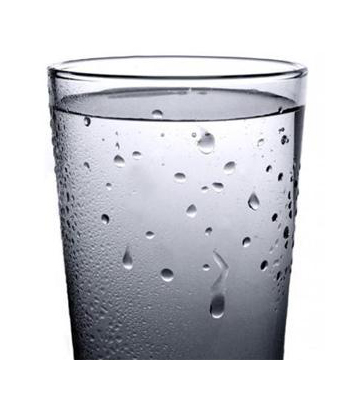
But the simplest method by which you can measure the humidity in the house is as follows. Water is poured into a glass and placed in the refrigerator to cool. After the water has completely cooled down, the glass is placed in the room as far as possible from the heating appliances. If the walls of a misted glass dry in less than 5 minutes, then the air at home is clearly dry.
Master class: how to make a humidifier with your own hands at home
If you have dry air in your house or apartment, the helpful tips below will tell you what to do. Here will be presented 3 design options that will serve as a factory air humidifier.


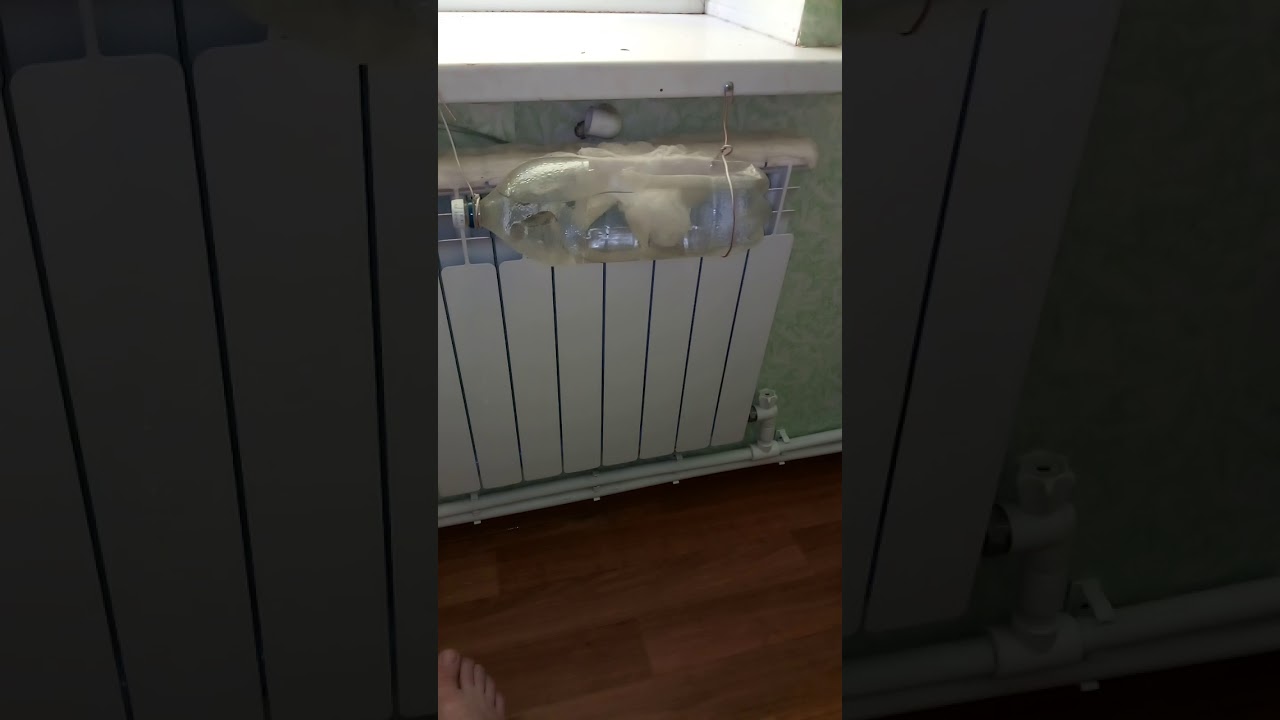
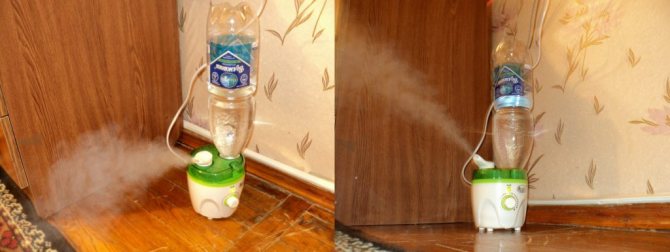


- Take a plastic bottle with a volume of 1.5, 2 or 3 liters. On the side, you need to cut a gap up to 20 centimeters in length and up to 10 centimeters in width.Along the edges of the slot, it is necessary to make holes for the cord, with which the bottle will be attached to the pipe coming from the battery. Now you need to take a piece of dense fabric 1 meter long and 10 centimeters wide. Place the middle of this strip inside the bottle, and wrap the edges around the pipe. That's it, fill the container with water and enjoy the moisturizing process.
- This method is suitable for lazy or those who do not have time to craft anything. It's simple, take an ordinary room fan, put it in the corner of the room and turn it on. In front of him, organize a stand on which you can hang a wet rag. The question of how to humidify the air in rooms without humidifiers has been resolved. Just make sure that the rag is constantly damp and the fan is turned on at minimum speed.
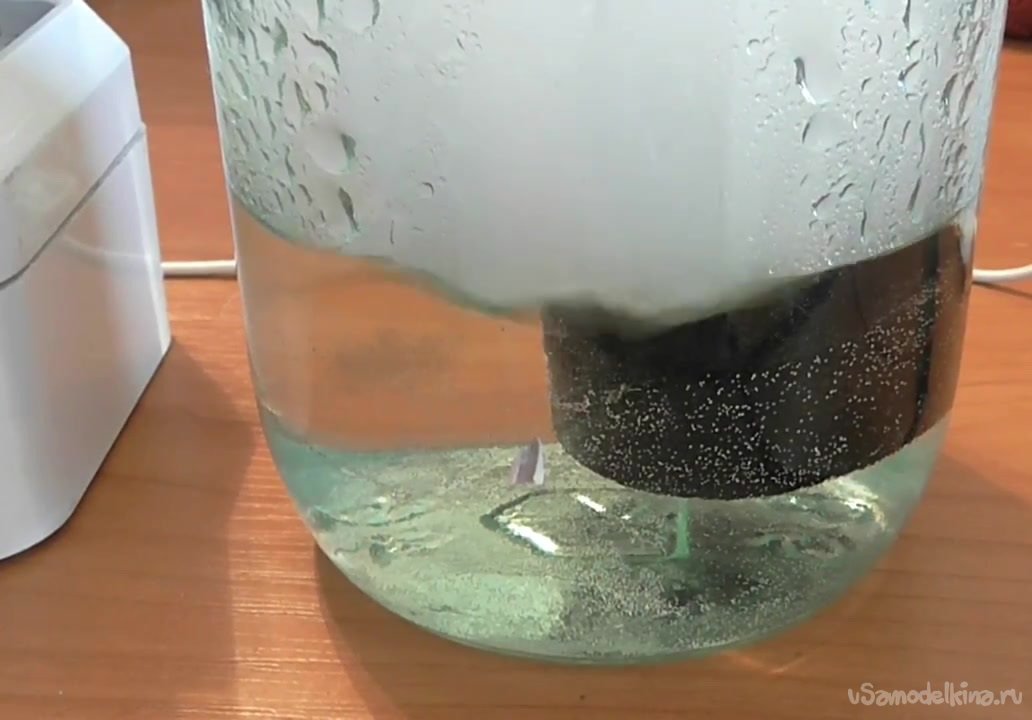
- The more complicated method consists in manipulations that require the appropriate skill from the assembler. You need a large bottle of 10 liters, a computer cooler and scotch tape. Cut off the neck of the bottle so that the cooler fits snugly into the hole, secure it with tape. Connect the fan to the network through a 12 V power supply and the humidifier is ready.
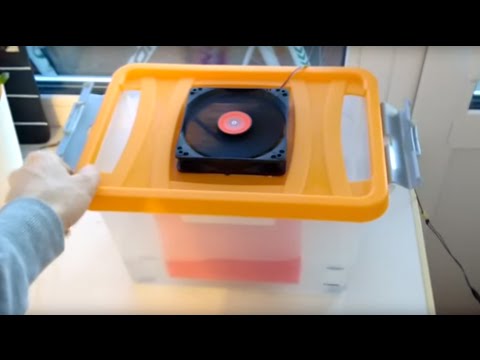 Watch this video on YouTube
Green plants in the fight against dryness
Plants actively absorb carbon dioxide, which in itself is beneficial for humans, and also saturate oxygen with moisture. In parallel, the air is ionized, it is purified from small particles of dust and bacteria. There are certain plants that are most effective in combating dryness and oxygen deficiency.
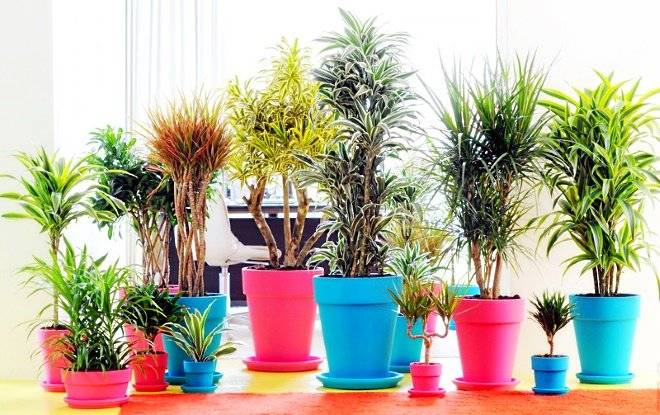
Optimum air humidity is achieved by:
- orchids;
- fern;
- phytonia;
- hypoesthesia.
The plants listed above require regular and thorough watering, especially in winter.There are also alternative options:
- hibiscus;
- indoor linden;
- home fern;
- ficus.

No matter what “greenery settles” in your house, soon you will be pleasantly surprised and happy with such a neighborhood.
What danger is fraught with dry air?
In winter, the level of dryness of the air in residential premises increases. The reason for this is the intensive heating by heaters that burn oxygen. The consequences of dry air affect human health, and the number of diseases associated with this phenomenon is quite large.
Table of possible complications
| Affected organ | Disease | Characteristics of the disease |
| Dehydration of body cells | Reduced immunity Hypoxia | Headache, weakness, hypersensitivity to stimuli, fatigue, sleep disturbance |
| Damage to protective mucosal cells | Allergy Viral diseases | Allergic reaction to dust particles, flu, colds, SARS, sinusitis |
| Narrowing of the bronchial channels | Bronchitis Bronchial asthma Lung tissue diseases | Shortness of breath, palpitations, increased blood pressure, nausea |
| Mucosal irritation | Conjunctivitis | Decreased vision, tearing, redness of the eyeballs, puffiness of the eyes |
| Blockage of the skin glands | Seborrhea Dermatitis Eczema | Severe itching, peeling, keratinization of the skin, redness in the form of spots, dandruff, |
Now you know that the question "Do I need a humidifier in the apartment?" There is only one answer - yes!
How is the air dried?
Air itself is a natural mixture of gases, of which the main ones are nitrogen and oxygen. The percentage of water in the air depends on the ambient temperature, the higher it is, the more humid the air.But these indicators correspond to reality only in natural conditions, and indoors, everything happens a little differently.
Under the influence of heating elements, the natural structure of the air is disturbed, since the oxygen it contains is sensitive to high temperatures, which simply burn it. As a result, only nitrogen, carbon dioxide, hydrogen and other impurities are left that are not able to nourish the human body. Since all cells are fed with oxygen, in order to carry out metabolism, which ensures the vital activity of all organs, such a composition of indoor air is unacceptable and entails the consequences of dry air in apartments.
How is air humidity measured?
The three most effective methods are described here. air humidity measurement, each of which is unique in its own way:
- A hygrometer is the easiest way to measure humidity. A special device that automatically measures the oxygen content in the air. In household appliances, there are digital and analog models that are equipped with additional gadgets such as a clock, a thermometer, an atmospheric pressure sensor, and so on. Experts in this field are advised to purchase digital devices from well-known companies, otherwise the error in indicators can reach five percent.
- Cold glass method. You will need a glass of clear glass, which must be filled with cold water and placed in the refrigerator for 2 hours. Then you need to put this container in the room where you want to measure the humidity.After waiting 20 minutes, look at the outer walls of the glass, if the surface is completely dry, then the air is too dry in the room, and if there is a puddle on the glass and a puddle has accumulated around the glass, then the air is too humid. The optimal indicator of moderate humidity is fixed drops on the glass surface.
- This option is to use a conventional mercury thermometer. It is necessary to measure the temperature in the room, away from the heating devices, after which, wrapping the head of the thermometer with wet cotton wool, measure again. Having two results, you need to compare them with the numbers given in the table below.
Of course, the last two methods will not give accurate results, but you can easily find out in which direction to move.
Relative humidity according to GOST
Microclimate parameters in living rooms are specified in GOST 30494-2011. They are classified into optimal and admissible.





The microclimate is called optimal, in which the human body is able to maintain a normal thermal state without undue stress on the mechanisms of thermoregulation. With an optimal microclimate, about 80% of the people in the room feel comfortable. But the rest of the 20% will be uncomfortable.
With acceptable microclimate parameters, the mechanisms of thermoregulation of the body are strained, because of which a person’s well-being worsens, he feels discomfort, but without harm to health.
Let us clarify that these standards have been developed for builders and organizations servicing residential buildings (ZHEKs, HOAs, etc.). Therefore, the parameters of the microclimate are indicated in relation to the cold and warm periods of the year.That is, builders must build such houses that they keep heat and humidity at an acceptable level, and service organizations provide sufficient heat supply in winter.
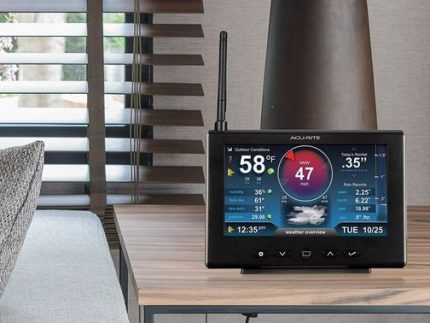
A hygrometer is enough to obtain data on the level of humidity, but all microclimate parameters are important for health, a home weather station will help to control them
But for the human body, interrelated indicators of temperature and relative humidity of the air are important, regardless of the time of year. What they should be is shown in the table.
| Optimum air temperature | Optimal relative humidity | Maximum Permissible Relative Humidity |
| 20-22 °С | 45-30% | no more than 60% |
| 22-25 °С | 60-30% | no more than 65% |
As you can see, the range of parameters is very wide and when the temperature rises by only 2-3 ° C, the upper limit of the optimal humidity immediately “jumps” up. It is clear that, despite the standards, an increase or decrease in humidity by 1.5-2 times at a constant temperature will affect well-being.
Already when approaching the lower limit of the norm, the air is perceived by many as too dry. If for a long period the temperature is -20 °C or lower outside, then the relative humidity in the apartments drops below the limit level and can reach 5-7%.
Effects of dry indoor air
The human body is quite sensitive to the temperature and humidity conditions in the room.
Therefore, it is important to maintain an optimal microclimate in the apartment.
What can dry air lead to?
Respiratory problems: dry cough, drowsiness, distracted attention, increased fatigue.
Functional disorders of the cardiovascular system.
Deterioration of the skin condition: rashes, irritation.
Weakening of hair: their fragility increases and healthy color disappears.
Development or exacerbation of allergic reactions.
Reduced immunity, low resistance of the body to colds.
Depletion of the mucous membrane of the eyes
Dry air is especially dangerous for newborn babies and children of preschool and primary school age.
What factors can "dry" the air in the room:
High temperature of heat carriers supplied to the heating system. Especially relevant in combination with moderate temperatures outside
Therefore, special attention should be paid to moisturizers during the period of warming.
The frequency of airing the room.
The frequency of wet cleaning in the apartment.
The number of appliances turned on (computers, TVs, microwave ovens, washing machines and other household appliances).
The issue of low humidity parameters is especially acute in winter. This problem is typical for apartments and houses with a centralized heating system. The use of heating devices leads to a decrease in the amount of negative oxygen ions, which determines the acute problem of low air humidity. Without a humidifier in winter, it is imperative to take a number of measures to saturate the air with moisture, since its dryness will bring significant harm to health.


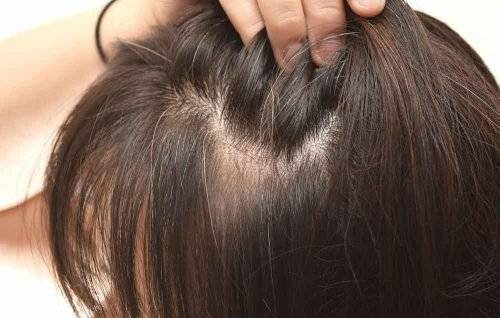
Dry, thin and weakened hair - a consequence of a lack of moisture in the air
Why is it necessary to artificially humidify the air in the room
Air is an important element of human life. Since the air content in the human body is quite high, its loss leads to weakness, drowsiness, and a decrease in immunity.Drinking the right amount of liquid is not for everyone. Therefore, nature made sure that we could extract part of the water from the air.
To eliminate all these consequences, it is enough to acquire a very functional device.
Benefits of a humidifier

Everyone knows firsthand about the benefits of this device. He is capable of:
- Normalizes the general condition of the body.
- It has a positive effect on indoor plants.
- Removes excess dust particles.
- Facilitate breathing.
- Regulation of heat exchange processes.
- Reduce the risk of developing allergic reactions and diseases.
- Provide healing and rejuvenation of the skin.
- Prevent dehydration.
Optimum operating conditions for the instrument
The first start-up of the device should be carried out when it reaches room temperature. Application is permissible in rooms with a temperature of 5 to 30 degrees Celsius with a relative humidity level of not more than 80 percent.
It is placed on horizontal surfaces in such a way that it can be easily reached. You can increase the efficiency of evaporation by placing it near heat sources (batteries, radiators, etc.).



